Duquesne University
Duquesne Scholarship Collection
Electronic Theses and DissertationsFall 1-1-2015
The Impact of Structured Prebriefing on Nursing
Students' Competency Performance, Clinical
Judgment and Experience in Simulation
Karin Page-Cutrara
Follow this and additional works at:https://dsc.duq.edu/etd
This Worldwide Access is brought to you for free and open access by Duquesne Scholarship Collection. It has been accepted for inclusion in Electronic Theses and Dissertations by an authorized administrator of Duquesne Scholarship Collection. For more information, please contact
Recommended Citation
Page-Cutrara, K. (2015). The Impact of Structured Prebriefing on Nursing Students' Competency Performance, Clinical Judgment and Experience in Simulation (Doctoral dissertation, Duquesne University). Retrieved fromhttps://dsc.duq.edu/etd/83
THE IMPACT OF STRUCTURED PREBRIEFING ON NURSING STUDENTS’ COMPETENCY PERFORMANCE, CLINICAL JUDGMENT AND EXPERIENCE IN
SIMULATION
A Dissertation
Submitted to School of Nursing
Duquesne University
In partial fulfillment of the requirements for the degree of Doctor of Philosophy
By
Karin Page-Cutrara
Copyright by Karin Page-Cutrara
iii
THE IMPACT OF STRUCTURED PREBRIEFING ON NURSING STUDENTS’ COMPETENCY PERFORMANCE, CLINICAL JUDGMENT AND EXPERIENCE IN
SIMULATION By Karin Page-Cutrara Approved September 18, 2015 ___________________________________ Melanie T. Turk, PhD, RN
Associate Professor, School of Nursing Duquesne University, Pittsburgh, PA (Committee Chair)
________________________________ Lynn Simko PhD, RN, CCRN
Clinical Associate Professor, School of Nursing
Duquesne University, Pittsburgh, PA (Internal Committee Member)
___________________________________ Kristina Thomas Dreifuerst, PhD, RN, CNE, ANEF
Assistant Professor, School of Nursing Indiana University, Indianapolis, IN (External Committee Member)
___________________________________ Mary Ellen Glasgow, PhD, RN, FAAN Dean, School of Nursing
Duquesne University, Pittsburgh PA
________________________________ Rick Zoucha, PhD, PMHCNA-BC, CTN-A, FAAN
Chair, Advanced Role and PhD Programs Duquesne University, Pittsburgh PA
iv ABSTRACT
THE IMPACT OF STRUCTURED PREBRIEFING ON NURSING STUDENTS’ COMPETENCY PERFORMANCE, CLINICAL JUDGMENT AND EXPERIENCE IN
SIMULATION
By
Karin Page-Cutrara December 2015
Dissertation supervised by Dr. Melanie Turk, PhD, RN
AIM To examine the intervention of structured prebriefing, for its effect on students’ simulation performance and their prebriefing experience. Prebriefing is the introductory phase of the
simulation process.
BACKGROUND Despite its inclusion in the simulation process, little research is available on prebriefing. Reflection theory and concept mapping informed a model-based structured prebriefing activity for preparing students for meaningful learning in simulation.
METHOD A group-randomized, experimental study of 76 baccalaureate nursing students compared competency performance, clinical judgment, and the perception of the prebriefing experience of those receiving structured prebriefing, to those receiving traditional prebriefing activities. The relationship between simulation performance and students’ self-rated prebriefing experience was also examined.
v
RESULTS A statistically significant difference was demonstrated between groups for
competency performance (p < .001), clinical judgment (p < .001) and prebriefing experience (p < .001). No relationship was found between perception of prebriefing experience and students’ simulation performance.
CONCLUSION Structured prebriefing may impact nursing student competency performance, clinical judgment and perceptions of prebriefing, and meaningful simulation learning.
Key Words: Prebriefing, Simulation, Nursing Education, Clinical Judgment, Simulation Experience
vi
DEDICATION
I dedicate this work to my wonderful family, who were unfailingly supportive of my ‘personal goal’ of a doctoral degree, and who so strongly support my love for nursing education. My husband, Charles, was always incredibly encouraging during my pursuit of this educational goal, and is so proud of this accomplishment of mine. My sons, Alex and Greg, accepted the reality of their mother sitting at the computer for the last four years with exceptional patience and understanding.
My parents are my biggest cheerleaders, and for that I am thankful. Their support of my work and professional life has been constant, and my father’s doctoral degree was an inspiration for pursuing my own. My sisters and extended family were also encouraging as I completed my studies, and I am grateful for their support then, and now.
vii
ACKNOWLEDGEMENTS
I have to acknowledge a number of significant people who helped shape my doctoral experience. As scholars, educators, nurses, and learners, they have each offered guidance and inspiration and were instrumental in the completion of my work.
First, I must recognize the members of my dissertation committee. Dr. Melanie Turk provided such exceptional guidance through the maze of the simulation research process that I never felt lost. Thank you, Melanie, for your cheerfulness, thoughtful critiques of my work and smooth stewardship of my committee. Dr. Lynn Simko acted as a mentor to me since I was admitted to the doctoral program at Duquesne University School of Nursing. Thank you, Lynn, for your consistent support and encouragement. Dr. Kristina Thomas Dreifuerst, from Indiana University, after gamely responding to that first email message out of nowhere, offered such insight into current simulation research and relevant feedback that I always felt grounded. Thank you, Kris, for your mentorship and energy.
Secondly, I would like to thank the Duquesne University School of Nursing for their support over the last four years. As a student, I have learned from every nursing faculty member I encountered. As a developing researcher, their perspectives have been invaluable to me. As a nurse educator myself, I have appreciated their expertise in teaching. As a co-learner in PhD Cohort 18 (otherwise known as the Gr8Journey), I felt a connection with kindred spirits and amazing nurses – and still do.
Lastly, I am grateful to York University in Toronto, Canada and to the Faculty of Health for funding this study. I am thankful for York University School of Nursing’s support of
viii
which provided me with incentive to keep exploring. Most particularly, I am glad for nursing students’ enthusiasm for innovative learning strategies, and for always wanting to know more.
How to tell students what to look for without telling them what to see is the dilemma of teaching. – Lascelles Abercrombie
ix
Table of Contents
ABSTRACT ... iv
DEDICATION ... vi
ACKNOWLEDGEMENTS ... vii
Manuscript Option #2 Part I: Proposal Specific Aims ... 1
Background and Significance ... 3
Theoretical Foundations ... 4
Concepts for Investigation ... 10
Prebriefing. ... 10
Competency performance. ... 13
Clinical judgment. ... 14
Concept mapping in structured prebriefing. ... 15
Guided reflection in structured prebriefing. ... 18
Preliminary Study: Pilot Testing of a Prebriefing Instrument ... 20
Pilot Study Design ... 21
Sample and recruitment of subjects. ... 21
Instrument. ... 21
Collection of data and method of data analysis. ... 23
x
Research Methodology ... 26
Setting... 26
Population and Sample ... 27
Participant Recruitment and Group-Randomization Procedures ... 29
Prebriefing Experience as Study Variable ... 31
Traditional prebriefing. ... 32
Structured prebriefing. ... 32
Instruments ... 35
Creighton Competency Evaluation Instrument. ... 35
Prebriefing Experience Scale ... 37
Procedures for Data Collection ... 38
Plans for Data Analysis ... 40
Preliminary data analysis. ... 41
Research question 1. ... 43 Research question 2. ... 44 Research question 3. ... 45 Research question 4. ... 45 Research question 5. ... 48 Study limitations. ... 48
xi
Manuscript Option #2 Part II: Expanded Manuscript
Abstract ... 53
Purpose of Study ... 54
Background and Significance ... 56
Theoretical Foundations ... 56
Literature Review and Concepts for Investigation ... 57
Prebriefing ... 59
Concept mapping in structured prebriefing ... 60
Guided reflection in structured prebriefing ... 60
Competency performance ... 61
Clinical judgment. ... 63
Method ... 64
Design... 64
Setting, Population and Sample ... 64
Setting ... 64
Population ... 65
Determination of sample size. ... 65
Instruments ... 66
Creighton Competency Evaluation Instrument. ... 66
xii
Research Process ... 70
Data Analyses to Address Research Questions ... 74
Preliminary analyses ... 74
Analyses to determine normality of groups. ... 74
Analyses to determine bivariate normality ... 76
Analyses to determine homogeneity of groups ... 77
Results ... 79
Preliminary Results ... 79
Descriptive Results ... 80
Sample description based on experimental group ... 80
Summary of descriptive data for instruments ... 81
Research Question 1: Competency Performance ... 84
Research Question 2: Clinical Judgment ... 85
Research Question 3: Perceptions of Prebriefing Experience ... 87
Research Question 4: Competency Performance and Perceived Prebriefing Experience ... 88
Research Question 5: Clinical Judgment and Perceived Prebriefing Experience ... 89
Additional Narrative Data ... 90
Discussion ... 92
Competency Performance ... 93
xiii
Perceived Prebriefing Experience ... 95
The Relationship of Competency Performance and Clinical Judgment to Prebriefing Experience ... 97
Implications for Nursing Education ... 97
Limitations ... 99
Recommendations for Further Research ... 100
Conclusion ... 102
References ... 103
Appendix A: Structured Prebriefing Worksheet ... 120
Appendix B: Prebriefing Experience Scale ... 122
Appendix C: Approved Informed Consent and Institutional Approval ... 124
Appendix D: Creighton Competency Evaluation Instrument (with permission) ... 130
Appendix E: Data Collection Process Diagram ... 131
Appendix F: Traditional Prebriefing Guidelines for Simulation Scenario ... 132
Appendix G: Structured Prebriefing Guidelines for Simulation Scenario ... 133
Appendix H: Simulation Scenario for Chest Pain Management of the Postoperative Patient ... 135
xiv List of Tables
Table 1: Reliability Scores for Prebriefing Experience Scale and Subscales ... 25
Table 2: A Priori Power Analysis for t-test using G*Power (Faul et al., 2009) ... 29
Table 3: Timeline for the Study from Proposal Defense through Dissemination of the Results .. 51
Table 4: Reliability Scores for Prebriefing Experience Scale and Subscales (M) ... 70
Table 5: Summary of Inferential Analyses for Addressing Research Questions ... 78
Table 6: Summary of Sample Means based on Term ... 80
Table 7: Descriptive Results by Group for CCEI and Subscales ... 82
Table 8: Descriptive Results by Group for PES and Subscales ... 83
Table 9: Spearman's Correlation for CCEI and PES/subscale Scores ... 89
1
Manuscript Option #2 Part I: Proposal
The Impact of Structured Prebriefing on Nursing Students’ Competency Performance, Clinical Judgment and Experience in Simulation
Specific Aims
Although simulation research has gained popularity in nursing education over the last decade (Johnson et al., 2012; Rhodes & Curran, 2005), it remains unclear if or how components of the simulation process are effective for nursing student learning (Benner, Sutphen, Leonard, & Day, 2010). The simulation process involves three components: the prebriefing or briefing phase, the simulated practice scenario, and the debriefing phase (Rhodes & Curran, 2005). While
student performance during the scenario and the debriefing phases have been widely studied and acknowledged for their significance in learning, prebriefing as a necessary component of
simulation has not been well documented for its role in nursing student learning (Page-Cutrara, 2014).
In simulation, traditional prebriefing activities assist learners by introducing scenario objectives, and typically include communication of the patient presentation, participant roles, tasks, time allotment, and an orientation to equipment and to the general environment (Meakim et al., 2013). Despite this functional and technical focus, prebriefing is said to establish the methodology for and culture of learning, and is crucial for directing and evaluating outcomes (Riley, 2008). Therefore, the degree of success in simulation as a learning tool may be influenced before the actual scenario and debriefing occur, through prebriefing. However, this has not been empirically tested.
Because of the potential prebriefing holds, an exploration of how learning could be supported during this phase may lead to further understanding of how well students learn through
2
simulation, and may facilitate the development of competent practice. The effects of structuring information and thought processes in the prebriefing phase are unexplored in the literature in this context. Therefore, a structured prebriefing intervention may be beneficial in forming essential cognitive skills and meaningful learning that develop clinical competence.
The proposed study will begin to establish a program of simulation research that may clarify the concept of prebriefing for its role in the simulation process in relation to competency development, reflection and learning. In addition, through knowledge gained from this research, nursing faculty will be able to provide simulation experiences that are more evidence-based. Future investigations may include the evaluation of prebriefing for its potential effects on overall learning outcomes that extend to caring in the practice environment. Improved methods for prebriefing of learners would be recognizable to other professions and users of simulation and may consequently support learning in other fields of health care.
Hence, the aims of this study are to describe the use of a structured simulation prebriefing phase for its effects on students’ competency performance and clinical judgment exhibited during simulation and their perceived prebriefing experiences. In this study, a structured prebriefing intervention will involve the use of a researcher-developed and facilitated concept mapping exercise (Appendix A). In this experimental group-randomized study, this single intervention will be employed in a simulation experience with undergraduate nursing students and compared to a similar group of students who will not be exposed to the intervention. The following research questions will be addressed:
1) Is there a difference in competency performance during a clinical simulation scenario between nursing students in a traditional baccalaureate program who participate in a
3
structured prebriefing intervention and those who participate in traditional prebriefing activities?
2) Is there a difference in clinical judgment during a clinical simulation scenario between nursing students in a traditional baccalaureate program who participate in a structured prebriefing intervention and those who participate in traditional prebriefing activities? 3) Do students receiving a structured prebriefing intervention perceive the prebriefing experience differently than students receiving traditional prebriefing?
4) What is the relationship between competency performance and the perceived prebriefing experience during a clinical simulation scenario for nursing students in a traditional baccalaureate program who participate in a structured prebriefing intervention and those who participate in traditional prebriefing activities?
5) What is the relationship between clinical judgment and the perceived prebriefing experience during a clinical simulation scenario for nursing students in a traditional baccalaureate program who participate in a structured prebriefing intervention and those who participate in traditional prebriefing activities?
Background and Significance
Literature that investigates the concepts of prebriefing, competency performance, clinical judgment, and student experiences in terms of concept mapping and guided reflection in
structured prebriefing, will be synthesized and evaluated. In order to situate these concepts within the context of the proposed study, support from theoretical frameworks related to constructivism and reflective practice will first be articulated.
4 Theoretical Foundations
Specific theoretical principles that support concept mapping (Novak & Gowin, 1984) and
reflection-before-action (Greenwood, 1993; van Manen, 1991) in the context of prior knowledge and learning, will inform the application of a structured prebriefing model, and the development of a concept mapping worksheet (Appendix A) that will be used as the intervention in the
proposed experimental study. These theoretical principles are formed by constructivism and reflection theory, and are frequently cited in the literature as foundational to nursing simulation activities (Burke & Mancuso, 2012; Conceição & Taylor, 2007; Dreifuerst, 2012; Jeffries, 2005; Rutherford-Hemming, 2012).
Constructivism as a learning theory is rooted in the premise that knowledge is actively constructed by the learner rather than passively conveyed through the environment, and is a belief that all knowledge is essentially a product of the learners’ cognitive acts (Irby, Brown, Lara-Alecio, & Jackson, 2013). Constructivism highlights that prior knowledge influences construction of new ideas, and that learning is active. In addition to being subject-centered, constructivism has also been rooted in the premise that all knowledge is socially constructed. Although critiqued as fragmented by these subject-centered versus social distinctions (Davis & Sumara, 2002), the broad scope of constructivism as a learning theory aligns with the multiple aspects of prebriefing activities, because both individual and group learning activities can occur.
Early perspectives on cognitivism, as a basis for constructing information based on perception, thought and memory, were conceptualized by Piaget (1969/2000) as a complex stimulus-response process whereby new information is acquired and filtered, and then incorporated or modified into new constructs, through assimilation and accommodation respectively. Vygotsky (2012) proposed that learning involved actively building new mental
5
structures; however, as a social constructivist, he emphasized social rather than developmental influences as important in mediating learning. He described a structure similar to scaffolding as a means to mediate the construction of new knowledge using expert modeling and social
interaction, and to assist the novice to complete and learn tasks they otherwise would not be able to do on their own, until expertise is developed. Although not originally theorized for use in the educational domain, constructivism had been clearly identified as relating to the work of educators (Irby et al., 2013). This is relevant to prebriefing activities, where nursing students may benefit from modeling of cognitive processes by experienced faculty and must apply prior and situational knowledge, perceive possibilities for action, and anticipate a plan for care (Page-Cutrara, 2015). These aspects will be incorporated into structured prebriefing activities in the proposed study.
Ausubel, Novak and Hanesian (1978) further described the learners’ conscientious choice to integrate with, and construct new knowledge from, prior knowledge as meaningful learning. Meaningful learning was also described by others (Novak & Gowin, 1984; Novak, 2002). Because meaningful learning occurs most easily when new concepts are subsumed under broader and more familiar ones, hierarchical and progressive structures that link concepts and ideas can be used to represent knowledge (Novak, 2002). Specifically during structured
prebriefing, meaningful learning may be facilitated through such structure, or mapping, and may emphasize to students the cognitive skills used by nurses.
Because prebriefing activities involve information and ways of thinking that must be incorporated into the subsequent simulation scenario and debriefing phases in a meaningful way in order for learning to occur, constructivism was determined to be an appropriate theoretical grounding for this study. As suggested by Dewey (1938/1997), constructivist theory has a central
6
tenet of reflective activity, which forms the second theoretical framework guiding this study of prebriefing. The activities supporting the beginnings of new knowledge construction during prebriefing, the first phase of simulation, necessarily involve processes related to anticipation and anticipatory reflection, which were processes described by Schön (1983).
Reflection as an activity originating from, and well documented in the psychology and education literature, has been accepted as an essential component associated with human
learning. For instance, Dewey, from his constructivist viewpoint, emphasized the pragmatic view that experience and action have a place in education (1938/1997). Reflective thought was defined by Dewey (2007) as the “active, persistent and careful consideration of any belief or supposed form of knowledge in the light of the grounds that support it, and the further conclusions to which it tends” (p.7). He noted a “double movement” (2007, p. 40) of induction and deduction in thinking and reflection, as in “to and from” (2007, p. 40) the meaning of a learning event.
Dewey’s five distinct steps of reflection involved the following: identifying a difficulty; defining and describing it; suggesting possibilities; reasoning through solutions; and observing and experimenting to determine a conclusion (2007). These align with how he subsequently described features of judgment: a controversy over opposite claims; a process of defining and describing the claims; and a decision closing the dispute that serves as a principle for deciding future cases (2007). During a structured prebriefing and the subsequent phases of simulation, these reflective steps may be undertaken, and so may be perceived and experienced by the learner, in the process of developing judgment skills.
From Dewey’s work, Schön (1987) developed reflection as a basis for building knowledge and skill as a practitioner, and described two aspects of reflection. The first,
7
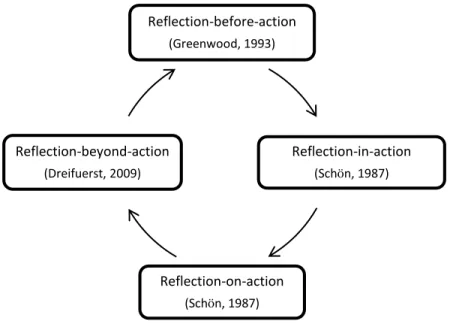
been described as “thinking on your feet”, “keeping your wits about you” and “learning by doing” (Schön, 1983, p. 54), perspectives that are usually associated with learning during a simulation scenario. Reflection-on-action, a second aspect of reflection described by Schön, may manifest itself through either thinking back on the action after an event is over, as in debriefing, or by stopping in the midst of the action itself to consider what has led to that point (Schön, 1987). Reflection-on-action does not happen in the moment, but can occur when routine or daily knowledge fails to produce an understanding of the situation. Dreifuerst (2009) further identified
reflection-beyond-action and associated reflection with post-simulation activities, extending reflection beyond simulation experiences to nursing practice. This cycle of reflection as applied to simulation does not specifically include prebriefing activities, which may occur after nursing practice and before simulation, and may be influenced by reflection on both what has been learned and what may be anticipated in the scenario.
To address this gap, Greenwood’s (1993) review of the reflective practice works of Argyris and Schön may be considered. In her review, Greenwood posited that problem identification first must depend on the practitioner’s “ability to make sense of the situation” (1993, p. 1185), which aligns with one of the attributes of prebriefing identified through a
concept analysis, where learners need to consider the situation (Page-Cutrara, 2015). Greenwood continued to state that the emphasis on in-and-on-action “undervalues reflection-before-action” (1993, p. 1186), and that such undervalued reflection-before-action could instead be useful in activities such as “clinical pre-conferences/briefings” (1993. p. 1196). It is of interest that she notes that unless these activities take place immediately preceding an action and are specific to the situation, as in the prebriefing phase, they may not be effective. The anticipatory aspect of reflection was not discussed by Greenwood (1993).
8
Van Manen (1991), however, confirmed that reflection functions as a learning experience itself, and therefore it should be incorporated in learning activities in a similar way to other cognitive experiences. He indicated that temporal aspects of reflection, or timing, were important and that therefore, anticipatory reflection, oriented to future action, can enable the deliberation of “possible alternatives” (p. 101), allow for planning, and establish an approach to situations in an “organized, decision-making, prepared way” (p. 101). He also hinted that the temporal
differences and the rationale for applying reflection at various points in the overall learning experience would require different mental structures. This suggests that structured prebriefing activities, although previously unexplored, can be future-focused, and may be useful in
developing anticipatory ways of thinking in simulation that reflect the reality of anticipating and planning care in nursing practice.
Ferry and Ross-Gordon (1998) demonstrated that regardless of experience, reflection could be used to develop expertise with the distinction that more reflective practitioners used a cyclical process, and less reflective practitioners used a step-wise approach to problem solving. Therefore, by structuring prebriefing in the context of simulation learning and as an anticipatory phase to a simulated clinical scenario, the addition of direct anticipation or reflection-before-action can complete a reflective cycle, connecting reflection-beyond-reflection-before-action to reflection-in-action in the simulation process. This cycle is depicted in Figure 1, and serves to situate frameworks of reflection in nursing simulation.
The purpose of this study is to describe the use of a structured simulation prebriefing phase using the theoretical frameworks of constructivism and reflection. These frameworks explain the connection between the structured prebriefing activities of drawing on prior
9
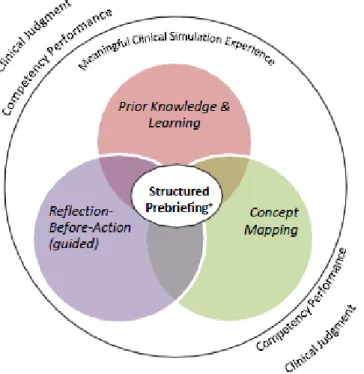
experience that potentiates the development of cognitive skills, such as clinical judgment. Figure 2 represents the theoretical model for structured prebriefing activities and the areas of interest as they relate, in the proposed research study. This representation also includes traditional
prebriefing activities such as the introduction of objectives and an orientation to equipment, in a structured prebriefing.
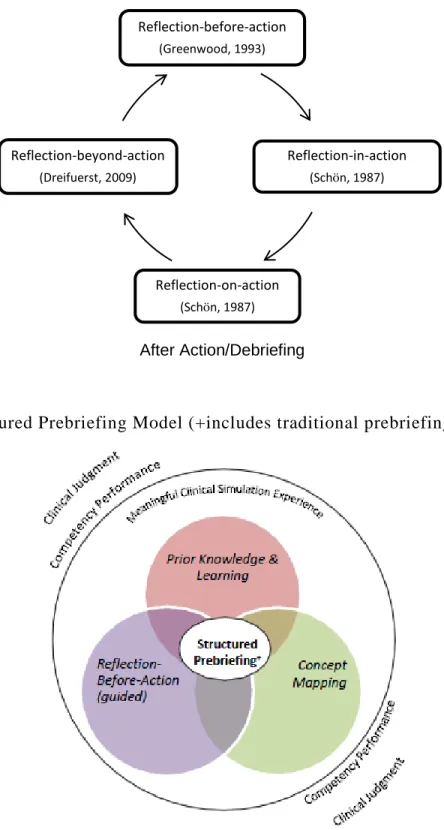
Figure 1: Cycle of Reflection throughout the Nursing Simulation Process
The study will explore the outcome variables of competency performance and clinical judgment in simulation, and students’ experiences in simulation learning. Although it has been acknowledged that experience has been over-studied in simulation research (Kardong-Edgren, Adamson, & Fitzgerald, 2010), students’ experiences with prebriefing specifically will be investigated in this study because there is little documentation on the prebriefing phase of simulation. Reflection-before-action (Greenwood, 1993) Reflection-in-action (Schön, 1987) Reflection-on-action (Schön, 1987) Reflection-beyond-action (Dreifuerst, 2009) Debriefing/ Post-Simulation Structured Prebriefing Simulation Scenario After Action/Debriefing
10 Concepts for Investigation
Prebriefing. High fidelity simulation activities in nursing education as a tool for clinical learning have been a focus for their general significance to practice (Benner et al., 2010). Several comprehensive literature reviews have established this simulation method as having a significant role in teaching nursing (Cant & Cooper, 2010; Harder, 2010; Hyland & Hawkins, 2009; Neill & Wotton, 2011; Norman, 2012).
Figure 2: Structured Prebriefing Model (+includes traditional prebriefing activities)
Still, research on the components of simulation and its outcomes for student learning is lacking. When compared to the research available on debriefing (Arafeh, Snyder Hansen, & Nichols, 2010; Dreifuerst, 2012; Husebø, Dieckmann, Rystedt, Søreide, & Friberg, 2013; Mariani, Cantrell, Meakim, Prieto, & Dreifuerst, 2013; Neill & Wotton, 2011; Shinnick, Woo, Horwich, & Steadman, 2011), the component of prebriefing in particular has received little attention for how it may contribute to learning.
11
A literature review of prebriefing, as a component of undergraduate nursing student simulation, was conducted and showed prebriefing as indeed understudied (Page-Cutrara, 2014). This published literature review [Page-Cutrara, K. (2014). Use of prebriefing in simulation: A literature review. Journal of Nursing Education, 53(3), 136-141. doi: 10.3928/01484834-20140211-07] is available through the Journal of Nursing Education at
http://www.healio.com/nursing/journals/jne. Traditional prebriefing activities are defined by the
International Nursing Association for Clinical Simulation and Learning (INACSL) as
introducing scenario objectives, and typically include communication of the patient presentation, participant roles, tasks, time allotment, and an orientation to equipment and to the general
environment (Meakim et al., 2013). However, several published articles described varying and inconsistent activities of prebriefing, and reported indirect findings that this phase was complex, may have benefit for developing mental models in learners, and should be facilitated by experts (Deckers, 2011; Husebö, Friberg, Söreide, & Rystedt, 2012; Miller, Riley, Davis, & Hansen, 2008; Titzer, Swenty, & Hoehn, 2012). There was no clear evidence in the published literature that prebriefing had been examined from the perspective of any sort of specific structure. The review of prebriefing found that gaps in nursing simulation knowledge existed which were related to learner expertise with simulation overall, the level of learner support necessary during prebriefing for optimal learning (without undermining the learning process), the development of independent problem-solving, the use of objectives, and the impact and meaning of the scenario for the learner (Page-Cutrara, 2014).
Prebriefing has been conceptually identified in the literature as not only a time for preparing learners for the functional and operational aspects of the simulation scenario and debriefing phases, but “as a time to prepare students for practicing the intentionality of noticing
12
during patient care” (Jeffries, 2014, p. 222). Such intentional noticing, as a cognitive activity, requires the ability of the learner to clearly consider the clinical situation and be open to cues and new ways of thinking. Clear objectives and structured facilitation by expert faculty to support this way of thinking, and a “mental checklist” (Jeffries, 2014, p. 222) or mental model, may enhance development of this essential skill in novice learners. Metacognitive strategies plan, monitor and regulate cognition so that mental modeling of self-regulating behaviors becomes apparent in the learners themselves (McMillan, 2010). For novice nursing students who do not have experience or practice in thinking like a nurse or with the processes of reflection (Schön, 1987; Tanner, 2006), embedding structures such as those espoused by reflection theorists in a structured prebriefing activity could support metacognition, or thinking about thinking (Burke & Mancuso, 2012; Chartier, 2001; Kuiper & Pesut, 2004).
A concept analysis of prebriefing was also conducted (Page-Cutrara, 2015). Defining attributes of prebriefing were revealed and include: considering the situation; perceiving meaning; and anticipating a plan in clinical simulation which supports learning and thinking. Additionally, antecedents, those events or instances that occur prior to prebriefing and which support its attributes, include not only objectives, prior experience and knowledge, and structures for learning, but an openness to thinking that, if modeled, would support development of
reflective practice (Page-Cutrara, 2015). However, the connections between prebriefing attributes and the structures discussed in the literature that support mental modeling and reflection have not been fully investigated.
Overall, despite the paucity of studies directly focused on this concept, prebriefing was shown in the literature to have potential for developing students’ cognitive skills such as noticing aspects of the clinical situation, anticipating patient needs, and applying existing knowledge in
13
order to meet simulation objectives (Page-Cutrara, 2014). Such skills may be facilitated by studying structured prebriefing as an independent variable in research, for its potential relationship to the development of competency and judgment in nursing.
Competency performance. Because of the limited attention prebriefing has had in the literature, and despite its recognition as a phase of the simulation process, prebriefing has not been considered for its role in the development of competency during clinical simulation. Indeed, the term competency has been identified as difficult to define in nursing (Girot, 1993), and the literature has been found to “lack consensus, being replete with controversy, ambiguity, confusion and contradiction” (Cowan, Norman, & Coopamah, 2007, p. 23). Competency has been described as spanning many domains of nursing practice (Benner, 2001), and as including the skill of anticipating future possibilities (Benner, Tanner, & Chesla, 2009). Similarly, the attributes of prebriefing reflect not only cognitive activities, but, because prebriefing is situated at the beginning of the simulation process, necessarily include an anticipation of affective and psychomotor aspects of care to be delivered.
Competency is defined as the “knowledge, skill, ability and judgment required for safe and ethical nursing practice” (College of Nurses of Ontario, 2014, p. 4). Legal definitions of
competency are acknowledged as contextual and relate to what a reasonable and prudent practitioner with similar levels of knowledge and experience would do under comparable circumstances; competency functions as a reference for evaluating the standard of care for
registered nurses (College of Nurses of Ontario, 2014). As a goal of nursing practice in education settings, however, competency remains a specific focus of the simulation process and nursing student learning (Blum, Borglund, & Parcells, 2010; Kardong-Edgren, Quint, & Adamson, 2010; National Council of State Boards of Nursing, 2009; Sportsman et al., 2009; Yuan, Williams, &
14
Fang, 2012). For the purposes of this proposed study, competency as defined by Hayden et al. is the:
ability to observe and gather information, recognize deviations from expected patterns, prioritize data, make sense of data, maintain a professional response demeanor, provide clear communication, execute effective interventions, perform nursing skills correctly, evaluate nursing interventions, and self-reflect for
performance improvement within a culture of safety (2014, p. 244).
The performance of competency, or competency performance, will be considered as such in this proposed study, in the context of learning.
Because competency is multifaceted, it has been a challenge to measure (Benner, 1982; Tilley, 2008). Girot asserted that if competency is concerned with the “ability to coordinate cognitive, affective and psychomotor skills, in the carrying out of nursing activities” (1993, p. 84), or performance, then assessments should address such multiple elements. Cowan and colleagues (2007) concluded that a holistic conception of competency would most accurately illustrate the complexity of cognition, performance, skills, values and attitudes as interconnected. However, prebriefing has not been explored from the perspective of influencing competency performance as a dependent variable, which contributes to a lack of understanding of this phase’s role in learning during simulation of complex clinical practice experiences, rather than single tasks.
Clinical judgment. Tilley’s (2008) concept analysis of competency indicated that one of the consequences of competency includes clinical judgment. Tanner defined clinical judgment as “an interpretation or conclusion about a patient’s needs, concerns or health problems, and/or the decision to take action (or not), use or modify standard approaches, or improvise new ones as
15
deemed appropriate by the patient’s response” (2006, p. 204). Clinical judgment was further explicated by Benner, Tanner and Chesla (2009) as “the way in which nurses come to understand the problems, issues, or concerns of clients and patients, to attend to salient information, and to respond in concerned and involved ways” (p. 200). These authors suggested that the
understanding of this term involves deliberate decision-based competence that involves many aspects of care. For instance, the skill of simultaneously looking forward and back, characteristic of anticipatory reflection and of more experienced nurses exhibiting clinical judgment (Benner, Stannard, & Hooper, 1995; Tanner, 2006), is a skill comprised of the integration of multiple competencies. However, prebriefing structures that help prepare novice nurses and students for the essential skill of clinical judgment are not clearly evident in the simulation literature.
In 2006, Tanner first proposed a model of clinical judgment for simulation, involving key aspects of noticing, interpreting, responding and reflecting. Since then, only a few studies have explored clinical judgment in undergraduate nursing students in relation to simulation design and prebriefing in particular (Chmil, Turk, Adamson, & Larew, 2015); a recently published study indicated that traditional prebriefing activities such as reviewing patient case notes online and an orientation to the simulation area were rated low by students as assisting with clinical judgment development (Kelly, Hager, & Gallagher, 2014). An understanding of how structured prebriefing may support improved simulation delivery, undergraduate student competency performance, and therefore clinical judgment would assist in filling the gaps in the simulation literature.
Concept mapping in structured prebriefing. The experiences of students engaged in simulation, and in prebriefing specifically, should be meaningful for affecting changes in knowledge and long term learning (Fink, 2003). During such experiences, “too often neither leaders nor participants know what they are to observe or what meaning these observations are
16
supposed to convey” (Novak & Gowin, 1984, p. 48). A framework or structure to clarify meaning may be helpful during the prebriefing phase of simulation.
Concept mapping has been identified in non-nursing and nursing simulation research and practice as a way to augment meaningful learning (August-Brady, 2005; Conceição & Taylor, 2007; Decker et al., 2010; Gerdeman, Lux, & Jacko, 2013; Hicks-Moore & Pastirik, 2006; Muirhead, 2006; Taylor & Littleton-Kearney, 2011; Wahl & Thompson, 2013). Concept mapping serves to connect the cognitive and reflective processes in a framework that is understandable to the learner. Novak and Gowin (1984) have built on the works of Ausubel (1978) who stated that rather than rote learning, meaningful learning occurs when the learner intentionally chooses to integrate new information into existing knowledge. Concept mapping (Novak & Gowin, 1984) is a visual prompt for making sense of information, and as a pre-instructional tool, is best achieved by: 1) carefully selecting key concept labels for the map template; 2) helping students to search their cognitive structures for relevant concepts; 3) helping students construct propositions or links between concepts; and 4) helping them to discriminate between specific facts or events and the more inclusive concepts or ideas those facts or events represent (p. 41-42). These activities can clue students as to errors in thinking and any
misinterpretations they should anticipate, or look out for (August-Brady, 2005). Concept mapping can enable them to use pre-existing knowledge and their assessment of a situation to develop clinical decision-making skills. As such, concept mapping activities fit with the self-regulation and metacognitive skills needed in a simulated clinical setting and, as a component of a structured prebriefing intervention, may serve to fill the gaps in understanding of the potential role for prebriefing.
17
Fink (2003) described significant learning experiences as involving both process and outcome; “students will be engaged in their own learning, there will be a high energy level associated with it, and the whole process will have important outcomes or results” (p. 6-7). Fink (2003) further suggested that with concept mapping, Novak and Gowin (1984) have extended this concept, and indicated that not only are changes in behavior evident as a result of significant learning, but that changes in the meaning of the experience are also produced. One of the
interactive components of significant learning, learning how to learn, specifically addresses how to inquire and construct knowledge. Learning how to learn, aligns with the identified prebriefing attributes of considering the situation, perceiving possibilities, and anticipating a plan (Page-Cutrara, 2015). Structured prebriefing that supports these attributes may potentially contribute to how students learn.
Concept maps help users develop critical thinking and clinical judgment to support informed decision-making (Taylor & Littleton-Kearney, 2011; Wahl & Thompson, 2013). Gerdeman et al. (2013) used a concept map based on Tanner’s Clinical Judgment Model (2006) to support students’ construction of clinical cases. Deckers (2011) reported using a white board to map out care planning prior to a simulation. Dreifuerst (2012) incorporated concept mapping in debriefing activities to develop meaningful learning. Yet, the use of this activity to structure prebriefing has not been directly explored.
The use of conceptmaps provides a learning experience that allowed students to integrate content that is consistent with a constructivist paradigm. The cyclical, rather than linear nature of learning, in terms of reflecting on prior experience during prebriefing for example (see Figure 1), facilitates the continual development of decision-making skills and competent judgment in practice, and contributes to a more meaningful experience. As such, learning during the
18
simulation process may not manifest itself solely after the scenario is complete. Instead, learning activities such as concept mapping may be woven into the prebriefing phase to create a more connected learning experience representative of how nursing students prepare for and think about practice.
Guided reflection in structured prebriefing. The ability to anticipate a plan for care and future clinical possibilities is a quality of a competent nurse (Benner, Tanner, & Chesla, 2009), and has been identified as an attribute of the prebriefing phase (Page-Cutrara, 2015). However, the incorporation of structures that support anticipation has not been extensively reported in prebriefing literature, and so warrant investigation.
The use of reflection to facilitate construction of meaningful learning is widely evident in education, nursing and simulation literature. For instance, Hatton and Smith (1995) discussed the idea of a time frame for reflection and thinking about an experience, and the deliberation of alternative actions which may be implemented in the future. Structured, articulated learning was highlighted by Ash and Clayton (2004) to reduce risks of poor quality reflective practices and guide reflection in service learning programs.
Guided reflection as a particular structure for facilitating learning differs from self-reflection or group-based self-reflection, and instead supports learners during the reflective process via a facilitator. Johns (2013) indicated that guided reflection between the facilitator and learner occurs over time, which could suggest that this sort of support should not occur at a single point, such as in debriefing. He describes that the role of the facilitator is to encourage and motivate the learner without being overly prescriptive in providing the answers, and without this guidance, novice practitioners would struggle to learn (2013). Successful reflection is exceedingly difficulty without facilitation of an expert (Duffy, 2008), and so requires the right guide, a
19
reflective framework, a readiness of the facilitator for what unfolds, and the ability to reflect on reflection. These aspects are supported by the National League for Nursing/Jeffries Simulation Framework (Jeffries, 2012), where the integration of guided reflection by an expert is a
recognized element. In the context of this framework, the applications of the cycle of reflection and guided reflection have been connected to the simulation scenario phase through reflection-in-action, to the debriefing phase through reflection-on-action, and post-simulation through reflection-beyond-action. Again, prebriefing is the only phase of the simulation process yet to be explored for its part in supporting the reflective cycle via guided reflection.
The experience of the simulation process has been associated with guided reflection in various ways, particularly in relation to nursing students. A literature review of debriefing strategies (Dufrene & Young, 2014) indicated that all forms of debriefing as a form of guided reflection improved individuals’ perceptions of competence. On the other hand, Smith and Roehrs (2009) found that guided reflection was not solely correlated with reports of satisfaction or self-confidence with simulation, but that clear objectives, traditionally embedded in
prebriefing, were significant for perceived learning. Therefore, more research is needed to articulate relationships between simulation, prebriefing and the outcomes of learning.
In addition to filling the significant gaps in the body of simulation knowledge as they relate to prebriefing, this proposed research is student-centered and may be beneficial for developing students’ entry-to-practice competencies and essential learning outcomes. Students may benefit from the proposed study if learning concepts of competency performance, clinical judgment, concept mapping and guided reflection are linked meaningfully to practice during a structured prebriefing phase.
20
The impact of this proposed study’s results on nursing simulation research could alter the way facilitators or faculty approach prebriefing, strengthen the teaching-learning link, and suggest further topics for research on briefing essential information in relation to various simulations. This research, which builds knowledge of a previously unexplored area of
simulation, may further support students’ development of competence and a stronger connection of simulation to the reality of clinical practice.
In order to strengthen the evaluation of prebriefing activities in the context of students’ simulation experiences, a pilot study was conducted to assess the Prebriefing Experience Scale
(PES), which will be used to measure students’ experiences during the prebriefing phase. The following section provides an overview of the pilot study results.
Preliminary Study: Pilot Testing of a Prebriefing Instrument
As a precursor to the proposed study, a pilot study was conducted to test the feasibility of using a prebriefing tool, adapted from the Debriefing Experience Scale (DES) (Reed, 2012), in the prebriefing phase of the simulation experience. The purpose of this tool is to evaluate the prebriefing experience of students and their perception of its importance for learning. The research questions for this pilot were as follows:
1) Are upper year baccalaureate students able to satisfactorily complete the Prebriefing Experience Scale (PES), adapted from the DES, for the evaluation of prebriefing
experiences prior to a simulated clinical scenario by identifying a numeric score for each item, answering demographic data, and providing comments on their experience?
2) Is the PES tool for evaluation of the prebriefing phase of a simulated clinical
experience of upper year baccalaureate nursing students comparable in terms of internal consistency reliability to the original tool?
21 Pilot Study Design
Sample and recruitment of subjects. The non-experimental pilot study was conducted at a large university, in Ontario, Canada in the 5000-square-foot nursing simulation centre (NSC). Ethics approval was obtained from the university where the pilot occurred, and from the university that was overseeing the pilot and its implementation. A small convenience sample of volunteer participants (N=19) to explore the feasibility of using this adapted tool was recruited from the pool of undergraduate nursing students enrolled in the upper years of their programs. Upper year students are defined as students in the third or fourth year of the 4-year BScN
program, and as those in the second year of the compressed 2-year BScN program. These groups have comparable curricular exposure to nursing content and clinical experiences, and so, for the purposes of the pilot study, the use of upper year students maximized participation. To ensure all students were contacted and none were excluded from this opportunity, recruitment was directed to the entire group and involved several approaches including a general student list-serve email sent by the undergraduate program assistants, class announcements by faculty not connected to the study and posted flyers. Informed consents were obtained prior to beginning the pilot study activities. A coffee card was offered to participants as an incentive.
Instrument. The tool was adapted from the DES (Reed, 2012) which was originally designed to evaluate the experience of nursing students during the debriefing phase and their perception of its importance. The DES included measurement of the students’ experience using 20 items across four subscales: 1) Analyzing Thoughts and Feelings; 2) Learning and Making Connections; 3) Facilitator Skill in Conducting the Debriefing; and 4) Appropriate Facilitator Guidance. In the subscale of Analyzing Thoughts and Feelings, there are four items addressing emotional, psychological, behavioral and environmental aspects of debriefing. Learning and
22
Making Connections is focused on the process and learning experience of the student during debriefing, and its eight items are based on the support from the literature that learning occurs through reflection in this phase. The five items relating to Facilitator Skill in Conducting the Debriefing address faculty skill in managing content and structure of the debriefing and relate to verbalization and time allowances. Lastly, the subscale Appropriate Facilitator Guidance is measured by three items that are more specific to facilitation in terms of teaching strategies other than verbalization, and assess general activities such as constructive evaluation and guidance. Participants respond to each of the 20 items on a 5-point Likert-type scale, that ranges from
strongly agree to strongly disagree for rating experience, and not important to very important for rating perception of importance. Reed (2012) refined the Experience scale items through a factor analysis and demonstrated internal consistency reliability in debriefing with Cronbach’s alpha of the overall scale as .93; individual subscales ranged from .80 to .89. Reed did not conduct a factor analysis on the Importance scale portion of this dual scale, however did report Cronbach’s alpha as follows: overall scale .91; individual subscales ranged from .61 to .85.
There are no prebriefing tools documented in the literature. Because similarities exist between debriefing and prebriefing in terms of student reflection and faculty facilitation activities, the DES items were modified slightly to assess the first phase in simulation by changing the term debriefing to prebriefing. Seven additional words/phrases in the scale items were also changed to accommodate for the timing of prebriefing as the first phase of the simulation process, and grammar was corrected (see Prebriefing Experience Scale [PES], Appendix B). It was necessary to compare the use of this adapted tool in the prebriefing phase with its original use and the reliability scores in debriefing research. Therefore, a small sample of
23
participants was recruited for a pilot study to demonstrate internal consistency reliability comparable to the original tool.
Collection of data and method of data analysis. The participants were asked to engage in a one-hour long simulation experience, scheduled at times convenient for them. This
experience included three phases. First, a 20-minute researcher-facilitated introductory or prebriefing phase was provided to students with information about objectives and the patient scenario. This phase included an orientation to the roles the students will play and the equipment in the simulated patient room. The clinical simulation scenario, with a focus on care of a patient with myocardial infarction/chest pain, then ran for 20 minutes, and was followed by a 20-minute debriefing period.
The PES was administered to the participants immediately after the prebriefing phase of the simulation process. IBM SPSS Version 22.0 software was used to analyze the quantitative data. An internal consistency reliability analysis of the Experience and Importance scales, and their subscales for experience and perceived importance was conducted; Cronbach’s alpha values were compared with the original DES tool. Additionally, demographic data and comments were collected using the tool (Appendix B).
Pilot Study Summary and Results
The PES was administered to the upper year nursing student participants (N=19). Hertzog (2008) indicated that a sample size of 10-15 per group may be sufficient to meet feasibility aims of a pilot study, but more participants should be recruited for instrumentation aims.
Eighteen females and one male participated. The PES responses and the associated demographic information were reviewed for missing entries or data entry errors; the data were complete with the exception of one missing ‘age’ entry. Otherwise, the students ranged in age
24
from 20 to 55 years, with an average age of 30.5 years. As part of their nursing education, all had prior simulation experience, and reported an average of seven previous simulation sessions, with a range of 2 to 20 sessions. All were in the upper years of their BScN programs (21% in Year 3, and 32% in Year 4 of the 4-year program, and 47% in the last year of the 2-year compressed degree program). All participants reported that the tool was easy to use.
The Cronbach’s alpha value on the 20-item PES Experience scale was .94, which was comparable with the original DES Experience scale value of .93. Experience subscale scores ranged between .77 and .88 (see Table 1); this is an accepted range (Hertzog, 2008; Nunnally, 1978). According to Hertzog (2008), samples having fewer than 25 participants per group in a pilot study need an observed alpha close to .8 to achieve reasonable confidence in an
instrument’s use.
In terms of further considering internal consistency, corrected item-total correlations were also considered; .30 is suggested as an acceptable level when checking the performance of items on a previously developed instrument (Hertzog, 2008; Nunnally, 1978). The corrected item-total correlation coefficients were greater than .30 for all items in this scale when evaluating each item and how it correlated with the total scale score. The mean inter-item correlation was .43.
The PES Experience portion of the tool produced results comparable to the original DES tool. The slightly lower Appropriate Facilitator Guidance subscale result (α = .77), while still within the acceptable range for psychology tools, may be related to the small size of the 3-item subscale; as the number of items increases, α will increase (Cortina, 1993; Field, 2013). This smaller subscale’s corrected item-total correlations were higher, however, ranging from .55 to .74.
25
The Cronbach’s alpha values for the PES Importance scale and its subscales, on which psychometric testing was not conducted, can be found in Table 1. The value for the 20-item PES
Importance scale was .87, compared to .91 of its DES counterpart. However, two of the PES’s four Importance subscale alpha values were very low which were not comparable to Reed’s DES results (2012), and the associated corrected item-total correlations further suggested these were not reliable (ranging from -.00 to .45 and -.02 to .31).
Table 1: Reliability Scores for Prebriefing Experience Scale and Subscales
Subscales Cronbach’s Alpha: Experience Scale Cronbach’s Alpha: Importance Scale Items in Scale and Subscale Overall scale .94 .87 20
Analyzing thoughts and feelings .81 .26 4
Learning and making connections .88 .76 8
Facilitator skill in conducting the prebriefing
.80 .83 5
Appropriate facilitator guidance .77 .35 3
Limitations of this pilot study may be related to the small sample size, and the self-report nature of student responses and interpretation of the scale items’ meanings. However, the range of age and simulation experience in this study’s participant group suggested a varied sample reflective of the student population; where homogeneity could result in a low estimated alpha (Hertzog, 2008), a varied sample may have addressed the sample size issues. The use of the PES
26
measurement tools may address these limitations and supplement the data gathered on the variables of interest.
Therefore, the Importance portion of the PES, although having an acceptable overall α-value, did not have comparable results to the DES. The results from this pilot study appear to support the use of the Experience scale aspect of the PES only. This will be appropriate for addressing the main research question of the primary study relating to students’ experiences in prebriefing.
Research Methodology
The concepts of prebriefing, competency performance, clinical judgment, and student experiences with concept mapping and guided reflection during structured prebriefing, will be explored through the proposed research study. The aims of this study are to describe the use of structured prebriefing for its effects on baccalaureate (BScN) nursing students’ competency performance and clinical judgments exhibited during simulation, and their perceived
prebriefing experiences, and compare these effects to a group exposed to traditional prebriefing. An experimental, group-randomized design will be used; structured prebriefing will be the single intervention. The following sections will expand on the design and methodologies.
Setting
The research study will be conducted at a large university in Ontario, Canada. This institution has research support and simulation resources that will be available to address the specific aims of this simulation study. Conduction of the study will occur in the nursing simulation centre (NSC). Serving 1200 nursing students, the 5000-square-foot NSC can accommodate up to 50 students at a time for clinical education and development of basic and advanced nursing skills. The NSC is equipped with four SimMan® mannequins to enhance
27
student learning activities. In addition, the NSC has a complete Vital Sim® Family, and other simulators and training models, and the necessary medical equipment and supplies to provide students with an adjunct to their clinical placement learning, and faculty with essential resources to conduct simulation-based research in nursing education.
Population and Sample
Participants will be recruited from a large convenience sample of approximately 400 BScN nursing students who will enroll in a fourth-year-level medical-surgical nursing course during the sixth and seventh term of a traditional 4-year program. Two sections of the course will be offered during the fall for those students in their seventh term, and two sections of the course will be offered in the winter for those in their sixth term, with approximate enrollments of 100 students each, during the 2014-2015 academic session. This population was selected because of the requirement for these students to perform competently and develop clinical judgment skills in the upper years of the program. Students from two terms will be targeted in order to broaden the participant pool. All students in these two terms will have met the same program admission criteria; will have had the same medical-surgical program preparation; will be recruited from the same 4-year program; will have had the same amount of clinical and simulation experience due to exposure to the same curricular structure and content; and will have met the same prerequisite requirements for the fourth-year-level medical-surgical nursing course. The ability to read, speak, and write in English is a requirement for program admission, so all participants will be able to speak English.
Demographic characteristics will be used to describe the experimental and control groups. The sample will reflect the student population in the school of nursing where a large number of the students enrolled in the BScN program are female; approximately 20% of the
28
students are male. This study will be inclusive of women and minorities and will not discriminate against the participation of a specific gender, race or ethnicity.
Therefore, inclusion criteria are enrollment in a fourth year medical-surgical course (a classroom component, and a practicum and laboratory component of 144 hours), and agreement to participate. There are no exclusion criteria. The researcher will not have any current academic or extra-curricular connections to the student group, and will not be involved in grading or advising any students during the time that the study takes place.
A priori, the sample size was determined using G*Power analysis (Faul, Buchner, Erdfelder, & Lang, 2009). A two-tailed t-test set at p = .05 with a power of 80% and a medium effect size of d = .5 as per Cohen (1988), suggests 64 participants in each of the experimental and control groups, for a total sample size of 128 (Table 2). The topic of prebriefing has not been previously explored; however similar quantitative studies on debriefing, which is a comparable simulation activity, have used comparable guidelines for significance, power and effect
(Dreifuerst, 2012; Mariani et al., 2013). Other a priori analyses for other statistical tests indicate recommendations for the same or fewer participants. For instance, a significance level was set at
p = .05 with a power of 80% and a medium effect size of f = .25 as per Cohen (1988) for an analysis of covariance (ANCOVA). A total sample size of approximately 128 participants, with 64 in each of the experimental and control groups will be considered adequate to look for
differences between the experimental and control groups, for potentially controlling for the term in which the data is collected (sixth and seventh term). These power analyses will provide the most conservative estimate of sample size, based on possible covariates, if required.
29
Participant Recruitment and Group-Randomization Procedures
Institutional Review Board (IRB) approval will be obtained from the university where the study will be conducted, and the university that will oversee the study and its implementation. Recruitment will occur through email messaging and the use of posters, and through face-to-face course announcements by the researcher, to first target seventh term-students enrolled in two sections of a fourth year medical-surgical course offered during the fall term, and then, sixth term-students enrolled in two sections of a fourth year medical-surgical course offered during the winter term. Face-to-face course announcements will occur at the mid-class break and at the
Table 2: A Priori Power Analysis for t-test using G*Power (Faul et al., 2009)
Parameters Values
Input Tail(s) 2
Effect size d 0.5
α error probability 0.05
Power (1-β err prob) 0.8
Allocation ratio N2/N1 1
Output Non-centrality parameter δ 2.8284271
Critical t Df
2.8284271 1.9789706 126
Sample size group 1 64
Sample size group 2 64
Total sample size 128
30
end of the class time to enable direct recruitment. To reduce possible anxiety and perceived conflicts, students will be informed that the research activities will occur separately from the course and will not influence the grades in any of their courses. Informed consent will be obtained from those volunteering for the study (see Appendix C). A $10 coffee card will be provided to all participants who consent to the study, whether they withdraw from, or remain in the study.
A group-randomized design will be implemented. The sections of participants who consent to take part during the fall (seventh) term will be randomly assigned to either the
experimental or the control group; group-randomization of the sections in the winter (sixth) term course will occur also. This random assignment of a section to either the experimental or control group will be determined by a coin toss (heads for control group, and tails for experimental group). Individual randomization in this study is prohibitively complex, as the two sections’ course schedules and available times to participate in the study differ, and therefore may provide a barrier to recruitment and participation. This design and combination of fall and winter student participants into a single experimental and a single control group will be geared to moderate the challenges presented by: 1) practical impediments of using a single randomization procedure for individuals in both course sections in a term where scheduling differs; 2) practical impediments of including the winter term students, who will not have enrolled in the fourth-year-level
medical-surgical course yet, in a single randomization procedure at the beginning of the study; 3) possible imbalances of experimental and control group participant numbers if students in both terms were randomized as one; and 4) recruitment occurring over a longer period and across two terms (Polit & Beck, 2012). Additionally, it is anticipated that the design and the assignment of
31
fall and winter participants to both the experimental and control groups will increase power of the group comparison (Matts & Lachin, 1988) and will control for possible term effects.
The students enrolled in the fall term will be targeted for recruitment first. The two sections of this course offered in the fall term will receive the same course content in the same term and are in the same cohort/year, in the same traditional 4-year BScN program. Consenting students will be assigned identification numbers in each of the fall sections.
In the fall term, random assignment of a section to either the experimental or control group will be determined via a coin toss after recruitment occurs, to maintain allocation concealment (Doig & Simpson, 2005; Vickers, 2006). In an attempt to maintain intervention fidelity and limit the possible influence of information passing between participants, the
traditional prebriefing activities of the control group participants will be will be delivered to the participants in one section (heads). The participants in the other section will form the
experimental group and will receive the prebriefing intervention (tails). All participants will receive at least the standard simulation protocol offered at the host institution. Immediately upon recruitment, participants will have the opportunity to sign up for an available time slot
convenient to their schedule, in order to ensure a prompt communication of expected participant activity. Information on group allocation will not be available to the participants until after they are recruited and consent to the study. This group-randomization procedure will be repeated during the winter term. Therefore, both the experimental and control groups will be comprised of participants from each term.
Prebriefing Experience as Study Variable
Traditional or structured prebriefing will be offered to the groups in this proposed study. Both formats are described in the following sections.