AUSTRALIAN JOURNAL OF BASIC AND
Open Access Journal
Published BY AENSI Publication
© 2016 AENSI Publisher All rights reserved
This work is licensed under the Creative Commons Attribution International License (CC BY). http://creativecommons.org/licenses/by/4.0/
To Cite This Article: Imtithal I. J., Wan Aida Wan Mustapha, IDRIS A. B. of Catharanthus roseus leaf and Capsicum frutescens fruit extracts
Effect of different drying methods on the quality and quantity of
Catharanthus roseus leaf and
1Imtithal I. J., 2Wan Aida Wan Mustapha, 1IDRIS A. B.
1Department of of Environmental and Natural Resource Sciences, Faculty of Science and Technology, National University of Malaysia
43600 Bangi ,Selangor, Malaysia.
2 Department of Chemical Sciences and Food Technology, Faculty of Science and Technology,
National University of Malaysia, 43600 Bangi, Selangor, Malaysia
Address For Correspondence:
IDRIS A. B, Department of Environmental and Natural Resource Sciences, Faculty of Science and Technology ,National University Malaysia, 43600, Bangi ,Selangor, Malaysia
Tel: +60389215973 /5983, Fax. 0389253357, E
A R T I C L E I N F O Article history:
Received 3 April 2016 Accepted 21 May 2016 Published 2 June 2016
Keywords:
chloroform, crude extract, extraction methods, ethanol, methanol, percentage yield, phytochemicals screening.
The available phytochemical content of herbs may vary depending on the type of solvent used for extraction, the season of collection (Arras
the geographical region of growth (Cervenka
plant part (seed, leaf, root bark or stem bark) may also vary, and fresh versus dried by one of the many available methods (shade, freeze or oven) prior to the extraction of phytochemicals may a
in the observed constituents of the plants extract (Bernard
AUSTRALIAN JOURNAL OF BASIC AND
APPLIED SCIENCES
ISSN:1991-8178 EISSN: 2309-8414 Journal home page: www.ajbasweb.com
© 2016 AENSI Publisher All rights reserved
Creative Commons Attribution International License (CC BY). http://creativecommons.org/licenses/by/4.0/
Imtithal I. J., Wan Aida Wan Mustapha, IDRIS A. B., Effect of different drying methods on the quality and quantity Catharanthus roseus leaf and Capsicum frutescens fruit extracts. Aust. J. Basic & Appl. Sci., 10(10): 94-106, 2016
Effect of different drying methods on the quality and quantity of
leaf and Capsicum frutescens fruit extracts
IDRIS A. B.
of Environmental and Natural Resource Sciences, Faculty of Science and Technology, National University of Malaysia
of Chemical Sciences and Food Technology, Faculty of Science and Technology, National University of Malaysia, 43600 Bangi, Selangor, Malaysia
IDRIS A. B, Department of Environmental and Natural Resource Sciences, Faculty of Science and Technology ,National University
Tel: +60389215973 /5983, Fax. 0389253357, E-mail: [email protected]
A B S T R A C T
Background: Studies on natural products have been widely employed as a strategy of discovering new therapeutic agents with potential for applications in complementary medicine and more friendly biopesticides for pest control medicine. The type of solvent used and the extraction procedure employed largely determines the success of the isolation of biochemical compounds from a plant, yet plant compound preparation is often overlooked. Objective: The influence of drying and extraction methods on yield and chemical composition of Catharanthus roseus leaves and
fruits is yet to be investigated. This study aimed to elucidate the effects of different extraction techniques and solvents on biochemical compounds of the
and C. frutescens fruits. Methods: Three different extraction methods (extraction by Soxhlet Extractor, extraction by soaking pulverized plant material, and extraction following drying of the plant in liquid nitrogen) and three different solvents were employed to study the influence of sample preparation on the biochemical compounds of C. roseus leaves and C. frutescens fruits. Results: Methanol in a Soxhlet Extractor was observed to yield significantly higher dry weight and percentage of crude extract of
C. frutescens compared to chloroform and ethanol, while chloroform, on the other hand,
yielded higher dry weight and percentage of crude extract of for
higher content of bioactive compounds in C. frutescens were detected with methanol extraction while C. roseus displayed higher content of the bioactive compounds with chloroform extraction compared to the other solvents.
suggested that for higher yield in dry weight, percentage of crude extract and content of bioactive compounds, methanol and chloroform should be used for the extraction of
frutescens and C. roseus respectively. Based on the findings of this study, it was
concluded that methanol is the best solvent for the extraction of bioactive compounds of C. frutescens while chloroform is the best solvent for C. roseus
INTRODUCTION
The available phytochemical content of herbs may vary depending on the type of solvent used for extraction, the season of collection (Arras et al., 1992; McGimpsey et al., 1994; Iloki-Assanga
the geographical region of growth (Cervenka et al., 2006). The concentration of phytochemicals in a particular plant part (seed, leaf, root bark or stem bark) may also vary, and fresh versus dried by one of the many available methods (shade, freeze or oven) prior to the extraction of phytochemicals may also induce quantitative changes in the observed constituents of the plants extract (Bernard et al., 2014).
Effect of different drying methods on the quality and quantity
, 2016
Effect of different drying methods on the quality and quantity of
fruit extracts
of Environmental and Natural Resource Sciences, Faculty of Science and Technology, National University of Malaysia,
IDRIS A. B, Department of Environmental and Natural Resource Sciences, Faculty of Science and Technology ,National University of
Studies on natural products have been widely employed as a strategy of discovering new therapeutic agents with potential for applications in complementary medicine and more friendly biopesticides for pest control medicine. The type of solvent extraction procedure employed largely determines the success of the isolation of biochemical compounds from a plant, yet plant compound preparation is The influence of drying and extraction methods on yield leaves and Capsicum frutescens fruits is yet to be investigated. This study aimed to elucidate the effects of different extraction techniques and solvents on biochemical compounds of the C. roseus leaves Three different extraction methods (extraction by Soxhlet Extractor, extraction by soaking pulverized plant material, and extraction following drying of the plant in liquid nitrogen) and three different solvents were nce of sample preparation on the biochemical compounds Methanol in a Soxhlet Extractor was observed to yield significantly higher dry weight and percentage of crude extract of chloroform and ethanol, while chloroform, on the other hand, yielded higher dry weight and percentage of crude extract of for C. roseus. Similarly, were detected with methanol displayed higher content of the bioactive compounds with Conclusion: It is therefore suggested that for higher yield in dry weight, percentage of crude extract and content of hanol and chloroform should be used for the extraction of C. respectively. Based on the findings of this study, it was concluded that methanol is the best solvent for the extraction of bioactive compounds
C. roseus.
Drying, which is a routine technique used in food preservation, is a crucial aspect of food processing. Shelf life of the dried product has been demonstrated to be extended by reducing the water concentration at which microbiological and physico-chemical deterioration is limited (Inchuen et al., 2010). Various drying techniques have been widely studied in order to generate the best quality of dried food products. Drying method and processing conditions significantly affect the colour, texture, density, porosity, and sorption characteristics of plant materials. The same plant raw material may therefore yield a completely different product, depending on the type of drying and extraction methods employed (Saravacos, 1993).
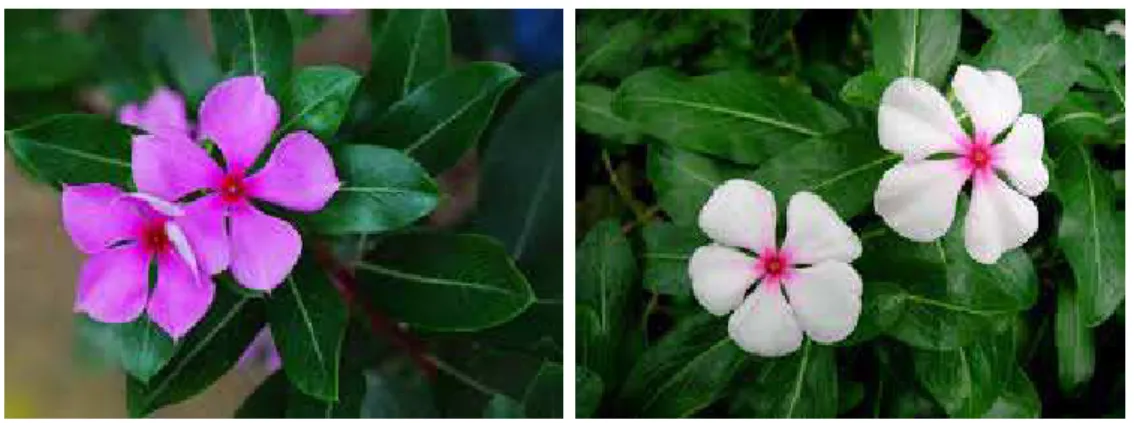
The Catharanthus roseus is a perennial tropical medicinal plant belonging to the family of Apocynaceae, which comprises eight species. Seven are endemic to Madagascar (C. coriaceus, C. lanceus, C. longifolius, C. ovalis, C. scitulus, C. trichophyllus and the species of interest in this study, C. roseus) (Van der Heijden , 2004). The C. roseus is now common in many tropical and subtropical regions worldwide, including the southern United StatesIt is best grown as an annual bedding plant in well-drained sandy loams in full sun to part shade (Sain and Sharma, 2013). The C. roseus contains carbohydrates, flavonoids, saponins, and alkaloids. Alkaloids are the most potentially active chemical constituents of C. roseus; more than 400 alkaloids have been demonstrated to be present in the plant, and these alkaloids are used as pharmaceuticals, agrochemicals, flavours and fragrances, ingredients, and pesticides. Catharanthus roseus is an evergreen sub-herb or herbaceous plant growing up to 1 m tall. The leaves are oval to oblong, 2.5–9.0 cm. long and 1–3.5 cm wide; they appear glossy, green, and hairless, with a pale midrib and a short petiole about 1–1.8 cm long (Figure 1). The flowers are white to dark pink with a dark red centre, and have a basal tube about 2.5–3 cm long and a corolla about 2–5 cm diameter (Aruna et al., 2015).
Fig. 1: Catharanthus rose plants
Capsicum frutescens (Family: Solanaceae), commonly known as chili pepper, hot pepper or red pepper (Figure 2), is a perennial plant capable of growing into shrubs as tall as 2.5 m. It is native to tropical America, and widely grown in Brazil, Portugal, Africa, and South Asia (Oliveira, 2000). The greatest number of species is concentrated in Brazil (Barboza et al., 2011). The genus Capsicum comprises more than 200 varieties, and the fruits vary widely in size, shape, flavor and sensory heat (Zimmer et al., 2012). Fruit pungency is characteristic of the genus Capsicum due to substances specific to peppers known as ‘capsaicinoids’, a group of compounds that includes more than 20 alkaloids (vanillylamines). The red color of the fruit is partly due to its high vitamin A content, and the plant can be used to relieve uterine pain associated with childbirth (Sumner, 2000). The genus Capsicum is also a rich source of phenolics, particularly flavonoids such as quercetin and luteolin (Howard et al., 2000). Some studies have demonstrated protective roles of flavonoids and carotenoids against coronary heart disease, stroke, and some forms of cancer (Nascimento et al., 2013). These protective effects of
phenolic compounds are attributed to their antiradical and signalling activities (Martysiak-Żurowska and Wenta,
2012)
Fig. 2: Fruits of Capsicum frutescens L.
MATERIALS AND METHODS
Plant materials:
Fresh plant samples (Capsicum frutescens fruits and Catharanthus roseus leaves) were collected between January and June 2015 around Kampung Sungai Siput, Lubok China, Malacca, Malaysia (2.442324, 102.108539.). The plant material was identified and authenticated by a botanist from the Department of Science and Technology at University Kebangsaan of Malaysia (UKM). Voucher specimens of each species have been deposited at UKM herbarium with code numbers 40310 and 40311 (UKMB).
Chemicals:
The chemicals (Methanol, Ethanol, Chloroform, Magnesium metal (Mg.), Sulphuric acid, Potassium iodide, Hydrochloric acid (HCL), Ferric chloride and Acetic anhydride) are commercially available. Most of the instruments are either in the Laboratory of Biochemistry, Faculty of Engineering, or in the School of Environmental & Natural Resource Sciences, Faculty of Sciences and Technology, at UKM.
Sample preparation:
The fresh samples (leaves and fruit) were washed under running tap water and then drained thoroughly on paper towels. The samples were then manually broken into pieces and divided into batches of 500 g each. One batch was extracted (Soxhlet and soaking) while fresh. Four drying processes were used for the other batches:,
For shade-drying-the leaves were evenly spread on a tray, covered with cotton sheets to keep off dust and insects, and left to dry in a room (28–38°C) with occasional turning and appropriate air flow until the samples were brittle and considered to be dry (9–24 days) (Najafabadi, 2014)., While for oven drying the samples were evenly spread on a tray, placed in the oven and heated at 30°C overnight (Mudau and Ngezimana, 2014).
For freeze drying the samples were dried by using liquid nitrogen at temperatures below -196°C (77K) (Abascal et al., 2005; Dai and Mumper, 2010; Harper and Nickels, 2008).
Extraction of plant materials: Extraction by Soxhlet Extractor (SE):
Extraction using ES method was prepared according to (Najafabadi, 2014). A 500 g of the powdered material was placed in a paper thimble and then placed in the SE. Then 700 ml ethanol, methanol and chloroform were poured in to the receiving flask using a sequence of solvents of increasing polarity (methanol, chloroform, then ethanol; boiling point at (65°C, 61°C and 78.4 °C Res.). The process of extraction took about 10 h. The extracts were then filtered through Whatman No. 1 paper. Crude extract was obtained after complete removal of the solvents by using a rotary evaporator set at < 40°C. The concentrated extracts were transferred to glass petri dishes and dried in a drying oven at 20°C; the clear residue was analysed for dry weight, percentage crude extract and yield using methanol, chloroform and ethanol solvents for extraction and UV-Vis spectrophotometry.
Extraction by soaking(ESS) (shade dryer sample):
filter paper, the final liquid extracts were combined with the previous extracts. The collected filtrates were pooled and evaporated to dryness at <40°C and stored in the four vacuum rotary evaporators until used.
Extraction by soaking (freeze-dried samples(ESF)):
The C. roseus leaf and C. frutescens fruit that were first dried using liquid nitrogen and then extracted by the soaking method as above. To do this, a total of 500 g of powdered plants in was soaked in 400 ml of each solvent in 1000 ml flasks for 24 h. The extract was shaken for 3-h intervals. After 24 h, the extract was filtered and the macerated plant material was re-extracted by the same process as the previous method until their extraction potential was exhausted. The extract was freeze-dried with a Savant Refrigerated Vapour Trap after removal of the solvents with a vacuum rotary evaporator at 40°C. Each extract was kept frozen for future work.
Each of the three extraction procedures performed, the samples were processed in Triplicates and the corresponding extracts were subjected to preliminary phytochemical tests Figure 3.
Fig. 3: Crude extract of Capsicum frutescens Fruits(above) in three type extraction of method , (A) 1st method
(ES), (B) 2nd method (ESS) and (C) 3rd method(ESF) by different solvents and (bottom) Crude extract
of Catharanthus rose leaves in three type extraction of method (D) 1st method, (E) 2nd method and
(F)3rd method by different solvent
Determination of extract yield:
The amount of crude extract contained in a known weight of finely powdered plant materials was calculated using formula as suggested by Abubakar, (2009). The and the extract was determined gravimetrically using the dry weight of extract (x) and soaked samples material (y) as follows:
Percentage yield = x/y × 100
Phytochemical screening of extracts:
Phytochemical characterization of the plant’s extract was carried out qualitatively for the presence of alkaloids, saponins, flavonoids, tannins, steroids, and Terpenoids. (Bernard et al., 2014; Mallikarjuna et al., 2007; George et al. ,2010 and Gowrish et al.,2015).
Flavonoid Test:
A few pieces of magnesium metal were added to the extract solution and concentrated hydrochloric acid was carefully added. The formation of orange or crimson colour indicates presence of flavonoids.
Terpenoid Test:
A small quantity (0.5 g) of extract was dissolved with 5 ml of chloroform and filtered. Ten drops of acetic anhydride were added to the filtrate followed by two drops of concentrated acid. The presence of pink colour at the interphase indicates the presence of Terpenoids.
Saponin Test:
Tannin Test:
A small quantity (0.5 g) of the extract was stirred with 10 ml of distilled water and filtered. 5% ferric chloride reagent was added to the filtrate. A blue-black precipitate indicates the presence of tannins.
Alkaloid Test:
We took 0.5 g of the remaining extract, dissolved it in dilute hydrochloric acid, and filtered it. The filtrate was then treated with iodine in potassium iodide solution until brown/red colour was observed.
Glycoside Test:
A small quantity (0.5 g) of the extract was dissolved in 2 ml of chloroform. Concentrated sulphuric acid was carefully added to form a lower layer. A reddish-brown coloration at the interphase indicates the presence of a steroidal ring of glycosides.
UV-visible spectrum analysis:
Qualitative determinations of the major constituents of the plant extractions were made by measuring the UV-Visible (UV-Vis) spectrum of the reaction medium. The UV-Vis spectral analysis was carried out using a Shimadzu UV-2450 PC Series double-beam UV-Vis spectrophotometer (purchased from Electronics, India Ltd.) at room temperature.
Statistical Analysis:
Percentage yields of crude were subjected to analysis of variance (ANOVA 2-way) Values were represented as mean ± standard error of triplicate data. using PROC GLM (General linear model) and means
were compared using Tukey’s test, with a reference probability of p ≤ 0.05; analyses were run on MiniTab
software version 14.
RESULTS AND DISCUSSION
Dry weight and yield of Capsicum frutescens fruit crude extract obtained using different methods and solvents:
The mean dry weights of C. frutescens crude extracts and their respective percentage yields using different
solvents in both the 1st , 2nd, and 3rd methods which are depicted in the following table (Table.1). The mean dry
weights of C. frutescens were (SE) 79.70 g, 23.79 g and 53.83 g for the 1st , 2nd and 3rd methods of extraction,
respectively, when Methanol was used as a solvent. The corresponding mean percentage yields were 15.94 %,
4.76 %, and 10.77 %, respectively. This demonstrates that the 1st method (SE) not only yields higher dry weight
of crude extract, but also higher percentage yield as compared to the 2nd and the 3rd methods of extraction using
methanol. This finding is in accord with a previous report of high yield with methanol compared to other solvents (Yin et al., 2013). However, when Chloroform was employed as the extraction solvent, the dry weights
of the crude extracts were only 12.50g, 9.53 g and 8.57 g for the 1st, 2nd and 3rd methods, respectively. The
corresponding percentage yields were 2.50 %, 1.91 %, and 1.71%. The 1st method of extraction still appeared to
produce more crude dry weight compared to the 2nd and 3rd extraction methods. For ethanol, the dry weights of
the crude extracts were 66.67 g, 32.03 g, and 42.13 g for the 3 methods, respectively, and their corresponding percentage yields were 13.33%, 6.41%, and 8.43%. Of the three solvents used in this study, Methanol proof to be the best for extraction of C. frutescens.
Table 1: Mean dry weight (+ SE) crude extract of Capsicum frutescens crude extracts usid different extraction methods and solvents
Solvent Used
Dry weight of crude extract (g)
Ist method 2nd method 3rd method
Chloroform 12.50 ± 0.436a 9.53 ±0.74a 8.57 ± 0.99a
Ethanol 66.67 ±1.28b 32.03 ±1.05b 42.13 ± 1.25b
Methanol 79.70 ± 2.34c 23.79 ±2.03c 53.83 ±2.02c
*1st method: Extraction by Soxhlet Extractor, 2nd method: Extraction by soaking(shade dryer sample), 3rd method: Extraction by soaking(Nitrogen dryer sample)
**Means ± standard error with different solvents in the same Extraction of methods are significantly different (P ≤ .05) from each other
Dry weight and yield of Catharanthus roseus leaf crude extract using different methods and solvents:
The mean dry weights of C. roseus leaf crude extracts and their corresponding percentage yields in
methanol, chloroform, and ethanol solvents for 1st, 2nd and 3rd methods of extraction are presented in following
table (Table 2). The choice of leaves for the extraction was based on previous studies (Goyal et al., 2008; Ramya, 2008) that reported that leaves demonstrated higher concentrations of bioactive compounds compared to
other parts of the plant. The dry weight of C. roseus leaves in methanol in the 1st , 2nd and 3rd methods of
higher dry weights compared to methanol in the 2nd and 3rd methods, which were not significantly different
from each other. The corresponding percentage yields for both the 1st, 2nd and 3rd methods in methanol were
10.93%, 6.89 % and 7.94%, respectively.
Table 2: Mean dry weight of (+ SE) crude extract of Catharanthus roseus leaf crude extracts using different extraction methods and solvents
Solvent used
Dry weight of crude extract (g)
Ist method 2nd method 3rd method
Chloroform 69.95 ±0.94a 18.87± 2.41a 39.73 ± 1.44a
Ethanol 28.87 ± 2.09b 4.60 ± 0.47b 11.20 ± 0.90b
Methanol 54.67 ± 2.13c 25.41± 0.65c 34.47 ± 1.02c
**Means ± standard error with different solvents in the same Extraction of methods are significantly different (P ≤ .05) from each other
Chloroform solvent, however, produced significantly higher dry weights compared to methanol, especially
in the 1st and 3rd methods, where the yields were as high as 69.95 g and 39.73 g, respectively. The
corresponding percentage yields were also significantly higher than those from methanol in both the 1st and 3rd
methods of extraction. While it was reported in a previous study (Goyal et al., 2008) that ethanol was a better solvent for the extraction of C. roseus, here we found that chloroform extract yielded higher dry weights and corresponding percentage yields than both methanol and ethanol. Ethanol produced the lowest dry weights and percentage yields in all three extraction methods.
Yield of crude extract of C. frutescens fruit in three different solvents:
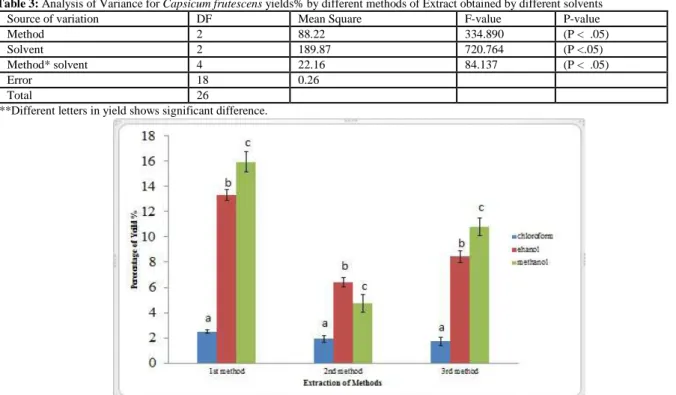
The yield of C. frutescens was significantly affected by the solvent in three different methods of extraction ,
in the 1st methods (F = 520.16, df =2, P < 0.05), 2nd method (F = 67.14, df =2, P < 0.05), and 3rd (F = 249.32,
df =2, P < 0.05) .Result of the crude extract of C. frutescens fruit in the three different solvents are shown in
Figure 1. Methanol paired with the 1st method of extraction yielded the highest extract (15.94 %) of C.
frutescens followed by methanol with the third method of extraction, which yielded 10.77%. The lowest value for methanol solvent was obtained from the second method: 4.76 %, significantly lower than the yield obtained from the first and the third methods. This finding agrees with a report in a previous related study (Das et al., 2010) where methanol, chloroform and petroleum ether were used in C. frutescens crude extractions. The interactions between type of solvent and extraction of methods effect on yield of crude extract of C.frutescens plant (F = 84.137 ; df = 4 & 18; P = 0.000 ; Table 3) was also significant.
Table 3: Analysis of Variance for Capsicum frutescens yields% by different methods of Extract obtained by different solvents
Source of variation DF Mean Square F-value P-value
Method 2 88.22 334.890 (P < .05)
Solvent 2 189.87 720.764 (P <.05)
Method* solvent 4 22.16 84.137 (P < .05)
Error 18 0.26
Total 26
**Different letters in yield shows significant difference.
Fig. 1: Crude extract yield of Capsicum frutescens fruit using selected extraction methods with three different
solvents, Means with different letters are significantly different (Tukey ʼs HSD,P<0.05)
Ethanolic extract of C.. frutescens fruits yielded lower crude extract yields than that of methanol paired with
the 1st and 3rd methods of extraction, where the values were 13.33 % and 8.43%, respectively. Chloroform
yielded the least crude extract in all three methods of extraction with values of 2.50 %, 1.91 %, and 1.71%,
which is in accord with the findings of (Das et al., 2010). Generally, the 1st method appears to be the best
method for C. frutescens extraction followed by the 3rd method. The 2nd method of extraction was the least
effective based on the results obtained in this study.
Yield of crude extract of C. roseus leaves in three different solvents:
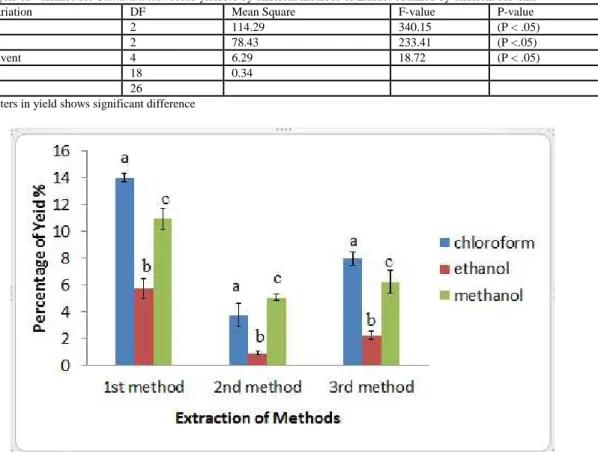
Statistical analysis showed significant difference among the solvent in three different methods of extraction,
in the 1st methods (F = 132.19, df =2, P < 0.05), 2nd method (F 52.56, df =2, P < 0.05), and 3rd (F =71.71, df
=2, P < 0.05) .The percentage yield of crude extract of C. roseus leaves in the three different solvents is depicted in following figure (Figure 2). Unlike in the case of C. frutescens, chloroform produced the highest Catharanthus roseus crude extract in both the 1st and the 3rd methods of extraction. The percentage of C. roseus
crude extract from the 1st method using Chloroform was significantly higher (P < 0.05) than all other methods of
extraction employed in this study. Paired with the 1st method, Chloroform yielded 13.99%, but only yielded
2.24% with the second method. This is followed by methanol, which yielded significantly higher percentages in both the first and the second methods (10.93% and 6.89%, respectively) compared to ethanol. However, in the three methods of extraction, there was significant difference between Chloroform, methanolic and ethanolic
extracts of C. roseus leaves. In general, these results indicate that the 1st method of extraction is better than the
2nd and the 3rd methods of extraction. The interactions between type of solvent and extraction methods effect on
the yield of crude extract of C. roseus plant (F = 7.320 ; df = 4 & 18; P = 0.001 ; Table 4) was also significant
Table 4: Analysis of Variance for Catharanthus roseus yields% by different methods of Extract obtained by different solvents
Source of variation DF Mean Square F-value P-value
Method 2 114.29 340.15 (P < .05)
Solvent 2 78.43 233.41 (P <.05)
Method* solvent 4 6.29 18.72 (P < .05)
Error 18 0.34
Total 26
**Different letters in yield shows significant difference
Fig. 2: Crude extract yield from Catharanthus roseus leaves using selected extraction methods with three
different solvents, Means with different letters are significantly different (Tukey ʼs HSD,P<0.05
Qualitative phytochemical screening of Capsicum frutescens extract:
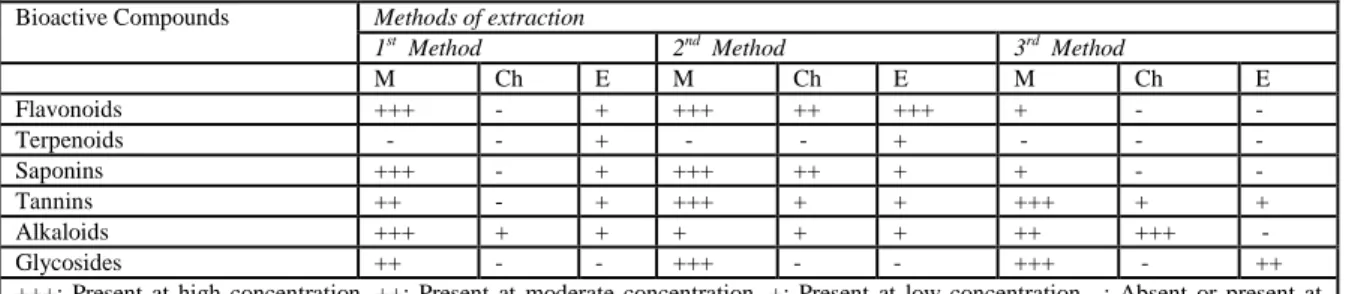
The phytochemical screening of C. frutescens for the three solvents used in this study is presented in Table 3. Crude extract where methanol, chloroform, and ethanol were used as solvents were tested for the presence of six bioactive compounds. When methanol was used as solvent, all the compounds were detected/observed
except Terpenoids in the 1st method. The compound detected present in varying amounts were the Flavonoids,
Tannins and Alkaloids. were present at the highest concentration (+++) in methanolic extract from the 2nd
method, compared with only three (Flavonoids, Saponins and Alkaloids ) that were present from the 1st method
and two (Tannins and Glycosides) that were present from the 3rd method.
Table 5: Qualitative phytochemical screening of Capsicum frutescens extract Bioactive Compounds Methods of extraction
1st Method 2nd Method 3rd Method
M Ch E M Ch E M Ch E
Flavonoids +++ - + +++ ++ +++ + - -
Terpenoids - - + - - + - - -
Saponins +++ - + +++ ++ + + - -
Tannins ++ - + +++ + + +++ + +
Alkaloids +++ + + + + + ++ +++ -
Glycosides ++ - - +++ - - +++ - ++
+++: Present at high concentration, ++: Present at moderate concentration, +: Present at low concentration, -: Absent or present at negligible concentration. M: methanol, Ch: chloroform, E: ethanol.
For chloroform extract by the first method, only 1 (alkaloids) out of the six tested bioactive compounds were present. For ethanol solvent, only glycosides were not present out of the six compounds observed but concentrations were low. Our results clearly indicates that the methanol used in this study is a better solvent to
obtain crude extracts for phytochemical screening while the 2nd method is a better extraction procedure.
Therefore, the findings in this study suggest that the choice of solvent plays an important role in obtaining the highest extract yield.as reported by (Yin et al., 2013).
Qualitative phytochemical screening of Catharanthus roseus leaf extracts:
The phytochemical screening of C. roseus leaf extracts from methanol, chloroform, and ethanol with the 1st
first, 2nd and 3rd methods of extraction are presented in Table 4. Six bioactive compounds of C. roseus leaves
were tested. Methanolic extract tested positive for five compounds in the 1st method of extraction; of these,
Tannins and Glycosides were present in the highest concentrations (+++). In contrast, only two compounds
(Tannins and Alkaloids) were present in the 2nd method of extraction. The variations in the concentration of the
six compounds observed concur with the reports of previous related studies (Ohadoma and Michael, 2011; Vega-Ávila et al., 2012) where nine bioactive compounds were screened and found present in C. roseus in varying concentrations. The presence of Alkaloids as observed in this study concurs with previous studies done by (Verpoorte, 1998; Sain and Sharma, 2013) whom reported that there were over 400 different types of alkaloids are present in C. roseus extract. Some earlier studies showed that the chloroform the best solvent in phytochemicals in the extract of C. rosues varieties (Perera, Armstrong et al., 2000) .Our result disagree with results by (Goswami, 2013) that suggested the ethanol is a best solvent in the extraction of bioactive compounds of C. roseus leaves which extracted by different solvents including chloroform.
Table 6: Result of the qualitative phytochemical screening of Catharanthus roseus leaf extracts Bioactive Compounds Methods of extraction
1st Method 2nd Method 3rd Method
M Ch E M Ch E M Ch E
Flavonoids + ++ + - - - + + -
Terpenoids - + - - - -
Saponins ++ ++ + - + - + + +
Tannins +++ +++ +++ ++ ++ - + + -
Alkaloids ++ +++ - + - + ++ ++ ++
Glycosides +++ +++ +++ - - - +++ + +++
+++: Present at high concentration, ++: Present at moderate concentration, +: Present at low concentration, -: Absent or present at negligible concentration. M: methanol, Ch: chloroform, E: ethanol.
For Chloroform, six compounds were consistently present in the 1st method and five out of the six
compounds were present in the 3rd method of extraction in varying concentrations. In the 2nd method, however,
only two compounds (Saponins and Alkaloids) were present in the Chloroform extract. For the ethanolic extract,
four (flavonoids, saponins, tannins and glycosides) out of the 6 compounds were present in the 1st method of
extraction, only while alkaloids were present in the 2nd method and flavonoids, tannins and Terpenoids were
absent in the 3rd method. chloroform solvent paired with the 1st method of extraction appeared to be the best
UV-visible absorption spectrum of Capsicum frutescens extract obtained by three different extraction methods:
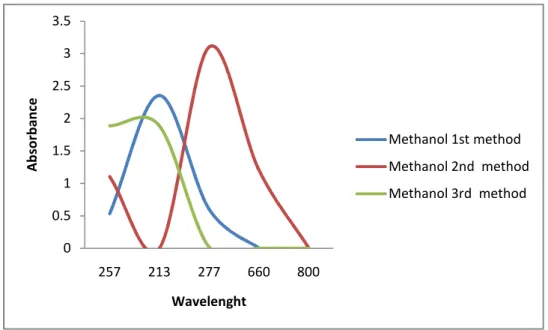
The UV-Vis absorption spectrum of C. frutescens in both the 1st, 2nd and 3rd method of extraction is
depicted in the following figure (Figure 3). In the 1st method of extraction, the UV-Vis spectrum of C. frutescens
extract demonstrated a single sharp peak at 213 nm. However, in the 2nd method of extraction, a single sharp
peak at 277 nm observed, while only a single relatively broad peak at 213 nm was observed in the 3rd method of
extraction. Different phytochemicals have been demonstrated to have a broad range of activities that may help protecting the plant against chronic diseases infections. The increase in intensity of the peak could be a result of an increase in the number of nanoparticles formed due to the reduction of ions present in the aqueous solutions of the extract (Vankar and Bajpai, 2010).
Fig. 3: UV-visible absorption spectrum of Extract of Capsicum frutescens fruit with methanol as solvent in 1st ,
2nd and 3rd Method of Extractions 1st (Extraction by Soxhlet Extractor ),2nd (Extraction by soaking
(shade dryer sample)) and 3rd (Extraction by soaking (freeze-dried samples)
UV-visible absorption spectrum of chloroform extracts of Catharanthus roseus leaves fromthe three different methods:
The UV-Vis absorption spectrum of C. roseus in both 1st, 2nd and 3rd methods of extraction as depicted in
Figure 4. In the 1st method, the UV-Vis absorption spectrum of C. roseus showed two relatively broad peaks at
433 and 245 nm, while in the 2nd method of extraction, only a single peak was seen at 526.5 nm. Two peaks
were seen in the 3rd method of extraction, at 433 and 282 nm. These wide absorption ranges observed in
similarly described study by Ponarulselvam et al.( 2012), where C. roseus was reported to exhibit a wide absorption spectrum ranging from a wavelength of 400 nm to 500 nm. The colour changes observed were mainly due to the reduction of silver ion present in the aqueous solution to silver, and this has been demonstrated to be an indication of the formation of stable silver nanoparticles ,Also the Silver nanoparticles has been reported to exhibit a dark yellowish-brown colour in aqueous solution due to surface plasmon resonance phenomenon .
.
0 0.5 1 1.5 2 2.5 3 3.5
257 213 277 660 800
A
b
so
rb
an
ce
Wavelenght
Methanol 1st method
Methanol 2nd method
Fig. 4: UV-visible absorption spectrum of Extract of Catharanthus roseus leaves with chloroform as solvent in
1st , 2nd and 3rd Method of Extractions 1st (Extraction by Soxhlet Extractor ),2nd (Extraction by soaking
(shade dryer sample)) and 3rd (Extraction by soaking (freeze-dried samples)
UV-visible absorption spectrum of C. frutescens in Chloroform, Ethanol, and Methanol extracts:
The production of silver nanoparticles in aqueous solution from crude extracts of plants has been shown to be easily observed through UV-Vis spectroscopy (Kirubha and Alagumuthu, 2015). The UV-Vis absorption spectra of C, frutescens in Chloroform, Ethanol, and Methanol extracts are shown in (figure 5). The spectrum of crude extract of C. frutescens in Chloroform exhibited four peaks at 256, 214, 241.5, and 667.5 nm. The spectrum of Ethanol crude extract showed only two sharp peaks at 256 and 594 nm. Methanolic extract of C. frutescens demonstrated two peaks at 256 and 594 nm.
Fig. 5: UV-visible absorption spectrum of Capsicum frutescens fruit in chloroform, ethanol, and methanol
extracts
UV-visible absorption spectrum of C. roseus leaves in Chloroform, Ethanol, and Methanol extracts:
The UV-Vis absorption spectra of C. roseus in chloroform, ethanol, and methanol are shown in (figure 6). In the Chloroform extract, C. roseus exhibited 5 peaks with four sharp peaks at 275, 433.5, 231.5 and 668 nm and a single broad peak between 248.5 and 290.5 nm. Ethanolic extract of C. roseus, however, showed only one broad peak between 582.5 and 631 nm, while Methanolic extract showed only a single sharp peak at 718.5 nm.
0 1 2 3 4 5 6 2 7 3 3 1 5 3 8 2 .5 4 3 3 4 7 3 .5 5 2 6 .5 5 8 2 6 3 1 2 4 5 2 8 2 3 2 0 .5 4 1 5 4 3 8 .5 4 8 3 5 3 8 6 0 9 6 6 7 .5 A b so rb an ce Wavelenght
Chloroform 1st method
Chloroform 2nd method
Chloroform 3rd method
The wide absorption range of C. roseus extract observed in this study is in accord with earlier related studies Ghasemzadeh and Jaafar (2013).
Fig. 6: UV-visible absorption spectrum of Catharanthus roseus leaves in chloroform, ethanol, and methanol
extracts
Conclusion:
The type of solvent used and the extraction procedure employed proof to be the determinant of success in isolating biochemical compounds from plants, yet more often than not, sample preparation is overlooked. The influence of drying and extraction methods on yield and chemical composition of C. roseus leaves and C. frutescens fruit has been demonstrated in this study. Methanol paired with the 1st method (SE) of extraction was observed to yield significantly higher crude extract and dry weight of C. frutescens along with correspondingly high percentage yields, while Chloroform, on the other hand, appeared to be a better solvent for the extraction of C. roseus. Higher content of six categories of bioactive compounds were detected in Methanolic extracts of C. frutescens and Chloroform extract of C. roseus compared with the other solvents. The phytochemicals screened was an indication that C. roseus and C. frutescens could be a beneficial of botanical pesticides for insect pest and for agricultural crops. Methanol as a solvent had been established to be best for the extraction of
phytochemicals in the C. frutescens in 2nd method, while the 1st method was the best extraction methods for C.
roseus in Chloroform solvent. Furthermore, we demonstrated that the use of a natural, renewable and low cost biological reducing agent such as C. frutescens fruits and C. roseus leaves flower could produce metal nanostructures in chloroform and methanol solution at Soxhlet and soaking methods avoiding the presence of hazardous and toxic solvents.
Based on the findings of this study, it was concluded that methods of extractions have significant influences on the final crude product of both C. frutescens and C. roseus. It was further concluded that methanol and chloroform were the best solvents for the extraction of bioactive compounds in C. frutescens and C. roseus respectively. This is perhaps the first study reporting the influence of different solvents and extraction methods in C. frutescens and C. roseus
ACKNOWLEDGMENTS
The authors are grateful to Laboratory of Biochemistry, Faculty of Engineering at UKM for providing necessary laboratory facilities. The work was supported by a Special Research Grant No. (DPP-2016-077).
REFERENCES
Abubakar, E.M., 2009. Antibacterial activity of crude extracts of Euphorbia hirta against some bacteria associated with enteric infections. J. Med. Plants Res., 3(7): 498-505.
Al-Alwani, M.A.M., A.B. Mohamad, A.A.H. Kadhum and N.A. Ludin, 2015. "Effect of Solvents on Natural Dyes Adsorption on the Surface of Tio2 Film for Dye-Sensitized Solar Cell applications." Sepectrochimica Acta Part A: Molecular and Biomolecular Spectroscopy, 138: 130-137.
0 1 2 3 4 5 6
A
b
so
rb
an
ce
Wavelenght nm
Chloro.
Ethan.
Arras, G. and G. Grella, 1992. "Wild thyme, Thymus capitatus, essential oil seasonal changes and antimycotic activity." Journal of Horticultural Science, 67(2): 197-202.
Aruna, M.S., M.S. Prabha, N.S. Priya and R. Nadendla, 2015. CATHARANTHUS ROSEUS: ORNAMENTAL PLANT IS NOW MEDICINAL BOUTIQUE. Journal of Drug Delivery and Therapeutics, 5(3): 1-4.
Barboza, G.E., M.F. Agra, M.V. Romero, M.A. Scaldaferro and E.A. Moscone, 2011. New endemic species of Capsicum (Solanaceae) from the Brazilian caatinga: comparison with the re-circumscribed C. parvifolium. Systematic Botany, 36(3): 768-781.
Bernard, D., I.K. Asare, D.O. Ofosu, G.A. Daniel, S.A. Elom and A. Sandra, 2014. The Effect of Different Drying Methods on the Phytochemicals and Radical Scavenging Activity of Ceylon Cinnamon (Cinnamomum zeylanicum) Plant Parts. European Journal of Medicinal Plants, 4(11): 1324.
Cervenka, L., I. Peskova, E. Foltynova, M.Pejchalova, I. Brozkova and J. Vytrasova, 2006. Inhibitory effects of some spice and herb extracts against Arcobacter butzleri, A. cryaerophilus, and A. skirrowii. Current microbiology, 53(5): 435-439.
Dai, J. and R.J. Mumper, 2010. "Plant phenolics: extraction, analysis and their antioxidant and anticancer properties." Molecules, 15(10): 7313-7352.
Das, J., J.P. Lahan and R.B. Srivastava, 2010. Solanum melongena: A potential source of antifungal agent. Indian journal of microbiology, 50(1): 62-69.
George, N.J., I.B. Obot, A.N. Ikot, A.E. Akpan and N.O. Obi-Egbedi, 2010. Phytochemical and Antimicrobial properties of leaves of Alchonea cordifolia. Journal of Chemistry, 7(3): 1071-1079.
Ghasemzadeh, A. and H.Z. Jaafar, 2013. "Profiling of phenolic compounds and their antioxidant and anticancer activities in pandan (Pandanus amaryllifolius Roxb.) extracts from different locations of Malaysia." BMC Complementary and Alternative Medicine, 13(1): 341.
Goswami, S., 2013. "Preliminary Phytochemical Screening and Standardisation of Leaves of Catharanthus roseus (L.) G. Don." Indian Journal of Research in Pharmacy and Biotechnology, 1(1): 21.
Gowrish, A., H.M. Vagdevi and H. Rajashekar, 2015. In vitro antioxidant and antitubercular activity of Leucas marrubioides Desf. root extracts. J Appl Pharm Sci., 5(2): 137-142.
Goyal, P., A. Khanna, A. Chauhan, G. Chauhan and P. Kaushik, 2008. In vitro evaluation of crude extracts of Catharanthus roseus for potential antibacterial activity. International Journal of Green Pharmacy (IJGP), 2(3).
Harper, A and K.Nickels2 008. "Queensland University of Technology."
Howard, L.R., S.T. Talcott, C.H. Brenes and B. Villalon, 2000. Changes in phytochemical and antioxidant activity of selected pepper cultivars (Capsicum species) as influenced by maturity. Journal of Agricultural and Food Chemistry, 48(5): 1713-1720.
Husan, K., 1990. "The concise flora of Singapore.” Singapore University Press, Singapore.
Iloki-Assanga, S.B., L.M. Lewis-Luján, C.L. Lara-Espinoza, A.A. Gil-Salido, D. Fernandez-Angulo, J.L. Rubio-Pino and D.D. Haines, 2015. Solvent effects on phytochemical constituent profiles and antioxidant activities, using four different extraction formulations for analysis of Bucida buceras L. and Phoradendron californicum. BMC research notes, 8(1): 396.
Inchuen, S., W. Narkrugsa and P. Pornchaloempong, 2010. Effect of drying methods on chemical composition, color and antioxidant properties of Thai red curry powder. Kasetsart Journal of Natural Science, 44: 142-151.
Kirubha, R and G. Alagumuthu, 2015. "Evaluation of antibacterial efficacy of silver nano particles using Pouteria campechiana extract." International Journal of Current Pharmaceutical & Clinical Research, 5(1): 52-56.
Mallikharjuna, P.B., L.N. Rajanna, Y. NSeetharam and G.K. Sharanabasappa, 2007. Phytochemical studies of Strychnos potatorum Lf-A medicinal plant. Journal of chemistry, 4(4): 510-518.
Martysiak-Żurowska, D. and W. Wenta, 2012. "A comparison of ABTS and DPPH methods for assessing
the total antioxidant capacity of human milk." Acta Sci Pol Technol Aliment 1: 83-89.
McGimpsey, J.A., M.H. Douglas, J.W. Van Klink, D.A. Beauregard and N.B. Perry, 1994. Seasonal variation in essential oil yield and composition from naturalized Thymus vulgaris L. in New Zealand. Flavour and fragrance journal, 9(6): 347-352.
Najafabadi, R.T., 2014. " Evaluation of Andrographis paniculata burm .f. (Family: Acanthaceae) extracts against Bemisia tabaci (HEMIPTERA: ALEYRODIDAE)." M.Sc. of University Putra Malaysia.
Nascimento, P.L.A., T.C.E.S. Nascimento, N.S. Ramos, G.R. Silva, C.A. Câmara, T.M. Silva and A.L. Porto, 2013. Antimicrobial and antioxidant activities of pimenta malagueta (Capsicum frutescens). Afr. J. Microbiol. Res., 7: 3526-3533.
Pandey, N.D., K.K. MathurP. Sanjeev and R.A. Tripathi, 1986. "Effect of some plant extract against pulse beetle, Callosobruchus chinensis L." Indian Journal Entomology, 48(1): 85-90.
Perera, D.R., G. Armstrong and N. Senanayake, 2000. Effect of antifeedants on the diamondback moth (Plutella xylostella) and its parasitoid Cotesia plutellae. Pest management science, 56(5): 486-490.
Ponarulselvam, S., C. Panneerselvam, K. Murugan, N. Aarthi, K. Kalimuthu and S. Thangamani, 2012. Synthesis of silver nanoparticles using leaves of Catharanthus roseus Linn. G. Don and their antiplasmodial activities.Asian Pacific Journal of Tropical Biomedicine, 2(7): 574-580.
Rahman, A. and F.A. Talukder, 2006. Bioefficacy of some plant derivatives that protect grain against the pulse beetle, Callosobruchus maculatus. Journal of Insect Science, 6(1): 3.
Ramya, S., 2008. In Vitro Evaluation of Antibacterial Activity Using Crude Extracts of Catharanthus roseus L.(G.) Don. Ethnobotanical Leaflets, (1): 140.
Sain, M. and V. Sharma, 2013. Catharanthus roseus (An anticancerous drug yielding plant). A Review of Potential Therapeutic Properties. Int. J. Pure App. Biosci, 1(6): 139-142.
Saravacos, G.D., 1993.Technological developments in fruit and vegetable dehydration. Developments in food science.
Sumner, J., 2000. The Natural History of Medicinal Plants, Timber Press.
Jacobs, D.I., W. Snoeijer, D. Hallard and R. Verpoorte, 2004. The Catharanthus alkaloids: pharmacognosy and biotechnology. Current medicinal chemistry, 11(5): 607-628.
Vankar, P.S., D. Bajpai2010. Preparation of gold nanoparticles from Mirabilis jalapa flowers. Indian journal of biochemistry & biophysics, 47(3): 157.
Vega-Ávila, E., J.L. Cano-Velasco, F.J. Alarcón-Aguilar, M.D.C. Fajardo Ortíz, J.C. Almanza-Pérez and R. Román-Ramos, 2012. Hypoglycemic activity of aqueous extracts from Catharanthus roseus. Evidence-Based Complementary and Alternative Medicine.
Verpoorte, R., 1998. "Exploration of nature's chemodiversity: the role of secondary metabolites as leads in drug development." Drug Discovery Today, 3(5): 232-238.
Wee, Y.C., H.K., 1990. "An illustrated Dictionary of Chinese Medicinal Herbs." Times Edition, Eu Yan Seng Holdings Ltd.
Yi, W. and H.Y. Wetzstein, 2011. "Effects of drying and extraction conditions on the biochemical activity of selected herbs." HortScience, 46(1): 70-73.
Yin, N.S., S.Y.A.H.R.I.E.L. Abdullah and C.K. Phin, 2013. Phytochemical constituents from leaves of Elaeis guineensis and their antioxidant and antimicrobial activities. Int J Phar m Pharmaceut Sci., 5: 137-140.