ABSTRACT
SHAEFFER, GREGORY LEE. Evaluation of Basic Zinc Chloride as a Zinc Source for Cattle. (Under the direction of Dr. Jerry W. Spears.)
Two trials were conducted to evaluate basic zinc chloride as a zinc source for cattle. In Experiment 1, 120 Angus cross steers were used to determine the effects of zinc level and zinc source on performance and carcass characteristics. Treatments consisted of 1) control (no supplemental zinc), 2) 30 ppm
supplemental zinc from zinc sulfate, 3) 90 ppm supplemental zinc from zinc sulfate, 4) 30 ppm supplemental zinc from zinc chloride, and 5) 90 ppm
supplemental zinc from zinc chloride. Carcass data was obtained from a USDA grader 48 h after slaughter. Zinc supplementation regardless of source, lowered gain and gain:feed (P < 0.05) in the growing phase. During the growing phase steers supplemented with 30 ppm from zinc sulfate gained faster (P<0.05) than those fed 30 ppm of zinc from basic zinc chloride. In the finishing phase zinc supplementation, regardless of level or source, did not affect gain, feed intake or gain:feed. All carcass characteristics were similar for all treatments except for marbling, which was slightly higher (P<0.05) in steers supplemented with 90 ppm compared to those fed 30 ppm of zinc. Liver zinc was also significantly (P < 0.05) higher in steers fed 90 ppm verses 30 ppm of zinc. Plasma zinc
than those supplemented with 30 ppm of zinc on day 84 of the growing phase and day 56 of the finishing phase. Ruminal soluble zinc concentrations were increased by zinc supplementation of the control diet and were higher in steers supplemented with 90 ppm compared to 30 ppm. Steers supplemented with 90 ppm of zinc from zinc sulfate had higher ruminal soluble zinc concentrations than steers fed 90 ppm from basic zinc chloride. Plasma alkaline phosphatase activity was not affected by zinc during the growing phase, but was higher in steers supplemented with 90 ppm zinc from basic zinc chloride compared to those fed a similar concentration of zinc sulfate on day 56 of the finishing phase. Results indicate that zinc sulfate and basic zinc chloride produce similar performance when fed to growing and finishing steers.
In Experiment 2, 16 steers were randomly separated into two groups. Four Angus steers and 4 Simmental steers were in each group and fed a diet low in zinc (25 ppm) for 14 days. The 2 groups were then supplemented with 25 ppm zinc from either zinc sulfate or basic zinc chloride. After 4 days of consumption of supplemental zinc, steers were placed in stainless steel metabolism crates and total fecal and urine were collected for a 5 day period. Steers were fed to minimize orts and refusals were weighed and analyzed. Plasma zinc
EVALUATON OF BASIC ZINC CHLORIDE AS A ZINC SOURCE FOR CATTLE
By
GREGORY LEE SHAEFFER
A thesis submitted to the Graduation Faculty of North Carolina State University
In partial fulfillment of the Requirements for the degree of
Master of Science
ANIMAL SCIENCE Raleigh
2006
APPROVED BY:
______________________________ ______________________________ Dr. Vivek Fellner Dr. Matthew H. Poore
_____________________________ Chair of Advisory Committee
DEDICATION
This thesis is dedicated to my wife who gave me continuous love and support throughout the education process. Her enormous sacrifices through this period of our lives showed me the great dedication she has for our marriage and myself. She gave up living near her family and having a job she loved and moved 500 miles away to a place where we knew no one, and she had no job. Looking back it was worth it now to have a new house, both having jobs we like and having the opportunity to meet some remarkable friends.
BIOGRAPHY
Gregory Lee Shaeffer was born in Columbus, Ohio to John Shaeffer Jr. and Pauline Shaeffer. He was raised with an older sister (Shelley) and a
younger brother (Michael) in the small community of Amanda, Ohio. He grew up on his grandparent's farm and was heavily involved in 4-H. Once in high school he became extremely active in the Future Farmers of America and received his State FFA Degree from the State of Ohio. After graduating from Amanda Clearcreek High School he attended Berea College in Berea, Kentucky. Berea College is a work-study school, meaning that tuition was paid but working for the college a minimum of ten hours per week was required. The summer of 1998, he married his wife, April, who was also a student at Berea College. By his senior year, he was a student farm manager working more than thirty hours per week on all aspects of the farm. His hard work and dedication to the college farm earned him Student Employee of the Year 2000 from the State of Kentucky. In May 2000, he graduated from Berea College as a member of Delta Tau Alpha, an agriculture honor society, with his degree in Agriculture and Natural
Resources. Upon graduation he became a full time staff member with the college as an assistant farm manager until July 2000. In July, he and his wife moved to Raleigh, North Carolina to pursue his Master of Science in Animal Science under the direction of Dr. Jerry Spears at North Carolina State
ACKNOWLEDGEMENTS
The author would like to thank Dr. Jerry Spears for his continuous support and guidance through the degree process and looks forward to continuing to work together with him doing research at the Butner Beef Cattle Field Laboratory. Gratitude is also expressed to Dr. Vivek Fellner and Dr. Matt Poore for the
guidance they have shown while being a valuable committee member. Their approachability and communication on a personal level was extremely
appreciated and the author looks forward to working with these professors in the future.
The author would also like to express his appreciation to the technical staff. First to Karen "Missy" Lloyd, her assistance with lab work and expertise in the running of SAS was a tremendous help in the completion of the degree requirements. Without her wisdom and support, lab procedures would have been difficult. She is a valuable asset to the animal science department as well as a great friend. Hopefully, many more research projects will be completed as she and the author work together.
To Marcia Seal who kept things organized and was able and willing to help with the jobs that were not always the best or a pleasure to do. Those are the things that sometimes go unrecognized and a simple "thank you" means a lot.
To the lab technicians of Drs. Poore and Huntington: Vicki Fouts, Lucy Ganey, April Shaeffer, thanks for your willingness to work together and allow procedures to be completed in a timely manner. Working together makes everyone's job go smoothly.
To Mebane Galloway, your smiles and laughs got the mornings off to a good start. Thanks to you for all the small things you did, they add up to be substantial in completing this thesis.
Thanks to the staff at the Butner Beef Cattle Field Laboratory, both past and present. The employees made data collection fun and efficient. The author extends great appreciation to Dean Askew who is now the author's supervisor. With his cooperation, flexibility and willingness to work together, the degree was accomplished while juggling being a full time employee and a part time student. Thank you also goes to Joey Dickerson, Jay Woodlief, Holden Wilkins and Bonnie Allen who are currently working with the author at the research unit. Their cooperation was appreciated and extremely helpful. Also, to past
employees who helped in the actual period of data collection, David Cheek and Barbara Matthews your assistance in data collection did not go unnoticed.
Table of Contents
Page
List of Tables………vii
Literature Review………..1
Intorduction……….1
Functions of zinc………2
Sources of zinc………..3
Zinc deficiency………...4
Genetics and zinc deficiency………...5
Zinc toxicity………..…10
Zinc metabolism………..11
Zinc bioavailability………...…12
Zinc chloride……….19
Literature cited……….21
Chapter 2. EFFECT OF ZINC SOURCE (ZINC SULFATE VS. BASIC ZINC CHLORIDE) AND LEVEL ON PERFORMANCE, AND CARCASS CHARACTERISTICS IN GROWING AND FINISHING STEERS………26
Abstract……….…27
Introduction..………29
Materials and methods………...30
Results and discussion………..33
Literature cited……….38
Chapter 3. BIOAVAILABILITY OF BASIC ZINC CHLORIDE RELATIVE TO ZINC SULFATE IN STEERS………...…48
Introduction..………49
Materials and methods………...49
Results and discussion………..52
LIST OF TABLES
Page
Chapter 2
Table 1. Ingredient composition of growing diet ...………41 Table 2. Ingredient composition of Finishing diet………..……42 Table 3. Effect of zinc level and source on performance of growing and
finishing Steers………...………43 Table 4. Effect of zinc level and source on plasma, ruminal soluble zinc,
liver zinc concentrations of steers………...…………44
Table5. Effect of zinc level and source on ruminal VFAs in steers…..…..45
Table 6. Effect of zinc level and source on plasma alkaline phosphatase activity and blood urea nitrogen in steers.…….……….……46 Table 7. Effect of zinc level and source on carcass characteristics of
steers………....47 Chapter 3
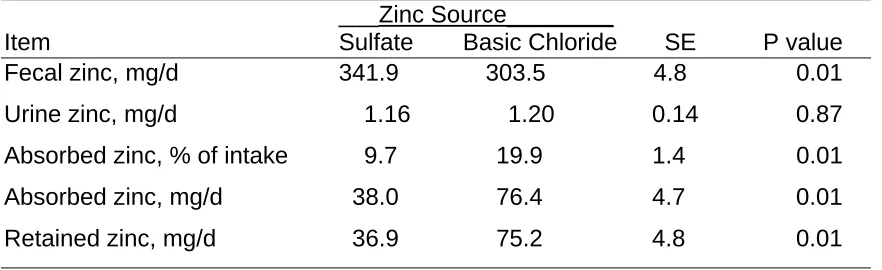
Table 1. Composition of basal diet………..56 Table 2. Effect of zinc source on zinc excretion, apparent absorption and
retention in steers………...57 Table 3. Effect of zinc source on zinc excretion, apparent absorption and
retention in steers (zinc intake used as a covariant)……….58 Table 4. Effect of zinc source on weight gain and plasma zinc
Chapter 1 Literature Review
Introduction
Zinc is a shiny bluish-white, soft metal with an atomic number of 30 and an atomic weight of 65.37. The metal is found naturally in ores mainly in the sulfide form. A scientist named Raulin discovered the first evidence that zinc was essential in life. In 1869 he showed the fungus Aspergillus niger required it. In 1877 Lechartier and Bellamy also provided evidence that zinc had a biological function (O'Dell, 1983). Fifty years passed before additional information about zinc was released, when Sommer and Lipman (1926) reported that zinc was required for higher plants. Zinc research with animals was not published until 1934, when Todd and co-workers reported that zinc was required for growth by the rat. Day and Skidmore (1947) later demonstrated the need for zinc in the mouse as cited in Lamand, 1984; McDowell, 2003.
Research indicating the importance of zinc in a domesticated animal species did not appear in the literature until 1955, when Tucker and Salmon reported that zinc supplementation prevented a condition called parakeratosis in swine (O'Dell, 1983). Two years later zinc was found to prevent skin lesions and poor feathering in chicks (O'Dell 1983). In the ruminant, the idea of zinc
produce clinical zinc deficiency signs in calves (Chesters, 1983). After their research, zinc deficiency in cattle was later reported under field conditions by three groups of researchers (Lamand, 1984).
Function of Zinc
Zinc is found in all body organs and is needed for normal hair, skin,
feather, and bone growth. Zinc is linked to wound healing where zinc is involved in the synthesis of collagen in the bone and skin. Injuries from zinc deficient animals take longer to heal. Zinc plays a role in immunity, fertility, and nearly 200 zinc metalloenzymes. These metalloenzymes include carbonic anhydrase, which is required to transfer carbon dioxide in the red blood cells,
carboxypeptidase (a digestive enzyme), and alkaline phosphatase. The largest number of zinc enzymes belong to the hydrolases, class III. Some zinc
metalloenzymes are found among several species but each enzyme catalyzing a specific reaction is a unique protein for each species. Alkaline phosphatase has been found in 11 species, aminopeptidase in 17 species and neutral protease in 25 species (O'Dell, 1983). It is thought that zinc enzymes are so critical that in a deficiency situation zinc metalloenzyme are the last proteins to lose the zinc ion. Zinc is also involved in DNA and RNA metabolism. Duplication of genes and cell multiplication requires zinc in DNA polymerase and transcription regulation involves zinc-containing histones (Underwood and Suttle, 1999). Zinc is also involved in vitamin A metabolism. Alcohol dehydrogenase, a zinc
(retinol) to vitamin A (retinal) which is a process required for normal vision (McDowell, 2003).
Sources of Zinc
Pastures vary widely in zinc and range from 7 to 100 ppm with a mean of 36 ppm on a dry matter basis (Underwood and Suttle, 1999). Forage zinc is affected by soil type and condition as well as maturity, and species. Basic igneous rocks are rich in zinc, sandstone is poor and calcareous rocks are variable. Peat is a soil amendment but if it is formed over acidic rocks, it will be poor in zinc (Lamand, 1984). Soils that are flooded or poorly drained will have lower zinc content because of the zinc being soluble in the excess water. Other soil factors that affect forage zinc concentrations include fertilization with excess nitrogen and phosphorus, soil pH rising above 6.4, and the degree of compaction (Lamand, 1984, McDowell, 2003). Forages differ by species with legumes being higher in zinc than grasses. Cereal grains usually contain 20 to 30 ppm zinc while plant protein sources can provide 50 to 70 ppm zinc (NRC, 1996).
hydrolyzed proteins, zinc amino acid chelates and zinc polysaccharide complexes (Spears, 1996).
Zinc Deficiency
Zinc deficiency is a concern in the nutritional aspects of food animal
production. Deficiencies severely affect growth, health, and well being of animals and even marginal zinc deficiencies can lead to significant economic losses. All body systems and organs, that have high rates of cell division and protein
lower in the deficient calves until the calves were fed a recovery diet, which reversed the low serum values.
Genetics and Zinc Deficiency
There are several genetic disorders that cause zinc deficiencies. One such disorder is found in mice, called lethal milk, which is a genetic defect that is recessively inherited by the dam (Chesters, 1983). Offspring from these dams die after nursing while the offspring nursing a normal dam survive. All the signs from what was called lethal milk mirrored zinc deficiency and milk tested from the affected dams was 34% lower in zinc than milk from normal dams (Chesters, 1983). Although the milk of these mice were lower in zinc the plasma and
carcass zinc values were similar to mice not affected by lethal milk. Researchers increased survival and weight gain of the offspring by the supplementation of zinc glycine.
The most important genetic disorder from an animal production standpoint is a genetic defect of zinc metabolism called the lethal trait A46 or Adema
also equally distributed between sexes. Through extensive research, a genetic association was determined from one common genetic line of bulls, which was imported from Holland. This was the start of hereditary zinc deficiency
syndrome, also known as Lethal Trait A 46, Adema disease, Hereditary Thymic Hypoplasia, or Hereditary Parakeratosis. Cases were initially observed in Scotland and then other cases appeared in Italy (1969) and later in the Federal Republic of Germany and Holland. However, it was not until 1970 that the disorder was recognized. Andresen et al. (1970) were the first to publish
information about the lethal trait. At the time they wrote their article, 45 lethal or semi-lethal factors had been compiled by Stormont (1958) and Fechheimer et al. (1968) (Andresen et al., 1970). These factors are various hereditary issues, which cause individuals to die before they have the ability to reproduce. In 1970, Gronborg-Pedersen was also studying the same syndrome in cattle. Clinical symptoms were described and it was speculated that the traits might be inherited (Andresen et al., 1970). The syndrome is associated with the Black Pied Danish cattle of Friesian descent. All affected calves were sired by the same bull,
Hornshoj Adema S 8181, from which the syndrome's first name was applied: "Morbus Ademae". This name also applied to the Friesian bull Adema 21. Andresen et al. (1970) did not want to use "Adema" in designating the disease because the trait was genetically recessive. The Adema bulls were not the only cause; the dams had to be genetically recessive as well for the trait to be
could have been thought of as carriers. So with the lack of a suitable descriptive name, the researchers proposed the code designation A 46 (Andresen et al., 1970).
In the study performed by Andresen et al. (1970), calves expressing lethal trait A 46 appeared normal at birth and up to 1 month of age. At 6-8 weeks of age, development of external signs occurred, which was followed by death or euthanasia by 1.5 to 4 months of age, because of the pronounced development of the condition (Andresen et al., 1970). Basse found a diminutive thymus in all affected calves subjected to an autopsy (Andresen et al., 1970). A chromosome analysis on infected calves, which were not in the study, possessed a normal diploid chromosome number and no abnormalities were found. A sex ratio was also considered. Statistically, the ratio did not differ from a 1:1 ratio. While controlled mating prevented calves from expressing the trait, Andresen et al. (1970) concluded that the lethal trait was a result of autosomal recessive inheritance.
original mutation. The bull was called Egbert N.R.S. 13110, and was born in 1932 (Kroneman et al., 1975). Kroneman observed in his research that the calves responded well to an oral zinc sulfate solution or other zinc salts.
Kroneman gave the oral zinc solution at a dose of 0.21 mg zinc per kilogram of body weight. Kroneman et al. (1975) noticed that clinical signs of zinc deficiency tended to appear in calves approximately 2 weeks after zinc levels in serum decreased and stayed at low levels. Calves that seemed to be infected were given an oral zinc treatment. Treatment caused all symptoms to disappear until treatments stopped. When stopping the oral zinc treatment, the symptoms began to reappear. Kroneman concluded a simple recessive gene caused the hereditary disorder when the deficiency could not be controlled in the affected animals.
This syndrome also parallels a human problem called Acrodermatitis enteropathica, which has been treated with halogenated oxychinolines since 1953 (Flagstad, 1977). The hypothesis put forth by Portnoy & Molokhia (1974) and Moynahan (1974) suggested that oxychinolines might transport zinc or make zinc available for transport across the intestinal barrier (Flagstad, 1977). At this time, there was no research to support the hypothesis, but Neldner and
rapid resolution of skin lesions and full regrowth of hair occurred within 30 days of treatment. Flagstad also had a second period in his research that involved Adema calves receiving oral doses of 10 grams per day zinc oxide. This
treatment resulted in faster improvements and extremely high zinc plasma levels. It was also concluded from Flagstad's research that Adema disease in cattle and the human form, Acrodermatitis enteropathica, were identical.
Kroneman et al. (1977) and Brummerstedt et al. (1977) demonstrated that supplemental zinc given prior to the terminal stage of Adema disease resulted in complete remission and reversal of the involution of the thymus (Chesters, 1983). The doses of zinc needed to treat the animals with the trait were 200 times
higher than those needed by normal animals, simply because the lethal trait animals were unable to absorb zinc efficiently. This strongly suggested the loss of a transport mechanism for zinc in the intestinal mucosa. This idea was
strengthened when Flagstad (1977) administered an oxychinoline supplement to a calf with the genetic mutation. The skin condition was alleviated without
additional zinc supplementation and fractional absorption of a tracer dose of 65
Zinc given orally was increased as well (Chesters, 1983).
suckling ability. They had problems curving their tongues around the nipple of the bottle and also excessive salivation was observed. Once zinc treatment began, the suckling problem as well as the drooling ceased within 24 hours (Machen et al., 1996). These results suggested that zinc deficiency caused an impairment of the glossal motor skills. Machen discussed the two pathways via which zinc is absorbed. The first pathway, transporter-dependent saturable system, is effective at low concentrations of luminal zinc. The second pathway, the nonsaturable system, involves passive diffusion of zinc. In the affected cattle, large doses of zinc allowed proper uptake of zinc, which indicated the nonsaturable component of zinc transport was what was functioning in hereditary zinc deficiency (Machen et al., 1996). Current research is looking at a cysteine rich intestinal protein. The cysteine rich intestinal protein appears to be involved in the transporter-dependent pathway of zinc absorption (Machen et al., 1996).
Zinc Toxicity
This research agrees with the National Research Council, which states the maximum tolerance level of zinc is 500 mg/kg diet. Decreased weight gain was reported in calves that were fed 900 mg/kg zinc for a 12 week period (NRC, 1996).
Zinc Metabolism
Zinc is absorbed according to need by the rat and ruminants (Underwood and Suttle, 1999). Zinc is absorbed throughout the small intestine of monogastric animals, but may be absorbed by the rumen better than the small intestine in sheep (McDowell, 2003). Zinc is transferred from the lumen into the mucosal cell. This process is regulated by metallothionine. Zinc absorption is reduced by high concentrations of copper, cadmium, calcium, phosphorus, chromium, phytate, and fiber (Underwood and Suttle, 1999).
Approximately two-thirds of the plasma zinc is loosely bound to albumin (Underwood and Suttle, 1999). Tissues can readily take up zinc that is attached to albumin. The remaining portion of the plasma zinc is tightly bound to high molecular weight proteins (McDowell, 2003). The liver extracts about 30-40% of the zinc that enters the bloodstream and then the liver releases the zinc back into the bloodstream. Zinc uptake by the central nervous system is slow but is bound for long periods. Zinc in bones and hair is not readily available for mobilization to other organs. The most turnover and accumulation of zinc occurs in the
obtain zinc from the environment, and maintain supplies of zinc. Intracellular zinc is found mainly in the cytosol bound to proteins (60-80%), with only 10 -20% in the nuclear fraction, and small amounts in the mitochondrial and microsomal fractions (McDowell, 2003).
Zinc is stored in organs such as liver, kidney, and pancreas. Minor stores can be found in bone, muscle and skin (Rojas et al., 1995). There are limited stores of zinc that can be mobilized during zinc deficiency. Metallothionein, which is concentrated in the liver, kidney, pancreas, and intestine is the major form in which zinc can be stored (McDowell, 2003). Zinc can also be
redistributed from pools in muscle and bone during deficiency, which can prolong the time before a clinical deficiency occurs (Underwood and Suttle, 1999). Zinc absorbed in excess of requirements is eliminated primarily via endogenous fecal excretion with minor amounts excreted in the urine. Endogenous zinc that is excreted in the feces originates from pancreatic, gastrointestinal, and biliary secretions as well as loss of mucosal cells.
Zinc Bioavailability
Wedekind et al. (1990) found that the typical source of zinc being used at the time in most poultry and swine rations, zinc oxide, was not as available as feed grade zinc sulfate. In this study they fed male chicks 3 levels of
supplemental zinc from each of the 2 sources. The basal diet contained 13 ppm zinc and they supplemented either 0, 7.5, or 15 ppm zinc from each source. Conclusions of the study indicated the bioavailability of zinc oxide, using tibia zinc regressed on supplemental zinc intake, was only 44.1% when compared to zinc sulfate set at 100%. Also when weight gain was regressed on supplemental zinc intake, it was found that zinc oxide was only 61.2% as bioavailable as zinc sulfate (Wedekind et al., 1990). Wedekind et al. (1992) used 3 different diets to assess the bioavailability of zinc methionine using male chicks. They used a purified amino acid diet (1 ppm zinc), a semi-purified diet (13 ppm zinc), and a complex corn-soybean diet (45 ppm zinc). The trials were conducted with each zinc source supplemented at 0, 7.5, and 15 ppm zinc. They found a linear response to weight gain and tibia zinc for both zinc methionine and zinc sulfate. Plasma zinc concentrations did not increase for zinc methionine but an increase in the zinc sulfate treatment was seen (Wedekind et al., 1992). Bioavailability of zinc was determined to be 117% for zinc methionine in a purified diet and 177% in a soy isolate diet when compared to zinc sulfate. It was theorized that
bioavailability estimates for zinc are dependent on the diets used and they also suggested that the metabolism for zinc methionine is different from that of inorganic zinc sulfate in poultry (Wedekind et al., 1992).
In swine relative bioavailability of different zinc sources differed from results obtained in poultry. Wedekind et al. (1994) adjusted 240 weanling pigs to a diet (42 ppm zinc) which depleted zinc stores in the body. At the end of this stage approximately 5% of the pigs developed signs of zinc deficiency. One hundred ninety two animals from this group were then allotted to 6 treatment diets all containing adequate nutrients with the exception of zinc. Zinc sulfate was used to develop a standard curve using 3 levels, 0, 7.5, and 15 ppm. This curve was then used with the 3 other groups of pigs fed zinc oxide (15 ppm supplemental zinc), zinc lysine (7.5 ppm supplemental zinc), and zinc methionine (7.5 ppm supplemental zinc). Results of this trial indicated that in swine zinc sulfate was the most bioavailable (100%) followed by zinc methionine (60.4%), zinc oxide (66.7%), and then zinc lysine (37.5%) as the least bioavailable using metacarpal zinc concentrations and setting zinc sulfate at 100% (Wedekind et al., 1994).
showed mean serum zinc concentrations were different on day 49 when zinc concentrations increased for the controls by .20 µg/ml, while zinc lysine, zinc oxide, and zinc sulfate increased by .74, .83, and .62 µg/ml, respectively but zinc methionine was not different at .52 µg/ml. On day 55 zinc lysine was also
significantly higher (P < 0.05) than the other treatments. Rojas et al. (1995) suggested that zinc sulfate and zinc lysine may be more bioavailable than zinc oxide but zinc methionine is not different than zinc sulfate in lambs. The data also suggested that zinc lysine was more bioavailable based on higher
accumulations of zinc in the liver, kidney, and pancreas than the other zinc sources (Rojas et al., 1995).
Once again with a different species a different source was found to be superior in bioavailability. Cao et al. (2000b) also worked with wether lambs using zinc sulfate as a comparison with complexes and chelated products. Forty-two crossbred wether lambs were assigned to 1 of 7 treatments. Zinc sulfate was supplemented at 0, 700, 1400, or 2100 ppm added zinc and zinc from zinc proteinate, zinc amino acid chelate, or zinc methionine was supplemented at 1400 ppm (Cao et al., 2000b). The lambs were fed a corn-soybean meal-cottonseed hull diet (58 ppm zinc) at a restricted intake level of 1 kg per day as fed. Cao et al. (2000b) used multiple linear regression slope ratios of liver, kidney, and pancreas zinc, and liver metallothionine to compare relative
concluded that with the exception of the zinc proteinate, the other sources had similar bioavailablity as zinc sulfate.
Two groups have studied the bioavailability of zinc in cattle. Spears (1989) used 36 Hereford-Simmental heifers fed a corn silage based diet (23.1 ppm zinc) supplemented with 25 ppm zinc from either zinc oxide or zinc methionine. There was not a source effect on plasma zinc or alkaline
phosphatase. Rojas et al. (1996) compared zinc methionine, zinc sulfate, and zinc oxide supplementing 360 mg of zinc per head per day. They found no differences among zinc sources when using 32 yearling Limousin and Angus crossbred heifers. These cattle were fed ad-libitum bermuda grass hay (19.6 ppm zinc) and 1.8 kg of corn based concentrate containing the treatment. The control diet in this trial ranged from 20-26 ppm zinc (Rojas et al., 1996). This trial concluded that at adequate levels of zinc, bioavailability of the zinc source may not be as important in cattle, but at lower zinc levels sources could be a factor (Rojas et al., 1996).
Spears et al. (1991), Gaylean et al. (1995), and Nunnery et al. (1996) reported no effect of zinc methionine on average daily gain of cattle. Greene et al. (1988) used a control diet (81 ppm zinc) and then supplemented 360 mg zinc per day from either zinc methionine or zinc oxide. They found that zinc
methionine increased quality grade, marbling score, kidney, pelvic and heart fat, as well as external fat when compared to zinc oxide. The quality grade response to zinc methionine may allow marketing at an earlier age or increase marbling in cattle that typically do not grade well (Greene et al., 1988). Huerta et al. (2002) also found some positive carcass correlation with zinc treatments. Their diets consisted of a control diet (64 ppm zinc) and 200 ppm supplemental zinc from the 2 sources. They found that zinc methionine and zinc sulfate lowered maturity scores, and that quality grades were significantly higher in finishing heifers
supplemented with zinc methionine but these results were not seen with finishing steers (Huerta et al., 2002). Martin et al. (1987) could not replicate the
responses to zinc methionine shown by Green et al. (1988). They supplemented zinc at 37 ppm. The research found no differences in gain, intake, or feed
fed zinc methionine. The opposite affect was seen when zinc sulfate was used as the treatment. Implanted heifers had a higher weight gain than non-implanted heifers when either no additional zinc or zinc sulfate was used (Huerta et al., 2002). Research completed with steers also indicated that growth implants increased gain in animals supplemented with zinc sulfate but not in those supplemented with zinc methionine.
Zinc Chloride
better source in poultry diet because of the insolubility in water, which reduces the oxidation of other nutrients (Batal et al., 2001).
Mavromichalis et al. (2001) took the tetrabasic zinc chloride research one step further and looked at the pharmacological aspect with nursery pigs.
Research was completed with zinc oxide as the comparison to tetrabasic zinc chloride using 150 weaned pigs getting diets with no antimicrobial agents included. Pigs were fed 0, 1500, or 3000 ppm zinc from either zinc oxide or tetrabasic zinc chloride. It was concluded that the tetrabasic zinc chloride at 1500 ppm zinc was equal to 3000 ppm zinc from zinc oxide. At that level there was a significant increase in weight gain and feed efficiency, as well as a
significant increase in feed efficiency for the tetrabasic zinc chloride
Literature Cited
Andresen, E., T Flagstad, A. Basse, and E. Brummerstedt. 1970. Evidence of a lethal trait, A46, in black pied Danish cattle of friesian descent. Nord. Vet. Med. 22:473-485.
Batal, A. B., Parr, T. M. and Baker, D. H. 2001. Zinc bioavailability in tetrabasic zinc chloride and the dietary zinc requirement of young chicks fed soy concentrate diet. Poult. Sci. 80: 87-91.
Cao, J., P. R. Henry, C. B. Ammerman, R. D. Miles and R. C. Littell. 2000a. Relative bioavailability of basic zinc sulfate and basic zinc chloride for chicks. J. Appl. Poult. Res. 9:513-517.
Cao, J., P. R. Henry, R. Guo, R. A. Holwerda, J. P. Toth, R. C. Littell, R. D. Miles and C. B. Ammerman. 2000b. Chemical characteristics and relative
bioavailability of supplemental organic zinc sources for poultry and ruminants. J. Anim. Sci. 78:2039-2054.
Chesters, J. K. 1983.Zinc metabolism in animals: pathology, immunology, and genetics. J. Inher. Metab. Dis. 6 Suppl. 1:34-38.
Flagstad, T. 1977. Intestinal absorption of 65Zn in A46 (adema disease) after treatment with oxychinolines. Nord. Vet. Med. 29:96-100.
Galyean, M. L., K. J. Malcolm-Callis, S. A. Gunter, and R. A. Berrie. 1995. Effects of zinc source and level and added copper lysine in the receiving diet on performance by growing and finishing steers. Prof. Anim. Sci. 11:139-148. Greene, L. W., D. K. Lunt, F. M. Byers, N. K. Chirase, C. E. Richmond, R. E.
steers supplemented with zinc oxide or zinc methionine. J. Anim. Sci. 66:1818-1823.
Huerta, M., R. L. Kincaid, J. D. Cronrath, J. Busboom, A. B. Johnson, and C. K. Swenson. 2002. Interaction of dietary zinc and growth implants on weight gain, carcass traits and zinc in tissues on growing beef steers and heifers. Anim. Feed Sci. Technol. 95:15-32.
Kessler, J., I. Morel, P. A. Dufey, A. Gutzwiller, A. Stern, and H. Geyer. 2003. Effects of organic zinc sources on performance, zinc status, and carcass meat and claw quality in fattening bulls. Livest. Prod. Sci. 81:161-171.
Kincaid, R. L., B. P. Chew, and J. D. Cronrath. 1997. Zinc Oxide and amino acids as sources of dietary zinc for calves: Effects on uptake and immunity. J. Dairy Sci. 80:1381-1388.
Kroneman, J., G. J. W. v.d. Mey, and A. Helder. 1975. Hereditary zinc deficiency in dutch friesian cattle. Zbl. Vet. Med. A 22:201-208.
Lamand, M. 1984. Zinc deficiency in ruminants. Irish Vet. J. 38:40-47
Machen, M., T. Montgomery, R. Holland, E. Braselton, R. Dunstan, G. Brewer, and V. Yuzbasiyan-Gurkan. 1996. Bovine hereditary zinc deficiency: lethal trait A 46. J. Vet. Diagn. Invest. 8:219-227.
Martin, J. J., C. A. Strasia, D. R. Gill, R. B. Hicks, K. Ridenour, G. Dolezal, and F. N. Owens. 1987. Effect of zinc methionine on live performance and carcass merit of feedlot steers. Oklahoma Agric. Exp. Sta. MP-119:344-350.
Stillwater, OK.
Mavromichalis, I., D. M. Webel, E. N. Parr, and D. H. Baker. 2001. Growth-promoting efficacy of pharmacological doses of tetrabasic zinc chloride in diets for nursery pigs. Can. J. Anim. Sci. 81:387-391.
McDowell, L. R. 2003. Minerals in animal and Human Nutrition. 2nd Ed. Elsevier Science B. V., Amsterdam.
Miller, W. J., W. J. Pitts, C. M. Clifton, and J. D. Morton. 1965. Effects of zinc deficiency per se on feed efficiency, serum alkaline phosphatase, zinc in skin, behavior, graying, and other measurements in the holstein calf. J. Dairy Sci. 48:1329-1334.
NRC. 1996. Nutrient requirements of beef cattle 7th revised ed. National Academic Press, Washington DC.
Nunnery, G. A., G. E. Carstens, and L. W. Greene. 1996. Feedlot performance and carcass characteristics in steers fed different sources and levels of supplemental zinc. J. Anim. Sci. 74(Suppl. 1):294 (Abstr.).
O’Dell, B. L. 1983. History and status of zinc in nutrition. Federation Proc. 43:2821-2822.
Rojas, L. X., L. R. McDowell, F. G. Martin, N. S. Wilkinson, A. B. Johnson, and C.A. Njeru. 1996. Relative bioavailability of zinc methionine and two inorganic zinc sources fed to cattle. J. Trace Elements Med. Biol. 10:205-209.
Spears, J. W. 1989. Zinc methionine for ruminants: Relative bioavailability of zinc in lambs and effects of growth and performance of growing heifers. J. Anim. Sci. 67:835-843.
Spears, J. W. 1996. Organic trace minerals in ruminant nutrition. Anim. Feed Sci. Tech. 58:151-163.
Spears, J. W., R. W. Harvey, T. T. Brown Jr. 1991. Effects of Zinc Methionine and zinc oxide on performance, blood characteristics and antibody titer response to viral vaccination in stressed feeder calves. J. Am. Vet. Med. Assoc. 199:1731-1733.
Spears, J. W., and E. B. Kegley. 2002. Effect of zinc source (zinc oxide vs zinc proteinate) and level on performance, carcass characteristics, and immune response of growing and finishing steers. J. Anim. Sci. 80:2747-2752.
Wedekind, K. J. and D. H. Baker. 1990. Zinc bioavailability in feed-grade sources of zinc. J. Anim. Sci. 68:684-689.
Wedekind, K. J., A. E. Hortin, and D. H. Baker. 1992. Methodology for assessing zinc bioavailability: Efficacy estimates for zinc methionine, zinc sulfate, and zinc oxide. J. Anim. Sci. 70:178-187.
Wedekind, K. J., A. J. Lewis, M. A. Giesemann, and P. S. Miller. 1994.
Chapter 2
Effect of Zinc Source (Zinc Sulfate vs. Basic Zinc Chloride) and Level on Performance, and Carcass Characteristics in Growing and Finishing Steers1
G. L. Shaeffer, J. W. Spears2, and K. E. Lloyd
Department of Animal Science and Interdepartmental Nutrition Program North Carolina State University
Raleigh, NC 27695-7621
1
Use of trade names in this publication does not imply endorsement by the North Carolina Agricultural Research Service nor criticism of similar ones not mentioned.
2
Abstract
One hundred twenty Angus and Angus cross steers averaging 251 kg initially, were used to determine the effects of zinc level and zinc source on performance and carcass characteristics of growing and finishing steers. Steers were blocked by weight and origin and then randomly assigned to treatments. Treatments consisted of 1) control (no supplemental zinc), 2) 30 ppm
supplemental zinc from zinc sulfate, 3) 90 ppm supplemental zinc from zinc sulfate, 4) 30 ppm supplemental zinc from zinc chloride, and 5) 90 ppm
supplemental zinc from zinc chloride. Steers were housed in pens of 5 animals. All treatments consisted of five replicate pens with the exception of the control, which contained four replicate pens. Steers were fed a corn silage-based diet during the 85 d growing phase and a high corn diet during the finishing phase. Steers remained on their dietary treatment throughout the growing and finishing phases. Plasma zinc concentrations, plasma alkaline phosphatase activities, blood urea nitrogen concentration were determined at d 28 and 84 of the growing phase and on d 56 of the finishing phase. Ruminal soluble zinc was also
zinc supplementation, regardless of level or source, did not affect gain, feed intake or gain:feed. All carcass characteristics were similar for all treatments except for marbling, which was slightly higher (P<0.05) in steers supplemented with 90 ppm compared to those fed 30 ppm of zinc. Liver zinc was also
significantly (P < 0.05) higher in steers fed 90 ppm verses 30 ppm of zinc. Plasma zinc concentrations were higher for steers supplemented with 30 ppm zinc from basic zinc chloride on day 28 and for steers supplemented with 90 ppm zinc from basic zinc chloride on day 84 of the growing phase and day 56 of the finishing phase compared to those fed similar concentrations of zinc from zinc sulfate. Steers supplemented with 90 ppm of zinc also had higher plasma zinc concentrations than those supplemented with 30 ppm of zinc on day 84 of the growing phase and day 56 of the finishing phase. Ruminal soluble zinc
Introduction
Studies in poultry have indicated that the bioavailability of zinc from basic zinc chloride is similar to reagent-grade zinc sulfate (Cao et al., 2000; Batal et al., 2001). Basic zinc chloride has not been evaluated as a zinc source for
ruminants. Because of its low water solubility (Cao et al., 2000), basic zinc chloride would be expected to be less soluble in the rumen than zinc sulfate. A low solubility in the rumen may reduce interactions among zinc and other
compounds in the rumen and therefore, increase zinc absorption from the small intestine.
Most previous studies in growing and finishing cattle have indicated no response in performance to zinc supplementation of diets containing NRC (1996) recommended concentrations of 30 ppm zinc. However, Galyean (1996)
surveyed feedlot nutrition consultants and found that a higher percentage of consultants supplemented zinc concentrations well above NRC
Materials and Methods
The study was conducted at the Butner Beef Cattle Field Laboratory, under the direction of University Field Laboratories at North Carolina State University. Cattle used in this trial were either produced by the University cowherd or purchased from local North Carolina graded feeder calf sales. Several weeks prior to the start of the trial cattle were vaccinated for IBR, BVD type I and II, PI3, and BRSV using Titanium 5 (Diamond Animal Health, Des Moines, IA) and for Clostridium chauvoei (Blackleg), septicum (Malignant edema), novyi (Black disease), sordellii and perfringens types C and D
(enterotoxemia) using Vision 7 (Intervet Inc., Millsboro, DE). Cattle were also dewormed using Cydectin Pour-on (Fort Dodge, Fort Dodge, IA). Basic zinc chloride was supplied by Micronutrients, A Division of Heritage Technologies, LLC (Indianapolis, IN) and the zinc sulfate originated from Eastern Minerals (Henderson, NC). Care, handling, and sampling of the animals used in the trial was approved by the North Carolina State University Institutional Animal Care and Use Committee.
One hundred twenty Angus and Angus cross steers averaging 251 kg initially, were blocked by weight and origin and randomly assigned to treatments. Treatments consisted of 1) control (no supplemental zinc), 2) 30 ppm
while zinc chloride analyzed 61.7% zinc. Steers remained on their dietary treatment throughout the growing and finishing phases.
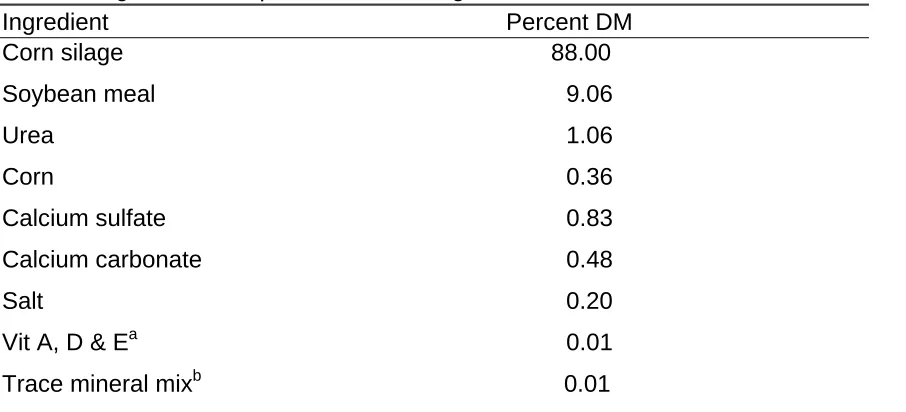
Steers were housed 5 steers per pen in one covered, open sided barn with 24 pens, 12 pens per side and a slatted concrete floor with a flush system designed by Hog Slat. Each treatment consisted of 5 replicate pens of 5 steers with the exception of the control treatment, which had 4 replicate pens. Steers were fed ad-libitum from a concrete bunk feeder once per day in the morning and had access to automatic waterers. During the 85 d growing phase, steers were fed a corn silage-based diet (silage crude protein average 6.43%) supplemented with protein, minerals, and vitamins (Table 1). The control diet analyzed 38 ppm of zinc. At the end of the growing phase, a 9 d transition feeding schedule allowed for the switch to a high concentrate finishing diet with all animals
Body weights were taken prior to feeding on two consecutive days at the start and end of the trial. Interim weights were taken every 28 days throughout the growing and finishing phases. Blood samples were taken at day 28 and 84 of the growing phase and day 56 of the finishing phase to determine plasma zinc, blood urea nitrogen, and alkaline phosphatase activity. Samples were obtained from the same 2 steers per pen on all sample days 2 hours post feeding. Blood samples were collected via jugular venipuncture in heparinized vacuum tubes designed for trace mineral analysis (Becton Dickenson, Rutherford, NJ) and plasma was obtained following centrifugation. Plasma zinc was measured by atomic absorption spectroscopy (AA-6701F, Shimadzu Scientific Instruments, Kyoto, Japan). Alkaline phosphate was assayed within 24 hours after centrifuging the blood using a commercial kit obtained from Sigma Diagnostics. Absorbance readings were taken using a Bausch and Lomb Spectronic 1001 (Bausch and Lomb, Rochester, NY) at 405 nm. Blood urea nitrogen was also analyzed using a Sigma Diagnostics kit. Absorbance readings were measured at 530nm.
Ruminal fluid was obtained via stomach tube from two steers per pen on day 85 of the growing phase and day 109 of the finishing phase. Ruminal fluid was collected 2 hours post feeding in sealed bottles until returned to the
chromatography (Model 3380, Varian, Walnut Creek, CA) using a nukol fused silica column, 30 m X 0.25 mm X 0.25 µm.
Statistical Analysis
Data were analyzed statistically by least squares analysis of variance using the GLM procedure of SAS (1990). Differences among treatments were determined using single degree of freedom contrasts. Contrasts made were: 1) control vs. all zinc supplemented treatments, 2) 30 vs. 90 ppm of supplemental zinc, 3) basic zinc chloride vs. zinc sulfate when supplemented at 30 ppm of zinc, and 4) basic zinc chloride vs. zinc sulfate when supplemented at 90 ppm of zinc. Repeated measures were also run on blood urea nitrogen, alkaline phosphatase, and plasma zinc. Significance was declared at P < 0.10.
Results and Discussion
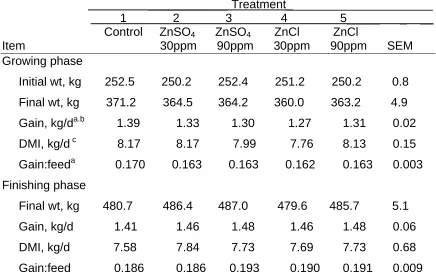
During the 85 d growing phase, gain and gain:feed was slightly higher (P < 0.05) for controls compared with steers supplemented with zinc (Table 3). The control diet analyzed higher in zinc at 38 ppm than the NRC recommendation of 30 ppm. However, the higher gain in control verses the zinc supplemented steers was not expected. In contrast to the present study zinc supplementation (25 ppm) of a corn silage-based diet containing 33 ppm zinc increased gain in steers (Spears and Kegley, 2002). However, in growing heifers zinc addition to a corn silage-based diet containing 23.8 ppm of zinc did not affect performance over a 126-d study (Spears, 1989). Feed efficiency was not affected by zinc source, although dry matter intake and gain were slightly lower in steers
level of zinc sulfate. The decreased gain in cattle supplemented with 30 ppm zinc from basic zinc chloride verses zinc sulfate is difficult to explain because performance of cattle fed 90 ppm supplemental zinc was similar for the two zinc sources.
The control finishing diet was lower in zinc compared to the growing diet (25 vs. 38 ppm), but zinc level or source did not affect performance (Table 3). A trial with a control compared to zinc supplementation from zinc oxide or zinc proteinate found a tendency for an increase in average daily gain and gain:feed when finishing steers were fed the proteinate form while gain and feed efficiency were similar for the oxide and control treatments (Spears and Kegley, 2002). Perry et al. (1968) reported in two of four trials, improved average daily gain in steers that were receiving finishing diets 18 to 29 ppm zinc. Pond and Oltjen (1988) feeding diets containing 24 ppm zinc and Nunnery et al. (1996) feeding 30 ppm zinc were unable to detect an increase in gain or efficiency when
supplementing zinc as cited by Spears and Kegley, 2002. Improvements in gain were also not seen in studies in which the negative control diet was over the NRC (1996) recommendation before additional zinc supplementation (Greene et al., 1988; Malcolm-Callis et al., 2000).
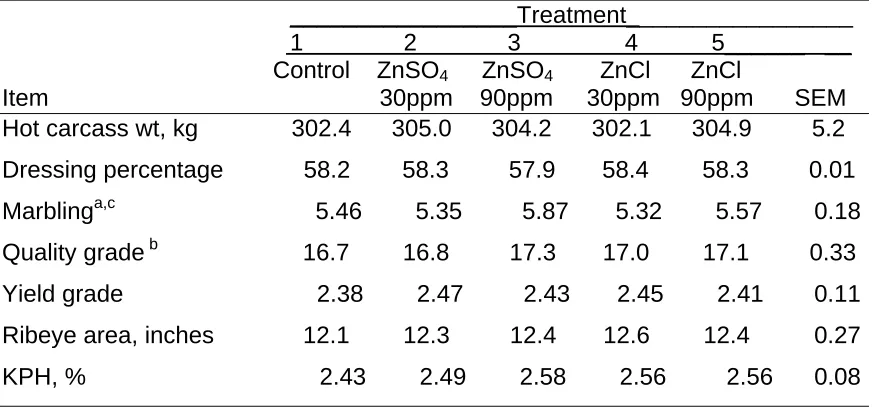
Carcass characteristics are presented in Table 7. Steers supplemented with 90 ppm of zinc had slightly higher marbling scores than those supplemented with 30 ppm of zinc. Zinc level or source did not affect other carcass
marbling score in finishing cattle (Malcolm-Callis et al., 2000). However, steers supplemented with 100 ppm zinc had higher yield grade and fat thickness than those receiving 20 or 200 ppm supplemental zinc (Malcolm-Callis et al., 2000). Spears and Kegley (2002) found that the addition of 25 ppm of zinc to a control finishing diet containing 26 ppm zinc increased quality grade, yield grade, marbling, and backfat in steers.
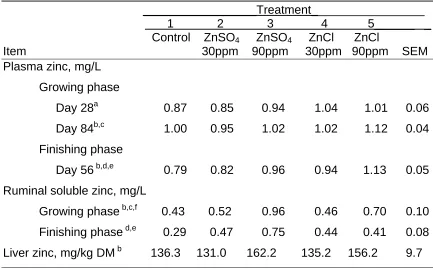
Plasma zinc concentrations tended to be higher in steers supplemented with basic zinc chloride compared with those given zinc sulfate at all sampling times (Table 4). On day 28 of the growing phase, plasma zinc differed
significantly (P < 0.05) among steers supplemented with basic zinc chloride and zinc sulfate when 30 ppm of zinc was added. Steers supplemented with 90 ppm of zinc from basic zinc chloride had higher (P < 0.10) plasma zinc concentrations than those supplemented with 90 ppm from zinc sulfate on day 84 of the growing phase. Plasma zinc was also higher (P < 0.05) in steers supplemented with 90 ppm from basic zinc chloride compared with those fed zinc sulfate on day 56 of the finishing phase. The higher plasma zinc concentrations in steers
supplemented with basic zinc chloride are consistent with the higher zinc absorption observed for basic zinc chloride compared to zinc sulfate in growing steers (Shaeffer, unpublished). Regardless of zinc source, steers supplemented with 90 ppm zinc had higher (P < 0.05) plasma zinc concentrations than those fed 30 ppm during the growing (day 84) and finishing phases. Control steers had lower (P < 0.05) plasma zinc concentrations than steers receiving zinc
(2002) reported that the addition of 25 ppm of supplemental zinc to a control diet containing 26 ppm zinc did not affect plasma zinc in finishing steers.
Ruminal soluble zinc concentrations were increased by zinc
supplementation to the control diet (Table 4). Steers fed basic zinc chloride had lower ruminal soluble zinc concentrations than steers fed zinc sulfate when zinc was added at 90 ppm. These findings suggest that basic zinc chloride is less soluble in the ruminal environment. This is also supported by research of Cao et al. (2000) indicating basic zinc chloride was insoluble in water but completely soluble in 0.4% HCL, 2% citric acid, and neutral ammonium citrate.
Liver zinc concentration was not affected by zinc source (Table 4). Steers receiving 90 ppm of supplemental zinc had higher liver zinc concentrations than steers supplemented with 30 ppm of zinc (P < 0.05). However, addition of 30 ppm of supplemental zinc did not increase liver zinc concentrations above those observed in controls. The higher liver zinc in steers supplemented with 90 ppm zinc is consistent with other studies (Wright and Spears, 2004; Kincaid et al., 1997) indicating that fairly high dietary zinc concentrations will elevate liver zinc concentrations.
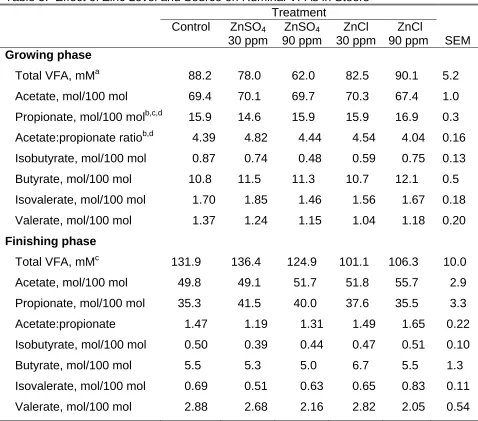
Total ruminal volatile fatty acid concentration was lower (P < 0.01) when steers were supplemented with 90 ppm zinc sulfate verses 90 ppm zinc chloride during the growing phase (Table 5). Propionate molar proportion was higher (P < 0.01) in steers supplemented with 90 ppm verses 30 ppm of zinc. Steers
from zinc sulfate. Acetate:propionate ratio was lower (P < 0.01) in steers
supplemented with 90 verses 30 ppm of zinc and tended (P<0.01) to be lower in steers fed basic zinc chloride when zinc was added at 90 ppm. During the finishing phase only total volatile fatty acid concentration was affected. Zinc sulfate at 30 ppm increased the total VFA concentrations when compared to the basic zinc chloride at the same level (P < 0.05).
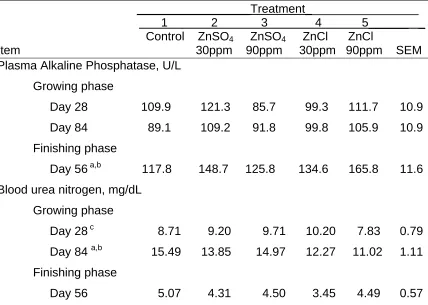
Zinc level or source did not affect plasma alkaline phosphatase activity during the growing phase (Table 6). Zinc supplementation of the control diet increased (P < 0.10) plasma alkaline phosphatase activity during the finishing phase. Alkaline phosphatase is a zinc dependent enzyme, and these results suggest that a lack of dietary zinc limited activity of this enzyme during the finishing phase. Steers supplemented with 90 ppm of zinc from basic zinc chloride also had higher (P<0.05) plasma alkaline phosphatase activities than steers given 90 ppm of zinc from zinc sulfate. Previous research indicated that zinc supplementation to a corn silage-based control diet increased activity of alkaline phosphatase in heifers (Spears and Samsell, 1986). Alkaline
phosphatase was not affected by supplemental zinc in lambs fed a forage diet but alkaline phosphatase was increased by zinc supplementation in lambs fed a concentrate based diet (Kegley and Spears, 1992).
sampling date in the growing phase there was a tendency for zinc
supplementation to lower blood urea nitrogen levels (P < 0.10) and steers supplemented with 90 ppm of zinc sulfate had higher (P < 0.05) blood urea nitrogen concentrations than those fed 90 ppm zinc from basic zinc chloride.
Results from the present study suggest that supplementation of zinc from either zinc sulfate or basic zinc chloride results in similar performance of growing and finishing cattle. Marbling was the only carcass characteristic affected by dietary zinc. Marbling scores were higher in steers fed a level of 90 ppm zinc compared to 30 ppm but this affect was not observed as a difference in zinc source. Zinc source differences were only observed in plasma zinc
concentrations on day 84 of the growing phase and day 56 of the finishing phase. Steers supplemented with basic zinc chloride had higher plasma zinc
concentrations than those fed zinc sulfate when zinc was supplemented at 90 ppm. Basic zinc chloride at 90 ppm also increased plasma alkaline phosphatase activity compared to zinc sulfate. Steers fed 90 ppm of zinc from basic zinc chloride had a lower ruminal soluble zinc concentrations than those fed 90 ppm from zinc sulfate.
Literature Cited
Cao, J., P. R. Henry, C. B. Ammerman, R. D. Miles and R. C. Littell. 2000.
Relative bioavailability of basic zinc sulfate and basic zinc chloride for chicks. J. Appl. Poult. Res. 9:513-517.
Galyean, M. L. 1996. Disparity between requirements for zinc and current fortification levels in beef cattle finishing diets. In: Proc. Southwest Nutrition Management Conference. pp 27-32. University of Arizona, Tucson.
Greene, L. W., D. K. Lunt, F. M. Byers, N. K. Chirase, C. E. Richmond, R. E. Knutson, and G. T. Schelling. 1988. Performance and carcass quality of steers supplemented with zinc oxide or zinc methionine. J. Anim. Sci. 66:1818-1823.
Kincaid, R. L., B. P. Chew, and J. D. Cronrath. 1997. Zinc Oxide and amino acids as sources of dietary zinc for calves: Effects on uptake and immunity. J. Dairy Sci. 80:1381-1388.
Malcolm-Callis, K. J., G. C. Duff, S. A. Gunter, E. B. Kegley and D. A. Vermeire. 2000. Effects of supplemental zinc concentration and source on performance, carcass characteristics, and serum values in finishing beef steers. J. Anim. Sci. 78:2801-2808.
NRC. 1996. Nutrient requirements of beef cattle 7th revised ed. National Academic Press, Washington DC.
Spears, J. W., and E. B. Kegley. 2002. Effect of zinc source (zinc oxide vs zinc proteinate) and level on performance, carcass characteristics, and immune response of growing and finishing steers. J. Anim. Sci. 80:2747-2752. Spears, J. W., and L.J. Samsell. 1986. Relative bioavailability of zinc in zinc
methionine and zinc oxide for ruminants. J. Anim. Sci. 63(Suppl. 1):402 (Abstr.).
Table 1. Ingredient Composition of Growing Diet
Ingredient Percent DM
Corn silage 88.00
Soybean meal 9.06
Urea 1.06
Corn 0.36
Calcium sulfate 0.83
Calcium carbonate 0.48
Salt 0.20
Vit A, D & Ea 0.01 Trace mineral mixb 0.01
a
Provided per kg of diet: 2,643 IU of vitamin A, 881 IU of vitamin D3, and 4.4 IU of Vitamin E.
b
Table 2. Ingredient Composition of Finishing Diet
Ingredient Percent DM
Corn 85.51
Soybean meal 5.88
Cottonseed hulls 5.00
Urea 0.74
Calcium sulfate 0.78
Calcium carbonate 1.27 Potassium Chloride 0.58
Salt 0.20
Vit A, D & E 0.01
Trace mineral mix 0.01
Table 3. Effect of Zinc Level and Source on Performance of Growing and Finishing Steers
____________ Treatment______________________ 1 2 3 4 5_____ _ __ Control ZnSO4 ZnSO4 ZnCl ZnCl
Item 30ppm 90ppm 30ppm 90ppm SEM Growing phase
Initial wt, kg 252.5 250.2 252.4 251.2 250.2 0.8 Final wt, kg 371.2 364.5 364.2 360.0 363.2 4.9 Gain, kg/da.b 1.39 1.33 1.30 1.27 1.31 0.02 DMI, kg/d c 8.17 8.17 7.99 7.76 8.13 0.15 Gain:feeda 0.170 0.163 0.163 0.162 0.163 0.003 Finishing phase
Final wt, kg 480.7 486.4 487.0 479.6 485.7 5.1 Gain, kg/d 1.41 1.46 1.48 1.46 1.48 0.06 DMI, kg/d 7.58 7.84 7.73 7.69 7.73 0.68 Gain:feed 0.186 0.186 0.193 0.190 0.191 0.009
a
Control vs. zinc supplemented treatments(P < 0.05). b
30 ppm ZnSO4 vs. 30 ppm ZnCl (P < 0.05). c
Table 4. Effect of Zinc Level and Source on Plasma, Ruminal Soluble Zinc, Liver Zinc Concentrations of Steers
_________________Treatment_________________ 1 2 3 4 5______ _ Control ZnSO4 ZnSO4 ZnCl ZnCl
Item 30ppm 90ppm 30ppm 90ppm SEM Plasma zinc, mg/L
Growing phase
Day 28a 0.87 0.85 0.94 1.04 1.01 0.06 Day 84b,c 1.00 0.95 1.02 1.02 1.12 0.04 Finishing phase
Day 56 b,d,e 0.79 0.82 0.96 0.94 1.13 0.05 Ruminal soluble zinc, mg/L
Growing phase b,c,f 0.43 0.52 0.96 0.46 0.70 0.10 Finishing phase d,e 0.29 0.47 0.75 0.44 0.41 0.08 Liver zinc, mg/kg DM b 136.3 131.0 162.2 135.2 156.2 9.7
a
30 ppm ZnSO vs. 30 ppm ZnCl (P< 0.05). 4 b
30 ppm vs. 90 ppm Zn (P< 0.05). c
90 ppm ZnSO4 vs. 90 ppm ZnCl (P< 0.10). d
Control vs. Zinc supplemented treatments (P< 0.05). e
90 ppm ZnSO4 vs. 90 ppm ZnCl (P< 0.05). f
Table 5. Effect of Zinc Level and Source on Ruminal VFAs in Steers
Treatment
Control ZnSO4
30 ppm ZnSO4 90 ppm ZnCl 30 ppm ZnCl
90 ppm SEM Growing phase
Total VFA, mMa 88.2 78.0 62.0 82.5 90.1 5.2
Acetate, mol/100 mol 69.4 70.1 69.7 70.3 67.4 1.0 Propionate, mol/100 molb,c,d 15.9 14.6 15.9 15.9 16.9 0.3 Acetate:propionate ratiob,d 4.39 4.82 4.44 4.54 4.04 0.16 Isobutyrate, mol/100 mol 0.87 0.74 0.48 0.59 0.75 0.13 Butyrate, mol/100 mol 10.8 11.5 11.3 10.7 12.1 0.5 Isovalerate, mol/100 mol 1.70 1.85 1.46 1.56 1.67 0.18 Valerate, mol/100 mol 1.37 1.24 1.15 1.04 1.18 0.20 Finishing phase
Total VFA, mMc 131.9 136.4 124.9 101.1 106.3 10.0 Acetate, mol/100 mol 49.8 49.1 51.7 51.8 55.7 2.9 Propionate, mol/100 mol 35.3 41.5 40.0 37.6 35.5 3.3 Acetate:propionate 1.47 1.19 1.31 1.49 1.65 0.22 Isobutyrate, mol/100 mol 0.50 0.39 0.44 0.47 0.51 0.10 Butyrate, mol/100 mol 5.5 5.3 5.0 6.7 5.5 1.3 Isovalerate, mol/100 mol 0.69 0.51 0.63 0.65 0.83 0.11 Valerate, mol/100 mol 2.88 2.68 2.16 2.82 2.05 0.54
a
90 ppm ZnSO4 vs. 90 ppm ZnCl (P < 0.01). b
30 ppm vs. 90 ppm Zn (P < 0.01). c
30 ppm Zn SO4 vs. 30 ppm Zn Cl (P < 0.05). d
Table 6. Effect of Zinc Level and Source on Plasma Alkaline Phosphatase Activity and Blood Urea Nitrogen in Steers
_________________Treatment_________________ 1 2 3 4 5______ _ Control ZnSO4 ZnSO4 ZnCl ZnCl
Item 30ppm 90ppm 30ppm 90ppm SEM Plasma Alkaline Phosphatase, U/L
Growing phase
Day 28 109.9 121.3 85.7 99.3 111.7 10.9 Day 84 89.1 109.2 91.8 99.8 105.9 10.9 Finishing phase
Day 56 a,b 117.8 148.7 125.8 134.6 165.8 11.6 Blood urea nitrogen, mg/dL
Growing phase
Day 28 c 8.71 9.20 9.71 10.20 7.83 0.79 Day 84 a,b 15.49 13.85 14.97 12.27 11.02 1.11 Finishing phase
Day 56 5.07 4.31 4.50 3.45 4.49 0.57
a
Control vs. Zinc supplemented treatments (P< 0.10). b
90 ppm ZnSO4 vs. 90 ppm ZnCl (P< 0.05). c
Table 7. Effect of Zinc Level and Source on Carcass Characteristics of Steers _________________Treatment_________________ 1 2 3 4 5______ __ Control ZnSO4 ZnSO4 ZnCl ZnCl
Item 30ppm 90ppm 30ppm 90ppm SEM Hot carcass wt, kg 302.4 305.0 304.2 302.1 304.9 5.2 Dressing percentage 58.2 58.3 57.9 58.4 58.3 0.01 Marblinga,c 5.46 5.35 5.87 5.32 5.57 0.18 Quality grade b 16.7 16.8 17.3 17.0 17.1 0.33 Yield grade 2.38 2.47 2.43 2.45 2.41 0.11 Ribeye area, inches 12.1 12.3 12.4 12.6 12.4 0.27 KPH, % 2.43 2.49 2.58 2.56 2.56 0.08
a30 vs. 90 (P< 0.05). b
Select+ = 16; Choice- = 17; Choice0 = 18. c
Chapter 3
Bioavailability of Basic Zinc Chloride Relative to Zinc Sulfate in Steers1
G. L. Shaeffer, J. W. Spears2, and K. E. Lloyd
Department of Animal Science and Interdepartmental Nutrition Program North Carolina State University
Raleigh, NC 27695-7621
1
Use of trade names in this publication does not imply endorsement by the North Carolina Agricultural Research Service nor criticism of similar ones not mentioned.
2
Introduction
Zinc is widely supplemented to ruminant diets. It is important that zinc be supplemented to diets in a form that is highly bioavailable to the animal.
Research in chicks has indicated that bioavailability of zinc from basic zinc chloride is similar to reagent-grade zinc sulfate (Cao et al., 2000; Batal et al., 2001). Solubility in solution is one point at which zinc sulfate differs from basic zinc chloride. Basic zinc chloride is insoluble in water while zinc sulfate is soluble suggesting that basic zinc chloride would be poorly soluble in the rumen. A low solubility of zinc in the rumen may prevent interactions of zinc with other
components in the rumen, and thus increase bioavailability of zinc. Basic zinc chloride has not been evaluated as a zinc source for ruminants. The present experiment was conducted to compare apparent absorption and retention of zinc from basic zinc chloride and zinc sulfate in growing steers.
Materials and Methods
This trial was conducted at the Butner Beef Cattle Field Laboratory, under the direction of University Field Laboratories North Carolina State University. The cowherd on the university research facility produced cattle used in this trial. Several weeks prior to the start of the trial cattle were vaccinated for IBR, BVD type I and II, PI3, and BRSV using Titanium 5 (Diamond Animal Health, Des Moines, IA) and for Clostridium chauvoei (Blackleg), septicum (Malignant edema), novyi (Black disease), sordellii and perfringens types C and D
dewormed using Cydectin Pour-on manufactured by Fort Dodge (Fort Dodge, IA). Basic zinc chloride was supplied by Micronutrients, A Division of Heritage Technologies, LLC (Indianapolis, IN) and the zinc sulfate originated from Eastern Minerals (Henderson, NC). Care, handling, and sampling of the animals used in the trial was approved by the North Carolina State University Institutional Animal Care and Use Committee.
Eight Angus and eight Simmental steers averaging 371 kg were randomly separated into two groups of eight animals, four of each breed per group.
Animals were housed in covered, concrete, slotted floor pens designed by the Hog Slat company and fed individually using electronically controlled feeders (American Calan, Northwood, NH). All steers were fed a diet (Table 1) without supplemental zinc for 14 d in an attempt to deplete the animals of zinc. Feed was analyzed by ingredient in duplicate because of the difficulty in sampling and repeatability. The basal diet analyzed 29.8 ppm and the cottonseed hulls 10.4 ppm of zinc. The complete diet contained approximately 25 ppm zinc. Steers were then randomly assigned to receive the low zinc diet supplemented with 25 ppm zinc from either zinc sulfate (analyzed 32.2%) or basic zinc chloride
the metabolism crates to minimize orts. Intake was determined from the average intake from the three adaptation days and then adjusted daily. At the end of the collection period steers were returned to the group pens and were fed using electronic Calan gates for an additional 28 d. Body weights were taken prior to feeding at the start and end of the trial. Interim weights were taken on day 1 of zinc supplementation, and the day animals were placed in metabolism crates. Blood samples were taken on d 1 and at the end of the study for both groups to determine plasma zinc concentrations. Samples were obtained 2 h post feeding on all sample days and collected via jugular venipuncture in heparinized vacuum tube designed for trace mineral analysis (Becton Dickenson, Rutherford, NJ). Plasma was obtained following centrifugation and measured by atomic
absorption spectroscopy (AA-6701F, Shimadzu Scientific Instruments, Kyoto, Japan).
Total feces and urine collection lasted for a total of five days in which both were thoroughly mixed and an aliquot was saved for analysis. Urine was
Fecal samples were dried in an oven at 55°C, weighed and mixed frequently until
no additional weight was lost, then composited over the 5 day period for each steer and subsampling to reduce quantity of feces per animal.
Feed samples were collected every time feed was mixed and a sample of the total mixed diet was obtained daily during the collection period. All orts during the collection period were taken in order to determine total zinc intake, excretion, and retention. Samples of feed, orts, and feces were ground in a Wiley mill to pass through a 2 mm screen. Feed, orts, fecal, and urine samples were prepared for zinc analysis by wet ashing using nitric acid and hydrogen peroxide in a microwave digester (Mars 5TM, CEM Corp., Matthews, NC). Zinc was measured by atomic absorption spectroscopy (AA-6701F, Shimadzu Scientific Instruments, Kyoto, Japan).
Statistical Analysis
Data were analyzed statistically by GLM procedure of SAS using steer, treatment, group and a treatment x group interaction as the model (SAS 1990). Significance was declared at P < 0.10. Zinc intake was also used as a covariate because of the higher zinc intake for the basic zinc chloride group. Plasma initial values were also used as a covariate for the end of treatment plasma zinc
values.
Results and Discussion
4). Basic zinc chloride fed steers had a higher (P<0.03) zinc concentration (1.19 ppm) than those animals receiving zinc sulfate (1.05 ppm). Group 2 steers also had higher plasma zinc concentrations than those in group 1 did but there was not a treatment x group interaction. When initial plasma zinc values were used as a covariate for final plasma zinc concentrations, steers supplemented with basic zinc chloride still had higher plasma zinc concentrations.
Shaeffer et al. (unpublished) also looked at basic zinc chloride compared to zinc sulfate in finishing steers. Plasma zinc concentrations were similar. In the current study and the finishing study, plasma zinc concentrations tended to be higher in steers fed basic zinc chloride than those being fed zinc sulfate. Spears and Kegley (2002) fed a control diet containing 26 ppm zinc and supplemented 25 ppm zinc. They did not see an affect on plasma zinc
concentrations. When zinc chloride is fed to chicks it was found that zinc sulfate and zinc chloride were equal in bioavailability as well (Cao et al., 2000; Batal et al., 2001). Through this current study and Shaeffer et al. (unpublished) using finishing steers, basic zinc chloride is equal in value to zinc sulfate when fed to steers. Once the basic zinc chloride is marketed and if the price is similar to zinc sulfate, basic zinc chloride could be an option for an additional zinc source in the cattle industry.
Literature Cited
Batal, A. B., Parr, T. M. and Baker, D. H. 2001. Zinc bioavailability in tetrabasic zinc chloride and the dietary zinc requirement of young chicks fed soy concentrate diet. Poult. Sci. 80: 87-91.
Cao, J., P. R. Henry, C. B. Ammerman, R. D. Miles and R. C. Littell. 2000.
Table 1. Composition of Basal Diet
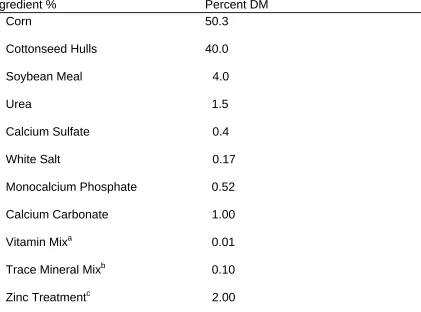
Ingredient % Percent DM
Corn 50.3
Cottonseed Hulls 40.0
Soybean Meal 4.0 Urea 1.5 Calcium Sulfate 0.4 White Salt 0.17 Monocalcium Phosphate 0.52 Calcium Carbonate 1.00 Vitamin Mixa 0.01 Trace Mineral Mixb 0.10
Zinc Treatmentc 2.00
a
Contained per kilogram of premix: vitamin A, 2643 IU; vitamin D3, 881 IU;and Vitamin E, 4.4 IU.
b
Provided per kilogram of supplement: 10 mg of Cu as CuSO4, 20 of Mn as MnSO4, 0.5 mg I as Ca(IO3)2(H2O), 0.1 mg Co as CoCO3, and 0.1 mg Se as Na2SeO3.
c
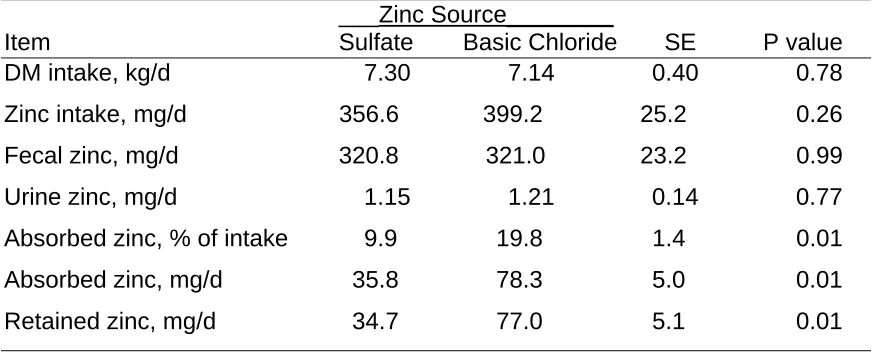
Table 2. Effect of Zinc Source on Zinc Excretion, Apparent Absorption and Retention in Steers
___Zinc Source________
Item Sulfate Basic Chloride SE P value
DM intake, kg/d 7.30 7.14 0.40 0.78
Zinc intake, mg/d 356.6 399.2 25.2 0.26 Fecal zinc, mg/d 320.8 321.0 23.2 0.99
Urine zinc, mg/d 1.15 1.21 0.14 0.77