A NEW SHIFT? MATERNAL IMPLICIT AND EXPLICIT MENTALIZING IN
PARENT-INFANT PSYCHOTHERAPY: A MIXED-METHODS DESIGN
Rose Spencer
1328998
A thesis submitted in partial fulfilment of the requirements of the
University of East London for the degree of professional doctorate in
Counselling Psychology
School of Psychology
ABSTRACT
Mentalizing refers to a capacity to think about others or oneself in terms of
intentional mental states (e.g. beliefs, desires, feelings). Mentalizing is particularly
important in the early parent-infant relationship as it is thought to be the process
underlying sensitive parenting and the foundation for healthy relationships. To date,
parental mentalizing has predominately been measured through how the parent
explicitly reflects on their infant’s internal experiences. In contrast, Parental Embodied Mentalizing (PEM) assesses the implicit, nonverbal bodily-based behavioural
interaction between parent and infant. As mentalizing is considered a multidimensional
construct, it is valuable to examine how explicit and implicit processes shape the quality
of the caregiving relationship.
The current study aimed to investigate how mentalizing capacity is affected in
families with difficulties in the parent-infant relationship. The purpose of the research
was to use a mixed-methods designed to: 1) evaluate the effectiveness of parent-infant
psychotherapy at enhancing PEM; 2) examine PEM and its associations with parental
representations, infant attachment, maternal mental health, infant development and
parent-infant interactions; and 3) conduct Thematic Analysis (TA) to investigate the
elements of change in implicit and explicit parental mentalizing during early caregiving.
This research intended to produce findings that could contribute to advancing clinical
interventions aimed at fostering positive relationships with parents and their infants.
In the current study, PEM was coded on data from a study in which mothers
with mental health problems and their young infants (<12 months) had been randomly
allocated to parent-infant psychotherapy (n = 34) or treatment as usual (n = 31). The current project’s quantitative findings revealed that PEM significantly improved over a
12-month period in both conditions (parent-infant psychotherapy and treatment as
interactions, but was not associated with parental representations, infant attachment or
infant development. TA investigated the processes of change in implicit and explicit
mentalizing over the course of a year and produced two main themes: “From
Turbulence to Synchronicity” and “The Outside World and Transformations”. Analysis
revealed that when change occurred, the relationship between parent and infant was
transformed towards synchronicity within the dyad and towards resolution and
re-engaging with the world outside the dyad.
Findings suggest that clinical interventions could benefit from integrating
embodied and reflective processes into the therapeutic process to increase parental
TABLE OF CONTENTS
Abstract……… ii
List of Tables……… v
List of Figures………...………...…… vi
Acknowledgements………...……... xi
Introduction………...……... 1
Literature Review………...………...……... 8
Attachment Theory………
Infant Attachment Classifications……….
Psychological Implications of Attachment Experiences in Childhood……….
Parenting in Social Adversity………....
Maternal Mental Health Problems………
Fathers and Parenting………...
Assessing Parenting Behaviours………...
Parental State of Mind………...
Mentalizing………...
Polarities of mentalizing………...
Measurements of parental mentalizing………..
Explicit mentalizing………...
Implicit mentalizing………...
Clinical Importance………...
Video-feedback………...
Parent-infant psychotherapy………...
Relevance to Counselling Psychology………..
Aims of the Project………...
Methodology………...
Outline of the Original Study ………...
The Current Study-Research Design………...
Philosophical Implications………...
Participants………...
Measures ………...
Ethical Considerations………...
Data Analytic Plan ………...
Reliability ………... Validity………... Results………... Quantitative ………... Qualitative ………... Discussion………...
PEM and Parent-Infant Psychotherapy………...
PEM and Associations with Parent and Infant Outcome Measures…………..
Qualitative Exploration of the Process of Change in Parental Mentalizing…..
Relevance to Counselling Psychology………...
Clinical Implications in Counselling Psychology and Beyond……….
Limitations………...
Future Research………...
Conclusion………...
Reflexivity ………...
Background to the Study………...
My Research Processes………...
Supervision………... 116
References ………...………... 118
Appendices ………...………... Appendix A: Ethics approval ………...……….. 141
Appendix B: Original study ethics approval………...……… 142
Appendix C: Permission to conduct secondary analysis on existing data….. 145
Appendix D: Confidentiality agreement………...….. 147
Appendix E: Participant consent form ….……….………. 148
Appendix F: Participant information sheet...…… 149
Appendix G: Family background interview……… 153
Appendix H: Parental Embodied Mentalizing coding system………...…… 156
Appendix I: Original study outcome measures………... 161
Appendix J: Thematic Analysis procedure……….… 180
LIST OF TABLES
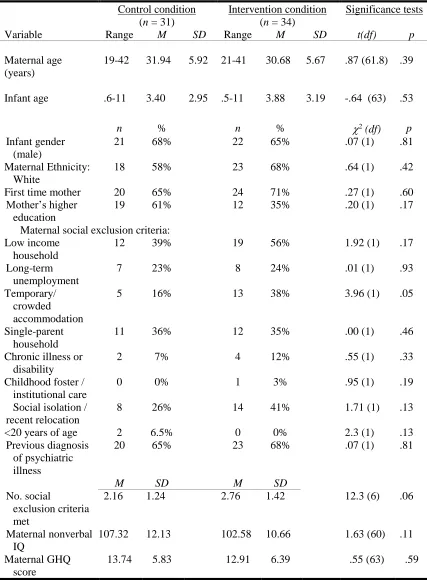
Table 1. Baseline demographic characteristics for participants in the
intervention and control group……….………….…… 58
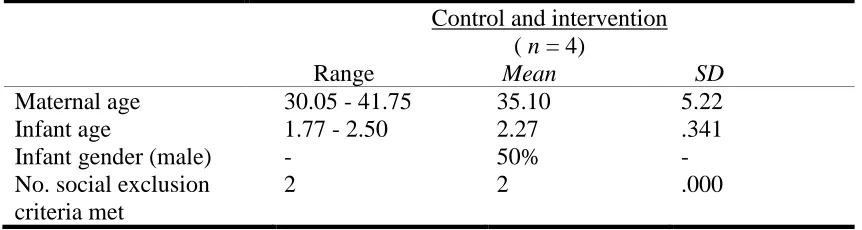
Table 2. Basic baseline demographics for participants in the qualitative
subsample………... 60
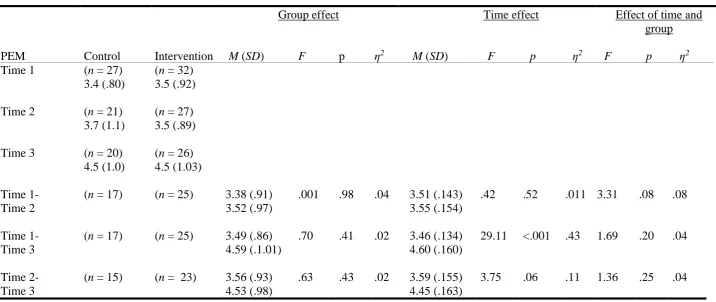
Table 3. Means, standard deviations, and results of repeated measures
analyses of covariances significance tests of PEM scores overtime by
condition………... 62
Table 4. Intercorrelations between Parental Embodied Mentalizing and
measurements of parental representations………. 61
Table 5. Partial correlations between parental embodied mentalizing and
infant attachment at time 3………... 61
Table 6. Intercorrelations between Parental Embodied Mentalizing and
maternal mental health……….. 62
Table 7. Intercorrelations between Parental Embodied Mentalizing and infant
development……….…... 63
Table 8. Intercorrelations of parental embodied mentalizing and parent-infant
relationship measures……… 63
Table 9. Subsample parental embodied mentalizing and parent development
LIST OF FIGURES
Figure 1. Explanatory sequential mixed methods design.………...… 42
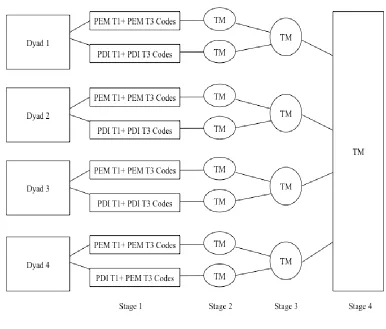
Figure 2. Number of Parental Embodied Mentalizing assessments at each
time point……….……...……….…… 46
Figure 3. Thematic analysis procedure ………...………... 56
ACKNOWLEDGEMENTS
Firstly, I wish to express my sincerest gratitude to Professor Peter Fonagy, Dana
Shai, Ph.D. and Tobias Nolte, M.D. for the opportunity to conduct this project. It has
been an honour to work so closely with them and the study has been such a wonderful
part of my life- my appreciation to them is ‘Beyond Words’.
I would like to deeply thank Dr Meredith Terlecki and Dr Yannis Fronimos,
who supported me with not only the research design and analysis but they generously
gave their care, time, and compassion throughout the project. Their warm smiles,
humour and words of reassurance meant so much.
I would also like to thank Michelle Sleed, Ph.D. and Tessa Baradon for kindly
allowing me the opportunity to work on their dataset. It was an absolute pleasure to
have felt so welcomed, and I am incredibly grateful for the privilege to attend training
with them that provided me with rich insights into the research process and clinical
practice.
I could not have completed this project without the support from those around
me. I am forever grateful to my husband, who provided with the unconditional care and
encouragement that enabled me to work towards my aspirations of completing the
Doctorate. I am indebted to my parents and grandparents who have continually offered
such kindness and sources of inspiration to me throughout the years. I am thankful to all
my friends and family who were always there with open arms when I needed them, and
I am pleased to have developed new friendships and colleagues throughout the journey,
each have been so uniquely important in helping me with the study.
Last, but not least, I am grateful to the mothers and infants that took part in the
INTRODUCTION
Infants are entirely dependent on those who care for them to provide a safe
environment that nurtures their physical and emotional wellbeing. According to
attachment theory, the quality of early caregiving goes onto shape experiences across
the lifetime (Bowlby, 1969). Indeed, longitudinal research has found that infant
attachment has developmental and socio-emotional implications from childhood
through to adulthood (Belsky & Fearon, 2002; Dutra, Bureau, Holmes, Lyubchik &
Lyons-Ruth, 2008; Sroufe, 2005). Furthermore, babies are born into a complex social
and interpersonal world and from a developmental perspective, young infants are
dependent on the presence of a caregiver to navigate the social environment and help to
provide meaning to their experiences (Fonagy & Allison, 2014; Luyten & Fonagy,
2015). Therefore, the role of the caregiver could fundamentally affect how the infant
understands themselves and those around them.
It has been proposed that the mechanisms underlying the quality of parenting
and attachment are linked to the parent’s capacity to mentalize (Fonagy, Gergely, Jurist,
2004; Slade, 2005). Mentalizing has been defined as the capacity to perceive and
interpret human behaviour in terms of intentional mental states (e.g. needs, desires,
feelings, beliefs) (Allen, Fonagy & Bateman, 2008). Fonagy and Target (2003) report
that mentalizing in the attachment relationship is an evolutionary function that helps to
provide the child with a safe, understandable and predictable environment. However,
this process should not be taken for granted, as mentalizing is not thought of as an
innate capacity that is fully acquired or maintained (Fonagy & Allison, 2012). Indeed,
neuroscientific and behavioural studies have found that mentalizing is underpinned by
neurobiological systems (Nolte, Bolling, Hudac, Fonagy, Mayes & Pelphrey, 2013), and
mentalizing capacity can fluctuate as a result of interpersonal experiences (Wlodarski &
Mayes, 2015). One’s capacity to mentalizing is therefore a process that is susceptible to
change. Given that early experiences have implications throughout the lifetime, it seems
relevant to investigate how the parent’s mentalizing capacity affects the caregiving
relationship.
Parental mentalizing refers to the parent’s capacity to hold their child’s mental
states in mind (Slade, 2005). One recognised construct of parental mentalizing is
Reflective Functioning (RF; Slade, 2005). RF in the context of parenting is considered
as the parent’s capacity to envision their own and their infant’s thoughts, feelings and
behaviours, and the ability to reflect on the relationship between themselves and their
child (Slade, 2002; 2005). RF can coded and measured on the Parent Development
Interview (PDI; Slade, Aber, Bresgi, Berger & Kaplan, 2004), which is a semi-structured interview in which parents are required to reflect on their own, and their infant’s
experiences. Research has shown that higher parental RF is associated with secure
infant attachment (Slade, Grienenberger, Bernbach, Levy & Locker, 2005) and
increased capacity of self-regulation in the child (Heron-Delaney, Kenardy, Brown,
Jardine, Bogossian, Neuman, de Dassel & Pritchard, 2016). Although RF provides
insight into how a parent understands and appreciates the mind of their child, the
interview alone may not objectively capture how the child directly experiences the
parent. For instance, the way in which the parent consciously talks about their child’s
internal processes during an interview could be very different to how they
unconsciously respond to the child during an interaction. Therefore, parental RF does
not fully determine how mentalizing is manifested in the parenting behaviours and
experienced by the infant. Indeed, presumably there are many factors that influence the
quality of the parent-infant relationship, other than how the parents reflects on the
Parental Embodied Mentalizing (PEM; Shai & Belsky, 2011a, 2011b) is a
coding system that assesses how the parent conveys, through movement, their
understanding of their child’s inner experiences (Shai & Belsky, 2017). PEM is defined
as parent’s capacity to: “(a) implicitly conceive, comprehend, and extrapolate the
infant’s mental states from the infant’s whole-body movement; and, (b) adjust their own
kinesthetic patterns accordingly” (Shai & Belsky, 2011a, p.173). In contrast to RF,
PEM is an observational measurement tool that assesses implicit nonverbal kinesthetic
(bodily-based) interaction between the parent and infant. Indeed, rather than assessing
parental mentalizing capacity from the parents’ subjective reflections (i.e. measured on
PDI-RF), as an observation of the dyadic interaction, PEM could potentially illuminate
how parental mentalizing is experienced by the infant.Recent studies have indicated that PEM could be a valuable tool to assess a multidimensional perspective of parental
mentalizing. Specifically, a cross-sectional study found that higher PEM capacity at
three months is associated with reduced parental stress (Shai, Dollberg & Szepsenwol,
2017) and longitudinal research found that mothers with high PEM capacities at six
months predicted reduced likelihood of insecure and disorganised attachment and
advanced child language abilities, social competence, academic skills, behavioural
problems at 15 and 36 months (Shai & Belsky, 2017). These findings indicate that
embodied mentalizing could lead to more advanced child development and wellbeing in
the family. However, these studies were based on normative samples and more research
is required to examine how PEM is affected in a clinical setting.
The study of mentalizing is thought of as an applied science as it has developed
from both laboratory based research and clinical practice (Midgley & Vrouva, 2012).
Indeed, the process of reflecting on internal mental states is central to psychotherapeutic
models and therefore it is a process that is integrated in clinical interventions across
to parents and their infant identified at risk of relational disturbance is parent-infant
psychotherapy (Baradon, Broughton, Gibbs, James, Joyce & Woodhead, 2005). This
therapeutic model works with the parent and infant to enhance the quality of the
relationship and promote attachment and infant development through enabling the
parent to reflect upon their own and their infant’s internal states (Baradon & Joyce,
2005). A recent systematic review of studies examining the effectiveness of
parent-infant psychotherapies found that the intervention was a promising model for improving
attachment security in high-risk groups (Barlow, Bennett, Midgley, Larkin & Wei,
2016). However, there was no evidence that it was more effective than no treatment or
treatment as usual (TAU) at enhancing parent-infant relationships or outcomes for the
parent (including RF) (Barlow, et al., 2016). In their study, Fonagy, Sleed and Baradon
(2016) conducted a randomised controlled trial (RCT) investigating outcomes for
parents with mental health problems and infants referred to either parent-infant
psychotherapy (intervention) or TAU (control) condition (of note, the current study is
based on data from this trial). In contrast to the systematic review, Fonagy et al. (2016)
found that mothers in the intervention condition reported improved mental health by the
end of treatment compared to the mothers in the control condition, but the treatment did
not significantly affect the infant’s attachment security or mother-infant interactions.
However, in another treatment comparison study, Salomonsson and Sandell (2011)
found that parent-infant therapy improved mother-infant interactions more than a
control condition; however, the mothers in their study were not identified as having
mental health problems. Therefore, it could be that mothers with underlying mental
health concerns present additional challenges when targeting relational outcomes in
parent-infant psychotherapy. Taken together, these findings highlight that more research
is required to understand the processes of improving outcomes for parents and infants
In light of the literature, the next step is to evaluate the effects of interventions
supporting parents and infants. The needs of vulnerable families have been recognised
nationally and a specialist perinatal mental health community services development
fund was recently launched to promote services and care available to women and
families (NHS England, 2016). The impact of an increase in services indicates that there
will be a greater demand for clinicians working with children and families. Given that
Counselling Psychologists have a relational and integrative therapeutic background, and
are trained to work with individuals and groups across the lifespan (Strawbridge &
Woolfe, 2010), with the expansion of perinatal services Counselling Psychologists
could become a key part of the workforce in this clinical field. In her qualitative
research, Riha (2011) found that Counselling Psychologists working within children
and families described that their varied training experiences provided them with the
skills to adapt to the specialist contexts and from her findings, the author constructed the
term “being a professional chameleon” to encapsulate how the participants reflected on
their work with children (Riha, 2011, p. 179). While this term may illuminate the range
of professional roles Counselling Psychologists fulfil, perhaps it does not encapsulate
what contributions members of the discipline can make to this area of work. James and
Bellamy (2010) argue that Counselling Psychologists who work with clients with
complex needs should encourage promoting psychologically informed formulations and
as a profession are able to shape the direction of the workforce. The training
background and vocational opportunities suggest that working with children and
families is an increasingly relevant area for those in the discipline. It therefore seems
that a study examining relational processes between parents and infants in a clinical
context is well positioned in Counselling Psychology.
The purpose of the study was to conduct a secondary data analysis on existing
parent-infant psychotherapy compared to TAU on maternal mental health and infant
development. This current study was designed to utilise and expand findings of the
original research. At the time of developing the current research design, the data from
the original study were unknown, and this arguably added to the development of an
impartial design. The current project employed a mixed-methods design, using data
obtained from Fonagy et al. (2016) and applied the following procedures:
1) the current author coded the whole sample for PEM using video-footage of
mother-infant free-play interactions. Thus, PEM was a new contribution to the dataset as it was
not coded as part of Fonagy et al. (2016) original design; 2) quantitative data analysis
was then conducted in order to examine whether parent-infant psychotherapy was more
beneficial than TAU at enhancing embodied mentalizing; 3) further statistical analysis
were applied to explore the associations of PEM with outcomes of parental
representations, infant attachment, maternal mental health, infant development and
parent-infant interactions and; 4) in order to investigate the themes and elements of
change in explicit and implicit mentalizing capacity over time, a subsample of cases
were selected and Thematic Analysis (TA; Braun & Clarke, 2006) was applied on two
forms of qualitative data. This data included a) the observational narratives of
parent-infant interactions from PEM coding and b) the full raw PDI transcripts. TA provided
an opportunity to combine different types of data and identify patterns of meaning to
elucidate the process of parental mentalizing during early infancy.
. A mixed-method design was conducted to provide insight into what and how
parental mentalizing capacity developed and became embedded in the parent-infant
relationship. The integration of methods allowed an opportunity to enhance the findings
as quantitative analysis provided generalized results across the sample, and the
qualitative analysis illuminated unique insights into the processes underlying
empirical and clinical practice aimed at supporting the wellbeing of parents and their
children.
This thesis is presented in seven sections. Following the Introduction section is a
Literature Review of seminal and contemporary contributions to attachment theory.
This review includes a critical engagement with the theoretical foundations and
methodological and assessment procedures, as well as the clinical implications of the
body of work. The next section presented is the Method of the current study, which is
followed by the Results and Discussion sections. The thesis concludes with final
LITERATURE REVIEW
Attachment theory offers a life span developmental approach with a relational
focus, and therefore a relevant theoretical perspective for Counselling Psychologists
(Lopez, 1995; Rizq, 2010). Research in this field can inform Counselling Psychology
practice and add to evidence on therapeutic processes, especially when working with
parents (Rizq, 2010). Research has indicated that mentalizing, the capacity to hold mind
in mind, is a process that underpins attachment security (Fonagy, Steele, Steele, Moran
& Higgitt, 1991; Slade, 2005). Given that secure infant attachment is associated with
positive health and relational outcomes in childhood through to adulthood (e.g. Sroufe,
2005), it is pertinent for those in the discipline to understand how mentalizing develops
in the early caregiving relationship.
To date, research has focused on exploring how the parent’s capacity to
explicitly verbally reflect on their own and their infant’s mental states influence the
quality of caregiving (see Camoriano, 2017 for a review). However, the parent’s ability
to verbalise their understanding of their child’s internal world could be a relatively
different capacity to how they automatically nonverbally respond during an interaction.
In order to understand how mentalizing can manifest beyond language, PEM was
developed to assess the parent’s ability to express nonverbally their attempts to
understand what their child wants and feels in the here-and-now of the interaction (Shai
& Belsky, 2011a, 2017). Extending knowledge of how both embodied interactions and
reflective expressions develop in the parent-infant could provide a fuller understanding
of the processes underlying infant attachment and its influence on wellbeing in
childhood and beyond. Moreover, to study these influences in a clinical population
(such as mothers with mental health difficulties) could offer insight into treatment
Counselling Psychologists offer important work with children and families;
however, as a discipline, their clinical and empirical contributions have been
underrepresented on the literature (Riha, 2010, 2011). Therefore, this thesis aimed to
contribute to research examining the processes underlying the development of the
parent-infant relationship and produce findings that can be transferred to Counselling
Psychologists and clinicians working with families.
Attachment Theory
Individuals live in a social interpersonal world and Counselling Psychology
specifically values relational models of theory and practice, which are grounded in
understanding the process of a two-person psychology (British Psychological Society;
BPS, 2007; Rizq, 2010). The discipline values a holistic perspective and assumes that
experiences are embedded in both evolutionary and personal histories (Gillies, 2010)
Therefore, in order to understand an individual it is considered crucial to explore the
social world surrounding them (Milton, Craven & Coyle, 2010). John Bowlby’s (1969,
1988) attachment theory signified a revolutionised thinking on human social
relationships. Bowlby dedicated his work to understanding how early caregiving
relationships influenced an individual across the lifespan. Drawing on evolutionary and
ethological orientations, Bowlby’s formulations on the universal human need to form
close, intimate, affectionate bonds has become one of the most empirically grounded
theories related to parenting (Benoit, 2004).
From birth, babies are primed to be social beings (Brazelton & Sparrow, 2006).
According to attachment theory, babies are seen to have a biological drive to seek
proximity to a protective adult and when they encounter perceived threats or manage
unfamiliarity in the environment, the infant’s attachment system is activated to seek an
1969, 1988). In attachment relationships, the instinctual drive to seek proximity
functions as a buffer for anxiety and it emphasises the role of interpersonal experiences
on affect regulation (Mikulincer, Shaver & Pereg, 2003; Schore, 2000). It is the
interpersonal relationship with an attachment figure that offers a secure base for the
infant, providing a safe haven for the child when upset, as well as a sense of safety to
explore the environment (Bowlby, 1969). From this perspective, it seems that babies are
not born with the capacity to regulate their own emotional reactions. However, it is not
always the case that parents are able to provide emotional support for their child.
Positioned from an attachment framework, the current study aimed to examine how
parents can be supported to enhance the quality of their relationship when difficulties
between the parent and infant have been identified.
Attachment theory is a relational model that emphasises the behaviours of both
the child and the parent. From an evolutionary perspective, in normal development
infants have adaptive proximity promoting behaviours, which include attracting signals
such as cooing, reaching out and smiling, or protest signals such as screaming, fretting
and crying. These signals are thought to be an attempt to illicit attachment behaviours in
the parent towards the infant, such as touching, holding and soothing and in turn, these
patterns reinforce the infant’s attachment towards that particular figure (Ainsworth,
Blehar, Waters & Walls, 1978; Bowlby, 1969;). The early caregiving interactions are
thought to be crucial in the formation of the infant’s Internal Working Model (IWM) of
relationships (Bowlby, 1969). An IWM is a set of mental expectations and beliefs about
the self, other and the relationship between self and others (Bowlby, 1969; 1989). These
IWMs are considered to be particularly important they are thought to remain an
individual’s representational template of relationships across the lifespan (see
The quality of caregiving has implications across the life span and understanding
a client’s early experiences can provide one perspective to explore in clinical practice
when working therapeutically with adults (Holmes, 2010; Wallin, 2007). Indeed,
attachment theory is integrated into Counselling Psychology practice across populations
and therapeutic modalities and is one of the more prominent approaches across the
discipline (Hansen, 2006; Jordan, 2010; Larrson, 2012; Rizq, 2010). Therefore, a study
investigating the underlying mechanisms of attachment directly in the parent-infant
relationship is relevant to Counselling Psychologists working with children, as well as
understanding how these experiences affect adults in later life.
Infant Attachment Classifications
In relation to studying the influence of early experiences of caregiving, infant
attachment classifications provide a valuable foundation to investigate how the quality
of the relationship has manifested by the first year of life. In order to investigate how
attachments vary in children from this age, Ainsworth and Wittig (1969) developed the
Strange Situation Procedure (SSP) as a standardized assessment of infant attachment
security. The SSP is a laboratory based observational assessment of the infant’s
responses to a series of separations and reunions with their parent and attempts to elicit
heightened arousal in the infant in order to assess the IWM of the infant’s expectations
of an available caregiver. Specifically, SSP measures the infant’s attachment strategies
when reunited with the parent (Ainsworth et al, 1978; Ainsworth & Wittig, 1969).
Ainsworth and colleagues identified three attachment classifications. These categories
were initially based on the observations of the infant’s behavioural responses in the
SSP; however, future research extended this work and examined the parental responses
In the SSP, infants who approach and seek comfort from their parent when
reunited are classified as securely attached. Parents of secure infants are considered to respond to the infant’s signals in a sensitive, appropriate and timely manner (Ainsworth,
et al., 1978). Infant’s that express mixed behaviours on reunion, such as directing
towards and then directing away from the parent, are classified as anxious-resistant (ambivalent) insecure. The parental behaviour of these infants has been related to inconsistent and unpredictable responses (Mayseless, 1998). Infants observed to ignore
and withdraw from the parent on reunion are classified as anxious-avoidant insecure. In these cases, parent’s responses have been associated with rejecting behaviour (George
& Solomon, 1999). Further research found that some infants failed to fit Ainsworth et
al. (1978) traditional categories and Main and Hesse (1990) identified a fourth
classification. Main and Hesse (1990) found that during the SSP some infants were
observed to display contradictory responses, exhibiting both avoidant and ambivalent
behaviours on reunion and these infants are classified as disorganised/disoriented
attachment (Main & Solomon, 1990). For example, these infants could both approach
and then avoid the parent on reunion (Main & Hess, 1990). Characteristics of parent’s
interactions include frightened and frightening behaviours (Lyons-Ruth & Spielman,
2004). These responses can involve parents appearing frightened by the child and
withdrawing (e.g. the parent moves away whenever the child approaches) or frightening
parental behaviours that include expressing negative-intrusive interactions (e.g.
assuming attack postures by thrusting head and neck forward) (Lyons-Ruth &
Spielman, 2004)
The classification system demonstrates how repeated experiences of caregiving
can lead to relatively well established reciprocal patterns of behaviour by the first year
of life. Bowlby (1969) considered that these early experiences shape psychological
Psychological Implications of Attachment Experiences in Childhood
Research has investigated the relationship between infant attachment and
developmental and socio-emotional outcomes across the lifespan. For example, cross
sectional and longitudinal epidemiological studies have demonstrated a correlation
between insecure attachment experiences and increased sleeping problems in infancy
(Morrell, Steele, 2003), more emotional and behavioural difficulties in toddlerhood
(Tharner, Herba, Luijk, van IJzendoorn, Bakermans-Kranenburg, Govaert, Roza,
Jaddoe, Hofman, Verhulst & Tiermeier, 2011), increased conduct problems in early
childhood (Vando, Rhule-Louie, McMahon & Spieker, 2008), adjustment difficulties in
middle childhood (Goldner & Scharf, 2013), and higher emotional dysregulation in
adolescence (Bender, Sømhovd, Reinholdt-Dunne & Esbjørn, 2015). Infant insecure
attachment has also been found to relate to greater report of physical illness (Puig,
Englund, Simpsons & Collins, 2013), reduced capacities for self-regulation (Moutsiana,
Fearson, Murray, Cooper, Goodyer, Johnstone & Halligan, 2014), and increased
interpersonal difficulties (Fonagy & Bateman, 2008) in adulthood. These studies
combined draw upon normative, clinical, high risk and low risk samples and offer
valuable overview into the multidimensional trajectories of attachment. Therefore, to
improve the quality of infant attachment might lead to greater adjustment and lower
psycho-social difficulties in adulthood which could impact on the quality of parenting
on the next generation.
The current findings highlight the range of implications associated with
attachment security; however, direct effects of early attachment on later functioning are
difficult to establish. Meins (2017) presented a compelling paper in which she argued
research over emphasises the predictive power of attachment. She suggests that studies
generally highlight the differences between secure and insecure attachment, but this
(anxious-avoidant and anxious-resistant). Furthermore, Meins stresses the value of
understanding the quality of the relationship as not as a fixed trait. She suggested that
studies tend to exclude the potential impact of an infant experiencing different qualities
of attachment experiences with different caregivers. Moreover, other researchers have
established that there are often mediating and moderating factors such as
developmental and social processes that influence later experiences and therefore infant
attachment security does not play a direct role for influencing later developmental
outcomes Belsky, Bakermans-Kranenburg & van IJzendoorn, 2007; McConnell &
Moss, 2011; Sroufe, 2005). Indeed, Counselling Psychologists are particularly
concerned with understanding the holistic experiences of individuals, and the impact of
the social systems around them (Strawbridge & Woolfe, 2010). Therefore, it is valuable
to investigate what environmental factors could affect the early caregiving relationship.
Parenting in Social Adversity
Parents and infants live in a social milieu and the network that surrounds the
infant is significant (Joyce, 2005). Features of the socioeconomic position (e.g. income,
poverty, education, employment) can shape an individual’s environment and social
adversity for families includes isolation, limited access to resources and education,
disability and family separation (World Health Organization, 2016). Living in social
deprivation can create considerable challenges for families, and the additional stress
associated with social disadvantage can push parents coping resources to the limit
(Puckering, 2004).
The impact of living in social adversity can affect parenting. Cross-sectional
empirical studies have identified that socioeconomic disadvantage is associated with
harsher parental behaviours (Scaramelle, Neppl, Ontai & Conger, 2008), and withdrawn
associated with lower parental warmth (Stansfeld, Head, Bartley & Fonagy, 2008) and
high-levels of social adversity are considered risk factors for maternal psychiatric illness
(Dickstein, Seifer, Eguia, Kuersten-Hogan & Doge, 2002; Fonagy et al, 2016;
Wickrama, Hejern, Gunnell, Lewis & Dalman, 2005). Indeed, longitudinal
epidemiological studies have shown families experiencing social adversity experience
more stress than individuals of higher social economic status (Aber, Jones, & Cohen,
2000; Wickrama, Conger & Abraham, 2005). The impact of living in socio-economic
deprivation during childhood has also been linked to adverse effects on children
(Duncan & Brooks-Gunn 2000; Spencer & Strazdins, 2015), specifically, more physical
aggression (Campbell, Spieker, Vandergrift, Belsky &Burchianal, 2010), impairments
in cognitive development (Clearfield & Jedd, 2013; Duncan, Brooks-Gunn & Klebanon,
1994) and increased mental health difficulties (Wadsworth & Achenbach, 2005). A
qualitative biographical narrative study of thirty-four parents’ experiences of current
social deprivation revealed that parents explicitly connected their problems to their own
history of social deprivation in childhood, which suggests that childhood adversity
could exacerbate difficulties later in adulthood (Webb, Bunting, Shannon, Kernaghan,
Cunningham & Geraghty, 2014). The reasons behind the problematic outcomes for
parents and infants are complex and multifaceted. However, it seems that the stress of
living in deprivation can affect parenting and the implications for families experiencing
social adversity are a significant concern for clinical practice.
Fagin (2016) is a specialist parent-infant therapist and Counselling Psychologist
and from his clinical experience provides contributions to advancing therapeutic
interventions for families at the edge of care. He suggests an integrative approach
should be applied that targets individual factors (e.g. parental mental health), relational
factors (e.g. lack of personal and social support) and environmental factors (e.g.
interaction. These clinical interventions are aligned with findings from empirical studies
that identify cumulative risks are associated with the social environment and the quality
of parenting behaviour.
The impact of living in socioeconomic disadvantaged indicates that features of
the external environment can disrupt parenting behaviour, which can affect attachment
and child socio-emotional development. Research suggests that an influential factor is
the parent’s coping resources when living in adversity. Indeed, if a role of attachment is
to provide a ‘safe haven’, families should be supported when faced with deprivation to
be in a better position to provide a safe environment.
Maternal Mental Health Problems
Caring for a young child can place psychological and physical demands on the
caregiver, which could be particularly challenging for some parents. Depression and
anxiety affects approximately 15-20% of mothers in the first year after childbirth and
postpartum psychosis affects between 1-2 in 1000 women who have given birth
(National Institute for Health and Care Excellence; NICE, 2014). Risks associated with
postnatal depression include socioeconomic status, previous mental health difficulties,
social support and hormonal changes (Misri, Abizadeh & Norwan, 2016), and problems
in pregnancy (Field, Sandberg, Garcia, Vegar-Lahr, Goldstein & Guy, 1985). Therefore,
the impact of maternal mental health on parenting is an area of concern.
Maternal psychiatric illnesses adversely affect caregiving and postpartum
depression is associated with difficulties responding to an infant’s social interactions
(Murray, Cooper & Hipwell, 2003). For instance, mothers with depression have been
found to exhibit a particular profile of behaviour characterized by intrusive interactions
associated with abrupt physical contact and loud vocal tone, or withdrawn interactions
(Diego, Field, Hernandez-Reif, 2001; Diego, Field Diego, Field, Jones, Hernandez-Reif,
2006). Theoretically, it could be that depressed mothers can become preoccupied with
their own feelings, withdrawn, and therefore less engaged or responsive to their infants
(Murray et al., 2003). Experimental tasks have found that mothers presenting with
anxiety when their child is six-months old have less responsive interactions, lower
emotional tone and are more withdraw from their infants at ten-months compared to
mothers without anxiety (Stein, Craske, Lehtonen, Harvey, Savage-McGlynn, Davies,
Goodwin, Murray, Cortina-Borja & Counsell, 2012). These studies provide evidence on
how parental mental health can manifest in the caregiving interaction; however, they do
not indicate how the parent’s own relational history could become embedded within the
relationship.
Mothers who have experienced early trauma, abuse, and unresolved loss are
considered a particularly vulnerable population (Lyons-Ruth, Yellin, Melnick &
Atwood, 2003). Parental caregiving in this group has been associated with anomalous
behaviours towards the infant, in particular the frightened or frightening behaviours
associated with disorganized attachment (Lyons-Ruth & Spielman, 2004; Main &
Hesse, 1990). In these cases, the infant’s attachment figure (that should be a source of
comfort) becomes the source of fear, which can lead to a breakdown of the infant’s
coping strategies (Lyons-Ruth, 2003). Longitudinal studies have found that
disorganised attachment in childhood is associated with psychological distress and
interpersonal difficulties in adulthood (Carlson, 1998; Macdonald, Beeghly,
Grant-Knight, Augstyn, Woods, Cabral, Rose-Jacobs, Saxe & Frank, 2008). Therefore,
families identified with disorganized patterns are of significant concern in clinical
practice.
Winnicott (1960) identified that following the birth and in good-enough
maternal preoccupation. In this process, Winnicott (1960) considered that the mother
becomes psychological and biologically orientated towards the infant, and highly
sensitive and attuned to her baby’s signals. However, Raphael-Leff (2010), suggested
there was an alternative phase, which she considered evoked a more malevolent form.
She described a condition of primary maternal persecution. In her view, some mothers
can feel like failures and may develop feelings of hate and resentment towards their
infant. These theoretical processes are important to bare in mind, as it could be that for
mother’s affected by mental health difficulties or past traumas, the birth of the infant
could exacerbate existing disturbing feelings which could impinge on the developing
relationship with the baby.
As highlighted, evidence indicates that families affected by mental health could
be particularly vulnerable during the earliest stages of parenting (e.g. Field, et al., 1985;
Misri et al., 2016). This literature suggests that parental wellbeing can affect the quality
of interactions and therefore can shape the early caregiving environment. However,
infants are born into a relational and social matrix and it is important to address the
influences outside of the mother-infant relationship in order to understand the
environment surrounding the infant and more specifically the roles and impact of
fathers.
Fathers and Parenting
Thus far, this literature review has detailed research findings that emphasise the
importance of investigating the impact of maternal mental health on parenting
behaviours and infant development. The focus on maternal factors could relate to an
assumption that it is the mother that will predominately constitute the infant’s
just affect women, and the role of fathers has not been neglected in empirical research
(Vetere, 2004).
Condon, Boyce and Corkindale (2004) conducted a longitudinal study with over
two hundred first time fathers to investigate their experiences of parenting. Fathers
completed a battery of self-report measures regarding their psychological and
interpersonal functioning at the antennal period and a year later, and the study found
that fathers reported that the most stressful period of fatherhood was during their
partners pregnancy, and this was related to feeling unprepared for the impact of
becoming a parent. Indeed, perhaps as it seems there is more focus on the mother during
pregnancy, the impact of parenting for the father may be overlooked. In other research,
empirical studies have conducted behavioural observations of fathers free-play
interactions in a clinic-setting, which found that fathers with depression displayed more
withdrawn behaviour and less physical contact with their infants at three-months
compared to non-depressed fathers (Sethna, Murray, Netsi, Psychogiou &
Ramchandani, 2015). In addition, partners of depressed mothers have been found to
display less optimal parenting interactions with their infants at two to three months
(Goodman, 2008), but more positive interactions by three to six months (Hossain, Field,
Goxalez, Malphurus, De Valle & Pickens, 1994). Thus, it seems that fathers too can be
affected by adjusting to parenthood, and this could lead them to be particularly sensitive
to the impact of maternal mental health in early stages of parenting. However, it seems
that after the initial transition to parenthood, fathers could be in a position to ameliorate
the impact of maternal depression on their infant. Developmentally, fathers are thought
to play an important role in both supporting the mother with parenting, as well as
protecting the child against prolonged emotional entanglement with the mother
(Raphael-Leff, 1991). While the baby may initially relate as a dyad with the mother, the
relationship can be understood literally when the father is present, and symbolically
when the father is absent (Stern, 1985). Indeed, the representation of the father in the
mother’s mind is a crucial factor for how the infant incorporates a relational space for a
third relationship (Baradon et al, 2005). Drawing from psychoanalytic theory, these
early relationships are thought to provide the foundation of the child’s representations
of the self, other and self-other relations (Stern, 1985). Winnicott (1988) describes this
interpersonal relationship as, “the simple triangle that presents the difficulties, and the
full richness of human experience” (Winnicott, 1988, p. 39). While this current study is
an exploration of the dyadic mother-infant relationship, it will be important to
acknowledge that fathers could potentially influence aspects of the mother-infant
relationship and child development.
Assessing Parenting Behaviours
Counselling Psychologists’ training emphasises developing a reflective stance
that focuses on exploring subjective and intersubjective processes (BPS, 2007; Health
Care Professions Council, 2015) The discipline emphasises a focus on
phenomenological experiences, and clinical practice includes exploring both verbal and
nonverbal body communication as this enhances careful attention to the possible
internal processes (Eleftheriadou, 2010; Gilbert & Leahy, 2007; Gillies, 2010; Jacobs,
2010; Strawbridge & Woolfe, 2010). In terms of clinical work with families, Stern
(1995) advocates the use of exploring the parent-infant interaction in the clinical
situation. He posits that the interactive processes are a key element as relational
problems “live” in the interaction (Stern, 1995, p.60). It would seem that observations
enable a greater view of the whole person and dyad and are relevant to both clinical and
Empirically validated measurements of parent-infant interactive behaviours have
recently been reviewed and revealed that disruptions in parental behaviour affect the
quality of the caregiving relationship (Sleed & Fonagy, 2010). Of the sixteen dyadic
coding assessments that were examined, specific components of parenting were
identified across the measures and included parental behaviour (e.g. Biringen, Robinson
& Emde, 1993), disruptions in the caregiving interactions (e.g. Feldman, 1998),
distinguished between high risk and low risk samples (e.g. Hughes, 1993) and features
of parental behaviour associated with disorganised attachment (e.g. Bronfman, Parsons
& Lyons-Ruth, 1999). In their review of these measurements, Sleed and Fonagy (2010)
identified good associations between caregiving behaviour and infant attachment
security. They also found that the sixteen coding systems measured the same concepts
that included sensitivity, affective quality of the interaction, cooperation and parental
emotional support. Taken together, these findings suggest that particular concepts of
parenting behaviour are significant across populations; however, these concepts do not
identify the infant characteristics. Indeed, to fully understand the interactive process
between the parent and infant, understanding the typology of the dyadic (not just
parental) behaviour is important.
Observational assessments are valuable tools as they help to identify qualities of
parenting behaviours. These interactive patterns are meaningful as they shape the
caregiving environment in infancy as well as providing indications of internal
psychological processes. The next section further explores how these internal processes
influence the quality of parenting and the caregiving relationship.
Parental State of Mind
According to Bowlby (1969), early attachment shape experiences across the
experiences of caregiving. An important distinction could be made between what
occurred in childhood and how this is recalled and mentally represented in adulthood.
The Adult Attachment Interview (AAI; George, Kaplan & Main, 1985) is a
semi-structured interview designed to measure a parent’s memories and reflections
about their childhood attachment experiences and to evaluate these from their current
perspective. Evidence has found that the parental state of mind with respect to their own
infant attachment is closely associated with the relationship with their own child
(Crawford & Benoit, 2009; Hesse & Main, 2006; Levy, Blatt, Shaver, 1998; Main,
Kaplan, & Cassidy, 1985). A model to understand this pattern, proposed there was an
intergenerational transmission of attachment, specifically that the parent’s early
attachment experiences affects the quality of the parenting behaviour, which in turn
influences the infant’s attachment security (van IJzendoorn & Bakermans-Kranenburg,
1997). A meta-analysis based on over 10,000 AAIs from mothers and fathers in clinical
and non-clinical populations, revealed strong correlations between infant attachment
security measured by SSP and parental states of mind in relation to attachment assessed
by AAI (Bakermans-Kranenburg & van IJzendoorn, 2009). While the findings
supported the above model there was a caveat; it failed to explain why twins growing up
in the same environment could have different attachment classifications with the same
parent (O’Connor & Croft, 2001; O’Connor, Croft, Steele, 2000). Therefore, the
explanation of parental representations of early attachment influencing the
intergenerational transmission of attachment seemed too limited.
The current literature review has identified there are complex processes
involved in the development and trajectory of attachment. It seems to be important to
understand factors that influence parental representations of their own and their child’s
Mentalizing
Mentalizing is regarded as a form of imaginative mental activity about others or
oneself, which involves interpreting behaviour in terms of intentional mental states
(Fonagy, Target, Steel & Steel, 1998). A longitudinal study identified that parental
representations of their childhood attachment assessed on the AAI during pregnancy,
were significantly related to later infant attachment (Fonagy, et al., 1991). The authors
reported that the key determinant of security was not related to the parental
representations or history, but lay in the parent’s ability to see relationships in terms of
mental content, which in turn provided a psychological environment for the infant. The
study suggested that the parent’s capacity to mentalize and reflect on their childhood
experiences, rather than just the experiences themselves, could influence the quality of
their caregiving capacities. Therefore, higher capacities of mentalizing could interrupt
the developmental and relational implications of attachment in infancy.
The process of monitoring and responding to moment-to-moment changes in the
child’s mental states has been suggested to be the process underlying sensitive parenting
behaviour (Allen et al., 2008; Fonagy & Target, 1997). Therefore, mentalizing
integrates an understanding of how the processes of representational and interactive
patterns influence the relationship. In the context of attachment relationships, parental
mentalizing refers to the parent’s capacity to treat the child as a psychological agent and
represent the breadth of the child’s internal experiences (Slade, 2005; Sharp & Fonagy,
2008). Theoretically, mentalizing suggests that the child’s development and perception
of mental states in themselves and others depends on the observations of the mental
world from the parent (Fonagy & Target, 1997). Prospective and cross-sectional studies
have identified that the parent’s capacity to hold the infant’s inner world in mind, thus
affecting their ability to respond sensitively to the infant’s mental states, is a pathway
study found that high levels of mentalizing is associated with increased distress
tolerance in parenting with infants aged between three to ten months (Rutherford,
Goldberg, Luyten, Bridgett & Mayes, 2013), and longitudinal studies have found that
parent’s high mentalizing capacity during pregnancy is related to less withdrawn and
negative caregiving behaviours at 16-months (Ensink, Normandin, Plamondon,
Berthelot & Fonagy, 2016) and increased sensitivity and positive engagement at
six-months (Smaling, Huijbregts, Suurland, van der Heijden, Mesman, van Goozen &
Swaab, 2016). Given the implications on parenting behaviour, low mentalizing
capacity could elucidate why some adult psychological difficulties may develop
(Bateman & Fonagy, 2004; Sharp & Fonagy 2008). It seems the infant’s experiences of
being treated as a separate psychological agent with a complex internal world has
implications from childhood through to adulthood. Indeed, cultivating a mentalizing
environment in early caregiving seems to be a process involved in developing the ‘safe
haven’ that shapes experiences throughout the lifetime.
Theoretical literature and empirical studies reveal that mentalizing is embedded
in relationships and influences how an individual thinks, feels and responds in social
interactions and the world around them. To understand and examine this process could
be particularly relevant to Counselling Psychologists who value relational and holistic
models of practice.
Polarities of mentalizing. Drawing from behavioural and neuroscientific studies, Luyten and Fonagy (2015) have identified that mentalizing is a
multidimensional construct and can be organised along four polarities:
automatic/controlled, internal/external, self/other focused and cognitive/affective.
Neuroimaging studies have identified that core processes of
(Lieberman, 2007). Automatic implicit mentalizing is characterised as nonconscious,
nonverbal and nonreflective fast processing of social information. In comparison,
controlled explicit mentalizing is a conscious, verbal and reflective slow processing of
social information (Lieberman, 2007: Spunt & Lieberman, 2013). Neuroscientific
research has used magnetic resonance imaging during experimental studies where
participants are required to process social information and findings indicate that
automatic (implicit) and controlled (explicit) mentalizing involve two distinct neural
systems. Older brain circuits that depend on predominately sensory information appear
to underlie automatic (implicit) mentalizing and in contrast, relatively newer brain
circuits that depend on more linguistic and symbolic processing have been associated
with controlled (explicit) mentalizing (Lieberman, 2007; Satpute & Lieberman, 2006).
These automatic and controlled neurobiological processes underpin different aspects of
mentalizing, which are briefly outlined below (Fonagy & Luyten, 2010; Luyten &
Fonagy, 2015).
Internal/external polarity refers to a focus on internal mental states or on
external facial expressions; self/other polarity refers to whether an individual is
reflecting on themselves or others; and cognitive/affective polarity relates to perspective
taking and belief-desired reasoning or affective empathy (Luyten & Fonagy, 2015).
These polarities indicate that mentalizing is multifaceted and dimensional. Indeed, it is
not categorical system whereby the individual is either classified as either mentalizing
or not. Rather, the dimensional framework suggests a process whereby an individual
can shift in their capacity and mode of mentalizing.
The polarities highlighted suggest mentalizing as an active dynamic process.
Yet, the neurobiological underpinnings of mentalizing may be suggestive of cognitive
deficits, which could be considered as a reductionist model of the mind (Milton, 2010).
a range of psychological models, including attachment, psychoanalytic and cognitive
perspectives, mentalizing is therefore an umbrella term that ultimately overlaps with
existing models (Choi-Kain & Gunderson, 2008). From this perspective, it could
indicate is that mentalizing is an all-encompassing concept and the broad psychological
underpinnings may not be relevant for all dimensions. For example, Davidsen and
Fosgerau (2015) argue that adopting a phenomenological position, rather than a
mentalizing perspective, could provide a richer understanding of how an individual
implicitly understands a social interaction. Moreover, assessments of mentalizing
predominately focus on the explicit polarity (outlined below), and although mentalizing
is embedded in social-ontological assumptions, this emphasis could overlook the role of
embodied and enactive social-cultural dimensions (Køster, 2017). For instance, Køster
(2017) suggests that the concept of mentalizing developed in response to
impaired-social functioning and from this position of abnormal psychology, is a concept that
orientates itself towards an emphasis on individual factors and overlooks the social
contextual level. He suggest that the dimensions of embodiment encapsulate
interactions, and rather than a focus on the individual and psychopathology, emphasis
should seek to explore to understand how the interaction is embedded in broader
social-cultural framework. Indeed, Ripple (2017) extends the arguments and suggest that the
emphasis on dyadic processes of mentalizing could limit our understanding of how
social, cultural and political environment influence interpersonal encounters. Drawing
from this critical position, it seems that although mentalizing is grounded in
multi-modal perspectives, the debates raised highlight that there are important considerations
when understanding the philosophical and psychological underpinnings of social
processes from a mentalizing-based perspective.
As presented, literature indicates that mentalizing is embedded in attachment
relationship. From a mentalizing view point within the focus of the current research, the
role of operationalized measurements provide an opportunity to clinically and
empirically assess parental mentalizing and examine how these can affect relational
outcomes.
Measurements of parental mentalizing
Explicit mentalizing. Parental mentalizing is predominantly measured in terms of controlled explicit verbal processing. Three widely used instruments are outlined
below.
Parental Reflective Functioning (RF). RF is the manifestation of the cognitive
and emotional processes underlying the capacity to mentalize (Fonagy, Target, Steele &
Steele, 1998). RF has been operationalized into a coding system that was originally
developed for the AAI to assess an individual’s capacity to fully experience their own
and other’s emotions in a non-defensive way (Fonagy et al., 1998). Parental RF
specifically refers to the parent’s capacity to hold the child’s mental states in mind and
represent and understand the child’s inner experiences (Slade, 2005). Parental RF is
used for scoring the Parent Development Interview (PDI; Slade, Aber, Berger, Bresgi &
Kaplan,1985). The PDI is a semi-structured interview, designed to measure parents’
representations of themselves as parents, of their child, and of the relationship between
them. Low RF scores indicate that the parent seems to have little notion of their child’s
internal experiences. Moderate RF suggests that the parent has the capacity to recognize
that the child has mental states of their own and considers them as an intentional being.
Parents who have high RF scores vividly convey the complex interplay between their
own mental states and that of the child’s (Slade, 2005). Research has indicated that
2005; Grienenberger, Kelly & Slade, 2005; Slade, Stack, Muzik, Wong, Beeghly,
Huth-Bocks, Irwin & Rosenblum, 2014 ).
Insightful Assessment (IA). IA is rooted in attachment theory and assesses how
parents’ representations are applied directly in everyday interactions (Koren-Karie,
Oppenheim, Dolve & Etzion-Carasso, 2002). Insightfulness has been referred as “the
parent’s capacity to consider the motives underlying their children’s behaviour and
emotional experiences in a complete, positive, and child focused manner while taking
into consideration their children’s perspective” (Koren-Karin et al., 2002, p. 534). To
assess IA, parents are filmed interacting with their infants and then later interviewed
while watching back segments of interactions. Interviews are transcribed and coded for
the parent’s level of insightfulness to their child’s experience. Based on their responses
in the interviews, parents are classified in to one of four groups: 1) positively insightful
(the capacity to see things from the child’s point of view); 2) one-sided; (a focus on one
particular aspect of the child); 3) disengaged (demonstrate a lack of emotional
involvement in the interview), or; 4) mixed (inconsistent responses; Koren-Karie et al.,
2002). Cross-sectional studies have found that maternal depression was negatively
related to insightfulness (Quitman, Kriston, Romer, Ramsauer, 2012) and mothers
classified as positively insightful were more likely to have securely attached infants
(Koren-Karie et al., 2002).
Mind-Mindedness (MM). MM examines parental mentalizing as it unfolds in
the here-and-now of the parent-infant interaction (Meins, 1997). MM stems from
cognitive and developmental theory and refers to the parent’s capacity to interact with
their child as an individual with a mind with intentionality, not just an individual with
physical needs that must be met (Meins, Fernyhough, Fradley & Tuckey, 2001). MM
analyses parental speech during an interaction and assesses the propensity for the parent
play interaction and then the interaction is transcribed verbatim and each comment is
coded into one of two categories. A mind-related comment is one that “ (a) uses an
explicit internal state term to comment on what the infant may be thinking,
experiencing, or feeling; or (b) ‘puts words into the infant’s mouth’ with the caregiver
talking on the infant’s behalf” (Meins & Fernyhough, 2015, p.5). Comments regarding
their infants are then classified as either attuned or non-attuned based on how accurately
the coder perceived the parent has interpreted the infant’s mental state (Meins &
Fernyhough, 2015). Studies have demonstrated that high scores of attuned comments
and lower scores of non-attuned comments distinguish secure from insecure attachment
(Meins, Bureau & Fernyhough, 2017).
Implicit mentalizing. A measure has been designed in order to assess the automatic, implicit and nonverbal processes, which is outlined below.
Parental Embodied Mentalizing (PEM). PEMwas developed from attachment,
developmental and relational theories, and movement paradigms (Shai & Belsky,
2011a; 2011b). PEM refers to the parent’s capacity to convey their understanding of (or
trying to make sense of) what their infant wants and feels (Shai & Belsky, 2017). PEM
is assessed using an observation of a ten-minute video-recoded dyadic social
interaction, the sound is turned on mute and raters observe the whole-body dynamic
movement in the parent-infant interactive exchange. PEM is coded in four stages and
rated on a 9-point scale (an overview of the PEM coding procedure is presented in the
Method section). Very low PEM scores indicate that the parent demonstrates severe
difficulty in acknowledging the infant as a mental entity. Very high PEM scores
indicate the parent is able to detect even subtle mental states and repair interactive
Prospective studies have indicated that PEM is a distinct yet related
measurement to assessments of explicit mentalizing. Findings show that PEM is
positively correlated with parental RF (Shai, et al., 2017) and PEM at six months
predicts infant attachment security at 15 and 36 months (Shai & Belsky, 2017). These
studies are based on normative samples and prior to the current study PEM had not been
assessed in clinical populations.
Empirical evidence suggests there are different pathways influencing the quality
of the parent-infant relationship. The central considerations seem to pertain to
examining the processes underlying caregiving and its effect on infant development.
While explicit assessments of mentalizing illuminate the ability of the parent to envision
their child’s mind in terms of intentional mental states, these measures are based on
language. These verbal-based assessments do not fully explain how the infant experiences parental mentalizing. Considering that the early stages of infancy are
nonverbal, arguably it is crucial to understand the process of mentalizing in
bodily-based exchanges, as these are the pathways of the communication between the parent
and pre-verbal infant. Furthermore, while a parent may recall and reflect on an
interaction with their infant, this may not be an accurate interpretation the infant’s
experience. Indeed, mentalizing is a multidimensional construct and therefore it is
relevant to investigate the process of how multifaceted dimensions of mentalizing
manifest in the parent-infant relationship.
The measures outlined are not exclusive to empirical work. Indeed, these
assessments could be used as a clinical outcome measure to evaluate parental
mentalizing from pre- to post-therapy. However, with further research it could be
possible that constructs of the measures could be adapted so that they could be
integrated into a therapeutic invention that directly targets parental mentalizing across