University of Southampton Research Repository
ePrints Soton
Copyright © and Moral Rights for this thesis are retained by the author and/or other
copyright owners. A copy can be downloaded for personal non-commercial
research or study, without prior permission or charge. This thesis cannot be
reproduced or quoted extensively from without first obtaining permission in writing
from the copyright holder/s. The content must not be changed in any way or sold
commercially in any format or medium without the formal permission of the
copyright holders.
When referring to this work, full bibliographic details including the author, title,
awarding institution and date of the thesis must be given e.g.
AUTHOR (year of submission) "Full thesis title", University of Southampton, name
of the University School or Department, PhD Thesis, pagination
UNIVERSITY OF SOUTHAMPTON
The rôle of metaphor in the teaching of computing; towards a taxonomy of pedagogic content knowledge.
William John Woollard BSc MA(Ed) PGCE AdvDipIT/SEN
submitted for the qualification of Doctor of Philosophy
FACULTY OF LAW, ARTS AND SOCIAL SCIENCES SCHOOL OF EDUCATION
UNIVERSITY OF SOUTHAMPTON ABSTRACT
FACULTY OF LAW, ARTS AND SOCIAL SCIENCES SCHOOL OF EDUCATION
Doctor of Philosophy
The rôle of metaphor in the teaching of computing; towards a taxonomy of pedagogic content knowledge.
By William John Woollard
The teaching of computing, like all subjects, requires a range of strategies to take the curriculum content (skills, knowledge, understanding and attitudes) and put it in a form that is more easily digested by learners. Metaphor has a particular rôle in the world of computing in that: it is embedded in the design of computer hardware and software; it is part of human computer interface and it underpins important facilities such as icons, pointer actions and window displays. It is proposed that metaphor plays an important rôle in the pedagogic content knowledge (PCK) of computing teachers. The research adopts a grounded theory approach using text analysis software to record and process a range of documents, statements, interview transcripts and text book analyses. The study is
underpinned by consideration of pedagogic content knowledge. The major data source are reflections and reports of experienced and successful computer teachers working at post-16 level (grades 12-13) in 20 south-of-England schools and colleges.
It is proposed that metaphor usage can be divided into many distinct forms. The most easily recognised metaphor is the narrative theme where an object, function or system is described in the clothes of another, more familiar object, function or system. The other approaches with a metaphoric nature identified are algorithm, model, rôle play and diagram. In contrast to metaphoric, it has been identified that approaches are also based upon literal teaching.
The outcomes of the research reveal a new perspective upon the pedagogic content knowledge with respect to the teaching of computing in post-compulsory education. A model of approaches that identifies the key areas and emphasises the rôle metaphor plays in both the teaching strategies and the subject knowledge of computing, is presented. Different practices are described, compared and presented in a form that will help practising and pre-service teachers identify their own preferred approach or approaches.
Future research is proposed to determine the effectiveness and efficiency of particular metaphoric strategies. In particular, the rôle non-literal teaching approaches can make in enabling younger pupils to understand the principles of computing and how non-literal approaches can be used to ensure students are more motivated in their studies will be made.
Keywords:
Acknowledgements
I wish to express my thanks to Professor Mary Ratcliffe for her support and guidance for the past five years during which my efforts have waxed and waned. My thanks also go to colleagues for their support.
I am also very grateful to the teachers and tutors in schools who have given their time and conviction to my studies - thank you.
And, of course, to my family and all those jobs not done. John Woollard
The rôle of metaphor in the teaching of computing;
towards a taxonomy of pedagogic content knowledge.
Contents
Figures……….. 4
Chapter 1 Introduction...8
Chapter 2 From rhetoric to physiology - a literature review...12
2.1 Overview and introduction ...13
2.2 In the beginning… ...14
2.3 Rhetoric and literature…...16
2.4 Model, product, theme… ...17
2.5 Metonymy, synecdoche, simile, analogy ...19
2.6 Metaphor and cognition ...22
2.7 Metaphor and everyday language ...27
2.8 Using metaphor as a tool… ...28
2.9 Physiology and metaphor… ...29
2.10 When metaphor is wrong… ...30
2.11 Summary and definition of metaphor...32
Chapter 3 Metaphor in the world of computing - a literature review...34
3.1 Why are metaphors used? ...35
3.2 Being or located… ...37
3.3 Virtual physical activity ...40
3.4 Metaphorically doing… ...41
3.5 Container and surface metaphors ...41
3.6 A whole apparatus of organisation…...45
3.7 A rose by any other name and the value of the icon… ...47
3.8 Integrated metaphors ...49
3.9 The ubiquitous desktop ...51
3.10 Metaphors and accessibility ...53
3.11 The superhighway metaphor ...54
3.12 A metaphor too far...55
Chapter 4 Pedagogic content knowledge - a literature review ...58
4.1 Introduction - Lee Shulman’s position ...59
4.2 “Science for all”...63
4.3 PCK at the head of pedagogic practice...66
4.4 Teachers’ beliefs and PCK ...67
4.5 PCK and the forms of knowledge ...68
4.6 Qualifying to Teach – a UK perspective ...69
4.7 Summary ...71
Chapter 5 Developing the research design ...72
5.1 Qualitative versus quantitative approaches to research...73
5.2 Qualitative approaches and the socio/personal context...74
5.3 Researching teachers and teaching...75
5.4 Planning the interview; structuring informality ...75
5.5 The ethical dimension...77
5.6 Towards a theory (grounded theory method) ...79
5.7 Summary ...82
Chapter 6 Implementing the research design ...83
6.1 The stakeholders of the research ...84
6.2 The identification of metaphors ...85
6.3 The identification of respondent teachers...88
6.4 Identifying the difficult concepts of computing...91
6.5 The schedule design ...95
6.6 The data set and the coding process ...98
Chapter 7 Towards a taxonomy of pedagogic approaches...104
7.1 Defining the terms of metaphoric and non-metaphoric teaching...104
7.2 Do teachers use metaphor? ...108
7.3 Literal teaching ...109
7.4 The pedagogic metaphor...115
7.5 Algorithmic teaching ...135
7.6 Being against metaphor...140
7.7 Why do teachers use metaphor?...143
Chapter 8 A taxonomy of teaching ...147
8.1 Analysis of categories of pedagogic metaphor...148
8.2 Further reflections...151
8.3 The spectrum of categories of PCK approaches...153
Chapter 9 Overview, summary and conclusions ...155
9.1 Overview...155
9.2 Summary - physiology and embodiment ...156
9.3 Summary - metaphor definition ...156
9.4 Research methodology...157
9.5 Research questions answered ...158
9.6 Limitation in the thesis ...161
9.7 The new perspectives...162
9.8 Key points arising ...164
9.9 Future research ...165
References ...167
Appendices
Appendix 1 A to Z of computer metaphors Appendix 2 PCK literature review
Appendix 3 Research Seminar Appendix 4 Research Seminar 2 Appendix 5 Interviews
Appendix 6 Interview Schedules
Appendix 7 Pedagogic metaphors and equivalent image schema Appendix 8 Poster 2002
Figures
Figure 1 research questions and sub-questions ...9
Figure 2 the information superhighway metaphor theme ...13
Figure 3 the metaphor theme is the relationship between a model and the product...19
Figure 4 gestalt properties of the concept sponge ...21
Figure 5 lesson time-line ...26
Figure 6 image schemata...26
Figure 7 basic-level categorisation of a PC...27
Figure 8 paintbrush is a pump metaphor...28
Figure 9 interconnections between the neurosciences, cognitivism and metaphor ...30
Figure 10 gestalt characteristics of metaphor ...30
Figure 11 a collage of the diagrammatic, metaphor theme and exemplar image schema...32
Figure 12 metaphor in the world of computing ...34
Figure 13 the images of key relate to access and key-lock relationship ...36
Figure 14 using the visual image as a metaphor for electronic systems...36
Figure 15 relative and absolute addressing within a spreadsheet ...38
Figure 16 breadcrumbs indicating location and route ...38
Figure 17 web browser bookmarks ...39
Figure 18 a comparison of the features of bookmarks ...40
Figure 19 tree structure showing leaf, node, branch, child and root ...44
Figure 20 the Baobab tree...45
Figure 21 the different territories of an integrated metaphor ...46
Figure 22 software design metaphors ...52
Figure 23 a dialogue window representing the source-path schema ...53
Figure 24 navigation bar from a PowerPoint teaching resource (Woollard, 2003c) ...53
Figure 25 models of PCK: a) Turner-Bisset, b) Leat c) Enfield d) Veal...58
Figure 26 “Science for all” (Enfield, 1999)...63
Figure 27 computing in the UK based upon the “Science for all” model ...63
Figure 28 curriculum aspects of pedagogic content knowledge...64
Figure 29 pedagogic content knowledge at the interface between pedagogy and content ...65
Figure 31 based upon Askew et al (1997)...67
Figure 32 foci of teaching: teacher, learner or curriculum ...70
Figure 33 the research plan (August 2002)...73
Figure 34 the ethical dimension ...77
Figure 35 the staged aspects of grounded theory method (ALARPM, 2003)...81
Figure 36 the grounded theory method and the elements of data gathering ...81
Figure 37 aspects of validation through triangulation...82
Figure 38 informing and implementing the research method design ...84
Figure 39 the ethical basis for the research ...84
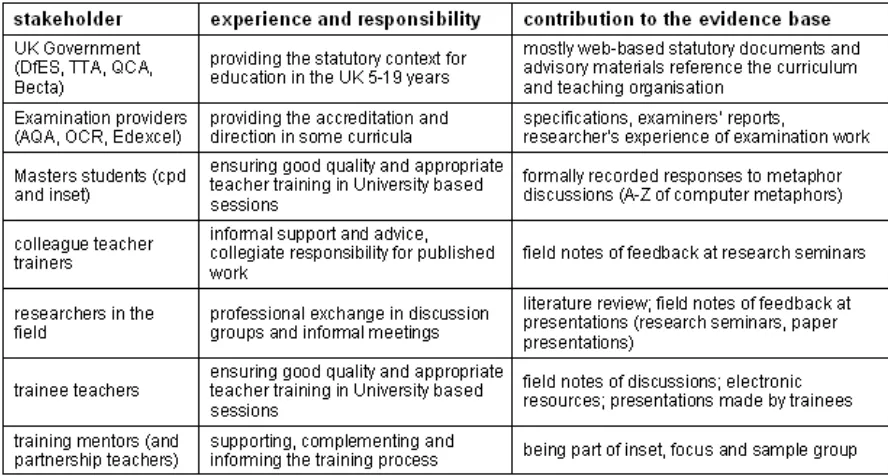
Figure 40 stakeholders in the research ...85
Figure 41 results for searching Google in 1999 ...86
Figure 42 A to Z of computer metaphors...86
Figure 43 the categorisation of computer metaphors by function ...87
Figure 44 the categorisation of computer metaphors by image schema...87
Figure 45 sampling structure...88
Figure 46 teacher backgrounds...89
Figure 47 characteristics of the 22 respondents ...90
Figure 48 QCA computing skills coding in QSR NVivo software...92
Figure 49 the curriculum in terms of skills, knowledge, understanding and attitudes ...92
Figure 50 the whole curriculum and skills, knowledge, understanding and attitudes...93
Figure 51 focus group characteristics ...93
Figure 52 the whole curriculum through to difficult topics ...94
Figure 53 the analysis of topics using SKUA characteristics ...95
Figure 54 summary contents of the first interview schedule drawn from the A-Z of Metaphors...96
Figure 55 interview schedule...98
Figure 56 NVivo software for handling the data of qualitative research ...99
Figure 57 nodes and node sets...101
Figure 58 example coding of an interview segment ...102
Figure 59 early and later representations of the developing taxonomy of PCK ...102
Figure 60 raw text results of the “bad metaphor” node search (04/01/04) ...103
Figure 61 a collage of the diagrammatic, metaphor theme and exemplar image schema...105
Figure 63 do teachers use metaphor? 63. ...108
Figure 64 teaching: literal and metaphoric ...110
Figure 65 aspect of literal teaching and the approaches taken...110
Figure 66 virtual and conceptual hard-to-teach topics ...111
Figure 67 different approaches to literal teaching ...112
Figure 68 the pedagogic metaphor: theoretical or kinaesthetic...115
Figure 69 the pedagogic metaphor: novel or traditional ...116
Figure 70 the pedagogic metaphor exemplified ...116
Figure 71 spreadsheet referencing: relative and absolute ...118
Figure 72 trace precedents exemplifies the source-path-goal image schema (Lakoff, 1987: 33)...118
Figure 73 spiral metaphor - a centre-periphery image schema...119
Figure 74 pseudocode representation of “there were 10 in the bed…”...120
Figure 75 queuing in a shop to represent a computer queue (Watteville, 1997: 278)...121
Figure 76 anthropomorphism of logic units http://www.pgce.soton.ac.uk/it/logic ...122
Figure 77 the busy teenager stack ...123
Figure 78 Von Neumann anthropomorphism (Kalicharan, 1988: 14)...125
Figure 79 a printer queue ...125
Figure 80 simple input-process-output model ...127
Figure 81 CPU structure and process using algorithm...127
Figure 82 representations of the CPU and buses (Heathcote, 2000: 79, 81) ...127
Figure 83 dinner plate stack pedagogic metaphor ...128
Figure 84 tabular form of stack (AQA, 2002: 6)...128
Figure 85 the Russian doll metaphor ...129
Figure 86 field notes and diagrams of Russian doll and cascading representation ...130
Figure 87 walled garden metaphor to explain limited (protected) access to the Internet ...130
Figure 88 recursion: Tower of Hanoi ...131
Figure 89 pedagogic metaphor: Tower of Hanoi in COLOUR...132
Figure 90 pedagogic metaphors: theoretical or kinaesthetic...133
Figure 91 pedagogic metaphors: verbal, visual, devices or actions...133
Figure 92 PCK approaches used in computing teaching ...133
Figure 93 representative pedagogic metaphors and their corresponding image schema...134
Figure 95 “cup of tea” set of instructions ...136
Figure 96 pseudocode description of a “cup of tea” ...137
Figure 97 flowchart of a “cup of tea”...137
Figure 98 typical approaches to teaching computing topics...138
Figure 99 binary tree diagram with node symbols...138
Figure 100 flowchart showing the queue management algorithm...139
Figure 101 bubble sort in pseudocode (Compton et al, 2000 p19) ...140
Figure 102 teachers purposefully not using metaphor ...141
Figure 103 the firewall is not a wall of fire ...142
Figure 104 technical diagrams also use the fire imagery ...142
Figure 105 four aspects of teaching ...147
Figure 106 aspects of literal teaching and the approaches adopted...147
Figure 107 pedagogic metaphors used in teachers’ PCK ...148
Figure 108 comparing pedagogical repertoire (strategies) with pedagogic metaphor taxonomy...152
Figure 109 comparing pedagogical repertoire (approaches) with pedagogic metaphor taxonomy...153
Figure 110 spectrum of categories of PCK approaches...153
Figure 111 summary diagram ...155
Figure 112 diagrammatic representation of some image schema ...157
Figure 113 data sources of the grounded theory approach and the ethical dimension...158
Figure 114 research questions...158
Chapter 1 Introduction
(Horsburgh, 1958: 231) My research focuses upon an area of study close to my heart and my experience. Since 1978 I have been involved directly and indirectly with the teaching of the use of computers. That has ranged from working with children under the age of five years (the identification of prerequisite skills and
determining the understanding by pupils) through to training non-English speaking adults in asylum prisons. It has included observing and teaching rudimentary word processing through to the concepts and procedures of object orientated programming at post-16, undergraduate and Masters levels. I have been a teacher trainer of ICT since 1989 and have worked in higher education in computing, IT and ICT since 1998. I am now a teacher trainer with a responsibility to ensure that trainee teachers can teach computing efficiently and effectively in the 11-18 years age range and in particular in the post-16 phase.
This study identifies and then focuses upon the teaching of the concepts of computing in post-16 education (grades 12-14) and is concerned with the means by which teachers enable their students to learn those concepts. The processes associated with pedagogic content knowledge (PCK) are paramount in this study. The evidence base is the statements of the teachers themselves and their own reflections upon practice. Those teachers are associated with initial teacher training and the teaching of computing and ICT at post-16 level. The teaching of computing is in its infancy; compared with the 4000 years of the teaching of mathematics, the mere 40 years of computer education means that there is still much to be learned about the teaching and learning processes. For some time I have been interested in the ideas relating to metaphor. In the world of computing we are frequently devising new products, indeed new ideas, which need explaining to the client or learner. For instance, in 1979 I devised a program that recorded and reported the progress and attainment of pupils for my MA(Ed) dissertation (Woollard, 1981). To help the pupils understand the system parallels were drawn with the class record book (one page per pupil) and that pressing the space bar (page turning) enabled the computer to use the right record (page). Page turning has appeared as a widespread description of a certain type of multimedia software. A classic example is the description given to a filtering system that prevents damaging data crossing between two
computers. It was called a “firewall” to enable other computer technicians to imagine its functionality. The language of computing is rich with metaphor: gateway; walled garden; portal; desktop; window; dialogue box... Also, the language of computer related conversation is rich with metaphor and an investigation based upon discourse analysis is very revealing. My earlier work (Cooke and Woollard, 2004) considered the icon as a metaphor. The area of visual literacy and, in particular, computer visual literacy is also one rich with metaphoric implications. Metaphor occurs at the level of concept, system, object and speech within computing.
also as someone who occasionally darts out into the traffic to pick up interesting litter” (Rohrer, 1997). My own position is somewhat different. I'm travelling down that highway at a goodly pace, knowing something of the technology and something of the procedures. Using Tom Rohrer’s metaphorical image, I know about lane discipline and when to signal. My job is to get more people using the highway, obeying the rules of the road and getting effectively from A to B; I am a teacher and a teacher trainer. It is hard, once you are on the highway, comfortable with travelling, relaxed and confident, to place oneself in the position of someone tentatively edging their way down the slip road for the first time. How do I persuade fellow drivers that it is worth using the highway and not the same familiar side streets? Importantly, for the depth and quality of study and curriculum
enhancement, how do I teach the mores of the highway and the range and length of the many highways available? How do I change my subject knowledge of travelling the information highway into pedagogic curriculum knowledge?
The internet owns the metaphor “information highway”. This metaphor implies the artefacts, systems and relationships of the highways we drive along. By using a metaphor in the passages above, Tim Rohrer articulated his position and I have also articulated the motivations for my work on metaphor. My study relates to the role of metaphor in teaching computing.
The research questions begin with “what is the rôle of metaphor in the construction of computer pedagogic content knowledge?” (see Figure1.)
Metaphor began as a primary focus of the work but the more general discussion of content
pedagogic knowledge in the teaching of computing and ICT is one of importance. Indeed, it has yet to be fully explored in contemporary literature and, when compared to the teaching of mathematics, language and other subjects has a very short history. From the starting point of the role of metaphor in the construction of computer pedagogic content knowledge, the question is operationalised and becomes “what do teachers do to turn content knowledge into pedagogic content knowledge with special emphasis upon the use of metaphor and analogy within computing and the use of
computers?”
The development of the research questions then arose from aspects of “metaphor” and “teaching”. The three aspects of metaphor are those relating to: linguistics; the computer world and the
computing curriculum. The aspects of teaching are those related to: the curriculum of computing; IT and ICT; difficult concepts within the curriculum and pedagogic content knowledge.
Chapter 2 Metaphor from rhetoric to physiology
This part of the literature review considers both the cognitivists’ and linguists’ approach to metaphor. The questions first ask what metaphors are and how are they used in everyday language. The review also considers how they are used to be emotive, stimulating and illustrative. The literature review reveals the connections being established by physiologists at the level of neuron, synapse and dendrites, through the ideas related to embodiment, semantics, artificial intelligence, cognition and language. The review begins with an analysis of the meaning of the word metaphor, the technical description and its role in conversational language. The contrasting works of Lakoff, Ratzan and Lawler characterise three different approaches to the study of metaphor in language and life. Their models are further explored and the implications of their work related to the use of metaphor and computing. The chapter concludes with a declaration of metaphor description based upon metaphor theme and image schema.
Chapter 3 Metaphor in the world of computing
The second aspect of the research questions is reflected in the next section of the literature review which is concerned with the use of metaphor within the world of computing, how metaphor arises, the value in particular areas of technological development and the pedagogic implications for error and misconception. This section addresses the research questions: what metaphors are used in the computing world; why are metaphors used in the computing world and what is the pedagogic consequence of that use? The chapter considers the image schema of: being or located; virtual physical activity; container and surface metaphor. It then considers the rôle of the more complex integrated metaphor including the ubiquitous desktop and the superhighway metaphor. It concludes by considering the “metaphor too far” when the use of metaphor causes misunderstanding or anxiety for the user.
Chapter 4 Pedagogic content knowledge
This chapter reviews the literature regarding the strategies employed by teachers to teach and reviews the theories associated with those strategies. It creates the pedagogic context for the research and a foundation for the grounded theory approach. This literature review underpins the major focus of this work: what do teachers do to turn content knowledge into pedagogic content knowledge with special emphasis upon the use of metaphor and analogy within computing and the use of
Chapter 5 Developing the research design
This chapter discusses the research methodologies that were considered and adopted to enable the collection of empirical data. It contains a brief overview of the cycles of enquiry undertaken and the rationale for the initial organic nature of the research The qualitative versus quantitative division is identified and a justification for qualitative practice is stated. The interpretative nature of enquiry is described and the use of grounded theory method justified. The rationale for the appropriateness of interviews and the interview process is outlined and the challenges that the approach presents are described. The writing of the interview schedule and the cautions are clearly described and the ethical issues are presented as part of the full description and rationale of the methodology.
Chapter 6 Implementing the research design
This chapter describes the implementation of that methodology, the prerequisite activities and the subsequent coding process. There are four distinct phases to the research implementation that take place before carrying out the interviewing of teachers. They are: identifying and describing the stakeholders of the research; gathering and describing metaphor (teacher inset groups); identifying and describing the sample group (teachers of computing) and identifying and describing the difficult concepts of computing (focus group). The interview schedule is informed by: the ethical statement; A-Z of metaphors; difficult topics of computing and the literature review. The major data sources are the transcripts and documents of the interviews informed by the experienced and successful teachers of computing. These are processed and encoded in QSR-NVivo software.
Chapter 7 Towards a taxonomy of pedagogic approaches
This chapter describes the results of the empirical data collected, the characteristics of the respondents, the conceptualisation of the situation and the move towards establishing theory (grounded theory method). The data collection is underpinned and contextualised by a range of activities including: scrutiny of examination reports and text books; teaching sessions and focussed discussion of the role of metaphor in computer design and computing curriculum and research seminars with interested professionals. The results of this study are primarily based upon the outcomes of interviews with experienced and successful teachers and tutors. The final aspect of the analysis is an exercise of intellectual engagement with the transcriptions, reflections upon the literature and a growing sense of a justified theorem relating to the teaching of computing. The research is underpinned by the principles of grounded theory method and the use of computer software to facilitate the coding, memoing and analysis of the data.
As a result of the analysis there is described a model of pedagogic content knowledge which includes metaphoric and literal approaches. This research has had a profound impact upon me as a teacher trainer of computing and ICT teachers. As a result of these studies, I have identified
significant teaching points and areas of the training process that require change.
Chapter 2 From rhetoric to physiology - a literature review
This first chapter of the literature review directly addresses the research questions: what is a metaphor?
how are metaphors used in everyday language? and
how are they used to be emotive, stimulating and illustrative?
From the early works of Aristotle to the most recent contributions of Lakoff, the rôle of metaphor in rhetoric and literature is considered. The research question asks “how are metaphors used in everyday language?” The tropes of the English language (metonymy, synecdoche, simile, analogy) are explained and exemplified. A model of metaphor categories is described using the constructs of colour, position, space and time and the relationship between metaphor and physiology is
considered. Finally, a discussion of the “wrongness” of using metaphor is presented - this is later returned to in the analysis of teacher responses.
The literature review reveals the connections being established between the physiologists’ work at the level of neuron, synapse and dendrites and the ideas related to embodiment, semantics, artificial intelligence, cognition and language. The review establishes the importance of metaphor across a range of disciplines within physiology, linguistics, cognition and psychology.
From different perspectives, metaphor can be seen to be a variety of things.
Metaphor is related to our cognition, our understanding and our thinking. It is with metaphor that cognitive scientists explain how thinking is structured through categorisation of conceptual structure and image schema.
Metaphor is a powerful trope of language and communication. Language is an expression of our understanding or, arguably, our understanding is established through language. The metaphor is an important tool for explaining the relationship between language and learning.
Metaphor is related to literature and rhetoric. It is an artistic device to enable more colourful and stimulating writing and speech. It is a means of conveying meaning at a level not possible by the literal use of words.
Metaphor is related to everyday life and language. It is a natural trope engaged in without conscious effort and interpreted without angst or difficulty. Metaphor is the vehicle for our conversational wanderings whether that is plodding through a description, stumbling through an interview or stepping through an argument. As the previous sentence show, we use terms that are not literally true but bring colour to our speech and writing. The world of computers is full of everyday metaphor, much of it flavoured by the technology. However, in addition, metaphor plays a different and important rôle.
Chapter contents:
2.1 Overview and introduction 2.2 In the beginning…
2.3 Rhetoric and literature… 2.4 Model, product, theme…
2.5 Metonymy, synecdoche, simile, analogy 2.6 Metaphor and cognition
2.7 Metaphor and everyday language 2.8 Using metaphor as a tool… 2.9 Physiology and metaphor… 2.10 When metaphor is wrong…
2.11 Summary and definition of metaphor
2.1
Overview and introduction
The storyline of this review begins in the beginning with Aristotle’s thoughts and a consideration of the traditional view of rhetoric and literature. The rhetoric application of metaphor does have cognitive implications and the discussion moves towards understanding. The “model, product, theme” terminology is adopted and described in terms of the other nomenclature found in the literature. Other tropes of the English language are discussed, and an initial identification of metaphor categories is made. Finally, in this chapter the physiological aspects of metaphor are considered and the wrongness of metaphor use is discussed.
The metaphor extends our ability to describe new and unknown situations. It has a particular place in the world of computers including the metaphoric “being or located”, virtual physical activity, the image schema containers and the naming of objects and functions. The integrated metaphor is described through the example of the internet called the “information highway”. It, the metaphor, implies the constructs, systems and relationships of highways we drive along. We can describe other aspects of our use of the internet in terms of the highway with its policing systems, checkpoints and tolls. This is described later as the model-product relationship (Figure 3) within a metaphor theme and is
illustrated in Figure2.
Figure 2 the information superhighway metaphor theme
• thought is embodied - conceptual systems are directly grounded in perception, body movement and experience;
• thought is embodied - it is represented by physical connexions between cells of the brain; • thought is imaginative - it goes beyond the physical experience and employs metaphor,
metonymy and mental imagery;
• imaginative thought is embodied - categories are embodied in the same way as experiences; • thought has gestalt properties - a structure can have more than one meaning;
• conceptual structures can be described using cognitive models.
These principles are adapted directly from George Lakoff (Lakoff, 1987: xiv). This work, as described later, underpins category and image schemata.
It is at this point that our consideration of metaphoric language and thought, our understanding of computer systems and processes and our ability to ensure that learners have a better understanding of those processes come together. There is a deeper and more profound reason why this study may have implications for human knowledge. The author and the science are at a very early stage of development in these ideas. Perhaps this is the start of the “brave new world” where human
understanding is fully complemented by computer understanding. Perhaps our understanding of the cognitive, linguistic, gestalt and physiological properties of metaphor will direct advances in artificial intelligence. The metaphor may be the key to the development of computers that think like humans.
2.2
In the beginning…
Aristotle’s Rhetoric, translated by WR Roberts (1952) in The works of Aristotle: Rhetorica, De
rhetorica ad Alexandrum, Poetica relates that Aristotle believed metaphors to be implicit comparisons based upon analogy and that they equate to the comparison theory of metaphors. This is pertinent to computer based metaphor. In Poetica, Aristotle defined metaphor as giving “a thing a name that belongs to something else” thus emphasising the “lie” associated with metaphor. In paraphrasing Plato’s definition of a myth, Carolyn Pinkard describes metaphor as “lies that tell the truth” (Pinkard, 2000). Aristotle’s definition draws upon the analogy aspect when two things are alike in such a way that one can take the name of another. The computer device for disposing of unwanted files has the given name of another object, the recycle bin. The familiarity of the ideas associated with “recycling” gives a perceived familiarity and understanding of the functions of the computer device. A
consideration of the way the computer feature properly emulates that of a recycling bin, what other more distinct functions it possesses and the implications of the iconic representation will be made in the next chapter .
acknowledges that myths are stories purportedly true but actually false, but tell a truth. The cave myth warns us to take care that we are seeing the reality and not just shadows of the reality and what we can see is the whole truth and not just a small part of the truth.
The early works of Aristotle and Plato reflect and underpin much of the 20th century use of metaphor. More recent analyses of language emphasise the naming of one object to describe another. John Sowa (1983) in his Conceptual structures: Information Processing in Mind and Machine describes a metaphor as a normal means of adapting existing words to new situations. An example is the use of firewall; the name and its meaning existed in general use well before its usage to describe a
hardware/software resource that protects a system from external damage. However, Gilbert Ryle in The Concept of Mind (Ryle, 1949: 14) describes it differently as the presentation of the facts of one category in the idioms appropriate to another, for example, describing prose instructions in the form of a list or the diagrammatic representation of a concept. His ideas are underpinned by the concept of categories which lead to the classification of metaphor; this is considered later in this chapter. Another definition of metaphor made by Nelson Goodman in The Structure of Appearance suggests it to be “a whole set of alternative labels, a whole apparatus of organisation that takes over new territory” (Goodman, 1976: 72-74), the alternative labels being textual, diagrammatic or pictorial. Gareth Morgan, in his treaty on organisational metaphors, describes them as “a primal force through which humans create meaning by using one element of experience to understand another”
(Morgan, 1998: 4). These ideas, which describe the source of metaphor as being one of linguistic manipulation, are later questioned when the physiological basis (the embodied mind) is considered. However, these ideas form an understanding of metaphor and its occurrence in everyday language and teaching methodologies. Further ideas are developed by John Carroll who relates metaphor to the cognitive representation of computing (Carroll, 1982).Those considerations include the desktop interface and the common software such as spreadsheets, painting programs, database
management systems and the word processor.
Word processing has the underlying concept of a scroll (Carroll, 1984). Early word processors (of the graphic user interface) had icons to reflect this metaphor including the word processors Impression and Ovation (Computer Concepts, 1994). All word processors until recent times (c1995) were based upon the facility of a single sheet of writing material extending downwards in an apparently limitless way with clear start and end points. Pagination only takes place at the point of printing when the computer automatically chops-up the text into pages based upon the specifications of the printer. The earliest word processors, for example Wordwise, introduced some limited control over the output (for example, force a new page) but essentially what you saw was a flowing screen of text and not what you got when printing. More recent WYSIWYG (what you see is what you get) word processors enable the user to see the page layout before printing (print
preview ). Some users even prefer to work in WYSIWYG format although the software designer’s default remains a presentation based upon an ancient scroll.
flowing from one page to the next (although this can be made to appear to happen). The emphasis is upon single page design and the user turning the page to get to the next display. This metaphor is extended in multimedia authoring programs such as Illuminatus and Toolbook (Helander, 1997; Madsen, 1994).
2.3
Rhetoric and literature…
In this section the metaphor is analysed in terms of “manipulation of the use of words” through the spoken “utterance” or the written text. This emphasis upon words is described by IA Richards in his Philosophy of Rhetoric. He provides the definition “the traditional theory ...made metaphor seem to be a verbal matter, a shifting and displacement of words, whereas fundamentally it is a borrowing between and intercourse of thoughts, a transaction between contexts. Thought is metaphoric, and proceeds by comparison, and the metaphors of language derive” (Richards, 1936: 96). Importantly, this reflects the all-embracing role of metaphor in everyday language and conceptual understanding. This is the connection between metaphor used as “common parlance” and the metaphor as a model for our perception of the understanding process. For example, many computer users will comfortably use the phrase “burning a CD” – simply because they have heard someone else using the phrase – it is common parlance. Our exposure to the science fictions of James Bond and others gives the impression that the laser light is intense, powerful and associated with heat. The metaphoric phrase “burning a CD” is accepted by computer users because it fits with the literal image of the laser. The burning process is perceived to be irreversible – a one-way journey. This example shows two aspects of metaphor. The first is one is “of enabling understanding”. The association of combustion (a well known phenomenon) with placing information on a CD implies a one-way event and a sense of permanence. Incidentally, the term “saving” to a CD was not used as this had connotations of less permanence because traditionally saving implied that it could be resaved and, importantly, deleted. The metaphoric use of “burning a CD” carried with it a good deal of meaning.
Another aspect of metaphor that “burning a CD” exemplifies is that of the potential for error and misconception. Technology has moved on and CD writing has changed. The activity undertaken is not one of combustion or even intense heat. The reality is that the light from the recording device changes the nature of crystals that are suspended in the plastic of the compact disc (Knott and Waites, 2000: 131). “The melted crystals along the track flow into the amorphous phase which is then “frozen-in” by cooling the layer quickly. The reflectivity of the amorphous areas is much lower than that of the crystalline areas which gives rise to the peak-and-trough pattern along the recording track (just as the lands and pits produce the pattern on a regular CD). During rewrite, some
amorphous areas along the track are returned to the crystalline phase by an annealing process (heating at a temperature below the layer's melting point for a somewhat longer period). Others are converted to the amorphous phase by heating above the melting point. This process can be repeated more than a thousand times and some media manufacturers claim the number is even higher” (M&M Productions, 2003). The innocent phrase “burning a CD” now can prevent new users or learners from immediately comprehending the truth. They may have the misconception that it is a permanent and a one-way process.
comprehension of the way meaning changes in discourse that we can better control and animate our use of words, and so decrease misunderstanding (Richards, 1936).
Nicholas Burbules (1997) asserts that metaphor is a comparison, an equation, between apparently dissimilar objects, inviting the listener or reader to see points of similarity between them while also inviting a change in the originally related concepts by “changing over” previously unrelated
characteristics from one to the other. Ronald Baecker and others (Abrams, 1998) suggest metaphor is an invisible web of terms and associations that underlie the way we speak and think about a concept. For Roland Barthes, the literal and figurative readings and meanings work together to give a text its multilingual nature. Metaphor is a tool for rendering a text more plural (simultaneously having more than one meaning), since with more synonyms and “forms of language”, the text is multiplied in both depth and meaning: “The excess of metaphor... is a game played by the discourse. The game, which is a regulated activity and always subject to return, consists then not in piling up words for mere verbal pleasure (logorrhoea) but in multiplying one form of language... as though in an attempt to exhaust the nonetheless infinite variety and reinventiveness of synonyms, while repeating and varying the signifier, so as to affirm the plural existence of the text” (Barthes, 1993: 17). Annette Lavers writing in the preface to Roland Barthes work (Barthes, 1993: 7) confirms “first and
foremost… is linguistics, whose mark is seen not so much in the use of a specialized vocabulary as in the extension to other fields of words normally reserved for speech or writing, such as
transcription, retort, reading, univocal… also associated with a rediscovery of ancient rhetoric.” Although this natural or spontaneous use of metaphor is bound to happen in computing lessons as much so as anywhere else in rhetoric and dialogue, it is not the focus of this study. The study is not merely concerned with metaphor arising as a result of classroom dialogue. It is concerned with those metaphors that support student learning arising from the teachers’ planning and pedagogic
processes and those metaphors presented in the curriculum specifications and text.
The Oxford English Dictionary (OED, 2003) defines metaphor as that ”figure of speech in which a name or descriptive term is transferred to some object different from, but analogous to, that to which it is properly applicable”. In its simplest form, metaphor is seen to be the borrowing of language that describes one object to be used to describe another object. However, that description denies the complexities of that relation, the nature of the objects and the contexts within which the metaphors exist. A seminal piece of work which draws together the different strands of thinking, redefines their context and acts as a starting point for developments into the current phase of thinking is that edited by Andrew Ortony (Ortony, 1979). It is the rôle metaphor has in the relationship between language and understanding that is important. The initial premise is that there is a dichotomy existing between the “science” of explanation of the physical reality and the “relativism” of the cognitive reality. The objective world is not directly accessible, but is constructed on the basis of the constraining influences of human knowledge and language and the claim that metaphor is the device through which all cognition takes place.
2.4
Model, product, theme…
thing, for example, knowledge, as in “devours knowledge”, “laps up the details” but only returns “tit bits of information”. This is an exemplification of a metaphor. The linguistic approach is to consider that “knowledge” is treated semantically as if it were the same as “food”. The metaphor exists as a model - (usually) a concrete basis or ground - and a product - (usually) a concept or tenor. This is the basis of the metaphor theme. The theoretical, objective or conceptual differences that occur between the tenor and the ground form the tension within the metaphor. Alternative descriptive titles for aspects of metaphor are used. Richards (1936) used tenor and vehicle; Ryle (1949: 16-23) category mistakes; Turner and Fauconnier (1995) used source, target and ground; Andrew Goatly used vehicle, topic and ground (Goatly, 1997: 9) and Lakoff and Johnson (1980, 1999: 47) source target concept. Mary Hesse prefers primary and secondary system and describes the interaction as the “domain of the explanandum” (Hesse, 1965: 250). She supports the idea (also citing the work of Black, 1962: 37) that it is not the metaphor that creates the associations but that the associations created by the mind are the metaphor. This observation has significant bearing upon the use of the words metaphor, metaphoric and literal in the definition of metaphor used in this research. John Lawler uses the idea of theme. “The abstract phenomenon of metaphor and the instantiation of a metaphor are the abstract and concrete poles of the uses of the word metaphor. In between them is one other sense of the word, one that's very important because it represents the cognitive mapping that we use when we use metaphors, and because it controls or licenses the actual instantiations. I call this in-between level the Metaphor Theme and it is this that is frequently meant when people talk about metaphor” (Lawler, 1987: 414).
IA Richards (1936) in the Philosophy of Rhetoric describes a “standard terminology for the
components of a metaphor: Tenor: the original concept. Vehicle: the second concept “transported” to modify or transform the tenor. Ground: the set of features common to the tenor and the vehicle. Tension: the effort demanded to span the gap between the tenor and the vehicle”
In the recent work of Turner and Fauconnier (1995), the description of metaphor moves onward from the model/product, domain/target description to one of blending two concepts to portray a single other. Described in a customary view of conceptual metaphor, it carries structure from one
conflations are instances of coactivation of both domains, during which permanent neural connections between the domains develop” (Johnson, 1997: 343).
Figure 3 the metaphor theme is the relationship between a model and the product
This model of metaphor has limitations as it does not reflect all aspects of metaphoric instantiation. A telling commentary by Eddy Zemach explains that “most theories of metaphor do not make a
distinction between… …concept networks and the realms”. He asserts and evidences that when a two part model is proposed there are difficulties in identifying similarities. “As long as the interaction is limited to the source and the target concept networks, only similarity-based metaphors can be accounted for” (Zemach, 1997). However, providing that the “metaphor theme” is appropriately emphasised and that the connections are seen as being only directional in the first instantiation of the metaphoric utterance, then this model (illustrated above) can be the basis of discussion for the research.
2.5
Metonymy, synecdoche, simile, analogy
To help define metaphor it is also necessary to define those aspects of language that appear close to metaphor or are a subset of metaphor including the important tropes of: metonymy, synecdoche, simile and analogy. This section also considers myths and mixed metaphors.
metonymy
Metonymy is the rhetorical or metaphorical substitution of one thing for another based on their association or proximity. Metonymy is an aspect of language where the name of an object or concept is replaced with a word closely related to or suggested by the original, for example, Downing Street for the Prime Minister’s advisers – “a Downing Street statement outlined…”. “Bill Gates” is used to represent a Microsoft product. We might say that “she’s in computers” meaning that she is employed in the computer industry or “new software will solve the problem” meaning the state of using new software. These are examples of metonymy. Metonymy and metaphor are different kinds of linguistic structure (Lakoff and Johnson, 1980: 36). Metaphor is principally a way of conceiving of one thing in terms of another whereas metonymy is letting one thing stand for another in name only. As Roman Jacobson explains, metonyms are based on realistic connections; we say "he is fond of the bottle" (meaning, he likes alcohol) because there is a connection between alcohol and bottles (alcohol is stored in bottles). This is not a literal statement; a literal statement would simply have been: "He is fond of alcohol" (Jakobson, 1988).
synecdoche
Synecdoche is the naming of a part for the whole or a whole for the part (Fass, 1997). I have “a new set of wheels” meaning the whole car. In further exemplification, a part is used for the whole (as hand for sailor), the whole for a part (as the law for police officer), the specific for the general (as cutthroat
for assassin), the general for the specific (as thief for pickpocket), or the material for the thing made from it (as steel for sword) (The American Heritage, 2000). Asking a computer teacher how many keyboards do they have is interpreted as asking – how many computer systems. The words “keyboard” or “processor” is used to represent the whole computer system; the word “title” in “how many titles do you use?” represents the whole of a software package. A keyboard is not a computer system but because of their association, one is used to represent the other. There is an important consideration. Metaphor is derived from similarity: metonymy and synecdoche are derived from contiguity (Lodge, 1990) or a physical association. As soon as discourse deviates from strictly literal, denotative reference, it will tend to do so either in the form of metaphor and simile, or in the form of metonymy and synecdoche. The computer “desktop” is metaphoric; there is a similarity between the conventional desktop and the screen of the computer represented by parallels in the function. We can conceive or understand similarities. However, the keyboard being synecdochetically associated with the computer does not signify such parallelisms; there are no parallels in the function between a keyboard and a computer.
simile
Simile identifies through comparison, links or connection that are the same in two separate objects. The categorization theory (Glucksberg and Keysar, 1989) contends that metaphors are stronger than similes giving an example that when a metaphor corrects a simile - as in “Jack isn’t just like a rock, he is a rock!” it is stronger in several respects. The simile makes a statement about a possible number of samenesses between the two objects (Jack and a rock). It does not imply a totality of sameness. The metaphor states an absolute sameness between the two and therefore gives cognitive permission to extend the comprehension of Jack’s characteristics by considering all known characteristics of a rock. For example, protection of children from unsavoury aspects of the internet is a walled garden. It is not like a walled garden – it is totally different but like the conventional walled gardens, there are many identically perceived aspects (Woollard, 1999). Metaphors must be
systematic in the sense that they must be communicable from speaker to hearer in virtue of a shared system of principles (Searle, 1979: 113). The principles outlined by John Searle are abbreviated to: (1) single salient similarity; (2) contingent continuity; (3) false association; (4) cultural (natural) association; (5) being the condition of; (6) similar in meaning; (7) of relationship; (8) metonymy and synecdoche (Searle, 1979: 116-118). These principles are described later in relation to the computer metaphors.
analogy
Analogy is a form of logical inference or an instance of it, based on the assumption that if two things are known to be alike in some respects, then they must be alike in other respects. This is the fundamental assumption of metaphor. That is, metaphoric relationships are stated through
relations; an agreement or likeness between things in some circumstances or effects, when the things are otherwise entirely different. Thus, learning enlightens the mind, because it is to the mind what light is to the eye, enabling it to discover things before hidden (WorldNet, 1997) is a stated analogy between light and eye and knowledge and brain. “This explanation has shed light on the subject” is a metaphoric utterance. It is not literally “shedding light” and there is not a hint of analogy. This can be summarised:
This tautology reflects the feature of metaphor that there is no indication that they, the model and the product of the metaphor, are similar. In metaphor they are the same. For example, the written code of a program is the program as much as the presence of electrons in a circuitry is the program or the image on a screen is the program. One is metaphor of the other.
Further, the interest shown by some to differentiate the difference between metaphor and analogy has little benefit o this study. George Scatchard wrote “the compounds of iron… [are] carried in our blood plasma by globulin… which is stored as ferric hydroxide by ferritin much as water is held by a sponge” (Scatchard, 1949: 660) is analogy because one is considered to be like another. He did not say “ferritin is a sponge for storing ferric hydroxide” (illustrated in Figure 4.) But, for the learner, both have equal meaning. The understanding that:
• ferritin is a container;
• ferritin has a capacity that is relatively large; • ferritin absorbs quantities of ferric hydroxide; and
• ferritin releases the ferric hydroxide easily when required.
Whether the teacher uses analogy or metaphor has little significance in the communication of meaning or understanding.
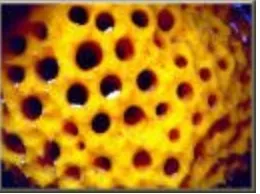
[image:25.595.101.231.540.637.2]The gestalt property (see the “When metaphor is wrong” below) is:
Figure 4 gestalt properties of the concept sponge
The image above can be ferritin holding ferric hydroxide or a sponge holding water.
mythology
Myths are those narratives, passed on from person to person with little change, that, like all
cruises, soap powders and detergents, toys and steak and chips. He explores the conceptual meanings that develop behind those terms and how they influence our understanding of the world. Myths are not myths as a property of their content but as a property of the nature of the
communication and so anything and everything can become a myth. He explains “A tree is a tree. Yes, of course. But a tree as expressed by Minou Drouet is no longer quite a tree, it is a tree which is decorated, adapted to a certain type of consumption, laden with literary self-indulgence, revolt, images, in short with a type of social usage which is added to pure matter” (Barthes, 1993: 109). And, of course, the world of computing is not without its own myths. Consider Microsoft - immediately there will a reaction from within any group of computing specialists pertaining to the instability of the operating system. That reaction has achieved mythological status. There are cultural acceptances, for example, that it is acceptable to be bad at maths and computing but not at reading or sex. There is the scary myth. A computer can be used to find out your medical records because they are on a computer; the underlying idea here is that computers are powerful, mysterious, and omnipresent and they are, therefore, very threatening. These examples show that myths are a form of metaphor. Myths are culturally based because they widely known by a group of people. They are largely
unconscious in nature and, like all metaphors, are literally false, or even ludicrous, when spelled out.
mixed metaphor
Mixed metaphor is both cliché and an important form of communication. There is a perceived wrongness to “mixing one’s metaphors”. The observation that a statement is a mixed metaphor degrades its value – it is an abusage of the English language (Partridge, 1947). However, the mixing of metaphors may indeed bring out a better understanding of a concept or thing. In terms of John Searle’s principle descriptors (Searle, 1979: 116) it can be described as “S is P” but with “P being R-ish” in nature. “There is no chance of pupils getting through the firewall of this particular garden!” S, in this case, is the restricted worldwide web environment. P is the walled garden, R being the firewall. P is the walled garden within which the children’s experiences are protected from the negative influences of the worldwide web as a whole. Alexander Bain states the brevity of the metaphor renders it liable to the vice called mixed metaphors but it could be claimed that it is not the fault of the brevity [of the metaphor] but the inarticulate nature of the user” (Bain, 1887: 165-167). A better defence is that the congregation of two metaphor schemes to underpin one relationship indeed strengthens the understanding.
2.6
Metaphor and cognition
categories of metaphor
George Lakoff’s and Mark Johnson’s work since the late 1970’s is important in identifying metaphor types. They propose that a limited number of analogies can account for most of the metaphors in everyday use. Their assertion is that our ordinary use of language is largely structured by metaphoric and metonymic principles which exhibit directionality. Human beings systematically characterise abstract ideas, thoughts, religious beliefs, political and ethical situations in terms of bodily
movements and bodily functions. The primary claim of their position is that these metaphors and the directionality are not arbitrary, but instead are a natural outgrowth of the manner in which our minds are constituted. This physiological approach is discussed below. The placement of metaphors into several theoretical categories arises from the formalised work of Andrew Ortony, Mark Johnson and George Lakoff (Ortony, 1979; Lakoff and Johnston, 1980) and articulated by Lee Ratzan with these examples:
• spatial I fell into a depression.
• ontological A mind is a terrible thing to waste. • personification Life is cheating me.
• metonymy She is into dance.
• synecdoche Cars are choking our roads. • literal The Turnpike is very heavy this morning. • homonymic I am in the room and I am in love.
• poetic embellishment “She was my English rose” (Ratzan, 2000)
Computer related examples include the spatial metaphor “I am moving into computers”. “The gatekeeper barred my access through the firewall” is personification of a mechanical device. “Network traffic is heavy at the start of lessons” is literally untrue - it does not possess weight. A homonymic example is “you are in a computer room and you are in a user group”. Finally, this is poetic embellishment; it is an example of computer generated poetry that includes metaphoric phrases. “Thrown smoothly over blue he assaults the shore with vaulting glee” (Hinckle, 2003).
against categorisation
There are established arguments for and against categorising metaphors and devaluing the importance of the categories. Victor Kennedy argues that the common features of metaphors are more significant than the category and argues against the categorization theory of metaphors. He uses recent developments in the application of theory to metaphor, including the topics of vagueness (versus explanation), emergent features, the indefiniteness of a grouping, and shifts in the order of terms in the metaphor to test the general and implicit weaknesses of the use of metaphor (Kennedy, 1999).
and “soft” to more abstract domains. Since, for example, physically soft surfaces are comfortable and hard ones uncomfortable, we sometimes use “hard” and “cold” and their synonyms to express comfort and discomfort in a moral or psychological sense, as in the expressions “a hard blow” (referring to a misfortune) or “softening the blow” or “hard luck” (Melnick, 1999). Software is manageable, changeable and malleable where hardware is tough, fixed and unchanging.
image schemas
There is growing evidence and assertion from cognitive linguistics and experimental psychology that a substantial portion of language is encoded in the mind in the form of spatial representations that are grounded in perception and action (Richardson et al, 2001: 873). Daniel Richardson goes on to cite recent work which has documented the mapping between spatial linguistic terms and the mental representation of space including Hayward and Tarr, 1995; Carlson-Radvansky, Covey and Lattanzi, 1999; Schober, 1995. There are established consistencies in the ways in which spatial language is produced and comprehended. It is a natural expectation that when language refers directly to spatial properties, locations, and relationships in the world, those linguistic representations will have similar format. The rationale is more problematic when language represents concepts that have no apparent spatial property such as “hatred” or “normalisation”. Much work in cognitive linguistics has in fact argued that many linguistic and conceptual representations (even abstract ones) are based on metaphorical connections to spatially laid out “image schemas”. Daniel Richardson cites support from Raymond Gibbs, George Lakoff, Ronald Langacker and Talmy (Gibbs, 1996; Lakoff, 1987;
Langacker, 1987; Talmy, 1983). His work analyses the images produced to represent “argument” and “respect” and shows that “argument” is represented by horizontal opposing arrows and “respect” is consistently represented by an inclined line uni-directional line. It is suggested that this shows clear links between the conceptual and the spatial.
Mark Johnson in The Body in the Mind outlines the rationale for their strong relationship between image and concepts (Johnson, 1987). Evidence for the schemata arises in several areas. The first is that we can manipulate images in ways that require more than simple memory of a detail-rich image such as rotating and then matching shapes. Secondly, by drawing out the established metaphors that “theory is a building” or “argument is a war” the visualisation of those images acts as the carrier for those metaphors. It is also suggested that the existence of polysemy, that is, the multiple related meanings for a single word supports the existence of a schema which could be based upon an image structure. Mark Johnson’s argument rests upon the observation that understanding moves from the concrete and physical to the abstract and non-physical (Johnson, 1987: 107) and the importance of “seeing” in understanding. Mark Johnson proposes a number of schemata which will be described below (Johnson, 1987: 126).
image schema of colour
Norman Holland describes a psychoanalytical approach to metaphor (Holland, 1999). For example, attitudes towards racial difference are affected by the metaphorical associations of white and black (Lakoff and Johnson, 1999). The use of blacklist, when describing web pages that are prohibited by the filtering software in a walled garden, may be considered to be less than politically correct
because of the metaphoric relationship between black (skin colour) and black (bad/wrong/amoral). George Lakoff’s explanation of colour-related metaphors brings together: the consideration of the external features (wavelength of light); the sensory aspects (limitations of cornea, rods and cones); the “neural circuitry” from eye to brain and the physiological representation of that information. Our mental processes associate the sensory data with the blue concept which has manifested itself by the mind. “Thinking of colour as merely the internal representation of the external reality of surface reflectance is not merely inaccurate, it misses most of the function of colour in our lives” (Lakoff and Johnson, 1999: 25). The perception of colour is embodied in a similar way to that of other image schema. Vilayanur Ramachandran describes one of the goals of cognitive neuroscience as
developing conceptual links between brain anatomy, neurophysiology, and phenomenal experience. Using the concept of synaesthesia, he illustrates how the study of certain neurological syndromes and brain-damaged patients can illuminate fundamental principles of the organization of the normal human mind (Ramachandran, 2001). One of these features of synaesthesia is that a colour concept is related to another concept. A person might report that Wednesday is orange, edges are red or the squeal of brakes is blue. Terry Regier identifies, in his analysis of the works of Kay, Berlin, Merrifield, McDaniel and others (Regier, 1996: 16-17), that colour has cross-cultural standards and the
embodiment of the concepts of colour within neurology are based upon a model similar to that of other metaphoric image schema. This work reinforces the idea that connections between our physical experiences (perceptions), our neurological structures and our “understanding” of concepts are all important.
image schema of position
The source-path-goal schemata has several features: an object that moves, a starting point, a goal (destination), a route from source to goal, a trajectory of motion, the position of the object at a given time and the direction of object at a given time. There are associated adverbs: over, beneath, next to, before, during and nouns: front, back, start, course, programme, schedule, agenda, end, penultimate, order. There are a number of images and iconic representations of the position image schema including: the symbol for a ship’s muster station, the road traffic sign for stop, the start and end shapes of a flow chart, chevrons at a sharp bend, function buttons on media player software and so on.
image schema of space
is a container metaphor” is evidenced through utterances like: “putting it [a file] into memory”; “the size [memory] of a computer”; “poking into memory”.
image schema of time
It is the argument of current cognitive philosophers that understanding is embodied. “Reason and conceptual structure are shaped by our bodies, brains, and modes of functioning in the world. Reason and concepts are therefore not transcendent, that is, not utterly independent of the body… our most fundamental concepts - time, events, causation, the mind, the self and morality - are multiply metaphorical” (Lakoff and Johnson, 1999: 128). Time as a concept has many parallels which will have the same underlying embodiment as similar concepts. For example, time is like money. We spend, use, waste and invest both time and money and the embodiment is reflected in natural utterances where one will act as the metaphor for the other. “Don’t waste my time by spending too much invested in other things.” In a similar way computer memory is like time. We use and have time/memory. We also run out of time and memory.
There is an alternative perception of time. In the example above, time is a resource or a quantity. It is also a passage or a flow. Time is a journey and is metaphorically associated with the path schema. The timing of a computing lesson can be represented as a journey or a time-line. Figure 5. below indicates the 5 principle phases: entry and logging-on, introduction or scene-setting, the body of the lesson, warming-down and plenary and the final exit from the computer room.
Figure 5 lesson time-line
“The lesson is a voyage with a beginning as pupils board the train; we settle them and prepare for the journey telling them of the interesting places we shall visit. Towards the end we will prepare them for disembarkation, re-telling stories of the places visited and experiences” (Woollard, 2002c). Further schemas are described by Mark Johnson including those listed in Figure 6.
(Johnson, 1987: 126)
Figure 6 image schemata
George Lakoff and Mark Johnson argue that much of our linguistic and conceptual structure is shaped by a relatively small number of conceptual metaphors which draw primarily on source domains structured by bodily experience. Basic bodily experience, such as that of object
computer interface, for example, has shown the extent to which the desktop metaphor successfully exploits basic patterns of bodily experience (Rohrer, 1995).
basic-level categories
George Lakoff describes level categories as - when considering an object it becomes a basic-level if it is high enough in the taxonomy to be representational of some objects below it, and it is low enough to be represented by a mental image“(Lakoff and Johnson, 1999: 26). Mark Johnson
describes our everyday understanding of the world and our experiences of it as of two types; level categories being one and image schema being the other (Johnson, 1987: 208). It is the basic-level that we categorise objects. For instance, we experience the object and can visualise the concept “chair”. A subordinate category object is “rocking chair” and furniture is the superordinate category. Chair can be represented by a single mental image (Lakoff and Johnson, 1999: 26) but not furniture making chair a basic-level category. Figure 7. below represents the basic-level
categorisation of the object “PC” with the superordinate category (computing devices) and subordinate devices (tablet, laptop, tower…). The PC is a basic-level category. The iconisation of basic-level category objects is common in computing.
Figure 7 basic-level categorisation of a PC
The icons (Microsoft XP™) and (Microsoft ME™) apply equally to a laptop, tablet or handheld computer.
2.7
Metaphor and everyday language
“Metaphor is the omnipresent principle of language” is the assertion of IA Richards. It reflects the influence of 18th and 19th century writers on rhetoric and his own analysis of writing: fictional, rhetorical and scientific. “We cannot get through (even so much as) three sentences of ordinary fluid discourse without it…. Even in the rigid language of the settled sciences, we do not eliminate or prevent it without great difficulty” (Richards, 1936).
(Lawley et al, 2000: 12). He asserts that the pervasive use of metaphor embedded in everyday speech is a reflection of the underpinning embodiment of metaphors in physiology.
Donald Schön talks about metaphor as being both:
a certain kind of product, a perspective or frame by which things can be structured and also a process by which new things can be perceived, “new perspectives on the world come into perspective” (Schön, 1979: 254).
George Lakoff and Mark Johnson state “we have found that most of our ordinary conceptual system is metaphoric in nature. And we have found a way to begin to identify in detail just what the
metaphors are that structure how we perceive, how we think, and what we do” (Lakoff and Johnson, 1980: 4). George Lakoff showed how much of our thinking and acting can be explained by common metaphors. They have shown that much of our everyday language, including what we would ordinarily call literal language, is structured by conventional metaphors (Lakoff, 1987).
2.8
Using metaphor as a tool…
A technological example given by Donald Schön illustrates powerfully the value of metaphor to aid thinking about a situation. Some years ago researchers were considering the properties of natural and synthetic paint brushes in an attempt to