Study on Pollution Forecasting using 2Phase
Neural Network
GauravKumar Yadav1, Nandani Sharma2
P.G. Student, Department of Computer Science & Engineering, SRCEM, Palwal, Haryana, India1
Assistant Professor, Department of Computer Science & Engineering, SRCEM, Palwal, Haryana, India 2
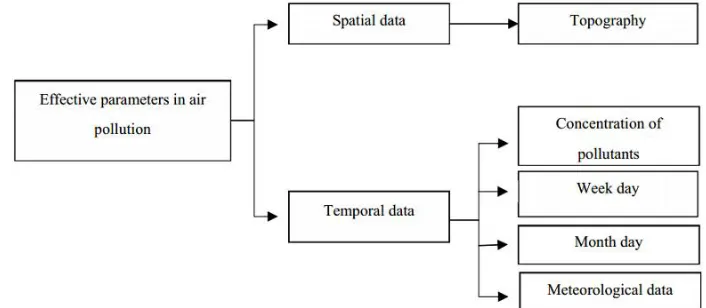
ABSTRACT: Environmental pollution has essentially been credited to urbanization and mechanical enhancements over the globe. Air tainting has been separate as one of the difficult issues of metropolitan zones far and wide, especially in Delhi, the capital of India, where its executives and occupants have for quite a while been engaging with air pollution hurt, for instance, the medicinal issues of its inhabitants. To the degree the examination domain of this investigation is concerned, a noteworthy degree of Delhi air sullying is credited to PM10 and PM2.5 harms. Thusly, the present examination was directed to choose the figure models to choose air pollutions subject to PM10 and PM2.5 sullying centres in Delhi. To anticipate the air-tainting, the data related to the day of the week, the significant lot of the year, topography, meteorology, and poison rate of two regression techniques as the data parameters and Nueral Network procedures were used. These methods fuse a backslide using topographically weighted based neural framework and auto-in reverse nonlinear neural framework with an external commitment as the AI technique for the air tainting desire. A figure model was then proposed to improve the ahead of time of referenced strategies, by which the mix-up rate has been diminished and improved by 57%, 47%, 47%, and 94%, independently. The most strong computation for the figure of air sullying was an autoregressive nonlinear neural framework with external data using the proposed desire model, where its one-day gauge botch accomplished 1.79 µg/m3. Finally, using an innate figuring, data for the day of the week, the time of the year, topography, wind bearing, most prominent temperature and defilement rate of the Neural Network were perceived as the best parameters in the desire for air sullying and pollution.
KEYWORDS: Pollution Forecasting, 2 Phase Neural Network, Genetic Algorithm, Support Vector Machine,Machine
Learning.
I. INTRODUCTION
To accomplish this objective, suitable apparatuses should be utilized to anticipate air contamination [6]. As indicated by the most recent accessible insights from 21 stations having a place with Tehran Air Quality Control Company (AQCC) and 16 air-contamination estimation stations having a place with the Iranian Environmental Protection Agency, PM10 and PM2.5 establish the most elevated extent centralization of air-contamination in Tehran. Among the poisons, for example, CO, O3, NO2, SO2, PM10 and PM2.5, PM2.5 has the most astounding offer. In view of the investigations embraced in 2017 by AQCC and the specialized report delivered on the Tehran Air Pollution Prediction System, about 5% of PM2.5 toxins are originating from neighboring populated territories laid in the west (city of Karaj, south west of Tehran (city of Shahryar), and south east of Tehran (city of Rey)). Such a rate has been discovered higher in the late spring because of more elevated amounts of wind speed in transporting the residue driven from out west and caught in the Greater Tehran bowl [7]. The rate exhibited here on PM2.5 contamination can be respected, in light of the AQCC master conclusion, as the most elevated rate as for different toxins that have been distinguished to be under 5%. Moreover, the PM2.5 recognized in the winter time above isn't of characteristic or wind-blown residue from outside deserts [7]. PM2.5 contaminants contain particles that are made by ignition or brought about by the arrangement and pressure of auxiliary particles. PM10 particles contain particles that are 10 micrometers in distance across and littler and can go through the principal cautious obstruction (nose and throat), harm the lungs and testimony there [8]. Studies have demonstrated that presentation to suspended particles is related with wellbeing impacts, for example, cardiovascular and respiratory ailments [9]. The World Health Organization evaluates that if the normal yearly centralization of PM10 is decreased from 70 µg/m3 to 20 µg/m3, at that point the related passings will be diminished by 15% [10].
Truth be told, there is a connection between the introduction to serious centralizations of suspended particles and the expansion in every day and yearly mortality, too if the convergence of these contaminations is decreased while different elements are fixed then the related passings are diminished [10]. These particles are extremely small and their harm to human wellbeing is high. In this investigation, PM2.5 and PM10 are utilized as toxins to anticipate air contamination. Henceforth, air-contamination forecast is getting to be one of the administrative answers for forestall or potentially relieve its ruinous ramifications. Thusly, it appears to be important to foresee PM10 and PM2.5 poisons utilizing the suitable strategies. In the previous couple of decades, two general methodologies of deterministic and stochastic strategies have been utilized to anticipate air-contamination [11]. Dissemination models are among the deterministic techniques created in different districts for demonstrating and observing the air contamination [12,13]. Be that as it may, the yield of these models depends on the info information, and so as to utilize them, it is important to get to the information on how the poisons spread and diffuse in the air [14]. Subsequently, utilizing these models where adequate and exact information isn't available is risky. Taking into account that the information gathering required for dispersion models is hard and outlandish everywhere scales, the analysts have gone to unrivaled techniques, for example, measurable models [15].
Contrasted with the deterministic strategies, factual techniques have more application in forecast of air-contamination. It merits referencing that variables, for example, pneumatic force, temperature, moistness, precipitation and wind influence the poisons dispersal [16]. An examination has been led by [17] with the point of foreseeing the thickness of two contaminations (CO and NOx) in mechanical areas utilizing the autoregressive model dependent on fake neural system utilizing some meteorological parameters. Because of execution of the proposed model, Root Mean Square Error (RMSE) for CO and NOx poisons was 0.8445 and 0.7618, and the mean total blunder (MAE) for the contaminations was 0.1451 and 0.1598, individually. The outcomes demonstrate the higher significance of meteorology factors in the forecast of toxin focus and the productivity of the neural system noticeable all around contamination expectation. The creators of [18] acquainted a model with improve the counterfeit neural system, which is a mix of air mass course investigation and wavelet change.
various fleeting scales (day by day, week by week, and yearly), the geostatistical techniques were proposed by [19] to utilize the got data for estimation of obscure air quality qualities and forecast of air contamination. As indicated by the outcomes from the proposed strategy for forecast of PM2.5 fixation regularly, the measure of connection of coefficient (R2) that was acquired is equivalent to 0.55. The creators of [20] have utilized two techniques for land use relapse and Universal Kriging to foresee the grouping of NOx in the city of Los Angeles. Notwithstanding utilizing the meteorological and toxin focus parameters, spatial parameters, for example, streets, populace, land use and separation from the waterfront locales were utilized. The outcomes recommend that in forecast of NOx fixation, the all inclusive Kriging model has more exactness than land use relapse. The creators of [21] have done a one-year examination of ozone focus in the Malaga area of Spain. The multivariable relapse for expectation of ozone fixation utilizing the meteorology parameters was utilized.
Dispersion models and factual strategies, for example, Kriging in displaying the air contamination face a few restrictions. The yield of dispersion models is profoundly connected with info information and it is vital that the information with high exactness are accessible about the manner in which the poisons diffuse and spread in the climate [5]. In spite of the fact that the basic factual models of Kriging have likewise been utilized for spatial displaying of air-contamination, its proportion is consistent in respect to the worldly varieties [15,22]. That is the reason as of late the AI techniques have been important to analysts [5]. The creators of [23] have utilized neural systems for air-contamination expectation. The corresponded parameters with the air poison incorporate traffic, hours and long stretches of week, contamination focus in the previous 3 years, the breeze speed and bearing, temperature, sunlight based radiations, precipitation, relative moistness rate and the separation from the street. The creators of [24] have utilized the nonlinear autoregressive exogenous (NARX) Neural Network model for forecast of time arrangement of ozone fixation top. The outcomes demonstrated that this sort of neural system had a decent exhibition in time arrangement expectation of ozone focus in Milan. Bolster vector machine (SVM) and incomplete least square (PLS) technique have been actualized for expectation of CO fixation in Rey station in Tehran [25]. The information identified with O3, SO2, NOx, CH4, all out hydrocarbons (THC) and meteorological information, for example, pneumatic stress, temperature, wind speed and bearing, and air stickiness were utilized in a time of January 2007 to January 2018.
Figure 1 : Model Employed with Research
II. RELATED WORK
because they are model-free working under the only hypothesis that the input variables (experimental space) form an almost complete phase space. In this space the best auto-regressive (AR) model can become a particular case (the linear limit) of an ANN, whereas the deterministic mathematical models simulate some conceptualized (subjective) process sometimes using a parameter space larger than the experimental one.
Benefits of Neural Network :It is apparent that a neural network derives its computing power through, first, its massively parallel distributed structure and, second, its ability to learn and therefore generalize. Generalization refers to
the neural network’s production of reasonable outputs for inputs not encountered during training (learning)."These two
information processing capabilities make it possible for neural networks to find good approximate solutions to complex (large-scale) problems that are intractable. In practice, however, neural networks cannot provide the solution by
working individually. Rather, they need to be integrated into a consistent system engineering approach."Specifically, a
complex problem of interest is decomposed into a number of relatively simple tasks, and neural networks are assigned a subset of the tasks that match their inherent capabilities. It is important to recognize, however, that we have a long
way to go (if ever) before we can build a computer architecture that mimics the human brain."
Forecasting :A problem arising from time series analysis is to forecast (medium/long term) or to now cast (short term: 1 or 3 hours) the systems evolution. Predicting of photochemical smog is an example of complex data modeling because the processes involved are detected by measuring at only a few ground sites chemical indexes which depend on partially known chemical mechanisms, on poorly understood emission fields and on uncertain turbulent mixing and transport phenomena. The data sets used in this work (Liguori, 1996) consist of hourly mean concentrations of air pollutants and meteorological parameters recorded at different urban sites during 1995 in Mestre (Venice, Italy - Figure 1). The monitoring network is described in Table 1 and included meteorological parameters from a private monitoring network (EnteZonaIndustrialedi Porto Marghera), data from the airquality network of the Venice Municipality, and data on vehicle flow rates (Liguori, 1996). The large database of hourly time series (the shorter one with 7000 values)
allowed preliminary broad statistical analysis."The ANNs implemented have been selected trying to achieve both
modelling efficiency and architectural simplicity. The Pearson correlation index with other simple statistical tests were used (Devore, 1990) as quick screening criterion of network performances and, only with the best results, more accurate statistical analyses were performed (systematic and unsystematic mean square error (Devore, 1990); Willimot
indexes of agreement, (Willimot, 1982); probability of detection, missing rate, false alarm."
Artificial Neural Network for Pollution Forecasting : Forecasting it is intuitive that accuracy is very important .The input parameters for a pollution forecasting model are different different types of data need different types of methods; and need to be handled accordingly. Statistical methods are usually associated with linear data whereas Artificial Intelligence methods are associated with nonlinear data. Different learning models based on Artificial Intelligence are genetic algorithms, neuro-fuzzy logic and neural networks. Among which neural networks is preferred for time series forecasting for applications such as “stock index forecasting” in financial markets or “fault detection” in machine maintenance. Pollution forecasting can be done more accurately using ANN. Because daily pollution data has multiple parameters representing temperature, humidity, rainfall amount, cloud distance and size, wind speed and direction, etc. All these parameters are not linear, but they need to be processed together to determine temperature, rainfall, humidity or pollution status for the next day. Such type of applications need the models which are complex in nature and can produce the required result by generating the patterns on its own by performing self-learning using the training data given to the model.
training and testing samples in proper proportion so that the results can be predicted, tested and validated properly. Structure of the NN model also has a great impact on generation of accurate results. The multilayer ANN helps in predicting nonlinear data more efficiently. The activation function will be different for different layers of NN as per need.
Figure 2: ANN Model for Neurons
III.PROPOSED WORK
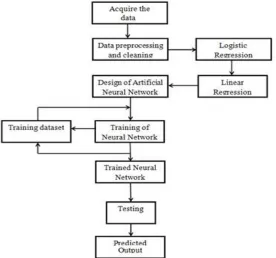
The model proposed in this paper for pollution forecasting using ANN using BP algorithm is as given below in Figure . The area for input data can be any one of a meteorological station area in which all the data is limited to a certain region based on Air Quality Index. The different input parameters are taken as Nitric Oxide, Carbon Monoxide, PM2.5, PM2.10, Sulphur Dioxide etc.
IV.CONCLUSIONANDFUTUREWORK
A comparative study of machine learning methods including ANN, Logistic Regression and Linear Regression will be employed for air pollution prediction and the effects will be selected as the optimum one. The research has improved the efficiency of the machine learning method employed based onfiltering the existing noise in both the meteorological and air pollution data as well as predicting the missed meteorological data. This research has proposed a novel approach for air pollution prediction in urban areas based on both stationary and non-stationary pollution sources using machine learning andstatistical methods. The effective parameters for air pollution prediction have been determined in this research and will conclude the appropriate, accurate and potentially effective results.
REFERENCES
1. Wark, K.; Warner, C.F. Air Pollution: Its Origin and Control; Harper and Row: New York, NY, USA, 1981.
2. Seinfeld, J.H.; Pandis, S.N. Atmospheric Chemistry and Physics: From Air Pollution to Climate Change; John Wiley & Sons: New York, NY, USA, 2012.
3. Mlakar, P.; Boznar, M. Perceptron neural network-based model predicts air pollution. In Proceedings of the Intelligent Information Systems, Grand Bahama Island, Bahamas, 8–10 December 1997; pp. 345–349.
4. Brunelli, U.; Piazza, V.; Pignato, L.; Sorbello, F.; Vitabile, S. Three hours ahead prevision of SO2 pollutant concentration using an Elman neural based forecaster. Build. Environ. 2008, 43, 304–314. [CrossRef]
5. Singh, K.P.; Gupta, S.; Rai, P. Identifying pollution sources and predicting urban air quality using ensemble learning methods. Atmos. Environ. 2013, 80, 426–437. [CrossRef]
6. Fernando, H.J.; Mammarella, M.C.; Grandoni, G.; Fedele, P.; Di Marco, R.; Dimitrova, R.; Hyde, P. Forecasting PM10 in metropolitan areas: Efficacy of neural networks. Environ. Pollut. 2012, 163, 62–67. [CrossRef] [PubMed]
7. Air Quality Control Company. Tehran Air Pollution Forecasting System; MF96/05/01 (U/01); Air Quality Control Company: Tehran, Iran, 2018. (In Persian)
8. Kelly, F.J.; Fuller, G.W.; Walton, H.A.; Fussell, J.C. Monitoring air pollution: Use of early warning systems for public health. Respirology 2012, 17, 7–19. [CrossRef] [PubMed]
9. Pope, C.A., III; Dockery, D.W. Health effects of fine particulate air pollution: Lines that connect. J. Air Waste Manag. Assoc. 2006, 56, 709–742. [CrossRef] [PubMed]
10. WHO. Ambient (Outdoor) Air Quality and Health, 2018. Available online: https://www.who.int/newsroom/fact-sheets/detail/ambient-(outdoor)-air-quality-and-health (accessed on 11 February 2019).
11. Wang, P.; Liu, Y.; Qin, Z.; Zhang, G. A novel hybrid forecasting model for PM10 and SO2 daily concentrations. Sci. Total Environ. 2015, 505, 1202–1212. [CrossRef] [PubMed]
12. Venegas, L.E.; Mazzeo, N.A.; Dezzutti, M.C. A simple model for calculating air pollution within street canyons. Atmos. Environ. 2014, 87, 77–86. [CrossRef]
13. Ranzato, L.; Barausse, A.; Mantovani, A.; Pittarello, A.; Benzo, M.; Palmeri, L. A comparison of methods for the assessment of odor impacts on air quality: Field inspection (VDI 3940) and the air dispersion model CALPUFF. Atmos. Environ. 2012, 61, 570–579. [CrossRef]
14. Kumar, A.; Goyal, P. Forecasting of daily air quality index in Delhi. Sci. Total Environ. 2011, 409, 5517–5523. [CrossRef] [PubMed] 15. Chen, C.-C.; Wu, C.-F.; Yu, H.-L.; Chan, C.-C.; Cheng, T.-J. Spatiotemporal modeling with temporal-invariant variogram subgroups to
estimate fine particulate matter PM2.5 concentrations. Atmos. Environ. 2012, 54, 1–8. [CrossRef]
16. Kurt, A.; Oktay, A.B. Forecasting air pollutant indicator levels with geographic models 3 days in advance using neural networks. Expert Syst. Appl. 2010, 37, 7986–7992. [CrossRef]
17. Djebbri, N.; Rouainia, M. Artificial neural networks based air pollution monitoring in industrial sites. In Proceedings of the 2017 International Conference on Engineering and Technology (ICET), Antalya, Turkey, 21–23 August 2017; pp. 1–5.
18. Feng, X.; Li, Q.; Zhu, Y.; Hou, J.; Jin, L.; Wang, J. Artificial neural networks forecasting of PM2.5 pollution using air mass trajectory based geographic model and wavelet transformation. Atmos. Environ. 2015, 107, 118–128. [CrossRef]
19. Cabrera, B. A Geostatistical Method for the Analysis and Prediction of Air Quality Time Series: Application to the Aburrá Valley Region. Master’s Thesis, TechnischeUniversitätMünchen (TUM), München, Germany, 2016.
20. Mercer, L.D.; Szpiro, A.A.; Sheppard, L.; Lindström, J.; Adar, S.D.; Allen, R.W.; Avol, E.L.; Oron, A.P.; Larson, L.; Liu, L.-J.S.; et al. Comparing universal kriging and land-use regression for predicting concentrations of gaseous oxides of nitrogen (NOx) for the Multi-Ethnic Study of Atherosclerosis and
21. Air Pollution (MESA Air). Atmos. Environ. 2011, 45, 4412–4420. [CrossRef] [PubMed]
22. Dueñas, C.; Fernández, M.C.; Cañete, S.; Carretero, J.; Liger, E. Assessment of ozone variations and meteorological effects in an urban area in the Mediterranean Coast. Sci. Total Environ. 2002, 299, 97–113.[CrossRef]
24. Cai, M.; Yin, Y.; Xie, M. Prediction of hourly air pollutant concentrations near urban arterials using artificial neural network approach. Transp. Res. Part D Transp. Environ. 2009, 14, 32–41. [CrossRef]
25. Pisoni, E.; Farina, M.; Carnevale, C.; Piroddi, L. Forecasting peak air pollution levels using NARX models. Eng. Appl. Artif. Intell. 2009, 22, 593–602. [CrossRef]
26. Yeganeh, B.; Motlagh, M.S.P.; Rashidi, Y.; Kamalan, H. Prediction of CO concentrations based on a hybrid Partial Least Square and Support Vector Machine model. Atmos. Environ. 2012, 55, 357–365. [CrossRef]
27. Schafer, R.W. What is a Savitzky-Golay filter? [lecture notes]. IEEE Signal Process. Mag. 2011, 28, 111–117. [CrossRef]
28. Junninen, H.; Niska, H.; Tuppurainen, K.; Ruuskanen, J.; Kolehmainen, M. Methods for imputation of missing values in air quality data sets. Atmos. Envion. 2004, 38, 2895–2907. [CrossRef]
29. Li, J.; Heap, A.D. A review of comparative studies of spatial interpolation methods in environmental sciences: Performance and impact factors. Ecol. Inform. 2011, 6, 228–241. [CrossRef] Pope, C.A., III; Dockery, D.W. Health effects of fine particulate air pollution: Lines that connect. J. Air Waste Manag. Assoc. 2006, 56, 709–742. [CrossRef] [PubMed]
30. Pope, C.A., III; Burnett, R.T.; Thun, M.J.; Calle, E.E.; Krewski, D.; Ito, K.; Thurston, G.D. Lung cancer, cardiopulmonary mortality, and long-term exposure to fine particulate air pollution. JAMA 2002, 287, 1132–1141. [CrossRef] [PubMed]
31. Weber, S.A.; Insaf, T.Z.; Hall, E.S.; Talbot, T.O.; Huff, A.K. Assessing the impact of fine particulate matter (PM2.5) on respiratory-cardiovascular chronic diseases in the New York City Metropolitan area using Hierarchical Bayesian Model estimates. Environ. Res. 2016, 151, 399–409. [CrossRef] [PubMed]
32. Rattigan, O.V.; Felton, H.D.; Bae, M.; Schwab, J.J.; Demerjian, K.L. Multi-year hourly PM2.5 carbon measurements in New York: Diurnal, day of week and seasonal patterns. Atmos. Environ. 2010, 44, 2043–2053. [CrossRef]
33. Byun, D.; Schere, K.L. Review of the governing equations, computational algorithms, and other components of the Models-3 Community Multiscale Air Quality (CMAQ) modeling system. Appl. Mech. Rev. 2006, 59, 51–77. [CrossRef]
34. McKeen, S.; Chung, S.H.; Wilczak, J.; Grell, G.; Djalalova, I.; Peckham, S.; Gong, W.; Bouchet, V.; Moffet, R.; Tang, Y.; et al. Evaluation of several PM2.5 forecast models using data collected during the ICARTT/NEAQS 2004 field study. J. Geophys. Res. Atmos. 2007, 112. [CrossRef]
35. Yu, S.; Mathur, R.; Schere, K.; Kang, D.; Pleim, J.; Young, J.; Tong, D.; Pouliot, G.; McKeen, S.A.; Rao, S.T. Evaluation of real-time PM2.5 forecasts and process analysis for PM2.5 formation over the eastern United States using the Eta-CMAQ forecast model during the 2004 ICARTT study. J. Geophys. Res. Atmos. 2008, 113. [CrossRef]
36. Huang, J.; McQueen, J.; Wilczak, J.; Djalalova, I.; Stajner, I.; Shafran, P.; Allured, D.; Lee, P.; Pan, L.; Tong, D.; et al. Improving NOAA NAQFC PM2.5 Predictions with a Bias Correction Approach. Weather Forecast. 2017, 32, 407–421. [CrossRef]
37. Doraiswamy, P.; Hogrefe, C.; Hao, W.; Civerolo, K.; Ku, J.Y.; Sistla, G. A retrospective comparison of model-based forecasted PM2.5 concentrations with measurements. J. Air Waste Manag. Assoc. 2010, 60, 1293–1308. [CrossRef] [PubMed] 10. Gan, C.-M.; Wu, Y.; Madhavan, B.L.; Gross, B.; Moshary, F. Application of active optical sensors to probe the vertical structure of the urban boundary layer and assess anomalies in air quality model PM2.5 forecasts. Atmos. Environ. 2011, 45, 6613–6621. [CrossRef] 11. Files in /mmb/aq/sv/grib. Available online: http://www.emc.ncep.noaa.gov/mmb/aq/sv/grib/ (accessed on 1 December 2016).
38. NCEP Operational Air Quality Forecast Change Log. Available online: http://www.emc.ncep.noaa.gov/ mmb/aq/AQChangelog.html (accessed on 1 May 2017).
39. Lee, P.; McQueen, J.; Stajner, I.; Huang, J.; Pan, L.; Tong, D.; Kim, H.; Tang, Y.; Kondragunta, S.; Ruminski, M.; et al. NAQFC developmental forecast guidance for fine particulate matter (PM2.5). Weather Forecast. 2017, 32, 343–360. [CrossRef]
40. McKeen, S.; Grell, G.; Peckham, S.; Wilczak, J.; Djalalova, I.; Hsie, E.; Frost, G.; Peischl, J.; Schwarz, J.; Spackman, R.; et al. An evaluation of real-time air quality forecasts and their urban emissions over eastern Texas during the summer of 2006 Second Texas Air Quality Study field study. J. Geophys. Res. Atmos. 2009, 114. [CrossRef]
41. Demuth, H.; Beale, M. MATLAB and Neural Network Toolbox Release 2016a; TheMathWorks, Inc.: Natick, MA, USA, 1998. 42. Wu, Y.; Pena, W.; Diaz, A.; Gross, B.; Moshary, F. Wildfire Smoke Transport and Impact on Air Quality Observed by a
Multi-Wavelength Elastic-Raman Lidar and Ceilometer in New York City. In Proceedings of the 28th International Laser Radar Conference, Bucharest, Romania, 25–30 June 2017. Atmosphere 2017, 8, 161
43. Anderson, W.; Krimchansky, A.; Birmingham, M.; Lombardi, M. The Geostationary Operational Satellite R Series SpaceWire Based Data System. In Proceedings of the 2016 International SpaceWire Conference (SpaceWire), Yokohama, Japan, 25–27 October 2016. 44. Lebair, W.; Rollins, C.; Kline, J.; Todirita, M.; Kronenwetter, J. Post launch calibration and testing of the Advanced Baseline Imager on