Professional Learning in Flexible Learning
Programs
Supporting staff to foster socially inclusive schooling
THE VICTORIA INSTITUTE
Dr Vicky Plows
Professor Kitty te Riele
vu.edu.au
PROFESSIONAL LEARNING IN
FLEXIBLE LEARNING PROGRAMS
SUPPORTING STAFF TO FOSTER SOCIALLY
INCLUSIVE SCHOOLING
JUNE 2016
Address
Victoria University City Queen Campus 300 Queen Street VIC, 3000
Acknowledgements
We acknowledge the Elders, their families and forebears of both clans of the Boonwurrung and Wurundjeri
tribes of the Kulin Nation, who are the Traditional Custodians of Melbourne land for many centuries. We
acknowledge that the land on which we work is the place of age old ceremonies of celebration, initiation and
renewal and that the Kulin Nation people's continuous living culture has played a significant and unique role
in the life of this region.
The research project has been a collaborative effort, funded and supported by the Victoria University Central
Research Grants Scheme and industry partners: Melbourne City Mission, St Kilda Youth Services, SEDA,
Oakwood School and Victorian Applied Learning Association. We thank all staff in our partner programs and
in FLPs across Victoria who gave generously of their time and their insights, and Karen Rosauer for her
invaluable research assistance throughout the project.
We gratefully acknowledge permission to incorporate questions about staff professional development from the Staff in Australia’s Schools survey and the OECD Teacher and Learning International Survey in our own survey on FLP staff PL experiences and needs.
Creative Commons licence
This publication is licensed under a Creative Commons Attribution 3.0 Australia Licence.
Creative Commons Attribution 3.0 Australia Licence is a standard form license agreement that allows you to
copy, distribute, and transmit this publication provided that you attribute the work. The reference for
attribution is below.
A summary of the licence terms is available from http://creativecommons.org/licenses/by/3.0/au/deed.en.The
full licence terms are available from http://creativecommons.org/licenses/ by/3.0/au/legalcode.
About
The Victoria Institute
The Victoria Institute is a research unit with a focus on inclusive
education. We work collaboratively with a range of government
departments, policy makers, philanthropic organisations and
community
groups to
improve
educational
experiences
and
outcomes for all.
Well placed within Victoria University, The Victoria Institute has social justice as a key
focus. Our targeted research program aims to build better learning and greater
participation and success for students from diverse and disadvantaged backgrounds as
well as those who are disengaged or excluded. This includes those young people
enrolled in flexible learning programs and supported by the staff who are the focus of this
report.
Vicky Plows is a Postdoctoral Research Fellow in the Victoria Institute. Kitty te Riele is
Professor of Alternative Education and Professorial Research Fellow in the Victoria
Contents
Figures ... i
Abbreviations ... ii
Executive Summary
... iv
1
INTRODUCTION ... 2
1.1
Flexible Learning Programs ... 2
1.2
Professional Learning ... 3
1.3
The Victorian Context ... 4
1.4
The Project ... 6
2
PROFESSIONAL LEARNING IN FLEXIBLE LEARNING PROGRAMS ... 12
2.1
The PL Cycle ... 12
2.2
Before PL ... 14
2.3
Accessing PL ... 19
> Online Directory of PL for FLPs (VIC) ... 30
2.4
Participating in PL ... 31
2.5
Delivering PL to others ... 48
> Models of PL in FLPs ... 52
2.6
Reflecting on PL ... 53
> The role of PL for the professional status of FLP Staff ... 69
3
SUPPORTING STAFF TO SUPPORT YOUNG PEOPLE IN
FLEXIBLE LEARNING PROGRAMS ... 70
3.1
Summing up ... 70
3.2
Key findings and implications ... 72
Figures
Figure 1: Poster, Highlands LLEN Flexible Learning Forum (4 December 2014)... 2
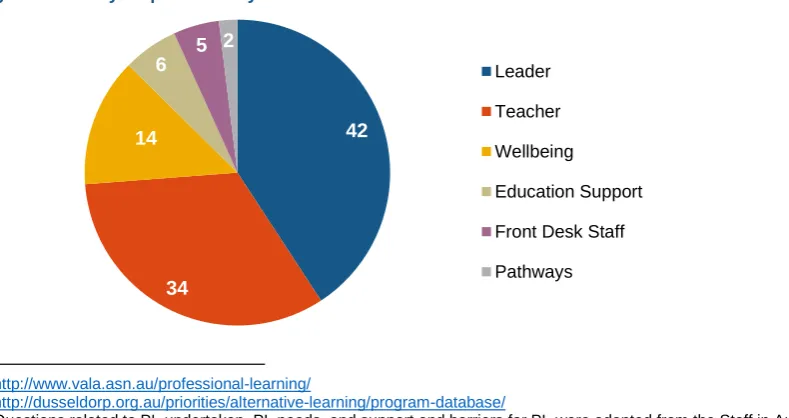
Figure 2: Survey respondents by role ... 8
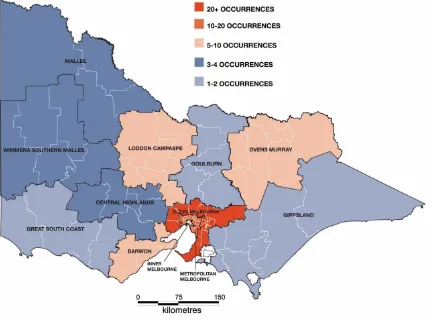
Figure 3: FLP locations of survey respondents, Victorian Local Government Authority Regions ... 9
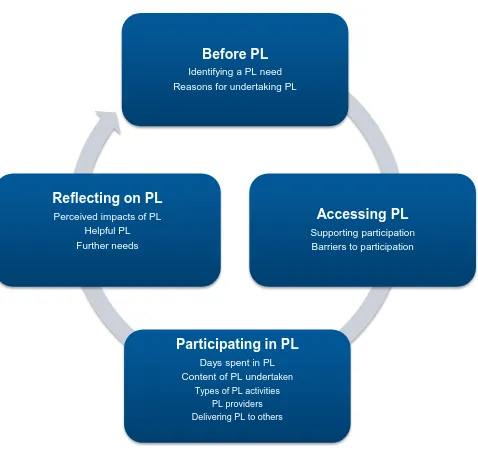
Figure 4: Structure of the report, drawing on the PL Cycle ... 13
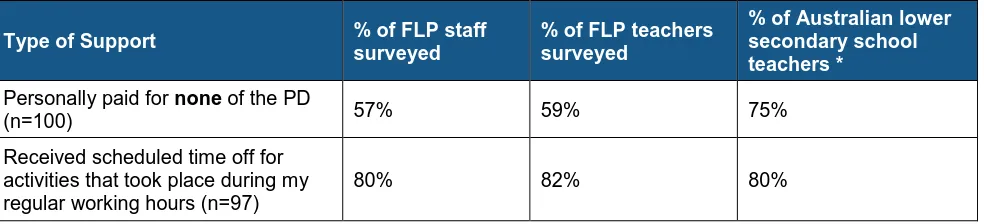
Figure 5: Support received to undertake PD activities in the last 12 months (%) ... 20
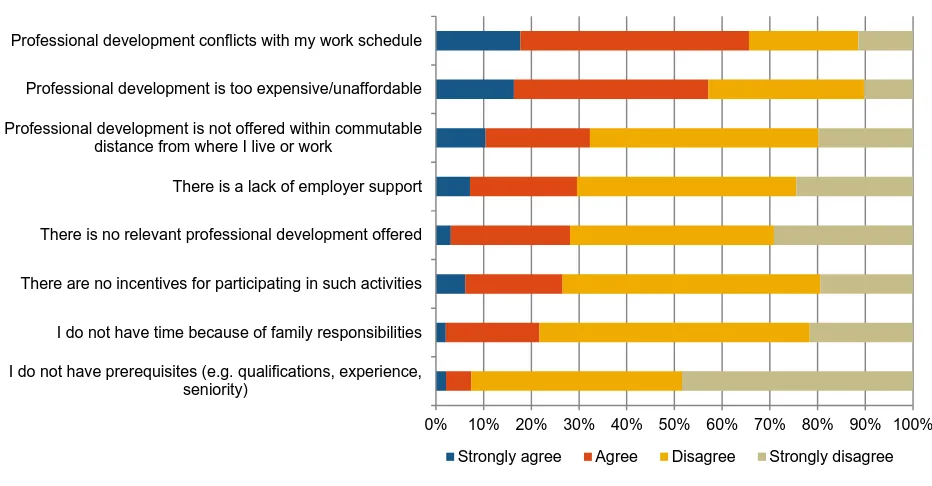
Figure 6: Barriers to participation in PD (%) ... 23
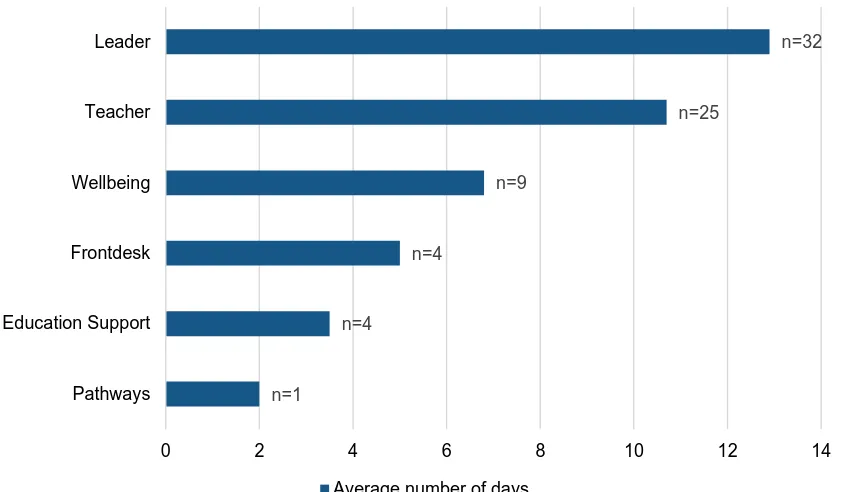
Figure 7: FLP staff role and average number of days reported spent in PL over last 12 months ... 31
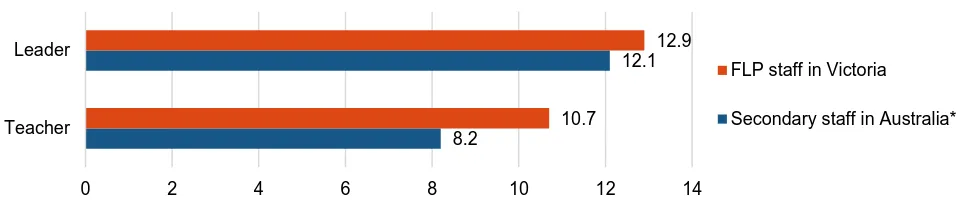
Figure 8: Teachers’ average number of days reported spent in PL over last 12 months ... 32
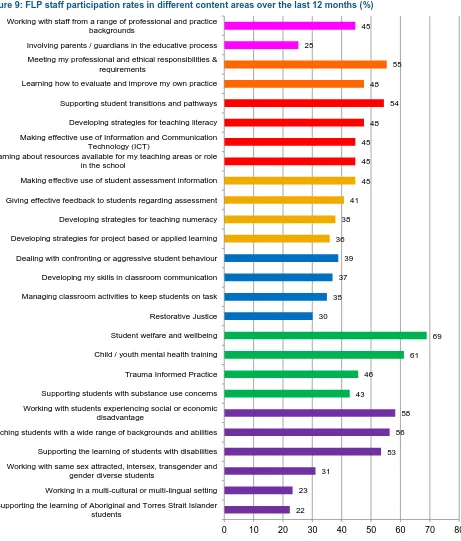
Figure 9: FLP staff participation rates in different content areas over the last 12 months (%) ... 33
Figure 10: Teachers participation rates in different content areas over the last 12 months (%) ... 36
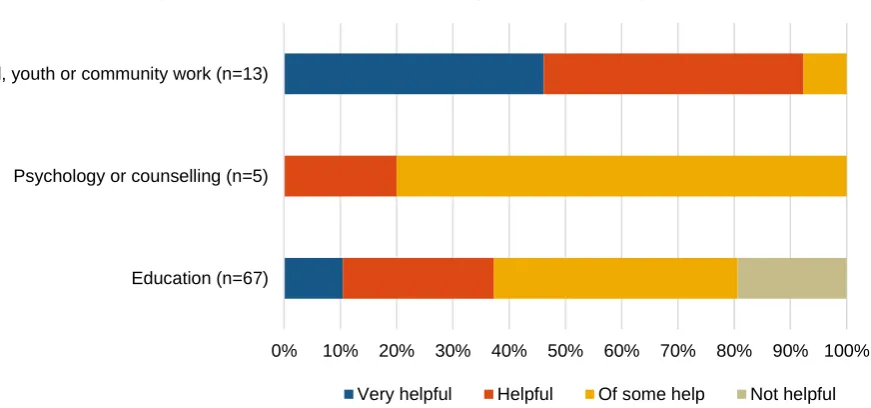
Figure 11: Helpfulness of pre-service qualifications in preparing to work in FLP (%) ... 38
Figure 12: Participation rates in an orientation program designed for new staff (%) ... 39
Figure 13: Helpfulness of induction activities when started at FLP (%) ... 39
Figure 14: Types of PL activities participated in over the last 12 months (%) ... 40
Figure 15: Self-directed PL activities by role (%) ... 41
Figure 16: Internal collaborative PL activities by role (%) ... 42
Figure 17: External collegial and formal PL activities by role (%) ... 43
Figure 18: Participation rates in selected types of PL activities over the last twelve months (%) ... 44
Figure 19: Categories of PL by level of formality ... 45
Figure 20: Types of PL provision accessed in the last 12 months (%) ... 45
Figure 21: Content areas and number of PL providers identified ... 46
Figure 22: Providers of PL accessed of relevance to role in FLP (top ten) (%) ... 47
Figure 23: Delivery of PL for colleagues in the flexible learning sector by role (%) ... 48
Figure 24: Delivery of PL to staff from conventional education settings by role (%) ... 51
Figure 25: Improved capability due to PL activities in specific content areas (%) ... 53
Figure 26: Perceived helpfulness of different types of PL for role in FLP (%) ... 56
Figure 27: Areas that 50% or more of FLP staff reported a need for more PL in (%) ... 62
Figure 28: FLP staff role and highest areas of perceived further need (%) ... 63
Figure 29: Teachers’ highest areas of perceived need (%) ... 63
Abbreviations
ABS Australian Bureau of Statistics
AIP Annual Implementation Plan
DEECD Department of Education and Early Childhood Development, Victoria (changed to DET in 2015)
DET Department of Education and Training, Victoria
FLP Flexible Learning Program
FLV Flexible Learning Victoria
LLEN Local Learning and Employment Network
OECD Organisation for Economic Co-operation and Development
PD Professional Development
PL Professional Learning
RTO Registered Training Organisation
SiAS Staff in Australia’s Schools Survey
TAFE Technical and Further Education
TALIS The OECD Teaching and Learning International Survey
VALA Victorian Applied Learning Association
VCAA Victorian Curriculum and Assessment Authority
VCAL Victorian Certificate in Applied Learning
VCE Victorian Certificate of Education
VET Vocational Education and Training
Executive Summary
Background
High quality staff are the greatest asset of Flexible Learning Programs (FLPs) (Te Riele, 2014; Thomson & Pennacchia, 2014), central to their students’ educational experiences and outcomes. FLPs are characterised by a shared vision of offering inclusive educational pathways for young people who, for varied reasons, are
disengaged from or have sought alternatives to traditional schooling models (Mills & McGregor, 2014; Te
Riele, 2007, 2014; Thomson, 2014). They require educators to work differently from common approaches
adopted in many mainstream settings, and taught in many pre-service qualifications (Mills & McGregor,
2014; Morgan et al., 2014; Te Riele, 2014) highlighting the need for relevant in-service learning
opportunities.
Professional learning (PL) is a major lever for enhancing staff quality in schools and assisting staff to
become more successful in their work with students (AITSL, 2012; Cole 2012; Desimone, 2009; Timperley,
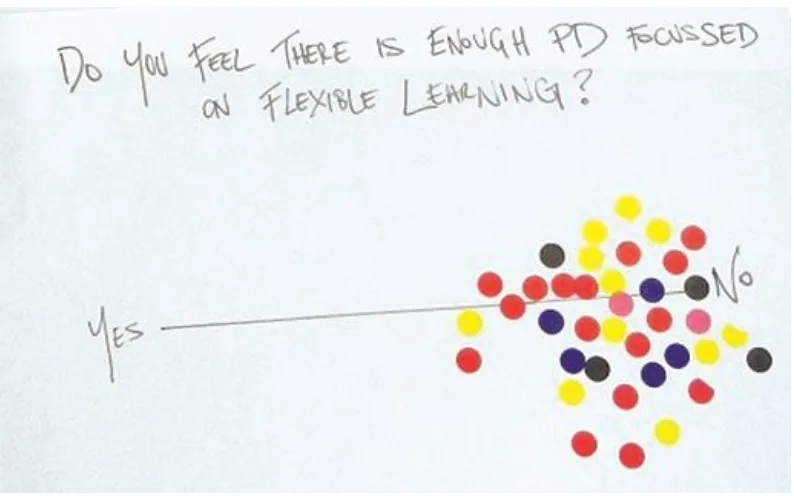
2011a). At the end of 2014, participants in a forum for staff working in flexible learning settings were asked: “Do you feel there is enough PD [Professional Development] focused on flexible learning?”. Without exception, the participants responded ‘no’. This mirrors comments we have heard across many FLPs around Australia over many years. Yet, very little research exists into their PL experience. Listening to FLP staff, and
taking their concerns seriously, was the impetus for the project this report addresses.
The project
The research, conducted during 2015, aimed to develop an understanding of the PL opportunities,
experiences and needs of staff in FLPs in Victoria in order to better support the PL of staff in FLPs as well as
to advance an understanding of PL for socially inclusive schooling more broadly.
Supported by the Victoria University Central Research Grant Scheme and industry partners: Melbourne City
Mission, St Kilda Youth Services, SEDA, Oakwood School and Victorian Applied Learning Association, the
VU researchers sought to answer the following research questions:
1. What professional learning opportunities exist in Victoria to support staff in FLPs to work in socially
inclusive ways?
2. How well are these professional learning opportunities working?
3. How can this professional learning provision be enhanced?
4. How do the professional learning experiences of staff in FLPs compare to the experiences of teachers in
conventional secondary schools?
The research included three data collection elements: internet search, online staff survey with 103
respondents, and 14 individual staff interviews, as well as ongoing consultation with our industry partners.
In addition to this report, the project led to the development of an online directory of professional learning
Key findings
The major findings from this research are that FLP staff in our survey and interviews:
were highly committed to undertaking PL,
acted on this commitment by participating in a wide variety of PL activities, identified PL as having beneficial impacts on their practice and for their students.
PL is a multifaceted and ongoing process defined here as ranging across levels of formality, sharing situated
and social elements, and aimed at supporting staff to better carry out their core roles (Desimone, 2009).
Whilst the process of PL is likely to feel more like an ever evolving spiral than like a neat cycle, the concept
of the PL cycle offers a helpful means to structure key findings about the PL experiences of staff in FLPs:
Before PL
Often PL needs are identified by FLP staff themselves, usually in collaboration with colleagues and/or students.
Some PL needs are externally mandated and staff may take part for compliance reasons.
FLP staff usually choose to undertake PL, e.g. due to: wanting to develop specific skills sets, a passion for a particular topic, a desire to find practical resources for their work, or, meeting their own
self-care and emotional needs.
Accessing PL
FLP staff generally felt very supported within their FLP, both with everyday learning and for accessing PL opportunities.
Specific useful supports for accessing PL include: ‘filters’ for finding out about relevant PL, scheduled time for PL, and a culture that fosters and encourages PL.
Barriers to accessing PL include: feeling time-poor and stretched, the cost of PL and of replacement staff, difficulty in getting appropriate replacement staff, and emotional concern about having to leave
their students in order to undertake PL.
Participating in PL
Participation in PL is high in a diverse range of content areas and types of PL.
FLP teachers report spending more days per year on PL than teachers in conventional secondary schools.
The highest participation is in topics related to wellbeing and student diversity. Orientation or induction PL is common across FLPs and highly valued.
Participation is high across external, internal and self-directed forms of PL provision. FLP staff also provide PL to others, internally as well as externally.
Reflecting on PL
FLP staff are positive about the value of much of the PL they have undertaken in terms of its impact on their thinking, practice, wellbeing, and on their students.
A portfolio of diverse PL experiences is required to match individual and sector wide needs.
Three inter-connected aspects of the PL experience are highly valued: ongoing internal expertise and collegiality, collaboration and cross-fertilisation across FLPs, specific, relevant and practical
external resources.
Implications
There are three key messages from this research. Firstly, FLP staff have a strong commitment to and
enthusiasm for PL but some barriers to access remain. Secondly, a wide variety of PL opportunities needs to
be on offer, in order to enable staff in FLPs to support their students and to maintain their own wellbeing.
Thirdly, PL has a potentially crucial role to play in raising the professional status of staff in FLPs and in
addressing sustainability issues within the sector.
The research leads to the following implications:
1. Realising the commitment to PL of both individual staff and FLP organisations requires collaboration
among the FLP sector, government and other funding agencies, to access and leverage existing
supports and remove barriers to PL participation.
2. PL providers can enhance access by offering PL in online or blended modes on suitable topics, e.g. in
relation to compliance and regulations, as well as access to curriculum resources that can be adapted
for a specific setting.
3. Development of ‘centres of expertise’ led by well-established FLPs and experienced FLP staff to
recognise the wealth of professional knowledge within the FLP sector and to more systematically extend
inter-FLP collaborations and sharing of PL opportunities, especially with staff in newer, smaller or
isolated FLPs, as well as with conventional schools and pre-service Teacher Education.
4. Development of more systematic approaches to sector-wide networking, for example through VALA1,
FLV2 and sector conferences3, to support PL of staff across the FLP sector.
5. The Online Directory of PL developed through this project can fill a gap by offering easy access to
information about relevant PL options, see: http://www.vala.asn.au/professional-learning/index.htm - if it proves useful, it should be resourced and updated to maintain its currency.
6. A comprehensive portfolio of PL experiences needs to be on offer to meet diverse individual and sector
wide need, and staff new to the sector need support to navigate this diverse landscape.
7. More, as well as more helpful, PL opportunities are needed in relation to supporting the learning of
Aboriginal and Torres Strait Islander students.
8. FLPs and PL providers should attend to staff needs for PL in relation to self-care and wellbeing.
9. It would be worth for FLP leadership to ensure access to relevant collegial, within-FLP PL opportunities
is inclusive of all staff roles.
10. FLPs could identify certain within-FLP PL opportunities that could be shared with newer, smaller or more
isolated FLPs in order to build capacity across the sector.
11. Future research is needed on the PL of staff in FLPs, particularly in the areas of: ways of assessing and evaluating the impact of various PL activities,
internal models of PL to better understand whether and how they work, and consider their transferability,
experiences of ‘leaders for learning’ within the FLP sector,
the relationship between PL and FLP staff career development and paths.
1 http://www.vala.asn.au
1 INTRODUCTION
At the end of 2014, participants in a forum for staff working in flexible learning settings were asked: “Do you feel there is enough PD [Professional Development] focused on flexible learning?”. Without exception, the answers (through placing a coloured dot) were clustered around “no”, see Figure 1:
Figure 1: Poster, Highlands LLEN Flexible Learning Forum (4 December 2014)
This mirrors comments we have heard across many Flexible Learning Programs (FLPs) around Australia
over many years. Staff often feel that they need in-service learning opportunities because their pre-service
education did not prepare them enough for the specific context of working in an FLP. Unfortunately,
however, at times formal professional development options do not suit these contexts either.
Listening to FLP staff, and taking their concerns seriously, was the impetus for the project this report
addresses. Moreover, FLPs share a commitment to social inclusion by catering for disadvantaged students.
The project team wanted to explore how professional learning may be leveraged to assist fulfilling this
commitment.
1.1 Flexible Learning Programs
Almost one in five young Australians leaves school before the end of Year 12 (ABS, 2015). The recent report by Lamb et al. (2015, p.46) demonstrates that “annual cohorts of over 80,000 young Australians are entering transition to adulthood without having completed school”, with Indigenous, male and low-SES youth over-represented. In other words, early school leavers in Australia are disproportionately drawn from
disadvantaged backgrounds. Socially inclusive schooling that supports the learning of these young people is
The Flexible Learning Programs (FLPs) that are the focus of this project play a vital role in helping to achieve
that target, as they offer pathways to successful educational opportunities specifically for young people
experiencing barriers to school completion due to social and economic disadvantage. FLPs provide
accredited education aimed at re-engaging disadvantaged young people with educational opportunities that
enable them to gain secondary school credentials. Such programs often operate under the umbrella of
non-government and charitable organisations.
More than 900 FLPs educate more than 70,000 young people in Australia (Te Riele, 2014). They are
characterised by a shared vision of offering inclusive educational pathways for young people who, for varied
reasons, are disengaged by mainstream schooling (Mills & McGregor, 2014; Te Riele, 2007, 2014;
Thomson, 2014). Without those programs, these young people would be unlikely to complete school, leading
to substantial individual and societal cost, due to reduced earnings and productivity; increased
unemployment, health, crime and welfare costs; and diminished social cohesion (Belfield, 2008; Deloitte
Access Economics, 2008; McLachlan et al., 2013; OECD, 2012).
High quality educators are the greatest asset of these FLPs. Their commitment to socially inclusive
educational practice is critical to the engagement and success of students. FLPs require educators to work
differently to traditional approaches adopted in many mainstream settings, and taught in many pre-service
qualifications (Mills & McGregor, 2014; Morgan et al., 2014; Te Riele, 2014). Socially inclusive innovations
challenge existing knowledge and routines of education professionals and their communities. As Slee (2011)
notes, inclusive education requires a radical re-framing of the field, re-righting of language and re-visioning of
the purposes of education. This is hard work, requiring a profound approach to staff professional learning.
1.2 Professional Learning
Professional learning (PL) is a major lever for enhancing staff quality in schools and in assisting staff to
become more successful in their work with students (AITSL, 2012; Cole 2012; Desimone, 2009; Timperley, 2011a). Staff quality is widely accepted as central to students’ educational experiences and outcomes (Hattie, 2009). This is particularly important for students facing personal or social adversity, with education a
key to improving life circumstances (McLachlan et al., 2013; OECD, 2012). PL is defined as ranging across
levels of formality, sharing situated and social elements, and aimed at supporting staff to better carry out
their core roles (Desimone, 2009).
Research on effective PL suggests it should be: primarily school-based and school managed; collaborative
and participatory; sustained over time; coherent with site / organisation vision; offer relevant content
knowledge; and promote critical reflection on how learning is applied to practice and impacts on student
outcomes (Cole, 2012; Desimone, 2009; Glazer & Hannafin, 2006; Howard, 2009; Mayer & Lloyd, 2011;
Sangster et al., 2013; Timperley et al., 2007; Timperley, 2011a). This approach is reflected in the recent
Australian Charter for the Professional Learning of Teachers and Schools Leaders (AITSL, 2012, p.4):
Professional learning will be most effective when it is relevant, collaborative and future
focused, and when it supports teachers to reflect on, question and consciously improve
Access to PL opportunities for staff in FLPs is essential to maintain and develop a quality education
workforce (Mills & McGregor, 2014; Te Riele, 2014). With indications the sector is growing (Te Riele, 2014) it
is also vital that educators new to FLPs are inducted into its practice and philosophy (Morgan et al., 2014;
Myconos, 2013).
A defining characteristic of FLPs is that they tend to have multidisciplinary staff teams. Educators in these settings who work directly to support young people’s learning usually include teachers and youth workers, and may also include social workers, counsellors, teacher aides and Indigenous education workers. This
inter-professional approach is a key strategy for supporting positive student outcomes (Mills & McGregor,
2014; Te Riele, 2014) but requires support for learning and collaboration across professional boundaries
(Morgan et al., 2014).
FLPs are recognised as playing crucial roles as ‘incubators of innovation’ (Mills & McGregor, 2014; Te Riele, 2014) with more freedom to develop new and creative educational practices. However, the relatively
fragmented and diverse nature of the FLP sector means staff may be isolated or lack relevant PL
opportunities (Te Riele, 2014). While international research on the practices and outcomes of FLPs grows
(Aron, 2006; Brooking & Gardiner, 2009; Harper et al., 2011; Mills & McGregor, 2014), only limited research
exists on PL for staff in these settings (see Hardy, 2012; Morgan et al., 2013, 2014).
Teacher learning for inclusive educational practice, equity and social justice is under-theorised (Kose & Lim,
2011; Waitoller & Artiles, 2013) with student difference and diversity often presented as a catalogue of
deficits, causes and treatments (Allan, 2008). Instead, PL in this context needs to be infused with a broader
social justice agenda, to address the multiple, fluid and intersecting dimensions of educational exclusion
(Waitoller & Artiles, 2013). Studying the PL of staff in FLPs, who specifically cater to young people who have
experienced educational marginalisation, offers opportunities to do this.
1.3 The Victorian Context
In 2009 all governments in Australia signed up to the National Partnership Agreement on Youth Attainment
and Transitions (CoAG, 2009) aimed at raising the proportion of young people completing Year 12 (or
equivalent) from 83.5% in 2009 to 90% by 2015. As part of the agreement, the Education and Training
Reform Amendment (School Age) Bill 2009 in Victoria increased the minimum school leaving age to 17.
Since 1 January 2010, all Victorian students must complete Year 10. After Year 10 and until the age of 17
students must be enrolled in school or training, or be employed, or a combination of those, for at least 25
hours per week.
In Victoria, 76.7% of 19 year olds have completed Year 12 or equivalent (Lamb et al., 2015). Although this is
slightly higher than the national average (74%), it nevertheless indicates that a large number of Victorian
teenagers are not completing school. The Victorian Government (2015, p. 21) reports that, “[e]ach year,
approximately 10,000 young people in Years 9-11 leave their school and do not go on to any other Victorian education or training provider”. This is of concern because a young person’s future life opportunities are heavily influenced by participation in education. Those young people who do not complete school tend to be
significantly more disadvantaged later in life (Deloitte Access Economics, 2012; Lamb et al., 2015;
Alternative pathways for school completion have been available in Victoria for many decades, for example in
Community Schools, and through Neighbourhood Houses and Learning Centres. As economic and policy
pressures to stay in school increased from the 1990s onwards, more flexible learning programs were
established (Te Riele, 2007). In this context, the Victorian Government commissioned KPMG (2009, p.1) to develop a coherent framework for “education provision for children and young people at risk of disengaging or disengaged from school”. KPMG (2009, p.2) notes a “lack of a systems approach”, suggesting a widespread perception that the education of these young people is the “primary domain of alternative education providers, with a view that schools continue to lack the flexibility and capacity to respond to those children and young people at high risk of disengagement”. Of particular interest for this report, KPMG (2009, p.28) points to skilled staff as a key systemic success factor and, therefore, to the important role of
professional learning:
A critical success factor of quality and effective education provision for children and young
people at risk of disengaging or already disengaged, relates to skilled staff who not only
have the expertise, but also the experience, patience and persistence to work with children
and young people at risk of disengaging, or disengaged from school. Teachers and student
support officers, primary welfare officers and others (including artisans) supporting this
group of children and young people require a range of specialist skills, which at times may
include counselling, mentoring, participation in case management teams, and liaising with
community services and families. Underlying this is the need for ongoing professional
development opportunities, which are embedded into school structures and processes.
This includes both formal and accredited training, as well as the capacity to gain and share
specialist knowledge from others working with this group of children and young people.
The KPMG report continues to be accessible through the website of the Victorian Department of Education,
through the breadcrumb trail “Student Participation > Support for Disengaged and at Risk Students > Re-engagement programs” (DET Victoria, 2014). A string of policies and papers have been released since then, some specifically about (re-) engagement, others more generally in relation to educational inclusion and
disadvantage. Most recently, the Victorian Government has engaged in consultation and policy development under the heading of the ‘Education State’, aimed at “building an education system that produces excellence and reduces the impact of disadvantage” (DET Victoria, 2015a). The Education State approach is sweeping, across all levels and aspects of education, with the consultation phase involving almost 500 participants in
51 sessions as well as local forums, and written and online submissions. Despite this breadth, the ‘Framework for Improving Student Outcomes’ (DET Victoria, 2015b, p.12) developed in response to the consultation is readily applicable to the specific context of Flexible Learning Programs. Much of it also is
directly relevant to staff professional learning in FLPs, as demonstrated in four of the six ‘evidence-based initiatives’ in the Framework (emphasis added):
Building practice excellence: Teachers, principals, and schools will work together to
exchange knowledge and ideas, develop and strengthen teaching and assessment
approaches, build a culture of collaboration, master the use of learning interventions and
Building leadership teams: Schools will strengthen their succession planning, develop the
capabilities of their leadership teams in using evidence and proven coaching and feedback
methods, build a culture that is focused on improvement, and strengthen the induction of
new teachers into the professional learning culture of their school.
Setting expectations and promoting inclusion: Schools will work across their communities
to implement a shared approach to supporting the health, wellbeing, inclusion and
engagement of all students, including setting behaviour expectations, building teachers’
understandings of positive classroom behaviour and engagement practices and ensuring
students have the tools and skills to develop positive and self-regulating behaviours.
Building communities: Schools willstrengthen their capacity to build relationships within the
broader community by partnering with the community sector and providers (for example,
through the GPs in schools initiative), make strategic use of existing community resources and capabilities, and increase the services delivered ‘inside the school gate’.
In addition, the report highlights the need for professional support for current principals and “to equip the next generation of principals with the knowledge and skills they need to take on leadership roles with confidence” (p.13), for time for teachers to “share great practice through on-the-job training” (p.14), and for support for teachers to “hone their skills and become more expert in their practice” (p.14). Finally, the ‘Navigator’ initiative to support disengaged young people back into education and ‘Lookout’ centres to support the education of school students in Out Of Home Care are evidence of the DET’s commitment to reducing educational disadvantage among the very groups of young people FLPs tend to work with.
The current policy context in Victoria thus offers fertile ground for professional learning for socially inclusive
schooling in FLPs.
1.4 The Project
This report is based on a collaborative industry project, funded by the Victoria University Central Research
Grants Scheme with additional funding and support from five industry partners: SEDA, Melbourne City
Mission, SKYS, Oakwood Schooland the Victorian Applied Learning Association.
The first four partners are among the most prominent providers of Flexible Learning Programs in Victoria,
sharing a strong commitment to socially inclusive schooling. SEDA4 (Sports Education and Development
Australia) is a non-school senior secondary provider with 50 venues in Victoria, using Sport as the shared
interest for enabling young people to complete Year 10-12. MCM5 (Melbourne City Mission) operates the
Melbourne Academy, a non-senior secondary school, on several sites in Melbourne delivering accredited
training and VCAL to young people facing disadvantage due to homelessness, poverty, as recently arrived
migrants or as young parents. Based in South Melbourne, SKYS6 (St Kilda Youth Service) operates
education programs specialising in engaging young people with complex needs. These include delivering
VCAL via flexible and relevant learning options, and a program catering specifically for young parents.
4 http://sedagroup.com.au
In 2015 the SKYS education programs merged with the Melbourne Academy7. Oakwood School8 provides
opportunities for students who have disengaged from education to re-connect with teachers and learning. Operating within Melbourne’s Southern Metropolitan region, students can attend one of three campuses, or classes held in community venues as part of their flexible learning network. Although all sites had a
commitment to supporting staff PL, the sites had differing overall approaches reflective of their various
histories, governance, locations and staff teams.
The final partner, VALA9 (Victorian Applied Learning Association), is the peak organisation for applied
learning practitioners in Victoria, and has a strong track record of providing development and advocacy for
FLPs. FLPs are of particular interest to VALA as they have been successful and innovative in taking up
VCAL and applied learning. PL is a major role of VALA, including its annual conference which always
features a strong representation of presenters and attendees from FLPs.
The research investigated PL opportunities for staff working directly with young people in FLPs at secondary
school level in Victoria, Australia. Four key considerations underpinned the development of this project:
FLPs provide educational opportunities, qualifications and pathways for young people who, for varied and complex reasons, have disengaged from or sought alternatives to traditional schooling
models.
This is a growing sector, recognised as playing a crucial role as an ‘incubator’ for innovative and engaging schooling.
Their staff may include teachers, youth workers, teachers’ aides, counsellors, social workers and others.
Access to PL opportunities for staff in FLPs is essential to maintain and develop a quality workforce, with particular significance for the transformation of thinking and practice necessary for more socially
inclusive schooling.
The research, conducted over 2015, aimed to develop an understanding of the PL opportunities,
experiences and needs of staff in FLPs in Victoria in order to better support the PL of staff in FLPs as well as
to advance an understanding of PL for socially inclusive schooling more broadly. It sought to answer the
following research questions:
1. What professional learning opportunities exist in Victoria to support staff in FLPs to work in socially
inclusive ways?
2. How well are these professional learning opportunities working?
3. How can this professional learning provision be enhanced?
4. How do the professional learning experiences of staff in FLPs compare to the experiences of teachers in
conventional secondary schools?
7 SKYS are referred to as a separate site throughout the report project as at the time of the interviews SKYS maintained a distinct
The research included three data collection elements: internet search, online staff survey, and individual staff
interviews, as well as ongoing consultation with our industry partners.
Internet search
To explore the availability of relevant professional learning opportunities for FLP staff in Victoria, an internet
search was carried out targeting relevant organisations, service directories and through keyword searches.
Insider information from our project partners as well as suggestions made in the online staff survey (see
below) provided additional avenues for exploration. This data collection element captured the landscape of
available PL opportunities for staff in Victorian FLPs in relation to curriculum, instructional practices, student
diversity, wellbeing, behaviour and engagement, supporting staff, and collaboration. Information on more
than 90 PL opportunities offered by over 70 organisations has been collated into a directory. With support
from VALA staff, the directory was made available through the VALA website in February 201610. Further
information on the directory is provided at the end of section 2.3 ‘Accessing PL’, page 30.
Online staff survey
Information available in the Learning Choices Program Database11 was used to individually contact all known
FLPs, including TAFEs with VCAL or VCE Programs, in Victoria (around 140 programs) to invite staff to take
part in an online survey. Using a mixture of closed and open questions12, the survey collected data on:
PL staff had undertaken and its helpfulness PL staff needed and wanted to see available Support and barriers in accessing PL Delivering PL to others
In total 103 surveys were completed. Reflecting the multi-disciplinary nature of staff teams, Figure 2 shows
the proportion of responses from staff across teaching wellbeing, education support and leader roles. The
dominance of responses from staff in leader roles may reflect those who were most interested to undertake
the survey. It should also be remembered that FLP leaders in small organisations often juggle multiple roles,
including teaching.
Figure 2: Survey respondents by role
10 http://www.vala.asn.au/professional-learning/
11 http://dusseldorp.org.au/priorities/alternative-learning/program-database/
12 Questions related to PL undertaken, PL needs, and support and barriers for PL were adapted from the Staff in Australia’s Schools
survey (SiAS) and the OECD Teaching and Leading International Survey (TALIS) to allow, where appropriate, for a level of comparison to available data on the PD reported by Australian secondary school teachers.
42
34 14
6 5 2 Leader
Teacher
Wellbeing
Education Support
Front Desk Staff
The survey data was analysed in Excel using descriptive statistics in order to provide an overview of the
current state of the PL of FLP staff in Victoria and, where appropriate, for staff in different roles in FLPs. In
terms of demographic background characteristics of the survey respondents: 77% of the survey respondents
were female, 12% identified as Culturally and Linguistically Diverse, and 4% identified as having a disability.
No respondents identified as Aboriginal or Torres Strait Islander. Around 40% of respondents had been
working in the flexible learning sector for 4 years or less, around half for 5 to 20 years, and 10% for 21 years
or more. The FLP sector in Victoria is diverse in governance and size and the survey respondents reflect
this:
62% were currently working in government sector schools or program.
48% worked in registered schools or programs, and 16% were in programs that were part of another school, and 36% were part of a TAFE / Community College.
73% of FLPs that respondents currently worked in were located on separate sites while 27% shared the same site with another school / program or TAFE.
Around 10% of respondents worked in campuses of 300 or more students, 40% in campuses with 75-299 students, and around half in campuses with fewer than 75 students.
We sought views from around 130 FLPs located across Victoria. Among our 103 respondents, 65 provided
the name of the FLP they worked at, naming 27 different FLPs. It is likely that the perspectives of staff from
more than 27 FLPs are included in the survey as 45 different postcodes were provided. Figure 3 below
shows the survey included responses from staff working in FLPs across the greater Melbourne metropolitan
area as well as regional Victoria, located across 28 Local Government Areas (LGAs), and 12 LGA Regions.
There is a concentration of responses from Melbourne, reflecting where the majority of FLPs are located.
Individual staff interviews
Fourteen staff in total, 2-5 from each of our four FLP partner organisations (SEDA, MCM, SKYS, Oakwood
School), were interviewed. The staff worked in a range of roles such as classroom teacher, youth worker,
pathways, education support, and leader/coordinator, including some with responsibilities for the PL of staff at their sites. The length of an individual’s experience at their organisation, within the flexible learning sector, and as a professional in their field varied: from 6 months to 6 years at their organisation, from 6 months to 13
years in the flexible learning sector, and from 4 years to 27 years in the education, youth, or community
sector. Two interviewees were aged over 50, three were in their forties, seven in their thirties, and two in their
twenties. No interviewees identified as having a disability or as Aboriginal or Torres Strait Islander, and six
identified as having a Culturally and Linguistically Diverse background.
The interviews focused on the staff member’s PL experiences, the perceived impact of these experiences, their access to PL, and their opinion about PL needs in their setting and in the FLP sector more broadly.
Interviews took between 15 minutes and one hour. All interviewees received a copy of their transcript with an invitation to make changes, deletions or corrections. Interviews (along with qualitative responses from the
survey) were analysed thematically, supported by QSR NVivo software. Whilst the survey data offers a broad
overview of a range of experiences of PL in FLPs, the interview data is likely to reflect more positive experiences as these FLPs have a demonstrated commitment to the PL of their staff and were all
well-established programs recognised to provide valued outcomes for their students.
Research ethics
The first data collection element involved only information in the public domain and therefore did not require
formal ethical approval. For the staff survey and interviews, the research team submitted an application to
the Victoria University Human Research Ethics Committee (HRE15-051) which was approved on 14 April
2015. In addition, since Oakwood School is a government school, an application was submitted to the
Victorian DET (2015_002705) for permission to conduct interviews with Oakwood school staff, which was
approved on 22 May 2015.
For the survey, the major ethical issue was to ensure our introduction was easy to understand, since this
was the key source of information about the project for potential participants13. In particular, it was important
to explain clearly that taking part was voluntary, that the survey was anonymous, and that completing and
submitting the survey signified consent to participation.
For the staff interviews, the main ethical concern was that some staff might feel pressure to participate, since
their FLP was a partner organisation in the project. This risk was addressed by providing ample opportunity
to staff to decline to take part, to decline to answer a particular question, and to withdraw all or some of their
transcript from the research. In addition, any research drawing on small case study sites carries a minor risk to the participants’ reputation. Pseudonyms have been assigned to individuals and generic job descriptions used providing confidentiality for outsiders. We chose not to list the FLP that individuals were from with their
quotations. However, insider confidentiality is difficult to maintain and interviewees may be recognised by
colleagues through these published quotes. Nevertheless, this was not a major concern since the topic of the
interviews was not personal or sensitive. Moreover, this risk was further reduced by enabling staff to make
changes or deletions to their transcript. Only one interviewee made minor corrections to their transcript.
13 We provided our contact detail in that introduction, inviting people to contact us if they had questions. However, as is typical for online
2 PROFESSIONAL LEARNING IN
FLEXIBLE LEARNING
PROGRAMS
2.1 The PL Cycle
The nature of PL is complex, related to the uniqueness of individuals, embedded in the specific contexts of
their school and classroom, and influenced by the wider education system (Opfer & Pedder, 2011). PL refers
to any activity or experience that aims to and/or has the impact of developing a professional’s skills,
knowledge or expertise in ways that improve their ability to perform their role. In education settings the focus
is on improvements in student engagement and outcomes, but also on staff job satisfaction and self-care. PL
activities vary across many dimensions not least formality, structure, frequency, timing, location, cost and
who is involved, as well as the degree of choice in undertaking PL and the impact or outcomes of PL.
For staff in Victorian FLPs, as with staff in all schools, PL is a multifaceted and ongoing process. Staff may
be expert in one area of their role and delivering PL to others, while also seeking learning in another area.
Changes to the student cohort or to the curriculum can bring to the fore specific PL needs previously
unexpected, and aspects like self-care and reflection are never finalised.
The concept of the PL cycle, similar to other learning cycles, captures this ongoing process and the various
stages involved. In terms of evaluating specific PL activities, DET (VIC) promotes the use of an Evidence
Based Professional Learning Cycle14 (based on the work of Professor Helen Timperley15) for teachers to
measure the impact of their PL on their practice and on their students’ learning. Because individuals may be at multiple points of the cycle simultaneously with various aspects of their learning, their overall PL
experience is likely to feel more like an ever evolving spiral than like a neat cycle. However, the concept of
the PL cycle provides a helpful structure through which to order our research findings, which are discussed in this report under the headings: ‘before PL’ (section 2.2), ‘accessing PL’ (section 2.3), ‘participating in PL’ (section 2.4), and ‘reflecting on PL’ (section 2.6). These sections focus on engagement in PL as a recipient or participant. In recognition of our findings that FLP staff also are active in providing PL to others, section
2.5 addresses the delivery of PL by FLP staff to others.
14 http://www.education.vic.gov.au/school/teachers/profdev/Pages/cycle.aspx
15 Timperley, H. (2011b). Using student assessment for professional learning: focusing on students’ outcomes to identify teachers’
Figure 4: Structure of the report, drawing on the PL Cycle
Before PL
Identifying a PL need Reasons for undertaking PL
Accessing PL
Supporting participation Barriers to participation
Participating in PL
Days spent in PL Content of PL undertaken
Types of PL activities PL providers Delivering PL to others
Reflecting on PL
2.2 Before PL
This section explores how FLP staff identify their PL needs and the reason they give for undertaking PL. This
is an important stage in the PL cycle, that influences the ways in which staff engage with learning. The analysis considers the extent of an individual’s agency in determining their own PL needs and choosing to engage in PL. The degree of agency and self-determination can be an important factor in promoting learning. As Timperley (2011a, p.49) observed, if educators do not develop their own learning goals they may “come to many professional development sessions believing they have little to learn and have few expectations to
change their practice as a result of their participation”. Learning is, however, widely recognised as a social
activity (e.g. Lave & Wenger, 1990) thus the analysis also considers the role of others at this stage.
2.2.1 Identifying a PL need
The identification of individual and team PL needs in FLPs occurs through a mixture of self-choice,
collaboration, school needs and external requirements. Staff tended to talk about being free to identify their
own PL needs as an important motivator for learning, but also drew attention to the ways in which their
formal and informal interactions with others supported them to become aware of these needs. Some PL
needs were also externally determined. This section draws primarily on interview data.
Self-identification
The majority of the staff interviewed (all aside from staff at one site) expressed a large degree of autonomy
in determining when they needed PL in a particular area and also in identifying what kind of PL they would like to undertake. For Caitlin (Pathways - Interview) this was via a “mixture of what I’m interested in and what I feel like I need to more of” and for Daniel (Teacher - Interview) his PL needs came from “anything that I identify that I know I can’t do”. The idea that PL needs are driven by the staff themselves is particularly evident in Sam’s (Leader - Interview) assertion that “it tends to be me proactively deciding I’ve got a gap here so I need to go and find that and work it out and then take it to my manager”.
Self-identification of PL needs is important if staff are to feel respected and invested in their own learning. It
also means that staff can seek to meet that PL in a self-directed and timely manner, for example through
professional reading, accessing information online, or speaking with experienced colleagues and
knowledgeable others. Then, if needed, they can decide to access a more formal PL opportunity:
There tends to be formalised processes, so at [the site] we do a once-yearly review and we set a professional development plan and those sorts of things. But, to be honest for me, I think it’s more intuitive than that. I’m going through my working week or my working month and I think, I really need to know a bit more about such and such. My first port of call tends to be professional reading, so I
just get online and read everything I can find about that thing. Then, if I start to think, no, I still need to know more about that, then I start to look around for a PD opportunity. (Sam, Leader – Interview)
One staff member, however, identified as an important concern that the freedom to self-identify PL needs,
and then to also undertake self-directed PL, needs to be supported by processes that provide staff with the
time and skills to do so. In the context of complex and challenging daily work there is reason to be attuned to
this. Like their students, staff in FLPs require agency in their learning choices but also some structures to
Input from leaders, colleagues and students
Supportive structures were apparent when staff talked about the collegial conversations and formal
processes within which some of their PL needs are identified. Staff discussed how they identify, at times new
or unexpected, PL needs for themselves through interaction with others: leaders, colleagues, and students.
In terms of the role of leaders, this includes structures such as yearly and mid-year reviews that seek to support staff to set performance development plans, short term goals and career goals. Oliver’s reflections provide insight into the importance of not seeing this as a one-off event but as an ongoing process:
I think going through with my manager, I sat down with him and spoke about goals at the beginning
of the year. So I find it quite effective to do that and think about the goals and what I want to do and then talk to him about that throughout the year. I think you can’t wait until you have these reviews to work on those type of things. So definitely an ongoing communication with him, I talk to him all the time and that’s things that I want to work on or things that we need to do more of. (Oliver, Leader - Interview)
Coaching can be a useful and frequent vehicle for identifying PL needs:
Sometimes it comes out of coaching, so if I've had something that I'm working at, trying to get better
at, I'm not quite understanding, struggling with and maybe it might come out of my coaching that I could find out more about a certain area, and then if there’s a PD on that, I’ll gravitate towards that. (Gabriell, Education Support – Interview)
The smaller nature of many FLPs, innovative practices (for example, the co-location of youth workers with
teachers in the classroom), and the emphasis on support for staff and students, means that typically staff are given frequent opportunities to de-brief with managers and colleagues. Through these processes colleagues
can become familiar with each other’s practice in ways that may not occur in more conventional schools.
Daily conversations with colleagues, regular staff meetings and regular supervision meetings with managers are key spaces in which feedback can be provided and an individual’s PL needs identified:
I’ve got a youth worker in my room. On a daily basis we’ll go through certain students and look at how they’re travelling and what can we do or what services can we access to improve their situation and every three weeks or so I’ll have a supervision with the Manager ... we have supervision, we have team meetings. I think they’re about once a fortnight. We have site meetings every week. We have a lot of meetings which is great though because things happen on a daily basis. (Daniel, Teacher - Interview)
While common for staff to talk about colleagues identifying areas of PL need for them, less common, but of interest, is where staff are responsive to students directly identifying a staff member’s PL need:
Daniel viewed students as playing an active role, albeit in the informal conversations of the classroom, in identifying a teacher’s PL need. He draws attention to the particular benefit of explicitly allowing students to identify the learning needs of staff (and staff acting on this) within the FLP approach of role modelling
life-long learning.
While not directly addressed in the interviews or survey, the close relationships staff have with students and the specific context of FLPs (smaller classes, low student-staff ratio, complex and varied students’ needs) may change the basis for identifying staff PL needs compared to conventional schools. Staff in FLPs can rely
on their everyday experiences with students and reflective practice with colleagues to identify what their own
PL needs are to improve the educational experiences of students and other staff.
Externally determined
Some PL needs are determined with less input from individual staff themselves. This occurs when staff are
required to participate in internal ongoing everyday activities that are also professional learning such as staff meetings, supervision meetings, and receiving peer feedback. In these instances staff may have choice over
the specific focus of the PL on but their participation in this type of PL is mandatory.
A lack of choice in PL also occurs in very visible ways in relation to the content of some formal PL
opportunities, such as workshops or seminars delivered by internal or external experts on a specific topic
area. Firstly, this applies when certain PL is necessary to meet the accreditation requirements of an external body, such as for teaching Vocational Education and Training (VET): “So there’s two days a year that we do that industry currency they call it, which in the VET area you need to keep up to date with what’s happening in the industry” (Oliver, Leader - Interview). Secondly, at times FLPs determine what PL staff in certain roles or the staff team as a whole require and provides ‘mandatory’ PL to them.
[The organisation] have brought in some guest speakers to deliver units on the environment and on
retail ... So that was identified as looking at the list of units, this is an area where lots of staff don't have much experience so from [the organisation’s] perspective they try and run things where there’s gaps. (Oliver, Leader- Interview)
“Non-negotiables”, as one staff member called this kind of PL, are illustrated through opportunities such as induction programs for all new staff and looking at how to “upskill” existing staff, and are influenced by school policies such as the school’s Annual Implementation Plan (AIP):
“So you need that [AIP] to decide what's your focus for the year, what are your needs for the year. So for us it's about building capacity of teachers in literacy and numeracy, building students’ post school readiness, so they’re the two areas, and emotional development. So if that's what our school is about, that's where your focus needs to be, a little bit around your professional learning. (Lisa,
Leader - Interview)
Interestingly, only one staff member interviewed across all sites felt that there was a lack of opportunity to determine any of their own formal professional development activities stating “here it’s [PD] just delivered to us”. This staff member expressed a desire to have more agency in looking for her own PL opportunities. Maintaining the balance between meeting the needs of the sector and the organisation as a whole, and the
2.2.2 Reasons for undertaking PL
The reasons staff undertake PL matters. It is commonly accepted that the primary purpose for educators to engage in PL should be to meet students’ needs or their own needs. Timperley (2011a, p.47) suggests that when there is an “absence of need to solve a specific problem of practice or to improve a particular outcome for students, there is little urgency or motivation to change and improve”.
Compliance and skill-sets
As indicated above, needs may be externally determined and therefore reasons staff engage in PL include because they have to. A typical example is undertaking first aid training, as one teacher said: “I’ve done my Level 2 first-aid about ten times, because you’ve got to keep it updated”. These kinds of ‘service-delivery’ driven reasons for engaging with PL can also be more nuanced. Staff engage because they have to but also
because they want to: they feel it will enhance their abilities, in particular, to deliver and assess VET and
VCAL curriculum. The skill set necessary to work in FLPs can be very different to more conventional schools.
Lisa (Leader - Interview) reflected on why she undertook a Masters, as an already experienced educator, when she moved into the flexible learning sector stating “I felt like I didn't know how to teach, I just was like ‘this is different and these kids need something different’”.
Passion and practical resources
Interest or passion for a particular topic is a powerful motivator for staff engagement with PL. Interestingly,
interviewees spoke about their personal interest in relation to their professional practices and interactions
with the students. For example:
I guess it’s a mixture between what I’m interested in and what I feel like I need to know more of. So, I’m going to one in December ... it’s about finding the ability in disability. It’s sort of along the lines of working towards the future of young people as well, which I think is important for me in my role, doing pathways. So if I think that it benefits my role, then I’m definitely interested in it, but also if I have just a general interest in it professionally and personally, learning more about a certain subject,
then, yes, I always try and put in to go along to the PD. (Caitlin, Pathways - Interview)
Gaining practical resources (knowledge, skills, tools) was a key reason cited for engaging in PL to the extent
that some would vet PL opportunities before attending to ensure they would be of value. As Natalie (Youth Worker - Interview) explained it has to be “something that is specific”, “really in-depth” and “practical information”. Related to this, staff would engage in PL that they saw as relevant or as providing new ideas, including visiting similar organisations as they “understand how our students function, how they work and are able to give us better ideas or different ideas” (Daniel, Teacher - Interview). Staff in FLPs get to know their students well, so they are able to identity their needs as a cohort and as individuals in ways that then shaped
the PL they undertook:
Self-care and emotional needs
Teachers’ emotional needs arising from the challenges of working with students with high levels of social, emotional and behavioural needs and vulnerabilities also factor in the reasons staff engage in PL,
specifically around self-care:
I had her [a psychologist] from the beginning, had a couple of incidents really early on here that were
pretty confronting and then I kept her on, on a mental health plan. I’ve kept her for the four years, I've seen the same person for four years. Maybe once or twice a term, but really crucial too, it’s professional learning, it's your mental health, it's about your well-being. (Lisa, Leader - Interview)
While for Lisa this PL for self-care meant engaging with a qualified mental health practitioner outside of the
FLP, it can also be reason for engaging in internal and more informal PL such as de-briefing on a regular
basis. This requires, as Daniel (Teacher - Interview) noted, “open channels of communication within the whole organisation” that mean staff are comfortable approaching leaders and colleagues with issues as they arise: “you don’t want to be hiding stuff and you don’t want to bottle stuff up in this environment. You get very stressed very quickly”.
Summing up then, the interview data highlighted that FLP staff generally perceive a large degree of control in
self-identifying their PL needs but that they tend to do this in collaboration with others at their FLP. Some PL needs are externally determined when FLPs or external organisations mandate learning that needs to be
undertaken. Staff reasons for engaging in PL ranged from meeting compliance needs and developing
2.3 Accessing PL
This section discusses support for and barriers to accessing PL, drawing on both interview and survey data.
An important aspect in accessing PL is the level and nature of support received, including the ability to find
out about relevant learning opportunities. To gain a better understanding of the nature of FLP staff
engagement in PL it is also useful to consider what they perceive to be the barriers to their inclusion and
participation.
2.3.1 Supporting participation
Interviews with staff in FLPs suggest they rely on their colleagues and organisations to find out about
available PL opportunities and to support them to filter through to those most relevant. Staff spoke about
receiving financial, practical and emotional support to access PL from their employer.
Networks and filters
Staff interviewed found out about available PL through their employer and colleagues, and through being
connected to professional networks and peak body organisations, such as Victorian Applied Learning
Association (VALA), the Australian Skills Qualification Authority (ASQA), local councils and the Department
of Education. Often this occurred via email but time created in staff meetings to share recent PL experiences
also enabled staff to find out what is available and, crucially, what is relevant. The notion of colleagues or relevant organisations acting as a “filter” to direct relevant PL opportunities their way was common amongst the staff in different roles.
Such filtering is an important part of the process of finding available and relevant PL. With time pressures on
staff and the immediacy of some PL needs, as well as the potential to be overloaded with PL flyers and
emails, the more filtering that is done for the staff member the easier it is for them to find relevant PL. This is
a positive role that networks, employers and other colleagues play in interaction with each other. The key for
staff then is being able to prioritise which PL to undertake:
I think I've got all the opportunities that I would want, that I could want to have really. It's about
figuring out which are the most relevant and important, and the most applicable for what we're doing
now. (Roisin, Teacher - Interview)
It's a case of manage where you’re at, do what you can, read a little bit, not to try and do too much and be overwhelmed by the wealth of knowledge that’s out there. There's so much knowledge and courses, and things you could be doing, to actually go [exhales], that's my challenge, is to manage myself to not go too crazy. ... There’s so many opportunities of things I could be doing, like regards to courses, or reading, or talking to people, or accessing stuff online. Don't get me started on
podcasts, because you could be listening to podcasts day and night with the talks. (Lisa, Leader -