Article
1
Preparation of PdO doped on bentonite as catalyst for
2
Friedel-Craft acylation reaction of aromatic
3
compounds and the investigation of the reaction
4
mechanism
5
Yehezkiel Steven Kurniawan1, Arif Cahyo Imawan1,2, Yoeretisa Miggia Stansyah1, Tutik Dwi
6
Wahyuningsih1,*
7
1 Department of Chemistry, Faculty of Mathematics and Natural Sciences, Universitas Gadjah Mada, Sekip
8
Utara, Yogyakarta 55281, Indonesia
9
2 Graduate Institute of Applied Science and Technology, National Taiwan University of Science and
10
Technology, Keelung Rd. No. 43, Taipei 10607, Taiwan
11
* Correspondence: [email protected]; Tel.: +62-818-467-863
12
13
Abstract: Catalyst material plays a pivotal role in the pharmaceutical industry process. Among
14
them, Friedel-Craft acylation reaction is a well-known reaction to synthesis acetophenone
15
derivatives. However, Friedel-Craft acylation mostly used acetyl chloride as starting material with
16
Lewis acid as homogeneous catalyst, which is nonenvironmental friendly process. In this work, a
17
simple and efficient Friedel-Craft acylation reaction is reported by using the palladium oxide doped
18
on activated bentonite (PdOAB) as the heterogeneous catalyst. The PdOAB catalyst material was
19
characterized with scanning electron microscopy-energy dispersive X-ray (SEM-EDX), nitrogen
20
isotherm adsorption, Fourier transform infrared (FTIR), X-ray powder diffraction (XRD), and
21
thermogravimetric-differential thermal analysis (TG-DTA). The acetophenone derivatives with R =
22
-H, -Cl, -CH3, -OCH3, -OH and -NH2 at para position were successfully synthesized from its
23
corresponding aromatic compounds with glacial acetic acid in 86.6, 7.9, 91.7, 86.6, 82.7, and 78.9%
24
yield, respectively. Therefore, a green method was established because the byproduct is water and
25
the catalyst material can be recovered. Furthermore, the substituent () constants were obtained by
26
using Hammet equation, and the catalysis mechanism has been proposed.
27
Keywords: palladium oxide; bentonite; Friedel-Craft; acetophenone; catalyst.
28
29
1. Introduction
30
Acetophenone is an organic compound which is consist of benzene bearing the acyl group
31
moiety [1]. Acetophenone and its derivatives were widely applied as tumor [2],
anti-32
inflammatory [3], and anti-fungal [4] agents. Furthermore, they are used in organic synthesis process
33
of some bioactive compound, such as benzyl alcohol [5, 6], chalcone [7], benzophenone [8], pyrazoline
34
[9], and p-quinol cochinchinenone [10]. Because of their important bioactivity, the demand of
35
acetophenone derivatives is keep increasing by years. Acetophenone derivatives were mostly
36
prepared by using Friedel-Craft acylation [11] and the oxidation of ethylbenzene [12, 13] or
1-37
phenylethanol [14]. Among them, Friedel-Craft acylation is a simple organic reaction between
38
aromatic compound with acetyl chloride in the presence of homogeneous AlCl3 or FeCl3 as Lewis
39
acid catalyst. This conventional reaction is a nonenvironmental friendly process because the
40
hydrochloric acid is formed as the byproduct and the catalyst materials are hygroscopic [11].
41
Many researchers tried to find a green and simple method for Friedel-Craft acylation reaction.
42
Wei et al. reported that acetyl chloride could be replaced with acetic anhydride to suppress the
43
halogen waste [15]. Nakajima et al. reported that glacial acetic acid could be used and yielding higher
44
atom economy compared with acetic anhydride [16]. However, only few reports were found for this
45
method probably due to a narrow suitability for organic compounds and some disadvantages, such
46
as low yield and long reaction time due to the less reactivity of acetic acid. Therefore, it is necessary
47
to develop a green and convenient synthesis method of acetophenone derivatives [17].
48
Nowadays, palladium materials attract many attentions due to its high catalyst performance and
49
wide applicability. Many novel organic reactions were developed well in a quantitative yield, such
50
as Suzuki-Miyaura cross-coupling [18], Sonogoshira coupling [19], Buchwald-Hartwig amination
51
[20], Heck-Matsuda reaction [21], and so on. Some stereoselective reactions were also reported by
52
using palladium catalyst [22]. However, palladium catalysts are expensive, and thus their application
53
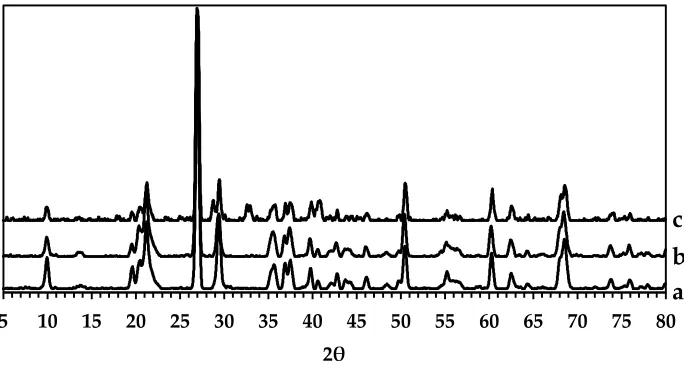
is being limited [23].
54
Bentonite is a low-cost material due to abundantly available in the nature. Bentonite, an
55
aluminosilicate material, constructs of an octahedral alumina layer and two tetrahedral silica layers
56
with Brønsted and Lewis acid sites. Miranda et al. and Salmón et al. reported that bentonite materials
57
was able to catalyzed electrophilic-substitution reaction through its Lewis acid site [24, 25]. In our
58
previous studies, catalyst materials based on bentonite were prepared and exhibited an excellent
59
ability and also a high efficiency for esterification [26], acetalization [27] and ketalization [28]
60
reactions. Moreover, bentonite framework provides a unique three-dimensional structure that
61
contributes to the high selectivity of the reaction product [29]. A combination between palladium and
62
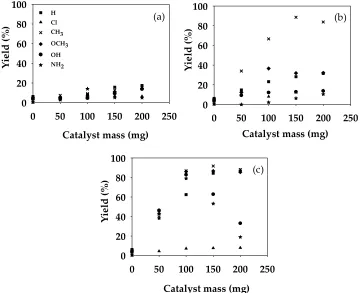
bentonite materials as catalyst could enhance the efficiency of the Friedel-Craft acylation reaction.
63
In the present work, three types of materials were prepared, i.e. natural bentonite (NB), activated
64
bentonite (AB), and palladium oxide doped onto activated bentonite (PdOAB) and used as
65
heterogeneous catalyst for Friedel-Craft acylation reaction. The activation of NB was carried out by
66
using sulfuric acid at 80 C for 3 h and then the palladium(II) ions were doped onto AB to obtain
67
PdOAB. All catalyst materials were applied to find an optimum condition to prepare some
68
acetophenone derivatives with the R = -H, -Cl, -CH3, -OCH3, -OH and -NH2 at the para position. The
69
reaction equation was shown in Figure 1. The catalytic activity was evaluated by a comparison with
70
NB and AB in lieu of the PdOAB. In our previous work, an unsteady state diffusion model was
71
proposed and applied to understand the slow release mechanism of urea and also predicted the urea
72
interaction onto the host material as well [30]. In this work, another mathematical model, that was
73
Hammet equation was used to analyze the effect of the various aromatic compounds with PdOAB
74
catalyst material to the Friedel-Craft acylation reaction. Even though the Hammet analysis in the
75
organic synthesis reactions was rarely reported, it is critical to understand the physical organic aspect
76
to optimize the reaction process as well as to propose the catalysis mechanism.
77
78
Figure 1. The synthesis of acetophenone derivatives
79
2. Results and Discussion
80
2.1. Preparation of AB and PdOAB materials
81
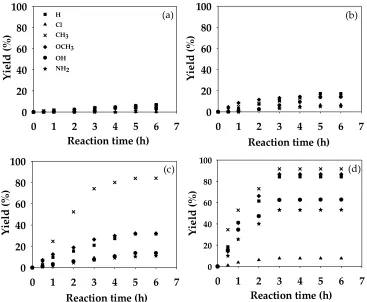
The AB material was prepared through the activation of NB by using sulfuric acid. The common
82
metal ions (e.g. sodium, potassium, iron, calcium and aluminium [32]) in the bentonite interlayer were
83
R
O
R
CH
3COOH
exhanged with protons from the sulfuric acid solution to yield AB material. By using sulfuric acid,
84
the metal ions were exchanged with protons. Afterwards, the palladium(II) ions replaced the protons
85
and PdO was doped onto the surface of the AB material when the pH was increased by using
86
ammonia solution.
87
Figure 2. SEM morphology of natural bentonite (a and b) activated bentonite (c and d) and PdO
doped on bentonite (e and f)
The morphology of the NB, AB and PdOAB materials were photographed by SEM and shown
88
in Figure 2. It showed that the morphology of AB was similar with NB but different from PdOAB.
89
The PdOAB material was agglomerated probably due to the strong ionic interaction between PdO
90
with the surface of the AB. From the Figure 2(f), the presence of tetragonal particles located on the
91
bentonite surface, confirmed that the PdO was sucessfully doped on the surface of the bentonite. The
92
(a) (b)
(c) (d)
surface area and the total pore volume of the material were obtained from the nitrogen isotherm
93
adsorption experiment. It showed that after doping of PdO on the AB material, the surface area of
94
the material decreased from 6.277 to 2.057 m2 g-1, and the total pore volume decreased from 12.04 to
95
8.688 mm3 g-1. The decrease of the surface area and total pore volume occurred caused by the
96
agglomeration of the material after PdO doping. To quantify the palladium percentage in the PdOAB
97
material, the EDX analysis was recorded in triplicate for each sample. From the Table 1, the presence
98
of the metal cations, such as iron, sodium, calcium and aluminium were not detected, except a small
99
amount of potassium and titanium. However, after PdO doping, both remains cation were replaced
100
with palladium. The average mass percentage of the palladium in the PdOAB material was 3.87%.
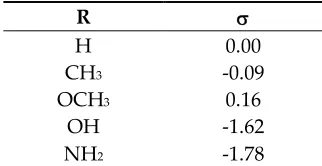
101
102
Table 1. Elemental composition of AB and PdOAB materials
103
Elements Mass percentage (%)
AB PdOAB
Oxygen 49.48 43.99
Aluminium 9.36 9.34
Silicon 38.81 42.8
Titanium 1.92 0.00
Potassium 0.44 0.00
Palladium 0.00 3.87
104
To confirm the palladium species and crystal structure, the X-ray diffractogram were measured
105
and shown in Figure 3. The peak d001 at 2 = 10 of the AB (Figure 3(b)) was decreased compared with
106
NB (Figure 3(a)). It confirms that the amount of the metal ions on the bentonite interlayer was
107
decreased and showed that the activation of NB was successfully conducted. Furthermore, new
108
peaks were appeared at 2 around 29, 33 and 41, in which correspond to the PdO peak with
109
tetragonal crystal system (JCPDS 00-043-1024) and confirmed that the doping process of PdO on the
110
AB material took place. It was also confirmed from the Figure 2d, that the tetragonal particles on the
111
bentonite surface were PdO.
112
Figure 3. Diffractogram of a) NB, b) AB and c) PdOAB materials
The FTIR spectra of NB, AB and PdOAB were shown in Figure 4. The Si-O-Si peak at 939 cm-1
113
decreased due to the activation process of NB. On the other hand, the TG-DTA graph of the PdOAB
114
5 10 15 20 25 30 35 40 45 50 55 60 65 70 75 80
2θ
material is shown in Figure 5. The PdOAB material underwent endothermic process at 225 and 300
115
°C, however the mass loss percentage was less than 10%. It showed that the PdOAB material has a
116
good thermal stability even at 850 C, thus it can be applied as catalyst material at that temperature
117
range.
118
Figure 4. FTIR spectra of a) NB, b) AB and c) PdOAB materials
119
Figure 5. TG-DTA graph of the PdOAB material (Solid line: TG; Dotted line: DTA)
120
2.2. The effect of catalyst mass and reaction time span towards the yield of the acetophenone products
121
In this work, the acylation reaction of the aromatic compounds gave the para subtituted
122
acetophenone as the major product, while the ortho product was not regarded. Figure 6 showed the
123
effect of the catalyst mass towards the yield of the acetophenone product at 5 h reaction time. Overall,
124
the acetophenone derivatives produced shot up with the increase of the catalyst mass. However, the
125
yield of some acetophenone derivatives decreased by the increase of the catalyst mass due to the
126
adsorption process on the catalyst material. Compared to the uncatalyzed reaction (m = 0.00 mg), NB
127
was able to increase the products yield until 20% (Figure 6(a)) because of the acid sites of the NB
128
catalyst were occupied with other metal ions, such as sodium, potassium, calcium and so on.
129
Therefore just a few amounts of aromatic compounds were activated on the catalytic sites.
130
-10 0 10 20 30 40 50
0 20 40 60 80 100
25 125 225 325 425 525 625 725 825
D
TA
[u
V
]
Mas
s
lo
ss
[%
]
Temperature [℃]
700 1100 1500 1900 2300 2700 3100 3500
%
Tr
an
sm
ittan
ce
(in
a.
u
.)
Wavenumber (cm-1)
131
Figure 6. Dependency profile from the synthesis of acetophenone derivatives with the mass of (a) NB, (b) AB and (c) PdOAB catalyst materials
Figure 6(b) showed that the AB catalyst was more effective than NB catalyst due to the activation
132
process. The yields of the products reached the equilibrium state when 200 mg catalyst was
133
employed. However, the yield of the products (except 4-methylacetophenone) were not satisfied
134
enough. The yield of the products were affected by the kind of R substituent. The electron donor
135
substituents, such as methyl, methoxy and hydroxy, tend to increase the yield because the aromatic
136
ring became more active to react. Even though the amino group is an electron donor substituent, the
137
yield of the 4-aminoacetophenone reached 10.41% only by using 200 mg AB catalyst. It occurred
138
because the amino substituent acted as a base, therefore, it was very easy to interact with the acid
139
sites of AB catalyst and became protonated. Likewise, electron withdrawing group, i.e. chloride gave
140
a low yield.
141
Figure 6(c) showed that the PdOAB can enhance the reaction yields, therefore this material was
142
the most efficient catalyst compared to NB or AB. The doped PdO onto the surface of the activated
143
bentonite could activate the the reactant via Lewis acid-base interaction, and consequently, the yield
144
of the products remarkably increased. It was found that 150 mg of PdOAB catalyst was enough to
145
reach the equilibrium state, however, the yield of the hydroxyacetophenone and
4-146
aminoacetophenone were drastically reduced when the catalyst mas was over than 150 mg. It was
147
caused by the interaction between palladium metal ion and the hydroxy or amino groups as the
148
ligand.
149
The catalyst efficiency was in a good correlation with the acid sites of each catalyst. Brønsted
150
and Lewis acid sites were determined from the vapour adsorption of ammonia and pyridine on the
151
Catalyst mass (mg)
0 50 100 150 200 250
Y
ie
ld
(
%
)
0 20 40 60 80 100
Catalyst mass (mg)
0 50 100 150 200 250
Y
ie
ld
(
%
)
0 20 40 60 80 100
Catalyst mass (mg)
0 50 100 150 200 250
Y
ie
ld
(
%
)
0 20 40 60 80 100
H Cl CH3 OCH3 OH NH2
(b) (a)
catalyst surface. The Brønsted acid sites on the NB, AB and PdOAB materials were 2.89, 8.66 and 3.51
152
mmol g-1, respectively, while Lewis acid sites were 4.08, 3.29 and 7.16 mmol g-1, respectively. It was
153
confirmed that the catalytic efficiency of AB is better than NB due to a high Brønsted acid sites,
154
because the Friedel-Craft acylation required Brønsted acid sites for the formation of the acylium ion
155
as the intermediate [15]. Even though, the Brønsted acid sites of the PdOAB decreased compared
156
with AB catalyst, however, the catalytic activity was better. It was due to the presence of a higher
157
Lewis acid sites that could stabilize the reaction intermediates [33-35].
158
The reaction time of the Friedel-Craft acylation was investigated to find the optimum reaction
159
time for each catalyst on each optimum catalyst mass. Figure 7(a) showed that all of the reactions
160
have not reached the equilibrium even in 6 h. Moreover, without any catalyst, the yield of the
161
products was very low, that was not more than 8%. Figure 7(b)-(d) shows the effect of the catalyst
162
materials on the yield of the products. Overall, the yield of the products increased compared to the
163
uncatalyzed reaction. It meant that the bentonite materials can be used as the catalyst for the
Friedel-164
Craft acylation reaction due to the presence of the acid catalytic sites. Since the AB had more active
165
acid sites than NB, the catalytic activity of the AB was better than NB. Figure 7(c) showed that the
166
reactions between 4-methoxybenzene and acetic acid glacial reached the equilibrium state after 5 h
167
reaction time, however, it was reduced to 4 h reaction time by using PdOAB catalyst material as
168
shown in Figure 7(d). It was occurred due to the additional catalytic sites from the PdOAB material.
169
The required time to reach the reaction equilibrium state was determined from the plot between
170
reaction rate and reaction time as shown in Figure S1. The equlibrium state reached when the reaction
171
rate ( ) reached the zero value. Figure S1 showed that PdOAB remarkably enhanced the initial
172
reaction rate 1.67-16.89 times faster that AB catalyst, therefore the time reaction of the the reaction
173
catalyzed by PdOAB was shorten. Table 2 shows the optimum condition for Friedel-Craft acylation
174
of the benzene derivatives over the varied substituents. The reaction order and rate constant were
175
calculated from equation (3) and shown in Table 3. Even though the reaction order and rate constant
176
for 4-chlorobenzene in not satisfied, other Friedel-Craft reactions were described well. The reaction
177
order was around 1.00 for benzene derivatives with R = -H, -CH3, and -OCH3 substituents, showing
178
that the unimolecular reactions were occurred. On the other hand, the bimolecular reactions were
179
found for the acylation of benzene derivatives with -OH and -NH2 groups.
180
The PdOAB catalyst material was the best among the others, except for 4-chloroacetophenone
181
that might be due to the strong electronic interaction between palladium as the soft acid and/or Lewis
182
acid sites with chloride as the soft base [36]. However, further investigation is required to understand
183
the interaction between chloro substituent with PdOAB catalyst material in details. The results
184
Figure 7. Reaction time dependency profile from the synthesis of acetophenone derivatives without any catalyst (a) and with (b) NB, (c) AB and (d) PdOAB catalyst materials
186
Table 2. The optimum reaction condition for the Friedel-Craft acylation
187
R Catalyst Catalyst mass (mg) Reaction time (h) Yield (%)
H PdOAB 150 5 84.24
Cl AB 200 5 14.01
CH3 PdOAB 150 4 91.65
OCH3 PdOAB 150 5 86.63
OH PdOAB 150 4 62.42
NH2 PdOAB 150 5 53.07
188
Table 3. The kinetic parameter of the Friedel-Craft acylation catalyzed by PdOAB
189
R R2 M k'
H 0.992 0.85 0.735
Cl 0.888 18.89 2.679 · 10-25
CH3 0.998 1.11 0.603
OCH3 0.997 0.72 1.069
OH 0.966 2.12 0.018
NH2 0.970 2.11 0.012
190
Reaction time (h)
0 1 2 3 4 5 6 7
Y
ie
ld
(
%
)
0 20 40 60 80 100
H Cl CH3 OCH3 OH NH2
Reaction time (h)
0 1 2 3 4 5 6 7
Y
ie
ld
(
%
)
0 20 40 60 80 100
Reaction time (h)
0 1 2 3 4 5 6 7
Y
ie
ld
(
%
)
0 20 40 60 80 100
Reaction time (h)
0 1 2 3 4 5 6 7
Y
ie
ld
(
%
)
0 20 40 60 80 100
(b) (a)
2.3. Reusability of PdOAB material
191
To evaluate the reusability of the PdOAB catalyst material, the optimum condition for
4-192
methoxyacetophenone was selected. The catalyst material was recovered after reaction by filtration
193
and then dried and also reused as the catalyst. The reaction yield decreased cycle by cycle of the
194
reaction and reached constant at 71.4% yield in the third cycle, as shown in Table 4. It was caused by
195
the palladium ions were leaked from the PdOAB material to the acidic solution. It showed that the
196
palladium(II) plays a pivotal role in the reaction mechanism. The percentage of the eluted palladium
197
was calculated from the aqueous phase by using FAAS in a comparison with the initial palladium
198
concentration in the material (3.87% weight) from the EDX analysis (Table 1). Even though the
199
palladium was leaked, the catalyst activity was still high enough, therefore it showed that the
200
heterogeneous PdOAB catalyst material was an efficient material that could be easily recovered and
201
reused by a simple filtration process.
202
203
Table 4. PdOAB catalyst recycling investigation
204
Cycle Eluted Palladium (%) Reaction yield (%)
1 8.09 86.6
2 10.33 75.2
3 10.65 71.4
4 10.65 71.4
205
2.4. Hammet analysis of the synthesis of acetophenone reaction
206
To understand the catalytic mechanism, the Hammet analysis was carried out. Based on the
207
equation (4), the values for each substituent (Table 5) were predicted with an assumption that
208
was 1.00. If the value was negative, the substituent can pull the electron density of the aromatic
209
ring to the para position, therefore its ability to act as nucleophile was reduced. The value for chloro
210
substituent was not satisfied due to its poor yield and its catalytic inhibition to PdOAB Lewis sites.
211
The amino and hydroxyl groups, which usually had positive value [31], showed negative values.
212
It caused by whether strong hydrogen bonding interaction with acid sites of the catalyst or the
213
protonation of the hydroxyl and amino functional groups in the acidic condition to form -OH2+ and
-214
NH3+, respectively. Therefore the electron density was getting further from the para position. The
215
methyl group is an activator substituent, however, the values of the hydrogen and the methyl group
216
were similar. Methoxy group is one of the strong activator substituent, therefore the value of
217
methoxy group was positive as expected.
218
219
Table 5. The constant for each substituent
220
R
H 0.00
CH3 -0.09
OCH3 0.16
OH -1.62
NH2 -1.78
221
223
224
Figure 8. Plausible reaction mechanism of the Friedel-Craft acylation involving the acid site of the
225
PdOAB catalyst
226
The catalyzed Friedel-Craft reaction mechanism was predicted based on the physicochemical
227
properties of the PdOAB material and its catalytic activity. From the SEM (Figure 2(f)) and XRD
228
(Figure 3(c)) results, the tetragonal palladium oxide was located on the surface of the material,
229
therefore increased the Lewis acid sites of the catalyst material. Many researchers reported that the
230
catalyzed acylation reaction mechanism strongly depended on the acidity properties of the materials
231
[15, 35, 37]. The AB material had higher Brønsted acid sites, therefore it showed a higher catalytic
232
activity than the NB material and gave a higher yield toward Friedel-Craft acylation reaction.
233
However, the catalytic activity of the PdOAB material was the highest, even though it had lower
234
Brønsted acid sites but higher Lewis acid sites compared with AB. It meant that both acid sites were
235
important for the reaction catalysis mechanism. However, Lewis acid sites seem to play a pivotal role
236
on the PdOAB catalytic reaction mechanism. The first reason is the yield of the reaction depends on
237
the palladium concentration in the PdOAB material (Table 4), while the second is the catalytic activity
238
between the chloro substituent as soft base and the palladium(II) ion as soft acid. From these results,
240
the reaction mechanism with PdOAB catalyst was proposed and shown in Figure 8.
241
At first, the acetic acid was adsorbed on the Lewis acid sites of the palladium ion. Then the
242
hydroxyl group of the acetic acid was protonated and generated the acylium ion and water as the
243
byproduct. Afterwards, the aromatic compound was adsorped on the catalyst surface through the
π-244
π interaction between aromatic ring and palladium ion as well as the dipole interaction between
245
palladium ion and the polar R groups (R = Cl, OH, OCH3 and NH2). Because of both interactions and
246
the steric hindrance, the acylation of the aromatic compound selectively occurred on the para
247
position. This step seems to be the rate-determining step, because the yield of the product was
248
affected by the kind of R substituent as well as the catalyst amount. For R substituent with a positive
249
value (R = CH3), the intermediate was stabilized and consequently, the yield of the reaction was
250
remarkably enhanced. For the R substituent with a value near to zero (R = H and OCH3), the
251
intermediate was not strongly adsorped on the PdOAB surface, therefore, the electron density of the
252
aromatic ring was enough to react with the acylium ion. However, the R substituent with a negative
253
value, such as OH and NH2 groups, the aromatic compound was strongly adsorped due to its
254
interaction with palladium ion, therefore the electron density of the aromatic ring was not strong
255
enough to attack the acylium ion. It was also confirmed in Figure 6(c), in which the yield of the
256
product was decreased if the catalyst mass was more than 100 mg. Finally, the acetophenone
257
derivative product was desorped and the catalyst active site was regenerated. This reaction
258
mechanism was in agreement with the other result. Frouri et al. reported that furfural acylation was
259
facilitated by the additional Lewis sites from the alumunium(III) on the hydroxyide fluoride catalyst
260
[35].
261
262
3. Conclusions
263
The activation of the bentonite material and PdO doping on the activated bentonite have been
264
conducted to obtain AB and PdOAB catalyst materials. The prepared catalyst materials were
265
characterized by SEM, EDX, FTIR, XRD and TG-DTA analysis. These catalysts (i.e. NB, AB and
266
PdOAB) were applied in the synthesis of the several acetophenone derivatives via Friedel-Craft
267
acylation reaction. The kinetic analysis of these catalytic reactions has been carried out and resulting
268
that the PdOAB catalyst was the most efficient catalyst compared to NB and AB catalysts. The
Friedel-269
Craft acylation reactions catalyzed by PdOAB were unimolecular or bimolecular reaction depend on
270
the substituent of the reactants. The proposed mechanism of these catalytic reactions showed that the
271
interaction of the reactant and catalyst was more dominant through Lewis acid site instead of
272
Brønsted acid site. By employing a reusable PdOAB catalyst material for the Friedel-Craft acylation,
273
a simple, green and efficient reaction process has been achieved.
274
275
4. Materials and Methods
276
4.1. Materials
277
Glacial acetic acid, benzene, chlorobenzene, anisole (methoxybenzene), toluene
278
(methylbenzene), phenol (hydroxybenzene), aniline (aminobenzene), palladium(II) nitrate,
279
anhydrous sodium sulfate, ammonia solution and chloroform were purchased from E. Merck
280
(Germany) in analytical grade and used as it is without any further purification, while the natural
281
bentonite was obtained from Tasikmalaya, West Java, Indonesia.
282
283
4.2. Equipments
284
Fourier transform infrared (FTIR) spectra of the catalyst materials and synthesized products
285
resonance (1H-NMR) spectra were obtained in the deuterated chloroform on a JEOL-MY 500 proton
287
NMR spectrometer. The X-Ray diffractogram of the catalyst materials was recorded on an X-Ray
288
Diffraction (XRD) Shimadzu S-6000. The surface morphology and elemental composition of the
289
catalyst materials were measured by using scanning electron microscope (SEM) with energy
290
dispersive X-ray (EDX) on JEOL JSM-6510. The thermal stability of catalyst materials was evaluated
291
by thermogravimetric-differential thermal analysis (TG-DTA) while the surface area of the catalyst
292
materials was measured by using Brunauer-Emmett-Teller (BET) method from the nitrogen
293
physisorption. Flame Atomic Absorption Spectroscopy (FAAS) was used to measure the palladium
294
concentration which was released from the heterogeneous catalyst material into the solution mixture.
295
296
4.3. Bentonite activation in the acidic solution
297
At first, the mashed NB was filtered to 100 mesh. Then 100 g of the material was soaked in 300
298
mL of 1.0 mol dm-3 sulfuric acid and heated at 80 °C for 3 h. The mixture washed with distilled water
299
until neutral. The residue was dried at 120 °C for 6 h and then filtered to 100 mesh. The obtained AB
300
material was characterized by SEM-EDX, BET, FTIR, and XRD.
301
302
4.4. Preparation of PdOAB material
303
As much as 4.0 g of activated bentonite was added into the 20 mL of 0.1 M palladium(II) nitrate
304
solution and stirred for 30 min. The ammonia solution (20 mL, 6.0 M) was added dropwise and the
305
mixture was stirred overnight at room temperature. The mixture was filtered, and the residue was
306
dried at 120 °C for 6 h and then homogenized to 100 mesh. The PdOAB material was characterized
307
by SEM-EDX, BET, FTIR, XRD and TG-DTA.
308
309
4.5. Acetophenone synthesis
310
Under the nitrogen atmosphere, as much as 1.56 g (20 mmol) benzene was added into 25 mL
311
(438 mmol, 22 equivalent) of glacial acetic acid. Then, the catalyst (NB or AB or PdOAB) was added
312
into the solution. The mass of catalyst was varied from 0 (without catalyst); 0.05; 0.10; 0.15 and 0.20 g
313
to find the optimum mass of each catalyst material. The mixture was refluxed for 6 h and then filtered
314
to separate catalyst and the crude product, after that the product was extracted from crude product
315
into the chloroform. The organic layer was washed with distilled water and dried over anhydrous
316
sodium sulfate. The chloroform was evaporated to obtain the desired product. The other
317
acetophenone derivatives, i.e. 4-chloroacetophenone, 4-methylacetophenone,
4-318
methoxyacetophenone, 4-hydroxyacetophenone and 4-aminoacetophenone were obtained in a
319
similar manner as described above. Especially, additional acid hydrolysis process was required to
320
hydrolyze the ester and amide functional groups of the intermediate to obtain the
4-321
hydroxyacetophenone and 4-aminoacetophenone as final products. The FTIR and 1H-NMR spectra
322
of the obtained products were similar to the standard compounds. The reaction time was also varied
323
from 0.5; 1; 2; 3; 4; 5 and 6 h to obtain the optimum reaction time.
324
Acetophenone. IUPAC name: 1-Phenylethanone. C8H8O. FTIR (KBr, cm-1), 3089 (C-H sp2), 2969 (C-H
325
sp3), 1691 (C=O), 1584 and 1450 (C=C aromatic). 1H-NMR (CDCl3, δ/ppm) 2.44 (s, 3H, COCH3), 7.30
326
(t, 2H, Ar-H meta), 7.42 (t, 1H, Ar-H para), 7.84 (d, 2H, Ar-H ortho).
327
4-Chloroacetophenone. IUPAC name: 1-(4-Chlorophenyl)ethanone. C8H7ClO. FTIR (KBr, cm-1), 3064
(C-328
H sp2), 2968 (C-H sp3), 1687 (C=O), 1589 and 1488 (C=C aromatic), 588 (C-Cl). 1H-NMR (CDCl3, δ/ppm)
329
4-Methylacetophenone. IUPAC name: 1-(4-Tolyl)ethanone. C9H10O. FTIR (KBr, υ/cm-1), 3052 (C-H sp2),
331
2968 (C-H sp3), 1682 (C=O), 1574 and 1430 (C=C aromatic). 1H-NMR (CDCl3, δ/ppm) 2.34 (s, 3H, CH3),
332
2.59 (s, 3H, COCH3), 6.61 (d, 2H, Ar-H meta), 7.51 (d, 2H, Ar-H ortho).
333
4-Methoxyacetophenone. IUPAC name: 1-(4-Methoxyphenyl)ethanone. C9H10O2. FTIR (KBr, cm-1), 3000
334
(C-H sp2), 2941 (C-H sp3), 1668 (C=O), 1577 and 1445 (C=C aromatic), 1261 (C-O). 1H-NMR (CDCl3,
335
δ/ppm) 2.59 (s, 3H, COCH3), 3.79 (s, 3H, OCH3), 6.77 (d, 2H, Ar-H meta), 7.51 (d, 2H, Ar-H ortho).
336
4-Hydroxyacetophenone. IUPAC name: 1-(4-Hydroxyphenyl)ethanone. C8H8O2. FTIR (KBr, cm-1), 3147
337
(O-H), 3019 (C-H sp2), 2963 (C-H sp3), 1588 (C=O), 1515 and 1441 (C=C aromatic), 1286 (C-O). 1
H-338
NMR (CDCl3, δ/ppm) 2.61 (s, 3H, COCH3), 7.06 (d, 2H, Ar-H meta), 7.84 (d, 2H, Ar-H ortho), 8.69 (s,
339
1H, OH).
340
4-Aminoacetophenone. IUPAC name: 1-(4-Aminophenyl)ethanone. C8H9NO. FTIR (KBr, cm-1), 3396
341
and 3324 (H-N-H), 3064 (C-H sp2), 2956 (C-H sp3), 1594 (C=O), 1568 and 1439 (C=C aromatic), 1283
342
(C-N). 1H-NMR (CDCl3, δ/ppm) 2.47 (s, 3H, COCH3), 4.31 (s, 2H, NH2), 6.69 (d, 2H, Ar-H meta), 7.74
343
(d, 2H, Ar-H ortho).
344
345
4.6. Kinetic of the Friedel-Craft acylation catalyzed by PdOAB catalyst material
346
The rate equation of the Friedel-Craft acylation reaction was given by equation (1)
347
r =d[product]
dt = k [benzene derivative] [acetic acid] (1)
where r is the reaction rate, t is the reaction time, k is the rate constant, and m and n are the reaction
348
order towards benzene derivative and acetic acid, respectively. The reaction rate was obtained as
349
gradient for a graph between product concentration (mmol dm-3) and reaction time (h). Since the
350
acetic acid concentration was in excess amount, the equation (1) can be simplified to equation (3),
351
therefore m and k’ values can be obtained as slope and intercept, respectively.
352
d[product]
dt = k′ [benzene derivative] (2)
log d[product]
dt = m ∙ log[benzene derivative] + log k′ (3)
353
4.7. Analysis of the substituent variations effect () in the synthesis of acetophenone derivatives
354
The effect of the substituent variations in the synthesis of acetophenone derivatives has
355
been analyzed by using the Hammet equation as described below [31]
356
log k′
k′ = σρ (4)
where k’o is the experimental rate constant of the reaction for benzene (R = -H), k’ is the experimental
357
rate constant for benzene with other substituents, is the substituent constant, and is the reaction
358
constant.
359
Supplementary Materials: The following are available online at www.mdpi.com/xxx/s1, Figure S1: Time course
360
dependency on the reaction rate of the Friedel-Craft acylation reaction catalyzed by NB, AB and PdOAB for (a)
361
acetophenone, (b) chloroacetophenone, (c) methylacetophenone, (d) methoxyacetophenone, (e)
4-362
hydroxyacetophenone, and (f) 4-aminoacetophenone
363
Author Contributions: T.D.W. and Y.S.K. conceived and designed the experiments; Y.S.K., Y.M.S. and A.C.
364
performed the experiments; A.C. and Y.M.S. analyzed the data; A.C. contributed materials/analysis instrument;
365
Y.S.K. and A.C. wrote the paper; all authors read and approved the final manuscript.
366
Acknowledgments: The authors express a gratitude to Mr Limpat Nulandaya (Pukyeong National University,
368
South Korea) for his kind help on the XRD measurement and interpretation, as well as Mr Ilyas Taufik Abdul
369
Aziz (Universitas Gadjah Mada) and Mr Philip Anggo Krisbiantoro (Hokkaido University, Japan) for his advice
370
on the characterization of the materials.
371
Conflicts of Interest: The authors declare no conflict of interest.
372
373
References
374
1. Nania, S.L.; Shaw, S.K.; Structural Changes in Acetophenone Fluid Films as a Function of nano-Scale
375
Thickness. Langmuir 2017, 1-15. Doi: 10.1021/acs.langmuir.6b04206.
376
2. Morita, C.; Kobayashi, Y.; Saito, Y.; Miyake, K.; Tokuda, H.; Suzuki, N.; Ichiishi, E.; Lee, K.H.;
Nakagawa-377
Goto, K.; Total Synthesis and in Vitro Anti-Tumor-Promoting Activities of Racemic Acetophenone
378
Monomers from Acronychia trifoliolata. J. Nat. Prod. 2016, 79, 2890-2897.Doi: 10.1021/acs.jnatprod.6b00646.
379
3. Sim, T.Y.; Harith, H.H.; Tham, C.L.; Hashim, N.F.M.; Shaari, K.; Sulaiman, M.R.; Israf, D.A. The protective
380
effects of a synthetic geranyl acetophenone in a cellular model of tnf-α-induced pulmonary epithelial
381
barrier dysfunction. Molecules 2018, 23, 1355. Doi: 10.3390/molecules23061355
382
4. Yoon, M.Y.; Choi, N.H.; Min, B.S.; Choi, G.J.; Choi, Y.H.; Jang, K.S.; Han, S.S.; Cha, B.; Kim, J.C.; Potent in
383
Vivo Antifungal Activity against Powdery Mildews of Pregnane Glycosides from the Roots of Cynanchum
384
wilfordii. J. Agric. Food Chem. 2011 59, 12210-12216. Doi: 10.1021/jf2039185
385
5. Ruelas-Leyva, J.P.; Fuentes, G.A. Chiral catalyst deactivation during the asymmetric hydrogenation of
386
acetophenone. Catalysts 2017, 7, 1-11. Doi: 10.3390/catal7070193
387
6. Dong, F.; Zhou, Y.; Zeng, L.; Watanabe, N.; Su, X.; Yang, Z. Optimization of the Production of
1-388
Phenylethanol Using Enzymes from Flowers of Tea (Camellia sinensis) Plants. Molecules 2017, 22, 131. Doi:
389
10.3390/molecules22010131.
390
7. Feng, L.; Maddox, M.M.; Alam, M.Z.; Tsutsumi, L.S.; Narula, G.; Bruhn, D.F.; Wu, X.; Sandhaus, S.; Lee,
391
R.B.; Simmons, C.J.; Tse-Dinh, Y.C.; Hurdle, J.G.; Lee, R.E.; Sun, D. Synthesis, Structure–Activity
392
Relationship Studies, and Antibacterial Evaluation of 4-Chromanones and Chalcones, as Well as Olympicin
393
A and Derivatives, J. Med. Chem., 2014, 57, 8398-8420. Doi: 10.1021/jm500853v.
394
8. Wang, X.; Liu, F.D.; Tu, H.Y.; Zhang, A.D. One-Pot Synthesis of Diarylmethanones through
Palladium-395
Catalyzed Sequential Coupling and Aerobic Oxidation of Aryl Bromides with Acetophenone as a Latent
396
Carbonyl Donor. J. Org. Chem., 2014, 79, 6554-6562. Doi: 10.1021/jo5010185.
397
9. Havrylyuk, D.; Zimenkovsky, B.; Vasylenko, O.; Gzella, A.; Lesyk, R. Synthesis of New 4-Thiazolidinone-,
398
Pyrazoline-, and Isatin-Based Conjugates with Promising Antitumor Activity. J. Med. Chem. 2012, 55,
8630-399
8641. Doi: 10.1021/jm300789g.
400
10. Barradas, S.; Hernández-Torres, G.; Urbano, A.; Carreño, M.C. Total Synthesis of Natural p-Quinol
401
Cochinchinenone. Org. Lett. 2012, 14, 5952-5955. Doi: 10.1021/ol302858r.
402
11. Aribert, N.; Camy, S.; Lucchese, Y.P.; Condoret, J.; Cognet, P. Cleaner Routes for Friedel-Crafts Acylation.
403
Int. J. Chem. React. Eng. 2010, 8, 1-13. Doi: 10.2202/1542-6580.2183.
404
12. Huang, G.; Mo, L.Q.; Wei, Y.X.; Zhou, H.; Guo, Y.A.; Wei, S.J. Effect of Mesoporous Chitosan Action and
405
Coordination on the Catalytic Activity of Mesoporous Chitosan-Grafted Cobalt Tetrakis(p-Sulfophenyl)
406
Porphyrin for Ethylbenzene Oxidation. Catalysts 2018, 8, 1-16. Doi:10.3390/catal8050199.
407
13. Ricca, C.; Labat, F.; Russo, N.; Adamo, C.; Sicilia, E. Oxidation of Ethylbenzene to Acetophenone with
N-408
Doped Graphene: Insight from Theory. J. Phys. Chem. C. 2014, 118, 12275-12284. Doi: 10.1021/jp502179n.
409
14. Assal, M.E.; Shaik, M.R.; Kuniyil, M.; Khan, M.; Al-Warthan, A.; Siddiqui, M.R.H.; Adil, S.F. Ag2O
410
Nanoparticles-Doped Manganese Immobilized on Graphene Nanocomposites for Aerial Oxidation of
411
Secondary Alcohols. Metals 2018, 8, 1-22. Doi:10.3390/met8060468.
412
15. Wei, H.; Liu, K.; Xie, S.; Xin, W.; Li, X.; Liu, S.; Xu, L.; Determination of Different Acid Sites in Beta Zeolite
413
for Anisole Acylation with Acetic Anhydride. J. Catal. 2013, 307, 103-110. Doi: 10.1016/j.cat.2013.07.010.
414
16. Nakajima, M.; Fukami, H.; Konishi, K.; Oda, J.; Synthesis of Aromatic Carbonyl Compounds by
Friedel-415
Crafts Reaction Using BF3 Catalyst. Agric. Biol. Chem. 1963, 27, 700-705. Doi:
416
10.1080/00021369.1963.10858166.
417
17. Rueping, M.; Nachtsheim, B.J. A review of new developments in the Friedel–Crafts alkylation – From green
418
18. Halima, T.B.; Zhang, W.; Yalaoui, I.; Hong, X.; Yang, Y.; Houk, K.N.; Newman, S.G. Palladium-Catalyzed
420
Suzuki–Miyaura Coupling of Aryl Esters. J. Am. Chem. Soc. 2017, 139, 1311–1318. Doi: 10.1021/jacs.6b12329.
421
19. Jiang, Q.; Li, H.; Zhang, X.; Xu, B.; Su, W. Pd-Catalyzed Decarboxylative Sonogashira Reaction via
422
Decarboxylative Bromination. Org. Lett. 2018, 20, 2424–2427. Doi: 10.1021/acs.orglett.8b00772.
423
20. Mao, J.; Zhang, J.; Zhang, S.; Walsh, P.J. NIXANTPHOS: a highly active ligand for palladium catalyzed
424
Buchwald–Hartwig amination of unactivated aryl chlorides. Dalton Trans. 2018, 47, 8690-8696. Doi:
425
10.1039/C8DT01852A.
426
21. Cortés-Borda, D.; Kutonova, K.V.; Jamet, C.; Trusova, M.E.; Zammattio, F.; Truchet, C.; Rodriguez-Zubiri,
427
M.; Felpin, F. Optimizing the Heck–Matsuda Reaction in Flow with a Constraint-Adapted Direct Search
428
Algorithm. Org. Process Res. Dev. 2016, 20, 1979–1987. Doi: 10.1021/acs.oprd.6b00310.
429
22. Reddy, A.C.S.; Choutipalli, V.S.K.; Ghorai, J.; Subramanian,V.; Anbarasan, P. Stereoselective
Palladium-430
Catalyzed Synthesis of Indolines via Intramolecular Trapping of N-Ylides with Alkenes. ACS Catal. 2017,
431
7, 6283–6288. Doi: 10.1021/acscatal.7b02072.
432
23. Wen, C.; Wei, Y.; Tang, D.; Sa, B.; Zhang, T.; Chen, C. Improving the electrocatalytic properties of Pd-based
433
catalyst for direct alcohol fuel cells: effect of solid solution. Sci. Rep. 2017, 7, 1-11. Doi:
10.1038/s41598-017-434
05323-y.
435
24. Miranda, R.; Valencia-Vázquez, O.; Maya-Vega, C.A.; Nicolás-Vázquez, I.; Vargas-Rodriguez, Y.M.;
436
Morales-Serna, J.A.; García-Ríos, E.; Salmón, M. Synthesis of Cycloveratrylene Macrocycles and Benzyl
437
Oligomers Catalysed by Bentonite under Microwave/Infrared and Solvent-Free Conditions. Molecules 2013,
438
18, 12820-12844. Doi: 10.3390/molecules181012820.
439
25. Salmón, M.; Miranda, R.; Nicolás-Vázquez, I., Vargas-Rodriguez, Y.M.; Cruz-Borbolla, J.; Medrano, M.I.;
440
Morales-Serna, J.A. Effects of Bentonite on p-Methoxybenzyl Acetate: A Theoretical Model for
441
Oligomerization via an Electrophilic-Substitution Mechanism. Molecules 2011, 16, 1761-1775. Doi:
442
10.3390/molecules16021761.
443
26. Wahyuningsih, T.D.; Kurniawan, Y.S.; Green Synthesis of Some Novel Dioxolane Compounds from
444
Indonesian Essential Oils as Potential Biogrease. AIP Conf. Proc. 2017, 1823, 020081, Doi: 10.1063/1.4978154.
445
27. Kurniawan, Y.S.; Ramanda, Y.; Thomas, K.; Hendra; Wahyuningsih, T.D.; Synthesis of 1,4-Dioxaspiro[4.4]
446
and 1,4-Dioxaspiro[4.5] Novel Compounds from Oleic Acid as Potential Biolubricant. Indones. J. Chem. 2017,
447
17, 301-308. Doi: 10.22146/ijc.24891.
448
28. Kurniawan, Y.S.; Anwar, M.; Wahyuningsih, T.D.; New Lubricant from Used Cooking Oil: Cyclic Ketal of
449
Ethyl 9,10-Dihidroxyoctadecanoate. Mater. Sci. Forum 2017, 901, 135-141. Doi:
450
10.4028/www.scientific.net/MSF.901.135.
451
29. Ghiacia, M.; Sadeghib, Z.; Sedaghata, M.E.; Karimi-Maleha, H.; Safaei-Ghomib, J.; Gil, A. Preparation of Pd
452
(0) and Pd (II) nanotubes and nanoparticles on modified bentonite and their catalytic activity in oxidation
453
of ethyl benzene to acetophenone. Appl. Catal. A. 2010, 381, 121-131. Doi: 10.1016/j.apcata.2010.03.062.
454
30. Imawan, A.C.; Kurniawan, Y.S.; Lukman, M.F.; Jumina; Triyono; Siswanta, D. Synthesis and Kinetic Study
455
of the Urea Controlled Release Composite Material: Sodium Lignosulfonate from Isolation of Wood
456
Sawdust-Sodium Alginate-Tapioca, Indones. J. Chem. 2018, 18, 108-115. Doi: 10.22146/ijc.26597.
457
31. Dargóa, G.; Bölcskeib, A.; Grünb, A.; Bénic, S.; Szántód, Z.; Lopatad, A.; Keglevichb, G.; Balogha, G.T.
458
Proton dissociation properties of arylphosphonates: Determination of accurate Hammett equation
459
parameters. J. Pharm. Biomed. Anal. 2017, 143, 101-109. Doi: 10.1016/j.jpba.2017.05.038.
460
32. Muñoz, H.J.; Blanco, C.; Gil, A.; Vicente, M.Á.; Galeano, L.A.; Preparation of Al/Fe-pillared clays: effect of
461
the starting mineral. Materials 2017, 10, 1364. Doi: 10.3390/ma10121364.
462
33. Strukul, G.; Lewis Acid Behavior of Cationic Complexes of Palladium(II) and Platinum(II): Some Examples
463
of Catalytic Applications. Top. Catal. 2002, 19, 33-42. Doi: 10.1023/A:1013877131474.
464
34. Tischler, O.; Kovács, S.; Èrsek, G.; Králl, P.; Daru, J.; Stirling, A.; Novák, Z.; Study of Lewis Acid Accelerated
465
Palladium Catalyzed C-H Activation. J. Mol. Catal A: Chem. 2017, 426B, 444-450. Doi:
466
10.1016/j.molcata.2016.09.018.
467
35. Frouri, F.; Célérier, S.; Ayrault, P.; Richard, F.; Inorganic hydroxide fluorides as solid catalysts for acylation
468
of 2-methylfuran by acetic anhydride. App. Catal. B: Environ. 2015, 168-169, 515-523. Doi:
469
10.1016/j.apcatb.2015.01.020.
470
37. Yamasaki, T.; Makihara, M.; Komura, K.; Zeolite catalyzed highly selective synthesis of
2-methoxy-6-472
acetylnaphthalene by Friedel-Crafts acylation of 2-methoxynapthalene in acetic acid reaction media. J. Mol.
473
Catal. A: Chem. 2017, 426, 170-176. Doi: 10.1016/j.molcata.2016.11.012.