University of Warwick institutional repository: http://go.warwick.ac.uk/wrap
A Thesis Submitted for the Degree of PhD at the University of Warwick
http://go.warwick.ac.uk/wrap/36368
This thesis is made available online and is protected by original copyright. Please scroll down to view the document itself.
Organising Knowledge Sharing in a Dispersed Organisation:.A
Socio-technical Perspective
1n
0WAR,I C K
by
Shan-Ling Pan
Operational Research and Systems Warwick Business School
University of Warwick Coventry, CV4 7AL
United Kingdom
A dissertation submitted in fulfilment of the requirements for the award of the degree of Doctor of Philosophy in the faculty of Social Studies at the Warwick Business School,
University of Warwick
TABLE OF CONTENTS
LIST OF TABLES . VII
LISTOF FIGURES ...Viii
ABBREVIATIONS...ix
ACKNOWLEDGEMENT...x
DECLARATION...Xi ABSTRACT...XII 1 CHAPTER ONE: INTRODUCTION ... 1
1.1 INTRODUCTION...1
1.2 BACKGROUND TO THE RESEARCH ...2
1.3 A SUMMARY OF PREVIOUS RESEARCH AND THE RESEARCH GAPS...3
1.4 RESEARCH OBJECTIVES... 6
1.5 JUSTIFICATION OF THE RESEARCH...8
1.6 RESEARCH QUESTIONS AND METHODOLOGY...9
1.7 DEFINITIONS OF TERMS...10
1.8 OUTLINEOFTHETHESIS...12
1.9 CONCLUSION...14
2 CHAPTER TWO: LITERATURE REVIEW ... 16
2.1 INTRODUCTION...16
2.2 A REVIEW OF THE RELATED LITERATURE...20
2.2.1 A Macro-View of KM...20
2.2.2 A Micro-View of KM...23
2.3 THE LESSONS LEARNED: A SYNTHESIS... 77
2.4 CONCLUSION: TOWARDS A SOCIO-TECHNICAL PERSPECTIVE OF ORGANISING KNOWLEDGE SHARING...81
3 CHAPTER THREE: RESEARCH METHODOLOGY ... 85
3.2 EPISTEMOLOGICAL FOUNDATIONS . 86
3.2.1 The Rationale for Choice of Methodology...88
3.2.2 Interpretative Study and Knowledge Managenent Research... 90
3.2.3 Modification of the Chosen Methodology...91
3.2.4 Interpretative Case Study and Theory Building ... 93
3.2.5 The Use of Case Study... 95
3.2.6 The Use of a Single Case Study... 97
3.3 PHASE ONE: RESEARCH DESIGN—PREPARATION PHASE...98
3.3.1 Research Site Selection... 98
3.3.2 The Design of the Case Study Protocol and the Unit of Analysis... 99
3.4 PHASE Two: COLLECTION PROCEDURES ...101
3.4.1 Access and Front-end Management... 102
3.4.2 Front-end Management... 104
3.4.3 Interviews and Informants... 105
3.4.4 Archival Data ... 108
3.4.5 Non-participant Observation... 109
3.5 PHASE THREE: DATA ANALYSIS ...111
3.5.1 The Revelation Stage... 114
3.5.2 The Reflection Stage... 118
3.5.3 The Literature Comparison Stage ... 121
3.6 REFLECTIONS ON THE JOURNEY: METHODOLOGICAL PROBLEMS ENCOUNTERED IN THE STUDY...122
3.7 CONCLUSION...127
4.1 INTRODUCTION 131
4.2 THE BACKGROUND OF THE SPECIALTY CHEMICAL INDUSTRY ...133
4.3 THE ORGANISATIONAL BACKGROUND OF BUCKIVIAN LABS ...135
4.4 A BRIEFHISTORY OFBUCKMAN LABS (1945-1991)...138
4.5 THE MOTIVATION FOR ORGANISING GLOBAL KNOWLEDGE SHARING ...141
4.6 THE INTEGRATIVE ASPECTS: THE TECHNOLOGICAL COMPONENTS OF ORGANISING KNOWLEDGESHARING...145
4.6.1 The Development of Knowledge Architecture in 1992...145
4.6.2 The Establishment of On-line Regional Forums: 1992-1997...149
4.6.3 Customer-based Codified Databases ...152
4.6.4 The Strategic Value of Organising Knowledge Sharing...158
4.6.5 The Global Knowledge Sharing Process...162
4.6.6 The Types of Knowledge Shared at Buckman Labs...166
4.7 THE INTERACTIVE ASPECTS OF ORGANISING THE KNOWLEDGE-SHARING PROCESS - SoClo-TECHNICALINTERRELATIONS HIPS ...167
4.7.1 Managing Resistance to Change...169
4.7.2 The Emergence of Communities of Practice...176
4.7.3 Communication Inertia...182
4.7.4 The Use of Common Languages and Metaphors...184
4.7.5 Cross Cultural and Linguistic Differences in Global Knowledge Sharing...187
4.7.6 The Development of the On-Line Bulab Learning Centre for HRD in 1997...192
4.7.7 On-line Training...196
4.7.8 Slowness in Deploying a Systematic KM-focused HRM...199
4.7.9 Knowledge Sharing Performance Evaluation ...203
4.8 SUMMARY: THE EMERGING ISSUES...205
5 CHAPTER FIVE: INTERPRETATIONS AND DISCUSSIONS ... 209
5.1 INTRODUCTION...209
5.2 THE SOCIO-TECHNICAL FRAMEWORK OF ORGANISING KNOWLEDGE SHARING ...210
5.3 THE ENABLING MECHANISM: AN ICT-BASED KNOWLEDGE MANAGEMENT SYSTEMS...213
5.3.1 ICT-based Knowledge Management Systems and the Knowledge Base...216
5.3.2 Universal Access...219
5.3.3 A Virtual Co,nnunily-based Organisational Structure ...222
5.3.4 Open Internal Cornrntinication Structure...224
5.4 THE INTEGRATING MECHANISM: THE CREATION OF A CONTEXT FOR KNOWLEDGE SHARING ...226
5.4.1 The Knowledge-sharing Culture...228
5.4.2 Co,nmunities of Practice (A Trust Environment and the Use of Coninon Language andMetaphors) ...232
5.4.3 The Specialist Knowledge-processing Tea,n ...238
5.5 THE CO-ORDINATING MECHANISM: THE DEVELOPMENT OF A KM-FOCUSED HRM...240
5.5.1 The Role of Management...241
5.5.2 Training and Performance Measurement...246
5.5.3 Rewards and Incentives...249
5.5.4 A New Role for HRM...251
5.6 CONCLUSION ...254
6 CHAPTER SIX: CONCLUSIONS AND IMPLICATIONS...258
6.1 INTRODUCTION...258
6.2 THEKEYRESEARCHISSUES...260
6.3 THEORETICAL CONTRIBUTIONS...266
6.3.2 Towards A Socio-technjcal Framework of Organising Knowledge Sharing...270
6.4 METHODOLOGICAL IMPLICATIONS ...273
6.5 MANAGERIAL IMPLICATIONS ...275
6.5.1 Managing Cultural Change...276
6.5.2 The Need to Create and Maintain a Knowledge-sharing Culture...276
6.5.3 An ICT-based Knowledge Management Systems is Only an Enabling Mechanism 277 6.5.4 Managing Knowledge Workers ...278
6.6 RESEARCH LIMITATIONS AND FUTURE DIRECTIONS...279
REFERNCELIST ...284 APPENDICES ...
Al: LIST OF INTERVIEWEES
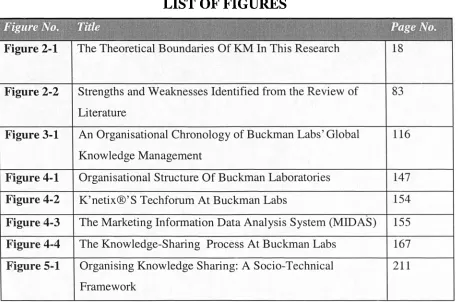
LIST OF FIGURES
.
i±:: :u
Figure 2-1 The Theoretical Boundaries Of KM In This Research 18
Figure 2-2 Strengths and Weaknesses Identified from the Review of 83 Literature
Figure 3-1 An Organisational Chronology of Buckman Labs' Global 116 Knowledge Management
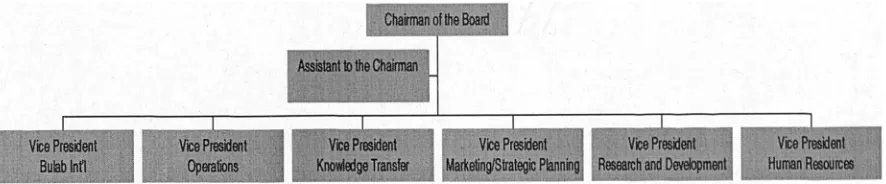
Figure 4-1 Organisational Structure Of Buckman Laboratories 147
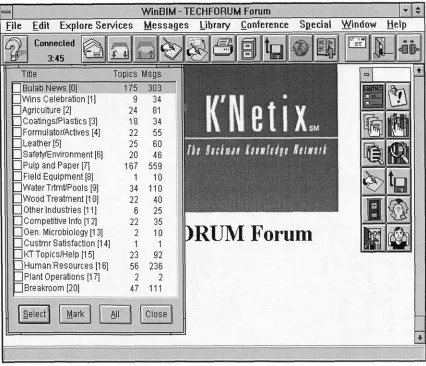
Figure 4-2 K'netix®'S Techforum At Buckman Labs 154
Figure 4-3 The Marketing Information Data Analysis System (MIDAS) 155
Figure 4-4 The Knowledge-Sharing Process At Buckman Labs 167
[image:9.595.49.507.110.412.2]ABBREVIATIONS
Buckman Labs CAD CBT dc HRD HRM ICT IS KAM KM KMS KNA KRC KTD KTS LAN MIDAS R&D TIC Buckman Laboratories Computer-aided Design Computer-based TechnologiesCustomer Information Centre
Human Resource Development
Human Resource Management
Information and Communication Technology
Information Systems
K'Netix Access Menu
Knowledge Management
Knowledge Management Systems
K'Netix Network Architecture
Knowledge Resource Centre
Knowledge Technology Department
Knowledge Transfer System
Local Area Networks
Marketing Information Data Analysis System
Research and Development
ACKNOWLEDGEMENT
Undertaking a research for a thesis or dissertation is an experience that most people never forget. Worries about what topic to investigate, how to go about doing research, how to work with supervisors, finding ajob after graduation and the list of worries goes on.
The dissertation would not have been possible without the support of my family. First order of gratitude goes to my parents, Pan Wen-Hsin and Lai Hsiu-Kuei. I am indebted to them, whose determination for success fired my life long passion for learning. The steadfast support of my brothers (Sam and Gary) and sister-in-law (Alice), as always, is deeply appreciated, as well as that of my grandparents. Finally, in the course of the study, I have also drawn courage and strength from the unwavering faith of Ming-Huei Hsieh who has played many roles in my life, yet is always my best friend.
I would like to express my appreciation to Yasmin Merali for her critical remarks, adherence to correct usage of language and above all her continuous patience shown during my writing-up process. I also sincerely acknowledge Harry Scarbrough for his support, guidance and encouragement in the development, implementation and completion of my dissertation. I thank them both for finding time and patience to read my draft chapters repetitively. Additionally, I also wish to thank the two examiners, Dr. Dorothy Leidner and Professor Bob Galliers, for their supportive and constructive remarks upon my thesis.
I would also like to thank my colleagues and friends for their contributions to many moments of insight, inspiration, laughter, and support over the past few years. These people include: Chien-Wei Chen, Jimmy Chang, Simon Shai, Maureen Yueh, Jason Chou, Steven Chang, Jennifer Liao, Jimmy Huang, Mark Wong, Grace Kuan, Anthony Ho, Helen Chen, Jonathan Menuhin, Torsten Muller, Aline Hoffmann, Laura Read, Graham Sadler, the Chew family, the Melendez family, Martin Ramirez, Pedro Flores, Carol Dougan, the Sandoval family and many others.
I wish to acknowledge all those who have shared their knowledge, experience, and encouragement in bringing this work together. In the course of any creative processes there are pivotal conversations, insights, connections that propel my dissertation forward. I would like to acknowledge several people who provided those comments: Ilan Oshri, Steffen Bohm, Jan Tribiahn, Ayse Saka, Gerardo Patriotta, and many others. I also like to thank Keith Taylor for editing the dissertation and for advice on style and structure.
DECLARATION
This dissertation is presented in accordance with the regulations for the degree of doctor of philosophy. The work described in this dissertation is entirely original and my own, unless otherwise indicated. The author also confirms that this dissertation has not been submitted for a degree at another university. The interpretations in this dissertation are the sole responsibility of the author, and in no way represent the views of the case study organisation, nor of Warwick Business School.
The following papers arising from work on the thesis had been published before submission:
Journal Paper
1) Pan, S-L and Scarbrough, H. (1999). "Knowledge Management in Practice: An Exploratory Case Study". Technology Analysis and Strategic Management, 11(3):
359-374. UK.
2) Pan, S-L and Scarbrough, H. (1998) "A Socio-Technical View of Knowledge-Sharing at Buckman Laboratories" Journal of Knowledge Management. 2(1): 55-66. UK.
Book Chapter
3) Pan, S-L (1999). "Knowledge Management in a Learning Organisation". in Scarbrough, H and Swan, J. Knowledge Management and The Learning Organisation:
ABSTRACT
Knowledge has been identified as one of the most important resources that contribute to the competitive advantage of an organisation. The organisational and social issues associated with the development, implementation and use of information technology have increasingly attracted the attention of knowledge management researchers. This study is based on an empirical investigation of knowledge sharing processes from a dispersed international organisation, Buckman Laboratories.
Through a socio-technical perspective, this research traces the interactions between knowledge sharing practices and the organisational context. The conditions surrounding the organisation of knowledge sharing as an organisational practice are addressed in the case presented in the dissertation. In particular, the research has closely examined knowledge management initiatives during the period of 1992-1998 implemented by Buckman Laboratories, focusing on the issues of organising knowledge sharing processes. The research traces Buckman Laboratories' experience as a networked, global company organised as a set of linked knowledge-focused communities of practice.
1 Chapter One: Introduction
1.1 Introduction
There is now widespread agreement that knowledge is one of the most important
resources that contributes to the competitive advantage of an organisation (Grant,
1996a). The organisational and social issues associated with the development,
implementation and use of information technology have increasingly attracted the
attention of knowledge management (KM) researchers. At the same time, there has
been a growing recognition that new organisational techniques and tools are needed
to manage knowledge assets (Offsey, 1997), and that knowledge sharing is a core
organisational competence (Newman, 1997). Unfortunately, few previous KM
studies have observed, assessed and analysed the interplay between
knowledge-sharing activities and organisational elements from an integrative perspective. This
study seeks to fill this gap by highlighting the interplay between organisational
processes and the organisation of knowledge sharing over time.
Specifically, this study deals with the last of the three conceptual barriers suggested
by Miles et al (1998) with regards to KM research: conceptualising knowledge as
the central organisational asset, incorporating knowledge capital into the strategic
management process, and designing organisations to facilitate knowledge
utilisation. The underlying aim is to gain insights into the mechanisms and
exploring the development of the trajectory over time. In particular, this research is
concerned with the roles of management processes in facilitating a supportive
social environment and the adoption of information and communication
technologies (ICT) based systems. To this end, an in-depth case study of a
knowledge-intensive organisation was conducted to gain much needed empirical
evidence relating to KM (Leidner, 1999). The selected organisation provided an
excellent focus of study because it had experience of over seven years of
organi sational change and development involving organi sational
knowledge-sharing efforts.
1.2 Background to the Research
Since the early 1990s, there has been an increasing emphasis on strategic issues
related to the so-called knowledge-based economy (Quinn, 1992; Drucker, 1993;
Nonaka, 1991). This has led to the recognition of knowledge as one of the most
important resources that contributes to the competitive advantage of an organisation
(Grant, 1996; Drucker, 1993). It is claimed that, with product life-cycles shortening
and technologies becoming increasingly imitable, organisational knowledge has
emerged as a major source of competitive advantage by virtue of its tacitness,
inimitability and immobility (Grant, 1997). In other words, in today's turbulent
international business environment, firms no longer compete only by exploiting
global scale economies or arbitrating imperfections in production factors such as
labour, materials, or capital markets. Rather, with a powerful new class of
technical scientific experts emerging (Galbraith, 1977), knowledge has become the
key production factor that organisations need to exploit in order gain competitive
advantage and survive (Drucker, 1993). In particular, with major advancements in
ICT, information and knowledge can be processed, stored and transmitted globally
more efficiently and effectively than ever before (Webster, 1995). As a result,
knowledge-based organisations are fast becoming the engines of economic growth
as the industrial era gives way to the information age.
In this regard, technological changes, interactive learning, knowledge sharing,
knowledge integration and other knowledge related activities have become the focal
elements of many of the existing KJVI studies and practices (Grant, 1996; Fruin,
1997; Stewart, 1997; Sveiby, 1997). Indeed, performance differences across
organisations may be attributed to asymmetries in knowledge. The strategic issues
of organisational knowledge have increasingly attracted the attention of
management researchers.
1.3 A Summary of Previous Research and the Research Gaps
In recent years, a number of management researchers have outlined the theoretical
case for KIVI (Senge, 1990; Spender, 1996; Grant, 1996; Huber, 1991; Tsoukas
1996). Despite the plausibility of these arguments, however, relatively few studies
have provided empirical insights into how companies actually develop and manage
'know-how' (Nonaka and Takeuchi, 1995; Leonard-Barton, 1992) through the
interplay between organisational context and information technology (Starbuck,
1992). Much of the existing literature is concerned with an ontological debate about
the nature of knowledge and therefore tends to promote particular approaches as
universal panaceas. In particular, some of the previous literature has treated KM in
a positivistic way as though it were a purely 'objective' phenomenon (Grant, 1996).
Similarly, many writers have attempted to define precisely what KM actually 'is'
(Blackler, 1995; Tsoukas, 1994; Spender, 1996) and have often resorted to
technological representations as universal solutions. These unintegrated efforts
identified in the existing literature are, in terms of the theoretical development of
KM, of limited value.
The above theoretical arguments are difficult to relate to the actual experience of
business organisations. This is partly because the very quality of tacitness, which
lends such importance to organisational knowledge, makes it an elusive item for
practitioners. We also know comparatively little about the actual organisational
processes through which knowledge is valonsed in competitive outcomes
(Scarbrough, 1998; Huber, 1991). At the same time, the absence of a framework for
managing knowledge on a broad and relevant basis is becoming an increasingly
critical problem for managers.
From this brief review, it is clear that previous studies have suffered from the
following inadequacies. First, they regard knowledge as a kind of economic asset or
commodity, and tend to ignore the process of organisational knowledge
transformation that is constructed socially as an organisation reflects on itself
(Nicolini and Meznar, 1995). Secondly, as pointed out by Scarbrough et a!. (1999),
with the development of the field of KM, there has been a massive outpouring of
articles and books dealing with these issues from a prescriptive standpoint. Their
relatively weak empirical base notwithstanding, many of these contributions
confidently define organisational knowledge as a purely cognitive phenomenon.
Their emphasis is firmly upon the conversion of tacit knowledge into explicit
knowledge through the use of information technology (Scarbrough et a!., 1999).
Thirdly, despite the plausibility of these previous KM arguments, relatively few
studies have provided empirical insights into how companies actually develop and
manage 'know-how' (Nonaka and Takeuchi, 1995; Leonard-Barton, 1995) through
the analytical lens formed by the interplay between organisational context and
information technology (Starbuck, 1992; Orlikowski, 1992). Fourthly, despite its
progress, much of the existing KTvI literature is difficult to relate to the actual
experience of business organisations. Fixing our gaze upon the mysteries of
organisational knowledge not only risks overstating the effect of new information
technologies and understating mundane organisational factors, but also leads to a
static model of KM that is disconnected from changing business contexts. The
overall effect of the theoretical approach presented here, therefore, is to bridge the
gap betwecn the abstract concepts that are employed to understand knowledge and
the practical, context-dependent realities facing business organi sati ons.
1.4 Research Objectives
Against this background, this inter-disciplinary study sets out to gain insights into
how a knowledge-intensive organisation organises itself for intra-organisational
knowledge sharing by exploring the trajectory of its strategic development over
time. Buckman Labs provides an excellent setting for such a study since it has
developed and implemented, since 1992, a formalised system of knowledge sharing
taking into consideration the social and technical elements of such a process.
Therefore, broadly speaking, a further objective of this study is to explore the
interactions between knowledge-sharing practices and the use of ICT-based
systems and their organisational implications. In other words, the study seeks to
describe and explain how, from a holistic perspective, a knowledge-intensive
organisation organises its knowledge sharing over time by using different
facilitative mechanisms. In addition, by adopting a managerial standpoint, the study
aims to approach knowledge sharing from a socio-technical perspective that
highlights the interplay between organisational context and the ICT-based
knowledge transfer tools developed by the case company. This orientation to
knowledge sharing builds on some central themes and distinctions found in the
substantial and expanding literature on knowledge and knowledge processes.
The present study argues that, as the focus of KM is shifting from the individual to
the community, a holistic view of KM must be adopted (Spender, 1996; Starbuck,
1992). Therefore, the study argues that a set of relevant social groups
(communities of practice) have to be identified in order to trace the flow of
knowledge, allocated resources and social relationships involved in
knowledge-sharing activities. Thus, the focus is on multiple contextual factors, strategies,
decision processes, administrative systems and outcomes.
Interestingly, the central debate of the research is not whether the tacit components
of knowledge can be exchanged via electronic means. The present study draws on
the above-mentioned theoretical insights to propose a study of organisational
phenomena that is historically, processually and contextually connected. The aim is
to document patterns within multiple contexts, between contexts and over time, and
to provide explanations that ground the process through which knowledge sharing
is organised and leveraged within a particular organisational work context. In so
doing, the research seeks to produce an account of socio-technical processes that is
rich in description and provides new conceptual lenses through which to observe
important phenomena and challenge current beliefs (Chakravarthy and Doz, 1992).
In the selected case study, the focus is on how a knowledge-intensive organisation
effectively fostered knowledge sharing in period 1992-1998. In particular, two
broad questions helped shaped the boundary of the enquiry: (1) Is it possible to
create a balance between pull and push factors in organising knowledge through the
enabling role of a socio-technical environment that nurtures and accelerates the
expansion of organisational knowledge? If so, (2) what are the critical social,
technical and managerial mechanisms and processes of such an environment that
makes it a very useful and desirable addition to the organisation?
1.5 Justification of the Research
In order to achieve the above-mentioned objectives, the research suggests that it is
useful to develop a perspective for understanding existing knowledge-sharing
capabilities rather than to conceptualise a prescribed model of culture (Nevis et al.,
1995). In particular, this empirical fieldwork-based study sets out to identify the
organisation of knowledge sharing in a particular organisation and presents three
mechanisms (enabling, integrating and co-ordinating) that reflect the organisational
knowledge-sharing capability. Rather than developing a conceptual framework for
knowledge-sharing archetypes which are then used normatively, the approach
involves developing grounded mechanisms for organising knowledge sharing that
may be used for descriptive purposes.
As a suitable case study of a pioneering organisation whose purpose is to facilitate
knowledge sharing for competitive advantage, Buckman Labs has been selected.
The company has already earned a reputation as a knowledge-intensive
organisation (Zack, 1999b). In the subsequent analysis, the study develops a
socio-technical model of the organisation of knowledge sharing that highlights the
interplay between the organisational context and the knowledge sharing-tools
developed at Buckman Labs - an interplay which had to be carefully guided and
managed to achieve positive results.
In sum, in this study, organisational knowledge is perceived as a vital factor in
generating sustainable competitive advantage in today's intensive
knowledge-driven environment. In order to understand how competitive advantage is
generated, the research first explores the processes and mechanisms used for
organising knowledge sharing. Unpacking these processes provides a better
understanding of the generation and management of knowledge sharing. That is, the
research aims to integrate the organisational, social and technical dimensions of
knowledge sharing in the study of Buckman Labs. These objectives point to the
need for a broad, inter-disciplinary and pluralistic approach to organisational
knowledge.
1.6 Research Questions and Methodology
Having identified a number of problems associated with the existing literature on
knowledge sharing, the research attempts to frame research questions broad enough
to support a longitudinal study and examine multiple sources of evidence. The
research takes an empirical approach that is based on a detailed longitudinal case
study of Buckman Labs. It develops a distinctive 'strategic process' (Pettigrew,
1997) perspective on knowledge sharing which arguably provides a more effective
analysis of the tensions and opportunities involved in the organisation of
knowledge sharing within a particular organisational environment.
Based on the research gaps identified in the literature review, two key research
questions are pursued through a combination of qualitative methods ranging from
on-site observation to face-to-face interviews. These research questions are not
prioritised and are drawn fairly widely so that the study can focus on areas
developing useful information with the aim of reframing the research agenda.
Specifically, the two research questions are:
• What are the mechanisms involved in organising knowledge-sharing activities over time?
• How are the mechanisms for organising knowledge sharing interrelated over time?
Although knowledge sharing can be notoriously difficult to measure, questions like
these, vigorously pursued, should lead to concrete answers which can shed some
light on the traditions, assumptions and habits that affect knowledge and technology
strategy in knowledge-intensive organisations. These questions are addressed
through a qualitative research process, built on a grounded theory approach.
Essentially, this study argues that the task of organising knowledge sharing
effectively involves more than investing in computerised systems. The research
outlines the key processes of organising knowledge-sharing activities, and provides
a new perspective on the interplay of the social and technological aspects of
knowledge sharing.
1.7 Definitions of Terms
Previous studies have understood knowledge to be manipulated by
management's control and direction, knowledge residing cognitively in either the
heads of knowledge workers or in a more codified form in the systems and
technologies that they operate. Contrary to some of the previous attempts, in this
research, knowledge is considered to be "abstracted both from the social context of
its formation and from the active processes of knowing and sense-making which are
the subjective expression of the individual's interactions within that context"
(Scarbrough, 1997: 9). In other words, this study considers knowledge as embedded
in conversations and social interactions within communities of practice as well as
being a functional resource and commodity that is disseminated by the sender to the
receiver using ICT. Moreover, knowledge also possesses a distributed and
appropriated character as it is constantly emerging in dynamic social interactions
within communities.
This study proposes a socio-technical perspective on the organisation of knowledge
sharing by focusing upon the manifestation of tacit knowledge and the
interdependency of tacit and explicit knowledge. In particular, the tacit knowledge
and its embeddedness within particular social groupings such as communities of
practice are highlighted. The adoption of a socio-technical perspective offers an
alternative view of KM as a strategic asset within a socio-technical environment of
communities of practice. Therefore, following Brown and Duguid (1991), KM is
defined in this research as the knowledge activity facilitated by the interplay
between the use of information technology and human elements within
communities of practice.
Moreover, while the potential advantages of an internal organisation over a market
organisation arise from its superior abilities in both the exploration and exploitation
of intellectual capital (Kogut and Zander, 1993), the research concentrates on the
exploitation aspects. That is, it seeks to identify the mechanisms and processes
adopted by the organisation in facilitating intra-organisational knowledge sharing.
Two organisational features are especially important in this respect. On the one
hand, part of the focus of the research is to understand the organisation of the social
relationships in which knowledge is embedded, which necessitates an emphasis on
the tacit dimension of knowledge and, in particular, its embeddedness or
'stickiness' within particular social groupings. On the other hand, the use of
ICT-based knowledge management systems (KMS) is considered important in the
process as most organisations are, or are becoming globalised. Thus, this study
defines the organisation of knowledge sharing as a socially constructed process
within communities of practice that largely pertains to the development and
leveraging of tacit knowledge and explicit knowledge via the use of ICT-based
systems.
1.8 Outline of the Thesis
The structure of the remaining parts of the thesis is based on guidelines proposed by
Phillips and Pugh (1994), and may be summarised as follows.
Chapters 2, and 3 lay the theoretical and methodological foundation of the thesis.
After an introduction in Chapter 1, Chapter 2 reviews the literature, setting out key
theoretical and conceptual arguments within the framework or lens used for the
collection and analytical processes of this study. It also considers some of the
different approaches to managing knowledge as a basis for the subsequent analysis.
It evaluates research in the areas of knowledge-based theories of the firm,
organisational learning, cognition, the management of ICT (collaborative
technologies), and the organisational, social and managerial aspects of KM.
Chapter 3 introduces the research methodology. It identifies the sociological and
philosophical orientations of the research and develops a conceptual perspective
that guides the empirical analysis. It explains and justifies the research approach
and design, explains the research timetable and stages, and then deals in turn with
the practical processes used in the data collection methods, with a discussion of the
main methodological issues arising from each. General methodological issues,
particularly those associated with interpretation, replicability and theoretical
validation, are also discussed.
The empirical work undertaken in this thesis is described in Chapter 4. This chapter
presents detailed findings from the Buckman Labs case. The main focus is the
interpretation of the management implications related to the implementation of a
unique KM practice. The chapter follows a predominantly chronological ordering
of events and processes with a focus on the period 1992-1998. It presents an
interpretation and analysis of emerging themes around the two research questions.
A synthesis of key themes is presented in Chapter 5. It discusses the main findings,
focusing on the mechanisms and processes of knowledge sharing, detected through
this study's observation and analysis. These findings are based on the theoretical
and philosophical assumptions discussed in Chapters 2 and 3. The discussion
revolves around a consideration of the three key mechanisms identified: enabling,
integrating and co-ordinating.
Finally, Chapter 6 concludes the discussion generated in the previous chapters. It
summarises the main contributions of the research and identifies the major
limitations of this study. The methodological problems experienced, and the
theoretical concerns related to the advancement of the understanding of IQvI are
underlined. Finally, future research directions are identified and discussed.
Appendices are also included in the last section of the thesis to provide information
on data sources, the list of interviewees and other organisational background.
1.9 Conclusion
This chapter has sought to introduce the aims and theoretical foundations of the
dissertation. It has summarised the central research problem and the key research
questions. It has justified the research, provided definitions of essential terms,
described the methodology and outlined the structure of the thesis. A review of the
literature follows in the next chapter.
Chapter Two: Literature Review
2.1 Introduction
The focus of this research is on the trajectory of organising knowledge sharing in
Buckman Labs over a period of seven years. While the current discussions on KM
seem to suffer from a lack of inter-disciplinarity, this study aims to draw from
various strands of KIVI studies. In the case study presented here, KIN'I is defined very
broadly, encompassing any processes and practices concerned with the creation,
transfer, dissemination, sharing, use of knowledge, skills and experience (Quintas et
al, 1997). The approach taken reflects recognition that, as KM is an emergent field
drawing on many disciplines and literatures, any attempts to explore this
phenomenon require a broader literature review covering different issues from
various perspectives of KIVI. As a result, a broad literature review was conducted
(taking into accounts some of the key issues raised in the eight different
perspectives of KN'I). Based on the review, a socio-technical perspective of this
study is then proposed to provide an analytical lens for exploring organising
knowledge sharing in a particular organisation.
This means that there is potentially a voluminous literature to draw upon.
Accordingly, it is necessary to place some limitations on the scope of the present
literature review in order to make it manageable. Two key issues were
selected as the main focus of this KM study to provide this study a focal and anchor
point amid different related KM issues. The term KM encompasses a very wide
range of related activities, including knowledge sharing, knowledge creation
(Nonaka, 1991) and knowledge transfer (Van Krogh and Roos, 1995). Therefore, it
must be emphasised that the focus of the present research is on knowledge sharing,
and it is in this more restricted sense that the term KM is employed in this study.
Secondly, the scope of the review was driven by the approach taken by the author.
The purpose of this review is, rather than to offer a comprehensive review of the
field, to highlight some common and shared characteristics of the KM literature
which could help explain the complexities involved in organising knowledge
sharing. As a result, the following review only highlights the idiosyncractic reading
of this literature by the author, whose own preferences and prejudices stem from the
belief that the concept of KM is best understood as multifaceted, multi-layered,
context dependent and situated in a socio-technical environment.
Therefore, the present research stresses not only the content of KM concepts and
approaches but also seeks to locate them in their wider context of debates about the
organisation of work, the management of people, and the sources of wealth creation
in contemporary society. These foci lead in turn to an interest in the notion of the
knowledge economy, the emergence of knowledge as an important resource,
cognition, the taxonomy of knowledge, the use of ICT, the strategic management of
knowledge, and the measurement of intellectual capital. It is these plural and
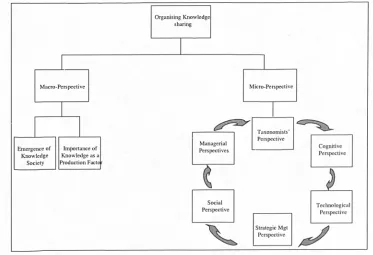
review. Figure 2-1 summarises the various perspectives on K1s'I to be reviewed and
analysed here. These are divided into macro and micro views, which in total
include eight different perspectives.
While each of these perspectives provides important insights into one aspect or
another of KM, none is sufficient by itself to provide an integrating framework
(Teece, 1998). Therefore, the intention of this review is to apply and integrate these
multi-disciplinary perspectives to facilitate distinct theoretical contributions to an
understanding of the task of organising knowledge sharing. To this end, some key
concepts drawn from the various perspectives are brought together within an
overall socio-technical framework.
Organising Knc sharing
Macro-Perspective Micro-Perspective
Emergence of Itnpetlaitce of Knowledge Knowledge as
Society Production Pact
Managerial Perspectives
Social Perspective
Taxoiioiiiists' ______________________ Perspective
- ____I Cogtiitise
Perspective
Technological l'erspcct lye
[image:31.595.121.494.405.660.2]Strai:gwMgt
The literature review has five specific objectives:
. to establish the boundaries of KM studies
. to reveal the history of the development of organisational knowledge studies
. to offer a critical assessments of the literature
to develop a critical intellectual perspective and identity via critical reflection
and a synthesis of the extant literature
to expose some common themes in the literature of KM
The rest of this chapter consists of five main sections. Section 2.2 outlines the wider
macro and micro context for KM and its components. In this section, a review of
existing perspectives on KM is provided. The growing gaps between various
strands of the literature are also highlighted. In particular, the imbalance between
the social and technical foci of KM research is highlighted. Section 2.3 examines an
emergent view of KM that regards organising knowledge sharing as socially
constructed as well as a functional resource residing within social interactions. In
particular, it attempts to synthesise the various perspectives of KM by developing a
socio-technical perspective for the present study. Section 2.4 presents an overall
2.2 A Review of the Related Literature
In the following discussion, macro issues relating to the emergence of knowledge
and the knowledge society are first considered. Then micro issues, concerned with
KM at an organisational level are also discussed.
2.2.1 A Macro-View of KM
2.2.1.1 The Emergence of the Knowledge Society
The starting-point for the macro view is the notion that we may have now entered
the era of knowledge and are living and working in a knowledge society as
knowledge workers (Drucker, 1994). Drucker (1992) argues that, in the emerging
society of organisations, competitive firms can be seen as generators and
transformers of different kinds of knowledge (von Tunzelmann, 1995). As firms
increasingly compete with a different stock of knowledge (Arthur, 1990;
Stinchcombe, 1990; von Krogh and Roos, 1995), the management of the firm's
knowledge base has emerged as a major challenge for firms in maintaining
sustainable competitive advantage (Spender, 1996).
The growth of 'knowledge work' has been remarkable, despite continuing efforts to
reduce the size of the work force in the manufacturing and goods production
sectors. At the global level, one possible reason for this transition is the increasing
globalisation of firms (Neef, 1998) and related trends - deregulation, privatisation
and increased customer sophistication - which have raised the standards for
technological and related organisational changes have also accelerated this trend in
recent years (Zuboff, 1988).
One of the first authors to directly employ the term 'knowledgeable society' was
Robert Lane (1966). His conception is closely tied to the premise of a particular
theory of science, which advocates the possibility of a society in which common
sense is replaced by scientific reasoning. Drucker (1969) also used the term
'knowledge society' thirty years ago. More recently, he has argued that "in this
society, knowledge is the primary resource for individuals and for the economy
overall. Land, labour, capital the economist's traditional factors of production
-do not disappear, but they become secondary" (Drucker, 1992: 95). However,
according to Stehr (1994), although Drucker's pioneering work on knowledge was
innovative, it is not certain whether he attributes to the knowledge principle the
same centrality for society as Bell (1973) does in his discussion of the emergence of
the post-industrial society. This particular theory in turn spurred the understanding
of the information revolution (Postman, 1993) by installing knowledge as a primary
factor of production (Drucker, 1992; Handy, 1989, 1994; Peters, 1993). Such
understanding could perhaps explain why, since the 1970s, knowledge-based, rather
than post-industrial, forms of organisation and economy (see e.g. Toffler, 1981;
2.2.1.2 Knowledge as an important Production Factor
Following the recognition that a knowledge-based society has emerged, a number
of descriptors have been used to highlight importance of production factor. For
example, organisational knowledge has been variously described as 'the engine that
transforms global economies' (Bell, 1973, 1980), 'the stuff of organisational
success' (Nonaka, 1991), 'the fabric stitched together by new forms of work and
new types of workers' (Blackler, 1993), and 'the stuff of governmental controls that
herald the demise of private enterprise capitalism' (Heilbruner, 1976). All these
metaphors seek to stress the importance of knowledge to society and to signal the
changes taking place as a result of the increasing interest in knowledge. In
particular, some researchers have suggested that knowledge has now become a key
production factor (Drucker, 1993; Grant, 1996) in today's society. Such
appreciation of knowledge as an economic factor is not new, however (Bell, 1973).
What is new is economists' interest in organisational knowledge that did not
emerge until later. Since then, organisational knowledge had began to be
incorporated into the framework of analysis, rather than being considered as an
outside influence whose evolution we seek to explain as the outcome of economic
forces (Howitt, 1998).
The importance of knowledge can be explained from the standpoint of the
difference between the production of capital goods and the production of
knowledge. From an economist's perspective, this difference is based on the form
implementations whose value could be appropriated by a single control agent.
Knowledge, unlike most types of physical capital, is embodied in people and
organisations such as organisational routines (Nelson and Winter, 1982).
Additionally, the difference is also evident in terms of uncertainty in the production
of knowledge. As Nonaka (1991: 96) suggests, "in an economy where the only
certainty is uncertainty, the only source of lasting competitive advantage is
knowledge". This observation implies that, unlike the production of capital goods,
uncertainty can be seen as one of the salient characteristics of knowledge. In other
words, it can be said that since many physical capital investments involve
replicating existing capital structures in familiar situations, uncertainty affects them
less than it does the creation of new knowledge (Howitt, 1998). This particular
comment demonstrates the complexities involved in the debates about the
importance of knowledge and the difficulties of KM.
2.2.2 A Micro-View of KM
The emergence of a knowledge-based economy implies that the traditional,
over-simplified version of managing people performing simple work using
uncomplicated technology is becoming redundant. As a result, increasing attention
has been devoted to the organisational (micro-level) implications of these trends.
As suggested by Scarbrough and Swan (1999), whatever the strength of the views
of the macro-level context, the case for KM as an organisational practice depends
particular, six important perspectives on KM may be identified: the strategic
management, taxonomic, cognitive, technological, social and managen al
perspectives.
2.2.2.1 A Strategic Management Perspective on KM
This section reviews the existing KM literature that has adopted a strategic
management perspective. The increasingly dynamic nature of competition has made
the improvement and development of more effective methods for managing
knowledge a central concern for contemporary strategic management. In general,
this stream of studies argues that knowledge is fundamental to organisational
competence, that is, an ability to sustain the co-ordinated deployment of assets and
capabilities in a way that promises to help a firm achieve its goals.
Most KM efforts in this area concentrate on explaining what knowledge can do for
organisations in enhancing competitive resources and competence (Nonaka, 1991;
Prahalad and Hamel, 1990), and consider the firm as a repository of knowledge
(Nonaka and Takeuchi, 1995; Fransman, 1994). They also seek to explain the
relationship between knowledge and the firm, the rationale for the existence of the
firm, and the analysis of knowledge integration within firms (e.g. Grant, 1996;
Nonaka, 1994; Spender, 1996; Spender and Grant, 1996). Such a conception of the
firm builds primarily on evolutionary models (Nelson and Winter, 1982),
resource-based theory (Penrose, 1959), dynamic capability theory (Teece et at., 1994), and
2.2 .2.1.1 A Knowledge-based View of the Firm (KBV)
Drawing upon the resource-based view of the firm (RBV), Spender and Grant
(1996) postulate knowledge as the most strategically important of a firm's
resources. The issues with which the KBV concerns itself extend beyond the
concerns of strategic management (e.g. strategic choice and competitive
advantage). KBV addresses the nature of co-ordination within the firm,
organisational structure, the role of management and the allocation of
decision-making rights, the determinants of firm boundaries and the role of innovation
(Grant, 1996).
This stream of research has made two distinctive contributions to the studies of
KM. First, a firm is considered as a social entity (Grant, 1996). From a competence
perspective, the firm is viewed as an entity which engages in building long-term
knowledge, instead of being just market driven and flexible (Lindkvist, 1996).
While the concept of core competence (Prahalad and Hamel, 1990) is seen as an
alternative strategic paradigm to conventional product-market thinking, it can be
considered as knowledge-dependent and closer to the construct of 'know-how'
(Earl, 1997). Thus, it can be said that the focus of KM has moved from knowledge
to the social entity in which knowledge is situated and constructed. It is through this
particular perspective that the present research aims to examine some of the key
Secondly, with the emergence of the knowledge era and the ever-improving
capacity of advanced information technologies, the internal knowledge ability to
absorb externally-generated knowledge (Cohen and Levinthal, 1990) becomes a
key issue in management research. This particular capability that a firm possesses
can be seen as part of the core competence of a firm. According to Cohen and
Levinthal (1990), some organisations possess an 'absorptive capacity' that enables
them to recognise the value of new, external information, assimilate it, and apply it
to commercial ends. While 'absorptive capacity' is in itself not the main focus of
this study, the research nevertheless aims to examine and analyse the critical factors
that make up that capability.
Although KBV has considerable merit, its understanding of KM tends to be
monolithic and over-simplied. For example, the key problem of this stream of
research is that most work has concentrated on the 'promise' side of knowledge
value, while little is known about the actual organisational processes of managing
knowledge (Grant, 1996). In other words, there is no precise account of knowledge
in the knowledge-based approach. What has been explored in the literature is the
vital importance knowledge plays in understanding organisations. As such, as noted
by several researchers (e.g. Foss, 1996; Grant 1996), the knowledge-based firm
theory, building on resource-based arguments, can be considered a theory that
explains the competitive advantages of firms rather than their internal structure of
Secondly, this study argues that while KBV challenges many notions in current
discussions of knowledge, especially the strategic value of tacit knowledge, it lacks
the analytical power to understand the more social, political and economic issues
related to KM. As Spender (1996: 43) comments, although Nelson and Winter
(1982) and Nonaka and Takeuchi (1995) "have successfully sketched theories of
the dynamic interactions of types of organisational knowledge, neither indicates
how they are to be contained". This implies that there is a need for further empirical
studies of the organisational processes through which knowledge is created,
integrated and disseminated.
Finally, the notion of knowledge as a competitive asset, as a resource, as cognition
and as something to be leveraged and valued pervades the strategic
management-based KM literature. As such it focuses mainly on identifying and codifying the
firm's knowledge assets so that they can be exploited and fully protected as a
source of competitive advantage. However, most of the studies describe only the
relationship between organisational competence and a firm's performance (Barney,
1991; Hamel and Prahalad, 1990; Leonard-Barton, 1992; Prahalad and Hamel,
1990; Amit and Schoemaker, 1993) and insufficiently operationalise the nature of
knowledge and its process. For example, there is a common failure to explain how
knowledge is developed and renewed in organisations (Leonard-Barton, 1995;
2.2.2.2 A Taxonomist Perspective on Knowledge Management
The second element of this study is the recognition of different types of available
knowledge. For example, it is important to distinguish between explicit and tacit
knowledge (Nonaka and Tackeuchi, 1995). However, one question that is often
asked and needs clarification is: 'is knowledge any different from information or
data?'
2.2.2.2.1 The Nature of Knowledge
Since the early 1980s, many researchers have devoted considerable time and energy
trying to define information and distinguish it from data. Generally speaking, data
have been seen as entities represented in symbolic forms and capable of being
processed. Information, on the other hand, is considered an output that is
manipulated, re-presented and interpreted to reduce uncertainty, provide insights
and improve decision-making.
In the 1990s, however, researchers have increasingly realised that potential of
knowledge is a much more complex phenomenon than information (Earl, 1997).
According to Cavalen and Fearon (1997: 12), "to study the various artefacts of
organisational intelligence is to view them as existing on a spectrum of refinement
from data, to information, then to organisational knowledge, and finally to
organisational wisdom". They argue that data are raw facts that are meaningless
that have a context and are ready for further interpretation. Information cannot
create a shared understanding among people with different values and is dependent
on the process of knowing. Once information is used by a person or group, it
becomes the basis for creating knowledge through the process of 'knowing'
(Cavaleri and Fearon, 1997). Fransman (1994) considers information as a 'closed
set' (i.e. within confining boundaries). Knowledge, on the other hand, may easily
be regarded as an 'open set', where an infinite amount of new knowledge can be
created.
Instead of engaging in more discussions about the difference between information
aand knowledge, this study considers the distinction suggested by Kogut and
Zander (1992) as most releveant to this study. They build on Nelson and Winter's
(1982) argument of the 'dualism' of the transferability of knowledge and a
knowledge-based theory of the firm. They distinguish between knowledge as
information (or 'know-what') and 'know-how'. "By information, they mean
knowledge which can be transmitted without any loss of integrity once the
syntactical rules for deciphering it was known. Information includes facts,
axiomatic propositions, and symbols" (Kogut and Zander, 1992: 386).
2.2 .2.2.2 The Dimensions and Types of Knowledge
The second task in understanding knowledge is to analyse it taxonomically. This
was a popular approach in the early 1990s. There have been many suggestions as to
including Nonaka and Takeuchi (1995) and Spender (1996), have developed ways
to specify and classify organisational knowledge, analyse the inter-relation of
knowledge types (Baumard, 1996), and assess their implications.
To start with, the first common dimension used by previous researchers is to
distinguish between individual and collective knowledge (Spender, 1996). For
example, according to Kogut and Zander (1992), individual knowledge is the sum
total of an individual's competencies, information and knowledge. Collective
knowledge, on the other hand, includes organising principles, routines and
practices, top management schema and relative organisational consensus on past
experiences, goals, missions, competitors and relationships that are widely
disseminated throughout the organisation and held in common by a large number of
organisational members (Lyles and Schwenk, 1992; Zander and Kogut, 1995;
Matusik and Hill, 1998).
In Nonaka and Takeuchi's (1995) work, human knowledge is divided into two
types: explicit and tacit knowledge (see also Senker, 1995; Grant, 1996; Brown and
Duguid, 1991). According to them, explicit knowledge is systematic, codified and
easily communicated in formal, systematic methods such as rules and procedures
(Nonaka and Takeuchi, 1995; Polanyi, 1962; 1966). That is, it can be articulated in
formal language, including grammatical statements. This kind of knowledge can
thus be transmitted formally and easily amongst individuals. Individual explicit
knowledge consists of knowledge and skills that can be easily taught or written
and rules (Brown and Duguid, 1991; Lyles, 1988; Starbuck, 1992). However, there
are drawbacks in the ease of its transmission to other organisations and the potential
for simple imitation.
On the other hand, tacit knowledge has recently received increased attention in the
organisational literature. For example, as Kogut and Zander (1992) indicate, the
concept of tacit knowledge provides another perspective on understanding the
capabilities and boundaries of firms. However, tacit knowledge is not available as a
text and may conveniently be regarded as residing in the heads of those working on
a particular transformation process or as embodied in a particular organisational
context (Nonaka and Takeuchi, 1995, Gibbons et al., 1994). It involves the
intangible factors embedded in personal beliefs, experiences and values. For the
purpose of this research, tacit knowledge is perceived as knowledge that is difficult
to codify and transfer between individuals, and that exists in individuals and in the
interactions between individuals and within communities of practice (CoPs).
This definition differs from Polanyi's (1966) perspective, which limits tacit
knowledge to knowledge that cannot be articulated. When Polanyi first
conceptualised tacit knowledge, he saw it as existing exclusively in individuals.
However, recent research has made it clear that a team of interacting individuals
can have knowledge that transcends the knowledge that each of them has
individually (Nonaka, 1991; Nonaka and Tackeuchi, 1995). Nonaka and Tackeuchi
(1995) discuss the expansion of knowledge from the individual to
(1995). In the present study, the approach to tacit knowledge is similar to that taken
by Nonaka and Takeuchi (1995).
While Nonaka's (1991, 1994) work represents a useful starting point for theorising
the links between tacit and explicit knowledge, other researchers have further
developed typologies of knowledge based on the nature and usage of knowledge in
organisations. For example, Spender (1996) suggests a 'pluralistic epistemology',
seeking to capture the different types of knowledge, both individual and collective,
that organisations make use of. He suggests a need for definable relationships
between the different types of knowledge. In particular, he argues that there are
four types of organisational knowledge: conscious, objectified, automatic and
collective. According to Spender, these four types of knowledge can be sources of
competitive advantage and can lead to a different knowledge-based theory of the
firm.
Other attempts at categorising knowledge have also been made. For example,
Blackler (1995) suggests that tacit knowledge may be found in people as embodied
knowledge, in organisational routines as embedded knowledge, or in organisational
culture as encultured knowledge. In other words, tacit knowledge can be found in
individuals and collective groups. Specifically, according to him, individual tacit
knowledge can be found in individual schemas, skills, habits and abstract
knowledge (Lyles and Schwenk, 1992; Starbuck, 1992), whereas organisational
tacit knowledge usually resides in top management schemas, organisational
cultures (Lyles and Schwenk, 1992; Nelson and Winter, 1982; Nonaka and
Takeuchi, 1995).
According to Sanchez and Heene (1997), tacit knowledge is difficult to exploit
organisationally even when it is clearly articulated. This is because to appropriate
knowledge from someone else means having a shared code or mental model that
enables the other to understand and accept that knowledge (Schwenk, 1988). That
is, the communication of knowledge is only possible between people who, to some
extent, share a system of meaning (Trompenaars, 1995). This implies that it is
relatively easy to share knowledge across a group that is homogeneous, but that it is
extremely difficult where the group is heterogeneous. Thus, tacit knowledge can be
conceptualised as an idiosyncratic, subjective, highly individualised store of
knowledge and practical know-how gathered through years of experience and direct
interaction within a domain (Bennett, 1998; Nonaka, 1994; Polanyi, 1958, 1962;
Spender, 1998).
The third dimension of knowledge has to do with the question of codification. In
particular, according to Gibbons et al., (1994), technological knowledge is also a
form of knowledge that is obscured by the tangibility of its artefacts. It is a mixture
of codified and tacit components. Codified knowledge need not be exclusively
theoretical but it needs to be systematic enough to be written down and stored,
whether in a computer, a report or some other form. As such, it is available to
anyone who knows where to look. The distinction between codified and tacit
'embedded' knowledge. The former can move rapidly across organisational
boundaries, whilst the latter is less able to do so because its movement is
constrained in a given network or set of social relations. Proprietary knowledge,
protected by patents and trade secrecy, is codified and can be subject to licensing
and commercialisation, while tacit knowledge is implicit in the professional and
institutional culture of a firm (Gibbons et al., 1994).
While typologies have undoubtedly advanced our comprehension of organisational
knowledge by demonstrating its multi-faceted nature, they are also inscribed by
certain limitations which stem from the 'formalistic' type of thinking that is
inherent in any typology (Pepper, 1942: 141-4; Tsoukas, 1994: 763-4). Thus, such
approach to KM studies can be problematic and must be treated with caution
(Faulkner et al., 1995). The specific reasons for reaching this conclusion are as
follows:
This type of thinking, as Tsoukas (1996) suggests, is based on the assumptions of
the observer's ability to recognise the distinctive features of the studied
phenomenon.
The typology approach assumes that knowledge is a specific entity that resides in people's heads (Blackler, 1995).
• It assumes that knowledge can be easily categorised and converted. As Tsoukas (1996) argues, tacit and explicit knowledge cannot be easily separated as they are mutually constituted.
It is argued that the existing literature has often concentrated on explicit knowledge,
and only a few studies have focused on the tacit components of organisational
knowledge. Such exceptions are shown in Lam's (1997) study, as she shows how
cross-border collaborative work is impeded by different types of tacit knowledge.
Leonard and Sensiper, in their 1998 study on innovation, suggest that tacit
knowledge play a key role in innovation.
In sum, this study argues that accepting the need to understand organisational
knowledge from a broad and pluralistic perspective implies that knowledge should
be interpreted as inhibiting many aspects of organisational knowledge (Spender,
1998; Blackler, 1995). In other words, as Blackler (1995) notes, what the variety of
images of knowledge identified here serves to emphasise is the complexity of issues
that any discussion of knowledge within organisations must address.
While the taxonomist's approach represents an important attempt to make sense of
the nature and types of knowledge, its perspective is of limited use because it has
focused mainly on the contents of knowledge. Although such an emphasis holds an
(Boyatzis, 1982; Hemphill, 1959; Silver, 1991; von Krogh and Roos, 1995), the
context issues of KN'I have now taken on a more critical role. In other words,
attempts to understand the processes and mechanisms of KM, which go beyond the
contents and types of knowledge, make it necessary to explore more fundamental
questions of 'why' and 'how'. In general, the 'context' issues relating to knowledge
activities are under-studied. Therefore, this research aims to identify the processes
and mechanisms through which tacit knowledge is shared via ICT within a context
of CoPs in the case study firm.
2.2.2.3 A Cognitive Perspective on Knowledge Management
Knowledge as cognition is the classical view of knowledge. This perspective sees
knowledge as a resource to be levered, processed, distributed and stored. The
literature on knowledge from a cognitive perspective is critical to our recognition of
the distributed and context-specific structuring of knowledge within organisations.
Since the present research starts with the view that the knowledge-intensive
organisation possesses a knowledge structure which is different from that of other
types of organisations, it follows that there is a need to recognise the distinctively
distributed and context-specific structuring of knowledge within organi sati ons
(Argyris and Schön, 1978). From this perspective, termed 'cognitivist' by Varela
(1992), a number of researchers have focused on various aspects of knowledge
structures, processes and their impacts on organisational behaviour (e.g. Tsoukas,
1996; Spender, 1996; Walsh and Ungson, 1991). They seek to understand
been adopted in understanding the cognitive aspects of KM and organisational
learning (Walsh and Ungson, 1991; Stein, 1995; Fahey and Narayanan, 1986;
Prahalad and Bettis, 1986; Walsh, 1995; Fiol and Huff, 1992).
2.2.2.3.1 Knowledge Structures
One particular group of cognitive researchers has made attempts to study
knowledge structures. For example, taking a more sociological perspective,
Sandelands and Stablein (1987) discuss the "concepts of the organisation mind"
and Douglas (1986) describes how societies and the structure of institutions affect
the cognition of the individuals within them. Argyris and Schön (1978) suggest that
an organisation is a 'cognitive enterprise' and that its structure (knowledge
structure) is different from organisational culture and climate. According to Lyles
and Schwenk (1992), the knowledge structure is different from organisational
culture and climate in two ways. First, it is narrower than culture and climate; it
deals with goals, cause-and-beliefs; and it possesses distinctive cognitive elements.
Secondly, a knowledge structure is more clearly linked to an organisation's strategy
for survival than culture.
The present study takes the view that an emergent collective knowledge structure is
formulated when a group of people get together, each bringing with them their own
knowledge structure about a particular information environment (Reger and Huff,
1993; Langfield-Smith, 1992). Such collective knowledge structures can be
gives it form and meaning, and in so doing, serve as a cognitive foundation for
action (Fiske and Taylor, 1991; Lyles and Schwenk, 1992). Moreover, this research
also recognises that while organisational knowledge structures are socially
constructed and rely on consensus or agreement (Daft and Weick, 1984; Hedberg,
1981; Weick, 1979), the processes of developing the organisational knowledge
structure within a 'cognitive enterprise' (Argyris and Schön, 1978) is on-going and
continuous (Lyles and Schwenk, 1992).
2.2 .2 .3 .2 Organisational Knowledge Memory
Part of the knowledge structure is the so-called 'knowledge memory t . The role and
importance of organisational memory is critical to this study's attempt to
understand organi sational knowledge-related issues (Walsh and Ungson 1991;
Stein, 1995). According to Walsh and Ungson (1991), a major building-block in
implementing KM is the organisational knowledge memory, and this has been an
increasingly active area of concern in KM research (Walsh and Ungson, 1991;
Stein, 1995). In particular, studies of new kinds of organisational memory, their
characteristics and potential have been widely discussed (Huber, 1991; Stein and
Zwass, 1995). Organisational memory comprises standard operating procedures
(March and Simon, 1958) or routines (Nelson and Winter, 1982). Others have
focused on organisational culture (Barney, 1986) as the repository of knowledge.
For example, Walsh and Ungson (1991) define organisational memory as stored
information from an organisation's history that can be brought to bear on present