i
MATERNAL RESPONSE TO ANTIRETROVIRAL THERAPY IN JOHANNESBURG, SOUTH AFRICA: ADHERENCE AND DRUG TOXICITIES
Cassidy E. Henegar
A dissertation submitted to the faculty of the University of North Carolina at Chapel Hill in partial fulfillment of the requirements for the degree of Doctor of Philosophy in the
Department of Epidemiology in the Gillings School of Global Public Health.
Chapel Hill 2013
Approved by:
Daniel Westreich, PhD
Annelies Van Rie, MD, PhD
William C. Miller, MD, PhD
M. Alan Brookhart, PhD
ii
iii Abstract
CASSIDY E. HENEGAR: Maternal response to antiretroviral therapy in Johannesburg, South Africa: Adherence and drug toxicities
(Under the direction of Daniel Westreich and Annelies Van Rie)
South Africa has one of the highest HIV prevalences in the world, with women of
reproductive age disproportionately affected by the epidemic. Access to lifesaving highly
active antiretroviral therapy (HAART) is expanding in the region, and many HIV-positive
women are experiencing pregnancy after initiating lifelong treatment with HAART. The
benefits of continued treatment with HAART during pregnancy include prevention of
mother-to-child transmission of HIV, as well as maximization of maternal health. Optimal
effectiveness of HAART, however, is dependent on a complex set of factors, most of which
have not been adequately described in women established on HAART prior to pregnancy.
Using high quality observational data from a large clinical HIV cohort in
Johannesburg, South Africa, and robust epidemiologic methods, including inverse probability
weighted marginal structural models, we examined maternal responses to HAART among
women established on treatment at the time of pregnancy.
An optimal adherence indicator was derived from routinely collected antiretroviral
drug refill data from nearly 9,000 adult HIV-positive men and women, and evaluated based
on ability to predict virological failure among the non-adherent. In our cohort of 7,510
HIV-positive women on treatment, pregnancy was common after HAART initiation, with 896
women experiencing at least one pregnancy during follow-up. Risk of non-adherence was
iv
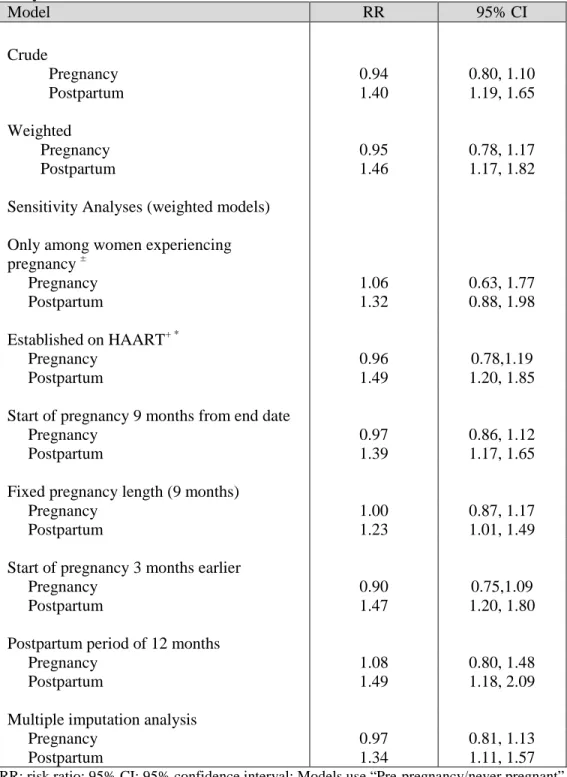
confidence interval (CI): 0.78 1.17), while women in the postpartum period, defined as six
months after birth, experienced an increased risk of non-adherence compared to non-pregnant
women (weighted RR: 1.46, 95% CI: 1.17, 1.82). Among the women in our cohort, we also
observed few serious adverse events of renal impairment related to use of tenofovir, a widely
used first-line agent in HAART regimens, regardless of pregnancy exposure.
Despite limitations of our pregnancy exposure data, our findings were robust to
sensitivity analyses. In general, our results suggest that for women established on treatment
prior to conceiving, continuation of HAART through pregnancy, in addition to protective
effects against transmission, does not seem to increase maternal risks in respect to adherence
v
Acknowledgments
This work was made possible with the support of several individuals to which I would
like to express my gratitude. I would first like to thank Dr. Daniel Westreich for giving me
the opportunity to work on this project, as well as for his outstanding mentoring throughout
the process. He is both a brilliant methodologist and endlessly patient teacher, and I have
grown tremendously as an epidemiologist through the opportunity to collaborate with him. I
am also grateful to Dr. Annelies Van Rie, who has served as my advisor throughout my
academic training. I appreciate her support and insight in the development of this project, as
well as the valuable feedback she has always so generously provided. I would also like to
thank my committee members, Dr. Bill Miller, Dr. Alan Brookhart, and Dr. Mhairi Maskew,
for their time and expertise in all aspects of this work.
I gratefully acknowledge the patients of the Themba Lethu Clinic for allowing us to
use their data for the purposes of this research, as well as the clinicians and staff at Themba
Lethu both their role in data collection and their dedicated service to those seeking care at the
clinic.
For my classmates and friends at UNC, I am constantly inspired by your brilliance.
This process has not been without challenges, both professional and personal, and your
support and encouragement kept me motivated.
Finally, my love and gratitude for my family extend to all aspects of my life. In
vi
everything that I have accomplished in life has been possible because of their unyielding love
and belief in me. And for my father, Jim, who passed away before he could see the
vii
Table of Contents
List of Tables……… x
List of Figures………... xi
List of Abbreviations………... xii
Chapters 1. Specific Aims……….………... 1
2. Review of the Literature……….………..……….. 5
A. General Background……….. 5
B. HIV and Pregnancy………... 7
C. HIV, Pregnancy, and Antiretroviral Therapy……….... 11
D. Pregnancy and Drug Toxicities Related to Antiretroviral Therapy……….. 19
E. Pregnancy and Adherence to HAART……….. 28
F. Figures………... 34
3. Research Study Design and Methods……… 35
A. Study Setting and Population……….... 35
B. General Definitions and Inclusion Criteria……….... 39
C. Definitions and Methods Specific to Aim 1………. 40
D. Definitions and Methods Specific to Aim 2………. 43
E. Definitions and Methods Specific to Aim 3……….. 52
viii
4. Pharmacy-Based Measures of Adherence to Antiretroviral Therapy
as a Predictor of Virological Failure………..… 61
A. Introduction………... 61
B. Methods………..…... 62
C. Results……….….. 65
D. Discussion……….… 68
E. Tables……… 71
5. The Effect of Pregnancy on Adherence to Highly Active Antiretroviral Therapy Among HIV-infected Women Established on Treatment…………..…..… 75
A. Introduction………..…... 75
B. Methods………..….. 77
C. Results……….. 81
D. Discussion……….... 83
E. Tables and Figures……….….. 88
6. Adverse Events Related to Tenofovir Use among non-pregnant, pregnant, and postpartum women……….. 91
A. Introduction………..… 91
B. Methods……… 92
C. Results………..… 94
D. Discussion……….... 95
E. Tables………... 99
7. Discussion………..…...….. 101
A. Summary of Findings……….… 101
ix
C. Strengths and Limitations………...……….. 103
D. Future Research………...………. 106
Appendix A: Specific Aim 2 Allocation of Person-Time………. 109
Appendix B: Specific Aim 3 Supplemental Tables………..……... 110
x List of Tables
Table 3.1: Themba Lethu Clinic standard clinical practices………..……… 56
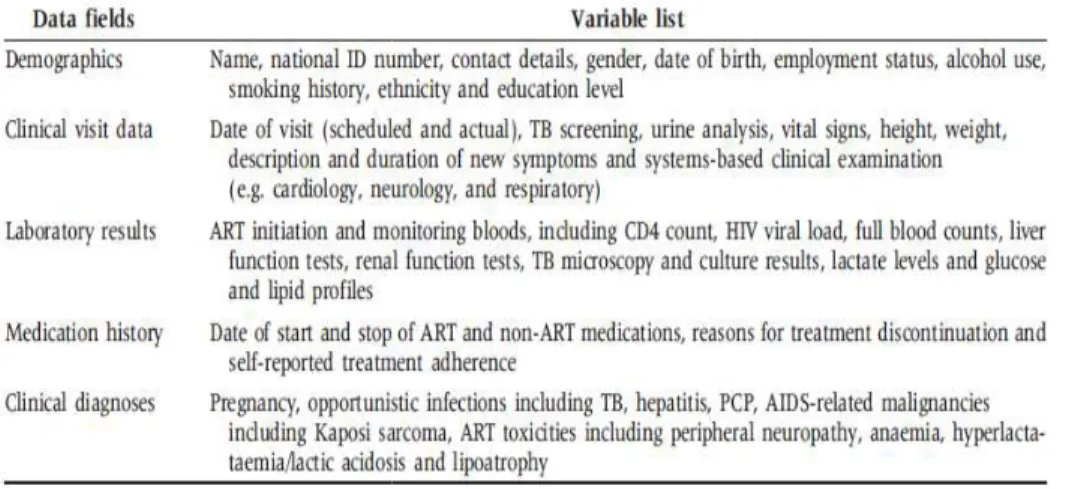
Table 3.2: Data fields for routinely collected data among those in care
At Themba Lethu Clinic……….……..…… 57 .
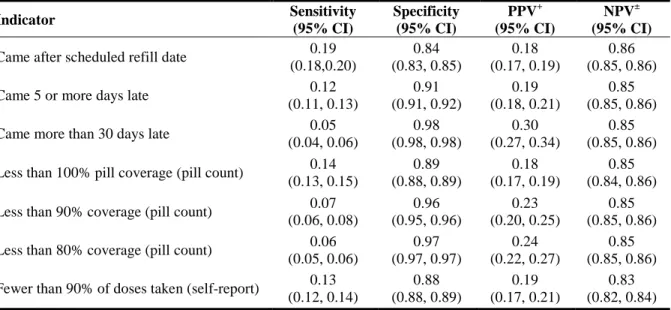
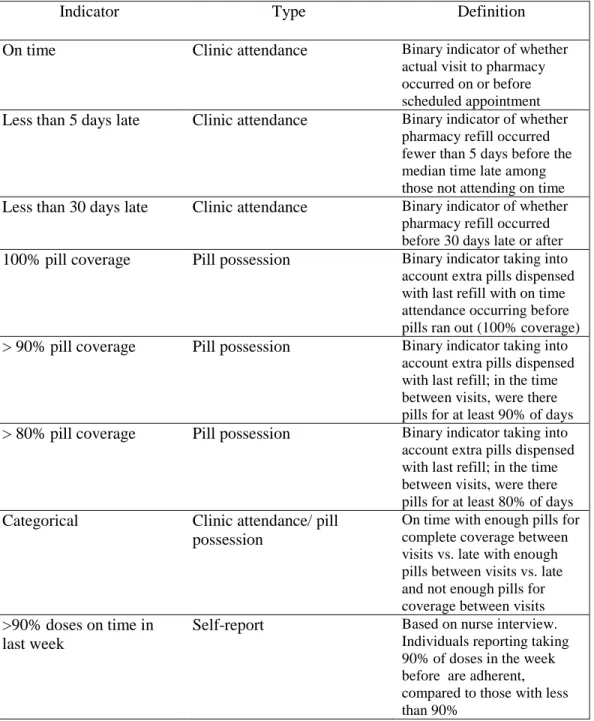
Table 3.3: Indicators constructed from pharmacy refill and self-reported
adherence data………...…… 58
Table 3.4: Summary of baseline and time-updated covariates included
in the analysis……… 59
Table 3.5: Classification of renal dysfunction according to creatinine clearance
for adult, non-pregnant women………...…. 60
Table 4.1: Characteristics of 8,695 HIV-positive patients at time of HAART
initiation in Johannesburg, South Africa………. 71
Table 4.2: Associations between pharmacy-based indicators of adherence
and virological failure………..…. 72
Table 4.3: Associations between pharmacy-based indicators of adherence and
virological failure stratified by refill schedule (28 vs. 56 days)………... 73
Table 4.4: Test characteristics for adherence measures identifying patients with
virological failure………..……... 74
Table 5.1: Characteristics of treatment-naïve women at time of HAART initiation
at the Themba Lethu Clinic………..…… 88
Table 5.2: Association of incident pregnancy with adherence from main and
sensitivity analyses……….... 89
Table 6.1: Rates of creatinine clearance (CrCl) assessment and proportion of tests indicating impaired renal function by pregnancy exposure status and
current HAART regimen………...……... 99
Table B.1. Characteristics of treatment-naïve women at treatment initiation, stratified
by initial HAART regimen and period of initiation………...…..…. 110
Table B.2. Creatinine clearance assessment scales and case estimates adjusted for
xi
List of Figures
Figure 2.1: Prevalence of HIV infection in pregnant women in
South Africa, 1990-2010……….……… 34
Figure 3.1: Simplified Directed Acyclic Graph (DAG) of causal model
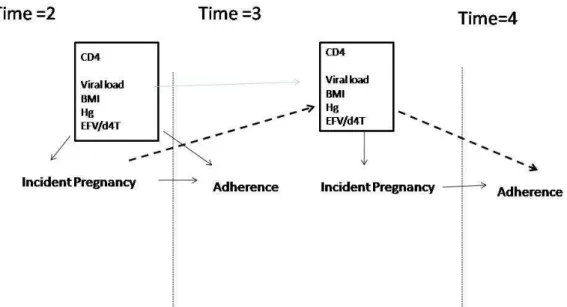
for the effect of incident pregnancy on the risk of non-adherence……...…... 61
Figure 5.1: Transitions between states of pregnancy exposure………...……….. 90
Figure A.1. Allocation of person-time by pregnancy exposure status contributed
xii
List of Abbreviations
ARV Antiretroviral (drug)
ART Antiretroviral therapy
BMI Body mass index (measured kg/m2)
CD4 (cell) CD4-positive T-lymphocyte
CI Confidence Interval
d4T Stavudine
EFV Efavirenz
HAART Highly active antiretroviral therapy
HIV Human immunodeficiency virus type 1
NNRTI Non-nucleoside reverse transcriptase inhibitor
NRTI Nucleoside reverse transcriptase inhibitor
NVP Nevirapine
PI Protease inhibitor
PMTCT Prevention of mother-to-child transmission
sdNVP Single-dose nevirapine
TDF Tenofovir
TB Tuberculosis
TLC Themba Lethu Clinic
WHO World Health Organization
1 Chapter 1
Specific Aims
South Africa has an HIV prevalence among the highest in the world, with women of
reproductive age disproportionately affected by the epidemic. Women between the ages of
18 and 45 are up to four times as likely to be infected with HIV compared to men of the same
age, and national surveys have estimated an HIV prevalence of 30% among pregnant women.
[1,2]
In part due to increased access to antiretroviral therapy, a growing proportion of
pregnancies among HIV-infected women are occurring in those already on highly active
antiretroviral therapy (HAART) prior to conceiving. [3] The benefits of continued treatment
with HAART during pregnancy include prevention of vertical transmission and
maximization of maternal health, which is protective for both mother and child.[4] Optimal
effectiveness of HAART, however, is dependent on a complex set of factors, most of which
have not been adequately described in pregnant women. Existing studies of antiretroviral use
during pregnancy, particularly in resource limited settings, have mainly focused on treatment
initiated after conception for the primary purpose of preventing mother-to-child transmission.
[5,6]
Biological and behavioral changes related to pregnancy and recent delivery could
2
degree of adherence required for sustained viral suppression. Increased understanding of the
challenges related to treating HIV-infected women initiating HAART for their own health
and then experiencing pregnancy could help to optimize care for both mother and child. The
analyses in this dissertation aim to address many of the limitations of what is currently
known about treating HIV-positive pregnant women.
Specific Aim 1:
Identify an optimal indicator for adherence derived from routinely collected pharmacy refill data.
Rationale: Pharmacy-based adherence measures, such as prescription refill data, are
convenient and low resource methods, often utilizing data routinely collected for clinical use.
A variety of adherence indicators can be calculated from raw pharmacy refill data, and there
is at present no agreed-upon standard of how to calculate or apply these different measures.
Given the established relationship between virological response to treatment and degree of
adherence, we will assess the association between several calculated indicators and
virological failure in order to select the optimal adherence measure to be applied to Specific
Aim 2.
Hypothesis for Aim 1: Given the common data source, non-adherence will be associated with
virologic failure for each of the derived indicators. Indicators using more extreme definitions
of non-adherence will have a stronger association with virologic failure, but will also have a
3
Specific Aim 2:
Evaluate the effect of pregnancy and the postpartum period on adherence to HAART in HIV-infected women initiated on treatment prior to pregnancy.
Rationale: A high degree of adherence to HAART regimens is required in order to achieve
maximal virological suppression, and in the case of pregnant women, to minimize the risk of
mother-to-child transmission. Current knowledge about the impact of pregnancy and the
postpartum period on maternal adherence to ART is limited in scope. In particular, little is
currently known about how pregnancy affects adherence among women that initiate HAART
for their own wellbeing and subsequently become pregnant. The longitudinal nature of our
data allows comparisons of adherent behavior before, during and after pregnancy, as well as
comparisons with women not experiencing pregnancy. We will use marginal structural log-
binomial regression models to estimate the effect of pregnancy on adherence.
Hypothesis for Aim 2: Women who are pregnant will be more likely to refill prescriptions on
time compared to women who are either not pregnant or postpartum at the time of adherence
assessment. The risk of non-adherence will be greatest in the postpartum period.
Specific Aim 3:
4
Rationale: One particular challenge to maintaining a high level of adherence is adverse
events related to antiretroviral drugs. Treating pregnant women with these potent drugs
creates concerns for both maternal and child safety. Most of what is currently known about
ARV drug toxicities in pregnant women is limited to new users initiating treatment during a
pregnancy.
With updated treatment guidelines, tenofovir use is now widespread in first line
HAART regimens, yet little is currently known about its safety profile in pregnant women,
particularly in resource limited settings. While adverse events are generally lower after the
initial phase of treatment, the effect of pregnancy on drug toxicities later in treatment has not
been established for many ARVs, including tenofovir.
Hypothesis: Incidence of moderate and severe renal toxicity will be rare, regardless of
pregnancy status. Reduced renal function, determined by assessment of creatinine clearance,
will occur more frequently in individuals on HAART regimens containing tenofovir than
other antiretroviral regimens.
As pregnancy cannot be randomized, our specific aims can only be addressed using
observational data. This research will be conducted at Themba Lethu Clinic in
Johannesburg, South Africa, one of the largest ARV treatment sites in sub-Saharan Africa,
initiating more than 20,000 adults on treatment since opening in 2004. [7] The analysis of
high quality patient level observational data from this site allows a unique opportunity to ask
new questions and use innovative methods in order to better understand the effects of
5 Chapter 2
Review of the Literature
A. General Background
Epidemiology of HIV/ AIDS in sub-Saharan Africa
Worldwide, more than 34 million people were living with AIDS in 2011. [1] The
global prevalence of HIV remains high, in part because of sustained rates of incident
infection, as well as increased life expectancy attributable to effective antiretroviral therapy.
Despite improvements to treatment and access to care, HIV/AIDS causes 1.7 million deaths
annually, and to date has taken more than 30 million lives. [1]
Sub-Saharan Africa has been disproportionately affected by the epidemic and is home
to more than two thirds (22.5 million) of all people living with HIV/AIDS. Sixty-nine percent
of incident infections (1.8 million) and seventy percent ( 1.2 million ) of fatalities due to
HIV occurred in this region in 2011.[1] HIV has had far-reaching effects in sub-Saharan
Africa, impacting economic and social development, and decreasing the life expectancy by as
6 HIV/ AIDS in South Africa
The HIV epidemic has been particularly devastating in South Africa, which continues
to have one of the highest rates of HIV-infection in the world, as well as more individuals
living with HIV than any other country. With an overall adult prevalence of 17%, an
estimated 5.1 million South Africans were HIV-positive in 2011 .[1] Although the country is
home to just 0.7% of the world’s population, 17% of all global HIV cases are found there. [9]
Twenty-three percent of the estimated 1.8 million new adult cases in sub-Saharan Africa in
2009 also occurred in South Africa. [9]
There is evidence to suggest that South Africa’s epidemic is stabilizing, but
prevalence and incident infection rates remains exceptionally high, particularly in certain
segments of the population. [2] These high risk groups for infection include young women,
creating unique challenges for treatment and infection control.
Gender, Age, and HIV in South Africa
Women are disproportionately affected by HIV in many parts of the world,
particularly in sub-Saharan Africa. This is especially true for women of reproductive age. In
this region, young women 15-24 years old are as much as 8 times more likely than men the
same age to be HIV positive. [10]
In South Africa, women make up 3.3 million of the country’s 5.6 million cases
(59%). [2] The situation is even more disparate in young women. The prevalence in 15-24
year olds is estimated at 13.6% for women, compared to 4.5% in men the same age. [1]
Prevalence may be as high as 33% in women 25-29 years old, compared to an overall adult
7
Young women have a greater chance of being infected even when practicing less
high risk behaviors than men of the same age. [11,12] Despite interventions to educate youth
on safe sex practices, both young women and men commonly participate in high risk
behaviors. In a representative survey of South African youths 15-24 years old, the majority of
both men and women reported not using condoms consistently, and 25% of women and 15%
of men reported never being tested for HIV. [13]
B. HIV and Pregnancy
HIV and pregnancy in South Africa
An estimated 1.4 million HIV-infected women gave birth in low and middle income
countries in 2008, with 75% of these births occurring in sub-Saharan Africa. [4,14] In South
Africa prevalence of HIV in pregnant women has been consistently high over the last decade,
with 30% of pregnant women attending public sector health facilities infected in 2010. [3]
(Figure 2.1)
The increased prevalence of HIV among pregnant women compared to the general
population is a reflection of both high rates of infection and high incidence of pregnancy
among young women in this population. Likelihood of becoming pregnant is closely
correlated with age, regardless of HIV status, and the incidence of pregnancy highest for
women between the ages of 15 and 24. [15,16] A nationally representative survey of young
people in South Africa found that 33% of 15-19 year olds and 59% of 20-24 years olds
reported ever being pregnant. [17] HIV prevalence among pregnant women is predicted to
remain high as the number of women receiving antiretroviral therapy continues to increase.
8 Impact of HIV on incidence of pregnancy
Prior to widespread availability of ARVs, HIV-infected women were much less likely
to both conceive and experience live births compared to uninfected women. [19-22]
Biologically, a woman’s degree of immunosuppression is associated with her ability to
conceive. Fertility decreases with duration of infection. A woman in the early stages of HIV
may experience fertility rates similar to uninfected women. [23,24] A trend has been
demonstrated between decreasing CD4 cells/mm3, also associated with duration of infection in untreated individuals, and reduced fertility. Those most immunosuppressed (CD4 < 100
cells/mm3) rarely experience pregnancy. [15,25,26] The further along in the disease process she is, the lesser her likelihood of becoming pregnant, particularly if her disease has
progressed to AIDS. [25]
Women with greater disease progression are also more likely to be symptomatic, and
reduced fertility is more common among women with clinical symptoms related to HIV.
Feeling physically ill can create behavioral changes, including declines in sexual activity.
[22,27] However, low pregnancy rates have also been observed in HIV-positive women not
displaying symptoms. Changes in menstruation, including amenorrhea and anovulation, are
common in HIV-infected women, and could be attributed to altered hormone production
related to HIV or reduced BMI associated with more severe disease progression. [28]
Reduced female fertility related to HIV is only one explanation for lower incidence of
pregnancy among HIV-infected women in the pre-HAART era. If a woman's sexual partner
is also infected with HIV, his illness can also contribute to reduced sexual activity and
reduced sperm viability.[29] Concerns about mother-to-child transmission or fear of being
9
and their partners in order to avoid pregnancy, including abstinence from sexual activity and
use of contraceptives.
HIV and pregnancy outcomes
Untreated HIV-infected women who become pregnant are less likely to carry a
healthy child to term compared to uninfected women who conceive. Maternal HIV has been
associated with increased adverse pregnancy outcomes including still birth, infant mortality,
intrauterine growth retardation, and low birth weight. [14,30] Conducted by Brocklehurst and
French, a meta-analysis of early studies (1983-1996) found an association between HIV
infection and adverse pregnancy outcomes across diverse settings, with the exception of
infant mortality, which was only associated with HIV in developing countries. [30] HIV has
also been associated with increased risk of spontaneous abortion. [31] It has been
hypothesized that in addition to reduced fertility, decreased pregnancy rates among
HIV-positive women could actually be attributed to early fetal loss due to infection before
pregnancy is recognized.[31] Several mechanisms for HIV-related adverse events during
pregnancy have been proposed, including the direct effect of the HIV on the placenta, thymic
abnormalities, altered cytokine production, and cumulative effects of immunosuppression
that may facilitate infection. [32]
Pregnancy among HIV-infected women is also associated with increased risk of
maternal death, potentially independent of disease progression. [33] Infected women are
more likely to die from both HIV-specific and obstetric causes. [34] This increased risk may
extend into the postpartum period as well. While risk of death is closely correlated with CD4
10
immune function is comparable to that of an uninfected pregnant woman. [33] In 2011, 70%
of maternal deaths in South Africa were associated with HIV infection. [35] Globally, HIV is
the leading cause of death in women of reproductive age, and contributes more to maternal
mortality than any single obstetric cause.
Pregnancy and HIV disease progression
There is some evidence to suggest that pregnancy can biologically affect the
progression of maternal HIV disease, although the data have been conflicting and appear to
be setting dependent. In the pre-HAART era, studies from high income countries did not
show an association between pregnancy and disease progression, either during the period of
pregnancy or long-term. [36-38] Studies in low income countries in the same time period,
however, suggested a possible association between accelerated HIV progression and
pregnancy. [39- 41] These studies were conducted in populations receiving either no ART or
a single dose nucleoside reverse transcriptase inhibitor.
More recent studies conducted among women with access to HAART have reported a
potential protective effect against disease progression for women on treatment. Two studies
from the same cohort in the US examined the effect of pregnancy on disease progression in
women on HAART. The initial study by Tai, et al. examined the incidence of AIDS-defining
events or death among women, both pregnant and non-pregnant, on lifelong HAART. [42]
The authors concluded that pregnancy was consistently associated with lower disease
progression, although care should be taken in interpreting the results due to methodological
flaws in the analysis. In this analysis, pregnancy was assigned as a baseline exposure, with
11
duration. In reality, women who were pregnant during follow-up contributed both exposed
and unexposed person-time if they were in care beyond just the duration of their pregnancies.
Conducted within the same clinic population as the Tai, et al. study, Melekhin, et al.
looked at the effect of timing of HAART initiation (before, during or after pregnancy) on
HIV disease progression and found that women initiating HAART during pregnancy
experienced both improved immunologic and virologic response to treatment compared to
women initiating treatment after pregnancy.[43] In this study, the authors appropriately dealt
with the exposure of pregnancy by ending individual follow-up at the end of pregnancy. All
covariates, however, were fixed at baseline, a potential limitation for this longitudinal study.
Immunologic and virologic protective effects of pregnancy, however, have not been
seen in all settings. In a study using data from the TLC cohort (the same population studied
in this dissertation) conducted by Westreich, et al., women experiencing pregnancy after
HAART treatment initiation had a modest increased risk of virologic failure. [44] The
study design allowed women to contribute both exposed and unexposed time on study, and
appropriate methods were used to control for time-varying confounders, namely marginal
structural models.
C. HIV, Pregnancy and Antiretroviral Therapy Antiretroviral therapy in South Africa
Even with effective antiretroviral regimens developed and distributed in many parts
of the world, access to the drugs in South Africa remained extremely limited until late in the
history of the country’s epidemic due to governmental resistance and other political
12
The first national PMTCT program in South Africa put in place in 2002. Early
PMTCT policy called for provision of sdNVP for all HIV-infected pregnant women and their
infants, as well as expansion of related health services and HIV counseling and testing.
Ongoing maternal HIV treatment after delivery was not addressed in this early program, as
HAART was not widely available to anyone until 2004. [46,47]
In 2004 the South African government introduced programs for comprehensive care
and management of HIV, which included the provision of antiretroviral drugs free of charge
to eligible individuals. National standards for eligibility were created using internationally
recognized clinical guidelines for the initiation of HAART. This marked the start of the
national HAART rollout program. Under these new treatment guidelines, pregnant women
with CD4 cell counts < 200 cells/mm3 were eligible to begin lifelong treatment with HAART. [3,18]
In part due to its more established infrastructures and greater financial resources than
many other countries with large HIV burdens, dissemination and uptake of HIV services
were relatively rapid once programs were put in place. The number of HIV-infected
individuals on HAART rose from less than 2,000 in 2003 to more than 200,000 in 2005. [48]
Access to HAART continues to expand, although there are still substantial gaps in coverage
for eligible (according to clinical guidelines) individuals. In 2009, it was estimated that 42%
of South Africa’s 2.3 million eligible adults were receiving HAART, rising to 66% of 2.4
million eligible adults in 2011. [1]
Uptake of PMTCT services in South Africa was even more dramatic. In 2005, under
50% of all pregnant women were tested for HIV prior to delivery. [49] Today maternal
13
appropriate ART for PMTCT. [1] The number of infants born to HIV-infected mothers that
are tested using PCR within the first two months of life has also increased, from 36% in 2008
to 70% in 2011. [1] The measure of success in any PMTCT program is the transmission rate
between mother and child. The proportion of infected infants born to HIV-positive mothers
continues to decline in South Africa. The first national population-based surveys on early
HIV transmission in infants took place in 2010 and 2011, reporting transmission rates of
3.5% and 2.7%, respectively. [8]
Guidelines for treatment with HAART
When government provided HAART was first introduced in 2004, HIV-infected
adults, including pregnant women, were considered eligible to initiate lifelong treatment with
ART if they had a CD4 cell count of less than 200 cells/mm3, or had experienced a WHO stage IV AIDS-defining illness, irrespective of CD4 count. Unless contraindicated, all
treatment naïve patients were initiated on one of two regimens consisting of two nucleoside
transcriptase inhibitors and one non-nucleoside reverse transcriptase inhibitors: stavudine
(d4T) and lamivudine (3TC), plus either efavirenz (EFV) or nevirapine (NVP). The standard
second line regimen was zidovudine (ZDV), didanosine (ddI) and lopinavir/ritonavir (LPV/r,
Kaletra ®). [50]
In 2010, the national eligibility criteria and standardized regimens were updated to
reflect current WHO recommendations. Pregnant women and patients with TB are now
eligible to initiate lifelong treatment with HAART with a CD4 count of 350 cells/mm3 or less. Individuals with stage IV HIV disease or drug resistant TB are still encouraged to start
14
the recommended cutoff for starting HAART in adult patients not meeting these special
criteria. [51]
For treatment naïve patients initiating HAART, the current recommended first line
regimen now consists of tenofovir (TDF), either lamivudine (3TC) or emtricitabine (FTC),
and either EFV or NVP. Patients on d4T- based regimens prescribed under prior guidelines
and who are tolerating treatment well are encouraged to maintain these regimens. Standard
second line regimen options have been updated as well. For those failing on a d4T or AZT
based regimen, the recommended replacement is TDF, 3TC/FTC, and LPV/r. For individuals
failing on a TDF-based first line regimen, the recommended second line regimen is AZT,
3TC, and LPV/r. [51]
For women who become pregnant after initiating ART, continuation of the current
treatment regimen is encouraged, given that there are no other indicators for drug
substitution. If a pregnancy is recognized before the 12th week of gestation and EFV is part of the current HAART regimen, NVP should be substituted due to concerns about potential
birth defects (discussed in greater detail in section D). [51] Until this year, women who were
eligible to initiate treatment for their own health according to the most current CD4 count
thresholds were initiated on standard first line regimens as appropriate, and women that were
not eligible for HAART were started on a PMTCT regimen. The most recent
recommendations for these regimens were daily AZT from 14 weeks gestation, sdNVP plus
AZT every three hours during delivery, and single dose TDF and FTC post-delivery.
Regardless of whether the mother is on lifelong HAART during pregnancy, infants
should be given NVP at birth and daily for 6 weeks after birth. If the mother is not on
15
Maternal treatment with HAART should continue through pregnancy, delivery and
breastfeeding, with a few exceptions. For women eligible to initiate HAART for their own
health during pregnancy, treatment is recommended regardless of gestational age.
The recommendations for PMTCT in South Africa are currently being updated with
the goal of further reducing mother-to-child transmission rates and improving maternal
health outcomes. The newest guidelines recommend starting all pregnant women not
currently on HAART on a standard triple drug regimen regardless of CD4 count. Treatment
would continue through pregnancy and for the duration of breastfeeding. If the woman is
eligible to initiate lifelong treatment, the triple drug regimen taken during pregnancy should
be continued after breastfeeding has stopped. This treatment strategy is known as Option
B.[52]
Pregnancy among HIV-infected women in the HAART era
With increased access to HAART in South Africa, women are initiating treatment
more frequently and earlier in their disease processes. A corresponding increase in the
incidence of pregnancy among women on lifelong HAART has been observed.
Because widespread access to long-term treatment with ART is relatively new in
sub-Saharan Africa, there are limited reports of the effect of treatment on incident pregnancy.
Myer et al. compared the incidence of pregnancy among women participating in the
MTCT-Plus Initiative in six African countries: Cote d’Ivoire, Kenya, Rwanda, South Africa,
Uganda, and Zambia. Pregnant and recently postpartum women receiving PMTCT services
were enrolled in the study, regardless of disease stage. [15] After completing treatment with
16
lifelong HAART. Both women who were on treatment and those that ceased ART after
delivery or breastfeeding were then followed until they experienced another pregnancy or
were administratively censored at the end of the study period. Women who became eligible
and initiated HAART during the course of follow-up contributed both pre-ART and on-ART
time on study. The rate of incident pregnancies was higher among women on ART (9.0
pregnancies/ 100 years) than women not on ART (6.5 pregnancies/ 100
person-years), with an adjusted hazard ratio of 1.74 (95% CI: 1.19, 2.54). Among women on ART,
the likelihood of pregnancy increased the longer they were followed up on treatment.
The women contributing time on treatment in the Myers, et al. study were a
combination of those initiating HAART during pregnancy and those initiating at some point
after the index pregnancy. These women experienced one of two general scenarios: a) they
were healthy enough to become pregnant but still immunosuppressed enough to initiate
HAART during pregnancy, and spent the entire duration of follow-up being treated, or b)
they were healthy enough to conceive and healthy enough to avoid starting HAART during
pregnancy, but then experienced disease progression severe enough to make them eligible for
treatment at a later point in follow-up. It is reasonable to think that person-time contributed
on treatment between these two groups of women may not be comparable in regard to factors
associated with conceiving another child. Further, although there was variability in the
degree of immunosuppression at the time of pregnancy, all of these women were at least
healthy enough to conceive and carry a child, potentially indicating that they were healthier
at baseline than the general population of HIV-infected women.
A second study conducted by Westreich, et al., and using data from the TLC clinical
17
were both pregnant and not pregnant at the time of treatment initiation were included in this
analysis. Women pregnant when starting HAART were younger and healthier than those not
pregnant at initiation. In this cohort, pregnancy after HAART initiation was common,
particularly among younger women, with an overall cumulative incidence in six years of
follow-up of 22.9% (95% CI: 20.6%, 25.4%), and a cumulative incidence of 52.2% (95% CI:
35.0%, 71.8%) among 18-25 year olds. Women pregnant when starting HAART conceived
more frequently (6.2 pregnancies/ 100 person-years, (95% CI: 5.1, 7.7%)) than women not
pregnant when starting treatment (5.0 pregnancies/ 100 person-years, (95% CI: 4.7, 5.5%)).
[53]
Treatment with effective ART may result in a variety of biological and behavioral
changes that contribute to increased incident pregnancy in HIV-infected women. A trend of
increasing rates of pregnancy with increasing CD4 counts has been observed in various
settings. [53] As previously discussed, women who are highly immunosuppressed are more
likely to have symptoms, as well as HIV-related opportunistic infections. After initiating
HAART, improvements to general physical wellbeing may make women more likely to
engage in sexual activity. As treatment continues, other conditions associated with HIV
disease progression may resolve, including low BMI and anemia, making a woman’s body
more capable of supporting a pregnancy, with a higher likelihood of conception and lower
risk of early fetal loss. [54,55]
Additionally, access to HAART and the associated improvements to health and
wellbeing could increase the likelihood that HIV-positive women will actively attempt to
become pregnant. Studies in various settings, including sub-Saharan Africa, have indicated
18
children among both HIV-infected women and their partners. [56- 58] Driving this increased
desire to have children may be an improved perception of the risks involved with pregnancy
among HIV-infected women, driven by the positive improvements to pregnancy outcomes
associated with access to appropriate ART during pregnancy.
Access to lifelong HAART has dramatically altered survival time and quality of life
for HIV-infected women. Before effective antiretroviral regimens were available, long-term
survival for women, as well as for children conceived after maternal infection, was low.
Without access to appropriate treatment, HIV greatly reduces life expectancy, and dramatic
declines in health and quality of life typically occur within a few years of primary infection.
In some settings, HIV-positive individuals treated with HAART have life expectancies
comparable to uninfected individuals. [1]
Without the intervention of antiretroviral therapy during pregnancy and delivery, the
risk of transmission from mother to child is as high as 15-30%. Breastfeeding adds an
additional 5-20% risk of transmission. [4] Most vertical transmission occurs in the
intrapartum period, but can also occur during delivery or breastfeeding. [4] Risk of
transmission is affected by the mother’s disease progression, duration of ruptured
membranes, premature birth and exposure to genital secretions related to STI co-infections
common in HIV-infected women.[14]
The use of ART during pregnancy, particularly combination therapy, is associated
with greatly reduced risk of vertical transmission. [59] In South Africa, universal HIV testing
in pregnant women and nearly 100% coverage with some form of ART during pregnancy
and delivery have resulted in low transmission rates (< 3.0%) comparable to those seen in
19
also exposed to more extensive counseling on issues relating to pregnancy, including
appropriate treatment to prevent mother-to-child transmission, appropriateness of
breastfeeding, and the importance of early infant HIV testing.[3,61]
Access to knowledge on how to have a healthy pregnancy and delivery, as well as
reduced fears about mother-to-child transmission, poor birth outcomes, or early maternal
mortality, may encourage more women to actively try to conceive, or to be less likely to
terminate an unplanned pregnancy. [56] With improved access to both ART and HIV testing,
more women are being assessed for treatment and initiating lifelong HAART when
appropriate. The result is a growing number of HIV-infected women, living longer and
healthier lives, creating increased opportunities for incident pregnancies among women on
HAART.
D. Pregnancy and Drug Toxicities Related to Antiretroviral Therapy
Adverse events related to treatment in pregnant women
While HAART provides many benefits for eligible HIV-infected individuals, there
are also challenges to optimizing therapy for maximal response; primary among these
concerns are drug toxicities. Adverse events related to therapy range from mild reactions that
can be a nuisance to the patient, generally lowering quality of life and potentially leading to
poor adherence or treatment interruption, to more severe reactions, which can be life
threatening or have long-term physical effects.
Treatment with ART during pregnancy creates additional concerns about drug
toxicities, as both the safety of the mother and infant must be balanced with maintaining
20
pregnant woman could also alter the risk profile for certain toxicities. Adding to the
challenges of treating pregnant women in resource-limited settings is the reduced selection of
available drugs, limiting options for regimen changes when faced with intolerable side
effects.
There is evidence to suggest that pregnancy may affect the incidence of
treatment-related adverse events. Women in general differ from men in their likelihood of
experiencing certain drug toxicities, regardless of pregnancy. Observational studies have
reported a higher risk of adverse events due to ARVs in women compared to men. [62]
Pharmacokinetics, the process by which drugs are absorbed, metabolized and eliminated
from the body, differ by gender, with women tending to have higher concentrations or lower
clearance of several drugs, including indinavir, EFV, LPV and NVP. [62] Women are also at
higher risk for toxicities related to these drugs, including lactic acidosis and NVP-associated
rashes and hepatotoxicity. [63-65]
Looking again within the setting of TLC, Sanne, et al. [66] observed that during the
four year period of follow-up, women were more than twice as likely to experience at least
one drug substitution, an indicator of drug intolerance, than men (HR: 2.19, 95% CI:
2.00-2.39). Looking at specific toxicities, women were significantly more likely to experience
lipodystrophy, lactic acidosis, and symptomatic hyperlactemia compared to men, although
peripheral neuropathy did occur more commonly in men.
Higher incidences of both rash and hepatotoxicity associated with NVP use have also
been reported in women. In a multicenter cohort study from 7 clinics in the US,
Bersoff-Matcha, et al., observed that women were seven times more likely than men to develop a
21
treatment since the time of this study (1993-1998), however, may limit the generalizability of
the findings. Results of a randomized trial in South Africa to examine the safety and efficacy
of 3TC compared to FTC, given in combination with d4T or NVP were reported by Sanne, et
al.[68] Hepatotoxicity early in treatment occurred in 17% of the NVP group, but in none of
the d4T group. Hepatotoxicity occurred in 12.8% (N=20) of men taking NVP and 20.1% of
women (N=46) (aRR 3.9, 95% CI 1.9-8.0).
Differences in size and body volume between genders may partially explain the
increased drug concentrations found in women. Women tend to have greater intolerance for
drugs that require dosage adjustment for weight. [62] Under the same mechanism, increases
in body size and blood volume associated with pregnancy may lead to reduced drug
concentrations and fewer drug toxicities. A few small studies have indicated that pregnant
women have lower concentrations of several antiretroviral drugs compared to non-pregnant
women. [69,70]
Fluctuation in drug concentrations of antiretrovirals in pregnant women have also
been attributed to differences in enzymatic activity.[71] Cytochrome P450 is the primary
hepatic enzyme responsible for metabolizing PIs and NNRTIs. The production of this
enzyme differs by sex, but is also altered by hormones present in pregnancy. [72,73]
Induction of P450 enzymes may increase the likelihood of hepatotoxicity. [74,75] Pregnancy
has been shown to be a risk factor for hepatotoxicity in other conditions, including hepatitis
E. [74,76]
Changes in maternal blood volume during pregnancy, in combination with drug
22
Anemia in pregnancy is common due to the 50% increase in plasma volume balanced with
only a 30% increase in red blood cell mass. [59] When taking antiretroviral agents that alter
the production of red blood cells, such as AZT, the risk of anemia is even greater. [77,78]
Changes to hormone production in pregnancy have also been linked to
antiretroviral-related adverse events. Pregnancy hormones are known to have an anti-insulin effect.[79]
Treatment with protease inhibitors has been shown to have an effect on glucose metabolism
in non-pregnant HIV-positive adults. [80] The combination of the two effects may explain
the increased risk of gestational diabetes seen in HIV-positive women taking PIs during
pregnancy. [79] Pregnancy has also been associated with low levels of riboflavin, which
potentially increases the risk of mitochondrial toxicity, including severe lactic acidosis.
[81,82]
It is also plausible that the incidence of ARV-related adverse events is associated with
adherence, both generally and in pregnant women. If pregnancy has an impact on compliance
with taking pills as prescribed, independent of experiencing side effects, the degree of
adherence could affect drug concentrations circulating in the body. This potential relationship
will be discussed in more detail in the review of literature examining adherence to ART
during pregnancy.
General safety profiles and guidelines for use in pregnancy of ARVs by drug class
While toxicities in pregnant women have not been adequately evaluated for all
antiretroviral drugs, certain drugs and drug combinations are not recommended during
23
guidelines and potential toxicities for the antiretroviral drugs most commonly available to
pregnant women in South Africa:
Nucleoside Reverse-Transcriptase Inhibitors (NRTIs): Zidovudine (AZT) and Lamivudine (3TC)
AZT and 3TC are the most common NRTIs used in South Africa, particularly prior to
updates to treatment guidelines in 2010. These drugs are used during pregnancy, both in
HAART regimens for women initiating or continuing lifelong ART, as well as in
combination PMTCT regimens. In general, the drugs appears to be well-tolerated.[4,83]
Hematological toxicities have been associated with AZT, including anemia and neutropenia.
For women presenting with severe anemia at initiation, alternative NRTIs (TDF) can be
prescribed. [84]
Stavudine (d4T)
The use of d4T in pregnant women is no longer recommended as a preferred option
for ART. Its use is associated with increased risk of mitochondrial toxicity, which can result
in lipoatrophy, peripheral neuropathy, lactic acidosis and pancreatitis. [85] Case reports and
cohort studies in developing countries have indicated that d4T during pregnancy, particularly
when taken with didanosine (ddl), can lead to increased rates of life-threatening lactic
acidosis.[59,81] For this reason, the combination of these two drugs should be avoided
24 Tenofovir (TDF)
TDF is currently recommended for first line ART regimens, including regimens for
pregnant women.[4] Updated recommendations to initiate adults on TDF-based HAART
were based on clinical trials and observational studies indicating that TDF has comparable or
better efficacy than other first line drugs , including d4T, but has a better safety profile.
[86,87,88,89] A multi-site trial in Africa found associations between TDF and increased risk
of moderate or severe nephrotoxicity, but still an infrequent occurence (1.3%).[90] Few
studies have looked at TDF use specifically among pregnant women in resource limited
settings, but existing literature suggests that the drug is well tolerated among pregnant
women and an effective means of PMTCT. [91]
Non-nucleoside Reverse-Transcriptase Inhibitors (NNRTIs) Nevirapine (NVP)
Historically NVP has been the most widely used NNRTI in the developing world,
regardless of pregnancy status. The most common toxicities associated with NVP are
cutaneous rash and hepatotoxicity.[59] The frequency of NVP-induced adverse events
reported in the literature varies widely depending on study population and design, as well as
definitions of adverse events. NVP related rash and hepatotoxicity can be life-threatening,
especially in women with CD4 counts above 250 cells/mm3. [92,93]
Studies on the effect of pregnancy on NVP toxicity have produced conflicting results
25 Efavirenz (EFV)
In addition to NVP, EFV is the other recommended first line NNRTI. The most
significant toxicities associated with its use are neuropsychiatric disorders. Development of
rash is also common. The primary concern with EFV exposure during pregnancy is the
potential association with neural tube defects when taken in the first trimester of
pregnancy.[94] Research to date has not established a definitive link between EFV and
impairment of fetal neural tube development in humans, but avoidance of the drug early in
pregnancy is recommended if possible. [4]
Protease inhibitors (PIs): Lopinavir/ritonavir (LPV/r)
LPV/r has been associated with weakness, headaches, digestive disorders and
metabolic complications. [59,90] There have also been reports of increased risk of low birth
weight infants women taking LPV/r. [4] There have been conflicting findings from
observational studies on the effect of PIs on duration of pregnancy. A joint analysis of two
large European cohorts including over 4,000 mother-child pairs found that antenatal ART
including PIs were associated with 2.6 greater risk of premature birth compared to women
taking no treatment.[95] Data from the Women and Infants Transmission Study in the US,
however, found no differences in the rates of premature births between those taking
26
Toxicities related to tenofovir among pregnant women
Most of what is currently known about drug toxicities related to ARV use during
pregnancy is derived from studies conducted in high resource settings. Research to date has
also disproportionately focused pregnancy outcomes and long term effects for the infant,
rather than toxicities to the mother. Among studies looking at maternal toxicities conducted
in high income countries, most examined the incidence of adverse events in pregnant women,
without a comparative group of non-pregnant women. [65,70,71,75,77,79,93,97- 101]
Further, while a limited number of studies included women initiating HAART prior
to becoming pregnant, none specifically focused on this group of HAART users. In general,
antiretroviral use during pregnancy appears relatively well tolerated among women in high
and low income settings.
Due to widespread use in both long-term HAART and PMTCT regimens, the safety
TDF during pregnancy is of particular interest. Limitations of the study populations and
designs used to date have left unresolved questions, especially concerning incidence of drug
toxicities related to TDF among pregnant women established on ART prior to conception.
In the general adult population on ART, TDF has an excellent safety profile, with low
incidence of nephrotoxicity, proteinuria, and renal tubular dysfunction with Fanconi
Syndrome reported. [102- 104] The standard use of TDF in first line combination ART
regimens for pregnant women is a relatively new and not universal, and as such there are
limited studies on the safety of its use during pregnancy. TDF remains a category B drug for
pregnancy according to WHO classifications, indicating that more data on safety in mothers
and infants is needed. Of particular concern are potential impact on bone mineralization
27
Using data from the Development of AntiRetroviral Therapy in Africa (DART) trial,
Gibb, et al. examined the effect of TDF exposure during pregnancy on birth outcomes.[106]
In this study, the frequency of birth defects was similar in TDF exposed and unexposed
infants, and in utero use did not appear to increased the risk of renal impairment or
hypophosphataemia. This study had the advantage of data from a large trial of women
initiating ART for their own health during pregnancy in Africa, where data is still scarce, but
maternal adverse events related to the drug were not evaluated.
To date, there is only one large scale cohort study in sub-Saharan Africa examining
the effect of pregnancy on TDF-related adverse events. Johnson, et al. assessed predictors of
renal impairment, including pregnancy, in adults initiating ART in Malawi.[107] Renal
impairment was evaluated using laboratory results for creatinine clearance (CrCl). While
pregnancy itself did not appear associated with renal impairment, other predictors of reduced
CrCl varied by pregnancy status. Among pregnant women, only increases in age were
associated with increased risk of reduced CrCl, while low BMI and hemoglobin were risk
factors for non-pregnant adults. This study, however, did not address the long-term risks of
TDF-related adverse events in adults, pregnant and non-pregnant, among individuals
established on treatment.
Maskew, et al. assessed the impact of TDF exposure among women receiving
HAART on incident pregnancy in the TLC clinical cohort. [108] Results of the analysis
suggest that women on ART regimens containing TDF compared to those on d4T-based
regimens may be slightly less likely to become pregnant while on treatment. The effect
estimates, however, were modest and imprecise. Further, incident pregnancy while on
28
TDF-based regimens, there will still be a large number of women conceiving while on the
drug regardless of a slightly reduced risk of incident pregnancy. [53]
E. Pregnancy and Adherence to Antiretroviral Therapy
Maintaining a high degree of adherence to HAART regimens is challenging, yet
proper compliance is vital to achieving viral suppression, avoiding viral resistance, and
prolonging life. Adherence to ART is one of the strongest predictors of progression to AIDS
and death. [109] Adherence during pregnancy is of particular importance, as it protects both
maternal health and lowers the risk of mother-to-child transmission of HIV. [109- 111]
The exact degree of adherence required to achieve and maintain viral suppression is
drug and regimen dependent. Earlier HAART regimens demonstrated a threshold of 95%
adherence for reduced risk of virological failure and poor clinical outcomes. [110] The higher
potency and longer half-lives of current HAART regimens, however, appear to require a
more moderate degree of adherence to maintain viral suppression. Recent studies have
suggested that regimens containing ritonavir-boosted PIs or NNRTIs suggest that viral
suppression can be achieved with 70-80% adherence. [112,113] Given the observed linear
relationship between degree of adherence and virological success, however, the goal for
individuals patients should still be complete adherence. [113] Further, a high but imperfect
level of adherence (80-90% of doses taken on time) has been associated with a greater risk of
29
Review of studies of ART adherence during pregnancy
An individual’s adherence is determined by a complex set of mental, biological and
social factors. The experience of pregnancy while on HAART adds complexity to
understanding and measuring adherence during this time period. Studies examining
adherence to ART during pregnancy have been limited in scope, revealing currently
unanswered questions.
Most studies examining adherence to ART among pregnant women have indicated a
high degree of compliance during pregnancy, particularly when compared to the postpartum
period. During pregnancy, women may have motivating factors beyond their own wellbeing
to comply with treatment guidelines. The same patterns can be seen for other conditions,
such as cessation of smoking during pregnancy, or better dietary control among diabetic
pregnant women. [115] Pregnant women also experience more frequent interactions with
care providers, which may introduce additional opportunities for adherence counseling or
simply encouragement to maintain healthful practices. [116,117]
High pill burden has been associated with reduced adherence, due to complexity of
the regimen or an individual simply feeling overwhelmed. In some settings, pregnant women
may actually have a lower pill burden compared to non-pregnant women, a factor which
could contribute to maintaining high levels of adherence. [117]
It is also possible that challenges specific to pregnancy could interfere with achieving
maximal adherence. [118,119] While estimates of adherence during pregnancy are typically
high, some studies have reported low rates of compliance, and nearly all indicate room for
improvement. There are many potential barriers to maximal adherence unique to pregnancy
30
nausea or headaches, may avoid taking medication which could exacerbate these symptoms.
[120] Treatment fatigue from dealing with both pregnancy and HIV-related issues, as well as
depression, both during pregnancy and during the postpartum, could impact personal
motivation to adhere to medical routines during pregnancy. [121,122] After delivery, the
demands of caring for an infant, in addition to no longer being concerned about transmitting
HIV to the baby, may partially explain the lower proportion of adherent women typically
observed in the postpartum period.
Nachega, et al. published the only current review of the existing literature on
adherence to ART during pregnancy and the postpartum. [6] The authors evaluated
adherence estimates from 72 studies, and using a threshold of 80% adherence or higher,
reported pooled estimates of 76% (95% CI: 72%, 80%) of women being adherent during
pregnancy and 53% (95% CI: 33%, 73%) during the postpartum period. The variation in
study designs and populations, however, makes the value of a pooled estimate questionable.
The threshold for identifying adherent and non-adherent behavior varied between
values of 80%, 90%, 95%, and 100%. Studies with thresholds below 80% (n=2) were
excluded from the analysis. The virological and clinical outcomes of someone maintaining
100% adherence compared to someone with 80% adherence, particularly when drug regimen
and year of study are taken into account, may vary substantially, making it inappropriate to
label the two types of behavior as the same. This is especially true when considering that
pooled estimates included adherence measures for sdNVP given at the onset of labor, AZT
taken for PMTCT during pregnancy, and combination ART taken for both the purposes of
PMTCT and lifelong maternal treatment. Both the behavior required to be fully adherent, as
31
these forms of ART should be considered separately. Nachega, et al. did estimate separate
pooled adherence based on type of ART, but estimates were not stratified by any other
variable, including whether data was collected from the pregnancy or postpartum periods.
Not surprisingly, adherent behavior for combined pregnancy and postpartum periods was
reported more frequently in sdNVP (79% of women adherent (95% CI:70%, 87%) and AZT
(79% (95% CI: 74%, 83%) regimens compared to combination ART regimens (64% (95%
CI: 56%, 71%). In the analysis of cART regimens, no distinction was made between women
taking combination therapy for the duration of pregnancy for PMTCT purposes, women
initiating lifelong combination therapy for their own health during pregnancy, and women
becoming pregnancy while on cART. A closer look at the individual studies examining
adherence to combination therapy reveals a dearth of information on women initiating
HAART for their own health prior to pregnancy, particularly in low and middle income
countries.
Of the twenty four studies that evaluated adherence to cART during pregnancy,
twelve included women initiating or continuing treatment for their own health, while the
remainder focused on combination therapy for PMTCT purposes alone. Studies of cART for
PMTCT purposes alone tended to be older, using data collected prior to changes in treatment
guidelines which encouraged initiation of lifelong ART among eligible pregnant women.
Among studies of pregnant women taking HAART for their own health, four were restricted
to women initiating treatment during pregnancy (Ciabrone (2006), Kierten (2011), Mirkenzie
(2011), Shapiro (2010)), and three did not differentiate between women starting treatment
before or during pregnancy in their analyses (Caswell (2011), Louis (2005), Zorilla (2003)).
32
vs. naïve on exposure before enrollment, which occurred during the third trimester. [129]
Women starting HAART in the early phases of pregnancy would be classified as ART
experienced, along with women starting treatment prior to pregnancy.
Bardeguez, et al. enrolled HIV-infected women during pregnancy or soon after giving
birth, with follow-up continuing through 48 weeks postpartum. [122] Follow-up visits were
conducted during each trimester of pregnancy, at delivery, and every 12 weeks postpartum,
with adherence at each visit assessed by self-report A total of 519 women were enrolled in
the study, 90% (468) before delivery. Three quarters of women reported perfect adherence
during pregnancy. Those that self-reported perfect adherence also had lower viral loads than
those reporting imperfect adherence. Self-reported adherence fell to 65%, 64%, and 66% at
the 6, 24, and 48 week postpartum visits. This study reported higher adherence in women
starting ART during pregnancy than in those that were on ART before becoming pregnant
(OR for perfect adherence 1.46, 95% CI 1.05-2.02).
These results contradict those of Vaz, et al. in their analysis of a Brazilian cohort of
pregnant and non-pregnant HIV-infected women attending outpatient clinics for HIV
care.[117] Adherence was ascertained by both pill count and self-report, and was defined as
taking at least 95% of prescribed doses. Seventy-two pregnant women, of whom 34 were also
assessed in the postpartum period, and 79 non-pregnant women were enrolled in the study.
Pill count indicated that pregnant women were more likely to be adherent (p=0.001), with
43% of pregnant women and 18% of non-pregnant taking 95% or more of their pills.
Adherence in the post-partum period was significantly lower (20.6%, p=0.0002).
Self-reported values for adherence were much higher for both pregnant (83%) and non-pregnant
33
between women who started ART prior to pregnancy and those that initiated once they
34 F. Figures
Figure 2.1: Prevalence of HIV Infection in pregnant women in South Africa, 1990-2010
(Barron, et al.,2013) [3]
34 Chapter 3
Research Study Design and Methods
A. Study Setting and Population
Study Setting
Prior to 2004, access to life-saving antiretroviral treatment in South Africa was
extremely limited. With the launch of the government sponsored national HAART rollout
that year, access to antiretroviral drugs and related HIV care began to expand rapidly. By
2010, South Africa had the largest HIV treatment program in the world, with over one
million people accessing treatment through public sector services. [1]
Coinciding with the start of the national HAART rollout, the Themba Lethu Clinic
(TLC) in Johannesburg opened in April of 2004 as a government run treatment center. The
clinic is located in a large, public sector teaching facility, Helen Joseph Hospital, and
receives patients referred primarily from within the Gauteng Province. Individuals testing
positive for HIV are referred to TLC to be assessed for ART eligibility. Most patients
referred to TLC received testing and preliminary counseling from other clinical sites; TLC
does, however, conduct about 12,000 HIV tests annually, with immediate referral of
HIV-positive adults into care at the facility in most cases. Individuals testing HIV-positive but not
eligible to initiate HAART can enter into pre-ART care. Eligible patients are started on
36
has initiated over 22,000 adults on ART, with approximately 40% of these individuals still in
care at TLC. [7]
In addition to funding and management from the South African Department of
Health, TLC is also supported by the NGO Right to Care, which receives partial funding
from the United States Agency for International Development (USAID) through the
President’s Emergency Plan for AIDS Relief (PEPFAR). [7]
Study Population
The base cohort for our analyses included patients initiated on HAART at TLC
between April 1, 2004 and September 30, 2011. Patients became eligible for inclusion at the
time they initiated treatment with ART, and follow-up time spent in pre-ART care was
excluded from all analyses. Patients receiving treatment with ARVs for any reason prior to
initiating at TLC were excluded, as well as those with missing data on treatment start date or
initial HAART regimen. In Johannesburg, pediatric HIV services, including testing and
treatment, are conducted at separate specialized facilities. Therefore, our base cohort was
restricted to individuals 18 years of age and older with no upper age limit. Once enrolled,
patients were followed until they died, transferred care to another facility, or were lost to
follow-up. Patients still in care at the end of the analysis period (September 30, 2011) were
administratively censored.
Patient Follow-up and Clinic Procedures
Eligibility for ART initiation was determined using standardized criteria endorsed by
the South African Department of Health. [50,51] (Table 3.1) Between April 1, 2004 and


![Table 3.5 Classification of renal dysfunction according to creatinine clearance for adult, non-pregnant women + [32]](https://thumb-us.123doks.com/thumbv2/123dok_us/8319334.2204814/72.918.158.641.183.395/table-classification-renal-dysfunction-according-creatinine-clearance-pregnant.webp)