Georgia State University Georgia State University
ScholarWorks @ Georgia State University
ScholarWorks @ Georgia State University
Public Health Theses School of Public Health
Summer 8-11-2011
Prevalence and Correlates of Suicidal Ideation Among Students in
Prevalence and Correlates of Suicidal Ideation Among Students in
sub-Saharan Africa
sub-Saharan Africa
Jane B. Palmier Georgia State University
Follow this and additional works at: https://scholarworks.gsu.edu/iph_theses
Part of the Public Health Commons
Recommended Citation Recommended Citation
Palmier, Jane B., "Prevalence and Correlates of Suicidal Ideation Among Students in sub-Saharan Africa." Thesis, Georgia State University, 2011.
https://scholarworks.gsu.edu/iph_theses/183
1 PREVALENCE AND CORRELATES OF SUICIDAL IDEATION
AMONG STUDENTS IN SUB-SAHARAN AFRICA
By
JANE B. PALMIER
J.D., UNIVERSITY OF PENNSYLVANIA B.A., BINGHAMTON UNIVERSITY
A Thesis Submitted to the Graduate Faculty of Georgia State University in Partial Fulfillment of the Requirements for the Masters in Public Health Degree
i PREVALENCE AND CORRELATES OF SUICIDAL IDEATION
AMONG STUDENTS IN SUB-SAHARAN AFRICA
By
JANE B. PALMIER
Approved:
_Monica H. Swahn, Ph.D._____________________ Committee Chair
_Frances McCarty, Ph.D._____________________ Committee Member
ii AUTHOR’S STATEMENT PAGE
In presenting this thesis as a partial fulfillment of the requirements for an
advanced degree from Georgia State University, I agree that the Library of the
University shall make it available for inspection and circulation in accordance with its
regulations governing materials of this type. I agree that permission to quote from, to
copy from, or to publish this thesis may be granted by the author or, in his/her absence,
by the professor under whose direction it was written, or in his/her absence, by the
Associate Dean, College of Health and Human Sciences. Such quoting, copying, or
publishing must be solely for scholarly purposes and will not involve potential financial
gain. It is understood that any copying from or publication of this dissertation which
involves potential financial gain will not be allowed without written permission of the
author.
iii NOTICE TO BORROWERS PAGE
All theses deposited in the Georgia State University Library must be used in accordance with the stipulations prescribed by the author in the preceding statement.
The author of this thesis is: Jane B. Palmier
305 Kimberley Ann Ct. Milton, GA 30004
The Chair of the committee for this thesis is:
Monica Swahn, Ph.D. Institute of Public Health Georgia State University P.O. Box 4018
Atlanta, Georgia 30302-4018
Users of this thesis who not regularly enrolled as students at Georgia State University are required to attest acceptance of the preceding stipulation by signing below. Libraries borrowing this thesis for the use of their patrons are required to see that each user records here the information requested.
NAME OF USER ADDRESS DATE TYPE OF USE (EXAMINATION
iv TABLE OF CONTENTS
ACKNOWLEDGEMENTS………vi
LIST OF FIGURES AND TABLES …...vii
CHAPTERS: INTRODUCTION……….... 1.1 Background: Suicide as a Public Health Problem…………1
1.2 Suicide in sub-Saharan Africa………...6
1.3 Purpose of Study………8
1.4 Research Questions………9
1.5 Sub-Saharan Africa and Background of Countries……... 10
REVIEW OF LITERATURE……… 2.1 Suicide and Suicidal Ideation ……….……….13
2.2 Gender Difference in Suicide and Suicidal Behavior……..15
2.3 Suicide and Suicidal Ideation Among Adolescents in sub-Saharan Africa………18
2.4 Summary………..23
METHODS AND PROCEDURES……… 3.1 Data Source………..25
3.2 Measures………...27
3.3 Statistical Analysis………...31
v 4.2 Correlates of Suicidal Ideation Among All Students Across
Countries……….34
4.3 Correlates of Suicidal Ideation Among All Students By Gender Across Countries………... 35
DISCUSSION………. 5.1 Discussion……….40
5.2 Limitations………46
5.3 Recommendations and Implications……….47
5.4 Conclusion………50
vi ACKNOWLEDGEMENTS
Thank you to Dr. Monica Swahn, my thesis chair, and Dr. Frances
McCarty, my committee member, for constant and instrumental support,
guidance and mentoring through the thesis process and completion of my
degree. I am so grateful for the opportunity to pursue my passion for
public health, afforded by the Institute of Public Health and my family. It
vii LIST OF FIGURES AND TABLES
Figure 1.1: Mapof Suicide Rates……….
Figure 1.2: Changes in the age distribution of cases of suicide between
1950 and 2000………
Figure 4.1: Prevalence of suicidal ideation among students, by country…
Figure 4.2: Prevalence of suicidal ideation among boys and girls, by
country……….
Table 1.1: Country Characteristics………...
Table 3.1: GSHS Country Characteristics………...
Table 3.2: Variables Included in the Analyses and their Prevalence
Across Botswana, Kenya, Tanzania, Uganda and Zambia…………
Table 3.3: Variables and their Prevalence Among Boys and Girls Across
Botswana, Kenya, Tanzania, Uganda and Zambia………..
Table 4.1: Prevalence of Suicidal Ideation………..
Table 4.2: Bivariate Associations Between Demographic Characteristics and Risk
Factors and Suicidal Ideation Among Students Across Five Sub-Saharan African
countries……….
Table 4.3: Multivariate Logistic Regression Analyses of the Associations between Risk
Factors and Suicidal Ideation Among Students Across Five Sub-Saharan African
viii Table 4.4: Multivariate Logistic Regression Analyses of the Associations between Risk
Factors and Suicidal Ideation Among Students Across Five Sub-Saharan African
ix ABSTRACT
JANE B. PALMIER
Prevalence and correlates of suicidal ideation among students in sub-Saharan Africa
OBJECTIVES: The purpose of this study is to compare the prevalence and correlates of suicidal ideation youth in Botswana, Kenya, Tanzania, Uganda and Zambia, all sub-Saharan African countries. This study also addressed differences in prevalence and correlates of suicidal ideation between boys and girls in each country in an attempt to identify how these risk behaviors vary by gender across country settings. Findings from this study are important for prevention efforts that seek to reduce suicidal behavior among youth in sub-Saharan African countries and to promote research and prevention efforts in the mental health area in these under-resourced countries.
METHODS: Analyses are based on the Global School-Based Student Health Survey (GSHS) conducted in Botswana (N=2197; 2005), Kenya (N=3691; 2003), Tanzania (N=2176; 2006), Uganda (N=3215; 2003) and Zambia (N=2257; 2004) of students primarily 13 to 16 years of age. Logistic regression analyses were computed to determine the associations between 13 risk factors (i.e., hunger, current alcohol use, problem drinking, bullying victimization, sadness, loneliness, worrying, having no close friends, missed school, illicit drug use, physical fights, physical attacks and early sexual initiation) and suicidal ideation for all students and between boys and girls.
RESULTS: The results showed variability in the prevalence of suicidal ideation across these African countries. Zambia had the highest prevalence of suicidal ideation (31.9%) among all students, followed by Kenya (27.9%), Botswana (23.1%), Uganda (19.6%) and Tanzania (11.2%). Sadness and feeling lonely was the most commonly associated correlate of suicidal ideation among students across these sub-Saharan countries. Sadness was significantly associated with suicidal ideation in Kenya, Tanzania and Uganda. Sadness remained
significantly associated among boys and girls in Kenya, Tanzania and Uganda. All risk factors, except for having no close friends, were found to be predictors of suicidal ideation in certain countries or gender groups.
1 CHAPTER I
INTRODUCTION
1.1 Background: Suicide as a Public Health Problem
Every year, almost one million people die from suicide; a "global" mortality rate of 16
per 100,000, or one death every 40 seconds (World Health Organization [WHO], 2011).
Suicide is among the three leading causes of death among those aged 15-44 years in some
countries; however, these figures do not include suicide attempts which are up to 20 times more
frequent than completed suicide (WHO, 2011). Suicide worldwide is estimated to represent
1.8% of the total global burden of disease in 1998, and 2.4% in countries with market and former
socialist economies in 2020 (WHO, 2011).
In the U.S., where most of the suicide research has been conducted, suicide is the 11th
leading cause of death. (Centers for Disease Control and Prevention [CDC], 2010). But suicide
deaths are only part of the problem. More people survive suicide attempts than actually die. They
are often seriously injured and need medical care. More than 34,000 people in the U.S. kill
themselves each year (CDC, 2010). More than 376,000 people with self-inflicted injuries are
treated in emergency rooms each year (CDC, 2010). Suicide (i.e., taking one's own life) is a
serious public health problem that affects even young people. For youth between the ages of 10
and 24, suicide is the third leading cause of death in the U.S. The top three methods used in
suicides of young people include firearm (46%), suffocation (37%), and poisoning (8%). (CDC,
2009).
As with the overall population, deaths from youth suicide are only one part of this serious
2 youth in grades 9-12 in public and private schools in the U.S. found that 15% of students
reported seriously considering suicide, 11% reported creating a plan, and 7% reporting trying to
take their own life in the 12 months preceding the survey. Each year, approximately 149,000
youth between the ages of 10 and 24 receive medical care for self-inflicted injuries at Emergency
Departments across the U.S. (CDC, 2010).
Suicide, by definition, is fatal. Those who attempt suicide and survive may have serious
injuries like broken bones, brain damage, or organ failure. Also, people who survive often have
depression and other mental health problems. Suicide also affects the health of the community.
Family and friends of people who commit suicide may feel shock, anger, guilt, and depression.
The medical costs and lost wages associated with suicide also take their toll on the community
(CDC, 2010). Suicidal behavior ranges in degree from merely thinking about ending one‘s life,
through developing a plan to commit suicide and obtaining the means to do so, attempting to kill
oneself, to finally carrying out the act (‗‗completed suicide‘‘) (Krug, E.G., Dahlberg, L.L.,
Mercy, J.A., Zwi, A.B., & Lozano, R., 2002).
Rates of suicide are not distributed equally throughout the general population. One
important demographic marker of suicide risk is age. Globally, suicide rates tend to increase with
age, although some countries such as Canada have also recently seen a secondary peak in young
people aged 15–24 years. The rates ranged from 0.9 per 100 000 in the group aged 5–14 years to
66.9 per 100 000 among people aged 75 years and older. In general, suicide rates among those
aged 75 years and older are approximately three times higher than those of young people aged
15–24 years. This trend is found for both sexes, but is more marked among men. For women,
3 age, in others the rates peak in middle age, and in yet others, particularly in developing countries
and among minority groups, female rates peak among young adults (Krug et al., 2002).
Suicidal behavior has a large number of underlying causes. The factors that place
individuals at risk for suicide are complex and interact with one another. Identifying these factors
and understanding their roles in both fatal and non-fatal suicidal behavior are central to
preventing suicides. Epidemiologists and experts in suicide have described a number of specific
characteristics that are closely associated with a heightened risk for suicidal behavior. Apart from
demographic factors, such as age and sex, these characteristics include psychiatric, biological,
social and environmental factors, as well as factors related to an individual‘s life history (Krug et
al., 2002).
On July 28, 1999, the Surgeon General unveiled a blueprint to prevent suicide in the U.S.
The document, entitled The Surgeon General's Call To Action To Prevent Suicide, outlines more
than a dozen steps that can be taken by individuals, communities, organizations, and
policymakers. Recognizing that mental and substance abuse disorders create the greatest risk for
suicidal behavior, the recommendations attempt to prevent suicide and injuries from suicidal
behavior by addressing these disorders in conjunction with other public health approaches (U.S.
Public Health Service [USPHS], 1999). This Call to Action was an outgrowth of the 1996 World
Health Organization document, Prevention of Suicide: Guidelines for the Formulation and
Implementation of National Strategies. The WHO has increased its focus on global mental
health and on prevention and treatment of mental disorders and risk factors for suicidal behavior.
Although traditionally suicide rates have been highest among the male elderly, rates
4 highest risk in a third of countries, in both developed and developing countries (WHO 2011).
Mental disorders (particularly depression and alcohol use disorders) are a major risk factor for
suicide in Europe and North America; however, in Asian countries impulsiveness plays an
important role. Suicide is complex with psychological, social, biological, cultural and
environmental factors involved (WHO, 2011) and may differ across countries.
Most current definitions of suicide rely on two elements: a precise outcome (death) and a
prerequisite, the intention to die. In practice, however, determining intentionality can be difficult
and sometimes impossible. Attempts to better define suicide have led to the concept of suicidal
process: a sequence that goes from suicidal ideation (ideas/thoughts), to plans, then to attempts
and ultimately, death, through a specific action (Bertolote & Wasserman, 2009).
Epidemiology of suicide mortality.
Since its creation, WHO has compiled and disseminated data on mortality reported by its
Member States, in accordance with its constitution. More than 120 countries report mortality
data today. Data from developed countries (Europe, North America and a few countries in the
western Pacific Region) are received on a regular basis. Most developing countries in Latin
America, Asia and eastern Mediterranean region report on a less regular basis and very few
countries in Africa report mortality data regularly to the WHO. Some of the 70 least developed
countries, mostly in Africa, (but also Southeast Asia) do not maintain vital registration systems
due to the lack of means to collect and process mortality data. And in contrast to data on
completed suicide, there is a virtual absence of data on attempted suicide, thus forcing the
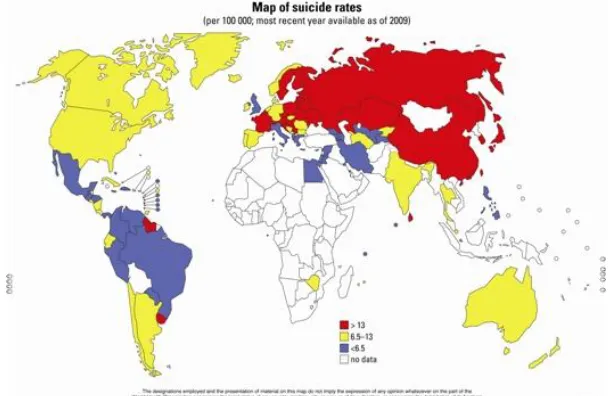
5 The most recent suicide mortality data from WHO is shown in Figures 1.1. The global map
[image:16.612.154.458.127.325.2]shows the dearth of data in Africa, with only Egypt and Zimbabwe reporting to WHO.
Figure 1.1 Map of Suicide Rates (WHO, 2009)
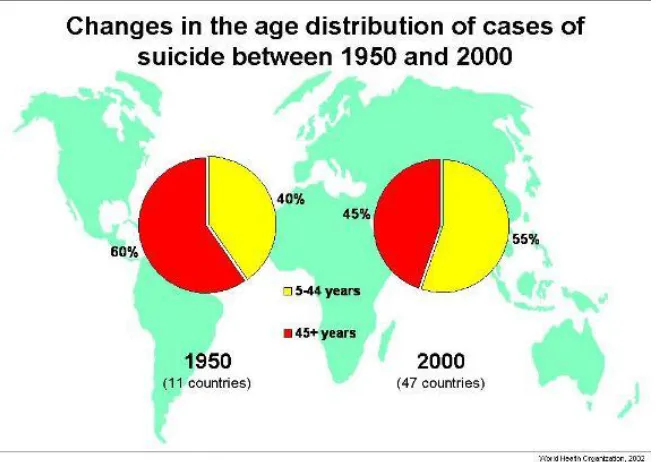
Figure 1.2 shows the change in distribution of suicide cases from 1950 to 2000. In 1950,
60% of the suicide cases occurred in those 45 years old and above. In 2000, 55% of suicide
6 Figure 1.2 Changes in the age distribution of cases of suicide between 1950 and 2000 (WHO, 2002)
1.2 Suicide in sub-Saharan Africa
Research on suicidal behavior in Africa has been very scarce. Much of this dearth of
research has been the result of political and economic instability that has plagued much of the
continent for several decades (Schlebusch, Burrows & Vawda, 2009). In addition, cultural and
religious diversity, plus traditional African beliefs, make it difficult to get a comprehensive
understanding of the suicidal problem.
Generally, the prevalence of suicide tends to be higher in African countries in the east
and south, compared to those in the north and west (Schlebusch et al., 2009). There are also
considerable gender, ethnic and regional differences, plus differing cultural and religious views
of mental illness and suicidal behavior (Kinyanda, E., Kizza R., Levin, J., Ndyanabangi, S., &
Abbo, C., 2011; Schlebusch et al., 2009). In the past, suicidal behavior in Africa was thought to
7 et al., 2009). This burden has been increased by the severe psychosocial stress associated with
HIV/AIDS, an enormous public health burden in Africa. In addition, the stigma, discrimination,
isolation, lack of support from family and friends, loss of parents or family members from
HIV/AIDS adds to the burden of suicidal behavior (Schlebusch et al., 2009).
In Africa, a good understanding of the full burden of suicidal behavior is limited by a
lack of systematic data collection and high-quality research. Political and socio-economic
instability has resulted in a lack of accurate statistics on suicidal behavior, lack of research
infrastructure and funds, limited death registers, a lack of expertise in suicide research,
inadequate inter-African research collaboration, limited and outdated studies, a lack of
standardized research designs and assessment instruments (resulting in mostly descriptive
studies), an absence of follow-up studies and a dearth of multi-center studies, and low priority of
research and prevention programs (Kinyanda E., Hjelmeland, H., Musisi, S., Kigozi, F. &
Walugembe, J,. 2005).
Suicidal behavior in Africa is likely to be under-reported because of the aforementioned
research and resource issues, socio-cultural religious and financial reasons, or misclassification
as ―undetermined‖ reason for death and accidental death. Suicidal behavior in most of Africa
still carries negative cultural sanctions which skew reports of its occurrence, and such behavior
still remains a crime in some countries, thereby encouraging perpetuation of non-reporting
(Kinyanda et al., 2005; Omigbodun, O., Dogra, N., Esan, O., & Adedokun, B., 2008; Ovuga, E.,
Boardman, J., & Wassermann, D., 2005).
In an effort to obtain more information on youth health and behavior around the world,
the World Health Organization and Centers for Disease Control and Prevention created the
8 countries (Global School-based Student Health Survey (GSHS). The GSHS datasets will be used
in this study to gain an understanding of suicidal ideation, and behavioral risk factors among
students in Botswana, Kenya, Tanzania, Uganda and Zambia. This information can be used to
guide strategies for prevention.
1.3 Purpose of Study
The purpose of this study is to compare the prevalence and correlates of suicidal ideation
among youths in five sub-Saharan African countries. This study will also address differences in
prevalence and correlates of suicidal ideation between boys and girls in each country in an
attempt to identify how these risk behaviors vary by gender across country settings. Previous
studies in other countries have identified gender differences, mostly reporting a higher rate of
suicidal ideation in girls than boys (Grunbaum, Kann, Kinchen, Ross, Hawkins, Lowry, et al.,
2004; Krug et al, 2002; Reza, Mercy, & Krug 2001; USPHS, 1999). Though it has been reported
that low to middle income countries experience higher rates of suicidal behavior, studies in this
area have been mostly conducted in developed countries and there is a dearth of information
about risk factors and how they may vary in developing countries such as those in sub-Saharan
Africa.
Sub-Saharan Africa is a region with low-income developing countries with a history
political and socio-economic instability and conflict. It is also a region ravaged by HIV/AIDS
with many resulting orphans. The background of conflict, loss, family fragmentation, and
poverty presents enhanced risk for suicidal behavior among youths; however, with little research
conducted in sub-Saharan Africa, the effects of such factors have not been properly studied or
9 Tanzania, Uganda and Zambia and identify the prevalence and correlates of suicidal ideation and
how they vary across countries and gender so that these findings can be used to provide
information regarding the epidemiologic characteristics of suicidal behavior in sub-Saharan
Africa and to inform the development of successful interventions.
There is a growing and urgent need to focus on effective research and preventive efforts, with
greater collaboration among African and non-African researchers being pivotal to this process.
Major investment is needed, both for research and for preventive efforts. While short-term
efforts contribute to an understanding of why suicide occurs and what can be done to prevent it,
longitudinal research studies are necessary to fully understand the role of biological, sychosocial
and environmental factors in suicide. There is also a great need for rigorous and long-term
evaluations of interventions.
1.4 Research Questions
The specific research questions for this study are:
1. What are the prevalence and correlates of suicidal ideation among students in Botswana,
Kenya, Tanzania, Uganda, and Zambia?
2. How do the prevalence and correlates of suicidal ideation vary among these sub-Saharan
African countries?
3. Do the prevalence and correlates of suicidal ideation vary by gender among students in
10 1.5 Sub-Saharan Africa and Background of Individual Countries:
Botswana, Kenya, Tanzania, Uganda and Zambia are all countries in sub-Saharan Africa
as located as follows: Botswana is in southern Africa, north of South Africa; Kenya is located in
Eastern Africa, bordering the Indian Ocean, between Somalia and Tanzania; Tanzania is also in
Eastern Africa, bordering the Indian Ocean, between Kenya and Mozambique; Uganda in
another country in Eastern Africa, west of Kenya, east of the Democratic Republic of the Congo;
and Zambia is located in Southern Africa, east of Angola, south of the Democratic Republic of
the Congo (CIA WorldFactbook, 2011).
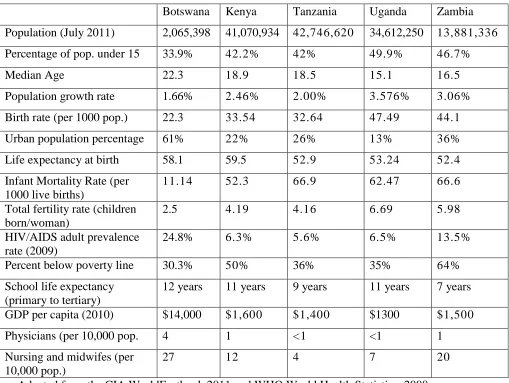
Table 1.1 below outlines certain demographic, economic and health systems indicators
for each country, including population characteristics, age structure, birth rate, infant mortality,
life expectancy, poverty, HIV/AIDS prevalence, educational life expectancy, GDP per capita,
density of physicians and nurses and midwives. All of the countries, except Botswana, share an
extremely low GDP per capita, a high percentage (42%-49.9%) of population under 15 years old,
a low urban population, and a high infant mortality rate. Botswana by far has the highest
HIV/AIDS prevalence rate, but a much lower infant mortality rate compared to the other four
sub-Saharan African countries. Zambia has an extremely high poverty rate (64%), followed by
Kenya at 50%. School life expectancy is also lowest in Zambia at seven (7) years and highest in
Botswana at 12 years. Uganda has the highest fertility rate at almost seven (7) children born per
woman, followed by almost six (6) children in Zambia. The indicators of health systems
resources, density of physicians and nursing and midwifery personnel show how under-resourced
these sub-Saharan countries are in the health area. Physicians and nurses per population are
11 Table 1.1 Country Characteristics
Botswana Kenya Tanzania Uganda Zambia
Population (July 2011) 2,065,398 41,070,934 42,746,620 34,612,250 13,881,336
Percentage of pop. under 15 33.9% 42.2% 42% 49.9% 46.7%
Median Age 22.3 18.9 18.5 15.1 16.5
Population growth rate 1.66% 2.46% 2.00% 3.576% 3.06%
Birth rate (per 1000 pop.) 22.3 33.54 32.64 47.49 44.1
Urban population percentage 61% 22% 26% 13% 36%
Life expectancy at birth 58.1 59.5 52.9 53.24 52.4
Infant Mortality Rate (per 1000 live births)
11.14 52.3 66.9 62.47 66.6
Total fertility rate (children born/woman)
2.5 4.19 4.16 6.69 5.98
HIV/AIDS adult prevalence rate (2009)
24.8% 6.3% 5.6% 6.5% 13.5%
Percent below poverty line 30.3% 50% 36% 35% 64%
School life expectancy (primary to tertiary)
12 years 11 years 9 years 11 years 7 years
GDP per capita (2010) $14,000 $1,600 $1,400 $1300 $1,500
Physicians (per 10,000 pop. 4 1 <1 <1 1
Nursing and midwifes (per 10,000 pop.)
27 12 4 7 20
Adapted from the CIA WorldFactbook 2011 and WHO World Health Statistics, 2008
Sub-Saharan Africa is also the region most affected by HIV/AIDS and it is estimated
that throughout the world, one in three people living with HIV are in sub-Saharan Africa (WHO,
2008). For every person living with HIV, many more are affected by the poor quality of life
associated with caring for a sick family member. Children born to mothers affected by AIDS
have a higher mortality rate than those whose mothers are healthy (Foster, 2006). Trauma from
caring for sick parents leads to poor mental health and developmental problems for the children
12 It is estimated that approximately 13 million children in the world have lost either one or
both parents to AIDS, and more than 90% of these children are in sub-Saharan Africa (Krug et
al, 2002). AIDS is responsible for producing orphans at such a rapid rate that, as a result, many
communities cannot care for them. Since HIV/AIDS is a major problem in sub-Saharan Africa,
along with malaria, hunger and poverty, many of the limited healthcare resources go towards
treatment and prevention of those diseases and health concerns rather than other public health
issues such as suicide and self-directed violence (Lett et al., 2006). Such limited mental health
resources are, thus, likely to have serious adverse implications for suicidal behavior among
young people in sub-Saharan Africa.
13
CHAPTER II
REVIEW OF LITERATURE
2.1 Suicide and Suicidal Ideation
Suicide is the third leading cause of death among those 15-24 in the U.S. and
accounts for roughly 12.3% of all deaths within that age group annually (CDC, 2008).
According to the CDC, ―Suicidal behavior exists along a continuum from thinking about
ending one‘s life (―suicidal ideation‖), to developing a plan, to non-fatal suicidal behavior
(―suicide attempt‖), to ending one‘s life (―suicide‖).‖ Risk factors for suicidal behavior
have been identified through research and placed into the following categories:
psychiatric, biological, social, environmental and factors related to an individual‘s life
history (Krug et al., 2002).
Some of the risk factors mentioned in the World Report on Violence and Health
(Krug et al., 2002), and The Surgeon General’s Call to Action to Prevent Suicide
(USPHS, 1999) include:
Major depression
Mood disorders
Personality and Conduct Disorders
Hopelessness
Alcohol and drug abuse
Loss of a loved one
14
Social isolation
Family history of suicide
The CDC has also identified the following risk factors for suicide among youth:
History of previous suicide attempts
Family history of suicide
History of depression or other mental illness
Alcohol or drug abuse
Stressful life event or loss
Easy access to lethal methods
Exposure to the suicidal behavior of others
Incarceration
(CDC, 2009).
Since most research of suicide risk factors has been obtained from the U.S., Western
Europe, and other more developed countries, it is unknown if these risk factors exert
similar effects in less developed countries or how the influence of such factors might vary
from country to country (Hjelmeland et al,. 2008; Nock et al., 2008). Hjelmeland et al.
(2008) compared suicidal behavior between Uganda and Norway and warned that
psychiatric treatment of those from developing countries based on research results from
Western countries may not be appropriate in the African context. These researchers
called for ―the urgent need for psychological and psychiatric research conducted in
non-Western cultures.‖ (Hjelmeland et al., 2008).
Nock et al. (2008) conducted a comprehensive study to estimate the cross-national
15 data from the World Health Organization World Mental Health (WMH) Survey Initiative.
Their study used more consistent assessment methods that prior studies and represents the
largest, most representative examination of suicidal behaviors ever conducted with 17
countries and sample size of 84,850. The results of this study showed a cross-national
lifetime prevalence of suicidal ideation, plans and attempts of 9.2%, 3.1% and 2.7%,
respectively. Across all countries, 60% of transitions from ideation to plan and attempt
occur within the first year after onset of ideation. Consistent cross-national risk factors
included being female, younger, less educated, unmarried and having a mental disorder.
The researchers found an interesting finding in that the strongest risk factors in
high-income countries were mood disorders, but in low-and middle-high-income countries, impulse
control disorders were found to be the strongest (Nock et al., 2008).
2.2 Gender Differences in Suicide and Suicidal Ideation
Globally, girls and women have higher rates of suicidal ideation and behavior, but
lower rates of suicide mortality than boys (Canetto, 2008). Suicide affects all youth, but
some groups are at higher risk than others. Boys are more likely than girls to die from
suicide. Of the reported suicides in the 10 to 24 age group in the U.S., 84% of the deaths
were males and 16% were females. Girls, however, are more likely to report attempting
suicide than boys (CDC, 2008). This gender paradox is most pronounced in
industrialized, English-speaking countries such as Australia, Canada, Great Britain, New
Zealand and the U.S. It is reported that females attempt suicide approximately two to
three times as often as males during their lifetime (Krug et al 2002), but males account
16 males in grades 9-12 in the U.S. seriously considered suicide in the previous 12 months,
and 9.3% of females and 4.6% of males reported attempting suicide at least once in the
past 12 months (Eaton et al., 2008). If female adolescents do commit suicide, they tend
to use less violent means than males (Epstein & Spirito, 2010). Grunbaum et al. (2004)
analyzed data from the 2003 Youth Risk Behavior Survey (YRBS) and found that 12.8%
of males and 21.3% of females had seriously considered suicide in the past 12 months.
Research in the U.S. clearly depicts a gender difference among adolescent suicidal
behavior. In contrast, research in China and India and other unindustrialized societies,
reported that the rate of female suicides was higher than the male rate, which is
uncommon among countries in North America and Western Europe where higher rates
of suicide are found among males and females tend to have higher rates of suicidal
ideation and attempts (Canetto, 2008; Grunbaum et al., 2004; Krug et al., 2002, Reza et
al, 2001).
Epstein and Spirito (2010) examined gender differences in risk factors associated
with suicidal ideation and suicide attempts. The major risk factors examined were
substance use, aggression and victimization, and risky sexual behavior using data from
the 2005 Youth Risk Behavior Surveillance. The results of the study demonstrated both
gender-specific and gender-neutral risk factors for various risk factors of suicidality in a
nationally representative sample of high school students in the U.S. Smoking cigarettes
daily in the past 30 days increased the odds of considering suicide in girls. Early onset
drinking was associated with considering suicide and planning a suicide attempt for girls
only, while it was a risk factor for both males and females for suicide attempts. Other
17 across gender. Carrying a weapon and fighting (in school for boys and outside of school
for girls) were consistently related to suicidal ideation and attempts. In addition, having
had sex before age 13 was related to making a plan to attempt suicide and actually
attempting suicide across gender (Epstein & Spirito, 2010).
Another recent study looked at risk factors and suicidal ideation and attempts in
an urban Chinese sample of adolescents using a modified version of the YRBS
questionnaire. Juan, Xiao-Juan, Jia-Ji, Xin-Wang and Liang (2010) found several
gender-related differences. Females were significantly more like to report suicidal
ideation than males among those who felt sad or hopeless, but males were more likely to
report suicidal attempts than females among those who did not feel sad or hopeless.
Physical fighting was associated with suicidal attempts, but not with suicidal ideation for
females. Ever having sexual intercourse and lifetime marijuana use were associated with
suicidal attempts for males (Juan et al., 2010).
The majority of young people who are involved in suicidal behaviors have been
diagnosed with a psychiatric disorder, such as depression or alcohol/substance abuse
(Juan et al., 2010; King et al., 2001). Clinical research and literature have shown that risk
factors for suicidal behavior differ across gender in adolescent psychiatric populations
(Gould, King, Greenwald et al., 1998). The research on gender differences for suicidality
shows suicide prevention programs should take into account risk factors related to
18 2.3 Suicide and Suicidal Ideation Among Adolescents in Sub-Saharan Africa
Research on the broad concept of suicidal behavior in sub-Saharan Africa has
been sparse; however, the studies which have taken place indicate that it is a significant
problem and large in scope. Suicide is a criminal offense in many countries in Africa
and highly stigmatized (Ovuga et al., 2005).
Suicidal behavior in adolescence continues to increase as a public health concern
and even with the dearth of research and studies, emerging data seems to suggest that it
may be of even greater magnitude than in Western countries (Kinyanda et al., 2011). A
recent study by Kinyanda et al. (2011) examined the prevalence and risk factors of
adolescent suicidality in four districts of rural northeastern Uganda. Among the 1492
respondents, aged 3-19, lifetime suicidality was 6.1%. The study also found a prevalence
of deliberate self-harm of 1.7% which was found comparable to that reported in the
WHO/EURO Multi-Centre Study, but lower than that reported in the YRBS in the U.S. at
a rate of 8.5%. The ecological factor of district of residence was independently
associated with suicidality. The socioeconomic factors that were significantly associated
with suicidality were female gender, age group (rates increasing with age), educational
attainment (highest in those with no formal education), living arrangements (higher in
those not living with both parents), and low earnings. Kinyanda et al. (2011) point out
that studies from both the West and from developing countries have shown that youth
suicidal behavior was more common among females than males and among older youth.
The psychiatric factors associated with suicidality were depressive disorder syndromes,
psychotic disorder syndromes and anxiety disorder syndromes. This finding was parallel
19 were not associated with an increased risk for suicidal behavior. Psychosocial factors
associated with adolescent suicidality in this study included exposure to war trauma and
orphanhood.
Ovuga et al. (2005) conducted a survey to measure suicidal ideation in two
districts of Uganda (Adjumani and Bugiri Districts). They found that suicidal ideation
was almost three times higher in the Adjumani district, which is considered to be socially
disadvantaged. It is important to note that the Adjumani district is in Northern Uganda
and has been directly impacted by armed conflict. Much of the population from that
region had been exiled to Sudan in 1979 and were not allowed to return to their home
district until 1986 (Ovuga et al., 2005). Ovuga et al. (2005) suggest that the long term
armed conflict and war, along with economic hardships and exile appear to have resulted
in increased prevalence of mental disorders and suicidal ideation in the region (Ovuga et
al, 2005). In addition, the researchers also suggested that the prevalence of suicidal
ideation in both districts is most likely higher than what is reported in these surveys due
to stigma and taboo associated with suicide.
As mentioned by Krug and colleagues (2002), attempted suicide is a punishable
offense in many developing countries and therefore hospitals do not always report these
cases. In Uganda, suicide is illegal and viewed by the majority as ―taboo‖ (Hjelmeland,
et al., 2006; Ovuga et al., 2005). The stigma tied so closely to suicide causes some
family members of victims to cover up the suicide and forego the normal burying ritual
(Hjelmeland et al., 2006), making it difficult for health officials to accurately document
20 (Hjelmeland et al., 2006; Krug 2002), but healthcare workers recognize that suicide is a
problem that faces their community (Hjelmeland et al., 2006).
Very little is documented regarding suicide in African countries (WHO, 2009).
In fact, out of 97 countries with recent suicide statistics available through WHO, only two
were in Africa (Zimbabwe and Egypt) as also shown in Figure 1.1. There is a clear need
for more information about these African countries. Without proper research being
carried out regarding suicide and suicidal ideation in sub-Saharan African countries, there
is no evidence to suggest that the same risk factors which apply to youth in the U.S. and
Europe also apply to the youth in such countries. Furthermore, if limited information is
available regarding suicide, then even less information is available regarding suicidal
ideation, planning and attempts.
A few studies on suicidal behavior among youth in sub-Saharan Africa have been
conducted using the GSHS. Swahn, Bossarte, Eliman, Gaylor and Jayaraman (2010)
conducted analyses using the GSHS datasets for Zambia, Kenya, Botswana, and Uganda
and used YRBS data from the U.S. to examine prevalence and correlates of physical
fighting and suicidal ideation in these countries. Swahn et al. (2010) discovered that
alcohol use and bully victimization were associated with suicidal ideation in all countries.
Zambia had the highest prevalence of involvement in both physical fighting and suicidal
ideation (18.5%), followed by Kenya (16.4%), Botswana (12.7%), U.S.A. (8.8%), and
Uganda (8.6%). This study emphasizes that there is a dire need for more research on this
topic in sub-Saharan Africa.
Rudatsikira, Muula, Siziya and Twa-Twa (2007a) reported on suicidal ideation
21 The results indicated that male subjects were less likely to contemplate suicide than
females. Feelings of loneliness and being bullied were positively associated with suicide
ideation for both males and females. Worry and alcohol consumption were reported to
have been positively associated with suicidal ideation among females only.
Rudatsikira, Siziya and Muula (2007b) examined suicidal ideation and associated
factor among school-going adolescents in Zimbabwe using existing data obtained from
the Zimbabwe GSHS conducted in 2003. The authors point out that during this time,
Zimbabwe was experiencing poor socio-economic conditions and no similar study had
ever been done before in Zimbabwe. The results indicated a prevalence of suicidal
ideation of 21.6%. Males were less likely to have suicidal ideation than females.
Worrying, feeling lonely, cigarette smoking and drinking alcohol were associated with
suicidal ideation.
Muula, Kazembe, Rudatsikira, and Siziya (2007) also used the GSHS datasets to
research suicidal ideation and associated factors among students in Zambia. Of all the
students who participated in the survey, 32.2% reported suicidal ideations in the past 12
months. Prevalence of suicidal ideation among males and females was similar. The study
found that lifetime experience of being drunk, cannabis use, being less than 14 years old,
worrying so much that one could not sleep, and feeling so sad and hopeless that they
could not do usual activities all had a positive association with suicidal ideation (Muula et
al., 2007). Gender was not significantly associated with suicide ideation, while having
felt lonely was negatively associated with the outcome.
Omigbodun et al. (2008) were the first to examine rates of self-reported suicidal
22 aged 10-17 years in southwest Nigeria. The researchers hypothesized that rates would be
comparable with those of other developing countries and higher than developed countries
and that suicidal behavior would be associated with poverty, sexual behaviors, violence
and psychoactive substance use. A total of 1429 youth completed the Nigeria version of
the Global School Health Questionnaire (GSHQ) and the Diagnostic Predictive Scale
(DPS) for youths (suicidal behavior questions) in a school setting (Omigbodun et al,.
2008). Over 20% of the students reported suicidal ideation and 12% reported that they
had attempted suicide in the last year. Adolescents in urban areas, from polygamous or
disrupted families had higher rates of suicidal behavior. Sexual abuse, being physically
attacked and engaging in physical fights in the last 12 months were significantly related
to suicidal ideation. Working to support their families, going hungry, having parents who
were divorced or separated and having sexual intercourse in the last 12 months were also
significantly associated to suicidal ideation. (Omigbodun et al., 2008). There was no
gender difference in the rates of suicidal ideation and attempts, but there were some
gender differences in significant predictors for suicidal behavior. Drinking alcohol and
having to go hungry were significant predictors for male suicide attempt while sexual
abuse or sexual activity and unstable family life were significant predictors for female
youth. Physical attack was a significant predictor for suicidal behavior in both males and
female youth. Omigbodun et al. (2008) identified that the prevalence of suicidal behavior
identified in this study were higher in comparison to studies in developed countries
23 2.5 Summary
Suicide ideation has been identified by the WHO as a significant social and
mental health concern. The few studies which have been conducted on suicidal behavior
in sub-Saharan Africa indicate that it is a public health problem among adults and youth
which deserves immediate attention. There have been numerous studies conducted in
Western countries regarding risk factors for suicidal behavior, but it cannot be assumed
that those same risk factors will apply to youth in these five sub-Saharan countries.
Therefore, it is important for more studies to analyze the prevalence, correlates of
suicidal ideation in sub-Saharan countries so that an accurate assessment of the
country-specific and regional situation may be conducted and appropriate action taken. Studying
the whole continuum of suicidal behavior is particularly important in adolescents because
both suicidal ideation and suicide attempts have been found to be association with the
risk for completed suicide (Omigbodun et al., 2008).
Omigbodun et al. (2008) pointed out that although Nigerian adolescents have one
of the highest rates of suicidal ideation and attempts, it is unclear whether these high rates
are linked with actual suicides. Research in this area is limited and the criminalization of
suicide attempts in Nigeria and in other sub-Saharan countries may hinder reporting and
assistance (Adinkrah, 2011). The researchers suggested that adolescents with high-risk
factors need to be identified and counseled as preventive measures in the face of limited
resources. The limited number of mental health professionals should work with schools
to address education and counseling in this area (Omigbodun, 2008).
24 Relevance of the Study
The aim of this study is to examine the prevalence and correlates of suicidal
ideation among youth in Botswana, Kenya, Tanzania, Uganda and Zambia, all
developing countries in sub-Saharan Africa. The findings thereof may assist to raise
awareness of the problem of suicidal behavior and promote research, resources and
prevention efforts in the mental health area in these under-resourced and developing
25
CHAPTER III
METHODS AND PROCEDURES
3.1 Data Source
This study is based on data obtained from the Global School-Based Student
Health Survey (GSHS) conducted in Botswana (N=2197; 2005), Kenya (N=3691; 2003),
Tanzania (N=2176; 2006), Uganda (N=3215; 2003) and Zambia (N=2257; 2004). The
GSHS was developed and supported by the World Health Organization (WHO) in
collaboration with the United Nations Children‘s Fund (UNICEF), the United Nations
Educational, Scientific, and Cultural Organization (UNESCO), the Joint United Nations
Programme on HIV/AIDS (UNAIDS), and with technical assistance from the CDC
(WHO, 2011).
The purpose of the GSHS is to provide data on health behaviors and relevant risk
and protective factors among students across all regions served by the United Nations.
Country specific questionnaires, fact sheets, public-use data files, documentation and
reports are publicly available from the CDC and WHO and have been described
elsewhere (Muula et al., 2007; Rudatsikira et al., 2007a; Swahn et al., 2010). The GSHS
is a self-administered questionnaire, distributed primarily to students who are 13-16 years
of age through their school. The GSHS uses a standardized scientific sample selection
process, common school-based methodology, and a combination of core question
26 To administer the GSHS, a two-stage cluster sample design was used. The first
stage selected schools with probability proportional to enrollment size; the second stage
randomly selected classes and all students in the selected classes were eligible to
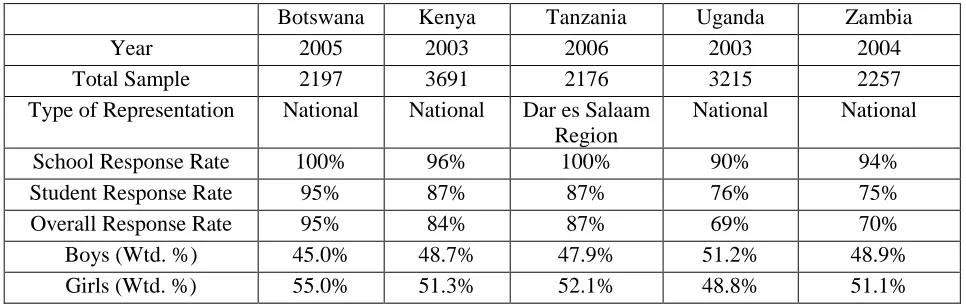
participate in the survey. The numbers of study participants and response rates, as well
as gender distribution, are provided in Table 3.1 below.
This study conducted secondary analysis of the publicly available data files for
Botswana, Kenya, Tanzania, Uganda and Zambia to examine 13 potential risk factors
(i.e. hunger, current alcohol use, problem drinking, bullying victimization, loneliness,
sadness, worrying, no friends, missed school, illicit drug use, physical fights, physical
attacks, and early sexual initiation) to determine their association with suicidal ideation
among boys and girls in the schools of Botswana, Kenya, Tanzania, Uganda and Zambia.
Institutional Review Board approval was obtained at Georgia State University to conduct
these analyses. Botswana, Kenya, Tanzania, Uganda and Zambia were selected for these
[image:37.612.83.566.244.397.2]analyses because each had one complete national data file representing the entire country
Table 3.1 GSHS Country Characteristics
Botswana Kenya Tanzania Uganda Zambia
Year 2005 2003 2006 2003 2004
Total Sample 2197 3691 2176 3215 2257
Type of Representation National National Dar es Salaam Region
National National
School Response Rate 100% 96% 100% 90% 94%
Student Response Rate 95% 87% 87% 76% 75%
Overall Response Rate 95% 84% 87% 69% 70%
Boys (Wtd. %) 45.0% 48.7% 47.9% 51.2% 48.9%
27 (except for Tanzania which was a regional data file) with the necessary question
regarding suicidal ideation.
3.2 Measures
The risk factors included in the analyses for this study were hunger, current
alcohol use, problem drinking, bullying victimization, loneliness, sadness, worrying, no
friends, missed school, illicit drug use, physical fights, physical attacks, and early sexual
initiation) which have been identified as important for suicidal ideation in previous
literature. These 13 risk factors were included in the core questionnaire for all five
countries. Variable names and the wording of questions were identical (except as noted
below) for all national and regional surveys. The following variables were obtained
directly from the GSHS surveys for use in this study:
Outcome variables
Suicidal Ideation Percentage of students who seriously considered attempting suicide during the past 12 months.
Risk factors
Hunger Students who went hungry most of the time or always during the past 30 days because there was not enough food in their home. Current Alcohol Use Students who had at least one drink containing alcohol on one or
more days during the past 30 days.
Problem Drinking Students who ever had a hang-over, felt sick, got into trouble with family or friends, missed school, or got into fights, as a result of drinking alcohol.
Bullying Victimization
Students who were bullied on one or more days in the past 30 days.
Sadness Students who felt so sad or hopeless almost every day for two weeks or more in a row that they stopped doing their usual activities during the past 12 months.
Lonely Students who felt lonely during the past 12 months
28 something that they could not sleep at night during the past 12 months.
No Friends Students who have no close friends.
Missed School Students who missed classes or school without permission on one or more days during the past 30 days.
Illicit Drug Use Students who used drugs during their life.
Physical Fights Students who were in a physical fight one or more times during the past 12 months
Physical Attacks Students who were physically attacked one or more times during the past 12 months.
Early Sexual Initiation
Students who had sexual intercourse for the first time before age 13.
The drug use variable included in the analyses reflected different types of drugs
commonly used within a country. In Botswana, the drugs provided as examples in the
question were glue, benzene, marijuana, cocaine or mandrax. In Kenya, the drugs listed
were marijuana, bhangi, mushrooms, speed or cloud. In Tanzania, the drugs asked about
were bang or cocaine. In Uganda, the drugs were marijuana (―njaga‖ or ―bangi‖) or
opium (―njave‖) or sniffed aviation fuel. In Zambia, the question asked about ―daga‖.
The physical attacks variable question was asked in all five countries, but data was only
available for Botswana and Tanzania.
Responses to these variable questions were dichotomized to indicate any exposure
or involvement to the particular risk factor versus none for each of the 13 variables. Such
dichotomized responses were also available in the data files for each country. Table 3.2
below outlines each measure and its prevalence across the five countries. Table 3.3
below outlines each risk factor and its prevalence across the five countries, stratified by
29 Table 3.2 Variables Included in the Analyses and their Prevalence Across Botswana,
Kenya, Tanzania, Uganda and Zambia
Variable Name
Botswana N=2197
Wtd%
Kenya N=3691
Wtd%
Tanzania N=2176 Wtd%
Uganda N=3215 Wtd%
Zambia N=2257
Wtd.%
Hunger 14.0% 14.7% 3.76% 9.33% 28.7%
Current Alcohol Use
22.5% 17.9% 5.11% 15.3% 42.6%
Problem Drinking 18.1% 30.6% 13.9% 21.5% 45.1%
Bullying Victimization
53.4% 57.7% 25.2% 45.9% 63.1%
Sadness 42.3% 48.9% 23.7% 41.9% 53.3%
Lonely 17.3% 17.5% 6.05% 11.3% 24.1%
Worrying 19.7% 15.5% 3.81% 11.7% 26.4%
No Friends 14.1% 11.7% 8.30% 10.4% 15.7%
Missed School 24.7% 40.0% 33.6% 37.4% 58.5%
Illicit Drug Use 9.15% 15.2% 5.40% 9.50% 36.7%
Physical Fights 47.2% 49.8% 40.8% 35.2% 51.7%
Physical Attacks 55.9% --- 56.6% --- ---
Early Sexual Initiation
8.91% 22.6% 9.89% 11.1% 26.3%
30
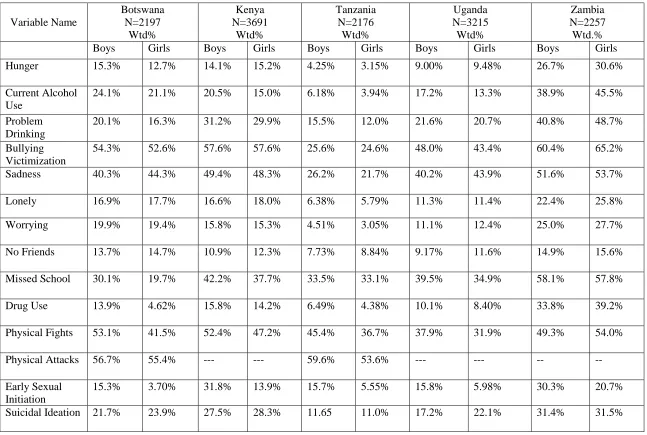
Table 4Table 3.3. Variables and Their Prevalence Among Boys And Girls Across Five sub-Saharan African countries
Variable Name
Botswana N=2197
Wtd%
Kenya N=3691
Wtd%
Tanzania N=2176
Wtd%
Uganda N=3215 Wtd%
Zambia N=2257 Wtd.%
Boys Girls Boys Girls Boys Girls Boys Girls Boys Girls
Hunger 15.3% 12.7% 14.1% 15.2% 4.25% 3.15% 9.00% 9.48% 26.7% 30.6%
Current Alcohol Use
24.1% 21.1% 20.5% 15.0% 6.18% 3.94% 17.2% 13.3% 38.9% 45.5%
Problem Drinking
20.1% 16.3% 31.2% 29.9% 15.5% 12.0% 21.6% 20.7% 40.8% 48.7%
Bullying Victimization
54.3% 52.6% 57.6% 57.6% 25.6% 24.6% 48.0% 43.4% 60.4% 65.2%
Sadness 40.3% 44.3% 49.4% 48.3% 26.2% 21.7% 40.2% 43.9% 51.6% 53.7%
Lonely 16.9% 17.7% 16.6% 18.0% 6.38% 5.79% 11.3% 11.4% 22.4% 25.8%
Worrying 19.9% 19.4% 15.8% 15.3% 4.51% 3.05% 11.1% 12.4% 25.0% 27.7%
No Friends 13.7% 14.7% 10.9% 12.3% 7.73% 8.84% 9.17% 11.6% 14.9% 15.6%
Missed School 30.1% 19.7% 42.2% 37.7% 33.5% 33.1% 39.5% 34.9% 58.1% 57.8%
Drug Use 13.9% 4.62% 15.8% 14.2% 6.49% 4.38% 10.1% 8.40% 33.8% 39.2%
Physical Fights 53.1% 41.5% 52.4% 47.2% 45.4% 36.7% 37.9% 31.9% 49.3% 54.0%
Physical Attacks 56.7% 55.4% --- --- 59.6% 53.6% --- --- --
--Early Sexual Initiation
15.3% 3.70% 31.8% 13.9% 15.7% 5.55% 15.8% 5.98% 30.3% 20.7%
[image:41.792.36.683.106.541.2]31 3.3 Statistical Analysis
For variables where the amount of missing data exceeded 5 percent, the
commonly used missing-indicator method was applied (Cheng, Gau, Chen, Chang &
Chang, 2004; Miettinen, 1985). In this method, a dummy category is created to reflect the
missing data and thereby including nearly all participants in the analyses rather than
omitting them using the default list-wise deletion used in the logistic regression
computation. While no statistical findings or associations are reported on the missing
data, the odds ratio would be interpreted as the risk for the outcome for those with
missing data relative to the reference category. These complex multi-staged surveys were
analyzed using the SAS 9.1 and SUDAAN 10 statistical software packages to
accommodate the sampling design and produce weighted estimates.
Bivariate association analyses were performed between gender, the 13 risk factors
and suicidal ideation among all students in each country. Multivariate logistic regression
analyses adjusted for sex were then computed to determine the associations between each
of the risk factors and the outcome variable, suicidal ideation for each country. In
addition, multivariate logistic regression analyses were computed and stratified by gender
between the potential risk factors among students across the five countries. All 13
variables included in the bivariate analysis, whether significant or not, were also included
32
CHAPTER IV
RESULTS
4.1 Prevalence of suicidal ideation
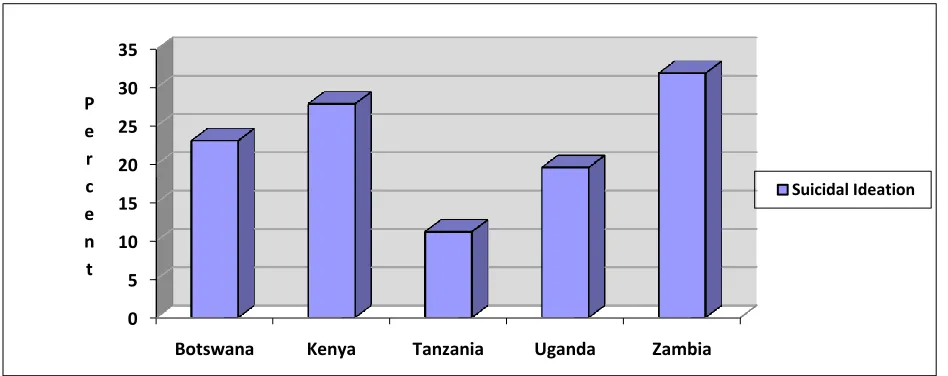
The prevalence of the outcome variable across the country samples is provided in Table
4.1. Zambia had the highest prevalence of suicidal ideation (31.9%) among all students,
[image:43.612.70.556.272.361.2]followed by Kenya (27.9%), Botswana (23.1%), Uganda (19.6%) and Tanzania (11.2%).
Table 4.1 Prevalence of Suicidal Ideation
Prevalence trends in suicidal ideation in each country are shown in Figure 4.1 below.
Figure 4.1 Prevalence of suicidal ideation among students, by country.
0 5 10 15 20 25 30 35
Botswana Kenya Tanzania Uganda Zambia
P e r c e n t
Suicidal Ideation
Botswana Kenya Tanzania Uganda Zambia
All Students 23.1% 27.9% 11.2% 19.6% 31.9%
Boys Girls Boys Girls Boys Girls Boys Girls Boys Girls Stratified by
[image:43.612.72.546.469.657.2]33 Figure 4.2 Prevalence of suicidal ideation among boys and girls, by country.
Table 3.3 and Figure 4.2 show the prevalence of suicidal ideation among boys and girls.
Although some differences between boys and girls appear in the trends for each country, the
bivariate associations shown in Table 4.2 only resulted in a significant association between sex
and suicidal ideation in Uganda (OR=0.73, 95% CI: 0.59-0.92).
Comparisons of the risk factors across countries show that Zambia had the highest
prevalence in all 13 risk factors (see Table 3.2), with bullying victimization the highest at 63.1%,
followed by missed school (58.5%), sadness (53.3%) and physical fights (51.7%), problem
drinking (45.1%), current alcohol use (42.6%0, drug use (36.7%), hunger (28.7%), worrying
(26.4%), early sexual initiation (26.3%), loneliness (24.1%), and no friends(15.7%). Tanzania
had the lowest prevalence for hunger, current alcohol use, problem drinking, bullying
victimization, sadness, feeling lonely, worrying, having no friends, and drug use. Missed school
and early sexual initiation had the lowest prevalence in Botswana, while physical fighting was
lowest in Uganda. Prevalence for physical attacks was very high in Botswana (55.9%) and
Tanzania (56.6%) where that variable was available. Boys and girls in Zambia also had the 0
5 10 15 20 25 30 35
Botswana Kenya Tanzania Uganda Zambia
P e r c e n t
Boys
34 highest percentages across all risk factors, except for early sexual initiation among boys in
Zambia (see Table 3.3).
4.2 Correlates of Suicidal Ideation Among All Students Across Countries
Bivariate associations were computed for sex and all 13 risk factors (hunger, current
alcohol use, problem drinking, bullying victimization, loneliness, sadness, worrying, no friends,
missed school, illicit drug use, physical fights, physical attacks, and early sexual initiation) and
are shown in Table 4.2. As noted previously, sex was significantly associated with suicidal
ideation only in Uganda. In previous studies, gender was not significantly associated with
suicide ideation.
Current alcohol use, problem drinking, being bullied and worrying were significantly
associated with suicidal ideation across all five countries. Sadness and feeling lonely were
significant in all countries except for Zambia. Illicit drug use was significantly associated with
suicidal ideation in all countries except Botswana, while physical fighting was significant in all
countries except Tanzania. Hunger was significant in Botswana, Kenya and Uganda and early
sexual initiation was significant in Kenya, Tanzania and Uganda. Having no friends was only
significantly associated with suicidal ideation in Uganda. Uganda was the only country to show
significant associations between all risk factors and sex and suicidal ideation.
The multivariate logistic regression analyses of the associations between the 13 risk
factors and suicidal ideation among students across the five sub-Saharan countries are shown in
Table 4.3. Although bivariate associations were computed for all correlates as shown in Table
4.2, logistic regressions were still conducted for all risk factors/correlates with suicidal ideation
35 Sadness was significantly associated with suicidal ideation in Kenya (Adj. OR=2.45,
95% CI: 1.76-3.42), Tanzania (Adj. OR=3.06, 95% CI:1.75-5.37 and Uganda (Adj. OR=2.65,
95% CI:1.85-3.79). Feeling lonely was significantly associated with the outcome variable in
Kenya (Adj. OR=2.23, 95% CI:1.27-3.92) and Tanzania (Adj. OR=2.40, 95% CI:1.10-5.20).
Hunger (Adj. OR=1.78, 95% CI:1.16-2.73) problem drinking (Adj. OR=1.73, 95% CI:1.05-2.85)
and worrying (Adj OR=1.57, 95% CI:1.07-2.31) were associated with suicidal ideation among
only Botswana students. Current alcohol use was significant only in Tanzania (Adj.OR=2.69,
95% CI: 1.23-5.86). Finally, bullying victimization (Adj. OR=1.85, 95% CI:1.18-2.88) and
physical fighting (Adj OR=1.60, 95% CI: 1.07-2.39) were significantly associated with suicidal
ideation only in Kenya.
Sadness and feeling lonely were the most commonly associated correlates of suicidal
ideation among students across these sub-Saharan countries. Gender, having no friends, missing
school, illicit drug use, physical attacks and early sexual initiation were not significantly
associated with suicidal ideation among students in any of the countries.
Muula et al. (2007) found that lifetime experience of being drunk, cannabis use, being
less than 14 years old, worrying so much that one could not sleep, and feeling so sad and
hopeless that they could not do usual activities all had a positive association with suicidal
ideation (Muula et al., 2007).
4.3 Correlates of suicidal ideation among all students by gender across countries
Logistic regression analyses of the associations between the risk behaviors and suicidal
ideation among students stratified by gender are shown in Table 4.4. Once stratified by sex,
36 Tanzania and Uganda. Feeling lonely was significantly associated with suicidal ideation among
boys and girls in Kenya, but among girls only in Tanzania. Current alcohol use was found to be
a significant correlate among Tanzania and Zambia girls only. Problem drinking showed
significance among Botswana boys and Uganda girls. Hunger was found to be significantly
associated with the outcome variable among Botswana boys only; Bullying victimization was
found to be significantly associated with suicidal ideation among only boys in Kenya. Worrying
was found to only be significant among Tanzanian boys, with no significant findings for
Botswana boys or girls, contrary to the results among all students there. While missed school
was not significantly associated among all students, once stratified by gender, missed school was
significant among Kenyan girls. Similarly, drug use was found to be significantly associated
with suicidal ideation among boys in Zambia, while having shown no association in the
37
Table 4.2 . Bivariate Associations Between Demographic Characteristics and Risk Factors and Suicidal ideation Among Students Across Five sub-Saharan African countries
Risk Factors
Botswana Kenya Tanzania Uganda Zambia
% OR
(95%CI)
% OR
(95%CI)
% OR
(95%CI)
% OR
(95%CI)
% OR
(95%CI)
Boys 10.5 0.88
(0.67-1.16)
13.4 0.96
0.74-1.26
5.18 1.06
0.82-1.38
8.89 0.73
0.59-0.92
17.0 1.00
(0.76-1.30)
Girls 12.3 1.00 14.5 1.00 6.13 1.00 10.7 1.00 14.4 1.00
Hunger 4.40 1.67
(1.16-2.41)
4.82 1.55
1.15-2.08
0.43 1.10
0.51-2.38
2.56 1.63
1.22-2.18
9.52 1.11
(0.83-1.49) Current Alcohol Use 6.01 1.58
(1.36-1.83)
5.61 1.76
1.43-2.23
1.18 3.36
1.95-5.80
3.97 1.74
1.35-2.24
16.9 2.58
(1.88-3.54)
Problem Drinking 5.61 1.69
(1.44-1.99)
10.0 1.61
1.30-1.99
2.64 2.22
1.56-3.15
6.24 2.11
1.74-2.56
17.3 1.85
(1.43-2.39) Bullying
Victimization
14.2 1.89
(1.52-2.35)
18.5 2.23
1.69-2.94
4.53 2.31
1.68-3.16
10.4 1.66
1.30-2.13
22.2 1.70
(1.25-2.31)
Sadness 10.7 1.27
(1.05-1.53)
16.7 1.94
1.49-2.52
5.16 3.31
2.46-4.44
11.7 2.60
2.00-3.38
17.0 1.02
(0.83-1.27)
Lonely 5.40 1.72
(1.28-2.31)
6.65 2.16
1.58-2.95
1.73 3.94
2.53-6.15
3.64 2.21
1.78-2.76
8.22 1.18
(0.96-1.46)
Worrying 6.45 1.93
(1.47-2.54)
5.45 2.01
1.51-2.68
0.81 2.35
1.20-4.58
3.68 2.17
1.64-2.87
9.75 1.45
(1.19-1.76)
No Friends 3.58 1.17
(1.00-1.36)
3.73 1.23
0.94-1.62
1.12 1.30
0.79-2.13
2.77 1.62
1.30-2.02
5.24 1.16
(0.81-1.65)
Missed School 8.16 2.04
(1.45-2.86)
12.3 1.42
1.20-1.68
4.53 1.42
0.93-2.19
8.51 1.38
1.11-1.73
18.6 1.16
(0.89-1.51)
Illicit Drug Use 2.36 1.26
(0.93-1.71)
5.32 1.82
1.37-2.43
1.60 4.41
2.37-8.21
2.94 2.24
1.62-3.09
14.2 1.77
(1.31-2.39)
Physical Fights 12.7 1.53
(1.19-1.96)
16.4 1.86
1.58-2.18
5.32 1.39
0.99-1.94
8.63 1.67
1.35-2.06
18.5 1.50
(1.21-1.86)
Physical Attacks 15.5 1.93
(1.44-2.58)
-- -- 6.68 1.18
0.78-1.78
-- -- -- --
Early Sexual Initiation
2.16 1.34
(0.94-1.90)
6.74 1.39
1.07-1.81
2.15 2.98
1.59-5.59
2.82 1.79
1.30-2.48
8.27 1.44