i
THE ACS RESPONSE-TIME INTERVENTION TRIAL
The effectiveness of an individualised educational
intervention on knowledge, attitudes and beliefs about
acute coronary syndrome: a randomised controlled trial
A thesis submitted to the University of Dublin, Trinity
College Dublin for the degree of Doctor of Philosophy
July 2014
ii
Declaration
I declare that this thesis has not been submitted as an exercise for a degree at this or any other university and it is entirely my own work.
I agree to deposit this thesis in the University’s open access institutional repository or allow the library to do so on my behalf, subject to Irish Copyright Legislation and Trinity College Library conditions of use and acknowledgement.
iii
Acknowledgements
I wish to acknowledge and extend my sincerest thanks to the following people for their valuable contribution and support on my PhD journey and during the completion of this thesis:
My supervisors Dr. Sharon O’Donnell, Dr. Gabrielle McKee and Professor Debra Moser for their wisdom, guidance, encouragement, endless support and friendship throughout this process.
To the patients who participated so willingly in this study. Their commitment to and interest in this research made the study possible.
To the clinical nurse managers, nurses and administration staff at the research sites for their co-operation, support and friendliness during my time data collecting.
To the collaborators of this project and those who facilitated access to the associated research sites. The collaborators were: Dr. Peter Crean, St. James’s Hospital; Professor Ian Graham, Tallaght Hospital; Dr. Martin Quinn, St. Vincent’s Hospital; Dr. Declan Sugrue, Mater Hospital; and Professor David Foley, Beaumont Hospital.
To Ricardo Segurado, from CSTAR who provided statistical support.
To the Health Research Board (HRB) for supporting this research financially.
To my colleagues and friends in the School of Nursing & Midwifery for their support.
To my colleague and dear friend, Mary Mooney for her encouragement, relentless support, loyal friendship and the many laughs over the course of this thesis and beyond.
The completion of this work would not have been possible without the encouragement, support, love and practical help of my parents Joe & Sheila, my siblings Patricia, Noel & Liam, my nieces and my in-laws. I am eternally grateful for your unconditional love and support and for always being there.
iv
Thesis Summary
Background: Acute coronary syndrome (ACS) refers to clinical symptoms, which when diagnosed are categorised into either heart attack or unstable angina. In Ireland, ACS is definitively diagnosed and treated in the hospital setting. Therefore, prompt attendance at the emergency department (ED) is essential for risk stratification and assignment of the appropriate cardiac intervention pathway. For those with an acute heart attack, it is ideal that myocardial perfusion is fully restored within 90 minutes of symptom onset. However, many people delay in seeking help for ACS symptoms. Delay may be associated with difficulty in recognition of and differentiating between the symptoms of ACS and other symptoms. Furthermore, information about ACS symptoms and the need to seek prompt treatment for them is not widely known or publicised. To date, a limited number of interventions have targeted knowledge, attitudes or beliefs about ACS. None of these were European studies. While the majority of interventions were successful, only a minority reported on the effect of their intervention on all three variables of knowledge, attitudes and beliefs.
Aim: The aim of this study was to test the effectiveness of a one-to-one individualised educational intervention on patients’ knowledge, attitudes and beliefs about ACS.
v
The intervention was underpinned by Leventhal’s self-regulatory model of illness behaviour and was delivered using the principles of motivational interviewing. The intervention was reinforced at one month and six months by telephone and post, respectively. Usual in-hospital education was provided to both groups.
Results: There was a significant effect of the intervention on mean knowledge (ANOVA, p<0.001), attitude (ANOVA, p=0.003) and belief (ANOVA, p<0.001) scores over time. Following the intervention, knowledge scores increased between baseline and 12 months in the intervention group, while they decreased simultaneously in the control group. Meanwhile attitudes increased in both groups from baseline to 3 and 12 months, but the increase was significantly greater in the intervention group, compared to the control group. Belief scores increased in both groups from baseline to 3 months, after which time they stabilised in the intervention group, but decreased slightly in the control group at 12 months. The increase in belief scores was greater in the intervention group, compared to the control group.
vi
Table of Contents
Declaration ... ii
Acknowledgements ... iii
Thesis Summary ... iv
Table of Contents ... vi
List of Figures ... xi
List of Tables ... xii
Glossary of Terms ... xiii
List of Abbreviations ... xv
Chapter 1: Introduction ... 1
1.1 Introduction ... 1
1.2 Acute coronary syndrome ... 2
1.3 Delay to treatment ... 5
1.4 The relevance of knowledge, attitudes and beliefs to this study ... 6
1.5 Background to the study ... 7
1.5.1 My unique contribution to the study ... 8
1.6 Overview of the dissertation ... 8
Chapter 2: Literature Review ... 10
2.1 Introduction ... 10
2.2 Search strategy ... 11
2.3 Responses to ACS symptoms ... 11
2.4 ACS symptoms ... 13
2.4.1 Summary of ACS symptoms and responses to symptoms ... 17
2.5 What the public know about ACS ... 18
2.5.1 Summary of public knowledge about ACS ... 26
2.6 Interventions to increase ACS knowledge, attitudes or beliefs ... 28
2.6.1 Prior interventions ... 28
2.6.2 Study designs ... 38
2.6.3 Populations targeted: age and risk status ... 39
2.6.4 Intervention methods ... 40
2.6.5 Content of the interventions ... 41
2.6.6 Intervention duration, reinforcement and length of time to post-test . 43 2.6.7 Outcome measures ... 44
2.6.8 Interventionist preparation and intervention delivery ... 45
2.6.9 Sample size and sampling ... 47
2.6.10 Theoretical underpinnings ... 47
vii
2.6.12 Summary of interventions ... 49
2.7 Strategies to optimise patient education ... 50
2.7.1 Summary of educational strategies... 53
2.8 Conclusion ... 54
2.9 Aim of the study ... 56
2.10 Study objectives and hypotheses ... 56
Chapter 3: Methodology ... 58
3.1 Introduction ... 58
3.2 Philosophical and theoretical perspective underpinning the study ... 59
3.2.1 Objectivism ... 59
3.3 Research design: randomised controlled trial ... 60
3.3.1 Rationale for selecting a randomised controlled trial ... 60
3.4. Classification of randomised controlled trials ... 61
3.5 Randomised controlled trial criteria ... 62
3.5.1 Randomisation ... 62
3.5.2 Concealment of group allocation ... 63
3.5.3 Minimising bias in randomised controlled trials ... 64
3.5.4 Intervention fidelity ... 66
3.6 Quality and reporting of randomised controlled trials ... 69
3.7 Framing the intervention ... 70
3.8 Self-regulation ... 70
3.8.1 Origins of self-regulation ... 71
3.8.2 Common characteristics ... 72
3.9 Assessing the suitability of Leventhal’s self-regulatory model of illness behaviour ... 74
3.10 Leventhal’s self-regulatory model of illness behaviour ... 76
3.10.1 The cognitive representation of the health threat ... 79
3.10.2 The coping/action plan stage ... 82
3.10.3 The appraisal stage ... 82
3.11 The choice of intervention ... 83
3.12 Motivational interviewing ... 84
3.13 Summary ... 86
Chapter 4: Methods ... 87
4.1 Introduction ... 87
4.2 The intervention ... 87
4.2.1 Selection of interventionists ... 87
4.2.2 Training of interventionists ... 88
4.2.3 Intervention delivery ... 88
viii
4.2.5. Following the intervention ... 94
4.3 Usual care for both groups ... 94
4.4 Research setting and sample ... 95
4.4.1 The research sites and gaining patient access ... 95
4.4.2 Preparing the clinical staff ... 96
4.4.3 The study sample ... 96
4.4.4 Sample size ... 97
4.5 The research instruments ... 99
4.5.1 Clinical history and socio-demographic questionnaire ... 99
4.5.2 The ACS Response Index ... 99
4.6 Validity and reliability of the ACS Response Index ... 101
4.6.1 Validity ... 102
4.6.2 Reliability ... 103
4.7 Pilot Study ... 104
4.8 Trial protocol ... 105
4.8.1 Patient recruitment ... 105
4.8.2 Baseline data collection ... 108
4.8.3 Follow-up ... 109
4.8.4 Methods of minimising attrition bias ... 109
4.9 Ethical considerations ... 110
4.9.1 The principle of respect ... 110
4.9.2 The principles of beneficence and non-maleficence ... 112
4.9.3 The principle of justice ... 112
4.10 Developing and maintaining the database ... 114
4.10.1 Quality checks ... 114
4.11 Data analysis ... 115
4.11.1 Descriptive Statistics ... 115
4.11.2 Analysis of variance (ANOVA) ... 116
4.12 Summary ... 118
Chapter 5: Results... 120
5.1 Introduction ... 120
5.2 Recruitment and attrition of the total sample ... 121
5.2.1 Follow-up at one month ... 121
5.2.2 Follow-up evaluation at 3 months ... 122
5.2.3 Follow-up evaluation at 12 months ... 122
5.2.4. Missing data ... 122
5.3 The study cohort ... 124
5.3.1 Demographiccharacteristics ... 124
ix
5.3.3 Comparisons between study cohort and those lost to follow-up ... 129
5.4 Baseline knowledge, attitude and belief scores for the study cohort ... 132
5.4.1 Knowledge of ACS at baseline ... 132
5.4.2 Attitudes and beliefs about ACS at baseline ... 135
5.5 The effect of the intervention on knowledge, attitudes and beliefs ... 139
5.5.1 Knowledge ... 139
5.5.2 Attitudes ... 144
5.5.3 Beliefs ... 148
5.6 Chapter summary ... 153
Chapter 6: Discussion ... 154
6.1 Introduction ... 154
6.2 The effect of the intervention ... 155
6.3 Baseline results... 155
6.4 Post intervention results ... 158
6.4.1 The theoretical framework ... 159
6.4.2 The intervention content ... 160
6.4.3 The intervention recipients ... 163
6.4.4 The delivery mechanism ... 165
6.5 The control group ... 166
6.6 Intentions versus behaviours ... 167
6.7 Implications for clinical practice, education and future research ... 168
6.8 Study limitations ... 170
6.9 Study conclusion and recommendations ... 170
6.9.1 Recommendations for clinical practice ... 171
6.9.2 Recommendations for education ... 172
6.9.3 Recommendations for future research ... 172
References ... 174
Appendix 1: The Intervention Manual ... 209
Appendix 2: Interventionist Training Manual ... 239
Appendix 3: Trial Protocol ... 261
Appendix 4: One-month follow-up call ... 281
Appendix 5: Six-month intervention reinforcement ... 287
Appendix 6: ACS Response Index ... 290
Appendix 7: Consort checklist for this RCT ... 306
Appendix 8: Ethical Approval Letters ... 307
Appendix 9: Patient Information Leaflet ... 313
Appendix 10: Consent Form... 315
Appendix 11: Unadjusted knowledge, attitude and belief scores ... 316
x
xi
List of Figures
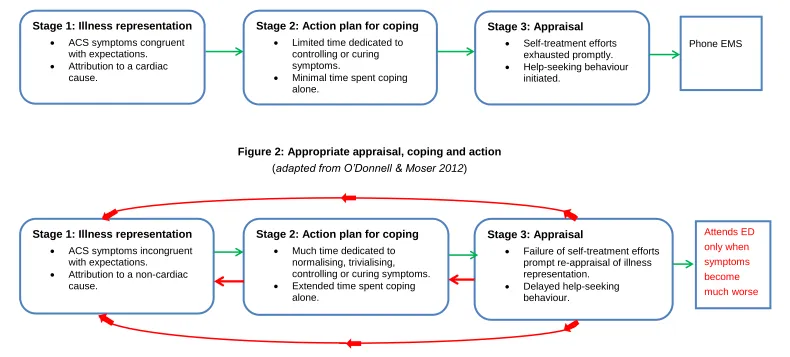
Figure 1: Leventhal's self-regulatory model of illness behaviour ...78
Figure 2: Appropriate appraisal, coping and action ...81
Figure 3: Inappropriate appraisal, coping and action ...81
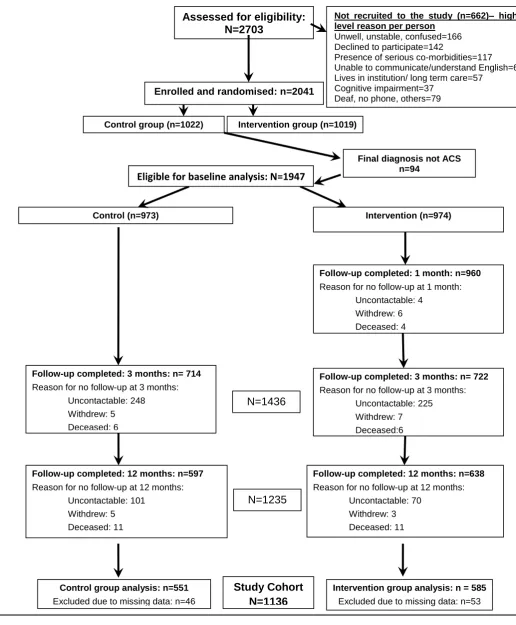
Figure 4: Flow diagram of patient recruitment and follow-up ... 107
Figure 5: Consort flow diagram ... 123
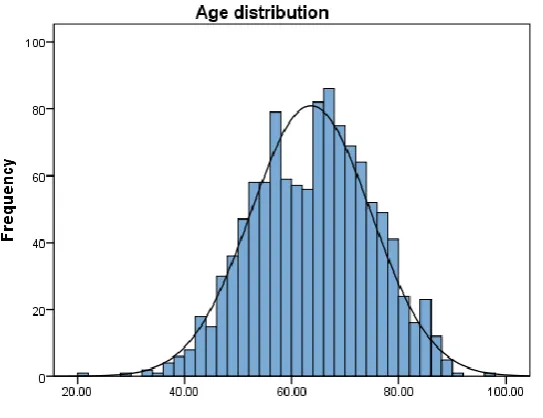
Figure 6: Histogram showing mean age of the study cohort ... 125
Figure 7: Histogram showing mean knowledge scores of the study cohort ... 132
Figure 8: Histogram showing mean attitude scores of the study cohort ... 135
Figure 9: Histogram showing mean belief scores of the study cohort ... 136
Figure 10: Knowledge scores across time (adjusted) ... 140
Figure 11: Attitude scores across time (adjusted) ... 145
Figure 12: Belief scores between groups across time (unadjusted) ... 149
Figure 13: The effect of education level on the change in belief scores over time ... 319
xii
List of Tables
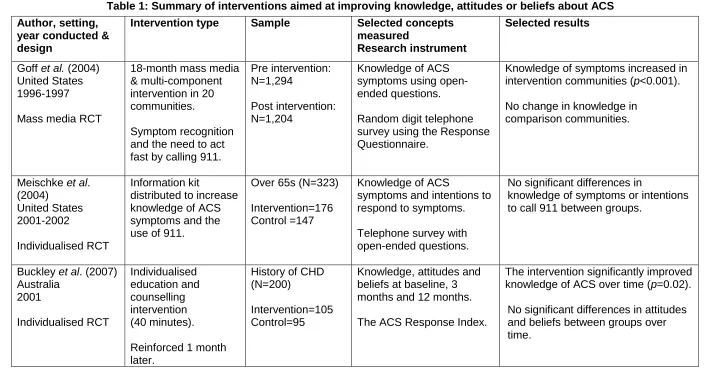
Table 1: Summary of interventions aimed at improving knowledge, attitudes or beliefs
about ACS ... 30
Table 2: Five content domains of a health threat ... 79
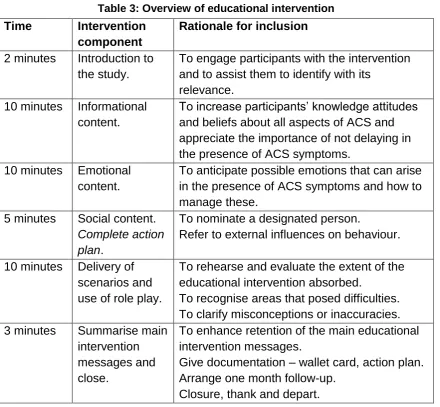
Table 3: Overview of educational intervention ... 90
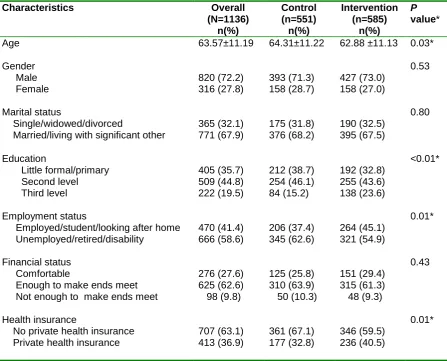
Table 4: Comparison of study cohort demographics ... 126
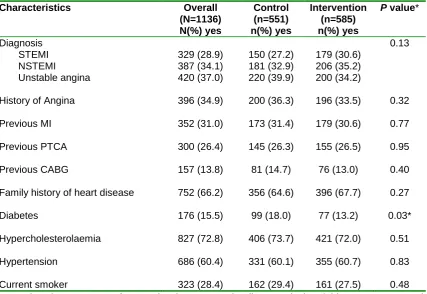
Table 5: Comparison of study cohort clinical characteristics... 128
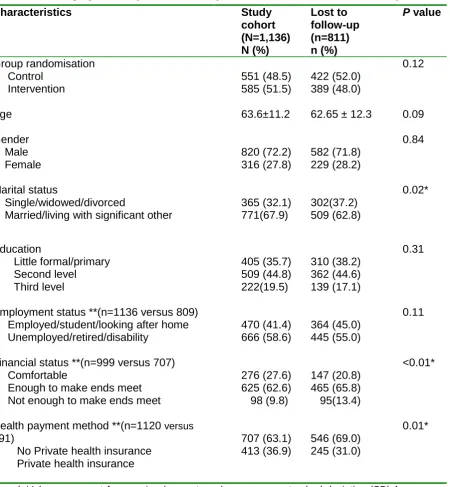
Table 6: Demographic comparison of study cohort and those lost to follow-up... 130
Table 7: Clinical characteristic comparison of study cohort and those lost to follow-up131 Table 8: Knowledge of ACS facts at baseline ... 133
Table 9: Knowledge of ACS symptoms at baseline ... 134
Table 10: Attitudes at baseline ... 137
Table 11: Beliefs at baseline ... 138
Table 12: Knowledge scores across time by group (adjusted) ... 140
Table 13: Knowledge of ACS facts at 12 months ... 141
Table 14: ACS symptom knowledge at 12 months ... 143
Table 15: Attitude scores across time by group (adjusted) ... 145
Table 16: Attitudes with respect to ACS at 12 months ... 147
Table 17: Belief scores across time by group (adjusted) ... 149
xiii
Glossary of Terms
For the purpose of this study interpretations of the following terms are:
Acute coronary syndrome: A diagnosis that refers to both myocardial infarction and unstable angina, as defined by the European Society of Cardiology guidelines.
A participant: A person who has been recruited to the study and has been randomised to the control or intervention group.
A patient: Somebody who has been admitted to hospital with acute coronary syndrome but, at the time of reference, has not been recruited to this study.
Attitude: A way of thinking or feeling about something.
Baseline: The time period following recruitment to the study when data were collected and prior to delivery of the educational intervention. Belief: A firmly held opinion.
Knowledge: The information and skills a person acquires through education or experience.
Interventionist: The research nurse who collected data and delivered the educational intervention in this study.
Intervention manual: The instruction book with the pictures and script that were used by the interventionist in the delivery of the intervention. Interventionist training manual: The protocol of education and
instruction that was used to prepare the interventionist for recruitment, randomisation, data collection, delivery of the intervention and participant follow-up.
Ischaemia: A decrease in blood and oxygen supply to an organ or tissue due to obstruction in or constriction of the blood vessels.
xiv
lumen. To maintain blood vessel patency, a small metal wire mesh called a stent can be inserted.
Pre-hospital delay time: The time from acute symptom onset until the documented time of arrival at the emergency department.
Reperfusion: The resumption of blood flow to an area of tissue that is deprived of oxygen or blood. This is achieved using percutaneous coronary intervention or thrombolysis.
Research sites: The hospitals in which the research study took place. Study: From Chapter 3 onwards, the term study refers to this current
PhD study. It is used interchangeably with the word trial.
Thrombolysis: The breaking down of blood clots, by pharmacological means (the administration of thrombolytics).
xv
List of Abbreviations
ACS: Acute Coronary Syndrome. AHA: American Heart Association. ANOVA: Analysis of Variance.
CABG: Coronary Artery Bypass Graft. CCU: Coronary Care Unit.
CD: Compact Disc
CINAHL: Cumulative Index to Nursing and Allied Health Literature. CONSORT: Consolidated Standards Of Reporting Trials.
CR: Cardiac Rehabilitation.
CVA: Cerebral Vascular Accident. DVD: Digital Videodisc
ECG: Electrocardiograph. ED: Emergency Department.
EMS: Emergency Medical Services. ESC: European Society of Cardiology. EU: European Union.
GP: General Practitioner. IHF: Irish Heart Foundation.
MATHs: Major Academic Teaching Hospitals. MI: Myocardial Infarction.
NSTE-ACS: Non-ST Segment Elevation Acute Coronary Syndrome. NSTEMI: Non-ST Segment Elevation Myocardial Infarction.
PCI: Percutaneous Coronary Intervention. PhD: Doctor of Philosophy.
PI: Principal investigator. PPA: Per Protocol Analysis.
RCT: Randomised Controlled Trial. SD: Standard Deviation.
xvi
STE-ACS: ST Segment Elevation Acute Coronary Syndrome. STEMI: ST Segment Elevation Myocardial Infarction.
1
Chapter 1: Introduction
1.1 Introduction
This thesis provides details of a randomised controlled trial (RCT) that was conducted on patients who were diagnosed with acute coronary syndrome (ACS). Acute coronary syndrome is a serious and potentially life threatening condition, the management of which is time-dependent. If treatment is sought in a timely manner, the chances of reducing mortality, morbidity and complications of ACS are increased (Steg et al. 2012). In light of this, individuals should ideally present as soon as possible to the emergency department (ED) in the presence of unresolving ACS symptoms. This action is dependent on the individual having appropriate knowledge, attitudes and beliefs about ACS symptoms so that they can recognise and respond appropriately to them. Accordingly, the aim of this study was to test the effectiveness of an individualised educational intervention on knowledge, attitudes and beliefs about ACS. This chapter contextualises the condition of ACS within cardiovascular disease, its pathophysiology and management and its relevance to delay to treatment. The chapter also presents the importance of knowledge, attitudes and beliefs about ACS. It concludes with the study background and thesis overview.
2
there were 2,278 deaths in Ireland from myocardial infarction (Central Statistics Office 2013). Acute coronary syndrome comprises MI and unstable angina.
1.2 Acute coronary syndrome
Acute coronary syndrome is categorised into one of three cardiac conditions: ST-segment elevation ACS (STE-ACS), non ST-segment elevation ACS (NSTE-ACS), or unstable angina (UA) (Kumar & Cannon 2009, Karras et al. 2013). ST-segment elevation ACS and NSTE-ACS are commonly known as a heart attack. Acute coronary syndrome is most commonly caused when an atherosclerotic plaque ruptures and precipitates thrombus formation (Van de Werf 2003, de Silva & Fox 2009). This can result in the sudden critical occlusion of a coronary artery with subsequent acute ischaemia (Cheng 2001). The resulting imbalance between oxygen supply and demand gives rise to the symptoms of ACS. If ischaemia is severe and persistent, myocardial necrosis occurs within approximately 2-4 hours (Thygesen et al. 2007, Libby et al. 2008, Hamm et al. 2011). The major adverse effects of ischaemia and necrosis are fatal dysrhythmias, heart failure and cardiogenic shock (Van de Werf et al. 2003, Anderson et al. 2007, Karras et al. 2013). Consequently, treatment is aimed at plaque stabilisation and the alleviation of ischaemia and symptoms (Sharma & Kaddoura 2005).
3
hospital. It is therefore imperative that individuals present to the ED as soon as possible for diagnosis and appropriate medical interventions (Asseburg et al. 2007, Perkins-Porras et al. 2009, MacKay et al. 2014). Best practice guidelines recommend transportation to the ED via the EMS (Steg et al. 2012).
Risk stratification algorithms have been developed to allow clinicians make timely decisions on appropriate treatment in ACS (Hamm et al. 2011). The pathway of treatment is dependent on the category of ACS diagnosis and separate guidelines are available for each category (Van de Werf et al. 2008). Time from symptom onset to treatment is important in all cases of ACS, but most particularly for those diagnosed with STE-ACS, where myocardial perfusion is occluded by plaque or thrombus. The immediate aims of treatment for STE-ACS are to re-establish coronary blood flow and to reduce the risk of recurrent thrombus formation (de Silva & Fox 2009). These are achieved through the use of reperfusion therapies.
4
of the method of reperfusion, the benefits rise exponentially if initiated within the first hour of symptom onset (Gusto 1993, Fox et al. 2007, Rosamond et al. 2007, Widimsky et al. 2010, Jernberg et al. 2011, McManus et al. 2011). Conversely, there is an inverse relationship between delay to the receipt of reperfusion and its beneficial effects (Tubaro et al. 2011, Health Service Executive 2012).
The majority of those who present with STE-ACS develop and are diagnosed with an ST-segment elevated myocardial infarction (STEMI). This is the most acute form of heart attack and many deaths occur from STEMI within the first few hours of onset (Steg et al. 2012). It is distinguished from NSTE-ACS by the presence of persistent ST-elevation, on the electrocardiograph (ECG). Those who present with NSTE-ACS are diagnosed with either unstable angina or a non ST-elevated myocardial infarction (NSTEMI) (Hamm et al. 2011).
The distinction between NSTEMI and unstable angina is based on the presence or absence of a rise in biomarkers (cardiac-specific troponins) that are released into the circulation when ischaemia is sufficiently severe to cause myocardial damage. In the presence of specific ECG changes and raised biomarkers, a diagnosis of NSTEMI can be made. Conversely, unstable angina is diagnosed through the presence of specific ECG changes with normal biomarkers (Kumar & Cannon 2009, Hamm et al. 2011).
5
individuals with ACS symptoms cannot determine for themselves which category of ACS they have (Ting et al. 2010). As category differentiation is reliant on ECGs and biochemical markers, patients with ACS symptoms must attend the ED promptly for risk stratification and diagnosis (Bassand et al. 2007, Kumar & Cannon 2009, Hamm et al. 2011).
1.3 Delay to treatment
Despite the need for early intervention, many individuals delay seeking treatment for ACS symptoms. Delay to treatment refers to the time-lag between the onset of ACS symptoms and the initiation of treatment in the ED. This time is often subdivided into pre-hospital and in-hospital delay. Pre-hospital delay refers to the time from acute symptom onset until arrival at the ED (Dracup et al. 2006, Løvlien et al. 2007) and is categorised into decision delay and transportation delay (Moser et al. 2006, Finn et al. 2007). Decision delay comprises the greatest portion of pre-hospital delay (Rasmussen et al. 2003, Riegel et al. 2007, O’ Donnell et al. 2013). It is the time from acute symptom onset until the decision is made to seek medical assistance. Transport delay is the time taken from making the decision to seek treatment until arrival at the hospital (Finn et al. 2007, Khraim & Carey 2009, Khraim et al. 2009). In-hospital delay refers to the time from arrival at the ED until initiation of reperfusion (Finn et al. 2007).
6
Longer pre-hospital delay times have been associated with failure to attribute ACS symptoms to a cardiac origin (Banks & Dracup 2006, Perkins-Porras et al. 2009, Fox-Wasylyshyn et al. 2010). Similarly, correctly attributing ACS symptoms to the heart can reduce pre-hospital delay time (Fukuoka et al. 2005, Quinn 2005, McSweeney et al. 2007, Kirchberger et al. 2012, McKee et al. 2013). Therefore, there is a need to disseminate information about ACS symptoms and how one should respond to them (Steg et al. 2012), as accurate knowledge, combined with appropriate attitudes and beliefs can shape how an individual interprets and responds to ACS symptoms (Jankowski et al. 2011).
As individuals with a previous ACS diagnosis are at high risk for a recurrence of ACS, it is of extreme importance that they are provided with information about ACS symptoms and what to do about them (Fox et al. 2007, Menzin et al. 2008, Fox et al. 2010, Hamm et al. 2011). Others at high risk for an ACS event are those people with established cardiovascular disease (Hamm et al. 2011). The need for these people to be equipped with relevant information is also well-recognised (Dracup et al. 1997a, Steg et al. 2012). Help-seeking behaviour could be improved through proper instruction and education, which develops knowledge, attitudes and beliefs (Kopec et al. 2010, Jankowski et al. 2011). Individuals who are adequately informed and who have positive attitudes and beliefs about seeking help for symptoms are more likely to make appropriate decisions (Dracup et al. 2008, Steg et al. 2012). However, it has been identified that information alone cannot change behaviour because of the interaction between knowledge and attitudes and beliefs (Ajzen & Fishbein 2005). This contextualises the importance of knowledge, attitudes and beliefs with respect to ACS symptoms and responses to them, as a deficit in these can contribute to increased pre-hospital delay time.
1.4 The relevance of knowledge, attitudes and beliefs to this
study
7
have an interdependent relationship with each other (McKinley et al. 2009, O’Brien et al. 2013). Consequently, they are often used interchangeably in the literature (Jensen & Moser 2008, Goulding et al. 2010). It has been suggested that an attitude is a “…state of readiness, a tendency to respond in a certain manner when confronted with a certain stimuli” (Oppenheim 2004 p.174). Attitudes are reinforced by beliefs (cognitive components) and attract strong feelings (emotional components), which can lead to particular behaviours (action tendencies) (Oppenheim 2004 p.175). Therefore, a person’s behaviour can be explained by their attitudes and beliefs as “…their beliefs represent the information (correct or incorrect) that they have about the world” (Ajzen & Fishbein 1980 p. 79). The aim of this study is to examine the effectiveness of an individualised educational intervention on knowledge, attitudes and beliefs about ACS. The importance of this is rooted in the need for individuals to be exposed to information that can alter attitudes and beliefs and change behaviour.
1.5 Background to the study
8 1.5.1 My unique contribution to the study
Although this study was part of the ‘ACS Response Time Intervention Trial’, I undertook ownership and total responsibility for the knowledge, attitude and belief component of the study. My unique contribution included:
Making a significant contribution to the preparation and submission of the research proposal to the Health Research Board.
Developing the trial protocol.
The preparation and submission of applications for ethical approval. Selecting and training the interventionists with respect to patient
recruitment, intervention delivery, data collection and data management. Providing information meetings with the gatekeepers and staff at each
research site.
Collecting baseline, 3 and 12 month data and delivering the educational intervention to participants recruited at one research site.
Ensuring that the trial was conducted rigorously and that trial fidelity was upheld.
Collating all data collected for this study. This included data inputting, data cleansing and proofing and data analysis.
Local, national and international dissemination of the study results.
1.6 Overview of the dissertation
This thesis is divided into 6 chapters. Chapter 2 comprises the literature review, the thrust of which is centred on knowledge, attitudes and beliefs about ACS. Within this chapter, the importance of knowledge and recommended behaviours in ACS are discussed. As this study is an RCT in which an intervention is being tested, relevant prior interventions with a similar focus to this study are also reviewed. As a component of the literature review, previous strategies that were used in the education of patients are also addressed. The study aim, objectives and hypotheses are presented at the end of the literature review.
9
application are examined. Issues of importance, such as intervention design, intervention fidelity and the theoretical framework underpinning the educational intervention are discussed.
Chapter 4 details the research methods used in this study, including the day-to-day operationalisation of the study in the research sites. Details about access, sampling, recruitment, data collection, the research instruments and intervention delivery are provided. Ethical considerations and data analyses pertaining to this study are also presented in this chapter.
Chapter 5 presents the study’s results. Consistent with the criteria for the reporting of RCTs, the CONsolidated Standards Of Reporting Trials (CONSORT) flow diagram is provided and can be located here. This diagram demonstrates the number of participants recruited, retained and those lost to study follow-up for the study duration.
10
Chapter 2: Literature Review
2.1 Introduction
Symptom onset is normally the first indicator of the presence of ACS. These symptoms can be continuous or intermittent; they can be of gradual or sudden onset and can vary in severity and intensity. Therefore, the ability to recognise and interpret symptoms, which is known as ‘symptom recognition’, is often less clear-cut than might be expected. This can pose major problems for individuals, as symptom ambiguity can contribute to delay in seeking help for symptoms (O’Donnell & Moser 2012, O’Donnell et al. 2014). Early help-seeking behaviour is important to facilitate the diagnosis and treatment of myocardial ischaemia in the shortest possible time. Knowledge, attitudes and beliefs are three influential factors that can guide symptom recognition and precipitate the initiation of help-seeking behaviour (Dracup et al. 2008, O’Brien et al. 2014). In light of this, it is important that individuals have sufficient knowledge to recognise ACS symptoms. In addition, positive attitudes and accurate beliefs about symptom management would help to reduce the consequences of delayed responses to ACS.
This literature review provides an overview of ACS symptoms and the recommended behaviour to take in their presence. Within this context, the role of knowledge, attitudes and beliefs are discussed. The purpose of this review is to provide evidence about desired and actual knowledge about ACS. In addition, those interventions that have previously been conducted with a view to improving knowledge, attitudes or beliefs about ACS will also be discussed. Furthermore, the optimum means by which patients can be educated will be presented, as this is thought to affect the means by which information is internalised (Rogers 1983).
11
pertaining to public knowledge about ACS symptoms is reviewed. The third section critically appraises prior educational interventions that have been conducted in an effort to improve knowledge, attitudes or beliefs about ACS. Strategies known to enhance patient education are also included in the third section. The chapter concludes with the study’s aim, objectives and hypotheses.
2.2 Search strategy
The literature search included published literature using the following databases: Pubmed, Cumulative Index to Nursing and Allied Health Literature (CINAHL), PsycINFO, Cochrane, Academic Search Premier and Google Scholar. Keywords used in the search included: acute coronary syndrome, acute myocardial infarction, heart attack, angina, myocardial ischaemia, coronary insufficiency. These were used in combination with knowledge, attitudes, beliefs, awareness, symptoms, help-seeking behaviour and responses to symptoms. Further combined searches were conducted to identify relevant educational interventions and patient education strategies. Keywords for these searches included educational intervention, patient education and education strategies. Additional searches of national and international websites, such as the Department of Health and Children, the Irish Heart Foundation and the European Society of Cardiology were completed. Reference lists were reviewed to identify any additional relevant literature. Literature was confined to that published in the English language and spanned the past 20 years (1994-2014). Quantitative and qualitative methodologies were included. Seminal literature, or studies of particular relevance to this research (some of which pre-date 1994), were also included.
Section I
2.3 Responses to ACS symptoms
12
where appropriate, to restore myocardial perfusion (Van de Werf et al. 2008). Transportation to hospital by ambulance for acute cardiovascular events is associated with reduced pre-hospital delay time (Hutchings et al. 2004, Dracup et al. 2009, McKee et al. 2013). Those who summon the EMS receive earlier treatment, which results in improved outcomes by reducing myocardial tissue damage and necrosis (Canto et al. 2002, Hutchings et al. 2004, Moser et al. 2006, Song et al. 2008, Herlitz et al. 2010b). Additional benefits of ambulance use include the availability of advanced cardiac life support personnel and resuscitation resources. These are essential, given that approximately 50% of those who sustain ACS-related sudden death do so prior to hospital arrival (Lozzi et al. 2005, Rosamond et al. 2008).
Despite the imperative for prompt management of ACS, individuals with symptoms often fail to call the EMS (Lozzi et al. 2005, McGinn et al. 2005, Thuresson et al. 2007, Gartner et al. 2008, Dracup et al. 2009, McKee et al. 2013). Reasons for non-ambulance use include: a perceived lack of necessity, the belief that another mode of transport would be quicker, the advice of another person and emotions such as fear and embarrassment (Johansson et al. 2004b, Thuresson et al. 2008, Herlitz et al. 2010b). Researchers have reported that failure by patients to call the EMS is related to a lack of awareness of its benefits (Johansson et al. 2004b, Mathews et al. 2011). Indeed, for those who signal EMS assistance, the decision to do so is often delayed for at least one hour after symptom onset (Van de Werf et al. 2008).
13
mechanisms, consultation with a GP and non-ambulance use highlight the need to increase public awareness with respect to correct ACS symptom management.
In ACS, help-seeking behaviour is triggered by the identification of symptoms as cardiac. In order to execute appropriate action, the individual must correctly appraise that their symptoms are of cardiac origin. This action can be delayed if the symptoms are unknown to the individual or if they present differently from what the individual expects. Interpretation of symptoms takes precedence over everything else in determining help-seeking behaviour (O’Donnell & Moser 2012), as the action taken is dependent on symptom knowledge and interpretation.
2.4 ACS symptoms
14
During an ACS event, the majority of people present with some sort of symptom, although not necessarily chest pain. The proportion of those who present to hospital without chest pain ranges from one third in large cohort studies (Goldberg et al. 1998, Canto et al. 2000, Canto et al. 2007) to one fifth in smaller studies (Horne et al. 2000, Johansson et al. 2004a, Milner et al. 2004, Hwang et al. 2009, O’Donnell et al. 2012). The relative absence of chest pain among ACS patients was identified in the Global Registry of Acute Coronary Events (GRACE) study (Brieger et al. 2004). These investigators collected data on 20,881 ACS patients from 95 hospitals in 14 countries between 1999 and 2002. They reported that 8.4% (n=1,763) of patients presented to hospital without chest pain. Of these, 23.8% were not initially recognised as having ACS, as their primary presenting symptoms were dyspnoea (49.3%), diaphoresis (26.2%), nausea or vomiting (24.3%) and syncope (19.1%) (Brieger et al. 2004). The implication of this finding is that the range and variability of ACS symptoms is vast and in the absence of chest pain, medical professionals can encounter difficulties with reaching a differential diagnosis for ACS patients. It is therefore not unexpected that in the absence of chest pain, the public have difficulty in deciphering symptoms and attributing them to a cardiac cause.
15
Most patients (n=27) experienced slow-onset ACS, while only 15 patients experienced fast-onset ACS (O’Donnell & Moser 2012). However, all patients expected that ACS would resemble fast-onset ACS in terms of experiencing sudden, severe and continuous chest pain. Because of the incongruence between symptom expectation and symptom presentation, patients with slow-onset ACS reported difficulty in correctly associating their symptoms with a cardiac cause. As a result, they dedicated time to controlling their symptoms and normalising what they were feeling. Symptoms were often attributed to a pre-existing illness and when self-treatment efforts failed, these individuals had to re-appraise their symptoms. It was only as their symptoms began to resemble their expectation of ACS, that they sought help. Conversely, for those with fast-onset ACS, their illness presentation matched their expectation; thus they recognised the threatening nature of their symptoms and sought help. Minimal time was spent trying to control and cope with their symptoms. In light of these findings, O’ Donnell and Moser (2012) suggest that the differentiation of the two categories of ACS could provide insight into the speed at which individuals seek help for ACS symptoms.
16
The empirical finding by O’Donnell and Moser (2012) that symptom expectation was incongruent with symptom presentation was supported in prior research studies (Finnegan et al. 2000, Horne et al. 2000, Pattenden et al. 2002, King & McGuire 2007). However, the majority of these studies were conducted more than a decade ago. Studies were of both qualitative (Finnegan et al. 2000, Pattenden et al. 2002), and quantitative (Horne et al. 2000, King & McGuire 2007) methodologies. Those that were qualitative had sample sizes of 22 (Pattenden et al. 2002) and 207 (Finnegan et al. 2000), while those that were quantitative had sample sizes of 60 (King & McGuire 2007) and 88 (Horne et al. 2000).
In all studies (Finnegan et al. 2000, Horne et al. 2000, Pattenden et al. 2002, King & McGuire 2007), symptom expectation differed from reality in that the majority of participants experienced symptoms which were inconsistent with their perceptions. Differences related to: the type of symptoms that were experienced (Finnegan et al. 2000, Horne et al. 2000); symptom location (King & McGuire 2007); symptom severity (Pattenden et al. 2002, King & McGuire 2007); and the disparity between the lived experience of an MI and the media-driven Hollywood movie portrayal of this event (Finnegan et al. 2000, Pattenden et al. 2002, King & McGuire 2007). Individuals who have experienced an ACS event often favour a description of their symptoms which does not include the word pain. Fullness, tightness, heaviness, pressure, discomfort, crushing, burning, squeezing and sting have been used as descriptors of the sensation (King & McGuire 2007, Gray et al. 2008, O’Donnell & Moser 2012, Canto et al. 2014). In addition to O’Donnell et al. (2014), two other researchers identified an association between symptom expectation, symptom experience and rapid help-seeking behaviour (Horne et al. 2000, King & McGuire 2007). Although these studies (Horne et al. 2000, King & McGuire 2007) were relatively small, they offer insight into how an individual’s interpretation of symptoms might contribute to their delay in reaching hospital.
17
researchers have demonstrated inconsistent results in this regard. Some researchers suggest that individuals who previously experienced an MI and those who had undergone recent cardiac procedures had shorter pre-hospital delay times (Sheifer et al. 2000, Gibler et al. 2002, Goldberg et al. 2002, McKee et al. 2013). However, this finding was not consistently reported (Dracup & Moser 1997, Johansson et al. 2004a) and may be explained by the presence of a different constellation of symptoms than previously experienced (Pattenden et al. 2002). Other possible explanations include attempts at symptom self-management, the presence of what is perceived to be an atypical MI symptom or the adaptation to living with chronic anginal pain (Alonzo & Reynolds 1998). The association between symptoms and the potential for their misinterpretation underscores the importance of individuals knowing the symptoms of ACS and how they can be different on a subsequent occasion, as well as knowing what to do in their presence.
2.4.1 Summary of ACS symptoms and responses to symptoms
18
Section II
2.5 What the public know about ACS
Knowledge of ACS symptoms and potential responses to them has been well researched. The most recent research in this area was conducted 5 years ago (Swanoski et al. 2012, Whitaker et al. 2012), while the oldest was 18 years ago (Goff et al. 1998). The majority of studies were carried out in the United States (Goff et al. 1998, Greenlund et al. 2004, Tullman & Dracup 2005, Dracup et al. 2008, Hwang et al. 2008, Swanoski et al. 2012), with two in Europe (Henriksson et al. 2012, Whitaker et al. 2012), one in Canada (Cytryn et al. 2009) and one in Thailand (Poomsrikaew et al. 2010). This section presents the literature pertaining to what the public know about ACS and the action they said they would take in its presence.
In 2012, two European researchers reported on knowledge levels of MI symptoms among the public (Henriksson et al. 2012, Whitaker et al. 2012). The studies were conducted in Sweden (Henriksson et al. 2012) and England (Whitaker et al. 2012). Whitaker et al. (2012) conducted a street survey on 302 people using open-ended questions, while Henriksson et al. (2012) used a sample of 418 patients who had no history of MI.
19
The study that reported higher levels of symptom knowledge was the one that provided a list of potential symptoms, from which those surveyed could choose (Henriksson et al. 2012). Whitaker et al. (2012) used open-ended questions, where no options were provided. These differences in data collection methods may account for the reported differences in knowledge levels between the studies. In addition to assessing symptom knowledge, Henriksson et al. (2012) reported participants’ intended actions if they suspected someone was experiencing symptoms of MI. In response to a scenario provided, 85% identified the need to phone 911 for an ambulance. However, when participants were asked the same question with respect to themselves experiencing the chest pain, only 75% reported the intended action of calling 911 (10% less) (Henriksson et al. 2012). This implies that people may be more willing to seek help for others than for themselves, which suggests the potential value of disclosing the presence of symptoms to another person. The non-disclosure of the presence of symptoms to a third party can extend pre-hospital delay time (Johansson et al. 2004a).
Two of the largest studies conducted to examine the public’s knowledge of ACS symptoms were carried out in the US (Greenlund et al. 2004, Swanoski et al. 2012). Both studies used similar methodologies. The samples of 61,018 (Greenlund et al. 2004) and 103,262,115 (Swanoski et al. 2012) adults >18 years were identified using a state-based random digit-dialled telephone survey. From a pre-determined list of symptoms (5 correct, 1 incorrect/decoy symptom) on the Behavioral Risk Factor Surveillance Survey, participants in both studies were asked to identify which symptoms they would associate with ACS.
20
(Greenlund et al. 2004) and 87% (Swanoski et al. 2012), shortness of breath by 87% (Greenlund et al. 2004) and 85% (Swanoski et al. 2012), pain in the jaw, neck or back by 51% (Greenlund et al. 2004) and 54% (Swanoski et al. 2012) and feeling weak, lightheaded and faint by 65% (Greenlund et al. 2004) and 63% (Swanoski et al. 2012). When participants were asked to identify the first thing they should do if they thought someone was having a heart attack, 86% (Greenlund et al. 2004) and 87% (Swanoski et al. 2012) indicated that they would call 911.
Notwithstanding the high levels of knowledge reported by both researchers, 67% (Greenlund et al. 2004) and 58% (Swanoski et al. 2012) of participants incorrectly identified the decoy symptom as an ACS symptom. The use of one decoy symptom may have inflated the accuracy of results through guesswork. Despite their potential for an ACS event, individuals who were at high risk for a repeat event displayed no greater knowledge of ACS symptoms than those at low-risk in the study (Greenlund et al. 2004).
21
The study by Dracup et al. (2008) comprised samples from the US, Australia and New Zealand. These researchers used face-to-face interviews to collect data on 3,522 members of the public, all of whom had a diagnosis of coronary heart disease. Dracup et al. (2008) amended the instrument originally used by Goff et al. (1998) and renamed it ‘The ACS Response Index’. This revised instrument included a list of correct and decoy ACS symptoms. Dracup et al. (2008) reported a mean knowledge score of 71% for their sample (range, 8%-100%), but did not report knowledge of individual ACS symptoms. To date, this is the only study that reported mean scores, thereby outruling the possibility of cross study comparisons. Of the sample (N=3,522), 44% scored less than 70%, which according to Dracup et al. (2008) was a low knowledge level. However, these researchers provided no rationale for their chosen benchmark of 70%. In addition to low knowledge levels, only 69% of this relatively high risk sample reported that they would call 911 in the event of ACS symptoms. This is a lower percentage than otherwise reported (Goff et al. 1998, Greenlund et al. 2004, Swanoski et al. 2012). Consistent with Greenlund et al. (2004), those with a history of MI or cardiac surgery were not found to display any greater knowledge level than those with no such history.
22
and nausea were also symptoms indicative of ACS. As people of advancing age are less likely to experience chest pain and more likely to experience atypical symptoms (Brieger et al. 2004, Arslanian-Engoren et al. 2006, Hwang et al. 2009), these results highlight the need for specific education about this. In addition, participants with a prior history of MI had no greater knowledge of ACS than those with no prior history of an MI; a finding that was echoed elsewhere (Greenlund et al. 2004, Dracup et al. 2008). This highlights the need to target those members of the public who are at greatest risk for an ACS event (Hamm et al. 2011).
Hwang et al. (2008) used a combination of open-ended and structured questions to measure knowledge of ACS symptoms among a convenience sample of 116 Korean immigrants living in Chicago. Recruitment took place through Korean churches, markets and shops in central and suburban Chicago. Using a face-to-face administered questionnaire, participants were initially asked “What do you think are the symptoms of a heart attack?” In response to this open-ended question, reported knowledge levels were particularly low. Only 50% correctly identified at least one heart attack symptom, with only 15% of individuals correctly identifying two or more symptoms. Chest pain, which is generally the most commonly recognised symptom of ACS, was identified by only 33%.
23
can be elicited from the same sample, depending on the method of questioning used.
Using a revised version of the instrument devised by Hwang et al. (2008), Poomsrikaew et al. (2010) measured knowledge of ACS symptoms in a convenience sample of 192 people in a street survey in Thailand. On average, participants identified more than half of all ACS symptoms from a list of correct and decoy symptoms. The most commonly known symptoms were fatigue (79.7%), chest discomfort (78%), dizziness (76%) and shortness of breath (71%). Conversely, nausea, indigestion and sweating were correctly identified by only 26%, 53% and 64% respectively. Given that participants were provided with a list of symptoms, the finding that 22% did not identify the classic chest discomfort as an ACS symptom, points to the need for education. This is further supported by the fact that half of all participants erroneously selected decoy symptoms as being ACS-related; a finding reflected elsewhere (Greenlund et al. 2004, Swanoski et al. 2012). Moreover, consistent with researchers who identified incongruence between symptom expectation and symptom presentation (Pattenden et al. 2002, King & McGuire 2007, O’Donnell & Moser 2012), 66.7% of participants in this study mistakenly believed that chest discomfort would be severe, sharp and stabbing.
24
transparent. Participants were then interviewed about their knowledge of ACS symptoms, using an open-ended question.
In this study (Cytryn et al. 2009), individuals were more inclined to respond appropriately to the symptoms presented in the familiar scenario, such as the ‘Hollywood heart attack’ scenario. The sense of urgency relating to their actions also increased. Urgent actions included participants stating that they would call 911 or attend the ED. Correct response ranged from 33% for the unrelated scenario, to 50% for the unfamiliar ACS scenario, to 70% for the familiar ACS scenario. When responses were examined by group, the cardiac group had the highest frequency of urgent responses (73%), compared to the diabetic group (47%) and the healthy group (33%). There was also a trend that those who knew only one symptom reported urgent responses much less frequently. This indicates that increasing an individual’s knowledge has the potential to positively influence their intentions to behave appropriately in the presence of ACS symptoms. The researchers (Cytryn et al. 2009) suggest that when cognitive methods of data collection and analysis are used, these may help illuminate the relationship between knowledge and action. The use of scenarios could play a role in the preparation of individuals for an event that might arise. This is an important consideration in the development of interventions that are designed to improve knowledge and alter attitudes and beliefs about seeking help in the presence of ACS.
25
While the information from this study (Cytryn et al. 2009) supported other research results and provided information into future research requirements, the study was limited in some respects. Knowledge levels in this study may have been overestimated, as their measurement occurred after the scenarios were presented. Symptoms described in the scenarios may have provided cues to information that would have otherwise been unknown to participants.
For those studies reviewed in this section that measured intentions to call the EMS, the results were varied. In four studies, over 85% of participants stated that they would call 911 in the presence of ACS symptoms (Goff et al. 2004, Greenlund et al. 2004, Henriksson et al. 2012, Swanoski et al. 2012). Two researchers (Dracup et al. 2008, Hwang et al. 2008) reported results of 69% and 72%, respectively. For participants in the study by Cytryn et al. (2009), intentions to respond appropriately to ACS symptoms were dependent on their recognition that they were experiencing an ACS event. In this case, recognition was synonymous with the ‘Hollywood heart attack’. This highlights how knowledge of ACS symptom presentation is important in determining intended actions.
26
intention and behaviour liable to bias and may inflate estimates of the effect of the relationship. To further explore this issue, Webb and Sheeran (2006) carried out a meta-analysis of 47 experimental studies, whereby intention was changed through intervention. Subsequent behaviour was then compared. Following analysis, the researchers reported that behavioural intentions have a significant impact on behavioural change, albeit to a smaller extent than that reported in correlational studies (Webb & Sheeran 2006). A more recent study (deBruin et al. 2012) supports the finding that intentions are good predictors of behaviour, and explain 25-30% of the variance, particularly if the person’s self-regulatory capabilities are also increased. Based on the evidence provided by these analyses, it is reasonable to suggest that intention to behave in a particular way in the presence of ACS symptoms is a good predictor that the behaviour will be executed.
2.5.1 Summary of public knowledge about ACS
A total of 10 studies were reviewed in this section to identify what the public know about ACS. Evidence from the literature demonstrated that a large percentage of individuals would call 911 in the presence of ACS symptoms. Results from meta-analyses suggest that intentions to act in a particular way can be reflected in that behaviour (Webb & Sheeran 2006). With respect to ACS symptom knowledge, chest pain was the most commonly recognised symptom (Greenlund et al. 2004, Tullman & Dracup 2005, Hwang et al. 2008, Poomsrikaew et al. 2010, Henriksson et al. 2012, Swanoski et al. 2012, Whitaker et al. 2012), with knowledge levels ranging from 75% (Whitaker et al. 2012) to 99% (Tullman & Dracup 2005). However, knowledge of the constellation of other symptoms was lower than chest pain and varied between studies. For example, knowledge of nausea as an ACS symptom varied between 8% (Whitaker et al. 2012) and 65% (Henriksson et al. 2012), while knowledge of jaw pain ranged from 47% (Cytryn et al. 2009) to 54% (Swanoski et al. 2012). These poor knowledge levels can be problematic, as people often experience these other symptoms.
27
al. 2008, Poomsrikaew et al. 2010, Henriksson et al. 2012, Swanoski et al. 2012), reported higher knowledge levels compared to those researchers who used open-ended questions (Goff et al. 1998, Hwang et al. 2008, Whitaker et al. 2012). A pre-determined list can provide cues to the individual that can result in an overestimation of their level of recognition in comparison to results obtained from unprompted recall. However, regardless of the method used, knowledge of ACS symptoms other than chest pain was notably inadequate.
The variation in study results might also be attributed to the use of different research methodologies and instruments. With the exception of the studies that used the Response Questionnaire (Goff et al. 1998, Tullman & Dracup 2005) and the Behavioral Risk Factor Surveillance System (Greenlund et al. 2004, Swanoski et al. 2012) to collect data, all other studies used different questionnaires with different sets of questions. There was lack of consistency among researchers with respect to the symptoms included in their checklist and categorisation of symptoms. Variations such as these make study comparisons more difficult.
28
Irrespective of the methodological differences between studies, empirical evidence highlights the requirement for the public to be provided with information about ACS. This should include information on the range and variability of ACS symptoms, the potential for incongruence between symptom expectation and presentation and the correct responses to take in the presence of symptoms. As participants with a prior history of MI had no greater knowledge of ACS, than those with no prior history (Greenlund et al. 2004, Tullman & Dracup 2007, Dracup et al. 2008), this information is of particular relevance to those at high risk for developing ACS. The predominant means of public information dissemination is through educational interventions.
Section III
2.6 Interventions to increase ACS knowledge, attitudes or
beliefs
The literature reviewed in the previous section demonstrated that public knowledge levels are generally inadequate and many ACS symptoms are unknown or go unrecognised. As requisite knowledge is the first and most important step to enabling individuals to identify and acknowledge ACS symptoms, the requirement for interventions aimed at increasing knowledge, attitudes or beliefs about ACS is supported. To date, a small number of interventions have been conducted to improve knowledge of ACS symptoms and help-seeking behaviour. In addition, some interventions targeted improvements in attitudes and beliefs about ACS. This section will review those interventions that reported on the measurement of knowledge, attitudes or beliefs about ACS. From this review, information will be gleaned with respect to what has been achieved to date, the means by which it has been achieved and the outstanding requirements for further research. The optimum means through which patient education can be provided will also be presented.
2.6.1 Prior interventions
29
30
Table 1: Summary of interventions aimed at improving knowledge, attitudes or beliefs about ACS Author, setting,
year conducted & design
Intervention type Sample Selected concepts measured
Research instrument
Selected results
Goff et al. (2004) United States 1996-1997 Mass media RCT
18-month mass media & multi-component intervention in 20 communities.
Symptom recognition and the need to act fast by calling 911.
Pre intervention: N=1,294
Post intervention: N=1,204
Knowledge of ACS symptoms using open-ended questions. Random digit telephone survey using the Response Questionnaire.
Knowledge of symptoms increased in intervention communities (p<0.001). No change in knowledge in
comparison communities.
Meischke et al. (2004)
United States 2001-2002
Individualised RCT
Information kit
distributed to increase knowledge of ACS symptoms and the use of 911.
Over 65s (N=323) Intervention=176 Control =147
Knowledge of ACS
symptoms and intentions to respond to symptoms. Telephone survey with open-ended questions.
No significant differences in
knowledge of symptoms or intentions to call 911 between groups.
Buckley et al. (2007) Australia 2001 Individualised RCT Individualised education and counselling intervention (40 minutes). Reinforced 1 month later.
History of CHD (N=200)
Intervention=105 Control=95
Knowledge, attitudes and beliefs at baseline, 3 months and 12 months. The ACS Response Index.
The intervention significantly improved knowledge of ACS over time (p=0.02).
31
Author, setting, year conducted & design
Intervention type Sample Selected concepts measured
Research instrument
Selected results
Tullman et al. (2007) United States
March - October 2001 Individualised RCT Individualised education and counselling intervention (40-60 minutes). Reinforced 1 month later.
Over 65s with history of CHD (N=115). Intervention=58 Control=57
Knowledge, attitudes and beliefs at baseline and 3 months.
The Response Questionnaire.
Significant increase in knowledge (p<0.001) and beliefs (p=0.002) in the intervention group compared to the control group at 3 months.
No significant differences in attitudes between groups at 3 months.
Bell et al. (2009) United States 2007 Pre-test, post-test Group educational intervention (45-60 minutes). Over 60s (N=693)
Knowledge of ACS symptoms and actions. The Behavioural Risk Factor Surveillance System.
Significant improvement in symptom knowledge (p<0.001).
Significant improvement in knowledge of actions to take (p<0.001).
McKinley et al.
(2009)
United States, Australia & New Zealand
2001 – 2003 Individualised RCT Individualised education and counselling intervention (40 minutes). Reinforced 1 month later.
History of CHD (N=3,522).
Intervention=1,777 Control=1,745
Knowledge, attitudes and beliefs about ACS at baseline, 3 months and 12 months.
The ACS Response Index.
32
Author, setting, year conducted & design
Intervention type Sample Selected concepts measured
Research instrument
Selected results
DeVon et al. (2010b) United States Dec 2006-March 2008 Pilot RCT Computerised slide presentation (5-15 minutes). Viewed 3 times pre discharge. Viewed at 2 and 4 months post discharge.
Patients with CHD for elective PCI (N=64)
Intervention=32 Control=32
Knowledge of ACS
symptoms and care seeking behaviour.
An identified 20-item instrument.
Knowledge of ACS symptoms and care-seeking behaviour increased significantly in the intervention group, compared to the control group
(p<0.001).
Gallagher et al. (2013)
Australia. March 2010 to March 2011 Pre-test, post-test Individualised educational intervention (15-25 minutes).
History of CHD (N=137)
Knowledge of ACS symptoms and actions. The ACS Response Index.
Significant improvement in mean symptom knowledge (p<0.0001). Significant improvement in knowledge of actions to take (p<0.001).
Mosca et al. (2013) USA 1997-2012 National mass media educational intervention Mass media Intervention to increase awareness and educate the public about the hazzards of heart disease in women.
Women over 25 (N=>1000)
CVD risk and prevention.
American Heart Association National telephone survey using random digit dialing with open-ended questions.
Significant increase in awareness of: nausea (p<0.0001) and shortness of breath as ACS symptoms since 1997 (p<0.05).
Significant increase in awareness of heart disease as the leading cause of death in women since 1997
(p<0.001).
33
One of the earliest interventions (Meischke et al. 2004) was an RCT designed to prepare those over 65 years of age for dealing with an MI, through improving their knowledge of and responses to MI symptoms (Table 1). In this study, sampling was divided into 30 geographical districts (research zones) in Washington; of these, 15 districts were randomised to the intervention zone and 15 districts were randomised to the control zone. Fire fighters delivered an information pack called the Heart Attack Survival Kit (HASK) to the homes of those over 65 years of age, in the 15 intervention zones (N=22,000). It was estimated that 11,000 individuals were provided with the information pack and one-to-one education by the fire fighters. For those who were not at home at the time of the visit (n=11,000), these individuals missed out on the one-to-one intervention, but the information pack was left on their door knob. Those who lived in the control zones received no pack and were not visited. Following the intervention, 1,000 participants were randomly telephoned to measure the effect of the intervention on knowledge. Of these, 323 participated (n=176 intervention zone, n=147 control zone). There were no significant post-intervention differences in knowledge of ACS symptoms or intentions to call 911 in response to symptoms, between participants in the intervention group and control group zones. This result might be explained by the low follow-up rate, the high refusal rate and the mixed intervention dose.