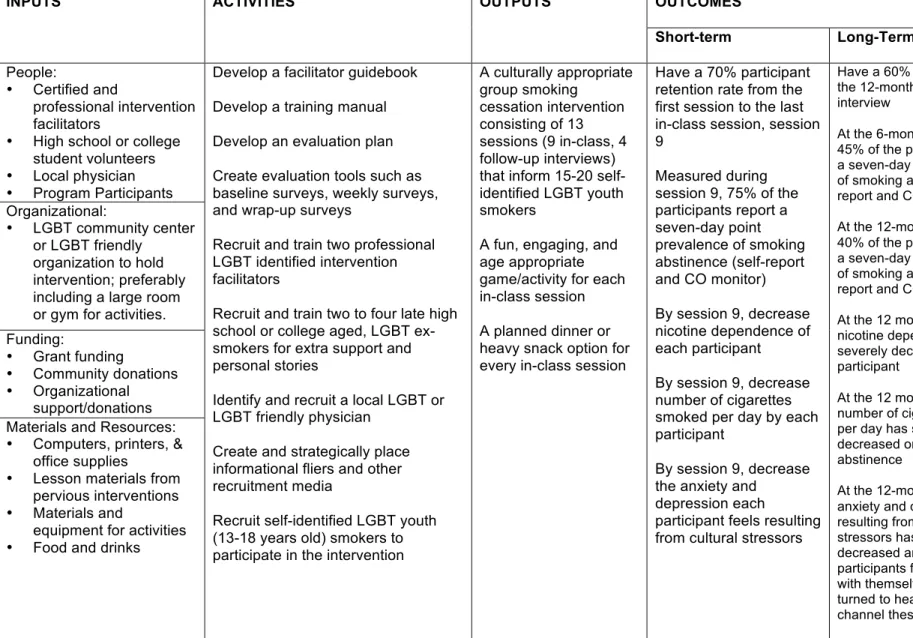
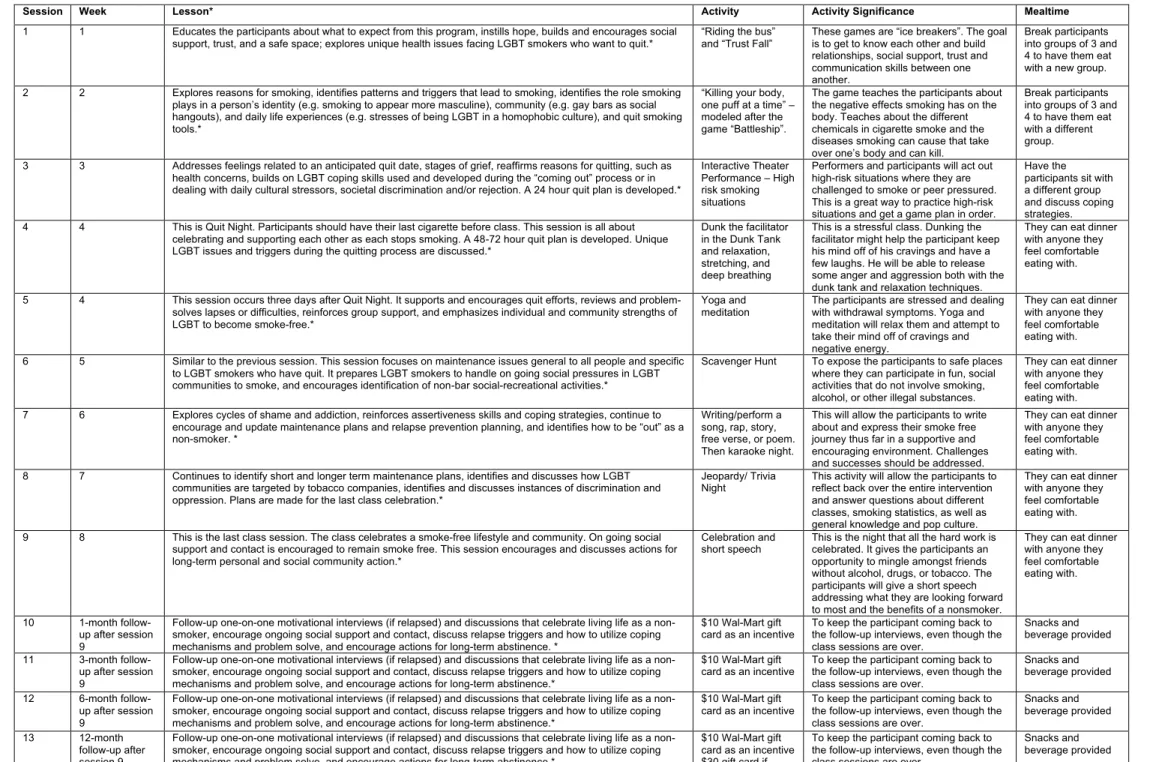
It’s Time to “Come Out” as a Non-Smoker: An Engaging and Culturally Appropriate Smoking Cessation Program Plan and Evaluation for LGBT Youth
By
Daniel Mackey
A Master’s Paper submitted to the faculty of the University of North Carolina at Chapel Hill
in partial fulfillment of the requirements for the degree of Master of Public Health in
the Public Health Leadership Program
Chapel Hill
Spring 2015
Advisor:
Date
Second Reader:
Abstract
Smoking is the number one cause of preventable death in the world, and
accounts for over 400,000 deaths each year just in the United States. Sexual orientation
has an effect on the prevalence of smoking rates; a growing body of literature indicates
lesbian, gay, bisexual, and transgender (LGBT) individuals smoke at rates that are two
times higher than their heterosexual counterparts. LGBT youth are a subgroup of high
concern because studies show this population has higher and growing rates of smoking
compared to their heterosexual peers. This is alarming because the earlier the age of
onset, the more significant the risk is for smoking well into adulthood. Studies have
shown that LGBT youth are less likely to want to quit smoking than heterosexual youth.
The LGBT population, especially the LGBT youth population experience unique cultural
and psychosocial factors, such as minority stress, that contribute to their smoking
behaviors. LGBT youth represent an important underserved priority group, and it is
crucial we begin to understand factors that influence smoking behavior while they are
still young, because this is the window of opportunity where cessation programs have
the greatest impact.
The literature shows just a few smoking cessation interventions that are culturally
tailored specifically for the LGBT population, and my search of the literature found no
results for culturally tailored interventions specifically for the LGBT youth population.
With treatment quit rates for the LGBT targeted cessation interventions comparable or
better then the quit rates for the cessation programs for the general population, I wanted
to develop a culturally tailored smoking cessation program that will be targeted
Smoking Class for Lesbian, Gay, Bisexual, and Transgender Communities because this
intervention was based off the successful The Last Drag LGBT intervention and best
practice strategies developed by the American Lung Association’s Freedom from
Smoking and the American Cancer Society’s FreshStart. QueerTIPS addressed issues
that were unique to LGBT smokers who are attempting to quit.
This paper describes the changes I made to the QueerTIPs intervention to make
it appropriate for the LGBT youth population – most notably I added a fun and engaging
activity and a food component to each session – and the program planning and
evaluation strategies that are necessary for a successful implementation. A review of
the culturally tailored smoking cessation interventions that have been used for LGBT
adults, and a review of the non-intervention studies targeting attitudes and perceptions
toward cessation for youths, LGBT youths, or LGBT adults, which both reviews helped guide the development of my program. The evaluation plan utilizes a mixed-methods
approach by incorporating both surveys and interviews to obtain both quantitative and
qualitative data, which will better inform me and the stakeholders on how to further
improve upon this smoking cessation intervention and help reduce the smoking disparity
of the hard to reach LGBT youth population.
Introduction
Smoking is the number one cause of preventable death in the United States and
the world, in the United States alone, smoking accounts for over 400,000 deaths per
year (Fiore, et. al, 2008). Mounting research has found that smoking prevalence is
significantly higher, almost twice as prevalent (Levinson, Hood, Mahajan, and Russ,
the general population (Burkhalter, Warren, Shuk, Primavera, and Ostroff , 2009). This
same disparity is also found in LGBT youth populations, as they have been found to
have disproportionately higher rates of smoking then heterosexual youths. Most
cessation interventions reported in the literature describe programs that target adults
and very few studies have reported on cessation efforts with youth or LGBT
populations. Thus, because of their high smoking prevalence, LGBT youth smokers
represent an important priority group for smoking cessation focus and efforts.
The goal of this paper is to create a program plan and evaluation for a smoking
cessation intervention culturally tailored and modified for LGBT youth. This specific topic
and population became of interest to me when I began my practicum experience at the
University of Michigan in the Center for Sexuality and Health Disparities working on The
Michigan Smoking and Sexuality Study, which focused on sexual minority female youth.
This paper encompasses five sections. The background provides an overview of
the smoking disparity in the LGBT youth population and describes possible reasons why
this disparity exists. It describes the importance and need for a culturally tailored
smoking cessation intervention specifically created for this population. The literature
review is housed in this section. The second section of the paper is the program plan,
which includes an overview of the culturally tailored smoking cessation intervention for
sexual minority youth, a logic model for the intervention, and a plan for the program’s
implementation. The third section is the evaluation plan – a description of the design to
evaluate whether the proposed goals and objectives of the intervention plan were met.
gaps in the current literature. The final section is the leadership reflection where I offer
my reflections on foreseeable leadership challenges that this intervention might create.
Background
Smoking is the number one cause of preventable death in the world, and
accounts for over 400,000 deaths each year just in the United States (Fiore et. al.
2008). Sexual orientation has an effect on the prevalence of smoking rates – LGBT
people are significantly more likely to smoke cigarettes (32.8%) than the general
population (19.5%) (King, Dube, &Tynan, 2012). Studies have also found very high
rates of smoking among LGBT youth. In a venue-based sample of over 500 LGB youth
(transgender youth were not included in this study) aged 13-24 years old, 63% were
current smokers (Remafedi, 2007). Bisexual youth were found to be at the highest risk,
as bisexual boys were twice as likely to smoke regularly as either gay or straight boys
and the pattern for girls was seen to be similar (American Lung Association, 2010). The
above data demonstrate LGBT smokers represent an important underserved priority
groups, especially LGBT youth smokers because the earlier in age a person starts
smoking, correlates with daily smoking and lifetime nicotine dependence (Hu, Davies, &
Kandel, 2006). In addition, there is limited research on smoking cessation treatments for
this group, especially on culturally targeted interventions.
This smoking disparity between the LGBT population and the general population
most likely arises because of LGBT specific psychosocial and cultural factors. LGBT
smokers and nonsmokers are exposed to unique psychological stressors that probably
influence smoking behaviors, such as elevated general stress for example, a person’s
internalized homophobia, sexual orientation concealment, discrimination events,
stigmatization, and victimization (Meyer, 2003). Minority stress has been highlighted as
an important psychosocial influence on LGBT risk factors, and because of these unique
risk factors and higher levels of general and minority stress; LGBT individuals
experience higher rates of mood and anxiety disorders (Mays and Cochran, 2001). In
addition, specific cultural factors also contribute to the disproportionate rates of LGBT
smokers for example; salience and identification with the LGBT identity are likely to play
a role in smoking behaviors (Meyer, 2003). As a result of the historic and current
importance of gay bars in the coming out process and social lives of LGBT people,
drinking and smoking have become normalized in the LGBT community and have a
synergistic relationship (Eliason, Dibble, Gordon, & Soliz, 2012). Smoking is seen as a
social activity, especially in the LGBT youth population. Smoking with a group of other
LGBT identified people, not only gives LGBT youth the social space to make friends, but
also an outlet for bonding over the stresses of being discriminated and bullied against
for being an LGBT youth at school and with their family (National Youth Advocacy
Coalition). LGBT individuals, especially youth, are also disproportionally targeted by big
tobacco (Washington, 2002). Other reasons LGBT youth cite as reasons to smoke
include: hunger, rebelliousness, homelessness, poverty, desire to appear more
masculine, attractive, or glamorous, poor self-esteem, lack of a positive role model
(Remafedi, 2007). Smoking cessation interventions need to be specifically created to
tackle the unique struggles that the LGBT population faces.
In the literature to date, there are few smoking cessation trials focused on LGBT
show that the quit rates at the end of treatment are comparable or even better than
those reported for smoking cessation interventions for the general population
(Dickson-Spillmann, Sullivan, Zahno, & Schaub, 2014; Eliason, Dibble, Gordon, & Soliz, 2012;
Harding, Bensley, & Corrigan, 2004; Matthews, Li, Kuhns, Tasker, & Cesario, 2013;
Walls & Wisneski, 2010). However, more extensive research is needed to determine the
effect of smoking cessation interventions for LGBT population, especially LGBT youth
populations. Thus, this project will target the LGBT youth population. When I searched
the literature to help guide the development of a culturally specific smoking cessation
intervention for LGBT youth, I found no results. I decided to draw upon three smoking
cessation interventions created for the general youth population:
Brief Motivational Interviewing in a Hospital setting for Adolescent Smoking: A
Preliminary Study (Colby et. al., 1998)
Colby and colleagues conducted a randomized control trial conducted in a
hospital setting to test the feasibility of conducting a brief motivational interview (MI) for
teenage patients identified as smokers at the time of their hospital visit. Patients were
randomly assigned to a 30-minute MI (N=20) or 5 minutes of brief advice (BA) (N=20).
Patients in the intervention group received MI personalized to the teen’s goals
and behaviors. Each patient watched four short-videotaped scenarios. The tapes were
used to stimulate discussion on four content areas: health effects, social consequences,
addiction, and financial cost. Individualized assessment feedback was provided in an
attempt to increase motivation to change. The interventionist assisted the patient in
identifying goals for behavior change, explored barriers to change, and provided advice
Patients in the control group received brief advice (BA) to stop smoking. This
advice consisted of a brief interaction with an interventionist who provided an
informational handout identical to the one provided to patients in the MI group and were
encouraged to stop smoking and to get assistance if necessary.
The primary outcome was one week point prevalence at follow-up measured by
self-report, with abstinence claims confirmed biochemically. In the MI group, 20% were
abstinent from cigarettes, compared with 10% in the BA group. During the follow-up
period, 72% of the participants from the MI group made a serious quit attempt (longer
than 24 hours), compared with 60% of the BA group.
Effectiveness of a High School Smoking Cessation Program (Adelman, Duggan,
Hauptman, & Joffe, 2001)
This study was a school based, randomized control study with the purpose of
determining the impact of a high school-based smoking cessation program targeting
smokers interested in quitting. The authors wanted to see if the smoking cessation class
was more effective in the short-term than the pamphlet. Over the full year of the
program, the authors wanted to know how effective the school based cessation program
was.
Each participant was randomized to one of two groups. The students in group 1
(N=35) received the smoking cessation curriculum immediately after the enrollment
period. The smoking cessation curriculum consisted of eight 50-minute sessions
administered over a period of 6 weeks. The program took place in an auxiliary
classroom during the school day using this weekly curriculum – Session 1: introductions
perceived barriers to quitting. Session 3: individual and group problem solving to
develop strategies for quitting. Session 4 and 5: practicing the above solutions. Session
6: mental and physical preparedness to quit smoking and was highlighted with a quit
ceremony. Session 7 and 8: prevention of relapse and dealing with withdrawal
symptoms.
The students in group 2 (N=39), who received an educational pamphlet on how
to quit smoking, were told, “we encourage you to quit smoking on your own,” and were
offered participation in the smoking cessation curriculum classes in 3 months time.
Follow-up with a one page questionnaire and measurement of exhaled carbon
monoxide and saliva continine occurred at the same four points in time for both groups.
At the end of the curriculum, the classroom group was significantly more likely to
be smoke-free (59% vs. 17%), to have tried to quit smoking (82% vs. 54%), and to
reduce mean cigarettes per day (7.0 vs. 1.0). Four weeks later, these differences
persisted: smoke-free (52% vs. 20%), quit attempt (85% vs. 60%) and reduction in
mean cigarettes per day (6.6 vs. 1.6). At 10 and 20 weeks after the curriculum, 41% and
31% remained smoke-free, respectively. Once the pamphlet group participated in the
classroom intervention (average attendance of 2.2 sessions) their cessation rates were
similar to the initial group: 31% at the end of the curriculum and 27% 10 weeks later.
This study demonstrated that a school-based curriculum for adolescent smoking
cessation is more effective than an informational pamphlet alone and reduces cigarette
use adolescents.
Thomas conducted Project Fresh-Start -- a school based smoking cessation
intervention that used a multi-faceted approach that set up school-based cessation
services to meet the specific needs of young people. The program trained the members
of school nursing teams to become the smoking cessation advisors to the participants,
and brief intervention training for the members of the school staff was held in order to
promote a whole-school support system and approach to smoking cessation. The
program allowed pupils to attend cessation support sessions during curriculum time.
Assemblies with tobacco education and promotion of the school based cessation
service and a theatre in education performance (TIE) were used. Provision and use of
mobile phones for the purpose of texting students to send motivational and reminder
texts, opened up a constant line of communication for support and motivation to remain
smoke free. Follow-up time was 4 weeks from the set quit-date.
The target schools (N=4195) showed a reduction in smoking prevalence of 8%
compared to a reduction of only 5.7% in the comparison schools (N=3414). Compared
with the pilot study, 68% more participants set a quit date while using this intervention,
which showed that the new approaches were more acceptable and appropriate for
meeting the needs of the young service users. There was also an increase in the
number of times young people accessed support. In the pilot study, most young people
only attended 1-2 sessions but during the present intervention, the majority of young
people attended all 6 sessions. Provision of mobile phones to school nurses appeared
to be an influential factor in the improvements seen regarding commitment. The phones
were used to send reminders about session times and motivational texts. It is notable
4-week follow-up, 24% of the high school participants remained smoke free compared to
0% during the pilot study.
Even though these interventions were not measuring LGBT specific target
populations, some of the successful strategies used in the different interventions could
appropriate for use in a culturally tailored intervention for the LGBT youth population.
Motivational interviewing, the use of cell phones for reminders and added motivation
and support, theater in education performances, and an actual smoking cessation class
in addition with smoking cessation informational materials. These studies also showed
that a school-based smoking cessation intervention would probably be the most
effective for an adolescent population. However, this approach may be problematic with
a target population of LGBT youth because of the sensitive nature and unique
circumstances of this population.
The American Lung Association’s Freedom From Smoking Intervention
I identified three articles (Lando, McGovern, Barrios, & Etringer, 1990;
Rosenbaum and O’Shea, 1992; McGovern and Lando, 1992) that used the American
Lung Association’s Freedom From Smoking intervention on a study population of the
general public.
Freedom From Smoking was an 8 session, 7-week smoking cessation
intervention with each session lasting between 90 minutes and two hours. The first
session was strictly an orientation session. Session two was an in-depth discussion of
the general health effects of smoking with emphasis placed on the fact participants can
quit and the program will provide support and encouragement to reach that goal. The
session was Quit Night where the participants made a public and personal commitment
to stop smoking. Two days later, session five was held and withdrawal symptoms and
benefits of quitting were discussed. Sessions six and seven focused on maintenance
and living a healthier, more enjoyable nonsmoking lifestyle. Discussions included
relaxation techniques, exercise or physical fitness programs, avoiding weight gain, and
coping with stressful situations. The last session, session eight, was a celebration of
their new lives as nonsmokers and awards were given out (McGovern and Lando,
1992).
McGovern and Lando (1992) compared the traditional Freedom From Smoking
intervention (n=127) and traditional Freedom From Smoking intervention with the
addition of nicotine gum (n=146). At the end of the intervention, 86% of the participants
that used the gum had a seven-day point prevalence of smoking abstinence. The
traditional intervention without the use of the nicotine gum was not reported at the end
of the intervention. At the three-month follow-up, both the traditional intervention and
traditional intervention with the nicotine gum added had a seven-day point prevalence of
smoking abstinence of 40%. At the 12-month follow-up, the traditional intervention with
the addition of nicotine gum had a seven-day point prevalence of smoking abstinence of
35%, while just the traditional Freedom From Smoking intervention had a seven-day
point prevalence of 32% (McGovern and Lando, 1992).
Lando, McGovern, Barrios, & Etringer (1990) also conducted another study
(n=363) that tested the effectiveness of the American Lung Associations Freedom From
Smoking. They measured a 24-hour point prevalence of smoking abstinence follow-up
participants was 28.93%, 27.27%, and 24.79%, respectively. Quit rates for the last
session were not reported (Lando, McGovern, Barrios, & Etringer, 1990). Rosenbaum
and O’Shea (1992) also conducted a study with 494 participants to test the
effectiveness of the Freedom From Smoking intervention. By the end of the intervention,
52% of their study population had quit smoking and at the one-year follow-up, 29% of
the participants reported they had a 30-day point prevalence of smoking abstinence.
Quit rates for a three-month or six-month follow-up were not reported (Rosenbaum and
O’Shea, 1992).
The data reported quit rates for the Freedom From Smoking intervention for the
general public comparable to and even less than the quit rates reported from the
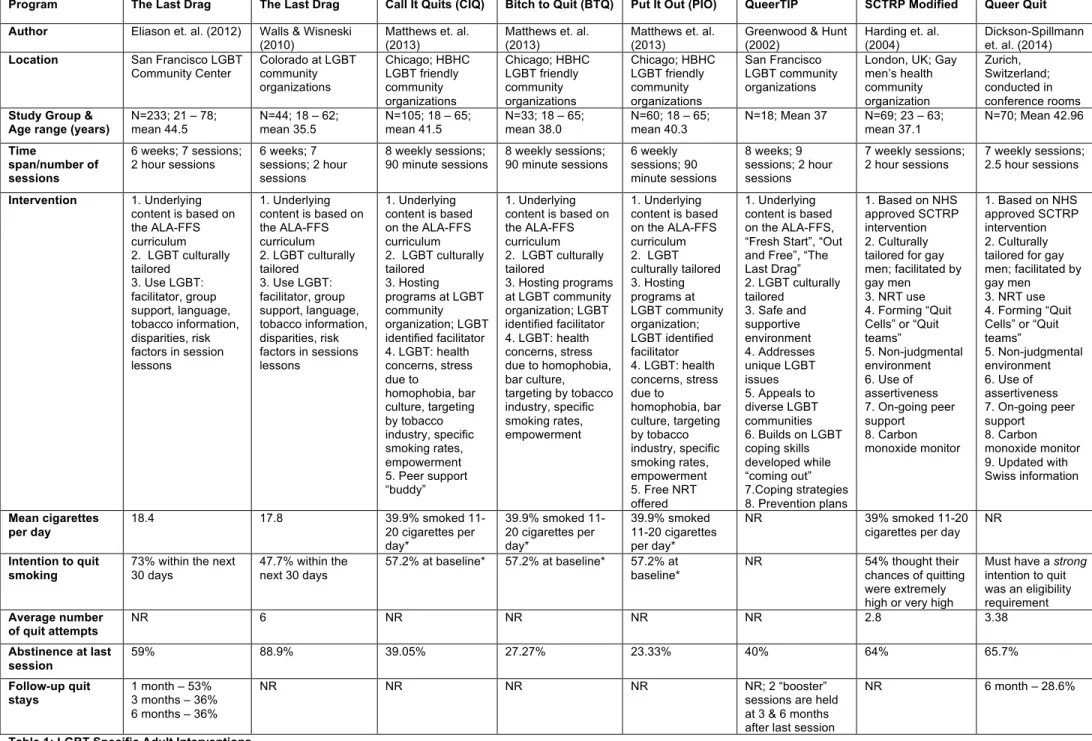
culturally tailored interventions for LGBT adults (Table 1). This comparison was
important to make because the LGBT population, both youth and adult, have a higher
smoking prevalence than their heterosexual counterparts. The literature from the adult
smoking cessation programs demonstrated it was possible to take a smoking cessation
intervention created for the general public, such as Freedom From Smoking, and
successfully tailor it for use by the LGBT population. Thus, the program plan created
below is important because it addressed a gap in the literature because there are
currently no smoking cessation intervention studies published specifically addressing
the LGBT youth population.
Literature Review
The goal of this project planning and evaluation paper was to develop a
successful smoking cessation intervention for sexual minority (LGBT) youth. I initially
conducted and specifically target sexual minority youth. After several attempts, I
discovered this target population had very little documented research. I decided I
needed to change my search strategy. I developed my search terms in PubMed and
used PubMed to conduct my literature review. Additional articles were identified and
retrieved from searching the references and text of articles obtained through the
searches. I used the search “((smoking[tw] OR tobacco[tw] OR cigarette*[tw] OR e
cig*[tw] OR electronic cig*[tw]) AND (cessation OR quit* OR control OR treatment*[tw]))
AND (sexual minorit*[tw] OR gay*[tw] OR lesbian*[tw] OR bisexual*[tw] OR
transgender*[tw] OR homosexual*[tw] OR queer*[tw] OR LGBT*[tw] OR ymsm[tw] OR
young men who have sex with men[tw])” in PubMed and received 187 articles. In terms
of reviewing these articles, my inclusion criteria were for articles that (1) conducted
smoking cessation intervention studies on LGBT adults, (2) non-intervention studies that
looked at attitudes and behaviors of youths, LGBT, or LGBT youth toward smoking
cessation interventions, and also (3) smoking prevalence studies of LGBT and LGBT
youth.
I searched through the 187 articles the PubMed search result provided, and I first
looked through the titles and kept the articles I thought would be relevant to one or more
of the three categories listed above. After I screened the titles and excluded articles I
did not deem appropriate, I was left with 55 articles in PubMed. Articles that were
excluded dealt with diseases, such as, HIV, Hepatitis C, Human Papillomavirus, cancer,
acute respiratory illness, drug use, reproductive health, second hand smoke,
e-cigarettes, and specific racial groups. In order to screen these 50 articles, I chose to
scope of my paper or criteria I had previously defined. Three articles were excluded
because they were conducted in China and the cultural differences are too vast for
relevance in this paper. Three articles including other health issues and/or populations
outside of LGBT were excluded. An editorial comment on an article was excluded. Two
articles were excluded because they discussed training and developing leaders to
address tobacco disparities. An article that was racially specific was excluded. An article
that interviewed LGBT leaders who used funding from major tobacco companies was
excluded, and an article proposing to use a bar or club for an intervention venue was
also excluded because this type of intervention venue would not be appropriate for
LGBT youth interventions. This decreased the number of relevant articles to 38.
Smoking Cessation Interventions for LGBT Adults
From the refined search, I identified six articles describing culturally tailored
smoking cessation interventions specifically for sexual minorities (Table 1). Four of the
articles (Eliason, Dibble, Gordon, & Soliz, 2012; Walls & Wisneski, 2010; Matthews, Li,
Kuhns, Tasker, & Cesario, 2013; Greenwood & Hunt, 2002) based the underlying
content of the smoking cessation curriculum off the American Lung Association’s
Freedom From Smoking (ALA-FFS) group based curriculum; however, each study
tailored the ALA-FFS to a culturally competent smoking cessation intervention
specifically for the LGBT community and incorporated LGBT specific activities and
LGBT smoking characteristics and information, while still maintaining the core cognitive
and behavioral approaches and smoking education content used in the standard
The Last Drag (Eliason, Dibble, Gordon, & Soliz, 2012) was a community-based intervention conducted at the San Francisco LGBT Community Center and was
specifically tailored and targeted for LGBT adults. The participants (N=233) ranged in
age from 21-78 years old with a mean age of 44.5 years. At baseline, the average
number of cigarettes smoked per day by the participants was about 18.4 cigarettes and
73% of the participants had intentions to quit smoking within the next 30 days. The
average number of quit attempts of the participants was not reported in this study. At
the end of the last session (session 7), 59% of the participants had self-reported they
had quit smoking. This study conducted follow-up phone interviews at one, three, and
six months after the last class session, and they discovered that 53%, 36%, and 36%
had stayed abstinent from smoking at those follow-ups, respectively. Another
community-based, culturally specific intervention that used The Last Drag curriculum (Walls & Wisneski, 2010) was targeted at LGBT adults (N=44), ranging in age from
18-62 years old (M=35.5), in Colorado at five different community organizations that
identified with the LGBT community. At baseline, the average number of cigarettes
these participants smoked per day was 17.8 cigarettes and 47.7% intended to quit
smoking within the next thirty days. The average number of previous quit attempts this
group experienced was six. On the last class (session 7) of this intervention, 88.9% of
the intervention participants had self-reported they had stopped smoking. This study
intervention contained no follow-up measures.
As previously mentioned, The Last Drag uses the ALA-FFS for it’s underlying smoking cessation content; however, this smoking cessation intervention was culturally
cessation intervention specifically created for this population (Eliason, Dibble, Gordon, &
Soliz, 2012). Since it has been used in multiple studies, a brief description of the
intervention is provided: The Last Drag was a 6 week, seven session smoking cessation intervention providing education within an LGBT supportive group, using LGBT specific
innovative activities and smoking information (Eliason, Dibble, Gordon, & Soliz, 2012).
In the tailored curriculum, the creators of The Last Drag incorporated culturally appropriate language, an LGBT group facilitator, information about the tobacco
industries intentional targeted marketing and sponsorship toward the LGBT community,
and information about tobacco use’s specific impact on the LGBT community and the
specific risk factors LGBT people face (Walls & Wisneski, 2010). Homework was given
at the end of each session so the participants have an opportunity to apply the newly
learned skills outside of class. Session one consisted of orientation, pre-test, and
distributing the participant manuals. The second week (session 2) the participants
developed a plan to quit smoking and are taught and informed of the process and tools
need. The third week contained sessions 3 and 4 held 48 hours apart. Session 3 was
quit night and session 4 was becoming a non-smoker and developing a strong peer
support network. Week four (session 5) taught short-term strategies in order to remain
smoke-free, and week five (session 6) focused on maintenance and teaches effective
long-term strategies to remain smoke-free. During the last week (session 7) a post-test
was administered and then there is a celebration held for all the participants (Eliason,
Dibble, Gordon, & Soliz, 2012).
Matthews and colleagues used the ALA-FFS as a base and created three similar
smokers – Call It Quits (CIT) (N=105), Bitch To Quit (BTQ) (N=33), and Put It Out (PIO) (N=60) (Matthews, Li, Kuhns, Tasker, & Cesario, 2013). The proceeding data averages
the results from some of the measures of the three interventions listed above because
individual results were not provided in the article. The interventions were conducted in
Chicago at the Howard Brown Health Center (HBHC) and community organizations, all
of which are LGBT friendly. The interventions were open to self-identifying LGBT
smokers who were between the ages of 18-65 years old with the average mean for all
three programs being 40.48 years old. The mean ages for the individual interventions
CIT, BTQ, and PIO are 41.5 years, 38.0 years, and 40.3 years, respectively. At
baseline, the highest proportion (39.9%) of the participants smoked between 11-20
cigarettes per day. Of the participants in the study, 57.2% had the intention to quit
smoking at the beginning of the intervention. The study did not report the average
number of previous quit attempts that the participants experienced. The post-treatment
analysis showed an average of 32.3% of all the participants self-reported having a
seven-day point prevalence of abstinence from smoking. However, individually, Call It Quits measured a self-reported seven-day point prevalence of abstinence from smoking of 39.5%; 27.27% of the participants in Bitch To Quit self-reported having a seven-day point prevalence of abstinence from smoking; and of the participants taking Put It Out, 23.33% self-reported having a seven-day point prevalence of abstinence from smoking
(Matthews, Li, Kuhns, Tasker, & Cesario, 2013). The study did not measure any
follow-up data. All three articles claimed quit rates comparable with mainstream smoking
These three interventions were developed based on the ALA-FFS program,
which was selected as the design base because it incorporated several of the best
practices for treating tobacco use, such as, skill building and preparation for quitting,
social support within the sessions, and optimal treatment dosing (Matthews, Li, Kuhns,
Tasker, & Cesario, 2013). However, this smoking cessation intervention was developed
for the general population; thus, it needed to be tailored to the culture, norms, and
beliefs of the LGBT community to address the unique factors associated with this
populations smoking behaviors. The authors first focused on different strategies to
increase the level of trust and acceptability of the program, which included, hosting all
cessation programs at LGBT community organizations, employing LGBT identified
counselors, and placing LGBT specific images on all recruitment and program
materials. Then, culturally specific content needed to be included into the cessation
materials for example, a discussion of health concerns for LGBT smokers; the role the
smoking plays in the LGBT culture; stress due to homophobia as triggers for smoking
relapse; ways to increase social support for nonsmoking relationships between bar
culture, drinking, and smoking; tobacco markets targeting the LGBT community;
providing LGBT specific smoking statistics and facts; and including themes such as full
body health and community empowerment (Matthews, Li, Kuhns, Tasker, & Cesario,
2013). All of the above material was created into an LGBT culturally tailored smoking
cessation intervention called Call It Quits, which was later renamed Bitch to Quit and
name, assessment measures, and number of session (Matthews, Li, Kuhns, Tasker, &
Cesario, 2013). CIQ consists of eight weekly sessions of 90-minute classes, and was
the only one of the three that had LGBT ex-smokers serve as peer support “buddies.”
BTQ also consisted of eight weekly ninety-minute sessions, however, peer support
“buddies” were not included in this program. PIO consisted of six weekly 90-minute
sessions and offered free nicotine replacement therapy patches to its participants
(Matthews, Li, Kuhns, Tasker, & Cesario, 2013).
The Queer Tobacco Intervention Project (QueerTIP) used the proven best
practices of the ALA-FFS and the American Cancer Society’s Fresh Start and built upon
The Last Drag curriculum. This pilot study was conducted in LGBT community organizations in San Francisco – Lyon Martin Women’s Health Services, New Leaf,
LYRIC. There was not a lot of statistical information reported of this pilot study of
QueerTIPs; however, the average age of the 18 participants was 37 years old, and the
average participant had been a smoker for twenty years. Mean cigarettes smoked per
day, participant’s intention to quit smoking, average number of quit attempts per
participant, and follow-up data were not reported. However, it was reported that 40% of
the participants had quit smoking by the last QueerTIPs class, which is similar to quit
rates achieved by the mainstream American Lung Association and American Cancer
Association interventions (Greenwood & Hunt, 2002).
The goal of the Queer Tobacco Intervention Project (QueerTIP) for LGBT smokers was to build upon, revise, and improve the already successful The Last Drag
smoking cessation intervention. The authors of this intervention still wanted to use the
best practices that a smoking cessation intervention should contain. The creators of The Last Drag used the ALA-FFS general population intervention and created a smoking cessation program specifically for the LGBT population. In order to improve The Last
Drag, the authors of QueerTIPs also used “Out and Free” by Emily Brucker, an LGBT
specific smoking cessation book (Greenwood & Hunt, 2002). In addition to providing
clinically proven cessation help, this LGBT culturally specific intervention provided a
safe and supportive environment to discuss sensitive issues, addressed the unique
issues LGBT smokers face when attempting to quit, and appealed to the diverse LGBT
communities, regardless of age, ethnicity, economic status, gender or sexual
orientation, HIV status, and location (Greenwood & Hunt, 2002).
QueerTIPs for LGBT Smokers is held over an eight week time period consisting of nine 2-hour sessions with two “booster sessions” occurring three and six months after
the session 9. The creators decided to expand the usual seven sessions in order to
elicit greater support among the participants (Greenwood & Hunt, 2002). Week 1:
Session 1 is used to educate the participants about what to expect from the class, instill
hope, build social support, and explore unique health issues LGBT smokers face. Week
2: Session 2 explored the reasons why LGBT people smoke by identifying patterns and
triggers; discussed the role smoking plays in one’s identity (appear more masculine or
feminine), community (role of gay bars), and daily life experiences (stress from
homophobia); and identified quit smoking tools. Week 3: Session 3 addressed feelings
related to the anticipated quit night, stages of grief, identified and reaffirms reasons for
quitting, building on LGBT specific coping skills. Week 4: Session 4 was quit night
about unique LGBT problems that arose during the quitting process. Session 5 occurred
during the same week as session 4 (2-3 days later) and supported quit efforts, reviews
and problem solves lapses, reinforced the importance of group support, and individual
and community empowerment. Week 5: Session 6 focused on maintenance issues,
prepared participants to handle ongoing social pressure in LGBT communities to
smoke, and encouraged identification and use of non-bar social scenes. Week 6:
Session 7 explored the cycle of shame and addiction, reinforced assertiveness skills
and coping strategies, continued to update maintenance plans and relapse prevention,
and discussed how to be “out” as a nonsmoker. Week 7: Session 8 continued to identify
short- and longer-term maintenance plans, discussed how tobacco companies target
LGBT communities, identified modes of discrimination and oppression, and discussed
smoking as a social justice issue. Week 8: Session 9 celebrated the smoke-free lifestyle
that the participants have adopted and encouraged on-going social support and contact.
Sessions 10 and 11 occurred three and six months, respectively, after session 9 and
celebrated the participants’ smoke-free lifestyle, encouraged continued social support
and contact, problem-solving strategies about relapse triggers and coping strategies
(Greenwood & Hunt, 2002).
Both of the next articles were pilot studies of smoking cessation interventions
specifically tailored to gay men in the United Kingdom (Harding, Bensley, & Corrigan,
2004) and Switzerland (Dickson-Spillmann, Sullivan, Zahno, & Schaub, 2014). Both
used the same mainstream smoking cessation intervention – Smoking Cessation
Training and Research Program (SCTRP) – an approved treatment program by the
community-based charity in London, developed a culturally appropriate intervention for
gay men by modifying the NHS approved SCTRP. This culturally tailored smoking
cessation intervention was used in both studies with slight modification between the
two. The important aspects of this intervention are group work, peer support, discussion
of nicotine replacement therapy (NRT), and performing carbon monoxide (CO) testing
(Dickson-Spillmann, Sullivan, Zahno, & Schaub, 2014; Harding, Bensley, & Corrigan,
2004).
The first pilot study was conducted in London at the GMFA Community Center.
The study targeted gay smokers. Participants (N=69) had an age range of 23-63 years
of age with the average age being 37.1 years. At baseline, the highest proportion (39%)
of the participants smoked between 11-20 cigarettes per day. Participants who thought
their chances of quitting on this attempt were either extremely high or very high were
54% at baseline. The men in this study had an average number of previous quit
attempts of 2.8 attempts. At the last class (class 7), 64% of the men self-reported they
quit smoking and they were all confirmed to have quit by using a CO monitor. This study
contained no follow-up measures (Harding, Bensley, & Corrigan, 2004).
The second pilot study in Switzerland, Queer Quit, used the same curriculum as the UK pilot study above, although, slight modifications were made to Queer Quit. This intervention took place in conference rooms in Zurich and targeted gay men (N=70)
over the age of 18 who had a strong intention to quit. This study provided no age range,
yet provided the mean age of men to be 42.96 years of age. The study did not report
the average number of cigarettes the participants smoked per day at baseline. The
eligibility requirement was the men had to have a strong intention to quit. At baseline, the average number of quit attempts this group of men experienced was 3.38 attempts.
At the last session (session 7), 65.7% of the men self-reported they had been
smoke-free, and this number was confirmed by the use of a CO monitor. At the six month
follow-up, 28.6% of the men had self-reported they had not smoked during the previous
seven days. Both of these studies reported their culturally tailored interventions for gay
men produced quit rates comparable to other group smoking cessation interventions
that were used in the general public (Dickson-Spillmann, Sullivan, Zahno, & Schaub,
2014).
Both of the interventions referenced above used the culturally appropriate,
modified version of the NHS approved Smoking Cessation Training and Research
Program (SCTRP) created specifically for gay men by the UK’s Gay Men’s Health
Charity (GMFA). Both of the interventions used gay-identified male facilitators to teach
the 7 weekly sessions. In London, the sessions were held at the UK’s Gay Men’s Health
Charity (GMFA) lasted for 2 hours each, while in Zurich; they were conducted in
conference rooms around the city and lasted for 2.5 hours each. The aim for this
intervention was to create a non-judgmental environment where gay men could talk
freely and address socializing in the gay community, recreational drug use, sexuality,
HIV, and the impact of these on their motivations and ability to become a nonsmoker. A
few modifications were made from the general population intervention: the SCTRP used
“quit buddies”, although the modified intervention created “quit cells” of 3 to 4
participants because it has been shown that reliance on more than one person for
assertiveness to help the participants clearly communicate the intention to remain
smoke free (Harding, Bensley, & Corrigan, 2004). The group discussions focused on
culturally specific contexts to gay men. Queer Quit maintained the program structure;
however, it made a few changes to the educational content by updating the prescription
medication used to treat smoking addiction, and adapting smoking prevalence statistics
to Switzerland (Dickson-Spillmann, Sullivan, Zahno, & Schaub, 2014).
The main topics for each week of this culturally appropriate smoking cessation
intervention are: Week 1: information on the course content and facts about smoking
and smoking cessation, potential side effects of smoking cessation were discussed with
strategies to minimize them, and the use of nicotine replacement therapy (NRT) and
prescription medication. Week 2: information on what to expect when you quit smoking
and how to deal with the reactions, information about carbon monoxide and its harmful
effects, and preparations were made for quit day such as a personal action plan and
information on a smoking diary. Week 3: this was quit day, information on how to use
NRT, role playing of assertive refusal of cigarettes, formation of quit support cells, and
personal statements of cessation. Week 4: Discussed the challenges encountered
during the first week of cessation and explored alternative/holistic stop smoking ideas.
Week 5: group discussion of the past weeks experiences, information of health benefits
achieved, and weight gain issues. Week 6: group discussion of the past week and
identified current and future support networks. Week 7: group discussion of past weeks
events, visible health benefits, expansion on social support network, and celebration of
everyone’s hard work and progress (Spillmann, Sullivan, Zahno, & Schaub, 2014;
Table 1 summarizes the six reviewed studies the search yielded on smoking
cessation interventions for the LGBT population; it is noteworthy all served the adult
LGBT community because the mean age ranged from 35.5 to 44.5 years of age. This
highlights the lack of interventions that target the LGBT youth population. All of the
above articles were based off of proven and successful interventions created for the
general population, for example, the American Lung Association’s Freedom From
Smoking (ALA-FFS) intervention or the National Health Service’s Smoking Cessation
Training and Research Program (SCTRP). However, these mainstream smoking
cessation interventions were just used as a template and the cessation “best practices”
of each were fitted together with culturally appropriate information for LGBT smokers.
For example, all of the interventions had the goal of creating a culturally tailored
smoking cessation intervention specifically for the LGBT population where the
participants were in a supportive, non-judgmental, and safe environment where they
could talk openly about the struggles they faced as an LGBT person, and what factors
lead them to smoke. All of the interventions were taught by an LGBT facilitator who was
thoroughly trained in leading smoking cessation interventions and dealing with the
LGBT population, and all but one intervention explicitly stated it was held in an LGBT
community center or organization. These studies demonstrated the ability to enroll and
retain LGBT smokers into a community-based and intensive group smoking cessation
intervention. It is important to note through out all the studies, the quit rates of the
culturally tailored interventions were on average consistent with the outcomes
Further research needs to be conducted on culturally tailored interventions for LGBT
adults and especially for the LGBT youth population.
Non-intervention studies targeting attitudes and perceptions toward cessation for youths, LGBT youths, or LGBT adults
I identified eight non-intervention studies that measured the attitudes and
perceptions youth, LGBT youth, or LGBT adults have toward quitting and smoking
cessation interventions (Table 2).
Preventing Tobacco use among lesbian, gay, bisexual, and transgender youths
(Remafedi & Carol, 2004)
Within LGBT communities, the awareness of tobacco related problems and
resources for smoking prevention and cessation were quite inadequate. In addition, the
lack of information pertaining to tobacco use among the LGBT youth population was
hindering attempts at creating culturally specific approaches to prevention. Thus,
Remafedi and Carol initiated this study to conduct formative qualitative research
focused on participants’ recommendations for the development of preventive
interventions.
The study involved face-to-face semi-structured interviews with 30 LGBT youths
and 30 interactors. The LGBT youth participants were defined as male, female, and
transgender people, under the age of 25, and who have adopted an LGBT identity or
who have sex with the same sex, regardless of perceived sexual identity. The
interactors were defined as people with in-depth knowledge or experience with the
LGBT youth population, but who were not apart of their immediate social networks.
The suggestions offered by the LGBT youth participants fell into three different
strategies to promote tobacco prevention and cessation, and (3) general strategies to
foster nonsmoking. The LGBT youth participants recommended adopting culturally
specific approaches for LGBT youths and directly involving LGBT youths in prevention
planning. LGBT youth respondents recommended hosting recreational activities in
smoke-free settings, physical activities that might distract people from smoking, or
smoke-free dances. Also, hosting discussions and education about tobacco effects and
cessation strategies and ongoing support of tobacco avoidance and cessation. At these
gatherings, several of the participants noted the importance of the presence of food and
entertainment. Many of the LGBT youth respondents noted the importance of building
social support for nonsmoking and building up the individuals’ self-esteem and positive
identification within the LGBT community in the interest of smoking prevention. On the
other hand, the LGBT youth participants stated that passive educational strategies such
as lectures, seminars, and educational video formats would disinterest them, and
pressure to quit smoking and antismoking activism would discourage participation in
prevention and cessation programs.
A majority of the interactors emphasized success of tobacco prevention
programs for LGBT youth required their active participation in program planning,
development, and implementation and also empowering youth to adopt leadership roles
and feeling a sense of ownership of the programs was important. The participants
thought culturally specific programs were important for LGBT youths. A holistic
approach to cessation programs was important and cessation programs should be
designed with the whole person in mind because LGBT youth face many other issues
interactors’ interviews was the use of role models in cessation programs to provide
LGBT youths with examples of people and behavior to emulate: youth workers modeling
behavior on a daily basis, testimonials by people who have quit smoking, LGBT
lawyers, nurses, doctors, and journalists as mentors, events the feature LGBT
celebrities or important members of the community. For prevention strategies, the
majority of interactors suggested entertainment, recreational activities, food, and
money. Prevention programs should encourage youths by helping them feel good about
themselves and build-up self esteem, celebrate and embrace their identity as LGBT,
counteract negative and apathetic attitudes about health and smoking cessation and
feel connected to the community. They need to feel that people are personally invested
and interested in them as a person. For prevention strategies, it is important to address
the stress of coming out or being LGBT in a non-LGBT dominant culture. Some of the
interactors emphasized it is important to remember with all the stressors in an LGBT
youth’s life, smoking prevention or cessation could be among the least of their worries.
The interactors offered what they thought would negatively affect youth participation in
smoking prevention programs: “don’t preach”, “don’t alienate”, “be nonjudgmental”,
“don’t blame the smoker”, and “you can’t tell youth that they shouldn’t do something.”
From the two sets of participant’s interviews, several key themes regarding
prevention and implications emerged: LGBT youth should be involved in the design and
implementation of interventions; prevention programs should support positive identity
formation as well as nonsmoking; the approach to prevention programs should be
entertaining, supportive, interactive, and should involve enjoyable and engaging
underpinnings of tobacco use, support healthy psychosocial development, and consider
offering pharmacological smoking cessation aids.
Intention to quit smoking among lesbian, gay, bisexual, and transgender smokers
(Burkhalter, Warren, Shuk, Primavera, & Ostroff, 2009)
This study aimed to (1) identify behavioral, normative, and control beliefs that
underlie, respectively, the Theory of Planned Behavior (TPB) constructs of attitude,
subjective norm, and perceived behavioral control in a sample of LGBT smokers; (2)
determine if relevant psychosocial variables not directly captured in the TPB could add
value to in explaining variation in intention to quit smoking in this population; (3)
discover findings that would aid in formation of an appropriate LGBT smoking cessation
intervention.
LGBT specific measures examined individuals’ feelings about being LGBT,
assessed the individual’s engagement in and evaluations of the LGBT community,
explored participants’ experiences as LGBT identified, and assessed perceived stigma
of for being LGBT. Perceived stress and depression symptoms were also measured.
Alcohol use and illicit drug use were measured.
The sample included 101 LGBT identified smokers with a mean age of 39.4
years with the average number of cigarettes smoked per day being 14.7. Among the
tobacco use and smoking variables, number of quit attempts in the past year was
associated with intention, with those reporting a history of two to five quit attempts
having a significantly higher intention to quit smoking then 0 – 1. Attitude was the only
measure that was significantly related to intention to quit smoking. Among behavioral
lungs” and “longer life” following behind. Among normative beliefs, “partner/lover thinks
I should quit” was most correlated with intention with “most people whose opinions I
value” followed closely. The descriptive normative belief “most people who are
important to me have quit” as well as the injunctive normative belief that “most people
who are important to me think I should quit”, were all correlated with intention. The only
two control beliefs that were correlated with intention were: “achieving an important
goal” and “having a health symptom/illness made worse”. The depression and stress
levels were high in this study population.
The above results showed more positive attitudes and the belief that smoking
abstinence will make these LGBT smokers feel more like their ideal selves while also
improving health and longevity were related with greater intention to quit smoking.
Concerns about health were some of the strongest motivators for smokers to quit.
Perceived approval and support of partners, loved ones, and others and beliefs that
future goal achievement and life aspirations would make it easier to quit smoking are
positively correlated with intention. It can be suggested that smoking cessation
interventions may be more effective if they identify and highlight the links between
personal goals and aspirations, achieving abstinence from smoking, and health
concerns. LGBT individuals experience higher levels of perceived stress and minority
stress, which usually leads to greater prevalence of depression, thus, it would be
beneficial for smoking cessation interventions to integrate culturally tailored stress
Smoking Cessation Treatment Preferences, Intentions, and Behaviors Among a Large
Sample of Colorado Gay, Lesbian, Bisexual, and Transgendered Smokers (Levinson,
Hood, Mahajan, & Russ, 2011)
The main objective of this study was to survey a large sample of LGBT smokers
in order to gauge their preferences, intentions, and behaviors related to evidence-based
smoking cessation treatments. The final sample included 1633 LGBT smokers between
the ages of 18 years to 54 years, which 66% of the population was 18 – 35 years old.
Of the participants in this study, 80.4% smoked daily with almost one-third (31%)
of them smoking twenty or more cigarettes per day. Among the participants (47.2%)
who did try to make a quit attempt in the past year, the methods they used were nicotine
replacement therapy (NRT)(28.2%), telephone quit-line (7.4%), and cessation
prescription medicine (>1%). When responding about what cessation aid they intended
to use in their next quit attempt, the participants responded with NRT (28%), quit-line
support (13.3%), and fewer than ten percent reported they would use the Internet, a
cessation class or program, or prescription cessation medication. Regarding NRT, the
participants were uneducated about this cessation option and held inaccurate beliefs
about negative implications, and participants said if they could acquire NRT cost-free,
interest in using this cessation aid would increase. Almost one-third of respondents
(30.5) were less likely to use quit-lines not offering LGBT-identified coaches, and
one-fifth (21.3%) were less likely to use a quit-line that does not address sexual orientation
or gender identity in coaching. Among the participants with a regular doctor, 25.2%
were somewhat uncomfortable or very uncomfortable asking their doctor for smoking
associated with preparation to quit smoking and should be examined further for possible
utilization in cessation interventions: daily smoking, ever having used NRT, a
smoke-free home rule, and comfort asking one’s doctor for cessation advice.
It can be concluded LGBT smokers, like smokers from all populations, have
different cessation preferences and needs in an intervention; thus, cessation
interventions should include both evidence-based cessation aids not tailored specifically
for the LGBT population and also should incorporate specific LGBT tailored coaching
and counseling. Since smoke-free home policies were associated with intention to quit
smoking, interventions should incorporate and develop effective, LGBT tailored
campaigns or communications strategies that individuals, such as a non-smoking
partner, and communities can utilize to encourage the adoption of a smoke-free home.
Also, educational campaigns might be a useful solution to address the misinformation
concerning the use of NRT, and increase this methods use in the LGBT community,
which has to potential to increase quit attempts. This study showed about a quarter of
the participants were uncomfortable seeking their physician’s advice for smoking
cessation help, which was an evidenced-based method to increase quit attempts. This
uneasiness could be from fears of homophobic reactions, stigmatization, confidentially
concerns, or even past negative experiences, whatever the cause may be, it was
suggested that use of evidence-based support for smoking cessation might be
increased by making it available in LGBT-identified community venues. Evidence-based
smoking cessation aids appeared to be well accepted among LGBT smokers who were
quit and should attempt to increase community access to these evidence-based
cessation aids.
Beliefs and Perceived Norms Concerning Smoking Cessation Program Recruitment
Among African American Teen Smokers: What Appeals to Youth and What Turns Them
Away (Peters, Meshack, Kelder, Springer, & Agurcia, 2011)
Since there was little known about how to motivate youth to participate in
smoking cessation programs, the authors wanted to increase their understanding of
culturally appropriate recruitment strategies; thus, they used a qualitative approach to
explore the beliefs and perceived norms that enabled the youth’s participation in
smoking cessation programs. The sample population consisted of 53 African American
youth who were current smokers and ranged in age from 15 to 19 years old. In person
focus group interviews were used to collect data.
When asked the question, “What caused you to think about quitting cigarette
smoking?”, most boys identified personal fitness followed by peer pressure, aesthetics,
and family sickness as causes of their smoking cessation contemplation. The girls in the
group cited causes such as, personal health followed by family sickness and personal
fitness. When the youth participants were asked what they thought about smoking
cessation programs, both the boys and girls responded they were not effective followed
by the programs caused smoking and lack of activities. When asked, “what would
personally motivate you to stop smoking,” the responses differed across genders. The
boys reported parental encouragement followed by partner encouragement, personal
health, and parental cessation would motivate them the most, while the girls said
parental cessation. When the participants were asked to identify actions health
professionals could take in order to motivate youth to actively participate in cessation
interventions, both genders highlighted effective source communication as the most
important. The boys added attractive source communication, direct communication, and
professional sources of communication and real information as motivators. The girls
stated they would be motivated by direct communication and real information. When the
participants were asked, “If there were an ideal program that would help students your
age stop smoking, what would that program consist of?” There was a major difference
between the genders on this question, the boys highest was affected smoker/direct
communication followed by attractive ex-smoker/direct communication, food/fun
activities, and activities/rap contest. The girls said the ideal programs would include
food followed by affected smoker/direct communication, fun activities, and music. Both
boys and girls overwhelmingly reported they would receive encouragement from their
peers if they attempted to stop smoking.
This study utilized a qualitative approach to investigate relevant beliefs and
perceived norms for the participation of this sample in smoking cessation interventions.
Even though a large number of participants said smoking cessation programs they were
familiar with were not effective, caused smoking, or lacked activities, the research
showed when people were faced with interventions that challenged their existing
behavior or beliefs, then the participants tended to come up with counterarguments to
refute those programs and their strategies. The cognitive dissonance theory embodies
this phenomenon by explaining that when individuals were faced with the negative
behavior as a defense mechanism. This highlights a common struggle with teen
smokers because they often developed counterarguments that made them mentally
resistant to cessation interventions and responded to them in a defensive manner. This
behavior would likely render cessation interventions ineffective at changing a smoker’s
behavior if the smoker developed enough counterarguments toward the program. Thus,
when recruiting participants for a smoking cessation intervention, it is crucial to address
counterarguments in a culturally sensitive way. The research and information provided
helpful insight on how best to maximize participation in smoking cessation programs by
making the programs inviting, fun, and informative to the target population.
Tobacco Control Recommendations Identified by LGBT Atlantans in a
Community-Based Participatory Research Project (Bryant, Damarin, & Marshall, 2014)
This study collected data on LGBT tobacco use in Atlanta, which has one of the
highest proportions of LGBT residents in the United States. The main purpose of this
formative research study was to collect qualitative data in order to identify
recommendations for culturally relevant smoking cessation interventions and identify
next steps for future prevention and treatment within the LGBT community of Atlanta.
The data presented in this study concerned LGBT views on strategies for promoting
tobacco cessation, and came from four focus groups and a community meeting. The
four focus groups had a total of 36 participants who all self identified as LGBT, and the
focus groups were split into identified smoking status – two current smokers groups,
one former smoker group, and one group for nonsmokers. Data were also collected
during a community meeting that included 30 participants, including research
LGBT community, and other relevant community stakeholders. This group was not split
by smoking status and was an open-ended discussion forum unlike the focus groups,
which were asked the same core questions. The study participants ranged in age from
23 to 58 years old.
During the focus groups, the smoking cessation strategy most popular and most
supported was LGBT-focused tobacco cessation programs followed by raising
community awareness of the LGBT smoking disparity, expanding smoke-free
community space, getting LGBT organizational leaders to refuse tobacco sponsorship
money, and helping pass higher tobacco taxes. However, it is important to realize
support for different strategies varied with smoking status. For example, current
smokers favored creating targeted smoking cessation programs and expanding
smoke-free spaces. Nonsmokers also preferred smoke-smoke-free spaces, but also were interested in
raising awareness and getting organizations to refuse tobacco sponsorship. While
ex-smokers equally showed support for tailored cessation programs, awareness raising,
and raising tobacco taxes. These findings suggested participants’ personal experiences
with tobacco shaped their perceptions of how the community could best promote
cessation.
A major theme of the focus groups’ conversations was also considering the
effectiveness of each cessation suggestion. The effectiveness of LGBT-tailored
smoking cessation programs was supported and reinforced by the majority of
participants, one participant said, “…someone saying ‘we understand the special set of
circumstances that you bring with this addiction’…would be so important.” When
upon different strategies, making them more effective. For example, concerning the
strategy of awareness raising, one participant added, “I would propose education from
people whom have went through difficulties or illnesses or complications in smoking…”
The other theme addressed during the focus groups was the feasibility of each strategy
– whether they could be realistically accomplished. Discussions revolved around
expanding smoke free spaces and the role of environmental smoke revealed that
smoke-filled LGBT venues had large roles in furthering tobacco use. Within the different
focus groups, current and former smokers commonly claimed they picked up smoking
when they formally “came out” and began attending gay bars where smoking were the
norm and a large form of communication and community. Thus, not surprisingly,
numerous focus group participants saw smoky bars and nightclubs as a large problem,
although, some participants was not confident about the feasibility of making these
venues smoke-free stating “Bars aren’t just going to do that…” However, some
participants were optimistic and offered suggestions for making this more feasible, for
example encouraging community organizations to choose smoke-free venues for events
or maybe even offering bars financial incentives.
Focus group members also had a chance to suggest their own strategies to
decrease smoking in the LGBT population; one suggestion was to provide financial
assistance to low-income LGBT individuals for the purchase of cessation products. The
second comment was the importance of using LGBT spokespeople or “role models” to
promote cessation in the LGBT community, which supports findings on cessation
At the community meeting, the suggestion receiving the most attention was the
need to raise awareness about smoking throughout the LGBT community. The
members of this meeting discussed the use of a pro-cessation publicity campaign. Also,
strategies to make the above suggestions more effective included adding a focus on
overall wellness and the inclusion of topics such as nutrition, tying smoking to social
justice issues, clearly explaining why cessation matters to the LGBT community,
avoiding the perception of being judgmental, using “sexy” “buzz words” and logos, and
using nontraditional outreach techniques such as social media. The feasibility of
smoke-free community spaces was also largely discussed, with participants suggesting that
bars and other venues could possibly be convinced to go partially or completely smoke
free by being rewarded with the pleasure of hosting special events and/or advertising
their support for the health of the whole LGBT community. Also discussed were the
ideas of providing financial aid for the purchase of cessation products, the use of LGBT
“role models” to support cessation, ensuring that all cessation strategies include and
reach every segment of the LGBT community including the groups who are hard to
reach, such as youth, low-income, homeless, transsexuals, and people of color. In order
for a pro-cessation strategy to be effective, it must take into account the vast diversity of
the LGBT community.
Queer Quit: Gay smoker’s perspectives on a culturally specific smoking cessation service (Schwappach, 2009)
The main objective for this study was to investigate smoking and intention to quit
in a sample of men who self-identify as gay or bisexual and currently smoke, and to also