LANDSCAPES OF CONTINUITY, LANDSCAPES OF CHANGE:
A STUDY ON FUELWOOD COLLECTION IN THE NORTH CAROLINA PIEDMONT BEFORE AND DURING CONTACT
Anna Fuller Graham
A thesis submitted to the faculty at the University of North Carolina at Chapel Hill in partial fulfillment of the requirements for the degree of Master of Arts in the Department of
Anthropology
Chapel Hill 2018
ABSTRACT
Anna Fuller Graham: “Landscapes of Continuity, Landscapes of Change: A Study on Fuelwood Collection in The North Carolina Piedmont Before and During Contact”
(Under the direction of C. Margaret Scarry)
Examinations of human-environmental relations in the contact period southeastern United States have not been commonly undertaken but have the potential to shed light on people’s daily lives and experiences. The relationship between humans and their surroundings, mediated through subsistence practices and daily routines, creates landscapes. In this study I use archaeological wood charcoal from daily, domestic fires as a proxy for these human-landscape interactions. I analyzed wood charcoal from three Native American village sites in the North Carolina Piedmont that span the pre-contact period into the early middle contact period (A.D. 1400-1750). My analysis reveals a high degree of continuity in the wood types used for fuelwood across all three sites. I argue that this demonstrates continuity of daily practice despite any
ACKNOWLEDGEMENTS
TABLE OF CONTENTS
LIST OF TABLES ...viii
LIST OF FIGURES ...ix
CHAPTER 1: INTRODUCTION ...1
CHAPTER 2: CONTACT PERIOD BACKGROUND ...4
Slave Raiding ...5
Disease ...6
The Deerskin Trade...7
The Contact Period Experience in the NC Piedmont...9
CHAPTER 3: WOOD CHARCOAL BACKGROUND...11
Wood Charcoal Models ...12
Wood Charcoal in the Eastern Woodlands: Previous Studies ...14
Ethnohistoric Insights on Fuelwood Collection ...15
Landscape and Subsistence Practices ...16
A New Model for Fuelwood Collection ...19
CHAPTER 4: ARCHAEOLOGICAL BACKGROUND ...22
Research Questions and Expectation ...22
Site Descriptions and Excavation Histories ...25
The Wall Site ...25
The Fredricks Site ...29
CHAPTER 5: METHODS AND RESULTS ...32
Contexts Analyzed ...32
Recovery ...32
Laboratory Analysis ...32
Wall Site Results ...35
Jenrette Site Results ...36
Fredricks Sites Results ...38
CHAPTER 6: ANALYSIS ...40
Hardwood Analysis ...40
Diversity ...43
Habitat ...44
Fire Tolerance ...46
Summary ...47
CHAPTER 7: DISCUSSION ...49
Trend 1: Decrease in Hickory ...49
Contact-Related Factors ...50
Long-term Landscape Use Effects ...51
Trend 2: Increase in Diversity of Species Used ...52
Contact-Related Factors ...53
Long-term Landscape Use Effects ...53
CHAPTER 8: CONCLUSION ...55
LIST OF TABLES
Table 1 Contexts Analyzed for Each Site ...34
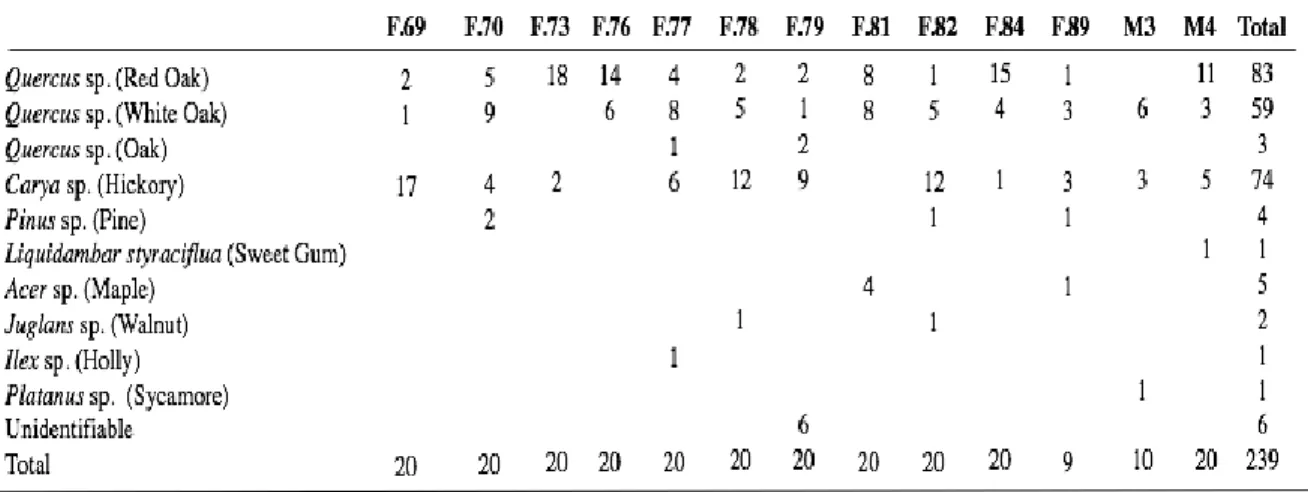
Table 2 Identified Specimens (By Count) for the Wall Site ...35
Table 3 Identified Specimens (By Count) for the Jenrette Site ...37
LIST OF FIGURES
Figure 1 The Hillsborough Archaeological District showing the areas
excavated at the Wall, Jenrette, and Fredricks sites...3
Figure 2 Timeline showing introduction of shatter-zone factors in the Piedmont area (represented by study sites) ...10
Figure 3 Model showing expected factors and activities leading to Piedmont wood charcoal assemblages ...19
Figure 4 Wall site plan view of excavation area ...26
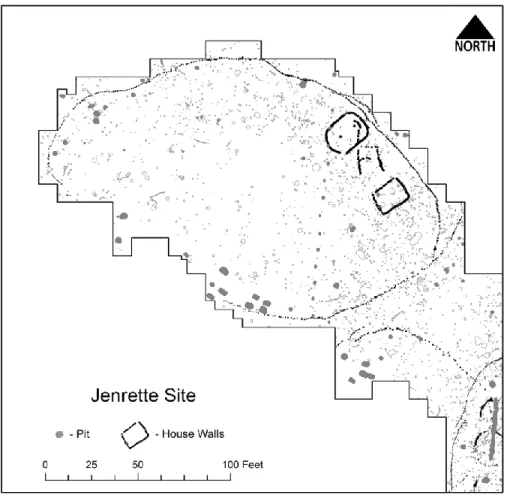
Figure 5 Jenrette site plan view of excavation area ...28
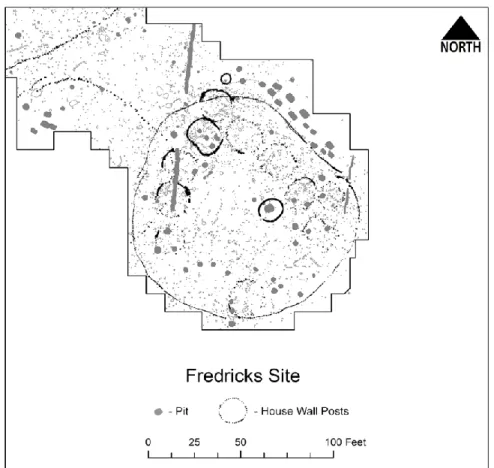
Figure 6 Fredricks site plan view of excavation area ...30
Figure 7 Bar graph showing species abundance at the Wall site (Or11) by percent ...36
Figure 8 Bar graph showing species abundance at the Jenrette site (Or231a) by percent ...37
Figure 9 Bar graph showing species abundance at the Fredricks site (Or231) by percent ....39
Figure 10 Bar graph showing abundance (by percent from total identified) of the three major hardwoods present at all three sites ...41
Figure 11 Correspondence analysis biplot depicting the relationship between the three major hardwood species and the three sites ...42
Figure 12 Graph of Shannon-Weaver Diversity Index for each site ...44
Figure 13 Bar graph showing ecological habitats exploited at each site ...45
Figure 14 Bar graph showing proportion of fire tolerance by site ...46
CHAPTER 1: INTRODUCTION
Contemporary studies of the European contact period in the southeastern United States indicate that Native American groups experienced a mixture of continuity and change. Native groups across the region acted in a variety of ways as they responded to a shifting political and economic landscape. Broad frameworks, such as the “shatter-zone” (Ethridge 2006; Ethridge and Shuck-Hall 2009), provide a useful lens for understanding the large-scale forces that induced violence and geopolitical movement across the southeast. However, these frameworks are not meant to account for the local experience or response to the various forces of contact. Studies centered on specific communities or areas are important to further contextualize how Native people were actively participating in a changing world. My study offers this type of perspective for a group of sites in the North Carolina Piedmont. I use wood charcoal data from these sites to examine daily landscape practices and the impact contact-related factors, such as disease and slave raiding, may have had on them.
CHAPTER 2: CONTACT PERIOD BACKGROUND
Over the years, numerous studies of the European contact period in the southeast have demonstrated how complex the Native experience was. Native people were faced with many changes and choices as European encroachment introduced new economies and epidemics into the region. It is helpful to use broad geopolitical frameworks as a starting point for understanding the various forces that Native peoples were interacting with and responding to. The “shatter-zone” framework offers one such perspective.
The “shatter-zone” concept was first applied to the contact period southeast by Robbie Ethridge. She defines the shatter-zone as a “large region[s] of instability” encompassing the entire Eastern Woodlands (Ethridge 2006:208). Inspired by previous uses of the concept in other colonial settings (Wolf 1990; White 1991), Ethridge re-works it to incorporate the various factors that contributed to instability in the southeast. Ethridge’s initial definition of the concept
considers the Indian slave trade to be the leading cause of disruption. However, in a subsequent edited volume, Ethridge and her various co-authors (2009) expand the shatter-zone concept to include other factors, such as the collapse of the Mississippian chiefdoms and the devastation of European disease epidemics. As it stands, the shatter-zone provides a useful framework for understanding the complex interplay between the three major factors disrupting Native lifeways: the Indian slave trade, disease epidemics, and the deerskin trade.
concept. This allows for a nuanced understanding of Native life during this period and moves away from a perspective of general disruption towards one that accounts for both change and continuity.
Several studies of the contact period in the North Carolina Piedmont have shown that groups within the region dealt with all three of the major shatter-zone factors at various points in time (Ward and Davis 2001; Davis 2002). For each factor, I will provide a brief definition and then review the archaeological and ethnohistoric data from the region to provide a background on the Native experience and response to it.
Slave Raiding
The Indian slave trade emerged as a part of the demand for labor from European markets. Native peoples, acting as middlemen within the trade, raided other groups for captives that they could exchange for European goods (Gallay 2002; Ethridge 2006). Raiding neighboring
communities for captives likely existed as a part of warfare before the European contact period (Davis and Ward 1991; Ethridge 2006). However, the presence of the European market system, and the guns and ammunition that could be obtained from it, undoubtedly intensified the practice. Various documentary sources describe the mechanisms of slave raiding, which could vary by group. Raiding continued to take place as a part of traditional warfare, and individuals could be captured during battle or as part of an attack on a rival village (Ethridge 2009). Raiders would also hide in the areas outside of villages in order to seize individuals and small groups as they ventured out (Stewart 1711; Gallay 2002:182).
Evidence for slave raiding in the North Carolina Piedmont comes primarily from
known how often raiding parties were in the area. Lawson’s account only mentions the one encounter and archaeological evidence cannot be easily used to further corroborate. Use of palisade walls predates the intensification of slave raiding, and trade goods, which also could have been obtained from fur trading, offer only indirect evidence. However, it is likely that raids were more episodic than constant. Furthermore, as Lawson’s account shows, groups were able to warn one another when raiders were in the area. Overall, slave raiding can be seen as an
occasional, but very real, threat to the safety and stability of Piedmont communities.
Disease
Europeans brought new diseases, namely influenza, small pox, and measles, into Native communities. Various studies over the years have emphasized the devastation brought by epidemics of each of these diseases. Undeniably, recurring epidemics throughout the 1600s and 1700s reduced Native populations across North America. However, none of these epidemics decimated groups in the manner or extent that is often assumed. (Hutchinson 2016). Specifics on the introduction and spread of these various epidemics across the Eastern Woodlands continue to be debated (Ethridge 2009; Hutchinson and Mitchem 2001). Ethnohistoric documents can
European diseases are thought to have come to the Piedmont region fairly late, as compared to other areas of the Eastern Woodlands (Ward and Davis 2001). Disease is not
mentioned in the ethnohistoric records for the region until John Lawson’s 1701 account. Lawson notes that “there is not the sixth Savage living within two hundred Miles of all our Settlements, as there were fifty years ago.” (Lefler 1967: 232). Lawson attributes the de-population of the region primarily to small-pox, but it is possible that slave raiding and group mobility also contributed. Mortuary data provide further evidence for the later arrival of disease in the region. Early contact period (c. AD 1500-1600) sites in the Piedmont are noted to have “low burial density,” while sites from later in the contact period (post AD 1670) are noted to have far greater concentrations of burials (Ward and Davis 2001:140-141). Though all of these burials cannot definitively be attributed to epidemic events without more direct evidence (i.e., DNA testing for disease molecules [Hutchinson 2016]), the greater burial density after AD 1670 does suggest greater mortality of Native peoples in the region.
The Deerskin Trade
The deerskin trade was a European market system that allowed Native groups to trade hides from deer and, to a lesser extent, other animals, for European goods. Deerskins were a desirable commodity for England and the rest of Europe as a component of apparel and
better suit the deerskin market. Waselkov (1978) uses ethnohistoric records to identify four different types of hunting practices: stalking, the use of decoys, surrounding and/or drives to water, and surrounding and/or drives with fire. He argues that the latter two may have become more popular as they had the potential to capture and kill multiple deer at once. Foster and Cohen (2007) build on Waselkov’s argument by investigating whether Creek groups intensified their use of fire hunting practices for the trade. Using charcoal and pollen data, Foster and Cohen argue that there is an increase in charcoal and pollen from successional and fire tolerant species during the 1700s when the fur trade was intensifying across the southeast. They reason that this is evidence for intensified use of fire hunting practices. Finally, Lapham (2005), using faunal data from several sites in Virginia, argues that groups shifted their hunting practices to create a trade-oriented strategy. Her argument is based on the deer mortality profiles from each site which show a preference for larger, male deer; these deer would have produced more desirable hides for the trade.
The Contact Period Experience in the NC Piedmont
As the above review has shown, Native groups in the Piedmont experienced all of the major factors of contact. It is difficult to establish the specific effects and extent of each factor; however, from the archaeological and ethnohistoric evidence it can be ascertained that groups experienced greater access to European markets, increased mortality rates, and the occasional presence of slave raiding parties. It is also important to emphasize that disease, slave raiding, and the deerskin trade did not all arrive in the region at once. Figure 2 shows a timeline of when each factor is thought to have been introduced. Slave-raiding was the first major factor of contact to affect the Piedmont. Intensifying during the seventeenth century, slave-raiding occurred across that century and into the next until it was effectively ended by the Tuscarora War of 1712 and Yamaseee War of 1715 (Ethridge 2009:15). During the mid-seventeenth century, the other two major factors, disease and the deerskin trade, emerged in the region. Judging by the archaeological evidence reviewed above, the two factors would continue to affect Native groups in the region for the next several decades.
My study builds upon previous studies of how Piedmont groups experienced each of these factors. I use a new material, wood charcoal, to consider whether any of these factors may have affected community interactions with the surrounding landscape. Wood charcoal,
Figure 2: Timeline showing introduction of shatter-zone factors in the Piedmont area (represented by study sites)
AD 1400 AD 1600 AD 1680 AD 1705
Wall Site Jenrette Site Fredricks Site
Slave Raiding
Disease Deer Skin Trade
CHAPTER 3: WOOD CHARCOAL BACKGROUND
Wood charcoal studies are often framed by a human-environmental relations perspective. A human-environmental relations perspective is defined here as one that focuses on how humans and their environments interact with and influence one another. With the exception of a few notable studies (Cronon 1983; Foster and Cohen 2007), both wood charcoal analysis and human-environmental relations perspectives are seldom applied to contact period studies. William Cronon’s influential 1983 book Changes in the Land, ties the changing ecology of New England landscapes to shifts in land use practices after the arrival of the Europeans. Foster and Cohen’s study (2007) was cited in a previous section as evidence for changing hunting practices related to the deerskin trade. As a part of that, they also argue that the increased use of fire for hunting had an effect on the environment, leading to an increase in the number of successional and fire-tolerant species on the landscape. Additionally, studies of contact period subsistence (Gremillion 1989, 1993a; VanDerwarker et al. 2013; Melton 2016), though not directly focused on
environmental change, provide useful information on the types of practices people were engaging in on the landscape.
Wood charcoal is a particularly appropriate material for studying human environmental relations. Domestic and communal fires would have required regular wood collection by community members. Therefore, the wood charcoal remains from these fires is a physical representation of human activity on the landscape. However, in order to interpret wood charcoal as a product of these practices, assumptions about how fuelwood is collected must first be clarified.
Wood Charcoal Models
There are several models for considering how fuelwood was collected in the past. These models differ in what they consider to be the impetus for firewood selection. For the purpose of this review, these models are grouped into three sets based on this distinction.
The second set of models can be broadly grouped as subsistence-based models. These models include subsistence adaptation frameworks and the “daily itineraries” concept (Asouti and Austin 2005; Salavert and Dufraisse 2014). The subsistence adaptation frameworks proposed by Asouti and Austin (2005:9) consider fuelwood remains to “represent the material residues of a complex interplay between long-term environmental change, localized ecological/vegetation processes, economic production, and cultural formation.” Based on this assumption, they primarily emphasize subsistence and economic production as influencing fuelwood collection. They create several models based on subsistence system type (i.e., hunter-gatherer, pastoralist, and agriculturalist) to illustrate the different effects and emphases each system might have on fuelwood selection. Salavert and Dufraisse (2014) offer the concept of “daily itineraries” as a model for fuelwood collection. The daily itineraries model views fuelwood collection as occurring across a range of activities and spaces as a part of people’s regular routines and daily practices, rather than as an isolated event. They also emphasize that fuelwood collection practices “depend on economic activities…as well as the socio-cultural context” (Salavert and Dufraisse 2014: 153). Both of these models consider human activity on the landscape,
particularly subsistence practices, to be the major influence on fuelwood collection. The third set of models considers the role of human selection criteria in fuelwood assemblages. These models often tie into the two previous ones, emphasizing selection preferences alongside either local availability or subsistence activities. Marston (2009),
following human behavioral ecology models, creates a rank order for combustion woods based on energy content. He also considers local availability to be an important factor alongside selection criteria for energy efficient fuel types. Picornell Gelabert et al.’s (2011)
Guinea. They find that while economic activities, such as clearing land for agricultural use, influences both how and what is collected, there are also species categories, such as “socially forbidden species,” that defy modeling classifications for expected selection (Picornell Gelabert et al. 2011:381). Neither study considers selection criteria to be the sole factor influencing fuelwood collection; however, both studies demonstrate how human classifications or
preferences for certain wood types may have been influential alongside other guiding factors.
Wood Charcoal in the Eastern Woodlands: Previous Studies
Though wood charcoal continues to be an under-studied material for the Eastern Woodlands, several notable studies have been produced over the years. The work of David L. and Nancy B. Asch (1976; 1986) has provided wood charcoal data from the Illinois River Valley. The Aschs also produced the “firewood indifference” model referenced in the preceding section from their work in the region. Extensive work on wood charcoal from the Little
Tennessee River Valley has been provided by Paul and Hazel Delcourt, Patricia Cridlebaugh, Jefferson Chapman, and Andrea Shea (Chapman and Shea 1981; Chapman et al. 1982;
to determine the extent to which people in the region influenced the plant species makeup of their environments through the use of fire regimes.
With the exception of work by the Aschs and Newsom, most of these studies concentrate less on fuelwood collection and more on the effects people have on their surroundings. This is due, in part, to the context the wood charcoal derives from. Several of the studies, notably the Tennessee River Valley studies and Gremillion’s work, use wood charcoal from sediment cores. Wood charcoal, in these contexts, results from a variety of things, including forest fires started from lightning strikes or fires started by people for agricultural clearing. Therefore, it is more useful for providing insights on environmental makeup and, more indirectly, the human practices that may have influenced it. Wood charcoal derived from domestic fuel contexts, which is what this study relies upon, comes directly from human collection from the environment. Therefore, it is better suited to considering the specific practices people are engaging in on the landscape. However, without a more robust set of archaeological studies to rely upon, other data sources, such as ethnohistoric accounts and archaeological data on landscape activities, can be used as background for the various practices and influences that contributed to firewood collection in the Eastern Woodlands. These sources of data will then be drawn upon to construct a model for fuelwood collection.
Ethnohistoric Insights on Fuelwood Collection
occasionally referenced as assisting with chopping or carrying firewood (Swanton 1946: 715, 717), but, in general, women were responsible for chopping and collecting fuelwood. Women are often described as collecting firewood alongside other daily and subsistence-related practices, including gathering wild plant foods, tending crops, and preparing and cooking meals. Therefore, it seems likely that firewood collection was conducted as a part of and/or alongside other
subsistence practices. There is also a relationship between fuelwood collection and village location. Overall it seems wood was collected close to village areas, though women occasionally had to travel long distances for fuelwood, particularly if their village had been occupied for a long time or was in an area that had been (Swanton 1911:65; Swanton 1946:715). Often, village locations would be moved if the firewood supply had been too thoroughly depleted. It is not clear how groups defined fuelwood exhaustion for a given area. However, because of the intimate link between fuelwood collection and other subsistence activities, it could be assumed that it related to when the distance/time for fuelwood collection began to cut into other
subsistence activities. Overall, these accounts provide an expectation that fuelwood assemblages would reflect women’s subsistence practices and domestic needs, as well as environmental proximity.
Landscape and Subsistence Practices
specific area where resources are concentrated. Eight different patch types make up this mosaic: hunting camps, fields/gardens, habitations, edge areas/meadows, old fields, parklands/orchards, wetlands/swamps/meadows, and shorelines, all of which have resources and characteristics exploited and influenced by human activities (2000: 284). Hammett notes that each of these patches would have contributed to and/or been influenced by the different subsistence activities occurring across the landscape. Burning and clearing, related to agriculture and hunting, would have created new spaces and influenced plant and animal occurrence. Groups also would have influenced the species composition of particular areas through the management of a variety of resources from field crops to tree crops.
Based on several archaeobotanical studies of the contact period North Carolina Piedmont (Gremillion 1989, 1993a, 1993b; Melton 2014, 2016), we know that groups during this period engaged in many, if not all, of the activities Hammett describes. Groups across the region grew a variety of crops, such as maize, beans, and chenopod, in addition to gathering and managing nuts and fruits such as hickory, acorn, maypop, persimmon and bramble (Gremillion 1989; Melton 2014). Both Gremillion and Melton’s work are particularly relevant to this study because they consider the degree to which changes related to the contact period may have affected subsistence practices. Gremillion’s study (1989) looks at plant remains from several sites in the North
Carolina Piedmont. These sites span three river drainages and date from the pre-contact period into the contact period. Her research focuses on determining if there were changes to traditional food use, and, if so, to what extent those changes may be related to European-introduced species. Ultimately, she finds that “many aspects of traditional plant use persisted after Contact”
Additionally, she finds that adoption of European species was selective and that the more frequently occurring species, such as peach, watermelon, and cowpea, all have “ecological and botanical analogues” to traditional, native foods (Gremillion 1993a:17). Furthermore, she finds these foods to be used more as supplements than as staples. Melton’s (2014) study looks at plant remains from two sites in the Eno River drainage, which represent the pre-contact and early contact periods. She finds changes in maize use to be the primary difference between the two sites. Maize use is higher at the pre-contact site, which could either represent a greater reliance on agriculture or simply be the result of the larger population at the site, as compared to that of the subsequent contact period site. The other difference between the two sites relates to maize cupule densities. Melton finds maize cupule densities to be lower at the contact period site. She speculates that this may be the result of processing maize in field areas, and that processing in the field, as opposed to the village, may indicate that fields were scattered away from village areas. Field scattering is a common practice used to increase yields, and Melton argues that this practice, if used in the contact period Piedmont, is part of a risk mitigation strategy (2016). This builds off of work done by VanDerwarker et al. 2013 who argue that Cherokee groups adopt a “risk averse [subsistence] strategy” during the contact period. Ultimately, the studies by
many subsistence products that were a part of their diets. As will be further discussed below, these practices form the basis of a fuelwood collection scheme for the region.
A New Model for Fuelwood Collection
Based on all of the studies reviewed above, I created my own model (Figure 3) for how fuelwood was collected by North Carolina Piedmont groups.
Figure 3: Model showing expected factors and activities leading to Piedmont wood charcoal assemblages
I root my model first in environmental availability. Tree types have to be present for groups to collect and use them. Next, I consider subsistence practices to be an important factor in where and how fuelwood is collected. Based on the archaeobotanical and landscape data
pruning and management of fruit and nut trees, collection of deadwood and other old growth forest products, and ad hoc collection during other activities all to have contributed towards fuelwood collection. As reviewed in the subsistence studies mentioned above, Piedmont peoples grew a variety of crops, such as maize, beans, and chenopod, among others (Gremillion 1989; Melton 2014). Such crops would have required fields of some type, and these likely would have been cleared through a combination of burning and removing existing vegetation (Hammett 2000; Wagner 2003). The removed trees and shrubs would then yield potential firewood. Ethnohistoric records show successional and intercropping practices, in which certain plants were cropped with others or were scheduled around one another (Hammett 2000:263).
unwanted branches via pruning and coppicing are all potential woodland management practices (Wagner 2003). This also would have been a potential source for firewood. Finally, gathering resources from other patches could have yielded firewood via supplemental gathering of either selected trees or deadwood from self-pruning trees. Trees self-prune for a variety of reasons, and this would have led to the availability of branch wood variously across the landscape,
particularly in old-growth forest areas. Ultimately, this part of the model assumes that fuelwood gathering occurred both as a regular part of the subsistence activities mentioned above as well as in an ad hoc fashion based on individual or community needs and relating to other activities, such as gathering in a new or variously used patch. Finally, I also consider the importance of cultural selection criteria. I believe people would have had preferences for the firewood they used in terms of things like heat value, burning time, and spark production. Tree species have varying properties that affect their fuelwood quality. For instance, the moisture content of wood affects how much smoke it produces and whether it will throw sparks. Pine, which has a much higher moisture content than oak or hickory (Simpson and TenWolde 1999), can make for less desirable firewood because it produces large amounts of smoke and sparks when lit.
CHAPTER 4: ARCHAEOLOGICAL BACKGROUND Research Questions and Expectations
Two research questions guide this study. First, is there a change in wood charcoal assemblages between pre-contact and contact period sites in the North Carolina Piedmont? And second, what do changes, or lack thereof, indicate about how people, and their constructed landscapes, experienced the contact period?
In this section, I will provide some predictions and considerations for my study based on the background information reviewed above. I have grouped these expectations into two
categories: 1) effects of long-term landscape use and 2) effects of the contact period.
availability of a surrounding environment influenced by previous activity, disturbance, and/or dormancy.
The expected effects of the contact period on fuelwood assemblages come from both the major shatter-zone factors—slave-raiding, disease, and the deerskin trade—and from shifts in subsistence practices. Though slave-raiding was not a constant threat, it still may have affected daily practices, such as fuelwood collection, from time to time. Groups may have had to re-schedule or rearrange activities if raiding parties were in the area. Threats to safety on the
landscape could have encouraged groups to collect wood closer to home, if they were not already doing so, and, depending on the composition of their surroundings, to be less selective in their wood choices. Furthermore, if raiding parties were successful, the demographics of communities would have changed, which could have affected labor distribution. Demographic records on Indian slaves indicate that women and children were often the ones captured during raiding attacks (Ramsey 2001:169).Since women were primarily the ones collecting firewood, the loss of women from a community would have affected how firewood was collected. Men, and the remaining women, may have been less selective in their collection as they balanced this task alongside other daily practices.
Disease also could have affected labor availability. Groups, faced with smaller numbers after a disease epidemic, may have had to restrict or reconfigure daily practices around a reduced labor supply. This too is expected to result in less selective wood collection as people may have collected whatever was most readily available to save time and energy.
species, such as hickory, are fire intolerant. Frequent exposure to fires would have reduced their presence on the landscape. However, hunting likely took place further away from village and resource procurement areas, so it is not likely that this had an impact on fuelwood assemblages. Second, the trade may have affected how labor was expended. If groups focused more on the procurement and processing of skins for the trade, which would have involved both men and women, they may have modified the labor for other tasks. This, too, might be expected to result in decreased selection preference towards whichever tree types were most readily available.
Additionally, contact-related shifts in subsistence practices could have affected fuelwood collection. As demonstrated by the fuelwood collection model for this study (see Figure 3, above), subsistence activities are considered to be a major influence on how fuelwood was collected. The archaeobotanical data from both Gremillion and Melton suggests there were no major changes in the types or amounts of food used. However, Melton’s recent study (2016) has argued that this continuity may have resulted from changes in food production strategies to minimize risk. Her proposal that groups scattered their fields has implications for fuelwood collection. If groups used new and different areas for fields, this would have required clearing new fields. Trees and woody shrubs from these areas likely would have represented a variety of species. This might be expected to have provided an increase in the diversity of species used.
would have resulted more from the intertwined relationship between all of these factors than any one of them individually. Moreover, for this study it is more productive to focus on the bigger picture of contact-related disruption than to parse out the specific ways each factor contributed.
Site Descriptions and Excavation History
This study centers on three sites: Wall, Jenrette, and Fredricks (see Figure 1, above). These sites have been the subject of study by the Research Laboratories of Archaeology (RLA) at the University of North Carolina at Chapel Hill for several decades. The majority of the work conducted on these sites was done as part of the RLA’s Siouan Project. The Siouan Project excavated a series of sites within the Haw, Eno, and Dan river drainages in order to investigate cultural changes within Native American groups living in the Piedmont region during the contact period (Dickens et al. 1987; Ward and Davis 1993).
The Wall Site
The Wall site (Figure 4) was first investigated by Joffre Coe in 1938, with further
conclusion that the Wall site pre-dated the contact period (Ward and Davis 1993). The 1983 field season focused on re-excavating some of the sections excavated during the 1930s and 1940s, uncovering and removing several burials, and exposing a couple of structures. Excavations in 1984 further exposed structures discovered in the previous season, uncovered several pit features, and also explored a midden layer in the north-central part of the site (Dickens et al. 1987). Further excavations were also conducted in 1997, 2001, and 2002. This work uncovered more pit, posthole, and structural features at the site. Work was resumed at the site more
From the excavations described above, a fair amount is known about the Wall site and its inhabitants. The Wall site is believed to date to A.D. 1400-1600. Based on ceramic typology, it is part of the Hillsboro phase (A.D. 1400-1600), which does not have local antecedents (Davis and Ward 1991:42). The site is composed of a number of circular structures, interpreted as residential in nature, arranged around an open plaza, with multiple surrounding palisades (Davis and Ward 1991). The site is estimated to have been occupied by as many as 100-150 people (Ward and Davis 2001). Additionally, population is interpreted as expanding during occupation time due to the amount of rebuilding that occurred to both structural and palisade walls (Dickens et al. 1987). This rebuilding also suggests a long-term occupation of the site. Subsistence data (Gremillion 1989; Melton 2014; Holm 1987) indicate a mixed subsistence economy of cultivated and gathered resources.
The Jenrette Site
Figure 5: Jenrette site plan view of excavation area (map courtesy of R.P. Stephen Davis Jr.)
were recovered from the site, which suggests that the full effect of European epidemic diseases had not yet reached the area (Ward and Davis 2001:132). The presence of European trade goods and subsistence items at the site provide the primary evidence for the effects of the contact period. Small, glass seed beads are the main European trade good found at the site. As compared with the more extensive array of trade goods found at later sites, these beads are seen as evidence that trading with the Europeans occurred on a limited, and perhaps indirect, scale (Ward and Davis 2001:132). Subsistence remains corroborate this interpretation. Both Gremillion and Melton analyzed plant material from the site, and from both analyses, peach was the only European cultigen identified (Gremillion 1989; Melton 2014). As noted by Gremillion
(1993a:16), the appearance and spread of peach is more reflective of the “weediness” of the tree, in that it will germinate spontaneously, rather than an indication of direct interaction with
Europeans. Other than the addition of peach, the types of plant foods used at the site are
comparable to the preceding Wall site. The relative amounts of specific foods do slightly change between the Wall and Jenrette site assemblages (Melton 2016), but this may be more
representative of the differences in site size and occupation duration between the two sites. The Fredricks Site
uncovered nearly the entire area of the village, with the final portion excavated in 1995 (Davis et al. 2003).
Figure 6: Fredricks site plan view of excavation area (map courtesy of R.P. Stephen Davis Jr.)
the onset of European diseases in the region (Davis and Ward 1991:46). Additionally, a far greater number and variety of European trade goods were recovered from the site. Goods range from personal items, such as beads and pipes, to weapons and tools, such as lead shot, scissors, and axes (Ward and Davis 1988:119-120). This diverse assemblage of trade goods is indicative of an intensive and likely direct relationship with Europeans. However, this is not surprising, as the Occaneechi who lived at the site occupied a prominent role in the deerskin trade prior to their re-location to the area. Though Bacon’s Rebellion in 1676 forced them out of this role, it is not thought that they were forced out of the trade entirely (Ward and Davis 2001:137). Faunal evidence analyzed from the site does not show a large increase in deer bones, as would be expected from participation in the trade (Holm 1987). Two possible explanations have been offered for this: (1) either processing activities happened away from the village area; or (2) this is evidence that the Occaneechi continued to act as middlemen in the trade, acquiring skins to trade from other groups (Ward and Davis 1988:119). Plant remains, analyzed by Gremillion
(1988;1989), indicate a continuation of a mixed-subsistence economy reliant upon both
CHAPTER 5: METHODS AND RESULTS Contexts Analyzed
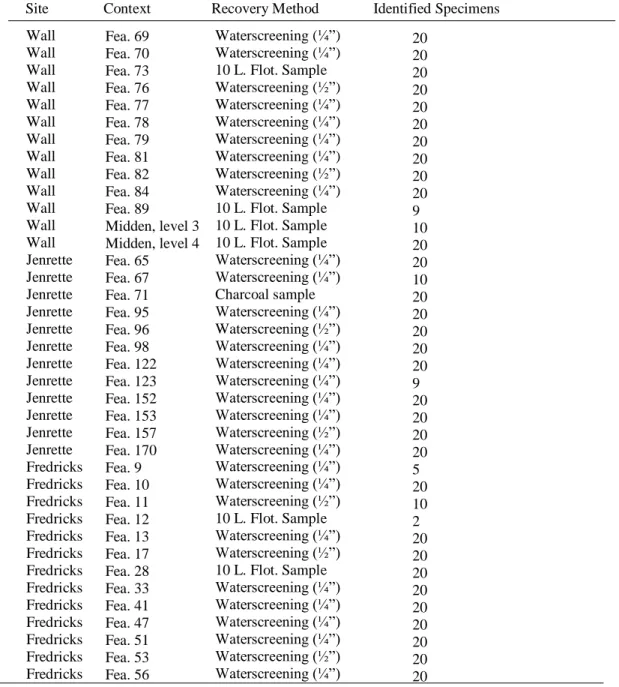
For this study, wood charcoal specimens were analyzed from 13 distinct contexts for the Fredricks and Wall sites, and from 12 contexts for the Jenrette site (see Table 1). Wherever possible, 20 pieces of wood were identified for each context. The majority of the contexts analyzed from all three sites were pit features. For the Wall site, two samples from a midden context were also analyzed. Samples were selected to give a cross-site view as well as to permit comparison between sites. As mentioned, samples are thought to represent the remains of domestic fuelwood. This assumption stems from the fact that the pit and midden contexts sampled also contained refuse from domestic activities, such as pottery, plant remains, and animal bones.
Recovery
Samples utilized in this study came from either charcoal recovered during water-screening or from soil samples processed via flotation. The majority of the samples were
recovered via routine water-screening of matrix soil through ½”, ¼”, and 1/16” mesh. A smaller number of samples came from floated soil samples. These soil samples were routine 10-liter soil samples that were subsequently floated using a modified SMAP-style system, which refers to machine-assisted flotation system for recovering plant remains (Watson 1976).
Laboratory Analysis
specimens selected for analysis need to be large enough so as to have a representative amount of their diagnostic features. North American archaeobotanists who work with wood define this as specimens greater than 2 mm (Asch and Asch 1986; Gremillion 2015). For all samples,
regardless of recovery method, 20 pieces larger than 2 mm were randomly selected and identified.
Wood charcoal analysis involves recognition of microfeatures, such as vessels and rays, and their arrangement in order to identify specimens (Pearsall 2015:123). I used wood manuals (Panshin and de Zeeuw 1970; Hoadley 1990; InsideWood 2004-2017) along with a comparative collection of carbonized modern specimens to identify wood to the species, genera, or family level. Each specimen was analyzed at the cross section (also known as transverse section). This section is the one primarily used in wood charcoal analysis as most of the micro-features needed to make identifications are present at this level (Pearsall 2015:123). As needed, the radial and longitudinal sections were used as they can provide additional views to confirm identifications. A low-power microscope was used to look at the cross sections of all specimens, and an incident light microscope was used for the radial and longitudinal sections.
Table 1. Contexts analyzed for each site
Site Context Recovery Method Identified Specimens
Wall Site Results
I analyzed samples representing 13 different contexts from the Wall site. Twenty specimens were identified to genera or species level for 11 of the 13 contexts. A sample from Level 3 of the riverbank midden yielded only 10 identifiable specimens, and a sample from Feature 89 yielded only nine identifiable specimens.
Table 2 shows the results from the Wall site analysis in the form of raw counts. Only six specimens were unidentifiable, with the rest of the specimens identified to genera or species level. Nine different genera and species groups were identified. Red oak and white oak group are counted as separate genera for the purpose of this count. Figure 7 shows the overall abundance of specific genera across the site. The majority of specimens were identified as either red or white oak (Quercus sp.) or hickory (Carya sp.). Red oak group specimens were the most abundant, followed by hickory and then white oak group. Other genera/species were present in counts less than or equal to 5.
Figure 7: Bar graph showing species abundance at the Wall site (Or11) by percent
Jenrette Site Results
I analyzed samples representing 12 different contexts from the Jenrette site. Ten of these samples yielded 20 specimens identifiable to genera or species level. A sample from Feature 123 yielded nine identifiable specimens and a sample from Feature 67 yielded 10 identifiable
specimens.
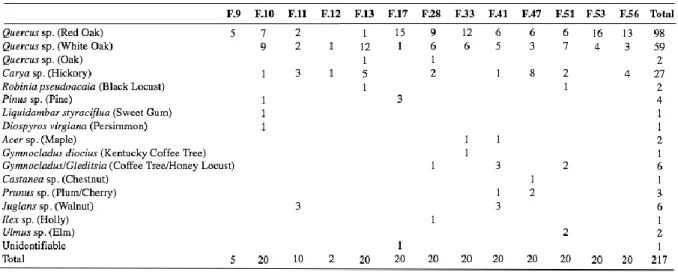
Table 3 shows the results from the Jenrette site analysis. All analyzed specimens, with the exception of a monocot stem, were identified to either genera or species level. Fifteen different genera/species were identified, which is an increase from the number identified at the Wall site. The most abundant genera were hickory, red oak, and white oak, in that order. Figure 8 shows the overall abundance of all identified genera/species across the site. For the other identified species/genera, most (n=8), were present in counts less than 5, but four species/genera were present in counts greater than 10. These genera are pine (Pinus sp. ), plum/cherry (Prunus sp.), walnut/butternut (Juglans sp.), and kentucky coffee tree/honey locust (Gymnocladus/Gleditisia).
0 5 10 15 20 25 30 35 40 45 50
Table 3. Identified specimens (by count) for the Jenrette site
Figure 8: Bar graph showing species abundance at the Jenrette site (Or231a) by percent
0 5 10 15 20 25 30 35 40 45 50
Fredricks Site Results
I analyzed samples representing 13 different contexts from the Fredricks site. For 10 of the 13 samples, 20 specimens were able to be identified to genera or species level. Feature 11 yielded 10 specimens, Feature 9 yielded five specimens, and Feature 12 yielded two specimens. Table 4 shows the results from the Fredricks site analysis. I identified all analyzed specimens but one to either genera or species level. Fifteen different genera or species were identified, which is the same number identified for the Jenrette site. While the two oak groups, red and white, and hickory remained the most abundant genera for the Fredricks site, as at both Wall and Jenrette, the proportions changed significantly. Red oak was the most abundant taxon identified, followed by white oak. Hickory, third most abundant, was present in significantly lower numbers than the assemblages from Wall and Jenrette. Figure 9 shows the abundance of each taxon across the site. The other 12 taxa identified were present in counts less than ten.
Figure 9: Bar graph showing species abundance at the Fredricks site (Or231) by percent
0 5 10 15 20 25 30 35 40 45 50
CHAPTER 6: ANALYSIS
Comparing the data from all three sites, some overall patterns are noticeable. Across all three sites, there is an emphasis on hardwood use, in particular both red and white oak as well as hickory. A secondary trend is the increase in diversity over time. Several statistical and graphical measures were used to visualize and further elucidate these trends. Specifically, I used
Correspondence Analysis, a multidimensional tool for examining associations between
categories, and a Shannon-Weaver diversity index, a measure of the heterogeneity of species in an assemblage.
Hardwood Analysis
The high proportion of hardwood use, specifically red oak, white oak, and hickory, seen at all three sites is comparable to data from other Eastern Woodlands sites and areas (Delcourt et al. 1986; Gremillion 2015; Newsom 2016). In addition to environmental availability, the
hardwood taxa also have desirable fuel properties. Studies of combustion properties reveal that both oak and hickory have a relatively high heat value as compared to other taxa (Graves 1919). In addition to this overall pattern, there are a couple of other noticeable trends within the data.
The first trend is the decrease in hickory over time. Through all three sites, hickory and both oak groups (red and white) are the most abundant taxa present. However, there is a
abundant species present in the Wall and Jenrette site assemblages, red oak sharply increases for the Fredricks site.
Figure 10: Bar graph showing abundance (by percent from total identified) of the three major hardwoods present at all three sites
Correspondence Analysis (CA) further illustrates the rise of red oak and decline of hickory. CA is a useful statistical tool for archaeobotanical data for examining and visualizing variation between sites or samples (Smith 2013). CA demonstrates relationships between
variables through spatial proximity or distance. In CA, data is input as a two-way table, in which the columns represent cases, such as site occupations, and the rows represent units, such as tree species data. CA calculates the chi-square distances between the actual and expected values of the rows and columns in the table and then measures the degree of correspondence between the two. The variance between the actual and expected values for the rows and columns can then be displayed on a biplot (VanDerwaker 2010). Figure 11 is the biplot produced from CA of the three hardwoods at each site. Tabular results for the CA can be found in the appendix.
0 5 10 15 20 25 30 35 40 45 50
Wall Jenrette Fredricks
Hardwood Abundance (Percent)
Figure 11: Correspondence analysis biplot depicting the relationship between the three major hardwood species and the three sites
Diversity
Another notable pattern in the data is the diversity of species present across the sites. To review, nine total taxa were identified for the Wall site as compared to 15 taxa each for the Jenrette and Fredricks sites. Though not a large increase in diversity, the rise is still notable. The diversity is more significant for Jenrette than Fredricks, as a number of taxa other than the three abundant hardwoods appeared in counts greater than 10.
Figure 12: Graph of Shannon-Weaver Diversity Index for each site
As seen in the diversity plot (Figure 12), the Jenrette site has the highest diversity index, followed by the Fredricks site. To elucidate what this diversity might indicate, I categorized species by their habitat and their fire tolerance in order to look for further patterns.
Habitat
I used several references (USDA 2017; Chapman et al. 1982; Wagner 2003; Scarry 2003) to categorize taxa as upland, bottomland, or successional (Figure 13).It should be noted that the grouping of some taxa is problematic. Oak in particular is a hard taxon to categorize. Species from both red and white oak groups are habituated to bottomland and upland environs.
Resources on tree ecology (USDA 2017; Radford et al. 1968) did not provide any way to further elucidate a distinction. Oak species that grow within the North Carolina Piedmont were
identified and then further classified as to ecological habitat and oak group type (a table with this data can be seen in the Appendix). For the species identified, red and white oak group species appeared in equal proportions across both upland and bottomland environments. Therefore, the amount of red and white oak specimens present at each site were equally divided between upland
0 0.5 1 1.5 2 2.5
Wall Jenrette Fredricks
and bottomland categorizations. It is important to note that this may inaccurately bias the results of the ecological analysis. For instance, if most of the oaks came from one environment, then this would significantly change the results. Though this compromise is not an ideal solution, it was the most straightforward option.
Figure 13: Bar graph showing ecological habitats exploited at each site
Across all three sites, the majority of the species used come from upland environments. Identified upland species include hickory, plum/cherry, and holly, among others. Bottomland species are used half as much as upland species at the Wall and Jenrette sites. However, there is a notable increase in bottomland species used at the Fredricks site. Identified bottomland species include kentucky coffee tree, honey locust, and ash, among others. The use of successional species is minimal for all of the sites, although the Jenrette site does have slightly greater amounts of them.
0 10 20 30 40 50 60 70
Wall Jenrette Fredricks
Ecological Habitats Exploited (Percentage)
Fire Tolerance
I used the USDA’s Fire Effects Information System (2017) to sort taxa based on their fire tolerance (see Figure 14). I chose this database because it is the most comprehensive source on the effects of fire exposure on plant taxa. Taxa were categorized as either fire tolerant, fire intolerant, or mixed effects. It should be noted that, while quite comprehensive, the database does not contain information on all plant taxa. Kentucky Coffee Tree (Gymnocladus diocius) is not part of the database, and therefore specimens identified as either Gymnocladus or
Gymnocladus/Gleditsia are not included in this assessment.
Figure 14: Bar graph showing proportion of fire tolerance by site
The Wall and Jenrette sites have mostly similar proportions of fire tolerant to fire intolerant taxa. While fire tolerant taxa, which includes both oak groups as well as pine among other species, are predominant across all three sites, there is a notable increase in these fire tolerant species in the Fredricks site assemblage. This is tied to the increase in red oak, which is a fire tolerant taxon. As fire tolerant taxa rise, there is a decrease in fire intolerant taxa at the Fredricks site. Taxa categorized as fire intolerant include hickory, maple (Acer sp.), and plum/cherry (Prunus sp.),
0 10 20 30 40 50 60 70 80 90
Wall Jenrette Fredricks
Fire Tolerant Taxa (Percentage)
among others. The decline in hickory is significant both in terms of the species itself and for what it means for fire intolerant taxa on the landscape. A decrease in hickory, as a fire intolerant taxon, may indicate a change in fire regime towards more frequent and/or intense fires across the landscape. Alternatively, the decrease in hickory may also be due to a decreased use of upland environments.
Summary
The measures used above provide greater visualization for the patterns of wood use seen at each of the sites. The Wall site provides a pre-contact baseline for fuelwood exploitation within the river bend area surrounding the site. The subsequent Jenrette and Fredricks sites, as mentioned, would have been exploiting fuelwood from an environment shaped by their predecessors.
The results indicate that people from all three sites had a distinct preference for the hardwood taxa red oak, white oak, and hickory. For both the Wall and Jenrette site assemblages, the proportion of each hardwood is more or less evenly distributed. However, as seen in both bar graph and CA biplot, the Fredricks site assemblage represents a departure from this pattern. Hickory use declines significantly at the same time red oak use increases.
Ecological classifications reveal a preference for upland species across all three sites. Use of bottomland species changes over time. Bottomland species are used half as much as upland species at the Wall and Jenrette sites, but increase to contribute nearly half the assemblage at the Fredricks site. A slightly higher proportion of successional species were exploited at the Jenrette site, as compared to the other two sites. This habitat diversity correlates with the Jenrette site’s high diversity index.
CHAPTER 7: DISCUSSION
Based on the analyses discussed above, I will now return to my two research questions. My first question asked if there was a discernable change in wood charcoal assemblages between the pre-contact and contact period. From the data presented above, it is apparent that there are a couple of noticeable changes. The first change is a decrease in hickory wood use during the contact period. The hickory recovered from the pre-contact Wall site (32%) is slightly more than that seen at the Jenrette site (25%). The difference between these two sites is negligible and could be related to differences in site size and occupation duration. However, the hickory recovered from the mid-contact period Fredricks site (12.5%) is half the percentage of what is seen at the other two sites. The second change is an increase in the diversity, or number of taxa, used between the pre-contact and contact periods. The number of taxa used at the Wall site is nine, while the number of taxa used both at the Jenrette and Fredricks sites is 15. I will discuss each trend and its possible causes in order to answer the second research question, which asks what these changes might indicate about how people, and their landscapes, experienced the contact period. Two possible explanations will be considered for each trend: contact-related factors and long-term land use effects.
Trend 1: Decrease in Hickory
analysis above, hickory has a couple of notable characteristics. First, it is tree that grows in upland environments. This means that use of it requires people to have access to upland
environments. There is an upland environment across the river from the site area, and it is likely that people used it in conjunction with other upland areas. The second notable thing is that hickory is a fire intolerant tree. Exposure to frequent and/or high intensity fires has been shown to reduce the amount of hickory in a given area. Therefore, its appearance on the landscape may be limited by fire regimes.
Contact-Related Factors
It is thought that the residents of the Fredricks site were impacted by all three of the major factors of the shatter-zone: slave raiding, disease, and the deerskin trade (Ward and Davis 2001). The site shows signs of population loss believed to be due to disease epidemics, as
that residents of the site burned the surrounding landscape, including the adjacent uplands, in order to make ambush and sneak attacks less likely for the village area. As mentioned, increased fire exposure would have killed off fire-intolerant species like hickory. While this is an
intriguing idea, it is mostly speculative. Other than the decrease in hickory wood use, no other evidence can be concretely tied to this practice.
Long-term Landscape Use Effects
The occupation at the Fredricks site occurs immediately after, and may even overlap slightly, with the Jenrette site occupation. Therefore, the surrounding landscape would have had little chance to re-generate vegetation between the two occupations. Hickory is a self-pruner (Millington and Chaney 1973), which means it will occasionally drop branches that could then be used for fuel. However, self-pruning is an unpredictable practice that occurs for a variety of reasons related to the amount of resources, such as water, soil nutrients, and sun-light, a tree receives as well as external environmental factors (Millington and Chaney 1973; Schaffner and Tyler 1901). Therefore, there is no clear or reliable indicator as to how often hickory will self-prune. It is possible that the available deadwood from hickory trees would have been mostly used up by the people at the Jenrette site. People at the Fredricks site may have been hesitant to cut down any further hickory trees since they relied on their nuts as part of their subsistence strategy. The subsistence data analyzed by Gremillion and Melton (Figure 15) demonstrates that hickory nut use remains fairly constant over time.1 The difference between the amounts used of hickory’s two resources, fuelwood and nuts, could indicate that people valued preserving the nearby trees
for continued nut use. Furthermore, because people continued to have access to quality fuelwood, as seen in the large quantities of oak, this shift likely did not have dramatic consequences or implications for daily life
Figure 15: Boxplots (derived from standardized counts) showing consistency of hickory nut use across all three sites (Data from Gremillion 1989, 1993a, and Melton 2014)
Trend 2: Increase in Diversity of Species Used
The increase in diversity of species used is a trend for both of the contact period sites. As revealed by the Shannon-Weaver diversity index, the diversity of species used is slightly higher for the early contact period Jenrette site than for the early middle contact period Fredricks site. As mentioned in the analysis section, the Shannon-Weaver diversity index measures both richness, in terms of number of species used, and evenness, in terms of the distribution of those species. Though the number of species used at both contact period sites is the same, the
difference is notable, it is not as significant as the difference in diversity between the pre-contact Wall site and the Jenrette site.
Contact-Related Factors
The people of the Jenrette site likely experienced the threat of slave raiding, and as mentioned, the people of the Fredricks site are thought to have experienced all of the three major contact factors. A decreased selection preference was predicted to be one of the main effects of all three of the major shatter zone factors. An increase in the number of species used would seem to be an indicator of decreased selection preference. This may be an indication that groups at both sites were starting to rely on less desirable species as a result of contact-related stressors. As will be further discussed below, many of these new species would have been readily available in the surrounding environment. If groups experienced labor shortages or safety threats, these species might have provided easy and available supplements.
Notably, at both sites none of the new species are used in the same, large amounts as the preferred hardwoods, oak and hickory. Furthermore, oak and, to a lesser extent, hickory are still the predominant species used at both contact period sites. Therefore, the increase in diversity of species used does not seem to have greatly affected overall selection preferences. This would seem to indicate that fuelwood collection was not entirely impacted by contact-related factors. However, the increase in diversity still may be a sign that groups, stressed by the various contact-related factors, occasionally relied on other species to supplement their fuelwood supplies.
Long-term Landscape Use Effects
such as the village area and agricultural fields, to re-grow. Often, such re-growth takes the form of so-called successional species, like pine and black locust, which capitalize on the open areas. In order to construct their community spaces, people at the Jenrette site would have had to clear this vegetation. Because the Jenrette site has such a high diversity index score, it is possible that it is related to people using the trees generated from these clearing tasks. This is what the subsistence-based models would predict and there is some indication for it in the data. Notably, successional species, such as black locust and pine, appear in slightly higher numbers at the Jenrette site than at the pre-Contact Wall site. Subsequently, the Fredricks site was occupied right after the Jenrette site. As mentioned for Trend 1, this meant the surrounding environment would not have had the opportunity to generate new growth. Therefore, people would not have needed to clear very many areas to establish village and agricultural areas. Consequently, groups may have had less diverse assemblages as they focused on preferred species in their other
CHAPTER 8: CONCLUSION
After considering both contact-related and long-term land use explanations, it seems more likely that the changes in fuelwood are related to long-term use of the area surrounding the site. Though contact-related factors could have contributed in some way (such as through the reduction in hickory as fire was used to clear understory for surveillance for slave raiding parties) it is difficult to exactly attribute how. Furthermore, without more evidence for overall abandonment of selection preferences, the patterns in the data are better attributed to the natural and anthropogenic induced fluctuations in the vegetation surrounding the site areas.
APPENDIX 1: CORRESPONDENCE ANALYSIS DATA
Appendix Table 1 Raw Data Used for Correspondence Analysis Red Oak White Oak Hickory
Wall Jenrette Fredricks
83 59 74 53 40 55 97 60 27
Appendix Table 2 Eigenvalues and % intertia by component Component Eigenvalue % Inertia Cumulative
.2216265 99.96 99.96 .0044297 0.04 100
1
2
Appendix Table 3 Overall Values
Mass Quality %Inertia
0.073 -0.092 -0.011 0.058 -0.101 0.017 0.472 0.518 0.010 0.318 0.664 0.018 Appendix Table 4 Component 1 Scores for Cases and Units
Coordinate Square Correlation Contribution
COLUMNS Red Oak White Oak Hickory ROWS Wall Jenrette Fredricks -0.366 -0.187 0.737 0.274 0.417 -0.657 1.000 0.994 1.000 0.999 0.999 1.000 0.134 0.211 0.655 0.257 0.046 0.697
Appendix Table 5 Component 2 Scores for Cases and Units Coordinate Square Correlation Contribution
APPENDIX 2: CATEGORIZATION OF NORTH CAROLINA PIEDMONT OAKS BY HABITAT
Appendix Table 6. North Carolina Piedmont Oaks
Habitats of the Oaks of the North Carolina Piedmont
Upland Bottomland Both
Quercus stellata (Post oak)
Quercus prinus(Chestnut oak) Quercus prinoides(Dwarf chinquapin oak)
Quercus rubra(Northern red oak) Quercus veluntina(Black oak) Quercus coccinea(Scarlet oak) Quercus falcata falcata(Southern red oak)
Red oak Red oak
White oak
Quercus alba (White oak)
Quercus marilandica (Blackjack oak ) Quercus phellos (Willow oak)
White oak
Quercus bicolor (Swamp white oak)
Quercus michauxii(Swamp chestnut oak) Quercus lyrata(Overcup oak)
Quercus shumardii (Swamp red oak) Quercus palustris (Pin oak) Quercus nigra (Water oak) Quercus laurifolia (Laurel oak)
White oak
REFERENCES CITED
Adair, James
1968 The History of the American Indians. Johnson Reprint Corps., New York. Asch, David L. and Nancy B. Asch
1976 Paleoethnobotany at the Koster Site: An Interim Report. Report no. 9, Archaeological Botany Laboratory, Northwestern University Archaeological Program.
1986 Woodland Period Archaeobotany of the Napoleon Hollow Site. In Woodland Period
Occupation of the Napoleon Hollow Site in the Lower Illinois Valley. Kampsville, IL: Center for
American Archaeology Asouti, Eleni and Phil Austin
2005 Reconstructing Woodland Vegetation and its Exploitation by Past Societies, based on the Analysis and Interpretation of Archaeological Wood Charcoal Macro-Remains. Environmental
Archaeology 10: 1-18.
Chapman, Jefferson and Andrea B. Shea
1981 The Archaeobotanical Record: Early Archaic Period to Contact in the Lower Little Tennessee River Valley. Tennessee Anthropologist, 6:61-84
Chapman, Jefferson, Paul Delcourt, Patricia Cridlebaugh, Andrea Shea, and Hazel Delcourt. 1982 Man-Land Interaction: 10,000 Years of American Indian Impact on Native Ecosystems in the Lower Little Tennessee River Valley, Eastern Tennessee. Southeastern Archaeology
1(2):115-121. Cridlebaugh, Patricia
1984 American Indian and Euro-American Impact Upon Holocene Vegetation in the Lower Little Tennessee River Valley, East Tennessee. Ph.D. dissertation. University of Tennessee, Knoxville, Tennessee.
Cronon, William
1983 Changes in the Land: Indians, Colonists, and the Ecology of New England. Hill and Wang, New York.
Cumming, William P.
1958 The Discoveries of John Lederer. University Press of Virginia, Charlottesville, Virginia. Davis, R.P. Stephen
2002 The Cultural Landscape of the North Carolina Piedmont at Contact. In Transformation of
the Southeastern Indians, 1540-1760, edited by Robbie Ethridge and Charles Hudson, pp.
Davis, R.P. Stephen Jr. and H. Trawick Ward
1991 The Evolution of Siouan Communities in Piedmont North Carolina. Southeastern
Archaeology 10(1):40-53.
Davis, R.P. Stephen Jr., Patrick Livingood, H. Trawick Ward, and Vincas Steponaitis
2003 Excavating Occaneechi Town: Archaeology of an Eighteenth-Century Indian Village in North Carolina. Electronic document, https://www.ibiblio.org/dig/html/index.html
Delcourt, Paul, Hazel Delcourt, Patricia Cridlebaugh, and Jefferson Chapman
1986 Holocene Ethnobotanical and Paleoecological Record of Human Impact on Vegetation in the Little Tennessee River Valley, Tennessee. Quaternary Research 25(3):330-349.
Delcourt, Hazel and Paul Delcourt
1997 Precolumbian Use of Fire on Southern Appalachian Landscapes. Conservation Biology
11(4):1010-1014.
Dickens, Roy S. Jr., H. Trawick Ward, and R.P. Stephen Davis Jr., eds.
1987 The Siouan Project: Seasons I and II. Monograph No. 1, Research Laboratories of Archaeology, University of North Carolina, Chapel Hill.
Ethridge, Robbie
2006 Creating the Shatter Zone: Indian Slave Traders and the Collapse of the Southeastern Chiefdoms. In Light on the Path: The Anthropology and History of the Southeastern Indians, edited by Thomas J. Pluckhahn and Robbie Ethridge, pp. 207-218. University of Alabama Press, Tuscaloosa, Alabama.
2009 Introduction. In Mapping the Mississippian Shatter Zone: The Colonial Indian Slave Trade
and Instability in the American South, edited by Robbie Ethridge and Sherri M. Shuck-Hall, pp.
1-62.University of Nebraska Press, Lincoln, Nebraska. Ethridge, Robbie and Sherri M. Shuck-Hall (editors)
2009 Mapping the Mississippian Shatter Zone: The Colonial Indian Slave Trade and Instability
in the American South. University of Nebraska Press, Lincoln, Nebraska.
Foster, Thomas and Arthur D. Cohen
2007 Palynological evidence of the effects of the deerskin trade on forest fires during the eighteenth century in southeastern North America. American Antiquity 72(1):35-51. Fritz, Gayle J.
2000 Levels of Native Biodiversity in Eastern North America. In Biodiversity & Native America, edited by P. E. Minnis and W. J. Elisens, pp. 223–247. University of Oklahoma Press, Norman, Oklahoma.
Gallay, Alan