INFLUENCE OF PROBIOTICS ON BODY COMPOSITION AND HEALTH IN
OCCUPATIONAL SHIFT-WORKERS
Meredith Grace Mock
A thesis submitted to the faculty of the University of North Carolina at Chapel Hill in partial
fulfillment of the requirements for the degree of Master of Arts in the Department of Exercise
and Sport Science (Exercise Physiology).
Chapel Hill
2017
Approved by:
Abbie E. Smith-Ryan
Kristen Kucera
Melinda Beck
ii
© 2017
iii
ABSTRACT
Meredith Grace Mock: Influence of Probiotics on Body Composition and Health in Occupational
Shift-workers
(Under the direction of Abbie Smith-Ryan)
The present study sought to investigate the effects of a multi-strain probiotic (PRO) on body composition, regional adiposity, and a series of associated metabolic health outcomes. Female healthcare workers employed on a rotating-shift schedule (n=41) completed baseline anthropometric assessments, a fasted blood draw, mood questionnaires, and an exercise fatigue test. Identical post-tests occurred following six weeks daily supplementation with (PRO) or placebo (PLA). PRO attenuated fat mass gains (Δ0.14; CI: -0.46–0.75kg) compared to PLA (Δ0.79 kg; CI: 0.03–1.54 kg), and resulted in modest
iv
ACKNOWLEDGEMENTS
I would like to thank my committee for all of their time and guidance during the course
of my thesis. Their input and advice has been invaluable to making this a quality project. I want
to thank my lab team for their time and assistance with data collection.
I would also like to acknowledge all of the nurses, nursing assistants, and emergency
medical services personnel who graciously volunteered to participate. The work they do each
night and day is vital to our public health and safety, and I truly appreciate each one who took a
little extra time out of their schedules to complete my study.
I would like to thank all my friends and loved ones for their unending support and
patience. This would’ve been much, much harder without you.
Finally, I want to thank my advisor, Dr. Abbie Smith-Ryan, for her continued
encouragement and guidance throughout this project, and throughout my time at UNC. She is
selfless with her time, kind with her advice, and passionately dedicated to the mentorship of her
v
TABLE OF CONTENTS
LIST OF FIGURES ... viii
LIST OF ABBREVIATIONS ... ix
CHAPTER I: INTRODUCTION ... 1
Purpose ... 4
Research Questions ... 5
Research Hypotheses ... 5
Delimitations ... 5
Limitations ... 6
Assumptions ... 6
Theoretical ... 6
Statistical ... 7
Definition of Terms ... 7
Significance of Study ... 7
CHAPTER II: REVIEW OF LITERATURE ... 8
The Human Gut Microbiota ... 9
Probiotics ... 11
Origins of Use ... 11
Influence on Energy Metabolism ... 12
Influence on Immunity and Inflammation ... 13
Influence on the Brain ... 14
Populations of Interest ... 15
vi
Conclusion ... 16
CHAPTER III: METHODOLOGY ... 17
Experimental Design ... 17
Participants ... 17
Preliminary Testing ... 18
Body Composition ... 18
Regional fat distribution ... 19
Exercise to Time-to-Exhaustion ... 20
Metabolic Biomarkers ... 20
Questionnaires ... 20
Supplementation ... 21
Statistical Analysis ... 21
CHAPTER IV: MANUSCRIPT ... 23
Introduction ... 23
Methods ... 25
Experimental Design ... 25
Participants ... 25
Experimental Protocol ... 26
Statistical Analysis ... 30
Results ... 30
Discussion ... 32
CHAPTER V: CONCLUSION ... 37
TABLES ... 38
FIGURES ... 46
vii
LIST OF TABLES
Table 1: Participant characteristics by treatment (Mean ± SD) ... 38
Table 2: Occupational and demographic information ... 49
Table 3: Dietary intake across intervention period ... 40
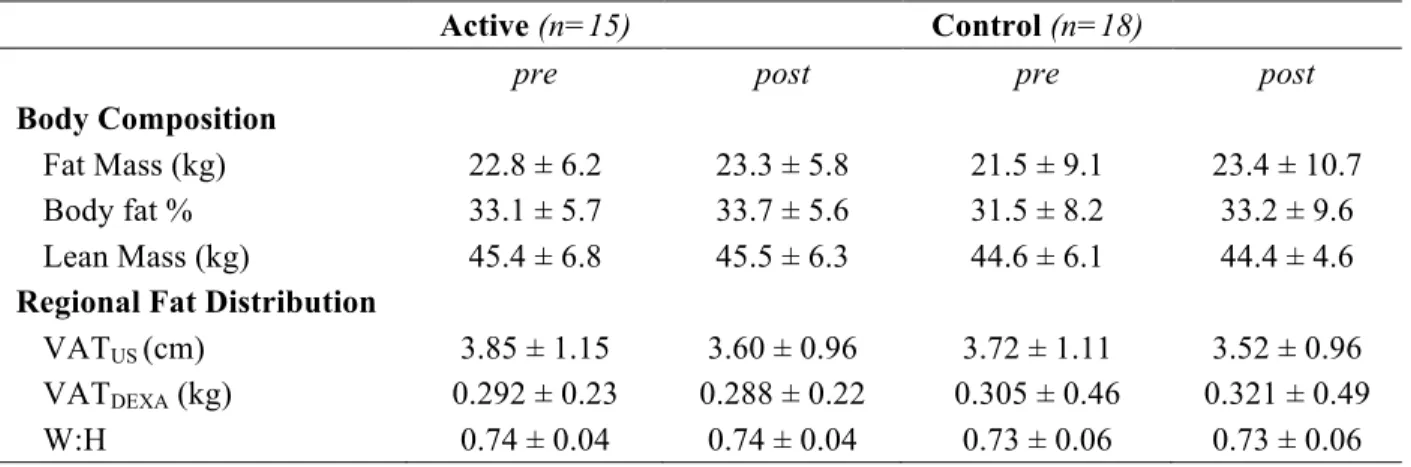
Table 4: Effects of supplementation on anthropometric outcomes (Mean ± SD) ... 41
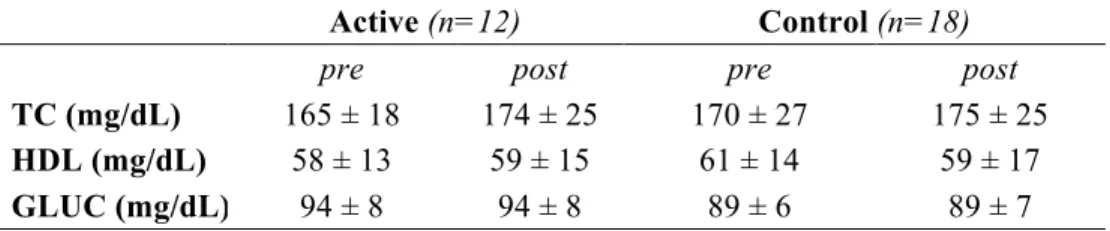
Table 5: Effects of supplementation on metabolic blood markers (Mean ± SD) ... 42
Table 6: Mood and fatigue questionnaire scores (Mean ± SD) ... 43
Table 7: Exercise performance (Mean ± SD) ... 44
viii
LIST OF FIGURES
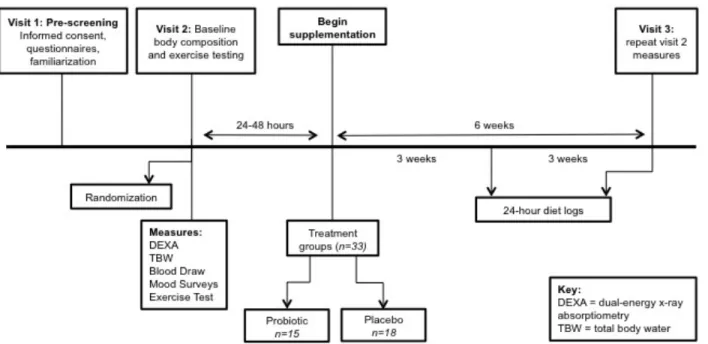
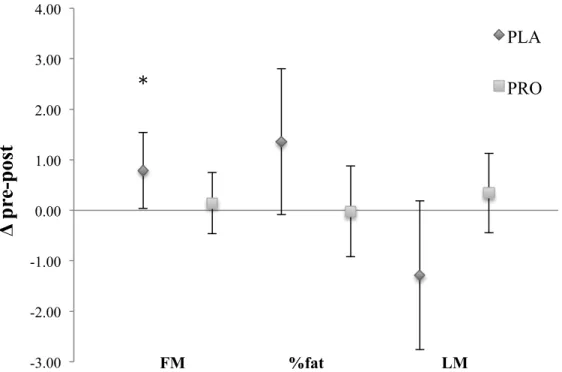
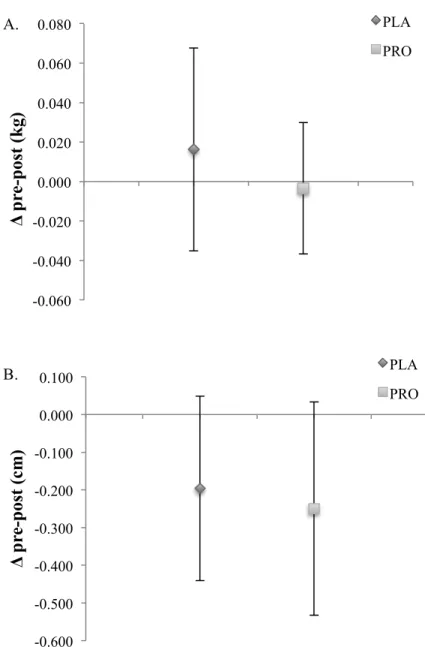
Figure 1: Experimental protocol schematic ... 46 Figure 2: CONSORT (Consolidated Standards of Reporting Trials) diagram ... 47 Figure 3: Mean changes in body composition outcomes FM (kg), %fat, and LM (kg). Error bars represent 95% confidence intervals (Mean ± 1.96 × SE). ... 48 Figure 4A-B: Mean changes in measures of visceral fat. A) VATDEXA (kg). B) VATUS
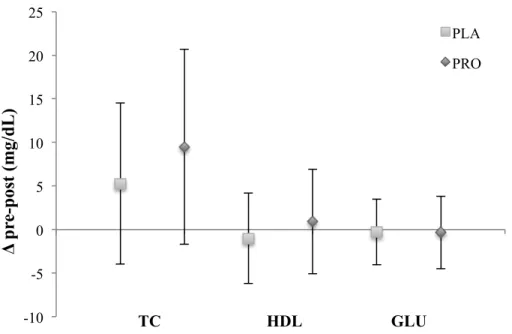
(cm). Error bars represent 95% confidence intervals (Mean ± 1.96 × SE). ... 49 Figure 5: Mean changes in metabolic blood markers TC, HDL, and GLU (mg/dL).
ix
LIST OF ABBREVIATIONS
BIS Bioelectrical Impedance Spectroscopy
CFQ Chronic Fatigue Survey
DEXA Dual Energy X-ray Absorptiometry
FM Fat Mass
GI Gastrointestinal
HADS Hospital Anxiety and Depression Scale
LM Lean Mass
PRO Probiotic
PLA Placebo
TBW Total Body Water
US Ultrasound
1
CHAPTER I: INTRODUCTION
Increased mortality and morbidity among the overweight and obese is well documented, with individuals exhibiting higher risk of cardiovascular disease, cancer, and other comorbidities of metabolic syndrome.1 In addition to metabolic disturbances, there is accumulating evidence linking excess body weight and gut dysbiosis, the disruption of ecologic equilibrium in the digestive tract.2 Components of the modern “obesogenic environment,” including westernized diet, lack of physical activity, and elevated stress levels, may compromise digestive health and further exacerbate obesity risk factors.3 Probiotic supplementation has been established as a successful therapy to restore gut homeostasis, reduce infection risk, and alleviate inflammatory bowel disease.4 Defined by the World Health Organization as “live microorganisms that confer a health benefit on the host,”5 probiotics have recently gained attention as a potential weight loss aid. Furthermore, probiotics have also been reported to especially benefit abdominal adiposity, which may serve as an even stronger prognostic of metabolic health risk.6,7 Unlike other pharmacological or surgical treatments, probiotics may provide a safer and more economical approach to improving body composition and reducing obesity-related symptoms.
2
composition with probiotics may benefit metabolic health through the following mechanisms of action: (1) altered energy harvest; (2) improved immune function; and (3) enhanced intestinal integrity.
Disrupted energy balance, which occurs when dietary consumption exceeds the amount of energy expended or excreted, is often discussed in the context of obesity. As the primary site of digestion and absorption, the human GI tract is highly involved in regulating energy uptake and energy loss in the feces and urine.11 Obese-phenotype microbiota tend to contain higher amounts of bacterial strains that possess the ability to hydrolyze polysaccharides and fatty acids a host could not otherwise break down, increasing the over amount of calories extracted from food.13 Backhed et al.14 demonstrated that germ-free mice absorbed significantly fewer monosaccharides in the gut than conventional mice fed a western-style diet. Following the introduction of gut bacteria from obese mice, formerly germ-free mice also exhibited suppression of fasting induced adipocyte factor (Fiaf), a protein inhibitor of lipases responsible for fat deposition. Thus, microbiota modulation via probiotics may increase Fiaf expression and subsequently reduce fat storage.14,15 Probiotics have also been shown to improve insulin sensitivity16 and stimulate the secretion of satiety hormones,17 benefitting energy metabolism and attenuating overall energy intake.
The ability of probiotics to bolster host immunity has been well-documented in both human and murine models.18 Upon introduction into a host gut, probiotics have been demonstrated to hold a competitive advantage over any existing pathogens for adhesion sites and essential nutrients.18,19 Additionally, certain bacterial strains can produce compounds that have an inhibitory effect on harmful microbes, such as Rotavirus and other food-borne pathogens.20 Probiotics may also promote the
maturation of T and B cells through interactions with dendritic cells located in the GI tract, benefitting the adaptive immune system.21 As a primary entry site into the host’s bloodstream, the intestinal tract also plays an integral role supporting host’s innate immune defenses.2 The passage of foreign particles across the intestinal barrier, colloquially known as “leaky gut syndrome,” adversely affects host health by inciting an inflammatory response.22,23
Associations between gut permeability and obesity, which in itself promotes chronic
3
abdominal fat has been especially tied to low-grade systemic inflammation, likely due to the heightened secretion of pro-inflammatory cytokines by adipocytes.24 While factors such as poor diet and
environmental toxins can compromise the gut barrier,4,25 probiotics may help reverse intestinal
permeability by enhancing tight junction complexes, the membrane proteins responsible for maintaining gut epithelium.18,20,23 In a study of 23 endurance-trained males, Lampretch et al.26 reported significant reductions in Zonulin, a protein indicating compromised tight junction structure, following 12 weeks of probiotic supplementation. Probiotics also benefit gut barrier function by promoting secretion and maintenance of the intestinal mucosa, a protective layer of mucus lining the epithelium.20
Probiotics have also been demonstrated as a promising therapy for disorders often indirectly associated with metabolic syndrome, including chronic fatigue, exercise intolerance, anxiety, and depression.27,28 The brain’s influence on the gut is highly recognized, considering the well-documented co-morbidity between elevated stress levels and gastrointestinal disorders.27,29 Moreover, accumulating evidence brings to light the bidirectional interaction between GI bacterial composition and the nervous system, deemed the “microbiota-gut-brain axis.”13,29 The immune-inflammatory response associated with gut dysbiosis has been correlated with several mood-related symptoms.13 Additionally, different gut bacterial strains produce a range of neurotransmitters, the biochemical signals integral to mood and cognitive function.29 Bravo and colleagues30 demonstrated increased GABA production in mice following a 28-day stint of L. rhamnosis, resulting in reduced anxiety and depressive behaviors in a forced swimming task. Though the majority of psychotherapy interventions have been evaluated in mice, a handful of human studies have reported improved mood scores in as little as two weeks of probiotic administration.29
4
health risk has been observed in female shift-workers, potentially due to non-work family obligations.32 Nursing is one of the most notable fields utilizing the shiftwork model, with women constituting a large majority of all nurses.33 Additionally, alarming rates of metabolic syndrome within the nursing
profession have gained attention in both research and clinical arenas, considering the integral role of nurses in healthcare.34 In a cross-sectional study comparing regular day- and rotating-shift nurses, Zhen and associates35 found the incidence of functional bowel disorder, anxiety, and sleep disturbances significantly higher in the rotating shift cohort. Probiotic treatment may especially benefit the female nursing population, considering probiotic therapies target many overlapping contributors to excess adiposity and its comorbidities.
A significant and complex interrelationship exists between disrupted gut microbiota, excess body fat, and the adverse health effects accompanying both. Though much literature points to the potential of probiotics to ameliorate metabolic disturbances, human studies evaluating changes in body composition are scarce. Furthermore, we are not aware of any intervention that explores effects on fat distribution in shift-working females, who may be at greater risk for gut dysbiosis and its implications for metabolic health.
Purpose
1. The primary purpose of this study was to explore the influence of six weeks probiotic
supplementation on body composition and regional adiposity in female rotating-shift healthcare workers.
a. Potential effects of probiotics on fat mass, percent body fat, and lean mass were assessed. b. Visceral fat distribution and waist-to-hip ratio was determined to assess regional
adiposity.
2. A secondary purpose of this study was to assess potential improvements in blood markers of metabolic health.
5
3. The tertiary purpose of this study was to determine the influence of probiotic supplementation on psychological and physiological fatigue.
a. Subject-reported mood and rating of fatigue were evaluated using the Hospital Anxiety and Depression Survey (HADS) and the Chalder Fatigue Survey (CFQ-11).
b. Physiological fatigue was determined with an exercise time-to-exhaustion test. Research Questions
1. Does probiotic supplementation alter body composition and regional adiposity in shift-working females?
2. Does probiotic supplementation improve profiles of metabolic biomarkers?
3. Does probiotic supplementation improve feelings of psychological or physiological fatigue? Research Hypotheses
1. Chronic probiotic supplementation would favorably alter body composition and regional adiposity.
2. Chronic probiotic supplementation would improve profiles of metabolic biomarkers. 3. Chronic probiotic supplementation would improve psychological or physiological fatigue
following six weeks of daily probiotic ingestion.
a. Probiotics would benefit mood and perceived fatigue.
b. Exercise time-to-exhaustion would be improved following probiotic supplementation. Delimitations
1. Participants were premenopausal females employed as night or rotating day/night shift healthcare staff, ages 21-55 years.
2. The study consisted of three laboratory visits. 3. The duration of supplementation was six weeks.
6
6. The Hospital Anxiety and Depression Survey (HADS) and Chalder Fatigue Survey (CFQ-11) was utilized to assess subject mood and fatigue.
7. Participants had not taken a probiotic supplement for at least two months prior to the study. 8. Participants were excluded from the study if dietary analysis indicated frequent consumption of
probiotic-containing functional foods.
9. Participants were excluded if she had lost or gained >3 kg within the previous two months. Limitations
1. Subject recruitment took place throughout healthcare facilities in the Raleigh-Durham region, including the University of North Carolina at Chapel Hill Hospital, UNC REX Hospital, Duke University Hospital, Durham VA Hospital, and Duke Regional Hospital. Therefore, subject selection was not truly random.
2. Quantity and variety of probiotic strains was not measured post-ingestion, meaning the viability of probiotics in the intestinal tract was not evaluated.
3. Though dietary intake was recorded and accounted for, diet changes may still have affected individual body composition beyond the experimental intervention.
4. This probiotic intervention utilized the same strains for all subjects, so the level of efficacy may vary based on individual preexisting gut health.
Assumptions Theoretical
1. Subjects provided accurate health history as well as nutrition and exercise status on all pre-screening materials.
2. Subjects adhered to pre-testing exercise and dietary guidelines.
3. Subjects gave maximal effort during exercise time-to-exhaustion testing. 4. Subjects reported honest answers on all mood and fatigue surveys.
7
7. Subjects maintained consistent exercise and nutrition habits throughout the duration of the study. Statistical
1. The population from which the sample was drawn was normally distributed. 2. Treatment group was randomly assigned.
3. The variability between groups of sample in the experiment was equal or nearly so. Definition of Terms
Gastrointestinal (GI) Tract – The human organ system responsible for transporting and digesting food, absorbing nutrients, and expelling waste.
Gut Microbiota – The collective populations of commensal bacterial residing in the GI tract. Shift-working – Individuals employed on a night shift or rotating day/night shift schedule. Visceral adipose tissue – Body fat stored within the abdominal cavity around the vital organs Significance of Study
This study attempted to evaluate the influence probiotic supplementation may have on regional adiposity and body composition, as well as measures of fatigue in shift-working females. Though several studies have explored the use of probiotics as a therapy for weight loss and mitigation of metabolic syndrome, few studies have looked specifically at potential implications for fat distribution. Literature has also suggested benefits of probiotics on performance and inflammation in endurance athletes.
8
CHAPTER II: REVIEW OF LITERATURE
Over the past decade, interest in probiotics and the gut microbiota has gained momentum in both popular media and the scientific community. Accumulating evidence has linked gut dysbiosis, the disruption of microbial equilibrium in the digestive tract, to a series of other health issues including metabolic syndrome, gut permeability, and irritable bowel syndrome (IBS).2 Considering the alarming public health threat posed by metabolic-related disorders, associations between compromised
gastrointestinal (GI) health and excess body weight have gained special attention.1 Probiotics have been established as a successful therapy to restore GI homeostasis, benefit body composition, and improve immunity.36 By enhancing gut health, probiotics may serve as a safe and economical alternative to improving body composition and reducing obesity-related symptoms.
The typical American lifestyle, which generally includes lack of sleep, chronic exposure to stress, and consumption of processed foods, has been blamed for the increasing prevalence of GI disorders.1 Findings suggest that probiotics may specifically benefit abdominal adiposity, which may serve as a stronger indication of metabolic-related morbidity risk than other anthropometric measures.6,7 However, evidence in human subjects is much more scarce. Considering the complex physiological and
9
other pathophysiologies associated with obesity. The review will then describe the susceptibility of the proposed population, which may benefit from probiotic supplementation.
The Human Gut Microbiota
Trillions of microorganisms reside in the human GI tract, forming the bacterial community collectively known as the microbiota.39 With functions ranging from the digestion and absorption of certain nutrients to the promotion of host immunity, the gut microbiota has a profound influence on human physiology. Turnbaugh and colleagues10 propose the existence of a “core” gut microbiome, suggesting a certain level of similarity in the genetic make-up of gut bacteria among healthy adults. Conversely, disturbances in the composition and activity of gut bacteria can give rise to serious health implications. Compromised microbial diversity has been associated with insulin resistance, obesity, mood disorders, and irritable bowel syndrome.2,29,40 As interest surrounding GI disorders grows, a variety of environmental factors have been implicated in the increasing prevalence of symptoms related to gut dysbiosis.
Birth through the first 18 months of life has been shown as a formative period of microbiota development.41 A rise in the number of cesarean sections, as well as a shift from breast-feeding to formula feeding, have both been associated with reduced microbial diversity.8,41,42 Several meta-analyses regarding the protective effects of breastfeeding against childhood obesity attribute increased variety of gut bacterial strains as a likely mechanism of cause.43,44 It was initially believed that mammals were born with a germ-free gastrointestinal tract, having developed in a supposedly sterile womb during gestation.45 However, recent evidence suggests the fetal microbiota is colonized with some bacteria in utero.41,45 Consequently, poor pre- and perinatal nutrition may have a profound impact on infant microbiota, predisposing offspring to compromised GI health and perpetuating the incidence of metabolic diseases.44,46
10
farm animals has been implicated in gut microbiota alterations, with Cho and colleagues49 demonstrating altered microbiota composition and increased fat mass in mice following 7 weeks of sub-therapeutic antibiotic treatment. However, the nutrient content and quality of food has been the most explored link between diet and gut flora.48 Cani et al.50 revealed a significant shift in the ratio of bacterial phyla Firmicutes and Bacteroidetes populating the mouse GI tract following the introduction of a high-sugar, high-fat chow. Microbiota changes have also been observed in human subjects following short-term exposure to diets high in fat and refined carbohydrates.51,52 Cross-sectional analyses showed notable variation in the microbiomes of European children compared to children from rural Africa, most likely due to the latter’s higher intake of fiber-rich foods.53 Plant-based diets also result in gut flora differences, evidenced by the study of microbiota in vegetarian and vegan individuals.54 Processed foods containing refined carbohydrates and poor-quality fats, in addition to their inherent obesogenic effects, likely exacerbate gut dysbiosis and further threaten metabolic health.55
In addition to diet, lifestyle factors such as lack of sleep and chronic stress are also thought to adversely shape the bacterial landscape of the gut, hindering microbial diversity and increasing the survival of pathogenic microorganisms.13,30,56 Based on theory that the gut microbiota was effected by circadian rhythm, Thaiss et al.56 compared bacterial make-up in fecal samples between control mice and mice under disrupted light and dark exposure. Significant alterations in microbiota composition were seen in the group of mice with interrupted sleeping patterns, findings that Thaiss subsequently observed in a small group of human subjects following periods of jet lag.56 Stress has also been implicated in gut dysbiosis, considering the strong associations between psychological stress and symptoms of GI
11
ProbioticsOrigins of Use
Probiotics, with word origin literally meaning “for life,” have the potential to alleviate symptoms of gut dysbiosis by introducing beneficial bacteria to the GI tract.59 In addition to isolated capsule or powdered probiotics, fermented products or foods prepared with bacterial cultures such as yogurt, kefir, kimchi, and sauerkraut also yield characteristics of probiotics. According to a joint consensus of Food and Agricultural Organization and the World Health Organization experts, probiotics are defined as “live microorganisms which when administered in adequate amounts confer a health benefit on the host.”5 Though most probiotic research has occurred in the past decade, the concept of probiotics has existed in many civilizations for thousands of years. Evidence suggests that culinary traditions across the globe embraced fermented foods for their therapeutic properties long before discovery of the microbes
responsible.60 Today, the lifestyle and dietary factors propelling gut dysbiosis have prompted a mounting interest in GI therapies. Probiotic-containing foods and supplements now make up a global industry worth billions of dollars and continue to draw attention as a treatment for a host of maladies ranging from insulin resistance to IBS.61–63
Recently, probiotics have piqued clinical and research interest as a promising aid to weight loss and metabolic syndrome through concomitant improvements in intestinal health. In a study evaluating 10 weeks of probiotic supplementation in diet-induced obese mice, Park et al.64 reported reduced fat
12
reductions in fat mass.7,65,66 Though more research is needed to elucidate the physiological pathways through which probiotics act, existing literature points to several potential mechanisms of action. Influence on Energy Metabolism
The GI tract is highly involved in both energy uptake through digestion and absorption, as well as energy loss in the feces and urine.11 Since a seminal study by Turnbaugh and associates10 demonstrated notable variations in the microbiota of lean versus obese twins, it has been theorized that bacterial strains differ in their ability to break down and utilize substrates in the human gut. In one of the many murine-model studies by Backhed et.al,14 germ-free mice absorbed significantly fewer monosaccharides in the intestinal lumen than conventional mice following 14 days of a western-style diet. Research by Jumpertz and colleagues67 observed a similar phenomenon in lean and obese humans. Following three consecutive days of overfeeding (+1000 kcal/day), bomb calorimetry analysis of fecal samples from lean individuals revealed a reduction in energy loss averaging 150 kcal. Subsequent investigations suggest that bacterial phyla dominant in obese phenotypes are more capable of hydrolyzing certain polysaccharides and fatty acids, increasing the overall amount of calories extracted from food and stored by the host.2
Reintroduction of beneficial bacteria through probiotic supplementation may attenuate excess energy absorption that leads to weight gain and compromised metabolic health.2,4,61
13
European women, and successfully predicted glucose intolerance based on fecal bacterial analysis.69 Probiotics have been demonstrated to lower fasting blood glucose and mitigate oxidative stress in both type 2 diabetics70 and healthy individuals.16 Murine studies have also suggested probiotics may enhance secretion of satiety hormones attenuating overall energy intake.17 However, to date evidence in human subjects is scarce.
Influence on Immunity and Inflammation
As a major site of entry into the host’s bloodstream, the GI tract functions as a key player in immunity.2 A healthy intestinal lining is semi-permeable, highly selective in allowing the absorption of vital nutrients and electrolytes, while protecting the host from the entry of pathogens.71,72 However, if the integrity of the gut lining is compromised, foreign particles can slip through gaps in the cell wall and incite an inflammatory immune response known as “leaky gut syndrome.”40,73 Additionally, excess body fat is often accompanied by systemic, low-grade inflammation, which is now acknowledged as a risk factor for other obesity-related complications.73 In studies of diet-induced obese mice, Cani et al.74 observed elevated blood concentrations of bacterial lipopolysaccharide (LPS) that had translocated across the gut barrier into circulation. It confirmed LPS as a driving force of obesity-related inflammatory tone by steadily infusing exogenous LPS into normal-weight mice, which subsequently developed insulin resistance and whole-body, liver, and adipose tissue weight gain.74 This phenomenon, known as “metabolic endotoxemia,” may be mitigated by probiotics to deter symptoms of metabolic disorder.2 Probiotics benefit gut barrier function by producing peptides that promote the growth of gut epithelial cells and enhance tight junction complexes.18,20,23 Probiotics have also been observed to hold a competitive advantage over pathogenic microbes for essential nutrients and adhesion sites on the intestinal lining, favorably altering the intestinal ecosystem for further proliferation of beneficial bacteria.18,19
Lampretch et al.26 evaluated markers of inflammation and intestinal permeability in 23
14
compromised tight junction structure, were observed in the probiotic group. A decrease in TNF-α and carbonyl protein was also cited, suggesting improved intestinal integrity, as well as the potential for probiotics to mitigate inflammation associated with heavy exercise training. Shing et al.40 evaluated the effects of 4 weeks of probiotic supplementation on performance of 10 male runners in the heat.
Significant improvements in run time-to-exhaustion were observed in the probiotic group, as well as small reductions in markers of intestinal permeability. A small body of literature suggests chronic probiotic supplementation may also have an ergogenic effect through improved energy signaling and mitigation of muscle wasting.75,76 Probiotics may benefit inflammation related to strenuous activity and alleviate symptoms of fatigue.
Influence on the Brain
Symptoms of GI distress often accompany mood disorders including chronic fatigue, anxiety, and depression.29 A fundamental link exists between one’s mental and digestive health, apparent in increased nausea and symptomatic IBS during times of emotional stress.57 Intestinal bacteria has recently been suggested as a critical third party in the gastrointestinal and neural connection, leading to the concept of a “microbiota-gut-brain axis.”27 While a disrupted gut microbiota may increase mental health risk,
probiotics may favorably modulate gut-brain signaling pathways to alleviate symptoms of disordered mood. Certain bacterial strains secrete a variety of neurotransmitters integral to mood and cognitive function, including gammaaminobutyric acid (GABA), serotonin, and dopamine.77 Administration of single-strain probiotic L. rhamnosis for 28 days increased GABA production in mice, resulting in reduced anxiety and depressive behaviors following a forced swimming task.30 Correlational evidence suggests the heightened immuno-inflammatory response associated with intestinal permeability also contributes to mood disorders, though exact mechanisms are yet to be elucidated.78 Tillisch et al.79 found that
15
improvements in mood based on the Leiden Index of Depression Sensitivity-revised questionnaire, with significant reductions in aggressive and ruminative tendencies. Though more human research is needed to elucidate physiological mechanisms at play, current literature supports probiotics as a potential therapy for symptoms of impaired mood.
Populations of Interest
Risk Among Female Rotating-shift Workers
While much of the Western population faces an elevated risk of gut disturbances, those employed as rotating shift workers may be even more susceptible. Due to occupational demands, lifestyle factors such as unconventional sleeping patterns, physical and emotional stress, and processed food consumption may be amplified in this population.3 The prevalence of sleep-related pathologies among shift-workers has been classified as “Shift Work Disorder,” characterized by irritability, depression, and insomnia despite chronic fatigue.80 Lack of sleep is a known metabolic stressor, with Chaput et al.81 observing a significant increase in abdominal adiposity across a six-year period among those averaging less than six hours of sleep per night. Disruptions in circadian rhythm may also contribute to gut dysbiosis,56 a phenomenon supported by strong correlations between shift-working and rates of GI disorders.31 Long shifts with limited access to nutritious food and adequate hydration, may contribute to poor quality diet that further exacerbates symptoms of metabolic and GI distress.
Compromised health has been observed more in female shift-workers than their male
16
probiotics to treat pathologies associated with shift-work, we are only aware of one probiotic intervention involving a shift-working population. Tubelius et al.83 reported significantly fewer sick days taken by employees during 11 weeks of probiotic supplementation compared to a placebo control group, however no other study outcome was explored and subjects were predominantly male.
Conclusion
Probiotics have been demonstrated as a promising remedy for gut dysbiosis, resulting in a variety of potential health benefits.4,25,84 The evolution of the modern eating patterns, including industrialized agricultural practices, processed food production, and decreased fiber intake, may adversely effect colonies of beneficial bacteria that reside in the human gut.51 Additionally, poor sleeping habits and chronic stress may further contribute to the growing prevalence of GI disorders.56,85 The occupational demands of the nursing profession may put rotating-shift nursing staff at even greater risk for gut dysbiosis, further increasing risk for concomitant diseases. By reintroducing beneficial bacteria to the intestinal tract, probiotics have been demonstrated to help reestablish gut homeostasis, thus altering metabolic pathways to balance energy harvest and fat storage.2 Probiotics also restore gut barrier integrity, alleviating low-grade inflammation that often accompanies disrupted metabolic health, chronic fatigue, and exercise intolerance.26,74 Mood-boosting effects have also been documented, indicating probiotics may favorably alter gut-brain-microbiota axis signaling pathways to improve psychological wellbeing. Reductions in fat mass have been reported following six weeks of probiotic
supplementation,86 though only a handful of bacterial strains have been evaluated, and studies in human subjects are scarce. More research exploring the benefits of probiotic supplementation on body
17
CHAPTER III: METHODOLOGY Experimental Design
The study was a randomized, double blind, placebo-controlled experimental design involving a six-week period of daily probiotic administration (Figure 1). Prior to the pre-screening visit, each subject was sent a copy of the informed consent and a three-day dietary intake log to be completed prior to visit 1 to allow time for dietary analysis. At the first visit, participants completed medical, nutritional, and physical activity questionnaires to screen for exclusion criteria (included below). Eligible participants were led through a brief familiarization session with the exercise test protocol to reduce learning effect. Visit 2 involved a four-compartment body composition assessment, a series of mood and fatigue surveys, a 4 mL blood draw, and a treadmill-walking test. Participants were then randomized into either a
treatment group for supplementation of 1) a multi-strain probiotic or 2) a placebo containing
maltodextrin. Following six of weeks of supplementation, participants returned for a third visit involving testing assessments identical to visit 2.
Participants
Premenopausal female volunteers between the ages of 21 and 55 years were recruited.
18
were performed using nQuery + nTerim 2.0. When calculated post hoc, power for lean mass using an effect size of 0.095, p-value of 0.081, and correlation of 0.9, power was equal to 74%. Post hoc power calculations for fat mass, using an effect size of 0.035, p-value of 0.300, and correlation of 0.9 yielded a power of 56%.
All participants were required to be healthy, with no history of cardiovascular disease, renal, hepatic or musculoskeletal disorders, and had maintained a stable bodyweight (±3 kg) during the two months prior to testing. Participants were excluded if they were currently consuming or had been consuming a daily probiotic supplement in the past two months, or if they habitually consumed (>2 servings/day) fermented, cultured, or probiotic-fortified foods.A three-day diet log was completed and analyzed (Food Processor; ESHA Research, Salem, OR) upon enrollment to assess participants’ baseline nutrition. Participants were encouraged to maintain normal dietary and exercise habits throughout the course of the study, filling out a 24-hour diet log at 3 weeks (midway) and 6 weeks (final) into the intervention to monitor any major changes in energy intake.
Preliminary Testing Body Composition
Fat mass (FM), percent body fat (%fat), and lean mass (LM) were calculated using a four-compartment (4C) body composition model according to Wang et al. 87 [Equation 1], where BV is total body volume, TBW is total body water, Mo is total body bone mineral density, and BM is body mass measured in kilograms. Test-retest reliability for a 4C model from our lab in a similar population is as follows: Fat mass intraclass correlation coefficient (ICC)=0.994, standard error of measure (SEM)=0.830 kg, and minimum difference (MD)=2.30 kg; %fat ICC=0.988, SEM=0.868%, MD=2.40%, and LM ICC=0.996, SEM=0.842 kg, MD=2.33 kg.
Equation 1: FM (kg) = 2.748 (BV) – 0.699(TBW) + 1.129(Mo) – 2.051(BM) %fat = (FM/BM) × 100
19
Body volume was calculated using dual energy x-ray absorptiometry (DEXA; GE Lunar iDXA, GE Medical Systems Ultrasound & Primary Care Diagnostics, Madison, WI, USA) as previously described by Wilson et al.88 and Smith-Ryan et al.89 [Equation 2].
Equation 2: BV (L) = (FM)/0.88 + (LM)/1.05 + (BMC)/4.85 + 0.01
Total bone mineral content (BMC) was estimated using DEXA in order to calculate Mo [Mo = BMC (kg) × 1.0436]. Wearing athletic-type clothing free of all metal, participants were centered on the DEXA table in a supine position and instructed to lie still for the duration of the scan (7-13 min). Regions of interest were created by the same technician.
Total body water was estimated using multi-frequency bioelectrical impedance spectroscopy (BIS; SFB7, ImpediMed, Queensland, Australia). Subjects were asked to lie supine, with approximately a 30° separation between the arms and torso, for a minimum of five minutes before measurements were taken. Leads were connected to four single-tab electrodes placed on the subject’s right wrist and hand, and right ankle and foot, with 5 cm between each respective pair of electrodes. The average of two measurements was recorded as TBW.
Regional fat distribution
Dual-energy X-ray absorptiometry (DEXA; GE Lunar iDXA, GE Medical Systems Ultrasound & Primary Care Diagnostics, Madison, WI, USA) was used to estimate visceral adipose tissue mass
(VATDEXA; kg). From a total body scan, VATDEXA was estimated from the device software’s (enCORE Software Version 16) automatically selected android region-of-interest. The region is set to capture abdominal fat spanning from the top of the iliac crest to 20% of the distance between the top of the iliac crest and the base of the skull.90
20
perpendicular distance between the interior border of the rectus abdominis and the posterior wall of the aorta was quantified as VATUS.91
A retractable measuring tape was used to measure waist circumference at the narrowest point between the lower ribs and iliac crest, and hip circumference at the largest girth of the hips. The average of two measurements were used to calculate waist-to-hip ratio (W:H).
Exercise to Time-to-Exhaustion
To evaluate exercise tolerance, an exercise time-to-exhaustion test on a treadmill was completed in accordance with recommendations in the NSCA's Guide to Tests and Assessments.92 According to a modified version of the Ebbeling single-stage submaximal treadmill protocol,93 subjects completed one minute of walking at 3.4 mph on a treadmill set to 0% grade. During minutes 2 through 4, speed was increased by 0.1 mph every 30 seconds until the subject’s heart rate fell within 5 beats of 60% target heart rate (THR), calculated using the Karvonen equation [THR = ((HRmax – HRrest) × %intensity) + HRmax], with maximal heart rate (HRmax) defined as 220 - age. After the fourth minute, the speed was no longer adjusted and the incline was increased to 5% grade for another 4 minutes. Heart rate was recorded every 30 seconds and ratings of perceived exertion (RPE) were recorded every minute, with no verbal
encouragement given. Time-to-exhaustion was recorded. Treadmill speed and grade adjustment was duplicated exactly at the return visit.
Metabolic Biomarkers
Prior to the exercise test, a 4mL blood sample was collected from the antecubital region of the arm into a sodium heparin tube (BD Vacutainer®). A 40µL subsample was immediately analyzed (within 5 minutes) for whole-blood total cholesterol (TC), high-density lipoproteins (HDL), and glucose (GLUC) using a Cholestech LDX analyzer (Alere Inc., San Diego, CA, USA).
Questionnaires
21
consists of 14 questions (7 for anxiety, 7 for depression) answered by circling one of four statements that correspond to numbers 0 (normal) through 3 (severe) that allow for Likert-type scoring. The Chalder Fatigue survey (CFQ) is an 11-item, self-completed questionnaire designed to assess both physical (items 1-7) and mental (items 8-11) fatigue. The CFQ has been validated in occupational research for a variety of populations.96 Each question on the CFQ is answered on a 4-point Likert-type scale ranging from 0 (asymptomatic) to 3 (most symptomatic), allowing for means and measures of dispersion to be calculated. Supplementation
Participants were randomly assigned, using Random Allocation Software (Ishran, India) to either an experimental probiotic/prebiotic (n=15) or placebo (n=18) group. All participants received 90 opaque sachets, one pair for each day of the intervention period plus 3 extra days. Experimental group probiotic sachets contained 4g of freeze-dried powder of the multi-strain probiotic mixture Ecologic®Barrier (2.5 × 10⁹ CFU/g; Winclove probiotics, The Netherlands). The probiotic supplement contained the
following bacterial strains: Bifidobacterium bifidum W23, Bifidobacterium lactis W52, Lactobacillus
acidophilus W37, Lactobacillus brevis W63, L.casei W56, Lactobacillus salivarius W24, and
Lactococcus lactis (W19 and W58), as well as a carrier matrix of maize starch and maltodextrin. The
prebiotic sachet contained 10g of resistant maize starch (W117). In the placebo intervention, the sachets
contained 4g and 10g, respectively, of the carrier matrix (maize starch and maltodextrin), making it
indistinguishable from the experimental sachets in color, taste, and smell. Ecologic® probiotics have
been utilized in previous studies investigating topics relevant to the current study.(insert citations?)
Participants were instructed to dissolve the powder in 250 mL of water and consume prior to the first
meal of the day. Participants were asked to keep track of any days missed to monitor compliance.
Statistical Analysis
22
23
CHAPTER IV: MANUSCRIPT
Potential Influence of a Multi-strain Probiotic on Body Composition and Health in Shift-working Females Introduction
Characteristics of a Western lifestyle, which generally includes lack of sleep, chronic exposure to stress, and consumption of processed foods, have been blamed for the increasing prevalence of gut dysbiosis, the disruption of microbial equilibrium in the digestive tract.1 Evidence linking disrupted gut microbiota to a series of health problems has sparked a growing interest in functional foods and
supplements containing probiotics and prebiotics. Recent studies have demonstrated potential benefits of probiotics on body composition, accompanying markers of metabolic health, and exercise performance. 2,4,97
As the primary site of digestion and absorption, the human gastrointestinal (GI) tract has a primary role in regulating energy uptake and loss.11 The introduction of beneficial bacteria through probiotic supplementation may improve body composition through a variety of proposed mechanisms, including enhanced satiety cues, 4 altered energy absorption,11 and restoration of gut barrier function to reduce inflammation.98 Several studies have demonstrated supplementation with probiotic strains from the Lactobacillis and Bifidobacterium genera to significantly improve body composition,6,86,99 while others have not observed any beneficial effects.100–102 Some findings suggest that probiotics may
especially benefit abdominal adiposity, which may serve as a stronger prognostic of metabolic-related risk than other anthropometric measures.6,7 Probiotics have been shown to exert other metabolic health benefits, improving blood lipid profiles and reducing hyperglycemia in certain populations.103–105 Despite some promising benefits, equivocal results across different bacterial strains and various study populations leave room for more investigations in humans.
24
associated with metabolic syndrome, including chronic fatigue, exercise intolerance, anxiety, and depression.27,28 Recent literature has proposed a bidirectional interaction between GI bacterial composition and the nervous system, deemed the “microbiota-gut-brain axis.”13,29 Significant mental health improvements have been observed in as little as four weeks of multi-strain probiotic
supplementation.28,79 The immune-inflammatory response associated with gut dysbiosis has also been correlated with symptoms of psychological and physiological fatigue,13 suggesting probiotics may ameliorate tiredness and improve exercise tolerance.26,40
While much of the Western population faces an elevated risk of gut disturbances, those employed as rotating shift-workers may be even more susceptible. Healthcare is one of the most notable fields utilizing the shiftwork model. Due to occupational demands, lifestyle factors such as unconventional sleeping patterns, physical and emotional stress, and processed food consumption, may be amplified in this population.3 Lack of sleep is a known metabolic stressor, with Chaput et al.81 observing a significant increase in abdominal adiposity across a six-year period among those averaging less than six hours of sleep per night. Disruptions in circadian rhythm may also contribute to gut dysbiosis,56 a phenomenon supported by strong correlations between shift-working and rates of GI disorders.31,35 Long shifts with limited access to nutritious food and adequate hydration, may contribute to poor quality diet that further exacerbates symptoms of metabolic dysfunction and GI distress. Probiotic supplementation may
especially benefit the female nursing population, considering probiotic therapies target many overlapping contributors to excess adiposity and its comorbidities.
rotating-25
shift schedule. Biomarkers of metabolic health, mood, fatigue and exercise performance were also assessed as complementary outcomes.
Methods
Experimental Design
The present study was a double blind, randomized, placebo-controlled experiment involving female shift-working healthcare employees. All participants completed medical, nutritional, and physical activity questionnaires to screen for exclusion criteria (included below) prior to enrollment. Following an 8-hr fast, participants reported for baseline testing including anthropometric assessments, a blood draw, mood and fatigue surveys, and an exercise time-to-fatigue test (Figure 1). Participants were then randomly assigned to six weeks daily consumption of either a multi-strain probiotic and prebiotic blend (PRO), or maltodextrin placebo (PLA) before returning for an identical post-testing session. A three-day diet log was completed and analyzed (Food Processor; ESHA Research, Salem, OR) to assess
participants’ baseline nutrition. Participants were encouraged to maintain normal dietary and exercise habits throughout the course of the study, completing a 24-hour diet log at 3-weeks (midway) and 6-weeks (final) into the intervention to monitor any major changes in energy intake. A brief questionnaire assessing symptoms of gastrointestinal health was administered at baseline and post-testing to monitor potential adverse side effects of supplementation. All procedures were approved by the University’s Biomedical Institutional Review Board, and written informed consent was obtained from all participants prior to testing.
Participants
26
kg) or had been consuming a daily probiotic supplement in the two months prior to baseline testing. Out
of 42 initially enrolled, 41 participants completed the baseline testing and were randomized to PRO or
PLA, with one individual declining further involvement. Five individuals did not return for post-testing,
three due to unrelated illness and two for unknown reasons. Three individuals have not yet returned for
post-testing. Therefore, 33 participants were evaluated for final statistical analyses (Figure 2).
Experimental Protocol
BodyComposition
Fat mass (FM), percent body fat (%fat), and lean mass (LM) were calculated using a four-compartment (4C) body composition model according to Wang et al.87 [Equation 1], where BV is total body volume, TBW is total body water, Mo is total body bone mineral density, and BM is body mass measured in kilograms. Test-retest reliability for a 4C model from our lab in a similar population is as follows: Fat mass intraclass correlation coefficient (ICC)=0.994, standard error of measure (SEM)=0.830 kg, and minimum difference (MD)=2.30 kg; %fat ICC=0.988, SEM=0.868%, MD=2.40%, and LM ICC=0.996, SEM=0.842 kg, MD=2.33 kg.
Equation 1: FM (kg) = 2.748 (BV) – 0.699(TBW) + 1.129(Mo) – 2.051(BM) %fat = (FM/BM) × 100
LM (kg) = BM – FM
Body volume was calculated using dual energy x-ray absorptiometry (DEXA; GE Lunar iDXA, GE Medical Systems Ultrasound & Primary Care Diagnostics, Madison, WI, USA) as previously described by Wilson et al.88 and Smith-Ryan et al.89 [Equation 2].
Equation 2: BV (L) = (FM)/0.88 + (LM)/1.05 + (BMC)/4.85 + 0.01
27
Total body water was estimated using multi-frequency bioelectrical impedance spectroscopy (BIS; SFB7, ImpediMed, Queensland, Australia). Subjects were asked to lie supine, with approximately a 30° separation between the arms and torso, for a minimum of five minutes before measurements were taken. Leads were connected to four single-tab electrodes placed on the subject’s right wrist and hand, and right ankle and foot, with 5 cm between each respective pair of electrodes. The average of two measurements was recorded as TBW.
Regional Fat Distribution
Dual-energy X-ray absorptiometry (DEXA; GE Lunar iDXA, GE Medical Systems Ultrasound & Primary Care Diagnostics, Madison, WI, USA) was used to estimate visceral adipose tissue mass
(VATDEXA; kg). From a total body scan, VATDEXA was estimated from the device software’s (enCORE Software Version 16) automatically selected android region-of-interest. The region is set to capture abdominal fat spanning from the top of the iliac crest to 20% of the distance between the top of the iliac crest and the base of the skull.90
Visceral adipose tissue thickness (VATUS; cm) was also assessed using brightness-mode (B-mode) ultrasound (GE LOGIQ-e, Software version R8.0.7, GE Healthcare, WI, USA) with standardized settings (Frequency: 4.0 MHz, Gain: 45). A wide-band convex array ultrasound transducer (GE: C1-5 RS) was used to capture a still image of the abdomen approximately 5 cm proximal to the umbilicus. The perpendicular distance between the interior border of the rectus abdominis and the posterior wall of the aorta was quantified as VATUS.91
A retractable measuring tape was used to measure waist circumference at the narrowest point between the lower ribs and iliac crest, and hip circumference at the largest girth of the hips. The average of two measurements were used to calculate waist-to-hip ratio (W:H).
Metabolic Blood Markers
28
minutes) for whole-blood total cholesterol (TC), high-density lipoproteins (HDL), and glucose (GLUC) using a Cholestech LDX analyzer (Alere Inc., San Diego, CA, USA).
Mood and Fatigue
Participants completed mood and fatigue surveys at pre- and post-intervention visits. The Hospital Anxiety and Depression Scale (HADS) is a self-assessment found to be a reliable tool for gauging emotional quality of life in both medical practice and community settings.94,95 The HADS consists of 14 questions (7 for anxiety, 7 for depression) answered by circling one of four statements that correspond to numbers 0 (normal) through 3 (severe) to allow for Likert-type scoring. The Chalder Fatigue Survey (CFQ) is an 11-item, self-completed questionnaire designed to assess both physical (items 1-7) and mental (items 8-11) fatigue. The CFQ has been validated in occupational research for a variety of populations.96 Each question on the CFQ is answered on a 4-point Likert-type scale ranging from 0 (asymptomatic) to 3 (most symptomatic).
Exercise Time-to-Fatigue
To evaluate exercise tolerance, an exercise time-to-fatigue test on a treadmill (Woodway Inc., Waukesha, WI, USA) was completed. According to a modified version of the Ebbeling93 single-stage submaximal treadmill protocol, participants completed one minute of walking at 3.4 mph on a treadmill set to 0% grade. During minutes 2 through 4, speed was increased by 0.1 mph every 30 seconds until the subject’s heart rate fell within 5 beats of 60% target heart rate (THR), calculated using the Karvonen equation [THR = ((HRmax – HRrest) × %intensity) + HRrest], with maximal heart rate (HRmax) defined as 220 - age. After the fourth minute, the speed was no longer adjusted and the incline was increased to 5% grade for another 4 minutes. Incline was then increased by 2.5% every 3 minutes until participants reached volitional fatigue, with no verbal encouragement given. Time-to-fatigue and final rating of perceived exertion (RPE) was recorded. Estimated maximal oxygen consumption (VO2max) was
29
Equation 3: Estimated VO2max (ml⋅kg-1⋅min-1) = 15.1+21.8 (speed in mph) - 0.327 (HRSS in bpm) - 0.263 (speed × age in years) + 0.00504 (HRSS in bpm × age in years) + 5.98 (gender; female = 0, male = 1).
Supplementation
Participants were randomly assigned, using Random Allocation Software (Ishran, India) to either an experimental probiotic/prebiotic (n=15) or placebo (n=18) group. All participants received 90 opaque sachets, one pair for each day of the intervention period plus 3 extra days. Experimental group probiotic sachets contained 4g of freeze-dried powder of the multi-strain probiotic mixture Ecologic®Barrier (2.5 × 10⁹ CFU/g; Winclove probiotics, The Netherlands). The probiotic supplement contained the
following bacterial strains: Bifidobacterium bifidum W23, Bifidobacterium lactis W52, Lactobacillus
acidophilus W37, Lactobacillus brevis W63, L.casei W56, Lactobacillus salivarius W24, and
Lactococcus lactis (W19 and W58), as well as a carrier matrix of maize starch and maltodextrin. The
prebiotic sachet contained 10g of resistant maize starch (W117). In the placebo intervention, the sachets
contained 4g and 10g, respectively, of the carrier matrix (maize starch and maltodextrin), making it
indistinguishable from the experimental sachets in color, taste, and smell. Ecologic® probiotics have
been utilized in previous studies investigating topics relevant to the current study.26,28 Participants were
instructed to dissolve the powders in 250 mL of water and consume prior to the first meal of the day. A
brief digestive health survey was administered pre- and post-testing to assess potential effects on GI
symptoms. Participants were asked to keep track of any days skipped to monitor compliance.
Dietary Analysis
30
Statistical AnalysisA series of one-way analyses of variance (ANOVA) were used to evaluate baseline differences between groups for all outcomes, as well as dietary intake. For all measures of body composition, regional fat distribution, metabolic blood markers, survey scores, and exercise fatigue, a series of 2 × 2 mixed-model ANOVAs were used, with time (pre- and post-intervention) as the within-subjects factor and treatment (probiotics or placebo) as the between-subjects factor. When baseline values were significantly different between groups (HADS; CFQ-11; GLU), a one-way analysis of covariance
(ANCOVA) was performed with baseline values as the covariate. Additionally, 95% confidence intervals [Mean ± Standard Error (SE)×1.96] were constructed around pre-post change scores for all outcomes. If the 95% confidence interval did not include zero, the change was considered significant (p<0.05). All analyses were performed using SPSS software (Version 20.0; IBM, Somers, NY, USA), with the alpha level set a priori at α = 0.05.
Results
There were no significant differences at baseline between groups for any body composition outcome (FM, %fat, and LM) or for any measure of regional fat distribution (VATDEXA, VATUS, W:H). Baseline TC and HDL were not different between groups, but GLU was significantly higher in PRO at baseline (p=0.044). Baseline differences were also observed for mood and fatigue questionnaires (p>0.05). Thus, analyses of covariance were carried out for GLU, HADS-A, HADS-D, and CFQ-11. Body Composition
For FM, there was no significant time × treatment interaction observed for FM (p=0.300), with no main effect for time (p=0.116) or treatment (p=0.716). For %fat, there was no significant interaction (p=0.167), and no main effects for time (p=0.180) or treatment (p=0.696). For LM, there was no significant interaction (p=0.081), and no main effect for time (p=0.329) or treatment (p=0.443).
31
Regional Fat DistributionFor VATDEXA there was no significant time × treatment interaction (p=0.553), with no main effect for time (p=0.698) or treatment (p=0.864). For VATUS, there was no significant interaction (p=0.780) or main effect for treatment (p=0.782), but there was a significant main effect for time (p=0.025), with VATUS decreasing from pre to post. For W:H, there was no significant time × treatment interaction, (p=0.844), with no main effect for time (p=0.718) or treatment (p=0.568).
Analysis of 95% confidence intervals did not indicate any significant differences in change scores pre to post within either group for any measure of regional fat distribution (Table 4, Figure 4A-B).
Metabolic Biomarkers
For TC, there was no significant time × treatment interaction (p=0.623) or treatment effect (p=0.697), though there was a main effect for time (p=0.047) with significant TC increases averaged across groups (Table 5). For HDL, there was no significant interaction (p=0.587), with no main effects for time (p=0.920) or treatment (p=0.822). For glucose, an analysis of covariance was performed to account for significant baseline variation between groups (p=0.044). When covaried for baseline values, there was no significant difference in changes in GLU (p=0.407).
Analysis of 95% confidence intervals did not indicate any significant differences in change scores pre to post within either group for any metabolic blood markers (Figure 5).
Mood and Fatigue
Due to significant group differences as baseline, all survey scores were analyzed using an analysis of covariance. When covaried for baseline values, there was no significant difference in changes for HADS-A (p=0.621), HADS-D (p=0.506), or CFQ-11 (p=0.773; Table 6).
Exercise Time-to-Fatigue
32
Compliance, Tolerance, and PalatabilityParticipants reported missing 1.9 ± 1.0 days of supplementation during the intervention period. Five participants had minor complaints about the texture and consistency of the supplement, four of which belonged to PRO and the other to PLA. No adverse GI symptoms were reported in either group. Participants’ carbohydrate, fat, protein and total caloric intake at the midpoint and return did not
significantly differ from baseline (p>0.05). Discussion
Recent insight suggests probiotic consumption has the potential to improve metabolic health by attenuating obesity and its associated disorders.4,97,106,107 However, the conferred benefits tend to be highly variable, with some studies observing no effect for probiotic supplementation on anthropometric outcomes.100–102 Of the limited investigations conducted in humans, few have involved healthy females, and none to our knowledge have considered the occupational status of the study population. The aim of the current investigation explored the potential influence of a multi-strain probiotic on body composition and related health markers in female shift-working healthcare employees. No significant effect for PRO was observed on FM, %fat, LM or any measure of regional fat distribution including VATDEXA, VATUS, or W:H. Furthermore, changes in metabolic blood markers, mood survey scores, and exercise fatigue outcomes did not significantly differ between PRO and PLA following six weeks of supplementation.
Prior studies utilizing bacterial strains from the Lactobacillis and Bifidobacterium genera, which encompass six of the seven strains utilized in the current PRO, have demonstrated improvements in body composition,6,86,99,108 while others have found no beneficial effect.100–102 In the current study, no
33
baseline with PLA (Δ0.79 ± 1.63 kg) but not with PRO (Δ0.14 ± 1.20 kg). In the PLA group, %fat trended towards an increase (Δ1.36 ± 3.13%) and LM trended towards a loss (Δ-1.29 ± 3.19 kg). Conversely, a modest decrease in %fat (Δ-0.02 ± 1.77%) and increase in LM (Δ0.34 ± 1.55 kg) was observed with PRO (Table 4, Figure 3). Kadooka et al.6 observed a mean FM loss of 0.8 kg in adults consuming 200g/day for 12 weeks of fermented milk containing Lactobacillus Gassieri SBT2055
(LG2055; 5 × 10¹⁰ cfu/100 g of milk), compared to a 0.3 kg FM gain with placebo. Significant reductions were also reported in the milk blend for %fat, BMI, waist circumference, and abdominal fat area. Despite belonging to the same genera as the aforementioned studies, PRO from the current study did not contain B.Breve or LG2055, suggesting species variation likely contributes to the efficacy of probiotic use. Further investigation of varied probiotic strains is warranted to explore potential interaction effects of individual bacterial species. Positive effects on body composition have also been observed in shorter invention periods of probiotic supplementation,86,109 which supports the present study’s six-week
protocol. In a randomized crossover study design, 28 overweight/obese adults (Average BMI: 31.6 ± 0.7 kg·m-2) consumed three different yogurts (containing Lactobacillus amylovorus and Lactobacillus fermentum) for six weeks, resulting in a 4% and 3% reduction in fat mass respectively, compared to 1% reduction with the placebo control yogurt.86 Four weeks of multi-strain synbiotic (multi-stain probiotic plus fructoligosaccharides) supplementation in obese children (BMI: >30 kg·m-2) resulted in greater fat losses than lifestyle modification alone.109 However, both studies involved participants with higher baseline BMIs than participants in the present study (BMI: 24.7 ± 3.8 kg·m-2). A longer intervention period may be necessary to reveal body composition alterations in more normal-weight individuals, considering the margin of improvement would be smaller.
34
12 weeks. Along with traditional anthropometrics, abdominal fat distribution was assessed using computed tomography (CT); a significant effect was observed in the probiotic group on visceral fat area (Mean Δ -5.1 cm2), but not on subcutaneous fat area, total fat area, body weight, BMI or W:H ratio. Kadooka et al.108 reported that both a 106 and 107 cfu dosage of LG2055 resulted in similar visceral fat area losses (8.2 cm2 and 8.5 cm2 respectively), while no significant changes occurred in the placebo group. In the current study, the PLA group gained visceral fat mass (VATDEXA; Δ0.016 ± 0.11 kg), while PRO demonstrated a modest decrease (Δ-0.003 ± 0.07 kg), though neither change reached significance (Table 4, Figure 4A). The current investigation’s use of iDXA enCORE software is a novel approach to VAT estimation in studies exploring probiotics and adiposity. Therefore, differences in the modality of assessment limit direct comparisons of present results to the VAT changes observed in previous literature, which utilized CT-derived cross-sectional area.6,99,108 Based on an assumed adipose tissue density of 0.905 g/mL,111 a 0.016 kg VAT reduction demonstrated in the current study, would speculatively translate into an adipose volume loss of approximately 17 cm3. Although baseline VAT values were normally distributed, they were also highly variable among participants. One individual exhibited 1.893 kg of VAT, while three others possessed undetectable amounts (0.00 kg), leaving them no margin for VAT reductions regardless of intervention. Such variability may have contributed to the lack of significant effects. For VATUS, both groups demonstrated reductions in visceral fat thickness, though PRO had a greater mean decrease than PLA (Δ-0.196 ± 0.53 cm vs. Δ-0.250 ± 0.56 cm; Figure 4B).
Ultrasonography has been validated with CT as a method of VAT assessment, however the technique introduces more potential for technician error than DEXA, potentially explaining the inconsistency in VAT outcomes between the two methods.112 Differences in study population may have also hindered the ability to make direct comparisons of changes in regional fat distribution.
35
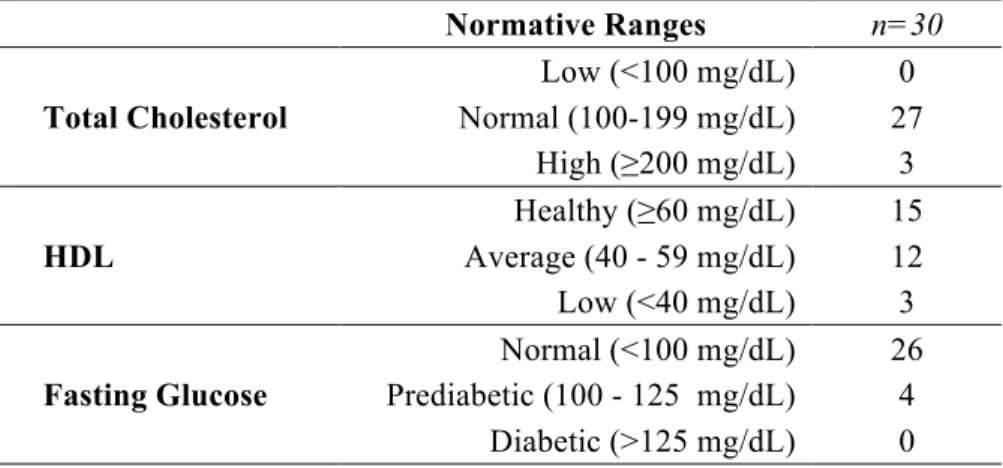
blood glucose levels despite significant benefits to body composition. Conversely, Moroti et al.104 observed significant increases in HDL and reductions in fasting glucose after 30 days daily consumption of a synbiotic shake (Lactobacillus acidophilus, Bifidobacterium bifidum + fructooligosaccharides). However, inclusion required participants to have total cholesterol ≥200mg/dL and fasted blood glucose ≥110 mg/dL. In contrast, the majority of participants in the current study exhibited normal metabolic blood parameters at baseline (Table 8), with three individuals possessing at-risk TC, three individuals with at-risk HDL, and four individuals with prediabetic concentrations of GLU. Only one individual expressed multiple metabolic biomarker risk factors (subnormal HDL and elevated GLU). These results are similar to that of Greaney et al.,114 who reported two months daily supplementation of synbiotic capsules (Lactobacillus acidophilus, Bifidobacterium longum + fructooligosaccharides) had no effect on any blood lipids in normocholesterolemic men and women. Though evidence from prior studies suggests several cholesterol-lowering and hypoglycemic mechanisms with the Lactobacillus and Bifidobacterium species found in the current PRO,115 it is possible that beneficial effects are more evident in individuals already possessing elevated metabolic blood parameters.
Investigations linking gut dysbiosis to mental and behavioral health has prompted scientists to evaluate the effect of probiotics as potential aids to mood and fatigue disorders.29,116–118 Following four weeks of supplementing with the same PRO formula used in the current study, Steenberger et al.28 observed significant reductions in depressive tendencies as assessed by the Leiden Index of Depression Sensitivity,119 but no significant changes were seen in scores on the Beck Depression Index or Beck Anxiety Index. In the current study, reductions in anxiety (HADS-A, Δ-1.6 vs Δ-0.6) and fatigue (CFQ-11, Δ-3.7 vs Δ-1.6) were greater in PRO than PLA, respectively. Depression scores decreased modestly with PRO (HADS-D, Δ-0.7) while a slight increase was observed in PLA (Δ+0.1). Although none of the changes reached statistical significance, some appear to be clinically relevant based on each
36
results suggest a potential beneficial effect on anxiety and mental fatigue in a shift-working population combatting the stress and schedule demands of healthcare field.
As a known contributor to intestinal permeability, a disrupted microbiota has been implicated as a source of inflammation that may exacerbate performance and recovery from physical activity.26,40
Lamprecht et al.26 demonstrated reductions in markers of intestinal permeability and inflammation following strenuous exercise in cyclists supplementing with a probiotic for 14 weeks. Shing et al.40 observed greater time to fatigue in a heat-stressed running task following four weeks probiotic
supplementation. The current study demonstrated no significant effect of PRO on estimated VO2max or TTE. It is possible that weekly schedule variability among individual participants confounded more pronounced effects on exercise performance.
37
CHAPTER V: CONCLUSION
38
TABLES Table 1. Participant characteristics by treatment (Mean ± SD)Active (n=15) Control (n=18)
Age (years) 30.5 ± 7.7 30.2 ± 10.0
Weight (kg) 68.5 ± 9.5 68.2 ± 12.7
Height (cm) 165.2 ± 5.2 164.9 ± 8.0
39
Table 2. Occupational and demographic informationn=33
Race
Caucasian 31
African American 2
Age (years)
21-29 19
30-39 7
40-49 5
50-55 2
Occupation
Registered Nurses 24
Nursing Assistants 5
Emergency Medical Services Personnel 4
Schedule
Rotating day/night-shift 31