RESEARCH ARTICLE
Comparative analysis of chemical
similarity methods for modular natural products
with a hypothetical structure enumeration
algorithm
Michael A. Skinnider
1,2, Chris A. Dejong
1,2, Brian C. Franczak
3,4, Paul D. McNicholas
3and Nathan A. Magarvey
1,2*Abstract
Natural products represent a prominent source of pharmaceutically and industrially important agents. Calculating the chemical similarity of two molecules is a central task in cheminformatics, with applications at multiple stages of the drug discovery pipeline. Quantifying the similarity of natural products is a particularly important problem, as the biological activities of these molecules have been extensively optimized by natural selection. The large and structur-ally complex scaffolds of natural products distinguish their physical and chemical properties from those of synthetic compounds. However, no analysis of the performance of existing methods for molecular similarity calculation specific to natural products has been reported to date. Here, we present LEMONS, an algorithm for the enumeration of hypo-thetical modular natural product structures. We leverage this algorithm to conduct a comparative analysis of molecu-lar simimolecu-larity methods within the unique chemical space occupied by modumolecu-lar natural products using controlled synthetic data, and comprehensively investigate the impact of diverse biosynthetic parameters on similarity search. We additionally investigate a recently described algorithm for natural product retrobiosynthesis and alignment, and find that when rule-based retrobiosynthesis can be applied, this approach outperforms conventional two-dimen-sional fingerprints, suggesting it may represent a valuable approach for the targeted exploration of natural product chemical space and microbial genome mining. Our open-source algorithm is an extensible method of enumerating hypothetical natural product structures with diverse potential applications in bioinformatics.
Keywords: Chemical similarity, Natural products, Chemical fingerprints, Chemical structure enumeration
© The Author(s) 2017. This article is distributed under the terms of the Creative Commons Attribution 4.0 International License (http://creativecommons.org/licenses/by/4.0/), which permits unrestricted use, distribution, and reproduction in any medium, provided you give appropriate credit to the original author(s) and the source, provide a link to the Creative Commons license,
and indicate if changes were made. The Creative Commons Public Domain Dedication waiver (http://creativecommons.org/
publicdomain/zero/1.0/) applies to the data made available in this article, unless otherwise stated. Background
Quantifying the molecular similarity of chemical struc-tures is a central task in cheminformatics [1, 2]. The assumption that similar molecules are more likely to have similar biological or physicochemical properties than dissimilar ones [3] underlies the diverse applications of molecular similarity calculations in drug discovery, par-ticularly in ligand-based virtual screening and medici-nal chemistry, but also in toxicology, chemogenomics,
and pharmacology. Consequently, a large and diverse set of methods for the efficient abstract representation of chemical information is available. Although both one-dimensional and three-one-dimensional descriptors have been developed, two-dimensional molecular fingerprint algorithms, which decompose a chemical graph into a sequence of bits, remain the most common method for representing structural information in the context of assessing molecular similarity [4]. Once generated, chem-ical fingerprints can be rapidly compared to one another with the widely used Tanimoto coefficient, or one of sev-eral other distance metrics [5], in order to quantify the similarity of any two chemical structures.
A number of publicly available datasets [6–8] have been developed for use in benchmarking studies, and
Open Access
*Correspondence: [email protected]
2 Department of Chemistry and Chemical Biology, Michael G. DeGroote
Institute for Infectious Disease Research, McMaster University, Hamilton, ON, Canada
several groups have compared the performance of exist-ing two-dimensional chemical fexist-ingerprint algorithms on these benchmark datasets [9–12]. A recent review con-cluded that, while commonly used fingerprinting algo-rithms have similar performances, circular fingerprints generally perform best [4]. Several studies have also con-cluded that two-dimensional similarity search methods outperform three-dimensional methods [12]. A number of groups have additionally investigated the performance of several distance (or similarity) metrics [5, 13–15], or combinations thereof [16–18], used to compare chemical fingerprints. These results generally validate the popular-ity of the Tanimoto coefficient.
Despite these extensive analyses of the performance of molecular descriptors and distance metrics, no com-parative analysis of the performance of chemical finger-printing algorithms on the unique and diverse scaffolds of natural products has to date been reported. Natu-ral products and their derivatives represent a histori-cally invaluable source of industrial and pharmaceutical agents, and the basis for the majority of approved small molecule clinical drugs [19]. These complex small mol-ecules are biosynthesized from simple metabolic build-ing blocks by large, multi-domain enzymes or enzyme complexes in combinatorial strategies [20]. Quantifying chemical similarity is therefore a particularly important task for natural products due to their potent biological activities. In particular, the ability to cheminformatically determine whether a molecule is a member of a known class of bioactive natural products—for instance, the glycopeptides or β-lactams—may facilitate the targeted exploration of chemical space. Moreover, the ability to reliably associate putative natural product structures generated by genomic structure prediction with known natural product classes could facilitate the targeted min-ing of microbial genomes.
The large and structurally complex scaffolds of natu-ral products distinguish them from synthetic agents. In particular, cheminformatic studies have reported that natural products have greater chemical diversity, greater molecular weight, greater three-dimensional complexity (including more rotatable bonds, more stereocenters, and a higher fraction of sp3 carbons), lower hydrophobicity and greater polarity, fewer aromatic rings, more heter-oatoms, and more hydrogen bond donors and acceptors relative to synthetic agents [21, 22], and contain unique pharmacophores and ring systems [23, 24]. However, existing collections are biased towards synthetically tractable scaffolds [25] and by Lipinski’s ‘rule of 5’ phys-icochemical parameters for orally bioavailable drugs [26], despite the fact that a significant proportion of approved natural product drugs violate these rules [27]. A recent analysis reported that only 17% of natural product ring
scaffolds are present in commercially available screening collections [24]. Because of these disparities between nat-urally occurring and commercially available chemistries, several new methods to chart natural product chemi-cal space have been described [28–32]. However, in the context of new algorithm development to explore natural product chemical space, a rigorous assessment of existing methods for quantifying the molecular similarity of natu-ral products is essential.
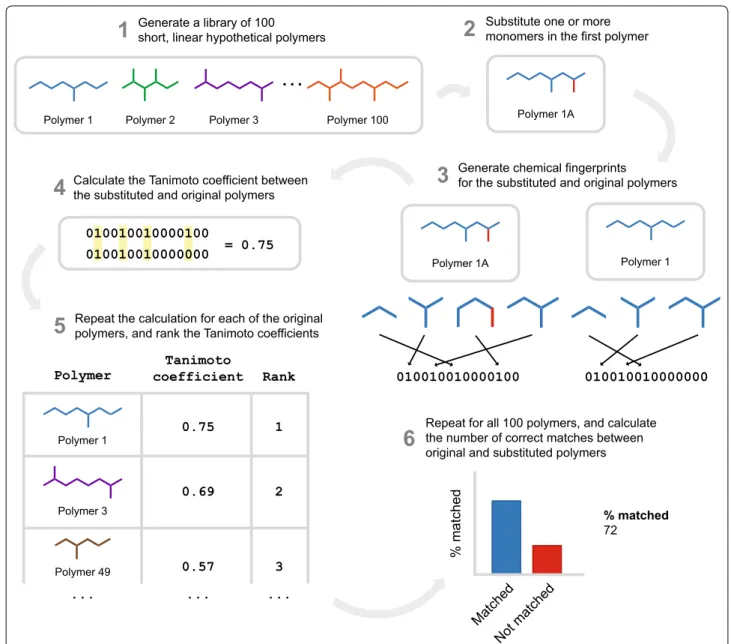
In order to investigate the performance of molecular similarity algorithms on natural product structures, we developed LEMONS (Library for the Enumeration of MOdular Natural Structures). LEMONS is a software package designed to enumerate hypothetical modular natural product structures, modify their monomer com-position or tailoring reactions, and compare the original and modified structures using two-dimensional molecu-lar fingerprints (Fig. 1, Methods). This method allows the definition of a true match between the original and modi-fied scaffolds originating from the same in silico assem-bly line. Consequently, the proportion of correct matches between original and modified structures can be derived for each fingerprint. In biosynthetic terms, this propor-tion can be thought to represent the ability of a similarity search method to identify modular natural products aris-ing from the same in silico enzymatic assembly line. We apply the LEMONS algorithm to investigate the perfor-mance of 17 chemical fingerprints with respect to modu-lar natural product structures, including linear and cyclic nonribosomal peptides, polyketides, and hybrids, with a diverse range of tailoring reactions and starter units. We additionally investigate the performance of GRAPE/ GARLIC [33], a recently described combination of algo-rithms that execute in silico retrobiosynthesis of nonri-bosomal peptide and polyketide natural products and comparative analysis of the resulting biosynthetic infor-mation. Our results represent, to our knowledge, the first comparative analysis of the ability of molecular similarity algorithms to quantify the chemical similarity of natural products, and suggest important roles for both circular fingerprints and retrobiosynthetic approaches in the tar-geted exploration of natural product chemical space and in genome mining for the identification of bioactive natu-ral products.
Results
formation, chlorination, or N-methylation. In order to evaluate the impact of each of these features in turn on chemical similarity search, we developed LEMONS (Library for the Enumeration of MOdular Natural Struc-tures). LEMONS is a Java software package designed to enumerate hypothetical natural product structures given a user-determined set of biosynthetic parameters. Each hypothetical structure is subsequently modified by sub-stituting one or more monomers, or by adding, removing,
or changing the site of one or more tailoring reactions. The modified structure can then be compared to the entire library of original structures, using a two-dimen-sional fingerprint or another chemical similarity method. A correct match is scored if the modified structure dis-plays greater chemical similarity to the original structure than to any of the other structures within the library. This process is repeated for each modified structure in turn, and the proportion of correct matches is determined for
Substitute one or more monomers in the first polymer
2
Generate chemical fingerprints
for the substituted and original polymers
3
Calculate the Tanimoto coefficient between the substituted and original polymers
4
Repeat the calculation for each of the original polymers, and rank the Tanimoto coefficients
5
Repeat for all 100 polymers, and calculate the number of correct matches between original and substituted polymers
6
Generate a library of 100 short, linear hypothetical polymers
1
Polymer 1 Polymer 2 Polymer 3 Polymer 100
.
.
.
Polymer 1A
Polymer 1A Polymer 1
010010010000100 010010010000000
Polymer 1
Polymer 3
Polymer 49
0.75
Polymer coefficient RankTanimoto
1
2
3 0.69
0.57
... ... ...
0.75 010010010000100
010010010000000 =
% matched
72
Matched Not matche
d
% matched
each chemical similarity method. LEMONS can thus be used to calculate the percentage of correct matches between original and modified structures for any chemi-cal similarity method, using a user-input list of possible monomers and tailoring reactions.
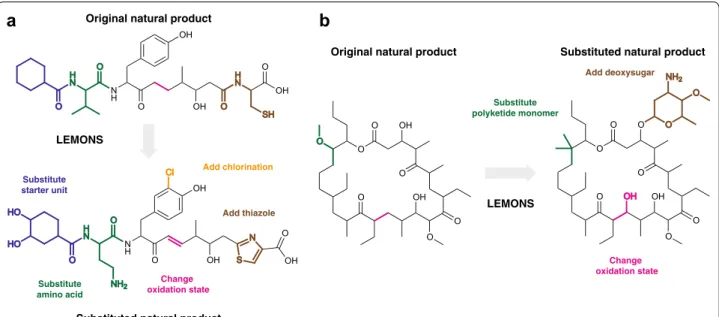
Our framework for the present study was as follows. First, we conduct a simple proof-of-concept validation of the LEMONS approach, by using LEMONS to generate libraries of short, linear proteinogenic peptides. Next, we use LEMONS to generate libraries of linear hypothetical nonribosomal peptides, polyketides, and hybrid natural products. We analyze the performance of each similar-ity method for each family of natural products, and con-sider the impact of monomer composition on similarity search. We also consider the impact of starter units, as are found in many modular natural product biosyn-thetic pathways. As the performance of some methods is claimed to exhibit a ligand size dependency, we next eval-uate the relationship between natural product size (num-ber of monomers) and similarity search. To more closely approximate the enzymatic tailoring reactions that occur in biosynthetic pathways, we then quantify the impact of macrocyclization and glycosylation. Finally, we use LEM-ONS to generate realistic libraries of extensively tailored natural products, such as those shown in Fig. 2, and pro-vide general guidance for chemical similarity search in modular natural product chemical space.
As an initial proof-of-concept experiment, we used LEMONS to investigate the performance of chemical
similarity methods given libraries of short polymers of proteinogenic amino acids. A library of 100 oligomers was generated, each with a length of 4–15 amino acids. A single amino acid was substituted within each ture, and the Tanimoto coefficient of the modified struc-ture to each of the 100 original strucstruc-tures was calculated using 18 different chemical similarity methods (Table 1, Methods). This process was repeated by substituting an amino acid within each of the 100 original structures in turn, after which the number of correct matches between original and modified structures was determined. The entire experiment was repeated 100 times. Thus, a total of 104 original structures and 104 modified structures were generated, for a total of 106 comparisons per simi-larity method (or 1.8 × 10⁷ in total per experiment).
Our results indicated that most chemical similarity algorithms performed reasonably well in this simple test (Fig. 3a). In general, circular and retrobiosynthetic algo-rithms performed best. It is unsurprising that the accuracy of GRAPE/GARLIC approached 100% (99.99% of structures correctly matched) because, in the absence of structural fea-tures such as macrocyclizations, tailoring reactions, or non-proteinogenic monomers, this method essentially performs a Needleman–Wunsch alignment of amino acid polymers given their chemical structures. Consequently, the perfor-mance of GRAPE/GARLIC was better than any two-dimen-sional fingerprint (one-sided Brunner–Munzel paired rank test, P ≤ 1.4 × 10⁻¹⁴ for all comparisons). A significant posi-tive correlation between accuracy and radius was observed
OH OH
N H
O
H N
O
OH O
SH O
H N
O
OH N
OH O
S OH
Cl
N H
H N
O O
O HO
HO
NH2 Substitute
starter unit
Substitute amino acid
Change oxidation state
Add chlorination
Add thiazole LEMONS
Substituted natural product Original natural product
a
LEMONS
Original natural product Substituted natural product
b
Substitute polyketide monomer
Change oxidation state Add deoxysugar
O
O OH
O O O
O O
O NH2
O
O
O OH
O O O
OH O
O
OH
for circular fingerprints (Kendall’s τ = 0.85, P < 10−300). The correlation between accuracy and radius remained significant even with the ECFP0 and FCFP0 fingerprints removed from the analysis (τ = 0.78, P = 5.7 × 10−300) [34]. Significant variability in performance was also observed for substructure-based fingerprints. The Klekota–Roth fin-gerprint was particularly accurate (95.50%), outperform-ing several circular foutperform-ingerprints (ECFP0, ECFP2, FCFP0, and FCFP2; one-sided Brunner–Munzel paired rank test, all P < 2.2 × 10⁻¹⁶), while the performance of the electro-topological state index fingerprint (E-state) was not statisti-cally different from that of the ECFP0 fingerprint (36.67 and 33.66%, respectively; two-sided Brunner–Munzel paired rank test, P > 0.9999). Finally, the lexicographic fingerprint LINGO, which calculates molecular similarity based on the textual representations of two chemical structures as SMILES [35], has comparable accuracy to topological fin-gerprints given conventional benchmark data [36]. Its accu-racy of 88.17% in this simple experiment suggests that it may be an acceptable method for similarity search in a large natural product-like chemical space when computational resources are very limited [37].
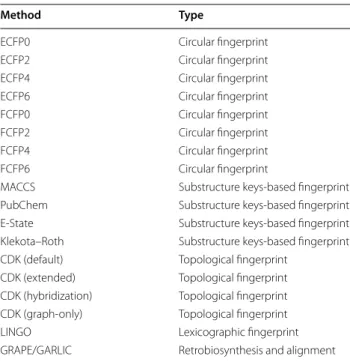
Table 1 Chemical similarity methods evaluated in this study
Method Type
ECFP0 Circular fingerprint
ECFP2 Circular fingerprint
ECFP4 Circular fingerprint
ECFP6 Circular fingerprint
FCFP0 Circular fingerprint
FCFP2 Circular fingerprint
FCFP4 Circular fingerprint
FCFP6 Circular fingerprint
MACCS Substructure keys-based fingerprint
PubChem Substructure keys-based fingerprint
E-State Substructure keys-based fingerprint
Klekota–Roth Substructure keys-based fingerprint
CDK (default) Topological fingerprint
CDK (extended) Topological fingerprint
CDK (hybridization) Topological fingerprint
CDK (graph-only) Topological fingerprint
LINGO Lexicographic fingerprint
GRAPE/GARLIC Retrobiosynthesis and alignment
a
b
0 25 50 75 100
FCFP0 ECFP0 E−state FCFP2
CDK (graph−only)
MA
CCS
PUBCHEM
CDK (def
ault)
CDK (e
xtended)
CDK (h
ybr
idization) LINGO ECFP2 FCFP4
Klek
ota−Roth ECFP4 FCFP6 ECFP6
GRAPE/GARLIC
% matched
Type
Circular
Lexicographic
Retrobiosynthetic
Substructure
Topological
Monomer substitutions 0
25 50 75 100
1 2 3 4 5
% matched
CDK (default)
CDK (extended)
CDK (graph−only)
CDK (hybridization)
E−state
ECFP0
ECFP2
ECFP4
ECFP6
FCFP0
FCFP2
FCFP4
FCFP6
GRAPE/GARLIC
Klekota−Roth
LINGO
MACCS
PUBCHEM
We repeated this proof-of-concept experiment four times, substituting two, three, four, and five proteino-genic amino acids in turn (Fig. 3b). Plotting the trend of correct matches against number of substituted mon-omers revealed that the performance of all methods decreased when a greater number of monomers were substituted. However, with a greater number of mono-mer substitutions, a more clear separation in accuracy between methods was observed. No change in the rank-ing of chemical similarity methods was observed as the number of monomer substitutions was increased.
We next sought to generate more realistic hypothetical natural product structures in order to better evaluate the performance of chemical similarity algorithms in natural product-like chemical space. In addition to proteinogenic amino acids, most peptidic natural products contain a diverse range of nonproteinogenic amino acids derived from primary metabolism by enzymatic tailoring reac-tions [38]. These building blocks significantly increase the structural diversity of peptide natural products, alter-ing their physicochemical properties and introducalter-ing unique substructures or topologies. We therefore incor-porated both proteinogenic amino acids and a set of 32 nonproteinogenic amino acids from bacterial and fun-gal nonribosomal peptides [39] to survey nonribosomal
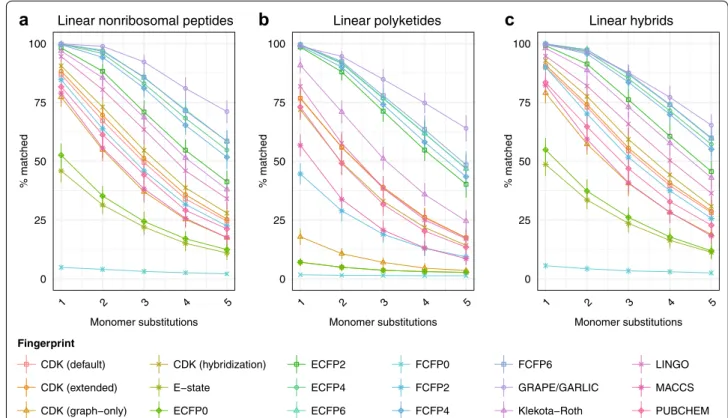
peptide chemical space (Additional file 1: Table S1). Type I polyketides are another large and pharmaceutically important class of modular natural products. In order to profile polyketide chemical space, we incorporated seven common polyketide monomers at all possible oxidation states into LEMONS scaffold generation (Additional file 1: Table S1). Finally, hybrid nonribosomal peptide-polyketide systems are responsible for the production of several valuable bioactive metabolites. We therefore gen-erated linear hybrid polymers containing proteinogenic and nonproteinogenic amino acids and polyketide mono-mers. A comparison of algorithm performance on short linear polymers corresponding to hypothetical nonribo-somal peptides, polyketides, and hybrid natural prod-ucts is shown in Fig. 4 (see also Additional file 2: Fig. S1). Averaged across all fingerprints, similarity search with hypothetical nonribosomal peptides was 10.78% more accurate than with proteinogenic peptides (one-sided Brunner–Munzel test, P < 2.2 × 10⁻¹⁶). Similarity search was also more accurate for hypothetical nonribosomal peptides than for polyketides, by a margin of 13.07% (P < 2.2 × 10⁻¹⁶), 2.32% more accurate for hybrid natural products than nonribosomal peptides (P = 4.5 × 10⁻⁸), and 15.39% more accurate for hybrid natural products relative to polyketides (P < 2.2 × 10⁻¹⁶), averaged across
a
b
c
Fingerprint
Linear nonribosomal peptides Linear polyketides
Monomer substitutions
Monomer substitutions Monomer substitutions
Linear hybrids
CDK (default)
CDK (extended)
CDK (graph−only)
CDK (hybridization)
E−state
ECFP0
ECFP2
ECFP4
ECFP6
FCFP0
FCFP2
FCFP4
FCFP6
GRAPE/GARLIC
Klekota−Roth
LINGO
MACCS
PUBCHEM 0
25 50 75 100
1 2 3 4 5
% matched
0 25 50 75 100
1 2 3 4 5
% matched
0 25 50 75 100
1 2 3 4 5
% matched
all chemical similarity methods. These observations sug-gest that the unique properties of the nonproteinogenic amino acids found in bacterial and fungal nonribosomal peptides generally facilitate chemical similarity search.
In addition to nonproteinogenic amino acids and pol-yketide monomers, modular natural products commonly contain starter units that mediate biological activity, including short- and long-chain straight and branched fatty acids, aromatic and alicyclic acids, and amino acid derivatives [40]. These starter units might be expected to make a significant contribution to chemical similarity search due to their unique substructures or topologies. We investigated the impact of common starter units on similarity search in natural product-like chemical space by diversifying hypothetical hybrid natural products with 23 common starter units, including 4 fatty acids, 13 aromatic acids, 3 alicyclic acids, and 3 small starter units (Addi-tional file 1: Table S1). In general, the performance of each similarity search method was similar for linear hybrid natural products with and without starter units (Addi-tional file 3: Fig. S2). However, significant differences were observed in performance when comparing starter unit and non-starter unit substitution: for instance, the percentage of natural products correctly matched by the graph-only CDK fingerprint was 16.22% higher for starter unit substitutions, but 30.47% lower for the Pubchem fin-gerprint. Averaged across all fingerprints, a starter unit substitution was equivalent to 1.70 non-starter-unit sub-stitutions (Additional file 3: Fig. S2). These results suggest that, in general, similarity search is strongly influenced by the unique structural properties of modular natural prod-uct starter units. While this phenomenon may facilitate the clustering of natural products of the same family that share a common starter unit, it may represent an obstacle to the cheminformatic identification of natural product families with variable starter units.
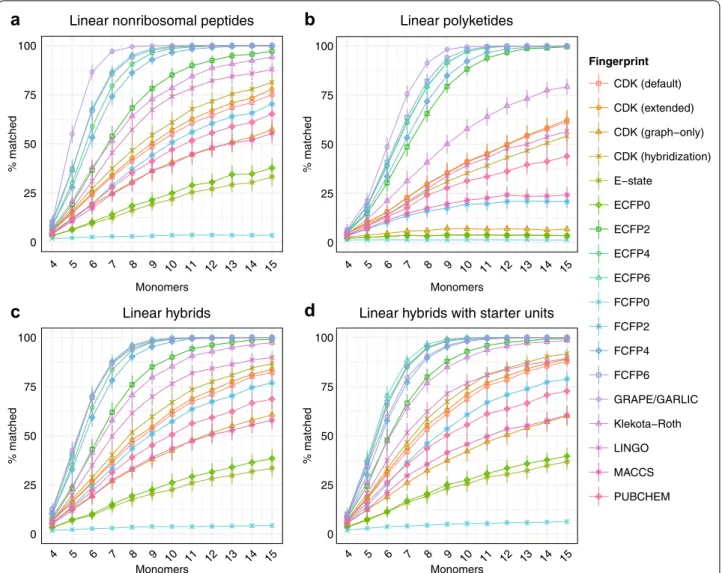
The performance of some fingerprints is known to exhibit a significant ligand size dependency [41]. Differ-ent chemical similarity search strategies may therefore exhibit optimal performance on compound families with lower or higher average molecular weights. We investi-gated the effect of size on chemical similarity algorithm performance by generating libraries of hypothetical natu-ral products of fixed sizes. Libraries of hypothetical non-ribosomal peptides, polyketides, hybrids, and hybrids with starter units consisting of 4 to 15 monomers were generated, and the performance of each algorithm with 3 monomer substitutions was evaluated (Fig. 5). In general, the rankings of chemical similarity methods by accuracy remained reasonably consistent regardless of natural product size, indicating that methods which perform well for smaller natural products tend to also perform well for larger natural products.
Many natural products undergo regioselective macro-lactone or macrolactam cyclizations, which are essential to their biological activity [42]. In order to evaluate the impact of macrocyclization on natural product similarity search, we generated cyclic and branched hypothetical nonribosomal peptides, polyketides, and hybrids (Fig. 6). Averaged across all fingerprints, substitution of the cycli-zation pattern was equivalent to substitution of 0.75 monomers in a hybrid natural product. Notably, ECFP fingerprints with a radius between 2 and 6 were at least 10% less accurate when the pattern of macrocyclization was changed relative to the substitution of a single mono-mer. These results indicate that macrocyclization makes a relatively small contribution to natural product similarity search, except in methods that heavily weight local atom environments.
During natural product biosynthesis, enormous struc-tural diversity is created from a limited number of mono-mers by a diverse array of enzymatic tailoring reactions [20]. These reactions contribute significantly to the structural complexity of natural products. We modelled the effect of tailoring reactions on chemical similarity search by generating linear and cyclic nonribosomal pep-tides, polykepep-tides, and hybrid natural products with one to three hexose or deoxysugars (Additional file 4: Table S2), and additionally analyzed the effect of changing the site of glycosylation (Fig. 7). For hybrid natural products, the magnitude of the effect of adding a sugar to an untai-lored scaffold was only slightly different from the effect of changing the site of glycosylation (mean accuracy for all fingerprints 83.86 vs. 83.36%, respectively), although the difference was highly significant (two-sided Brun-ner–Munzel paired-rank test, P < 2.2 × 10⁻¹⁶). Although no fingerprint was more accurate with the addition of three sugar moieties than with the addition of only one, the accuracy of all four topological fingerprints improved when the sites of three sugars were changed relative to only one (Brunner–Munzel test, P < 2.2 × 10⁻¹⁶). For linear hybrid natural products, the addition of one hex-ose or deoxysugar had an effect on accuracy equivalent to substituting 1.16 monomers, while changing the site of glycosylation was equivalent to substituting 1.17 mono-mers. These results suggest that, for non-topological fin-gerprints, the effect of diversification of modular natural products with hexose and deoxysugars is comparable to the substitution of an amino acid or ketide monomer.
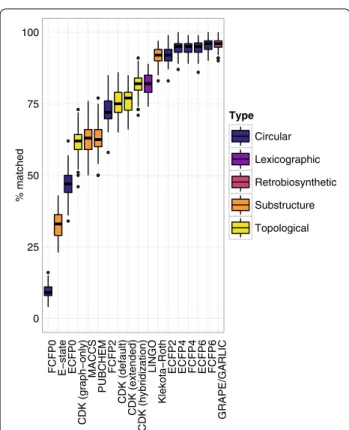
to generate libraries consisting in equal parts of cyclic and linear hybrid natural products with 4–15 monomers. Two monomers were substituted, and four tailoring reac-tions (glycosylation, N-methylation, halogenation, and oxazole/thiazole formation) were considered. Each type of reaction was executed on 50% of original structures, with a 25% chance of removing the tailoring from the modified structure and a 25% chance of changing the site of the reaction in the modified structure. As with proteinogenic amino acid oligomers, circular and retro-biosynthetic methods generally demonstrated the best performance for complex hypothetical natural prod-ucts (Fig. 8). GRAPE/GARLIC and FCFP6 were equally accurate, i.e., did not give statistically different results, with mean accuracies of 95.80 and 95.53% of structures
matched, respectively (Brunner–Munzel paired rank test, P = 0.42). The superior performance of the FCFP6 fingerprint to the ECFP6 fingerprint suggests that mod-ular natural products may be enriched relative to small peptides in functional properties related to ligand bind-ing (mean accuracy 95.53 and 94.67%, respectively; one-sided Brunner–Munzel paired rank test, P = 4.5 × 10⁻⁵). The positive correlation between circular fingerprint radius and accuracy was reproduced (Kendall’s τ = 0.69, P < 10−300) and remained significant with the ECFP0 and FCFP0 fingerprints removed from the analysis (τ = 0.48, P < 10−300). Among substructure-based fingerprints, the Klekota–Roth fingerprint was the most accurate, with accuracy not significantly different from the ECFP2 fin-gerprint (mean accuracy 91.77 and 91.99%, respectively;
Fingerprint Linear nonribosomal peptides
Linear hybrids Linear hybrids with starter units
Linear polyketides
a
c
b
d
CDK (default)
CDK (extended)
CDK (graph−only)
CDK (hybridization)
E−state
ECFP0
ECFP2
ECFP4
ECFP6
FCFP0
FCFP2
FCFP4
FCFP6
GRAPE/GARLIC
Klekota−Roth
LINGO
MACCS
PUBCHEM
0 25 50 75 100
4 5 6 7 8 9 10 11 12 13 14 15
% matched
0 25 50 75 100
4 5 6 7 8 9 10 11 12 13 14 15
% matched
0 25 50 75 100
4 5 6 7 8 9 10 11 12 13 14 15
% matched
0 25 50 75 100
4 5 6 7 8 9 10 11 12 13 14 15
% matched
Monomers
Monomers
Monomers
Monomers
two-sided Brunner–Munzel paired rank test, P = 0.73). The relatively poor performance of the E–state, MACCS, and PubChem fingerprints suggests that the substruc-tures indexed by these fingerprints are of limited use in chemical similarity search for modular natural products.
Discussion
Modular natural products are attractive leads in drug discovery due to their evolved biological activities, but it is unclear which chemical similarity methods perform best in the chemical space occupied by their unique and complex scaffolds. Here, we present LEMONS, an algo-rithm for the enumeration of hypothetical natural prod-uct strprod-uctures, and use it both to condprod-uct a systematic comparison of chemical similarity methods for natu-ral products, and to quantify of the impact of various structural parameters on similarity search. We find that, in general, size and macrocyclization have relatively lit-tle impact on similarity search, whereas the inclusion of nonproteinogenic amino acids and starter units more strongly affect similarity search. Circular fingerprints and a recently described retrobiosynthesis and alignment method consistently performed best across experimental
conditions. There was a strong correlation between cir-cular fingerprint radius and accuracy. Hashed topologi-cal fingerprints, which were outperformed by at least one fingerprint of every other type, appear to be an inap-propriate strategy for natural product similarity search. Among substructure keys-based fingerprints, the Kle-kota–Roth fingerprint was most accurate. This finger-print considers substructures which were determined to be privileged with respect to biological activity; it is conceivable that these substructures are overrepresented among natural products due to their evolved bioactivi-ties. In general, our results support the use of circular fingerprints and retrobiosynthetic approaches for chemi-cal similarity search in modular natural product chemichemi-cal space.
An important limitation of the GRAPE/GARLIC method is its reliance on the assumption that biosyn-thetic logic can be codified in a rule-based manner, and applied to chemical structures to reconstruct their biosynthesis. However, natural product biosynthesis is diverse and incompletely understood, such that it is impossible to encode every possible tailoring reaction. In order to quantify the limitations of a retrobiosynthetic
1 2 3 4 5
Cyclization
a
Cyclic nonribosomal peptidesSubstitutions
b
Cyclic polyketidesc
Cyclic hybridsFingerprint
CDK (default)
CDK (extended)
CDK (graph−only)
CDK (hybridization)
E−state
ECFP0
ECFP2
ECFP4
ECFP6
FCFP0
FCFP2
FCFP4
FCFP6
GRAPE/GARLIC
Klekota−Roth
LINGO
MACCS
PUBCHEM
0 25 50 75 100
% matched
Substitutions
1 2 3 4 5
Cyclization 0 25 50 75 100
% matched
Substitutions
1 2 3 4
Cyclization 0 25 50 75 100
% matched
approach to similarity search, we added random bonds between any two atoms in natural product structures, simulating the effect of a tailoring reaction which violates the retrobiosynthetic logic built into the GRAPE algo-rithm (Fig. 9). We observed a monotonic decrease in the accuracy of GRAPE/GARLIC with the addition of ran-dom bonds between or within residues to hypothetical modular natural product structures, with each random bond associated with a 5.42% decrease in accuracy. The performance of GRAPE/GARLIC was equivalent to that of the average circular fingerprint with the addition of 2.99 random bonds, the average topological fingerprint with the addition of 4.91 random bonds, and the average substructure keys-based fingerprint with the addition of 2.80 random bonds. Our results suggest that although GRAPE/GARLIC generally outperforms conventional algorithms for calculating molecular similarity of natural products when retrobiosynthetic logic applies, its perfor-mance is likely to be poorer for classes of modular natu-ral products whose biosynthesis is poorly understood, or which incorporates non-thiotemplated pathways. A further limitation of GRAPE/GARLIC is its relatively intensive use of computational resources in comparison
to conventional fingerprints. Although the performance of retrobiosynthesis and alignment is heavily dependent on the types of compounds subjected to analysis, in most cases GRAPE/GARLIC is more computationally inten-sive than two-dimensional fingerprints. Efforts are cur-rently underway to improve the performance of GRAPE/ GARLIC in a future release.
As an extensible, open-source method to enumerate hypothetical natural product structures, LEMONS has diverse potential applications in bioinformatics beyond analysis of molecular similarity algorithms. Several reports, for instance, have highlighted the applicability of targeted hypothetical structure enumeration to the dis-covery of natural products from tandem mass spectrom-etry data of complex bacterial extracts [43, 44]. However, these methods require varying degrees of manual inter-vention to produce libraries of hypothetical structures. In contrast, LEMONS can be leveraged as a platform for rapid, untargeted exploration of desired regions of chemical space or natural product families. For instance, ‘macrolide-like’ chemical space could be explored by generating cyclic polyketides containing seven or eight monomers, with zero, one, or two glycosylations. The
Fingerprint
Nonribosomal peptides
c
Hybrid natural productsa
b
PolyketidesCDK (default)
CDK (extended)
CDK (graph−only)
CDK (hybridization)
E−state
ECFP0
ECFP2
ECFP4
ECFP6
FCFP0
FCFP2
FCFP4
FCFP6
GRAPE/GARLIC
Klekota−Roth
LINGO
MACCS
PUBCHEM
Add sugar Change site
Cyclic
Linear
1 2 3 1 2 3
0 25 50 75 100
0 25 50 75 100
% matched
Sugars Sugars Sugars
Add sugar Change site
Cyclic
Linear
1 2 3 1 2 3
0 25 50 75 100
0 25 50 75 100
% matched
Add sugar Change site
Cyclic
Linear
1 2 3 1 2 3
0 25 50 75 100
0 25 50 75 100
% matched
integration of untargeted hypothetical structure enu-meration via LEMONS with existing methods for locat-ing hypothetical chemical structures within mass spectral data may facilitate genome mining for desired secondary metabolites. Alternatively, the algorithm can be expanded to profile chemical space more broadly, particularly as its extensibility facilitates the addition of any number of new monomers or tailoring reactions. The ability to randomly profile a particular region of natural product chemical space may provide insights into the chemical evolution of natural product families.
A limitation of LEMONS with respect to the broader applications of hypothetical natural product structure enumeration is that its design considers only linear or cyclic permutations of monomers. Consequently, in its present implementation, the algorithm is only extensi-ble to biosynthetic classes that can be modelled as post-translationally modified linear or cyclic polymers. Thus, while LEMONS could be extended to profile natural product classes such as ribosomally synthesized and post-translationally modified peptides (RiPPs), a graph-based method of structure enumeration would be required to model classes such as terpenes or aminoglycosides, in
which monomers (isoprene units or sugars, respectively) may more appropriately be considered subgraphs which can potentially connect to other subgraphs at multiple sites.
Conclusions
We describe LEMONS, an open-source and easily exten-sible algorithm for untargeted enumeration of modular natural product chemical structures. We use this algo-rithm to benchmark chemical similarity methods for modular natural products, finding that circular finger-prints and a newly described retrobiosynthetic approach (GRAPE/GARLIC) perform best, whereas topological fingerprints and most substructure-based fingerprints perform less well (with the notable exception of the Kle-kota–Roth fingerprint). Additionally, we investigate the impact of biosynthetic parameters on similarity search, finding that size and macrocyclization have relatively little impact on similarity search, whereas inclusion of nonproteinogenic amino acids and starter units have a stronger effect. Our results lead us to recommend the use of circular fingerprints and retrobiosynthetic approaches for modular natural product similarity search, and our method has diverse potential applications in chemical space exploration and microbial genome mining.
0 25 50 75 100
FCFP0 E−state ECFP0
CDK (graph−only)
MACCS
PUBCHEM
FCFP2
CDK (default)
CDK (extended)
CDK (hybridization)
LINGO
Klekota−Roth
ECFP2 ECFP4 FCFP4 ECFP6 FCFP6
GRAPE/GARLIC
% matched
Type
Circular
Lexicographic
Retrobiosynthetic
Substructure
Topological
Fig. 8 Chemical similarity method performance on hypothetical libraries of complex hybrid natural products. Percentage of correct matches after substitution of two monomers in hypothetical libraries of complex hybrid natural products with variable macrocyclization, glycosylation, heterocyclization, halogenation, and N-methylation
Fingerprint CDK (default)
CDK (extended)
CDK (graph−only)
CDK (hybridization)
E−state
ECFP0
ECFP2
ECFP4
ECFP6
FCFP0
FCFP2
FCFP4
FCFP6
GRAPE/GARLIC
Klekota−Roth
LINGO
MACCS
PUBCHEM
0 25 50 75 100
1 2 3 4 5 6 7 8
% matched
Random bond additions
Methods
Development of an algorithm to enumerate hypothetical natural product structures
We developed LEMONS (Library for the Enumeration of MOdular Natural Structures), a Java software pack-age designed to investigate the performance of chemi-cal similarity metrics by enumerating hypothetichemi-cal natural product structures given a user-determined set of biosynthetic parameters. LEMONS first enumerates a library of hypothetical natural product structures given a list of possible monomers and tailoring reactions. Each hypothetical natural product structure may subsequently be modified by substituting one or more monomers, or by adding, removing, or changing the site of one or more tailoring reactions. The modified structure is compared to the entire library of original structures using a two-dimensional molecular fingerprint, and the rank of the correct match (i.e., of the modified structure to the origi-nal structure from which it was derived) is determined. This process is repeated for each hypothetical structure within the library, and the rank distribution of each molecular fingerprint is written to a file. LEMONS uses the Chemistry Development Kit (version 1.5.9) for chem-ical structure generation and molecular fingerprint cal-culation [45]. LEMONS source code is available at http:// github.com/magarveylab/lemons.
Linear structure generation
The first step in the LEMONS algorithm is the enumer-ation of a library of linear hypothetical natural product structures. A permutation of monomers is selected at random from one or more monomer sets in order to generate a polymer of a given size range. By default, four possible sets of monomers are included within LEM-ONS, including proteinogenic and nonproteinogenic amino acids, polyketide monomers, and starter units. LEMONS includes 45 nonproteinogenic amino acids derived from fungal and bacterial nonribosomal pep-tides, including β-hydroxylated and β-methylated amino acids, α-keto acids, β-amino acids, and other commonly occurring modified amino acids (Additional file 1: Table S1). LEMONS also includes 26 polyketide monomers, corresponding to 7 common polyketide extender units (malonate, methylmalonate, ethylmalonate, methoxym-alonate, propionate, isobutyrate, and 2-methylbutyrate) at all possible oxidation states (Additional file 1: Table S1). Finally, LEMONS includes 23 common starter units, including four fatty acids, thirteen aromatic starter units, three alicyclic starter units, and three small starter units (Additional file 1: Table S1). A tem-plate is provided within the LEMONS source code to facilitate the addition of new monomer sets to the soft-ware package.
Tailoring reaction detection and execution
The second step in the LEMONS algorithm is the detec-tion of all possible tailoring reacdetec-tions. Polymers are con-verted to chemical structures, and potential sites of each reaction on the resulting chemical structure are identi-fied. Tailoring reactions to be executed on the original library of hypothetical natural product structures are set via the ‘–initial_reactions’ option of the command line interface in a probabilistic manner, such that the argu-ment ‘halogenation 0.5’ will cause LEMONS to attempt to execute a halogenation reaction on 50% of the scaf-folds, while the arguments ‘halogenation 1’ and ‘halo-genation 2’ will cause LEMONS to attempt to execute one and two halogenation reactions, respectively, on each scaffold. Five possible tailoring reactions are included in LEMONS by default (cyclization, halogenation, gly-cosylation, thiazole/oxazole formation, and amino acid N-methylation). A template is provided within the LEM-ONS source code to facilitate the addition of new reac-tions to the software package.
The cyclization reaction within LEMONS creates cyclic or branched hypothetical natural product structures by cyclizing either an N-terminal amine or a free hydroxyl at the C-terminal carboxylic acid. Only sp3 carbon-bound hydroxyls are considered potential sites of cyclization, permitting cyclization on serine and threonine residues or β-hydroxylated amino acids. The halogen reaction exe-cutes chlorination or bromination with equal probability. In order to capture the diverse patterns of natural prod-uct halogenation [46], any non-backbone carbon is con-sidered a possible site of halogenation. The glycosylation reaction leverages a library of 69 deoxy and hexose sug-ars [39] to generate O-glycosylated hypothetical natural product structures (Additional file 4: Table S2). Both sp2 and sp3 carbon-bound hydroxyls are considered poten-tial sites of O-glycosylation with a randomly selected sugar moiety. The thiazole and oxazole-forming reac-tion considers all cysteine and serine residues, respec-tively, as potential sites of thiazole or oxazole formation, and allows for bis-thiazole or oxazole formation. The N-methylation reaction considers all backbone amide nitrogens derived from proteinogenic and nonproteino-genic amino acids as potential sites of N-methylation.
Generation of modified structures
specified independently from the set of monomers used to construct the original polymer. If the substitution set includes starter units, these monomers will only be sub-stituted at the first residue. In order to maximize chemi-cal diversity, each monomer in the original scaffold will be substituted before an individual monomer is swapped twice. Monomers which are the sites of chemical tailoring reactions are not substituted. The command line inter-face additionally allows the independent specification of new tailoring reactions to add to the original scaffold, tai-loring reactions to remove from the original scaffold, and tailoring reactions whose sites may be changed. Thus, for instance, an unmethylated peptide can be methyl-ated, a methylated peptide can have its N-methyl group removed, and the site of N-methylation can be varied. The execution of the modified reaction set allows for the conversion of the resulting modified structure to a chem-ical scaffold.
Comparison of modified and original structures
The final step in the LEMONS algorithm compares the ability of seventeen molecular fingerprints (Table 1) to correctly match the original and modified hypotheti-cal natural product structures. The Tanimoto coefficient of a modified structure to each structure in the original library is calculated, and the rank of the Tanimoto coef-ficient to the original structure is calculated. This process is repeated for every structure within the original library, and the rank distribution of the correct match is written to a file.
Generation of chemical fingerprints
Three predominant approaches exist for computing two-dimensional molecular fingerprints [4]. The first, sub-structure keys-based fingerprints, set the bits within a molecular fingerprint bit sequence based on the presence or absence of predefined structural features. The MACCS (Molecular ACCess System) fingerprint is among the best-known substructure keys-based fingerprints [47]. The PubChem database implements another substructure keys-based fingerprint for similarity search, based on 881 structural keys [48]. Both the 79 electrotopological state (E-state) fragments defined by Hall and Kier [49] and the 4860 unique chemical substructures which enrich for bio-logical activity defined by Klekota and Roth [50] have also been used within substructure keys-based fingerprints implemented in the Chemistry Development Kit [45].
Topological or path-based fingerprints describe frag-ments of a molecule, typically by enumerating all paths through a molecule up to a certain number of bonds, then hashing each path to create a fingerprint. Topologi-cal fingerprints typiTopologi-cally encode information about the atom types and number and type of bonds within each
path. While individual bits correspond to unique struc-tural features in substructure-based fingerprints, a sin-gle bit may correspond to several features in topological fingerprints, a phenomenon known as bit collision. The Daylight fingerprint [51] is probably the best-known top-ological fingerprint. Variants of the Daylight fingerprint are implemented in several open-source cheminformatic libraries, including RDKit [52] and the Chemistry Devel-opment Kit (CDK) [45].
Circular fingerprints are also hashed fingerprints which encode circular atom environments up to a maximum bond radius from the central atom rather than looking for paths through a chemical graph. Extended-connectiv-ity fingerprints (ECFPs) [53] encode properties including chemical element, number of heavy-atom neighbours, number of hydrogens, and isotope and ring information, whereas functional connectivity fingerprints (FCFPs) [53] encode pharmacophoric features related to ligand-binding. The maximum bond length radius is appended to the end of the name: thus the ECFP6 fingerprint is an extended-connectivity fingerprint with a diameter of 6 bonds.
Other fingerprints adopt lexicographic approaches to the generation of molecular fingerprints. LINGO [35], for instance, is a text-based fingerprint calculated based on canonical SMILES. Seventeen molecular fingerprints were evaluated in this study, including ECFP and FCFP circular fingerprints with radii of 0, 2, 4, and 6; four sub-structure keys-based fingerprints (MACCS, PubChem, E-state, Klekota-Roth); one lexicographic fingerprint (LINGO); and four Daylight-like topological fingerprints (Table 1). All molecular fingerprints were generated with the Chemistry Development Kit (CDK) [45], version 1.5.9.
Statistical analysis
Authors’ contributions
MAS conceived of the project, wrote LEMONS, performed data analysis, and wrote the manuscript. CAD wrote GRAPE/GARLIC and contributed to data analysis. BCF contributed to data analysis. PDM provided advice on the data analysis. NAM supervised the project. All authors read and approved the final manuscript.
Author details
1 Department of Biochemistry and Biomedical Sciences, Michael G. DeGroote
Institute for Infectious Disease Research, McMaster University, Hamilton, ON, Canada. 2 Department of Chemistry and Chemical Biology, Michael G.
DeGroote Institute for Infectious Disease Research, McMaster University, Hamilton, ON, Canada. 3 Department of Mathematics and Statistics, McMaster
University, Hamilton, ON, Canada. 4 Department of Mathematics and Statistics,
MacEwan University, Edmonton, AB, Canada.
Acknowledgements
Not applicable.
Competing interests
The authors declare that they have no competing interests.
Availability of data and materials
LEMONS source code is available at https://github.com/magarveylab/lemons.
Consent for publication
Not applicable.
Ethics approval and consent to participate
Not applicable.
Funding
This work was supported by the National Science and Engineering Research Council (RGPIN 371576-2009, 101997-2006, and 388681-2011). Support for N.A.M. was obtained through a Canadian Institute for Health Research (CIHR) New Investigator Award, Ontario Early Investigator Award, the Canada Research Chairs Program, and a CIHR Operating Grant.
Publisher’s Note
Springer Nature remains neutral with regard to jurisdictional claims in pub-lished maps and institutional affiliations.
Received: 21 March 2017 Accepted: 8 August 2017
References
1. Bender A, Glen RC (2004) Molecular similarity: a key technique in molecu-lar informatics. Org Biomol Chem 2(22):3204–3218
Additional files
Additional file 1: Table S1. Monomers used to construct libraries of hypothetical modular natural products in LEMONS.
Additional file 2: Fig. S1. Performance of individual chemical similarity methods on hypothetical libraries of linear peptides.
Additional file 3: Fig. S2. Chemical similarity method performance on hypothetical libraries of linear hybrid natural products with and without starter units. (A) Trends in percentage of correct matches after substitution of a single monomer in a library of hypothetical linear hybrid natural prod-ucts with starter units. (B) Percentage of correct matches with substitution of the starter unit or one to five non-starter unit monomers.
Additional file 4: Table S2. Deoxy and hexose sugars used to tailor libraries of hypothetical modular natural products in LEMONS.
2. Maggiora G, Vogt M, Stumpfe D, Bajorath J (2014) Molecular similarity in medicinal chemistry. J Med Chem 57(8):3186–3204
3. Bender A, Jenkins JL, Scheiber J, Sukuru SCK, Glick M, Davies JW (2009) How similar are similarity searching methods? A principal component analysis of molecular descriptor space. J Chem Inf Model 49(1):108–119 4. Cereto-Massague A, Ojeda MJ, Valls C, Mulero M, Garcia-Vallve S, Pujadas
G (2015) Molecular fingerprint similarity search in virtual screening. Methods 71:58–63
5. Bajusz D, Racz A, Heberger K (2015) Why is Tanimoto index an appropriate choice for fingerprint-based similarity calculations? J Cheminform 7:20 6. Irwin JJ (2008) Community benchmarks for virtual screening. J Comput
Aided Mol Des 22(3–4):193–199
7. Rohrer SG, Baumann K (2009) Maximum unbiased validation (MUV) data sets for virtual screening based on PubChem bioactivity data. J Chem Inf Model 49(2):169–184
8. Gaulton A, Bellis LJ, Bento AP, Chambers J, Davies M, Hersey A et al (2012) ChEMBL: a large-scale bioactivity database for drug discovery. Nucleic Acids Res. 40(Database issue):D1100–D1107
9. Tiikkainen P, Markt P, Wolber G, Kirchmair J, Distinto S, Poso A et al (2009) Critical comparison of virtual screening methods against the MUV data set. J Chem Inf Model 49(10):2168–2178
10. Venkatraman V, Perez-Nueno VI, Mavridis L, Ritchie DW (2010) Com-prehensive comparison of ligand-based virtual screening tools against the DUD data set reveals limitations of current 3D methods. J Chem Inf Model 50(12):2079–2093
11. Hu G, Kuang G, Xiao W, Li W, Liu G, Tang Y (2012) Performance evaluation of 2D fingerprint and 3D shape similarity methods in virtual screening. J Chem Inf Model 52(5):1103–1113
12. Riniker S, Landrum GA (2013) Open-source platform to benchmark fingerprints for ligand-based virtual screening. J Cheminform 5(1):26 13. Chen X, Reynolds CH (2002) Performance of similarity measures in 2D
fragment-based similarity searching: comparison of structural descriptors and similarity coefficients. J Chem Inf Comput Sci 42(6):1407–1414 14. Holliday JD, Hu CY, Willett P (2002) Grouping of coefficients for the
cal-culation of inter-molecular similarity and dissimilarity using 2D fragment bit-strings. Comb Chem High Throughput Screen 5(2):155–166 15. Todeschini R, Consonni V, Xiang H, Holliday J, Buscema M, Willett P (2012)
Similarity coefficients for binary chemoinformatics data: overview and extended comparison using simulated and real data sets. J Chem Inf Model 52(11):2884–2901
16. Salim N, Holliday J, Willett P (2003) Combination of fingerprint-based similarity coefficients using data fusion. J Chem Inf Comput Sci 43(2):435–442
17. Whittle M, Gillet VJ, Willett P, Alex A, Loesel J (2004) Enhancing the effectiveness of virtual screening by fusing nearest neighbor lists: a com-parison of similarity coefficients. J Chem Inf Comput Sci 44(5):1840–1848 18. Willett P (2013) Combination of similarity rankings using data fusion. J
Chem Inf Model 53(1):1–10
19. Newman DJ, Cragg GM (2012) Natural products as sources of new drugs over the 30 years from 1981 to 2010. J Nat Prod 75(3):311–335 20. Clardy J, Walsh C (2004) Lessons from natural molecules. Nature
432(7019):829–837
21. Henkel T, Brunne RM, Muller H, Reichel F (1999) Statistical investigation into the structural complementarity of natural products and synthetic compounds. Angew Chem Int Ed Engl 38(5):643–647
22. Feher M, Schmidt JM (2003) Property distributions: differences between drugs, natural products, and molecules from combinatorial chemistry. J Chem Inf Comput Sci 43(1):218–227
23. Lee ML, Schneider G (2001) Scaffold architecture and pharmacoph-oric properties of natural products and trade drugs: application in the design of natural product-based combinatorial libraries. J Comb Chem 3(3):284–289
24. Hert J, Irwin JJ, Laggner C, Keiser MJ, Shoichet BK (2009) Quantifying biogenic bias in screening libraries. Nat Chem Biol 5(7):479–483 25. Eberhardt L, Kumar K, Waldmann H (2011) Exploring and Exploiting
Bio-logically Relevant Chemical Space. Curr Drug Targets 12(11):1531–1546 26. Lipinski CA, Lombardo F, Dominy BW, Feeney PJ (1997) Experimental
27. Ganesan A (2008) The impact of natural products upon modern drug discovery. Curr Opin Chem Biol 12(3):306–317
28. Koch MA, Schuffenhauer A, Scheck M, Wetzel S, Casaulta M, Odermatt A et al (2005) Charting biologically relevant chemical space: a struc-tural classification of nastruc-tural products (SCONP). Proc Natl Acad Sci USA 102(48):17272–17277
29. Larsson J, Gottfries J, Muresan S, Backlund A (2007) ChemGPS-NP: tuned for navigation in biologically relevant chemical space. J Nat Prod 70(5):789–794
30. Ertl P, Roggo S, Schuffenhauer A (2008) Natural product-likeness score and its application for prioritization of compound libraries. J Chem Inf Model 48(1):68–74
31. Rosen J, Gottfries J, Muresan S, Backlund A, Oprea TI (2009) Novel chemi-cal space exploration via natural products. J Med Chem 52(7):1953–1962 32. Over B, Wetzel S, Grutter C, Nakai Y, Renner S, Rauh D et al (2013)
Natural-product-derived fragments for fragment-based ligand discovery. Nat Chem 5(1):21–28
33. Johnston CW, Skinnider MA, Dejong CA, Rees PN, Chen GM, Walker CG, French S, Brown ED, Bérdy J, Liu DY, Magarvey NA (2016) Assembly and clustering of natural antibiotics guides target identification. Nat Chem Biol 12(4):233–239
34. Riniker S, Landrum GA (2013) Similarity maps - a visualization strategy for molecular fingerprints and machine-learning methods. J Cheminform 5(1):43
35. Vidal D, Thormann M, Pons M (2005) LINGO, an efficient holographic text based method to calculate biophysical properties and intermolecular similarities. J Chem Inf Model 45(2):386–393
36. Grant JA, Haigh JA, Pickup BT, Nicholls A, Sayle RA (2006) Lingos, finite state machines, and fast similarity searching. J Chem Inf Model 46(5):1912–1918
37. Haque IS, Pande VS, Walters WP (2010) SIML: a fast SIMD algorithm for calculating LINGO chemical similarities on GPUs and CPUs. J Chem Inf Model 50(4):560–564
38. Walsh CT, O’Brien RV, Khosla C (2013) Nonproteinogenic amino acid building blocks for nonribosomal peptide and hybrid polyketide scaf-folds. Angew Chem Intl Ed Engl 52(28):7098–7124
39. Skinnider MA, Dejong CA, Rees PN, Johnston CW, Li H, Webster AL et al (2015) Genomes to natural products PRediction Informatics for Second-ary Metabolomes (PRISM). Nucleic Acids Res 43(20):9645–9662
40. Moore BS, Hertweck C (2002) Biosynthesis and attachment of novel bacterial polyketide synthase starter units. Nat Prod Rep 19(1):70–99 41. Duan J, Dixon SL, Lowrie JF, Sherman W (2010) Analysis and comparison
of 2D fingerprints: insights into database screening performance using eight fingerprint methods. J Mol Graph Model 29(2):157–170 42. Walsh CT (2015) A chemocentric view of the natural product inventory.
Nature Chem Biol 11(9):620–624
43. Zhang Q, Ortega M, Shi Y, Wang H, Melby JO, Tang W et al (2014) Structural investigation of ribosomally synthesized natural products by hypothetical structure enumeration and evaluation using tandem MS. Proc Natl Acad Sci USA 111(33):12031–12036
44. Johnston CW, Skinnider MA, Wyatt MA, Li X, Ranieri MR, Yang L et al (2015) An automated Genomes-to-Natural Products platform (GNP) for the discovery of modular natural products. Nat Commun 6:8421 45. Steinbeck C, Hoppe C, Kuhn S, Floris M, Guha R, Willighagen EL (2006)
Recent developments of the chemistry development kit (CDK) - an open-source java library for chemo- and bioinformatics. Curr Pharm Des 12(17):2111–2120
46. Vaillancourt FH, Yeh E, Vosburg DA, Garneau-Tsodikova S, Walsh CT (2006) Nature’s inventory of halogenation catalysts: oxidative strategies predominate. Chem Rev 106(8):3364–3378
47. Durant JL, Leland BA, Henry DR, Nourse JG (2002) Reoptimization of MDL keys for use in drug discovery. J Chem Inf Comput Sci 42(6):1273–1280 48. Bolton EE, Wang Y, Thiessen PA, Bryant SH (2008) PubChem: integrated platform of small molecules and biological activities. Annu Rep Comput Chem 31(4):217–241
49. Hall LH, Kier LB (1995) Electrotopological state indexes for atom types - a novel combination of electronic, topological, and valence state informa-tion. J Chem Inf Comput Sci 35(6):1039–1045
50. Klekota J, Roth FP (2008) Chemical substructures that enrich for biological activity. Bioinformatics 24(21):2518–2525
51. Daylight Toolkit. Daylight Chemical Information Systems. Inc.: Aliso Viejo, CA. 2007
52. Landrum G. RDKit: Open-source cheminformatics. http://www.rdkit.org 53. Rogers D, Hahn M (2010) Extended-connectivity fingerprints. J Chem Inf