STANDARDS-BASED TESTING OUTCOMES IN INSTRUCTIONAL CONSULTATION TEAM CLASSROOMS: AN ANALYSIS OF GROWTH IN READING
Chaka-Monique Nicole Coleman
A dissertation submitted to the faculty of the University of North Carolina at Chapel Hill in partial fulfillment of the requirements for the degree of Doctor of Philosophy in the School of Education (School Psychology)
Chapel Hill 2013
ii ©2013
iii
iv
ACKNOWLEGEMENTS
v ABSTRACT
CHAKA COLEMAN: Standards-Based Testing Outcomes in Instructional Consultation
Team Classrooms: An Analysis of Growth in Reading (Under the direction of Rune J. Simeonsson, Ph.D.)
vi
vii
TABLE OF CONTENTS
LIST OF TABLES………... xi
LIST OF FIGURES………..………. xii
ABBREVIATIONS………... xiii
Chapter I. HISTORICAL OVERVIEW………... 1
Review of Related Literature………...………. 3
Legislative Mandates and Department of Education Reports ………...…... 3
Elementary and Secondary Education Act …………...………….………... 3
Adequate Yearly Progress ………...………. 5
National Reading Panel……….……… 6
Reading Development……….…….………..……….. 7
Reading Instruction………..………..…….……….……. 8
A New Era: Revitalizing Special Education ………..……….. 10
Individuals with Disabilities Education Improvement Act………... 12 Response to Intervention………...………… 15
Raising Achievement: A new path for No Child Left Behind……….. 16
A Blueprint for Reform: The Reauthorization of the Elementary and Secondary Education Act ……….………. 17
ESEA Flexibility……….………..……… 18
viii
Teacher Impact on Student Achievement………. 20
Teacher Efficacy………...……….. 21
Collective Teacher Efficacy……….. 22
Instructional Consultation Team Model………..…..……... 23
Collaboration Impact on Teacher Performance………..…….. 26
Instructional Consultation Impact on Special Education and Student Achievement ………... 28
Instructional Consultation Team Alignment with Legislative Mandates, National Reading Panel, and North Carolina’s Teaching Model of Reading……….. 29
IC and the Highly Qualified Teacher……… 29
IC and Prevention of Over-Identification…..…….………... 29
IC and Evidence-Based Decision Making……….……….……… 29
IC, the National Reading Panel, and the North Carolina Teaching Model of Reading………..……...………. 30
North Carolina End-of-Grade Test……..……….………. 30
North Carolina Participation in Growth Model Pilot and North Carolina Instructional Consultation Team Pilot…………..………... 31
Summary………... 35
Statement of the Problem……….………..……... 37
Significance of the Problem……….. 38
Research Questions ………..……….…... 39
II. METHODS AND PROCEDURES……...……… 40
Hypotheses……… 40
ix
Participants……… 41
Procedures………..………... 42
Measures………..………...……….. 44
Research Design...……….………... 46
Summary……….……….. 48
III. RESULTS………. 49
Descriptive Statistics……..………..……….……… 49
Statistical Analysis………..……….………. 51
IV. DISCUSSION……….………..……….……... 54
Summary of Findings……….………..………...….. 54
IC Implementation Time and Reading Growth……….………... 54
IC Involvement Group and Reading Growth………...………. 55
IC Implementation Time and Group Interaction……….……….………… 56
Limitations……… 57
Implications for Future Research.………..……….……….. 58
Consideration of Federal Mandates………...………… 58
Longitudinal Study of Growth……….………..………... 59
Longitudinal Study to Track Exposure to IC..……….…………. 60
Longitudinal Study Across Dimensions of Change……….……. 61
Conclusion……….………..……….…………. 62
x
xi
LIST OF TABLES Table
1. Comparison of NRP and NC Methods for Reading Instruction………...……... 14
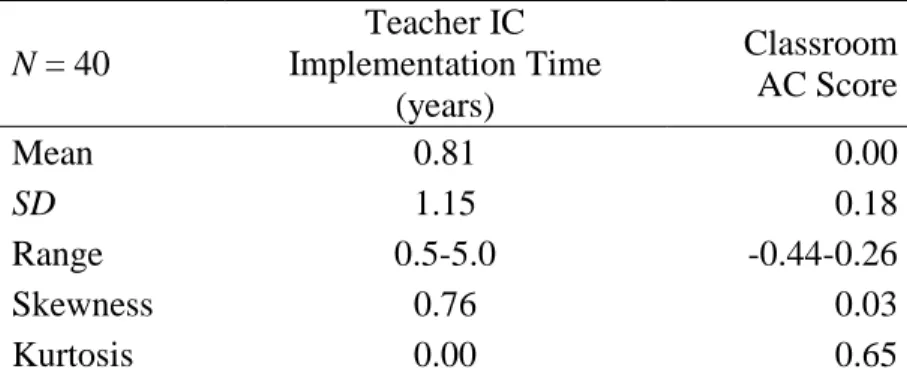
2. Descriptive Statistics………...………. 60
3. IC Group Descriptive Statistics……….……….……….. 61
xii
LIST OF FIGURES Figure
1. A Comparison of Two RTI models, the Problem Solving Model
and the Tiered Model…………...………...…….……… 20
xiii
ABBREVIATIONS
AYP Adequate Yearly Progress
Blueprint A Blueprint for Reform: The Reauthorization of the Elementary and Secondary Education Act
EOG End-of-Grade
ESEA Elementary and Secondary Education Act FAPE Free and Appropriate Education
HOUSSE High, Objective, Uniform State Standard of Evaluation
LEA Local Education Agency
IC Instructional Consultation
ICT Instructional Consultation Team
IDEA Individual with Disabilities Educations Act
IEP Individual Education Plan
NCDPI North Carolina Department of Instruction
NCLB No Child Left Behind
NRC National Research Counsel
NRP National Reading Panel
RTI Response to Intervention
CHAPTER 1
HISTORICAL OVERVIEW
For a decade, the re-authorization of the Elementary and Secondary Education Act
(ESEA), commonly referred to as the No Child Left Behind Act, has significantly impacted schools at the national, state, and local levels. The No Child Left Behind Act (No Child Left Behind [NCLB], 2002), passed during the G. W. Bush administration, mandated that all schools report 100% proficiency in student reading and math by 2014 as evidenced by state-administered, standards-based tests. Whether the NCLB was the appropriate approach in addressing the need for increased educational accountability has not been without criticism. However, the need for effective intervention, prevention, and early intervention is widely embraced by educators and politicians have acknowledged that evidence-based practices are essential for prevention of student failure and promotion of student achievement.
2
lacking the dimension of quality or quantity (thereby lacking “strong evidence”), “possible” evidence can be demonstrated if a study uses closely matched comparison groups or if the study is randomized/ controlled and falls short in only dimension (quality or quantity) (USDE IES, 2003). Though randomized, controlled studies can be difficult to implement in the school setting, the Department of Education rejects pre-post, unmatched comparison group studies, and “lower quality” meta-analysis as providing possible evidence (USDE IES, 2003).
Federal legislation, in recognition the over-identification and overrepresentation of students in special education, has mandated that schools use evidence-based teaching strategies and instructional interventions within the general education classroom before initiating a special education referral (Individual with Disabilities Education Act [IDEA], 2004; NCLB, 2002). Several models have been designed and implemented to ensure the use of evidence-based instruction in order to decrease special education referrals and increase student achievement, including Instructional Consultation Teams; but there is little research available on their impact on state-level assessments. The problem was addressed by
3
1) Within IC-Team schools, is there a significant relationship between teacher IC implementation time and student growth in reading as measured by End-of-Grade (EOG) tests?
2) Within IC-Team schools, are there significant differences among the teacher IC involvement groups, at it pertains to student growth in reading, as measured by End-of-Grade (EOG) tests?
3) Within IC-Team schools, is there a significant relationship between teacher IC implementation time and student growth in reading, as measured by End-of-Grade (EOG) tests, moderated by teacher IC involvement group?
The need for this study is based on a review of legislative mandates, Department of Education reports, reading research, and faculty behavior that positively impacts student achievement such as engaging in “response to intervention” and teacher collaboration. A review is also made of Instructional Consultation, Instructional Consultation’s alignment with legislative mandates and research, and North Carolina’s standards-based accountability model. The study did not cover the broad applications of Instructional Consultation for behavioral problems or learning problems in math, but focused on reading.
Review of Related Literature Legislative Mandates and Department of Education Reports
4
& Hoffman, 2003). The 1994 reauthorization, the Improving America’s Schools Act of 1994, broadened the ESEA by setting high standards for all students, rather than focusing on
disadvantaged students (Pearson, 2001). The 2002 reauthorization of ESEA, No Child Left Behind (NCLB, 2002), increased the federal government’s role in education more than its predecessors. NCLB boldly mandated that 100% of American school children become proficient in reading and math by the 2013-2014 school year as measured by
state-administered, standards-based tests. NCLB established accountability standards to ensure all schools were making progress towards proficiency and outlined sanctions for schools that did not make progress (NCLB, 2002; Yell, Shriner, & Katsiyannis, 2006). Additionally, NCLB required that schools employ highly qualified teachers in safe, drug-free environments and ensure all students graduate from high school. The cornerstones of NCLB included doing what works based on scientific research, increased accountability, local control, and parental options (Jorgeson & Hoffman, 2003).
5
Education for rural teachers, science teachers, and current multi-subject teachers (Spelling, 2005a). Of note, current teachers may demonstrate competency through a rigorous
professional development process developed by the state and referred as “HOUSSE” (High, Objective, Uniform State Standard of Evaluation) (Spelling, 2005a).
Adequate yearly progress. With highly qualified teachers in place, schools were now
responsible for ensuring at least 95% of their students make “adequate yearly progress” (AYP) as evidenced by state administered standards-based tests. Schools were required to make 95% AYP for all subgroups (e.g., Asian subgroup, English Language Learners subgroup) and for graduation or attendance (NCLB, 2002; Yell et al., 2006). If schools did not meet these state-determined standards they were subject to sanctions such as replacement of staff or reorganization by the state education agency (NCLB, 2002). AYP was an
imperative aspect of NCLB as it directly addressed the problem of the achievement gap, the phenomena of one group significantly outperforming another that has plagued the nation for many years (USDE, 2005b). In the US, minorities, students with lower socioeconomic statuses, and students who speak English as a second language have persistently and
significantly had lower achievement than their peers (USDE, 2005b). AYP required schools to disaggregate student test scores and target underperforming groups. Each state was allowed to determine its own definition of AYP, given that the definition met the following requirements:
Applies the same high standards of academic achievement to all public elementary school and secondary school students in the State; i) is statistically valid and reliable; ii) results in continuous and substantial academic improvement for all students; iii) measures the progress of public elementary schools, secondary schools and local educational agencies and the State based primarily on the academic assessment; iv) includes separate
6
students from major racial and ethnic groups; (cc) students with disabilities; and (dd) students with limited English proficiency. (NCLB, Part A, Subpart 1, § 1111, 2[c], 2002) As it pertains to this study and this study’s data collection year (2010), the North Carolina Department of Instruction (North Carolina Department of Instruction [NCDPI], 2010)
considered a school’s AYP met if 95% of total students and 95% of each subgroup met proficiency targets. For example, for the 2009-2010 school year, the proficiency target was a 43.2% pass rate for reading and a 77.2% pass rate for math on the state standards-based test for grades 3-8 (NCDPI, 2010). If a subgroup did not meet the specified proficiency target, a school could also meet AYP through safe harbor provisions (NCLB, 2002). A safe harbor provision could be applied if a student subgroup had a 95% participation rate on the state standardized test, had reduced the percent of students not proficient by at least 10% from the previous year for that subject area, and showed progress on other academic indicators (NCLB, 2002).
7
Committee report discussed the beginning of reading acquisition, the NRP focused on how reading skills are most effectively taught (NRP, 2000).
Reading development. In order to review effective ways to teach reading as identified by
the National Reading Panel, it is important to define reading and provide a brief description of reading development. Since a local education agency (LEA) within North Carolina is the focus of this study, definitions developed by the state education agency (SEA) were utilized. The state of North Carolina has defined reading as “the process of decoding print and
constructing meaning, based on the reader’s prior knowledge” (NCDPI, 2004).
8
Emergent literacy is a process that has no specific beginning or ending; “emergent literacy is used to denote the idea that the acquisition of literacy is best conceptualized as a developmental continuum” (Whitehurst & Lonigan, 1998, p. 848). Whitehurst and Lonigan (1998) noted, “emergent literacy consists of the skills, knowledge, and attitudes that are presumed to be developmental precursors to conventional forms of reading and writing" (Whitehurst & Lonigan, 1998, p. 849). An example of emergent literacy, as it pertains to this study, is the NCDPI standard course of study for language arts, which is based on a
continuum of learning. For example, according to the North Carolina 3-5 Grade Span continuum students can:
Apply phonics and structural analysis to develop automatically in word recognition.
Apply extended knowledge of prefixes, suffixes, and root words to identify unknown words.
Use fix-up strategies when meaning breaks down (self-question, reread, visualize, read on, retell).
Apply a variety of reading and thinking strategies according to purpose and text.
Integrate information and ideas selectively from own experience and text(s).
Comprehend, respond to, and make connections with fiction, non-fiction, poetry, and drama.
Assess validity, accuracy, and value of information and ideas.
Expand literacy through research and inquiry. (NCDPI, 2004)
Reading instruction. Development of strong emergent literacy skills has a high
correlation with skills such as print awareness, alphabet knowledge, and phonemic
awareness; these skills were identified by the National Reading Panel (NRP) as essential in learning to read (NCDPI, 2004; NRP, 2000; Whitehurst and Lonigan, 1998). Specifically, within the areas of alphabetics, fluency, and comprehension, the NRP identified the best methods for explicit reading instruction as: phonemic awareness; phonics instruction; guided oral reading; independent silent reading; vocabulary instruction; text comprehension
9
10 Table 1
Comparison of NRP and NC Methods for Reading Instruction (NCDPI, 2004; National
Institute of Child Health and Human Development [NICHD], 2010)
NRP model for
reading instruction NC Teaching Model of Reading
Alphabetics Emergent Literacy Concepts about print
Letter knowledge Phonemic awareness Alphabetic principle Word Recognition Phonics and decoding
Sight word development
Spelling development Appreciation of Morphemes
Fluency Fluency Automatic word
recognition Good oral reading Good silent reading
Comprehension Comprehension Understanding
narrative and expository text Vocabulary and Concept Development Dictionary use Inferring meanings from context Proper usage Shades of meaning General knowledge
(no equivalent) Engagement and
motivation
Reason for and
appreciation of reading
(no equivalent) Strategies used by good
readers
Developing a system for learning
11
Disabilities Education Act, President G. W. Bush created the President’s Commission on Excellence in Special Education to investigate the current condition of special education. The Commission’s report, A New Era: Revitalizing Special Education for Child and Their Families (United States Department of Education Office of Special Education and
Rehabilitative Services [USDE OSERS], 2002), provided findings and recommendations for policies pertaining to students with disabilities in light of NCLB and the reauthorization of IDEA. The Commission’s report found that special education had become an end-point rather than a gateway to more effective, evidence-based instruction and intervention (USDE OSERS, 2002). It was recommended that the current wait-to-fail model (waiting until students have demonstrated academic failure before introducing an academic intervention) be replaced with a prevention model and special education be reserved for children who do not respond to appropriate instruction in general education. A New Era asserted that focus should be on results, rather than a process; meaning the focus should be on prevention, intervention, and evidence-based practices rather than regulation and paperwork (USDE OSERS, 2002; Yell et al., 2006). Furthermore, the Commission recommended children in special education be considered general education children first and that general and special education share responsibilities for children with disabilities (USDE OSERS, 2002). The Commission recommended the themes of NCLB extend to those in special education by incorporating them in the reauthorization of IDEA (USDE OSERS, 2002).
12
Similar to A New Era, this report emphasized a prevention model and evidenced-based practices (Yell et al., 2006).
Individuals with Disabilities Education Improvement Act. The Individual with Disabilities Education Improvement Act (IDEA, 2004) provided federal guidelines regarding the education of students with disabilities. IDEA mandated students with disabilities be provided equitable, free and appropriate education in the least restrictive environment. According to IDEA § 300.17 (2004), free appropriate public education or FAPE refers to special education and related services which are:
a) are provided at public expense, under public supervision and direction, and without charge; b) meet the standards of the SEA [state education agency], including the requirements of this part; c) include appropriate preschool, elementary school, or secondary education in the State involved, and d) are provided in conformity with an individualized education plan (IEP) that meets the requirements of Sec. 300.320 through 300.324.
Free Appropriate Public Education (FAPE), first introduced in IDEA’s predecessor, the
Education for All Handicapped Children Act (Public Law 94-142), did not define “appropriate education.” Thus, “appropriate education” was defined as a “basic floor of opportunity” in the Supreme Court case Board of Education of the Hendrick Hudson Central School District v. Rowley (1982) (Jacob & Hawthorne, 2003). The significance of this case meant that schools did not have to maximize the potential of students with disabilities, but rather provide a basic floor of opportunity, which meant that education was equally
13
have an educational benefit (Huefner, 2008). Huefner (2008) noted that the 1997 IDEA reauthorization extended FAPE beyond a “basic floor of opportunity” by mandating that special education students make meaningful progress toward specific educational goals described in their Individual Education Plan. Further raising the bar, IDEA (2004) added (see italicized) that FAPE and special education services should meet students’ unique needs and prepare them for further education, employment and independent living (IDEA, 2004; LD Online, 2010). In addition to IDEA, students with disabilities can also be serviced through Section 504 of the Rehabilitation Act, which describes what is appropriate for
placement of students with disabilities. Violations of Section 504 are investigated through the Department of Civil Rights.
IDEA (2004) is aligned with NCLB in numerous ways. As it pertains to this study, IDEA and NCLB are aligned in regards to the requirement of highly qualified teachers and the requirement that students with disabilities participate in standards-based tests
14
Apart from alignment with the pre-existent NCLB Act, the 2004 reauthorization of IDEA presented a new standpoint on special education, in comparison to the previous IDEA authorization. The most significant differences between IDEA 1997 and IDEA 2004 were the prohibition of using any one assessment as the basis of determining special education
eligibility, the elimination of the discrepancy (between intellectual ability and achievement) requirement in determining special education eligibility, and the requirement that special education services be evidence-based. IDEA (2004) stipulated that students receive meaningful educational benefit from special education programming, which included the following:
relevant assessments,
development of meaningful goals and programs based on the assessment results and peer-reviewed literature,
routine monitoring of educational progress,
15
reauthorization of IDEA was reactive to the wait-to-fail trend and has changed the way general and special education services are delivered in every school across the nation.
The re-authorization of IDEA (2004) revolutionized general and special education by stating students are no longer required to exhibit an extreme discrepancy between intellectual ability and academic achievement to qualify for special education and related services. Now, schools may use a process that determines whether a child responds to scientific, evidence-based interventions. This process, most often referred to as Response to Intervention (RTI), differs from the traditional wait-to-fail model in that it involves using evidence-based interventions to prevent students from developing academic difficulties, reduce the number of students who are referred to special education, and identify children who need highly specialized instruction (Lembke, McMaster & Stecker, 2009).
Response to intervention. The term Response to Intervention (RTI) refers to how
well a student responds to an evidence-based academic or behavioral intervention within the general education classroom. RTI can be structured in a protocol (tiered) or a problem solving model and the process usually involves utilizing assessment, evidence-based
16
school curriculum, and match instruction according to student need; however, it is sometimes difficult to track the integrity of implementation using this model (VDE, 2008). Whether a protocol or problem solving model is used, the RTI process is endorsed by IDEA because it successfully combines evidence-based interventions with progress monitoring, which ultimately provides information needed to shape or match instruction according to student need.
Problem Solving RTI Protocol (Tiered) RTI
Figure 1. A comparison of the two RTI models, the problem solving model and the tiered model, adapted from Tilly (2008).
Raising Achievement: A new path for No Child Left Behind. As a result of NCLB, schools have seen an increase in overall student achievement; however, the discrepancy in achievement between students of different ethnic or socioeconomic groups remains (Lee, 2006; Porter, 2005; USDE OPEP, 2010). In 2006 the former Secretary of
Tier 3
Tier 2 Targeted Level 15% of students
Tier 1 Universal Level 80% of students
Intensive
17
Education, Margaret Spelling, announced a new approach to NCLB in her address, Raising Achievement: A new path for No Child Left Behind. This address was the Department of Education response to states’ concern about meeting NCLB standards. Raising Achievement
conceded that states needed greater flexibility in ways to demonstrate achievement (Spelling, 2006a). Spelling’s address announced that states had the option of using modified alternative standards for assessing up to two percent of students with special needs, in addition to the one percent of students with severe disabilities who may be assessed using alternative achievement standards (Spellings 2006a; USDE, 2005a).
Additionally, the address announced researchers were examining how states could use a growth model (comparison of current and previous test scores) rather than the AYP model, to determine whether students were making progress (Spellings, 2006a). Of note, North Carolina was selected as one the first two pilot states to participate in a growth-based accountability model revealed in a subsequent address (Spellings, 2006b). The growth-model methodology seemed promising and many more states have begun to use the growth-model (NCDPI, 2009a).
18
standards-based tests by 2014, it is proposed schools ensure all students are college and career ready by the year 2020 (NCLB, 2002; USDE OPEP, 2010). Nevertheless, the
document does not eliminate the use of testing-- only modifies it; the difference being instead of each student achieving a particular passing score, each student must demonstrate academic growth as evidenced by a state-administered assessment (USDE OPEP, 2010).
Similar to the current NCLB Act and IDEA, Blueprint maintains teachers must be highly qualified. Blueprint increases the focus on teacher (and principal) effectiveness and proposes a requirement for states to define and evaluate teacher and principal effectiveness using student growth, student outcomes, and teacher/principal observations as indicators (USDE OSEP, 2010). This document states that the focus on teacher effectiveness is based on research that indicates high-performing teachers make a difference in the achievement of students and can significantly help narrow the achievement gap and overall student outcomes (Sanders and Rivers, 2006; USDE OPEP, 2010). Recognizing the challenging task teachers face Blueprint states, “every teacher and leader [should have] access to the preparation, on-going support, recognition, and collaboration opportunities he or she needs to succeed” and states/districts that will receive the most support are those “willing to take bold action to increase the number of effective teachers and leaders where they are needed most” (USDE OPEP, 2010, p. 13). Of note, until states transition to the new accountability requirements (when ESEA is reauthorized by Congress) they continue to practice using the current definition of “highly qualified teacher” (USDE, 2012).
ESEA flexibility. In September of 2011, President Obama held a press conference
19
application and was approved could be given flexibility in three areas: college/career standards and assessment, accountability systems, and teacher/principal evaluation. ESEA flexibility provided states reprieve from the mandate of 100% proficiency by 2014; instead states could set alternative, achievable goals (USDE, 2011). Additionally, states had more flexibility in defining what constitutes a “failing” or “achieving” schools, as well flexibility in allotment of federal funds. To receive these provisions states were required to apply for the waivers and continuously renew them with the Department of Education (USDE, 2012). Standards-Based Testing Impact on Special Education Referrals
In response to the pressure of high-stakes testing, accountability standards, and sanctions some schools increase the number of students identified as needing special education supports (National Association of School Psychologists [NASP], 2003). The number of students identified as needing special education supports has increased and NCLB mandates may have exacerbated the trend (Fielding, 2004). Mentioned previously, though students with disabilities must be included in accountability calculations, up to three percent of students with disabilities may be excluded from those calculations (NCLB 2002; USDE, 2006). Excluding the three percent of exempt students, students identified as receiving special education supports may still be eligible for accommodations during the state administered, standards-based test (USDE, 2006). It is suspected some schools identify struggling students as needing special education supports so that they may either be excluded from assessments or receive accommodations during assessments (Fielding, 2004; Jacob-Timm, 1999).
20
standards-based test (Fielding, 2004). In the same survey diagnosticians disclosed they routinely feel pressured by administrators to recommend special education services for students who score poorly on state tests (Fielding, 2004). A survey of school psychologists had similar findings. A survey of school psychologists revealed school psychologists’ most cited ethical dilemma is administrative pressure to act unethically (Jacob-Timm, 1999). The most cited pressure by school psychologist/ administrators was “regarding special education eligibility, placement and services” (Jacob-Timm, 1999, p. 208). School psychologists reported eligibility conflicts, which included pressure to “make pupils eligible,” “pressure to give a specific diagnosis,” “pressure to certify students as eligible for special education so that their test scores would not be included with district scores on state-mandated tests,” and “pressure to limit school obligations to students with special needs” (Jacob-Timm, 1999, p. 209).
The American Educational Research Association (AERA, 2000) and the National Association of School Psychologists (NASP, 2003) have stated that neither organization endorses the use of high-stakes testing as the sole determinant in making critical decisions, such as decisions to promote or retain students. NASP cautioned against using large-scale assessments for high-stakes decision making at all levels, school, district, and state; NASP also recommended moving away from standards-based tests as the main measure of student achievement in the reauthorization of ESEA (NASP, 2003; NASP, 2010). NASP further asserted that the current trend to inflate standards-based test scores through
over-identification of students as needing special education should be replaced by widespread use of evidence-based interventions (NASP, 2003; NASP, 2010).
21
Schools striving to meet educational goals as measured by state-administered, standards-based tests would likely benefit from an investment in highly qualified teachers, not only because it is mandated by NCLB (2002) and IDEA (2004) but because teacher experience, teacher test scores, and licensure have been found to have positive effects on student achievement (Clotfelter, Ladd, & Vigdor, 2007). As evidenced by the 50-state study conducted by the Center for the Study of Teaching and Policy: A National Research
Consortium (1999), teacher quality is linked to student achievement. In examining teacher quality, Clotfelter et al. (2007) noted that teachers with weaker credentials often teach disadvantaged children and recent legislation has taken steps to address issues such as these that tend to widen existing achievement gaps. In recognition of the relationship between teacher quality and special education referrals, IDEA (2004) stated a child must be afforded effective instruction (by effective teachers) prior to being considered for special education. Furthermore, research has suggested teacher belief that they can positively impact student achievement contributes to student achievement (Bandura, 1993; Goddard, Hoy & Hoy, 2000; Rosenfield, 1995).
22
how students learn; however, the self-efficacy of teachers may influence their motivation and behavior and merits examination.
On the basis of research, social cognitive theorist Albert Bandura posited that teacher efficacy perceptions are predictive of student achievement (Bandura, 1993). Bandura found that teacher belief in individual efficacy (ability to motivate and promote student learning) as well as belief in the collective instructional efficacy of faculty (teacher belief about the faculty’s ability to successfully teach students) significantly contributed to student academic achievement (Bandura, 1993). When there is collective instructional efficacy the school-wide norm influences action (e.g., the teacher becomes more persistent, plans more) and ultimately the achievement of school increases (Bandura, 1993; Goddard et al., 2000).
Collective teacher efficacy. Building on the work of Bandura, Goddard et al. (2000) found collective teacher efficacy had a positive effect on students. An empirical study
examined the construct of collective teacher efficacy at various levels (Goddard et al., 2000). The study included development of a valid and reliable measure of teacher efficacy and a subsequent analysis of the effects of teacher efficacy on student achievement at the individual, classroom, and organizational level (Goddard et al., 2000). Data analysis indicated collective teacher efficacy was positively associated with differences between schools in student-level achievement in both reading and mathematics (Goddard et al., 2000). The study also found that collective teacher efficacy affected student achievement more than any demographic control (Goddard et al., 2000).
23
instructional efficacy. It can be concluded teachers must not only be “highly qualified” to close the achievement gap; teachers must also create a school-wide culture that facilitates the belief that all students are learners. Belief that all students are learners and the development of a collective, or collaborative, community are basic assumptions in the Instructional Consultation Team model (Rosenfield & Gravois, 1995).
Instructional Consultation Team Model
In order to create an optimal learning community for students, teacher professional development must include creating a learning environment for teachers (Rosenfield, 2008). An effective RTI problem-solving model, Instructional Consultation (IC), creates a
collaborative learning environment for teachers. Whereas in the typical (protocol) RTI model students are identified/ receive services based on a tiered approach and receive pullout services, in Instructional Consultation (a problem-solving RTI model) the IC case manager collaborates with the teacher in data collection and matching of instruction within the general education classroom. The focus on “supporting teachers’ professional capacity to develop and deliver effective instruction in the general education classroom… distinguishes instructional consultation from other forms of consultation and teaming” (Gravois & Rosenfield, 2006, p. 45).
24
originally constructed for use with individual consultations but has evolved into a
collaborative problem-solving process used with school teams (Rosenfield & Gravois, 1996). IC is built on the assumptions that early intervention is preferable to waiting for failure and that the best place for intervention is within general education classroom, the arena in which there is an instructional mismatch (Gravois et al., 2007). During the initial and continuous training, IC team members focus on building three skills areas (Gravois et al., 2007): 1) Building professional, collaborative relationships; 2) enhancing systematic
problem-solving; 3) increasing effectiveness in instructional and behavioral assessment. The systematic problem-solving and instructional/behavioral assessment is the RTI component of IC, but what enhances IC’s effectiveness and sets it apart from other problem-solving RTI models is the focus on building professional, collaborative relationships.
Figure 2. Instructional Consultation View of Learning, adapted from Gickling et al. (2007). During the IC process teachers collaborate within a problem-solving community to determine where there is a mismatch between classroom instruction and the student’s current skill level (see Figure2). The objective of the IC Team is to develop a systematic support network within the school, enhance teacher skills in instructional assessment and delivery,
25
develop a school-wide culture of problem-solving and collaboration, and utilize data for classroom and school decisions (Gravois et al., 2007).
Figure 3. Instructional Consultation Team Model, adapted from Rosenfield & Gravois (1996).
When a teacher needs assistance with a student with an academic or behavioral problem, the teacher is assigned a trained case manager from the IC Team (see Figure 3). Together, the teacher and case manager use a problem-solving process and make decisions based on data collected. Based on Vygotsky’s social constructivist theory, knowledge is co-constructed through language when persons work together within structured problem-solving situations such as IC Teams (Knotek et al., 2003). IC Teams are structured in that members approach and perceive problems within the context of a problem-solving stage (Rosenfield & Gravois, 1996). The IC process includes the following stages (Rosenfield, 1995; Rosenfield, 2008):
26
1) Contracting - the case manager negotiates the contract with the teacher
2) Problem identification and analysis-
teacher identifies concerns in observable, measurable terms; data collection terms, goals determined
3) Intervention design-
based on the problem, targeted, evidence-based interventions are selected to implement
4) Intervention implementation-
data is collected by teacher, case manager assists if problem arises
5) Evaluation of intervention effectiveness-
evaluation toward goals monitored; lack of treatment integrity addressed; intervention altered, if needed
6) Closure- case is closed if goals reached; if progress
not made, stage 1 begins again
The relationship between the case manager and teacher during the problem-solving process is essentially a consultee-centered consultation relationship originally described by Caplan (1970).
Collaboration impact on teacher performance.Consultee-centered consultation helps improve consultee competence so that they can more effectively deal with problems in the future (Knotek & Sandoval, 2003). Consultee-centered consultation requires
27
model allows teachers to broaden and build their own skills (and self-efficacy) in addition to enhancing student performance (Fredrickson & Branigan, 2005; Gravois & Rosenfield, 2002).
Collaborative professional development, such as IC training and participation, is likely to improve teacher performance and student outcome (Waldron & McLeskey, 2010). Collaborative professional development must be coherent and focused, address instructional practices, collaboratively built on practices, school based and long-term, provide extensive follow-up and be actively supported by school administration (Waldron & McLeskey, 2010). Though the IC-Team Facilitator leads the team, the school principal is always a member of the IC-Team and participates in training and case managing (Gravois et al., 2007; Rosenfield & Gravois, 2006). Waldron & McLeskey (2010) found school principal support of
distribution of leadership among staff members for processes (such as the use of evidence-based practices, curriculum and instruction development, and classroom management) empowers staff members, increases teacher buy-in, and ultimately increases student achievement.
28
changed for longer (Joyce & Showers, 2002). Schools also bring about change by reculturing their beliefs about learning problems. The new belief being that learning problems are the result of a mismatch rather than an internal deficit.
Instructional Consultation Impact on Special Education and Student Achievement It is has been found that African-American children are twice as likely as Caucasian children to be labeled as children with intellectual disabilities and placed in special education (USDE OSERS, 2002). Instructional Consultation Team schools have been found to
29
Instructional Consultation Team Alignment with Legislative Mandates, National Reading Panel, and North Carolina Teaching Model of Reading
IC and the highly qualified teacher. Key components of Instructional Consultation are aligned with the mandate of both NCLB and IDEA that all teachers are highly qualified. As previously discussed, it is often difficult for rural districts to meet the requirements of the highly qualified teacher mandate because teachers in rural locations often teach multiple core subjects. Thus, a provision was established that allows teachers to meet the highly qualified status through professional development (HOUSEE) activities (USDE OSEP, 2006). On-going professional development, such as Instructional Consultation professional
development, is a means by which teachers can learn and improve recommended skills in problem-solving, effective communication, data-based decision making, and curriculum-based assessment (Spelling, 2007a).
IC and prevention of over-identification.Children identified as having specific learning disabilities have increased 300 percent over the last 30 years and the majority of the students were identified as such because they lack reading skills (USDE OSERS, 2002). IC-Teams are an effective means of decreasing special education referrals and overall placement of students in special education (Gravois & Rosenfield, 2002). IDEA stipulates that states must have policies in place to prevent over-identification and overrepresentation of any race or ethnic group as students with disabilities (IDEA, 2004). Though minorities continue to be over-represented in special education, schools with IC-Teams have been found to have fewer minority referrals and placements in special education (Gravois & Rosenfield, 2006; USDE OSERS, 2002).
30
effective instructional techniques (USDE, 2003). Response to Intervention (RTI) is a technique described and endorsed in IDEA (2004). RTI was also endorsed in a letter from the National Association of School Psychologists (NASP) to the U.S. Congress, encouraging Congress to include essential components of RTI and infuse an evidence-based intervention model in the reauthorization of the ESEA process (NASP, 2010). As previously described, IC combines the RTI problem-solving model with consultation to provide improvement in both teacher and student performance.
IC, the National Reading Panel, and the North Carolina teaching models for reading. Alphabetics, fluency, and comprehension, areas the NRP deem necessary for learning to read, are directly assessed in the IC process (NRP, 2000). These major areas of reading instruction identified by the NRP are acknowledged and incorporated into the instructional assessment process within IC (Gravois et al., 2007). Dimensions of reading identified by IC pioneers include overarching dimensions of comprehension and
metacognition and sub-dimensions (language and prior knowledge, word recognition and meaning, responding, word study, and fluency). These dimensions of reading are
commensurate with the dimensions of reading instruction identified by the NRP and the North Carolina curriculum developers identified in Figure 1.
North Carolina End-of-Grade Test
31
multiple choice answers (NCDPI, 2007). Grade 3-5 Competency Goals and Objectives are centered on word recognition strategies, skills, and vocabulary; strategic comprehension; effective communication; grammar and language conventions; and literature (see Appendix D for complete NC Standard Course of Study). Based on the Standard course of study, items were developed and written to measure a single concept or principle (NCDPI, 2009a). To ensure proper psychometric properties (that the test accurately assesses achievement) both classical measurement analysis and item response theory analyses were used (NCDPI, 2009a).
North Carolina Participation in Growth Model Pilot and North Carolina Instructional Consultation Team Pilot
NCLB (2002) originally required schools to record student academic achievement, as measured by standards-based tests, using adequately yearly progress. As previously
discussed, adequately yearly progress (AYP) measures the number of students in each subgroup (e.g., Asian, Hispanic) meeting a specific target. NCLB requires AYP of each subgroup toward the goal of reaching 100% proficiency in reading, math, and science by 2014 on state-issued standards-based tests (Goldschmidt & Choi, 2006; NCLB, 2002). However, many schools had difficulty meeting AYP and an increasing amount of schools were entering NCLB’s “needs improvement” category (Goldschmidt & Choi, 2006).
32
the reauthorization of the ESEA. NASP describes growth models as “relevant and important indicators of the effectiveness of schools” (NASP, 2010).
Though the growth model is a newer concept at the federal level, North Carolina schools have used such models as part of the ABC accountability system since 1996
(NCDPI, 2006). North Carolina was still under AYP mandates the data collection year; that year NC school districts met AYP by meeting AYP goals, through safe harbor provisions, or by demonstrating student growth through a growth model (NCDPI, 2006). Within the NC accountability system, all students had a growth trajectory; however, if a student failed to meet proficiency targets (an Achievement Level score of three or four) under AYP standards, a growth trajectory could track their progress (NCDPI, 2006). Growth trajectory was
calculated using students’ previous test scores compared to proficiency at a later point in time. The difference between the failing score and the score needed to be proficient within four years was calculated. If the student closed the gap between the failing score and score needed to be proficient in four years by 25% the next year (50% the second year, 75% the third year, 100 % the fourth year), the student was deemed on target until they ultimately meet proficiency by the fourth year (NCDPI, 2006). Underachieving students were thus required to achieve more than a year’s growth in a year’s time.
In consideration of the NCLB and IDEA mandates, North Carolina’s Department of Instruction began to implement two RTI models, the Problem-Solving Model and the
Instructional Consultation Team, which is the focus of this study. Local Education Agencies (LEAs) across the state applied to be one of the four LEAs to participate in the IC
33
1) Participate in IC for up to three years with fidelity.
2) Gather a team consisting of the superintendent, elementary education director, exceptional children director, principals, teachers, and school psychologists to a one day planning meeting.
3) Designate one teacher to devote at the least half-time as the IC Team Facilitator. Each Facilitator must participate in a four day training seminar and fourteen days of training implementation.
4) Designate a liaison with DPI (who works at the system-level) to attend training. 5) Select staff from the school to be trained as IC Team members. (Locklear, Leake,
Watson & Pittman, 2003)
In 2003, the LEA that is the focus of this study applied to participate and was selected as one of the four LEAs to participate in IC training. Drs. Todd Gravois and Ed Gickling led this particular training throughout the 2003-2004 school year. Two schools that were
deemed likely to implement change with fidelity were selected and from those schools, principals elected to participate. In 2003 the LEA began pre-implementation training and in the 2004-2005 school year the district/LEA began implementation of IC. Two schools and three additional schools began IC training in 2005 and 2007, respectively. One school trained in 2005 elected not to implement IC. In 2009-2010, the data collection year, IC was implemented in a total of six elementary schools within the LEA.
34
2009b). ICT school data indicated in comparison to schools with traditional pre-referral teams, ICT schools had fewer students referred to the IEP team and students ultimately referred to the IEP team were more likely to qualify for special education (NCDPI, 2009b). Initial research indicated ICTs were a promising approach for developing teacher skills and facilitating student achievement.
Ray (2005) conducted a study examining whether elementary students in schools with IC-Teams showed greater mean gains in reading achievement than elementary schools that did not have IC-Teams. Ray found the differences between schools’ reading achievement, as measured by the North Carolina End-of-Grade test to be statistically significant. Limitations identified by Ray (2005) included number of schools utilized for analysis (two IC schools and two non-IC schools) and unidentified variability in teacher participation in IC. Ray (2005) recommended future research on IC and reading achievement include a larger number of schools and consider of teacher variability in IC participation. Utilizing the same LEA, this study expanded upon Ray’s (2005) study by:
1) examining reading growth in 40 classrooms within six IC schools (in comparison to two IC and two-non IC schools),
2) examining the length of teacher IC implementation and type of teacher IC involvement to address variability in teacher IC participation, and
3) examining reading growth scores rather than reading developmental scale scores. The growth score is the difference between current and previous year(s)
developmental scale score (NCDPI, 2006).
35
placement of the English Language Learner and overall student population. Special education placement data was not available for that study; however, hierarchical linear modeling results of the study indicated significantly higher reading achievement in IC classrooms, after controlling for differences between schools (Silva, 2007). Silva (2007) noted that though results indicated ICTs may have their greatest impact at the classroom level, the study did not identify which teachers requested ICT assistance to implement
strategies in the classrooms and which did not. Silva (2007) suggested IC is most effective at the classroom level and teacher effectiveness is linked to student outcomes (Sanders & Rivers, 1996). Sanders and Rivers (1996) found that, controlling for ability and
achievement, student outcomes are greatly affected by the teacher to which they are assigned and students with the most effective teachers achieve appropriate to excellent gains.
This study considered Silva’s (2007) findings and limitations in that it:
1) examined teacher IC involvement and student outcomes at the classroom level; and
2) identified which teachers requested ICT assistance and which teachers did not request ICT assistance.
The current study examined the number of years of IC involvement at the
teacher/classroom level because increased time with IC has been found to increase teacher effectiveness (Gravois & Rosenfield, 2002; Levinsohn, 2000; Ray, 2005; Silva, 2007). This study examined reading growth rather than reading achievement because reading growth has been found to be a better indicator of student progress (NCDPI 2009; Spelling 2006a;
36
Educators and society in general are more cognizant of the fact that early intervention for disadvantaged or struggling learners is needed to ensure that all children have an
opportunity to succeed. Education legislation is reflective of this trend as evidenced by increased emphasis on reading, early academic intervention, and evidence-based educational practices. The state of North Carolina is a forerunner in educational reform through
participation in growth model pilot studies and utilization of RTI models, one of which is Instructional Consultation. IC combines early identification of skill deficits, evidence-based intervention practices, and teacher support. Thus, the purpose of the study was to examine the relationship between reading growth and Instructional Consultation Team involvement as measured by standards-based testing.
37
implementation, and evaluation of standards-based reform and accountability systems” (Roach & Elliot, 2009, p. 63).
Statement of the Problem
In response to the enactment of No Child Left Behind (NCLB, 2002) and the reauthorization of the Individuals with Disabilities Education Improvement Act (IDEA, 2004), schools are more accountable for ensuring student achievement and progress. Standards-based testing continues to be the means by which student academic skills are monitored across the nation. In previewing the reauthorization of the ESEA, Blueprint suggested continuation of NCLB’s legacy of standards-based accountability and emphasis on evidence-based decision making; the document also highlighted teacher collaboration. In addition to agreement with the statutes outlined in NCLB, IDEA (2004) included a recommendation for teachers to use a responsiveness to intervention model (which incorporates use of evidence-based interventions). Instructional Consultation combines responsiveness to intervention with a climate of collaboration to promote student progress as emphasized in NCLB, IDEA, and Blueprint. Instructional Consultation has been found to improve academic and behavioral achievement, reduce inappropriate special education referrals, and reduce over-identification/ overrepresentation in special education (Gravois & Rosenfield, 2002; Gravois & Rosenfield, 2006; Levinsohn, 2000; Ray, 2005; Silva, 2007). However, there has not been an extensive investigation on its effect on standards-based tests, the nation’s yardstick for measuring student progress. Thus, the problem this study
38
Significance of Problem
Whereas the number of students referred to special education has increased over the last few decades, it is estimated that learning disabilities account for only two to six percent of all reading failure (Chard et al., 2008). Problems in the learning environment, such as failure to use evidence-based instruction, cause many reading problems that eventually result in a special education referral (Torgesen, 2000). Recent federal legislation recognizes the over-identification and overrepresentation of students in special education and mandates that school uses evidence-based teaching strategies and instructional interventions within the general education classroom before initiating a special education referral (IDEA, 2004; NCLB, 2002). Legislation also mandates that all teachers are well qualified so students are afforded the best educational opportunity (IDEA, 2004; NCLB, 2002). Instructional
39
Research Questions
The present study built on an earlier investigation conducted by Ray (2005) that evaluated the relationship between Instructional Consultation and student achievement on North Carolina’s End-of-Grade test in reading. This study examined the relationship between Instructional Consultation involvement and student reading growth. The research questions regarding the identified problem are:
1) Within ICT schools, is there a significant relationship between teacher IC
implementation time and student growth in reading as measured by End-of-Grade (EOG) tests?
2) Within ICT schools, are there significant differences among the types of teacher IC involvement as it pertains to student growth in reading as measured by End-of-Grade (EOG) tests?
CHAPTER II Methods and Procedures
The purpose of this study was to examine if the utilization of the Instructional Consultation Team model, a responsiveness-to-intervention approach, was associated with student growth in reading as measured by a standards-based test. Specifically, the objective was to examine the relationship between reading growth and the length of teacher IC
involvement. The study also compared reading growth across four groups/types of teacher involvement: (Group A) did not participate on ICT and did not request ICT assistance to implement IC in the classroom; (Group B) participated on the ICT; (Group C) requested assistance of the ICT implement IC in the classroom; (Group D) participated on the ICT and
requested assistance of the ICT. Finally, the interaction between length and type of teacher IC involvement was evaluated. This chapter describes the methodology used to conduct the study.
The problem was addressed by exploring the relationships between reading growth and the Instructional Consultation Team model, an intervention for students at-risk for academic failure. Reading growth was defined as the average classroom reading growth score and Instructional Consultation involvement was measured by surveying each classroom teacher’s IC implementation time and IC involvement type. Teachers within each school had varying lengths and types of IC involvement.
Hypotheses
41
1) Within ICT schools, there is a significant relationship between teacher IC implementation time and student growth in reading as measured by End-of-Grade (EOG) tests.
2) Within ICT schools, at least one teacher IC involvement group is significantly different from the reference group in terms of student growth in reading as measured by End-of-Grade (EOG) tests.
3) Within ICT schools, there is a significant interaction effect between teacher IC implementation time and teacher IC involvement group, as measured by End-of Grade (EOG) tests.
Data Collection and Analysis
Participants. The state education agency (North Carolina Department of Instruction) invited all districts to attend presentations about the IC-Team model and apply for
participation in the new Instructional Consultation training. The LEA that is the focus of this study was one of the four school districts selected from the 28 districts that applied. (See Tables E1 and E2 for the State, LEA, and school demographics.) Four selected school districts committed to appropriate training and staffing (as described in the literature review) and began the initial implementation phase in two schools within the 2004-05 school year. The LEA decided to expand IC; new teams that met aforementioned standards elected to participate and were subsequently trained in the implementation of IC. One school and three additional schools began IC implementing/training in 2005 and 2007, respectively.
42
model for three years, one for four years, and two for six years. Each school had a trained IC facilitator as well as a participating principal and voluntary teachers who served as IC-Team members. All IC-Team members received thorough IC training and IC quality was
maintained through fidelity measures. Within each school, any teacher could request assistance from the IC-Team and be assigned a case manager. The teacher and the case-manager worked together using the problem-solving process previously described.
Procedures. An experimental research a study is defined by experimental control of the independent variable. This study used an associational design to evaluate the
relationships between independent and dependent variables. A benefit of an associational research design is that data are collected in a natural environment, which strengthens external validity. The main disadvantage of associational research is correlational studies lack internal validity; as such, inferences about causality cannot be made. Hence, in this study,
participants in the IC and non-IC groups may have been dissimilar in ways that are not a direct result of the independent variables. Additionally, external validity was threatened due to nonrandom sampling (in this instance, sampling of convenience). Sampling of
convenience may increase the chance of systematic bias and creates difficulty in generalizing in most cases; however, random sampling is not a requirement for external validity. Shadish, Cook, and Campbell (2002) noted that though random sampling can sometimes facilitate external validity, the external validity of samples may be considered on a case by case basis.
There is evidence that the EOG reading comprehension test has acceptable reliability and validity as the measure of reading growth (NCDPI, 2009a). The North Carolina
43
and ethnicities on all EOG tests (NCDPI, 2009a). Additionally, a process was created to ensure curricular validity (content of the test forms reflect the goals and objectives of the NC Standard Course of Study in reading) and instructional validity (content of test forms reflect the goals and objectives taught in reading) of the EOG test (NCDPI, 2009a). (See Appendix D for NC Standard Course of Study in Language Arts for grades 3-5.)
The independent variables in this study are the amount of time teachers have participated in IC (implementation time) and the extent of the teachers’ involvement in IC (involvement group). The dependent variable is the classroom average Academic Change (AC) score on the EOG reading comprehension test. The dependent variable, the AC score, takes into account previous assessments in the calculation of growth in reading (See
Appendix C). The EOG test is administered to all third through fifth graders each year. Fourth and fifth grade EOG AC scores from the 2009-2010 school year served as the dependent variable. Complete data are not available for third graders as third grade pretests were eliminated effective the 2009-2010 school year; therefore, third grade data were excluded from the study (NCDPI, 2010).
44
lend itself to HLM. The “clustered” nature of the data was explored in the analysis using
Stata (2011).
Measures. The schools’ state education agency (NCDPI) has emphasized growth in
the accountability system since 1996; however, NCLB brought about major changes to the system. NCLB required state education agencies to report AYP to ensure that states were making an effort to close achievement gaps (by reporting on different AYP groups) and achieve 100% proficiency by 2013-14 (NCDPI, 2006). As such, all students in grades 3-8 participated in EOG tests in reading and math and their progress was measured by growth and performance. Students with disabilities may take alternative assessments such as NCEXTEND or receive appropriate accommodations. At the time of data collection, the local education agency had three measures of accountability: AYP status, a performance composite, and growth. The focus of this study was the growth accountability measure, which continues to be a relevant measure of accountability (NCDPI, 2012).
45
reflection of student raw scores, rather a reflection of student growth on a standardized scale, yielding scores similar to z-scores. (See Appendix C for c-scale calculation.)
Also of note, average student growth (AC scores) were evaluated at the classroom level only, as preliminary research suggested the classroom level is where IC is the most effective (Silva, 2007). Evaluating student growth at the classroom level may control for confounding variables due to systematic differences between schools, which was notably problematic in previous research (Ray, 2005).
The length of teacher IC involvement served as an independent variable, with values ranging from 0 years to 6 years in half-year increments of time. Length of involvement was measured in half-year increments because each IC case typically takes one-half year to complete (P. L. Vail, personal communication, September 4, 2012). For example, a teacher who had any IC involvement for two and a half years was coded as having 2.5 years of IC involvement. The second independent variable, type of involvement, had four groups: Group A, Group B, Group C, and Group D. On the survey, teachers first indicated their type of involvement group, and if appropriate, indicated their implementation time. Involvement group was examined due to the possibility that teachers who are team members may differ in their fidelity in intervention implementation or because there may be inherent differences in teachers who request team assistance and those who do not; failure to look at the variability in teacher participation was a noted limitation in Ray’s (2005) and Silva’s (2007) studies. Teachers were involved with IC in two ways: through IC-Team participation or by requesting IC-Team assistance for classroom implementation. Thus, there were four mutually exclusive groups/types of teacher IC involvement: never worked with the IC-Team (Group A);
46
cases (Group B); requested assistance of the IC Team (Group C); requested assistance of IC Team and participated on the IC Team as an active team member, attending meetings and managing IC cases (Group D). The relationship between of implementation time and type was explored in the analysis.
Specifically, this correlational design was implemented by collecting data for 40 fourth and fifth grade teachers within six IC schools via teacher survey (See Appendix B); resulting data for the independent variables indicated the length and type of IC involvement for each fourth and fifth grade teacher. The data for the dependent variable was acquired from a database containing each teacher’s classroom average AC reading score. For analysis, the classrooms’ average AC reading score was examined, with respect to IC implementation time and type of teacher IC involvement, to identify relationships and interactions.
Research design. Inferential statistics involves making inferences about a certain characteristic of the population based on a characteristic of a sample (Howell, 2002). In order to infer the relationship between IC involvement and EOG scores, an associational design was used. Descriptive information about the data was explored at the beginning of the data analysis; specifically, information about sample size, mean, standard deviation,
47
indicate support of the hypothesis. To address the second research question, teacher IC type (a categorical variable), was dummy coded for use in the linear regression model. Beta coefficients indicated whether any of the teacher groups differed from the reference group in regards to growth score. If any of the teacher groups’ mean growth scores significantly differed from the reference group, the hypothesis that there are no differences among the types of teacher involvement could be supported.
Previous research noted the limitation of not identifying the range of teacher IC participation (Ray, 2005). This suggested a need to address possible interactions, such as interaction between IC implementation time and type of IC participation. In addressing the third question, hierarchical multiple regression analysis was used to: 1) determine whether there was a relationship between classroom average AC scores and two variables: the amount of time teachers have implemented IC and the type/group of IC involvement; and 2)
determine whether the effect of teacher implementation time varied due to teacher
involvement group (i.e., whether there was an interaction). First, the predictor variables (IC group and IC time), which represented the main effects, were added to the model. The R2
48
beta coefficientwas statistically significant, it would indicate that the relationship of teacher IC implementation time and student growth in reading was moderated by the interaction of teacher IC involvement group and implementation time. If the addition of an interaction term significantly improved the fit of the regression model, the hypothesis that there was an interaction effect would be supported.
Summary
Instructional Consultation has been found to be an effective intervention that helps match students to an appropriate instructional level and reduces inappropriate special
education referrals (Gravois & Rosenfield, 2006; Silva, 2007). The purpose of the study was to determine whether there was a relationship between IC implementation time, type/group of teacher IC involvement, and student growth in reading as measured by EOG tests. Earlier research suggested that IC has a positive impact on student EOG performance in reading; this study was an extension of that research (Ray, 2005). For the current study, it was anticipated that the relationship between IC involvement and reading growth scores would be positive, i.e., teachers with greater IC involvement would have higher average classroom reading growth scores than teachers with less IC involvement. Findings from this study could provide the LEA valuable information about a potential relationship between pilot IC
programs and student growth on the EOG test; such information may be useful in evaluating intervention effectiveness and in systemic intervention planning.