I
I
n
n
t
t
e
e
r
r
n
n
a
a
t
t
i
i
o
o
n
n
a
a
l
l
J
J
o
o
u
u
r
r
n
n
a
a
l
l
o
o
f
f
B
B
i
i
o
o
l
l
o
o
g
g
i
i
c
c
a
a
l
l
S
S
c
c
i
i
e
e
n
n
c
c
e
e
s
s
2012; 8(5):685-696. doi: 10.7150/ijbs.4401
Research Paper
Interactions of Several Lipid-Related Gene Polymorphisms and Cigarette
Smoking on Blood Pressure Levels
Rui-Xing Yin
1, Dong-Feng Wu
1, Jin-Zhen Wu
1, Xiao-Li Cao
1, Lynn Htet Htet Aung
1, Lin Miao
1, Xing-Jiang
Long
1, Wan-Ying Liu
2, Lin Zhang
3, and Meng Li
41. Department of Cardiology, Institute of Cardiovascular Diseases, the First Affiliated Hospital, Guangxi Medical University, Nanning, Guangxi, People’s Republic of China;
2. Department of Cardiology, the Third Affiliated Hospital, Guangxi Medical University, Nanning, Guangxi, People’s Republic of China; 3. Department of Cardiology, the People’s Hospital of Guilin, Guilin, Guangxi, People’s Republic of China;
4. Department of Internal Medicine, Worker’s Hospital of Guangxi Liuzhou Iron and Steel (Group) Company, Liuzhou, Guangxi, People’s Republic of China.
Corresponding author: Rui-Xing Yin, MD, Department of Cardiology, Institute of Cardiovascular Diseases, the First Af-filiated Hospital, Guangxi Medical University, 22 Shuangyong Road, Nanning 530021, Guangxi, People’s Republic of China; Tel: +86-771-5326125; Fax: +86-771-5353342; Email: [email protected].
© Ivyspring International Publisher. This is an open-access article distributed under the terms of the Creative Commons License (http://creativecommons.org/ licenses/by-nc-nd/3.0/). Reproduction is permitted for personal, noncommercial use, provided that the article is in whole, unmodified, and properly cited.
Received: 2012.03.26; Accepted: 2012.05.08; Published: 2012.05.10
Abstract
The interactions of single nucleotide polymorphisms (SNPs) and cigarette smoking on blood
pressure levels are limited. The present study was undertaken to detect nine lipid-related
SNPs and their interactions with cigarette smoking on blood pressure levels. Genotyping of ATP-binding cassette transporter A1 (ABCA-1) V825I, acyl-CoA:cholesterol
acyltransfer-ase-1 (ACAT-1) rs1044925, low density lipoprotein receptor (LDL-R) AvaⅡ, hepatic lipase
gene (LIPC) -250G>A, endothelial lipase gene (LIPG) 584C>T, methylenetetrahydrofolate reductase (MTHFR) 677C>T, proprotein convertase subtilisin-like kexin type 9 (PCSK9) E670G, peroxisome proliferator-activated receptor delta (PPARD) +294T>C, and Scavenger receptor class B type 1 (SCARB1) rs5888 was performed in 935 nonsmokers and 845
smokers. The interactions were detected by factorial regression analysis. The frequenciesof
genotypes (ACAT-1 and LIPG), alleles (ABCA-1), and both genotypes and alleles (LDL-R,
LIPC, PPARD and SCARB1) were different between nonsmokers and smokers (P <
0.05–0.001). The levels of pulse pressure (PP, ABCA-1), and systolic, diastolic blood pressure
(SBP, DBP) and PP (LIPC) in nonsmokers were different among the genotypes (P <
0.01-0.001). The levels of SBP (ABCA-1, ACAT-1, LIPG and PCSK9), DBP (ACAT-1, LDL-R, LIPC, PCSK9 and PPARD), and PP (LIPC, LIPG, MTHFR and PCSK9) in smokers were
dif-ferent among the genotypes (P < 0.01-0.001). The SNPs of ABCA-1, ACAT-1 and PCSK9;
ACAT-1, LDL-R, MTHFR and PCSK9; and ABCA-1, LIPC, PCSK9 and PPARD were shown
interactions with cigarette smoking to influence SBP, DBP and PP levels (P < 0.05-0.001);
respectively. The differences in blood pressure levels between the nonsmokers and smokers might partly result from different interactions of several SNPs and cigarette smoking.
Key words: blood pressure; hypertension; genetic polymorphism; cigarette smoking; interaction.
Introduction
Hypertension is a complex disease that affects 1 billion people and causes more than 7.1 million premature deaths a year worldwide [1]. It is
well-recognized that blood pressure is modulated by multiple genetic loci as well as environmental and lifestyle factors including diet, smoking habits,
obe-Ivyspring
sity and physical inactivity [2,3], and their interactions [4-9]. Many previous genome-wide association stud-ies (GWAS) in different populations have simultane-ously explored a large number of genomic loci asso-ciated with blood pressure and hypertension, but the results of these association studies conducted with blood pressure traits have been inconsistent [10-18]. A major reason for inconsistency among studies may be different environmental modifiers that interact with genes to influence blood pressure and hypertension.
Although the deleterious effects of cigarette smoking on the cardiovascular system have been clearly documented, the relationship between ciga-rette smoking and blood pressure and hypertension has not been fully characterized [19]. Some studies have reported that cigarette smoking is associated with increased blood pressure [20-22], others reported associations with decreased blood pressure [23-25], while some found no effect at all [26,27]. However, cigarette smoking has proven to be an important me-diator of genetic effects in association studies of blood pressure and hypertension [4-9].
There are 56 ethnic groups in China. Yao is the eleventh largest minority among the 55 minority groups according to the population size. Bai Ku Yao (White-trouser Yao), an isolated subgroup of the Yao minority, is named so because all of men wear white knee-length knickerbockers. The population size is about 30 000. Because of isolation from the other eth-nic groups, the special customs and cultures including their clothing, intra-ethnic marriages, dietary pat-terns, and corn wine and rum intakes are still com-pletely preserved to the present day. In previous ep-idemiological studies, we found that the prevalence of hypertension was higher in smokers than in non-smokers [2,3]. Since hypertension is found to occur more often than expected in families with familial combined hyperlipidemia and other types of familial lipid syndromes [28], genes involved in lipid metabo-lism may be involved in the genetic component of the development of hypertension. Therefore, the aim of the present study was to detect nine single nucleotide polymorphisms (SNPs) in different lipid-related genes and evaluate their interactions with cigarette smoking on blood pressure levels in the Guangxi Bai Ku Yao population.
Materials and Methods
Subjects
A total of 1780 unrelated subjects of Bai Ku Yao who reside in Lihu and Baxu villages in Nandan County, Guangxi Zhuang Autonomous Region, Peo-ple’s Republic of China were randomly selected from
our previous stratified randomized cluster samples [2,3]. The age of the subjects ranged from 15 to 80 years, with an average age of 41.60 ± 16.43 years. There were 935 nonsmokers (285 males and 650 fe-males) and 845 smokers (709 males and 136 fefe-males). All of the subjects were rural agricultural workers. The subjects had no evidence of diseases related to atherosclerosis, coronary artery disease and diabetes. None of them had been treated with antihypertensive drugs, such as nifedipine and/or catopril and li-pid-lowering drugs. The study design was approved by the Ethics Committee of the First Affiliated Hos-pital, Guangxi Medical University. All participants have given written informed consent.
Epidemiological survey
The survey was done according to standardized methods. Information on personal and demographic characteristics, personal and family history of disease, current pharmacotherapy, cigarette smoking, alcohol consumption, and physical activity was obtained at interview. Self-reported information on cigarette smoking was recorded. All participants were asked, ―Have you smoked at least 100 cigarettes in your en-tire life?‖ and ―Do you now smoke cigarettes every day, some days or not at all?‖ Smoking status was re-coded as: ―Smokers‖ or ―current smokers‖ if the respondents reported having smoked at least 100 cigarettes in their lifetime and were current smokers either every day or some days; ―nonsmokers‖ or ―never smokers‖ if they reported they had not smoked at least 100 cigarettes in their lifetime; and ―former smokers‖ if they reported having smoked 100 cigarettes in their lifetime but did not currently smoke [29,30]. ―Former smokers‖ were not included in this study. Sitting blood pressure was measured three times by a well-trained physician with the use of a standard mercury sphygmomanometer after the sub-ject rested 5 minutes, and the average of the three measurements was used for the level of blood pres-sure. Systolic blood pressure (SBP) was determined by the first Korotkoff sound, and diastolic blood pressure (DBP) by the fifth Korotkoff sound. Pulse pressure (PP) was calculated as the systolic minus the diastolic blood pressure. Body weight, to the nearest 50 grams, was measured using a portable balance scale. Subjects were weighed without shoes and in a minimum of clothing. Heightwas measured, to the nearest 0.5 cm, using a portable steelmeasuring device. From these two measurements body mass index (BMI, kg/m2)
Measurements of lipids and apolipoproteins
A venous blood sample of 5 mL was obtained from all subjects after at least 12 hours of fasting. A part of the sample (2 mL) was collected into glass tubes and used to determine serum lipid levels. An-other part of the sample (3 mL) was transferred to tubes with anticoagulate solution and used to extract deoxyribonucleic acid (DNA). The levels of total cho-lesterol (TC), triglyceride (TG), high-density lipopro-tein cholesterol (HDL-C), and low-density lipoprolipopro-tein cholesterol (LDL-C) in samples were determined by enzymatic methods. Serum apolipoprotein (Apo) A1 and ApoB levels were detected by the immunoturbi-dimetric immunoassay. All determinations were per-formed with an autoanalyzer (Type 7170A; Hitachi Ltd., Tokyo, Japan) in our Clinical Science Experiment Center [31,32].Genotyping
Genomic DNA was extracted from the peripher-al blood leukocytes by the phenol-chloroform method as our previous reports [33-40]. Genotyping of ATP-binding cassette transporter A1 (ABCA-1)V825I (rs2066715), acyl-CoA:cholesterol acyltransferase-1 (ACAT-1) rs1044925, low density lipoprotein receptor (LDL-R) AvaⅡ, hepatic lipase gene (LIPC) -250G>A (rs2070895), endothelial lipase gene (LIPG) 584C>T (rs2000813), methylenetetrahydrofolate reductase (MTHFR) 677C>T (rs1801133), proprotein convertase subtilisin-like kexin type 9 (PCSK9) E670G (rs505151), peroxisome proliferator-activated receptor delta (PPARD) +294T>C (rs2016520) and Scavenger recep-tor class B type 1 (SCARB1) rs5888 was performed using polymerase chain reaction and restriction fragment length polymorphism (PCR-RFLP). The se-quences of the forward and backward primers and restriction ezyme used for the genotyping of nine SNPs, the thermocycling protocol, the approach to electrophoresis, and the procedures for quality control have been described previously [33-40]. Genotypes were scored by an experienced reader blinded to ep-idemiological data and blood pressure levels.
Diagnostic criteria
Hypertension was defined as an average SBP of 140 mmHg or greater and/or an average DBP of 90 mmHg or greater [2,3]. The normal values of serum TC, TG, HDL-C, LDL-C, ApoA1 and ApoB levels, and the ratio of ApoA1 to ApoB in our Clinical Science Experiment Center were 3.10–5.17, 0.56–1.70, 0.91–1.81, 2.70–3.20 mmol/L, 1.00–1.78, 0.63–1.14 g/L,
and 1.00–2.50; respectively [31,32].
Statistical analysis
Quantitative variables were presented as mean ± SD or percentage. All statistical analyses were done with the statistical software package SPSS 13.0 (SPSS Inc., Chicago, Illinois, USA). Chi square tests were used to compare the differences in percentages and to assess Hardy-Weinberg expectations, whereas analy-sis of covariance (ANOVA) was used to compare the differences in various continuous variables between respective comparison groups. The sex, age, educa-tion level, physical activity, BMI, waist circumference, alcohol consumption, and hyperlipidemia were ad-justed for the statistical analyses. All significant asso-ciations were corrected for multiple testing by apply-ing a Bonferronicorrection. The allelic and genotypic frequencies were calculated from the observed geno-typiccounts. The interactions of nine SNPs and ciga-rette smoking on blood pressure levels were assessed by using a factorial regression analysis after control-ling for potential confounders including sex, age, ed-ucation level, physical activity, BMI, waist circum-ference, alcohol consumption, and hyperlipidemia. Multiple linear regression was used to ascertain the correlation between genotypes (ABCA-1 V825I: GG = 1, GA = 2, AA = 3; ACAT-1 rs1044925: AA = 1, AC = 2, CC = 3; LDL-R AvaⅡ: A-A- = 1, A-A+ = 2, A+A+ = 3; LIPC -250G>A: GG = 1, GA = 2, AA = 3; LIPG 584C>T: CC = 1, CT = 2, TT = 3; MTHFR 677C>T: CC = 1, CT = 2, TT = 3; PCSK9 E670G: AA = 1, AG = 2; PPARD +294T>C: TT = 1, TC = 2, CC = 3; SCARB1 rs5888: CC = 1, CT = 2, TT = 3) or alleles (the minor allele non-carrier = 1, the minor allele non-carrier = 2) and blood pressure levels in the combined population of non-smokers and non-smokers, nonnon-smokers, and non-smokers; respectively.
Results
General characteristics between nonsmokers
and smokers
Table 1. The general characteristics and blood pressure levels between the nonsmokers and smokers.
Characteristics Nonsmoker
(n = 935) Smoker (n = 845) t (χ
2) p
Age (years) 39.75±16.31 43.64±16.32 -5.023 0.000
Male/female 285/650 709/136 513.751 0.000
Education level (years) 6.20±3.26 6.31±3.16 0.721 0.471
Height (cm) 151.73±7.39 158.13±7.28 -18.378 0.000
Weight (kg) 51.40±8.09 55.07±8.50 -9.311 0.000
Body mass index (kg/m2) 22.30±2.90 22.10±2.53 1.559 0.119
> 24 kg/m2 [n(%)] 223 (23.9) 134 (15.9) 17.683 0.000
Waist circumference (cm) 71.84±8.84 74.23±8.12 5.920 0.000 Alcohol consumption [n (%)] 246 (26.3) 602 (71.2) 361.471 0.000 Systolic blood pressure (SBP, mmHg) 119.20±17.31 122.78±15.50 -4.606 0.000
SBP ≥ 140 mmHg [n (%)] 110 (11.8) 121 (14.3) 2.565 0.109
Diastolic blood pressure (DBP, mmHg) 74.87±10.37 77.63±9.47 -5.882 0.000
DBP ≥ 90 mmHg [n (%)] 111 (11.9) 106 (12.5) 0.188 0.665
Pulse pressure (mmHg) 44.34±11.96 45.16±11.77 -1.463 0.144 Hypertensive prevalence [n (%)] 151 (16.1) 169 (20.0) 4.462 0.035 Total cholesterol (mmol/L) 4.48±0.93 4.60±1.06 -2.653 0.008
Triglycerides (mmol/L) 1.23±1.08 1.38±1.24 -2.686 0.007
HDL-C (mmol/L) 1.74±0.46 1.84±0.49 -4.153 0.000
LDL-C (mmol/L) 2.59±0.69 2.59±0.87 -0.101 0.920
Apolipoprotein (Apo) A1 (g/L) 1.33±0.29 1.41±0.33 -5.694 0.000
ApoB (g/L) 0.86±0.22 0.88±0.23 -1.646 0.101
ApoA1/ApoB 1.64±0.59 1.73±0.74 -2.878 0.004
Genotypic and allelic frequencies between
nonsmokers and smokers
The genotypic and allelic frequencies of the nine SNPs between nonsmokers and smokers are shown in Table 2. The genotypic distribution of nine SNPs was consistent with the Hardy-Weinberg equilibrium. The genotypic and allelic frequencies of LDL-R, LIPC, PPARD and SCARB1 were different between non-smokers and non-smokers (P < 0.05–0.001). The genotypic frequencies of ACAT-1 and LIPG, and the allelic fre-quencies of ABCA-1 were also different between nonsmokers and smokers (P < 0.05 for all). There were no significant differences in the genotypic and allelic frequencies of MTHFR and PCSK9 between non-smokers and non-smokers (P < 0.05 for all). The GG ho-mozygous of the PCSK9 E670G was not detected in our study population.
Genotypes and blood pressure levels between
nonsmokers and smokers
The association of genotypes and blood pressure levels between nonsmokers and smokers is shown in Figure 1. The levels of PP in nonsmokers were dif-ferent among the three genotypes of ABCA-1 (P < 0.01), and the levels of SBP, DBP and PP in nonsmok-ers were also different among the three genotypes of
LIPC (P < 0.01-0.001).
For the smokers, the levels of SBP were different among the three genotypes of ABCA-1, ACAT-1, LIPG and PCSK9 (P < 0.01-0.001), the levels of DBP were different among the three genotypes of ACAT-1, LDL-R, LIPC, PCSK9 and PPARD (P < 0.01-0.001), and the levels of PP were different among the three geno-types of LIPC, LIPG, MTHFR and PCSK9 (P < 0.01-0.001).
Interactions of several SNPs and cigarette
smoking on blood pressure levels
decrease PP levels (P < 0.05-0.001).
Correlation between genotypes or alleles and
blood pressure levels
The results of multiple linear regression analysis between genotypes or alleles and blood pressure lev-els are shown in Table 4. For the nonsmokers, the levels of SBP were associated with the genotypes of LIPC (P < 0.01); the levels of DBP were associated with the genotypes and/or alleles of LIPG and PPARD (P < 0.05 for all); and the levels of PP were
associated with the genotypes and/or alleles of LIPC (P < 0.05 for each).
For the smokers, the levels of SBP were corre-lated with the genotypes and/or alleles of ABCA-1, LIPG and PCSK9 (P < 0.01 for all), the levels of DBP were correlated with the genotypes and/or alleles of ABCA-1, ACAT-1, LDL-R and PCSK9 (P < 0.05-0.001), and the levels of PP were correlated with the geno-types and/or alleles of ABCA-1, LIPC, LIPG, MTHFR and PCSK9 (P < 0.05-0.001).
Figure 1. The genotypes of nine SNPs and blood pressure levels between the nonsmokers and smokers.aP < 0.01, bP <
Table 2. The genotypic and allelic frequencies between nonsmokers and smokers.
SNP Genotype
(Allele) Nonsmoker (n = 935) Smoker (n = 845) P Value
ABCA-1 V825I GG 307(32.8) 308(36.5)
GA 448(47.9) 399(47.2)
AA 180(19.3) 138(16.3) 0.146
G 1062(56.8) 1015(60.1)
A 808(43.2) 675(39.9) 0.048
ACAT-1 rs1044925 AA 660(70.6) 592(70.1)
AC 252(27.0) 213(25.2)
CC 23(2.4) 40(4.7) 0.030
A 1572(84.1) 1397(82.7)
C 298(15.9) 293(17.3) 0.262
LDL-R AvaⅡ A-A- 468(50.1) 378(44.7)
A-A+ 422(45.1) 301(35.6)
A+A+ 45(4.8) 166(19.7) 0.000
A- 1358(72.6) 1057(62.5)
A+ 512(27.4) 633(37.5) 0.000
LIPC -250G>A GG 433(46.3) 350(41.4)
GA 433(46.3) 350(41.4)
AA 69(7.4) 145(17.2) 0.000
G 1299(69.5) 1050(62.1)
A 571(30.5) 640(37.9) 0.000
LIPG 584C>T CC 432(46.2) 362(42.8)
CT 469(50.2) 430(50.9)
TT 34(3.6) 53(6.3) 0.024
C 1333(71.3) 1154(68.3)
T 537(28.7) 536(31.7) 0.051
MTHFR 677C>T CC 431(46.1) 416(49.2)
CT 437(46.7) 367(43.5)
TT 67(7.2) 62(7.3) 0.340
C 1299(69.5) 1199(70.9)
T 571(30.5) 491(29.1) 0.335
PCSK9 E670G AA 892(95.4) 793(93.8)
AG 43(4.6) 52(6.2)
GG 0(0) 0(0) 0.145
A 1827(97.7) 1638(96.9)
G 43(2.3) 52(3.1) 0.151
PPARD +294T>C TT 517(55.3) 496(58.7)
TC 347(37.1) 313(37.0)
CC 71(7.6) 36(4.3) 0.011
T 1381(73.9) 1305(77.2)
C 489(26.1) 385(22.8) 0.020
SCARB1 rs5888 CC 534(57.1) 408(48.3)
CT 367(39.3) 371(43.9)
TT 34(3.6) 66(7.8) 0.000
C 1435(76.7) 1187(70.2)
T 435(23.3) 503(29.8) 0.000
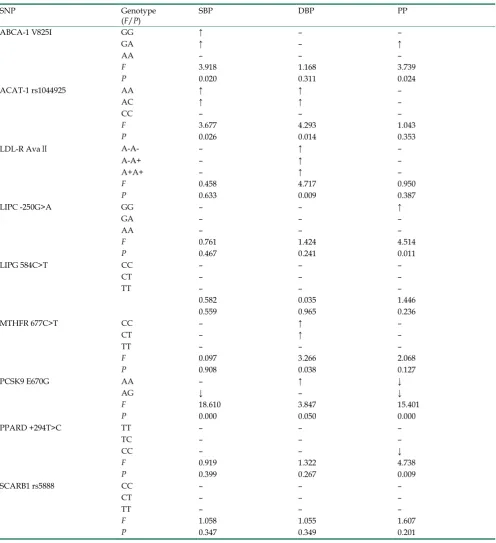
Table 3. Interactions of several single nucleotide polymorphisms and cigarette smoking on blood pressure levels.
SNP Genotype
(F/P) SBP DBP PP
ABCA-1 V825I GG ↑ – –
GA ↑ – ↑
AA – – –
F 3.918 1.168 3.739
P 0.020 0.311 0.024
ACAT-1 rs1044925 AA ↑ ↑ –
AC ↑ ↑ –
CC – – –
F 3.677 4.293 1.043
P 0.026 0.014 0.353
LDL-R AvaⅡ A-A- – ↑ –
A-A+ – ↑ –
A+A+ – ↑ –
F 0.458 4.717 0.950
P 0.633 0.009 0.387
LIPC -250G>A GG – – ↑
GA – – –
AA – – –
F 0.761 1.424 4.514
P 0.467 0.241 0.011
LIPG 584C>T CC – – –
CT – – –
TT – – –
0.582 0.035 1.446
0.559 0.965 0.236
MTHFR 677C>T CC – ↑ –
CT – ↑ –
TT – – –
F 0.097 3.266 2.068
P 0.908 0.038 0.127
PCSK9 E670G AA – ↑ ↓
AG ↓ – ↓
F 18.610 3.847 15.401
P 0.000 0.050 0.000
PPARD +294T>C TT – – –
TC – – –
CC – – ↓
F 0.919 1.322 4.738
P 0.399 0.267 0.009
SCARB1 rs5888 CC – – –
CT – – –
TT – – –
F 1.058 1.055 1.607
P 0.347 0.349 0.201
Table 4. Correlation between genotypes or allelesand blood pressure levels in the nonsmokers and smokers.
BP Genotype/allele Unstandardized
coefficient Std. error Standardized coefficient t P
Both
SBP ABCA-1 V825I allele -1.584 0.717 -0.045 -2.209 0.027
LIPC -250G>A genotype 2.137 0.488 0.090 4.376 0.000
LIPC -250G>A allele 1.337 0.661 0.042 2.021 0.043
LIPG 584C>T allele 1.790 0.730 0.051 2.453 0.014 MTHFR 677C>T genotype 1.045 0.428 0.055 2.440 0.015 MTHFR 677C>T allele 1.167 0.532 0.050 2.194 0.028 PCSK9 E670G genotype -5.389 1.767 -0.063 -3.050 0.002
DBP ACAT-1 rs1044925 genotype 1.025 0.314 0.074 3.265 0.001 ACAT-1 rs1044925 allele 1.265 0.373 0.077 3.392 0.001
LIPC -250G>A genotype 1.308 0.321 0.089 4.070 0.000
LIPC -250G>A allele 1.118 0.435 0.056 2.570 0.010
LIPG 584C>T genotype 1.034 0.390 0.057 2.655 0.008 LIPG 584C>T allele 1.323 0.454 0.063 2.914 0.004 PPARD +294T>C allele -1.025 0.459 -0.050 -2.231 0.026
PP MTHFR 677C>T genotype 0.739 0.360 0.470 2.053 0.040 PCSK9 E670G genotype -4.655 1.389 -0.069 3.350 0.001
Nonsmoker
SBP LIPC -250G>A genotype 2.192 0.751 0.085 2.920 0.004
DBP LIPG 584C>T genotype 1.195 0.562 0.063 2.214 0.034 LIPG 584C>T allele 1.466 0.637 0.069 2.303 0.022 PPARD +294T>C allele -1.361 0.652 -0.065 -2.089 0.037
PP LIPC -250G>A genotype 1.838 0.572 0.099 3.211 0.001
LIPC -250G>A allele 1.544 0.716 0.067 2.158 0.031
Smoker
SBP ABCA-1 V825I genotype -2.077 0.671 -0.094 -3.098 0.002 ABCA-1 V825I allele -2.669 0.976 -0.083 -2.735 0.006 LIPG 584C>T allele 2.560 0.963 0.081 2.659 0.008 PCSK9 E670G genotype -11.804 2.139 -0.164 -5.519 0.000
DBP ABCA-1 V825I genotype -0.934 0.441 -0.069 -2.118 0.034 ABCA-1 V825I allele -1.431 0.641 -0.073 -2.231 0.026 ACAT-1 rs1044925 genotype 1.533 0.433 0.119 3.543 0.000 ACAT-1 rs1044925 allele 2.336 0.535 0.146 4.363 0.000
LDL-R AvaⅡallele -1.184 0.581 -0.066 -2.039 0.042
PCSK9 E670G genotype -2.923 1.469 -0.064 -1.989 0.047
PP ABCA-1 V825I genotype -1.179 0.527 -0.070 -2.237 0.026
LIPC -250G>A allele -1.731 0.715 -0.077 -2.421 0.016
Discussion
In the present study, we showed that the geno-typic frequencies of ACAT-1 and LIPG, the allelic frequencies of ABCA-1, and the genotypic and allelic frequencies of LDL-R, LIPC, PPARD and SCARB1 were different between nonsmokers and smokers. These results indicate that several lipid-related genes may also involve in the regulation of blood pressure. In the current study, our study population, Bai Ku Yao, is an isolated subgroup of the Yao minority in China. Strict intra-ethnic marriages have been per-formed in this population from time immemorial. But they can not intermarry within the direct descendant blood kin and the collateral branch blood kin in seven generations [2,3,31,32]. Thus, this population is thought to share the same ethnic ancestry and to possess a homogeneous genetic background. Alt-hough genetic variants in some genes have been as-sociated with risk of hypertension in some studies, the results of these association studies conducted with blood pressure traits are inconsistent [8-16].
The association of these SNPs and blood pres-sure levels between nonsmokers and smokers has not yet been thoroughly studied. In the present study, we showed that the levels of PP in nonsmokers were dif-ferent among the three genotypes of ABCA-1, and the levels of SBP, DBP and PP in nonsmokers were also different among the three genotypes of LIPC. The levels of SBP in smokers were different among the three genotypes of ABCA-1, ACAT-1, LIPG and PCSK9, the levels of DBP were different among the three genotypes of ACAT-1, LDL-R, LIPC, PCSK9 and PPARD, and the levels of PP were different among the three genotypes of LIPC, LIPG, MTHFR and PCSK9. To the best of our knowledge, the association between ABCA-1 V825I, ACAT-1 rs1044925, LIPC -250G>A, LIPG 584C>T, PCSK9 E670G, and SCARB1 rs5888 SNPs and blood pressure variation has not been pre-viously explored.
The association of LDL-R AvaII, MTHFR C677T and PPARD +294T>C SNPs and blood pressure vari-ation has been evaluated in several previous studies [41-55]. However, the findings are inconsistent. Liu et al. [41] found that there were no differences in the genotypic and allelic frequencies of LDL-R AvaII be-tween normotensives and essential hypertensives in Shanghai. Rodríguez-Esparragón et al. [42] reported that TT genotype of MTHFR C677T was associated with an increased risk of hypertension in males. A previous meta-analysis showed that the MTHFR C677T was consistently associated with severe dias-tolic hypertension during pregnancy [43]. The MTHFR C667T modulated baseline DBP and DBP
responsiveness by short-term treatment of benazepril [44,45]. A significant association between MTHFR C677T and hypertension/hypertension-in-pregnancy in both Caucasian and Asian populations was also observed in a recent meta-analysis [46]. The patients carrying MTHFR 677T allele were at increased risk of hypertension. The frequency of co-occurrence of MTHFR 677CT/1298CC genotypes was significantly higher in the patients compared to controls (P < 0.05) and was associated with increased risk of hyperten-sion [47]. Marinho et al. [48] showed that genotype distribution of MTHFR differed significantly between control and hypertensive patients with a greater prevalence of CT genotypes. The MTHFR 677C allele was significantly more frequent in controls compared with patients with essential hypertension (P < 0.05), and CC genotype was more frequent in controls compared to patients with essential hypertension [49]. However, several studies showed that there were no associations of MTHFR C677T and the prevalence of hypertension or blood pressure levels [50-52]. Gao et al. [53] reported that PPAR-gamma2 SNP is associated with hypertension in the Han population of Inner Mongolia. The frequency of Ala allele was lower in patients with hypertension (1.3%) than in controls (3.6%, P = 0.018). The Pro12Ala polymorphism in PPAR-gamma was associated with blood pressure in subjects with type 2 diabetes. The subjects with Pro/Ala (24%) or Ala/Ala (2%) had lower DBP when adjusted for age and gender compared with Pro/Pro subjects (74%). This association was restricted to men, who also had a borderline significant difference in SBP [54]. However, Yan et al. [55] reported that the frequencies of the PPARD +294T>C genotypes were not different among the groups of metabolic syn-drome, essential hypertension, and type 2 diabetes.
several SNPs and cigarette smoking. Smoking cessa-tion and other healthy lifestyles are necessary for maintaining of normal blood pressure. The effect of different types of cigarettes on blood pressure levels is not well known. In our current study, 95% of the cig-arettes smoked by the subjects were natural tobacco leaves, which the toxin content may be high. Tobacco smoke is a complex mixture of over 4,000 chemical constituents. There are many toxins in cigarette smoke such as nicotine, cadmium, carbon monoxide, and reactive oxygen species that might contribute to the cardiovascular toxicity [56]. Thus, the interactions of SNPs and different kinds of cigarettes on blood pres-sure levels still need to be determined.
Study Limitations
The present study has several potential limita-tions. First, we did not match smokers and nonsmok-ers in terms of sex; therefore, the smoknonsmok-ers had a much higher proportion of males than did the nonsmokers. Among young and middle-aged adults, population surveys have shown hypertension to be more fre-quent among males than females, with sex differences of 4% in the United States, 8% in Canada, and11% in Western Europe [57]. Second, the levels of average age, height, weight, waist circumference, and the percentages of subjects who consumed alcohol were higher in smokers than in nonsmokers. Although sex, age, education level, physical activity, BMI, waist circumference, alcohol consumption, and hyper-lipidemia have been adjusted for the statistical analy-sis, we could not completely eliminate the potential effects of these factors on blood pressure levels among different genotypes in both groups. Third, the diet was not adjusted for the statistical analysis. In the present study, however, the diet in this population is consistent throughout the year and among individu-als because of the Bai Ku Yao’s reliance on a limited number of locally available food items. Their staple food is corn gruel or corn tortillas. On ordinary days, they are vegetarians [2,3]. Finally, it is clearly estab-lished that blood pressure levels are regulated by multiple environmental and genetic factors, and their interactions. Although we have detected the interac-tions of nine SNPs and cigarette smoking on blood pressure levels in this study, there are still many un-measured environmental and genetic factors and their interactions. Thus, the interactions of gene-gene, gene-environment, and environment-environment on blood pressure levels remain to be determined.
Conclusion
Several lipid-related gene polymorphisms in nonsmokers and smokers were found to be associated
with blood pressure levels in the Guangxi Bai Ku Yao population. The interactions of ABCA-1 AA and AC and ACAT-1 AA and AC genotypes and cigarette smoking to increase SBP, and PCSK9 AG genotype and cigarette smoking to decrease SBP; ACAT-1 AA and AC, LDL-R A-A-, A-A+ and A+A+, MTHFR CC and CT, and PCSK9 AA genotypes and cigarette smoking to increase DBP levels; and ABCA-1 GA and LIPC GG genotypes and cigarette smoking to increase PP, and PCSK9 AA and AG, and PPARD CC geno-types and cigarette smoking to decrease PP levels were also detected. The observed associations and interactions between these SNPs and blood pressure variation in this isolated ethnic subgroup may also be the major characteristics of this condition in the other ethnic groups, especially in the minorities. However, large studies of populations with different ethnic ori-gins are required to confirm these observations.
Acknowledgements
This work was supported by the National Natural Science Foundation of China (No. 30660061).
Competing Interests
The authors have declared that no competing interest exists.
References
1. Hui P, Nakayama T, Morita A, et al. Common single nucleotide polymorphisms in Japanese patients with essential hypertension: aldehyde dehydrogenase 2 gene as a risk factor independent of al-cohol consumption. Hypertens Res. 2007;30:585–92.
2. Ruixing Y, Weixiong L, Hanjun Y, et al. Diet, lifestyle, and blood pressure of the middle-aged and elderly in the Guangxi Bai Ku Yao and Han populations. Am J Hypertens. 2008;21:382–7.
3. Ruixing Y, Shangling P, Shuquan L, et al. Comparison of hyperten-sion and its risk factors between the Guangxi Bai Ku Yao and Han populations. Blood Press. 2008;17:306–16.
4. Powell JT, MacSweeney ST, Greenhalgh RM, et al. Interaction be-tween fibrillin genotype and blood pressure and the development of aneurysmal disease. Ann N Y Acad Sci. 1996;800:198–207. 5. Schut AF, Sayed-Tabatabaei FA, Witteman JC, et al.
Smok-ing-dependent effects of the angiotensin-converting enzyme gene insertion/deletion polymorphism on blood pressure. J Hypertens. 2004;22:313–9.
6. Xu Q, Wang YH, Tong WJ, et al. Interaction and relationship be-tween angiotensin converting enzyme gene and environmental factors predisposing to essential hypertension in Mongolian popu-lation of China. Biomed Environ Sci. 2004;17:177–86.
7. Gambier N, Marteau JB, Batt AM, et al. Interaction between CYP1A1 T3801C and AHR G1661A polymorphisms according to smoking status on blood pressure in the Stanislas cohort. J Hyper-tens. 2006;24:2199–205.
8. Montasser ME, Shimmin LC, Hanis CL, et al. Gene by smoking interaction in hypertension: identification of a major quantitative trait locus on chromosome 15q for systolic blood pressure in Mexi-can-Americans. J Hypertens. 2009;27:491–501.
9. Mayer O Jr, Filipovský J, Pesta M, et al. The interaction of endothe-lial nitric oxide synthase polymorphism and current smoking in terms of increased arterial stiffness. Physiol Res. 2010;59:529–36. 10. Levy D, Ehret GB, Rice K, et al. Genome-wide association study of
11. Newton-Cheh C, Johnson T, Gateva V, et al. Genome-wide associa-tion study identifies eight loci associated with blood pressure. Nat Genet. 2009;41:666–76.
12. Sõber S, Org E, Kepp K, et al. Targeting 160 candidate genes for blood pressure regulation with a genome-wide genotyping array. PLoS One. 2009;4:e6034.
13. Adeyemo A, Gerry N, Chen G, et al. A genome-wide association study of hypertension and blood pressure in African Americans. PLoS Genet. 2009;5:e1000564.
14. Takeuchi F, Isono M, Katsuya T, et al. Blood pressure and hyper-tension are associated with 7 loci in the Japanese population. Cir-culation. 2010;121:2302–9.
15. Padmanabhan S, Melander O, Johnson T, et al. Genome-wide asso-ciation study of blood pressure extremes identifies variant near UMOD associated with hypertension. PLoS Genet. 2010;6:e1001177. 16. Puppala S, Coletta DK, Schneider J, et al. Genome-wide linkage screen for systolic blood pressure in the Veterans Administration Genetic Epidemiology Study (VAGES) of Mexican-Americans and confirmation of a major susceptibility locus on chromosome 6q14.1. Hum Hered. 2011;71:1–10.
17. Fox ER, Young JH, Li Y, et al. Association of genetic variation with systolic and diastolic blood pressure among African Americans: the Candidate Gene Association Resource study. Hum Mol Genet. 2011;20:2273–84.
18. International Consortium for Blood Pressure Genome-Wide Asso-ciation Studies, Ehret GB, Munroe PB, et al. Genetic variants in novel pathways influence blood pressure and cardiovascular dis-ease risk. Nature. 2011;478:103–9.
19. Ehret GB, Morrison AC, O'Connor AA, et al. Replication of the Wellcome Trust genome-wide association study of essential hyper-tension: the Family Blood Pressure Program. Eur J Hum Genet
.
2008;16:1507–11.20. Halimi JM, Giraudeau B, Vol S, et al. The risk of hypertension in men: direct and indirect effects of chronic smoking. J Hypertens. 2002;20:187–93.
21. Bang LE, Buttenschøn L, Kristensen KS, et al. Do we undertreat hypertensive smokers? A comparison between smoking and non-smoking hypertensives. Blood Press Monit. 2000;5:271–4. 22. Niskanen L, Laaksonen DE, Nyyssönen K, et al. Inflammation,
abdominal obesity, and smoking as predictors of hypertension. Hypertension. 2004;44:859–65.
23. Green MS, Jucha E, Luz Y. Blood pressure in smokers and non-smokers: epidemiologic findings. Am Heart J. 1986;111:932–40. 24. Okubo Y, Suwazono Y, Kobayashi E, et al. An association between
smoking habits and blood pressure in normotensive Japanese men: a 5-year follow-up study. Drug Alcohol Depend. 2004;73:167–74. 25. Lee DH, Ha MH, Kim JR, et al. Effects of smoking cessation on
changes in blood pressure and incidence of hypertension: a 4-year follow-up study. Hypertension. 2001;37:194–98.
26. Fogari R, Zoppi A, Lusardi P, et al. Cigarette smoking and blood pressure in a worker population: a cross-sectional study. J Cardio-vasc Risk. 1996;3:55–9.
27. Primatesta P, Falaschetti E, Gupta S, et al. Association between smoking and blood pressure: evidence from the health survey for England. Hypertension. 2001;37:187–93.
28. Halperin RO, Sesso HD, Ma J, et al. Dyslipidemia and the risk of incident hypertension in men. Hypertension. 2006;47:45–50. 29. Centers for Disease Control and Prevention (CDC). Cigarette
smoking among adults—United States, 1992, and changes in the definition of current cigarette smoking. MMWR Morb Mortal Wkly Rep. 1994;43:342–6.
30. Caban-Martinez AJ,Davila EP,Zhao W,et al. Disparities in hy-pertension control advice according to smoking status. Prev Med.2010;51:302–6.
31. Ruixing Y, Qiming F, Dezhai Y, et al. Comparison of demography, diet, lifestyle, and serum lipid levels between the Guangxi Bai Ku Yao and Han populations. J Lipid Res. 2007;48:2673–81.
32. Ruixing Y, Dezhai Y, Shuquan L, et al. Hyperlipidaemia and its risk factors in the Guangxi Bai Ku Yao and Han populations. Public Health Nutr. 2009;12:816–24.
33. Cao XL, Yin RX, Wu DF, et al. Genetic variant of V825I in the ATP-binding cassette transporter A1 gene and serum lipid levels in the Guangxi Bai Ku Yao and Han populations. Lipids Health Dis. 2011;10:14.
34. Wu DF, Yin RX, Aung LH, et al. Polymorphism of rs1044925 in the acyl-CoA:cholesterol acyltransferase-1 gene and serum lipid levels in the Guangxi Bai Ku Yao and Han populations. Lipids Health Dis. 2010;9:139.
35. Long XJ, Yin RX, Li KL, et al. Low density lipoprotein receptor gene Ava II polymorphism and serum lipid levels in the Guangxi Bai Ku Yao and Han populations. Lipids Health Dis. 2011;10:34.
36. Meng L, Ruixing Y, Yiyang L, et al. Association of LIPC -250G>A polymorphism and several environmental factors with serum lipid levels in the Guangxi Bai Ku Yao and Han populations. Lipids Health Dis. 2010;9:28.
37. Liu WY, Yin RX, Zhang L, et al. Association of the LIPG 584C>T polymorphism and serum lipid levels in the Guangxi Bai Ku Yao and Han populations. Lipids Health Dis. 2010;9:110.
38. Zhang L, Yin RX, Liu WY, et al. Association of methylenetetrahy-drofolate reductase C677T polymorphism and serum lipid levels in the Guangxi Bai Ku Yao and Han populations. Lipids Health Dis. 2010;9:123.
39. Aung LH, Yin RX, Miao L, et al. The proprotein convertase subtil-isin/kexin type 9 gene E670G polymorphism and serum lipid levels in the Guangxi Bai Ku Yao and Han populations. Lipids Health Dis. 2011;10:5.
40. Miao L, Yin RX, Wu DF, et al. Peroxisome proliferator-activated receptor delta +294T>C polymorphism and serum lipid levels in the Guangxi Bai Ku Yao and Han populations. Lipids Health Dis. 2010;9:145.
41. Liu AP, Zhan SY, Li LM, et al. Association between AvaII exon 13 polymorphism at the LDL receptor gene different and serum lipid levels in normotensives and essential hypertensives in Shanghai. Zhonghua Liu Xing Bing Xue Za Zhi. 2003;24:542–6.
42. Rodríguez-Esparragón F, Hernández-Perera O, Rodríguez-Pérez JC, et al. The effect of methylenetetrahydrofolate reductase C677T common variant on hypertensive risk is not solely explained by in-creased plasma homocysteine values. Clin Exp Hypertens. 2003;25:209–20.
43. Kosmas IP, Tatsioni A, Ioannidis JP. Association of C677T poly-morphism in the methylenetetrahydrofolate reductase gene with hypertension in pregnancy and pre-eclampsia: a meta-analysis. J Hypertens. 2004;22:1655–62.
44. Jiang S, Hsu YH, Xu X, et al. The C677T polymorphism of the methylenetetrahydrofolate reductase gene is associated with the level of decrease on diastolic blood pressure in essential hyperten-sion patients treated by angiotensin-converting enzyme inhibitor. Thromb Res. 2004;113:361–9.
45. Jiang S, Hsu YH, Niu T, et al. A common haplotype on methylene-tetrahydrofolate reductase gene modifies the effect of angioten-sin-converting enzyme inhibitor on blood pressure in essential hy-pertension patients--a family-based association study. Clin Exp Hypertens. 2005;27:509–21.
46. Qian X, Lu Z, Tan M, et al. A meta-analysis of association between C677T polymorphism in the methylenetetrahydrofolate reductase gene and hypertension. Eur J Hum Genet. 2007;15:1239–45. 47. Markan S, Sachdeva M, Sehrawat BS, et al. MTHFR 677 CT/MTHFR
1298 CC genotypes are associated with increased risk of hyperten-sion in Indians. Mol Cell Biochem. 2007;302:125–31.
48. Marinho C, Alho I, Arduíno D, et al. GST M1/T1 and MTHFR polymorphisms as risk factors for hypertension. Biochem Biophys Res Commun. 2007;353:344–50.
49. Ilhan N, Kucuksu M, Kaman D, et al. The 677 C/T MTHFR poly-morphism is associated with essential hypertension, coronary ar-tery disease, and higher homocysteine levels. Arch Med Res. 2008;39:125–30.
50. Ravera M, Viazzi F, Berruti V, et al. 5,10-Methylenetetrahydrofolate reductase polymorphism and early organ damage in primary hy-pertension. Am J Hypertens. 2001;14:371–6.
and the prevalence of hypertension in Japanese men. Circ J. 2006;70:83–7.
52. Stiefel P, Miranda ML, Bellido LM, et al. Genotype of the CYBA promoter -930A/G, polymorphism C677T of the MTHFR and APOE genotype in patients with hypertensive disorders of preg-nancy: an observational study. Med Clin (Barc). 2009;133:657–61. 53. Gao L, Wang L, Yun H, et al. Association of the PPARgamma2 gene
Pro12Ala variant with primary hypertension and metabolic lipid disorders in Han Chinese of Inner Mongolia. Genet Mol Res. 2010;9:1312–20.
54. Ostgren CJ, Lindblad U, Melander O, et al. Peroxisome prolifera-tor-activated receptor-gammaPro12Ala polymorphism and the as-sociation with blood pressure in type 2 diabetes: skaraborg hyper-tension and diabetes project. J Hypertens. 2003;21:1657–62. 55. Yan ZC, Shen CY, Zhong J, et al. PPARdelta + 294T/C gene
poly-morphism related to plasma lipid, obesity and left ventricular hy-pertrophy in subjects with metabolic syndrome. Zhonghua Xin Xue Guan Bing Za Zhi. 2005;33:529–33.
56. Ruixing Y, Qi B, Tangwei L, et al. Effects of Nicotine on angiogene-sis and restenoangiogene-sis in a rabbit model. Cardiology. 2007;107:122–31.
57. Wolf-Maier K, Cooper RS, Banegas JR, et al. Hypertension preva-lence and blood pressure levels in 6 European countries, Canada, and the United States. JAMA. 2003;289:2363–9.
AUTHOR BIOGRAPHY
Dr Rui-Xing Yin chief physician of Institute of Cardiovascular Diseases, Guangxi Medical Universi-ty; professor of internal medicine, Guangxi Medical University; and associate Editor-in-Chief of the Jour-nal of Guangxi Medical University, Nanning, People’s Republic of China. He finished his medical courses at Guangxi Medical University (1978-1983), and then trained for a physician at the Affiliated Hospital of Nanning District Health School. He trained in Cardi-ology and completed his MSc. at Guangxi Medical University again (1987-1990). He then worked as a visiting and vice chief physician in the Department of Cardiology, Institute of Cardiovascular Diseases, Guangxi Medical University (1990-1996). He obtained his M.D. at Guangdong Provincial Cardiovascular Institute (1996-1999). Since then he has worked at the Institute of Cardiovascular Diseases, Guangxi Medical University. He was a visiting scholar of Nutrition and Genomics Laboratory, Jean Mayer USDA HNRCA (2007-2008). Dr Yin was also a representative, the Tenth People’s Congress of Guangxi (2003-2007). He attended the 4th HUGO Pacific Meeting & 5th Asia- Pacific Conference on Human Genetics in Pattaya, Thailand (2002), the 4th European Congress of Bi-ogerontology in Newcastle upon Tyne, England (2004), and the 7th SCICC (2005). He visited Hue Medical College (2003),University of London (2004), and University of Newcastle Upon Tyne (2004). He was the Membership of the Society for Experimental Biology and Medicine (SEBM), Chinese Atherosclero-sis Society (CAS), Society of Internal Medicine, Chi-nese Medical Association (CMA), and Committeeman of Cardiovascular Disease Committee of Chinese As-sociation of Rehabilitation Medicine (CARM). He was the editorial board of Open Heart Failure Journal,