Optimal learning spaces: design
implications for primary schools
Barrett, PS and Zhang, Y
Title
Optimal learning spaces: design implications for primary schools
Authors
Barrett, PS and Zhang, Y
Type
Monograph
URL
This version is available at: http://usir.salford.ac.uk/18471/
Published Date
2009
USIR is a digital collection of the research output of the University of Salford. Where copyright
permits, full text material held in the repository is made freely available online and can be read,
downloaded and copied for noncommercial private study or research purposes. Please check the
manuscript for any further copyright restrictions.
For more information, including our policy and submission procedure, please
2
SCRI Research Report
Optimal Learning Spaces
Design Implications for Primary Schools
Optimal Learning Spaces
Design Implications for Primary Schools
SCRI Research Report
2
for Construction and of the European Construction Technology Platform. He has produced over one hundred and seventy sin-gle volume publications, refereed papers and reports, and has made over one hundred and ten presentations in around sixteen countries. Peter has been leading the CIB initiative on Revaluing Construction for some years and part of this concerns better understanding how value from the built environment is gained by those in society. This has led to work in the area of Senses, Brain and Spaces, ie how spaces are experienced by people through their senses and interpreted by their brains. The practi-cal application of this interest has been around school buildings and in particular how to create “optimal learning spaces”.
use environmental control strategies to modify their internal environment. In January 2008, she joined SCRI as a Research Fellow. Yufan’s work in SCRI is to conduct research on a variety of issues related to ‘realising value in use’ of the built envi-ronment. This involves the identification of inter-national good practice, linking this to evidence from applied activities, such as the post occupant evaluations, in order to develop a stronger evi-dence base to better understand the characteris-tics of beneficial spaces for users, especially in the design and refurbishment of schools.
Professor Peter Barrett
Professor Peter Barrett is President of the UN-established International Council for Research and Innovation in Building and Construction (CIB) involv-ing 2000 experts in 60 countries. He is currently Chairman of Salford Centre for Research and Innovation (SCRI) and a member of the UK National Platform
Dr. Yufan Zhang
Dr Yufan Zhang is an ar-chitect. She carried out her PhD in the School of Architecture, Univer-sity of Sheffield. Her PhD work was focused on occupants’ comfort and behaviour and how they
Contacting SCRI
If you would like to find out more of this project please contact any of the following team members:
Salford Centre for Research and Innovation in the built and human environment (SCRI)
University of Salford, 4th Floor, Maxwell Building, Salford M5 4WT, United Kingdom Tel: +44 (0) 161 295 2649 Fax : +44 (0) 161 295 4587
Web: www.scri.salford.ac.uk Professor Peter Barrett SCRI Chairman
Dr. Yufan Zhang Research Fellow [email protected]
Mr. Carl Abbott SCRI Manager [email protected]
Ms. Pam Allen SCRI Administrator [email protected]
Printing copyright Design and Print Group,
University of Salford, Maxwell 100, Salford, M14 5WT, England.
© Peter Barrett, Yufan Zhang, 2009
All rights reserved; no part of this publication may be reproduced, stored in a retrieval system, or transmitted in any form or by any means, electronic, mechanical, photopying, recording, or otherwise without prior written permission of the copyright owner. However, there is no restriction on the onward circulation of this report in electronic form provided it is transmitted in its entirety.
Acknowledgements
Many people and organisations collaborated to produce this report.
Firstly we have to express our gratitude to the Manchester City Council (MCC) who understood the
po-tential value of this work and strongly supported the study.
Thanks also go to the primary schools that were involved in the post-occupancy evaluations. They took
time from their very busy schedules to share information, arrange visits and review the results of the
surveys.
We are also grateful to those who agreed to the use of their pictures / images in the cases, which
signifi-cantly helped to bring the examples to life.
Financial support for this project was provided by the Engineering and Physical Sciences Research Council
(EPSRC).
Optimal Learning Spaces
Design Implications for Primary Schools
SCRI Research Report
2
Foreword
Considerable evidence shows that there is an explicit relationship between the physical characteristics of
school buildings, and the spaces within them, and educational outcomes. Poor school conditions make
it more difficult for teachers to teach and pupils to learn. Every effort should therefore be made in the
design stage to create the ideal conditions for learning to take place. However, a variety of teachers
with specific and very different groups of pupils will subsequently inhabit and inherit these spaces. Each
teacher and each group of pupils is different, and teachers must develop the generalized environment for
specific purposes and groups. When a new building is complete and is handed over to the teachers, the
school can only be a “finished beginning” in which adaptations will occur. Only when spaces are seen to
support learning and create a positive experience, can we say it was designed successfully.
To achieve optimal design solutions is a complex and challenging goal. This report seeks to frame the
mul-titude of opportunities within just a few major design principles derived from the basics of how people
experience spaces in response to the environmental data they gain through their senses and synthesise in
their brains. This leads to a focus on naturalness, individualisation and level of stimulation. The resulting
practical opportunities have been illustrated / evidenced with case studies and we hope that this material
will stimulate significant thought and experimentation about school design amongst clients and
design-ers alike.
The suggested approach is not just another word for design standards. This SCRI report – and the others in
the series on Optimal Learning Spaces for schools (OLS) – aims to help schools to create learning
environ-ments that are more effective and comfortable. Developed through extensive research into international
best practice, in consultation with experts and sector representatives, it provides in-depth and practical
suggestions for improving the quality of the internal and external learning environment so ensuring that
pupils and teaching staff enjoy effective communication in comfortable spaces.
Table of Contents
Acknowledgements ... iii
Foreword ... iv
Table of Contents ... v
List of Tables ... vi
List of Figures ... vi
1 Introduction ... 1
2 Foundations of the Design Implications ... 2
2.1 Literature Review ... 2
2.2 Post-occupancy Evaluation ... 2
2.3 Principles ... 2
3 Design Implications for Primary Schools ... 4
3.1 Naturalness ... 4
3.1.1 Light ... 5
3.1.2 Sound ... 8
3.1.3 Temperature ... 10
3.1.4 Air quality ... 12
3.2 Individualisation ... 14
3.2.1 Choice ... 15
3.2.2 Flexibility ... 17
3.2.3 Connection ... 21
3.3 Level of Stimulation ... 25
3.3.1 Complexity ... 26
3.3.2 Colour ... 28
3.3.3 Texture ... 32
4 Summary ... 35
5 References ... 37
Appendix: General Impact of Colour in Spaces ... 42
Optimal Learning Spaces
Design Implications for Primary Schools
SCRI Research Report
2
List of Tables
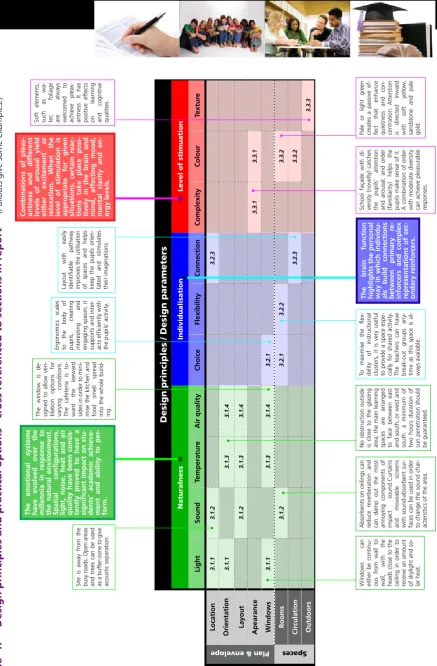
Table 1: Design principles and practical options - cross referenced to sections in report ... 3
Table 2: Suggested glazing choices ... 12
Table 3: Design for school pupils linked to design parameters ... 35
List of Figures
Figure 1: Building orientation of two primary schools in Manchester, UK; (Left) Green End Primary School; (Right) Rolls Crescent Primary School ... 5Figure 2: Classrooms toward the northeast: sunlight receiving in three seasonal days at Rolls Crescent (Confirma-tory Case) ... 6
Figure 3: Classrooms toward the southeast: sunlight receiving in three seasonal days at Green End (Confirmatory Case) ... 6
Figure 4: Large windows are responded as one of the staff’s favourite parts of the school. (St. Edward Primary School, Manchester, UK – Confirmatory Case) ... 6
Figure 5: Daylighting concept ... 7
Figure 6: (Left) The classroom and activity area with large glazing; (Right) The library, which utilizes clerestory win-dows for diffuse daylighting (Ben Franklin Elementary School, Kirkland Washington, US – Confirmatory Case) (Source: Mahlum Photography) ... 7
Figure 7: The amount of daylight is reduced greatly. ... 8
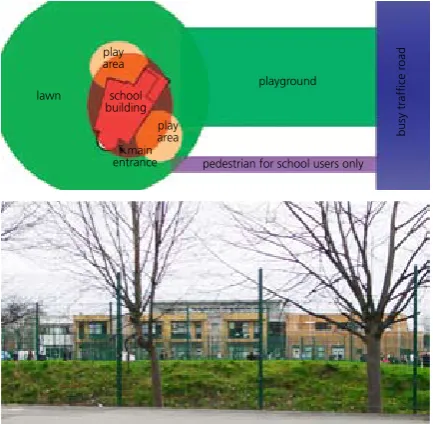
Figure 8: (Top) School and its surrounding; (Bottom) View from the busy road (Green End Primary School, Man-chester, UK - Confirmatory Case) ... 8
Figure 9: Use the toilet and corridor as buffers from the noise (Confirmatory Case) ... 9
Figure 10: In new or existing classrooms with floor areas of 100 m2 or less, covering 40% of the ceiling area with acoustic tiles is a low-cost and efficient option for noise reduction. ... 9
Figure 11: Multi-purpose hall (Reverberation Time is flexible from 0.8 to 1.2 seconds ... 9
Figure 12: Proper orientation of a building (north hemisphere) ... 10
Figure 13: Building plan (Davidson Elementary School, Charlotte, N. Carolina, US - Confirmatory Case) ... 10
Figure 14: South facade with translucent porch (Davidson Elementary School, Charlotte, N. Carolina, US - Con-firmatory Case) ... 11
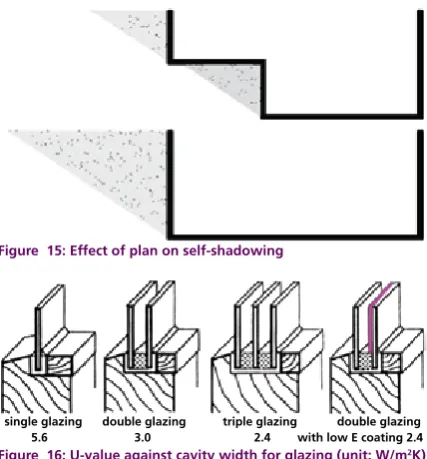
Figure 15: Effect of plan on self-shadowing ... 11
Figure 16: U-value against cavity width for glazing (unit: W/m2K) ... 11
Figure 17: Based on the local predominant wind direction, the school should be located away from the pollute air. ... 13
Figure 18: Ventilation options for varying conditions ... 13
Figure 19: Small windows at the top, allowing ventilation without draught (Rolls Crescent Primary School, Man-chester, UK - Confirmatory Case) ... 13
Figure 21: Interior view of the main playroom with clear-defined activity area (Corner one, Childcare facility in the University of California, Los Angeles, UK - Illustrative Case) (Source: http://www.spacesforchildren.com) ... 16 Figure 22: Interior view of the main playroom with the lower and higher floor planes giving spatial drama to the
activity area (Corner two, Childcare facility in the University of California, Los Angeles, UK - Illustrative Case) (Source: http://www.spacesforchildren.com) ... 16 Figure 23: Low-level child height window is balanced by its high level twins (Pen Green Early Excellence Centre,
Corby, Northamptonshire, UK - Confirmatory Case) ... 17 Figure 24: (Left) The building is a metaphor of growth. As children grow, the building grows in plan and section;
(Right) End façade with child height coloured optic windows (NDNA East Midlands Regional Centre (National Day Nurseries Association) Spitalgate School, Grantham, UK - Illustrative Case) ... 17 Figure 25: (Top) A typical classroom in Temple Primary School; (Left) A typical classroom in Green End Primary
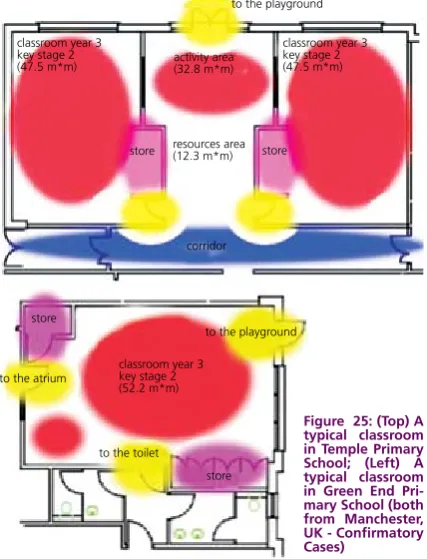
School (both from Manchester, UK - Confirmatory Cases) ... 18 Figure 26: Overcrowded classroom ... 18 Figure 27: Relationship between ‘Reception’ year class size and literacy progress (adjusted for school entry scores) ... 19 Figure 28: Large classroom with varied learning groups and spaces (Redbrook Hayes Community Primary School ,
Rugeley, Staffordshire, UK - Confirmatory Case) (Source: CABE/A&M Photography) ... 19 Figure 29: Different hub areas in the central space for small group work (Redbrook Hayes Community Primary
School , Rugeley, Staffordshire, UK - Confirmatory Case) (Source: CABE/A&M Photography) ... 20 Figure 30: Conceptual ‘L’ shaped classroom ... 20 Figure 31: (Top) Building Plan; (Bottom) View from the outside (The Prairie Hill Learning Centre, Roca, US - Illustra-tive Case) (Source: The Architectural Partnership Photography) ... 21 Figure 32: The school follows a curved plan with a central corridor, clear and simple (Kingsmead Primary School,
Norwich, UK - Illustrative Case) ... 22 Figure 33: Colourful circulation with children’s art displayed on the walls (Kingsmead Primary School, Norwich,
UK - Illustrative Case) ... 22 Figure 34: (Top) Part of the school plan; (Bottom) One of the break-out space at classroom clusters (West Haven
Elementary School, West Haven, Utah, US - Confirmatory Case ... 22 Figure 35: (Left) Visit from Hampshire Fire Brigade; (Right) organic vegetable garden (Farnborough Grange Nursery
and Infant Community School, Hants, UK– Confirmatory Case) ... 23 Figure 36: Pupils can reach these communities and facilities without passing streets (Rolls Crescent Primary School,
Manchester, UK - Confirmatory Case) ... 24 Figure 37: Orange improves the social behaviour; cheers the spirit and lessens hostility and irritation ... 26 Figure 38: (Left) Two-story wood building with simple roof forms but sufficient detailing of fence, shading devices
and long eaves to provide visual richness; (Right) Large canopies between the inside and outside increas-es the spatial experience and allow children to play safely on all sidincreas-es of the building. (Hosmarinpuisto School and Day Care Centre, Espoo, Finland – Illustrative Case) ... 27 Figure 39: Liveable space: central courtyard where people can watch spaces with full of vitality and abundant
information (Hosmarinpuisto School and Day Care Centre, Espoo, Finland – Illustrative Case) ... 27 Figure 40: (Left) Timber on all the elevations gives a rustic and compatible character to the building; (Right) Winter
Nor-Optimal Learning Spaces
Design Implications for Primary Schools
SCRI Research Report
2
wich, Cheshire, UK - Illustrative Case) (Source: White Design Associates) ... 27 Figure 41: Warm to hot paired colours create an exuberant exterior (Xinzhou Kindergarten, Suzhou, China - Illus-trative Case) ... 28 Figure 42: (Left) Main entrance; (Right) Nursery entrance (Jubilee School, Brixton, London, UK - Illustrative Case) ... 29 Figure 43: Rejected and accepted colours for children with different ages ... 29 Figure 44: Learning and playing, a space for nursery (Top) and elementary grades (Bottom) (Harlequin Kindergar-ten, East Kilbride, UK - Illustrative Case) ... 30 Figure 45: An example of the classroom for upper grade ... 30 Figure 46: Library with pale green carpet (Seoul Foreign Elementary School, Seoul, Korea - Illustrative Case) ... 31 Figure 47: The hallway with curved and blue wall gives a distinct feeling (Temple Primary School, Manchester, UK
- Confirmatory Case). ... 31 Figure 48: Headteacher office (Modular Building of School District 30, Northbrook, Illinois. Photo courtesy of the
Modular Building Institute. US – Illustrative Case) ... 31 Figure 49: Cafeteria (Ditson Elementary School, Billerica, Massachusetts, US - Illustrative Case) ... 32 Figure 50: (Left) The rain-fall steps where water flows are used to foster this curiosity and sensitivity in the young
1
Introduction
Following Manchester City Council’s (MCC) involvement in SCRI’s Senses, Brain and Spaces workshop in March 2007, it became evident that there is potential in inves-tigating the possibility of infusing the design, construc-tion and use of new / refurbished schools with insights from scientific knowledge of the sensory impacts of spaces, including to some degree how they are medi-ated by neurological processes. From this starting point, a research activity entitled ‘Optimal Learning Spaces’ (OLS) has been developed in conjunction with MCC. This project focuses on teaching and learning environments at the micro-level, rather than on educational policies, management or organizational structures. There are two elements to this project whose aim is to develop an evidence base for what constitutes an optimal learning space through:
n A thorough exploration and synthesis of the
international literature on design issues related to schools with particular regard to the sensory impacts of spatial variables on the learning process. Our progress so far on this will be available as a separate SCRI report.
n Direct liaison and discussion with the
poten-tial and actual users of the school, as appropriate, in order to increase our understanding of how to rea-lise the full potential of the spaces provided. This is largely informed by the conduct of post occupancy evaluation (POE) surveys of new and existing schools. The outputs of these POEs will be summarised as a separate SCRI report.
In the UK Government’s Building Bulletin 95, generic plan types are proposed for primary and secondary schools. They help to rationalise the various strategic approaches in a systematic way, which is easy to communicate at an early stage of the design. However, the emphasis is very much on sustainability, flexibility, adaptability, com-munity engagement and value for money. There is a focus on issues of space efficiency and future proofing designs. Building from this position, and informed by the above SCRI sources, this report seeks to complement this guidance by bringing out the design implications of an emphasis on the needs of children and educators, stressing how spaces can positively support core teach-ing and learnteach-ing activities.
The aim is to link scientific knowledge to case-study
ex-amples of real schools that have recently been built, in order to provide a better understanding of how to create outstanding, fit for purpose and friendly environments for pupils and teaching staff alike, while ensuring that they also enjoy comfortable communication and a pro-ductive school life.
The whole project is based on a fundamental belief that school planning and design can play an important role in enhancing teaching and learning outcomes by creating better built environments. The specific aims of this report are that all those involved with primary schools, from heads and designers to local-authority building officers, will be better informed in their decision making by:
n An analysis and synthesise into a relatively
sim-ple structure of current international research find-ings on learning and teaching, environments (sum-marised from the separate SCRI report);
n The identification and analysis of case examples
of innovative learning environments from all over the world;
n Guidance on how schools can make the best
use of the design options available; and
n Supporting what schools and local authorities
can do to ensure that the investment of capital fund-ing is used as effectively as possible.
Optimal Learning Spaces
Design Implications for Primary Schools
SCRI Research Report
2
2
Foundations of the Design Implications
Whilst there is no universal best school environment, general principles of how physical spaces can support teaching and learning unquestionably exist. The litera-ture review and post-occupancy evaluation conducted in the first phase of SCRI’s OLS research have provided the foundation of this document. By synthesising these stud-ies it has been possible to suggest new design paradigms for primary schools. As in any building design, there needs to be a balance between perceiving the whole and breaking the whole down into parts that are easily understood and negotiated. One has to look at design-ing from both the inside out and from the outside in, all for a variety of users. Pupils are at the centre of learn-ing, so their needs should be at the heart of a learning-centred design process.
2.1 Literature Review
When looking at the literature, a great number of in-novative educational initiatives can be found all around the world. We all know that bright, quiet, warm, safe, clean, comfortable and healthy environments are an im-portant component of successful teaching and learning. A growing body of research addresses the complexities lying behind this perspective. Some of it is good; some less so; much of it is inconclusive. The literature review aimed to examine the available evidence of how building design can help schools to create and improve learning environments that are appropriate for current and fu-ture educational needs. It explored the impact of learn-ing environments on pupils’ achievement, engagement, affective stage, attendance and well being. The findings provide a rich source of ideas on improving the quality of the learning environment, so ensuring that pupils and teachers enjoy comfortable communication and a more efficient learning space.
2.2 Post-occupancy Evaluation
Working with a major UK local authority (MCC) five post-occupancy evaluations of well-regarded primary schools were carried out between February and July 2008. The main purpose was to provide feedback on generic and specific success factors for the design, operation and use of buildings, together with areas of difficulty that require further investigation. Secondly, the study aimed to inves-tigate the potential of using post-occupancy evaluation as a useful toolkit for good practice guidance and as a routine quality assurance measure for the building in-dustry. In addition, as the occupants of all investigated schools took ownership of the design process up to a certain level, the study also attempted to compare the
impact of design on the performance of the school in terms of factors such as its flexibility, size, furniture settings, lighting, acoustics, air quality and satisfaction level.
2.3 Principles
The principles that underpin this report have developed from SCRI’s Senses, Brain and Spaces (SBS) research work. Certain of these principles suggest direct connections be-tween sensory stimulations, learning and physical space. The explanation for this would seem to rest on research evidence concerning human sense perception, impacts and the underlying cognitive calculations involved. It is suggested that three design principles emerge to sup-port application in practice: the role of naturalness, the opportunity for individualisation and appropriate levels of stimulation. These are justified a bit more at the start of each of the relevant sections in the next part of the report, however, it can be said:
è
Naturalness – humans have basic requirements derived from our basic needs for light, air and safety. These are hard-wired into our brains and create a strong response to natural elements in our environ-ment that we intuitively feel to be nurturing and sus-taining.è
Individualisation – however, each brain is uniquely organized. We all perceive the world in different ways and act accordingly. Thus, people do not necessarily respond to the same environmental stimulus in the same way. The best opportunity for success comes from some level of variety flexibility and choice.è
Appropriate level of stimulation – learning in-volves both focused attention and peripheral percep-tion. While space should not distract from the ability to focus, it can provide sensory stimulation that influ-ences the experience and thus learning. Space can also be the ‘silent curriculum’ that complements and increases engagement (Taylor 2005).Table 1: Design principles and practical options - cr
oss r
efer
enced to sections in r
eport
Design principles / Design parameters
Naturalness
Individualisation
Level of stimuation
Light Sound Temperatur e Air quality Choice Flexibility Connection Complexity Colour Textur e Practical options
Plan & envelope
Location 3.1.1 3.1.2 3.2.3 Orientation 3.1.1 3.1.3 3.1.4 Layout 3.1.2 3.1.3 3.1.4 Apearance 3.3.1 3.3.1 Windows 3.1.1 3.1.3 3.1.4 3.2.1 Spaces Rooms 3.1.2 3.2.1 3.2.2 3.3.2 Cir culation 3.2.3 3.3.2 Outdoors 3.3.3 Site is away fr om the busy roads. Open ar eas and tr ees can be used as a buf fer -zone to give acoustic separation. The emotional systems have evolved over the millennia in response to the natural envir onment. Spatial configurations, light, noise, heat and air quality have been consis -tently pr oved to have a significant impact on stu -dents’ academic achieve -ment and ability to per -form. The window is de -signed to allow ven -tilation options for varying conditions. The cafeteria is to -war d the leewar d sides in or der to mini -mise the kitchen and food smell spr ead into the whole build -ing. Ergonomics scales to the body of pupils, cr eating inter esting and engaging spaces. it supports and inter -acts efficiently with
the pupils’ activity
. Layout with easily identifiable pathway impr oves the utilisation of spaces and helps keep the pupils orien -tated and stimulates their imaginations. Combinations of pleas -antness and dif fer ent levels of ar ousal yield either excitement or relaxation. When the level of stimulation is appr opriate for given situations, certain reac -tions take place posi -tively in the brain and mind, af fecting mood, mental clarity and en -ergy levels. Soft elements, such as wa -ter , foliage ar e always welcomed to achieve pleas -antness. It has positive ef fects on lear ning and cognitive qualities. W indows can either be continu -ous fr om wall to wall, with the heads close to the ceiling in or der to receive an amount of skylight and so -lar heat. Absorbents on ceilings can reduce reverberation and can damp out the most annoying components of impact sound.Curtains and moveable scr eens with sound-absorbent sur -faces can be used in or der to change the sound char
-acteristics of the ar
ea. No obstruction outside is close to the glazing ar ea; the main lear ning spaces ar e arranged to face between east and south, or west and south. a minimum of two hours duration of sun penetration should be guaranteed. To maximise the flex -ibility of instructional clusters, it is very useful to pr ovide a space espe -cially for shar ed activity . The teachers can have br eak-out gr oups any -time as this space is al -ways available. The brain function highlights the personal way in which individu -als build connections between primary re -infor cers and complex repr esentations of sec -ondary r einfor cers. School façade with di -versity (novelty) catches the pupils’ attention and ar ousal; and or der (familiarity) helps the pupils make sense of it. A combination of or der with moderate diversity can achieve pleasurable responses. Pale or light gr een cr eates a passive ef -fect that enhance quietness and con -centration. Attention is dir ected inwar d with soft yellow , sandstone and pale gold.
Optimal Learning Spaces
Design Implications for Primary Schools
SCRI Research Report
2
3
Design Implications for Primary Schools
The following is a structured collection of aspects and principles derived from the literature review and from a wealth of school experience and reports. It invites an exploration of learning environments for their capacity to transform learning. Some of the ideas can apply to large-scale planning or single-classroom renovations. It primarily focuses on the places where teacher/pupil ex-change happens, typically the classroom. The cases given may not be the most prototypical examples; however, they illustrate aspects of what optimal learning spaces can look like in practice. For each of the following sec-tions, on naturalness, individualisation appropriate level of stimulation and their associated parameters, the argu-ment behind the principle will be briefly given and then the evidence of positive / negative learning effects will be summarised against the various design parameters. From this basis the practical options that can impact through each of the design parameters will then be discussed in some detail including the use of relevant case studies.
3.1 Naturalness
As our emotional systems have evolved over the millen-nia in response to the natural environment, it does not seem unreasonable to suggest that our comfort is likely to be rooted in key dimensions of “naturalness” that should, therefore, infuse the design process. The stress here is, of course, on the positive aspects of naturalness, such as plenty of natural light, desirable temperature and clean air, etc. At the other extreme it is known that supernormal stimuli, such as the noise from man made artefacts, for example cars and construction works, can produce super-strong emotions because the stimuli are much more intense (unnatural) than those in which our present emotional systems evolved and that the subse-quent responses are not necessarily adaptive (Rolls 2007, p450).
Fundamentally, the human beings comfort in terms of ‘naturalness’ is affected primarily via the followings (Houghton 2009):
è
Light: the sensation of daylight that supports visual comfort and facilitates visual performance.è
Sound: appropriate conditions for listening to wanted sound and not unwanted sound (noise);è
Temperature: maintaining the balance of heat gain and loss at a comfortable level;è
Air quality: removing humidity, artificial con-taminants, odours and bacteria etc.For schools, there is a growing body of work linking ed-ucational achievement and pupils’ performance to the quality of ‘naturalness’ that exists in schools. The He-schong Mahone Group (1999) studied the impact of day lighting on learning in schools. They looked at 21,000 elementary school pupils and classified 2,000 classrooms for their day-lighting levels. They found positive corre-lations between the variables; that students progressed 20% faster in math and 26% faster in reading in those with the most daylight compared to those with the least.
Schneider comments that in general the research on ef-fects of environmental noise is consistent and convinc-ing: good acoustics are fundamental to good academic performance (2002, p6). Evan and Lepore (1993) have isolated the negative effect of noise on children’s recall. They studied 1358 children aged 12-14 years in their own classrooms, using standard tests, but under differ-ent noise conditions. They then tested the pupils’ recall a week later and found that a statistically significant de-cline in performance could be associated with the noise conditions.
Researchers have been studying the temperature range associated with better learning for several decades. Harner (1974) found that the best temperature range for learning reading and math is 20.0 to 23.3oC. As
tem-perature and humidity increase, students report greater discomfort, and their achievement and task-performance deteriorate as attention spans decrease (King and Ma-rans 1979).
Most researches linking air quality to student perfor-mance depend on an association with increased student absenteeism. For example, Smedje and Norback (2001) found a positive relationship between airborne bacteria and mould and asthma in children, which in turn in-creased the absentee rate (also Rosen and Richardson, 1999).
The above studies are examples of solid evidence of the impact of aspects of naturalness on student
formance. The challenge is how to apply these findings holistically to achieve optimal design solutions. The fol-lowing sections, therefore, focus on ‘how’ these benefits can be achieved through practical design options with case study examples.
3.1.1 Light
Good natural light helps to create a sense of physical and mental comfort, and its benefits seem to be more far-reaching than merely being an aid to sight. This owns in part to the soft and diffused quality of natural light, its subtle changing value and colour which electric lighting does not have. Low ceilings and deep classrooms can cause pupils to experience a gloomy feeling due to the disparity in light levels between the back of the room and the peripheral area near the window. Therefore, natural daylighting should always be the main source of lighting in schools, supplemented by electric light when daylight fades.
Overall, the essential requirements for the effective day-lighting in schools can be summarized as follows:
n An adequate amount of light: The building is
elongated along an East-West axis. Spaces, such as the library and art rooms, where only diffuse daylight is desirable, are located towards the North while the main learning and teaching activity areas can be to the South.
n A satisfactory distribution of the main
com-ponents of light: Large windows and/or windows placed high in the wall such as clerestory windows optimise daylight distribution and bring light deeper into the space.
n The absence of glare: bringing daylight from
two different directions reduces the chances of dis-comfort glare. Necessary shading control is needed and that can be easily adjusted by occupants.
Three practical options are addressed here.
è
Orientation: this is mainly in regard to the sun-path. The learning spaces are so sited that a minimum of 2 hours duration of penetration is obtained.è
Windows: large windows with heads close to the ceiling are always desirable.è
Location: no obstruction is around because it may cast too much shadow in the daytime.Orientation
For a school building, good lighting design, both natural and artificial is not only good from a quantitative point of view for the performance of certain visual tasks, but also from a qualitative point of view in that it provides a desirable and pleasant luminous environment.
The sky is the main contributor to the amount of natural light received within a space, thus the building’s orienta-tion is the most fundamental design choice for the con-trol of daylight. The East and West sides receive sunlight for half of the day when the sun is in a low position. The rooms of the South façade can receive lighting by way of a combination of direct and diffuse light. The resulting soft shadows and shading allow for a vivid view of the three-dimensional qualities of the environment.
The North façade, although having relatively low illu-minance, has the most constant and uniform daylight throughout the day and year, and therefore seldom ex-periences problems with glare discomfort for occupants (Burberry 1997).
Results from our post-occupancy evaluation surveys show consistent and convincing evidence that the oc-cupants (staff and pupils) want as much natural light as possible and sunlight for as long as possible, even though this may cause problems such as overheating, glare and/or learning distraction. However, their experi-ence is quite different from each other in terms of the sunlight received.
For example, Green End and Rolls Crescent are two pri-mary schools, which have similar plans with the long axis towards the North and South. But their axes are twisted a little toward different orientations and Green End has a noticeable central atrium (Figure 11).
These two design strategies lead to a great difference when it comes to how much sunlight they can receive. In Rolls Crescent, half the classrooms, such as those to-ward the Northeast, can receive less than 3 hours direct sunlight per day in summer. And in winter, the time is
Optimal Learning Spaces
Design Implications for Primary Schools
SCRI Research Report
2
duced to less than 2 hours. However, in Green End, even in winter they can receive more than 5 hours sunlight penetration. And also because of the atrium design, the classrooms at the other can enjoy the sunlight at the same time (Figure 2,3).
Windows
Once the building is erected, the amount of light that enters a space and the distribution within the space is mainly determined by overall glazing design factors, such as the numbers of windows, the size of glazed ar-eas, their disposition and shape. With more windows in a room, the daylight will be more uniformly distributed in the space compared with a room that has just one single window. A glazing ratio (glazing area/wall area) of 40% is recommended for south, east and west facing windows, 55% is for north facing ones. Small windows at the top can allow air circulation, but not draughts (Burberry 1997).
The height of the window dictates to a great extent the effective depth of illumination with daylight. High
win-dows tend to admit more useful daylight than low ones of the same size, as they offer the chance for the back of the room to be exposed to more sky. Effective illumi-nation can be obtained into a room for a distance of as
01/03 09:00 lighted
01/03 11:00 shadowed
01/03 09:00 lighted
01/03 14:00 lighted
01/06 09:00 lighted
01/06 14:00 lighted
01/12 09:00 lighted
01/12 14:00 lighted 01/06 09:00
lighted
01/06 12:00 shadowed
01/12 09:30 lighted
01/12 11:00 shadowed
[image:15.595.67.504.344.483.2]Figure 2: Classrooms toward the northeast: sunlight receiving in three seasonal days at Rolls Crescent (Confirmatory Case)
Figure 3: Classrooms toward the southeast: sunlight receiving in three seasonal days at Green End (Confirmatory Case)
about equal to the distance from the mounting height of the clerestory above the work-plane level. For wider clerestories the depth could be one and half the mount-ing height. To obtain adequate and more uniform day-light distribution the height of the clerestory window should be about one half the sidewall window heights (Boubekri 2007) (Figure 5).
Ben Franklin Elementary School serves 450 pupils in kin-dergarten through grade six. Light is one of the great qualities, and it is used within the building as an important modulating device, integral to the perception of space. Extensive glazing connects the occupants with the out-doors. The spaces are oriented along an East-West axis, with glazing facing North and South to control and max-imize the natural daylight within the building. Daylight modelling confirmed the appropriate configuration of windows and extent of shading devices to control glare and maintain diffuse, balanced daylight in all learning areas while providing carefully planned view windows. It floods through side windows, rooflights, direct and diffused, playfully reflecting off the coloured walls. The interior responds differently to bright sunny days and to overcast conditions (Figure 6).
much as 2.5 times the height of the window above the workplane. For example, for a classroom where the top of the window is 2 metres above desk height, the area that could be adequately daylit is up to 5 metres deep in from the window wall (Tregenza 1998).
[image:16.595.196.536.83.144.2]Clerestory windows admit light deep towards the back of the room and hence create a more uniform daylight distribution throughout, especially if there is another side window. The relationship between illumination from the side and clerestory windows depends on their size, height and position. With a typical narrow window arrangement for clerestories, the recommended depth from the plane of the clerestory to the opposite wall is
Figure 5: Daylighting concept
Section through classroom wing
skylight
sunlight
Figure 6: (Left) The classroom and activity area with large glazing; (Right) The library utilizes clerestory windows for diffuse daylighting (Ben Franklin Elementary School, Kirkland Washington, US – Confirmatory Case) (Source: Mahlum Photography)
[image:16.595.90.535.500.744.2]Optimal Learning Spaces
Design Implications for Primary Schools
SCRI Research Report
2
n Even distribution to all listeners in the room n A suitable rate of sound delay for the type of
room
Three practical options are addressed here.
è
Location: school site is away from the busy road. At the same time, it also needs to keep a rea-sonable distance from the neighbourhood.è
Layout: the sensitive space can be carefully sep-arated from the intruding noise. The toilets, store-rooms and corridor can act as a buffer zone.è
Rooms: sound-absorbent surface can be used in order to change the sound characteristic of the space.Location
Road, rail and air transport and industry are some of the main producers of noise, especially motor traffic. When the noise generated is an avoidable by-product, careful design and planning can eliminate, or at least reduce, the impact of noise on the built environment. Generally, the fundamental defence against the intrusion of noise lies in placing as much distance as possible between noise sources and the space where quiet is needed (Os-bourn 1997, p49).
For example, there is a quite busy road in front of the Location
The sky component and window glazing are generally the most significant issues that affect the luminous en-vironment. But this is not always the case. When the window glazing is facing towards a building, the reflect-ed daylight gainreflect-ed may still play a profound role and in some cases, can contribute up to nearly half the total internal illumination (Reid 1984, p144). Even so, except in high density urban areas, school locations without surrounding, obstructions, such as buildings and large trees, are recommended to avoid too much shadow in the daytime (Figure 7).
3.1.2 Sound
The subject of room acoustics is concerned with the con-trol of sound within an enclosed space. The general aim is to provide good quality conditions for the production and the reception of desirable sounds. The quality of au-ditory perception and the control of noise are two prin-cipal aspects that determine the acoustic environment of a building. Comfortable and clear auditory percep-tion, along with freedom from noise not only improves communication but also promotes working and learn-ing efficiency. The converse is also true. For example, the improvements in achievement owing to good daylight found by the Heschong Mahone Group (see above) were cancelled out in a subsequent replication study (He-schong 2003) because of higher ambient noise levels.
The detailed acoustic requirements for a particular room depends upon the nature and the purpose of the space. However, the essential requirements for good acoustics in learning spaces can be summarized as follows:
[image:17.595.290.507.523.735.2]n An acceptable noise level n Adequate levels of sound
Figure 7: The amount of daylight is reduced greatly.
restriction of daylight
playground lawn
play area
play area school building
pedestrian for school users only
-main entrance
busy traffice r
oad
Green End Primary School (Figure 8), Manchester, UK. Therefore, the building stands back around 30 metres away from the main road. A soft playground between them forms a barrier for considerably diminishing the intrusion of the noise. At the same time, the school site keeps a reasonable distance from the neighbourhood with grass and planting used as much as possible in or-der to minimize the negative impact of noise pollutants from all kinds of activities on the neighbouring proper-ties.
Layout
The layout of rooms is an important aspect of the reduc-tion of noise. Particularly sensitive spaces or rooms can be carefully located and separated from intruding noise both from the outdoors and from within the building. The more prominent sources of unwanted (for others) noise, such as music rooms, playrooms and/or mechani-cal service rooms within the building, should be identi-fied. Then these can be located far away from the main spaces when the building is designed, special measures can be taken in order to enclose the noise produced, such as buffer zones, heavyweight walls and/or floating floors. For example, the toilet and corridor act as a buffer zone to give acoustic separation in Green End between classrooms (Figure 9). From the feedback of this school, the staff and pupils are very satisfied in terms of noise control.
Rooms
Absorbent materials are widely used on classroom ceil-ings which reduce reverberation and can damp out, to some extent, the most annoying components of impact sound (Figure 10). Normally, in a classroom of medium size and normal width and length, comfortable and
clear auditory perception can be achieved without dif-ficulty and without any special treatment of room sur-faces because the sound can build up to a constant level throughout most of the room space except near the sound source.
However, when it comes to large rooms with multiple purposes, the situation becomes more complicated. For speech, the overall requirement for good reception is that it is intelligible, such as in meetings, drama sessions and lectures. This quality will depend upon the power and the clarity of the sounds in the range for human speech. However, the acoustic requirement for music performances is higher than for speech because music consists of a wider range of sound levels and frequencies which all need to be heard, full-toned, live and blended. The reverberation time (RT) is normally used to give a recommended and suggested criteria value in a space. Normal speech requires a much shorter reverberation time than that ideal for live music2 (Egan 1988).
Figure 9: Use the toilet and corridor as buffers from the noise (Confirmatory Case)
Figure 10: In new or existing classrooms with floor areas of 100 m2 or less, covering 40% of the ceiling area with acoustic tiles is a low-cost and efficient option for noise reduction.
Figure 11: Multi-purpose hall (Reverberation Time is flexible from 0.8 to 1.2 seconds
2. Sounds bounce off hard surfaces, such as painted walls and vinyl floors, so that listeners hear several indistinct, overlapping versions, which smear the original sound. The sound continues for a time, reflecting around after it has stopped at its source. This is called ‘reverberation’. The length of time the echoes take to die away is called the ‘reverberation time’.
40% of ceiling area with acoustic ties
(NRC<=0.7; Noise Re-duction Coefficient: Rating of the sound ab-sorption of a material)
plain tiles of plater-board
corridor acts as a buffer-zone to give acoustic separation
toilets act as a buffer zone
Optimal Learning Spaces
Design Implications for Primary Schools
SCRI Research Report
2
Consequently, multiple sound requirements have to be addressed in a multi-purpose hall (assembly hall). Surfac-es for sound absorption and reflection may be needed and adjusted to fit specific purposes. Normally, the effect of adding sound-absorbing treatment to a room is very significant. Porous material is a good acoustic absorber, for example, heavy curtains, soft chairs. Here is an ex-ample of a multi-purpose hall (Figure 11). The room is used, without changes as a sports hall, assembly hall, theatre and concert hall. Thanks to early planning and measurements taken in the shell, an aesthetically attrac-tive solution with good linearization of the reverberation was achieved by optimising the ceiling (slightly convex, vaulted gable areas) and installing acoustic panels, cur-tains and screens on the walls and door.
3.1.3 Temperature
Basically, thermal comfort in a building is achieved by maintaining temperature, humidity, air movement and human activity conditions within a certain range. Space heating and/or cooling loads, which are required to maintain this comfort, to some extent, depend on the building’s quality itself to modify the external conditions and how far the outdoor conditions are from the accept-able range. (Szokolay 2003, p63)
There are three building design options practically which have the greatest influence on thermal performance:
è
Orientation: solar heat is the main source to warm the surface of the whole Earth and every single building anywhere in the world. The Earth’s move-ment in relation to the Sun can be calculated with great accuracy, and so the orientation of the buildingwill have a predictable impact on the indoor environ-ment.
è
Building layout: links to the building shape, which heavily affects the heat gains and losses, as the exchange between the outside and the envelope is directly proportional to the surface area.è
Windows: the larger the windows the more the solar gain and the greater the heat loss.Orientation
Fundamentally the room orientation determines what time and how long the amount of solar heat is received (Figure 12). This is to be expected as the rooms towards the South receive the most solar radiation of all the dif-ferent room orientations. The rooms can heat up quickly, especially when the sunlight penetrates directly into the room. The rooms towards the West experience stronger and more intense sunlight and sun heat than those to-wards the East. The North rooms, on the other hand, do not receive direct solar radiation for most of the time. (In the UK, due to its high latitude position, around 23rd of June, the North rooms in some areas may experience the direct sunlight in the late afternoon.)
In order to take advantage of the solar heat as much as possible, in most instances the North and South walls should be longer than the east and west ones. A rule of thumb is that a ratio of around 1.3 to 2.0 will opti-mize wanted or unwanted heat gain or heat dissipation in terms of solar incidence (Littler and Thomas 1984; Szokolay 2003 p64).
Figure 12: Proper orientation of a building (north hemisphere) Figure 13: Building plan (Davidson Elementary School, Charlotte, N. Carolina, US - Confirmatory Case)
little sunshine
North
East
morning sun pleasant temperature during summer
South
elevation of the house with most advantages
West
elevation exposed to weather conditions. high temperature during summer afternoons cold winds duing winter
Proper Orientation
toilet kitchen main entrance storage
garage central heating
living room dinning room children B/R staircase
corridors
storage NORTH classroom
classroom
classroom
classroom
circulation
administration
music dance
gymnasium media centre
cafeteria
circulation
Davidson Elementary School is in North Carolina, US. The design takes advantage of Southern sun exposures to enhance indoor and outdoor learning activities. In this case, all classrooms are set out with large windows ori-entated to the South (Figure 13). Each classroom also has an outdoor learning area for creating art and science projects as well as supporting classroom activities. The day lighting concept developed for the project includes providing a light shelf. The purpose of the light shelf is to reflect sky light throughout the classroom area as shown in Figure 14. The translucent porch canopy also allows natural light to enter the classroom while providing nec-essary.
Layout
[image:20.595.90.304.332.444.2]The layout normally is strongly linked to the building shape: its room arrangement, size, height and pattern. And the shape further determines the building’s surface to volume rate, which is defined as the ratio of the area of external walls with respect to the volume of the build-ing. Heat exchange between the outside and the enve-lope is directly proportional to the surface area. There-fore, any changes to the layout that increase the surface area exposed to the air outside will result in an increased heat exchange rate (Ogoli 2003).
Figure 15 shows that the more complex the form, the greater surface area to volume it will have. This may re-sult in more heat loss with more exposed surface, but less heat gain due to self-shadowing. Thus, it is advisable to present the lowest possible surface area for a given volume because it can offer advantages for the control of both heat losses and heat gains through the building skin without conflict between design priorities for winter and summer conditions (Lewis 1992, p97). This suggests a compact and simple plan is better in this context than a spread-out and complicated arrangement. Other strat-egies may accompany this such as additional insulation and attached buffer spaces to offset the heat loss due to
Figure 14: South facade with translucent porch (Davidson Ele-mentary School, Charlotte, N. Carolina, US - Confirmatory Case)
increased surface area.
Windows
The arrangement of the windows and other openings in the walls provides the main architectural character of a building. It is a critical control element in regulat-ing the whole environment of a room by providregulat-ing an opening for the flows – inward and outward – of heat, light, sound, air and view. A window performs an im-portant role in the thermal environment of the building. The larger the window the more the solar gain and the greater the heat loss (Ward 2004, p16).
Figure 16 shows some typical glazing options’ U-values (Nicholls 2002, p55)3 . Normally glazing has a very high
[image:20.595.320.534.503.733.2]U-value, except in those cases where a special insula-tion treatment (low E coating) has been applied, which means windows can be a weak thermal link due to their high heat transference, in and out. In Summer, this can be problematic not just from the overheating resulting from heat gain, but also owing to the rise in radiant tem-perature from the glass surface. In Winter, the heat loss from windows becomes a problem and in addition, the cool surface temperatures can also lead to great discom-fort (McEvoy, M. 1994, p40]. To effectively address the
Figure 15: Effect of plan on self-shadowing
Figure 16: U-value against cavity width for glazing (unit: W/m2K)
single glazing double glazing triple glazing double glazing 5.6 3.0 2.4 with low E coating 2.4
Optimal Learning Spaces
Design Implications for Primary Schools
SCRI Research Report
2
heat balance (loss and gain), it is important to minimize the size and maximize the transmission of sunlight of apertures. Of course this can conflict with a desire to maximise daylight. Thus, Table 2 suggests criteria and appropriate glazing choices for each particular applica-tion in schools (Innovative Design 2004, p10).
Application Exposure Type
Glass for daylighting Any orientation Clear double
View glass
(non-daylighting aper-tures)
South Clear double, low-e
North Clear double; low-e
East/West,
unshaded Tinted double, low-e
East/West,
shaded Clear double, low-e
High windows above
view glass South Clear double, glass or acrylic
Clerestory windows North Clear double, glass or
acrylic
Roof monitor South Clear double, glass or
acrylic
Table 2: Suggested glazing choices
3.1.4 Air quality
Air quality has become increasingly important nowadays due to several factors: constant internal conditions, lim-ited fresh air, absence of daylight and universal use of carpets. They provide an ideal environment for house mites to damage the air quality of a room (Burberry 1997, p48). This contaminant has been identified as a cause of discomfort and health problems.
CO2 is not considered a contaminant or pollutant at the levels normally measured in buildings, however, it is widely recognized as an indicator of ventilation rates inside buildings in that certain levels of CO2 indoors correspond to various ventilation rates. A comprehen-sive study was performed by Coley and Greeves (2004), which investigated the effect of low ventilation rates on the cognitive functions of a primary school class. The study used a battery of standardised, computerised tests and demonstrated that the attentional processes of school children are significantly slower when the level of CO2 in classrooms is high. Increased levels of CO2 led to a decrement in ‘Power of Attention’ of approximately 5%. The report quantifies this effect as of a similar magnitude to that observed over the course of a morning when stu-dents skip breakfast.
Shendell et al. (2004) examined the association of stu-dent absence with carbon dioxide concentration. The report found that 45% of classrooms had short-term in-door CO2 concentrations above the local ASHRAE 1000 ppm recommended limit and stated that a 1000 ppm in-crease in the difference between indoor and outdoor CO2 concentration was associated with a 10–20% increase in student absence and that the association was statistically significant. The report concluded that, if future studies concur, improving classroom ventilation should be con-sidered a practical means of reducing student absence. Although a statistically significant association between CO2 levels and absence was found, it is worth noting that this may be an indicator rather than a cause, as low ventilation rates will increase communicable respiratory illnesses (Fisk 2000).
Clearly, indoor air quality and adequate building venti-lation are closely linked and inadequate is a common problem in schools. Children are particularly vulnerable to all types of pollutants because their breathing and metabolic rates are high. In a school they also have much less floor space, by a factor of 10, allocated per person, than adults working in a typical office (Crawford 1998).
Two practical options are addressed here:
è
Orientation: this is mainly in regard to the pre-vailing wind. It can be either desirable or unwanted. With careful design, as much wind as possible can either be received or diverted.è
Window: as mentioned before, it is a breach in the enclosing skin of the building, providing an opening for the flows – inward and outward – of heat, light sound, view and air (ventilation).Orientation
In order to protect occupants from adverse polluted air exposure, both from outside and inside the building, much work and research has been done on the built environment relating to air quality control. Initially, the exterior is usually checked in order to evaluate the gen-eral situation. If the school is unavoidably near some pol-luted source, such as the carbon monoxide gas from a motor vehicle exhaust or sulphur dioxide released from factories, it is important for a school to be located as far as possible from the source and also on the wind-ward side in terms of the local prevailing wind direction (Meyer 1983).
be located and separated from the main learning areas. This is particularly true when it comes to the cafeteria and the kitchen within the building. As well as being placed on the leeward side of the rest of the school (Fig-ure 17), special meas(Fig-ures can be taken in order to fil-ter and extract the smelly air the spaces produce, using for example mechanical ventilation systems. Only in this way with careful design and planning can eliminate, or at least reduce, the impact of polluted air on the school environment.
Figure 17: Based on the local predominant wind direction, the school should be located away from the pollute air.
Windows
Wind pressures are positive (push) on the windward side of the building and negative (suck) on the leeward side. This encourages good cross-ventilation in rooms with windows and/or doors on opposite sides. This also has to be carefully controlled to prevent too much air movement in windy conditions. For much of the time, windows are used to provide passive ventilation. There-fore windows have to be carefully designed to allow for different weather conditions. Ideally, windows in class-rooms should have ventilation options that include all of the following (Figure 18, 19):
n small, high-level windows, which allow small
amounts of ventilation in high wind;
small high-level opening windows allow ventilation even in windy conditions
trickle ventilation allow some ventilation all of the time
large opening windows are needed in summer on
still days
small low-level windows encourage air flow when conditions allow
[image:22.595.316.535.307.523.2]lower height to accommo-date children
Figure 18: Ventilation options for varying conditions
Figure 19: Small windows at the top, allowing ventilation with-out draught (Rolls Crescent Primary School, Manchester, UK - Con-firmatory Case)
windward
leeward greenbelt
prevailing wind
school building
kitchen &
cafeteria source of
the pollute air
n trickle ventilators for cold weather, high winds
and when other windows are closed for security;
n large, main central windows for still, hot,
sum-mer weather;
n small windows at bench height for all-round
Optimal Learning Spaces
Design Implications for Primary Schools
SCRI Research Report
2
3.2 Individualisation
As an individual matures their brain builds a very per-sonal set of connections between primary reinforcers (basic needs) and complex representations of secondary reinforcers (features in the world). Taken together with the situated nature of memory, these personal value pro-files lead to highly individual responses to space. This provides a sound basis to raise the potential importance of ’individualisation’ as an additional, key, underlying design principle. This appears to play out in two ways: particularisation and personalisation. Particularisation concerns accommodating the functional needs of very specific types of users, for example learning and way-finding in the context of age and physical requirements. Personalisation concerns an individual’s preferences ow-ing to their personal life experiences of spaces. These of course will vary greatly from person to person, but the desire is evident in the way people seek to individualise spaces.
Of course particularisation and personalisation are not discrete aspects. For example, personalisation using pos-sessions and precious things helps us reinforce our own sense of indentify as part of a developmental learning process. These same artefacts are also an important way for people suffering with Alzheimer’s disease (a particu-lar user group), to shore up personal memories that are becoming fragile and to cope with their environment (Zeisel 2006, p357).
The challenge facing schools is to balance the need for individualisation, with creating inspiring buildings with functional spaces that are appropriate for new educa-tional developments and new technologies, but adapt-able enough to cater for the pupils’ changing needs in the future. It is not possible to create a plan that will work forever; however, three key issues would seem to link school design with considerations of individu-alisation, and these provide a framework within which change can take place:
è
Choice: is concerned with the ‘fit’ between individual personality and the physical environment, which consists of the mental process of judging the size, shape, height of alternative spaces and how ap-propriate they are for the task.è
Flexibility: refers to designs that can adapt when changes occur, sustaining or increasing the possibilities for personalising space and delivering value in a timely and cost-effective manner.è
Connection: joining and being joined, it mainly refers to the relationship between spaces within the building, but also between the school and the neigh-bourhood within the community. In either case is-sues arise of distinctive personality, easily identifiable destinations and the opportunity for inclusion.Designing places with respect for scale and develop-mental need means all learning environments should be: learner-centred, developmentally- and age-appropriate, comfortable, accessible and equitable. There is evidence that ‘varied’ classrooms are related to higher levels of voluntary participation and that overall aesthetic quality in education facilities is related to students’ task persis-tence (McMillan 1997). Interestingly, Zeisel et al. (2003) have studied the impacts of holistically designed care environments on the well-being of Alzheimer’s patients and found that providing them with both privacy and the opportunity to be surrounded by familiar furniture, décor and treasured objects aids them in maintaining a sense of self and improves their recollection and memory. Although this finding was not conducted with children it raises the issue that small, intimate and personalised spaces seem to be better for absorbing, memorizing and recalling information.
In order to easily accommodate diverse instructional modes, there is no doubt that maximizing flexibility is essential for contemporary and future-oriented schools. For example, designing for a variety of learning groups and spaces can be directly linked to improvements in achievement. Research (Achilles 1992, Finn & Achil-les1990) shows that children in smaller classes were found to outperform children from regular class sizes in all subjects, especially in reading and mathematics test scores with average improvements of up to 15%. Fol-lowed-up tests that used the same schools have shown that students previously in small groups demonstrated statistically significant advantages two years later over students previously in large groups. Performance gains ranged from 11-34%.