ISSN: 1992-8645 www.jatit.org E-ISSN: 1817-3195
461
PEDAGOGICAL ANALYSIS OF COMIC AUTHORING
SYSTEMS FOR EDUCATIONAL DIGITAL STORYTELLING
1
FARAH NADIA AZMAN, 2SYAMSUL BAHRIN ZAIBON, 3NORSHUHADA SHIRATUDDIN
1
Department of Interactive Media, Faculty of Information Technology and Communication, University
Teknikal Malaysia Melaka, Malaysia
2 3
Department of Media Technology, School of Multimedia Technology and Communication, University
Utara Malaysia, Kedah, Malaysia
E-mail: [email protected] , [email protected], [email protected]
ABSTRACT
Web 2.0 technologies and innovation of social and interactive authoring tools have garnered rapid transformation towards the practice of blended-learning approach. With learner-generated content projects, broad set of knowledge, media literacies, and soft skills are cultivated when learners actively produce their own educational materials; moving beyond traditional content consumers. Although there is an encouraging amount of study that focuses on learner-generated comics, pedagogical evaluation of comic authoring environments is still in its infancy. Therefore, this paper aims to outline the pedagogical aspects of several digital comic authoring systems based on Digital Storytelling pedagogical evaluation star. Six digital comic authoring tools are analyzed which are Bitstrips, Comic Life, Pixton, MakeBeliefsComix, Cartoon Maker, and Graphix Comic Builder. By classifying comic authoring tool’s pedagogical aspects using the provided criteria, this paper’s findings serve as a basis for educators to contemplate practical interactive digital storytelling application in facilitating learner-generated comic activity.
Keywords: Comics, Digital Storytelling, Visual Media, Educational Authoring Tool, Pedagogical
Evaluation
1. INTRODUCTION
In the 21st century, the rise to Digital Storytelling (referred to subsequently as ‘DST’) is cultivated by the use of electronic media tools combined with conventional means of storytelling [1]. It has been scholarly proven that DST is a powerful tool to integrate instructional messages with learning activities to create more engaging and exciting learning environments [2]. Learners were very positive towards DST which helped them to develop 21st century skills comprise of ICT literacy, critical thinking, and problem solving, communicative, and collaborative skills [3]. Hence, the paradigm transformation from instructor-centered to learner-instructor-centered approach is one of the most noteworthy shifts in the education field during the age of information [4]. Grounded on a student-centered learning approach, careful pedagogical design around story planning, digital story production and reflection are crucial in order to achieve positive learning experience with DST [5]. However, compared to multimedia videos, research
on the multimodal composition of DST have less attention paid to other modes such as games, slides, websites, blogs, claymation, podcasts, including digital comics [6]. Deconstructing comics involve careful analysis and evaluation design elements that influence the story because the visual and textual elements are blended together [7]. Hence, interaction in DST systems is important for student participation and learning the subject-matter by doing [8]. Driven by these opportunities, this study continues the ongoing research on the utilizing comics as a DST tool in an educational setting.
ISSN: 1992-8645 www.jatit.org E-ISSN: 1817-3195
2. RELATED WORKS
Authoring tools are classified as single purpose authoring tools, activity tools, course development and presentation tools, general presentation tools, test and evaluation tools [9]. Thus, comic authoring systems are specialized DST applications which produce digital stories in the form of comics. These comic authoring systems are also categorized into three types; which are original artwork based, photo based, and premade item based [10].
The emergent genres of DST have addressed several classifications of digital stories such as traditional personal digital stories, learning stories, social justice and community development stories, and reflective practice stories [11]. As comic authoring tools also support the creation of comic-style digital stories with an educational purpose [12], there is an encouraging amount of study that focus on crafting personalized learner-generated comics using Bitstrips [13], ComicLife [14], Pixton [15], and several others. This represents the growing body of research in the area where many of the prior works have focused on the cognitive and affective impact of the learner-generated comics projects towards students’ learning.
However, there are relatively few efforts concerned with the pedagogical features addressed by comic authoring systems and how they would contribute to the learning process. This is caused by limitation of specific assessment frameworks of DST environments [16]. For example, [17] have proposed parameters for evaluating general educational content authoring tools instead of DST authoring systems. In addition, previous existing models for evaluating DST authoring tools focused frequently more on the technical capabilities [18] rather than the pedagogical aspects.
Therefore, consolidating the proposed technical elements by prior researchers, “DST Pedagogical Evaluation Star” model by [19] incorporates pedagogical dimensions based on modern social and constructivist views of learning.
Principally, the model defines sixteen
dimensions for evaluating of the pedagogical soundness of educational DST environments; namely collaborative learning, creativity and innovation, multiple representations, motivation, cultural sensitivity, gender equality, cognitive effort, feedback, learner control, flexibility, learner activity, valuation of previous knowledge, sharply-focused goal orientation, experiential value,
knowledge organization, and metacognition (see Figure 1).
Figure 1. DST Pedagogical Evaluation Star [19]
In the context of DST application, description of each dimension of evaluation model is summarized as follows:
Collaborative Learning - the extent of
collaborative creation of digital story encouraged by the educational DST environments.
Creativity and Innovation - the ability to create
digital stories from scratch.
Multiple Representations – the capability to
incorporate text, pictures, video, voice, graphs, diagrams into the digital story.
Motivation – how far the intrinsic and extrinsic
motivation are provided by the educational DST environments.
Cultural Sensitivity - the level of learners' cultural
diversity adapted into the system.
Gender Equality – educational DST environments
offer equal treatment to both genders.
Cognitive Effort – the amount of mental work
attempted by learners while using the application’s features.
Feedback - negative and positive feedback for
learners' improvement and motivation.
Learner Control - the story flow and outcome
could be influenced by users.
Flexibility - how far the application is able to adapt
ISSN: 1992-8645 www.jatit.org E-ISSN: 1817-3195
Learner Activity – the dominance of learners’
active roles compared to instructor in affecting learning experience.
Value of Previous Knowledge – cumulative of
previous material aid learners’ understanding.
Sharply-Focused Goal Orientation – definition of
learning goals is present.
Experiential Value - reflection on direct
experiences the alter results of learning.
Knowledge Organization – students’ conceptual
development is promoted in the educational DST environment.
Metacognition – the extent of learners’
metacognitive skills enhanced by the system.
Based on the discussed dimensions, it could be perceived that the DST Pedagogical Evaluation Star model is useful to aid educators in examining suitable DST software that correspond to the pedagogical goals they want to achieve [19]. In this
study, pedagogical analysis refers to the
pedagogical usability of the software. According to [20], pedagogical usability reflects how the functions of the system facilitate the learning of the material it is delivering. In other words, the analysis will determine what kind of learning material the application enables the users to produce and what educational outcome is attained.
Therefore, this work aims to evaluate digital
comic authoring systems based on DST
Pedagogical Evaluation Star model. The results from the analysis will indicate the potential of each digital comic authoring system in adoption of DST classroom practice.
3. METHODOLOGY
Six comic authoring systems are selected for the evaluation based on how frequent they are reviewed or mentioned in blogs and academic articles as observed by the researcher. Excluding the last two applications in terms of occurrence, the chosen
tools are Bitstrips, Comic Life, Pixton,
MakeBeliefComix, Cartoon Maker, and Graphix Comic Builder. The action analysis [21] procedure is adopted to strategically carry out the software evaluation based on the sixteen dimensions stated in DST Pedagogical Evaluation Star. The pedagogical requirements are identified, mapped to the various software features and the extent to which alternative tools support them are assessed.
Guided by feature analysis method [22], the tasks performed during the sequence of actions involve
main digital comic creation operations such as inserting characters, speech or images and additional functionality such as social sharing and internal communication tools. Degree value of each dimension is allocated through “back of the
envelope” approach [21] where interface
learnability and problems are observed. The degree is represented in a 4-grade scale [low, medium, high, very high] is used to present the value of every sixteen dimensions of the evaluation model.
4. EVALUATION OF COMIC AUTHORING
SYSTEMS
Using the above-mentioned method, evaluation of the said comic authoring environments is discussed in the following sub-section.
Bitstrips
Figure 2. Bitstrips for Schools
Bitstrips (bitstripsforschools.com) is a web-based comic-generating platform to help learners express their creativity and knowledge on any subject. A high value for Collaborative Learning is given to this application because with BitstripsForSchools premium account, instructors are able to create online classrooms, add students, assign and collaborate on projects. Obviously, Creativity and Innovation dimension receives a very high value because users can generate comics from completely blank pages and manipulate the character’s poses.
Since BitstripsForSchools application allows
ISSN: 1992-8645 www.jatit.org E-ISSN: 1817-3195 receives a medium value. A high value is given to
Motivation dimension as users are able to personalized custom characters to be used in the comic. Bitstrips receives a very high value for
Cultural Sensitivity dimension because its’
character construction tool offers diversely cultural outfits. As for Gender Equality dimension, a very high value is given since there is a wide range of choices in customizing male and female characters. Cognitive Effort value is high because of the many functions of authoring comics required to master. Finished comics can be handed in for comments and grading within the application which resulting high value for Feedback dimension. Learner Control and Learner Activity dimensions are given a high value when the comic strip’s ‘remix’ option is set to public. This way, other users will be able to modify the story events. Meanwhile, Flexibility dimension receives high value due to complete freedom for story and character personalization. Value of Previous Knowledge dimension receives a high value because students’ past works are archived in the online classroom. Sharply-Focused Goal Orientation dimension also gets a high value as an instructor is able to define the learning objective in the main classroom page or use existing lesson plans provided in the community. A
high Experiential Value and Conceptual
Organization dimensions are given when learners are immersed into the comic authoring activity and manage their conceptions within the story effectively. Finally, Bitstrips receives a high value for Metacognition dimension because it could be achieved during planning the comic’s narrative, especially lengthy ones.
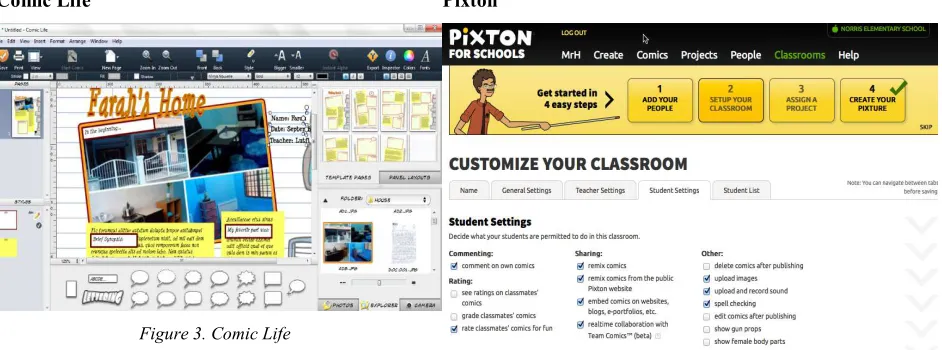
[image:4.612.92.563.508.683.2]Comic Life
Figure 3. Comic Life
Comic Life (plasq.com/apps/comiclife/macwin) is a standalone software that allows the novice comic artist to easily combine illustration, photos, images and visual elements into a digital comic.
Collaborative Learning is given a medium value
because as a non-web based application,
collaboration only occurs by transferring native Comic Life files to peers and submitted to the instructor. This results Feedback dimension to receive low value. However, the Creativity and Innovation dimension is very high value since users are required to create characters, backgrounds and props from scratch. Multiple Representations dimension receives a medium value since static images can be added into the comic panels. A medium value is given to Motivation when users without drawing skills may have drawbacks in making original characters and items. Comic Life receives medium values for Cultural Sensitivity and Gender Equality dimensions, because the variation of pages template to choose from. This also causes Flexibility dimension to receive a very high value. Cognitive Effort value is medium because Comic Life’s non-cluttered, excellent interface design. Learner Control and Learner Activity dimensions are given high values since the native files can be manipulated by others. Value of Previous Knowledge and Sharply-Focused Goal Orientation dimensions receive low values due to the
application’s offline limitation. Nevertheless,
Experiential Value and Conceptual Organization dimensions are given high values because original resources such as drawing and photos trigger
students’ immersion. Finally, Metacognition
dimension receives high value since metacognitive strategies could be implemented for constructing comics with lengthier narrative. Overall, Comic Life is an excellent tool for learner-generated comic projects with internet constraints environment.
Pixton
Figure 4. Pixton For Schools
ISSN: 1992-8645 www.jatit.org E-ISSN: 1817-3195 which enables members to integrate an array of
visual assets to create professional and engaging digital comic. With Pixton premium account, instructors can create private and secure virtual learning environment, import list class, resulting very high value for Collaborative Learning dimension. Creativity and Innovation, Learner
Control, Learner Activity, and Flexibility
dimensions receive very high values because of the compelling comic functions from designing and
posing unique characters, composing text,
customizing and inserting props, developing reusable backgrounds, uploading images to remixing existing comics. Multiple Representations dimension receives a high value because audio could be inserted into students’ works. A very high value is given to Motivation dimension because points are allocated for users’ activity. Cultural Sensitivity and Gender Equality dimensions receive high values because the characters’ appearance could be manipulated with props shared by other users. Cognitive Effort dimension value is very high for both instructors and learners. Feedback dimension is given a very high value as the instructor could grade the projects by using a simple 5-star rating system or through an innovative built-in comic rubric. Since students’ past works are archived in the online classroom, Value of Knowledge dimension receives a high value. Sharply-Focused Goal Orientation dimension also gets a high value because the application is equipped with lesson bank shared by other instructors. A high Experiential Value and Conceptual Organization dimensions are given when learners are occupied into the complex comic authoring activity and efficiently build their conceptions within the digital story. Finally, Pixton receives a high value for Metacognition dimension because during construction of multiple-page comics require vast analytical skills.
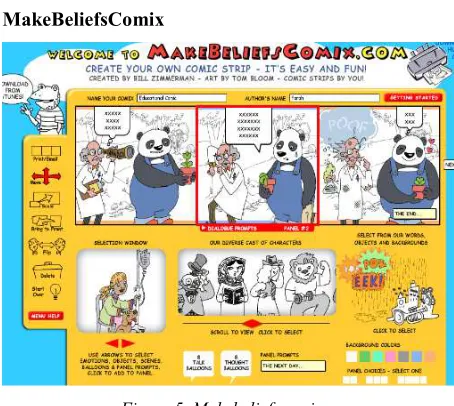
[image:5.612.312.539.90.293.2]MakeBeliefsComix
Figure 5. Makebeliefscomix
MakeBeliefsComix (makebeliefscomix.com) is an online digital comic generator that suits beginners with little or no technical skills in comic creation. Collaborative Learning, Learner Control, Learner Activity, and Flexibility dimensions receive low values since the produced comic is not editable for multiple users. However, Creativity and Innovation dimension receive medium values because the characters design, poses and expression
are pre-defined. Multiple Representations
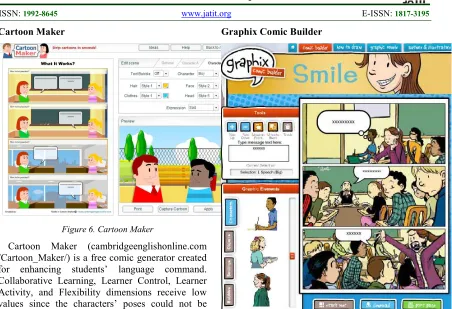
ISSN: 1992-8645 www.jatit.org E-ISSN: 1817-3195 Cartoon Maker
Figure 6. Cartoon Maker
Cartoon Maker (cambridgeenglishonline.com /Cartoon_Maker/) is a free comic generator created for enhancing students’ language command. Collaborative Learning, Learner Control, Learner Activity, and Flexibility dimensions receive low values since the characters’ poses could not be manipulated. However, Creativity and Innovation dimension receives medium value as characters’ expression, comic background and props could be switched. Since no external media could be inserted into the comic, Multiple Representations dimension receives a low value. The limitation of comic layout, character position and other configuration resulting medium values are given to Motivation, Cognitive Effort, Feedback, Value of Knowledge, and Sharply-Focused Goal Orientation. Cultural Sensitivity and Gender Equality dimensions on the other hand receive medium values because users could modify characters skin and hair colours. As the comic authoring tool offers up to four panel
comic strips creation, medium degree of
Experiential Value and Conceptual Organization dimensions are given. Finally, Metacognition dimension receives medium value due to higher
order thinking skills could be potentially
accomplished while planning and generating comics with the application.
Graphix Comic Builder
Figure 7. Graphix Comic Builder
Graphix Comic Builder (scholastic.com/ graphix/ createcomic.htm) is an online printable comic book maker by Scholastic. Since the characters’ appearances, facial expressions and poses are
predefined, Collaborative Learning, Learner
ISSN: 1992-8645 www.jatit.org E-ISSN: 1817-3195 creative story making by applying higher order
thinking skills.
5. ANALYSIS OF RESULTS
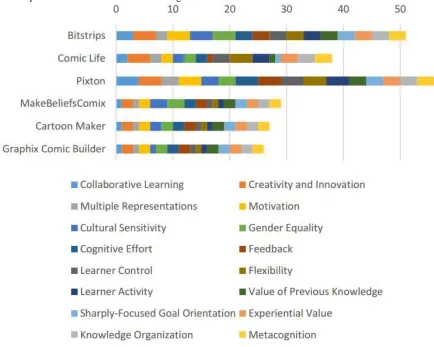
The results of the comic authoring systems pedagogical analysis are summarized in Figure 8. As previously explained, a 4-grade scale [low, medium, high, very high] is formulated based on sixteen dimensions of the DST Pedagogical Evaluation Star model.
In general, Pixton and Bitstrips are highly recommended to be utilized for learner-generated comic projects. Both applications offer rich visual assets and controls, efficient collaboration functions as well as convenient instructor tools. Unlike Comic Life, student do not require drawing skills to enable them generate professional quality comics and concentrate more on content [15] when using the five pre-made item based comic authoring tools.
However, Comic Life is more advantageous for classrooms with internet constraints and lean towards more to photo comic development contributed by its unique image filters. On the other hand, MakeBeliefComix and Cartoon Maker work suitably well for elementary learners. This is because it is important to consider students’ technology backgrounds [23] to carry out feasible learner-generated comic projects. Aside from that, the beautiful hand-drawn illustrations in Graphix Comic Builder would appeal children who are fans of the respective graphic novels. Overall, each comic authoring system have their own pedagogical strength depending on the complexity of the
expected comics produced by learners,
[image:7.612.93.527.322.669.2]technological support and setting, and learning goals defined by the instructor. This is because it is always important to determine who and when comics are appropriate for classroom session [24].
ISSN: 1992-8645 www.jatit.org E-ISSN: 1817-3195
6. CONCLUSION
The design and effective utilization of
educational information systems play an important role in the implementation of technology enhanced active learning methods. Comics signify a unique nexus of numerous visual storytelling techniques. Consequently, encouraging amount of learner-generated comic projects has been displayed in prior research. In this paper, the pedagogical aspects of six publicly accessible, interactive comic authoring systems have been analyzed using the criteria defined by Digital Storytelling Pedagogical Evaluation Star model. The results deliver an essential guideline for educators and instructors to select a practical visual storytelling application for collaborative classroom practices that emphases on student-centered learning. Upcoming work will focus on the researcher’s empirical experiment on conducting learner-generated comic projects using the recommended comic authoring systems.
7. ACKNOWLEDGEMENTS
The authors are momentously obliged to University Teaching and Learning Centre (UTLC), Universiti Utara Malaysia for providing financial assistance through SOTL grant for the research reported in this paper. The authors also would like to acknowledge the excellent endeavor by the developers of Bitstrips, Comic Life, Pixton, MakeBeliefComix, Cartoon Maker, and Graphix Comic Builder who have invented highly state-of-the-art interactive systems in intensifying creativity and innovation in education field.
REFRENCES:
[1] S. Gakhar and A. Thompson. Engaging, Communicating, and Collaborating Meaning of
storytelling. Society for Information Technology
& Teacher Education International Conference. Vol. 1, pp. 607–612, 2007.
[2] N. Smeda, E. Dakich, and N. Sharda. 2014. The effectiveness of digital storytelling in the
classrooms : a comprehensive study. Smart
Learning Environments. Vol. 1, No. 1, pp. 1– 21., 2014.
[3] S. M. Thang and N. Mahmud. A Case of Equipping Malaysian ESL Undergraduates with 21st Century Skills via Digital Storytelling.
Proceedings of the 21st International
Conference on Computers in Education, ICCE. pp. 240–245, 2013.
[4] M. Bordbar, M. S. Allahyari, and M. Solouki. E-Learning as a new technology for Sustainable
Development. ARPN Journal of Engineering
and Applied Sciences. Vol. 7, No. 3. pp. 332– 337, 2012.
[5] N. R. Bromberg and A. D. Andrade. Engaging Students : Digital Storytelling in Information
Systems Learning. Pacific Asia Journal of the
Association for Information Systems. Vol. 5, No. 1, pp. 1–22, 2013.
[6] B. Dalton, K. H. Robinson, J. F. Lovvorn, B. E. Smith, T. Alvey, E. Mo, P. Uccelli, and C. P.
Proctor. Fifth-Grade Students’ Digital
Retellings and the Common Core. The
Elementary School Journal. Vol. 115, No. 4, pp. 548–569, 2015.
[7] T. A. Dousay. Reinforcing Multi-literacies
through Design Activities. Essentials of
Teaching and Integrating Visual and Media Literacy. pp. 27–47, 2015.
[8] F. Van Gils. Potential Applications of Digital
Storytelling in Education. 3rd twente student
conference on IT, Vol 7, 2015.
[9] F. Dağ, L. Durdu, and S. Gerdan. Evaluation of Educational Authoring Tools for Teachers Stressing of Perceived Usability Features. Procedia - Social and Behavioral Sciences. Vol. 116, pp. 888–901, 2014.
[10] F. N. Azman, S. B. Zaibon, and N. Shiratuddin. Exploring Digital Comics as an Edutainment
Tool : An Overview. Knowledge Management
International Conference (KMice2014), pp.
589–594, 2014.
[11] C. Garrety and D. Schmidt. The evolution of digital storytelling : from enhanced oral
tradition to genres for education. Society for
Information Technology & Teacher Education International Conference, pp. 916–921, 2008. [12] N. Di Blas. 21st Century Skills and Digital
Storytelling in the Classroom. Handbook of
Research on Media Literacy in the Digital Age. 2015, pp. 1–26, 2015.
[13] F. Nisa and M. Al-Hafizh. Teaching Writing a Narrative Text by using Comic Creator (Bitstrips) as a Medium to Second Grade
Students of Junior High School. Journal of
English Language Teaching. Vol. 3, No. 1, pp. 172–77, 2014.
[14] L. Francis Pelton and T. Pelton. The Learner as Teacher : Using Student Authored Comics to
Teach Mathematics Concepts. World
Conference on Educational Media and
Technology. Vol. 1, pp. 1591–1599, 2009. [15] J. E. Luczaj. Beyond Words : Using Digital
ISSN: 1992-8645 www.jatit.org E-ISSN: 1817-3195
Connect Students to Course Content. Society
for Information Technology & Teacher
Education International Conference. No. 1, pp. 1144–1146, 2010.
[16] P. Psomos and M. Kordaki. Digital Storytelling Pedagogical Evaluation Star : views of teachers.
Proceedings of EDULEARN15 Conference. pp.
1466–1474, 2015.
[17] A. Diwakar, M. Patwardhan, and S. Murthy.
2012. Pedagogical Analysis of Content
Authoring Tools for Engineering Curriculum.
2012 IEEE Fourth International Conference on
Technology for Education, pp. 83–89, 2012. [18] P. Psomos and M. Kordaki. 2011. A Novel
Pedagogical Evaluation Model for Educational Digital Storytelling Environments. Proceedings of E-Learn, pp. 842–851, 2011.
[19] P. Psomos and M. Kordaki. Pedagogical Analysis of Educational Digital Storytelling
Environments of the Last Five Years. Procedia
- Social and Behavioral Sciences. Vol. 46, No. 2012, pp. 1213–1218, 2012.
[20]P. Nokelainen. An empirical assessment of pedagogical usability criteria for digital learning material with elementary school students. Journal of Educational Technology & Society. Vol. 9, No. 2, pp. 178–197, 2006.
[21] C. Lewis and J. Rieman. Task-Centered User Interface Design, 1993.
[22] B. Kitchenham. DESMET : A method for
evaluating Software Engineering methods and
tools. Keele, Staffordshire, 1996.
[23] N. Maldonado and T. Yuan. Technology in the Classroom: From Ponyo to ‘My Garfield Story’: Using Digital Comics as an Alternative
Pathway to Literary Composition. Child.
Education. Vol. 87, No. 4, pp. 297–301, 2011. [23] F. N. Azman, S. B. Zaibon, and N. Shiratuddin.
Comics in Academia: A Visual Insight to its
Trends & Innovation. International Journal Of