http://wrap.warwick.ac.uk
Original citation:
Christie-Oleza, Joseph Alexander, Nogales, Balbina, Martín-Cardona, Cèlia,
Lanfranconi, Mariana P., Albertí, Sebastián, Lalucat, Jorge and Bosch, Rafael. (2008) ISPst9, an ISL3-like insertion sequence from Pseudomonas stutzeri AN10 involved in catabolic gene inactivation. International Microbiology, Volume 11 (Number 2). pp. 101-110.
Permanent WRAP url:
http://wrap.warwick.ac.uk/62385
Copyright and reuse:
The Warwick Research Archive Portal (WRAP) makes this work of researchers of the University of Warwick available open access under the following conditions.
This article is made available under the Creative Commons Attribution-NonCommercial 3.0 (CC BY-NC SA 3.0 España License) license and may be reused according to the conditions of the license. For more details see http://creativecommons.org/licenses/by-nc-sa/3.0/
A note on versions:
The version presented in WRAP is the published version, or, version of record, and may be cited as it appears here.
RESEARCH ARTICLE
Summary. A novel insertion sequence (IS), ISPst9, from Pseudomonas stutzeriAN10 was cloned and characterized. ISPst9 is a typical bacterial IS, consisting of a 2472-bp element flanked by 24-bp perfect inverted repeats that generates 8-bp AT-rich target duplications upon insertion. The sequence also contains a gene that encodes an active transposase (TnpA) with significant amino acid identity to members of the ISL3 family. Southern blot analysis of digested genomic DNA of strain AN10 and its 4-chlorosalicylate-degrading derivative strain AN142 demonstrated that native ISPst9 transposes in multiple copies, with one of them responsible for the nahH insertional inactivation observed in strain AN142. Precise excision of ISPst9 yielded NahH+
revertants of AN142 at high frequencies (up to 10–6
). In vivo transposition, mainly in multiple copies, of an ISPst9 derivative containing a KmRcassette cloned into a suicide vector was also demonstrated. Hybridization
experi-ments carried out with different strains of P. stutzeriand with 292 phylogenetically distinct environmental isolates suggested that the presence of an ISPst9-like IS occurs in diverse bacteria together with the presence of aromatic hydrocarbon-degrad-ing determinants. [Int Microbiol2008; 11(2):101-110]
Key words:Pseudomonas stutzeri· insertion sequences · mobile elements · transposition · catabolic gene inactivation
Introduction
Pseudomonas stutzeriAN10 is a naphthalene-degrading bac-terium able to aerobically dissimilate naphthalene, 2-methyl-naphthalene, and salicylate as sole carbon and energy sources [44]. As described for other Pseudomonas, these aromatic hydrocarbons are funneled to the Krebs cycle through cate-chol (and its methyl-derivatives) [15]. Naphthalene degrada-tion genes (nahgenes) of P. stutzeriAN10 are chromosomally encoded and organized in four operons: (i) the upper pathway,
coding for enzymes involved in the conversion of naphtha-lene to salicylate (genes nahAaAbAcAdBFCED); (ii) the lower pathway, encoding enzymes that convert salicylate to catechol and further to pyruvate and acetyl-CoA (genes
nahGTHINLOMKJ); (iii) the regulatory gene nahR; and (iv) a second salicylate hydroxylase gene (nahW) [8–10]. To improve the catabolic potential of strain AN10, a derivative strain, des-ignated P. stutzeriAN142, was constructed in our laboratory (Ginard M, 1997, Ph.D. thesis). Strain AN142 is a P. stutzeri
AN10 spontaneous mutant in nahH(catechol 2,3-dioxygenase gene) that received the clcelement of Pseudomonas sp. B13 carrying the genes comprising the chlorobenzoate-degradative pathway (clcABDE) [40] by conjugative transfer, thus allowing growth of the strain on 4-chlorosalicylate.
As described for many other catabolic genes [35,47], entire copies and the remnants of insertion sequence (IS) ele-ments were found beside the nah determinants of strain
INTERNATIONALMICROBIOLOGY(2008) 11:101-110
DOI: 10.2436/20.1501.01.49 ISSN: 1139-6709 www.im.microbios.org
*Corresponding author:R. Bosch Microbiologia, Departament de Biologia Universitat de les Illes Balears Carr. Valldemossa, km 7,5 07122 Palma de Mallorca, Spain Tel. +34-971172738. Fax +34-971173184 E-mail: [email protected]
Joseph A. Christie-Oleza,
1Balbina Nogales,
1Celia Martín-Cardona,
1Mariana P.
Lanfranconi,
1Sebastián Albertí,
1,2Jorge Lalucat,
1,3Rafael Bosch
1*
1
Microbiology, Department of Biology, University of the Balearic Islands, Palma, Mallorca, Spain. 2
University Institute of Health Sciences Research (IUNICS), University of the Balearic Islands, Palma, Mallorca, Spain.3
Mediterranean Institute for Advanced Studies (IMEDEA), University of the Balearic Islands, Palma, Spain
Received 19 March 2008 · Accepted 15 May 2008
ISPst9, an ISL3-like insertion sequence
from Pseudomonas stutzeri AN10 involved
AN10 [8–10]. IS elements are the simplest mobile genetic elements (usually less than 2.5 kb in length); they generally encode a protein required for transposition (transposase) and are found in the genomes of nearly all bacteria [11,32]. As traditionally described for the acquisition of antibiotic resist-ance [34], the presence of IS elements adjacent to catabolic genes has provided further support for the modular theory of evolution of modern catabolic pathways, suggesting that catabolic modules are recruited, assembled, and mobilized between bacteria by transposition events [10,52,55]. The in situ spread and even de novo construction of catabolic path-ways in bacteria have allowed bacterial communities to rap-idly adapt to the presence of xenobiotic organic compounds [reviewed in 50]. In addition to their role in gene recruitment and mobilization, IS elements of nearly all known IS families have been described as agents involved in the modulation of gene expression, either by polar mutation due to direct gene disruption, indirect reduction of expression of genes down-stream of the insertion point, or by transcriptional activation of silent genes due to the presence of outwardly directed reg-ulatory sequences [11,32]. Of special interest for this study are three well-characterized IS elements belonging to the ISL3 family: IS1411from the phenol-degrading Pseudomonas
sp. strain EST1001, discovered as a result of insertional activa-tion of promoterless phenol degradaactiva-tion genes (pheBA) [28]; ISPst2 of Pseudomonassp. strain OX1, formerly P. stutzeri
strain OX1 [4,13,39], which inactivates the m-xylene and
p-xylene catabolic pathway as well as the o-xylene catabolic genes in its derivative strain M1 [7]; and ISPpu12 from the toluene-xylene catabolic plasmid pWW0 of P. putidamt-2, whose insertional inactivation in xylE(catechol 2,3-dioxygenase-encoding gene) allowed, after conjugative transfer of this plas-mid to Pseudomonas sp. B13, the generation of derivative strain WR126, able to grow with 4-chlorobenzoate as unique carbon and energy source [56].
In this study we describe ISPst9, a novel ISL3-like IS ele-ment found in P. stutzeri strain AN10, and present results demonstrating its role as an inactivation/reactivation agent of catabolic genes, its wide distribution in different bacteria, and its occurrence together with aromatic-hydrocarbon-degrading genes.
Materials and methods
Media and culture conditions.Pseudomonasstrains were grown on minimal medium [2] supplemented with either 10 mM succinate or 5 mM salicylate (or derivatives) as required. From a beach polluted after the
Prestigeoil spill (Galicia, Spain), 292 phylogenetically distinct environmen-tal isolates were obtained. These isolates were grown at 25°C on minimal [2] or marine media supplemented, when necessary, with 10 mM succinate. Marine medium was prepared with artificial sea water (Scharlau) buffered
with 0.1 M Tris-HCl, pH 7.4, and supplemented with 0.27 g NH4Cl/l and 89
mg Na2HPO4· 7 H2O/l as nitrogen and phosphorus sources. An autoclaved
solution of Fe(NH4)2(SO4) · 6H2O was added at a final concentration of
2 mg/l. For solid marine medium, double-strength liquid medium was pre-pared and mixed with an equal volume of melted, sterile, washed agar (Scharlau). Escherichia coliand Klebsiella pneumoniaestrains were grown at 30°C in Luria-Bertani (LB) medium [45]. Ampicillin, kanamycin, and tetracycline were added to final concentrations of 100, 50, and 10 μg/ml, respectively, to select for the presence of plasmids. LB medium supplement-ed with rifampicin (40 μg/ml) was used to obtain and maintain E. colistrain DH5αRifR.
General DNA manipulations. Plasmids were purified using the QIAprep Spin Miniprep Kit (Qiagen). Genomic DNA from Escherichia,
Klebsiella, and Pseudomonas strains were prepared by the method of Dhaese and co-workers [14]. Genomic DNA preparations from environmen-tal isolates were done as previously described [54], with three additional freeze-thaw steps in liquid nitrogen. Restriction endonuclease digestions (Promega and GE Healthcare) and ligations with T4 DNA ligase (Invitrogen) were done as recommended by manufacturers. DNA fragments were recovered from agarose gels using the QIAquick Gel Extraction Kit (Qiagen). All other DNA manipulations were carried out according to stan-dard procedures [45].
PCR amplification and hybridization. The location of ISPst9 in the nahcluster of P. stutzeriAN10 and its derivatives was routinely analyzed by PCR amplification with TaqDNA polymerase (GE Healthcare), using combinations of the following primers: ISMG4 (5′- TGGTCAGTGCAC-CTCGTTC-3′), SAL23 (5′-CAAGGCCCTGGAACACTACG-3′), SAL45 (5′-GGTCTTGCCGTGGGTCAGG-3′), SAL64 (5′ -TCTCCCAGGTAGC-CATTGATC-3′), and SAL71 (5′-GGCACAGGCAACGGCTATTC-3′), and the amplification conditions reported previously [36].
Southern blot hybridization was done as described by Sambrook and Russell [45]. Dot-blot hybridization (1 μg of genomic DNA per blot) was carried out with a MilliBlot-D vacuum manifold (Millipore) according to the manufacturer’s instructions. Enhanced chemiluminescence direct labeling (ECL Direct Nucleic Acid Labeling and Detection System, GE Healthcare) was used for hybridization. Gene-specific probes were prepared from
P. stutzeriAN10 genomic DNA by PCR amplification with TaqDNA poly-merase (GE Healthcare). Probes, their lengths, and the primers used to obtain them were as follows: ISPst9probe, 0.64-kb, ISMG9 (5′ -ATCCACG-GCAAGCGGGTC-3′) and ISMG3 (5′-CTCCCGGTCTGAGACTTCG-3′) primers; nahAcprobe, 0.87-kb, AC149F and AC1014R primers [19]; catA
probe, 0.45-kb, 1C12OF and 2C12OR primers [20]; nahHprobe, 0.56-kb, 3C23O and 4C23O primers [12]; nahWprobe, 0.66-kb, F-nahW and R-nahW primers [9]; nosZprobe, 0.47-kb, U1672 and L2140 primers [12]. The 16S rDNA probe (1.46 kb) was generated using a mixture of genomic DNAs from different environmental isolates, the primers (16S-27F and 16S-1492R), and PCR conditions reported previously [31,36]. The kanamycin resistance gene probe was generated by excision with EcoRV of the KmRcassette from
pCSI2 plasmid [17]. The hybridization signal in the dots was quantified using the GeneTools analysis program (SynGene). Spearman’s rank correla-tion analysis of relative hybridizacorrela-tion data was performed with SPSS 13.0 statistical data analysis package (SPSS).
Plasmid constructions.Plasmid pMGV01 was obtained by cloning a 4.1-kb PstI-XhoI fragment from P. stutzeriAN142 (Ginard M, 1997, Ph.D. thesis), containing the entire ISPst9, into the PstI and XhoI sites in the multi-cloning site (MCS) of pBluescript SK (–) (Stratagene). The fragment was obtained from P. stutzeriAN142 genomic DNA by PCR amplification with primers SAL20 (5′-GCTGCGTCAAGGGTAAGAGG-3′) and SAL25 (5′ -CGGCGAACACCTTGAAATTGG-3′) using the proof-reading AccuPrime
PfxDNA polymerase (Invitrogen), followed by amplicon digestion with both PstI and XhoI. Sequential restriction digestions of pMGV01 with NaeI and PvuII, followed in each case by self-ligations, yielded plasmid pJOC02. A novel PCR-generated SmaI restriction site 279 bp upstream of the putative
103 INT. MICROBIOL. Vol.11, 2008
coordinates from GenBank accession no. AJ582631) was constructed by PCR amplification of the entire pJOC02 plasmid with primers SMA1 (5′ -AGCCCGGGTACAAGAAGC-3′) and SMA2 (5′ -TACCCGGGCTATT-GTCAAG-3′) using AccuPrime PfxDNA polymerase (Invitrogen), followed by restriction with SmaI and self-ligation (plasmid pJOC03). Plasmid pJOC06 was obtained by cloning the 2.76-kb EcoRI-SalI fragment from plasmid pJOC03 into the EcoRI and SalI sites in the MCS of the suicide vec-tor pGP704 [33]. This conjugative plasmid is stable only in E. colistrains harboring the replication machinery of λphage (λpirstrains). The EcoRI-SalI
fragment was obtained by PCR amplification with primers ECOJOC (5′ -GAATTCTGGACATGAGCAAGGCC-3′) and SALJOC (5′ -GTCGACA-CAACTGTTCAGCTCACC-3′) using AccuPrime Pfx DNA polymerase (Invitrogen). Finally, the EcoRV-excised KmRcassette from pCSI2 [17] was
cloned into the PCR-generated SmaI site of pJOC06, generating plasmid pJOC09.E. colistrains DH5α[25] and S17.1λpir[26] were used as hosts in
cloning experiments with pBluescript SK (–) and pGP704 derivatives, respectively.
Phenotype reversion and transposition experiments.For phenotype reversion experiments, P. stutzeriAN142 was grown overnight in minimal medium supplemented with 5 mM 4-chlorosalicylate. Culture and serial dilutions thereof were plated onto four sets of minimal medium agar plates containing 10 mM succinate (for counting all AN142 descendants), and 5 mM 3-, 4-, and 5-methylsalicylate (for counting nahH+revertants),
and the plates were incubated at 30°C for 48 h. The frequency of reversion was calculated from three independent experiments for each chemical compound as the ratio of revertants to all descendants. Three revertants (P. stutzeristrains R3, R4, and R5; obtained on 3-methyl-, 4-methyl-, and 5-methylsalicylate plates, respectively) were maintained for hybridization experiments.
Plasmid pJOC09 was transferred by mating from E. coliS17.1 λpirinto
three recipient strains: P. stutzeri AN10, a RifRspontaneous mutant of E. coli
DH5α, and K. pneumoniae CMD1 [51]. Aliquots of stationary-phase cul-tures of donor (100 μl) and recipient (100 μl) cells were spotted together onto the surface of a LB agar plate and incubated at 30°C for 6 h. Afterwards, the cell mixture was re-suspended in 1 ml of Ringer solution (Merck). This mixture was serially diluted and plated onto mineral medium agar plates containing succinate plus kanamycin (for transconjugants), or succinate alone (for all recipients), and the plates were incubated at 30°C for 48 h. The frequency of conjugation plus transposition for each strain was calculated from three independent experiments as the ratio of transconju-gants to all recipients.
DNA sequencing and analysis.Nucleotide sequences were deter-mined (both strands) directly from plasmids pMGV01 and pPA50-C [10] using the BigDye terminator cycle sequencing kit (Applied Biosystems) according to the manufacturer’s instructions. Sequences were extended by primer-walking, with the design of new primers based on the sequences deter-mined in this study. Primer design and sequence analyses were done using BioEdit 6.0.5 sequence alignment editor [24], Vector NTI 10.0 suite (Invitrogen), and EMBOSS suite [42]. Similarity searches with GenBank and EMBL databases were done using BLASTP (NCBI) and FASTA-protein (EBI) web tools, respectively [1,38]. The ClustalX program [48] was used for amino acid sequence alignments. The Protdist program of the PHYLIP 3.6 package [18] and PhyML program [22] were used for inferring distance- and likelihood-based phylogenies, respectively. Kimura’s distance, Dayhoff PAM matrix, and the Jones-Taylor-Thornton model were used as models of amino acid substitution in both approaches. Bootstrap (100 replicates) was undertak-en to construct distance-based trees using the neighbor-joining method. Resulting phylogenies were displayed using the TreeView 1.6.6 program [37].
Nucleotide sequences accession numbers. The sequence of ISPst9, as determined from the insert in pMGV01, was deposited in GenBank under accession no. AJ582631. The GenBank accession no. for the sequence of the P. stutzeriAN10 ISPst9 insertion sequence and its flanking region is DQ473406.
Results
Isolation and characterization of ISPst9.ISPst9 was discovered during an analysis of the nahH(catechol 2,3-dioxy-genase-encoding gene) mutation present in P. stutzeri AN142, the 4-chlorosalicylate-degrading derivative of P. stutzeri
AN10. APstI-XhoI-digested chromosomal DNA of AN142 and the parental P. stutzeri strain AN10 were subjected to electrophoresis and Southern blot hybridization against a
nahHprobe generated by PCR from strain AN10. The results indicated that P. stutzeriAN142 had acquired a 2.5-kb DNA insertion in nahH(Fig. 1A). After PCR amplification of the insertion with primers SAL20 and SAL25 (a schematic rep-resentation of their location on P. stutzeriAN142 genome is shown in Fig. 1B) and cloning of the resulting fragment to generate plasmid pMGV01, the complete nucleotide sequence of the DNA insertion on nahHin P. stutzeriAN142 was determined. Sequence analysis revealed that the DNA insertion was 2472 bp in length and occurred after nucleotide 159 of nahH. The DNA insertion was flanked by an 8-bp direct repeat of nahHbases 152–159 (5′-ACAAATTC-3′). It had two perfect 24-bp inverted repeats at either end (5′ -GGGT-ATGCGGATTTAATGGTTGAT-3′) and coded for a putative transposase (see below). Thus, as it contained the main features of an insertion sequence, the insert was named ISPst9, accord-ingly to the IS database [http://www-is.biotoul.fr/is.html].
Computer-aided analysis of the ISPst9 DNA sequence indicated the presence of two potential open-reading frames (ORFs) transcribed in the same direction (Fig. 1B). The first ORF (orf1) coded for a putative protein of 206 amino acids with a predicted mass of 21.8 kDa. The amino acid sequence analysis indicated that this protein belongs to a LysE-type translocator protein family (pfam01810) as it showed the highest amino acid identity values (41–43%) with LysE-like proteins from whole-genome sequences of Pseudomonas
species. The second ORF (tnpA4) coded for a putative pro-tein of 429 amino acids with a predicted mass of 50.3 kDa. The deduced amino acid sequence of tnpA4(TnpA4) showed the highest level of homology with two transposase-like putative proteins annotated from the whole-genome sequence of Idiomarina loihiensis(FASTA amino acid identity: 93 and 92%, in 429 amino acids, with Q5QX23 and Q5QUL5, respectively) [27]. In addition, TnpA4 was highly homolo-gous to two well-characterized ISL3-family transposases from hydrocarbon-degrading Pseudomonas strains (FASTA amino acid identity: 93% in 404 amino acids with O52212, the ISPpu12 transposase from P. putida mt-2, and 87% in 423 amino acids with Q9X7J2, the ISPst2 transposase from
Pseudomonas sp. OX1) [7,53,56]. Multiple alignments based on these and other ISL3-like transposases retrieved from the IS database were conducted. The results showed that the
sequence of TnpA4 had the conserved DDE motif of active transposases [11]. Phylogenetic trees were generated for TnpA4 and homologous transposases retrieved from the IS database (> 40% amino acid identity). All distance-based and maximum-likelihood phylogenetic approaches showed, inde-pendent of the amino acid substitution model used, that the sequence of ISPst9 transposase TnpA4 grouped with ISL3 transposases from environmental gamma-proteobacterial iso-lates, mainly aromatic-hydrocarbon-degrading bacteria (Fig. 2, group 1), and was clearly distinct from those in group 2, mainly constituted by ISL3-like insertion sequences identi-fied in clinical isolates.
Location and number of ISPst9 in the genome of P. stutzeri AN10 and its derivative P. stutzeri AN142. Sequence analysis of ISPst9 from P. stutzeri
AN142 revealed that 94 nucleotides at its 3′-end, down-stream of tnpA4, overlapped with 100% identity with the 5′ -end of the sequence of a genome fragment from P. stutzeri
AN10, which contains the regulatory- (nahR) and catabolic-salicylate-degrading (nahW and nahGTHINLOMKJ) genes as determined previously (sequence AF039534 [9,10]). This result suggested that a copy of ISPst9 was originally located beside salicylate-degrading genes in strain AN10. To prove this, we sequenced the nucleotides located upstream tnpA3
(an IS5-like transposase-encoding gene) of P. stutzeri AN10, which was already known [10]. Sequence analysis confirmed the presence in P. stutzeriAN10 of an identical copy of ISPst9
(100% nucleotide identity) upstream of tnpA3 (Fig. 3A). Computer-aided analysis also showed the presence of two partial (‘orf2and orf4’) and one complete ORF (orf3) located upstream of ISPst9 in P. stutzeriAN10 (Fig. 3A). The ‘orf2
partial C-terminal gene product (153 amino acids) was homologous to the C-terminal domain of acetoacetyl-CoA synthases from several Pseudomonas strains (amino acid identity values: 73.8% to Q9I2B2 of P. aeruginosa PAO1, 75.7% to Q4K4Q4 of P. fluorescens Pf-5, and 71.0% to Q88IC8 of P. putidaKT2440). The orf3gene product (330 amino acids) resembled a lactone hydrolase (62.4% amino acid identity to the CamQ lactone hydrolase of pCAM plas-mid from P. putida NCIMB 10007, Q6STL9). Finally, the
orf4’ partial C-terminal gene product (96 amino acids) showed 62.8% identity to the C-terminal domain of the CamR transcriptional repressor encoded on pCAM plasmid from P. putidaPpG1, Q6STL9 [3].
To determine whether the original copy of ISPst9 present in
P. stutzeriAN10 was maintained in P. stutzeriAN142 after the transposition event, shown in Fig. 1A, a set of PCR reactions was developed to analyze the location of ISPst9 in P. stutzeri
AN142. The presence of ISPst9 upstream of tnpA3was evalu-ated with primers SAL71, SAL64, and ISMG4 (a schematic representation of their location on P. stutzeriAN10 genome is shown in Fig. 3A); inactivation of nahHby ISPst9 in P. stutzeri
[image:5.595.47.393.62.346.2]AN142 was confirmed using primers SAL23, SAL45, and ISMG4 (a schematic representation of their location is shown in Fig. 1B). As shown in Fig. 3B, PCR amplifications using the
Fig. 1.Location of ISPst9 in Pseudomonas stutzeristrain AN142. (A) Southern blot of P. stutzeri AN142 and AN10 genomic DNAs digested with PstI and XhoI and probed with the nahHprobe. (B) Schematic representation of ISPst9 in P. stutzeriAN142 and its flanking regions. Genes code for the following proteins:
nahG, salicylate hydroxylase; nahH, catechol 2,3-dioxygenase; nahI, hydroxymuconic semi-aldehyde dehydrogenase; nahT, ferredoxin-like protein; orf1, LysE-like protein; tnpA4, trans-posase-like protein. Arrows indicate the direc-tions of gene transcripdirec-tions. ISMG4, SAL20, SAL23, SAL25, and SAL45 denote the primers used. Thin lines indicate their location and 5′–3′ orientation. IR and DR denote inverted and directed repeats of ISPst9, respectively. Line below AJ582631 accession number indicates sequence data submitted to GenBank.
105 INT. MICROBIOL. Vol.11, 2008
SAL71 and SAL64 primers and the SAL71 and ISMG4 primers produced single bands of 3.5-kb and 0.8-kb, respective-ly, for strains AN10 and AN142. Thus, the original copy of ISPst9 in P. stutzeriAN10 was maintained upstream of tnpA3
inP. stutzeri AN142. PCR amplifications with the SAL23 and SAL45 primers and the SAL23 and ISMG4 primers corrobor-ated that nahHof P. stutzeriAN142 was inactivated by ISPst9 but was intact in P. stutzeriAN10. To analyze whether more than two copies of ISPst9 were present in the P. stutzeriAN142 genome, Southern blot hybridizations against EcoRI-digested genomic DNAs from strains AN10 and AN142 were done using probes against ISPst9 and nahH genes. The results revealed the presence of a unique copy of ISPst9 in P. stutzeri
AN10 while strain AN142 had, at least, eight copies of ISPst9, including the original one (Fig. 3C). Southern blot hybridiza-tion also confirmed the presence of a unique copy of nahHin strain AN142, which hybridized also with a copy previously detected for ISPst9 (indicated with an arrow in Fig. 3C). No hybridization signal was observed in Pseudomonassp. B13 (result not shown), thus suggesting that all new ISPst9 copies observed in strain AN142 came from the one detected in
P. stutzeriAN10.
Reversion of P. stutzeri AN142 to a NahH+
pheno-type. Although P. stutzeriAN142 was able to grow on 4-chlorosalicylate because it carried the clc element from
Pseudomonassp. B13 [40], this strain was unable to grow on
methylsalicylates. This is because ortho-cleavage of methyl-catechols by the catechol 1,2-dioxygenase encoded in plas-mid B13 yields methylmuconolactones [49], which are dead-end metabolites. Thus, growth of strain AN142 on methylsal-icylates was only possible through the recovery of methylcat-echols meta-cleavage activity mediated by NahH (catechol 2,3-dioxygenase); this would imply a precise excision of ISPst9 from the nahH gene of P. stutzeriAN142. Putative NahH+
revertants able to use three different methylsalicylates were isolated by plating cultures of strain AN142, grown on 4-chlorosalicylate, on minimal medium supplemented with 3-, 4-, or 5-methylsalicylate as unique carbon and energy sources. Similar reversion frequencies were observed in all cases (1.4 ± 0.4 × 10⁻⁶
on 3-methylsalicylate, 8.8 ± 0.6 × 10⁻⁶
on 4-methylsalicylate, and 4.6 ± 0.5 × 10⁻⁶
on 5-methylsali-cylate). Three revertants (designated as R3, R4, and R5; from 3-, 4-, and 5-methylsalicylate plates, respectively), from each of the isolation strategies, were selected for further analysis. PCR analysis showed that all revertants maintained the ISPst9 copy upstream of tnpA3, the original position in AN10, and that they had lost the ISPst9 copy interrupting
nahH (results not shown). Furthermore, Southern blot hybridizations against EcoRI-digested genomic DNAs from all three revertants confirmed the loss of only one copy of ISPst9, that interrupted nahH(indicated with an arrow in Fig. 3C), and suggested the recovery of the original nahH gene structure. To clarify how the excision of ISPst9 restored
IS FROM P. STUTZERI AN10
[image:6.595.49.539.69.305.2]Int. Microbiol.
NahH function, the nahTHregion of all three revertants (R3, R4, and R5) was amplified using SAL23 and SAL45 primers (a schematic representation of their location is showed in Fig. 1B) and sequenced. The nahH sequences of all three rever-tants were identical to that of strain AN10, not conserving the 5′-ACAAATTC-3′direct repeat sequence duplicated in the insertion event in strain AN142. This result confirmed the precise excision of ISPst9 from nahH.
Demonstration of ISPst9 transposition in other bacteria. To demonstrate that ISPst9 was able to transpose, plasmid pJOC09, carrying ISPst9 with an inserted KmR cassette as phenotypic marker, was constructed as
described in Materials and methods. In pJOC09, the KmR
cassette was inserted in a PCR-generatedSmaI restriction site
located 279 bp upstream of the ATG codon of orf1in ISPst9, as it was thought that, in this location, the cassette would not disable any transposition function by affecting the expression of the ISPst9 genes. As pJOC09 plasmid is a derivative of the suicide vector pGP704 [33], this plasmid is stable only in λpir
derivatives of E. coliand can be transferred from those strains into recipient strains but will not replicate within them. Thus, conjugation experiments between E. coli S17.1 λpir carrying
pJOC09 with strains of distinct bacterial species (K. pneumoni-ae CMD1, E. coli DH5αRifR, andP. stutzeri AN10) were done.
In all mating experiments, a significant number of KmR
transconjugants with a wide range of transposition frequencies were obtained (9.6 ± 1.1 × 10⁻⁵for P. stutzeri, 9.3 ± 0.9 × 10⁻⁶
for E. coli, and 7.8 ± 6.2 × 10⁻⁸for K. pneumoniae). Southern
blot hybridization of chromosomal digests of transconjugants
[image:7.595.81.510.62.412.2]Int. Microbiol.
Fig. 3.Location of ISPst9 in P. stutzeriAN10. (A) Schematic representation of ISPst9 in Pseudomonas stutzeri AN10 and its flank-ing regions. Genes code for the followflank-ing proteins: nahW, salicylate hydroxylase; orf1, LysE-like protein; ‘orf2, partial acetoacetyl-CoA-synthase-like protein; orf3, CamQ lactone-hydrolase-like protein; orf4’, partial CamR transcriptional regulator. Arrows indi-cate the directions of gene transcriptions. ISMG4, SAL64, and SAL71 denote primers used. Thin lines indiindi-cate their location and 5′–3′orientation. IR denotes inverted repeats of ISPst9. Lines below AF039534 and DQ473406 accession numbers indicate sequence data submitted to GenBank. (B) Agarose gel showing the PCR products obtained for P. stutzeristrains AN10 and AN142 using the primers indicated. Locations and 5′–3′orientations of primers are shown in Figs. 1B and 3A. (C) Southern blot hybridization of
107 INT. MICROBIOL. Vol.11, 2008
against a KmRcassette probe revealed that most isolates
har-bored more than one copy of the ISPst9 derivatives, as expect-ed, with six being the highest number of copies detected (results not shown).
ISPst9 in genomes of P. stutzeri strains and other bacteria. As noted above, ISPst9 belongs to a sub-family of ISL3-like insertion sequences found mainly in aro-matic-hydrocarbon-degrading bacteria (group 1 in Fig. 2): therefore, their presence in a genome may be related to the occurrence of genes encoding proteins with this function. To evaluate the simultaneous occurrence of both ISPst9 and nah
genes, Southern blot hybridizations against EcoRI-digested genomic DNAs from several naphthalene-degrading (7 iso-lates) and non-degrading (7 isoiso-lates) strains of P. stutzeri
from six different genomovars were done using a probe for ISPst9 from strain AN10 (Fig. 4). The naphthalene-degrad-ing P. balearica (formerly P. stutzeri gv. 6) strain SP1402T
[5] was also included in this experiment. Representatives of four
P. stutzeri genomovars (gvs. 1–4) had one or more copies of an ISPst9-like insertion sequence in their genomes. ISPst 9-like insertion sequences were detected in half of the naphtha-lene-degrading strains and in one-third of the non-degrading strains, suggesting that the occurrence of ISPst9-like inser-tion sequences in P. stutzeri was not restricted to naphtha-lene-degrading isolates, although it was more frequent in them. Moreover, the size of one ISPst9 fragment of each
naphthalene-degrading P. stutzeri strain was similar to the one that hybridized with an internal probe for the gene nahW
(salicylate hydroxylase) (Fig. 4). This suggested that the two genetic elements (ISPst9 and nahW), if coexistent, occurred together, as shown for strain AN10. Interestingly, all of the Nah+
but none of the Nah–
P. stutzeriisolates hybridized with the nahWprobe (result not shown).
To extend this study to other bacteria, 292 environmental isolates obtained from samples polluted by Prestige tanker fuel that were collected at a beach in Galicia, NE Spain, and from non-polluted samples collected at the same beach were used. The phylogenetic affiliations of the isolates were deter-mined by 16S rDNA analyses (data not shown), which revealed that 57% belonged to gammaproteobacteria (167 isolates). Of these, 33% were identified as Pseudomonas(97 isolates) and 13% as P. stutzeri (39 isolates). Dot-blot hybridizations against genomic DNA were done using DNA probes for ISPst9 and five other selected genes: 16S rDNA, used as the control gene; nahAc (naphthalene 1,2-dioxyge-nase α-subunit) and nahH (catechol 2,3-dioxygenase), two widespread naphthalene-catabolizing genes present in
Pseudomonasand non-Pseudomonasnaphthalene-degrading strains [10,23, 29]; and nosZ (nitrous oxide reductase) and
catA (catechol 1,2-dioxygenase), two genes considered as characteristic for P. stutzerispecies and used as phylogenetic markers for this species [30]. Hybridization experiments were followed by correlation analysis of the relative
IS FROM P. STUTZERI AN10
[image:8.595.253.547.63.351.2]Int. Microbiol.
Fig. 4.Southern blot hybridization with the ISPst9 probe of
EcoRI-digested genomic DNAs from several naphthalene-degrading (Nah+) and non-degrading (Nah–) strains of
Pseudomonas stutzeri that belong to different genomovars (gv.). Strain sources are as follows: ATCC17587, ATCC17589, and CCUG11256T [46]; 19SMN4, AN10,
DNSP21, DSM50227, and DSM50238 [43]; AN11, LSMN2, S1MN1, ST27MN2, and ST27MN3 [21]. P. balearica strain SP1402T(formerly P. stutzeri, PbSP1402) was also included
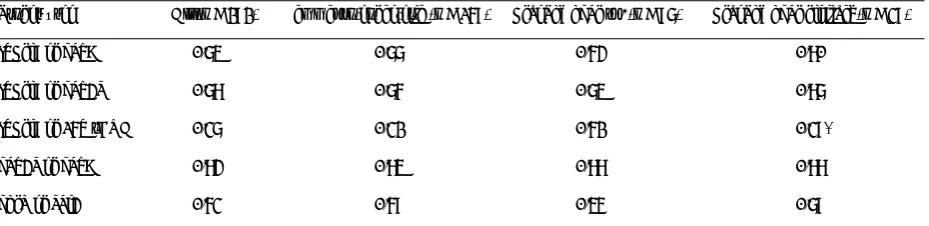
hybridization intensities for the different genes analyzed (Table 1). As expected, high correlation values (r= 0.84–0.88) were observed in the presence of both naphthalene degrada-tion genes (nahAc and nahH), independent of the phyloge-netic group analyzed. The correlation between the hybridiza-tion values obtained for ISPst9 and 16S rDNA probes was lower (r= 0.37–0.62), as expected. Note that the correlation values between the presence of both nosZand catA genes were highest only when P. stutzeri isolates were considered (r = 0.79). The values decreased when isolates from other species were added to the analysis (r= 0.56–0.69), confirm-ing the importance of these two genes in the definition of P. stutzeri species. Correlation values between ISPst9 and the naphthalene-catabolizing genes nahAc and nahHwere high (nahH, r = 0.64–0.80; nahAc, r= 0.75–0.87), i.e., similar to those measured for the genes thought to coexist, such as nahAc
and nahH.
Discussion
This report describes a novel IS element of P. stutzeri, ISPst9, located adjacent to the naphthalene lower-degrada-tion pathway of strain AN10. Phylogenetic comparisons of the ISPst9 transposase (TnpA4) with its closer relatives showed that ISPst9 belongs to a subfamily of ISL3-like ISs that are widespread mainly in environmental Proteobacteria
and that it is clearly distinct from other closely related rela-tives found in clinical isolates. Nearly all members of the ISPst9 subfamily of ISL3-like ISs are present in aromatic-hydrocarbon-degrading bacteria. Two of them, ISPst2 from
Pseudomonassp. OX1 [7] and ISPpu12 of P. putidaKT2440 [56], are involved in catabolic gene inactivation. This is also the case of ISPst9, which was first detected as a DNA inser-tion in nahH of P. stutzeri AN142, a 4-chlorosalicylate-degrading AN10-derivative strain constructed in our labora-tory (Ginard M, 1997, Ph.D. thesis). The insertion in nahH
inactivates meta-cleavage of 4-chlorocatechol. This step is a
biochemical prerequisite to the proper channeling of 4-chloro-catechol to intermediates of the tricarboxylic acid cycle through an ortho-cleavage pathway [41]. Note that exactly the same genotype (i.e., inactivation of the catechol 2,3-dioxy-genase gene xylEby ISPst9-like ISPpu12) has been reported to occur in Pseudomonas sp. WR26 [56]. Similar behavior was also observed for ISPst2 in Pseudomonassp. OX1 and in its derivative Pseudomonassp. M1 [7]. In strain OX1, one copy of ISPst2 is situated upstream of xylMA (xylene-monooxygenase-encoding genes), between xylW (unknown function) and xylC (benzaldehyde-dehydrogenase-encoding gene), which prevents the growth of this strain on m-xylene and p-xylene by a polar effect on xylUWCMABNexpression [7]. Alternatively, strain OX1 is able to grow on o-xylene as unique carbon and energy source using the touABCDE
(toluene monooxygenase operon) gene products [6]. The
m-xylene and p-xylene cometabolism by toluene monooxy-genase in strain OX1 generates unproductive-growth inter-mediates [6]. Pseudomonas sp. M1 had a recovered
xylUWCMABNgenotype and showed an ISPst2 insertion in the touAgene of the toluene monooxygenase operon, allow-ing its growth on m- and p-xylene but not on o-xylene. In addition, the original ISPst9 copy of P. stutzeriAN10, locat-ed beside gene nahW, encoding a salicylate-degrading abili-ty, disrupted a gene plausibly encoding CamR, the transcrip-tional repressor of the operon for camphor catabolism. Sequence evidence obtained in this study suggested that P. stutzeriAN10 harbors at least part of the genetic determinants for camphor degradation, although this strain does not grow on camphor. Thus, it could be that these genes encoding camphor degra-dation are a remnant of a former catabolic capability of P. stutzeriAN10, which might have been misregulated by the insertion of ISPst9 in the camRgene.
[image:9.595.68.533.87.200.2]In ISPst9, ISPpu12, and ISPst2, the ISs showed the abil-ity to transpose in multiple copies and, at least in the case of the disrupted catabolic genes, an 8-bp direct repeat was always generated [7,56]. Moreover, M1 revertants, in which ISPst2 was precisely excised from the touABCDE operon,
Table 1. Spearman’s rank correlation (r) of hybridization data obtained with environmental isolates*
Probes used All (n = 292) Gammaproteobacteria (n = 169) Pseudomonassp. (n = 97) Pseudomonas stutzeri(n = 39)
ISPst9 vs nahH 0.75 0.77 0.64 0.80
ISPst9 vs nahAc 0.78 0.76 0.75 0.87
ISPst9 vs16S rDNA 0.37 0.32 0.62 0.39*
nahAc vs nahH 0.84 0.85 0.88 0.88
nosZ vs catA 0.63 0.69 0.56 0.79
109 INT. MICROBIOL. Vol.11, 2008
were obtained at high frequencies (10–6to 10–3) when o-xylene
was used as unique carbon and energy source [7,16]. ISPst9 had exactly the same behavior, although at lower frequencies (10–6), when P. stutzeriAN142 was grown on
methylsalicy-lates as unique carbon and energy sources. In both cases (ISPst9 and ISPst2), only the IS copy that inactivated the catabolic gene was lost in the revertants, but there were no other changes in the IS patterns. It is difficult to explain how transposition could be the only mechanism responsible for the precise excision observed in all of the revertants ana-lyzed. For example, it is also plausible that a recombination event between the transposition-generated direct repeats resulted in the regeneration of the disrupted catabolic genes. Thus, members of the ISPst9 subfamily of ISL3-like ISs could act, by transposition, as inactivation agents of catabol-ic gene expression. Furthermore, ISPst9-like ISs might be precisely excised, probably helped by the recombination machinery, thus allowing the synthesis of active catabolic enzymes as needed in the respective environments. In any case, as indicated by the existence of IS1411[28], which is involved in transcriptional activation of genes encoding phe-nol degradation in P. putidaEST1001, other ISL3-like ISs, not belonging to the ISPst9 subfamily, are involved in cata-bolic gene regulation.
Using a suicide vector, we demonstrated that ISPst9 transposes at high frequencies (up to 10–5
KmR
transconju-gants per donor) and in multiple copies, independent of the genetic background (P. stutzeri, E. coli, and K. pneumoniae). These results are similar to those obtained for ISPpu12 of
P. putidamt-2 [56], one of its closest well-studied relatives. It was demonstrated that two identical copies of ISPpu12 are involved in mobilization by transposition of the dehaloge-nase genetic determinants (dehIand its cognate regulatory gene, dehRI) in the DEH element in P. putidaPP3 [53]. Thus,
experimental and sequence evidence indicates that members of the ISPst9 subfamily of ISL3-like ISs are also involved in mobilizing catabolic determinants.
Both events, transcriptional regulation and mobilization of catabolic genes, suggest that ISPst9-like ISs and catabolic genes occur together in the same genome. Southern blot hybridization using an internal ISPst9-probe against Eco RI-digested genomic DNA of several P. stutzeriisolates revealed that the occurrence in this species of ISPst9-like ISs was not strictly dependent but more frequent in the presence of genes encoding naphthalene degradation. In fact, at least one copy of ISPst9, if present in a naphthalene-degrading P. stutzeri
strain, could be located within the same EcoRI-EcoRI DNA fragment as nahW (encoding salicylate hydroxylase) in
P. stutzeriAN10. Furthermore, dot-blot hybridization analy-ses done in this study with 292 phylogenetically distinct environmental isolates revealed statistically significant cor-relations between the occurrence of both ISPst9 and the
ana-lyzed catabolic genes, regardless of the phylogenetic affilia-tion of the isolates. Our results strongly suggest that ISPst 9-like ISs are widespread in bacteria, not only in
Gammaproteobacteria, as previously suggested by sequence evidence [56]; and that, statistically, their presence occurs together with that of genes encoding aromatic hydrocarbon degradation or, at least, the nahdeterminants thereof.
Acknowledgements.We thank Margarita Ginard for providing strain AN142 and for helpful discussions. The support of the Scientific-Technical Service of the University of Balearic Islands during the operation of the genetic analyzer for sequencing is also acknowledged. BN was supported by a contract of the Ramón y Cajal program from the MEC (Spanish Ministry of Education and Science). MPL was supported by a doctoral grant of the Alβan Office. JAC-O and CM-C were supported by grants of the CAIB (Government of Balearic Islands). Funds were obtained from projects VEM2003-20565 and CTM2005-01783 from MEC, and project PRIB2004-10152 from CAIB.
References
1. Altschul S, Madden T, Schaffer A, Zhang J, Zhang Z, Miller W, Lipman D (1997) Gapped BLAST and PSI-BLAST: a new generation of protein database search programs. Nucleic Acids Res 25:3389-3402
2. Aragno M, Schlegel HG (1981) The hydrogen-oxidizing bacteria. In: Starr MP, Stolp H, Trüper HG, Balows A, Schlegel HG (eds) The prokaryotes. A handbook on habitats, isolation, and identification of bacteria. Springer-Verlag, Berlin-Heildelberg, pp 865-893
3. Aramaki H, Sagara Y, Takeuchi K, Koga H, Horiuchi T (1994) Nucleotide sequence of the gene encoding a repressor for the cytochrome P-450 cam hydroxylase operon on the Pseudomonas putida
CAM plasmid. Biochimie 76:63-70
4. Baggi G, Barbieri P, Galli E, Tollari S (1987) Isolation of a Pseudo-monas stutzeristrain that degrades o-xylene. Appl Environ Microbiol 53:2129-2132
5. Bennasar A, Rosselló-Mora R, Lalucat J, Moore ERB (1996) 16S rRNA gene sequence analysis relative to genomovars of Pseudomonas stutzeriand pro-posal of Pseudomonas balearica sp. nov. Int J Syst Bacteriol 46:200-205 6. Bertoni G, Bolognese F, Galli E, Barbieri P (1996) Cloning of the genes
for and characterization of the early stages of toluene and o-xylene catabolism in Pseudomonas stutzeri OX1. Appl Environ Microbiol 62:3704-3711
7. Bolognese F, di Lecce C, Galli E, Barbieri P (1999) Activation and inactivation of Pseudomonas stutzerimethylbenzene catabolism path-ways mediated by a transposable element. Appl Environ Microbiol 65:1876-1882
8. Bosch R, García-Valdés E, Moore ERB (1999) Genetic characterization and evolutionary implications of a chromosomally encoded naphtha-lene-degradation upper pathway from Pseudomonas stutzeri AN10. Gene 236:149-157
9. Bosch R, Moore ERB, García-Valdés E, Pieper DH (1999) NahW, a novel, inducible salicylate hydroxylase involved in mineralization of naphthalene by Pseudomonas stutzeriAN10. J Bacteriol 181:2315-2322 10. Bosch R, García-Valdés E, Moore ERB (2000) Complete nucleotide sequence and evolutionary significance of a chromosomally encoded naphthalene-degradation lower pathway from Pseudomonas stutzeri
AN10. Gene 245:65-74
11. Chandler M, Mahillon J (2002) Insertion sequence revisited. In: Craig NL, Craigie R, Gellert M, Lambowitz AM (eds) Mobile DNA II. ASM Press, Washington, DC, pp 305-366
12. Cladera AM, Bennasar A, Barceló M, Lalucat J, García-Valdés E (2004) Comparative genetic diversity of Pseudomonas stutzeri
genomovars, clonal structure, and phylogeny of the species. J Bacteriol 186:5239-5248
13. Cladera AM, Sepúlveda-Torres LdC, Valens-Vadell M, Meyer J-M, Lalucat J, García-Valdés E (2006) A detailed phenotypic and genotyp-ic description of Pseudomonas strain OX1. Syst Appl Microbiol 29:422-430
14. Dhaese P, de Greve H, Decraemer H, Schell J, van Montagu M (1979) Rapid mapping of transposon insertion and deletion mutations in the large Ti-plasmids ofAgrobacterium tumefaciens. Nucleic Acids Res 7:1837-1849
15. Diaz E (2004) Bacterial degradation of aromatic pollutants: a paradigm of metabolic versatility. Int Microbiol 7:173-180
16. di Lecce C, Accarino M, Bolognese F, Galli E, Barbieri P (1997) Isolation and metabolic characterization of a Pseudomonas stutzeri
mutant able to grow on the three isomers of xylene. Appl Environ Microbiol 63:3279-3281
17. Elhai J, Wolk CP (1988) A versatile class of positive-selection vectors based on the non-viability of palindrome-containing plasmids that allows cloning into long polylinkers. Gene 68:119-138
18. Felsenstein J (1989) PHYLIP-phylogeny inference package. Cladistics 5:164-166
19. Ferrero M, Llobet-Brossa E, Lalucat J, García-Valdés E, Rosselló-Mora R, Bosch R (2002) Coexistence of two distinct copies of naphthalene degradation genes in Pseudomonas strains isolated from the western Mediterranean region. Appl Environ Microbiol 68:957-962
20. García-Valdés E, Castillo MM, Bennasar A, Guasp C, Cladera AM, Bosch R, Engesser KH, Lalucat J (2003) Polyphasic characterization of
Pseudomonas stutzeri CLN100 which simultaneously degrades chloro-and methylaromatics: A new genomovar within the species. Syst Appl Microbiol 26:390-403
21. Ginard M, Lalucat J, Tummler B, Romling U (1997) Genome organiza-tion of Pseudomonas stutzeri and resulting taxonomic and evolutionary considerations. Int J Syst Bacteriol 47:132-143
22. Guindon S, Gascuel O (2003) A simple, fast, and accurate algorithm to estimate large phylogenies by maximum likelihood. Syst Biol 52: 696-704
23. Habe H, Omori T (2003) Genetics of polycyclic aromatic hydrocarbon metabolism in diverse aerobic bacteria. Biosci Biotechnol Biochem 67:225-243
24. Hall TA (1999) BioEdit: a user-friendly biological sequence alignment editor and analysis program for Windows 95/98/NT. Nucleic Acids Symp Ser 41:95-98
25. Hanahan D (1983) Studies on transformation of Escherichia coliwith plasmids. J Mol Biol 166:557-580
26. Herrero M, de Lorenzo V, Timmis KN (1990) Transposon vectors contain-ing non-antibiotic resistance selection markers for cloncontain-ing and stable chro-mosomal insertion of foreign genes in gram-negative bacteria. J Bacteriol 172:6557-6567
27. Hou S, Saw JH, Lee KS, et al. (2004) Genome sequence of the deep-sea
γ-proteobacterium Idiomarina loihiensisreveals amino acid fermenta-tion as a source of carbon and energy. Proc Natl Acad Sci USA 101:18036-18041
28. Kallastu A, Horak R, Kivisaar M (1998) Identification and characterization of IS1411, a new insertion sequence which causes transcriptional activa-tion of the phenol degradaactiva-tion genes in Pseudomonas putida. J Bacteriol 180:5306-5312
29. Kasai Y, Harayama S (2004) Catabolism of PAHs. In: Ramos JL (ed)
Pseudomonas, vol. 3. Kluwer Academic/Plenum Publishers, New York, pp 463-490
30. Lalucat J, Bennasar A, Bosch R, García-Valdés E, Palleroni NJ (2006) Biology of Pseudomonas stutzeri. Microbiol Mol Biol Rev 70:510-547 31. Lane D (1991) 16S/23S sequencing. In: Stackebrandt EG, Goodfellow M (eds) Nucleic acid techniques in bacterial systematics. John Wiley, Chichester, pp 115-175
32. Mahillon J, Chandler M (1998) Insertion sequences. Microbiol Mol Biol Rev 62:725-774
33. Miller VL, Mekalanos JJ (1988) A novel suicide vector and its use in construction of insertion mutations: osmoregulation of outer membrane proteins and virulence determinants in Vibrio choleraerequires toxR. J Bacteriol 170:2575-2583
34. Navarro F (2006) Acquisition and horizontal diffusion of β-lactam resistance among clinically relevant microorganisms. Int Microbiol 9:79-81
35. Nojiri H, Shintani M, Omori T (2004) Divergence of mobile genetic ele-ments involved in the distribution of xenobiotic-catabolic capacity. Appl Microbiol Biotech 64:154-174
36. Osborn AM, Moore ERB, Timmis KN (2000) An evaluation of termi-nal-restriction fragment length polymorphism (T-RFLP) analysis for the study of microbial community structure and dynamics. Environ Microbiol 2:39-50
37. Page RDM (1996) TREEVIEW: An application to display phylogenetic trees on personal computers. Comp Appl Biosc 12:357-358
38. Pearson WR (1990) Rapid and sensitive sequence comparison with FASTP and FASTA. Methods Enzymol 183:63-98
39. Radice F, Orlandi V, Massa V, Cavalca L, Demarta A, Wood T, Barbieri P (2006) Genotypic characterization and phylogenetic rela-tions of Pseudomonassp. (formerly P. stutzeri) OX1. Curr Microbiol 52:395-399
40. Ravatn R, Studer S, Zehnder AJB, van der Meer JR (1998) Int-B13, an unusual site-specific recombinase of the bacteriophage P4 integrase family, is responsible for chromosomal insertion of the 105-kilobase clc
element of Pseudomonassp. strain B13. J Bacteriol 180:5505-5514 41. Reineke W, Jeenes DJ, Williams PA, Knackmuss H-J (1982) TOL
plas-mid pWW0 in constructed halobenzoate-degrading Pseudomonas
strains: prevention of metapathway. J Bacteriol 150:195-201 42. Rice P, Longden I, Bleasby A (2000) EMBOSS: The European
Molecular Biology Open Software Suite. Trends Genet 16:276-277 43. Rosselló R, García-Valdés E, Lalucat J, Ursing J (1991) Genotypic and
phenotypic diversity of Pseudomonas stutzeri. System Appl Microbiol 14:150-157
44. Rosselló-Mora RA, Lalucat J, García-Valdés E (1994) Comparative bio-chemical and genetic analysis of naphthalene degradation among
Pseudomonas stutzeristrains. Appl Environ Microbiol 60:966-972 45. Sambrook J, Russell DW (2001) Molecular cloning, a laboratory
manu-al.Cold Spring Harbor Laboratory Press, Cold Spring Harbor, NY 46. Stanier RY, Palleroni NJ, Doudoroff M (1966) The aerobic
Pseudo-monas: a taxonomic study. J Gen Microbiol 43:159-271
47. Tan H-M (1999) Bacterial catabolic transposons. Appl Microbiol Biotechnol 51:1-12
48. Thompson J, Gibson T, Plewniak F, Jeanmougin F, Higgins D (1997) The CLUSTAL_X windows interface: flexible strategies for multiple sequence alignment aided by quality analysis tools. Nucleic Acids Res 25:4876-4882
49. Timmis KN, Steffan RJ, Unterman R (1994) Designing microorganisms for the treatment of toxic wastes. Annu Rev Microbiol 48:525-557 50. Top EM, Springael D (2003) The role of mobile genetic elements in
bacterial adaptation to xenobiotic organic compounds. Curr Op Biotechnol 14:262-269
51. van de Klundert JA, van Gestel MH, Meerdink G, de Marie S (1988) Emergence of bacterial resistance to cefamandole in vivodue to outer mem-brane protein deficiency. Eur J Clin Microbiol Infect Dis 7:776-778 52. van der Meer JR (2006) Evolution of catabolic pathways in
Pseudo-monas through gene transfer. In: Ramos JL, Levesque RC (eds)
Pseudomonas, vol. 4. Springer, pp 189-236
53. Weightman AJ, Topping AW, Hill KE, Lee LL, Sakai K, Slater JH, Thomas AW (2002) Transposition of DEH, a broad-host-range transpo-son flanked by ISPpu12, in Pseudomonas putidais associated with genomic rearrangements and dehalogenase gene silencing. J Bacteriol 184:6581-6591
54. Wilson K (1987) Preparation of genomic DNA from bacteria. In: Ausubel FM, Brent R, Kingston RE, Moore DD, Seidman JG, Smith JA, Struhl K (ed) Current protocols in molecular biology. John Wiley, New York, pp 2.4.1-2.4.5
55. Williams PA, Sayers JR (1994) The evolution of pathways for aromatic hydrocarbon oxidation in Pseudomonas. Biodegradation 5:195-217 56. Williams PA, Jones RM, Shaw LE (2002) A third transposable element,
ISPpu12, from the toluene-xylene catabolic plasmid pWW0 of


![Fig. 4. Southern blot hybridization with the IS[5]. Arrows indicate those Ecodegrading (NahPseudomonas stutzeri (gv.)](https://thumb-us.123doks.com/thumbv2/123dok_us/9735556.474398/8.595.253.547.63.351/fig-southern-hybridization-arrows-indicate-ecodegrading-nahpseudomonas-stutzeri.webp)