2013
Impact of process protocol design on virtual team
effectiveness
Sean Cordes Iowa State University
Follow this and additional works at:https://lib.dr.iastate.edu/etd
Part of theBusiness Administration, Management, and Operations Commons, and theDatabases and Information Systems Commons
This Dissertation is brought to you for free and open access by the Iowa State University Capstones, Theses and Dissertations at Iowa State University Digital Repository. It has been accepted for inclusion in Graduate Theses and Dissertations by an authorized administrator of Iowa State University Digital Repository. For more information, please [email protected].
Recommended Citation
Cordes, Sean, "Impact of process protocol design on virtual team effectiveness" (2013).Graduate Theses and Dissertations. 13509.
Impact of process protocol design on virtual team effectiveness
by
Christofer Sean Cordes
A dissertation submitted to the graduate faculty
in partial fulfillment of the requirements for the degree of
DOCTOR OF PHILOSOPHY
Major: Human Computer Interaction
Program of Study Committee: Anthony Townsend, Major Professor
Stephen Gilbert Brian Mennecke Gerry McKiernan
Kevin Scheibe
Iowa State University Ames, Iowa
2013
DEDICATION
This work is dedicated to my family, friends, and colleagues that have made the quest for
knowledge and understanding such a big part of my life. Particularly my family who supported
and encouraged the many hours of academic effort over the years that led to this research, and
especially my wife Jennifer who has been there at every turn of the dissertation process,
including providing food on-the-fly, document formatting assistance, and technical support
during the study trials. In addition, I would like to thanks my friends and colleagues who
supported my exploration by listening and dialoging with me through many conversations and
providing a sounding board for my thoughts, ideas, questions, and reflections on how the virtual
Contents
DEDICATION ... ii
LIST OF FIGURES ... v
LIST OF TABLES ... vi
ACKNOWLEDGEMENTS ... vii
ABSTRACT ... viii
CHAPTER 1. INTRODUCTION ... 1
Problem Statement and Purpose of the Dissertation ... 3
CHAPTER 2. LITERATURE REVIEW ... 11
A Working Definition of Groups, Teams, and Virtual Teams ... 12
Virtual Teams and the Conceptual Basis of the Research ... 14
Framework for Understanding Team Effectiveness... 29
Team Inputs ... 32
Team Process... 36
Team Outcomes... 44
CHAPTER 3. RESEARCH AND DESIGN METHODOLOGY ... 52
Participants ... 52
Study Design ... 54
Variables and Measurements ... 54
Independent Variables ... 56
Dependent Variables ... 59
Treatment Conditions ... 64
Proposed Hypotheses ... 66
CHAPTER 4. RESULTS AND ANALYSIS... 75
Primary Analysis ... 84
Tests for Main Effects ... 86
Secondary Analysis ... 93
Tests for moderating effects ... 93
Confirmatory Factor Analysis ... 99
Summary of Study Results ... 103
CHAPTER 5. DISCUSSION AND CONCLUSIONS ... 106
Summary ... 106
Conclusions ... 111
Discussion ... 112
Study Limitations and Delimitations... 126
Recommendations for Future Study ... 128
REFERENCES ... 131
APPENDIX A ... 150
APPENDIX B ... 153
APPENDIX C ... 170
LIST OF FIGURES
Figure 1: Research Model ... 9
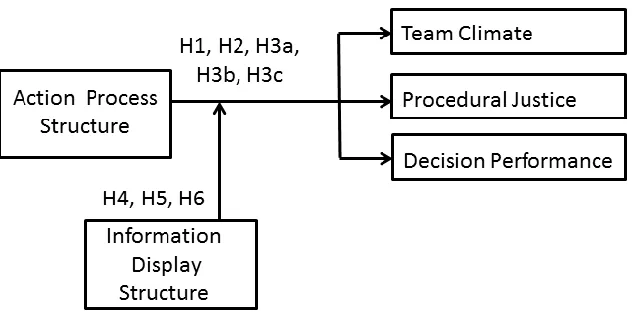
Figure 2: Theoretical Model of Hypotheses, Relationships, and Constructs ... 67
LIST OF TABLES
Table 1 Results for Reliability Tests for Variables Used in the Study ... 82
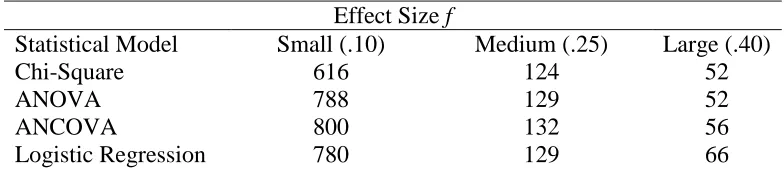
Table 2 Sample Size Requirements by Effect Size Based on Statistical Model ... 82
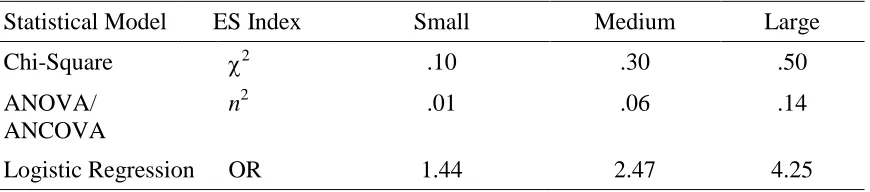
Table 3 Magnitude of Effect Summaries for Effect Size Indexes Used in Power Analysis ... 83
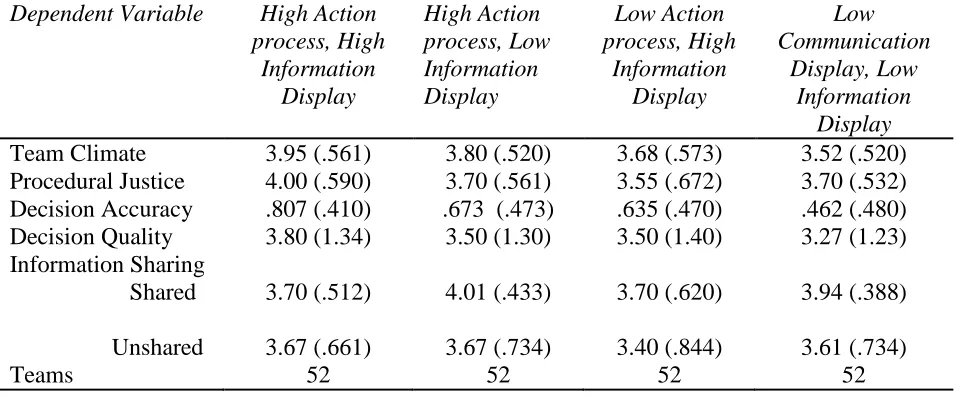
Table 4 Means and Standard Deviations for Outcomes for Experimental Factor Conditions .. 86
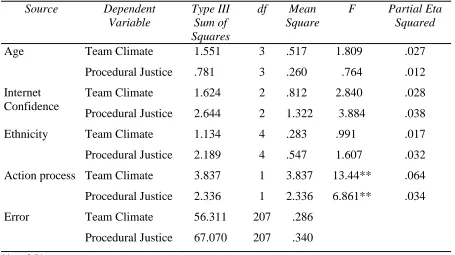
Table 5 Results of Regressing Team Climate and Procedural Justice on Action Process ... 89
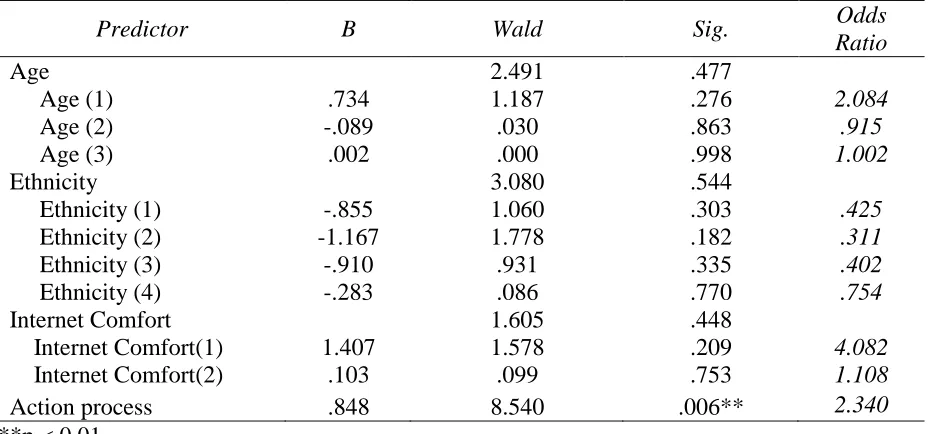
Table 6 Results of Regressing Decision Accuracy on Action Process... 93
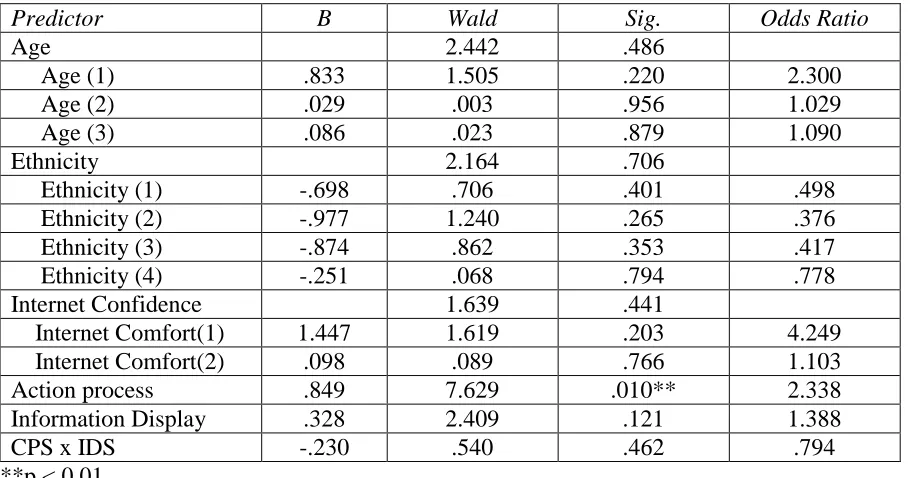
Table 7 Regression Results for Interaction of Action Process and Information Display ... 97
Table 8 Regression Results for Interaction of Action Process and Information Display ... 98
Table 9 Result of Model Measurement Tests for Confirmatory Factor Analysis ... 103
ACKNOWLEDGEMENTS
I would like to thank my committee chair, Professor Anthony Townsend, and committee
members, Professor Stephen Gilbert, Professor Gerry McKiernan, Professor Brian Mennecke,
and Professor Kevin Scheibe, for their guidance, support, and understanding throughout the
course of this research, particularly in light that the work was conducted at a distance. This
consideration is greatly appreciated. I would also like to thank my friends, mentors, colleagues,
faculty, and staff I have worked with and learned from at Iowa State University. I would not
have grown this far into the scholar or person that I am becoming were it not for you.
I want to also offer my appreciation to those who helped support the project technology,
including technology testing, providing user experience feedback on the navigation and design
elements critical to performance of the task, and technical support during the task. In addition I
want to thanks the departmental staff who kept project administration on track and moving
forward. Perhaps most important, I would like to thank those who participated in the experiment.
Signing up, scheduling, performing the tasks, and taking numerous surveys in the virtual
environment can be a challenging experience, and the patience, flexibility, and enthusiasm of the
teams that completed the study not only made the project possible, but rewarding beyond the
ABSTRACT
This dissertation examined the influence of action process dimensions on team decision
performance, and attitudes toward team work environment and procedures given different
degrees of collaborative technology affordance. The work provides insight into how team
process impacts immediate and emergent outcomes in virtual work, and the extent that lean
communication and collaborative technology supports or constrains effectiveness. The study is
framed by theoretical perspectives fundamental to the study of virtual team interaction including:
group member influence, patterned interaction, socio-technical dynamic, and groups as
information processing systems. Process models were used to provide context for understanding
team behavior in the experimental task, and clarify understanding of process influence on team
performance and attitudes.
Two hundred-eight students completed the study comprising 52 four-member teams.
Teams performed the same complex hidden profile task in a completely dispersed virtual work
space using the online Google document application. The dynamic of the experimental task
provided insight into how virtual teams share and exchange information leading to decision
outcomes, the impact process has on team affective outcomes, and the role technology
affordance plays in virtual team process and outcomes.
A 2x2 factorial design based on prescribed action processes and two degrees of
collaborative information display structure was used to test predictions relating to
communication process and display structure on team decision performance, climate, and
procedural justice perceptions. The results showed that action process structure has a small but
Tests for interaction effects were mixed. Collaborative display structure supports process
influence in the predicted direction on performance and climate outcomes, but this effect was not
significant. However, display structure had a differential moderating effect on procedural justice
outcomes.
In addition, confirmatory factor analysis was performed to clarify relationships in the
proposed model. The majority of indicators loaded significantly (11 of 13). However the
majority of goodness of fit indicators, while approaching acceptability, did not meet established
levels of fit. In addition, the squared multiple correlations across indicators was relatively weak
with only 5 of 13 observed variable at or approaching the accepted 0.50 threshold. This indicated
low ability of the latent construct to explain variance in the indicator variables, and high degree
of residual error. Namely, findings from the confirmatory factor analysis implied other latent
factors are operant in the relationship between process and performance, and refinements of the
study design and sampling methods is suggested before the findings are generalized or
CHAPTER 1
INTRODUCTION
Changes in business requirements and advances in technology have contributed to a
shift in work structures. A response to these changes is the increasing use of virtual teams
(Johnson, Bettenhausen, & Gibbons, 2009). It is estimated that over half of professional
employees work in virtual teams (Kanawattanachai & Yoo, 2002). While debate over an
exact definition of virtual teams remains elusive, these work units are generally defined by
one or more non-collocated members, using synchronous and asynchronous technology to
perform routine and complex tasks that may require a wide range of processes to acquire,
exchange, and apply information (Suchan & Hayzak, 2001; Kossler & Prestridge, 1996;
Townsend, 1998; Ananth, Nazareth, & Ramamurthy, 2011). While virtual teams are similar
to physical teams in many ways, they are distinct on a number of dimensions, including
configuration of team members across time and distance, communication processes, type and
complexity of work performed, and the context in which the work occurs (Lurey &
Raisinghani, 2001; Colquitt, 2001). Work configurations and communication structures
unique to virtual teams have significant impact on skill requirements, member interaction,
and communication methods (Guzzo & Dickson, 1996; Lojeski, Reilly, & Dominick, 2007).
The flexibility of virtual work can enable success by providing a way to bring
together diverse expertise over time and distance, often employing audio and video
technology to help approximate processes of the physical environment. In addition, unique
technology affordances temper virtual team action and performance (Fuller, Hardin, &
Davison, 2006), such as the ability to capture, share, and apply information to make
communication technology to produce and use information to solve problems (Pont, 2001;
Conference Board of Canada, 2006; Society for Human Resource Management and
WSJ.com, 2008). However interaction of time, space, and technology make it more difficult
to exchange knowledge, make decisions, and manage virtual teams (Berry, 2011; Hong &
Vai, 2008, Mirakaj, 2010). Team effectiveness then can be thought as the successful
structuring of dimensions of team, technology, task, and context (Mazmeki, 2000).
For instance, complex tasks such as planning, collaboration, and decision making
may be more effective when performed in the virtual environment because of the ability of
technology to foster interaction process. Likewise, computer mediation can enable timing
and sequencing of activity, and shared representations of task information that keep members
on the same page and provide a common ground that promotes participation (Marks,
Mathieu, & Zaccaro, 2001). This is especially true when “team processes are adapted to the
affordances of the CMC environment” (Rice, 2007, p. 579). As Rice demonstrated, when
trained on technology use, work process, and task structure, virtual team performance can
increase significantly (2007).
However, computer mediation can also limit information processes required for
effective communication and collaboration. Virtual teams are generally successful
performing low complexity task requirements that more closely approximate the process of
face-to-face teams. However, higher complexity problems, such as the knowledge based
work performed by most virtual teams, have less permeable boundaries and require a high
degree of real-time interaction (Bell & Kowzloski, 2002; Kirkman & Matheiu, 2005). In
addition, virtual team communication and collaboration functions are often independent,
members to work across constraints of time and space. But it also alters the patterns,
processes, and meaning of the work between team members. For example, military teams in
the field operate under environmental conditions that can limit use of rich media; on the other
hand, alternatives such as text chat may fall short in providing verbal and gestural
communication cues that clarify meaning in face-to-face teams.
Giventhese configural, contextual, and task related variables, virtual team work is a
complex concept that requires new research approaches to address inconsistencies in our
understanding of virtual processes (Clear & MacDonell, 2011), tools, and techniques that can
maximize effectiveness of distributed work (Stevens & Campion, 1994).
Problem Statement and Purpose of the Dissertation
Problem statement
Virtual teams are perhaps the fastest growing organizational work unit. But given the
long history of small group and team research, empirical study of what makes virtual teams
effective is relatively recent. Much of the virtual team research has focused on defining
differences between virtual teams and their physical counterparts. Yet despite similarities to
physical teams, the distribution of members and reliance on technology to communicate
makes virtual teams distinctly different, especially in terms of the processes they use to
perform work.
Because teamwork processes are interdependent acts that guide and coordinate the
transformation of inputs to outcomes, the technology-action dynamic is critical for virtual
teamwork success. However, while general understanding of virtual team effectiveness has
grown the relationship between communication modalities and virtual team process remains
“dependable processes and strong interpersonal relationships based on information and
communications,” advanced technologies alone cannot optimize effectiveness (2000, p. 11).
Virtual teams work under technical conditions that can create uncertainty about the
stability of the work environment. Exploring how computer mediated technology (CMC) can
be best integrated through interactive processes such as monitoring, feedback, and
coordination may lessen some of the negative impact of uncertainty on perceptions of team
procedures. A key to this idea is that CMC can support greater interdependence and
participation. Computer mediated collaboration can provide strong interdependence that
leads to shared understanding and commitment to process and outcomes. Teams gain a sense
of sharedness a number of ways, but at minimum this requires team interaction, mutual
patterns of understanding, and norms for behavior. Team members must work together to
complete tasks and this cooperation can lead to increased sense-making and social influence
across the team (Cohen & Bailey, 1997; Colquitt, 2001). Accordingly, Bell and Kozlowski
recommend further research on the “interaction between communication technology and task
type on team processes and effectiveness,” particularly regarding dynamic, complex tasks
(2002, p. 44) such as decision making.
Teams tend to create an understanding of their work that reflects their own unique
circumstance. Technology appropriations are unique to the social structural context and the
behaviors and perceptions of users; so when teams bring social structures to life, the
outcomes may be not be consistent with the original intent of technology features and
accompanying task and environmental structures. The alignment of interaction processes
with the structural potential of technology and surrounding conditions can lead to outcomes
process structures designed to foster effective interaction in the virtual environment can lead
to improvements in performance, and provide insight into how teams will behave given their
unique operating conditions.
Towards a better understanding of the relationship between team process and
outcomes, and the role of mediating technology in this dynamic, this study addresses three
main goals. First I will examine the impact of virtual team action process structure on
effectiveness outcomes of decision performance, team climate and procedural justice climate
using a taxonomical team process framework.
It is argued that an action process structure that is highly systematic, interdependent,
and mutually supportive will increase decision performance by reducing individual and
group level bias and sampling preference in the decision process. Namely teams using a
structured action process that supports monitoring, backup, and coordination of task
information (Marks et al., 2001), will make better decisions.
Second, research suggests action process can be structured to heighten engagement
and develop a feeling of social presence (Aoki, 1995) that supports interdependence and
interaction essential in building a sense of community among participants (Reid, 1994).
Specifically, teams in the study using an action process structure that provides opportunities
for interdependence, alignment with team tasks and goals, and dynamic to foster better
alternatives will have more positive perceptions of the team work climate. Likewise, action
process structures should also enable more accurate information representation, consistent
procedures, and better opportunities to influence discussion and outcomes, which will
positively impact team perceptions of procedural fairness.
modality on the relationship between decision performance, and team climate and procedural
justice measures. Specifically, when teams are provided with increased technology
affordance that allows members to visualize and collaborate directly with decision
information, participation, interdependence, information accuracy, and correctibility is
amplified so that the influence of action process structure on decision performance, team
climate, and justice climate perceptions increases.
Given this backdrop, the study will address the following research questions relative to
the role of action process structure and communication technology affordance in virtual
team work.
To what extent does action process structure influence perceptions of team climate?
To what extent does action process structure influence procedural justice perceptions?
To what extent does action process structure impact team decision performance?
To what degree does technology affordance moderate performance and attitudes?
Purpose of the Dissertation
The study adds to the growing body of interdisciplinary research on
computer-mediated decision making in virtual team environments in some useful theoretical and
practical ways. While there is a rich body of literature examining the relationship between
team inputs and performance and attitudinal outcomes in both face-to-face and virtual
settings, this dissertation is relatively unique because it adopts an intervention driven
approach to examine virtual team effectiveness by varying task process structure in a
completely open online work environment. Specifically, some teams will use an action
process structure designed to improve decision making and perceptions of team climate and
impact of media richness (the degree to which technology can approximate communication
in the physical environment) on team effectiveness, there is little current empirical
knowledge on the impact of extending lean media (combining a collaborative text mode with
text based communication) to improve team outcomes.
While teams increasingly use rich media technology, it is not always available or
practical, so it is likely that virtual teams will continue to use a variety of rich, lean,
synchronous, and asynchronous communication tools. As such, this study extends research
on virtual team work practice by helping to identify needed adaptations to “business
processes based on information and communications technologies that can foster success,” in
flexible, distributed, demanding information environments (Grenier & Metes, 1995, p. 2).
Third, if the full potential of virtual teams is to be realized, there remains much to be
understood regarding how virtual team processes can be maximized to generate productive
decision outcomes (Townsend et al., 1998; Powell et al., 2004; Kirkman, et al., 2002). For
instance, hidden profile research employs a number of interventions for improving decision
accuracy including: listing and information structuring, cognitive priming, and preference
advocacy (Greitemeyer & Schulz-Hardt, 2003; Mojzisch et al., 2004; Voigtlaender, Pfeiffer,
& Schulz-Hardt, 2009). All of these techniques show merit for improving performance.
However intervention strategies for improving virtual decision performance have not been
thoroughly applied and examined in the virtual work team scenario.
A final goal is to further understanding of how computer-mediated communication
impacts how team members feel about virtual work procedures. “The more people participate
in decision-making through having influence, interacting, and sharing information,” West
offer ideas for new and improved ways of working” (p. 240). Yet while it is accepted that
procedures that provide equality, consistency, and control can foster effective team
effectiveness, a continued need for context-sensitive research regarding the impact of
procedural rules on virtual team perceptions still exists (Colquitt, 2006).
In this dissertation, I intend to examine the impact of monitoring, backup, and
coordination structures on how team members feel about the procedures used to make
decisions.
These structures help teams clarify goals, information, and progress through interdependent,
collective action that is accurate and consistent. As such, it is reasonable that action process
structure can be designed to support fairness rules, and teams using such a procedure should
have more positive feelings about the procedures used.
Finally, I will explore the integral role of technology affordance in team decision
process where potential for visualization and interaction with decision information is
increased for some teams with the aid of collaborative text document, while other teams use a
chat only communication protocol. This structural configuration provides insight into the
influence of lean collaborative ability on the effectiveness of baseline chat communication
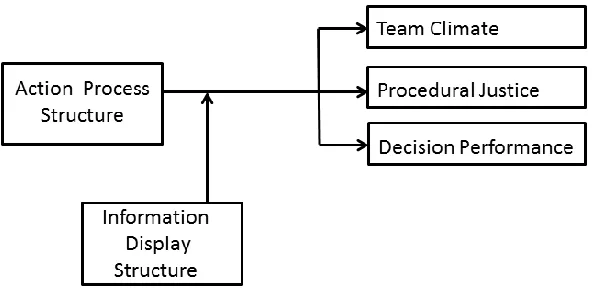
processes. The relationships between structuring conditions and outcomes of decision
performance, team climate, and justice perceptions are shown in the projected research model
Figure 1. Research Model
It is believed that team action process structure will impact the amount and quality of
information made available to the team, and the ability of the team to effectively process this
information to reach an optimal decision. In addition, the action process structure creates
conditions that should foster perceptions of procedural fairness and shared team climate.
Assuming the use of a relatively standardized hidden profile research task, it is suggested that
teams using an action process structure that enables greater participation, better information
access and exchange potential and more equitable and regulated procedures, will make more
accurate decisions, and have more positive attitudes of procedural fairness and team climate
than those using ad hoc processes.
Finally, it is anticipated that the team action process structure and team effectiveness
relationship is moderated by the way that decision information is made visible and
collaborative. That is to say, teams using a protocol designed to structure decision
information through document collaboration (e.g., novelty, valence, and rank of decision
attributes and alternatives) are anticipated to demonstrate greater decision performance and
stronger perceptions of team procedures and climate than teams with lesser affordance to
The moderating and outcome variables in this study are congruent with dominant
variable constructs used in the virtual team literature, including performance measures such
as information sharing, decision accuracy and decision quality, and attitudes regarding work
climate and procedures. However, examination of the impact of action process and
information display structuring relative to these areas is currently the exception rather than
the rule in the stream of research.
Towards greater understanding of these dimensions of collaborative decision making
process, the dissertation will contribute to the virtual team literature by helping advance
knowledge about the relationship between action process and information collaboration
structures using text-based communication. Given this, the study uses a solvable, relatively
complex task, and applies levels of process structure across conditional groups. It is felt that
the knowledge from this experimental arrangement may contribute to both conceptual and
practical understanding useful to researchers, team designers, and managers by offering
practical, theory driven ways to maximize team work and provide insight into the
development of virtual work structures.
The remainder of the dissertation is outlined as follows. Chapter two discusses the
existing literature important to provide theoretical and empirical basis for the study. In
chapter three, the research model, hypotheses, theoretical constructs, and processes for
testing and measuring the projected study outcomes are detailed. Preliminary analysis of the
data including data treatment, manipulation checks, data aggregation, and results of all
hypothesis tests are presented in chapter four. Chapter five concludes the dissertation with a
discussion of the research, including theoretical and practical assertions as well as limitations
CHAPTER 2
LITERATURE REVIEW
A review, examination, and critical analysis of existing scholarly literature (Gall et
al., 2006; Hart, 1998) relevant to virtual team effectiveness was performed in order to delimit
the research problem, distinguish areas of inquiry that would most benefit from further
contribution, provide useful new perspective, and identify recommendations for further
research. Because the area of team research has a long history and broad scope, the review
centers primarily on the central study objectives, and less on peripheral aspects of the
research topic (Biggam, 2008). Specifically, the review takes the filmmaking approach
suggested by Rudestam and Newton (2005). A longshot of background material is presented
to provide overview of the central theories and concepts of teams and team effectiveness.
Then a mid-range view range view of literature focused on variables related to team
effectiveness is developed to refine background concepts and summarize issues relevant to
the orientation of virtual team study. Finally, a “careful examination” of literature having
“the most direct relevance to the proposed research question(s),” provides a close-up view of
the areas of study interest (2005, p. 62).
As such, the discussion opens by defining the concepts of groups, teams, and virtual
teams, and describing the relationship between teams and team effectiveness. Next, I will
outline the historical grounding for this study drawing from specific streams of group, team,
and virtual team literature relating to the most salient aspects of this research. Focusing this, I
examine the literature highlighting specific team inputs, processes and outcomes, with
emphasis on studies that explore team member information sharing, communication, and
input-process-output framework is used to describe the role action process and information display
structuring play in cognitive, behavioral, and attitudinal outcomes.
A Working Definition of Groups, Teams, and Virtual Teams
Descriptions of collective units of people vary widely in the literature. For example,
the idea of team is frequently used alongside similar connotations of groups, often depending
on the researcher and field of study. Because of this, conventions of distinction between these
definitions are not widely shared (Cohen & Bailey, 1997). Both groups and teams share a
number of commonly examined dimensions such as configuration, type and degree of
interaction, and performance. However there are distinct differences as well, especially as the
study of teams advance. Accordingly, this literature review tends to use the terms group and
team interchangeably in the narrative, expect where referred to specifically in the research or
when distinctions are needed. In addition, a working definition of groups, teams, and virtual
teams is included to focus and clarify these distinctions as used in the dissertation.
Groups
Historically, the lines distinguishing groups from teams are blurry at best. Myers
defines groups as “two or more people who interact with and influence one another”.
Members perceive the group as a unique entity beyond the individual, and think of the whole
in terms of “us” (1993, p. 305). However this perspective does not specify a shared
understanding about goals or outcomes. From this, a distinction can be made between groups
and teams in that teams share a collective purpose (Townsend, 1998).
But this is not always consistent in the experimental and theoretical literature. For
example, Cordery, Mueller, and Smith (1991) studied the collective decision making process
in terms of member agreement upon an outcome (1978). Likewise, Arrow, McGrath, and
Berhdahl’s theory treats small groups as complex, adaptive, dynamic systems represented by
bounded, structured entities. These group systems influence and are influenced by the
purposive, interdependent actions of individuals (2000).
Teams
There also remains ambiguity surrounding the definition of teams. For this study,
teams are defined as collections of persons who are task interdependent, share responsibility
for outcomes, and function as “as an intact social entity, embedded in one or more larger
social systems” (Cohen & Bailey, 1997, p. 241) distinguished by the alignment of members
with some common goal (Roberson & Colquitt, 2005; Hackman, 1987).
The goal-oriented focus of teams makes outcomes implicit. Team outcomes are
typically described in terms of processes, products, strategies, attitudes, and behaviors
(Lipnack & Stamps, 2000; Duarte & Snyder, 1999). To reach goals, teams are dependent on
the availability of shared resources. Thus, one critical limitation for organizational teams is
the inaccessibility of critical resources, especially information, without which even well
designed teams may fail to achieve effective outcomes (Luery & Raisinghani, 2001).
Virtual teams
As with the group and team literature, there is a wide range of perspective for
defining virtual teams. Virtuality is often a matter of degree that can confound precise
definition. As Fiol and O’Connor posit “physical distance among team members, interrupted
by only occasional face-to-face contact, is likely to pose a different set of barriers to member
In general, virtual teams are groups of geographically and/or organizationally
dispersed coworkers that are assembled using a combination of telecommunication and
information technologies and meet at varying distances, times and frequency (Townsend,
1998; Lipnack & Stamps, 1999). These elements are associated with the development of a
multidimensional environment having different degrees of virtualness across dimensions
(Cohen & Gibson, 2003). Towards clarification of the nature of virtual teams, work by
Kirkman and colleagues (2004) help refine the orientation between group, team, and virtual
team definitions. Namely, virtual teams are groups of people who work interdependently
across space, time, and organizational boundaries using technology to communicate,
collaborate and reach a common goal.
Virtual Teams and the Conceptual Basis of the Research
In this study, a functional perspective is adopted to examine the potential for process
gains in team effectiveness by the structuring of action processes and collaborative display
affordance to improve outcomes of team interaction. Poole and colleagues define functional
perspective as one that examines “the inputs and/or processes that function to influence
group effectiveness” (Poole, Hollingshead, McGrath, Moreland, & Rohrbaugh, 2004, p. 7).
Towards the goals of this study, a functional perspective helps differentiate the actions and
behaviors that promote effective performance, and those that impede it.
There are several established theoretical bases relevant to examination of action
process and decision making in virtual teams. Arrow, McGrath, and Berdahl provide five
particular orientations that help frame the basis for this study, including: the influence of
teams on member attitudes, the patterned interaction of teams, teams as a mechanism for
systems (2000).
Teams as mechanism for member influence
Festinger’s social comparison theory posits individual opinion and ability cannot be
evaluated against physical means alone. Although people bring distinct beliefs and attributes
into the group setting, they tend to compare their opinions and abilities against similar others.
The drive to evaluate and adapt individual attitudes and abilities is motivated by a dynamic
interaction of minority and majority influences that have social impact on individuals. For
example, as individual attitudes align with comparison group members, the influence
between comparison group and individual group members increases (1954).
Similarly, Blau’s theory of social exchange (1986) provides insight into the
interactive elements that lead goal driven behavior. As individuals weigh costs and benefits
of interactions between groups and members, the degree to which individuals are satisfied
changes. When someone receives help, it is expected they express appreciation. If he or she
reciprocates, the social reward the other receives serves as inducement to extend mutual
assistance as well which creates a bond between them.
In general, social influence is greater when effectors are high in status, close in
immediacy, and when the number of people is greater (Latane, 1981). Likewise, leadership
and expertise are critical inputs for team building, vision, and effectiveness. This can be
especially important for virtual teams leaders who may need specialized skills not required in
face-to-face settings (Staples, Wong, & Cameron, 2004; Webster & Wong, 2003).
Social exchange between team members also influences individual beliefs of fairness
as group members gain knowledge of how others are treated (Milgram, 1974). Individual
close to “perceptions, attitudes, and behavior to be exposed to social influences” (Liang, Xue,
Ke, & Wei, 2009, p. 301). As such, the proximal social environment provides vital
information that individuals use to construct reality (were things fair, are my teammates of
like mind, do we all understand what to do, can we do it?).
For example Liao and Rupp found when work group cohesion increases, there is
greater likelihood that shared perceptions of the justice climate will develop as a result of
these interactions (2005). Accordingly, the body of work regarding groups as member
influence is important to this research because of its focus on member to member, and group
to member interactive relationships, and the impact these relationships have on group and
member attitudes, in particular attitudes towards the team work environment, and the
procedures used to perform decision making tasks.
Teams as a patterned interaction mechanism
Bales research helped develop an empirical approach towards understanding small
group work that continues to influence team study today (1950). The research is built on the
principle that interaction systems are social in nature, and range from small groups to
complete societies. His method, Interactive Process Analysis (IPA) was perhaps the first to
provide a powerful, discrete way to examine small group interaction in real-time using a
comprehensive measurement system. Designed to glean “the type of problem-solving
relevance of each act for the total on-going process” (1950, p. 258), IPA was a major step in
the development of process-centric methods for analyzing and classifying interaction
behavior and member relationships in problem solving teams. Bales theoretical contributions
were key to developing the concept of teams as human interaction systems with an
p. 259), and where effective problem solving outcomes are related to the ability of the
members to develop status structures built on a “satisfactory set of social-emotional
relationships to each other” (Bales, 1953, p. 21).
Bales original construct proposed six challenges related to communication and
information processes that teams must address to solve problems effectively. These included:
orientation, evaluation, control, decision, tension management, and integration with the
group. These strategies have been applied successfully in the field to improve face-to-face
team effectiveness. But developing effective interaction patterns between members can be
more difficult in the virtual environment. Technology mediation over time and distance can
impact the natural, regulated flow of information required for developing team
communication, trust, coordination, and leadership structures. Successful information
exchange is a primary factor for success in the virtual team environment; yet it remains
difficult to approximate communication conditions of the physical task environment.
Technologies used to perform group tasks can approximate the physical environment to some
degree, but the quality and type of interaction patterns may often take a different form in the
virtual setting.
For instance, matching the functionality of routine interaction, such as automating an
online versus paper calendar is straightforward. Higher level processes, such as developing
regulated structures for team discussion including who can speak, who they can speak to, the
length of time a person can speak, and the order of turns, are not as easy to adapt. Thus,
effective support for team decision making requires adapting in a positive way the interactive
exchanges that happen as teams progress through the problem solving process (DeSanctis &
structures, the more dramatic the impact on team problem solving processes.
Interaction patterns can improve or impede or team effectiveness, but the relationship
between interaction patterns and effectiveness can be hard to unravel. Virtual interaction
patterns may be more meaningful, useful, and effective to the degree they contain
communication cues about the team members, task, and environment. Communication cues
such as speed and frequency of data, tracking of team actions, and structure of information
display provide details to the team about how to act. These factors interplay dynamically, so
the combined impact may be difficult to determine.
For example, De Guinea, Webster, and Staples found virtualness was negatively
associated with action process variables. In their meta-analysis of over 200 virtual team
studies, high degree of virtualness was associated with decreased social presence, limited
social cues, increased time and effort for communication, and less inhibited communication
which led to higher conflict among team members. However, the overall impact of
virtualness on quality, productivity, and team satisfaction was positive, suggesting there is
more benefit gained than lost in overall performance despite the disconnect between team
members (2005).
One explanation for this difference is the impact of copresence which can foster
interaction and understanding across the team. Copresence is the cognitive and affective
perception that persons in the virtual environment are collocated, working together, and of a
like mind. Communication cues enable copresence by creating a sense that people are
actually there, and in turn foster increased performance and satisfaction (Daft & Lengel,
1986; Ma & Agarwal, 2007). Copresence can improve communication, but this does not
be as effective as those in the physical setting. Virtual teams do not have the opportunity to
share information through casual conversation that can fill in gaps in the communication
process. For effective information exchange to occur, team members must be steadily
available. As such, virtual communication can be hindered by lengthy and confusing
interactions (Short, Williams, & Christie, 1976; Beranek, Broder, Reinig, & Romano, 2005).
So while it may be possible to optimize virtual communication, it is likely
virtual team interaction patterns and communication cues are unique, and may never fully
match the dynamic of those in the physical setting. Thus, varying degrees of media richness
and non-traditional means of information exchange in the virtual environment suggest need
for specialized protocols for structuring communication and collaboration procedures. As
such patterned interaction theory is important to this study for its emphasis on task
communication and coordination, and for insight into the role of computer mediation
technology on the flow of team information.
Teams as task performance mechanism
Teams often perform complex, knowledge-based tasks that require interdependent
action, and involve cognitive behaviors such as planning, knowledge integration,
performance management, decision making, and process improvement (Mohrman, Cohen, &
Mohrman, 1995; Marks et al., 2001). Although, task performance is impacted by a number of
variables, the most commonly studied are those relating to task type, task behavior, and task
processes. Early group task research systematically identified three core task types:
production, discussion, and problem solving (Hackman & Vidmar, 1970; Morris, 1966).
Different task types produce distinct types of interaction. Production tasks call for the
a story, or describing techniques used in a painting. Production tasks are thought to be the
most difficult to perform, because they demand divergent thinking. This implies a higher
level of task complexity, requiring members to use diverse resources, and more innovative
and interdependent solutions. However, working on production tasks in groups may also
foster high levels of tension, and competition, creating mixed feelings about the team and
task (Hackman, 1965).
Discussion tasks demand evaluation of controversial topics or situations, generally
with the requirement of group agreement, for instance whether an activity should be legal or
illegal. Hackman found (1970) discussion interchanges are more relaxed. But because of this
groups sometimes lack initiative to follow through with tasks. Likewise, conflict and
performance is generally low in discussion groups. Hackman suggests that because
discussion is a typical activity for many people, the task format may not provide enough
salience for groups to take it seriously.
Problem solving tasks require planning and action for solving a particular difficulty,
for example how to determine the most efficient travel route given a set of road options and
conditions. Problem solving teams must work well together to be effective. Problem solving
tasks require members to prepare a set of actions to achieve a goal. While problem solving
tasks require less divergent thinking than production tasks, conditions that lead to creative
tension in production groups are not present in problem solving groups. As such, problem
solving groups may lack benefits arising from constructive disagreement which leads to
better alternatives.
Because task requirements vary, different types of tasks require, or at least inspire
group interaction process. Long before the digital age, Sorenson identified five individual
task behaviors central to virtual team decision making today: structuring, generating,
elaborating, evaluating, and requesting (1971). Structuring behaviors focus attention on the
main objective of the problem or ask for consideration of part of the problem. Generating
behaviors bring new ideas to the group through the introduction of new ideas, or additional
insight into existing information that requires further consideration. Elaboration behavior lets
individuals explain and justify how information they have offered contributes to the task.
Evaluations allow persons to compare, contrast, and clarify task information and actions,
pointing out inconsistencies, and showing agreement or disagreement. Finally, individuals
may make requests to the group for additional facts, a review of previous actions and
information, or ask if other members have any additional information or suggestions about
additional actions needed.
Group size is also a major factor in task performance (Hackman, 1970). As groups
get larger, the ability to manage communication is challenged. Some individuals tend to
dominate discussions more often, and others feel too inhibited to speak in the large setting
group setting. In addition, there is a greater sense of competition in larger groups, which can
lead to disagreement that obstructs task completion. On the other hand, large groups tend to
benefit from increased amount and diversity of member skills and abilities. For instance,
conflict in large groups can be reduced by providing central leadership and creating
sub-groups that limit exposure of any individuals to the larger group. As such, large sub-groups may
offset coordination issues through benefits of greater, more diverse resources, and distinct
group configuration.
overwhelming. Also, small groups may become overly intimate, preventing members from
expressing disagreement that generates constructive conflict that can lead to better solutions.
Given contraindications regarding the relationship between task and team, Hackman called
for “further investigation of the means by which the interaction between task characteristics
and performer characteristics takes place” (1970, p. 52). More recently, the task oriented
literature has begun to focus on collective process elements that form the dynamic basis of
task interaction, including: communication, coordination, task-technology fit, and
monitoring.
Task coordination is important to maintain a logical, consistent flow of work activity.
And based on a large body of research, Powell asserts that effective coordination is closely
related to performance outcomes. But virtual teams face a number of challenges trying to
coordinate tasks across time, space, technology structures, and individual characteristics.
Given these difficulties, researchers have developed interventions to improve task
coordination.
One approach that has shown success is use of introductory and periodic face-to-face
meetings (Powell, Piccoli, & Ives, 2004; Majchrzak, Rice, King, & Malhotra, 1999). This
gives opportunity for teams to fill-in-the- blanks of task understanding resulting in increased
performance. However, face-to-face meetings may not be possible for all teams. Another less
traditional method is the object-oriented approach which helps reduce process loss by
standardizing inputs, processes, and outcomes. Ramesh and Dennis suggest that
compartmentalized teams with highly structured work processes using media that provides
contextual understanding may be more effective than tightly coupled teams using typical rich
Technology is integral to virtual team function, and given the fact that they perform a
wide variety of tasks, it is important to closely evaluate task-technology fit. Technology
choice is based on available options, the requirements of the task, and the ability of
individual members to interact with the team through the technology. However, even when
limited options are available, members will work within technology constraints, or adapt the
technology to meet their own needs. Team members adapt and restructure technologies to
perform work by drawing on the affordance of the technology, and the social context the
work occurs in.
Relative to tasks, adaptive actions comprise a series of generally positive
appropriation moves which are response in part to the misalignment and malleability of
technology, and the events that lead to changes requiring the team to adapt (Majchrzak,
2000). Typically, teams will initially alter their communication structure to match the
features of available technology. But over time, team members adapt these technology
structures to meet communication requirements as understood by the team. Thus, eventually
teams are generally successful in adapting technology to meet communication and
coordination needs regardless of the variety of options.
Finally, task performance is dependent on the understanding of team members about
the purpose of the task, the progress the team is making, the responsibility of individual
members, and the ability to interact timely and effectively. Towards addressing task
performance challenges, Malhotra and colleagues recommend the following. First, clear
objectives must be made and understood by all members, including subsequent deviations
from original goals. Second, teams must bring forward or otherwise create a sense of shared
including face-to-face meetings when possible. In addition, roles should be well defined
upfront, but allow for flexibility should requirements change. Last, communication protocols
should be established about what is communicated, to whom, when, and what for (Malhotra,
Majchrzak, Carmen, & Lott, 2001).
Team task performance concepts inform this research because it frames the
relationship between team member task requirements, and supporting technology. Of
particular interest is the role of mediating technology on task processes used for decision
making, and the impact of changes in task process on associated cognitive, behavioral, and
attitudinal outcomes.
Teams as a mechanism for information processing
Drawn from the metaphor of the personal computer, a large pool of research has
studied teams as information processing systems for “acquiring, processing, storing,
exchanging and using information” (Arrow et al., 2000, p. 10). Teams process information to
perform cognitive tasks such as planning, problem solving, and decision making. Information
is shared among group members in mind and action, and the degree to which information is
shared impacts individual and group outcomes. In the information processing view,
performance is often measured in terms of the outcome of cognitive tasks. Performance
varies between groups and effectiveness is based on a number of dimensions, including:
uniqueness, convergence, and divergence of information, innovativeness of ideas, and
variability of the cognitive process between groups and members.
Decision making is perhaps the most critical information task performed by teams.
Because decision making requires the ability to use information effectively, the study of team
especially true in the case of virtual teams where members face communication and
coordination challenges such as difficulty creating shared understanding, sporadic
interaction, reliance on computer mediation, increased need for flexibility, and loose
definition of communication protocols due to changing requirements (Malhotra et al., 2001).
In general, groups are found to be more effective than individuals at performing
memory tasks, and there are three mechanisms thought to lead to the superiority of group
information processes. First, groups have a greater pool of available information than
individuals. Second, groups have the ability to monitor and provide feedback about
information shared through the group that provides error correction. Last, groups have
stronger decision making processes for evaluating information. For example, findings by
Hinsz and colleagues support that groups have superior decision making processes partly
because error correction leads to greater recall. This effect is more pronounced when
members have high confidence, and are able to determine what can and cannot be recognized
(Hinsz, Tindale, & Vollrath, 1997).
Performance outcomes in memory tasks are an integrative effect of information
pooling, error correction, and decision making functions, as group members bring
information into the discussion, recognize what is missing, and aggregate this information
through combinatorial process. For example, Hinsz found that decision performance was a
product of “the degree of consensus favoring a response alternative, the correctness of a
response alternative, and the confidence members have in their responses” (1990, p. 717).
Decision alternatives that are easily proven correct are more likely to be accepted by
the group. Alternatives that are less demonstrable require greater consensus before they are
information is shared across the team, while other critical information is initially possessed
by only some members to confirm that individual preference and group bias mediates
information exchange processes (2003). Individuals tend to stick to their initial choice. And
even when all information is potentially available during discussion, groups are more likely
to discuss common information first, discuss it more, and remember it more often. Further,
there is social cost for introducing new information, so individuals are less likely to bring
new information forward, or go against the will of the majority.
Decision processes tend to vary by the nature of the task (Davis, 1982), making
development of performance interventions difficult. Laughlin (1980) notes that the apparent
decision scheme for each task type varies as a function of how easy it is to demonstrate to
group members that an alternative is the correct response. Accordingly, Cramton (1997)
recommends that knowledge sharing in virtual teams be enabled by evenly distributing
knowledge to all team members, and communicating knowledge of both content and context.
For example, Voigtlaender and colleagues found marked improvement in hidden profile
decision making when all information was made available, and listed by valence and novelty
in a visual display format by the team (Voigtlaender et al., 2009).
In addition, a number of other strategies have been used to foster process gains in
hidden profile problems, such as advocacy, priming for critical thinking, and full profile
disclosure. Yet no intervention has been entirely successful. Explanations for failure to detect
the solution in hidden profile problems have been attributed to dysfunctional individual
process, (bias towards self-evaluated information), as well as group level processes
(premature consensus, preference for shared information, and consistently presented
addressing these challenges, a large percentage of groups still fail to select the best
alternative (Greitemeyer, Schulz-Hardt, Brodbeck, & Frey, 2006; Brodbeck, Kerschreiter,
Mojzisch, & Schulz-Hardt, 2007; Rentsch, Delise, Salas, & Letsky, 2010). In this study, the
concept of groups as information processing systems highlights the critical role of
information sharing behavior in the decision making process, in particular the role of process
in information acquisition, exchange, and evaluation.
Teams as sociotechnical systems
The sociotechnical system perspective established the view of teams as open systems
comprised of not only members, but the tools, resources, and technology available to them.
The sociotechnical system perspective was developed from action research in real contexts,
and emphasizes the dynamic relationship between workers, technology systems, and the
organizational environment (Czaja & Sankaran, 1997). One key concept is that changes in
technology impact existing group structures, and the tasks and technologies traditional to
those structures (Arrow et al., 2000), including the design of work and organizational
systems.
Sociotechnical systems are built on three interdependent components, a personnel
subsystem consisting of group members, a technological subsystem, representing the
technology available to the group, and a subsystem of external environmental factors that
impact the group (Hendrick, 1997). The social and environmental systems impact member
perceptions of the environment, while the technical element reflects the mediating factor of
technology processes used to perform work (Karwowski, 2001). In a greater sense, these
subsystems form a sociotechnical system representative of the resources and relationships of
of dynamically intertwined and interconnected elements, which include inputs, processes
(throughputs), outputs, feedback loops, and the environment in which the system personnel
operate and interact (Emery & Trist, 1960). Subsystems interact with each other, and the
optimization of dynamics between social, technical, and environmental subsystems can lead
to improved attitudes and performance.
In virtual environments, the technical subsystem that mediates communication and
coordination may have greater impact on performance than in other team environments. In
the collocated environment, interaction is transparent; members can see and react readily to
what others are doing. In the virtual workspace this awareness is obscured, and
communication and coordination of team work is often more challenging, impacting both
performance and attitudes. This is due in part because computer mediated environments force
a degree of abstraction or opacity on virtual interaction not found in physical settings.
Opacity is a state of ambiguity and artificiality that shapes the interaction of the virtual
environment (Fiore, Salas, Cuevas, & Bowers, 2003).
So in one sense, technical subsystems are effective to the degree they offer clear
representations of the work. In the virtual team, work representations are clarified through
the visual and verbal communication cues that approximate the physical team environment
and the shared team and task resources that must be effectively acted upon (Anderson et al.,
2000; Greenberg, 1991). However, technical subsystems in the virtual work space may not
provide adequate communication and coordination cues. This limits availability of implicit
strategies available to virtual teams. Therefore, opacity in the virtual work space can impede
interactions that foster positive team attitude, performance, and continuance, especially under
Alternately, Fiore and colleagues (2003) describe the sociotechnical system in the
context of a distributed coordination space, a framework where attitudes, behaviors, and
cognition occur during three phases of team interactivity. The pre-process interaction phase
includes task planning and preparation, and the forming of shared expectations. For instance
teams often clarify goals, determine available resources, and then set a course of action. The
in-process phase is a period where task execution occurs, and the elements of coordination
and communication are most critical. During task execution, teams employ the technical
system to facilitate required actions, monitor progress, provide feedback to the team, and
adjust direction. In the post-process phase team perceptions reflect shared feelings about task
and outcome performance. For example, in the post-process, teams may more or less agree
about whether goals were met, the ability of the team to meet standards, and whether or not
the team should continue. In this study, the sociotechnical perspective highlights the
relationship between technology mediation and the impact this has on member-to-member,
member-to-technical and member-to-environmental system process interaction.
Framework for Understanding Team Effectiveness
This study adopts an input-process-output (IPO) model to provide clear description to
the basic operations of virtual team decision making. Models help drive team research
because they allow a concrete way to approach the investigation at the local level to gain
deep knowledge of operational functions. Step based models are particularly useful in
understanding tasks such as problem solving and decision making because they help clarify
the objectives, means, and processes for selecting and implementing alternatives, and
evaluating solutions (Emergency Management Institute (U.S.), 2002).
provided central ideation for studying team effectiveness (Hackman & Morris, 1975). In
general, inputs comprise tangible things that go into the system and allow outcomes to be
achieved such as: materials, knowledge, human resources, tasks, technology, and climate.
Inputs clarify individual, team, and organizational factors that can foster or inhibit interaction
and so can be said to guide team processes at three levels (McGrath, 1964): individual factors
(characteristics, skills, abilities, and traits), team-level factors (task structure and team size),
and organizational and contextual factors (environmental complexity and team climate).
Processes represent dynamic interaction between group members and resources, and
help define how teammates interact and work together to achieve task related goals. From a
systems perspective, Lee, Espinosa, and Delone explain that rigor and consistency of related
processes impact team ability to align with tasks. Process rigor is the adherence to highly
structured, well-defined guidelines, clear definition of goals and responsibilities, formal
processes of development, and accurate performance tracking. Rigorous process improves
team coordination effectiveness, while process consistency enables commonality and
uniformity of processes across groups. Consistent processes are critical to team functioning
because they help members know what to expect. For example consistent processes can
improve team communication by reducing uncertainty and variance between individual
perceptions of information (2009).
Outcomes in the IPO model represent task and non-task consequences of a group’s
functioning. Outcomes include performance measures such as quality, quantity, and
efficiency, as well as affective and cognitive perceptions, such as satisfaction, trust, cohesion,
climate, and fairness (Mathieu, Maynard, Rapp, & Gilson, 2008; Martins, Gilson, &
In the IPO model, process leads to alterations of the environment and to the group
itself so outcomes become inputs for the next phase of activity forming a recurrent cycle of
input, process, and output (McGrath, 1991). From this perspective, the interaction of inputs,
process, and outputs, and the individual and shared behaviors and attitudes of team members
lead to immediate and continued outcomes that reflect team effectiveness (McGrath, 1984;
Hackman, 1987; Roberson & Colquitt, 2005). Most definitions of team effectiveness express
the concept as a multidimensional construct, but there is no complete consensus about
specific measurement criteria (Goodman, Ravlin, & Schminke, 1987). However broadly
defined, there is sufficient overlap among definitions to assume that criteria for team
effectiveness includes: a clear understanding of goals, procedures, and required actions,
effective and efficient production of outputs, attitudes about the team work experience, and
the team’s potential to perform effectively in the future (Hackman, 1987; Cohen, 1994;
Guzzo & Dickson, 1996). Many studies have focused on the relationship between inputs and
outcomes, but less exploration of the effect of process on outcome has been undertaken.
Towards this, Hackman and Morris suggested more complete description of the relationship
between technology, task, and product in work groups is needed (1975).
Along this line, Baninajarian and Abdullah (2009) propose that team process structure
(work context, team design, and team interaction dynamic), and the use of a team process
facilitator (to provide task focus, evaluate performance and progress, and push tasks
forward), may increase team effectiveness. Key to their concept is the idea that teams are
effective to the extent that facilitators are skillful at the task, possess strong communication
skills, and can provide useful information and feedback to the team. Likewise, team members
task design ensures positive interaction in the group. This is similar to other process related
applications of team research. For instance, team instruction designed to foster
self-disclosure, clear communication, and increased interaction, has been shown improve
outcome effectiveness and attitudinal development in conditions where high team diversity
and strong individual attitudes disrupt performance (Powell, 2004). The dynamics of the
input-process-output model provide a grounding point for the study of team effectiveness. A
more focused review helps to clarify the role and impact of team inputs, outputs, and in
particular process on team effectiveness.
Team Inputs
Group size
Group size is often cited in the literature as a primary variable of team performance
(Steiner, 1972). Godar and Ferris (2004) explain that in general team size negatively impacts
the ability to perform tasks. However, some research has shown performance increases with
group size (Gallupe et al., 1992). Work by Hackman and Vidmar help clarify this
discrepancy. In their research, large groups have ability to harness diverse resources, and
consolidate member perspectives through sub-groups to increase performance. But members
are often dissatisfied with process complications due to increased coordination demands
across teammates.
And while small teams generally have greater coordination, and higher process
satisfaction, they often lack sufficient resources to complete tasks. Thus small teams have
closer member relations which increase satisfaction with team processes, but effectiveness is
hampered by lack of resources to perform effectively. Large teams on the other hand have
inputs (Hackman & Vidmar, 1970).
Team dispersion
The distance between members has a strong impact on the strength and disposition of
team interaction. Physical and temporal dispersion reflects the dynamic of distance between
members, and influences the amount and type of work performed with the team, the
configuration of team members and technology, and the degree that technology is required.
Geographically and temporally dispersed teams rely heavily on computer mediated
technology to perform work. This increases uncertainty, and impacts group processes,
relationships and the context in which the work occurs (Luery & Raisinghani, 2001). Owing
this, interactions required for task performance such as member interdependence,
communication, and coordination are unique in the less structured collaborative workplace
(Scheibe, Mennecke, & Zobel, 2006).
In general, the more proximal the members, the more members interact, and thus the
more member perceptions converge (Salancik & Pfeffer, 1978). Miller argued that members
rarely interact with others who are not close to them in physical space (1989). This is
consistent with arguments by Newell and Simon (1972), who suggested that greater distance
between system members reduces bond strength. As such, larger teams are characterized by
less social interaction and greater physical distance between members (Hare, 1992). Given
this, member dispersion can pose challenges to virtual team effectiveness. For instance,
lower performance and satisfaction perceptions are associated with the configuration of team
members, team technology, and team interaction. Schweitzer and Duxbury in one case, found