Fi\CTOI~.s I)ETI~I{IHNG EFFECTIVE IMPLEMENTATION OF SCHOOL
DEVELOPMENT PLANS IN PUBLIC SECONDARY SCHOOLS IN KIAMBU
EAST DISTIHCT
BY
WACHIRA NANCY NGUNJU E55/105()6/()6
--A RESE--ARCH PROJECT SUBMITTED IN PARTIAL FULFILMENT OF THE
REQUIREMENTS FOR THE AWARD OF THE DEGREE OF MASTERS OF
EDUCATION, DEPARTMENT OF EDUCATIONAL ADMINISTRATION,
PLANNING AND CURRICULUM DEVELOPMENT, KENYATTA
UNIVERSITY.
j
J)ECEMJJJ~J! 20()( Wachira, Nancy Ngunju Factors deterring .effective
Declaration
This project is my original work and has not been presented for a degree in any other university.
Sign: ~ . Date: ...
(.C:r.::!.?::-:.~.?::
...
WACHIRA NANCY NGUNJU
E55/10506/06
This project has been submitted with our approval as University supervisors.
Sign: ~LU.A~ •••• DR. NORBERT OGETA
Lecturer,
Department of Education~l Administration, Planning and Curriculum Development, Kenyatta University
Sign: ••.••~ •••••••.•.•••••...
MR. KIRANGA GATIMU
Date: ...•
5..f....
\.~L
.
?
I
Lecturer,
Dedication
To my husband Steve ,daughter Olivia, son Eddy and all family members
who encouraged and supported me in all ways from conceptualization to
completion of this work.
Acknowledgement
Iwish to acknowledge my supervisors Dr. Norbert Ogeta and Mr. Kiranga Gatimu who
greatly contributed to the accomplishment of this research project.
Special thanks go to my supervisors and my family members who encouraged and supported me morally, spiritually and financially. Much gratitude goes to all the head teachers, members of Boards of Governors, PTA members and heads of department of the sampled schools for their cooperation in filling the questionnaires.
May the LORD bless them all.
Acronyms and Abbreviations
AGM
BoGs
CEO
DEB
DEO
HODs
PTA
ROI
SDP
SWOT
TQM
TSC
WSD
Annual General Meeting Board of Governors Chief Executive Officer District Education Board District Educational Officer
Heads of Departments Parents Teachers Association Return On Investment School Development Plan
Strengths, Weaknesses, Opportunities and Threats Total Quality Management
Table of Contents
Declaration 2
Dedication 3
Acknowledgement 4
Acronyms and Abbreviations 5
Table of Contents 6
List of Figures : 8
Abstract 10
CHAPTER ONE : II
INTRODUCTION : 11
1.1 Background of the Study 11
1.2 Statement ofthe Problem 18
1.3 Purpose of the Study 19
1.4 Objectives of the Study 19
!.5 Research Questions 20
1.6 Significance of the Study 20
1.7 Scope and Limitations 21
1.8 Assumptions of the Study 22
1.9 Theoretical Framework: Effective Schools Model 22
1.10 Conceptual Framework 23
1.11 Definition of Operational Terms 25
CHAPTER TWO 26
LITERATURE REVIEW 26
2.2 The Rationale for Planning 26
2.3 The Rationale for School Development Planning 27
2.4 School Strategic Planning :-:~.~~~~..
:
~=
292.5 School Development Planning Procedure 33
2.6 Participants in School Development Planning 37
2.7 School Development Planning in Kenyan Secondary Schools .40
2.8 Summary of the Literature Reviewed .43
CHAPTER THREE 45
METHODOLOGY 45
3.1 Introduction 45
3.2 Research Design 45
3.3 Study Locale
!
463.4 Study Population 46
3.5 Sample and Sampling Procedure .47
I
3.6 Research Instruments 48
3.7 Piloting 50
3.8 Data Collection Procedure 51
3.9 Data Analysis 52
CHAPTER FOUR 53
DATA ANALYSIS RESULTS AND DISCUSSION 53
4.1 Introduction , 53
4.1 Background Information 53
4.2 State of School Development Planning Practices in Secondary Schools 58 4.3 Responsibility over the Planning Process in the Schools 62 4.4 Role of the Head Teachers in the Planning and Implementation of the Development
4.5 Challenges Faced by the School Managers in Developing and Implementing
Development Plans 66
4.6 Head Teachers perceptions on Appropriate School Development Planning 67
4.7 Discussion 69
CHAPTER FIVE 73
SUMMARY CONCLUSIONS AND RECOMMENDATIONS 73
5.1 Introduction 73
5.2 Summary 73
5.3 Conclusions 75
5.4 Recommendations : 76
5.5 Recommendations for Further Research : 77
REFERENCES 78
APPENDICES 82
APPENDIX ONE: HEADTEACHER'S QUESTIONNAIRE 82
APPENDIX TWO: BOGIPTA QUESTIONNAIRE 89
APPENDIX THREE: HODs QUESTIONNAIRE 95
APPENDIX FOUR: RESEARCHERS OBSERVATION SCHEDULE 100
APPENDIX FIVE: BUDGET 102
List of Figures
Figure 1.1 Conceptual Framework 24
Figure 4.1: Gender of the Respondents 54
Figure 4.2: Age of the Respondents 55
,
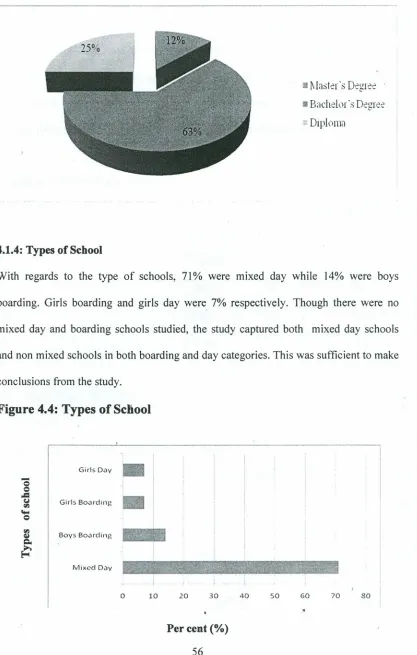
Figure 4.3: Education Level of the Respondents ~ 55
Figure 4.4: Types of School 56
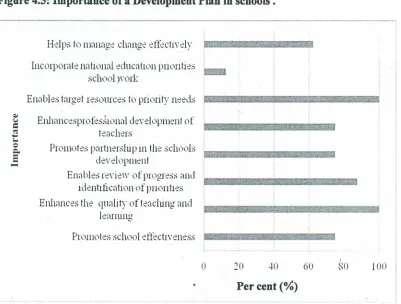
Figure 4.5: Importance of a Development Plan 60
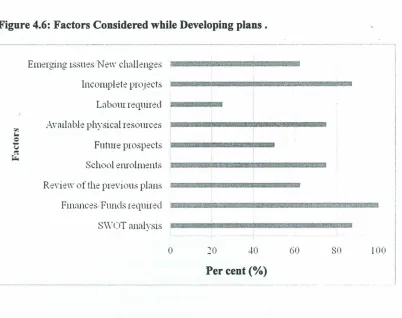
Figure 4.6: Factors Considered while Developing 62
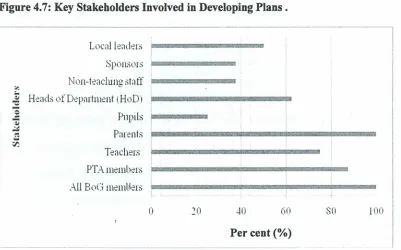
Figure 4.7: Key Stakeholders Involved in Developing Plans 63
Figure 4.8: Role of Head teachers in School Development.. 65
Figure 4.9: Challenges to Planning and Implementation of Development Plans 66
Figure 4.10: Head Teachers Perceptions on Appropriate School Development Planning
List of Tables
Table 4.1: School Characteristics 57
Abstract
The purpose of this study was to determine the factors deterring effective implementation of school development plans in public secondary schools in Kiambu East District. The objectives of the study were a) To establish the state of school development planning practices in secondary schools, b) To find out who had the responsibility over the planning process in the schools, c) To determine the role of the head teachers in the planning and implementation of the development plan in schools,
and d) To identify issues and challenges faced by the school managers in developing and implementing of the plans. The study adopted a descriptive survey design and a random sample of 14 schools was selected for study. Questionnaires were used to collect data from the head teachers, BoG/PTA members and HODs. The researcher also used an observation schedule to collect primary data. Quantitative data from the field was analyzed using descriptive statistics such as frequencies and percentages. Qualitative data was analyzed by putting the responses under themes consistent with the research objectives. Up to 88% of the school heads had ever attended education management in-service courses. It emerged that all the 14 schools had a motto, a vision statement and a mission statement while 75% of the respondents formulated development plans in their school. Up to 62% of the schools gathered information from the environment for planning purposes while the same 62% made an assessment of the weaknesses or strengths of the school in their planning. 100% of the respondents reported that development planning enhanced the quality of teaching and learning through collaborative action, in order to meet needs of all the pupils. 100% of the respondents cited that it enabled the school to specify resources requirement and to target available resources towards meeting priority needs. Up to 88% of the respondents reported that they considered the Strengths, Weaknesses, Opportunities and Threats (SWOT) for their school as well as considering finances and funds required to implement the development plans. Incomplete projects were considered by 88% of the respondents with the aim of prioritizing them before new ones are brought on board.
The 14 schools consulted extensively with their parents and BOG members on their development plans. Parents were consulted about, or informed of, the work which the school was doing in relation to development planning. In 88% of the schools, PT A members were consulted while in 75% of the schools, teachers were consulted. With regards to adequacy of physical facilities in schools, 63% of theschools had adequate classrooms and dormitories while 12% had adequate sanitation, dormitories and halls.' Land size was' fairly adequate in 63% of the schools. 100% of the heads reported playing the role of initiating the planning process under the direction of the BOG and establishing planning structures. Up to 88% of the respondents reported that they ensured that the school has a motto, vision, mission and objectives that were effectively communicated and understood by the entire school community. Regarding the main barriers to effective implementation of schools development plans, 100% of the respondents cited lack of adequate planning skills, inadequate funds and financial constraints. Lack of in-service training on educational management was identified by
CHAPTER ONE
INTRODUCTION 1.1 Background of the Study
The necessity for school improvement and the evolving mission of effective schools has
become more and more pervasive in the field of education since the 1970s (Pashiardis,
2000). Scholars and effective schools advocates have claimed that, by focusing on key
educational processes such as instructional methods, classroom organization and climate
or culture, some school characteristics can be identified that have direct correlation to
students' achievement. Many studies have been undertaken on the effective school
management. Through an investigation of the internal operations in certain schools they
identified certain factors, which helped to enhance student achievement and also
contributed to improving school effectiveness (Campo, 1993).
Specifically, researchers differentiated effective schools from ineffective ones by
considering certain factors. Researchers have consistently identified those factors as the
characteristics of effective schools, namely: instructional leadership, teacher behaviour, I
parental/community involvement, and continuous assessment on student progress, and
so on (Lezotte and Jacoby, 1990).
(
One factor that stands out as a key determinant of school success is effective planning.
Successful planning efforts produce many benefits. Bryson (1995) identified several
benefits:
• The promotion of strategic thought and action. Strategic thought is based
upon data gathered about the institution. Systematic information gathering
will result as a benefit of planning;
• Improved decision-making.
• Improved organizational responsiveness and improved performance.
Members of the institution will respond positively to an administration that
works toward resolution of the issues facing it.
Schraeder (2002) argued that planning can help an organization to clarify future
direction, establish priorities, diversify its products or services, and deal effectively
with rapidly changing circumstances. In this era of globalization when the world is
undergoing many rapid changes in all fields, the operational environment in which
many organizations operate is no longer .stable and predictable. Planning then can
provide an operational framework that can enable organisations to effect change and
gain competitive advantage ,as Navarro and Gallardo (2003) claimed, 'in the world
today, organizations that are determined to survive and maintain a sustainable
competitive advantage must adapt themselves rapidly to continuous change.'
In more developed countries like Australia, New Zealand, the UK and Canada,
school-based management was introduced in the 1980s and 1990s. Communities, through
elected bodies variously called boards, councils or committees, set school policy,
approve curricula, appoint or participate in the appointment of principals and create
i
the early 1990s, followed by Thailand and Malaysia. In Indonesia, the National
Education Ministry introduced school-based management in the late 1990s (Bengoteku
and Heyward, 2007).
In some parts of Central America, the policy has been taken further still. Community
-managed schools established in El Salvador, Guatemala, Honduras and Nicaragua in the
mid-90s were given wide powers. In addition to setting school policy and managing the
schools' financial resources, school councils hire and fire teachers. In Nicaragua, school
councils in some rural schools not only appoint the staff but also establish incentives for
teachers, collect school fees, design curriculum, select textbooks and allocate budgets
(Plomp and Thijs, 2003).
In Indonesia, after the 2003 Education Law was introduced, a policy of school-based
management was formally adopted for the 216,000 public and private schools, and
madrasah (Islamic schools). In theory, this means that principals now manage their
schools as autonomous units within the national education system, with parents and
community members governing schools through representative school committees. In
practice, a wide variety of models operates, ranging from schools with nominal school I
committees, which meet annually to sign off on a budget, to those with fully functioning
committees that routinely participate in the school governance (Bengoteku and
In Africa, Ghana adopted the concept of Whole School Development (WSD) which
seeks to promote the following: a) Child-centered primary practice in literacy, numeracy
and problem-solving with the view to improve the quality of teaching and learning in
basic school classrooms; b) Community participation in education delivery; c)
Competencies of teaching and learning through school-based in-service training; d)
Participatory planning and resource management at school and district levels; and e)
Improve efficiency in resource management (Ghana Education Service, 2004). At the
heart of the WSD process in Ghana is the provision of support to head teachers and
teachers to improve the quality of teaching and learning in schools. Akyeampong
(2005) notes that WSD in Ghana is having the kind of impact expected from a school
improvement initiative focusing its efforts on decentralized decision-making to enhance
local community participation in school development, leadership training for head
teachers, school infrastructure, local government support and capacity building to
improve the quality of education.
In South Africa, Chinsamy (2002) notes that after transition from apartheid, there was
I
much interest from different educational constituencies in finding out the characteristics
of effective and improving South African schools.
A
number of school development,school effectiveness, and school improvement initiatives were initiated, both by the
government utilizing donor funding, and by nongovernmental organizations. The
programmes touched different aspects of school life in individual schools - school
managemerit, teacher development in subject content and teaching methodology, learner
assessment, and organizational development. However, studies of school development
teaching and learning and subsequent learners' performance (Christie and Potterton
1998).
Chinsamy (2002) suggests that one of the main reasons for the relative failure of these
projects in South Africa, despite their good intentions and excellent content in many
cases, was the implementation of single change programmes or the lack of integration of
many programmes initiated in schools. In addition, it was generally found that those
schools that did make improvements in some aspects, and whose learners subsequently
improved their performance, could not maintain that improvement in subsequent years
consistently. Many of these projects, aside from having single change programmes,
tended to be "supply-push" interventions, either focusing on inputs or on improved
schools processes and that was natural; they generally did not focus on "demand-side"
and on accountability for final results. They were based on the notion that there was
some input or process deficit, and that fixing that deficit would more or less
automatically lead to better final results.
In Kenya, the Kenya Education Master Plan for Education and Training 1997-2010
(Republic of Kenya, 1998) argues that quality is not mere passing of examinations or
certification, but the development of independent, analytical, creative potential of the
individual, including critical imagination, spiritual and ethical values. This implies
standard agreed criteria for assessment. Saitoti (2003) posited that the major
determinants of quality education include curriculum content, relevant instructional
materials and equipment, physical facilities, conducive learning environments, the
(2003) concurs with the Master Plan's view that quality education should shift from
merely passing exams to encompass the discovery of talents, development of analytical, cognitive and creative potential. This is enhanced by efficient and effective management
and prudent utilization of resources.
Galabawa (2003) observed that issues related to quality and relevance of education in
Kenya is nebulous. He argues that the sources of quality improvement may be traced to
the sense of competition and the pride institutions- and schools whose students do well
feel on finding themselves doing better than their rivals in performance. At tertiary
level, there is often pressure exerted on every institution based upon the demand for the
graduates in the formal employment sector. Githua (2004) views quality assurance in
secondary school education in Kenya as a process with a set of criteria ensuring that the
education offered is of the highest possible standard and is driven by individual, professional and social demands. The criteria include the quality of learning
environment, educational experiences and learning outcomes.
School planning has also been shown to have serious implications on sanitation and
hygiene. Sanitation, hygiene and education are Millennium Goals to be realized while
I
protecting the environment. Yet, as Dierkx (2004) found out, Kenya's urban conditions
create hurdles for children to get quality education, and form barriers to school
planning. Most schools in urban areas do not meet basic standards of health and
inspection rarely takes place (Daily Nation, 2000). According to Dierkx (2004), authorities are biased to 'modem', expensive, building methods; use of sustainable methods is marginal; architects and building code form barriers even if energy efficient
There is lack of consultation and participation in communities. Top-down approaches
are used in school planning, and innovation of climate/cultural-fit and cost-effective
school plans is lacking. According to Dierkx (2004), the plans mostly from 1970/1980s have not been adapted to improve on energy-efficiency, cost-effectiveness, aesthetics,
flexibility and adoptability to suit current learning systems, and comfort of the users.
Yet, the government acknowledges a need for better school environments. A
Commission of Inquiry on Kenya's Education System (Republic of Kenya, 1999)
attributed declining standards of education in part to poor school environments. These
barriers influence the quality of learning and school environments.
Most schools in Kiambu East District have development plans that are well formulated
and documented. It is a ministerial requirement that all schools formulate development
plans with a time frame of 3-5 years and draw action plans for each year. According to
the District Education Office, it has been established that some schools rarely develop
plans for their development projects, they initiate projects without the consent of the
District Education Board (DEB). This has led to some schools being characterized with
inverted priorities, incomplete (white elephants) and dilapidated structures.
Consequently, parents are subjected to pay inflated development funds hence resulting I
to high drop out rates of students because of the high fee. Due to lack of realistic
development plans, school administrators are being implicated with misappropriation of
funds since budgets are never strictly adhered to. Some schools have continuously
The District Education Board has therefore come up with some requirements before a school development project is approved.
• A school must present a detailed budget for the project • A detailed project description and its rationale
• Minutes for the BoG executive meeting on the project proposal • Minutes for the full BoG meeting for its approval
• Minutes for the PT A on the project approval
.• Minutes and list of attendance for the parents Annual General Meeting (AGM) to approve the project
This study will therefore be relevant as it will assess the challenges faced by school managers in developing and implementing the plans. It will also come up with inferences, conclusions, recommendations and possible strategies which could be adopted by secondary school managers to improve on their planning practices (Kiambu East District Education Office, 2008).
1.2 Statement of the Problem
As revealed in the background of the study, it is clear that there is a problem in the implementation' of school development plans . Planning can help an organization to
, ,
This research study therefore intended to establish and determine the factors deterring
effective implementation of school development plans in public secondary schools in
Kiambu East district.
1.3 Purpose of the Study
The purpose of the study was to determine the factors deterring effective
implementation of school development plans in public secondary schools in Kiambu
East District.
1.4 Objectives of the Study
The objectives of the study were:
1. To establish the state of school development planning practices in secondary
schools.
11. To find out who has responsibility over the planning process in the schools
iii. To determine the role ofthe head teachers in the planning and implementation of
the development plan in schools. I
iv. To identify issues and challenges faced by the school managers in developing
and implementing of the plans.
v. To suggest strategies and recommendations on appropriate school development
1.5 Research Questions
The study was guided by the
following:-i. What aspects of school development plans are applied in secondary schools?
ii. Who are the key people responsible for development planning in secondary
schools?
iii. What role is played by the head teachers in the implementation of school
development plans?
IV. Wh1at major challenges are faced In developing the plans and their
implementation?
v. What strategies should be adopted by schools in order to effectively plan and
implement development plans?
1.6 Significance of the Study
The government and parents have continued to invest heavily on secondary school
education. Secondary education has been quite expensive over many years, but thanks
to the government of Kenya for the tuition waiver in all public secondary schools as
from January 2008. Despite this, parents are expected to meet other costs such as for
boarding, improvement ,of the physical infrastructure, in schools and other opportunity
costs. Therefore, school managers are expected to plan development projects in their
institutions wisely in order to ease the burden on the parents as they fund the projects.
They are supposed to come up with realistic and achievable school development plans
that are prioritized through needs assessment. Its evident in some secondary schools
where priorities are inverted resulting to glaring stalled and dilapidate structures in the
I
compound. There are also some schools where utilization and management of the
• Establish the state of school development planning practices In secondary
schools.
• Provide vital information to policy makers on problems afflicting school
planners.
• Enlighten the head teachers, institutional managers and other educational
planners on what entails the school development planning process. It would
make recommendations on critical aspects of planning that school managers
need to pay attention.
• Stimulate further research on appropriate planning practices especially in other
sectors and in a way would further contribute to existing information or
literature on school development plans.
1.7 Scope and Limitations
1.7.1 Scopeof Study
The study was a cross sectional analysis on school development planning practices in
secondary schools. It focussed on public secondary schools in Kiambu East District in
I
Central Province of Kenya. The district has 57 public secondary schools. Private
secondary schools were not targeted.
1.7.2 Limitations of the Study
1. This study was confined to selected public secondary schools in Kiambu East
District due to scarcity of resources in terms of finance, time and other logistic
2. Required information was not forthcoming due to suspicion of its use. A letter of
authority from the ministry of education was sought to counter this.
3. It was not possible to cover the opinion of the chairpersons of the board of
governors due to their availability. The head teachers as the Chief Executive
Officers (CEO) and the accounting officers of the school were interviewed on behalf
of the top school management body.
4. From the literature review, there seemed not to be a lot of information on strategic
planning in schools and therefore most information was from the primary source.
1.8 Assumptions of the Study
In the proposed study the following assumptions were
made:-a) All the sampled schools had development plans.
b) The school development plans were in line with the objectives, vision and
mission of the schools.
c) The key stakeholders were involved in the school development planning process
and were aware of the schools objectives, vision and mission.
d) Schools experienc6d minimal challenges in the implementation of development
plans .:
e) Schools would give reliable information on school development planning
practices.
1.9 Theoretical Framework: Effective Schools Model
This study was based on Effective Schools Model by Lezotte (1991). Lozette (1991)
came up with the Effective Schools Model, which details the correlates, of effective
improvement. The Effective Schools Model attempts to incorporate research and school
improvement findings and offers a challenging developmental stage to which schools
committed to the Learningfor All mission ought to aspire. Lezotte (1991), after a series
of studies, came up with seven correlates of effective schools - strong instructional leadership, clear and focused mission, safe and orderly schools, climate of high
'.
expectations for success, frequent monitoring of student progress, positive home
-school relations, and opportunity to learn/time on task. The model is relevant to this
study in that the seven correlates of effective schools are elements of school planning
and therefore, the extent to which they are attained depends on whether or not schools
prepare effective development plans
1.10 Conceptual Framework
Previous researchers differentiated effective schools from ineffective ones by
considering certain factors. Researchers have consistently identified those factors as the
characteristics of effective schools. From the Effective Schools Model discussed above,
these characteristics were identified as strong instructional leadership, clear and focused
mission, safe and orderly ,schools, climate of high expectations for success, frequent .monitoring of student progress, positive home - school relations, and opportunity to
learn/time on task. Another factor that stands out as a key determinant of school success
is school planning effectiveness. This study assessed the factors deterring effective
implementation of school development plans in public secondary schools in Kiambu
East District. Figure 1 presents the conceptual framework for the study .
Challenges to School
Development Planning
• Lack of planning skills
• Failure to involve key
stakeholders
• High turnover of head teachers
• Poorly made development plans
• lack of support from
stakeholders
Effective school School Effectiveness
development planning -+
Figure 1.1 Conceptual Framework
'---B-a-r-ne-r-s-t-' -O-I..m-p-Ie... -m-e-n-t-a-ti-o-n-O-f---,htive schools Correlates • Strong instructional leadership, Development Plans
• Clear and focused mission,
• Lack of finances • Safe and orderly schools,
• Climate of high expectations for success,
• Frequent monitoring of student progress,
• Positive home-school relations,
• Opportunity to learn
Source:
Researcher(2008)
It is expected. that there are challenges, to school development planning, which may include lack of planning skills among head teachers, failure to involve key stakeholders,
and high turnover of head teachers. There are also barriers to effective implementation
of development plans, which may include lack of finances, poorly made development
plans, and lack of support from stakeholders. These factors affect the effectiveness of
development planning in schools, which in turn determines the effectiveness of schools.
development plans in a consultative manner, and are able to forecast on cost and
resource needs during the planning process so that the various challenges are anticipated
and accounted for in the develop,!TIent plans.
,i
1.11 Definition of Operational Terms
Action Plan: This is a framework drawn by a school to show how it will carry out an
identified task or activity. It includes how, by who, and by when.
Evaluation: This is an assessment carried out by the school managers to determine the
success of the implementation of identified task or project.
. I
Mission: This is a statement that explains why; a school exists and steps it will take
to achieve the future dreams.
Monitoring: It refers to keeping the track on the implementation of the development
plan in order to identify constraints and devise strategies to overcome
them.
School Development Plan: It refers to a line of action designed by the school to
achieve desired targets within a given time scale using available resources
in order to meet the educational needs of its pupils.
Strategic Planning: It is the process where a school defines her future prospects or
desires and creates steps to attain the objectives or goals.
Vision: It is a statement developed by a school explaining her preferred future. It
C~TERTWO
"
"
LITERATURE REVIEW
2.1 Introduction
This chapter presents a review of literature related to the study. The literature review
identifies the rationale for planning, rationale for school development planning, school
strategic planning, school development planning procedure, the participants in school
development planning, school development planning in Kenyan secondary schools and
the summary of the literature reviewed.
2.2 The Rationale for Planning
Planning process begins with identification of the organisational vision and mission
based on customer requirements. Key result areas are identified. Qualitative and
quantitative data based on key result areas against industrial standards and benchmarked
goals is analysed .Gaps become major improvement opportunities and after assessing
these, managements can set priorities then develop improvement strategies .(Gore and
Richardson,1992 ,Simpson 1996). Swarbrooke (2001) outlines a rationale for strategic /
planning approach to management.
• The effective allocation of resources and providing managers with a much
needed rationale for evaluating competing budget, request for investment capital
and new staff.
• Identify threats and opportunities, strengths and weaknesses through enhancing
management alertness to the winds of change, new opportunities and threatening
• Forcing organisations to clarify their missions and look to the future. It provides
better guidance to the entire organisation on the crucial point of just what it is
they are trying to do and to achieve.
• Creating a proactive management and counteracting any tendencies for
decisions, be mostly reactive and defensive. It ensures that methods of
.evaluating perforrnance are developed.
• Helping to unify numerous strategies-related decisions by managers across the
organisations by allocating responsibilities to individual members of staff.
•
Making sure organisation\ consider their competitors.Guiding day to day institutions or business activities.
•
•
Planning is an interactive process and there is not a definitive starting point asinstitutions are working from their situation.
2.3 The Rationale for School Development Planning
The fundamental purpose of School Development Planning is to enable the school to
achieve and maintain the highest possible level of effectiveness in meeting the
educational needs of its pupils in a culture that is characterized by change. According to
Jackson (2005), School Development Planning promotes the following: I
School Effectiveness: Internationally, there is widespread acceptance among
educationalists that collaborative School Development Planning is a powerful means of
promoting school effectiveness. It enables the school community to develop a clear
vision of what the school is about and where it is going, a shared sense of purpose, a
school as a learning organization that focuses on meeting the professional needs of
teachers in order to meet the educational needs of pupils (Jackson, 2005).
School Improvement: School Development Planning is a continuous improvement
strategy. It provides a mechanism for systematic self-evaluation that enables the school
community to review its progress, identify priorities, and prepare plans for further
improvement.
Quality Enhancement: School Development Planning directs the attention and energy
of the school community in a systematic way on the central task of the school: the
provision of a quality education that is appropriate to the abilities and needs of all its
pupils. It focuses on enhancing the quality of teaching and learning through
collaborative action.
Staff Development: School Development Planning enhances the professional role of
teachers and promotes their professional development. It helps to ensure that teachers
are empowered to contribute decisively to the development of the school; are enabled to
exercise a greater degree of ownership over the central issues that influence their work;
thereby enhancing their sepse of being in control of events; are offered opportunities to
engage in collaborative policy-making, planning and teamwork and to participate in the
leadership and management of development work; are involved in the identification of
their own professional development needs and the specification of provision to meet
those needs; are enabled to extend their professional skills; are encouraged to reflect on
and learn from their professional experiences; and are affirmed and supported in their
work through the creation of an ethos of collegiality and co-operation (Jackson, 2005).
Partnership: School Development Planning promotes partnership in the school's
teachers, parents, pupils, Board of Management, and trustees-in a collaborative
dialogue focused on identifying and responding to emerging educational needs.
Participation in this dialogue fosters the partners' commitment to and ownership of
school policy.
Effective Deployment of Available Resources: Formalized School Development
Planning enables the school to specify resource requirements and to target available
resources towards meeting priority needs.
Management of Change: School Development Planning helps the school community
to manage change effectively by enabling it to control the pace and direction of internal
change and to build a capacity to respond rapidly to new challenges.
{
Furtherance of Aims and Priorities of National Education System: School
Development Planning provides a structure that enables the school community to
subscribe to the stated aims of the national education system and to incorporate national
education priorities into the work of the school (Jackson, 2005).
2.4 School Strategic Planning
Strategic planning is a management tool for organizing the present on the basis of the
projections of the desired future. That is, a strategic plan is a road map to lead an
organization from where it is now to where it would like to be in five or ten years. It is
necessary to have a strategic plan for your company and/or department (Bell, 2002).
Bryson (1995) defines strategic planning as a disciplined effort to produce fundamental
decisions and actions that shape and guide what an organization is, what it does, and
why it does it. In other words, planning is an effort to determine and control the destiny
Strategic planning comprises the procedures of defining objectives and creating strategies to attain those objectives. A strategy is a long term plan of action designed to achieve a particular goal, as differentiated from tactics or immediate actions with resources at hand. The reason for strategic or long-range planning is to assist organizations in establishing priorities and to better serve the needs of the stakeholders.
A strategic plan must be flexible and practical and yet serve as a guide to implementing programs, evaluating how these programs are doing, and making adjustments when necessary.
Strategic planning in the school situation has been defined differently by a number of writers. Basham and Lunenburg (1989) asserted that there exists a number of definitions pertaining to educational strategic planning, and that there is lack of a uniform, discrete definition of educational strategic planning amongst the various prescribed planning models. Brown and Marshall (1989) define strategic planning as a process that is designed to move an educational organization through the steps of understanding changes in the external environment, assessing the internal strengths and weaknesses of the organization, developing a vision of the desired future for the organization and some ways to achieve that mission, developing specific plans to get the organization where it is to where it wants to be, implementing these plans and monitoring that implementation so that necessary changes or modifications can be made. To Bryson (1995), strategic planning is a disciplined effort to produce fundamental decisions and actions that shape and guide what a school is,what it does, and why it does it. To deliver the best results,
.
Planning in schools has been categorized in a number of ways. For example, Wallace exploration of strategic alternatives, and an emphasis on future implications of present
decisions. Cawelti (1987) on the other hand defines strategic planning as a process
deliberately designed to help leaders conceive of the kind of institution they would like
to create to serve their students.
(1994) argues that frameworks for school planning have been produced based on cycles
of review, planning and implementation. At institutional level MacGilchrist et al (1995)
claimed that four different types of schools plans could be identified:
(a) The rhetorical, which had no credence within the school;
(b) The singular, produced by the principal alone;
(c) The co-operative, produced by a group of staff and focusing on finance and staff
development; and,
(d) The corporate, produced by the staff working together and focusing across an
agreed range of the school priorities.
Within educational instit~tions there may be a need to resolve pressing internal
problems or to accom,modate environmental changes (Berge, 2000). Cook (1995)
identified four such environmental changes most affecting public education that must be
accommodated: the unprecedented demographic shifts and reformations, transitions of a
nation's economy due to technological advancement, the corresponding transitions in
mainstream personal values, and the intensification of global competition and
consequent redefinition of excellence. To these four, others can be added: to control
constraints on actions, to be competitive with like organizations, to ensure quality, or to
react to concerns for the environment (Boar, 1993).
Information technology also has affected administrative services. Databases hold
information about students, faculty, staff, administration, and alumni. These databases
are manipulated in a variety of ways and provide information in almost any format at
almost any time that can be imagined. Electronic mail and complex computer and
telecommunication systems give different schools the ability to communicate,
collaborate, and coordinate" ... beyond the limitation of time and space" (Heckman and
Maswich, 2000).
Planning can also be a way to anticipate and accommodate trends that might affect an
institution and its future. As Cook (1995) stated, institutions need to " ... make decisions
about the future before the future either forces the decisions or renders any decisions
irrelevant". Institutional leaders left to them may opt not to plan at all, but may be under
mandates by education governing boards to do so. Such mandates are common in higher
I
education. According to Bryson (1995), leaders of an institution should see these
mandates as opportunities, for if formulated correctly' for and by institutional leaders to
their respective constituencies, they help by defining what is not explicitly forbidden. If
these are not studied carefully, institutional administrators " ... may believe" they are
more tightly constrained in their actions than they actually are" (Bryson, 1995).
Successful planning efforts produce many benefits. Bryson (1995) identified several: (a) I
the promotion of strategic thought and action. Strategic thought is based upon data
of strategic planning; (b) improved decision-making. In strategic planning, vital issues
and challenges must be identified and planned for; and (c) improved organizational
responsiveness and improved performance. Members of the institution will respond
positively to an administration that works toward resolution of the issues facing it..
2.5 School Development Planning Procedure
For the development plan to be effective all those who have an interest in the school
should be involved at various stages of its preparation and process. The interested
groups (stakeholders) include the head teacher, the deputy head teacher, teachers,
quality assurance and standards officers, support staff, school committee, parents and
parent teachers' association, sponsors of the school, patrons, pupils, other groups and
Non-Governmental Organizations (NGOs) (Ministry of Education, 1999).
It is important that in deciding on the content of the plan, consultations be held at
various levels with all interested groups to create a sense of ownership of the plan and to
ensure sustainability. The plan should contain all the important information about the
school, that is:
-• School aims which should relate to the national goals
• The school motto, vision and mission statements
• A description of the school and the community it serves
• School priorities arrived at through discussions with the stakeholders
I
• An action plan for the next five years obtained as a result of a whole school
review
• Information about the schools, such as the number of pupils by gender and age,
enrolment, number of streams, retention and dropout rates and other important
The process of School Development Planning can be summarised in figure 2 below.
School Review
'.
Agreeingon priorities Evaluating and
reporting
Implementation and monitoring the plan
Sequencing priorities over 3 years
Preparing action plans for the first year
Figure 2.1 School Development Planning Process
Source: Ministry of Education (1999). School Management Guide. Nairobi: Jomo Kenyatta Foundation
It involves determining scHool needs, prioritizing school needs, preparing action plans, implementing and monitoring the plan. To determine' school needs of the school, the head teacher should, in consultation with other stakeholders, carry out a review of the strengths and weaknesses of the school in the area of curriculum, people (staff and pupils) and resources (financial and physical) (Ministry of Education, 1999).
To prioritize is to arrange information and data in order of importance of the'needs. The
.
the level of importance of the priorities by considering the urgency and cost of each
need. It is important for the head teacher to have clear targets and tasks for each priority.
A target is a specific aim within the goal of achieving the priority. Each priority could
have a number of targets and each target will probably have a number of tasks.
Once the SDP has been agreed upon and the first priority identified, the head teacher
should with some members of the staff and the school committee, prepare the action
plan. The action plan should include the following:
-• What should be developed, setting targets according to the priorities
•
Tasks to be done and by whom•
The time-scale with a clear indication for each step•
The costs•
Sources of funding•
Staff development needs and priorities•
The indicators of success, the success criteriaThe action plan should be clear on the success for each target against which the success
ofthe implementation of the particular change will be measured.
To ensure that involvement, ownership, and support are solicited from all stakeholders
and is maintained, it is essential that action plans be presented to and approved by the
school committee and the Parents Teachers Association, especially if the PT A is to be
mobilized to raise funds. It is suggested that presentation be made jointly by the head
I
teacher and the chairperson of the school committee to emphasize the partnership
involve as many members of the school community as possible; explain to the
stakeholders how the targets would improve pupil performance; and, to explain to the
stakeholders how the activities in the plan will be sustained (Ministry of Education,
1999).
Once the plan has been presented to the committee and approved, the head teacher and
staff members will be expected to implement the plan and monitor it to keep it on track;
evaluate and report progress, and review the plan and refine priorities for the following
year. For the plan to gain ownership and sustain commitment during the implementation
period, the head teacher will be expected to mobilize support from teachers, the school
committee and the community. This will require the head teacher to be accessible to
give and receive advice, participation in joint meetings to discuss progress and
constraints, and accessing expenditure on finances set aside for the intended changes.
Monitoring is a continuous process which is built into the implementation of the SDP in
order to identify constraints and device strategies to overcome them. Success checks are
a means of establishing whether the targets are being met as expected or not. Success
checks involve:
•
Assigning responsibility for collecting evidence about each targetCollecting evidence by observing the tasks in progress
Using the Quality Assessment instrument on self-assessment basis
Noting changes in practice as a result of the plan
Writing brief reports on whether targets are being met and' identifying
hindrances
•
•
•
• Assessing implications for future development
Evaluation takes place along with monitoring. Progress on each priority can be analyzed
as information and evidence becomes available. The purpose of evaluating is to:
• Examine the success and drawbacks of implementation of the plan
• Assess the extent to which the aims of the school have been realized
• Assess the impact of the plan on pupils learning and achievement
• Determine successful practices in the school to make the process of reporting
easier.
Taking stock enables the head teacher to share practices and take note of drawbacks. It
also enables them to make reports to stakeholders to keep them informed and involved.
Pupils arealso important stakeholders in the school and the plan only exists to help
them achieve more. They should inevitably be informed of the plan and be involved
appropriately. Every effort should be made to celebrate success in a modest way with
the stakeholders to motivate them to plan for the following year.
2.6 Participants in School Development Planning
School Development Planning is essentially a collaborative process that draws the
whole school community together in shaping the school's future. Accordingly, it
:,,- t
requires the appropriate involvement of all the key stakeholders: Board of Governors,
Principal, teaching staff, support staff, parents, students, and local community (Jackson,
2005).
Board of Governors: It is the responsibility of the Board of Governors (BoG) to
arrange for the preparation of the school plan, and to ensure that it is regularly reviewed
work involved will be delegated to the Principal and teaching staff, who will keep the
board informed on progress. It is likely that the Board will wish to be closely consulted
on matters relating to its statutory and legal responsibilities and on aspects of the plan
that have a significant financial dimension, and it may wish to highlight particular issues
as planning priorities. The board may participate directly in the planning process
through its establishment of or representation on planning teams (Government of
Ireland, 1999).
The Principal: The Principal plays a prominent role in the leadership and management
of the planning process. Some of the responsibilities are shared with the BoG. Some
aspects may be delegated to members of the teaching staff through the in-school
management structure or through the establishment of planning teams. The Principal has
a responsibility, under the direction of the BoG, with the collaboration of the in-school
management team and the teaching staff, for the initiation of the planning process, the
creation of a climate conducive to collaboration, the motivation of the staff, the
establishment of the planning infrastructure, the organization of activities and resources,
the arrangement of consultation, communication and approval procedures, and the
management of the plan's implementation and evaluation (Jackson, 2005).
The Teaching Staff: Th'e whole-hearted participation of the teaching staff is crucial to
the success of the planning process. The whole staff should be actively involved in the
clarification of the school's mission, vision and aims, in the review of the school's
current situation, and in the establishment of development priorities. The process should
be designed to enable all members of staff to participate in discussion and
decision-making. A steering group of staff may be established to oversee the process fls a whole.
A steering group could be constituted in a.number of ways: for. instance, it could be
broadly representative basis, to include a range of interests and skills. Ad hoc staff
teams may be established to undertake tasks related to review, design, implementation
or evaluation. Such teams represent one possible model of staff participation in
development planning. Ideally they should be constituted on the basis of interest and
expertise. They provide a professional peer support structure within which teachers can
share ideas, work collaboratively, and learn from each other. Accordingly, they can play
a major role in the process of staff development for school improvement (Jackson,
2005).
The Support Staff: It is advisable that the support staff be consulted during the review
process on aspects of school life that are relevant to their work. They should also be
kept informed of the school's development plans.
Parents: It is important that parents are involved in the planning process. Through-their
representation in the BoG and through PTA, parents can readily be consulted in the
clarification of the school's mission, vision and aims, the review of the school's current
reality, the establishment of priorities, and the development of policies on issues such as
discipline or homework. All!parents should be kept informed of relevant outcomes of
the planning process (Jackson, 2005).
Students: Consultation with students in the preparation of the school plan is necessary
for example through the use of a Students' Questionnaire to ascertain the views of a
representative sample of students on aspects of school life. Where a students' council
has been established, it can be consulted in the preparation of aspects of the school plan
and can be invited to participate in the dissemination of relevant sections of the school
plan to the student body. Students should be kept informed of relevant outcomes of the
Local Community: The local community can be involved in the planning process in a
number of ways. The review process includes a consideration of local context factors
that impinge on the school, and this might necessitate a survey of the local community
to establish views, requirements, or opportunities. Representatives of the local
community could be asked to participate in planning joint school-community projects.
The school could draw on the expertise of relevant members of the local community in
planning to address particular issues (Hargreaves &Hopkins, 2001).
The Role of the Ministry of Education: The core functions of the Ministry of
Education include strategic planning and policy formulation for the system as a whole,
the determination of national curricula, and the allocation of resources. Thus, the
Ministry plays a major role in establishing the context within which individual school
development planning takes place, in terms of national aims and priorities, curriculum
development, and the availability of resources for implementation. Through the
Directorate of Quality Assurance and Standards, the Ministry offers support and advice
to schools in relation to best practice and thereby influences planning for quality
enhancement. The Ministry also promotes quality enhancement through the provision it
makes for curriculum and 'other support services and for the career development of
teachers (Jackson, 2005).,
2.7 School Development Planning in Kenyan Secondary Schools
There is very little that has been written on strategic planning in Kenyan secondary
schools. Planning in Kenyan secondary schools has been conceptualized by the
Education Master Plan 1997-2010 in terms of human resources, curriculum and
financial resources (Republic of Kenya, 1998j.
The plan argues that in order to enhance quality management in secondary schools, it is
imperative to have a well-qualified and highly motivated teaching force capable of
understanding the needs of learners and the curriculum. Secondly, secondary school
head teachers who are well versed in management are also essential for successful
curriculum implementation, effective and efficient management and administration of
schools. However the Plan observed that many secondary school head teachers had not
been adequately trained in management and administration and were ineffective and
lacking in accountability (Republic of Kenya, 1998). They should be the advisors in
curriculum implementation in their own schools and should be well prepared for this
role. Third, the plan deplores the poor terms and conditions of service that have led to
poor morale. Some secondary school teachers who work in remote. areas have
inadequate basic amenities like housing, access to clean water and health facilities.
Lastly, the secondary school system is said to be marred by nepotism and corruption
allegations in the promotion of teachers (Republic of Kenya, 1998). Such malpractices
are likely to affect teachers' morale, performance and commitment to strategic planning
as non-performers are rewarded. The quality of secondary schools in Kenya is also
reflected in financial and other resources. The quality and adequacy of resources such as 1
physical facilities, equipment, teaching and learning materials all have a direct bearing
on quality as they determine how effectively the curriculum is implemented. The quality
of education cannot be achieved and sustained if the resources and facilities are not
available in sufficient quality and quantity (Ngware, Wamukuru and Odebero, 2006).
Ngware et al (2006) are of the opinion that the school teacher must establish the context
.
results from students, teachers and Board of Governors working together must be
harnessed. Teachers should concentrate on literacy and teaching that provides a
leadership framework that support continuous improvement in the learning process.
Padhi (2004) calls it the most important element in total quality management, arguing
that leadership appears everywhere and requires the manager to provide an inspiring
vision, make strategic decisions understood by all and to instil values that guide the
subordinates.
According to Okumbe (1998), leadership is the process of encouraging and helping
others to work enthusiastically toward objectives. It involves developing a vision for the
organization that will encourage employees to work with a passion. The school
management should emphasize teamwork and collaboration which are essential
components in provision of quality education. Good leadership should embrace the
principles of management which bring about continuous improvement and which guide
the students, teachers and Board of Governors (BoG) in working toward the
achievement of the organizational objectives.
A study conducted by Ngware et al. (2006) to determine the extent of practice of TQM
in Kenyan Secondary Schools revealed that most schools did not have strategic plans.
Among the few schools that showed evidence of strategic planning, the strategic plan
acts not only as the roadmap but also as a tool to communicate quality expectations to
all employees. The researchers noted:
been met. Failure to do such an evaluation denies the organization the opportunity to reflect on the quality planning and inculcate a culture of quality assurance in schools (p. 359).
The fact that schools are operating without strategic planning is an indication of a lack
of commitment to quality management. Lack of quality planning may jeopardize the
provision of quality education services, which may in turn lead to low student
achievement. It is important therefore for the education system to sensitize school
managers the importance of strategic management in education.
2.8 Summary of the Literature Reviewed
The reviewed literature has shown that the school effectiveness all over the world
require effective school development planning .Various sources were reviewed in
relation to school development plans narrowing down to Kenya. Extent of
implementation of SDP in Kenya is however not well established. It is revealed that in
order for schools to improve academic performance, appropriate planning in relation to
curriculum, physical and human resources must be embraced. For effective
implementation of SDP, it is reviewed that all key stakeholders must be involved In
I
planning and all tasks distributed to them during the implementation.
In the reviewed literature the following gaps were evident.
• Not much has been done on strategic planning in secondary schools in Kenya.
Most research studies on strategic planning are based on larger profit making
• The few research studies carried out in public secondary schools in Kenya
focuses on income generating projects as alternative source of funding, with
little or no attention paid on development planning and the priotization of the
projects.
In an attempt to fill these gaps, this study intended to establish factors deterring
CHAPTER THREE
METHODOLOGY
3.1 Introduction
This chapter focuses on the methodology applied in data collection. It identifies the
research design, target population, study locale, sampling procedure and sample
research instrument, piloting, data collection procedure and methods of data analysis.
3.2 Research Design
The researcher used descriptive survey design in the study. It was relevant to the study
because the researcher conducted the study without manipulating the variables. This is a
technique that seeks to determine present practices or options of a specified population
(Orotho 2005). It involves collecting data in order to test hypothesis or answer questions
concerning the current status of the subject of the study. A survey involves a sample
survey that is designed to gather information from or about a fraction of the population.
In survey design the researcher reports the findings. It is a method of collecting
information by interviewing, or administering a questionnaire to a sample individual
(Orodho, 2005). It is a reliable design for collecting information about people's attitude,
opinions, habits or any of the variety of education or social issues (Orodho and Kombo,
2002). In this study, descriptive survey design was used as the most appropriate, as it
assisted the. researcher to collect information on the school development planning
practices in public secondary schools in Kiambu East District and gave the findings .
3.3 Study Locale
The study was carried out in Kiambu East District which is one of the districts that
make up Central Province. It was curved from the larger Kiambu District now
comprising Kiambu East and West Districts. Kiambu East District is made up of four
divisions namely, Kiambaa, Githunguri, Municipality and Lower Lari. It has nine (9)
educational zones.
The main economic activities in the district are farming and small scale businesses. Due
to its proximity to the city of Nairobi, the district can be regarded as cosmopolitan with
people from different ethnic background coming to work in the tea and coffee estates
that also characterizes the district. According to Singleton (1993), the ideal setting for
any study is one that is directly related to the researcher's interest. The researcher
identified the locale or the district among others because of its unsatisfactory
educational development. The district has many secondary schools where essential
facilities and services are lacking leading to low academic achievements. There are
some schools where non-basic facilities are prioritized over the most basic ones:
I
Therefore, dilapidated, stalled structures and inverted priorities leave a lot to be desired
in regards to the school development planning practices in public secondary schools of
Kiambu East District, hence the need for the study.
3.4 Study Population
All the items or people under consideration in any field of inquiry constitute a targeted
population. All the 57 public schools, (10 girls schools, 8 boys schools" one mixed
schools, Municipality had 7, Githunguri had 28 and Lower Lari had 10 schools. There
were 1,129 girls, and 11,643 boys. The total number of students in the district was
22,772 (DEO's office, Kiambu East). The 57 head teachers and 57 BoGIPTA were the
main target population making a total of 114. They are the school managers entrusted by
the Government and Minister for Education to run the schools and also to oversee the
general school development and improvement.
3.5Sample and Sampling Procedure
A sample is a small portion of a target population. Sampling means selecting a given
number of subjects from a defined population as representative of that population. Any
statements made about the sample should also be true of the population (Orodho, 2002).
Sample design refers to the way of selecting a sample. Samples can either be probability
(random) or non-probability (non-random). Slavin (1984) observed that due to some
factors such as limited time, funds and other logistic constraints, a study can be carried
from a carefully selected samples to represent the entire population.
The researcher based her study on a sample of 8 schools which comprised 14% of the
target population of 57 schools in the Kiambu East District. The same percentage was
used to sample head teachers and BoG/PTA. Gay (1992) recommends 20% sample for a
small population. From each sample school, the head teacher, one BoG/PTA member,
and 2 HODs per school were the respondents, giving rise to 14 head teachers, 14
BoGIPTA and 28 HODs, resulting to a total of 56 respondents.
3.6 Research Instruments
The research instruments that were used for data collection included questionnaires for
head teachers, HODs, BoG/PT A members, and the researcher's observation schedule.
3.6.1 Questionnaires
A questionnaire was used to collect data from head teachers, BoG/PT A members and
HODs on the factors deterring effective implementation of school development plans.
Questionnaires are the most commonly used when respondents can be reached and are
willing to co-operate. The method can reach a large number of subjects who know how
to read and write independently (Peil, 1995). According to Lovelle and Lawson (1970),
questionnaires are widely used in educational studies to obtain information about
current conditions and practices. They assist in making enquiry concerning attitudes and
opinions quickly and in precise form. Items in the questionnaire comprised structured
(close ended) and unstructured (open ended).
Head teachers Questionnaire: the head teacher is the professional advisor to the BoG
and PT A. He is expected to,offer professional advice to the entire school management
team. He supervises the implementation of the school development plans, hence, was a
core target in this study. The questionnaire comprised background information like age,
gender, headship experience, and length of stay in the current station; school vision,
mission, motto and objectives, the role of the head teacher in school development plan,