
Western University Western University
Scholarship@Western
Scholarship@Western
Electronic Thesis and Dissertation Repository
12-16-2016 12:00 AM
Analysis of 3D Cone-Beam CT Image Reconstruction
Analysis of 3D Cone-Beam CT Image Reconstruction
Performance on a FPGA
Performance on a FPGA
Devin Held
The University of Western Ontario
Supervisor Michael Bauer
The University of Western Ontario
Graduate Program in Computer Science
A thesis submitted in partial fulfillment of the requirements for the degree in Master of Science © Devin Held 2016
Follow this and additional works at: https://ir.lib.uwo.ca/etd
Part of the Hardware Systems Commons, Software Engineering Commons, and the Theory and Algorithms Commons
Recommended Citation Recommended Citation
Held, Devin, "Analysis of 3D Cone-Beam CT Image Reconstruction Performance on a FPGA" (2016). Electronic Thesis and Dissertation Repository. 4349.
https://ir.lib.uwo.ca/etd/4349
This Dissertation/Thesis is brought to you for free and open access by Scholarship@Western. It has been accepted for inclusion in Electronic Thesis and Dissertation Repository by an authorized administrator of
Abstract
Efficient and accurate tomographic image reconstruction has been an intensive topic of research
due to the increasing everyday usage in areas such as radiology, biology, and materials science.
Computed tomography (CT) scans are used to analyze internal structures through capture of
x-ray images. Cone-beam CT scans project a cone-shaped x-x-ray to capture 2D image data from a
single focal point, rotating around the object. CT scans are prone to multiple artifacts, including
motion blur, streaks, and pixel irregularities, therefore must be run through image reconstruction
software to reduce visual artifacts. The most common algorithm used is the Feldkamp, Davis,
and Kress (FDK) backprojection algorithm. The algorithm is computationally intensive due to
the O(n4) backprojection step, running slowly with large CT data files on CPUs, but
exceptionally well on GPUs due to the parallel nature of the algorithm. This thesis will analyze
the performance of 3D cone-beam CT image reconstruction implemented in OpenCL on a FPGA
embedded into a Power System.
Keywords
Acknowledgments
I would like to thank my supervisor, Michael Bauer, for his guidance on my thesis and
throughout my master’s degree. I would also like to acknowledge Sean Wagner and James Ooi
from IBM for setting up the necessary hardware required and their assistance and
Table of Contents
Abstract ... i
Keywords ... i
Acknowledgments... ii
Table of Contents ... iii
List of Figures ... v
List of Tables ... vii
1 Introduction ... 1
1.1: Tomography Overview ... 1
1.2: CT Scans ... 2
1.2.1: X-Rays ... 3
1.2.2: Fan-Beam Computed Tomography ... 5
1.2.3: Cone-Beam Computed Tomography ... 6
1.2.4: Image Reconstruction Overview ... 7
1.3: Explorations ... 9
1.4: Summary and Thesis Overview ... 10
2 3D CT Image Reconstruction ... 11
2.1: Fourier Transform ... 11
2.2: Ramp Filtering ... 12
2.3: Fan Beam CT Image Reconstruction ... 15
2.3.1: Algorithm and Mathematical Analysis ... 16
2.4: Cone Beam CT Image Reconstruction ... 18
2.4.1: Reconstruction Process ... 18
2.4.2: Tuy’s Condition ... 20
2.4.3: Grangeat’s Algorithm ... 20
2.4.4: Katsevich’s Algorithm ... 22
2.5: Feldkamp, Davis and Kress Algorithm... 23
2.5.1: Algorithm and Mathematical Analysis ... 24
2.6: Performance Bottlenecks ... 27
3.1: Related Work 1 - “Accelerated cone-beam CT reconstruction based on OpenCL” by
Wang et al. [18]... 29
3.1.1: Implementation ... 30
3.1.2: Conclusions ... 30
3.2: Related Work 2 - “GPU-based cone beam computer tomography” by Noel et al. [17] ... 31
3.2.1: Implementation ... 31
3.2.2: Conclusions ... 32
3.3: Related Work 3 - “High-Performance Cone Beam Reconstruction Using CUDA Compatible GPUs” by Okitsu et al. [16] ... 32
3.3.1: Implementation ... 32
3.3.2: Conclusions ... 33
3.4: Related Work 4 - “High speed 3D tomography on CPU, GPU, and FPGA” Gac et al….34 3.4.1: Implementation ... 34
3.4.2: Conclusions ... 35
3.5: Summary and Thesis Direction... 36
4 FPGAs and Power8 ... 37
4.1: Field Programmable Gate Arrays (FPGAs) ... 37
4.1.1: Architecture ... 39
4.1.2: Development Process ... 40
4.1.3: Comparison with GPU and ASICS ... 40
4.2 Power8 Technology ... 41
4.3: FPGA and Power8 Configuration ... 42
4.3.1: Nallatech Card with Altera Stratix V FPGA ... 43
4.3.2:IBM Power System S822L ... 43
5 Benchmarking and Results ... 44
5.1: OpenCL ... 45
5.1.1: Altera SDK for OpenCL ... 45
5.2: Implementation ... 46
5.3: Benchmarking ... 48
5.3.1: Test Beds... 48
5.3.3: Experimental Results ... 50
5.4: Observations ... 51
5.5: Power Usage Analysis ... 57
6 Conclusions and Future Directions ... 59
6.1: Conclusions ... 60
6.2: Future Directions ... 61
References ... 63
Curriculum Vitae………...66
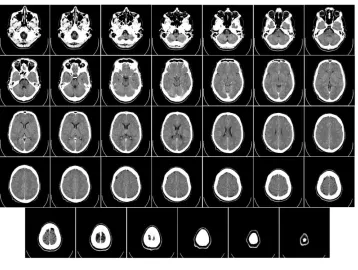
Figure 1: CT Scan of Human Brain (innerbody.com)
Figure 2: Fan-Beam and Cone-Beam Projections (J. Can Dental Association)
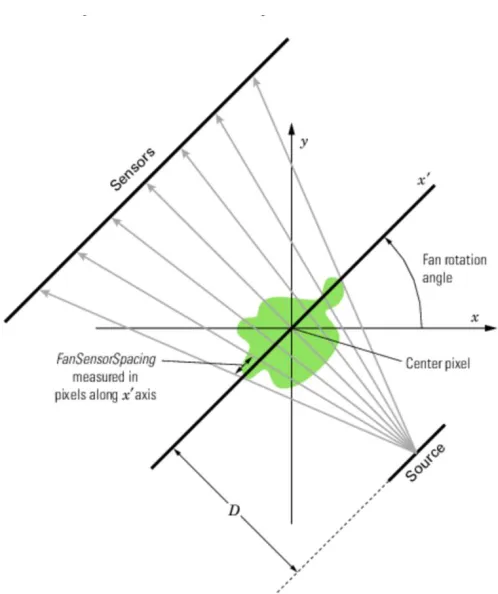
Figure 3: Fan-Beam CT System (www.mathworks.com)
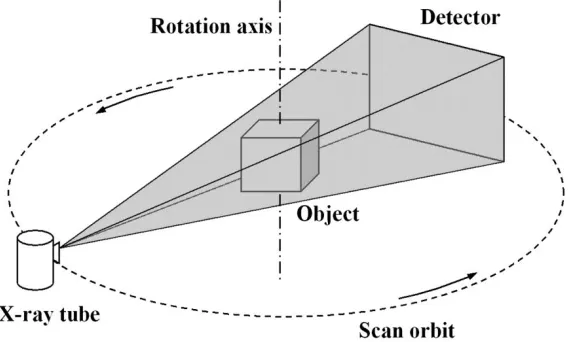
Figure 4: Cone-Beam CT System (opticalengineering.spiedigitallibrary.org)
Figure 5: Fourier Transform Equations (Credit: roymech.co.uk)
Figure 6: (a) Original image, (b) unfiltered back projected image, and (c) ramp filtered image.
(Credit: www.clear.rice.edu)
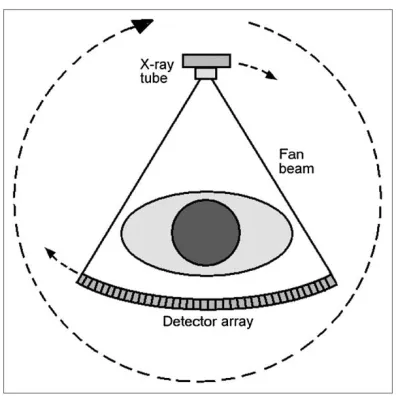
Figure 7: Fan-Beam computed tomography (Credit: Journal of Nuclear Medicine and
Technology)
Figure 8: Fan-beam coordinate system (Credit: Zeng et al. [20])
Figure 9: Steps in the reconstruction process (Credit: Scarfe et al. [13])
Figure 10: Fan-Beam Reconstruction Formula (Credit: Zeng et al. [20])
Figure 11: Tuy’s Condition (Credit: Zeng et al. [20])
Figure 12: Grangeat’s Algorithm Visual Aid (Credit: Zeng et al. [20])
Figure 13: Helical orbit used in Katsevich’s Algorithm (Credit: Zeng et al. [20])
Figure 14: Feldkamp Algorithm Visual (Credit: Zeng et al. [20])
Figure 15: Cone-Beam Coordinate System (Credit: Zeng et al. [20])
Figure 16: FDK Reconstruction Algorithm (Credit: Zeng et al. [20])
Figure 17: Volume Data Subrow Parallization (Credit: Noel et al. [17])
Figure 18: Proposed Optimization Method on GPUs (Okitsu et. al [16])
Figure 19: FPGA Evaluation System (Credit: Gac et al. [19])
Figure 20: Altera Stratix V Chip (Credit: Altera)
Figure 21: Block Diagram of FPGA Board (Credit: rfwireless-world.com)
Figure 22: Power8 Specs (Credit: IBM)
Figure 23: Altera SDK for OpenCL Proces (Credit: altera.com)
Figure 24: Shepp Logan Phantom (Generated from MatLab)
Figure 25: CPU vs. GPU 2563 Phantom Image Run Times Figure 26: CPU vs. GPU 5123 Phantom Image Run Times
Figure 27: CPU vs. FPGA 2563 Phantom Image Run Times
Figure 28: CPU vs. FPGA 5123 Phantom Image Run Times
Figure 30: GPU vs. FPGA 5123 Phantom Image Run Times
Figure 31: CPU vs. GPU vs. FPGA 2563 Phantom Image Run Times
Figure 32: CPU vs. GPU vs. FPGA 5123 Phantom Image Run Times
Table 1: Description of General 2D Image Reconstruction
Table 2: Description of Feldkamp et al. Algorithm
Table 3: Implementation Pseudo Code
Table 4: Test Bed Specifications
Table 5: Watts per Device
Chapter 1
1
Introduction
Efficient and accurate tomographic image reconstruction has been an intensive topic of
research due to its increasing everyday use in areas such as radiology, biology, and materials
science. The capture of tomographic images allows specialists to feed CT image data through a software application, run computationally intensive image processing algorithms on the images,
and reconstruct a three dimensional image with reduced pixel irregularities. This is frequently
used in medical areas through the use of x-ray computed tomography (CT) scans in order to
analyze specific internal structures and to provide more informative views of internal areas of
interest.
CT scanners record x-ray image data through a variety of approaches including fan-beam
and cone-beam computed tomography, providing different techniques tosection image slices.
Details of both tomography types are described in subsequent sections. By far, the most
computationally intensive task is reconstructing the image slices. It not only takes quite a bit of
time to run the specific algorithms, but it requires a powerful machine to execute the operations.
Such operations are time consuming on the central processing unit (CPU) of a computer, thus
implementations on accelerators such as a graphics processing unit (GPU) or a
field-programmable gate array (FPGA) are popular areas of research for these types of tasks.
Accelerators have the ability of reducing the run time of operations because they essentially
offload a lot of the computations from the CPU to the accelerator themselves.
Through tomographic images and image processing software, computed tomography is
able to provide specialists with detailed information regarding an area of interest and assist in
identifying underlying medical problems unclear in a single x-ray image. There are medical
scenarios where time is of the essence, and researching more efficient ways to run the image
reconstruction on sets of CT image slices deems itself an important area of research.
1.1:
Tomography Overview
Tomography, directly meaning “slice imaging”, involves the capture of two dimensional
These sectioned images are called projections, and are fed through specific image reconstruction
applications to process the final image. Tomographic images are essential in medical and
non-destructive testing scenarios because they capture accurate and informative views of both the
internal human body and other objects.
Classical tomography has quite the interesting history, as it has been claimed that ten
people independently invented tomography over a ten year period beginning in 1921 [5]. None
of those ten people had any idea what the other nine were doing during those times, and when it
was discovered that they all had in fact invented the same things, there were arguments about
who invented and patented the idea first, which lead to the news of the invention reaching
worldwide awareness [5]. After many disputes regarding the issue, people are lead to believe that
the fundamental beginnings to the invention of tomography was indirectly invented in 1914 by
Karol Mayer, who used camera motion to sharpen and blur parts of the images based on distance
from the focal point [5,6].
Today, tomography involves taking many images from different angles in regards to a
focal point. Types of tomographic images, called tomograms, include hydraulic tomography,
magnetic particle imaging, and CT scans. These tomograms provide informative views to
diagnose problems within the area of interest. The use of tomograms is diverse across many
areas of study, and is therefore an important technology in modern society.
1.2: CT Scans
After the first computed tomography (CT) scanner was released in 1971, it was quickly described as the “greatest diagnostic discovery since x-rays themselves in 1895” [5]. A CT scan
is an essential tool used to produce informative three dimensional images internal views of an
object, most commonly used in medical applications to study specific parts of the body. They
can be used to diagnose particular injuries, diseases, tumours, and many other problems within
the body. In 2012, the Canadian Institute for Health Information released data that concluded 4.4
million CT scans were performed in Canada alone on the available 510 CT Scanners,
dramatically increasing in usage from previous decades [1]. The high usage volumes in Canada
Patients typically undress and put on a hospital gown before scan. They are also typically
instructed to fast before for some time before the scan. At the time of the scan, the patient will lay on a flat table attached to the CT scanner and may be given a “contrast material” introduced
to the body through a vein or a joint in order to highlight certain areas better under the CT
scanner. The patient must lay very still within the CT scanner to avoid noise and error within the
images taken. Each image takes half a second to acquire [4] as the scanner rotates and takes
tomographic slice images through the use of x-rays.
1.2.1: X-Rays
CT scans use x-ray images to generate the tomographic slice images. X-rays are a type of
electromagnetic radiation with higher energy than visible light and therefore have the ability to
travel through various types objects to provide a means of “seeing” the internal structures. In
medical applications, x-rays pass through our bodies, allowing film to capture projections of
internal structures. This is due to tissues and organs absorbing varying levels of the x-rays,
depending on the radiological density, as determined by material density and also the number on
the atomic scale. [2] X-rays produce a clear visual of bone structures, but are two dimensional
and therefore much information is lost in the image. CT scans minimize this information loss
through using x-rays to create image slices of a three dimensional object. Figure 1 displays CT
scan image slices from the base to the top of a human brain, demonstrating the highly
Figure 1 (Credit: innerbody.com)
In CT scans, x-rays are not stationary. The x-rays are rotated about an axis, continuously gathering information about a patient’s body through a certain focal point. This data is run
through a software program in order to create two dimensional slice images, which can later be
combined to create the three dimensional image representation; the software enables certain
filtering operations to be run on the images.
X-ray images are taken from a single source, diverging in either a fan-beam or
cone-beam shape as they rotate about a fixed point and record data from different angles. To visualize
these beams, the difference between how fan-beam and cone-beam take tomograms is displayed
Figure 2 (Credit: J. Can Dental Association).
Once a single x-ray image is taken at a specific angle, the data is sent to the specialist’s
computer in order to run reconstruction algorithms to essentially improve the image quality and
recreate the two or three dimensional images, as described in detail in Chapter 2. After all images
are successfully taken, the radiologist must wait for the computationally intensive reconstruction
process to complete before analyzing the results from the CT scan. Depending on the number of
image slices, image quality, and hardware used to reconstruct the images, this process has
potential to take a long time to fully compute.
1.2.2: Fan-Beam Computed Tomography
In x-ray CT scans, fan-beam imagery is a quite common approach to the projection
geometry implementation [11]. The x-ray focal point is displayed as the ‘Source’ in Figure 3,
angling out to create a fan shape before hitting the sensors on the opposite side. It is also
important to note that the fan-beam rotates about the centre pixel, and ‘D’ represents the length
from the focal point (source) to the centre pixel in Figure 3. Data is gathered using this narrow
fan-beam, slightly changing the angle of the source to collect data from many slices. After data is
collected, the image slices are then compiled to create two dimensional representations of parts
Figure 3: Fan-Beam CT System (Credit: www.mathworks.com)
A disadvantage of fan-beam imaging is that part of the image data may be truncated due
to the limited field of view from the magnification factor, causing spikes and other artifacts
around the edges of the image. [10].
1.2.3: Cone-Beam Computed Tomography
Unlike the thin fan-beam geometry, cone-beam geometry immediately captures a two
dimensional image through a three dimensional x-ray beam, which scans in the shape of a cone.
The x-ray tube and detector rotate about the object of interest, as displayed in Figure 4. This
three dimensional beam proves efficient as at most one rotation around the object provides
Figure 4: Cone-Beam CT System (Credit: opticalengineering)
The rapid acquisition of information causes cone-beam projections to be more favourable
than fan-beam projections due to the shorter procedure time and therefore less possibility of
quality loss due to patient movement. [13] The shorter procedure time also limits the patient’s
exposure to radiation. The ability to capture two dimensional images in a single attempt provides
higher quality images than the fan-beam x-ray geometry.
1.2.4: Image Reconstruction Overview
The image reconstruction process involves generating images from the x-ray data
collected during the CT scan process, improving image quality through intense mathematical
computations. X-ray images taken through either fan-beam or cone-beam tomography risk
discrepancies called artifacts. These artifacts are described as errors between the numbers
evaluated during the CT scan and the exact attenuation coefficients, which when summarized is
the amount of the x-ray beam that is absorbed in the object’s material per unit of area. This
discrepancy is unacceptable because certain organs, bones, or tissues within the x-ray may
appear brighter or darker depending on the variation of the calculated attenuation values
compared with the exact coefficients.
There are many ways artifacts can appear in generated x-ray images, including errors due
to physics, patients, and scanner hardware inconsistencies [7,8]. Artifacts caused by physics
beam hardening - bands or streaks between objects caused by photons with a
low energy profile. These photons absorb energy quicker than the higher energy profile
photons;
under-sampling - loss of information due to too large of an angle change between
x-ray images;
photon starvation - in areas with concentrated bones, such as the shoulders or
knees, the x-ray beam struggles to pass through the areas due to the high
attenuation levels. This causes minimal photons to reach the detector on
the other side of the x-ray and thus causes noisy images to output [7].
Such errors caused by physics can be reduced through manufacturer supplied software which
hardens the beam prior to scanning the x-ray, as well as the radiologist avoiding certain angles in
areas with high bone concentration.
Patient artifacts are caused by the patient themselves, and cannot be prevented by the
radiologist. The radiologist must ensure the patient understands the procedure well before
beginning the CT scan. Patient artifacts include:
metallic objects - if a patient happens to have a metallic object on them, streaks
and incomplete x-rays may result due to the inability of the x-ray beam to
scan through such materials;
motion - both voluntary and involuntary movement of a patient during the scan
can lead to imperfections in the x-ray images;
scan field - the x-ray can only reach a certain area to be able to record accurate
information, so if a patient is outside of the scan field, the image may be
incomplete or have imperfections. [7,8]
These type of errors can be corrected through filtering and deblurring the images through image
processing algorithms, as well as apply anti-movement restraints prior to taking the images.
Finally, scanner hardware artifacts become issues if the scanner is out of calibration, possibly causing rings to appear in the x-ray images. The presence of rings could potentially lead
to false diagnosis and hide the underlying medical condition. These types of artifacts can only be
A further step to 3D image reconstruction is to essentially stack the filtered two
dimensional x-ray images to create the three dimensional representation of the object of interest.
Through the use of medical imaging software, the specialist is able to view the object in three
dimensional space, thus able to analyze the object as if an invasive procedure occurred. This aids
in the diagnosis of medical problems, and can give the specialist a better understanding of what is happening inside a patient’s body.
1.3: Explorations
Three dimensional CT scan image filtering and reconstruction require an immense
amount of computational power, which can make running such a program solely on the CPU
inadequate. Due to the size of the detailed x-ray slices taken during a CT scan, an exceptionally
large amount of data must be processed as efficiently as possible. This presents a challenge as a
result of the mathematical computations that must be performed on every pixel, or voxel, of each
tomographic image slice. Both radiologists and patients are keen to know the results as soon as
possible, and in some cases, time is of the essence. Therefore, exploring ways to make this
process run as efficiently as possible is a priority.
The incorporation of the graphics processing unit (GPU) is a valuable choice to increase
computational efficiency. GPUs are highly efficient in image processing due to their parallel
structure, which allows more data to be analyzed at any given time. These components are either
built onto the motherboard or a video card in the average personal computer, providing immense
speedups to video graphic power and streaming floating point computation power.
Another accelerator, field-programmable gate array (FPGA) also works alongside the
CPU in order to offload computations and increase program efficiency. The FPGA is not
typically built into workstation desktops, unlike the GPU. They perform instructions directly on
the hardware unlike the GPU which performs instructions on the software. FPGAs are an
interesting component to develop efficient algorithms on due to low energy consumption by
these devices [9]. This makes them a valuable alternative to explore as they can run with low
power usage if needed in remote locations. No research has been done on the particular problem
of 3D CT scan image reconstruction on the FPGA compared to the work done on the GPU. In
particular, the use of Power8 processors to enhance memory transfer efficiency has not been
With the assistance of IBM’s Power8 processing technology, there is potential for the
problem of 3D CT scan image reconstruction to speedup dramatically, thus making it an
interesting and valuable topic of research. Power8 technology has efficient memory transfer
capabilities due to both CAPI and Centaur (described in detail in chapter 4), possibly reducing
the memory transfer bottleneck from computing the reconstruction on an external accelerator.
1.4: Summary and Thesis Overview
Due to the usage volumes of CT scans worldwide, efficient algorithms and
implementations must be explored to reduce the time it takes to reconstruct the two dimensional
image slices to informative three dimensional images. Algorithms such as the Feldkamp
algorithm for cone-beam image reconstruction [3] are able to effectively reconstruct 3D images
from 2D images, however, run time improvements have only mainly been explored on the
graphics processing unit (GPU) of a computer.
In Chapter 2, I begin with surveying related research on the topic. Much work has been
done with 3D cone-beam image reconstruction on the GPU, but work on the FPGA with similar
algorithms is limited.
In Chapter 3, I will then explain in-depth what 3D CT reconstruction is, including
multiple approaches, the algorithm, and also challenges with each approach. I will use the
Feldkamp algorithm for CT image reconstruction as the core of my implementation, as it is most
frequently used in other studies and clinical uses today.
In Chapter 4, I will describe what FPGA with Power8 processor technology is, as well as
why it is an interesting accelerator to incorporate with this problem.
In Chapter 5, I explore potential speedups on running an implementation of the Feldkamp
algorithm on a field-programmable gate array (FPGA) with Power8 processor technology. I will
compare the run time on a workstation desktop as well, running it solely on the CPU as well as
CPU with the help of the GPU.
In Chapter 6, I will reach conclusions based on the benchmarking results, and mention
Chapter 2
2
3D CT Image Reconstruction
3D CT Image Reconstruction has been a hot topic of research due to the desire for speed
in the computationally intensive process. The most popular CT image technology today is the
cone-beam imaging technology, which emits a cone-shaped x-ray beam that takes two
dimensional images. These two dimensional images are taken almost instantly in the scanning
process, and then are sent to a software program to run image reconstruction algorithms. This
program can run on a CPU, but will take too much time to process the large amount of data.
Exploring speedups by modifying algorithms, using different languages, and relying on different
hardware accelerators is well researched today.
Among the most popular algorithms used for 3D CT image reconstruction is Feldkamp et al. (FDK)’s weighted filtered back projection algorithm. Due to the circular trajectory required
for calculating this algorithm, only an approximate reconstruction can be acquired. Yet, this
algorithm remains popular due to simplicity and the ability to parallelize implementations.
Weighting and filtering the two dimensional image slices runs in next to no time in comparison
to the time consuming back projection step, which is the bottleneck of the algorithm itself.
To fully understand how the FDK algorithm works, we must first introduce central
concepts topics which will make the algorithm more easily understood. We first explore Fourier
Transforms, which are the basis for the Ramp Filter used in the reconstruction algorithm. The
Ramp Filter will be described in detail, which is used in both 2D and 3D reconstruction
techniques. It is also important to understand how 2D fan-beam reconstruction works, as the
FDK algorithm essentially translates data into a 2D fan-beam reconstruction problem. We finish
with an in-depth description of the 3D cone-beam CT reconstruction, including multiple
algorithmic approaches and mathematical breakdowns.
2.1: Fourier Transform
Let us first discuss a crucial component of most 3D CT image reconstruction algorithms -
the Fourier Transform. At the core of filtered back projection algorithms there exist both the
Fourier and inverse Fourier Transforms, serving a vital part in the back projecting step. The
Fourier Transform provides a visualization of any waveform in the real world into a sum of
of time into the frequency domain. The Fourier Transform is useful because at times there are
computations which are easier to calculate in the frequency domain rather than the time domain.
In this paper, the discrete Fourier Transform will be used and the transform of function
f(x) is denoted by F(x). The Fourier Transform will transform functions in the time domain to the
frequency domain for use in back projection and filtering within 3D CT image reconstruction
algorithms. In terms of the sample k in the time domain and N frequencies over the sampling
period, the equations for discrete Fourier Transform and inverse Fourier transform are as
follows:
Figure 5: Fourier Transform Equations (Credit: roymech.co.uk).
The value of N is the sampling period and is the same as the number of pixels in the x-direction
of the image (i.e. 2563 image would have a sampling period of 256). The equation appears
complicated, but in simple English, this equation allows you to find the frequency at F(n)
through spinning(e-i) the sample k around the circle (defined by 2π) and averaging point values along the path ( ∑ ).The run time complexity of this algorithm is O(nlogn). The Fourier
Transform in back projection algorithms for both two and three dimensional transforms will take
on a different form but the logic will remain the same. Image filtering is applied to the frequency
domain, which is why the Fourier Transform is a vital part of the algorithm.
2.2: Ramp Filtering
Another vital concept to understand prior to discussing reconstruction algorithms is the
Ramp Filter. The Ramp Filter is a high-pass filter, increasing frequencies above the cut off and
decreasing low frequencies. It is used to create a clearer image without changing projection data
before the back projection step. This filter assists in reducing blur and other visual artifacts
targets image noise and imperfections and smooths them out through filtering techniques. The
Ramp Filter calculates the absolute value of the frequencies and rolls off at a certain point. It is
demonstrated in the following diagram:
[31]
First, the Fourier Transform is calculated, then the Ramp Filter is evaluated, and then the inverse
Fourier Transform is calculated. The core of the Ramp Filter equation is written as follows:
[31]
As this equation is applied to the frequency domain (after application of the Fourier Transform)
kx and ky represent the frequencies at a certain point. The Ramp Filter effectively attenuates
frequencies below a cut off factor, however, it can leave the image considerably grainy. Because
of this, the Ramp Filter must be combined with a Cosine Function to deemphasize noise. The
Cosine Function is defined as follows:
C(k) = ½ * (1 – cos((2 * π * k) / (k – 1)))
[31]
To understand why the Ramp Filter is necessary in back projection algorithms, let us
analyze the following images:
(a) (b)
(c)
Figure 6: (a) Original image, (b) unfiltered back projected image, and (c) ramp filtered
image. (Credit: www.clear.rice.edu).
Image (a) represents the original phantom image prior to unfiltered back projection
reconstruction in the image (b). Due to the overlapping of image slices that have undergone the
Fourier Transform, the resulting image is very unclear [22]. Because of this, a high-pass filter,
such as the Ramp Filter, must be applied to attenuate the lower frequencies and keep the higher
frequencies in the image. The lower frequencies cause blur, and therefore data must be passed
through a high-pass filter to reduce the blurring. Image (c) is the result of applying the Ramp
Filter to the back projected image. Note that the resulting image in (c) is considerably grainy -
this is smoothed out by multiplying the filter by the Cosine Function (defined above) to
2.3: Fan Beam CT Image Reconstruction
A common geometry for x-ray CT is fan-beam imaging technology. As described in
section 1.2.2, fan-beam x-ray CT scans involve collecting data through a x-ray fan projection of
a particular object where the main focal point is the source of the x-ray. Through a mathematical
image reconstruction process, the data is translated into a two dimensional image for the
radiologist to analyze. The underlying logic for fan-beam reconstruction is the basis for
cone-beam image reconstruction, which will be described in section 3.5. Fan-cone-beam CT is preferred
due to the ability to capture greater definition of soft tissue and bones.
As mentioned in the introduction, fan-beam x-rays collect data that is reconstructed into
two dimensional images. The x-ray is emitted through the focal point to either a flat or curved
detector and rotated at a constant speed, taking numerous images of the area of interest. This
process is outlined in Figure 7.
Figure 7: Fan-Beam computed tomography.
(Credit: Journal of Nuclear Medicine and Technology).
The detector in Figure 7 is a curved detector, which aids in capturing x-ray images as both the
detector and x-ray tube rotate around the area of interest. This process can complete in less than a
third of a second, depending on the application [23]. As the x-ray projects onto the detector on
the opposite side of the object of interest, data is collected and is reconstructed into a two
2.3.1: Algorithm and Mathematical Analysis
Typical fan-beam reconstruction algorithms use the Fourier Transform and Ramp
Filtering to effectively attenuate lower frequencies, which enhances image sharpness (as
demonstrated in Figure 9). The algorithm itself is important to understand because it is the basis
for the Feldkamp et al. 3D CT image reconstruction algorithm, which is the focus of this thesis.
Each image slice taken by the x-ray projection must be filtered, weighted, and back projected in
order to compile the two dimensional object of interest.
To understand the important variables and angles in the individual fan beam slices, a
visual of the coordinate system for flat detector fan-beam projections is depicted in Figure 8.
Figure 8: Fan-beam coordinate system (Credit: Zeng et al. [20])
The focal point and reconstruction point are depicted in Figure 8, along with important variables
for the equation. The mathematical equation is depicted as follows:
For description simplicity, the equation has been broken up into the following table to outline the
individual components:
Individual variables are displayed in Figure 11. D is the focal length and l is the coordinate on
the detector [20]. The weighting equation is dependent on the focal length D represented in the
coordinate system diagram, and provides an additional weighting to the back projection process.
The Ramp Filter, multiplied by the Cosine Function, is applied through each row in the projected
slice, attenuating the lower frequencies causing blur in the image. The resulting values represent
the filtered image slices prior to the back projection process.
In order to implement this algorithm in a coding language, the projections are multiplied
by the weighting factor defined by the distance from the reconstruction point to the detector. The
ramp filter is then applied to the frequency domain after application of the Fourier Transform,
and then the back projection step is executed post inverse Fourier Transform. This algorithm
provides the basis for the cone-beam filtered back projection as algorithms, such as Feldkamp et
2.4: Cone Beam CT Image Reconstruction
Cone-Beam CT is a newer technology compared to Fan-Beam CT and implements an
advanced approach to CT scan data collection and reconstruction [13]. Although Cone-Beam
CT (CBCT) reconstructs three dimensional images rather than two dimensional images in
Fan-Beam CT, much of the underlying logic is similar, and therefore can be seen as an advancement
to the Fan-Beam process. Actually, the algorithm translates the 3D cone-beam problem into a
fan-beam problem to evaluate. CBCT was developed to provide more informative and rapid
acquisition of data as compared to Fan-Beam CT, as it results in a three dimensional image
covering the entire field of view [13].
Since CBCT captures two dimensional images rather than data to be reconstructed, it is
prone to many more artifacts than traditional Fan-Beam CT technology. Because of this, a more
intensive mathematical filtering process is applied to each CBCT projection to effectively reduce
appearance of artifacts in the images. The main troublesome artifacts, noise and contrast
imperfections, are more apparent in CBCT projections due to the higher amount of radiation
present [13]. These artifacts must be smoothed through image processing applications or image
clarity will be impaired.
2.4.1: Reconstruction Process
The process of CT image reconstruction begins with acquiring the data from the
Cone-Beam CT (CBCT) scanner, and then reconstructing the two dimensional images. This process
not only creates the three dimensional representation of an object, but also essentially reduces the
artifacts in the images. To simplify the overall process, Figure 10 outlines the dual stage process,
Figure 10: Steps in the reconstruction process (Credit: Scarfe et al. [13]).
The first stage in CBCT image reconstruction is the acquisition stage, beginning with image data
collection. Throughout a single rotation of the CT scanner, about 150 to 600 images are taken.
Each individual image consists of greater than a million pixels, with each pixel holding 12 to 16
bits of data [13]. The amount of data causes the reconstruction process to be time consuming and
very computationally intensive. Because images are prone to dark spots or pixel discrepancies,
additional images are taken to adjust irregularities, and to gain calibration [13]. This process is referred to as “detector pre-processing” (see Figure 10) and ensures the images are in the best
possibly quality before running image reconstruction software.
The second stage in the CBCT process is the reconstruction stage (see Figure 10). This
stage involves processing image relations and recombining slices to create a three dimensional
volume [13]. Three popular algorithms to reconstruct cone-beam projections are Grangreat’s, Katsevich’s, and the most used one - Feldkamp et al. Grangreat’s and Katesvich’s algorithms
will be described in subsequent sections, however, we will go into more detail for the Feldkamp
et al. algorithm as this thesis tests speedups on that specific algorithm. Despite having varying
approaches to reconstructing CBCT images, all algorithms run into time complexity issues due to
the massive amount of data acquired through the x-ray process.
All three of the popular algorithms result in reconstructed images with little data loss, and
Greangreat provide exact image reconstructions, but Feldkamp et al. provide approximate image
reconstructions. To understand the idea of approximate and exact reconstructions, it is important to understand Tuy’s condition, described in the next section.
2.4.2: Tuy’s Condition
Tuy’s condition is a cone-beam data sufficiency problem that states “every plane that
intersects the object of interest must contain a cone-beam focal point” [20]. This ensures that the
images collected capture sufficient data to validate the images. In other words, the x-ray and
detector must both rotate around an axis of rotation to ensure the orbit captures sufficient data. Examples of orbits which both satisfy and do not satisfy Tuy’s condition are captured in Figure
11.
Figure 11: Tuy’s Condition (Credit: Zeng et al. [20]).
2.4.3: Grangeat’s Algorithm
Grangeat et al. formulated an algorithm for CBCT image reconstruction that can be applied to any orbit, as long as it satisfies Tuy’s condition [20]. This algorithm is able to provide
an exact reconstruction of the image slices, through applying the problem to the 3D Radon
inversion problem. The Radon Transform data is also known as a sinogram, and is the output of
(see 2.3), and involves pre-processing data multiple times to reduce minor artifacts. Because of
this, interpolation errors may occur.
Figure 12: Grangeat’s Algorithm Visual Aid (Credit: Zeng et al. [20]).
This particular algorithm begins by converting CBCT ray-sums to plane-integrals through
line-integral calculations on the x-ray detector [20]. Figure 12 represents this conversion process
- the plane lines from the focal point to the integration line give weighted plane integrals of the
scanned object. This conversion is called the Radon Transform. This process is important
because it translates the data into a simplified transformation in the form of sinograms, created
through the Radon Transform. After converting line integrals, a variant of the inverse Radon
Transform (essentially a back projection algorithm) is applied, which reconstructs density from
the image data. The Radon Transform and the inverse Radon Transform are the core mathematics behind reconstructing images in Grangreat’s algorithm.
The steps in the algorithm are described generally as follows:
1. Calculate line-integrals on detection planes, generating weighted integrals.
2. Calculate angular derivatives on the results
3. Translate results to Radon space
4. Calculate the derivative in the normal direction of the plane.
5. Apply 3D Radon back projection.
Mathematical details will not be expressed in this paper, as the purpose of summarizing
this algorithm is to outline the differences between it and the popular CBCT reconstruction
algorithms.
2.4.4: Katsevich’s Algorithm
Katsevich’s algorithm follows the filtered back projection pattern, but can be altered to
remove the dependence of the filter on the reconstruction location [20]. In general, it involves
calculating important values based on the location of the object and the orbit, then introducing
the Hilbert Transform and additional weighting to reduce visual artifacts. The transform runs in
O(n2) time in comparison to the Fourier Transform time which runs in O(nlogn) time. The
Hilbert Transform provides an analytic representation of a specified signal, defined for functions
on a circle, as we see here with the helical orbit used by this algorithm. Mathematical details will
not be discussed as the purpose of outlining this algorithm is to compare the process with Feldkamp et al’s.
This algorithm satisfies Tuy’s condition with the helical orbit illustrated in Figure 13. Because of this, Katsevich’s algorithm offers exact reconstruction for 3D CT images.
Figure 13: Helical orbit used in Katsevich’s Algorithm (Credit: Zeng et al. [20]).
Filtered back projection algorithms run into the issue of handling data redundancy, which is
effectively handled in Katsevich’s helical orbit. This basis, outlined in Figure 13, only allows
one line segment that passes through the point (x,y,z) and touches two different points on the
orbit - called the pi-segment. This handles the data redundancy problem because measurements
are only taken at the beginning and end of the line, allowing proper selection of filtering
direction.
Katsevich’s algorithm assumes that a plane intersects the helical orbit two or more times,
independently on each projection slice, which amounts to calculating results on each 2D image
by the intersecting plane.Katsevich’s algorithm [20] is described as follows:
1. Find derivative of data with respect to orbit parameter.
2. Calculate the Hilbert transform.
3. Perform weighted back projection.
Mathematical details of this algorithm are not presented here, as this thesis is working
with the Feldkamp et al. algorithm described in section 2.3.
2.5: Feldkamp, Davis and Kress Algorithm
The Feldkamp et al. algorithm for CBCT image reconstruction is the most widely used
algorithm today, due to the practicality and power of the approach. What it essentially does is
convert the CBCT image reconstruction problem into the fan-beam reconstruction problem,
using a circular focal point trajectory [20]. This algorithm uses filtered back projection, like Katsevich’s, however, due to the use of a circular trajectory, it cannot provide exact
reconstructions. Because of the approximate reconstruction, the reconstructed image is prone to
more artifacts such as blurriness in areas far from the orbit, and missing part of the projection
image.
Figure 14 provides a visualization of the Feldkamp algorithm, outlining the cone-beam
projections and where the filter and back projections are applied. Feldkamp et. al (FDK) utilizes
the cone angle outlined in Figure 16 and gives exact reconstruction if the angle is less than ten
degrees or if the scanned object has constant dimensions in one direction [20].
2.5.1: Algorithm and Mathematical Analysis
As mentioned before, the FDK algorithm implements filtered back projection, heavily
relying on the conversion from a cone-beam reconstruction problem to a modified fan-beam
reconstruction problem. Steps described in the FDK cone-beam algorithm may sound similar to
that in fan-beam reconstruction techniques. The general algorithm [20] is described as follows:
1. Scale projections by cosine of the cone angle.
2. Apply ramp filtering to the data.
3. Apply weighted-filtered back projection.
What is interesting about the FDK algorithm, is its similarity to fan-beam reconstruction
algorithms. The FDK algorithm implements the core of the fan-beam algorithm described in
section 3.1, with a few additions to ensure it applies to three dimensional reconstruction. To
ensure understanding of the differences and additions to this algorithm, let us analyze the
Figure 15: Cone-Beam Coordinate System (Credit: Zeng et al. [20]).
The difference between the cone-beam coordinate system and the fan-beam coordinate system
(see Figure 8) is the addition of a dimension in the z direction and abstraction of the
reconstruction point to fit the three dimensions. The cone-beam coordinate system is similar to
the fan-beam coordinate system. However, an additional dimension - z - is added to the diagram
to represent the third dimension of the cone-beam projection. An important variable to note is
the length from the detector to the focal point, D, which is the main determination of a weighting
function for this algorithm.
In terms of the algorithms, the only difference is that the back projection is a cone-beam
back projection. CBCT also uses the Fourier transform and ramp filtering to reconstruct the CT
images. Ramp-filtering is applied to the images row-by-row and then back projection is
calculated on the resulting data.Zeng et al. [20] provide an exceptional straightforward diagram
The mathematical equation is expressed as follows:
Figure 16: FDK Reconstruction Algorithm (Credit: Zeng et al. [20]).
For description simplicity, the equation has been broken up into the following table to outline the
individual components:
Individual variables are illustrated in Figure 15, and the ramp filter is described in prior sections.
D represents the focal length, and l is the linear coordinate on the detector [20]. The
mathematical equation may appear complex, but it is simply broken up into different steps. This
equation is performed by weighting, ramp filtering (including the inverse Fourier Transform),
and then performing back projection to reconstruct the three dimensional image [18].
In order to implement this algorithm into a coding language, a parallel language must be
conveniently run on a graphics processing unit (GPU) to increase performance. Since, this
algorithm has potential to be highly parallelized due to data independence, running such an
algorithm on an accelerator is promising [18]. Design wise, the projections are first multiplied
with the weighting function. The ramp filter is then applied to the data and finally back
projection is performed. Both the run times of weighting and ramp filtering run in O(N2) while
the computationally intensive back projection step that runs in O(N4) time [15]. This run time is
a result of traversing through each projection in the image, through each individual pixel in the
projection, and then through each angle taken during data collection. Implementation pseudo
code will be described in Chapter 5 along with benchmarking the run times.
2.6: Performance Bottlenecks
The process of 3D CT image reconstruction is a computationally expensive process and
so there exists multiple bottlenecks preventing desirable performance. The main motivation for
implementing algorithms, such as FDK back projection on accelerators, is to dramatically
improve run-time of the intensive back projection step. The back projection step is the most
difficult to make computationally efficient, as the number of computations required to compute
this step is rather large. As the size of the data set grows, and it is very large with full CT scans,
the O(n4) complexity of this step takes quite a while to compute.
With the move to GPUs, the back projection step has conclusively sped up the overall run
time. Yet, in using an accelerator, such as the GPU, a new bottleneck surfaces. Projection data
must be loaded onto the accelerator in order to run computations on the device, thus creating the
memory transfer bottleneck. The question then becomes - how do we implement efficient
memory transfer? This bottleneck can be reduced through transferring data all at once and doing
as many computations as possible on the GPU before inducing another single transfer back to the
CPU. But, with the exceptionally large size of the CT scan data files, this still results in
considerable overhead.
What is interesting to further explore is if the field programmable gate array (FPGA) is
able to further reduce run time of this algorithm and overcome the runtime bottleneck. It is also
interesting to explore whether the use of a Power8 along with the FPGA is able to improve the
bottleneck of memory transfer through providing a more fluid memory transfer process. These
implementations, are a means to further investigate this popular FDK reconstruction algorithm
Chapter 3
3
Related Work
As mentioned in the previous chapter, 3D CT scan image reconstruction has been a largely researched topic due to the desire for efficiency in the implementations. Feldkamp’s
algorithm for back projection in image reconstruction [3] has been the core for the majority of
research studies due to its efficiency and its suitability to parallel processing, thus harnessing the
power of accelerators such as the GPU and FPGA [14]. The bottleneck of this algorithm, the
back projection step, has a runtime complexity of O(N4) and has been the focus of many research
studies [15]. Along with this algorithmic complexity, there exists another more pragmatic
bottleneck - memory transfer between accelerators and the central processing unit (CPU).
The following survey of related research studies are all focused on the Feldkamp et al.
back projection algorithm for image reconstruction [3]. This is the most commonly used
algorithm today due to the practicality and power of approach. The algorithm itself is described
in Chapter 2. The majority of studies on this problem are implemented on the GPU in either
CUDA or OpenCL. The first three research studies outline GPU implementations. The use of the
FPGA for this particular algorithm is minimal, and the use of the Power8 is nonexistent. The
fourth and final research study surveyed outlines an implementation on the FPGA. However, it
uses a simulated memory bus and does not utilize OpenCL nor Power8 processing technology.
3.1: Related Work 1 - “Accelerated cone-beam CT reconstruction based
on OpenCL” by Wang et al. [18]
As mentioned in the prior section, exploring cone-beam CT reconstruction algorithms on
the graphics processing unit (GPU) is a well-researched topic as the GPU has capabilities to
speed up reconstruction algorithms considerably. Wang et al. [18] benchmark the Feldkamp et al.
algorithm through a parallel implementation for the GPU. Unlike many implementations of this
algorithm, they decided to use OpenCL to write the device code for the GPU. The relatively new
OpenCL language has not been thoroughly researched for applications such as for the FDK
algorithm performance speedups. The parallel capabilities of the OpenCL language make it a
3.1.1: Implementation
The implementation was designed to be parallel to work with the OpenCL model.
OpenCL was the implementation language of choice because it can work across many different
GPUs, while implementations in compute unified device architecture (CUDA) are typically
restricted for use on NVIDIA or AMD GPUs [18]. With OpenCL, the ability to develop generic
algorithms to work cross platforms is more plausible, and such code can also be run on multiple
hardware devices such as the CPU, GPU, and FPGA. The ability to abstract sections of the
algorithm into device code contained in kernels ensures that the developer has a clear sense of
what is running where and how to write code to run on both the CPU and GPU at the same time.
To minimize data transfer between the CPU and GPU, which is inevitable due to the
storage capacity on the GPU, Wang et al. introduced pinned (also called page-locked) memory to
store the image slices rather than non-pinned memory [18]. Both pinned and non-pinned memory
are ways the GPU accesses memory from the host device. Pinned memory is quicker due to the
ability to execute writes and application instructions concurrently, and large sequential reading
[32]. Non-pinned memory invokes multiple levels of caching, involving full loads of data [32].
Non-pinned memory seems less useful in this case due to the change of data throughout the
reconstruction process. Kernels were designed to run each of the steps in the FDK algorithm, as
described in Chapter 3. Image-by-image, data is loaded onto the GPU, with kernels executing
pre-weighting, filtering, reconstruction, and weighting before transferring the data back to the
GPU. Running all GPU computations at the same time reduces the need to transfer data multiple
times which would inhibit performance.
3.1.2: Conclusions
Based on benchmarking the OpenCL implementation of the FDK algorithm on the CPU
compared to the GPU, Wang et al. produced an overall speedup of over 57 times. To test, they
used a generated head phantom with 1283 voxels. As the volume of the data increased, the
speedup numbers also increased. With a head phantom of 2563 voxels, the GPU implementation
performed 250 times better than the CPU implementation for the weighting step! With these
tests, it is clear that implementing the FDK algorithm in OpenCL for the GPU provides dramatic
improvements in performance. Although OpenCL is a relatively new language to use for GPU
programming, it has potential to allow creation of complex algorithms run more fluidly through
3.2: Related Work 2 - “GPU-based cone beam computer tomography” by
Noel et al. [17]
Though the time it takes to scan images for 3D cone-beam CT procedures is merely 60
seconds, the images must run through timely reconstruction software, which can take upwards of
25 minutes on a typical workstation desktop [17]. Noel et al. approached the computationally
intense 3D cone-beam reconstruction by implementing the Feldkamp et al. (FDK) algorithm on
the graphics processing unit (GPU). The Compute Unified Device Architecture (CUDA) is used
to parallelize both the filtering step and the intensive back projection step on the GPU. The core
of the paper evaluates the run time of the CUDA implementation on the CPU vs. the GPU with a
straight forward algorithmic approach. Multiple volume sizes are tested on both the CPU and
GPU to compare speedup numbers.
3.2.1: Implementation
The weight-filtered-FDK algorithm, described as a “simple implementation”, was
implemented in CUDA for a CUDA-capable GPU. Specific tests were run on a cheap GPU - the
NVIDIA GeForce GTX 280, making the results relevant to real world applications due to the
low-cost of the device. The approach consists of harnessing all shared memory, loading all of the
image data in the memory on the GPU device, and parallelizing computations on individual
voxels.
Figure 17: Volume Data Subrow Parallization (Credit: Noel et al. [17]).
Because the GPU cannot handle both the volume and projection data at the same time, they
parts of the volume data at a time. Each subrow of the volume data, as shown in Figure 17, are
then back projected through multithreading on the GPU device.
3.2.2: Conclusions
Noel et al. concluded that the implementation runtime improved dramatically on the GPU
compared to the CPU. Running in about 3.2 seconds on the GPU is an incredible improvement
from the 25 minutes on the CPU for a low-quality image [17]. For a high-quality image with
5123 volumes, the GPU reconstruction implementation ran in about 8.5 seconds. They note that
there still exists a bottleneck in the GPU implementations of this algorithm due to the data
transfer of large-scale images from CPU to GPU memory. With further emphasis on optimizing
techniques, the GPU implementation produced by Noel et al. has the potential for even greater
speedups as compared with the CPU.
3.3: Related Work 3 - “High-Performance Cone Beam Reconstruction
Using CUDA Compatible GPUs” by Okitsu et al. [16]
Okitsu et al. approach the problem of accelerating the computationally intensive back
projection step in the Feldkamp et al. (FDK) algorithm for cone-beam reconstruction. Through
an implementation in Compute Unified Device Architecture (CUDA) on the Graphics Processing
Unit (GPU), they aimed to speed up the time consuming reconstruction process. Their focus was
not on the algorithm itself, rather on harnessing the processing power of the GPU through
multiple optimization techniques, expanding on the work by Noel et al. [17]. Such optimization
techniques included loop-unrolling, multithreading for multiple GPUs, and reducing off-chip
memory access.
3.3.1: Implementation
The FDK algorithm for filtering and back projection was implemented in CUDA by
Okitsu et al. The decision of this language was chosen because the CUDA platform is built for
the GPU, which is a single instruction, multiple data parallel machine. It was also chosen
because data access can be highly optimized due to the memory hierarchy being visible to
Figure 18: Proposed Optimization Method on GPUs (Credit: Okitsu et. al [16]).
The proposed method to optimizing the FDK algorithm is displayed in Figure 18. Due to
the independent data computations in the FDK algorithm, Okitsu et al. observe that there is
potential to run computations on different voxels, as well as different projections between
multiple GPUs. This breaks up the large amount of data and runs it on multiple accelerators at
the same time, allowing further parallelization of data, as pictured in Figure 18. To limit data
exchange, only volume data is stored in the device memory due to the limited device memory
and the ability to discard projection data after running the algorithm.
3.3.2: Conclusions
Okitsu et al. concluded that both parallelizing projection and voxel data resulted in the
runtime of the back projection step on a single GPU to be almost cut in half for both low and
high quality data. Spreading data access multiple GPUs reduces the number of computations on a
single GPU, and further parallelizes the FDK algorithm, thus achieving a 41% better
performance than alternative implementations in CUDA [16]. This multiple GPU approach also
results in 24 times quicker reconstruction than on a native CPU. This approach also solves the
up the data, as large-scale datasets can easily diminish resources in a single GPU device
memory.
3.4: Related Work 4 - “High speed 3D tomography on CPU, GPU, and
FPGA” by Gac et al. [19]
Gac et al. experiment with implementations of similar 3D CT and 3D PET image
reconstruction algorithms on the CPU, GPU, and FPGA hardware environments. The back
projection of both types of image reconstruction is costly, and this paper explores optimization
techniques for the implementing on the FPGA hardware. They approach the memory access
bottleneck, designing a pipeline that improves efficiency. This is among a few studies done with
the 3D image reconstruction problem on the FPGA, comparing speedups in comparison with
both the CPU and GPU.
3.4.1: Implementation
Three versions of the back projection software program were implemented on the CPU -
two optimized, and one not. The optimized versions used multiple techniques, including better
utilization of cache memory, and reduction of arithmetic operations. With the implementation
making better utilization of cache memory, they induced a speedup of 3-fold; a speedup of 7-fold
was achieved through the addition of arithmetic operation reduction [19].
“Standard C with a few extensions” was used to program the GPU code, which could be
either OpenCL or CUDA. Their implementation involved assigning a single thread to each voxel,
or tomographic image, and performing reconstruction in blocks. Two implementations of the
parallel code were written, with simple loop manipulation the difference between the two. The
simple loop manipulation reduced the number of computations between image coordinates, thus
induced a speedup of 2 times the original GPU implementation.
The FPGA implementation was written for a Xilinix board in OpenCL, attached to a fake
memory bus to access different levels of latency and bandwidth. The evaluation system is
Figure 19: FPGA Evaluation System (Credit: Gac et al. [19]).
As illustrated in Figure 19, the FPGA (Virtex II pro) is attached to an evaluation board
containing multiple memory chips. This allows Gac et al. to effectively control the memory bus
connecting the FPGA board and the host PC. This system can induce an image update in simply 1 clock cycle, allowing the cache to “take advantage of the high spatial and temporal locality” of
the 3D back projection algorithm [19]. They found that the reconstruction ran more slowly when
more threads were running back projection concurrently, as the memory bus was overloaded
with information. The implementation ran most efficient with 8 bytes/cycle memory latency,
with running 1 operation of back projection per processing unit [19].
3.4.2: Conclusions
Gac et al. find that the GPU implementation of the 3D image reconstruction algorithms
runs the quickest at 10 times quicker than the FPGA implementation. However, the FPGA
performed better in computational efficiency with two cycles per instruction [19]. Nonetheless,
the FPGA managed to provide an efficient solution to the bottleneck memory problem and
provide a speedup of approximately 20 times over the general CPU implementations. They
conclude that the few memory resources on the FPGA hardware reduces its ability to handle
They also note that since a GPU is much cheaper than the FPGA, it appears to be a more viable
solution for 3D image reconstruction.
3.5: Summary and Thesis Direction
It appears the most researched ways of speeding up 3D cone-beam image reconstruction
is through implementations in either CUDA or OpenCL for the graphics processing unit (GPU).
All such studies [i.e. 16,17,18,19] resulted in dramatic speedups from running the algorithm on
the GPU in comparison to the CPU. This is due to the parallel nature of the GPU and the ability
to process graphics extremely effectively. Very little work has been done on the field
programmable gate array (FPGA), potentially due to the cost and time consuming development
period.
It is important to note that in the final related work survey, Gac et al. express that the
FPGA performed more poorly than the GPU in 3D image reconstruction due to the memory
resources available and transfer inefficiency. Although they used a simulated memory bus. It is
interesting to explore the outcome of using a Power8 in addition to the FPGA (and a real
memory bus). With Power8 processing technology, better performance could potentially occur
due to the reduction in computing path length to transfer memory from the FPGA to the CPU.
This thesis will explore just that - 3D cone-beam reconstruction implemented on a FPGA
with Power8 processing technology to assist with the memory bottleneck. It is also interesting to
investigate the potential of OpenCL as the implementation language, as previously surveyed
studies all appear to use CUDA and standard C. After describing 3D CT cone-beam
reconstruction algorithms and FPGAs in depth, it will be hopefully be clearer whether there is
the potential for such hardware to speedup the computationally intensive algorithm. However,
the interesting comparison will be between the speedups from a FPGA and a GPU, as both are
Chapter 4
4
FPGAs and Power8
With computationally intensive algorithms such as cone-beam CT image reconstruction,
there exists performance limitations with running the algorithm solely on the central processing
unit (CPU). The CPU is able to compute the FDK algorithm, but takes some time to complete
calculations on large data volumes, causing the reconstruction process to prevent the radiologist
from analyzing images immediately. The CPU itself can only handle limited computations
simultaneously, so parallel processing of such algorithms is very limited.
To solve the performance bottleneck of algorithms such as these, the graphics processing
unit (GPU) and recently field programmable gate arrays (FPGAs) have been incorporated to
offload computations off of the CPU. The customizable and parallel nature of such accelerators
allows developers the freedom to write device code that can result in immense performance
speedups when working in unison with the CPU. Both the GPU and FPGA device codes can be
written with little knowledge of low level circuit design by using languages such as CUDA or
OpenCL, which are extensions to the C language. However, FPGA performance is best when
written in a hardware description language such as VHDL, but VHDL has a steep learning curve
because of the need to understand circuit design.
4.1: Field Programmable Gate Arrays (FPGAs)
The field programmable gate array (FPGA) is an integrated circuit customizable by the
developer after the initial manufacturing. FPGAs are used in many varying applications today
such as medical imaging, industrial processing, security, and image processing applications.
Containing a two dimensional array of logic blocks, FPGAs can be programmed to run
combinational functions designed by the developer. The flexible design process appeals to
developers in order to create hardware for specific applications.
The largest FPGA manufacturers are Altera and Xilinx, making up over 90% of total
market share for FPGAs from 2013 and forward [24]. Altera invented the first reconfigurable
hardware device in 1984, a year after they were founded [25], followed by Xilinx releasing the
first commercially available FPGA in 1985 [26]. For many years after, Altera and Xilinx
dominated the FPGA market, and are still the two top manufacturers for the device. An example
Figure 20: Altera Stratix V Chip (Credit: Altera)
The FPGA recently became more widely used in the 1990s, where it was introduced to a
wider variety of applications advancing from the initial limited telecommunications and
networking applications [24]. FPGAs are now much more widely used to accelerate performance
4.1.1: Architecture
The FPGA consists of a two dimensional array of logic blocks, input/output (I/O) blocks,
and routing wires (interconnects). The block diagram for the FPGA system is displayed in Figure
21.
Figure 21: Block Diagram of FPGA Board (Credit: rfwireless-world.com).
The logic blocks are entirely reconfigurable, and consist of digital logic and I/O necessary for
developers to implement their own logic. The I/O block allows data to flow to and from the
FPGA device, typically from the CPU as well as external inputs. Interconnects connect each logic block, and the “switch block” alters flow between interconnects, depending on the logic
implemented. Also onboard the FPGA device are random access memory (RAM) blocks,


![Figure 10: Steps in the reconstruction process (Credit: Scarfe et al. [13]).](https://thumb-us.123doks.com/thumbv2/123dok_us/7727729.1264719/28.612.178.451.81.282/figure-steps-reconstruction-process-credit-scarfe-et-al.webp)
![Figure 12: Grangeat’s Algorithm Visual Aid (Credit: Zeng et al. [20]).](https://thumb-us.123doks.com/thumbv2/123dok_us/7727729.1264719/30.612.174.449.152.287/figure-grangeat-algorithm-visual-aid-credit-zeng-et.webp)
![Figure 13: Helical orbit used in Katsevich’s Algorithm (Credit: Zeng et al. [20]).](https://thumb-us.123doks.com/thumbv2/123dok_us/7727729.1264719/31.612.228.377.403.505/figure-helical-orbit-used-katsevich-algorithm-credit-zeng.webp)
![Figure 14: Feldkamp Algorithm Visual (Credit: Zeng et al. [20]).](https://thumb-us.123doks.com/thumbv2/123dok_us/7727729.1264719/32.612.137.461.454.685/figure-feldkamp-algorithm-visual-credit-zeng-et-al.webp)
