THE LONGITUDINAL TRAJECTORIES OF INTERNALIZING SYMPTOMS IN INDIVIDUALS WITH 22Q11.2 DELETION SYNDROME
Tapan Patel
A thesis submitted to the faculty at the University of North Carolina at Chapel Hill in partial fulfillment of the requirements for the degree of Master of Science in the Department of Clinical
Rehabilitation and Mental Health Counseling in the School of Medicine.
Chapel Hill 2019
ABSTRACT
Tapan Patel: The Longitudinal Trajectories of Internalizing Symptoms in Individuals with 22q11.2 Deletion Syndrome
(Under the direction of Blaise Morrison)
Internalizing symptoms (i.e., anxiety, depression, withdrawal) are highly prevalent in the 22q11.2 Deletion Syndrome (22q11DS) population. There is a need to identify how these
symptoms change over time and to determine what factors affect the trajectory of these
TABLE OF CONTENT
LIST OF TABLES ... vi
LIST OF FIGURES ... vii
LIST OF ABBREVIATIONS ... viii
CHAPTER 1: INTRODUCTION ...1
Features of 22q11DS ...1
Cognitive Features ...2
Psychiatric Features ...3
Behavioral Features ...4
Internalizing Symptoms ...5
Impact of Internalizing Symptoms...6
Trajectory of Internalizing Symptoms in individuals with 22q11DS ...7
Factors Affecting the Trajectories of Internalizing Symptoms ...8
Intelligence ...9
Attention ...9
Working Memory ...9
Demographics ...10
Prior Longitudinal Studies ...10
Participants ...14
Predictor Measures...14
WISC ...14
CPT-IP/AX ...15
Demographic Variables ...15
Outcome Measures...15
CBCL ...15
Procedures ...16
Statistical Analysis ...16
CHAPTER 3: RESULTS ...18
CHAPTER 4: DISCUSSION ...20
Implications for Rehabilitation Counselors ...21
Limitations ...23
Conclusion ...24
APPENDIX 1: TABLES ...25
APPENDIX 2: FIGURES ...34
LIST OF TABLES
Table 1- Sample Descriptives ...25
Table 2- Internalizing Symptoms Multilevel Model ...26
Table 3- Internalizing Symptoms Multilevel Model with Constrained Time ...27
Table 4- Internalizing Symptoms Multilevel Model with Intelligence ...28
Table 5- Internalizing Symptoms Multilevel Model with Working Memory ...30
LIST OF FIGURES
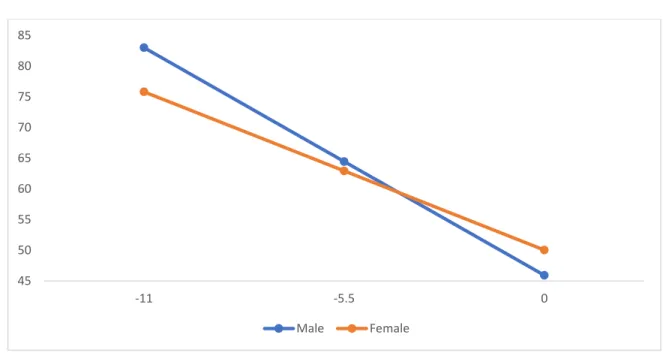
Figure 1- Internalizing symptoms trajectory by sex ...34
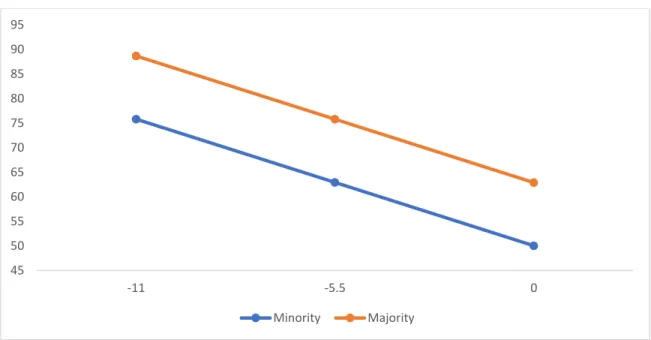
Figure 2- Internalizing symptoms trajectory by ethnicity...35
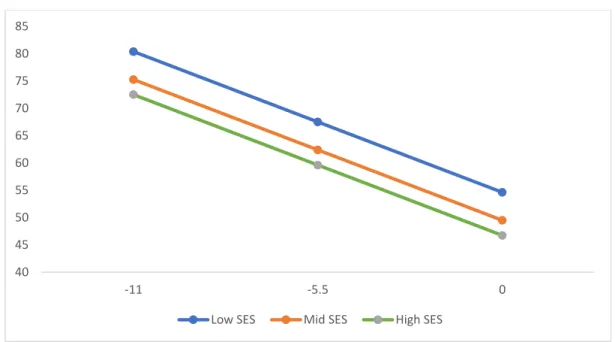
Figure 3- Internalizing symptoms trajectory by SES ...36
LIST OF ABBREVIATIONS 22q11DS 22q11.2 Deletion Syndrome
ADHD Attention Deficit Hyperactivity Disorder CBCL Child Behavior Checklist
CPT-IP/AX Continuous Performance Test Identical Pairs d-Prime and AX d-Prime FSIQ Full Scale Intelligence quotient
IQ Intelligence Quotient SES Socioeconomic status
CHAPTER 1: INTRODUCTION
Chromosome 22q11.2 Deletion Syndrome (22q11DS) is a microdeletion syndrome that is characterized by a confluence of medical, psychiatric, and neurocognitive symptoms (Hooper et al., 2013). Individuals with 22q11DS experience many difficulties in many different life domains due to the features and symptoms associated with this disorder (Armando, Lin, Pontillo, & Vicari, 2017). One of the more common aspects of 22q11DS is the presence of internalizing symptoms such as anxiety, depression, and withdrawal that significantly affect multiple aspects of these individuals’ lives (Armando et al., 2017; Fabbro, Rizzi, Schneider, Debbane, & Eliez, 2012).
It is evident that there is a need to examine how these symptoms progress in this population and to determine what factors affect the trajectory of these symptoms. The possible factors that may be affecting these symptoms could be other cognitive symptoms associated with 22q11DS (i.e., lower intelligence, poor attention, impaired working memory). Discovering how these symptoms progress over time and what factors predict these trajectories could help
researchers and treatment providers create and implement targeted interventions that could slow and/or lessen the appearance of significant internalizing symptoms over time.
Features of 22q11DS
these individuals live long and fulfilling lives. A wide variety of features and symptoms are associated with 22q11DS (Shprintzen, 2008). These features are perhaps best understood when they are divided into categories. Three distinct dimensions that are affected by 22q11DS are cognition, affect, and behavior (Badoud et al., 2017; Bearden et al., 2004; Duijff et al., 2013).
Cognitive Features
One of the most important cognitive aspects that is affected by 22q11DS is intelligence (Duijff et al., 2013). Many individuals with 22q11DS have IQ scores under 70, in many instances reflecting the presence of an intellectual disability (Bearden et al., 2004; Duijff et al., 2013). Due to the deletion of the 22nd chromosome, there is a significant impact on the development of the brain that contributes to the impairment in intelligence (Duijff et al., 2013). Additionally, Duijff et al. (2013) found that intelligence may not be stable in this population. They found that intelligence declines as some individuals with 22q11DS age; although, others remain relatively stable over time. Duijff et al. (2013) recommended for additional research to determine the longitudinal trajectory of intelligence in this population, with a particular focus on factors that might be contributory to a decline in cognitive abilities.
Due to the impairments of intelligence and visual working memory, attention is deeply affected by 22q11DS (Antshel et al., 2007). Antshel et al. (2007) conducted a study to determine how attention deficits in the 22q11DS population differ from the deficits in individuals with Attention-Deficit Hyperactivity Disorder (ADHD). They found that individuals with 22q11DS showed significant impairments in attention that, in some cases, were worse than the idiopathic comparison sample. They suggested that individuals with 22q11DS have significant impairments in attention that need to be addressed to successfully help these individuals progress in education (Antshel et al., 2007). Niarchou, Martin, Thapar, Owen, and van den Bree (2015) further
corroborated these findings and found that the presentation of ADHD may not manifest as they do in the idiopathic ADHD population. Though the clinical presentation is different, these individuals are being significantly impacted by attention issues, but they may not be receiving treatment for these issues (Niarchou et al., 2015). It is pertinent to further understand these clinical presentations in this population.
Psychiatric Features
manifest and progress in this population before they become disorders and before they potentially lead to the development of psychosis (Tang et al., 2015).
Psychotic symptoms also are prevalent in this population, with their manifestation occurring more frequently in late adolescents and young adulthood (Baker & Skuse, 2005). There is strong evidence that suggests that there may be a link between 22q11DS and the development of schizophrenia later in life (Tang et al., 2015). Jolin et al. (2009) found that a third of their sample exhibited psychotic symptoms, such as persecutory and referential
delusions, and they suggest that these symptoms could likely develop into psychotic disorders in the future if they are not addressed. Similarly, Ramanathan et al. (2017) found that psychotic symptoms were related to cortical differences in the brain, and suggested that these individuals will likely develop these symptoms if earlier interventions are not implemented. It is pertinent that these interventions also target the behavioral features associated with 22q11DS.
Behavioral Features
Internalizing Symptoms
The most common internalizing symptoms in the 22q11DS population are anxiety, depression, social withdrawal, obsessions, and compulsions (Schneider et al., 2014; Wray, Shashi, Schoch, Curtiss, & Hooper, 2013). The exact causes of these symptoms are unknown, but the overwhelming prevalence of each of these symptoms in the 22q11DS population
substantiates the need to better understand underlying mechanisms and to develop interventions to help these individuals (Armando et al., 2017). Due to the neurodevelopmental nature of 22q11DS, many theories have suggested that the cause of these internalizing symptoms may also be neurodevelopmental in nature (Kelley, Sanders, Beaton, 2016; Fabbro et al., 2012; Vergaelen, Claes, Kempke, & Swillen, 2017).
One hypothesis as to why there is a high prevalence of internalizing symptoms is a deficiency of vitamin D (Kelley et al., 2016). Kelley et al. (2016) suggested that due to the neuroprotective nature of vitamin D, the deficit of this vitamin could explain the presence of internalizing symptoms in this population. They found that there was a negative correlation between vitamin D and internalizing symptoms. Due to the developmental role of vitamin D, they believe that the deficiency of this vitamin contributes to alterations in the development of the brain. They suggest that if this insufficiency can be addressed early in the development of the 22q11DS population, internalizing feelings could be minimized (Kelley et al., 2016).
suggested that if the cause of this fatigue can be made clear, targeted interventions can be created and implemented. They suggested that better understanding the presence of fatigue could be one of the key factors to minimizing the internalizing symptoms associated with 22q11DS
(Vergaelen et al., 2017). It is pertinent to understand how internalizing symptoms impact these individuals.
Impact of Internalizing Symptoms in Individuals with 22q11DS
Though the exact causes of these internalizing symptoms are unknown, the impact of how these symptoms affect individuals with 22q11DS has been well studied and elucidated (Briegel, Schneider, & Schwab, 2008; Gothelf et al., 2007; Wray et al., 2017). These symptoms are often debilitating in the general population, and they can be even more debilitating in the 22q11DS population because of the other challenges these individuals face (Niarchou et al., 2018). These symptoms significantly impact individuals in a wide variety of ways, including social interactions with peers, adaptive functioning, and perhaps facilitating the onset of
psychosis and other psychiatric disorders (Armando et al., 2017; Gothelf et al., 2007; Schneider et al., 2014).
One of the most heavily impacted areas of functioning in individuals with 22q11DS is social interaction with peers (Armando et al., 2017). Social functioning is believed to be
suggest that early intervention targeting anxiety may lead to better psychosocial outcomes as these individuals develop (Armando et al., 2017).
Adaptive functioning is an area that has been found to be impacted by internalizing and psychotic symptoms (Schneider et al., 2014). As expected in the general population, internalizing symptoms and psychotic symptoms can significantly impact an individual’s ability to adapt and navigate the demands placed on the individual by their environment (Schneider et al., 2014). Likewise, these symptoms can be even more impactful in the adaptive functioning of individuals with 22q11DS (Schneider et al., 2014). There is a need to discover how these factors can be controlled to allow individuals to develop and improve adaptive functioning (Schneider et al., 2014).
Another outcome that has been heavily studied concerning 22q11DS is the onset of psychosis and schizophrenia (Gothelf et al., 2007). The 22q11DS population has high rates of developing schizophrenia, and it has become a focal point of 22q11DS research to discover the connections between these disorders (Mekori-Domachevsky et al., 2017). One possible link between these disorders may be internalizing symptoms such as anxiety (Gothelf et al., 2007). Gothelf et al. (2007) found that there may be a link between internalizing symptoms and the onset of psychosis. They suggest that further study is needed to establish a link so that interventions can be developed to target these symptoms and prevent the onset of psychosis (Gothelf et al., 2007).
Trajectory of Internalizing Symptoms in Individuals with 22q11DS
2017). In fact, a study conducted by Kates et al. (2018) has recently looked at how these
psychiatric problems progress over the course of nine years in individuals with 22q11DS, while controlling for age, sex, IQ, SES, and diagnosis. They found that many of the psychiatric disorders that are prevalent in this population progress at much higher rates than previously expected. They found that 29% of their sample continued to experience ADHD at the final time point, and that anxiety disorders were relatively stable over time. They found that at time point one, 30% of their sample had an anxiety disorder and at time point 4 that number had risen slightly to 34%. They observed stable rates of depression across all four time points with the rate staying between 17%-19%. The most significant difference that they observed was in psychosis. They found that the rate of psychosis jumped from 9% to 24% of the sample from the first time point to the last. Due to their findings, they suggest that earlier interventions need to be
implemented to prevent these psychiatric conditions from persisting (Kates et al., 2018). With the high prevalence rates and the progression of these symptoms, it is imperative to address anxiety and depression in this population earlier.
Factors Affecting Trajectory of Internalizing Symptoms
Intelligence. With 22q11DS being associated with lower IQ and intellectual disability, it is likely that intelligence plays a key role in the trajectory of internalizing symptoms (Fabbro et al., 2012). Several studies have found a link between intelligence and anxiety and depression, but there is a need for this relationship to be better understood (Fabbro et al., 2012; Hooper et al., 2013; Tang et al., 2014). Because there is a link between these two variables, it is possible that intelligence somehow affects the trajectory of internalizing symptoms. These studies conclude that there is a need to discover what role intelligence plays in the onset and pathology of anxiety and depression in this population (Fabbro et al., 2012; Tang et al., 2014).
Attention. Another feature of 22q11DS that could likely affect the trajectory of
internalizing symptoms is attention. Individuals with 22q11DS often meet criteria for ADHD as well as other psychiatric conditions (Niarchou et al., 2018). There have been many links found between attention and internalizing symptoms such as anxiety and depression (Antshel et al., 2007), and Niarchou et al. (2018) have found that ADHD may even be related to the onset of psychotic features in these individuals. Attention may play a key role in mediating the
relationship between anxiety and depression, and the subsequent onset of psychotic symptoms (Armando et al., 2017; Duijff et al., 2017; Niarchou et al., 2018). There is a need to explore how attention plays a role in these symptoms and how they can be properly addressed.
found that anxiety was affecting working memory. They suggest that the relationship may be bidirectional, but further research is needed to disentangle these findings (Sanders et al., 2017). Working memory may play a key role in the progression of symptoms of anxiety and depression which, in turn, may lead to the development of psychotic features (Montojo et al., 2013; Sanders et al., 2017)
Demographics. Finally, it may be pertinent to explore how basic demographic
differences affect internalizing symptoms over time. Fabbro et al. (2012) found that age related factors of cognition predicted differences in anxiety in the 22q11DS sample that they studied. They suggested that age may play a significant role in factors affecting the 22q11DS population. Likewise, other demographic information may also play a role and is in need of being explore further (e.g., gender, SES, race; Fabbro et al., 2012). For example, given the reported higher rates of affective disorders in females, particularly during adolescence, it remains important to see if gender plays a role in the presence and change of internalizing symptoms over time in 22q11DS.
Prior Longitudinal Studies
internalizing symptoms—specifically withdrawal and depression—increased over time, and they suggested that these symptoms could be related to the development of negative symptoms of schizophrenia later in life (Duijff et al., 2017; Mihailov et al., 2017). Similarly, Kates et al. (2018) found that psychosis-spectrum disorders became more prevalent in their sample over time. They suggested that this increase, nearly 2.5-fold (9% to 22%) could be related to the development and persistence of internalizing symptoms in this population, and they
recommended that further studies try to observe these trajectories in order to corroborate their hypothesis and prior findings (Kates et al., 2018). Hooper et al. (2013) found that psychiatric and psychotic symptoms increased in the population over time, while overall global functioning and neurocognition declined. They suggested that further studies need to observe the
neuropsychiatric outcomes in individuals with 22q11DS in order to address the development of the psychiatric and psychotic symptoms (Hooper et al., 2013). Additionally, Wagner et al. (2017) found that social functioning declined over time and was likely affected by the increase in internalizing symptoms. They suggested that the social withdrawal and lower social functioning are likely related to prodromal symptoms of psychosis, but further research is required to substantiate this hypothesis (Wagner et al., 2017).
Present Aims
There have been many studies conducted on the 22q11DS population and the various factors that affect their quality of life (Hooper et al., 2013; Kates et al., 2018; Mihailov et al., 2017). However, there have not been many longitudinal studies in populations of 22q11DS, and even fewer that have specifically explored the longitudinal trajectories of internalizing symptoms in this population. The primary goal of this project is to discover how the trajectories of
with 22q11DS are experiencing over time. This better understanding will hopefully lead to targeted interventions at various time points to help these individuals cope with these
internalizing symptoms and learn proper skills to manage them. It is also pertinent to explore what factors predict and affect these trajectories. If these factors can be isolated, interventions can be tailored to address these factors to maximize the outcomes of these interventions.
Research Questions:
Question 1: How do internalizing symptoms change over time in the 22q11DS population?
Hypothesis 1: It is hypothesized that, as time progresses, internalizing symptoms (i.e., anxiety, depression, withdrawal) will continue to worsen and become more prevalent in this population given stable characteristic such as race, ethnicity, and SES. Specifically, it is hypothesized that lower socioeconomic status, female gender, and older chronological age will have higher rates of internalizing symptoms.
Question 2: What factors affect the trajectories of internalizing symptoms in the 22q11DS
population?
Hypothesis 2: It is hypothesized that deficits in three distinct cognitive factors will affect these trajectories: intelligence, attention, and working memory. It is hypothesized that deficits in each of these areas will lead to poorer trajectories of internalizing symptoms in these individuals.
Potential Implications for Rehabilitation Professionals
Answering these research questions will potentially have broad implications for rehabilitation professionals. It will potentially provide these professionals with better
rehabilitation professionals tangible information about what processes lead to poorer functioning in these individuals and how pertinent it is to be aware of these processes.
CHAPTER 2: METHODS
Participants
Participants of the study consisted of 82 individuals who had been diagnosed with 22q11DS and who had participated in several NIH-funded research projects at Duke University (see Data Use Agreement between Duke and UNC-CH). The participants ranged in chronological age from 7 to 18 years old. The participants were recruited from medical genetics clinics in North Carolina, but the majority were recruited from the Genetics Clinic at Duke University Medical Center. There are no significant age differences between the groups on chronological age, race/ethnicity, gender, and socioeconomic status as defined by maternal education at study entry. Please see Table 1 for a description of the sample at study entry, and the 3-year and 6-year follow-up time points respectively.
Predictor Measures
measure maintains good concurrent validity with the WISC-III for overall IQ (r = .89) and working memory (r = .72; Wechsler, 2003).
Continuous Performance Test Identical Pairs d-Prime and AX d-Prime
(CPT-IP/AX; Cornblatt, Risch, Faris, Friedman, & Erlenmeyer-Kimling, 1988). The CPT-IP/AX assesses various aspects of attention. It measures attention by using numbers and shapes and having a child attend to these numbers and shapes while they simultaneously must ignore
distraction numbers and shapes. The distractions consist of both auditory and visual distractions. The CPT-IP/AX consists of 150 number trials and 150 shapes trials. Individuals are scored based on the number of correct hits in each trial. The CPT-IP/AX has a good test-retest reliability (r = .73) and it has been shown to be appropriate for use with children, adolescents, and adults (Cornblatt et al., 1988). The CPT-IP/AX has excellent face validity, but the actual ecological validity of the measure is still in question (Cornblatt et al., 1988).
Demographic Variables. Chronological age was reported at the time of entry into the study; Race/ethnicity and gender are reported as described by the family and the participant; and socioeconomic status (SES) is calculated using Hollingshead Four-Factor Index.
Outcome Measure
(Achenbach & Ruffle, 2000). The measure also has good concurrent validity for internalizing symptoms with the Behavior Assessment System for Children (r =.72-.89; Achenbach & Ruffle, 2000).
Procedures
The data were collected as a part of a larger study of 22q11DS conducted by Duke University Medical Center (Principal Investigator: Dr. Shashi). The study was funded by the National Institute of Mental Health. The larger study received IRB approval from Duke University and a data use agreement was completed to allow the data to be used
cross-institutionally. The data were gathered in the medical genetic clinic at Duke University and the affiliated centers. The data were de-identified and entered into an encrypted computer. The data were shared through the use of the cloud-based service, Dropbox, and are not stored or otherwise available on any other hard drive. The data were accessed through a secure computer in a secure location for analysis. The data were analyzed to answer the questions of this study.
Statistical Analysis
Research Question 1: How do internalizing symptoms change over time in the 22q11DS
population?
To answer this question, Mplus Statistical Software was used to conduct a two-level multilevel longitudinal analysis (Muthén & Muthén, 2017). The trajectory of each participant was observed, and a longitudinal curve was created to show the overall trajectory of the
Research Question 2:What factors affect the change occurring in the trajectories of
internalizing symptoms in the 22q11DS population?
To answer this question, Mplus statistical software was used to conduct a two-level multilevel longitudinal analysis that incorporate the time-carrying covariates from their first available assessment (i.e. attention, working memory, intelligence) to their last. The analyses incorporated all three time points mentioned above, and the analyses determined how these covariates affected the trajectory of internalizing symptoms in each participant. A multilevel growth curve model was generated to observe the overall statistical effect of these covariates.
Multilevel modeling (MLM) is favorable compared to other approaches because it accounts for data that utilizes repeated measurement occasions that are nested within each
CHAPTER 3: RESULTS
A two-level random slope model was used to conduct the initial analysis (see Table 2). The level 1 units were the three time points of measurement, nested within the 83 individuals (level 2 units) in the study. Initial analysis included the modeling of the development of
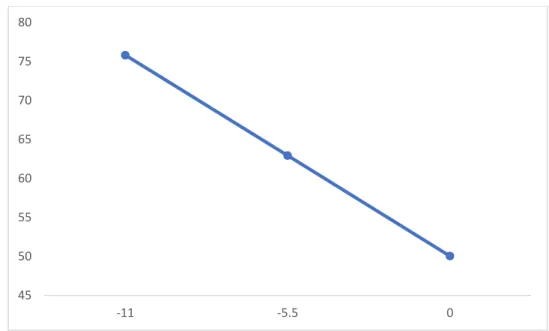
internalizing scores over time using the measurement of age at assessment as a predictor. Time was centered at age 18; therefore, the three timepoints are represented by -11 (age 7), -5.5 (age 12.5), and 0 (age 18; see Figures 1-4).
4). Specifically, the projected internalizing symptoms t-score jumped from 75 to 50 from timepoint 1 to timepoint 3.
A similar model was conducted for the cognitive feature of 22q11DS. The model found that the data could not converge allowing the accurate calculation of the trajectory given that these features are included in the model as level 1 predictors. Constrained models were
CHAPTER 4: DISCUSSION
The aim of the present study was to observe the longitudinal trajectories of internalizing symptoms in individuals with 22q11DS and how constant and time-varying covariates impacted these trajectories. Prior studies have not looked at the longitudinal trajectories of these
internalizing symptoms in the 22q11DS population, and very few studies in general have observed any sort of longitudinal data within this population (Duijff et al., 2017; Hooper et al., 2013; Kates et al., 2018; Mihailov et al., 2017). Prior studies have found that these internalizing symptoms are highly prevalent in this population and impact these individuals in both individual and social functioning (Duijff et al., 2017; Mihailov et al., 2017; Wagner et al., 2017). Thus, it was hypothesized that these trajectories would increase in this population; however, the opposite was found. The trajectory of internalizing symptoms improved when controlling for
demographic variables and when allowing the interactions of these variables. This finding could perhaps be explained by the individuals learning to adapt to their symptoms and learning to manage them better as they age. Also, this finding could be explained by the general trajectory internalizing symptoms in typical individuals. In typically developing children internalizing symptoms typically improve as time progresses (Weeks et al., 2014; Wetter & El-Sheikh, 2012). This finding may suggest that individuals with 22q11DS may not differ entirely when compared to typically developing individuals who have high internalizing symptoms.
counterparts. This finding could be potentially be explained by males with developmental disabilities feeling isolated and having poorer adaptive skills when compared to female
individuals (Rieffe et al., 2011). Similar to other developmental populations such as autism, it is possible that male individuals with 22q11DS have difficulty regulating these internalizing symptoms and are more likely to feel isolated at younger ages, but as time progresses and these individuals begin to cope with their symptoms, they begin to progress faster than their female counterparts (Rieffe et al., 2011). As with the typically developing population, adolescent
females exhibit more internalizing symptoms (Reynolds & Juvonen, 2011). Consistent with both my hypothesis and the literature, individuals from lower SES backgrounds exhibited more severe internalizing even though both improved over time (Mendelson, Kubzansky, Datta, & Buka, 2008; Ursache, Merz, Melvin, Meyer, & Noble, 2017).
Interestingly, individuals from a majority or Caucasian background had more
Intelligence, working memory, and attention were found to have no effect on
internalizing symptoms. The models observing these relationships were heavily constrained due to the data, and the results could be heavily impacted due to these constraints. However, when the models did converge, they found that there are no observable effects due to the cognitive symptoms associated with 22q11DS. These findings suggest that the common features associated with 22q11DS do not play a role in the progression of internalizing symptoms. This outcome suggests that there might be other factors that lead to the development of internalizing
symptoms. Though prior studies suggest that factor such as intelligence, working memory, and attention affect specific internalizing symptoms such as anxiety, depression, and withdrawal, the findings of this study suggests that these factors play no role in the trajectory of these symptoms (Jacobson et al., 2010; Montojo et al., 2014; Sanders, Hobbs, Stephenson, Laird, & Beaton, 2017). There is a possibility that the initial onset of these internalizing symptoms could be explained by the cognitive symptoms of 22q11DS, but further research will need to be done in order to confirm if these features play a role in the trajectory of these internalizing symptoms.
Implications for Rehabilitation Counselors
The findings of this study have both broad and specific implications for rehabilitation counselors and professionals. Though the trajectories of these individuals improved over time, the findings of this study show that there are high amounts of internalizing symptoms in this population at a young age. Rehabilitation counselors can work to ensure that these individual’s disability does not affect their personal, social, and educational development. It is the job of a rehabilitation counselor to help minimize the impact of a disability on an individual, and
internalizing symptoms are something that can be debilitating at any age and addressing them in these young individuals will surely lead to better outcomes.
Another implication for rehabilitation counselors is to be aware of the role sex, ethnicity, and SES specifically play in these individuals. This study found unique effects and interactions with each of these factors and internalizing symptoms. It will be important for rehabilitation counselors to think about these interactions when working with these individuals. Though a rehabilitation counselor will likely already consider these demographic variables, it will be important for them to know the specific interactions found in this study to be able to maximize the rehabilitation potential of these individuals. Rehabilitation counselors will need to be mindful of these findings and be sure to assess internalizing symptoms more directly in individuals from lower SES backgrounds, majority or non-minority individuals, and male children and female adolescents.
A broader implication for rehabilitation counselors is to consider the role the symptoms of 22q11DS play in the disability of these individuals. Though this study did not find any
It will also be important for rehabilitation counselors to consider how these internalizing symptoms affect employment and community participation. Prior studies have found that internalizing symptoms can often significantly affect employment outcomes, schooling
outcomes, and social function (Armando et al., 2017; Kikinis et al., 2017; Schneider et al., 2017). It will be important for rehabilitation counselors to know that they can assist with these outcomes by addressing these symptoms. Though this study found that internalizing symptoms improved in this population, individuals at transition age still face significant internalizing issues that can affect school, work, and community participation. Knowing the trajectories of the internalizing symptoms will allow for rehabilitation and mental health counselors to provide timely
interventions that will help improve these various outcomes by addressing these internalizing issues. The findings of this study inform rehabilitation counselors of the severity of internalizing symptoms at earlier ages and provides them with an empirical basis of when to address these symptoms in these individuals
Limitations
The sample lacked ethnic diversity and did not allow for analysis of differences between the individual ethnicities present in the study. Additionally, there were high amounts of missing data that did not allow for the initial models to converge. There is also the possibility that the results could have been different given more robust and complete data. Another possible
Conclusion
The present study found that internalizing trajectories in individuals with 22q11DS improved as the individuals aged, counter to what was initially hypothesized. Sex, ethnicity, and SES were found to have significant effects in the trajectory of internalizing symptoms,
suggesting that individuals who are female, identify as an ethnic majority, and/or from a low SES background have poorer outcomes than their counterparts. These findings suggest that
individuals that work with the 22q11DS population will need to keep these factors in mind. The cognitive features of 22q11DS—intelligence, working memory, and attention—were found to have no significant effects on the trajectories of internalizing symptoms. Again, this was not the hypothesized outcome, but this outcome could perhaps be explained by the limitations of the data and the constraints that needed to be placed for the model to converge. Future studies will need to further elucidate the relationship between these symptoms and their effect on
internalizing symptoms to effectively help these individuals in treatment settings. It is
APPENDIX 1: TABLES Table 1.
Sample Descriptives
Characteristics T1 (n = 82) T2 (n = 53) T3 (n = 16) Age, years mean (SD) 11 (2) 14 (2) 16 (2) Gender:
Female, n (%) 37 (45%) 22 (42%) 4 (25%)
Male, n (%) 45 (55%) 31 (58%) 12 (75%)
Ethnicity:
Caucasian 68 (83%) 46 (86%) 15 (94%)
African American 4 (5%) 1 (2%) 1 (6%)
Hispanic 5 (6%) 4 (8%) 0
Native American 1 (1%) 1 (2%) 0
Asian 1 (1%) 0 0
Biracial SES, mean (SD)
3 (4%) 31 (14)
1 (2%) 32 (14)
Table 2
Internalizing Symptoms Multilevel Model
Estimate S.E. t-ratio 2-Tail P-Value Within Level
Residual Variances
Internalizing Symptoms 42.142 8.048 5.236 0.000*** Between Level
Time
Ethnicity 1.925 0.815 2.363 0.018*
Sex -1.003 0.458 -2.187 0.029*
SES 0.038 0.017 2.203 0.028*
Internalizing Symptoms
Ethnicity 13.250 5.257 2.520 0.012*
Sex -3.916 2.822 -1.388 0.165
SES 0.224 0.107 2.102 0.036*
Intercepts
Internalizing Symptoms 42.393 7.376 5.747 0.000***
Time -2.563 1.097 -2.336 0.019*
Residual Variances
Internalizing Symptoms 55.594 20.641 2.693 0.007**
Time 0.291 0.370 0.787 0.431
Table 3
Internalizing Symptoms Multilevel Model with Constrained Time
Estimate S.E. t-ratio 2-Tail P-Value Within Level
Residual Variances
Internalizing Symptoms 44.003 7.994 5.505 0.000*** Between Level
Time
Ethnicity 1.889 0.798 2.368 0.018*
Sex -1.028 0.473 -2.173 0.030*
SES 0.033 0.015 2.174 0.030*
Internalizing Symptoms
Ethnicity 12.862 5.162 2.492 0.013*
Sex -4.110 2.772 -1.483 0.138
SES 0.197 0.097 2.024 0.043*
Intercepts
Internalizing Symptoms 43.794 7.018 6.240 0.000***
Time -2.343 1.039 -2.256 0.024*
Residual Variances
Internalizing Symptoms 67.454 14.648 4.605 0.000***
Time 0.000 0.000 999.000 999.000
Table 4
Internalizing Symptoms Multilevel Model with Intelligence
Estimate S.E. t-ratio 2-Tail P-Value Within Level
Residual Variances
Internalizing Symptoms 42.566 8.427 5.051 0.000*** Between Level
Time
Ethnicity 2.107 0.762 2.764 0.006**
Sex -0.857 0.498 -1.721 0.085
SES 0.034 0.015 2.319 0.020*
Intelligence
Ethnicity -0.182 0.102 -1.781 0.075
Sex -0.085 0.115 -0.737 0.461
SES -0.006 0.003 -1.841 0.066
Time x Intelligence
(iii) Ethnicity 0.000 0.000 999.000 999.000
(iii) Sex 0.000 0.000 999.000 999.000
(iii) SES 0.000 0.000 999.000 999.000
Internalizing Symptoms
Ethnicity 28.374 10.007 2.835 0.005**
Sex 3.510 9.819 0.357 0.721
SES 0.625 0.248 2.524 0.012*
Internalizing Symptoms
(ii) Time 0.000 0.000 999.000 999.000
(ii) Intelligence 0.000 0.000 999.000 999.000 Intercepts
Internalizing Symptoms 30.221 14.318 2.111 0.035*
Time -0.662 1.964 -0.337 0.736
Intelligence 0.149 0.155 0.959 0.338 Time x Intelligence -0.027 0.023 -1.178 0.239 Residual Variances
Internalizing Symptoms 67.454 14.648 4.605 0.000***
(i) Time 0.000 0.000 999.000 999.000
Table 5
Internalizing Symptoms Multilevel Model with Working Memory
Estimate S.E. t-ratio 2-Tail P-Value Within Level
Residual Variances
Internalizing Symptoms 43.378 9.057 4.789 0.000*** Between Level
Time
Ethnicity 1.999 0.773 2.586 0.010*
Sex -0.858 0.485 -1.770 0.077
SES 0.037 0.018 2.007 0.045*
Working Memory
Ethnicity -0.131 0.119 -1.100 0.271
Sex -0.065 0.114 -0.564 0.572
SES -0.001 0.004 -0.372 0.710
Time x Working Memory
(iii) Ethnicity 0.000 0.000 999.000 999.000
(iii) Sex 0.000 0.000 999.000 999.000
(iii) SES 0.000 0.000 999.000 999.000
Internalizing Symptoms
Ethnicity 24.934 11.740 2.124 0.034*
Sex 2.571 10.777 0.239 0.811
SES 0.322 0.321 1.004 0.315
Internalizing Symptoms
(ii) Time 0.000 0.000 999.000 999.000
(ii) Working Memory 0.000 0.000 999.000 999.000 Intercepts
Internalizing Symptoms 37.906 16.175 2.344 0.019*
Time -1.368 1.737 -0.787 0.431
Working Memory 0.039 0.163 0.240 0.810 Time x Working Memory -0.016 0.016 -1.016 0.310 Residual Variances
Internalizing Symptoms 39.365 18.071 2.178 0.029*
(i) Time 0.000 0.000 999.000 999.000
Table 6
Internalizing Symptoms Multilevel Model with Attention
Estimate S.E. t-ratio 2-Tail P-Value Within Level
Residual Variances
Internalizing Symptoms 27.736 5.850 4.741 0.000*** Between Level
Time
Ethnicity 2.105 0.473 4.262 0.000***
Sex -0.560 0.435 -1.287 0.198
SES 0.028 0.011 2.507 0.012*
Attention
Ethnicity 0.171 0.165 1.036 0.300
Sex 0.169 0.181 0.934 0.350
SES -0.007 0.006 -1.124 0.261
Time x Attention
(iii) Ethnicity 0.000 0.000 999.000 999.000
(iii) Sex 0.000 0.000 999.000 999.000
(iii) SES 0.000 0.000 999.000 999.000
Internalizing Symptoms
Ethnicity 3.720 11.077 0.336 0.737
Sex -10.935 12.302 -0.889 0.374
SES 0.557 0.395 1.412 0.158
Internalizing Symptoms
(ii) Time 0.000 0.000 999.000 999.000
(ii) Attention 0.000 0.000 999.000 999.000
Intercepts
Internalizing Symptoms -2.957 20.577 -0.144 0.886 Time -4.022 1.635 -2.460 0.014* Attention 0.743 0.301 2.470 0.014* Time x Attention 0.029 0.023 1.259 0.208 Residual Variances
Internalizing Symptoms 39.645 11.082 3.577 0.000***
(i) Time 0.000 0.000 999.000 999.000
APPENDIX 2: FIGURES
Figure 1. Internalizing symptoms trajectory by sex
45 50 55 60 65 70 75 80 85
-11 -5.5 0
Figure 2. Internalizing symptoms trajectory by ethnicity
45 50 55 60 65 70 75 80 85 90 95
-11 -5.5 0
Figure 3. Internalizing symptoms trajectory by SES
40 45 50 55 60 65 70 75 80 85
-11 -5.5 0
Figure 4. Internalizing symptoms trajectory controlled for sex, ethnicity, and SES.
45 50 55 60 65 70 75 80
REFERENCES
Achenbach, T. M., & Ruffle, T. M. (2000). The Child Behavior Checklist and related forms for assessing behavioral/emotional problems and competencies. Pediatrics in Reviews, 21 (8), 265–271.
Antshel, K. M., Faraone, S. V., Fremont, W., Monuteaux, M. C., Kates, W. R., Doyle, A., … Biederman, J. (2007). Comparing ADHD in velocardiofacial syndrome to idiopathic ADHD: A preliminary study. Journal of Attention Disorders, 11(1), 64–73.
doi:10.1177/1087054707299397
Armando, M., Lin, A., Pontillo, M., & Vicari, S. (2017). Prevalence and treatment of psychiatric disorders other than psychosis in children and adolescents with 22q11DS: Examining associations with social and role functioning. Psychiatry Research, 254, 238–243. doi:10.1016/j.psychres.2017.04.019
Badoud, D., Schneider, M., Menghetti, S., Glaser, B., Debbané, M., & Eliez, S. (2017). Understanding others: A pilot investigation of cognitive and affective facets of social cognition in patients with 22q11.2 deletion syndrome (22q11DS). Journal of
Neurodevelopmental Disorders, 9(1), 35. doi:10.1186/s11689-017-9216-7 Baker, K. D., & Skuse, D. H. (2005). Adolescents and young adults with 22q11 deletion
syndrome: Psychopathology in an at-risk group. The British Journal of Psychiatry, 186, 115–120. doi:10.1192/bjp.186.2.115
Bearden, C. E., van Erp, T. G. M., Monterosso, J. R., Simon, T. J., Glahn, D. C., Saleh, P. A., … Cannon, T. D. (2004). Regional brain abnormalities in 22q11.2 deletion syndrome: Association with cognitive abilities and behavioral symptoms. Neurocase: Case Studies in Neuropsychology, Neuropsychiatry, and Behavioural Neurology, 10(3), 198–206. doi:10.1080/13554790490495519
Briegel, W., Schneider, M., & Schwab, K. O. (2008). 22q11.2 deletion syndrome: Behaviour problems of children and adolescents and parental stress. Child: Care, Health and Development, 34(6), 795–800. doi:10.1111/j.1365-2214.2008.00850.x
Campbell, L. E., Azuma, R., Ambery, F., Stevens, A., Smith, A., Morris, R. G., … Murphy, K. C. (2010). Executive functions and memory abilities in children with 22q11.2 deletion syndrome. The Australian and New Zealand Journal of Psychiatry, 44(4), 364–371. doi:10.3109/00048670903489882
Cornblatt, B. A., Risch, N. J., Faris, G., Friedman, D., & Erlenmeyer-Kimling, L. (1988). The Continuous Performance Test, identical pairs version (CPT-IP): I. New findings about sustained attention in normal families. Psychiatry Research, 26 (2), 223–238.
childhood into adolescence: A prospective 6-year follow-up study. Research in Developmental Disabilities, 34(9), 2937–2945. doi:10.1016/j.ridd.2013.06.001
Fabbro, A., Rizzi, E., Schneider, M., Debbane, M., & Eliez, S. (2012). Depression and anxiety disorders in children and adolescents with velo-cardio-facial syndrome
(VCFS). European Child & Adolescent Psychiatry, 21(7), 379–385. doi:10.1007/s00787-012-0273-x
Gothelf, D., Feinstein, C., Thompson, T., Gu, E., Penniman, L., Van Stone, E., … Reiss, A. L. (2007). Risk factors for the emergence of psychotic disorders in adolescents with 22q11.2 deletion syndrome. The American Journal of Psychiatry, 164(4), 663–669.
doi:10.1176/ajp.2007.164.4.663
Harrell, W., Zou, L., Englander, Z., Hooper, S. R., Keshavan, M. S., Song, A., & Shashi, V. (2017). Frontal hypoactivation during a working memory task in children with 22q11 deletion syndrome. Journal of Child Neurology, 32(1), 94–99.
https://doi.org/10.1177/0883073816670813
Hooper, S. R., Curtiss, K., Schoch, K., Keshavan, M. S., Allen, A., & Shashi, V. (2013). A longitudinal examination of the psychoeducational, neurocognitive, and psychiatric functioning in children with 22q11.2 deletion syndrome. Research in Developmental Disabilities, 34(5), 1758–1769. doi:10.1016/j.ridd.2012.12.003
Jacobson, C., Shearer, J., Habel, A., Kane, F., Tsakanikos, E., & Kravariti, E. (2010). Core neuropsychological characteristics of children and adolescents with 22q11.2
deletion. Journal of Intellectual Disability Research, 54(8), 701–713. doi:10.1111/j.1365-2788.2010.01298.x
Jolin, E. M., Weller, R. A., Jessani, N. R., Zackai, E. H., McDonald-McGinn, D. M., & Weller, E. B. (2009). Affective disorders and other psychiatric diagnoses in children and
adolescents with 22q11.2 Deletion Syndrome. Journal of Affective Disorders, 119(1-3), 177–180. doi:10.1016/j.jad.2009.02.016
Jolin, E. M., Weller, R. A., & Weller, E. B. (2012). Occurrence of affective disorders compared to other psychiatric disorders in children and adolescents with 22q11.2 deletion
syndrome. Journal of Affective Disorders, 136(3), 222–228. doi:10.1016/j.jad.2010.11.025
syndrome. Journal of Developmental Origins of Health and Disease, 7(6), 616–625. doi:10.1017/S2040174416000428
Kikinis, Z., Cho, K. I. K., Coman, I. L., Radoeva, P. D., Bouix, S., Tang, Y., … Kates, W. R. (2017). Abnormalities in brain white matter in adolescents with 22q11.2 deletion syndrome and psychotic symptoms. Brain Imaging and Behavior, 11(5), 1353–1364. doi:10.1007/s11682-016-9602-x
Mekori-Domachevsky, E., Guri, Y., Yi, J., Weisman, O., Calkins, M. E., Tang, S. X., … Gothelf, D. (2017). Negative subthreshold psychotic symptoms distinguish 22q11.2 deletion syndrome from other neurodevelopmental disorders: A two-site study. Schizophrenia Research, 188, 42–49. doi:10.1016/j.schres.2016.12.023
Mendelson, T., Kubzansky, L. D., Datta, G. D., & Buka, S. L. (2008). Relation of female gender and low socioeconomic status to internalizing symptoms among adolescents: a case of double jeopardy? Social Science & Medicine, 66(6), 1284–1296.
doi:10.1016/j.socscimed.2007.11.033
Mihailov, A., Padula, M. C., Scariati, E., Schaer, M., Schneider, M., & Eliez, S. (2017). Morphological brain changes associated with negative symptoms in patients with 22q11.2 Deletion Syndrome. Schizophrenia Research, 188, 52–58.
doi:10.1016/j.schres.2017.01.031
Montojo, C. A., Ibrahim, A., Karlsgodt, K. H., Chow, C., Hilton, A. E., Jonas, R. K., … Bearden, C. E. (2014). Disrupted working memory circuitry and psychotic symptoms in 22q11.2 deletion syndrome. NeuroImage. Clinical, 4, 392–402. doi:10.1016/j.nicl.2014.01.010 Muthén, L. K., & Muthén, B. O. (2017). Mplus user's guide (8th ed.). Los Angeles, CA: Muthén
& Muthén.
Niarchou, M., Calkins, M. E., Moore, T. M., Tang, S. X., McDonald-McGinn, D. M., Zackai, E. H., … Gur, R. E. (2018). Attention deficit hyperactivity disorder symptoms and
psychosis in 22q11.2 deletion syndrome. Schizophrenia Bulletin, 44(4), 824–833. doi:10.1093/schbul/sbx113
Niarchou, M., Martin, J., Thapar, A., Owen, M. J., & van den Bree, M. B. M. (2015). The clinical presentation of attention deficit-hyperactivity disorder (ADHD) in children with 22q11.2 deletion syndrome. American Journal of Medical Genetics. Part B,
Neuropsychiatric Genetics, 168(8), 730–738. doi:10.1002/ajmg.b.32378
Radoeva, P. D., Bansal, R., Antshel, K. M., Fremont, W., Peterson, B. S., & Kates, W. R. (2017). Longitudinal study of cerebral surface morphology in youth with 22q11.2 deletion
syndrome, and association with positive symptoms of psychosis. Journal of Child Psychology and Psychiatry, and Allied Disciplines, 58(3), 305–314.
Ramanathan, S., Mattiaccio, L. M., Coman, I. L., Botti, J.-A. C., Fremont, W., Faraone, S. V., … Kates, W. R. (2017). Longitudinal trajectories of cortical thickness as a biomarker for psychosis in individuals with 22q11.2 deletion syndrome. Schizophrenia Research, 188, 35–41. doi:10.1016/j.schres.2016.11.041
Reynolds, B. M., & Juvonen, J. (2011). The role of early maturation, perceived popularity, and rumors in the emergence of internalizing symptoms among adolescent girls. Journal of Youth and Adolescence, 40(11), 1407–1422. doi:10.1007/s10964-010-9619-1
Rieffe, C., Oosterveld, P., Terwogt, M. M., Mootz, S., van Leeuwen, E., & Stockmann, L. (2011). Emotion regulation and internalizing symptoms in children with autism spectrum disorders. Autism: The International Journal of Research and Practice, 15(6), 655–670. doi:10.1177/1362361310366571
Sanders, A. F. P., Hobbs, D. A., Stephenson, D. D., Laird, R. D., & Beaton, E. A. (2017). Working memory impairments in chromosome 22q11.2 deletion syndrome: The roles of anxiety and stress physiology. Journal of Autism and Developmental Disorders, 47(4), 992–1005. doi:10.1007/s10803-016-3011-2
Schneider, M., Debbané, M., Bassett, A. S., Chow, E. W. C., Fung, W. L. A., van den Bree, M., … International Consortium on Brain and Behavior in 22q11.2 Deletion Syndrome. (2014). Psychiatric disorders from childhood to adulthood in 22q11.2 deletion syndrome: Results from the International Consortium on Brain and Behavior in 22q11.2 Deletion Syndrome. The American Journal of Psychiatry, 171, 627–639.
doi:10.1176/appi.ajp.2013.13070864
Schneider, M., Van der Linden, M., Menghetti, S., Debbané, M., & Eliez, S. (2017). Negative and paranoid symptoms are associated with negative performance beliefs and social cognition in 22q11.2 deletion syndrome. Early Intervention in Psychiatry, 11(2), 156– 164. doi:10.1111/eip.12224
Shprintzen, R. J. (2008). Velo-cardio-facial syndrome: 30 years of study. Developmental Disabilities Research Reviews, 14(1), 3–10. doi:10.1002/ddrr.2
Singer J, Willett J (2003) Applied longitudinal data analysis: Modelling change and event occurrence. Oxford University Press, New York
Swillen, A., Moss, E., & Duijff, S. (2018). Neurodevelopmental outcome in 22q11.2 deletion syndrome and management. American Journal of Medical Genetics. Part A.
doi:10.1002/ajmg.a.38709
Ursache, A., Merz, E. C., Melvin, S., Meyer, J., & Noble, K. G. (2017). Socioeconomic status, hair cortisol and internalizing symptoms in parents and
children. Psychoneuroendocrinology, 78, 142–150. doi:10.1016/j.psyneuen.2017.01.020 Van Den Heuvel, E., Manders, E., Swillen, A., & Zink, I. (2017). Parental report on
socio-communicative behaviours in children with 22q11.2 deletion syndrome. Journal of Intellectual & Developmental Disability, 42(2), 162–172.
doi:10.3109/13668250.2016.1213796
Vergaelen, E., Claes, S., Kempke, S., & Swillen, A. (2017). High prevalence of fatigue in adults with a 22q11.2 deletion syndrome. American Journal of Medical Genetics. Part
A, 173(4), 858–867. doi:10.1002/ajmg.a.38094
Wagner, K. E., Kates, W. R., Fremont, W., & Antshel, K. M. (2017). Childhood predictors of young adult social functioning in 22q11.2 deletion syndrome. Journal of Autism and Developmental Disorders, 47(8), 2480–2501. doi:10.1007/s10803-017-3165-6 Wechsler, D. (2003). Intelligence scale for children (4th ed.). San Antonio, TX: The
Psychological Corporation.
Weeks, M., Cairney, J., Wild, T. C., Ploubidis, G. B., Naicker, K., & Colman, I. (2014). Early-life predictors of internalizing symptom trajectories in Canadian children. Depression and Anxiety, 31(7), 608–616. doi:10.1002/da.22235
Wetter, E. K., & El-Sheikh, M. (2012). Trajectories of children’s internalizing symptoms: the role of maternal internalizing symptoms, respiratory sinus arrhythmia and child
sex. Journal of Child Psychology and Psychiatry, and Allied Disciplines, 53(2), 168–177. doi:10.1111/j.1469-7610.2011.02470.x
Wray, E., Shashi, V., Schoch, K., Curtiss, K., & Hooper, S. R. (2013). Discrepancies in parent and teacher ratings of social-behavioral functioning of children with chromosome 22q11.2 deletion syndrome: Implications for assessment. American Journal on