TECHNOLOGY USE AS A SUPPORT TOOL BY SECONDARY STUDENTS WITH AUTISM: A MIXED METHODS INVESTIGATION
Susan H. Hedges
A dissertation submitted to the faculty at the University of North Carolina at Chapel Hill in partial fulfillment of the requirements for the degree of Doctor of Philosophy in the School of
Education.
Chapel Hill 2016
Approved by:
Harriet Able
Sue Fletcher-Watson
Kara Hume
Gary Mesibov
Samuel Odom
ABSTRACT
Susan H. Hedges: Technology Use as a Support Tool by Secondary Students with Autism: A Mixed Methods Investigation
(Under the direction of Drs. Sam Odom and Kara Hume)
The majority of students with Autism Spectrum Disorder (ASD) are leaving high
school ill prepared to integrate successfully into adult life, which comes at a huge cost, not
only to themselves and to their families, but also to society at large. Technology supports
have the potential to improve their outcomes and thus enhance their quality of life. Knowing
that most individuals with ASD have an affinity for technology and that technology is
becoming more portable, less expensive, and more widely available, makes it an attractive
potential support. Previous studies of the technology use by adolescents with ASD focused
primarily on discretionary use. This mixed methods study investigated the use of technology
as a support tool by high school students with ASD.
In the first phase, 243 students from 30 high schools in North Carolina, Wisconsin
and California completed questionnaires regarding their technology use. Based on the survey
results, ten students were purposefully selected and interviewed regarding their perceptions
of the benefits and barriers to their technology use as a support. The combined results
revealed that teens with ASD are bringing internet capable technology with them to school
and using it at school and at home to support their independence, improve their social
the lives of individuals with ASD and underline the need for efficacy studies of these uses of
ACKNOWLEDGEMENTS
What a lovely surprise to come to the end of this process and realize just how many
people were supporting me along the way. So here’s to my team. First and foremost I want to
thank the student participants in this study for sharing their experiences of technology use
with me. They have inspired me to continue down this path of research with great
excitement.
Next I offer my sincere appreciation to my committee members for their guidance
during this process. Most especially I want to thank my advisor and committee chair, Dr.
Sam Odom for his support, encouragement, high standards and expectations throughout my
degree program. Doctoral students need strong mentorship and in addition to Dr. Odom, I
have been fortunate to be mentored by Dr. Kara Hume, my dissertation advisor. Her
professionalism, scholarship, and grit are the best exemplar a graduate student could have.
The many opportunities she provided me throughout my time at Frank Porter Graham Child
Development Institute have been invaluable. Dr. Gary Mesibov, another mentor so generous
with his time, provided me an audience for my ideas as they percolated. A special thanks is
in order to Dr. Sue Fletcher-Watson, University of Edinburgh, who took a leap of faith to
join my committee. Her expertise in the area of technology use for individuals with autism
has been vital to this project. Dr. Harriet Able, with whom I share a special bond as we are
through this last phase of my program. And my sincere thanks go to Dr. Rune Simeonsson
who was so generous to participate in my defense committee at the last moment.
So many other colleagues supported me throughout this endeavor. I am grateful to Dr.
Jessica Dykstra Steinbrenner for her careful review of my questionnaire and generally for her
kind support during my program. Thanks to Dr. Suzanne Kucharcyzk for her care in
reviewing my qualitative analysis and for her encouragement along the way. Thanks to Tara
Regan and Yolanda Perkins for their meticulous help with checking my coding of the
qualitative data. Jan Misenheimer was so kind in helping me navigate my way through
handling the quantitative data. Thanks to the broader CSESA Team for providing feedback
on the survey and for their efforts administering it. The Odum Institute at UNC, especially
Teresa Edwards, Katie Clark and Paul Mihas, was very helpful with the survey design,
Qualtrics, STATA and mixed methods questions.
Many thanks to the Ireland family whose generous fellowship on behalf of their son
Vinnie supported me throughout my degree program. The James J. Gallagher Dissertation
Award generously provided by Jim Gallagher’s family, friends, and colleagues helped give
me that final push financially to get this project finished on time.
Thanks to Dr. Leslie Fox, Dr. Ann Sam, Dr. Melissa Sreckovic and Gwen Van Ark
for their steadfast moral support and camaraderie. I am so fortunate for their friendship.
My deepest gratitude goes to my parents for standing by me through the many twists
and turns along the path of my life’s journey. It was my father who instilled in me a passion
for technology and I know he would be pleased with the subject of this study.
And finally, my children Sam and Olivia; it is because of them this dissertation exists.
never too old to learn. Sam is my confidant and my rock and I would not have made it
without his support not to mention his awesome culinary skills. Olivia is my inspiration for
this study and has taught me so much about autism and about what teens do with their
technology. I am a better person because they are in my life.
In the words of one of my participants: “I think technology is the best industrial thing
TABLE OF CONTENTS
LIST OF TABLES………..………xiv
LIST OF FIGURES………..………...….…xv
CHAPTER 1: INTRODUCTION………..………1
Statement of the Problem………...……….……...2
Purpose of the Study………..………3
Research Questions………..……….……….4
Defining Technology as a Support………..……….……….5
Conceptual Model………..………6
Organization of the Dissertation………..………..………6
CHAPTER 2: REVIEW OF THE LITERATURE……….….…………..8
Autism Spectrum Disorder and Technology………..….…...9
The evidence base for technology interventions………...………...10
Affinity for technology for individuals with ASD………..………….12
Technology and the core deficits of ASD………14
Technology to address social deficits………..15
Technology to address communication challenges………..………16
Technology to address restrictive and repetitive behavior………...17
Technology to promote independence in youth transitioning to adulthood…………18
Gathering Perspectives of Individuals with ASD………...22
CHAPTER 3: METHODS………...23
Research Design……….……..23
Phase 1 Quantitative Methods………...25
Selecting the sample………25
Participant characteristics………26
Measures………..27
Development of the Survey Instrument………...28
Procedures and Data Collection………...30
Data Analysis Methods………31
Phase 2 Qualitative Methods………...32
Sampling Strategy………33
Information Rich………..33
Maximum Variation……….34
Participant characteristics………34
Development of the interview protocol………...35
Conducting interview by email………36
Procedures and Data Collection………...37
Data analysis………39
Trustworthiness………39
CHAPTER 4: QUANTITATIVE RESULTS………..41
Research question 1. How do adolescents with ASD use technology as a support in high school settings?...42
What forms of technology are students using at school?...43
For what purpose and how often is technology being used?...44
Technology use to stay organized………44
Technology use to complete assignments………45
Online Learning……….……..47
Using technology to communicate and socialize……….48
Using technology at home as a support………...48
Research question 2: What do students perceive as benefits of technology use as a support?...51
Benefits of technology for communication and socializing………52
Benefits of online learning………...53
Research question 3: What do students perceive as barriers to the use of technology as a support?...53
Access to technology at school………53
Other barriers to technology use at school………...54
Bad experiences using social media………54
Research Question 4. Are there associations between technology usage, student’s perceptions of benefits, and students’ perceptions of barriers, respectively, and participant characteristics of intellectual ability, students’ household income, gender, and race/ethnicity and enrollment status?...55
Enrollment status……….55
Intellectual ability………56
Gender differences………...57
Family income……….58
Summary………59
CHAPTER 5: QUALITATIVE RESULTS……….61
Research question 2: What do students perceive as benefits of technology use as a support?...64
Using technology to increase independence………64
Improve organization………...65
Bypass poor handwriting……….65
To help with understanding……….66
To pursue own interests………...66
Use for leisure time………..66
Using technology to improve social opportunities………..67
Bridge distance……….67
Variety of communication options………...68
Using technology to reduce anxiety/stress………...69
Music and games to reduce stress………69
Contact friends/family as lifelines………...69
Research question 3: What do students perceive as barriers to the use of technology as a support?...70
Technology use as a distraction………...………71
Limits to access………71
Interferes with schoolwork, chores, and sleep……….73
Impedes social interactions………..74
How to reduce distraction factor of technology………...75
CHAPTER 6: DISCUSSION………...77
Technology use by high school students with ASD………78
Benefits of technology use for teens with ASD………...78
Using technology to increase independence………79
Ways technology can facilitate social opportunities………81
Technology may reduce anxiety and stress………...………..82
Barriers to technology use………...84
Distraction at school………84
Distraction at home………..85
Cyberbullying, a potential barrier to technology use by teens with ASD…...86
Associations to technology use………86
Implications………..87
Recommendations for practice………88
Directions for future research………..90
Limitations………...91
Conclusion………...92
APPENDIX A: DEMOGRAPHIC QUESTIONNAIRE……….94
APPENDIX B. EXAMPLES OF TECHNOLOGY FOR STUDENT SURVEY…………...99
APPENDIX C. FULL SURVEY INSTRUMENT………102
APPENDIX D. ADAPTED SURVEY INSTRUMENT………...108
APPENDIX E. INSTRUCTIONS TO ASSESSORS………113
APPENDIX F. QUALITATIVE INTERVIEW PROTOCOL………..114
APPENDIX H. ADDENDUM TO CSESA PARENT CONSENT……….……..118
APPENDIX I. STUDENT RECRUITMENT EMAIL………..120
APPENDIX J. ADDENDUM TO CSESA STUDENT ASSENT……….121
APPENDIX K. DIAGRAM OF QUALITATIVE CODES……… ……….123
LIST OF TABLES
Table 1 - Participant Characteristics as a Percentage of the Sample (Phase 1)………...……26
Table 2 - Participant Characteristics as a Percentage of the Sample (Phase 2)..…..…...……34
Table 3 - Forms of Technology Students Bring to School……… ………..………..…...…..43
Table 4 - Forms of Technology Used by Students at School………… ..……….……..43
Table 5 - Frequency of Using Technology to Stay Organized……….…...……45
Table 6 - Frequency of Using Technology to Complete Assignments………...… 46
Table 7 - Using Technology to Communicate and Socialize………..…48
Table 8 - How Teens use Technology at Home………...49
Table 9 - How Teens use Technology at Home………...49
Table 10 - Special Applications or Software, Besides Video Games Used at Home……...50
Table 11 - Benefits of Using Technology at School………51
Table 12 - Benefits of Using Technology for Communication and Socializing…………...52
Table 13 - Barriers to Technology Use at School………...…….54
Table 14 - Associations Involving Enrollment Status Differences………...56
Table 15 - Associations Involving IQ Differences………57
Table 16 - Associations Involving Gender Differences………57
Table 17 - Associations Involving Family Income Differences………...58
Table 18 - Preferred Technology Related Majors of Survey Participants……….…………..59
LIST OF FIGURES
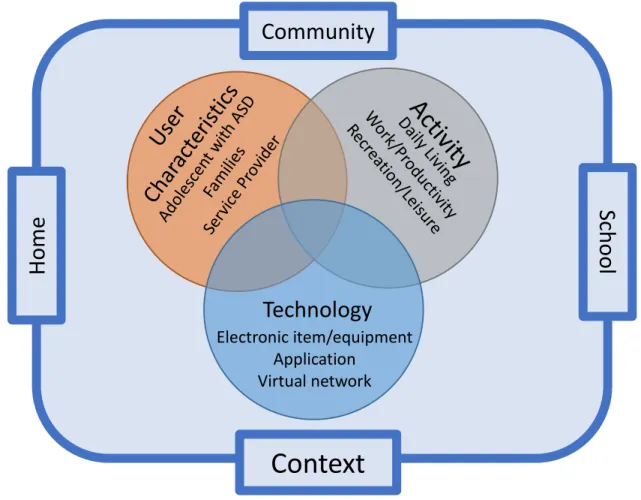
Figure 1 - Conceptual Framework for Technology Use for Adolescents with ASD…...……..7
Figure 2 - Explanatory Sequential Mixed Methods Design………...……..24
Chapter 1 Introduction
For manyindividuals with Autism Spectrum Disorder (ASD), technology holds a
special attraction (Mineo, Ziegler, Gill, & Salkin, 2009; Porayska-Pomsta et al., 2012; Shane
& Albert, 2008). Recent technological innovations have made technology more accessible
than at any time in history. Researchers are taking advantage of this attraction and
developing technology-aided interventions that support learning and independence of
individuals with ASD (Shane et al., 2012). Research has shown that adolescents with ASD
use technology as a form of entertainment (Kuo, Orsmond, Coster, & Cohn, 2013;
MacMullin, Lunsky, & Weiss, 2015; Mazurek, Shattuck, Wagner, & Cooper, 2012; Orsmond
& Kuo, 2011) and also that technology-aided interventions can be effective at meeting some
of the social, communication, and behavioral needs of adolescents (Odom et al., 2014). Few
studies, however, have examined the everyday use of technology by high school students
with ASD as a support tool.
Technology has the potential to support students with ASD in a variety of ways.
Texting, email, and cell phones can encourage communication (Ayres, Mechling, & Santosti,
2013). A student who is reluctant to attend an Individualized Educational Program (IEP)
meeting with a room full of adults may feel more comfortable doing so via Skype (Keintz,
tools can help facilitate social interaction (Gillespie-Lynch, Kapp, Shane-Simpson, Smith, &
Hutman, 2014). Keeping up with school club activities on Facebook can be less intimidating
than a phone call to a club member. Calendars, reminder alarms, timers, and other
organizational applications can help to increase independent functioning in schools and the
community (Gentry, Wallace, Kvarfordt, & Lynch, 2010; Myles, Ferguson, & Hagiwara,
2007). There is now a range of new technologies and applications with the potential to
support high school students with ASD as they transition to adulthood. This mixed methods
study describes the forms of technology used by high school students with ASD and their
purposes. It includes their perceptions of the benefits as well as possible barriers to
technology use. The goal of this study is to provide insights to researchers, parents and
practitioners that may aid in the broader implementation and uptake of such supports for
students with ASD.
Statement of the Problem
High school students with ASD in the United States (US) have some of the poorest
post-school outcomes of any disability category (Howlin, Goode, Hutton, & Rutter, 2004;
Shattuck et al., 2012). According to the National Longitudinal Transition Study 2 (NLTS2),
when students with ASD leave high school, the majority live at home and have minimal work
and/or social activity (Mazurek et al., 2012). In their cost analysis, Leigh and Du (2015)
propose that the annual cost to society for individuals with ASD who do not achieve
independence is $268 billion. For the families and individuals themselves, the cost in terms
of impact on quality of life can be substantial (Heijst & Geurts, 2015). Finding effective
ways to support these individuals to improve their independence and quality of life is critical
interventions and practices to meet the wide range of needs (academic, social, behavioral) of
high school students with ASD as they transition to adulthood (Test, Smith & Carter, 2014).
Purpose of the Study
Technological advances have the potential to lead to more effective supports and to
improve the quality of life for students with Autism Spectrum Disorder (ASD). Knowing that
many individuals with ASD have an affinity to screen-based technology (Ploog, Sharf,
Nelson, & Brooks, 2013), possible strengths in the areas of visual perception (Shane &
Albert, 2008) and visual search (Kaldy, Giserman, Carter, & Blaser, 2013) and that
technology is becoming more portable, less expensive, more widely available, makes it an
attractive potential support. However, the typical use (e.g., in school, home, and community)
of technology as a support by students with ASD remains largely unexplored. To address the
gap in the literature, the purpose of this study is to describe the use of technology by high
school students with ASD as a support tool to help them learn, communicate, socialize and
be more independent at school and at home.
The rationale that underlies this research is that knowing how high school students
with ASD are using technology throughout their school day will provide important
information for researchers and practitioners. For example, if many students with ASD are
carrying smartphones or tablets to school every day but not using these powerful tools to help
with organization and to facilitate independence, gaining insights into the perceived barriers
from the users not only helps focus intervention research agendas but can provide useful
information to practitioners and policy makers. Proxy reports, typically parents and teachers,
are used for the majority of research involving the experiences of students with ASD, yet the
(Kirby, Dickie & Baranek, 2015). As this study focuses on technology use by students with
ASD, it is important to gather perspectives from the users themselves.
There are several expected outcomes of this research. First, it will provide a
description of current technology use as a support by high school students with ASD. To
date, the literature has focused on discretionary technology use by individuals with ASD, but
not planned use of technology to support engagement and participation in school and
community settings. Next, this study will include insights from the individuals themselves
into the perceived benefits of and possible barriers to its use, which may inform the
development of future interventions, practices, and policies. This contribution will be
significant because new technologies such as iPads and Smartphones, are ubiquitous,
non-stigmatizing, portable, relatively affordable, and appear to be well received by students with
ASD. These technologies may potentially provide support in a wide range of areas including:
communication, social skill building, executive functioning, job skills development, and
academics.
Research Questions
This study used an explanatory sequential mixed methods design (Creswell, 2015). It
began with a survey of high school students with ASD participating in a larger study
conducted by the Center on Secondary Education for Students with Autism (CSESA) about
their technology use. The survey led to more in-depth questions that were addressed through
qualitative interviews of a sample of ten of the participants. The following research questions
were addressed.
1. How do adolescents with ASD use technology as a support?
b. For what purpose is technology being used?
c. How often is technology being used?
2. What do students perceive as benefits of technology use as a support?
3. What do students perceive as barriers to the use of technology as a support?
4. Are there associations between technology usage, and student’s perceptions of benefits, students’ perceptions of barriers, intellectual ability, enrollment status,
students’ household income, gender, and/or race/ethnicity?
Defining Technology as a Support
For the purposes of this study, technology as a support is defined as “any electronic
item/equipment, application, or virtual network that is used to intentionally increase,
maintain, and/or improve daily living, work/productivity, and recreation/leisure capabilities
of individuals with autism spectrum disorder” (p. 96, Wong et al., 2014). This definition was
developed by the Technology Working Group of the Center on Secondary Education for
Students with ASD (Odom et al., 2015). It incorporates existing definitions of assistive
technology as set forth by the US government (PL108-364,
www.gpo.gov/fdsys/pkgPLAW-108pub1364.htm) and the Canadian Association for Occupational Therapy (2012). As other
surveys of technology use by individuals with ASD have focused primarily on discretionary
use (e. g., entertainment) (Kuo et al, 2013; Mazurek et al, 2012; MacMullin et al., 2015;
Shane & Albert, 2008), this study will focus on technology use that supports learning,
independent functioning, social interaction, and communication in the school and home
environments.
This study is situated in the conceptual framework developed by the CSESA Technology
Working Group (2013; see Figure 1). This model uses the domains of human (individual,
family, service provider), activity (daily living, work, leisure), and technology (electronic
item, equipment, application, virtual network) to organize thinking about technology use for
individuals with ASD. Where these three domains overlap is the ideal
user-activity-technology match. This model is heavily influenced by persuasion theory prominent in the
field of human-computer interaction (Fogg, Lee, & Marshall, 2002). The two key concepts in
persuasion theory are expertise and credibility. That is, the tool provides a useful function
and it is effective. For example, if an alert is scheduled in a smart phone to remind a student
to turn in his homework at the beginning of class each period and the act occurs daily without
fail and the student is successful, the tool is demonstrating expertise and deemed credible.
Were the alert to occur and the student does not turn in the homework, then credibility would
be lost.
Organization of the Dissertation
In this chapter (Chapter 1), I provide an introduction, statement of the problem,
purpose of the study, research questions, and conceptual framework. Chapter 2 provides a
review of the literature and research related to technology-aided interventions, the affinity for
technology by individuals with ASD, how technology relates to the core features of autism,
the use of technology in support of learning, and the need to include individuals with ASD in
research about their needs. Chapter 3 describes the research design, methodology,
procedures, and instruments used to collect and analyze the data. Chapter 4 presents the
results of the analyses of the quantitative phase of the study, the student surveys, and the
contains a discussion of the conclusions drawn from a synthesis of the two study phases,
recommendations for practitioners, suggestions for future research and limitations of the
work.
Figure 1. Conceptual framework for technology use for adolescents with ASD (Odom et al., 2014)
Context
Technology
Electronic item/equipment Application
Virtual network
School
Community
Chapter 2
A Review of the Literature
Autism is a neurodevelopmental condition involving deficits in social communication
with restricted interests and behaviors (American Psychiatric Association [APA], 2013).
ASD is considered the fastest growing developmental disability with a 289.5% increase in
the number of children being diagnosed over the last twelve years (CDC, 2014). The current
prevalence estimate from the Centers for Disease Control (CDC) is 1 in 68 of children 17 and
under (Baio, 2014). While the cause of the increase is unknown, it is believed to be due at
least in part to improvements in diagnosis as the disorder is better understood. Other potential
explanations, such as environmental factors (CDC, 2014) as well as immune deficiencies
(Napoli, Wong, Hertz-Picciotto, Giulivi, 2014) are receiving wider attention.
A recent survey conducted by the CDC found that children in the age range of 14-17
as likely to have a diagnosis of ASD as younger children (Blumberg et al, 2013). Thus high
schools are being challenged to meet the unique needs of these individuals as they move
through school and on to the post-school environment. It is essential that schools and
educators be well prepared to support the successful transition of students with ASD to
adulthood as the stakes are high. There are wide ranging estimates of the financial burden of
supporting individuals with ASD across the lifespan (at least $268 billion annually in the
U.S.; Leigh & Du, 2015). In addition, there are costs in terms of quality of life for individuals
of the poor outcomes are closely associated with the core characteristics of ASD, namely,
functional behaviors (Shattuck et al., 2012) and social communication deficits (Howlin et al.,
2004). The Individuals with Disabilities Education Act (IDEA) has charged high schools
with the responsibility of preparing students with disabilities with the tools they need to
transition successfully into adulthood as active members of society (IDEA, 2004). High
schools are the front line in the transition process for students with disabilities and in many
cases their last hope for receiving support. With more than 80% of individuals with ASD
living at home up to eight years after leaving high school and the majority unemployed or
underemployed and having limited social interactions (Shattuck et al., 2012), the need for
effective supports and interventions to improve these outcomes is urgent.
Autism Spectrum Disorder and Technology
Children with autism across the spectrum are attracted to technology, in particular
screen-based technology, often for the purpose of playing video games or watching animated
movies (Kuo et al., 2013; Mazurek, et al., 2012, Shane & Albert, 2008). For this reason there
is increased attention in intervention research on the use of technology especially for young
children (Ploog et al., 2013). Most recently, there is an emerging body of evidence that new
technologies, in particular handheld devices such as smartphones and tablets, can be effective
in promoting independence for adolescents with ASD (Hume, Boyd, Hamm, & Kucharczyk,
2014). This suggests these supports could be an important avenue for improving post-school
outcomes. Handheld devices are especially appealing as they are relatively low in cost and
widely used, even in low-income households (Keintz et al., 2014).
The use of technology as a support for students with ASD is an area showing great
rapid pace of innovation (Grynszpan, Weiss, Perez-Diaz, & Gal, 2013). Yet if one considers
1) the attraction of certain forms of technology, 2) the way technology can address the
defining characteristics of ASD, and 3) the role technology plays in 21st century education
and society, prioritizing technology based interventions and supports should be high on the
autism research agenda (Bolte, Golan, Goodwin, & Zwaigenbaum, 2010).
The evidence base for technology interventions. There has been a dramatic increase in the amount of research involving technology use in support of individuals with ASD as
illustrated by a set of recent reviews (DiGennaro Reed, Hyman & Hirst, 2011; Grynszpan et
al., 2013; Fletcher-Watson, 2014; Keintz et al., 2014; Knight, McKissick, Saunders (2013);
Mechling, 2011; Pennington, 2010; Ploog et al., 2012; Ramdoss et al., 2011; Ramdoss et al.,
2011; Ramdoss et al., 2012; Wainer & Ingersoll, 2011). The number of studies involving
technology interventions for individuals with ASD has skyrocketed from approximately 200
in 1995 (Keintz et al., 2014) to roughly 1350 in 2013 alone (King, Thomeczek, Voreis, &
Scott, 2014). Although, this research has led to the identification of some “promising
practices”, only a small number of studies have met the quality standards for evidence-based
practice (Gersten et al., 2005; Horner et al., 2005).
In 2012, Wong and colleagues at the National Professional Development Center on
Autism Spectrum Disorder (NPDC ASD), in a comprehensive review of the literature found
only 20 studies that met quality criteria for efficacy for technology aided interventions and
instruction (TAII; NPDC, 2012) for children between the ages of 3-22. Twelve out of the 20
studies included adolescent participants. A team of 154 trained external reviewers established
the evidence by using methodological criteria based on the Council for Exceptional Children
criteria includes indicators such as a match between research question and dependent
variable, comparability of groups (for group design), adequate demonstrations of
experimental control, which includes three demonstrations of a functional relationship
between the independent and dependent variables (for single case design [SCD]; Kratchowill
et al., 2013).
Building on that review to include studies completed after 2011, Odom and
colleagues (2015) found only three additional studies that used technology-aided
interventions and instruction specifically for adolescents with ASD (14- 22). Further, the
Odom et al. (2015) study included video modeling, video prompting, and video
self-modeling in their search, which led to an inclusion of an additional 20 studies. Video
modeling (VM) is considered a separate evidence-based practice from TAII by the NPDC for
ASD (Wong et al., 2012). Significantly, in the Odom et al. study, eleven of the new video
modeling studies made use of handheld technologies such as iPhones, iPads, laptops, and
personal digital assistants (PDA).
Although so few studies met the criteria, the variety of technology forms as well as
range of goals used in those studies represent the broad possibilities for technology as a
support for high school students with ASD. Even for those technologies on the verge of
extinction today (e.g. pagers), the same approach can be easily adapted for use with more
current handheld technologies (e.g. smartphones). While several studies involved the use of
desktop computers, the same or similar interventions can be delivered using cheaper and
more flexible technologies such as laptops and tablets meaning that these studies represent
Affinity for technology by individuals with ASD. Much of the enthusiasm
surrounding the use of new technologies (e.g. smartphones, tablets) to support children and
youth with ASD is undoubtedly due to the affinity children with ASD exhibit for
screen-based media (Kuo et al., 2013). Studies have revealed that screen-screen-based technology use is a
primary and preferred discretionary activity for the majority of children (Shane & Albert,
2008) and adolescents with ASD (Kuo et al., 2013; Mazurek et al., 2012; Orsmond & Kuo,
2011). Using data from the first wave of the NLTS2 (2001), Mazurek et al. (2012) found
students with autism (ages 13-17) were significantly more likely to engage in television
watching and video games during their leisure time than students from three other disability
categories (intellectual disabilities, learning disabilities, and communication disorders). More
recently, Kuo and colleagues (2013) found 98% of the teens with ASD surveyed spent
approximately five hours per day on a computer, primarily engaged in playing video games
and surfing the web, and two hours per day watching television, primarily cartoons and
comedy shows (Kuo et al., 2013). A study comparing the screen-based technology use of
adolescents with ASD to their typical siblings, found participants on the spectrum were
heavier users (4.5 vs. 3.1 hours per day respectively) (Mazurek & Wenstrup, 2013). Another
likely indicator of the strong affinity for technology was born out in the NLTS2 data that
revealed those students with ASD who attend 4-year college (roughly 12%) ended up
majoring in computer science at a rate much higher than the general population (16.22 vs.
6.6%; Wei, Yu, Shattuck, McCracken, & Blackorby, 2013).
Other survey studies of technology use and ASD have revealed potential negative
impacts. In a study of parent attitudes toward computer use at home, Fletcher-Watson and
obsessed with technology. However, 92% of those same parents felt their child benefitted
from technology use. Mazurek and Wenstrup (2013) found boys with ASD had more
problematic video game use compared to a comparably-aged group of typically developing
boys as reported by their parents. In another comparative study of adolescents with ASD and
typical peers, MacMullin et al. (2015), found parents of children with ASD (n=139) reported
more often that computer use was having a negative impact on their children, in comparison
to reports of parents who had typically developing children (n=172). For boys with ASD
aged 8 – 18 years, Engelhardt and Mazurek (2014) found that problematic video game use
was predictive of oppositional behavior. In another study, parents reported their children
with ASD had difficulty disengaging from role playing video games, getting angry when
interrupted from these games, and playing longer than intended (Mazurek & Engelhardt,
2013). The same study noted however that violent video game use was not a significant
predictor of oppositional behavior. In a study of cyber bullying and students with ADHD
and/or Aspergers/, Kowalski and Fedina (2011) found 21% of their 42 participants (age range
10-20) reported experiencing cyber bullying in the most recent two month period and
roughly six percent reported that they had perpetrated cyber bullying themselves during the
same time frame. In the same study, only nine percent of parents reported ever discussing
cyber bullying with their child. Unfortunately this study combined results for students with
ADHD and those with Aspergers so it is not possible to determine to what extent these
results reflect the experiences of individuals with ASD.
Again using the NLTS2, Mazurek et al. (2012) found that in addition high
discretionary usage of screen based media by secondary students with ASD; the use of social
demographic factors revealed the odds ratios were significantly higher for internet browsing,
email, or chat for students with ASD who were female (2.6), Hispanic (.03), or those with
higher functional cognitive skills (1.3). In a recent internet-based study of the perceived
benefits of computer-mediated communication, adult respondents with ASD were 72%
female leading to an inference that females with ASD may prefer using the internet to
communicate more than males (Gillespie-Lynch et al., 2014). These findings suggest there
may be differences in technology use among groups of students with ASD, which would be
important to investigate.
Technology and the core deficits of ASD. The third area that is raising hopes about the promise of technology as a support for adolescents with ASD is the way it can address
the core deficits of autism and promote independence. ASD is an umbrella term for
developmental disorders characterized by deficits in two major areas as defined by the
Diagnostic and Statistical Manual of Mental Disorders (5th ed., DSM-V; American
Psychiatric Association [APA] 2013). The first is in the social domain impacting both
communication and social interaction, and the second is broadly described as restricted,
repetitive patterns of behavior or interests. Social and communication difficulties are often
characterized by challenges in the reciprocal nature of social interactions and understanding
nonverbal social behaviors of others (APA, 2013). Restrictive and repetitive behaviors and
interests include stereotypic behavior or speech, compulsive adherence to routines, and/or
highly fixated or circumscribed interests and may also be characterized by hyper- or
hypo-reactivity to sensory input (APA, 2013). These core deficits challenge individuals with ASD
in a myriad of ways across the lifespan. During adolescence and into adulthood one area
self-advocacy, initiating or reciprocation in social interactions). Being able to act
independently is critical for successful transition to adulthood (Hume et al., 2014).
Technology to address social deficits. There are a variety of ways technology can
ameliorate the social difficulties experienced by adolescents with ASD. First and foremost, it
can provide freedom from social demands (Grynszpan et al., 2014) by reducing the quantity
and complexity of student-teacher interactions. For example, students with ASD might
benefit more from instruction delivered via a computer so they do not have to simultaneously
engage in social interaction with the teacher (Ramdoss et al., 2011). Social media, email and
texting can expand opportunities for social interactions as it can be far less intimidating for
students with ASD who often struggle to engage in face-to-face relations (Mazurek &
Wenstrup, 2013). Similarly videoconferencing technology can help reduce anxiety and
improve engagement in Individualized Education Program (IEP) meetings by allowing
participation from another location (Keintz, et al., 2014). Virtual environments are showing
promise as a way to practice community based social interactions such as ordering food from
a cafe (Bellani, Fornasari, Chittaro, & Brambilla, 2011).
In several studies, researchers have found that interactive multimedia on desktop
computers is a helpful tool for teaching understanding of emotions, mental states, and face
reading, all areas that are often difficult for individuals with ASD (Faja et al., 2008; Golan &
Baron-Cohen, 2006; Silver & Oakes, 2001). These challenges have been described
collectively as a deficit in a Theory of Mind (Baron Cohen, 2001) and are often thought to be
the major confounder of social relations for individuals on the spectrum. In a study by Golan
and Baron-Cohen (2006), participants with ASD in one group were trained to recognize
and compared to a control group that received content via a face-to-face social skills group
without any technology support. The group using technology improved significantly in
recognition of voices and number of emotional concepts compared to the control group.
More research is needed to see if these effects are maintained over time.
Technology to address communication challenges.Technology is proving to be a
major support in the area of communication especially for non-verbal individuals with ASD
and therefore merits discussion separate from the social domain even though the two can be
related. Speech generating technology has helped facilitate the communication of some
non-verbal individuals with ASD and is now available in a new form as relatively inexpensive
apps for smartphones, iPods, and tablets, making it more widely accessible. This is a major
advancement in the field as nonverbal individuals on the spectrum have had limited choices
of supports for communication in particular ones that were easily portable, highly
individualized, and affordable (Shane et al., 2012). Although the empirical base for these
commercial products (e.g. Proloquo2Go) is only emerging, it is showing good results
(Kagohara et al., 2010). In a study using the newest generation of technology as a
speech-generating device (iPod with an app), Kagohara et al., 2010, employed a behavioral
intervention (e.g. delayed prompting) to improve the participant’s ability to use the device in
order to improve communication.
Even for individuals who are verbal, communicating via email or text may be less
intimidating and help to increase the ability to communicate important wants and needs
(Gillespie-Lynch et al., 2014). Other ways technology can improve communication for
transitioning youth with ASD is through consistency of clearly defined tasks and visually
(Grynszpan et al., 2013). These features can be especially important in academics and also in
the world of work.
Technology to address restrictive and repetitive behavior. Researchers anticipate potential positive outcomes for students with ASD from technology especially in the areas of
motivating task engagement and increasing independence and positive behaviors (Ayres et
al., 2013; Mazurek & Wenstrup, 2013). This may help reduce the occurrence of restrictive
and repetitive behaviors (RRBs) that can be especially beneficial in the complex and often
chaotic high school environment.
Researchers have found deficits in executive functions to be positively related to
restrictive and repetitive behavior in students with ASD (Vries & Geurts, 2012). The
demanding academic secondary school environment can increase demands on executive
functions such as organization, planning and working memory of any student but especially
for students with ASD. Gentry, Wallace, Kvarfordt, and Lynch (2010) provide a prime
example of how technology can help to bypass executive function deficits by teaching
adolescents with ASD to program their portable handheld technologies with reminder alarms
and to record appointments. Other studies suggest the potential for mobile technologies in the
areas of improving independent transitioning with the help of alarms (Palmen, Didden, &
Verhoeven, 2012), and supporting independent functioning in the classroom by recording
homework in a handheld device (Personal Digital Assistant [PDA]; Myles et al., 2007). Even
though the PDA has all but been replaced by the more versatile iPod touch or smart phone,
the concept can easily be adapted to the newer technologies.
Sensory issues are common in individuals with ASD and can limit the individual’s
K. K., & Sabatos‐DeVito, M. G., 2014). Individual sensory profiles can vary greatly and
include both hyper- and hypo-reactivity in a single person. There is still much to understand
about the brain processes involved in sensory processing in individuals with ASD (Haigh,
Heeger, Dinstein, Minshew & Behrmann, 2015), and interventions to address sensory issues
lack a robust evidence base. New technologies are showing promise especially in the area of
reducing hypersensitivity by helping students with ASD control environments that are
overstimulating. For example a student can take a virtual class sitting in a comfortable
environment to avoid a classroom with distracting fluorescent lighting (Wentz & Krevers,
2012). Another example is listening to music through headphones to drown out distracting
peripheral sounds (Robertson & Simmons, 2015).
Technology use to promote independence in youth transitioning to adulthood. Technology can help to bypass challenges and improve independent functioning in a variety
of ways using a variety of different tools. For example, Taylor and colleagues (2004) used a
pager to prompt individuals who may be lost or wandered off in the community to produce a
card to seek help from nearby community members. The study authors noted that the same
concept could be applied to more current technology such as smart phones (Taylor et al.,
2004). Another study using video images of highly desired items as motivators demonstrated
improved task completion with two students with ASD and co-occurring ID (Mechling, Gast,
& Cronin, 2006). The experiment was conducted comparing task completion times between
the video motivators and tangible motivators. The study authors could not conclude if the
improvement in task completion was motivated simply by the use of video as an activity or
the fact that the students themselves appeared in the video images doing a favorite activity
make it easier to deliver video modeling (VM) in schools and in the community (Bereznak,
Ayres, Mechling, & Alexander, 2012). VM has been shown to be effective in supporting
adaptive and vocational skills in adolescents with ASD and is considered an evidence-based
practice by the NPDC for ASD (Wong et al., 2014). These new technologies can make it
possible for individuals with ASD to work autonomously and are highly motivating and can
lessen the frustration that can arise from making mistakes (Ingersoll & Wainer, 2013).
The use of covert audio coaching (CAC) has been used effectively in community
settings to improve job performance (Allen, Burke, Howard, Wallace, & Bowen, 2012;
Bennett, Ramasamy, & Honsberger, 2013). As previously stated, a visual strength and
preference for things visual has been a major justification for focusing on technology as an
intervention for individuals with ASD. However, CAC lacks a visual component. Perhaps it
is a “good fit” because it reduces the need for social (e.g. face-to-face coaching) interactions,
an area of deficit for individuals with ASD. What is promising about this technology is that it
allowed for a more unobtrusive and less stigmatizing form of prompting and/or coaching
resulting in significantly increased job performance in both studies. Using commonly
available smart phones and earbuds or headsets can make the use of CAC technology a cost
effective job coaching solution. Other areas where it may prove useful is in the classroom as
a prompting tool for teachers to increase on-task behavior. This could help reduce the
stigmatizing presence of paraprofessionals shadowing students in inclusion classrooms
(Cihak, Fahrenkrog, Ayres, & Smith, 2009).
Using a very different form of technology to improve vocational skills and thus foster
independence, Strickland, Coles, & Southern (2013) used virtual reality technology to
program included web accessed content delivery along with job interviewing practice
sessions in a virtual world space using avatars. Strickland and colleagues suggest this
technology has a lot of potential in helping individuals with ASD improve their social and
adaptive skills through practice in the low stress and highly motivating environments of
virtual worlds.
Finally, using multimedia tools (PowerPoint and video) on a desktop computer,
Richter and Test (2011) found improved knowledge acquisition, engaged student focus, and
improved comprehension of social situations for students with ASD and co-occurring ID.
These technologies could be helpful tools for teachers to improve academic and other
knowledge acquisition for students with ASD and cognitive deficits as they are widely
available in classrooms. Despite the small number of interventions that met effectiveness
criteria, they represent the potential these tools hold in supporting the needs of students with
ASD.
Technology Use in Schools to Support Learning for Students with ASD. Although the use of technology for teaching and learning is rapidly expanding in general
education classrooms, the extent to which it is being used as a support for children and youth
with disabilities has not been substantially explored (O’Malley et al, 2013). In the early
2000s, the NLTS2 found that students with disabilities, despite having computers in at least
some of their academic classrooms, “rarely” or “never” used them (Newman,
2007). Undoubtedly computer use has increased over the years since this study and a greater
variety of technologies have entered classrooms today to support students with disabilities.
The consideration of the use of technology to support learning should be an inherent
part of the educating of students with ASD. IDEA “authorizes activities to support the
research, development, dissemination and use of technology with universal design principles
so that technology is accessible and maximizes access to and participation in the general
education curriculum [34 CFR §300.704(b)(4)]” for students with disabilities. The ubiquitous
use of screen-based technology by all teens can reduce the social stigma and increase the
acceptability of technology-based interventions for adolescents with ASD who are
increasingly educated in mainstream classrooms (Hume et al., 2014).
While there are no empirical studies on the efficacy of online learning for adolescents
with ASD, it has been hypothesized that students with ASD will do well in the online
environment (Sabella & Hart, 2014). Several reasons have been suggested including the
increase in motivation and engagement from the use of computers, the reduction in pressure
to perform socially, as well as a reduction in sensory overload that can happen in the typical
classroom with multiple sounds, fluorescent lighting, and various scents and textures (Sabella
& Hart, 2014). Potential drawbacks of learning online include the distraction of other
activities available on the same computer used for learning, which could require a high level
of monitoring.
Adolescents in particular are high adopters of technology with at least 95% of teens
online and 74% accessing the internet via mobile devices such as smartphones and tablets at
least occasionally (Madden, M., Lenhart, A., Duggan, M., Cortesi, S., & Gasser, U. 2013).
Adolescents with ASD are included in these statistics and studies have corroborated their
widespread discretionary use of computers and other screen-based technology (Mazurek et
the efficacy of the use of technology as a form of support for high school age individuals
with ASD. Even though there is limited empirical evidence of the effect of technology as an
intervention, it is clear that it has the potential to lead to new, more individualized supports to
meet the needs of high school students with ASD.
Gathering Perspectives of Individuals with ASD
So often in autism research, including many of the studies described above, parents
and service providers are the proxy reporters for the experiences of children with ASD
(Milton, Miles, & Pellicano, 2012). Including the individual’s perspective is important to
researchers as it may vary from that of the caregiver or practitioner and thus impact how
interventions and supports are designed and implemented (Pellicano, 2014). A recent study
on quality of life (QOL) for teens with ASD found significant differences on several
subscales between parent and adolescent reports (Clark, Magill-Evans, & Koning, 2015). The
authors suggest qualitative research may help to bridge the gap between the different
perspectives.
Issues surrounding self-report relate to the deficits associated with autism including
communication difficulties, comprehension (interpreting items), social functioning
(understanding emotions of others; Tavernor et al., 2013), and ability reflecting on their own
affective states (Theory of Mind; Happe, 1993). Despite these concerns, the voices of youth
and adults with ASD have been included successfully in previous studies (Carter et al., 2015;
Daniel & Billingsley, 2010; Clark et. al., 2015; Kirby et al., 2015) and this is the perspective
Chapter 3 Methods
This investigation used a mixed methods research design to describe the technology
use of high school students with autism. The investigation began with questionnaires
gathering quantitative data followed by qualitative interviews with select survey respondents
in order to further understanding of the survey findings. Sample characteristics, procedures,
instrument development, and data analysis techniques for both phases are described below in
separate sections for the two distinct phases.
Research Design
The rationale for mixing methods is that neither a quantitative nor qualitative method
is sufficient on its own to address complex questions of practices (use of technology) in
institutional cultures (schools) and contexts (Trainor, 2011). Specifically, this study uses a
sequential explanatory mixed methods design consisting of two distinct phases with the
priority given to the quantitative phase.
In the first phase, high school students with ASD completed a quantitative
questionnaire. The goal of the quantitative phase was to describe the range of technology use
as a support and to investigate possible significant associations with particular characteristics
of the sample. Using the results of the survey, specific probing questions were developed for
the semi-structured interviews in the second (qualitative) phase of the study. The strength of
provide a general description of the research problem, while the qualitative data and its
analysis help to refine and explain those statistical results by exploring participants’ views in
more depth (Creswell, 2015).
The quantitative and qualitative methods were integrated at two distinct stages. The
first stage was at the beginning of the qualitative phase when the qualitative interview
questions were further developed based on the results of the survey findings. Additionally,
the participants for the qualitative interviews were selected purposively based on their use of
technology as reflected in the survey results. The second stage of integration of
methodologies came during the synthesis of the results of the study overall (Creswell, Plano
Clark, Guttman, & Hanson, 2003) and will be presented in the discussion in Chapter 6. A
visual model of the procedures for the sequential explanatory mixed methods design of this
study is provided in Figure 2.
There are several advantages of the sequential explanatory mixed methods
design. First, as it proceeds from one stage to the next rather than simultaneously, as in a
concurrent mixed methods design, it is more manageable for a single researcher to conduct
requiring fewer resources at any one time point (Creswell, 2002). Next, it is useful for
exploring quantitative results in more detail and in particular any unexpected results from a
quantitative study (Morse, 1991). Third, it is particularly advantageous when a researcher has
the ability to return to the same participants for the follow-up qualitative study. The major
disadvantage is the amount of time it takes to conduct (Ivankova, Creswell, & Stick, 2006).
Phase 1 Quantitative Methods
Selecting the sample. The questionnaires were administered to 252 out of 281 high school students with ASD enrolled in a study currently conducted by investigators with the
Center on Secondary Education for Students with Autism Spectrum Disorder (CSESA).
CSESA is a research and development center funded by the Institute of Education Science
(IES), which is part of the U.S. Department of Education. The CSESA study is a randomized
controlled trial of a comprehensive treatment model for high school students with ASD.
Although the study involves two cohorts of schools and students with ASD, this study used
participants from the first cohort exclusively as they were the only ones recruited at the
time. The first cohort is being conducted in a total of 30 schools (15 control and 15
intervention) spread equally across three states (California, Wisconsin, North
Carolina). Twenty-nine students were missing from cohort 1 on the day of testing due to
illness or were no longer enrolled. Nine of the 252 participants who were present either
refused or were unable to answer the questions. Thus a total of 243 questionnaires were
CSESA participants were recruited amongst all eligible students at their schools by
special education staff. To be eligible participants must have had at the time of enrollment a
current primary or secondary designation of autism on their Individualized Education
Program (IEP). Additionally they must have had at least two years remaining in high school
to ensure participation for the duration of the two-year intervention study, and no uncorrected
severe hearing or vision impairment. Students with a 504 plan (under Section 504 of the U.S.
Government Rehabilitation Act of 1973) who did not have an active IEP were excluded from
this study.
Participant characteristics. The demographic characteristics of CSESA cohort 1 are reported in Table 1. The sample is primarily male (84%), average age 17, white (75%),
non-Hispanic (83%), and from upper income families (52%). The majority of participants (78%)
are without intellectual disability and the majority (61%) are on a track to graduate with a
regular education or “standard” versus “modified” diploma type, meaning they are educated
in inclusive settings for the majority of the school day. The average Social Communication
Questionnaire (SCQ) score is 17 with a standard deviation of 7.74 which indicates that some
participants have scores below the cutoff of 15 that is typically used for a diagnosis of ASD.
In this study however, and as previously stated, the criteria for “Autism” eligibility was
dependent on the primary or secondary IEP disability category designation.
Table 1
Participant Characteristics as a Percentage of the Sample (n=243)
Characteristic % (n)
Gender: Male (n=243) 84 (205)
Race (n=202) White
African American
American Indian/Alaskan Native Asian
Multiracial Other
74 (149) 10 (20) 2 (5) 3 (6) 8 (16) 3 (6)
Ethnicity (n=203)
Non-Hispanic 83 (169)
Income* (n=201) Low
Medium High
20 (41) 28 (56) 52 (104)
IQ (n=241)
IQ: mean 85 (SD=26.42)
>70 78 (188)
Diploma track (n=243) Standard
SCQ (n=223)
SCQ mean 21 (SD=7.74)
61 (149)
*Low=$0-39k, Medium=$40-99k, High=$100 and above; SD=Standard Deviation
Measures. Demographic information was collected from participant caregivers as an initial assessment for the CSESA study participation in the fall of 2014. A copy of the
demographic questionnaire can be found in Appendix A. Only the responses to the questions
regarding gender, ethnicity/race, and income from the form were analyzed in this study. The
CSESA demographic form included six categories of annual household income, but for this
study categories were combined and reduced to only three defined as low (up to $39k),
Intellectual ability was determined by the participants’ scores on the Leiter-3, a
nonverbal measure of intelligence, also administered by CSESA assessors in the fall of 2014.
For this study, the continuous Leiter scores were converted to the categories of “with” or
“without intellectual disability” based on the commonly used cutoff score of 70 and below
for intellectual disability (ID; APA, 2013). Autism diagnosis was verified based on a
primary or secondary Autism designation in the IEP and a requirement for initial study
eligibility. Because these measures were previously collected as a part of the CSESA study, it
helped to reduce the burden on participants when completing the questionnaire.
Development of the survey instrument. A well-designed survey will encourage participation and reduce cognitive burden (Tourangeau, Rips, & Rasinski, 2000) thus
reducing nonresponse and measurement error (Groves, 1989). The survey instrument was
developed using the tailored method of questionnaire design (Dillman et al., 2009). It was
screened by experts in the field of survey research followed by experts in the area of
educating secondary students with autism. Finally the instrument was piloted with high
school students with autism to check for the ease of use and appropriateness of the questions.
The steps of the instrument development are outlined below.
The purpose of the tailored design is to establish survey procedures that will build a
positive interaction with the respondent to encourage response by considering the nature of
the respondent population and variations within it. An important element is a carefully
chosen first question that is short, enticing, and easy to answer to draw in the participants and
keep them moving through the survey (Dillman et al., 2009). In the case of students with
ASD, there is variability in cognitive ability therefore a handout of visual examples of
B) to support recall. Building rapport and reading aloud by the assessors were both
intentionally recommended by the researcher to tailor the survey to the specific audience in
an effort to improve the accuracy of the responses (Dillman, Smyth, & Christian, 2009).
Three survey experts from the Odum Institute for Research in Social Science, UNC at
Chapel Hill, were asked to read through the instrument and to provide feedback on the survey
design and implementation procedures. Based on their feedback several questions were
reworded for simplicity. The suggestion was made to reorganize the questionnaire design so
that questions were grouped into distinct categories and given shaded bars with headings to
help reduce the cognitive load on the participants. Two matrices were simplified for added
clarity on the suggestion of the experts.
Experts on educating students with autism were consulted on the appropriateness of
the topics for the intended audience. Several adjustments were made to the questionnaire as
recommended by the screeners. Suggestions included adding in a broader range of
technology tools and more specificity in describing those tools, for example, a “cell phone
with internet” and a “cell phone without internet” instead of simply “cell phone”. Another
suggestion was made to include a digital camera as a technology tool. Making the question
“Have you ever felt someone wasn’t being nice to you using technology?” into an optional
open ended question by adding, “Yes, give a short description” and including a text box
allowed for more information to be gathered regarding this important issue. A question about
using technology during break time to relax was also added into the survey. After the above
changes were made, a modified version of the questionnaire was developed for those students
some visual elements, and had increased font size. Some questions had a reduced number of
answer choices.
Next, a pilot test of the instruments was conducted with six high school students with
ASD to ensure the clarity and appropriateness of the individual questions (Fowler, 2014).
Friends and family members of CSESA team members were conveniently recruited for this
pilot test and the survey was revised based on the pilot test results. Suggestions included
adding a “maybe” category for the question about “plan to go to college” and adding more
options into the social/communication uses of technology such as “twitter” and “snapchat”.
Several of the pilot testers were observed going through the survey rather hurriedly and this
prompted the researcher to give the option to assessors to read the questions aloud to help
slow down the pace of survey completion. The adapted version was simplified further and
more visual aids added based on the difficulty a pilot tester had completing questions that
were more abstract. The final full survey had 30 questions (see Appendix C) and the adapted
version had 12 (see Appendix D).
Procedures and data collection. CSESA assessors administered the survey in paper form as they collected post-assessment data for the CSESA project. The assessors were
doctoral students in the fields of education and psychology and trained by CSESA staff on
administering the assessments. The assessments were administered at school and typically
conducted in a private office or room where the assessor and student would be undisturbed.
The assessors had the ability to interact freely with the participants to develop
rapport. They were encouraged to read the survey questions aloud to the participants to
enhance comprehension of the questions and to help prevent students from rushing through
increase the accuracy of participant responses. Assessors were encouraged to write in the
responses if dictated by the student. Before beginning the survey, assessors were asked to
place the handout of technology visuals (Appendix B) in front of the student and say: “For
this survey, you will be asked about how you use technology. Technology can mean a lot of
things, but for this survey, technology will mean electronic technology. Take a minute to
look at examples of this type of technology.” Finally, instructions were provided to help
assessors decide who should be administered the adapted survey version. The adapted
version was to be used only for students who had a reading comprehension level at or below
the third grade. Assessors had access to that information from the project coaches or other
CSESA team members. The survey took participants approximately 15 minutes to complete.
Data analysis methods. The researcher screened the questionnaires by hand for missing data. Missing items were marked with an “.m”. Next the researcher entered the data
into UNC’s Qualtrics (2015) Research Suite to prepare for analysis. For the purpose of
reliability, another graduate student then verified 100% of the data and this researcher
corrected all errors. Total errors were less than .5 percent of the total number of items.
Finally, in preparation for analysis, the data were downloaded as a data file from Qualtrics
(2015) and uploaded into STATA (version 14) for analysis.
All statistical analysis of the quantitative results was completed using STATA
(version 14) data analysis and statistical software. Frequency tables were generated for all
questions. Next the data were examined for possible relationships between variables.
Associations between the survey questions of technology use, benefits and barriers, and, the
were statistically examined to look for significant effects (Thompson, Diamond, McWilliam,
Snyder & Snyder, 2005).
Some survey questions were open ended to gain a broader understanding of the
variety and specificity of the technologies being used as well as opinions about technology
use (survey questions 6, 22, 26, 29). These data were sorted into categories and will be
reported in the results section. Next the methods used to conduct the qualitative portion of
this study are described.
Phase 2 Qualitative Methods
Qualitative research can provide a deeper understanding of the individual’s
experience and in the context of mixed methods research designs can be helpful in
illuminating quantitative findings (Bolte, 2014). There is an acknowledged need in the area
of autism research for the individuals themselves to contribute in such a way to provide more
authentic perspectives (Benford & Standen, 2011; Bottema-Beutal, Mullins, Harvey,
Gustafson & Carter, 2015).
The qualitative phase of this sequential mixed methods study was shaped by the
analysis of the quantitative survey data in phase one. Specifically, the sample was selected
based on the survey findings and the interview protocol was developed after reviewing the
survey results. The decision was made to offer email as an optional interview mode to the
planned phone interview as the majority of survey respondents indicated they use technology
to communicate including email.
To ensure credibility of results it is essential to apply scientific rigor when conducting
qualitative research just as it is in quantitative studies. For this study, recommendations by