ISSN (E): 2305-9249 ISSN (P): 2305-9494
Publisher: Centre of Excellence for Scientific & Research Journalism, COES&RJ LLC Online Publication Date: 1st July 2017
Online Issue: Volume 6, Number 3, July 2017 https://doi.org/10.25255/jss.2017.6.3.491.503
This work is licensed under a Creative Commons Attribution 4.0 International License.
Integrated learning of shared model based gallery project
to improve research capabilities of educational students
Amat Mukhadis and Nurul Ulfatin Universitas Negeri Malang, Indonesia
Abstract:
The research aimed at developing the integrated learning model that able to improve the educational students to do research. The developed integrated learning was shared model based gallery project (ILS based GP). The development results were tested through experiment in class with 369 students samples taken by assignment random sampling, continued with prospective and retrospective tracer study with 339 participants taken by cluster purposive sampling. Experimental data were collected by test and non test, while tracer study data were collected by document analysis, questionnaire, and indepth interview, and analyzed with percentage formula. The results showed the ILS based GP was effectivein improving:(1)knowledge about research; (2) appealing toward research methodology learning; and (3) research skill of educational students.
keywords:
Integrated learning, shared model, gallery project, research capabilities, educational students
Citation:
Mukhadis, Amat; Ulfatin, Nurul (2017); Integrated learning of shared model based gallery project to improve research capabilities of educational students; Journal of Social
Sciences (COES&RJ-JSS), Vol.6, No.3, pp:491-503;
492
Educational students experience difficulties in understanding the research methodology in field (FTUM, 2013; Mukhadis& Ulfatin, 2012a; UM, 2007; Ulfatin, 2006).The indicators are showed with the weak of: the educational students mastery toward content substance, methodology, and scientific writing technique, and the length of final report completion. According to Soewardi, (2000), final report is scientific work that demanded to fulfill two requirements, logically certainand empirically accurate. The embodiment of the logic of inquiryis the stage to identify problems, determine theoretical framework, hypotheses formulation as consistent hierarchical procedure. While empirical testingrequirement is representation of variable operationalization, instrumental development, data collection process, hypotheses testing, and empirical science product. The scheme to fulfill those two requirements become essential substances of research methodology learning. The relationship of research methodology with final report by Wang (2007); Reigeluth, (1983) was considered as the requirement relationship. While Cheetham andChivers (in Le Deist and Winterton, 2005); and Posner & Keele (in Westera, 2001) called it as hierarchical relationship between know-that and know-how.
From the phenomenon above, it is demanded the development of learning model that able to facilitate the meaningful learning experience of student. Meaningful learning experiences are marked with the sensitive and critical attitude in problem solving based on scientific thought in the educational field(Mukhadis and Ulfatin, 2014a).Based on the theoretical and empirical investigation results the relevant learning alternative is “Integrated Learning of Shared model based Gallery Project (ILS based GP). Theoretical investigation results as foundations such as: (1) Jonassen (1982) about Content Treatment Interactionsapproach (CTI)and Aptitude Treatment Interactionsapproach (ATI); (2) Paisak (2006); Jensen (2007); and Breadberry &Greaves (2007)about development of neuroscience, especially cognitive neuroscience; (3) Reigeluth (1983); and Reigeluth & Merill (1984)about teaching strategies; (4)Kovalik (1994) about integrated thematic interaction (ITI);and (5) Fogarty (1993)about integrated curricula. Empirical investigation by Cooper, Orrel, & Bowden (2010); Emslie (2012); Bellanca, Chapman, and Swartz (1997); Johnson and Johnson (2002); Arends (2004);Yuliati (2007); Fajar (2005);and Fogarty(1993)showed that the work integrated learningbetter than separated learningmodel in improving the academic mastery, skill, and student satisfaction. Beside that, investigation done by Mukhadis and Ulfatin (2014b)showed that the integrated learning more effective in improving the results quality and the learning interest in college.
493
of college should have four competencies (Peraturan Presiden RI Number8,Year 2012), those are attitude-value, work performance, knowledge mastery, and managerial capabilities.
Method
Research steps were modified from Borg and Gall (1992); Gall, Gall, & Borg (2003); Richey & Klein (2007); and completed by Mukhadis& Ulfatin (2014a)become a series of research for three years (2013—2015). The procedure included the development of model prototype, experiment, and tracer study. First year, it was done development to produce a validILS based GP prototype. Second year, it was done experiment to test the effectiveness of the model in improving knowledge and student interest toward research. The third year, it wasdone tracer study to test the model effectiveness in improving the research skill of educationalstudents.
Initial development to produce a valid ILS based GPprototype was done by documentation analysis, interview, focus group discussion, and workshop. Model effectiveness test to improve knowledge and interest toward research done through Pretest-Posttest Control Group Designto 369 students in two public and privatecollege.Data were collected by test and non test, and analyzed with t-test. Effectiveness test to improve research skill of student done by Retrospective Tracer Study Designto 339 students after learn. Data were collected through document, semi-structured questionnaires, and indepth interview, and analyzed descriptively and qualitatively.
Results and discussion
Prototype of ILS Model Based GP
494
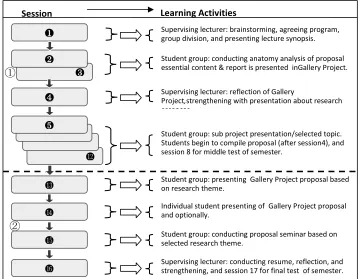
Figure 1Learning SyntaxofILSBased GP Model
Results of expert test and small group test as validation of learning model can be interpreted that the underlying principles were suitable, syntax of model in good category; social system of model was very good; rule of supervising lecturer in model was very good, model supporting system was suitable, and learning effect and model evaluation was very good. Validation results summary of ILS based GP given in Table 1.
Table 1.Results of Expert andSmall Group Validation toward LearningPrototype
Aspects Mean of
Expert Valuation
Valuation Category
Mean of Small Group Valuatio
n
Decision
Underlying principle of the learning model
3,75 Very
suitable
3,48 VTR
Syntax of learning model
3,42 Good 3,20 VTR
Social system of learning model
3,80 Very good 3,72 VTR
Role of supervising lecturer in learning
3,70 Very
suitable
3,77 VTR
Supporting system of 3,40 Suitable 3,27 VTR
Learning Activities Session
②
①
⓬ ❸ ❶
❷
❹
❺
⓭
⓮
⓯
⓰
Supervising lecturer: brainstorming, agreeing program, group division, and presenting lecture synopsis.
Student group: conducting anatomy analysis of proposal essential content & report is presented inGallery Project.
Supervising lecturer: reflection of Gallery
Project,strengthening with presentation about research essences.
Student group: sub project presentation/selected topic. Students begin to compile proposal (after session4), and session 8 for middle test of semester.
Student group: conducting proposal seminar based on selected research theme.
Individual student presenting of Gallery Project proposal and optionally.
495 learning model
Learningeffect and evaluation
3,70 Very good 3,52 VTR
Limitation of learning model
4,00 Very
suitable
3,62 VTR
*VTR = Valid without revision
ILSmodel based GP as representation of active and innovative principle oriented to the following. Learning as multi direction process between learner and various learning sources by placing each individual has different style, modus, and way. Class was used as learning center not as teaching center that able to facilitate the culture of learning, un-learning, and re-learning (Kasali, 2012; and Harefa, 2010). Facilitating the high level thought development with jargon “tell me, I forget; show me, I remember; and Involve me, I understood”(Kovalik, 1994).
Learning syntax was developed based on principle of “exploration, discovery, and application of concepts to the real word”by confronting connectivity of brain research, teaching strategies, and curriculum development (Kovalik, 1994). Brain research,especially the cognitive neuroscience which study about existence of structure and development of human brain (Paisak, 2006; and Jensen, 2007). Neuroscience finding in education, related with the individual uniqueness, specialty, synergetic, hemisphericand domination, imagination and fact, synchronous work, ratio symbiosis, emotion, and spiritual, and male and female brain. (Paisak, 2006; and Greaves & Bradberry, 2007).The main foundation in transaction arrangement and learning management is the learning variable theory (Reigeluth, 1983), and CTI, ATItheory from Jonassen (1982).Curriculum development, mainly that related with the planning, implementation, and evaluation and development of curriculum in learning, either in ideal, formal, instructional, operational and experiential fields. Curriculum development to make it effective, efficient and right on target by Agius, et. al, (1992) was suggested to consider aspects of thinking skills, social skills, values and attitudes among subject area.
Social system at the class background was more moderate, the students interact with various learning sources. The system is embodied in the student freedom suitable with the agreement in forming group, selecting modus, and the how to learn, selecting topic, finding and study of references, discussing the study results, and organizing in the form of group work result project, preparing material for gallery project, and role division in presenting gallery project, and visiting gallery project of other group. The social system facilitates interaction among students, inter group or among groups, student with supervising lecturer, student with practitioner and other expert in field, so able to improve the enthusiasm in expression and creation of students (Abduhzen, 2013; Adimihardja, 2000; and Soewardi, (2000).
496
Learning effect was more direct to the effective, interesting, challenging, enjoyable, and meaningful. The indicators such as, the students: (1) formed group suitable with interest,(2) divided task, either in big or small project deliberatively,(3) identified, determined, found the needed information wuitable with the group task, (4) determined information sources and the scheme to find and collect the needed information suitable with the task and group agreement, and (5) packaged and presented information in gallery projectand class discussion, and ended with activities of reflection or strengthening, either from students or the supervising lecturer.
Knowledge of Educational Students toward Research
Significance test of knowledge improvement difference of the educational students about research between experimental and control group based on score mean of combined test results (objective, subjective, and proposal task) with t-test. It was used because the data fulfill the normality, and homogeneity requirements. Summary of combined test score of t-test shown in Table 2.
Table 2Summary of Combined t-test of Objective, Subjective, and Proposal TaskScores
Class n df tcal Sig. Interpretation
Sample Experiment 173 337 4,582 0,000* There was differences Control 166
*) Significance<0.05
Based on Table 2 the t-calculation = 4,582, with significance = 0,000 <0.05, can be interpreted, that there was significant difference between test score (combination of objective, subjective, and proposal task) between experimental and control group. It mean, ILS based GP was more effective to improve the knowledge of students about research.
The results can be explained based on the framework about learning model characteristic and study field characteristic. First, ILS based GPwas developed based synergy of CTI and ATItheory from Jonassen (1982). CTItheory to organize the overlapping essential content, while the ATIto accommodate the modus difference and the how to learn (Bloom in Keefe, 1987; and Sugden, 1989). With the content treatment interaction and accommodate the individual differences, the learning model has potentials (1) to be holistic, learnerandprocess oriented, meaningful experience, authentic, active, and product and process evaluation (Fogarty,1993; Kumar,et al., 2008); (2) to improve the understanding of student about learning at the meaningful level (Joni, 1996; Silberman, 1996); (3) to facilitate the development of mindset how to the solve the problemnot mindset how create the new problem(Nuh, 2014) as the main character of college graduates(Wijaya, 2004 in Mukhadis, 2012b; Kasali, 2012). Theoretical and empirical support of the learning model was affirmed by Cooper, Orrel, and Bowden (2010); Van-Rooijen (2012); Arends (2004); Fajar (2005); Bellanca, Chapman, and Swartz (1997); Johnson and Johnson (2002); Mukhadis, (2013)that the combination of integratedand project model that were followed with appropriate assessment alternative able to improve the learning meaningfulness (Phillips, 1991; Cronbach, 1984; and Nunnally, 1978).
497
inductive thought which are synergized systematically. Deductive thought is rational theoretic that is logical. While inductive thought is based on empirical phenomenon under observation and can be measured. Representation of scientific thought product in the form of finding, proving, and development (Sugiyono, 2013; Ulfatin, 2013).The knowledge group is according to Hanafin (2014)and (Soewardi in Mukhadis, 2015), knowledge that is required to fulfill the requirement of logically certain and empirically accurate. The logically certainis requirement that is relates with certainty of logic, that is mathematic. While the empirically accurate is requirement that relates with the accuracy in conducting observation, and measurement precisely.Second, the required characteristic essentially bridging the synergy between conceptual and empirical world(Balian in Salladien, 1997).
Appealing of Educational Student toward Learning
Significance test of the appealing improvement difference of educational students toward the learning between experimental and control group based on the mean of questionnaire score with t-test. The t-test results of the questionnaire given in Table 3.
Table 3.Summary of t-test of StudentsAppealing Score
Class n df Tcal Sig. Interpretation
Sample Experiment 173 337 5,015 0,000* There was difference
Control 166
*) Significance<0.05
Based on Table 3, the value of t-calculation = 5,015, with significance = 0,000 <0.05, can beinterpreted there was significant difference between the score of students interest between experimental group with control group. It means, the ILS based GP was more effective to improve the student interest toward the learning.
The results could be explained from the underlying principles and the learningsyntax. First, the underlying principle for active and innovative learning(Keller-Schneider, 2014) which was built based on theoretical assumptions that: (1) learning is multi direction interaction processes between the learner and the learning sources (by design or by utilization) to build a new mean; (2) different individual need different learning activities and style and modus (individual differences);(3) synergize appropriately between modus and the how to learn able to grow the initiative and learning action, and (4) the role of learning management is more as conductor who orchestrate the learning activities. The multi directions interaction between learner and the learning sources (by design or by utilization) as embodiment of facilitation in building new meaning as the representation of learning experience. The learning source of by design, that is the existence intentionally designed to reach the learning goals. While the learning source of by utilization, the existence is not designed to reach the learning goals, but able to improve the effectiveness and interest of the learning (Reigeluth, 1983).
498
Joni, 1996; Wang, 2007; and Silberman, 1996). The condition become the stimulant to reach goals in facilitating student to interact with various direction, especially with good relevant learning sources, either by design or by utilization.
Beside that, the discretion in selecting discussion topic, research topic, and the research approach, and discretion in discussion, with peers (small group or class discussion), discussion and consultation with the supervising lecturer and other resource person that make the learning become meaningful (Emslie, 2012; Freudenberg, et al. 2012; Van-Rooijen, 2012).The meaningful learningevent is marked with the presence of topic mastery, able to interpret the experience from investigation topic to steps of problem solving through research activities; able to reach internalization of the investigated field in the attitude-value, either in thought or action, and able to represent the research methodology learning in proposal writing performance as final report in finishing the study.
Skills of Educational Students in Research
Significance test of the difference of research skill improvement for students between experimental and control group based on tracer study results with percentage. The measuring rod of the research skill improvement based on (1) final score of research methodology for the students, (2) proposal percentage which is continued become final report, and (3) the score of the final report for the student (those who finished the final report). Summary of analysis results for research skill improvement of the students in Table 4.
Research skill improvement of the students with indicator of research methodology score:(1) score presentation of (A & A-)and (B+&B) experimental group were better than control group (58,62% &39,66%)and (47,92% and 36,74%).The otherwise, the percentage of students who get lower than B (<B) the experimental group were lower than control group (1,72% and 16,27%). The results showed that ILS based GP able to (1) improve the learning content understanding meaningfully,(2) facilitate the interpretation of meaningful understanding to the procedure of identification, finding, packaging, and reporting information, and (3) internalize the positive value in developing learning initiative by placing class as the learning center than teaching center.
Table 4.Summary of Research Skill Improvement Results of the Students
Group Research Methodology Score
Amount of Continued
Proposal Final Report Score
Exp
A & A- (%)
B+&B (%)
<B (%)
∑ (%)
TR (%)
R (%)
A & A- (%)
B+&B (%)
<B (%)
58,62 39,66 1,72 72,42 12,07 60,35 41,38 12,57 - Cont. 47,92 36,74 16,27 69,39 8,20 61,19 30,61 18,37 -
499
learning meaningfulness (Bloom in Keefe, 1987and Sugden, 1989). Third, relevance of learning model development foundation by synergizing the integrated and project method at the college background from Arends (2004) and Fajar (2005); Bellanca, Chapman, and Swartz (1997); and Johnson and Johnson (2002)able to improve the meaningfulness of learning. The further implication of ILS based GP in college able to facilitate the logical capability development and placing class as the learning center. (Kasali, 2012; Pranoto, 2013; and Abduhzen, 2013).
The research skill improvement for the student with indicator of proposal percentage that was continued to be final report (1) proposal percentage from the research methodology subject which was continued to be final report at the experimental and control group (72,42%, and 69,39% ). The results can be explained from the characteristic of research proposal as the form of scientific writing. Proposal as the representation of scientific work, according to Adimihardja(2000) is knowledge group that is true in reality. The knowledge group is empirical that required to fulfill two main characters, logically certainand empirically accurate (Soewardi, 2000). Demand to fulfill thelogically certain is requirement in the logical alignment. While the fulfillment of the empirically accurate is the accurate requirement in defining, tool preparation, and doing measured and precise observation. With other world, success in mastering the goals of research methodology learning (in score) able to facilitate the embodiment of meaningful learning, correlates with the success to reach the final project learning.
The research skill improvement for the students with indicator of final project score percentage(those who finished the final project).The results showed the final project score obtained by experimental group compared with the control group: score A and A 30,61%); score B and B (12,57% and 18,37%); and score B (0,00% and 0,00%). The results could be explained, either at the experimental or control group there were no students who get score lower than B ( B). But if seen from the student percentage who got A or A , the experimental group higher (41,38%), than control group (30,61%).Also the otherwise, from the percentage of score B and B, experimental group lower (12,57%), than control group(18,37%), although substantively, no significant differences.
500
CONCLUSION
Based on the results interpretation and discussion, it can be concluded first, component validation of ILSbased GP prototype which consist of the underlying principles were very appropriate, social model system was very good, the supervising lecturer role in very good category, model supporting system in category of appropriate, and lecture effect and evaluation were very good. Second, ILS based GP was very effective to improve the knowledge of students about research. Third, the ILS based GP was effective to improve the interest of the students toward learning. Fourth, ILS based GPwas effective to improve the research skill for the students. Fifth, in general, the ILS based GP was effective to improve the research capabilities (knowledge, attitude, and skill) of the educational students.
SUGGESTION
First, the decision makers in college, educational institution, and educational workers, the findings can be used as reflection and self evaluation in effort to develop innovative learning. Especially in placing class as learning center, especially in developing the research capabilities of the educational students.
Second, the lecturer especially the lecturers of research methodology, the ILSbased GP can be adopted and developed further in improving the service qualities and learning results continuously. Especially, in developing the logic of inquiry and the empirical testingin scientific problem solving, especially at the students.
REFERENCES
Abduhzen. M. 2013. Urgensi Kurikulum 2013. Kompas, 21 Februari, hlm. 6, kolom.2—5. Adimihardja, K. 2000. Filsafat Ilmu: Penelitian dan Kebebasan Berpikir dan berkar-ya, Makalah Pelatihan Metodologi Penelitian Sosial Keagamaan. Jakarta: DP2M Ditjen Dikti, 4—8 September.
Agius, R., Dimarco, N., Reid, F., & Sheehan, D. 1992. Active Learning: Practical Ideas for Integrating the Curriculum. Melbourne: Oxford University Press Australia.
Arends, R.I. 2004. Guide to Field Experiences and Portfolio Development. Boston: McGraw Hill Higher Education.
Bandura, A. 1997. Self-Efficacy : The Exercise of Control. New York, NY: W.H. Freeman.
Bellaca, J., Chapman, C.& Swartz, E. 1997. Multiple Assessment for Multiple Intelli-gences. Third Edition. Arlington Heights, Illinois: IRI/SkyLight Training and Publishing, Inc.
Breadberry, T. & Greaves, J. Menerapkan EQ di Tempat Kerja dan Ruang Keluarga. Terjemahan oleh Yusuf Anas, 2007. Yogyakarta: Penerbit Think.
Bhargava, A. & Pathey, M. 2011. Perception of Student Teachers about Teaching Competencies. American International Journal of Competency Research. Vol, 1, (1):77— 81.
Borg, Walter R. & Gall, M.D. 1992. Educational Research. London: Longman. Cooper, L., Orrel, J., & Bowden, M. 2010. Work Integrated Learning (Electronic Resource): A Guide to Effective Practice. Hobokend: Taylor & Frances.
501
Dirjen Dikti. 2011. Kebijakan Ditjen Dikti Tentang Kerangka Kualifikasi Nasional Indonesia dan Arah Kurikulum LPTK di Indonesia. Makalah Teacher Education Summit. Hotel Grand Sahid Jakarta, Jakarta, 14—16 Desember.
Emslie, M. 2012. Where’s Work Integrated Learning? Including Work Integrated Learning in Decription of What it is Acedemics Do. Journal of Cooperative Education and Internship: An International Journal for Collaborative/Work Integrated Learning. Volume 45, Issue 01.
Fajar, A. 2005. Portofolio dalam Pelajaran IPS. Bandung: Remaja Rosdakarya. Fogarty, R. 1993. How to Integrate the Curricula. Hawker Brownlow Education : Skylight Publishing, Inc.
Fogarty, R. 1997. Problem-Based Learning and Other Curriculum Models for the Multiple Intelligences Classroom. Arlington Heights: Skylight Publishing, Inc. Freudenberg, B., Brimbel, M., Cameron, C., & English, D. 2012. Professionalizing Accounting Education: The WIL Experience. Journal of Cooperative Education and Internship: An International Journal for Collaborative/Work Integrated Learning. Volume 45, Issue 01.
Gall, M.D.; Gall J.P., & Borg, W.R. 2003. Educational Research: An Introduction. Boston: Pearson Education.Inc.
Hanafin, J. 2014. Multiple Intelligences Theory, Action Research, and Teacher Professional develpment: The IRISH M.I Project. AustralianJournal of Teacher Education. Vol,39, (4): 126—141.
Harefa, A. 2010. Mindset Therapy: Terapi Pola Pikir Tentang Makna Learn, Unlearn, dan Relearn. Jakarta: Gramedia Pustaka utama.
Jensen, E. 2007. Brain-Based Learning: The New Science of Teaching and Learning. California: Corwin Press.
Johnson, D.W. & Johnson, R.T. 2002. Meaningfull Assessment: A Manageable and Cooperative Process. Boston: Allyn and Bacon.
Joice, B. & Weil, M. 1982. Models of Teaching . New Jersey: Prentice Hall. Inc. Jonassen, H.D. 1988.Aptitude Versus Content Treatment Interactions: Implications for Instructional Design. Journal of Instructional Development. Vol.5(4):15—25.
Jones, B.F.; Valdes, G.; Nowakowski, J.; & Rasmunssen, C. 1994. Designing learning and Technology for Educational. NCREL.
Joni. T.R. 1996. Pembelajaran Terpadu. Jakarta: Depdikbud, Ditjen Dikti. Proyek Pengembangan Pendidikan Guru Sekolah Dasar.
Kasali, R. 2012. Kurikulum Berpikir 2013. Kompas, 28 Desember, hlm. 7, kolom. 5—7. FT UM, 2013. Katalog Jurusan Teknik Mesin, Edisi 2013. Fakultas Teknik, Universitas Negeri Malang.
Keefe, J.W. 1987. Leraning Style: Theory and Practice. Reston: National Association of secondary School Principlas.
Keller-Schneider, .K. 2014. Self-Regulated Learning in Teacher Education—Significance of Individual Resources and Learning Behaviour. Australian Journal of Education and development Psychology. Vol, 14, (14):144—158.
Koehler, M.J.:Mishra, P.; Cain, W. 2003. What is Technological Pedagogical Content Knowledge (TPACK)? Journal of Education. Vol, 193, (3):13—19.
Kompas. 2013. Sekolah Lebah Putih: Siapkan Anak-Anak Jalani Kehidupan. Kompas, 29 Juli, hlm. 14, kolom 1-7.
502
Kumar, N.; Che Rose, R.; & D’Silva, J.L. 2008. Teachers’ Readness to Use Technology in the Classroom: An Empirical Study. European Journal of Scientific Research. Vol. 21, (4): 603—616.
Le Diest, F.D., & Winterton, J. 2005. What is Competence? Human resources Development International Journal. Vol. 8, (1):27—46.
Mukhadis, A. 2015. Kiat Menulis karya Ilmiah:Bentuk, Anatomi, Isi Esensial, dan Contoh Aplikasinya.Malang: Aditya Media Publishing.
Mukhadis, A. & Ulfatin, N. 2014a. Pembelajaran Terintegrasi Model Shared Berbasis Gallery Project Matakuliah Metodologi Penelitian dan Skripsi Untuk Meningkatkan Kualitas dan Mempercepat Penyelesaian Studi Mahasiswa Kependidikan. Laporan Penelitian Unggulan Perguruan Tinggi Tahun Kedua.Universitas Negeri Malang: Lembaga Penelitian
Mukhadis, A. & Ulfatin, N. 2014b. Keefetifan dan kemenarikanPembelajaran Terintegrasi Model Shared Berbasis Gallery Project.Jurnal IlmuPendi-dikan,Jilid 20 (2),238—252.
Mukhadis, A. 2013. Eavlausi Program Pembelajaran Bidang Teknologi: Terminolo-gi, Pengembangan Program, dan Instrumen.Malang: BayuMedia Press.
Mukhadis, A. 2012a. Refleksi Hasil Pembimbingan Skripsi. Malang: Fakultas Teknik, UM Mukhadis, A. 2012b. Pengembangan Mindset Entrepreneurship sebagai Orientasi Pembelajaran Bidang Teknologi. Makalah Seminar nasional ‘Trend Vision for Creative Industry’ Jurusan Teknologi Industri, Fakultas teknik Universi-tas Negeri Malang.Graha Cakrawala, 17 November.
Nuh, M. 2014. Lampu Masyarakat Terdidik. Kompas. 23 September, halaman 6, kolom 2—6.
Nunnally, J.C. 1978. Psychometric Theory. Second Edition. NewYork: McGraw-Hill Book Company.
Paisak, T. 2006. Manajemen Kecerdasan: Memberdayakan IQ, EQ, dan SQ Untuk Kesuksesan Hidup. Bandung: Mizan Pustaka.
Peraturan Presiden Republik Indonesia, Nomor 8 Tahun 2012 tentang Kerangka Kualifikasi Nasional Indonesia (KKNI).
Philips, J.J. 1991. Handbook of Training Evaluation and Measurement Methods, Houston: Gulf Publishing Company.
Pranoto, I. 2013. Guru Merdeka. Kompas, 20 Februari, hlm. 7, kolom.1—3.
Prajitno, & Marjohan. 2008. Modul Pengembangan Profesi Pendidik:Bahan PLPG dalam Jabatan. Padang: Panitia Sertifikasi Guru UNP Padang.
Reigeluth, C.M. & Merrill, M.D. 1984. “The Evoluationof Instructional Science: Toward a Common Knowledge Base”, Journal of Educational Technology. Vol. 2, (3); 20—26. Reigeluth, C.M. 1983. Instructional DesignWhat Is It andWhy Is It? Dalam Reigeluth. C.M. 1983 (Ed). Instructional-Design Theories and Models: An Overview of their Current Status. New Jersey: Lawrence Erlbaum Associates, Publishers.
Resume Hasil FGD dengan dosen Metodologi penelitian di UM, 20 September 2013 di Lembaga Peneleitian dan Pengabdian Kepada Masyarakat, Universitas Negeri Malang, unPublished.
Richey, R.C. & Klein, J.D. 2007. Design and Development Research. New Jersey: Lawrence Erlbaum Associates, Publishers.
Salladien. 1997. Pendekatan Positivisme dan Naturalisme Hingga Mixing Methods (Kuan-tilatif). Malang: Institut Keguruan dan Ilmu Pendidikan Malang.
503
Soewardi, H. 2000. Landasan Penelitian Sosial dan Keagamaan. Makalah Pelatihan Metodologi Penelitian Sosial Keagamaan, Jakarta: DP2M Ditjen Dikti, 4—8 September. Sugden, D. 1989. Cognitive Approaches in Special Education. New York: The Falmer Press.
Ulfatin, N. 2006. Kesulitan Mahasiswa dalam Mengikuti Kuliah Metodologi Peneli-tian Kualitatif dan Menyelesaikan Skripsi. Laporan Hasil Refleksi Pembel-ajaran. Malang: FIP UM.
Universitas Brawijaya. 2012. TracerStudy: Perencanaan dan Koleksi Data.Lembaga Pengkajiandan Pengembangan Pendidikan (LP3): Universitas Brawijaya.
Universitas Negeri Malang, 2007. Laporan Evaluasi Diri Jurusan Administrasi Pendidikan dalam rangka Akreditasi Program Studi. Malang: FIP UM.
Universitas Negeri Malang, 2013. Bahan Rapat Kerja Kurikulum Fakultas Teknik 2013. Malang: FT UM.
Van-Rooijen, M. 2012. Transforming 21st Century Corporate University Engagement: From Work-Integrated Learning (WIL) to Learning-Integrated Work (LIW). Journal of Cooperative Education and Internship: An International Journal for Collaborative/Work Integrated Learning. Volume 45, Issue 01.
Wang, Y. 2007. On The Cognitive Processes of Human Perception with Emotions, and Attitudes. International Journal of Cognitive Informatics and naturaal Intelligence. Vol. 1, (4): 1—13.
Weasmer, J. & Woods, A.M. 1998. I Think I Can: The role of personal Teaching Efficacy Bringing about Change. The Clearing House. Vol. 71, (5): 245—248.
Westera, W. 2001. Competences in Education: A Confusion of Tongues. Journal of Curriculum Studies. Vol.33, (1):75-78