Methods Guide
for Comparative Effectiveness Reviews
Finding Grey Literature Evidence and Assessing for
Outcome and Analysis Reporting Biases When
Comparing Medical Interventions: AHRQ and the
Effective Health Care Program
This report is based on research led by the Oregon and Ottawa Evidence-based Practice Centers (EPC) under contract to the Agency for Healthcare Research and Quality (AHRQ), Rockville, MD (Contract Nos. 290-2007-10057-I and 290-2007-10059-I). The findings and conclusions in this document are those of the authors, who are responsible for its contents; the findings and conclusions do not necessarily represent the views of AHRQ. Therefore, no statement in this report should be construed as an official position of AHRQ or of the U.S. Department of Health and Human Services.
The information in this report is intended to help health care decisionmakers—patients and clinicians, health system leaders, and policymakers, among others—make well informed decisions and thereby improve the quality of health care services. This report is not intended to be a substitute for the application of clinical judgment. Anyone who makes decisions concerning the provision of clinical care should consider this report in the same way as any medical
reference and in conjunction with all other pertinent information, i.e., in the context of available resources and circumstances presented by individual patients.
This report may be used, in whole or in part, as the basis for development of clinical practice guidelines and other quality enhancement tools, or as a basis for reimbursement and coverage policies. AHRQ or U.S. Department of Health and Human Services endorsement of such derivative products may not be stated or implied.
This document was written with support from the Effective Health Care Program at AHRQ. This document is in the public domain and may be used and reprinted without special
permission. Citation of the source is appreciated.
Persons using assistive technology may not be able to fully access information in this report. For assistance contact [email protected].
None of the investigators have any affiliations or financial involvement that conflicts with the material presented in this report.
Suggested citation: Balshem H, Stevens A, Ansari M, Norris S, Kansagara D, Shamliyan T, Chou R, Chung M, Moher D, Dickersin K. Finding Grey Literature Evidence and Assessing for Outcome and Analysis Reporting Biases When Comparing Medical Interventions: AHRQ and the Effective Health Care Program. Methods Guide for Comparative Effectiveness Reviews.
(Prepared by the Oregon Health and Science University and the University of Ottawa Evidence-based Practice Centers under Contract Nos. 290-2007-10057-I and 290-2007-10059-I.) AHRQ Publication No. 13(14)-EHC096-EF. Rockville, MD: Agency for Healthcare Research and Quality. November 2013. www.effectivehealthcare.ahrq.gov/reports/final.cfm.
Authors:
Howard Balshem, M.S.a Adrienne Stevens, M.Sc.b
Mohammed Ansari, M.D., M.Med.Sc., M.Phil.b Susan Norris, M.D., MPH, M.Sc.a Devan Kansagara, M.D.c Tatyana Shamliyan, M.D., M.S.d Roger Chou, M.D., MPHa Mei Chung, Ph.D, MPHe David Moher, Ph.D.b Kay Dickersin, Ph.D.f
The authors are all members of the AHRQ EPC Reporting Bias Workgroup. Following are additional members of the workgroup:
Donna M. Dryden, Ph.D. Jennifer Lin, M.D.
Rose Relevo, MLIS, M.S.
Alexander Tsertsvadze, M.D., M.Sc.
a. Oregon Health & Science University, Portland, OR
b Ottawa Hospital Research Institute, Ottawa, Ontario, Canada c. Portland VA Medical Center, Portland, OR
d. University of Minnesota School of Public Health, Minneapolis, MN; Elsevier Evidence Based Medicine Center, Philadelphia, PA
e. Tufts Medical Center, Boston, MA
f. Johns Hopkins Bloomberg School of Public Health, Baltimore, MA
Preface
The Agency for Healthcare Research and Quality (AHRQ), through its Evidence-based Practice Centers (EPCs), sponsors the development of evidence reports and technology assessments to assist public- and private-sector organizations in their efforts to improve the quality of health care in the United States. The reports and assessments provide organizations with comprehensive, science-based information on common, costly medical conditions and new health care technologies and strategies. The EPCs systematically review the relevant scientific literature on topics assigned to them by AHRQ and conduct additional analyses when
appropriate prior to developing their reports and assessments.
Strong methodological approaches to systematic review improve the transparency,
consistency, and scientific rigor of these reports. Through a collaborative effort of the Effective Health Care (EHC) Program, the Agency for Healthcare Research and Quality (AHRQ), the EHC Program Scientific Resource Center, and the AHRQ Evidence-based Practice Centers have developed a Methods Guide for Comparative Effectiveness Reviews. This Guide presents issues key to the development of Systematic Reviews and describes recommended approaches for addressing difficult, frequently encountered methodological issues.
The Methods Guide for Comparative Effectiveness Reviews is a living document, and will be updated as further empiric evidence develops and our understanding of better methods improves. We welcome comments on this Methods Guide paper. They may be sent by mail to the Task Order Officer named below at: Agency for Healthcare Research and Quality, 540 Gaither Road, Rockville, MD 20850, or by email to [email protected].
Richard G. Kronick, Ph.D. Jean Slutsky, P.A., M.S.P.H.
Director Director, Center for Outcomes and Evidence
Agency for Healthcare Research and Quality Agency for Healthcare Research and Quality Stephanie Chang, M.D., M.P.H.
Director and Task Order Officer Evidence-based Practice Program Center for Outcomes and Evidence
Agency for Healthcare Research and Quality
Peer Reviewers
Peter Doshi
Johns Hopkins University Baltimore, MD
Kerry Dwan
University of Liverpool Liverpool, United Kingdom Eileen Erinoff
ECRI Institute Philadelphia, PA Jonathan Leo
Lincoln Memorial University Harrogate, TN
Yoon Loke
University of East Anglia Norwich, United Kingdom Andreas Lundh
Nordic Cochrane Center Copenhagen, Denmark Natalie McGauren
Institute for Quality and Efficiency in Health Care Cologne, Germany
Key Points
• Reviews of the literature consistently provide evidence of significant reporting biases.
• Reporting bias should be cautiously assumed to exist even if authors cannot determine its direction and magnitude. As such, all included studies must be assessed for reporting bias.
• When studies do not investigate or report outcomes of interest to the review this may be due to a reporting bias.
• Assessment of outcome and analysis reporting bias should be restricted to those outcomes that will be graded for their strength of evidence, for feasibility.
• Sources of Evidence
o Reviewers should always search ClinicalTrials.gov and the International Clinical Trials Registry Platform
o Reviewers should routinely search and request clinical study reports from the European Medical Agency, and should search Drugs@FDA for Medical and Statistical Review documents
o Study protocols should be sought during the literature searching process
o Reviewers should routinely consider searching conference abstracts and proceedings to identify unpublished or unidentified studies and should consult with their
Technical Expert Panels for specific conferences to search
o Reviewers should routinely conduct a search of the Cochrane Central Register of Controlled Trials, a source of handsearching results
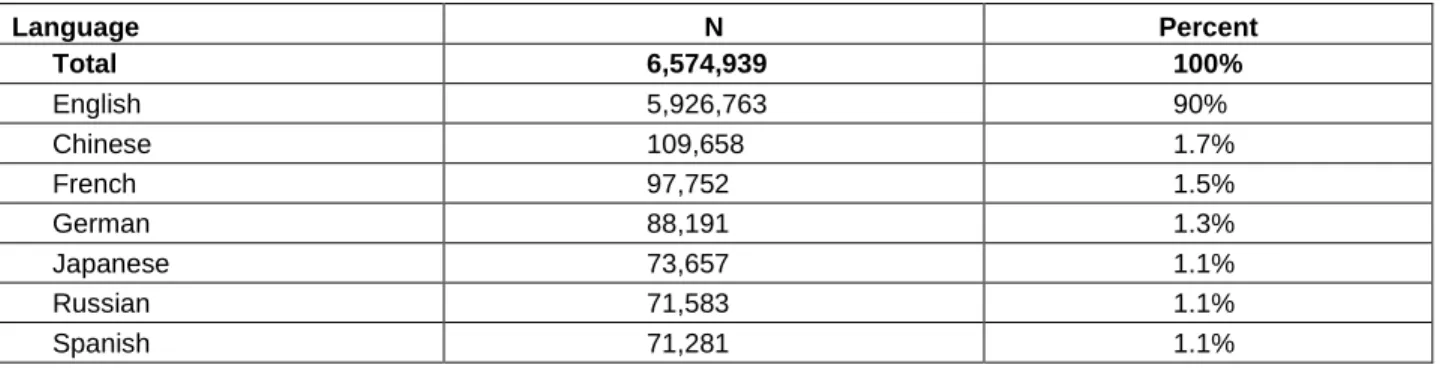
o Reviewers should avoid the use of English-only filters when searching standard databases
o Searches of grant and non-English databases and contact with authors may be warranted
o The utility of these sources for identifying or minimizing reporting bias associated with observational studies has not yet been evaluated.
• All sources of evidence, with the exception of conference abstracts, should be collated and used for assessing selective outcome and analysis reporting biases.A framework for assessing selective reporting is detailed. If reviewers decide to use the framework for observational studies, certain considerations or adaptations of the framework may need to be made.
Introduction
“Search for the truth is the noblest occupation of man; its publication is a duty” [Baronne Anne Louise Germaine de Staël-Holstein (1766-1817)].1
Systematic reviews attempt to identify, appraise and synthesize the available empirical evidence in order to minimize bias when representing the results of medical interventions and therapies. However, there is a growing recognition that often evidence is difficult to find because of decisions that are made about where, how, and when to publish the results of studies based on the findings of those studies. Notwithstanding, when unpublished data are actually available (for example as a result of legal action), reporting bias associated with suppression of unfavorable results has been fairly easy to detect.2, 3 A review by Song, et al. notes that the results of half of all clinical trials are never published. Other findings were that studies with positive or
statistically significant effects tend to report greater treatment effect, tend to be published sooner and in higher impact journals than those with negative or nonsignificant effects, and that
exclusion of non-English language literature may bias our understanding of treatment effects, particularly in the area of complementary and alternative medicine.4
Overview of Guidance
Since evidence syntheses depend on the published literature accurately representing what’s known about medical therapies, reporting biases threaten the veracity of what we know. This document provides guidance on steps that authors of systematic reviews can take to reduce the error in the assessment of the effect of an intervention that arises from biases in the way that studies are published and reported.
The series of steps involved in searching for and identifying eligible studies for the review is lengthy and resource intensive. It involves searches that often turn up no additional studies, despite the searchers’ investment in time that can run into the hundreds of hours. Review teams may be reluctant to take on more searching than absolutely necessary. That said, in recent years it has become clear that the likelihood of finding a critical unpublished study or study data that changes key summary outcomes may be greater than we had once thought. For this reason, we are recommending searching these other sources for studies that might otherwise not be
identified. We understand that the number of potential sources for searching is large, and that the task of searching for unreported studies and data can never be considered "complete," because the "truth" is unknown.
Accordingly, we temper our recommendation for searching other sources with a
recommendation to be selective and to choose the sources to be searched where it makes most sense. If a review concerns a drug used off-label, U.S. Food and Drug Administration (FDA) records will not contain effectiveness data for that indication, although they might well contain adverse effect data which could be useful across indications. As another example, if a condition is well-studied in another country (e.g., stroke trials in Japan), it may be a good idea to pay attention to the literature from that country and in that language. As a third example, given the fact that only 60 percent of randomized controlled trials (RCTs) described in conference abstracts reach full publication,5 and full publication is associated with results favoring the test intervention, then conference abstracts from the meeting(s) most likely to publish trial abstracts are probably worth searching. That said, before conducting their own search, the systematic
reviewers should check sources such as the Cochrane Collaboration’s Central Register of Controlled Trials to make sure this task hasn't already been done by others.
The earlier guidance chapter by Relevo and Balshem6 (referred to subsequently as Finding Evidence) provides guidance on the standard search for evidence. Here, we expand on that guidance and describe supplementary searches that should be considered as approaches to mitigating the effects of reporting bias. We describe the major data sources that should be considered when searching for unpublished studies, and for published studies that are not likely to be identified through a search of the sources described in Finding Evidence. We discuss when those sources are likely to provide useful evidence and provide guidance on when searches of these sources should be considered.
We do not address the issue of multiple publication bias in this guidance. Multiple
publication bias occurs when studies with significant or positive results are reported in multiple publications without citing the other reports of the same study. Nor do we discuss the problem of ghostwriting, which is a question of appropriately and transparently attributing authorship. Instead we focus on providing guidance on identifying studies through the use of special searches, such as contacting authors, use of data from regulatory sites, use of protocols, hand searching, and the inclusion of non-English language literature, to reduce the likelihood of bias in estimates of effects of interventions.
Methods
Workgroup Composition
The workgroup for this chapter included 14 investigators and research associates from seven Evidence-based Practice Centers (EPCs) and the Agency for Healthcare Research and Quality (AHRQ). Nearly all workgroup members were authors of multiple systematic reviews with experience in addressing issues of reporting bias, and several have written extensively on the topic. A research librarian with several years of experience in conducting searches for systematic and comparative effectiveness reviews was also a member of the workgroup. The topic was co-led by the Oregon and Ottawa EPCs. Project leadership involved establishing timelines, coordinating and scheduling conference calls, participation in subgroups, contributing to the writing of multiple sections of the guidance, and editing the overall guidance.
Guidance Development
We split the workgroup into two subgroups. A subgroup on comprehensive and special searches focused on issues of finding all relevant published and unpublished literature as well as unpublished data from published studies. The second workgroup focused on how to identify and assess the likelihood of biases arising from selective outcome and selective analysis reporting. Each workgroup member participated in one or more subgroups. While we considered
techniques for assessing the likelihood of publication bias outside the scope of this guidance, some approaches for assessing publication bias were addressed by the second workgroup.
The research librarian conducted a search for literature on topics related to reporting biases and compiled an EndNote library of relevant sources. Additional searches for literature were conducted at the request of the workgroups. The search identified more than 500 references spanning the period from 1959 through 2012.
The resulting guidance is based on empiric evidence, where available, and on experience and consensus where evidence was ambiguous or unavailable. Drafts of each subsection were first reviewed by the subgroup responsible for those sections. Subsequently a combined draft of both subsections was reviewed by all workgroup members and revisions made based on that review. The revised draft was then submitted for review by all EPC directors and others at the EPCs interested in providing comments, as well as by an associate editor of the Effective Health Care Program and the project Task Order Officer from AHRQ. We revised the guidance to address the major concerns of these EPC internal reviewers and submitted a revised draft for external peer review and public comment. Comments from reviewers and potential edits were discussed by the workgroup both through conference calls and email. The document was revised again based on peer review and public comment. However, the final guidance reflects the views of the authors and the EPC program, and not those of the peer or public reviewers.
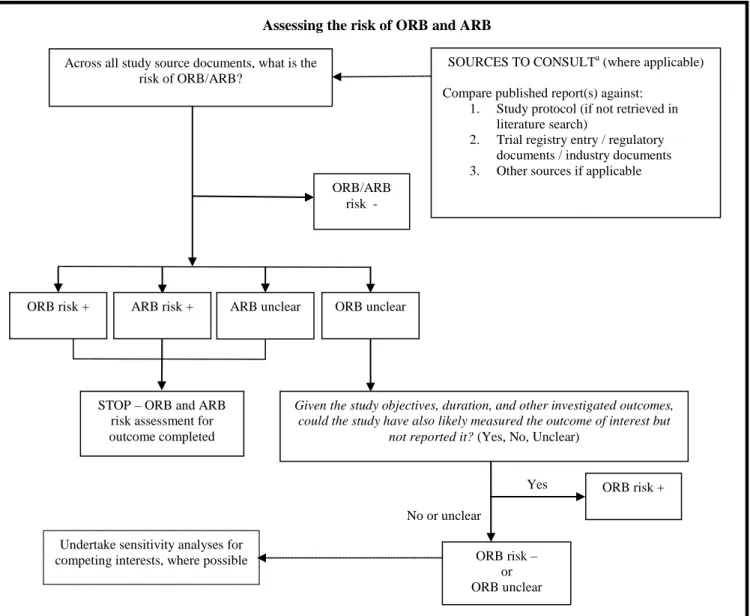
This guidance is divided into four parts. The first part provides an introduction to the guidance, describes the methodology used to develop the guidance, and provides some brief background information on reporting bias. Part 2 describes the major sources of evidence that can be used to minimize the risk of missing information relevant to the review, discusses the available evidence on the value of searching each source, and provides recommended guidance on using each source. Part 3 provides guidance on the process of assessing for selective reporting of outcomes and analyses. Finally, Part 4 offers brief guidance on reporting the search strategy and results.
Background
Definitions and History
The Institute of Medicine has recently described reporting bias as “the greatest obstacle to obtaining a complete collection of relevant information on the effectiveness of health care
interventions.”7 Reporting bias occurs when the dissemination and reporting of research results is influenced by the nature and direction of the findings. The selective publication of results—often those that are statistically significant (“positive”) over nonsignificant (“negative”) or null
results—has been recognized for centuries.8 Despite this, research was not undertaken to describe the size of the problem until about 50 years ago, when Sterling raised concerns that research yielding nonsignificant results was generally not published.9 He confirmed his findings 35 years later in a second survey,10 and to this day new research continues to demonstrate the existence of sizable publication bias.11-18 Box 1 describes several types of reporting biases that have been identified in the literature.
Box 1. Definitions of some types of reporting biasesa Publication bias
The publication or nonpublication of research because of the nature and direction of the results. Time lag bias
The rapid or delayed publication of research because of the nature and direction of the results. Multiple publication bias
The multiple or singular publication of research because of the nature and direction of the results. Location bias
The publication of research in journals with different ease of access or levels of indexing in standard databases because of the nature and direction of results.
Citation bias
The citation or noncitation of research because of the nature and direction of the results. Language bias
The publication of research in a particular language because of the nature and direction of the results.
Outcome reporting bias
The selective reporting, in published studies, of one or more outcomes because of the nature and direction of the results.
Analysis reporting bias
The selective reporting, in published studies, of one or more analyses as a change from planned analyses or as a selection from two or more analysis options because of the nature and direction of the results.
a
Adapted from definitions provided in the Cochrane Handbook for Systematic Reviews of Interventions.19
Reporting biases result both from the absences of complete studies from the body of literature and from the selective reporting of outcomes and analyses within individual study reports. While all publications necessarily select outcomes and analyses to report, outcome reporting bias and analysis reporting bias occur when outcomes are selectively reported or data selectively analyzed—typically in a post hoc fashion—to favor a hypothesis.
An example of selective outcome reporting might be when a trial protocol indicates the primary outcome is the evaluation of an intervention’s effect on increasing survival, and the publication of the trial’s primary results does not mention survivorship (for which there may have been no effect), but instead indicates that quality of life was the primary outcome, or reports results in a way that implies that quality of life was the primary outcome. Here the trial
investigators have provided readers with information about certain outcomes and not others, and misrepresent outcomes as described in the protocol. Chan, et al. compared the contents of 102 trial protocols approved by the scientific ethics committees from Copenhagen and Frederiksberg, Denmark, during 1994 and 1995 with 122 subsequent publications.20 They reported that in nearly two thirds of the trials there was a change in at least one primary outcome between the protocol and publication. The authors also reported that statistically significant outcomes had a higher likelihood of being reported compared with nonsignificant outcomes.
Selective analysis reporting operates in a similar manner. Here study authors may use selective cutoffs to dichotomize continuous outcomes or report selective time-point analyses when multiple time points were specified for analysis in the protocol.
The selective reporting of outcomes and analyses in published primary reports of individual studies may lead to biased interpretation of findings not only of individual studies but also of systematic reviews that include these studies.21 Several studies provide empirical evidence of the effect of selective outcome reporting and selective analysis reporting on the pooled estimates of treatment effects.22-25 In addition, the selective reporting of analyses and outcomes may also operate at the systematic review level.21-23, 26-29
Types of Selective Outcome Reporting and Selective Analysis
Reporting
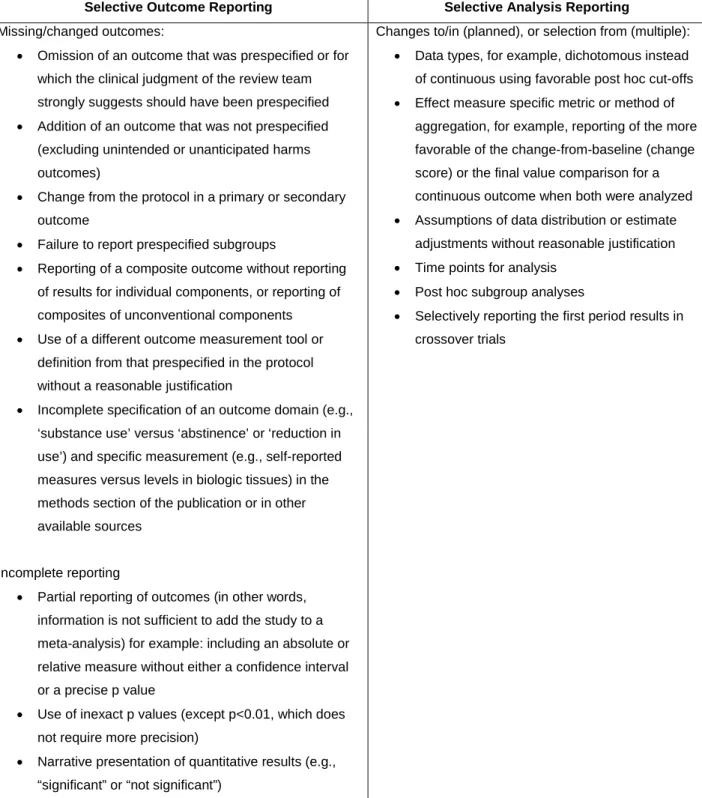
Selective outcome reporting and selective analysis reporting can be introduced at several points. At the protocol or conceptual stage of devising a study, investigators may choose outcomes based on whether they will produce favorable results, rather than on their importance for clinical practice or policy decision making. Given the aims, objectives, and duration of a study, a strong suspicion in the minds of reviewers that a key outcome of interest was excluded from the study results, which most investigators would not have excluded, should in itself be taken as a signal for risk of selective outcome reporting bias, despite good agreement between study results reporting and study protocol. In other words, the failure to address clinically important outcomes may introduce a form of outcome reporting bias, if studies with negative results for that outcome are less likely to be published. During results analysis, bias occurs if investigators decide to change their analysis (e.g., change in time point) in order to present favorable results or report the most favorable of the several analyses undertaken. Additionally, results might be selectively reported (or withheld from reporting) to support competing interests. It may not be possible to determine whether some or all of these occur within a given study; this will depend on the extent of information available from other sources, such as the study protocol. Table 1 lists the types of selective outcome reporting and selective analysis reporting that could be identified and determined when assessing studies. Some of these constructs are also listed elsewhere.30, 31
Table 1. Types of selective outcome and analysis reporting, which may affect the direction and/or magnitude of the reported study findings
Selective Outcome Reporting Selective Analysis Reporting
Missing/changed outcomes:
• Omission of an outcome that was prespecified or for which the clinical judgment of the review team strongly suggests should have been prespecified
• Addition of an outcome that was not prespecified (excluding unintended or unanticipated harms outcomes)
• Change from the protocol in a primary or secondary outcome
• Failure to report prespecified subgroups
• Reporting of a composite outcome without reporting of results for individual components, or reporting of composites of unconventional components
• Use of a different outcome measurement tool or definition from that prespecified in the protocol without a reasonable justification
• Incomplete specification of an outcome domain (e.g., ‘substance use’ versus ‘abstinence’ or ‘reduction in use’) and specific measurement (e.g., self-reported measures versus levels in biologic tissues) in the methods section of the publication or in other available sources
Incomplete reporting
• Partial reporting of outcomes (in other words, information is not sufficient to add the study to a meta-analysis) for example: including an absolute or relative measure without either a confidence interval or a precise p value
• Use of inexact p values (except p<0.01, which does not require more precision)
• Narrative presentation of quantitative results (e.g., “significant” or “not significant”)
Changes to/in (planned), or selection from (multiple):
• Data types, for example, dichotomous instead of continuous using favorable post hoc cut-offs
• Effect measure specific metric or method of aggregation, for example, reporting of the more favorable of the change-from-baseline (change score) or the final value comparison for a continuous outcome when both were analyzed
• Assumptions of data distribution or estimate adjustments without reasonable justification
• Time points for analysis
• Post hoc subgroup analyses
• Selectively reporting the first period results in crossover trials
Sources of Evidence
Institute of Medicine (IOM) standard 3.2 requires those conducting systematic reviews to “take action to address potentially biased reporting of research results.”7 This section discusses
the various sources of data discussed in the IOM report, provides empirical evidence of their value as sources of information both for unpublished studies and for unpublished data in published studies, as well as evidence that excluding evidence from these sources can lead to biased effect estimates, and recommends how these sources can be used in the search for evidence.
Grey Literature
The IOM describes grey literature as including trial registries, conference abstracts, books, dissertations, monographs, and reports held by the U.S. Food and Drug Administration (FDA) and other government agencies, academics, business, and industry. Standard 3.2.1 recommends that those conducting a systematic review should “search grey literature databases, clinical trial registries, and other sources of unpublished information about studies.”7 Our recommendations for incorporating grey literature in the guidance below apply specifically to reviews of
conventional drugs and devices (Table 2).
Table 2. Recommended sources of grey literature for conventional drugs and devices Type of Information Recommended Sources or Strategies When To Search Reporting Bias Type Provisos Recommendation(s) Empiric Evidence (E) or Consensus (C) Study protocol elements (Methods), outcomes data (Results), or completely missing studies ClinicalTrials.gov ICTRP Routinely SOR/SAR/ Publication bias Studies conducted in 2005 and onwards E Study protocol elements (Methods), outcomes data (Results), or completely missing studies FDA EMA Routinely SOR/SAR/ Publication bias Indication approved drugs, and class III devices E Missing studies Conference abstracts and proceedings Routinely, on advice of KI or TEP Publication bias E Missing studies Grant databases (e.g. Research Portfolio Online Reporting Tools) On KI or TEP
recommendation Publication bias C
Study protocol elements (Methods) or outcomes data (Results) Study Authors For data clarifications (regarding study eligibility, study design, or other aspects of study conducts) SOR/SAR No more than three attempts C 7
Table 3. Recommended sources of grey literature for conventional drugs and devices (continued) Type of Information Recommended Sources or Strategies When To Search Reporting Bias Type Provisos Recommendation(s) Empiric Evidence (E) or Consensus (C) Study protocol elements (Methods), outcomes data (Results), or completely missing studies Industry SIPs, Industry maintained trial registries, and DIDA Routinely for SIPs and DIDA At reviewers discretion for Industry maintained trial registries SOR/SAR/public ation bias EPCs should not contact the Industry directly, SIPs through SRC C Study protocols, companion papers, or completely missing studies Hand searching Routinely search the Cochrane Central Register of Controlled Trials Hand searching of selected journals at reviewers discretion SOR/SAR/Locati on bias C Study protocols, companion papers, or completely missing studies Non-English language literature
Search routinelya Language bias C
Study protocols, companion papers, or completely missing studies Citation searching using the World Wide Web
Not
recommended
SOR/SAR/Public
ation bias C
Note: DIDA = Drug Industry Document Archive, EMA = European Medical Agency, EPC = Evidence-based Practice Center, FDA = U.S. Food and Drug Administration, ICTRP = International Clinical Trials Registry Platform, KI = Key Informant, SAR = selective analysis reporting, SIP = scientific information packet, SOR = selective outcome reporting, SRC=Scientific Resource Center, TEP = Technical Expert Panel.
a
Search criteria only, not eligibility criteria. If non-English language literature is excluded, a list of potentially relevant but excluded literate can help inform the potential risk of language bias.
Study Registries
Study registries are publicly available databases or platforms, commonly Web-based, in which research studies are catalogued. In the last 5 years, several trial registries have evolved into data repositories of key elements of the trial protocols, including outcomes and/or their summary results. Trial registries can serve as a resource both for identifying unpublished studies and for identifying unreported outcomes in published studies.
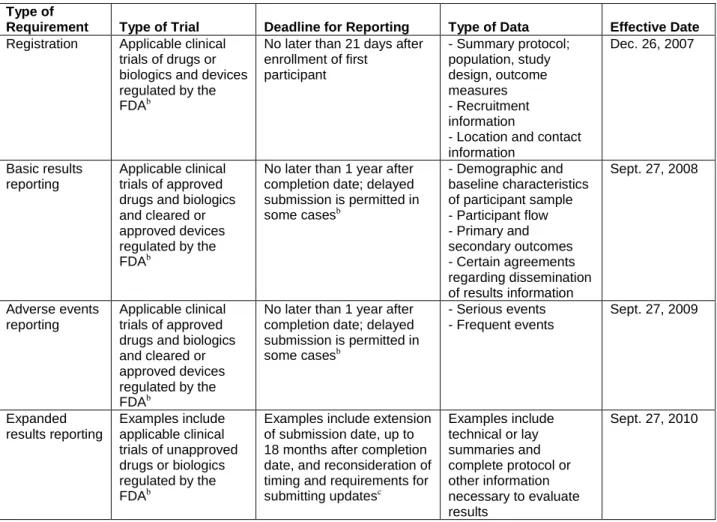
The FDA Modernization Act of 199732 mandates the registration of clinical trials that evaluate the efficacy of drugs for serious or life-threatening diseases and conducted under an investigational New Drug Application. Beginning in 2005, the International Committee of Medical Journal Editors (ICMJE) required prospective trial registration as a precondition for publication.28 The FDA Amendments Act of 200733 further required that trials already in
progress be registered on ClinicalTrials.gov by December 2007 and that researchers post a summary of basic results within a year of completion of data collection or within 30 days after the FDA first approved the drug (see Table 3). However, it’s important to note that the FDA Amendments Act does not cover trials initiated and completed before 2007, and so will not cover older drugs unless they are tested in trials that were either initiated or ongoing in 2007.34
ClinicalTrials.gov, launched in 2000 to comply with FDA Modernization Act, currently contains over 139,000 trials sponsored by the National Institutes of Health, other Federal agencies, and private industry. Studies listed in the database are conducted in all 50 States and in 182 countries.35 Appendix A describes the data elements available from ClinicalTrials.gov.
The World Health Organization (WHO) International Clinical Trials Registry Platform (ICTRP) was established in 2005 as a portal that imports trial registration data from clinical trial registries around the world including ClinicalTrials.gov. It contains more than 180,000 records for nearly 170,000 trials, including records for more than 60,000 trials conducted in the United States.36 Appendix B describes the data elements available from the ICTRP.
Observational studies, where the assignment of subjects into a treated group versus a control group is outside the control of the investigator, can occasionally be found in study registries. Several trial registries, including ClinicalTrials.gov, ISRCTN/ControlledClinicalTrials, ANZCTR (Australia/New Zealand), Clinical Trials Registry-India, UMIN Clinical Trials Registry (Japan), and the Chinese Clinical Trials Registry, allow registration of observational studies, with observational studies representing 17 percent of all studies registered in
ClinicalTrials.gov in the year 2010.37 However, the utility of these external sources of registry data for identifying or minimizing reporting bias associated with observational studies has not yet been evaluated. There is growing interest in registration of observational studies, especially prospective observational studies,37-39 although some have suggested that requirements to register observational studies might actually impede, rather than advance scientific discovery because serendipity, exploration and chance findings will be lost.40, 41
Table 4. Registration and reporting requirements of the U.S. Food and Drug Administration Amendments Act, Section 801a (reprinted with permission from Wood 200942)
Type of
Requirement Type of Trial Deadline for Reporting Type of Data Effective Date
Registration Applicable clinical trials of drugs or biologics and devices regulated by the FDAb
No later than 21 days after enrollment of first participant - Summary protocol; population, study design, outcome measures - Recruitment information
- Location and contact information Dec. 26, 2007 Basic results reporting Applicable clinical trials of approved drugs and biologics and cleared or approved devices regulated by the FDAb
No later than 1 year after completion date; delayed submission is permitted in some casesb - Demographic and baseline characteristics of participant sample - Participant flow - Primary and secondary outcomes - Certain agreements regarding dissemination of results information Sept. 27, 2008 Adverse events reporting Applicable clinical trials of approved drugs and biologics and cleared or approved devices regulated by the FDAb
No later than 1 year after completion date; delayed submission is permitted in some casesb - Serious events - Frequent events Sept. 27, 2009 Expanded results reporting Examples include applicable clinical trials of unapproved drugs or biologics regulated by the FDAb
Examples include extension of submission date, up to 18 months after completion date, and reconsideration of timing and requirements for submitting updatesc Examples include technical or lay summaries and complete protocol or other information necessary to evaluate results Sept. 27, 2010
Note: FDA = U.S. Food and Drug Administration.
a
Information on trial registration, basic results reporting, and adverse events e-reporting is available at
http://prsinfo.clinicaltrials.gov/definitions.html and at http://prsinfo.clinicaltrials.gov/fdaaa.html. The requirements for expanded results have not yet been defined.
b
According to the FDA Amendments Act, an “applicable clinical trial” is generally one that has at least one trial site in the United States. Section 801 excludes phase 1 drug trials and “early feasibility device trials.” All applicable clinical trials of devices must be submitted, but only trials of devices previously cleared or approved are posted. Note that the ICMJE and the WHO require registration of all clinical trials for drugs and devices, regardless of phase.
c
According to the FDA Amendments Act, “completion date” refers to “the date that the final subject was examined or received an intervention for the purposes of final collection of data for the primary outcome, whether the clinical trial concluded according to the prespecified protocol or was terminated.”
Empirical Findings on the Value of Searching Study Registries
Despite registration requirements more than half of the trials that reported start dates with their registration were registered late43 and only 12 to 22 percent of trials posted results within one year of completion.43, 44 The number of unregistered trials and those with missing results is unknown, as is the accuracy of the data submitted.27 Compliance with the FDA Amendments Act mandatory reporting requirement of trial results is low: within one year of study completion, only 22 percent of 738 trials were compliant.44 In a review of a sample of trials registered with the ICTRP between June 2008 and June 2009, Viergever and Ghersi45 found that over half of the trials were registered after the date of first enrolment and that contact information was available
for 94 percent of nonindustry funded and for 54 percent of industry funded trials. Compliance with the requirement to post results for both industry and nonindustry sponsored studies at ClinicalTrials.gov is also poor.46 The proportion of registries with adequate reporting of trial methodology ranged from 1.4 percent (allocation concealment) to 66 percent (primary outcomes) in a study of ClincialTrials.gov and six other registries supported by the WHO search portal ICTRP.47
In a study of National Institutes of Health funded trials registered in ClinicalTrials.gov, Ross, et al.48 found that fewer than half the trials were published in a peer reviewed journal indexed in MEDLINE within 30 months after trial completion. In an earlier study Ross, et al.49 found that only 46 percent of all completed studies registered in ClinicalTrials.gov had been published, and that even when published, fewer than half of the registrations included a citation to the published report. Wieseler, et al. compared journal publications, clinical study reports submitted to
regulatory agencies, and trial registry information and noted that study information was most comprehensively reported in regulatory submissions with registry and publications
complementing each other.50
Although study registration and the reporting of study results remains incomplete and may be delayed, trial registries can still help to identify both unpublished studies and unpublished
outcomes in published studies.21, 46, 49, 51-54 Dwan, et al.,21 in their systematic review of the empirical evidence of study publication and outcome reporting bias, included studies of cohorts of trials examining discrepancies between trial registry entries and associated protocols and publications. Several discrepancies were noted–differences in reporting of sample size
calculations (84 percent) and methods of allocation concealment (6 percent), handling of missing data (80 percent) blinding (67 percent), and primary outcome analysis (60 percent). Six other studies have shown similar discrepancies between trial registries and subsequent publications in reporting efficacy outcomes and adverse events (e.g., primary outcome omission, upgrading from secondary to primary outcome, new primary outcome introduction, underreporting of recurrent and low grade adverse events, incomplete description of adverse events, and tendency for reporting of statistically significant results favoring test drug).17, 46, 49, 51, 52, 54
Guidance on Using Study Registries
• Reviewers should always search ClinicalTrials.gov and the ICTRP for trials that began recruitment after 2005.
• Match trials with publications found from the standard search, noting (1) trials with existing publication, and (2) trials for which no publication was found.
• Construct a table that provides information on trials found in the registry, their
publication status, and whether they are completed or currently active trials, and provide a count of the number of unique trials found along with their status at the time of the search.
Because of its broader coverage, and because that coverage includes trials registered in ClinicalTrials.gov, we recommend that EPCs always consider conducting a search of the ICTRP in addition to ClinicalTrials.gov. However, because ICTRP does not require results reporting, systematic reviewers will always want to directly search ClinicalTrials.gov. Unpublished studies should be identified by matching studies found in the registry search with publications found in the literature search. This is specifically true for trials that began recruitment after 2008 and for which at least one of the participating centers was based in the United States. While mandatory
reporting of results in ClinicalTrials.gov came into effect in Dec 2007, the registry was launched in 2000. The ICMJE required prospective trial registration as a precondition for publication in 2005. This latter date coincides with the launch of ICTRP and appears a reasonable cut-off for when the registries should be searched.
Regulatory Documents
Reviews of Drugs Compared With Devices
Drugs and devices are both regulated by the FDA. However, the regulatory requirements and the approval processes for drugs and devices are quite different.55 These differences, described below, limit the usefulness of searches of the FDA for information about effectiveness studies on medical devices.
Drug Approval Process
Manufacturers are required to submit a New Drug Application to the FDA for all new drugs for which approval for marketing in the United States is sought. The FDA Center for Drug Evaluation and Research (CDER) reviews the clinical and preclinical data for the proposed indication and makes a determination of approval status. Findings of those reviews are included in a number of FDA documents.
While there are often dozens of documents and tens of thousands of pages produced during the course of the review, the two documents of most relevance to those conducting systematic reviews are the Medical Reviews (sometimes referred to as Clinical Reviews) and the Statistical Reviews. The Medical Review is a comprehensive summary and analysis of the clinical data submitted in support of a marketing application and includes the FDA reviewer’s assessment of and conclusions about: (1) the evidence of effectiveness and safety under the proposed
conditions of use; (2) the adequacy of the directions for use; and (3) recommendations on regulatory action based on the clinical data submitted by an applicant. The Statistical Review describes key statistical issues and findings that affect conclusions regarding the demonstration of efficacy/safety. It summarizes and discusses the reviewer's analyses, the extent of evidence in support of claims, and statistical issues that may affect the conclusion on efficacy and/or safety, and is based on a review of individual studies as well as on the collective evidence. In addition to the primary endpoint analysis, the statistical reviewer may also address secondary or subgroup analyses if these are deemed important. Finally, the FDA officer reports may also provide authors of systematic reviews with a list of potential studies for inclusion that may not have been found through other sources.
Drugs@FDA, (http://www.accessdata.fda.gov/scripts/cder/drugsatfda/index.cfm) a Web-based, searchable database of information about FDA-approved brand name and generic prescription and over-the-counter human drugs and biological therapeutic products, while challenging to use, provides access to Medical and Statistical Reviews (see Appendix C).
Device Approval Process
Medical devices are regulated by the FDA Center for Devices and Radiological Health, and while all devices must comply with regulations regarding good manufacturing practices, proper labeling, adequate packaging, and registration with the FDA, most devices are approved through a process that is much less demanding than that required for drugs and which, for most, does not require trials demonstrating safety and efficacy.55 Prior to 1976, medical devices were not
required to be registered with the FDA or to follow quality control standards prior to marketing, and have come to be known as predicate devices. Since 1976, devices are classified into one of three categories depending on their perceived level of risk. Class 1 devices are those considered to have the lowest level of risk and include devices such as such as tongue depressors and Band-Aids. Class II, which includes devices such as forceps and surgical lasers are considered to pose a greater level of risk. Class III devices are devices that support or sustain life, such as drug-eluding stents and pacemakers, and are considered to have the highest level of risk for injury or illness. Only Class III devices go through a process known as a Premarket Application that is more similar to the process required for drugs, and requires a demonstration of sufficient
scientific evidence to demonstrate safety and efficacy for the intended use. However, only about 2 percent of all devices are approved through the Premarket Application process.
While not as useful as Drugs@FDA, a Web-based, searchable database of information about FDA-approved devices (Devices@FDA) is available at
http://www.accessdata.fda.gov/scripts/cdrh/devicesatfda/index.cfm.
Empirical Findings on the Value of Searching for Regulatory Documents
Relatively few studies have looked at the impact of including information from regulatory documents on the conclusions of comparative effectiveness reviews. Reviews of the use of FDA documents have found that inclusion of unpublished studies from FDA documents may reduce the estimate of effect found in published studies;56 that FDA documents suggested an elevated risk of harms not acknowledged in FDA advisory committee recommendations;57,58 that prompt analysis of data available to the FDA can identify harms not identified in the published
literature;59 and that publication is associated with positive outcomes;25 but also found that the highly selective nature of the populations included in the unpublished trials raise questions about the applicability of those findings to actual clinical practice.60 Similarly, a review of published and unpublished data provided to the British Medicines and Healthcare products Regulatory Agency found that while published data indicated that benefits of the study drugs outweighed their risks, that the inclusion of unpublished data suggested that risks outweighed benefits for all but one of the drugs reviewed.61
Rising, et al.17 compared publications with data submitted to regulatory agencies and found additional and omitted outcomes and reporting of different statistical analyses in the published versions. An updated Cochrane systematic review on oseltamivir for preventing and treating influenza incorporated previously unpublished data obtained from regulators.62 The authors found evidence of reporting bias in trial publications, and conclusions changed such that the drug could no longer be considered effective. Hart et al.22 reanalyzed 42 meta-analysis of nine drugs with additional, unpublished data obtained from the FDA. Lower drug efficacy was found in 46 percent of reanalyses, identical efficacy in 7 percent, and greater efficacy in 46 percent. Harms were underestimated when the meta-analysis was restricted to published data. Turner, et al., when comparing the results of unpublished trials of second-generation antipsychotics found in FDA documents with the results of published trials, found that the effect size of the unpublished trials was significantly less than half that for the published trials.24
Data from the FDA may be obtained by searching the FDA Web site, submitting a Freedom of Information Act request, or both. Over a period of several weeks to months the FDA releases the data in the form of their medical and statistical reviews. However, even when available, FDA reviews can be difficult to use. O’Connor found that the search engine could fail to find a review
even when using the application number, and noted that reviews are difficult to navigate, generally being quite long with inadequate or incorrect tables of contents.63
New policies of the European Medical Agency allow access to regulatory submissions with minimal, commercially sensitive redaction, and will soon provide access to clinical trial data for medications it considers for approval.64-66 A review of documents released under the 2010 policy providing access to all documents held by the Agency, suggests that the European
Medical Agency should be considered a valuable and routine source of regulatory documents on drug studies.64
Guidance on Using Regulatory Documents
• Reviewers should routinely search and request Clinical Study Reports from the European Medical Agency.
• Reviewers should search Drugs@FDA for information on drugs; if a search is not conducted reviewers should provide a rationale explaining why the search was not considered necessary or appropriate.
• When reviewers search for evidence at Drugs@FDA, they should focus their search on the Medical Review and Statistical Review documents.
Reviewers should routinely search and request Clinical Study Reports from the European Medical Agency. Reviewers should also conduct a search of the FDA CDER Drugs@FDA Web site (www.accessdata.fda.gov/scripts/cder/drugsatfda/) for Medical and Statistical Reviews relevant to the review and consider submitting Freedom of Information Act requests for drug and class III device trial data early in the course of their systematic review to allow for FDA response time, which could be several weeks. When a search of these sources is not conducted, the review should provide a rationale for why the authors believed that a search was not necessary. As an example, consider a comparative effectiveness review (CER) on treatment for migraine. Such a review may require consideration of as many as 20 different drug classes. In such a situation a review of FDA documents may, at present, prove impractical because of the challenges of using the FDA site. In this instance reviewers may choose not to search the FDA site, but they should provide a rationale explaining their reason for not doing so and consider factoring in this limitation in their assessment of the risk of reporting bias.
The Drugs@FDA site may be searched by the generic or trade drug name (not drug class) for Statistical and Medical Reviews written by FDA personnel examining information submitted by pharmaceutical companies for drug approval. However, the Web site typically does not have documents related to older drugs and very new drugs. Reviews should be downloaded and hand searched for trials. The CDER site also lists any post-marketing study commitments that are made after the FDA has approved a product for marketing (e.g., studies requiring the sponsor to demonstrate clinical benefit of a product following accelerated approval).67
Information contained in these reviews may not be not adequate to assess trial quality. However, information included in the reviews can identify unpublished studies and unpublished data from published studies, and can be used to verify data obtained from published manuscripts of these trials or to supplement the published results. Studies identified in FDA documents should be compared with those found in the published literature and unpublished studies
submitted by manufacturers to identify any remaining unpublished studies or relevant study data not previously published. In addition, the results of the trials reported in the FDA documents should be compared with those reported in published reports of the same studies to identify
variation in outcome reporting. However, comparing data from the FDA Medical and Statistical Review documents can be challenging because it is not always easy to identify whether a particular FDA report pertains to a given included study, and it is important to avoid double counting study data in an evidence synthesis.
Study Protocols
A clinical study protocol is a document that provides details of the study plan and
organization and is written prior to the start of subject recruitment and data collection. Protocols include information on study rationale, objectives, methodology (design and statistical
approaches), types of participants (i.e., inclusion and exclusion criteria), treatments, clinical procedures, ethical considerations, and the duration of the study.68, 69
Study protocols and related information can be located and accessed from several sources such as study authors, industry registries, trial registries, Web sites of relevant agencies (e.g., ClinicalTrials.gov, canadatrials.com, controlled-trials.com, and WHO ICTRP), and through documents made public as a result of litigation. Also, several peer reviewed medical journals including The Lancet, Trials, and others publish study protocols, or summaries of protocols with full protocols available upon request. The Lancet began publishing protocols of randomized trials in 1997 and extended this to observational studies in 2001.70, 71 BioMed Central began publishing protocols for a variety of study designs in 2001.72 In 2006, the journal Trials was launched and has accepted study protocols from the outset.73
Empirical Findings on the Value of Searching for Protocols
Several empirical studies comparing protocols and published reports of individual trials for consistency and completeness of outcomes and analyses 20, 54, 74, 75 provide evidence of outcome reporting bias in published reports of individual RCTs. Dwan, et al. published two systematic reviews that summarize these findings.13, 21 These studies report a high prevalence of unreported or incompletely reported outcomes. Outcomes with a statistically significant difference were more likely to be reported than outcomes associated with a nonsignificant difference (OR [odds ratio] 2.4, 95% CI [confidence interval], 1.4 to 4.0).20 The primary outcomes specified in the protocols were either changed to secondary (and a new primary outcome was introduced), or omitted from the subsequent publication.20, 54, 74, 75 In a review of study protocols examined as part of a litigation against Pfizer and Parke-Davis regarding off-label use of gabapentin, published primary outcomes differed from those described in the protocol in 8 of 12 reported trials and all changes between what was specified in the protocol and what was later published led to a more favorable presentation of the efficacy of gabapentin for unapproved indications.3 However, finding protocols can be challenging. Hartling, et al. in their systematic review attempted to inform their study risk of bias assessments by additionally retrieving protocols for 42 of 107 trials. No restrictions such as on the country in which the trial was conducted, or year of publication were employed. The yield was low (protocols could be obtained for just 12 percent of studies), with protocol retrieval adding 50 percent more time to risk of bias assessment.76
Guidance on Searching for Study Protocols
• For a priori study methods, grey literature may be a helpful source in the absence of access to full protocol.
• Study protocols that are retrieved in the literature search should be routinely used to 15
identify selective outcome and analysis reporting.
When the protocol for an included study is not found as part of the standard search, reviewers should include other relevant sources such as contacting authors and searching trial registries, industry sites, regulatory submissions, and bibliographic databases not previously searched to attempt to obtain either the protocol or protocol-related details. Since protocols are frequently amended, reviewers should search for later amendments and cross validate the currency of study protocols against Clinical Study Reports submitted to regulatory agencies and using the “history” function of ClinicalTrials.gov.
Conference Abstracts and Proceedings
Authors frequently present, in oral or poster form, interim or full study results at professional meetings. Often, meeting submissions are collated as a catalogue of abstracts.
Empirical Findings on the Value of Searching Conference Abstracts and
Proceedings
In a review of findings initially presented as abstracts at European General Practice Research Network meetings from 1999-2002 and 2005-2006, Van Royen, et al. found overall 45 percent of the presentations to have been subsequently published, with abstracts from the 2005 to 2006 meetings having only a slightly higher publication rate (43 percent for the period 1999–2002 and 47 percent for the period 2005–2006).77 Similarly, Scherer, et al. found that fewer than half of all abstracts were published in full, and that positive results were positively associated with full publication.5 Tam and Hotte78 compared a subset of phase III trials presented at the 2000 American Society of Clinical Oncology Annual Meeting with their subsequent full publication (by May 2006). Of 55 abstracts that were subsequently published, the primary endpoint was stated in 34 percent of abstracts compared with 100 percent of publications. Primary and
secondary endpoints, primary endpoint results, statistical analysis, and statistical significance of the primary endpoint were frequently not clearly described in the abstract. For abstracts that were clearly described, primary endpoints were identical in 90 percent of cases; statistical significance of the primary endpoint and conclusions were identical in 89 percent and 91 percent of cases, respectively. The primary endpoint results differed by more than 5 percent in 42 percent of abstract-to-publication comparisons. However, abstracts and proceedings frequently report only preliminary results, which may not accurately represent what was found once all data were collected and analyzed.79-81
Guidance on Using Conference Abstracts and Proceedings
• Reviewers should routinely consider conducting a search of conference abstracts and proceedings to identify unpublished or unidentified studies.
• Consult the TEP for suggestions on particular conferences to search and search those conferences specifically.
• Search the full conference abstracts of any meeting identified by reading the references of key articles.
• We do not recommend using conference and meeting abstracts for assessing selective outcome reporting and selective analysis reporting, given the variable evidence of concordance between conference abstracts and their subsequent full-text publications.
Abstract and conference proceedings should be searched as a source for identifying trials that may not otherwise be published or which might have been missed in the initial search.
Current guidance6 stipulates always including search of databases that index meeting reports, such as Conference Papers Index, Scopus, Papers and Proceedings 1st, BIOSIS previews, et cetera. That guidance notes that because the yield is often in the hundreds rather than in the thousands it does not add appreciably to the burden of the review. Current guidance also recommends searching the reports of specific conferences if any Technical Expert Panel (TEP) member or other key informant suggests that the topic of a particular meeting or conference is highly relevant to the topic of the report and searching the full conference abstracts of any meeting that is found by reading the references of other relevant articles.6
Grant Databases
Several grant databases allow for analysis of the registration and publication status of all United States Federally funded studies (Appendix D).
The Federal Research Portfolio Online Reporting Tools (RePORT) database, the largest United States based grants database, provides several downloadable and analyzable data elements, including start and end dates, names and affiliations of principal investigators, financial information about the grants, and grant titles and project abstracts. The RePORT
database does not include variables indicating study registration or participant recruitment status, rendering it difficult to determine if the study has been completed.
In addition, the current practice of posting all publications that mention a grant complicates attempts to determine a study’s publication status. The RePORT Web site warns that articles posted on the site “are associated with projects, but cannot be identified with any particular year of the project or fiscal year of funding. Some publications will be inadvertently linked to the wrong grant or missing altogether.” Most published articles include several grant numbers, and each grant project includes links to several articles. Published article titles and abstracts often differ from descriptions of the grants.
Empirical Findings on the Value of Searching Grants Databases
Empirical evidence shows low registration rates in clinical trial registries for federally funded trials.82, 83 Recent studies that have examined the registration and publication of National
Institutes of Health (NIH) funded studies have found poor availability of protocols and study results.82, 83 The analysis of NIH funded pediatric trials demonstrated that only 33 percent were registered and only 53 percent were published.82 The analysis of NIH funded therapeutic studies for female urinary incontinence found that only 6 percent were registered.83 Published studies (94 percent of all NIH funded) mentioned the NIH grant numbers but did not necessarily report study results.83
We found no studies comparing the protocols of registered NIH funded studies with published results to evaluate deviations from the protocol and selective outcome reporting.
Guidance on Using Grants Databases
• Searches of grants databases, in general, should only be conducted upon suggestions from the TEP or other key informants.
• Since the process of matching to publications is challenging and the yield likely to be low, when grants databases are searched, we recommend conducting a pilot search first.
• After identifying studies from the grants database, search trial registries using the grant number, title, or name of principal investigator.
• Look for publications of funded grants by searching MEDLINE with the grant number or title.
Since this task is time consuming, we recommend searching grant databases when review authors and Key Informants or the TEP anticipate a significant yield in the number of eligible studies. Review authors should search trial registries using grant titles and numbers for each study to determine registration status of eligible studies. The process of finding exact
publications is manual and time consuming. Therefore review authors may conduct a pilot search in grant databases to estimate potential yield in eligible studies. After all funded studies are identified, review authors can compare grant description or posted protocols with publications to judge publication bias and selective outcome reporting.
Contacting Authors
The completeness of reporting of individual studies (and systematic reviews themselves) is often suboptimal. Authors of a study may not have reported all of the outcomes specified in study protocols, may not have completely described the type of participants included in their study, or may have provided published analyses only for the whole study population when analyses were also done for subpopulations. Contacting study authors may be useful for obtaining missing or unreported outcomes, obtaining outcomes in a format suitable for meta-analysis, or to clarify potential errors or unclear results. Contacting authors might also provide additional information regarding study methods that may prove helpful in rating study quality.
Empirical Findings on the Value of Contacting Authors
There are few papers examining the utility of contacting authors in the context of conducting a systematic review. Mullan, et al. reviewed 147 published systematic reviews, of which 54 were Cochrane reviews and 93 were published in high-impact journals. The researchers reported that 46 (50 percent) of the traditionally published reviews and 46 (85 percent) of the Cochrane reviews reported contacting study authors.84 Missing data was the most common reason for contacting study authors.
In a systematic review of the literature on methods for obtaining unpublished data, Young, et al. found that, in general, requests to authors for clarification about study methods were more likely to be successful than requests for missing data about study results. While contacting authors by email seems to result in the greatest response rate with the fewest number of attempts and the shortest time to respond, they also found that there is no consistent evidence about what approaches work best.85
Three studies not considered in the Young review assessed whether contacting authors for more information adds substantive information. Kyzas, et al.86 found that contacting authors (with second attempt at 2 months) and obtaining additional data (11 studies; 996 patients)
changed results from statistically significant (RR [relative risk] 1.23, 95% CI, 1.03 to 1.47; 31 studies; 2,392 patients) to not significant (RR 1.16, 95% CI, 0.99 to 1.35, p=0.06; 3,388 patients). Young, et al. noted, however, that response rates do not seem to be influenced by the number of requests.85
Chan, et al.74 compared trial protocols with their published versions for 48 relatively large randomized studies funded by the Canadian Institutes of Health Research (1990−1998), the Canadian governmental funding agency. Eighty-eight percent of the 48 trials measuring efficacy and 62 percent of 26 trials measuring harms had at least one unreported outcome. They surveyed authors, and of 43 respondents, 80 percent denied that any outcomes were unreported. When study authors were provided with a list of unreported outcomes at 6 weeks after the initial query, 37 respondents (77 percent) provided some details about the unreported outcomes. Kirkham,23 in evaluating trials included in a cohort of Cochrane reviews for selective outcome reporting, contacted authors of 167 trials for additional information and received a response from only 39 percent of authors in 3 weeks. They were able to confirm and obtain reasons as to whether outcomes were measured and not analyzed or just not measured. The authors observed similar response rates for trials at high and low risk of suspected outcome reporting bias. It is not known how generalizable the above response rates are, particularly given that some reference older trials when authors were not as aware of such biases. An additional limitation to contacting authors is that they may not have access to full data, or may be contractually obligated to nondisclosure
Guidance on Contacting Authors
• Although likely to occur infrequently, authors should be contacted when in the review team’s judgment clarification regarding study eligibility, study design, or other aspects of study conduct is essential to the conduct of the CER and may affect conclusions.
• When authors are contacted, we recommend that no more than three attempts at contact be made, each attempt separated by a week, and that this be done consistently for all authors from whom information is being sought.
• When contacting authors, be clear and concise in your request and, when possible, provide a table identifying the specific data being requested.
• If bias is suspected based on the study report, adding this to the correspondence may help with obtaining information.
• When reviewers contact authors, they should report the number of authors they attempted to contact, the number of authors actually contacted, and the percentage of authors who responded positively to the request for information.
IOM standard 3.2.2 recommends that authors of systematic reviews “invite researchers to clarify information about study eligibility, study characteristics, and risk of bias.” Although not part of a standard search, and likely to occur infrequently, EPCs should contact researchers and invite them to provide necessary information, when in the review team’s judgment clarification regarding study eligibility, study design, or other aspects of study conduct is essential to the conduct of the CER and may affect the conclusions of the review. This might be the case, for example, when only disaggregated data are reported, and there is a needed to evaluate benefits and/or harms in sub-populations included in the aggregate data.
Contacting study authors can be time intensive, with uncertain yield and effects on review conclusions. An additional limitation to contacting authors is that they may not have access to full data or may be contractually obligated to nondisclosure. When trying to contact a study
author, there is little guidance as to how many times this should be attempted. We were unable to locate any papers providing guidance concerning this point, although a survey (n=111
respondents) of systematic reviewers conducted by Mullan, et al.84 reported that most
respondents contacted at least one study author. Anecdotal experience suggests trying to contact study authors up to three times separated by a week interval between each attempt. To avoid potential bias it seems sensible to make a similar number of contacts with all study authors from whom additional information is sought. Trying to contact one study author three times and other study authors once is systematically different and might introduce bias. We are unaware of any reports examining the possible biases associated with contacting or not contacting study authors. Theoretically, a bias might arise if efforts to contact study authors were systematically different. For example, if the review team were examining the comparative effectiveness of two drug eluting devices and ended up only contacting authors of papers that systematically provided nonsignificant effect estimates. Therefore, reviewers should consider the possible biasing effects of strategies for contacting study authors and strive to avoid them when possible.
For specific data, such as a missing standard deviation, the review team may want to provide a brief table depicting the missing information. Whatever information is being requested of study authors it is important that the request is made clearly and concisely. It may be useful to let the study authors know that their help will be acknowledged in the review’s report and any
subsequent publication.
Contacting Study Sponsors
Some pharmaceutical companies have started to publicly share their own trial registry data. GlaxoSmithKline has announced that it will release all anonymized patient level data since 2007 in their Clinical Study Register (www.gsk-clinicalstudyregister.com).87, 88 Novo Nordisk also provides Web access to its trial registry.89 EPC literature searches for published studies are routinely supplemented with a request to the manufacturer for a scientific information packet (SIP). The SIP includes information about products available from the product label as well as information about published and unpublished trials or studies about the product. To ensure consistency in the way SIPs are requested and to ensure transparency by eliminating contact between the EPC conducting the review and the manufacturers of products being reviewed, the Scientific Resource Center for the AHRQ Effective Health Care Program routinely requests SIPs from manufacturers on behalf of the EPCs for all CERs and technical briefs.
Empirical Findings on the Value of Contacting Study Sponsors
Limited evidence exists on the use of industry documents for identifying selective outcome and analysis reporting, and has been mainly obtained through legal proceedings. Vedula et al. compared 12 of 20 internal pharmaceutical company documents with their published versions (1999-2006) for off-label use of gabapentin.3 The authors found discrepancies in the primary outcome in the publications of 8 of 12 trials (new primary outcome, no distinction between primary and secondary outcomes, change from primary to secondary outcomes, or outcomes omitted), with statistically significant results presented in five publications. Psaty and Kronmal compared mortality data of two published trials with their respective internal pharmaceutical company documents for rofecoxib given for Alzheimer disease or cognitive impairment2 In both publications, mortality data were provided in narrative form without accompanying statistical analyses, whereas statistically significant hazard ratios were reported in the internal documents.