Transition rates from schizotypal disorder to psychotic disorder for
first-contact patients included in the OPUS trial. A randomized
clinical trial of integrated treatment and standard treatment
Merete Nordentoft
a,d,*, Anne Thorup
a, Lone Petersen
a, Johan Øhlenschlæger
b,
Marianne Melau
a, Torben Østergaard Christensen
c, Gertrud Krarup
c,
Per Jørgensen
c, Pia Jeppesen
a aBispebjerg Hospital, Department Psychiatry, Bispebjerg, Bakke 23, DK-2400 Copenhagen NV, Denmark
b
Sct Hans Hospital, DK-4000 Roskilde, Denmark
c
Psychiatric Hospital Risskov, Skovagervej 2, DK-8240 Risskov, Denmark
d
Copenhagen Trial Unit, Centre for Clinical Intervention Research, Rigshospitalet, Blegdamsvej 9, DK-2100 Copenhagen Ø, Denmark Received 6 October 2005; received in revised form 5 January 2006; accepted 7 January 2006
Available online 28 February 2006
Abstract
Background: Only a few randomized clinical trials have tested the effect on transition rates of intervention programs for patients with sub-threshold psychosis-like symptoms.
Aim: To examine whether integrated treatment reduced transition to psychosis for first-contact patients diagnosed with schizotypal disorder.
Methods: Seventy-nine patients were randomized to integrated treatment or standard treatment. Survival analysis with multivariate Cox-regression was used to identify factors determinant for transition to psychotic disorder.
Results: In the multivariate model, male gender increased risk for transition to psychotic disorder (relative risk = 4.47, (confidence interval 1.30–15.33)), while integrated treatment reduced the risk (relative risk = 0.36 (confidence interval 0.16– 0.85)). At two-year follow-up, the proportion diagnosed with a psychotic disorder was 25.0% for patients randomized to integrated treatment compared to 48.3% for patients randomized to standard treatment.
Conclusion: Integrated treatment postponed or inhibited onset of psychosis in significantly more cases than standard treatment.
D2006 Elsevier B.V. All rights reserved.
Keywords:Psychosis; Schizophrenia; Intervention; Prevention
0920-9964/$ - see front matterD2006 Elsevier B.V. All rights reserved. doi:10.1016/j.schres.2006.01.002
* Corresponding author. Bispebjerg Hospital, Department of Psychiatry, Bispebjerg Bakke 23, 2400 Copenhagen NV, Denmark. Tel. +45 35316239; fax: +45 35313953.
E-mail address:[email protected] (M. Nordentoft).
1. Introduction
Recent research has shown that a long prodromal period precedes onset of the first episode of psychosis and that during this period incapacitating symptoms are present (Hafner et al., 1999; Miller et al., 2003). Prospective studies measuring the transition rate to psychosis have revealed transition rates between 5% and 40% (McGorry et al., 2002; Morrison et al., 2004; Woods et al., 2003; lam et al., 2004; Skeate et al., 2004; Yung et al., 1998, 2003), with lower rates under treatment conditions that aim to reduce transition rates. This has led to formulation of the hypothesis that it may be possible to identify a group of patients with a high risk of developing psychosis, and to intervene at an earlier stage in order to prevent or postpone the onset (McGorry, 1998; Yung and McGorry, 1997). In a Cochrane review of early interventions for psychosis that included three studies, Marshall and Lockwood concluded that there was an insufficient number of trials to draw any definitive conclusions (Marshall and Lockwood, 2004).
Yung et al. included patients with bat risk mental stateQ in their trial (Yung et al., 2003). Patients diagnosed with schizotypal disorder in ICD-10 share some but not all characteristics with this patient group. In ICD-10 the disorder is described asbbeing characterized by eccentric behavior and anomalies of thinking and affect, which resembles those seen in schizophrenia, though no definite and characteristic schizophrenic anomalies have occurred at any stageQ (World Health Organization, 1992). Among patients with schizotypal disorder, some will develop schizo-phrenia, and they could therefore in retrospect be considered as having prodromal schizophrenia, but it is not possible prospectively to distinguish between patients who develop schizophrenia and patients who do not.
The primary aim of the study was, in a subgroup of patients diagnosed with schizotypal disorder and included in the OPUS-trial, to investigate whether integrated treatment reduced or postponed the transi-tion rate to psychosis. As several studies have indicated that use of cannabis can be a risk factor for developing a psychotic condition (Henquet et al., 2005), it was decided to include use of cannabis in the analyses as a possible confounding factor. The secondary aim was to investigate whether integrated
treatment reduced psychotic, negative and disorga-nized symptoms.
2. Methods 2.1. Patients
Patients were included from all inpatient and outpatient mental health services in Copenhagen (Copenhagen Hospital Corporation) and Aarhus County. From January 1998 until December 2000, 547 patients aged 18 to 45 were included, who met the following criteria: ICD-10 diagnoses of schizophre-nia, acute or transient psychotic disorder, schizotypal disorder, schizoaffective disorder or other delusional disorders in the F2-spectrum. None of the patients had been treated with antipsychotic medication for more than 12 weeks, and the psychiatric symptoms were not due to any organic condition.
Of these 547 patients, 79 fulfilling ICD-10 research criteria (World Health Organization, 1993) for schizotypal disorder were selected for special analyses of transition rate to psychotic disorder. To fulfill diagnostic criteria for schizotypal disorder, the subject must have manifested, over a period of at least two years, either continuously or repeatedly: a) inappropriate or constricted affect; b) odd, eccentric or peculiar appearance or behavior; c) social with-drawal; d) odd beliefs or magical thinking; e) suspiciousness or paranoid ideas; f) unusual percep-tions; g) vague, circumstantial, over-elaborate or stereotype thinking; h) occasional transient quasi-psychotic periods.
Thus, patients with overt psychotic symptoms lasting more than a few hours cannot be diagnosed with schizotypal disorder.
The local ethical committee approved the trial (KF 01-387/97).
All authors declare that they have no competing interests.
2.2. Study design and interventions
The study was a randomized clinical trial compar-ing integrated treatment with standard treatment. The details of the study are described elsewhere (Thorup et al., 2005; Petersen et al., 2005; Jorgensen et al., 2000). M. Nordentoft et al. / Schizophrenia Research 83 (2006) 29–40
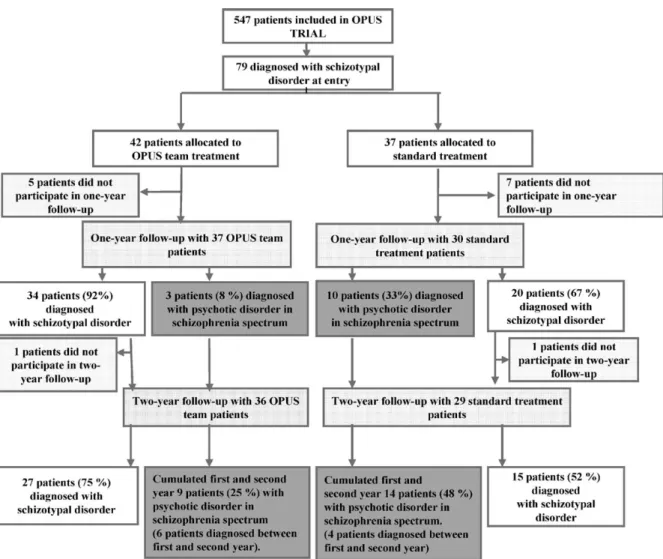
Fig. 1 shows the flow chart of the study. Analyses were based on intention-to-treat principles.
2.3. Integrated treatment
The intervention period was two years. Elements in integrated treatment were:
(a) A modified Assertive Community Treatment model (Stein and Test, 1980) focusing on young, first-episode psychotic patients, and provided by a multidisciplinary team (psychia-trist, psychologist, psychiatric nurse,
occupa-tional therapist and social worker). Case load was 1 : 10; home visits were an integrated part of the treatment model. The team member with primary responsibility for the patient provided regular assessment of symptoms (weekly) and, for patients with comorbid drug abuse, focused on helping the patient to reduce abuse of drugs. (b) Social skills training either in groups or
individually (Liberman et al., 1986).
(c) Psycho-education in multiple-family groups was offered to patients and their family mem-bers or friends (McFarlane et al., 1995; Jeppe-sen et al., 2005).
Treatment elements were applied according to the individual needs of the patients.
2.4. Standard treatment
Standard treatment consisted of the standard mental health service routines in Copenhagen and Aarhus. Standard treatment usually offered the patient treatment at a community mental health center. Each patient was usually in contact with a physician, a community mental health nurse, and in some cases also a social worker. Home visit was possible, but office visits were the general rule. In a small proportion of cases, the standard treatment included psychosocial interventions such as training in social skills or daily living activities, or supportive contacts with the family. The caseload of staff-members in the community mental health centers varied between 1 : 20 and 1 : 30; outpatient meetings took place approximately once a month. The opening hours were Monday to Friday from 9 a.m. to 4 p.m. Outside office hours patients had the possibility of referring themselves to the psychiatric emergency room at the local psychiatric department.
2.5. Antipsychotic medication
There were no specific guidelines for providing antipsychotic medication of patients with schizo-typal disorder in either of the treatment con-ditions. Antipsychotic medication was based on the decision of the psychiatrist responsible for treatment.
2.6. Randomization
All patients included were centrally randomized to integrated treatment or standard treatment.
2.7. Assessments
Independent assessors (PiJ, MA, PK, LP, AT, TC, JØ), who were psychiatrists, psychologists, or doctors under training as psychiatrists, con-ducted the follow-up interviews. For practical reasons, they could not be blinded for treatment allocation. At entry and at the one-year and
two-year follow-ups, the following information was collected:
!Main diagnosis and co-morbidity based on SCAN 2.0 (since 1999, SCAN 2.1) (World Health Organi-zation, 1998). Data concerning use of cannabis at least monthly was extracted from the substance abuse section (chapter 12, item 007) in SCAN. !Scale for Assessment of Positive Symptoms and
Scale for Assessment of Negative Symptoms (SAPS and SANS) (Andreasen and Olsen, 1982) are 6-point scales with the categories none, questionable, mild, moderate, marked, and severe. The scales are summed up in three dimensions: psychotic, negative, and disorganized (Andreasen et al., 1995).
!Socio-demographic factors.
Information about medical treatment was derived from complete medical records.
2.8. Outcome measures
Transition to psychotic disorder was the primary outcome measure. This was defined as being diag-nosed with an ICD-10 diagnosis of a psychotic disorder within the F2 spectrum: F20 schizophrenia, F22 delusional disorder, F23 brief psychotic disorder, F25 schizoaffective disorder, and F29 unspecific non-organic psychosis. Patients were diagnosed at one-year and two-one-year follow-ups. All available informa-tion (SCAN interviews, case records, SAPS inter-views) was used to determine the diagnosis.
Secondary outcome measures were psychotic, negative and disorganized symptoms (Arndt et al., 1995) based on SAPS and SANS interviews. 2.9. Inter-rater reliability
All assessors were trained in the SCAN interview at the WHO-collaborating center in Aarhus and trained in SAPS with live interviews. While the trial was conducted, live SAPS training interviews were carried out every second month. At the end of the trial, the intra-class correlation coefficient between assessors indicated good agreement (0.63) or very good agreement (0.88) (Bartko and Carpenter, 1976; Altmann, 1993).
M. Nordentoft et al. / Schizophrenia Research 83 (2006) 29–40 32
2.10. Statistical methods
Transition to psychosis was the primary outcome measure, and univariate and multivariate Cox-regression was used to estimate the relative risk for transition to a psychotic condition. Time was divided in only 0, 1 and 2 years. Patients were censored if they did not participate in interview and a full medical record was not available. Univariate and multivariate analyses were performed. Stepwise backwards regression based on Wald test was used to identify the final model. Treatment site was included as a mandatory variable in the multivariate analyses, even when it was not significant. The included variables were treatment group (integrated treatment and standard treatment), treatment site (Copenhagen and Aarhus), male gender, age, and use of cannabis more than monthly at entry to the study.
Analyses of psychotic, negative and disorganized dimensions were carried out with ANOVA and included baseline rating of the scale and treatment site as covariates.
Differences in proportion treated with antipsychotic medication were tested with Pearson’s Chi-square test.
Level of significance was 0.05. 2.11. Power calculation
Using Pocock’s formula (Pocock, 1996), we calcu-lated that 39 patients were required for each study group to show a difference in transition rate of 10% compared
with 40%. Thus, the study only has statistical power to detect large differences in transition rate.
3. Results
3.1. Participants at entry
During the three-year inclusion period, 79 patients diagnosed at entry with schizotypal disorder were included in the trial. Baseline characteristics of the patients in the two treatment groups can be seen in Table 1. A total of 20 were inpatients at the time of inclusion in the study, while 27 were referred from community mental health centers, 11 from general practitioners, six from private specialists in psychiatry and three from social services and counseling facilities. There were no significant differences between patient characteristics at entry in the two treatment groups.
3.2. Attrition
The 79 patients were included in the analyses. At the one-year and two-year follow-up interviews with SCAN, SAPS and SANS, 64 and 58 patients, respectively, participated. For an additional seven patients (three during first year, four during second year), who did not participate in the follow-up interview and for whom we had access to full case Table 1
Characteristics of 79 patients included in OPUS trial with schizotypal disorder at entry
Integrated treatmentN= 42 (53.2%) Standard treatmentN= 37 (46.8%) TotalN= 79 (100%)
Males,n(%) 31 (73.8) 22 (59.5) 53 (67.1%)
Age (mean, SD) 25.1 (5.6) 24.5 (3.9) 24.9 (4.9)
Longer than 10 years school education,n(%) 20 (48.8) 13 (35.1) 33 (41.8)
Living alone,n(%) 25 (61.0) 22 (59.5) 47 (59.5)
Living with partner,n(%) 4 (9.0) 10 (27.0) 14 (17.7)
Living with parents,n(%) 9 (22.0) 3 (8.1) 12 (15.2)
Homeless,n(%) 3 (7.3) 2 (5.4) 5 (6.4)
No children,n(%) 41 (97.6) 34 (91.9) 75 (94.9)
GAF, symptom scale (mean, SD) 45.2 (7.6) 45.4 (7.5) 51.6 (11.5)
GAF, function scale (mean, SD) 47.4 (9.7) 49.4 (12.9) 51.5 (14.2)
Psychotic dimension 0.86 (0.95) 1.05 (0.97) 0.95 (0.95)
Negative dimension 2.14 (1.19) 1.80 (0.98) 1.18 (1.11)
Disorganized dimension 0.86 (0.76) 0.65 (0.74) 0.76 (0.75)
Substance abuse, any,n(%) 9 (21.4) 8 (21.6) 17 (21.5)
Cannabis abuse, at least monthly,n(%) 9 (21.4) 7 (18.9) 16 (20.3)
records, it was possible to determine if there was a transition to a psychotic condition (see Fig. 1, flowchart). The analyses of transition rate were performed in two scenarios: 1) with data from patient interview and case records, and 2) with only data from patient interview.
Analyses revealed that none of the following variables was associated with dropout: treatment group, treatment site, gender, age, abuse of alcohol or drugs, psychotic, negative or disorganized symp-toms at entry. Dropout was more frequent among patients who reported use of cannabis at least monthly at entry compared to patients who reported no or less frequent use (37.5% vs. 12.7%,P= 0.02).
3.3. Transition to psychosis
In scenario 1, 67 patients were included in the year follow-up, and 65 in two-year follow-up. At one-year follow-up, thirteen patients were diagnosed with a psychotic disorder, all of them with schizophrenia. Among them, two patients were diagnosed with simple schizophrenia (F20.6).
By the end of the first year, the proportion with a diagnosis of psychotic disorder among patients randomized to integrated treatment was three out of 37 patients (equal to 8.1%). In comparison, ten out of 30 patients in the standard treatment group (equal to 25.0%) were diagnosed with a psychotic disorder. After the second year of treatment, nine out of 36 patients in integrated treatment (equal to 25.0%) compared to 14 out of 29 patients in standard treatment (equal to 48.3%) had been diagnosed with a psychotic disorder. In three cases, transition to
psychosis was based only on information from case records, and in all three cases psychotic symptoms were clearly described.
In the multivariate model (analyzed in scenario 1), male gender was associated with increased risk for transition to psychotic disorder (relative risk = 4.47, (confidence interval 1.30–15.33)), while integrated treatment reduced the risk (relative risk = 0.36 (confi-dence interval 0.16–0.85)); seeTable 2.
When the same analyses were performed for only patients who participated in SCAN-interviews at one-year and two-one-year follow-up (scenario 2), the final model included the same variables (male gender relative risk 4.2 (confidence intervals 1.2–14.6), integrated treatment relative risk 0.4, (confidence intervals 0.2–1.0)).
Antipsychotic medication was prescribed to 68% and 61% of all patients participating in one-year and two-year follow-up, respectively. There were no differences between treatment groups in the propor-tion of patients who were prescribed antipsychotic medication (see Table 3).
Nine out of thirteen (69%) with change in diagnosis to a psychotic disorder were treated with antipsychotic medication at one-year follow-up. At two-year follow-up, 15 of 23 (65%) patients with psychotic disorder were treated with antipsychotic medication. Among patients with psychotic disorder, there was no significant difference between treatment groups in the proportion treated with antipsychotic medication. However, among patients without transi-tion to psychosis, significantly more patients in integrated treatment received antipsychotic medica-tion (17 out of 27, (63%)) than in standard treatment
Table 2
Univariate and multivariate analyses of relative risk for transition to psychosis during first two years among patients with schizotypal disorder included in the OPUS trial
Univariate analyses Multivariate analyses
Relative risk Confidence interval P Relative risk Confidence interval P
Male sex 3.51 1.04–11.81 0.04 4.47 1.30–15.33 0.02
Age (years) 0.93 0.84–1.03 0.19
Integrated treatment 0.45 0.19–1.04 0.06 0.36 0.15–0.85 0.02
Copenhagen (Aarhus reference category) 0.81 0.34–1.92 0.83 0.61 0.26–1.47 0.27 Cannabis use at least monthly at baseline 1.80 0.66–4.88 0.25
All estimates are based on Cox-regression.
Multivariate analyses were based on backward Cox-regression with Wald test. Treatment site was included in the final model, although it was not significant.
M. Nordentoft et al. / Schizophrenia Research 83 (2006) 29–40 34
(3 out of 15, (20%)) (Chi-square 7.13, df= 1, Pb0.01).
In univariate analyses, use of cannabis at least monthly at baseline did not predict transition to psychosis (relative risk = 1.80 (confidence interval 0.66–4.88,P= 0.2)). At two-year follow-up, cannabis abuse was reduced to 10% in both treatment groups (data not shown).
3.4. Clinical outcomes
Table 3 shows the clinical outcomes in the two intervention groups at one-year and two-year follow-up. At one-year follow-up, integrated treatment was significantly better than standard treatment in reduc-ing negative symptoms (estimate 0.69 (95% CI 0.20 to 1.18), Pb0.01). Analyses were also carried out with antipsychotic medication and second generation antipsychotic medication separately as covariates. This did not change the parameter esti-mates significantly. At two-year follow-up, there were no statistically significant differences between treat-ment groups with respect to any clinical dimension. 4. Discussion
The results indicated that integrated treatment can inhibit or postpone transition to psychotic disorder better than standard treatment, and that male gender was a significant risk factor for transition. In univariate analyses, there was some indication that use of cannabis at entry to the study were associated with increased risk of transition into psychosis, but the difference did not reach level of significance. 5. The study’s limitations
5.1. Design
In our study, antipsychotic medication was based on the decision of the psychiatrist responsible for the treatment, and there was no specific protocol for the use of antipsychotic treatment. Thus, the study is not designed to evaluate whether being on medication delayed conversion. However, in integrated treatment, significantly more patients without transition to psychosis were prescribed antipsychotic medication
T able 3 Psy chotic, neg ative and disor ganize d symp toms and antipsyc hotic medication among patients with schi zotypal disor der inclu ded in the OPUS trial an d interviewed at one -year and two-y ear follo w-up s One-year follo w-up ( N = 62) T wo-y ear follo w-up ( N = 57) Integrated treatment N=3 7 Sta ndard treatme nt N =2 5 Para meter estim ate (95% CI ) P Integrat ed treatme nt N =3 2 Sta ndard trea tment N =2 5 Para meter estim ate (95% CI ) P Psy chotic symp toms, mean (SD ) a 0.53 (0.92) 0.83 (0.9 0) 0.21 ( 0.65 , 0.24 ) 0.4 0.52 (1.01) 0.98 (1.2 0) 0.51 ( 1.10 , 0.08 ) 0.09 Nega tive symptoms, mean (SD) a 2.19 (1.1 1) 0.71 ( 1.21 , 0.21 ) b 0.01 1.34 (1.33) 1.76 (1.2 3) 0.58 ( 1.26 , 0.10 ) 0.09 Disor ganized symp toms, mean (SD) a 0.48 (0.63) 0.42 (0.6 1) 0.03 ( 3.1 1, 2.53 ) 0.8 0.52 (0.61) 0.43 (0.6 5) 0.01 ( 0.34 , 0.33 ) 1.0 Pr oportion receiv ing antipsyc hotic medica tion, n (%) 24 (65%) 18 (72%) 0.8 22 (59%) 13 (52%) 0.3 All estimates are based on A NCOV A analyse s with baseline valu e o f the scale and treatment site as cov ariates. a Stati stical signif icance base d o n W ald test, logistic regre ssion ana lysis with treatme nt site as a cov ariate.
Table 4
Randomized clinical trials of interventions aiming to postpone or inhibit transition to psychosis
Study N Follow-up
period
Inclusion criteria Transition criteria Treatment conditions Transition rate
Early detection and intervention evaluation (EDIE)
(Morrison et al., 2004)
58 12 months 1) Transient psychotic symptoms
PANSS subscales: hallucination
N3 or delusionN3 or conceptual
disorganizationN4
A) Monitoring,N= 23 12 month
2) Attenuated psychotic symptoms
B) Cognitive therapy plus monitoring,N= 35
A) 22%
3) Trait plus state risk B) 6%
Personal assessment and crisis evaluation (PACE) (McGorry et al., 2002) 59 6 and 12 months 1) Transient psychotic symptoms BPRS subscales: hallucinations
N2, unusual thoughtsN3 (plus
delusional convictionN2 (CASH)
or conceptual disorganizationN3
A) Need-based intervention (case management plus antidepressants and benzodiazepines if needed),
N= 28 6 month A) 36% B) 10% 2) Attenuated psychotic symptoms B) Specific preventive intervention (CBT and risperidone),N= 31 12 month A) 36%
3) Trait plus state risk B) 19%
Prevention through risk identification, management and education (PRIME) (Woods et al., 2003; McGlashan et al., 2004; McGlashan et al., 2003)
60 12 months Criteria of prodromal syndromes (COPS)
Not specified A) Placebo,N= 29 24 month
1) Transient psychotic symptoms A) 35% 2) Attenuated psychotic symptoms B) Olanzapine (5–15 mg), N= 31 B) 16% 3) Genetic risk plus
functional decline OPUS. Early detection and
intervention
62 12 and 24
months
Fulfilling diagnostic criteria for schizotypal disorder in ICD-10
ICD-10 research criteria for psychosis in schizophrenia spectrum (F20, F22–29)
A) Standard treatment, outpatient contact with community mental health center. No fixed medication protocol
12 month A) 33% B) 8% B) Integrated treatment (assertive
community treatment with close monitoring (weekly), family treatment, social skills training). No fixed medication protocol
24 month A) 48% B) 25% M. Nor dentoft et al. / Schizophr enia Resear ch 83 (2006) 29–40 36
compared to standard treatment. This finding might indicate that the postponement of transition to psychotic disorder in integrated treatment could in part be mediated through antipsychotic medication. 5.2. Assessments
The assessors were independent but, for practical reasons, not blinded to treatment allocation. In some comparable studies that planned for assessors to be blind, blinding had failed, either because patients mentioned treatment conditions or used terms that revealed what kind of treatment they had been exposed to (McGorry et al., 2002; Morrison et al., 2004).
In Morrisons study (Morrison et al., 2004), researchers were able to follow the subject month by month in order to define the exact time of transition to psychotic condition. We used one-year and two-year follow-up diagnoses as endpoints in survival analyses.
Transition to psychotic disorder was in all cases based on a diagnosis of schizophrenia. It was not allowed to change the diagnosis from schizophrenia to schizotypal disorder, so in cases where symptoms had remitted, we considered the diagnosis to be schizo-phrenia in remission. In two cases, the transition to schizophrenia was based on prolonged negative symptoms resulting in a diagnosis of simple schizo-phrenia. This is not quite comparable with studies that only use psychotic symptoms as the basis for determining transition rate.
The sample size is relatively small, and the study only has enough power to detect large differences between treatment groups in transition rates and psychopathology. However, as can be seen from Table 4, the study is of the same size as other studies of transition rates.
6. The study’s strengths
The study was a prospective study with a sufficient sample size to allow conclusions to be drawn. The assessments were comprehensive and the assessors had no role in treatment. In rating psychotic symp-toms, reliability between assessors was good, which is crucial for determining transition rates.
7. Comparison with other studies
The results of the study were compared to results of other randomized trials of transition rate in the prodromal phase (seeTable 4) and found to be similar to the Australian study by McGorry et al. from treatment at the PACE clinic, although the criteria for inclusion in the two studies differed. The Australian study found a transition rate of 9.6% in specific preventive intervention and 35.7% in the need-based treatment after six months of treatment. The patient group included in the Australian study included: i) attenuated positive psychotic symptoms below thresh-old for frank psychosis; ii) family history of psychosis in first degree relatives in combination with deterio-rating social function; and iii) brief psychotic periods (up to one week) (BLIPS). We did not consider family history of psychosis as inclusion criteria, and patients were diagnosed with a psychotic disorder if psychotic episodes were not just occasional and transient. The Australian study compared need-based intervention with specific preventive intervention (cognitive behav-ioral therapy and low dose risperidone medication) (McGorry et al., 2002). Cognitive behavioral treatment was not offered systematically in any of the treatment conditions in our study, but social skills training and family involvement were based on cognitive behavior-al principles. These treatment elements were used systematically in the integrated treatment and were only used sporadically in standard treatment (Petersen et al., 2005).
A British randomized controlled trial included 58 patients with ultra high risk of developing a first-episode psychosis and compared cognitive therapy with monitoring (Morrison et al., 2004). The inclusion criteria were the same as in the Australian study, but there was no fixed protocol for antipsychotic medi-cation. Six percent in the cognitive therapy group and 22% in the monitoring group had transition to psychotic condition, based on evaluation with PANSS positive scale.
A randomized controlled trial (the PRIME study) comparing treatment with flexible doses of olanzapine with placebo included 60 patients and found an overall conversion rate to psychosis over two years of 35%, with significantly fewer in the olanzapine treated group (16%) than in the placebo group (38%). The other striking figure in that study was an 8.8 kg
weight gain in the olanzapine treated group (Woods et al., 2003).
8. What worked?
The study did not operate with a fixed protocol for pharmacological treatment, and psychiatrists were allowed to prescribe antipsychotic medication only in cases where it was evaluated to benefit the patient. However, among patients without transition to psy-chosis, significantly more patients in integrated treatment than in standard treatment were treated with antipsychotic medication. This finding might indicate that treatment with antipsychotic medication might postpone transition; or it might indicate that in some cases there could be a transition to psychosis, but the psychotic symptoms never became overt because of the antipsychotic medication.
The integrated treatment in the OPUS trial was not specially designed for prodromal cases. Because of lack of evidence concerning effective treatment in the first-episode population and prodromal patients, the specific treatment elements in integrated treatment (assertive community treatment, family involvement and social skills training) were chosen because of their effect in chronic populations of patients with schizo-phrenia (Marshall and Lockwood, 2003; McFarlane, 1995; Marder et al., 1996; Liberman et al., 1998) and applied with special focus on the problems facing young patients with first-episode psychosis or schiz-otypal disorder. The mechanisms behind the reduced transition rate might be closer monitoring of symptoms in integrated treatment than in standard treatment, and a higher proportion of non-psychotic patients being treated with antipsychotic medication. In analyses of all patients in the OPUS trial, integrated treatment reduced abuse of drugs significantly more than standard treatment (Petersen et al., 2005); however, analyses only among patients with schizotypal disor-der did not reveal any significant difference in reducing alcohol and drug abuse, and at two-year follow-up, there was no significant difference between treatment groups in the proportion with a diagnosis of secondary cannabis abuse. Therefore, it is not likely that the reduced transition rate was due to integrated treatment being more effective in reducing cannabis abuse.
The study was not designed to distinguish between the effect of different treatment elements, and the sample size is too small to conduct analyses in subgroups. Therefore, we cannot conclude which treatment elements were the most beneficial but must conclude that the integrated treatment with frequent contact with the same staff member and tailored to meet the needs of each individual patient in the framework of close monitoring is superior to standard treatment with less intensive treatment contact.
Integrated treatment was superior to standard treatment in reducing negative symptoms. This finding was significant at one-year follow-up, and marginally significant at two-year follow-up. The mechanisms behind this finding might be that integrated treatment through the higher frequency of contacts could enhance the relationship and thereby transfer hope, initiative and support. There is some limited evidence that cognitive therapy may be effective in improving negative symptoms (Rector et al., 2003; Sensky et al., 2000). In integrated treatment, elements from cognitive therapy were used in individual outpatient meet-ings and in social skills training and multifamily groups.
9. Clinical implications
This study included help-seeking young persons who were diagnosed with schizotypal disorder for the first time, and the results of the study indicate that integrated treatment can be recommended for this patient group. It has been discussed whether treating these patients with antipsychotic medication would implicate treatment of bfalse positive casesQ — that is, patients who would receive antipsychotic medication (with possible adverse effects) without displaying psychotic symptoms. The design of this study does not allow conclusions with regard to systematic use of antipsychotic medication, but it does indicate that offering close monitoring of symptoms, family involvement and social skills training to this patient group, together with the possibility of antipsychotic medication for sub-threshold symptoms, might reduce the transition rate or postpone the transition.
M. Nordentoft et al. / Schizophrenia Research 83 (2006) 29–40 38
Acknowledgements
The project has received grants from The Danish Ministry of Health (jr.nr. 96-0770-71), The Danish Ministry of Social Affairs, The University of Copen-hagen, The Copenhagen Hospital Corporation, The Danish Medical Research Council (jr.nr. 9601612 and 9900734), and Slagtermester Wørzners Foundation.
The Staff at Copenhagen Trial Unit planned and conducted the randomization procedure for the Copenhagen patients.
References
Altmann, D., 1993. Practical Statistics for Medical Research. Chapman & Hall, London.
Andreasen, N.C., Olsen, S., 1982. Negative v positive schizophre-nia. Arch. Gen. Psychiatry 39, 789 – 794.
Andreasen, N.C, Arndt, S., Alliger, R., Miller, D., Flaum, M., 1995. Symptoms of schizophrenia. Methods, meanings, and mecha-nisms. Arch. Gen. Psychiatry 52, 341 – 351.
Arndt, S., Andreasen, N.C., Flaum, M., Miller, D., Nopoulos, P., 1995. A longitudinal study of symptom dimensions in schizo-phrenia. Prediction and patterns of change. Arch. Gen. Psychiatry 52, 352 – 360.
Bartko, J.J., Carpenter Jr., W.T., 1976. On the methods and theory of reliability. J. Nerv. Ment. Dis. 163, 307 – 317.
Hafner, H., Loffler, W., Maurer, K., Hambrecht, M., an der, H.W., 1999. Depression, negative symptoms, social stagnation and social decline in the early course of schizophrenia. Acta Psychiatr. Scand. 100, 105 – 118.
Henquet, C., Murray, R., Linszen, D., Van, O.J., 2005. The environment and schizophrenia: the role of cannabis use 1. Schizophr. Bull..
Jeppesen, P., Petersen, L., Thorup, A., Abel, M.B., Oehlenschlaeger, J., Christensen, T.O., Krarup, G., Hemmingsen, R., Jorgensen, P., Nordentoft, M., 2005. Integrated treatment of first-episode psychosis: effect of treatment on family burden: OPUS trial 2. Br. J. Psychiatry 187, s85 – s90.
Jorgensen, P., Nordentoft, M., Abel, M.B., Gouliaev, G., Jeppesen, P., Kassow, P., 2000. Early detection and assertive community treatment of young psychotics: the OPUS study rationale and design of the trial. Soc. Psychiatry Psychiatr. Epidemiol. 35, 283 – 287.
lam, M., Hung, S.F., Chen, E.Y.H., 2004. Transition to psychosis in Chinese high risk population. Schizophr. Res. 70 suppl, 21 (Ref Type: Abstract).
Liberman, J., Mueser, K.T., Wallace, C.J., Jacobs, H.E., Eckman, T.A., 1986. Training skills in the psychiatrically disabled: learning coping and competence. Schizophr. Bull. 12, 631 – 647. Liberman, R.P., Wallace, C.J., Blackwell, G., Kopelowicz, A., Vaccaro, J.V., Mintz, J., 1998. Skills training versus psychoso-cial occupational therapy for persons with persistent schizo-phrenia. Am. J. Psychiatry 155, 1087 – 1091.
Marder, S.R., Wirshing, W.C., Mintz, J., McKenzie, J., Johnston, K., Eckman, T.A., Lebell, M., Zimmerman, K., Liberman, R.P., 1996. Two-year outcome of social skills training and group psychotherapy for outpatients with schizophrenia. Am. J. Psychiatry 153, 1585 – 1592.
Marshall, M., Lockwood, A., 2003. Assertive community treatment for those with severe mental disorders. Cochrane Library 5. Marshall, M., Lockwood, A., 2004. Early Intervention for
psycho-sis. Cochrane Database Syst. Rev. (CD004718).
McFarlane, W.R., 1995. Multiple-family groups and psychoeduca-tion in the treatment of schizophrenia. Arch. Gen. Psychiatry 52, 679 – 687.
McFarlane, W.R., Lukens, E., Link, B., Dushay, R., Deakins, S.A., Newmark, M., Dunne, E.J., Horen, B., Toran, J., 1995. Multiple-family groups and psychoeducation in the treatment of schizophrenia. Arch. Gen. Psychiatry 52, 679 – 687. McGlashan, T.H., Zipursky, R.B., Perkins, D., Addington, J., Miller,
T.J., Woods, S.W., Hawkins, K.A., Hoffman, R., Lindborg, S., Tohen, M., Breier, A., 2003. The PRIME North America randomized double-blind clinical trial of olanzapine versus placebo in patients at risk of being prodromally symptomatic for psychosis. I. Study rationale and design. Schizophr. Res. 61, 7 – 18.
McGlashan, T.H., Zipursky, R.B., Perkins, D., Addington, J., Miller, T., Woods, S.W., Hawkin, K., Hoffmann, R., Tohen, M., Breier, A., 2004. Pharmacotherapy in the prodromal phase of first psychosis: results and implications. Schizophr. Res. 70 (suppl), 6.
McGorry, P.D., 1998.bA stitch in timeQ... the scope for preventive strategies in early psychosis [see comments]. [Review] [64 refs]. Eur. Arch. Psychiatry Clin. Neurosci. 248, 22 – 31.
McGorry, P.D., Yung, A.R., Phillips, L.J., Yuen, H.P., Francey, S., Cosgrave, E.M., Germano, D., Bravin, J., McDonald, T., Blair, A., Adlard, S., Jackson, H., 2002. Randomized controlled trial of interventions designed to reduce the risk of progression to first-episode psychosis in a clinical sample with subthreshold symptoms. Arch. Gen. Psychiatry 59, 921 – 928.
Miller, T.J., Zipursky, R.B., Perkins, D., Addington, J., Woods, S.W., Hawkins, K.A., Hoffman, R., Preda, A., Epstein, I., Addington, D., Lindborg, S., Marquez, E., Tohen, M., Breier, A., McGlashan, T.H., 2003. The PRIME North America randomized double-blind clinical trial of olanzapine versus placebo in patients at risk of being prodromally symptomatic for psychosis. II. Baseline characteristics of the bprodromalQ
sample. Schizophr. Res. 61, 19 – 30.
Morrison, A.P., French, P., Walford, L., Lewis, S.W., Kilcom-mons, A., Green, J., Parker, S., Bentall, R.P., 2004. Cognitive therapy for the prevention of psychosis in people at ultra-high risk: randomised controlled trial. Br. J. Psychiatry 185, 291 – 297.
Petersen, L., Jeppesen, P., Thorup, A., Abel, M.B., Ohlenschlaeger, J., Christensen, T.O., Krarup, G., Jorgensen, P., Nordentoft, M., 2005. A randomised multicentre trial of integrated versus standard treatment for patients with a first episode of psychotic illness 1. BMJ 331, 602.
Pocock, S.J., 1996. Clinical Trials. A Practical Approach. John Wiley & Sons, Chichester.
Rector, N.A., Seeman, M.V., Segal, Z.V., 2003. Cognitive therapy for schizophrenia: a preliminary randomized controlled trial 1. Schizophr. Res. 63, 1 – 11.
Sensky, T., Turkington, D., Kingdon, D., Scott, J.L., Scott, J., Siddle, R., O’Carroll, M., Barnes, T.R., 2000. A randomized controlled trial of cognitive-behavioral therapy for persistent symptoms in schizophrenia resistant to medication. Arch. Gen. Psychiatry 57, 165 – 172.
Skeate, A., Pattersen, M., Birchwood, M., 2004. Transition to psychosis in a high-risk sample: the expirience of ED:IT, Birmingham, UK. Schizophr. Res. 70 Suppl, 44 (Ref Type: Abstract).
Stein, L.I., Test, M.A., 1980. Alternative to mental hospital treatment. I. Conceptual model, treatment program, and clinical evaluation. Arch. Gen. Psychiatry 31, 37 – 42.
Thorup, A., Petersen, L., Jeppesen, P., Ohlenschlaeger, J., Chris-tensen, T., Krarup, G., Jorgensen, P., Nordentoft, M., 2005. Integrated treatment ameliorates negative symptoms in first episode psychosis—results from the Danish OPUS trial 2. Schizophr. Res 79, 95 – 105.
Woods, S.W., Breier, A., Zipursky, R.B., Perkins, D.O., Addington, J., Miller, T.J., Hawkins, K.A., Marquez, E., Lindborg, S.R., Tohen, M., McGlashan, T.H., 2003.
Random-ized trial of olanzapine versus placebo in the symptomatic acute treatment of the schizophrenic prodrome. Biol. Psychi-atry 54, 453 – 464.
World Health Organization, 1992. The ICD-10 Classification of Mental and Behavioural Disorders. Clinical descriptions and diagnostic guidelines. WHO, Geneva.
World Health Organization, 1993. The ICD-10 Classification of Mental and Behavioural Disorders. Diagnostic Criteria for Research. World Health Organization, Geneva.
World Health Organization, 1998. Schedule for Clinical Assessment in Neuropsychiatry, version 2.1. Division of Mental Health. Present State Examination. World Health Organization, Geneva. Yung, A.R., McGorry, P.D., 1997. Is pre-psychotic intervention realistic in schizophrenia and related disorders? [see comments]. [Review] [21 refs]. Aust. N. Z. J. Psychiatry 31, 799 – 805. Yung, A.R., Phillips, L.J., McGorry, P.D., McFarlane, C.A.,
Francey, S., Harrigan, S., Patton, G.C., Jackson, H.J., 1998. Prediction of psychosis. A step towards indicated prevention of schizophrenia. Br. J. Psychiatr., Suppl. 172, 14 – 20.
Yung, A.R., Phillips, L.J., Yuen, H.P., Francey, S.M., McFarlane, C.A., Hallgren, M., McGorry, P.D., 2003. Psychosis prediction: 12-month follow up of a high-risk (bprodromalQ) group. Schizophr. Res. 60, 21 – 32.
M. Nordentoft et al. / Schizophrenia Research 83 (2006) 29–40 40