Perspecti
V
e
Parallel Personal Comments on “Classical” Papers in Combinatorial Chemistry
Michal Lebl*
Trega Biosciences, 9880 Campus Point DriVe, San Diego, California 92121 ReceiVed NoVember 12, 1998
Do not follow where the path may lead. Go instead where there is no path and leave a trail. sAnonymous (provided by Sheila DeWitt) It is appropriate to start this new journal with an article
about the history of this particular fieldsespecially when
the field is so new that even the basic terminology is not completely defined.†When I was asked to write an article about the history of combinatorial chemistry, I believed that it would not be too difficult since I was engaged in this exciting new technology from the start of the first combi-natorial chemistry company, Selectide Corporation in Tuc-son.‡To make this historical retrospective more objective, I decided to consult with several scientists who published in this field at the early stages and whose articles may be considered as having formed the new way of thinking about the techniques used to develop new drugs and catalysts and an unlimited variety of materials. After reading the responses of my colleagues, it was clear that when we were building Selectide in 1991, there were scientists already heavily engaged in creating and using diversity in various forms. Some people were exploring this new field without even realizing it. I can document this fact from my own experi-ence. In 1988, we published a paper with Giorgio Fassina and Irwin Chaiken1in which we synthesized a mixture of analogues of oxytocin by coupling a mixture of amino acids in one step of the synthesis and applying this mixture to the column with immobilized neurophysin. The analogues with an affinity toward neurophysin were retained on the column, and after elution their structures were analyzed. None of us
realized the potential of this technique for the development of new drugs; at that time we were “entrenched” in the approach of making one compound at a time, analyzing it, and evaluating it biologically. However, even in the 1990s the world was not ready to accept the idea of building libraries of organic molecules and screening them to find interesting compounds. It took another several years before an academic course of combinatorial chemistry was offered to students at The University of Louisville in 1996 by Professor Arno Spatola.
The new chemists graduating from schools in the next couple of years will not be surprised when asked to prepare a couple hundred thousand compounds for the screening project next week. Just seven short years ago the response at a presentation to a major pharmaceutical company to the exposure of the library technology was not only skepticism but absolute certainty that this technique may never work and that it will never be applied in a pharmaceutical industry. There is no serious company today who would not have its own group of chemists, or even a department, working in this area. Combinatorial chemistry, however, even though somewhat fashionable today, will become an absolutely routine technique tomorrow and will be applied in situations where its application is optimal. These special groups and departments will eventually get dissolved into medicinal chemistry, lead discovery, and lead optimization, just as NMR spectroscopy grew from specialized laboratories into freely accessible instruments available for day to day research.
Back when we were discussing the question of “Who is the father of molecular diversity?” in the rather controversial review article written with Viktor Krchnˇa´k2 (one referee suggested that this type of article should never be published in a scientific journal, the second referee recommended the publication with high priority), we concluded that there is no “father of diversity”. However, there is a “Mother of diversity”sMother Nature. Well, she did not publish Her
findings anywhere, but maybe this is due to the fact that the experiment is not finished yet. What can be a better way of * Tel: (619) 550-9636. Fax: (619) 550-9666. E-mail: [email protected].
†Today, the term “combinatorial chemistry” is used for techniques to synthesize, in parallel, more than one compound. This is obviously not correct, since to make something combinatorial, one should perform at least one combinatorial step in the synthesis (i.e., a step in which the number of processed compartments (reaction vessels) is lower than the number of prepared compounds). (Ed. Note: This opinion does not reflect JCC’s current Guidelines.)
‡I thought that I would be writing about how we hired inexpensive labor, bought used laboratory equipment from Bilinski’s shop in the middle of the desert, built the laboratories from kitchen furniture, how the purchase of the major equipment was decided by the result of the tennis match, how the decapeptide sequenced in the evening was synthesized and HPLC-purified during one night, how the technology was believed to be so unique that it should not even be patented, or how the seed capital of $100,000 turned into 22 times more (even though company was less than one week from the “brick wall” in the process).
3
J. Comb. Chem. 1999, 1, 3-24
10.1021/cc9800327 CCC: $18.00 © 1999 American Chemical Society Published on Web 12/23/1998
creating a mixture of everything, than putting all elements in one pot and heating it, and cooling it, and compressing it, and whatever...for several billion years. Some results are known, for example you and me”. Nevertheless, I thought that it may be interesting to ask several scientists who may be considered to be at least “stepparents of diversity” to comment on their published “seminal” papers and to discuss how they came up with their ideas and how they feel about their papers today. As in any competitive area of human activity, there are stories about misappropriated ideas, publications based on overheard conversations, patent ap-plications without any experimental support, etc. It is partially understandable, since scientists are rather intelligent people and they figured out that combinatorial chemistry is an area still waiting for its Nobel Prize winner, and very likely, one or more of the scientists commenting in this article on his/ her seminal paper in molecular diversity and combinatorial chemistry will be invited to Stockholm one of these days. It is impossible to select all seminal papers, and inevitably some very important papers were omitted. On the other hand, not all authors asked to comment on their papers responded. Maybe they did not consider their paper important or they were busy writing something even more seminal. Curiously, there were almost no suggestions for additional authors who should comment on their “classical” paper in this field.
This article is not to be considered a review paper. The attempts to review this field were published in a number of articles (let us quote here as an example only articles published in Chemical ReViews),3-11and several books were dedicated to the subject.12-23 To cover the exponentially expanding field of combinatorial chemistry, molecular diversity, and biomolecular screening, several journals were created.§Everything ever published or patented in these fields is being continually compiled, and the compilations are available on the Internet (www.5z.com/divinfo).
Combinatorial chemistry started (very appropriately) in parallel in several laboratories in the world. A number of scientists were thinking about how to make more compounds in a shorter period of time. Three approaches emerged almost simultaneously: (i) Frank in Germany synthesized nucle-otides and later peptides on the circles of cellulose paper,24 (ii) Geysen in Australia came up with the idea of synthesizing peptides on functionalized polypropylene pins25dipped into the wells of microtiterplates containing appropriate activated amino acids, and (iii) Houghten in San Diego started to synthesize peptides in “tea bags”scompartments made of
polypropylene mesh encapsulating classical polystyrene-based functionalized resin.26 All these approaches later resulted in the formation of new companies dedicated to the commercialization of these technologies. But these papers
were just catalysts for the change in thinking about new paradigms in synthesis and screening. Another strong impetus was the works utilizing molecular genetics of phage for displaying randomized proteins on its surface.27 Together with the ultrahigh-density synthesis of peptides on the surface of the glass chip,28these techniques changed the thinking about numbers of compounds from hundreds to millions and billions. However, these techniques were still working with individual compounds only.
Another mental leap was required for acceptance of techniques applying mixtures for finding active compounds. Mixtures of nucleic acids contacted with target compound (protein) could be enriched in components expressing binding to the target. This enriched mixture can then be amplified, and repetition of this process results in identification of individual molecule with highly specific affinity toward the target. This technique was simultaneously discovered by two groups29,30 and led to the formation of a new company, NeXstar. The technology utilized the unique feature of nucleic acidssthe possibility of amplification, which cannot
be duplicated in any other type of organic molecule. Accept-ance of mixtures in peptides and small organic molecule areas was much more difficult. As you can read in Geysen’s comment, his paper describing the mixture technique31was rejected by the most prestigious journals, just because dealing with mixtures and not individual characterized entities was not acceptable for the scientific community.
An elegant method of creating peptide mixtures by synthesis was presented by Furka at two European symposia in 1988. However, this method was not published until 1991,32and at the same time two groups published the same method in the same issue of Nature.33,34Lam34recognized an important feature of the split and mix synthetic methods
every individual bead carries a different peptide and there-fore, if exposed to the appropriate selection mechanism (interaction with the receptor and marking labeled bead by colorimetric reaction), the library reveals its promising components which can be selected and structure determined. This technique was later expanded by development of various tags for screening libraries of organic molecules,35-37 some-times with tags hidden “inside” of the individual beads.38 The one-bead-one-compound technique was expanded to screening in solution39 or in cell-based assays.40,41 Very creative modification of this screening method for enzyme substrates and inhibitors was the technique based on internal fluorescence quenching.42One-bead-one-mixture is the prin-ciple of the “library of libraries” technique, combining the creation of defined mixtures and screening of individual beads.43Very interesting and relatively underutilized is the technique of “orthogonal libraries” based on the principle of the creation of two sets of mixtures in which the same compound is contained in two different mixtures and observed activities of the mixtures can be used for the identification of the compound responsible for the activ-ity.44,45 Janda et al. have shown that libraries can be conveniently built not only utilizing solid-phase synthesis, but also with the use of soluble polymers as carriers.46
Interestingly, the solid-phase synthesis technique, invented by Merrifield47 and nowadays completely routine for the §Printed journals: Molecular DiVersity (Kluwer, 1995, first two volumes
are also available on the Internet at http://www.5z.com/moldiv/), Journal of Biomolecular Screening (Mary Ann Liebert, Inc., Publishers, 1996), Combinatorial Chemistry & High Throughput Screening (Bentham Science Publishers, 1998), Current Opinion in Drug DiscoVery & DeVelopment (Cur-rent Drugs, 1998). A selection of articles covering combinatorial chemistry is available from the Internet journal Network Science at http://www.netsci. org/Science/Combichem/. A selection of articles published by the Tetra-hedron family of journals can be found at http://oxford.elsevier.com/tis/ cctext.html and will later become “Combinatorial Chemistry: An Online Journal” at http://oxford.elsevier.com/tis/combinatorial/announce.htm.
synthesis of peptides and nucleotides, created a lot of excitement when applied to the synthesis of “other” organic molecules. This excitement of 1993-1995 is actually quite surprising, considering the works of Clifford Leznoff, who worked on solid-phase organic synthesis for years (his series “The use of polymer supports in organic synthesis” started in 197248), or key papers of Camps and colleagues,49,50 or papers of Patchornik51and Rappoport52from 1970. But only after the publication of the heavily cited papers of Bunin and Ellman,53Chiron’s group,54and the group of Parke-Davis scientists55was it quickly shown that basically any organic reaction can be performed on solid-phase (for compilations of reactions successfully applied, see refs 56 and 57) and that multiple synthesizers can be built similarly to the peptide synthesizers.55,58The explosive growth of interest in this area is illustrated in Figure 1.
Let us hear what the authors of some of these papers have to say about their experience in the dawn of the combinatorial chemistry era.
Ronald Frank
Although the publication titled “A new general approach for the simultaneous chemical synthesis of large numbers of oligonucleotides: segmental solid supports” which ap-peared in July 1983 in Nucleic Acids Research24 did not become my personal citation classic, I consider it my most innovative contribution to research which still has impact on my current work. The motivation to conceive a new method for the efficient chemical synthesis of many different compounds applied to oligonucleotides originates from my diploma and doctoral research at the University of Hamburg between 1974 and 1979. Fortunate circumstances led me to join a young group of chemists headed by Hubert Ko¨ster at the Institute of Organic Chemistry and Biochemistry. This group integrated me into an exciting project on the synthesis of a small gene coding for the peptide hormone Angiotensin II. As a chemist, I was fascinated by the power of the emerging techniques of genetic engineering with new
methods for DNA manipulation and clonal selection of virtually single molecules from synthetic mixtures. I was particularly intrigued by the input from organic synthesis on these developments, the contribution of Khorana’s group at the Massachusetts Institute of Technology to the elucida-tion of the genetic code being the most dramatic example. For the Angiotensin II gene, a concept developed by Khorana’s group for the construction of an alanine tRNA gene was adopted. It involved the synthesis of small (5- to 20-mer) fragments covering head to tail both strands of the double helix and each overlapping in their sequences with two fragments from the opposite strand. These fragments are then covalently linked (ligated) with the help of a DNA ligase upon forming the double strand by hybridization. I worked partially on the gene synthesis project but focused more on general strategic aspects for the assembly of double-stranded DNA with the aim of optimizing the design and use of the synthetic fragments as well as their efficient enzymatic ligation. The uniform structure of DNA suggested to me a more rational assembly strategy.
At that time, I began speculating on the potential of having a complete universal set of oligonucleotide fragments of unitary length (an oligonucleotide library in modern terms) that could be used to assemble any DNA sequence at will and in particular series of variants (mutants) for systematic functional screening through simple fragment exchange. This universal set had to be in a format that allowed immediate retrieval of the required fragments and mixing them together to enzymatically form the DNA. The number of fragments required (4mwhere m is 10 or 12, or a reduced set for only
protein coding genes of 24(triplets)t where t is 3 or 4),
however, was far larger than several ten, even hundred, thousands and exceeded what was reasonable at that time. Oligonucleotide synthesis was still a formidable task, and it took months to prepare a relatively short oligo by solution-phase chemistry. The requests from biologists, however, increased tremendously, and reliable solid-phase synthesis methods soon became available in about 1978 through the work of several groups. Novel support materials were developed as the classical Merrifield resin was not efficient enough for oligo synthesis. The first automated synthesizers (gene machines) arrived on the market in the early 1980s. But even these machines were not effective (fast and parallel) enough for my task.
It took two more years in which I moved together with my colleague, Helmut Blo¨cker, to the GBF (the German National Research Center for Biotechnology) until I found a conceptual solution for the numbers problem. This approach was new compared to those of other groups working at that time on either the parallel synthesis in reactor arrays or the stochastic synthesis with mixtures of nucleotide monomers (mixed primers or probes). My central idea was to utilize the support material itself to keep individual growing compounds separated during the series of assembly steps. This allows one to combine many support segments carrying different growing molecules into one reactor and reacting these simultaneously with one type of reagent (monomer or mixture of monomers). After each elongation cycle, the segments are simply reorganized for the next monomer Figure 1. Number of articles dedicated to solid-phase organic
synthesis (papers dealing with synthesis of peptides and nucleic acids are not included). Value for 1998 was estimated from the first nine months. Note the year of 1989: Papers from 4th International Conference on Polymer Supported Reactions in Organic Chemistry were published in the journal ReactiVe Polymers. (Data from http://www.5z.com/divinfo/spos.html.)
addition. This procedure effectively reduces the number of separate chemical reactions required for the assembly of n compounds with m assembly steps incorporating r different monomers per step down to r×m compared to n×m for any parallel approach. The larger n is compared to r, the more significant is the benefit. This is particularly evident with nucleic acids where r equals only 4. The resulting process is a truly combinatorial one in modern terms and anticipated the “tea bag” method as well as the “mix and split” method.
The experimental realization of this approach was very much determined by the chemistry and application of oligonucleotides. This required that (i) each segment should be quite small as only minute amounts of the product were needed (some nanomoles), (ii) these could be combined to give only a minimal void volume as the excesses of monomers were quite precious materials, (iii) the chemical reactions could be carried out under appropriate conditions with exclusion of moisture and air, and (iv) each individual product could be immediately identified and retrieved from the collection. The latter prerequisite led to the most difficult problem of indexing the support segments. We investigated numerous materials based on resins used in oligonucleotide synthesis such as glass fiber membranes, silica gel in porous plastic bags, Teflon frits, etc. However, ordinary chroma-tography paper made from pure cellulose (cotton linters) most easily fulfilled all the criteria, not perfectly but reasonably well (see Figure 2A). The texture of this material was particularly useful: it is easily derivatized, small pieces of any form could be cut from paper sheets, these are easily indexed with simple black carbon markings, e.g., by pencil, and they can be tightly stacked into a column type reactor. The nucleic acid community recognized this method quite readily, and several papers appeared in the following years which improved chemical and technical details of the “filter disk” method, including better supports and attempts toward automation. Although DNA synthesizers were advanced and perfected impressively, allowing the rapid assembly of oligonucleotides of more than 200 nucleotide units with cycle times of less than 5 min, a leading custom-synthesis company is utilizing a type of segmental support process, the Abacus, to manufacture thousands of oligos per day. Oligonucleotide repertoires (banks) and synthetic genes have become com-mercial products.
Cellulose is a problematic support for oligonucleotide synthesis due to residual hydroxyl groups accessible for esterification. This drawback is less relevant with peptide synthesis. With the aim of adopting the methodology, I was given the opportunity to establish a peptide synthesis group at the GBF primarily to support the immunologists at the institute. The following years were much stimulated by the exciting work of M. Z. Atassi and M. Geysen et al. on the systematic analyses of epitopes by use of synthetic peptides. I spent February 1985 in the lab of Bernd Gutte to learn the Merrifield Boc-synthesis and immediately began experiments with the cellulose support in Zu¨rich. About the same time, Jutta Eichler from the lab of Michael Bienert in Berlin together with Michal Lebl in Prague worked on the same project. They, however, favored then a different cellulose
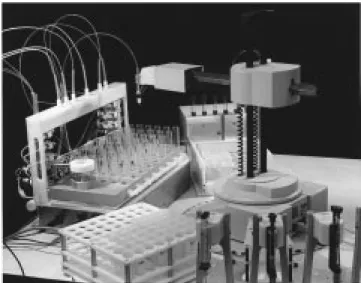
form, the cotton tissue.59Cellulose paper only became more widely used in the context of another type of multiple synthesis technique, the spotting method, published by us in 1992 in Tetrahedron60under the title “Spot-synthesis: an easy technique for the positionally addressable, parallel chemical synthesis on a membrane support”. The idea evolved from attempts toward miniaturization and automation of simultaneous peptide synthesis considering existing powerful parallel synthesis methods such as the multi-pin method and automated parallel synthesizers based on pipet-ting robots. A relevant patent application by E. Southern from 198861on the generation of oligonucleotide arrays only came to my knowledge when the method was published in 1992. Again the texture of cellulose paper suggested the most easy and flexible way of generating spatially separated sites for simultaneous synthesis on a continuous membrane surface. Upon dispensing a small droplet of liquid, the droplet is absorbed and forms a circular spot. Using a solvent of low volatility containing appropriate reagents, such a spot forms an open reactor for chemical conversions involving reactive functions anchored to the membrane support. This principle Figure 2. Simultaneous chemical synthesis on segmented, mem-brane-type solid support as developed at the GBF in Braunschweig, Germany. (A) The “filter disk method” of 1983 (with the hand of Helmut Blo¨cker). (B) The “SPOT synthesis method” of 1990 (with the hand of Sinan Gu¨ler).
was later called “inclusion volume solid-phase synthesis”.62 A great number of separate spots can be arranged as an array on a larger membrane sheet, and each of the spots is individually addressable by manual or automated delivery of the corresponding reagent solutions (see Figure 2B). Synthetic steps common to all spot reactors are carried out by washing the whole membrane with respective reagents and solvents.
The SPOT synthesis concept is particularly convincing because of its simplicity and integrity; part of this is the ingenious use of the bromophenol blue stain for monitoring free amino functions developed by Viktor Krchnˇa´k and colleagues in Prague,63which makes peptide SPOT synthesis a very colorful experience. In fact, the realization of the idea was so easy that a biochemistry student from Berlin, Sinan Gu¨ler, who came to my lab for only a six-week practical course, actually set up the whole manual process including the bioassay, an antibody epitope mapping experiment. The collaboration with Heinrich Gausepohl at ABIMED Ana-lyzen-Technik on the automation of the spotting process then opened up the full potential of the technique by assessing many thousands of syntheses in a high-density array format utilizing reaction volumes of less than 100 nL. The SPOT patent application64was filed in August 1990 shortly after Affymax’s disclosure of the photolithographic synthesis. Although not as impressively miniaturized as the Affymax system, SPOT synthesis clearly fulfills similar demands but with the ease of experimental performance, inexpensive equipment requirement (sometimes regarded as “poor man’s Affymax”), and flexibility of array and library formatting. Consequently, SPOT synthesis became a rapidly accepted method. The larger scale of individual products available, the excisability of individual sites, and the release of products as well as bound ligands into solution offers experimental possibilities not accessible with the Affymax arrays. Cur-rently, SPOT synthesis of peptide and other oligoamide libraries (peptoids, PNA) is being applied to numerous different types of assays and library approaches that are developed in labs all around the world, notably by the group of Jens Schneider-Mergener at the Charite´ in Berlin.
Mario Geysen
Looking Back to 1981 (September). The idea that small
peptides might illicit antibody responses in animals able to bind to the protein antigen with which the peptide shared sequence homology, and even possibly neutralize the infec-tivity of the protein-bearing microorganism, suggested excit-ing possibilities for “synthetic” vaccines. At the same time it highlighted our inability to predict or identify (still true) epitopes by any general procedure, despite the recent introduction of rapid protein sequencing by directly reading the genetic code itself. If any insight occurred it was to “invert” the problem, and assuming that the complete or universal set of epitopes could be produced, the problem of epitope identification would be reduced to carrying out an appropriate assay with a target antibody and this set of epitopes to “indicate” the correct member. After winning approval to attempt the production of this universal set of epitopes (peptides), a project to validate all of the necessary
steps of synthesis and testing was begun at Lelystad in The Netherlands.
Our paper titled “Use of peptide synthesis to probe viral antigens for epitopes to a resolution of a single amino acid”25 validated an ability to synthesize in parallel hundreds of peptides in a reusable format suitable for ELISA assay with antibodies. This work combined the substantial contributions made by Merrifield (solid-phase synthesis), Smith et al. (demonstration of antibody assay with resin attached peptide), ICI scientists (radiation grafting of polyethylene surfaces), and laboratories developing ELISA assay. This work also suggested that the general identification of epitopes would likely require the synthesis of and ability to test all peptides of length>6 residues, clearly difficult to achieve as discretes. It, however, also led to the concept of encoding by pooling based on the structure-activity relationships observed for various epitope antibody interactions.
For us, the definitive paper was that titled “A priori delineation of a peptide which mimics a discontinuous antigenic determinant”.31Here we reduced to practice the synthesis and use of a large encoded library (modern term) of peptides and, with successive rounds of testing, synthesis, and optimization, identified several ligands for a specific antibody. It is worth noting that the peptide library was synthesized in April 1984. The paper was originally submit-ted to Nature, where it was rejecsubmit-ted after 10 months, the work was presented at a CIBA foundation meeting in London in 1985,65 and finally it was accepted by Molecular Im-munology in 1986. This paper represents the first description of the preparation of an encoded library and its use and also (see abstract) suggested that this technology should be applicable to receptors in general. Another important distinc-tion is that the applicadistinc-tion of the method as described solved an otherwise unattainable outcome in that it identified a peptide mimic for a discontinuous antigenic determinant (see paper). We were not prepared to publish easier obtainable demonstrations of the procedure using antibodies to linear epitopes as these were better obtained from the peptide set equating to the protein sequence of the antigen, something almost universally the subject of the initial peptide library work of others.27,28
How Do I Feel Today about Our Papers? Looking back,
the second half of the 1980s was very frustrating in that the application of peptide libraries to immunology was very successful, whereas attempts to demonstrate a useful result with more conventional receptors failed with one exception. During a three-year collaboration with Genentech, we worked with three human receptors: insulin, growth hormone, and the IIBIIIA integrin receptor. It proved relatively easy to find binding peptides to the latter, as expected, given the linear motif of RGD, but all attempts to find reasonable binders for the other two failed. With hindsight it is easy to see why that was the outcome; however, it made it very difficult for us to sell the idea to the pharmaceutical industry.
All in all, the last 15+years have been scientifically very challenging, and it certainly was rewarding being a part of the overall development of a “new” field of science which is now taken more or less for granted.
Richard A. Houghten
My interest and involvement in the technologies now generally termed combinatorial chemistry goes back to my graduate school and postdoctoral years. In 1971 I was a graduate student working on bicyclic guanidine heterocyclic chemistry under the direction of Professor Henry Rapoport at the University of California at Berkeley. I was given a short side project, the synthesis of a tripeptide by solution-phase methods. This “short project” required approximately 6 weeks to complete both the synthesis and characterization of not only the desired tripeptide but also all of the intermediates in the synthesis. In 1975 as a postdoctoral fellow in Professor C. H. Li’s laboratory at the University of California at San Francisco, I prepared a simple decapep-tide by Merrifield’s solid-phase approach.47 The manual solid-phase synthesis of this peptide took less than two weeks to carry out, including purification by ion-exchange chro-matography and characterization by amino acid analysis and RP-HPLC. Some say that “necessity is the mother of invention”, but in my case I was drawn to the time saved by this synthetic method so that I had more time for intriguing scientific and extracurricular pastimes (this was, after all, San Francisco in the 1970s). While a postdoc I also prepared 20 different 31-residue analogues ofβ-endorphin. These had to be prepared one at a time by manual solid-phase synthesis and took several months of full time and often very tedious work. Even as a postdoctoral fellow, I was drawn to timesaving approaches and tried to develop a method for what is now called parallel synthesis. Using porous glass tubes (obtained from broken aeration tubes), I reasoned that I could carry out all of the simple wash, neutralization, and other common steps on multiple resins in a single reaction vessel if they were contained in separate glass fritted tubes. While in fact the compartmentalization concept was sound, this particular manifestation resulted in many broken fritted tubes and few peptides.
Tea Bag Technique. Automated solid-phase synthesizers
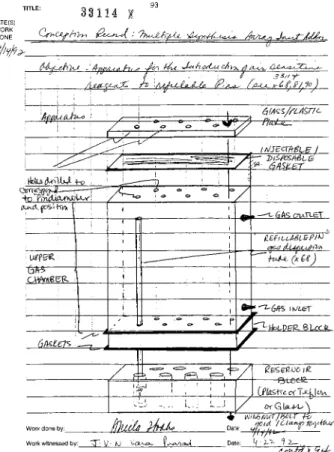
were the primary means used by my laboratory to prepare peptides between 1975 and the early 1980s. From 1980 to 1984, while on the faculty of the Scripps Research Institute working with Richard Lerner, my laboratory was making approximately 600 peptides per year using five automated synthesizers. In every study carried out in my lab and in collaborations with others, the number of peptides available was the limiting factor in completing these studies. In other words, the biologists were put into the position of having to beg, borrow, or steal to get even close to the minimum number of peptides they needed to carry out their studies. Mario Geysen’s publication of the pin technology for parallel synthesis25prompted a rethinking of my failed postdoctoral fritted glass experiments. The “ah hah” moment for the parallel synthesis approach now referred to as the tea bag technique occurred in my laboratory at Scripps in August of 1984 (the name was prompted by Ron Cook of Biosearch when, during an early presentation of this work, he pinned a tea bag onto my poster). It was immediately clear to me how much time we could save if we could simply put the resin into little plastic bags (Figure 3). Then all the common wash, neutralization, and deprotection steps could be carried
out in a single reaction vessel, and the resin packets could be treated separately only when an additional protected amino acid needed to be added. It was quickly evident that we could not only greatly shorten the common steps of the synthesis process but we would also not have to rely on automated synthesizers (they were notorious for having a large amount of downtime in the early 1980s). Then came the real world nuts and bolts of actually making these concepts practical (what should the packets be made from, how large a packet, how much resin in each one, how to label the packets, would there be cross-contamination during the synthesis, etc.). One story of youthful overconfidence involved the first large synthesis we carried out within a few weeks of the idea. We made 550 resin packets and proceeded to carry out the synthesis of 550 different peptides (about the capacity of our group for a year at the time, and the total number of peptides available in a peptide supply catalog). The synthesis of the shorter peptides was proceeding well, with the others moving toward completion, when we realized that the packets were rapidly losing their label numbers. We had used a simple dye-based marking pen to label the packets, which were heat-sealed. The dye, however, slowly leached out during the synthesis process. We were left with about 300 bags without labels and learned a good lesson about moving forward too quickly. The resin packet labeling problem was solved by simply using graphite-based ink. We now had an efficient means to make protected peptide resins and peptides. This was first published in 1985 (“General method for the rapid solid-phase synthesis of large numbers of peptides: Specificity of antigen-antibody interaction at the level of individual amino acids”26) and patented in 198666in which we prepared 260 13-mer peptides and used them to generate a fingerprint of the substitution analogues of a monoclonal antibody to the influenza hemaglutinin protein. This study would not have been carried out using methods available at that time due to the cost of preparing 260 separate 13-mers. The next hurdle was the cleavage of the large number of protected peptide resins we could now prepare, since at the time we were cleaving each peptide resin separately. To get past this roadblock we developed a multiple HF cleavage apparatus, which cleaved 24 peptides simultaneously.67We were now confident that we had a very efficient means to rapidly synthesize at least 10-fold more peptides than we were previously capable of preparing, and very importantly, we could do this with the same laboratory space, the same technical staff, and the same budget (always important!). Realizing the commercial value of these methods of peptide Figure 3. “Blue print” of the “tea bag”.
synthesis, I founded Multiple Peptide Systems in 1986 (the traditional “answering machine in my garage” approach so popular in San Diego). These methods now enabled studies to be readily carried out that were previously impossible for time or economic reasons. Very quickly, however, the shear numbers of peptides needed outstripped our ability to prepare them and led to my next professional “ah hah.”
Mixture-Based Combinatorial Libraries. While at a
meeting in September of 1984 following a stressful, jet-lagged seminar, I woke up in the middle of the night with the “flash” that since mixtures are the normal environment of all biological interactions, if I could make mixtures in a systematic manner and screen them in solution assays, I should get a signal despite the presence of many, many other compounds. I immediately recognized the importance of this concept and spent the rest of the night writing out the details of these ideas. In the morning I took my scribblings to a somewhat startled desk clerk and asked him if he would notarize the date and time on each page (Gary RosesI do
not know where you are now, but thanks). After filing a formal disclosure at Scripps in September of 1984, we quickly began to move forward with both the tea bag methodology and our mixture-based soluble combinatorial library concepts. Not having a development partner at the time, I personally licensed these technologies from Scripps and filed for patents. We were progressing very well in the development of the mixture-based libraries when Mario Geysen published his pin-based mixture efforts in l986.31 While the concepts of iterative deconvolution were the same as those we were using, he had continued to use immobilized mixtures. We continued our development of the soluble library approaches over the next three to four years as we worked out the details of this approach using immunoassays as test systems. I left Scripps in 1989 to found Torrey Pines Institute for Molecular Studies, where all of the early studies and developments of our mixture-based library and decon-volution concepts took place. I was able to raise funds for these procedures in 1990 and formed a now public company known over the past 8 years as PRLP, Iterex Pharmaceuticals, Houghten Pharmaceuticals, and finally Trega Biosciences. The first publication of this work was in December 1991, in which we described the generation of a mixture-based, soluble (not attached to a pin, resin bead, phage particle, glass surface, etc.) combinatorial library of 52 million hexapeptides (“Generation and use of synthetic peptide combinatorial libraries for basic research and drug discov-ery”33). In an example of ideas having their time, we prepared our early mixtures by a process we termed divide-couple-and-recombine. As it turned out, this was simultaneously developed by Lam34 and Furka32 and published within months of each other (Lam’s paper was published in the same issue of Nature). We used this library for the identification of epitopes of a monoclonal antibody, an opiate receptor ligand, and antibacterial peptides using existing assays, which because of the soluble nature of the libraries could be used without any change in the format of the assays. The ability to work directly in solution with existing assays remains a central feature of our libraries, probably because as a chemist I do not like to reformat assays in any way. The Nature
publication was the first example of the practical use of these concepts. My colleagues and I have tried to continually improve and expand the original tea bag and mixture-based soluble combinatorial library concepts from 1984. We have progressed from peptides33,68 to peptidomimetics69 to het-erocycles.6 We have also devised means to leverage our existing libraries with the concept of “libraries from librar-ies”,70which enables the rapid generation of new libraries by chemically transforming existing libraries to entirely new pharmacophores. In 1992 we published a powerful new deconvolution method termed positional scanning71,72which enables active functional groups at every variable position of a particular pharmacophore to be identified in a single assay screening.
I have learned, as I am sure a number of my colleagues have who were early to the now burgeoning field of combinatorial chemistry, that “you can often tell who the pioneers are in a field because they are the ones with the arrows in their backs”. For a myriad of reasons, change is resisted, and this is certainly true for the scientific com-munity. Bruce Merrifield’s approaches were ridiculed when first presented, in large part because they sharply differed from the classic solution-phase organic synthesis methods in practice at the time. Another indication of resistance to change was the early development of solid-phase syntheses by Leznoff48and Rapoport73in 1972 to 1976. The value of this extremely efficient synthesis method for the preparation of heterocyclic compounds was virtually ignored by the medicinal chemistry community. It was not until Ellman’s elegant work on the solid-phase synthesis of diazepines, published in 1992,53that the “sleeping giant” was awakened to the utility of these approaches. The same resistance has been evident at every step in the growth of combinatorial chemistry. It has also become clear that while “success has many proud fathers, failure is a bastard”. I have collected a number of quotations over the years made by senior colleagues or reviewers (it is best to leave them unaccredited for obvious reasons). They probably reflect a common reality in the evolution of new concepts; see Table 1.
How Do I Feel Today about My Experience in the Combinatorial Chemistry Field? I have been fortunate to
be able to work with an extremely energetic, intelligent group of colleagues over the past 15 years, including John Ostresh, Clemencia Pinilla, Jon Appel, Julio H. Cuervo, Sylvie Blondelle, Peggy Totzke, Colette Dooley, Eileen Weiler, Jutta Eichler, Barbara Do¨rner, Adel Nefzi, and Darcy Wilson to name just a few. I have also learned about the importance and cost of patents, how to raise large sums of money to move ideas and technology forward, what an enormous amount of time and effort all of this takes, and how to take many things less seriously. I have also learned to greatly appreciate the patience of my wife Christy. It is clear that combinatorial chemistry has fundamentally changed the manner in which basic research and drug discovery are carried out, and it has been an exciting time for me personally to be in at the beginnings of this field. I am very fortunate to have known the joy of new discoveries and the satisfaction in seeing these concepts and developments mature and become part of the mainstream of scientific discovery. I am
confident that combinatorial chemistry will continue to grow and will play an increasingly central role in all areas of research and drug discovery into the next millennium.
Craig Tuerk and Larry Gold
We published a paper in Science in August of 1990 entitled “Selection of Ligands by Exponential Enrichment: RNA Ligands to Bacteriophage T4 DNA Polymerase”.29T4 DNA polymerase regulates translation of its mRNA by binding to an RNA domain overlapping the ribosome binding site. We showed that randomizing the eight nucleotides in a hairpin loop in that domain (so as to provide 65 536 different octamer sequences in the loop) and then selecting for winners with T4 DNA polymerase led to the isolation of two octamerss
the wild-type sequence and a quadruple mutation of that sequence (that is, four changes within eight nucleotides). We used amplification (RT-PCR) of the binding subset between rounds, thus creating a winnowing or culling of winners from the bulk of the RNA sequences as the SELEX process proceeded. (For the scheme of SELEX process see Figure 4.) In the abstract of the paper we wrote “These protocols with minimal modification can yield high-affinity ligands for any protein that binds nucleic acids as part of its function; high-affinity ligands could conceivably be developed for any target molecule.” That bold statement regarding the potential of the SELEX process [the products of the SELEX process are called “aptamers” based on a suggestion made by Ellington and Szostak in a paper published just after ours30] was iterated in the paper to make the point: we believed that we had found something as powerful as antibodies for measuring or inactivating/activating therapeutically interest-ing proteins.74-77
But before we generalized we wondered a bit about what the SELEX process had taught us about the bacteriophage T4 translational operator. Those musings led us to conclude that it was at least formally possible that the two very different winning loop sequences were isostructural, an idea confirmed recently: the invariant loop triplet 5′-AAC-3′is held in nearly identical structures in each octamer.78,79We also spent some time comparing what we had done with the earlier (magnificent) work from the Spiegelman lab on Darwinian selection involving small RNAs and bacteriophage Qβ replicase.80 We noted that Spiegelman’s experimental system did not separate the binding (or partitioning on any basis whatsoever) from the replicative steps in the manner employed in the SELEX process; we realized that our system allowed selection based on precise phenotypes not
contem-plated by Spiegelman. In this general discussion we noted that starting with large synthetic libraries allowed meandering in sequence space with a quite different starting set of genotypes than either Spiegelman or Nature utilize; that is, we noted essentially that 4N is a “vast number” when N
represents the length of the synthetic random region corre-sponding to the eight nucleotides of the loop in our first experiment. Finally, we took a moment to establish “the roots of SELEX” by citing our earlier work on ribosome binding sites81and citing as well efforts from Kevin Struhl on double-stranded DNA that bound to yeast GCN482and the initiation of work from the Joyce lab on selecting new ribozymes.83 Finally, in a section simply called “Applications” we returned to the major reason that we were so excited. We were reserved in this paper (at least we thought so) because Science has strong editorial policies and the editors were not about to let us say the things on our minds [things we did write about extensively in our patent applications74-77]. We noted that amplification was a technology that was changing fast and that methods other than the ones we used could be included in the SELEX process. We suggested that any method of partitioning would likely work. We suggested that selection of RNAs that bound to some small “epitopes” such as amino acids or nucleotide cofactors might be informative about early evolution. Then, and most importantly to us, we said that the “products of SELEX can affect the actiVity of the protein to which they haVe been fit.” We said essentially that aptamers could be used to agonize or antagonize protein targets and by implication might become therapeutic agents and diagnostics.
In the time since we wrote our paper a few hundred SELEX experiments have been aimed at protein and other target molecules. All the predictions that we made about aptamers turned out to be valid. Extremely high-affinity aptamers (with low pM monovalent Kds) have been isolated
Table 1. Collected Comments on Mixtures and Positional Scanning
before 1984 “You must screen only single, highly purified compounds!”
1984-1985 “You can get away with not purifying peptides prepared by parallel synthesis, but not heterocycles.” 1986-1990 “The use of mixtures is an interesting concept, but it is not reproducible or practical.”
1991 “Well, mixtures seem to work, but only for peptides, and the iterative deconvolution process is slow.” 1992 “Positional scanning of large mixtures will not work.”
“There can be no connectivity between positions when using mixtures.”
1993-1994 “Well, mixtures and positional scanning may work for peptides, oligonucleotides, peptoids, and peptidomimetics, but they will never work for heterocycles or other truly drug-like molecules.” 1995-1996 “Well sure, mixtures are OK for heterocycles, but they must be small mixtures, certainly less than 10,
or 20, well, maybe 30...?”
1997 “Of course large mixtures and positional scanning work with heterocycles, that is obvious! I have been saying that for years!”
repeatedly, and more than 10 aptamer antagonists have been tried in preclinical efficacy models. These nuclease-resistant aptamers perform in animals in a dose-dependent manner, just like other therapeutic agents. [Aptamers obviously are delivered to animals parenterallysthe average mass of an
aptamer is 10 000 without PEG or other adducts that are used for improved pharmacokinetics and biodistribution.] The first aptamer to reach clinical trials, NX1838 (an antagonist of vascular endothelial growth factorsVEGF), is being tested
for age-related macular degeneration by NeXstar Pharma-ceuticals. The toxicity package for NX1838 is very promis-ing: the aptamer is neither toxic nor immunogenic at high doses. Recent internal development of high-throughput SELEX machines suggests that aptamers might be a first class of therapeutic compound to be used in so-called “target-validation” experiments as the many protein targets uncov-ered through Genomics are filtuncov-ered into potentially useful targets for the treatment of disease. Over and over we are struck by the high affinity and specificity of aptamers;84in fact, aptamers already represent a class of compounds with performance features at least as powerful as monoclonal monovalent or divalent antibodies. A recent paper from Tom Steitz’s lab [in which the cocrystal of an aptamer with its target (HIV reverse transcriptase) was presented85] showed dramatically why aptamers are such remarkable compounds and why people at NeXstar had fallen in love with them.
Interestingly, as we further study the applications for aptamers, we return repeatedly to the likelihood that aptamers can be used to capture and analyze proteins in blood or other bodily fluids. “Proteomics” is the name now tossed about for high-density measurements of proteins, and aptamers may provide a chemically synthesized capture reagent of such robustness that proteomic-based diagnostics will complement present “wellness” testing efforts.
How Do We Feel Today about Our Paper? The moment
we shared of understanding the potential applications of SELEX-derived globular oligonucleotides was the single most exciting moment of our scientific lives, even better than realizing how smart Crick and Brenner and Benzer and all their colleagues were when our academic lab sequenced the T4 rIIA/B intercistronic domain. Aptamers are likely to contribute to health care (and other areas), and that feels awfully nice; we still wonder why we saw this possibility so clearly. The driver in the initial SELEX experimentation was to sort out whether the replicative functions/domains of the T4 DNA polymerase were used to accomplish autogenous translational regulation,86 not to develop a new class of useful, interesting, and easily identified compounds. Our good fortune was that we were able to find committed people and resources to help take aptamers to the present levels
hopefully the next eight years will be as fascinating as the previous eight.
Andrew D. Ellington and Jack W. Szostak
Our paper, “In vitro Selection of RNA Molecules that Bind Specific Ligands”,30originated from what is probably a very different and more biological motivation than that of any other early effort in combinatorial chemistry. We were fascinated by the fact that biological macromolecules have
complex structures, rich in information content. This struc-tural complexity has often been pointed to as a fatal flaw in the idea that life originated from abiotic chemical beginnings without intelligent guidance. We knew, of course, that many different sequences are compatible with the formation of a given structure or enzymatic activity, but there seemed to be no way to directly measure the probability that a random sequence RNA (or DNA or protein) would have a given functional property (e.g., specific ligand binding or the catalysis of a particular reaction). To the extent that functional sequences are rare, then biological catalysts and life itself must have their origins in correspondingly rare stochastic events. If, in contrast, functional sequences are common in sequence space, the origins of life and biological catalysts become easier to understand. We felt that success in isolating functional RNAs from random sequence pools would bolster the plausibility of the “RNA World” hypothesis for early life. Thus, our motivation in beginning the work described in this paper was really to provide a way of searching through unbiased samples of random sequences so that we could assess the probability with which functional structures would occur.
The concept of using mixtures was not strange for us, perhaps because of the biological precedents such as the immune system. The technical aspects of synthesizing very large mixtures of random nucleic acid sequences were rendered essentially trivial by the then recent advances in the automated chemical synthesis of DNA. The difficult aspect was how to purify what we expected to be rather rare functional sequences from the vast undifferentiated excess of inactive sequences. We knew that we could not expect better than a 100-1000-fold enrichment for binding activity in a single affinity purification step, so sequences less common than 0.1% seemed to be out of reachsuntil we
realized that amplification of the enriched sequences (e.g., by PCR or transcription-based amplification) would allow indefinite iteration of the enrichment procedure, resulting in cumulative enrichment and the ability to purify even a single molecule from a starting pool of 1015 or more sequences. Once this was realized, the main experimental difficulty in validating this approach was psychological, namely the high level of frustration incurred by the need to carry out many complex biochemical procedures in the complete absence of any feedback as to the success or failure of the overall experiment. Indeed, we came close to giving up after completing four rounds of selection with no hint of any enrichment for functional ligand binding molecules; fortu-nately success came on the fifth round, at which point the pool of RNA molecules was largely taken over by the descendants of the few initial sequences with the desired binding specificity.
With this success, we were incredibly excited at realizing that we actually could find such rare (10-10) molecules in such large populations. Our experimental results provided the first hint that biopolymers with complex folded structures and specific activities were not impossibly rare, but were common enough to be found by searching through a relatively small amount of material (a microgram to a milligram of RNA). We were also excited to realize that we
had in hand a new tool that could be used to apply genetic approaches to molecular problems without the need for any organism. Only a month after the first selection of new aptamers, we published a second paper87 in which we demonstrated the use of in vitro selection to address structural questions concerning an RNA enzyme, essentially by provid-ing “instant” phylogenetic data. The usefulness of these new techniques has been abundantly confirmed in the years since by the isolation of numerous aptamers (ligand binding species), ribozymes (catalytic RNAs), and deoxyribozymes (catalytic DNAs) and by the use of in vitro selection to characterize natural RNAs.
We note that the selection approaches that have proven so fruitful in the study of nucleic acids are now starting to be applied to the study of proteins, through the development of effective in vitro ways of coupling functional proteins to their encoding nucleic acid. We believe, therefore, that there is a rich future in the use of such combinatorial methods for the understanding of biology and the evolution of biological structures.
A final note on the intellectual roots of combinatorial chemistry, which as many have noted are complex, tangled, and obscure. Our experiences suggest that the idea of using chemical mixtures, however novel and controversial among synthetic chemists, was perfectly normal and acceptable to biologists (and surely also to natural products chemists!). For us, the real breakthroughs of combinatorial chemistry stem from the gradual realization that complex synthetic mixtures can be a fruitful source of novel and interesting compounds and that rare compounds can be isolated by a wide range of deconvolution procedures, including subse-lection, tagging, physical addressing, and selection. Learning how to make and use large libraries is a process that is still ongoing and will surely be a critical aspect of the methods used to unravel both chemical and biological questions in the years to come.
AÄrpa´d Furka
Ten years ago we published two posters88,89and then a printed paper (“General method for rapid synthesis of multicomponent peptide mixtures”32) describing the portion-ing-mixing (also named split or split-mix) synthesis of combinatorial libraries. The roots, however, go back to 1966 when I returned to Budapest after a postdoctoral year spent at the University of Alberta, Canada, where I participated in determining the amino acid sequence of a pro-enzyme, chymotrypsinogen-B.90 I was wondering from how many sequence possibilities did we choose the right one. From the number of amino acid residues (245) and the number of amino acid building blocks (20), the number of possible sequence combinations (20245or 5.65×10318) could easily be deduced. It soon turned out that the estimated quantity of matter in the whole visible universe would not be enough to build up even a single molecule of each sequence. According to estimates the total number of elementary particles, for example, is “only” 1088.91 This was my first (and shocking) encounter with the immense kingdom of molecular diversity.
After the adventures in this kingdom, it was a logical continuation around 1980 to think about all peptide sequences and the possibility of their synthesis. It was quite clear, however, that by using the conventional techniques, prepara-tion of libraries longer than tripeptides would be impossible. My first idea was to use an equimolar mixture of the 20 different N-protected amino acids in couplings. This would leadsat least in principlesto formation of a rapidly growing
number of sequences, and finally a full peptide library could be cleaved from the support in the form of a mixture. It was clear, however, that in such couplings the products would form in unequal molar quantities as a consequence of the differences in the reactivities of the amino acids. The differences in molarities would be amplified in each suc-cessive coupling step, leading to a mixture with uncertain composition. Rethinking the possibilities led to a new idea in the early spring of 1982: the portioning-mixing proce-dure (for the scheme of the process, see Figure 5). This method completely eliminated the problems connected with the differences in the reactivity of amino acids. Furthermore, the advantages of the solid-phase method (the possibility of adding the reagents in large excess or repeating the coupling operation) could be fully exploited. A big problem still remained. Ever since the beginning of modern synthetic organic chemistry, the goal of chemists was to prepare single compounds in as pure a form as possible. Producing multicomponent mixtures and using them in the drug discovery process seemed unacceptable. For this reason there was an urgent need to present, in addition, an efficient strategy for identification of the bioactive substance that may Figure 5. Scheme of the portioning-mixing synthesis. P represents the polymer support; the white, gray, and black circles are amino acids. Divergent arrows mean portioning the resin into equal samples and coupling with one of the amino acids. Convergent arrows indicate pooling and mixing.
be present in the complex synthetic mixture. Fortunately, I could develop a theoretical solution in a very short time. I called it “synthetic back-searching strategy” which much later proved to be identical in principle with the “iteration strategy”, published by others.31,33
I was fully aware of the importance of the combinatorial approach in pharmaceutical research, but all those who I contacted for cooperation showed no interest at all. The concept was too unusual. For several reasons, at that time it seemed also impossible to patent it. One of the patent attorneys suggested, however, to describe the method in a document andsin order to give me some support in potential
future priority disputessnotarize it. I did so, and the
document written in Hungariansin which the principles of
combinatorial chemistry, including both synthesis and screen-ing, were for the first time clearly explainedswas notarized
in May 1982. The document (translated to English) is available on the Internet page http://www.win.net/kunagota. It was important to show that the principles can indeed be realized. For this reason relatively small libraries were prepared and analyzed by a computer-assisted two-dimen-sional high-voltage paper electrophoresis. The software I developed for this purpose was able to predict the position of peptides on the two-dimensional electrophoretic maps. Thus, the formation of all expected sequences could be confirmed by comparing the experimental maps with the predicted ones. Our simple computer program can now be considered as the first prototype of the softwares extensively used nowadays to construct “virtual combinatorial libraries”. All the 64 million hexapeptide sequences could easily be generated, for example, together with their positions occupied in the predicted electrophoretic map.92
The synthesis and analysis of peptide mixtures was first described in the Ph.D. thesis of Mamo Asgedom in 1987. As mentioned above, two posters were published in 1988 and then a printed paper in 1991. While the posters were seemingly unnoticed, the printed paper generated a vigorous response, interestingly, even before its appearance. The reviewing period was long (18 months) because the first version of the manuscript was rejected and some important parts had to be eliminated. In this period, I was already invited to the University of Arizona to give a seminar about our new synthesis and screening strategy. Some of the participants of this seminar held at the Arizona Cancer Center on April 1, 1991, later published a lecture on the 12th American Peptide Symposium (June 1991) and a paper in Nature34 without any reference to our original method. Although as a result of my protest a correction was published, for several years the split synthesis was misreferred to as a method introduced by Lam et al. In addition, another group also published the synthesis as an original invention. A correction was also promised but it has never been realized. During the reviewing period of our paper, as far as I am aware, at least four patent applications were also filed. All these and some other publications appearing after that of ours, although causing bitter feelings for the original inventors, demonstrated the importance of the method.
How Do I Feel Today about the Paper? In the 10 years
that passed since the first publication of our new research concept, the combinatorial methods gained wide acceptance and combinatorial chemistry became a new scientific field in chemistry. Although I emphasized the importance of the new research approach in the 1982 document, as well as the potential applicability of the split synthesis for preparation of organic libraries, the huge investments made worldwide into combinatorial chemistry as well as the fast acceptance of the combinatorial methods in many areas outside chem-istry exceeded even my expectations.
Kit Lam
My interest in combinatorial chemistry for the develop-ment of an anticancer drug dated back to 1985 when I was a medical resident at the University of Arizona. My idea was to use affinity column chromatography with immobilized receptor to isolate a biologically active peptide from a large mixture of random peptides. Because of the heavy clinical load, I did not have time to work on the project until I finished my residency program in 1987. Between 1987 and 1989, we developed methods to synthesize large mixtures of peptides. Using an affinity column (immobilized mono-clonal antibody) we were able to successfully retrieve a peptide antigen that had been added to a large mixture of random peptides. However, attempts to reproducibly isolate a binding peptide from the random peptide libraries had proven to be much more difficult. I realized that the main reason we were unsuccessful was that the random peptide mixtures we had prepared were far from equimolar ratio and the peptide of interest might have been present at a very minute level. As a research assistant professor at the Arizona Cancer Center, one night in 1989 while I was sitting on a rocking chair, I was thinking about how one can generate an equimolar ratio of peptide mixtures for drug discovery use. Suddenly, I experienced a “eureka” by realizing that this could be accomplished by a “split synthesis” approach (I was unaware of Furka’s 1988 abstract at the time). Within half an hour after the first “eureka”, I experienced a “larger” second eureka. I realized that as a result of the split synthesis each peptide-bead contained one kind of peptide (the “one-bead one-compound concept”) and that millions of peptides could be generated, screened concurrently, and the positive peptide-bead isolated for structural determination. I im-mediately realized that this technology could be applied for rapid discovery of drugs for cancer and many other diseases. The next morning, I discussed my idea with Sydney Salmon, the Arizona Cancer Center Director, and we embarked on a series of experiments leading to the proof of the concept by reducing it to practice within 9 months.
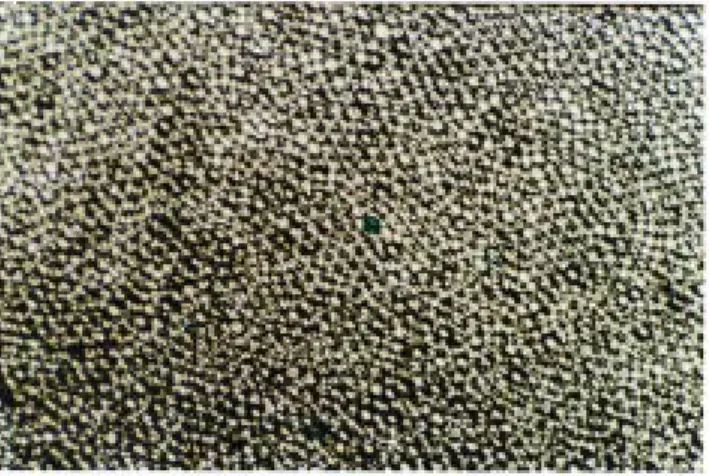
The one-bead-one-compound combinatorial library method was first presented at the American Peptide Symposium at Boston in June 1991 and later published as a short letter to Nature (“A new type of synthetic peptide library for identifying ligand-binding activity”34). It described how millions of spatially separable different random peptides could be synthesized on-bead in a few days and how peptide-beads of specific biological activity can be rapidly identified with a simple enzyme-linked colorimetric method (Figure
6). This novel combinatorial library method was successfully applied to two specific targets: anti-β-endorphin monoclonal antibody and streptavidin.
This paper illustrates some very important points: (1) Millions of peptides (or chemical compounds) can be rapidly synthesized in a spatially separable form and with high purity (at least for peptides, with excellent preview analysis results).
(2) Millions of compounds can be screened concurrently against a specific receptor, and specific ligands can be readily identified and their structure determined.
(3) Although no data were shown, it was pointed out in the article that the one-bead-one-compound library method can be applied to solution-phase assay using cleavable linkers.
(4) Since synthetic chemistry is used, the same approach can be applied to small organic molecules or other chemical compounds.
After this paper and Houghten’s paper33(in the same issue of Nature) were published, people began to take synthetic combinatorial chemistry very seriously. Within two years, several papers on small molecule libraries based on the one-bead-one-compound concept were published. Strategies for coding and decoding were developed for the purpose of analyzing small molecule (or nonsequenceable) compound libraries that are based on the one-bead-one-compound method.35-37Many new screening methods were developed. These developments were reviewed in detail in an article published in 1997.5
There have been numerous publications in the literature that misquote Furka’s 1988 abstract as one of the first reports of the one-bead-one-compound combinatorial library method. Although Furka first described the “split synthesis” (or proportion-mixing method) in an abstract form in 1988,88,89 three years later in his 1991 full paper in International Journal of Peptide and Protein Research32he still described the use of the “proportion-mixing” method to generate a small library of solution peptides, without realizing the one-bead-one-compound concept and the power of applying this concept for the study of molecular recognition and drug discovery.
How Do I Feel Today about the Paper? I feel the paper
represents a landmark of my research career. It forms the technical basis of many of my subsequent research interests, i.e., to apply the method to many areas of biology and medicine. The paper merely describes a new tool, a tool that needs to be improved upon, and more importantly a tool that needs to be applied to answer many interesting scientific questions that otherwise are very difficult to answer. I am glad that many investigators around the world are ac-complishing those two objectives successfully. I am delighted that my “eureka experience” in 1989 did contribute partly to the new field of combinatorial chemistry.
Morten Meldal
My interest in combinatorial chemistry was stimulated during my postdoc period with Robert Sheppard in 1985 by the papers on parallel pin and tea bag synthesis published the year before by Mario Geysen25and by Richard Hought-en,26 respectively. The advantage of these methods was obvious, and the work in Sheppard’s laboratory on continu-ous flow synthesis immediately raised the question on whether the technique could be adapted to multiple columns, which were spatially arranged and therefore addressable with pipetting systems. With this design in mind I went back to Copenhagen, and in 1988 we patented and presented at the EPS in Tu¨bingen the first multiple-column synthesizer,93,94 a principle (MCPS) that is prevalent in commercial multiple synhesizers today.
Returning from the Solid Phase Symposium in Oxford in 1990, an idea suddenly took shape in the form of a three-dimensional polymer network of PEG as a support for solid-phase synthesis, which would be compatible with both peptide synthesis and aqueous conditions useful for enzyme reactions. This led to the polar resins PEGA,95 POEPS, POEPOP,96 and SPOCC.97 In particular the SPOCC resin containing only primary ether bonds is extremely useful for organic synthesis, combined with enzyme reactions on solid phase.
In 1991-1993 the initial excitement over combinatorial chemistry gradually decreased and industry resigned to parallel synthesis performed by robots. At Carlsberg Labora-tory I had developed a novel protease assay based on the long-range resonance energy transfer (FRET)98 fluorescence-quenched (FQ) pair 3-nitrotyrosine/2-aminobenzoic acid for proteolytic enzymes. It seemed obvious to utilize the assay for solid-phase combinatorial approaches using FQ substrates for the characterization of enzyme specificity42 by direct visual inspection of resin beads.
Fluorescence-quenched substrates containing the 3-nitro-tyrosine and Abz groups as quencher and donor, respectively, have allowed the synthesis of substrates in arrays of columns (MCPS method) or directly as libraries.42With this particu-larly useful FQ pair it was possible to visually detect peptide cleavage on solid phase. The 3-nitrotyrosine and Abz groups were small and polar amino acids and were found to have the optimal properties (chromophores had a high quantum yield) for a library-based enzyme assay. The libraries of enzyme substrates were obtained by divide, couple, and recombine synthesis to yield “one-bead-one-compound”
Figure 6. Positively stained bead (5-bromo-4-chloro-3-indolyl
phosphate as substrate) in the middle of several thousands of negative (colorless) beads.