CLINICAL EFFECTIVENESS OF INTEGRASE STRAND TRANSFER INHIBITOR-BASED ANTIRETROVIRAL REGIMENS IN A POOLED COHORT OF NORTH AMERICAN
ADULTS
Haidong Lu
A dissertation submitted to the faculty at the University of North Carolina at Chapel Hill in partial fulfillment of the requirements for the degree of Doctor of Philosophy in the Department
of Epidemiology in the Gillings School of Global Public Health.
Chapel Hill 2020
Approved by:
Stephen R. Cole
Daniel Westreich
Adaora A. Adimora
Joseph J Eron
ii
© 2020 Haidong Lu
iii
ABSTRACT
Haidong Lu: Clinical Effectiveness of Integrase Strand Transfer Inhibitor-based Antiretroviral Regimens in a Pooled Cohort of North American Adults
(Under the direction of Stephen Cole)
Integrase strand transfer inhibitor (InSTI)-based regimens are now widely recommended
as first-line antiretroviral therapy (ART) for adults with human immunodeficiency virus. But
evidence on long-term clinical effectiveness of InSTI-based regimens remains limited.
Using prospective pooled cohort data from the North American AIDS Cohort
Collaboration on Research and Design (NA-ACCORD) during 2009-2016, we identified the
participants who initiated their first ART regimen, containing either InSTI (i.e., raltegravir,
dolutegravir, and elvitegravir/cobicstat) or efavirenz (EFV) as an active comparator, and
estimated the long-term effects of InSTI-based regimens on virologic and clinical outcomes
compared with the EFV-based regimen. We used inverse probability of treatment and censoring
weights to account for baseline confounding, differential loss to follow-up and treatment
changes, and estimated observational analogs to the intention-to-treat and per-protocol effects.
For the virologic outcomes (i.e., viral suppression), the intention-to-treat analysis showed
81.3% of the patients in the InSTI group and 67.3% of those in the EFV group experienced viral
suppression at 0.25 years after ART initiation, corresponding with a difference of 14.0% (95%
CI: 12.4, 15.6). By 1 year after ART initiation, the proportion virally suppressed was 89.5% in
the InSTI group and 90.2% in the EFV group, corresponding with a difference of -0.7% (95%
iv
InSTI group, and 92.5% in the EFV group, corresponding with a difference of 2.0% (95% CI:
-7.3, 11.3). The results of per-protocol analyses were similar to the intention-to-treat analyses.
For the clinical outcomes (i.e., composite outcomes of AIDS-defining illnesses, death,
and serious non-AIDS events), during the 6-year follow-up, 440 of the InSTI group and 1,097 of
the EFV group incurred the composite outcome. The 6-year intention-to-treat risks were 14.6%
for the InSTI group and 14.3% for the EFV group, corresponding with a RD of 0.3 percentage
point (95% CI: -2.7, 3.3), and HR was 1.08 (95% CI: 0.97, 1.19); the 6-year per-protocol risks
were 12.2% for the InSTI group and 11.9% for the EFV group, corresponding with a RD was 0.3
percentage point (95% CI: -3.0, 3.7), and HR was 1.09 (95% CI: 0.96, 1.25).
Our studies showed that although InSTI-based initial ART regimens had a more rapid
viral response compared with the EFV-based initial ART regimen, the long-term effects on
virologic and clinical outcomes were similar. Along with the increasing studies showing the
potential adverse effects associated with InSTI, our results on relatively similar long-term effects
bring into question whether InSTI-based regimens should be favored over other regimens,
especially in the current context that InSTI/dolutegravir-based regimens are being rolled out
v
ACKNOWLEDGEMENTS
First, I thank to thank my wife, Qiwen Sheng. Without her, I would not have been able to
come to the US and start the epidemiology journey.
I am grateful for having Dr. Stephen Cole as my advisor, whose broad knowledge,
passion in mentoring, keen insight, and resources led me to the 4-year rewarding journey at
UNC. I feel honored to be his student and advisee.
I also thank my dissertation committee members for providing deep insights for my
dissertation projects. Drs. Joseph Eron and Adaora Adimora gave me suggestions from their
clinical perspective. And Drs. Daniel Westreich and Michael Hudgens provided me with
statistical and methodological guidance.
I am extremely thankful to my parents and my sister for the valuable support and
substantial sacrifice they made for my education. Without them, I would not have completed my
graduate degrees.
I thank those who supported and helped me throughout this PhD journey.
I am also grateful for the epidemiology education I received these years in the US,
transforming me from a person with no directions to a man with a mission.
I was fortunately supported by the funding from Drs. Daniel Westreich, Stephen Cole,
and Alexander Keil during this 4-year program, as well as the ViiV Healthcare Fellowship that
vi
Collaboration on Research and Design (NA-ACCORD) for giving me the opportunity to use the
vii
TABLE OF CONTENTS
LIST OF TABLES ... ix
LIST OF FIGURES ... x
LIST OF ABBREVIATIONS ... xi
CHAPTER 1: INTRODUCTION ... 1
1.1 Brief overview of human immunodeficiency virus... 1
1.2 Antiretroviral therapy ... 3
CHAPTER 2: STATEMENT OF SPECIFIC AIMS ... 14
CHAPTER 3: METHODS ... 16
3.1 Study design ... 16
3.2 Study sample ... 16
3.3 Preliminary data ... 17
3.4 Measurements... 18
Initiation of InSTI-based or EFV-based regimens ... 18
Outcomes of interest ... 18
Covariates ... 19
3.5 Analysis plans ... 20
3.6 Statistical power ... 22
3.7 Interpretation of results ... 23
viii
4.1 Introduction ... 26
4.2 Methods ... 26
4.3 Results ... 31
4.4 Discussion ... 33
CHAPTER 5: CLINICAL EFFECTIVENESS OF INTEGRASE STRAND TRANSFER INHIBITOR-BASED ANTIRETROVIRAL REGIMENS AMONG ADULTS WITH HUMAN IMMUNODEFICIENCY VIRUS ... 43
5.1 Introduction ... 43
5.2 Methods ... 44
5.3 Results ... 49
5.4 Discussion ... 51
CHAPTER 6: CONCLUSION ... 64
6.1 Overview ... 64
6.2 Study findings ... 65
6.3 Strengths ... 67
6.4 Limitations ... 69
6.5 Future directions ... 72
6.6 Public health significance and conclusion of our work... 73
ix
LIST OF TABLES
Table 1.1: Advantages and disadvantages of currently available InSTIs...11
Table 1.2: Summary of randomized trials comparing InSTIs with EFV...13
Table 4.1: Missing baseline covariates among 15,318 HIV-infected adults initiating an InSTI-based regimen or an EFV-based regimen between July 2009 and December 2016 in the NA-ACCORD, the United States and
Canada ...38
Table 4.2: Characteristics at ART initiation of 15,318 HIV-infected adults initiating an InSTI-based regimen or an EFV-based regimen between July 2009 and December 2016 in the NA-ACCORD, overall and by treatment regimens, the United States and Canada...39
Table 5.1: Incident type-specific AIDS-defining illnesses among 288 adults who initiated an InSTI-based regimen and incurred AIDS and 671 adults who initiated an EFV-based regimen and incurred AIDS as their first composite event between July 2009 and December 2016 in the NA-ACCORD, the United States and Canada...56
Table 5.2: Missing baseline covariates among 15,993 HIV-infected adults initiating an InSTI-based regimen or an EFV-based regimen between July 2009 and December 2016 in the NA-ACCORD, the United States and
Canada...58
Table 5.3: Characteristics at ART initiation of 15,993 HIV-infected adults initiating an InSTI-based regimen or an EFV-based regimen between July 2009 and December 2016 in the NA-ACCORD, overall and by treatment regimens, the United States and Canada...59
Table 5.4: Estimated 6-year risk differences and hazard ratios of the composite outcome comparing adults initiating an InSTI-based regimen with those initiating an EFV-based regimen between July 2009 and
December 2016 in the NA-ACCORD, the United States and Canada...60
x
LIST OF FIGURES
Figure 3.1: The North American AIDS Cohort Collaboration of Research and Design (NA-ACCORD) ...25
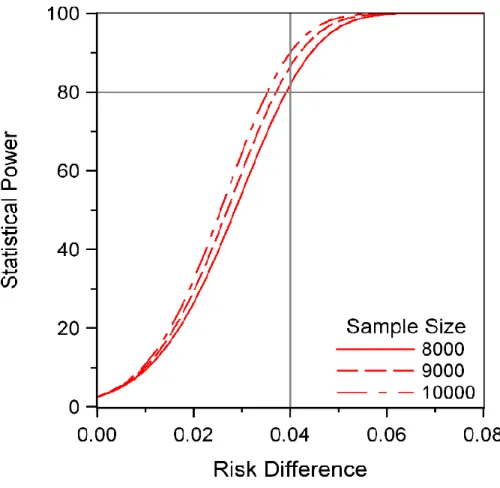
Figure 3.2: Statistical power based on risk difference comparing EFV-based
regimens to InSTI-based regimens across different sample sizes...26
Figure 4.1. Secular trend in proportion of initiating InSTI- versus EFV-based regimens between July 2009 and December 2016 among 15,318 HIV-infected adults in the NA-ACCORD, the United States and Canada...40
Figure 4.2. Proportion virally suppressed (<200 copies/mL) by ART group (InSTI- vs EFV-based regimens) across 7-year follow-up among 15,318 HIV-infected adults in the NA-ACCORD, the United States and Canada...41
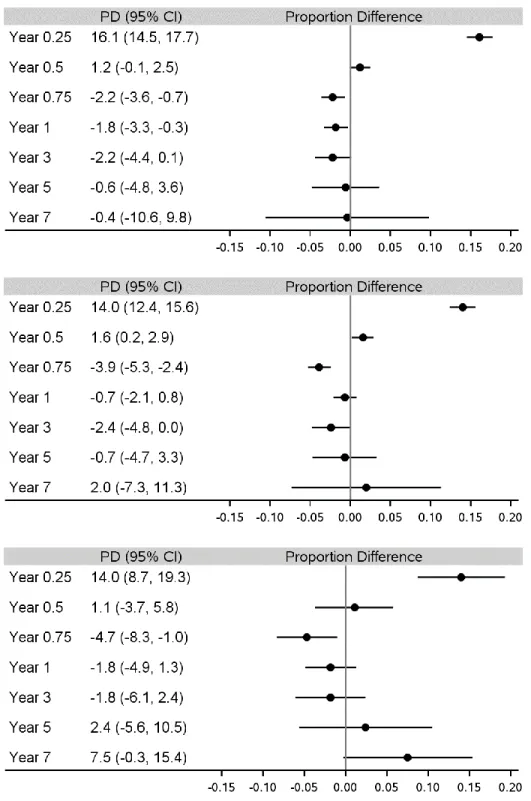
Figure 4.3. Proportion difference (PD) virally suppressed (<200 copies/mL) comparing InSTI-based regimen with EFV-based regimen across 7-year follow-up among 15,318 HIV-infected adults in the NA-ACCORD, the United States and Canada...42
Figure 4.4. Results of secondary analyses that showed proportion difference (PD) virally suppressed (<200 copies/mL) comparing InSTI-based regimen with EFV-based regimen across 7-year follow-up among 15,318 HIV-infected adults in the NA-ACCORD, the United States and Canada...43
Figure 5.1. Secular trend in initiation of InSTI- versus EFV-based regimens between July 2009 and December 2016 in the NA-ACCORD, the United States and Canada...62
Figure 5.2. Crude risks of loss-to-follow-up and treatment changes during 6-year follow-up period among 15,993 HIV-infected adults initiating an InSTI-based regimen or an EFV-based regimen between July 2009 and December 2016 in the NA-ACCORD………...63
xi
LIST OF ABBREVIATIONS
AIDS Acquired immune deficiency syndrome
ART Antiretroviral therapy
BMI Body mass index
COBI Cobicistat
DTG Dolutegravir
EFV Efavirenz
EVG Elvitegravir
FTC Emtricitabine
HBV Hepatitis B virus
HCV Hepatitis C virus
HIV Human immunodeficiency virus
InSTI Integrase strand transfer inhibitor
IQR Interquartile range
NA-ACCORD The North American AIDS Cohort Collaboration on Research and Design
NNRTI Non-nucleoside reverse transcriptase inhibitor
NRTI Nucleoside reverse transcriptase inhibitor
PI Protease inhibitor
RAL Raltegravir
TAF Tenofovir alafenamide
TDF Tenofovir disoproxil fumarate
1
CHAPTER 1: INTRODUCTION
1.1 Brief overview of human immunodeficiency virus
Human immunodeficiency virus (HIV), a member of the genus Lentivirus, is a causative
agent of the spectrum of disease known as acquired immunodeficiency syndrome (AIDS). HIV is
a retrovirus that infects the human immune system by binding to the CD4 receptor and
chemokine coreceptors of host cells, which are primary found on CD4 T cells, but also on
monocytes and macrophages, and dendritic cells.1
Once entering the host cell, the virus starts the replication process with the help of several
virally encoded enzymes, including reverse transcriptase, protease, ribonuclease and integrase.
The reverse transcriptase transcribes the uncoating viral RNA into double-stranded proviral
DNA.2 The resulting proviral DNA then is then imported into the cell nucleus and integrated into the cellular RNA by the integrase, where it is transcribed by host cell to produce viral proteins
and genomic RNA.2 Finally, the protease cleaves the viral proteins, and assembles them with genomic RNA into new virus particles, which is then released and begin the replication cycle
anew.2
The major cause for AIDS progression in patients living with HIV is the decline of CD4
T-cells. As a consequence of progressive depletion of CD4 T cells, the immune system is
damaged, and becomes incapable of controlling opportunistic infections that ultimately lead to
life-threatening AIDS-defining diseases.1 HIV infection is also characterized by a notable increase in immune activation, which involves both the adaptive and innate immune systems.1
2
interferon-α. Second, microbial translocation, due to the profound depletion of CD4 T cells in the
gastrointestinal tract and enhanced gastrointestinal tract permeability, leads to increased plasma
concentration of lipopolysaccharides as a potent activator of TLR4, which results in the
production of pro-inflammatory cytokines such as interleukin 6 and tumor necrosis factor α.
Further, coinfection with viruses such as cytomegalovirus can induce marked expansion of active
cytomegalovirus-specific T cells. There is a growing body of evidence of residual inflammation
and increased immune activation even among patients with HIV on antiretroviral therapy.1
Residual chronic inflammation in patients with HIV on antiretroviral therapy has been associated
with increased mortality3 and non-AIDS related diseases including (but not limited to) cardiovascular disease4, cancer5, neurological disease6, liver disease7, and depression8.
HIV is spread primarily through unprotected sex, mother to child transmission,
contaminated blood transfusion, injection drug use, accidental inoculation, or organ
transplantation.9 An important factor in the likelihood of HIV transmission is plasma HIV viral load. Acute HIV infection, which causes a high concentration of plasma viral load early after
infection (while patients are asymptomatic, and even remain antibody-negative), is a significant
driver of HIV epidemics.1 Thus the goal of HIV treatment is to reduce the HIV viral load to a consistently undetectable level. Other prognostic factors that increase the risk of sexual
transmission of HIV include (but not limited to) sexually transmitted infections, pregnancy,
multiple sexual partners, concurrent relationships, and injection drug use.1
The World Health Organization estimates that 37.9 million people were living with HIV
globally and it resulted in 770,000 deaths in 2018.10 The African region remains most severely affected, which accounted for more than two-thirds of the people living with HIV worldwide.
3
1.1 million people living with HIV in the United States in 2016, of whom about 14% were not
aware of their HIV status.
1.2 Antiretroviral therapy
The introduction of combination antiretroviral therapy (ART) in the mid-1990s brought
about dramatic decline in AIDS diagnoses and deaths. Contemporary ART is highly effective in
suppressing plasma viremia and prolonging survival, making HIV infection a manageable
chronic disease.11 Contemporary ART is usually composed of two nucleoside reverse transcriptase inhibitors (NRTIs) plus a third active drug of different class (a nonnucleoside
reverse transcriptase [NNRTI; e.g., efavirenz], a boosted protease inhibitor [PI; e.g., atazanavir
or darunavir], or an integrase strand transfer inhibitor [InSTI; e.g., raltegravir]). Because there is
no current strategy for HIV cure, people with HIV infection may be exposed to ART for decades.
Maximizing the safety profile and tolerability while maintaining strong potency of ART is a
clinical priority.
The NNRTI-class efavirenz (EFV)-based regimen was recommended as the preferred
first-line regimen for people with HIV for over fifteen years.12 Like other NNRTIs, EFV restricts HIV viral replication by binding to and blocking the hydrophobic region of the HIV-1 reverse
transcriptase via a mechanism that alters the enzyme conformation. Currently, EFV-based
regimens are still one of the most commonly prescribed antiretroviral medications worldwide.12 Almost 70% of people on a first-line regimen, especially in low- and middle-income countries,
were using EFV-based combinations by 2014.12 Numerous head-to-head randomized clinical trials have demonstrated the efficacy and short-term safety of EFV.13–18 One of the major
4
disoproxil fumarate (TDF) and emtricitabine (FTC) - into a convenient single-pill, once daily
regimen, the first single tablet ART regimen approved in the US. Such formulation has potential
for improved adherence to antiretroviral medications. Based on the high virologic efficacy and
safety in clinical trials combined with ease of administration, EFV-based regimens have long
been among the most frequently employed ART regimens to treat HIV-infection.
Despite its advantages, growing evidence has shown EFV is associated with several
long-term adverse events, especially in long-terms of the central nervous system.19–21 EFV has been
associated with neuropsychological side effects, including decreased concentration, dizziness,
and vivid dreams. Some studies also found increased risks of depression and suicidal ideation for
people taking EFV.22,23 Furthermore, EFV was related to neurocognitive impairment, although the evidence was mixed.22,24 In addition, it has been recognized that transmitted resistance is an important concerns for EFV. Because of these issues, the primacy of EFV has been challenged
by newer potent drugs that have been tested in randomized trials to demonstrate a better
toxicological profile and result in more desirable patient tolerance, a critical factor in the present
era of lifelong HIV management. As a result, the current US Department of Health and Human
Services (DHHS) guidelines have removed EFV from the first-line treatment therapy
recommendation list.
InSTI-based regimens are one of the most recently developed and promising classes of
antiretroviral drugs, and have gained increasing popularity in the developed world since the FDA
approved the first InSTI, raltegravir, in 2007. InSTI-class drugs inhibit the catalytic activity of
HIV-encoded viral enzyme integrase and block the insertion of HIV genome into the DNA of
host cell, thus halting the spread of HIV virus. Randomized comparative trials have
5
[DTG, FDA approved in 2013], elvitegravir/cobicistat [EVG/COBI, FDA approved in 2012],
and bictegravir [BIC] FDA approved in 2018) experience more rapid and potent antiretroviral
activity, and fewer adverse events and drug interactions compared with those initiating other
regimens.25–33 In addition, the current available InSTIs, except RAL with no fixed-dose
formulation, can be administered as a once-daily, single-tablet regimens, hence reducing the pill
burden and promoting therapy adherence. An overview of each InSTI-class drug is described in
Table 1.1.
Because of these advantages, the US Department of Health and Human Services, the
International Antiviral Society-USA and the European antiretroviral treatment guidelines all now
recommend InSTI-based regimens for adults.12,34 Particularly, treatment guideline panels have recommended InSTI-based regimens as initial ART therapy.34,35 The WHO added DTG to its first-line regimen list in 2016 consolidated guidelines for the use of antiretroviral drugs.12
Moreover, the US President’s Emergency Plan For AIDS Relief (PEPFAR) is rolling out
DTG-based regimens to essentially replace EFV-DTG-based regimens worldwide. Although recent reports
of neural tube defects have caused both US and WHO guidelines to caution providers about use
of dolutegravir by individuals of childbearing potential,36 dolutegravir and other InSTI-class drugs remain the recommended therapy for most people with HIV.
Direct comparisons of efficacy and safety of InSTI-based regimens with EFV-regimen
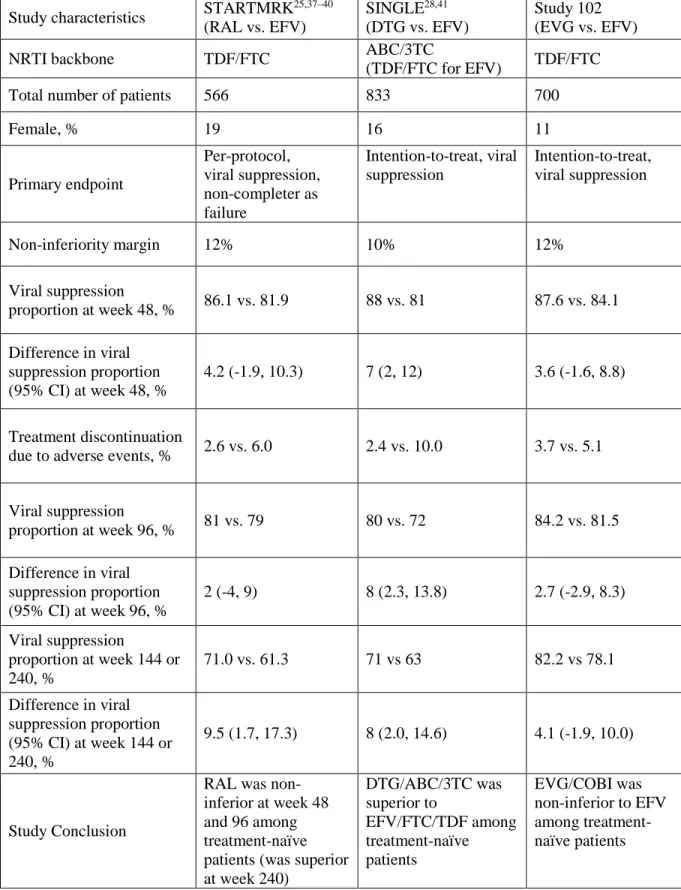
have been performed in the randomized clinical trials: STARTMRK (RAL vs. EFV)25,37–40, SINGLE (DTG vs. EFV)28,41, and Study 102 (EVG vs. EFV)30,31,42,43. A brief summary of each trial is presented in Table 1.2.
The STARTMRK study25,37–40 was a multicenter, double blind, phase III, non-inferiority
6
enrolled, stratified by baseline screening HIV RNA levels (>50,000 vs. <= 50,000 copies/ml) and
randomized (1:1 ratio) to RAL twice daily or EFV once daily, both combined with the TDF/FTC
backbone. The primary endpoint was achievement of less than 50 viral RNA copies/ml at week
48. Secondary endpoints included the proportion of patients achieving viral load <400 copies/ml
and change from baseline in CD4 counts both measured at week 48 and 96, as well as achieving
viral load <50 copies/ml at week 96. The main analysis showed that, at week 48, 86.1% of the
RAL group and 81.9% of the EFV group achieved viral suppression <50 copes/ml. The time to
achieve viral suppression was significantly shorter for patients on RAL than on EFV. The RAL
group patients also presented significantly fewer drug-related clinical adverse events (44.1%)
compared with those on EFV (77.0%). The results at week 96 and 156 also supported the
non-inferiority of RAL, and these results further found that treatment effects were consistent across
subgroups stratified by pre-specified demographic and prognostic characteristics. The final
results at week 192 and 240 when the study maintained blinded showed that based on a
subsequent test of superiority following the condition that non-inferiority was met, RAL induced
a significantly better viral suppression than EFV (71.0% vs. 61.3% at week 240), and the RAL
recipients also experienced significantly fewer drug-related clinical adverse events as well as
neuropsychiatric side effects, proving the superiority of RAL/ TDF/FTC compared with
EFV/TDF/FTC.
The SINGLE study28,41 was a randomized, double-blind, multicenter phase III non-inferiority clinical trial directly comparing efficacy and safety of DTG plus abacavir/lamivudine
(ABC/3TC) fixed-dose combination with the co-formulated EFV/TDF/FTC among 844
treatment-naïve subjects with viral load >1,000 copies/ml and negative for the HLA-B*5701
7
cell count (> vs. ≤ 200/mm3), and randomly assigned (1:1) to either DTG/ABC/3TC or EFV/FTC/TDF. The primary endpoint was the proportion of participants achieving viral
suppression (viral load <50 copies/ml) at week 48, with a 10% non-inferiority margin. If both
per-protocol and intention-to-treat showed non-inferiority, superiority test was then conducted.
At week 48, the DTG/ABC/3TC group had a significantly higher proportion of participants
achieving viral suppression (88%) compared with the EFV/FTC/TDF group (81%). The
DTG/ABC/3TC also experienced a shorter median time to viral suppression than did the
EFV/FTC/TDF group (28 vs. 84 days), as well as a better immune recovery (267 vs. 208 CD4
count/mm3). Lower rate of treatment discontinuation due to adverse events was found in the DTG/ABC/3TC group than in the EFV/FTC/TDF group (2% vs. 10%). Furthermore,
DTG/ABC/3TC has a more favorable tolerability profile than EFV/FTC/TDF with a lower rate
of rash and neuropsychiatric events (whereas higher rate of insomnia was found in the
DTG/ABC/3TC group). Such treatment effect was found to be consistent in HIV-infected
participants with a variety of baseline characteristics. In addition, no participant incurred
emergence of resistant virus in the DTG/ABC/3TC arm, while five participants have virus with
resistance detected in the EFV/TDF/FTC arm (one TDF-associated mutation and four
EFV/associated mutations). At week 96 and 144, DTG/ABC/3TC remained superior. 71% in the
DTG/ABC/3TC group and 63% in the EFV/TDF/FTC group maintained virally suppressed. In
addition, before this phase 3 assessment, a phase-2b, dose-ranging randomized trials -- the
SPRING-1 study --44,45 was conducted to select a dose for DTG. Briefly, 205 patients were randomized (1:1:1:1) to receive 10 mg, 25 mg, and 50 mg DTG, respectively, or to receive EFV.
8
The Study 10230,31,42,43 was a phase II clinical trial conducted among treatment-naïve patients comparing the safety and efficacy of formulated EVG/COBI/FTC/TDF versus
co-formulated EFV/FTC/TDF. Eligible participants should have plasma HIV RNA ≥5000 copes/ml,
an estimated glomerular filtration rate (eGFR) ≥70 ml/min, and be susceptible to EFV, TDF, and
FTC by HIV-1 genotype at screening. 700 eligible patients were randomized (1:1 ratio) to
receive either EVG/COBI/FTC/TDF or EFV/FTC/TDF with matched tablets. The primary
endpoint was the proportion of patients in the intention-to-treat population with viral suppression
(HIV RNA <50 copies/ml) at week 48 according to a snapshot analysis, with a 12%
non-inferiority margin. At week 48, 87.6% in the EVG/COBI/FTC/TDF group and 84.1% in the
EFV/FTC/TDF group achieved viral suppression, suggesting non-inferiority of
EVG/COBI/FTC/TDF. Response rates were similar in the EVG/COBI/FTC/TDF group and in
the EFV/FTC/TDF group among subgroups of patients stratified by demographic and prognostic
factors. Significantly better immunological recovery was found in the EVG/COBI/FTC/TDF
group than in the EFV/FTC/TDF group (CD4 increase: 239/mm3 vs. 206/mm3). FDA-defined time to loss of virologic response analysis in the intention-to-treat population confirmed that rate
of achievement and maintenance of viral suppression was comparable between the two groups
(85.9% in the EVG/COBI/FTC/TDF group and 83.2% in the EFV/FTC/TDF group). Similar
number of treatment discontinuations due to adverse events occurred in each group (3.7% in the
EVG/COBI/FTC/TDF group and 5.1% in the EFV/FTC/TDF group). The most frequent adverse
events were nausea (more common with EVG/COBI/FTC/TDF [20.7%] than with
EFV/FTC/TDF [13.3%] and dizziness (6.6% vs. 24.4%). Other adverse events that were less
9
to show the comparable rates of viral suppression as well as treatment discontinuation in the two
groups.
However, these randomized clinical trials that supported the current guidelines focused
on short-term biomarkers including HIV viral suppression and CD4+ cell count change. HIV
RNA viral load, and to a lesser extent CD4+ cell count, are excellent HIV biomarkers and are
often used in HIV trials, but it has been long appreciated that no surrogate biomarker is fully
adequate to predict clinical HIV progression.46–50 According to Prentice’ criteria51,a “true” rare
or distal clinical endpoint can be replaced by a more frequent or proximate surrogate endpoint in
randomized trials to reduce the sample size or trial duration. But it is required that the surrogate
biomarker should not only be strong predictor of clinical endpoint, but should also capture the
net treatment effect on the clinical endpoint.51–53 That is, the surrogate biomarker should capture effect aggregated over all mechanisms of action of the treatment on the clinical endpoint. In
practice, however, effects on surrogate biomarker often do not predict the true clinical effects.52 For instance, there may exist some causal pathways of the disease process that are not mediated
through the surrogate biomarker but are influenced by intervention under unintended
mechanisms. Further, short-term follow up using surrogate biomarkers in randomized trials may
not be able to estimate the long-term clinical adverse events associated with switching or
discontinuation of treatment that occurs after the study’s conclusion. Therefore, to more fully
understand the effectiveness of InSTI-based regimens,evidence is needed concerning the impact
of InSTIs on long-term clinical outcomes, including AIDS-defining illnesses and all-cause
mortality. Existing randomized trials, however, are underpowered to study long-term clinical
outcomes. Observational studies, especially prospective cohort studies, are the only feasible way
10
an InSTI-based regimen (RAL) on long-term clinical outcomes like incident AIDS and death.
This study had a relatively small number of patients initiating InSTI-regimens and was restricted
to 4-year follow-up.54 Further, existing observational studies are focused on AIDS related conditions and death as the outcome, and have not characterized the impact of InSTI-based
regimens on serious non-AIDS conditions.55–57 Given limitations of the existing randomized trials and cohort studies, large datasets with long-term clinical outcomes including
AIDS-defining illnesses, serious non-AIDS events, and death on InSTI-based regimens are needed.
Additionally, recent publications indicate possible associations between InSTIs and other
important adverse events in real-life settings, including muscular toxicity, neuropsychiatric
toxicity, immune reconstitution syndrome, neural tube defects, weight gain, malignancy and
11
Table 1.1: Advantages and disadvantages of currently available InSTIs
Drug Advantages Disadvantages
Raltegravir Few drug interactions
Longest safety record with more clinical experience
Administration with or without food
Rapid drop in viral load
No interactions with anti-HCV DAA agents
Higher pill burden
No single-tablet complete formulation with other NRTIs
Lower genetic barrier than bictegravir and dolutegravir
Inferior to dolutegravir in treatment-experienced patients with HIV RNA >100,000 copies/ml
Potential muscular toxicity
Potential neural tube defects Elvitegravir Once-daily dosing
Available as single-tablet complete regimen
Rapid drop in viral load
Require pharmacological boosting of cobicistat, potential CYP3A inhibitor
Substantial drug interactions due to cobicistat
Cobicistat raises serum creatinine levels due to inhibition of tabular secretion of creatinine
Not recommended for patients with eGFR <70ml/min
Lower genetic barrier than dolutegravir
Must be administered with food
Interactions with anti-HCV DAA agents
Should be avoided in pregnant women because of inadequate plasma levels
Potential neural tube defects Dolutegravir Once-daily dosing with or without
food
Available as single-tablet complete regimen
Rapid drop in viral load
Superior to raltegravir in treatment-experienced patients
Long half-life:
High genetic barrier; low risk of resistance with virologic failure
Relatively few drug interactions
Rise in serum creatinine levels due to inhibition of the OCT-2
transporter
Higher risk of neuropsychiatric adverse effects reported in some observational studies
Coformulated with
abcavir/lamivudine; abacavir requires HLA-B*5701 testing, and has been associated with
12
No interactions with anti-HCV DAA agents
Drug interactions with rifampicin (drug to treat tuberculosis), and metformin; need to adjust dosage.
Less clinical experience compared to RAL
Potential neural tube defects Bictegravir Once-daily dosing with or without
food
Available as single-tablet complete regimen
Non-inferior to dolutegravir
High genetic barrier; low risk of resistance with virologic failure
Relatively few drug interactions
Cannot be used with rifampin
Limited clinical experience
13
Table 1.2: Summary of randomized trials comparing InSTIs with EFV
Study characteristics STARTMRK 25,37–40 (RAL vs. EFV)
SINGLE28,41 (DTG vs. EFV)
Study 102 (EVG vs. EFV)
NRTI backbone TDF/FTC ABC/3TC
(TDF/FTC for EFV) TDF/FTC
Total number of patients 566 833 700
Female, % 19 16 11
Primary endpoint Per-protocol, viral suppression, non-completer as failure Intention-to-treat, viral suppression Intention-to-treat, viral suppression
Non-inferiority margin 12% 10% 12%
Viral suppression
proportion at week 48, % 86.1 vs. 81.9 88 vs. 81 87.6 vs. 84.1 Difference in viral
suppression proportion (95% CI) at week 48, %
4.2 (-1.9, 10.3) 7 (2, 12) 3.6 (-1.6, 8.8)
Treatment discontinuation
due to adverse events, % 2.6 vs. 6.0 2.4 vs. 10.0 3.7 vs. 5.1
Viral suppression
proportion at week 96, % 81 vs. 79 80 vs. 72 84.2 vs. 81.5 Difference in viral
suppression proportion (95% CI) at week 96, %
2 (-4, 9) 8 (2.3, 13.8) 2.7 (-2.9, 8.3)
Viral suppression
proportion at week 144 or 240, %
71.0 vs. 61.3 71 vs 63 82.2 vs 78.1
Difference in viral suppression proportion (95% CI) at week 144 or 240, %
9.5 (1.7, 17.3) 8 (2.0, 14.6) 4.1 (-1.9, 10.0)
Study Conclusion
RAL was non-inferior at week 48 and 96 among treatment-naïve patients (was superior at week 240)
14
CHAPTER 2: STATEMENT OF SPECIFIC AIMS
2.1 Specific Aims and Rationale
To explore the long-term comparative effectiveness of InSTI-based HIV treatment
regimens, we use a pooled project of observational cohort data to address the following aims:
AIM 1
To replicate and extend randomized evidence by examining the effect of InSTI-based HIV treatment regimens on surrogate biomarker outcomes (i.e., HIV viral suppression) compared with an EFV-based regimen as an active comparator.70
Rationale: Previous randomized trials have demonstrated that InSTI-based regimens had
a more rapid viral response compared with EFV-based regimens.27–29 However, the primary results of these trials were focused on short term viral outcomes (48 weeks). Long-term virologic
effect of InSTI-based regimens have not been fully examined. With no randomized evidence
forthcoming, observational studies provide a unique opportunity to examine the long-term
virologic outcomes. The new user design along with the modern per-protocol analyses via causal
inference methods enable us to better utilize the observational data to mimic a randomized
trial.71–73 Availability of these outcome data allows us to examine the effect on these biomarkers with follow-up extended beyond the trial timelines. Based on previous randomized evidence27–29, we hypothesize that the InSTI-based regimens will have a more rapid effect on HIV viral
suppression (proportion of patients with HIV viral load <50 copies/ml) and favorable mean
15 AIM 2
To evaluate the comparative effectiveness of InSTI-based HIV treatment regimens on long-term clinical endpoints including AIDS-defining illnesses, serious non-AIDS events and all-cause mortality compared to EFV-based regimens.
Rationale: This study will include HIV-seropositive patients who started a first-observed
antiretroviral regimen consisting of emtricitabine, tenofovir disoproxil fumarate (or tenofovir
alafenamide), and either InSTI (i.e., raltegravir, dolutegravir and elvitegravir/cobicistat) or EFV
between 2007 and 2017. We will estimate the observational analogs to the intention-to-treat
effect as well as the per-protocol effect. We hypothesize that the InSTI-based regimens will
16
CHAPTER 3: METHODS
3.1 Study design
The North American AIDS Cohort Collaboration on Research and Design
(NA-ACCORD) includes 25 contributing single and multisite clinical and interval epidemiologic HIV
cohorts of over 150,000 HIV-seropositive participants that encompass most HIV/AIDS cohort
studies in the US and Canada, and is widely representative of HIV care in these two countries
(See Figure 3.1). We have approval from NA-ACCORD to conduct this study.
Participants of the NA-ACCORD are 29% female, 45% non-Hispanic white, 46%
African-American/black, and 11% Hispanic. The prescription of InSTI-based regimens increased
substantially since the FDA approved RAL in 2007. In 2015, 40% of the participants in the
NA-ACCORD were prescribed InSTI-based regimens (RAL, DTG, and EVG/COBI) while 25%
were prescribed NNRTI-based regimens (a majority EFV-based).
3.2 Study sample
For the study aims, we include HIV-seropositive adults aged 18 or older (NA-ACCORD
cohorts primarily collect data on adults so children cannot be studied effectively here) who
initiated an antiretroviral regimen consisting of 2 NRTIs (i.e., TDF [or tenofovir alafenamide,
TAF] and FTC) and either InSTI (i.e., RAL, DTG or EVG/COBI) or EFV while under follow-up
between July 2009 and December 2016 (during 2007-2009, RAL was only recommended for
17
antiretroviral treatment; 2) missing history of antiretroviral therapy; and 3) those with
undetectable HIV RNA viral plasma viral concentration (<50 copies/ml) measured within 180
days before to 7 days after treatment initiation (because an undetectable HIV RNA viral load
may indicate unreported prior use of antiretroviral therapy).
3.3 Preliminary data
Prior work by Cole et al, using data from the CFAR Network of Integrated Clinical
Systems (CNICS), assessed 4-year risk of AIDS and all-cause mortality among those initiating a
RAL-based regimen compared to those initiating an EFV-based regimen.54 In this study, 415 patients starting a RAL-based regimen and 2646 starting an EFV-based regimen were analyzed.
During the 4-year follow-up period, 39 patients initiating a RAL-based regimen and 196
initiating an EFV-based regimen incurred an AIDS-defining illness or died. 24% of patients
dropped out from the study (i.e., lost to follow up). Results showed similar 4-year risk of AIDS
or death. The 4-year intention-to-treat risk difference was -0.9 (95% CI: -4.5, 2.7), while the
per-protocol risk difference was -0.5 (95% CI: -3.8, 2.9) with no significant difference. However,
this study was limited to RAL, was small (with only 39 events in the RAL group), was limited to
AIDS incidence and mortality, and was relatively short. Thus, the proposed aims using
NA-ACCORD data, with various InSTI (including DTG, whose genetic barrier to resistance exceeds
those of EFV, EVG and RAL35), larger sample size, and longer follow-up will address existing uncertainties regarding clinical outcomes of InSTI-based regimens.
18 3.4 Measurements
Initiation of InSTI-based or EFV-based regimens
Initiation of InSTI-based regimens is defined as the date between July 2009 and
December 2016 at which a patient initiated ART regimens consisting of TDF (or TAF) and FTC
backbones, and one InSTI (i.e., RAL, DTG, EVG/COBI), with all drugs started within 14 days of
each other. To be consistent with the InSTI-based regimens in terms of calendar time, initiation
of EFV-based regimens is defined as the date between July 2009 and December 2016 at which a
patient initiated ART regimens consisting of TDF (or TAF) and FTC backbones, and EFV with
all drugs started within 14 days of each other. All the antiretroviral regimens used will be
abstracted from point-of-care electronic medical records.
Outcomes of interest
The primary outcome for Aim 2 is the combined clinical outcomes used by the START
trial.74 Specifically, the AIDS-defining illnesses (e.g., non-Hodgkin lymphoma, progressive multifocal leukoencephalopathy, cryptococcosis, cerebral toxoplasmosis, AIDS dementia
complex, and disseminated Mycobacterium avium complex) are defined based on 1993 criteria
of the Centers of the Disease Control and Prevention75, and ascertained by the treating
physicians. Dates of diagnoses of AIDS defining illnesses are recorded in the electronic medical
record from each cohort. Serious non-AIDS events are defined as follows: cardiovascular disease
(myocardial infarction, stroke, or coronary revascularization), end-stage renal disease (initiation
of dialysis or renal transplantation), liver disease (decompensated liver disease),
non–AIDS-defining cancer (except for basal-cell or squamous-cell skin cancer).74 These endpoints are all
19
cohort. Some cohorts have active endpoint adjudication in place, and non-adjudicated endpoints
will be termed presumptive. Primary analysis will include both presumptive endpoints and those
confirmed by adjudication. The date of death from any cause is identified from queries to the US
Social Security Death Index and/or National Death Index. HIV RNA viral loads and CD4+ cell
counts are measured using laboratory tests at study visits.
Covariates
Covariates include time-fixed and time-varying variables. Time-fixed covariates,
measured at the start of follow-up (i.e., treatment initiation), are sex, race/ethnicity, age, history
of male sex with men, history of injection drug use, smoking, BMI, diagnosis of depression or
anxiety, baseline and nadir CD4+ cell count, baseline and peak HIV RNA viral load, cohort,
calendar year, years since HIV diagnosis, and clinical diseases (e.g., hepatitis B and C virus
infection, liver disease, diabetes mellitus, hypertension, cardiovascular and cerebrovascular
diseases). Demographic variables including sex, age, race/ethnicity, history of male same sex
activity and history of injection drug use are measured at baseline intake questionnaires. History
of depression or anxiety diagnosis are typically recorded in the electronic medical record.
Missing information on important covariates including race/ethnicity, injection drug use, and
baseline CD4 cell count will be imputed 50 times allowing for nonmonotone missing data.76 Time-varying covariates, used to account for possible bias due to informative dropout
and treatment changes or switches, include CD4+ cell count, HIV RNA viral load, time since last
laboratory measure, and diagnoses of clinical diseases (e.g., HCV, HBV, diabetes, and
20
results obtained at baseline and at each visit during follow-up. In addition, dates of any regimen
switches and changes are recorded in the electronic medical record.
3.5 Analysis plans
AIM 1: To examine the effect of InSTI-based HIV treatment regimens on biomarker outcomes.
Aim 1 will examine whether InSTI-based regimens cause more rapid viral suppression
and more favorable changes in CD4+ cell count compared with the EFV-based regimen. The
time zero for analyses, or study origin, is treatment initiation date. We will categorize data into
3-month intervals to accommodate discrepancy of timelines by different cohorts. Patients will be
considered lost (i.e., dropouts) after 18 months without contact. The main study endpoint in this
aim is achievement of a suppressed HIV RNA, i.e. an HIV concentration <200 copies/mL.
First, we will build inverse probability of treatment initiation weights77 by examining the pretreatment covariates that influence the decision to initiate InSTI-based HIV treatment
regimens rather than the EFV-based regimen. We group factors into 5 categories: 1)
demographic factors including age, gender (including transgender), race (white, black, Asian,
and other), and ethnicity (Hispanic or not); 2) behavioral factors including injection drug use,
men who have sex with men, heterosexual behavior; 3) clinical factors including baseline HIV
viral load (copies/ml) and CD4+ count (cells/µl), history of depression diagnosis, hepatitis B and
C virus infection, liver disease, diabetes mellitus, hypertension, cardiovascular and
cerebrovascular diseases; 4) other factors, e.g., year starting initial regimen.
The primary analysis is the observational analog of an intention-to-treat analysis. We will
estimate logistic models to predict uptake of InSTI versus the EFV-based regimen conditioning
21
difference (and 95% confidence intervals) of achieving viral suppression comparing InSTI-based
regimens with the EFV-based regimen at different follow-up times (i.e., 1 years, 3 years, and 7
years).
For the observational analog of the per-protocol effect, we will additionally censor
patients with changes in treatment regimens.78,79 Treatment changes in both groups include treatment cessation and treatment switches. Treatment regimen changes that are considered
allowable exceptions are a change from one InSTI regimen to another InSTI regimen (for
instance, from a RAL-based regimen to a DTG-based regimen), and a change from the
EFV-based regimen to a NNRTI-EFV-based regimen of rilpivirine, TDF and FTC. Inverse probability of
treatment and censoring weights will be combined with additional weights for treatment changes.
Assuming no unmeasured confounding, we are able to consistently estimate the
observational per-protocol risk differences for achieving viral suppression comparing
InSTI-based regimens with the EFV-InSTI-based regimen.
AIM 2: To evaluate the comparative effectiveness of InSTI-based HIV treatment regimens on
long-term clinical endpoints over an EFV-based regimen.
Aim 2 will examine the effect of InSTI-based treatment regimen on long-term clinical
endpoints (AIDS-defining illnesses, serious non-AIDS events and all-cause mortality). Similar to
Aim 1, the time origin is initiation of treatment. The primary analysis is again an observational
analog of intention-to-treat effect. We will employ inverse probability weighting to account for
potential confounding and informative dropout. We will estimate the 7-year risks, risk
difference, and risk ratios, as well as 95% confidence intervals. We will explore the effect of
22
endpoint (i.e., AIDS incidence, incidence of serious non-AIDS events, and all-cause mortality,
using methods appropriate for competing risks.80,81
For the observational analog of the per-protocol effect, we will additionally censor people
with any change in treatment regimen. Exceptions to treatment regimen changes are the same as
provided for Aim 1 above.
3.6 Statistical power
In the preliminary analysis of CNICS data comparing RAL-based to EFV-based regimens
by Cole et al54, 415 (14%) of 3061 participants initiated the RAL-based regimens at study entry. The 4-year risk of incident AIDS or death among those initiating EFV-based regimens was 6.5%.
Considering that the risk curves decelerated over follow-up, we estimate that the 8-year crude
risk among those initiating EFV-based regimens is 12% (= 𝟔. 𝟓% ×𝟏𝟎−(𝟏𝟎−𝟒)/𝟐
𝟒 ). (Of course,
this is an underestimate because we will also have serious non-AIDS events in the proposed
study.) We also estimate conservatively that, based on our previous experience, the sample size
in this proposal using NA-ACCORD data is about 3 times that of the CNICS sample. That is,
about 9000 participants who initiated EFV-based or InSTI-based regimens will be included in
this study.
Although methods have not been developed to calculate statistical power of the
inverse-probability weighted estimator directly, we can extend a standard normal approximation for the
statistical power for the difference in two binomials to account for variance inflation due to
inverse probability weights.82 Specifically, the statistical power is determined in terms of the
standard normal cumulative distribution function, 𝚽(𝒛), where 𝒛 =
|𝒑𝟏−𝒑𝟎|−𝟏.𝟗𝟔√𝜽𝒑̅(𝟏−𝒑̅) 𝒏𝟏+𝒏𝟎
√𝜽[𝒑𝟏(𝟏−𝒑𝟏) 𝒏𝟏 +
𝒑𝟎(𝟏−𝒑𝟎) 𝒏𝟎 ]
23
𝒑𝒋, 𝒏𝒋 represent the proportion and size of reference and treatment samples respectively denoted
as 𝒋 = 𝟎, 𝟏, 𝒑̅ is average 𝒑𝒋, and 𝜽 is the variance inflation factor.
Based on our prior published works54, we estimate conservatively that the variance inflation factor will be 2. Then, combined with the expected sample size, the proportion of the
study size initiating InSTI-based regimens (14%), and the estimated 10-year risk (12%) among
those initiating the EFV-based regimen, the statistical power is shown in Figure 3.2 for different
samples sizes and risk differences. With an 8-year risk difference of 4% comparing the
EFV-based regimen to InSTI-EFV-based regimens (i.e., risk is 12% for those initiating the EFV-EFV-based
regimen, and 8% for those initiating InSTI-based regimens), the statistical power is 86% for a
sample size of 9000.
3.7 Interpretation of results
If we see long-term benefits and fewer side effects and discontinuations of the
InSTI-based regimens over, or we see no differences with (as reported previously in limited data) the
EFV regimen, then we add assurance to current guidelines, and provide evidence of continued
spread of InSTIs. Contra wise, if we see negative long-term clinical outcomes on InSTI-based
regimes this calls into question the advantages of InSTI-based regimens and current guidelines,
and calls for speeding the development of new ART. Given the large sample size, rich covariate
set, and thorough analyses, we will have impactful results based on new knowledge regardless of
whether we find InSTI-based regimens to perform better, the same, or worse than the
24
25
26
CHAPTER 4: VIROLOGIC OUTCOMES AMONG ADULTS WITH HIV USING INTEGRASE STRAND TRANSFER INHIBITOR BASED ANTIRETROVIRAL REGIMENS: A COLLABORATION OF COHORT STUDIES IN THE UNITED STATES
AND CANADA
4.1 Introduction
Modern antiretroviral therapy (ART) is highly effective in suppressing plasma viremia
(i.e., HIV RNA viral load),1 which is a central biomarker for HIV prognosis. Integrase strand
transfer inhibitors (InSTI)-based regimens have been recommended as first-line ART for
adults.2–4 Randomized trials have demonstrated that patients initiating InSTI-based regimens
experienced more rapid control of plasma viremia, as well as better tolerability, compared with
those initiating other regimens.5–13 However, published trials had limited follow-up periods (48
weeks).5,10,14 Randomized evidence of long-term effectiveness of InSTI-based regimens
remains unavailable.
Here using observational data from a large collaboration of North American cohort
studies, we estimate the effect of InSTI-based regimens, compared to an efavirenz (EFV)-based
regimen, on plasma viremia over 7 years.
4.2 Methods
Study Design
The North American AIDS Cohort Collaboration on Research and Design
(NA-ACCORD) is the largest multisite collaboration of clinical and interval HIV cohorts in the
27
Briefly, the NA-ACCORD consists of >20 cohorts and 200 clinical care sites that prospectively
collect data on more than 180,000 adults living with HIV. Cohorts securely transfer
demographic, medication, laboratory, diagnostic, and vital status data annually to the central
Data Management Core (University of Washington, Seattle, WA, USA), where the data undergo
quality control and are harmonized across cohorts for analyses by the Epidemiology/Biostatistics
Core (Johns Hopkins University, Baltimore, MD, USA). The human subjects research activities
of the NA-ACCORD and each participating cohort have been approved by their respective local
Institutional review boards, the Johns Hopkins School of Medicine, and the University of North
Carolina School of Medicine.
Study Population and Eligibility Criteria
In the present study, we included HIV-seropositive and ART-naïve adults (≥18 years)
who initiated an ART regimen consisting of two nucleoside reverse transcriptase inhibitors (i.e.,
tenofovir disoproxil fumarate [TDF] or tenofovir alafenamide [TAF], and emtricitabine [FTC])
and either InSTI (i.e., raltegravir [RAL], dolutegravir [DTG], elvitegravir/cobicstat
[EVG/COBI]) or EFV while under follow-up between July 2009 and December 2016 from 16
clinic cohorts in the NA-ACCORD. The follow-up began in 2009, rather than 2007 when RAL
was first approved by the FDA, because RAL was recommended only for those with drug
resistance from 2007 to 2009. Patients excluded were: 1) those having prior ART experience; 2)
those with baseline HIV viral suppression (HIV RNA viral load <200 copies/mL) that is
measured within 90 days before to 7 days after ART initiation; 3) those without any
28 Outcome Measurements
The primary outcome was the repeated measurements of being virally suppressed (HIV
RNA viral load <200 copies/mL vs. ≥200 copies/mL) since ART initiation. The timing and
frequency of observed laboratory measurements for HIV RNA viral load since ART initiation
varied by person. To standardize, we constructed time-updated HIV RNA viral load at 3-month
intervals. If there were multiple HIV RNA measurements within a 3-month interval, an average
of these measurements was adopted.
Covariates
We selected baseline covariates which we considered to be potential confounders for
effect of ART initiation on the virologic outcome. Age, sex, race, ethnicity, and HIV-acquisition
risk group (men who have sex with men, individuals reporting current or previous injection drug
use, heterosexual behavior, and other) were self-reported at enrolment into the NA-ACCORD.
History of any clinical AIDS diagnosis, hepatitis C infection (having a positive antibody test, or
a detectable RNA, or the presence of hepatitis C genotype test), hepatitis B infection (defined as
positive surface antigen test, a positive e-antigen test, or a positive DNA test result), depression,
anxiety, diabetes mellitus (a glycosylated hemoglobin ≥6.5%, diabetes-specific medication, or a
diagnosis with a diabetes-related medication), hypertension (clinical diagnosis and prescription
of anti-hypertensive medication), elevated total cholesterol (≥240 mg/dL) were recorded at ART
initiation. Body mass index, which was captured as the closest date to ART initiation, was
calculated as weight (kilograms) divided by height (meters) squared. Baseline CD4 cell count
(cells/μL) and HIV RNA viral load (copies/mL) were captured at the closest date to ART
29
initiation and individual cohorts were captured as indicator variables. Restricted quadratic splines
with four knots at 5th, 35th, 65th, and 95th percentiles were used to model continuous covariates
including age, body mass index, CD4 cell count and HIV RNA viral load.84
Time-varying covariates, which were used to account for ART treatment changes,
included time-updated CD4 cell count, new occurrences of clinical diseases or conditions (i.e.,
diabetes mellitus, depression, anxiety, and hypertension), elevated total cholesterol after ART
initiation.
Statistical Analyses
We restricted analyses to apparent new users of ART to avoid selection bias due to the inclusion
of prevalent users, and to mimic a randomized trial where treatment-naïve patients were
randomly assigned to either the InSTI-based regimen or the active comparator EFV-based
regimen.72 Each participant was followed from date of ART initiation (study entry for individuals and time origin for our study design) until the date of the last HIV RNA
measurement or administrative end of follow-up (at 7 years, or 31 December 2016).
Missing baseline covariates (see Table 4.1) were imputed 20 times using multiple
imputation by chained equations.85,86 The imputation model included all baseline covariates,
treatment regimen variable, and the repeatedly measured outcomes for HIV RNA viral load.87 Baseline CD4 cell count and repeatedly measured HIV viral load were log-transformed to avoid
negative imputed values. Of note, missing measurements of HIV RNA viral load were also
imputed.
For primary analyses, we estimated the observational analog of intention-to-treat effect of
30
outcome (being virally suppressed or not) regardless of ART treatment changes. For
intention-to-treat analysis, in each imputed dataset, inverse probability of intention-to-treatment weights were constructed
to account for potential baseline confounding. These weights were assigned to each participant to
create the intention-to-treat population, and then applied to repeated observed measures of being
HIV virally suppressed or not within each participant. Using the weighted observed measures of
being HIV virally suppressed or not, we then calculated the proportion virally suppressed over
follow-up by treatment groups in the intention-to-treat population. For intention-to-treat effect,
we estimated the difference in the proportion virally suppressed in the InSTI-based regimen,
versus the EFV-based regimen, at 0.25, 0.5, 0.75, 1, 3, 5, 7 years since ART initiation. The
standard error for these differences was estimated from a nonparametric bootstrap with 200
random samples of participants with replacement for each imputed dataset.88 Rubin’s rule was applied to pool the results across imputed datasets to obtain the pooled differences with 95%
confidence intervals (CIs).
We also estimated the per-protocol effect of initiating and remaining on an InSTI-based
regimen compared with initiating and remaining on the EFV-based regimen on the virologic
outcomes.73,89 For per-protocol analysis, participants were additionally censored when they deviated from their initial treatment strategy (i.e., ART treatment changes). ART treatment
changes were those with ART treatment discontinuations and switches. Exceptions from ART
treatment changes included: 1) a change from one InSTI-based regimen to another InSTI-based
regimen (for instance, from a RAL-based regimen to a DTG-based regimen); 2) a change from
the EFV-based regimen to a non-nucleoside reverse transcriptase inhibitor (NNRTI)-based
regimen of rilpivirine, TDF and FTC; and 3) switch between TDF and TAF. We then constructed
31
covariates to account for treatment changes over follow-up.78,90 These censoring weights were combined with inverse probability of treatment weights, assigned to each participant to create the
per-protocol population, and then applied to repeated observed measures of being HIV virally
suppressed or not within each participant. Using the weighted observed measures of being HIV
virally suppressed or not, we then calculated the proportion virally suppressed over follow-up by
treatment groups in the per-protocol population. For the per-protocol effect, we also estimated
the difference in proportions virally suppressed for initiating and remaining on an InSTI-based
regimen versus initiating and remaining on the EFV-based regimen at 0.25, 0.5, 0.75, 1, 3, 5, 7
years since ART initiation.
In secondary analyses, we applied the inverse probability of treatment and censoring
weights to both observed and imputed measures of being HIV virally suppressed or not, and
estimated the difference in proportions virally suppressed for intention-to-treat and per-protocol
effects.
SAS software version 9.4 (SAS Institute, Cary, North Carolina) was used for all analyses.
4.3 Results
A total of 15,318 participants in the NA-ACCORD were eligible and included in the
study population. Among these participants, 5,519 (36.0%) initiated an InSTI-based regimen,
and 9,799 (64.0%) initiated the EFV-based regimen between 2009 and 2016. Of 5,519 patients
initiating an InSTI-based regimen, 1,783 (32.3%) initiated RAL, 3,137 (56.8%) initiated
EVG/COB, and 599 (10.9%) initiated DTG. Secular trends of ART initiation in Figure 4.1 show
an increased proportion of InSTI-based regimen initiators across calendar year from 2009 to
32
4.2. Compared with those in the EFV group, the participants in the InSTI group were more likely
to be female, report male-to-male sexual contact, and have a previous diagnosis of depression or
anxiety. During the 7-year follow-up period, there were a total of 124,822 HIV viral load
measurements recorded in the study population (34,781 in the InSTI group and 90,041 in the
EFV group). The InSTI group had a median of 5 viral load measurements (interquartile range, 3–
8), and the EFV had a median of 9 viral load measurements (interquartile range, 5-13). The crude
proportion virally suppressed among the study population is depicted in the upper panel of
Figure 4.2. The proportion virally suppressed was 81.9% in the InSTI group, and 65.8% in the
EFV group at 0.25 years after ART initiation, and then increased to 91.9% in the InSTI group
and 92.3% in the EFV group at 7 years (shown in the upper panel of Figure 4.3).
In the intention-to-treat analyses, after accounting for baseline confounding, the
proportion virally suppressed is shown in the middle panel of Figure 4.2. The intention-to-treat
differences in the proportion virally suppressed in the InSTI-based regimen versus the
EFV-based regimen, at 0.25, 0.5, 0.75, 1, 3, 5, 7 years since ART initiation are described in the middle
panel of Figure 4.3. For example, at 0.25 years after ART initiation, the proportion virally
suppressed was 81.3% in the InSTI group, and 67.3% in the EFV group, corresponding with a
difference of 14.0% (95% CI: 12.4, 15.6). At 1 year after ART initiation, the proportion virally
suppressed was 89.5% in the InSTI group and 90.2% in the EFV group, corresponding with a
difference of -0.7% (95% CI: -2.1, 0.8). At 7 years after ART initiation, the proportion virally
suppressed was 94.5% in the InSTI group, and 92.5% in the EFV group, corresponding with a
difference of 2.0% (95% CI: -7.3, 11.3).
Sixty-eight percent of the participants initiating an InSTI-based regimen (3,750/5,519)
33
change before the last measurement of HIV viral load or completing the study. In the
per-protocol analyses after accounting for baseline confounding and treatment changes, the
model-fitted proportion virally suppressed is shown in the lower panel of Figure 4.2. The per-protocol
differences in the proportion virally suppressed in the InSTI-based regimen versus the
EFV-based regimen, at 0.25, 0.5, 0.75, 1, 3, 5, 7 years since ART initiation are described in the lower
panel of Figure 4.3. At 0.25 years after ART initiation, the proportion virally suppressed was
81.3% in the InSTI group, and 67.3% in the EFV group, corresponding with a difference of
14.0% (95% CI: 8.7, 19.3). The proportion virally suppressed (comparing those in the InSTI
group with those in the EFV group) became similar after 0.25 years. At 1 year after ART
initiation, the proportion virally suppressed was 91.1% in the InSTI group, and 93.0% in the
EFV group, corresponding with a difference of -1.8% (95% CI: -4.9, 1.3). At 7 years after ART
initiation, the proportion virally suppressed was 100.0% in the InSTI group, and 92.5% in the
EFV group, corresponding with a difference of 7.5% (95% CI: -0.3, 15.4).
The results of secondary analyses by including both the observed and imputed measures
of being HIV virally suppressed were similar with the main analyses (see Figure 4.4).
4.4 Discussion
Using the observational data from this large collaboration of HIV cohorts in the United
States and Canada over 7 years of follow-up, we found that InSTI-based regimens had more
rapid virologic response compared with EFV-based regimens among adults living with HIV,
especially during the first quarter (0.25 years) since ART initiation. However, both the
intention-to-treat and per-protocol analyses showed that, after 0.25 years since initiation, InSTI-based and
34
analyses showed a potential virologic benefit of InSTI at year 7 since ART initiation, this
estimate was diluted by the substantial uncertainty due to the smaller per-protocol sample that
remained on the initial ART regimens at the end of the study.
Our results, that patients initiating an InSTI-based regimen experienced more rapid
virologic suppression than those initiating EFV-based regimens, align with the findings from
prior randomized trials: STARTMRK (RAL vs. EFV)25, SINGLE (DTG vs. EFV)28, and Study 102 (EVG vs. EFV)91. The STARTMRK trial showed a shorter time to achieve viral suppression
for patients on raltegarvir than on efavirenz within 48 weeks after randomization. At 48 weeks,
RAL-based regimen was found to be non-inferior to EFV-based regimen on viral suppression
(86.1% vs. 81.9% of patients with a virologic response to treatment).25 At week 240, the study showed RAL induced significantly better viral suppression, though much of this difference could
be explained by more treatment discontinuations among patients on efavirenz.92 In the SINGLE
study that compared DTG plus abacavir/lamivudine (ABC/3TC) with the co-formulated
EFV/FTC/TDF, at week 48, the proportion of being virally suppressed was higher in the
DTG/ABC/3TC group than in the EFV/FTC/TDF group.28 The DTG/ABC/3TC group also had a shorter median time to viral suppression and lower rate of treatment discontinuations than the
EFV/FTC/TDF group. The Study 102 trial, which compared co-formulated
EVG/COBI/FTC/TDF versus co-formulated EFV/FTC/TDF, showed non-inferiority of the
EVG-based regimen to the EFV-based regimen on viral suppression, and comparable number of
treatment discontinuations.91
Furthermore, our findings on virologic outcomes within 1 year after ART initiation were
also consistent with the several existing observational studies.70,93 Edwards et al. used the data
35
that patients initiating raltegravir spent more time alive and virally suppressed than those
initiating efavirenz, which was primarily driven by more rapid viral response of raltegravir.70
The probability of being alive and virally suppressed at 2.5 years was similar among these two
regimens. In a retrospective single-center study of 155 treatment-naïve patients, Jacobson and
Ogbuagu found patents on InSTI-based regimens experienced higher rates of virologic
suppression within the 1 year after initiation, and shorter median time to viral suppression
compared to patients on other ART regimens (including efavirenz).93
Our study is subject to limitations. First, in the analysis of observational data, a key
limitation is that the treatment was not randomly assigned. To achieve comparability of treatment
groups all confounders must be measured with appropriate adjustments made. Although we
adjusted for a large number of likely confounders, it is still possible that uncontrolled
confounding remains. Second, while most published randomized trials used the definition of
viral suppression as HIV RNA viral load <50 copies/mL, we chose to use the cutoff of HIV
RNA <200 copies/mL as there were a portion of HIV viral load measurement with lower limit of
detection greater than 50 copies/mL. Further, measurement error may occur during the
measurement and classification of HIV viral suppression outcomes.
In the present study, we used a large observational pooling project to replicate findings
from randomized trials and extend the evidence base to a larger and more representative sample
of adults living with HIV in the United States and Canada over a prolonged follow-up.94 We adopted a new-user study design and modern statistical and causal inference approaches to
perform intention-to-treat and per-protocol analyses to mitigate concerns about baseline
confounding and treatment discontinuations or switches, and provided comprehensive evidence
36
In the present study, we used a large observational pooling project to replicate findings
from randomized trials and the evidence base to a longer follow-up of 7-years, among a larger
and more representative sample of treatment-naïve adults living with HIV in a real-world
routine-care setting, which complements the findings from prior randomized trials and
observational studies.94 We found that although InSTI-based regimens had more rapid response compared with efavirenz-based regimens, the long-term effect on virologic outcomes was similar
for the InSTI-based regimens and efavirenz-based regimens. Our study also showed that the
proportion of ART treatment changes including treatment switches and treatment
discontinuations was high and comparable among patients initiating InSTI-based regimens and
patients initiating efavirenz-based regimens, which contradicts the randomized evidence
suggesting that InSTI-based regimens had fewer treatment discontinuations. Although the
reasons for treatment changes were not captured in the NA-ACCORD, this discrepancy between
clinical trials and our study might indicate the potential shortcomings of randomized trials that
could not perfectly reflect the real-world settings. Combined with the increasing studies showing
the potential adverse effects associated with InSTI, including neuropsychiatric toxicity64–66, neural tube defects36, weight gain59,61,95,96, and with our previous findings that there was no benefit of InSTI over efavirenz on clinical outcomes54, our results on a relatively similar
long-term virologic effect of InSTI bring into question whether InSTI-based regimens should be
favored over other regimens, especially in the current context that dolutegravir-based regimens