University of Pennsylvania
ScholarlyCommons
Publicly Accessible Penn Dissertations
Spring 5-16-2011
Functional Characterization of the OPRM1
A118G Single Nucleotide Polymorphism in Mice
Stephen D. Mague
University of Pennsylvania, [email protected]
Follow this and additional works at:http://repository.upenn.edu/edissertations Part of theBehavioral Neurobiology Commons
Recommended Citation
Mague, Stephen D., "Functional Characterization of the OPRM1 A118G Single Nucleotide Polymorphism in Mice" (2011).Publicly Accessible Penn Dissertations. 351.
Functional Characterization of the OPRM1 A118G Single Nucleotide
Polymorphism in Mice
Abstract
Endogenous opioids acting at μ-opioid receptors (MOPR) mediate many biological functions.
Pharmacological intervention at these receptors has greatly aided in the treatment of acute and chronic pain, in addition to other uses. However, the development of tolerance and dependence has made it difficult to adequately prescribe these therapeutics. A common single nucleotide polymorphism (SNP), A118G, in the MOPR gene can affect opioid function and, consequently, has been suggested to contribute to individual variability in pain management and drug addiction. Investigation into the role of A118G in human disease and treatment response has generated a large number of association studies across various disease states as well as physiological responses. However, characterizing the functional consequences of this SNP and establishing if it causes or contributes to disease phenotypes have been significant challenges. To clarify the functional mechanisms linking the OPRM1 A118G SNP to addiction and analgesia phenotypes, we derived a mouse model possessing the equivalent nucleotide/amino acid substitution in the mouse Oprm1 gene. I first evaluated MOPR expression and function using molecular and pharmacological techniques and,
subsequently, investigated how these alterations affected basal and morphine-evoked responses using a variety of behavioral tasks. In order to better understand the synaptic and circuit-level alterations conferred by this SNP, we employed voltage-sensitive dye imaging in hippocampal slice preparations to evaluate basal and opioid-stimulated neuronal responses. Mice harboring this SNP (A112G) demonstrated several phenotypic similarities to humans carrying the A118G SNP, including reduced mRNA expression and morphine-mediated antinociception. We found additional phenotypes associated with this SNP including significant reductions of receptor protein levels, morphine-mediated hyperactivity, and locomotor sensitization, as well as sex-specific reductions in the rewarding properties of morphine and the aversive components of naloxone-precipitated morphine withdrawal. Functionally, this SNP reduced opioid-stimulated excitatory responses in the hippocampus. Together, these findings extend our understanding of the functional consequences of this SNP and support evidence suggesting that this SNP results in a loss of receptor function. Further cross-species analysis will allow us to investigate mechanisms and adaptations present in humans carrying this SNP.
Degree Type
Dissertation
Degree Name
Doctor of Philosophy (PhD)
Graduate Group
Neuroscience
First Advisor
Julie Blendy
Keywords
Subject Categories
FUNCTIONAL CHARACTERIZATION OF THE OPRM1 A118G SINGLE
NUCLEOTIDE POLYMORPHISM IN MICE
Stephen Daniel Mague
A DISSERTATION
in
Neuroscience
Presented to the Faculties of the University of Pennsylvania
in
Partial Fulfillment of the Requirements for the
Degree of Doctor of Philosophy
2011
Julie Blendy, PhD
Professor of Pharmacology Supervisor of Dissertation
Rita Balice-Gordon, PhD Professor of Neuroscience
Neuroscience Graduate Group Chairperson
Dissertation Committee
Rita Valentino, PhD, Research Professor of Anesthesiology and Critical Care Wade Berrettini, MD, PhD, Professor of Psychiatry
ABSTRACT
FUNCTIONAL CHARACTERIZATION OF THE OPRM1 A118G SINGLE
NUCLEOTIDE POLYMORPHISM IN MICE
Stephen Daniel Mague
Supervisor: Dr. Julie Blendy
Endogenous opioids acting at µ-opioid receptors (MOPR) mediate many biological
functions. Pharmacological intervention at these receptors has greatly aided in the
treatment of acute and chronic pain, in addition to other uses. However, the development
of tolerance and dependence has made it difficult to adequately prescribe these
therapeutics. A common single nucleotide polymorphism (SNP), A118G, in the MOPR
gene can affect opioid function and, consequently, has been suggested to contribute to
individual variability in pain management and drug addiction. Investigation into the role
of A118G in human disease and treatment response has generated a large number of
association studies across various disease states as well as physiological responses.
However, characterizing the functional consequences of this SNP and establishing if it
causes or contributes to disease phenotypes have been significant challenges. To clarify
the functional mechanisms linking the OPRM1 A118G SNP to addiction and analgesia
phenotypes, we derived a mouse model possessing the equivalent nucleotide/amino acid
substitution in the mouse Oprm1 gene. I first evaluated MOPR expression and function
behavioral tasks. In order to better understand the synaptic and circuit-level alterations
conferred by this SNP, we employed voltage-sensitive dye imaging in hippocampal slice
preparations to evaluate basal and opioid-stimulated neuronal responses. Mice harboring
this SNP (A112G) demonstrated several phenotypic similarities to humans carrying the
A118G SNP, including reduced mRNA expression and morphine-mediated
antinociception. We found additional phenotypes associated with this SNP including
significant reductions of receptor protein levels, morphine-mediated hyperactivity, and
locomotor sensitization, as well as sex-specific reductions in the rewarding properties of
morphine and the aversive components of naloxone-precipitated morphine withdrawal.
Functionally, this SNP reduced opioid-stimulated excitatory responses in the
hippocampus. Together, these findings extend our understanding of the functional
consequences of this SNP and support evidence suggesting that this SNP results in a loss
of receptor function. Further cross-species analysis will allow us to investigate
TABLE OF CONTENTS
Abstract ...ii i
Table of Contents...iv
List of Tables...vi
List of Illustrations ...vii
Chapter 1: OPRM1 SNP (A118G): Involvement in disease development, treatment response, and animal models ...1
Dissertation goals and hypotheses...30
Chapter 2: Mouse model of OPRM1 (A118G)polymorphism has sex-specific effects on drug-mediated behavior...32
Abstract...33
Introduction ...34
Results ...36
Discussion...41
Materials and Methods ...45
Figure Legends ...52
Table Legends...62
Supporting Information Materials and Methods ...64
Chapter 3: Altered hippocampus network function in mice with OPRM1 (A118G)
SNP...74
Abstract...75
Introduction ...76
Materials and Methods ...81
Results ...85
Discussion...90
Figure Legends ...97
Chapter 4: Conclusions and Future Directions ...111
LIST OF TABLES
Chapter 1
Table 1.1 Association studies investigating OPRM1 A118G involvement in drug
dependence in humans...26
Table 1.2 Association studies investigating OPRM1 A118G in pain experience and
opioid-mediated analgesia. ...29
Chapter 2
LIST OF ILLUSTRATIONS
Chapter 2
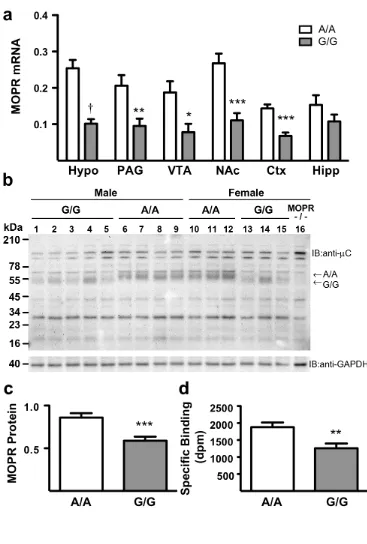
Figure 2.1 MOPR expression is decreased in A112G knock-in mice ...53
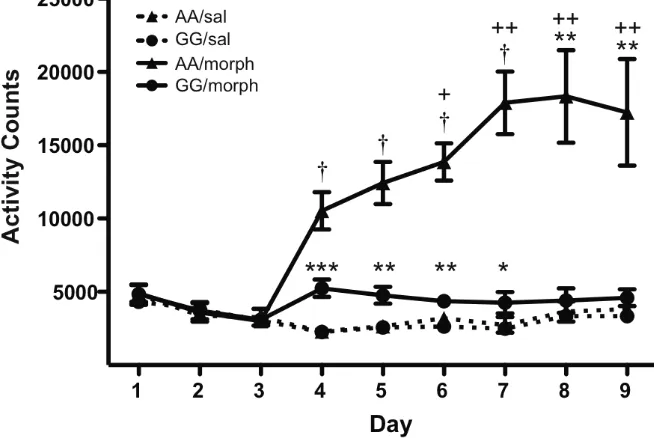
Figure 2.2 Morphine-mediated hyperlocomotion is blunted in G/G mice ...55
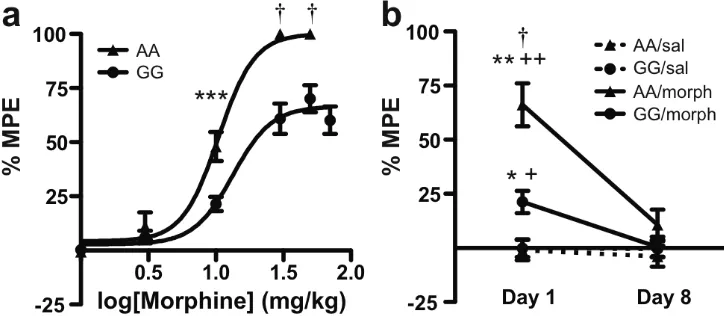
Figure 2.3 Morphine-mediated antinociception is decreased in G/G mice while tolerance to repeated exposure remains intact...57
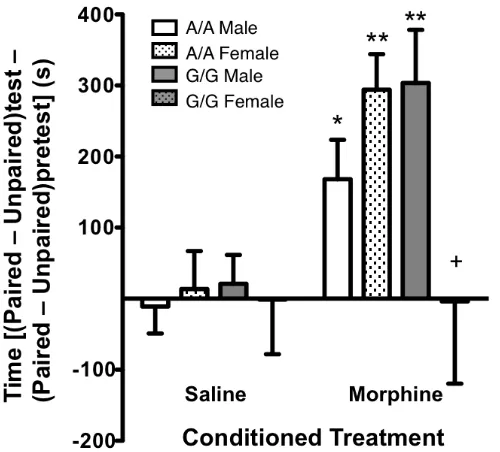
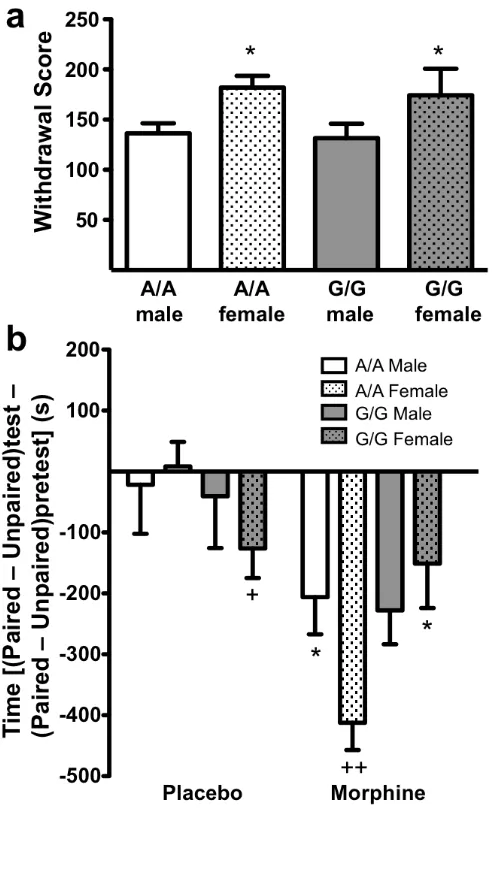
Figure 2.4 Female G/G mice failed to show a conditioned place-preference to morphine-paired environments ...59
Figure 2.5 Dissociation of the physical and affective components of naloxone-precipitated morphine withdrawal ...61
Supplemental Figure 2.1 Generation and validation of Oprm1tm1Jabl mice ...67
Supplemental Figure 2.2 MOPR mRNA is reduced in NAc...69
Supplemental Figure 2.3 Reduction in locomotor-activating effects of morphine ...71
Supplemental Figure 2.4 Altered hot-plate responses ...73
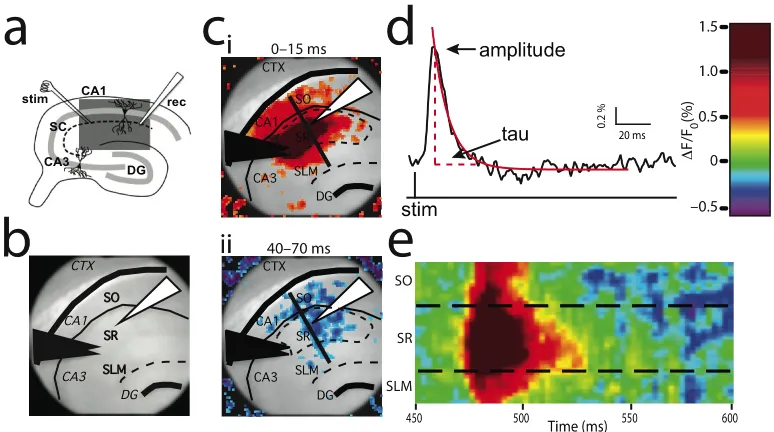
Chapter 3 Figure 3.1 VSDi procedure, quantification, and analysis...98
Figure 3.2 Raster plot quantification and subtraction analysis...100
Figure 3.3 Baseline responses in SR ...102
Figure 3.4 Baseline responses in SO ...104
Figure 3.5 Normalized DAMGO-mediated responses in SR ...106
Figure 3.6 Normalized DAMGO-mediated responses in SO ...108
CHAPTER 1:
OPRM1
SNP (A118G): INVOLVEMENT
IN DISEASE DEVELOPMENT, TREATMENT
RESPONSE, AND ANIMAL MODELS
Stephen D. Mague and Julie A. Blendy
Department of Pharmacology, University of Pennsylvania School of Medicine,
Philadelphia, PA 19104
Originally published in Drug and Alcohol Dependence
Abstract
Endogenous opioids acting at µ-opioid receptors mediate many biological
functions. Pharmacological intervention at these receptors has greatly aided in the
treatment of acute and chronic pain, in addition to other uses. However, the development
of tolerance and dependence has made it difficult to adequately prescribe these
therapeutics. A common single nucleotide polymorphism (SNP), A118G, in the µ-opioid
receptor gene can affect opioid function and, consequently, has been suggested to
contribute to individual variability in pain management and drug addiction. Investigation
into the role of A118G in human disease and treatment response has generated a large
number of association studies across various disease states as well as physiological
responses. However, characterizing the functional consequences of this SNP and
establishing if it causes or contributes to disease phenotypes have been significant
challenges. In this manuscript, we will review a number of association studies as well as
investigations of the functional impact of this gene variant. In addition, we will describe a
novel mouse model that was generated to recapitulate this SNP in mice. Evaluation of
models that incorporate known human genetic variants into a tractable system, like the
mouse, will facilitate the understanding of discrete contributions of SNPs to human
disease.
TABLE OF CONTENTS
1.Introduction
2.The µ-opioid receptor (MOPR)
2.1. MOPR form and function
2.2. Genetic variation in human OPRM1
3. A118G and drug dependence 3.1. Alcohol
3.2. Heroin 3.3. Nicotine
3.4. Methamphetamine
4. A118G and physiological response 4.1. Pain and analgesia
4.2. Stress
5. Functional relevance of A118G
6. Species-specific MOPR SNPs: Spontaneous and generated 6.1. Non-human primate orthologue (C77G)
6.2. Knock-in mouse model (A112G)
7. Conclusions
Terms:
Human SNP: A118G = Asn40Asp = N40D Mouse SNP: A112G = Asn38Asp = N38D
1. Introduction
The opioid system plays a role in diverse biological functions, including reward,
analgesia, and stress responsivity (Kreek and Koob, 1998; Vaccarino and Kastin, 2000).
Therapeutically, opioids are commonly prescribed for their effective analgesic properties.
However, the response to treatments varies widely between individuals leaving many
people taking the wrong dose, experiencing unbearable side effects, or receiving
inadequate therapy. Additionally, chronic use is marred by habituation, tolerance, and the
development of dependence, which occur in varying degrees depending on the individual.
The ability to better predict clinical outcomes based on individual differences to opioid
therapeutics would greatly reduce the trial and error of finding suitable drugs and doses,
and could reduce the number of patients developing drug dependence.
Individual variability results from a complex interaction of genetic and
environmental factors. However, linkage disequilibrium, genome-wide association,
case-controlled, and family-controlled studies have demonstrated the heritability of complex
behaviors and response to drug treatments, suggesting that specific genes or alterations in
genes may be responsible for the differences in behavior. Common genetic variations
among individuals include single nucleotide polymorphisms (SNPs), in which a single
nucleotide of the genome is altered. SNPs occur every 100-300 base pairs and account for
approximately 90% of human genetic variation. The nature of the change produced by the
SNP greatly depends on which nucleotide is being altered and where this change occurs
in the gene. For instance, synonymous SNPs will alter the nucleotide without changing
produced when the nucleotide substitution alters the resulting amino acid. Additionally,
these alterations can occur in promotor, exonic, or intergenic regions and, consequently,
may differentially affect transcription, processing, stability, translation, folding,
transportation, and ultimately, function of the corresponding gene product.
In human populations, a commonly investigated SNP (rs1799971) occurs in exon
1 of the µ-opioid receptor gene (OPRM1), in which an adenine to guanine substitution
(A118G) exchanges an asparagine for an aspartic acid at a putative N-glycosylation site
(N40D). It is common in persons of European (15–30%) and Asian ancestry (40–50%),
with lower prevalence in African American and Hispanic populations (1-3%) (Bergen et
al., 1997; Gelernter et al., 1999; Tan et al., 2003). Despite the vast number of papers
investigating the role of this SNP in human disease and drug responses, a consensus has
yet to be reached on its functional consequences. The A118G SNP has been implicated in
a wide variety of disorders, such as drug addiction and stress responsivity, and in
treatment responses, including dependence and pain reduction; however, the mechanisms
that mediate these alterations have not been determined. In this manuscript, we will
review the relevant literature investigating the role of this SNP in human disease and
treatment response, molecular and cellular function, and animal models that may help
explain these effects. Indeed, several comprehensive reviews describe the role of
pharmacogenetics, including OPRM1 and other genes, in specific disease states and
treatment responses, such as alcoholism/addiction (LaForge et al., 2000; Dick and
Foroud, 2003; Enoch, 2003; Oslin et al., 2006; Anton et al., 2008; Haile et al., 2008) and
review we focus on the elucidation of the functional significance of the A118G SNP in
disease states both in humans and animal models.
2. The µ-opioid receptor (MOPR)
2.1. MOPR form and function
Early investigation of the endogenous targets of opioid drugs identified three
main classes of opioid receptors: µ, !, and ". The cloning and characterization of the
opioid receptors have impacted our understanding of their gene and protein structures.
The MOPR is a member of the G-protein-coupled receptor (GPCR) family and interacts
with (Gi/Go) heterotrimeric G-proteins. Activation of the receptor and subsequent
dissociation of the G-proteins results in the opening of G-protein-gated
inwardly-rectifying K+ (GIRK) channels, inhibition of voltage-gated Ca2+ channels, and reduction
of adenylyl cyclase-mediated cAMP production, all of which serve to decrease membrane
potential, neuronal excitability, and neurotransmitter release in addition to affecting
second-messenger systems and gene expression.
Receptor activation is achieved through binding of endogenous or exogenous
ligands. #-endorphin, the peptide encoded by proopiomelanocortin (POMC), has high
affinity and selectivity for the MOPR and is considered the endogenous MOPR ligand. In
addition, a separate class of peptides has been proposed as µ-selective: the endomorphins
(Zadina et al., 1997). The preproenkephalin gene encodes enkephalin, the endogenous
ligands for the ! receptor, which has modest affinity for the MOPR as well (Raynor et al.,
those most commonly prescribed for their effective analgesic properties include
morphine, codeine and oxycodone.
2.2. Genetic Variation in Human OPRM1
The human MOPR gene, OPRM1, [chromosome 6q24-q25] spans over 200kb
with at least 9 exons and 19 different splice variants under the control of multiple
promoters (Shabalina et al., 2009). The initial receptor subtype, MOPR-1, spanning
approximately 80kb and containing 4 exons (http://genome.ucsc.edu), is abundantly
expressed and has been most intensely studied. Its haplotype structure includes three
large blocks with >100 polymorphisms reported (http://www.hapmap.org). In addition to
the exon 1 A118G, there is in vitro functional evidence for only a few of these other
polymorphisms. Two promoter polymorphisms, G–554A and A–1320G have been shown
to affect transcription: G–554A decreases MOPR transcription but is extremely rare
(MAF<0.001) and the A–1320G variant increases transcription, although the exact
transcription factor binding to the site is unknown (MAF= 0.21) (Bayerer et al., 2007). In
exon 3, G779A (R260H), G794A (R265H), and T802C (S268P) have been shown to
decrease receptor coupling and signaling (Koch et al., 2000; Befort et al., 2001; Wang et
al., 2001). Other OPRM1 polymorphisms that have been identified and associated with
pain or opioid dependence including a short tandem (CA)n repeat (Kranzler et al., 1998),
C17T (A6V), which is found primarily in African Americans(Hoehe et al., 2000), and
C440G (S147C), which is extremely rare in the general population (MAF< 0.006) (Glatt
et al., 2007). To date, none of these polymorphisms have in vitro evidence supporting a
3. A118G and drug dependence
Mesolimbic dopamine (DA) neurons in the ventral tegmental area (VTA) that
project to the nucleus accumbens (NAc) are part of a well-defined pathway involved in
reward processing (Nestler, 2005). GABAergic interneurons in the VTA maintain a tonic
inhibition over dopaminergic neurons. Binding of #-endorphin or morphine to MOPRs on
these interneurons will decrease their activity, resulting in disinhibition of the DA
neurons and elevations of DA in the NAc (Johnson and North, 1992). This dopamine
influx has been associated with reward and reinforcement and is believed to contribute to
the development of drug dependence (Wise and Bozarth, 1985; Di Chiara and Imperato,
1988).
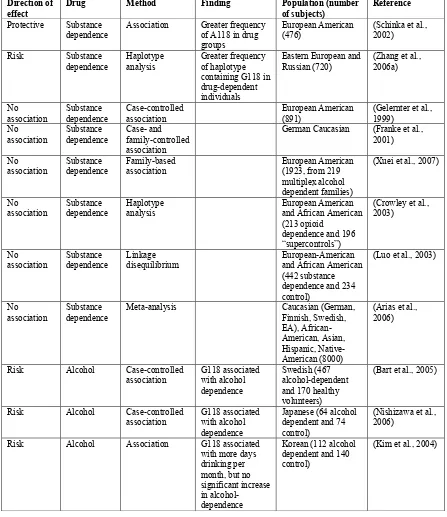
A number of studies have examined OPRM1 as a candidate for genetic
contribution to the risk for substance dependence. The minor G118 allele has been
associated with an altered susceptibility for developing drug dependence, with some
studies suggesting that the SNP is a risk factor and others finding it to be protective, in
addition to several studies that did not report any significant contribution of the G118
allele (Table 1). For instance, in a sample of 476 Caucasians grouped according to drug
history – alcohol alone, alcohol and nicotine, or alcohol, nicotine, and illicit drug use and
compared to two control groups – it was found that individuals homozygous for the A118
allele were present in greater frequency in the drug groups compared to controls. The
absence of the G118 allele in the drug groups suggested it was protective against
developing drug dependence (Schinka et al., 2002). Alternatively, in drug-dependent
or haplotype analysis (Crowley et al., 2003; Luo et al., 2003), case- or family-controlled
studies (Gelernter et al., 1999; Franke et al., 2001; Xuei et al., 2007), or meta-analyses of
past studies (Arias et al., 2006) failed to detect a significant involvement of A118G in
drug dependence.
3.1. Alcohol
Alcohol has been shown to affect a wide variety of transmitter systems; however,
the rewarding and reinforcing aspects of alcohol intake seem to be mediated by the opioid
system (Gianoulakis, 2004; Oswald and Wand, 2004). Indeed, acute alcohol
administration has been shown to cause #-endorphin release measured in the plasma
(Gianoulakis and Barcomb, 1987) or in reward-related brain regions (Rasmussen et al.,
1998). MOPRs appear critical for mediating alcohol effects as MOPR knock-out mice
show reduced ethanol intake and reward (Roberts et al., 2000; Hall et al., 2001).
Likewise, antagonism of the receptor by naloxone in rats (Reid et al., 1986) and
naltrexone in humans (O'Malley et al., 1992; Volpicelli et al., 1992) has been shown to
reduce alcohol intake.
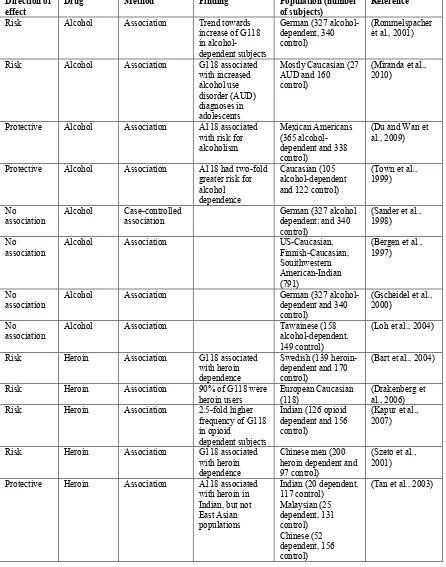
Studies investigating alcohol-dependence specifically have reported positive
associations with the A118G SNP (Rommelspacher et al., 2001; Kim et al., 2004; Bart et
al., 2005; Nishizawa et al., 2006; Miranda et al., 2010), no association (Bergen et al.,
1997; Sander et al., 1998; Gscheidel et al., 2000; Kim et al., 2004; Loh el et al., 2004), or
a protective effect (Town et al., 1999) in individuals possessing the G118 allele (Table 1).
[For a detailed review of 12 of these clinical association studies, see (van der Zwaluw et
A number of clinical studies have investigated altered effects of alcohol in
individuals with the G118 allele. For instance, in a sample of 38 moderate and heavy
drinkers without a history of alcohol problems or quit attempts, it was shown that G118
allele-carriers reported higher feelings of intoxication, stimulation, sedation, and
happiness compared to A118 allele-carriers. Subjects carrying the G118 allele were also
three times more likely to report a family history of alcohol use (Ray and Hutchison,
2004). In male heavy drinkers, G118 allele-carriers showed automatic approach
tendencies for alcohol and other appetitive stimuli, but not for generally positive or
negative stimuli (Wiers et al., 2009) and reported greater alcohol craving in a
cue-reactivity task (van den Wildenberg et al., 2007). A recent study investigating the
involvement of A118G in adolescent alcohol misuse found that a higher percentage of
G118 allele-carriers tested positive for an alcohol use disorder, and that the G118 allele
was associated with increased self-reports of drinking in order to enhance positive affect
(Miranda et al., 2010). Functionally, G118 allele-carriers have demonstrated an increased
BOLD response in fMRI in the orbitofrontal cortex, ventromedial prefrontal cortex, and
striatum in response to alcohol and alcohol-related cues (Filbey et al., 2008).
Additionally, a significant increase in dopamine receptor sensitivity, as measured by
increases in apomorphine-induced growth hormone secretion, was found in G118
allele-carrying alcoholics following one week of alcohol abstinence (Smolka et al., 1999).
One of the more therapeutically relevant findings regarding the A118G SNP is in
the treatment of alcoholism. It was discovered that individuals carrying the G118 allele
were more likely to respond positively to naltrexone treatment (Crowley et al., 2003). In
with A118 allele-carriers, who did not relapse to heavy drinking. There were no
differences in rates of abstinence, suggesting that individuals with the G118 allele may
better handle alcohol exposure without fully relapsing to heavy drinking. There were no
differences between genotypes for those receiving placebo treatments, demonstrating that
the benefit of the G118 allele is specific for naltrexone treatment and does not confer an
enhanced ability for the individual to refrain from relapse. Subsequent studies
investigating the involvement of this SNP in naltrexone response have replicated these
initial findings (Oslin et al., 2003; Anton et al., 2008; Kim et al., 2009; Oroszi et al.,
2009). For instance, using a haplotype-based approach, the A118G locus, and not SNPs
found in the same haplotype block, contributed to the improved response to naltrexone
treatment in alcohol-dependent subjects with the G118 allele (Oroszi et al., 2009).
However, other studies failed to find an association between the G118 allele and an
improved response to naltrexone (Gelernter et al., 2007; Arias et al., 2008; Tidey et al.,
2008) or nalmefene treatment (Arias et al., 2008).
The mechanisms underlying the interaction of the A118G SNP and the potential
benefits of naltrexone in alcohol dependence are unknown. It is thought that the effect of
naltrexone is mediated by its ability to block the elevations in #-endorphin induced by
alcohol administration, which are thought to contribute to the subsequent euphoria.
Indeed, it has been shown that naltrexone has a greater propensity to block
alcohol-induced highs in individuals with the G118 allele (Ray and Hutchison, 2007), which may,
in part, explain the reduction in rates of relapse. In contrast, it was shown that the urge to
the urge to drink was evaluated following exposure to alcohol cues rather than alcohol
administration.
Cortisol responses have also been implicated in drinking behavior. A study in
non-treatment-seeking alcohol-dependent subjects found that G118 allele-carriers showed
a trend towards decreased cortisol responses to stress, but elevated alcohol craving and
intake following the stress (Pratt and Davidson, 2009). In animal models of addiction,
discrete brain substrates have been identified for drug-, cue-, and stress-mediated
reinstatement to drug-seeking behavior (Kalivas and McFarland, 2003). As such, it is
possible that this SNP may confer benefits in certain situations, but could serve as a
detriment (or not play a role) in others. [For additional information on alteration in
stress-related responses, see Chapter 1, section 4.2 “OPRM1 A118G and physiological
response: Stress”.]
3.2. Heroin
Heroin directly stimulates MOPRs when converted to morphine in the brain and
periphery. Similarly to alcohol, this results in activation of reward-related pathways,
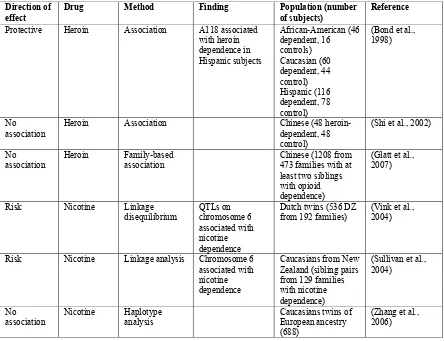
initially resulting in euphoria, but eventually leading to abuse and dependence. Studies
evaluating the role of G118 allele in heroin dependence have reported positive
associations (Szeto et al., 2001; Bart et al., 2004; Drakenberg et al., 2006; Kapur et al.,
2007), negative associations (Bond et al., 1998; Tan et al., 2003), or no association (Shi
et al., 2002; Glatt et al., 2007) (Table 1). For instance, one study found that
approximately 90% of G118 allele-carriers were heroin users. Additionally, they found
that preproenkephalin and preprodynorphin levels, which were reduced in
allele-carriers (Drakenberg et al., 2006). Shi and colleagues found that the G118 allele was
associated with elevated daily intake of heroin in dependent subjects, though they did not
find a significant effect of genotype and heroin dependence (Shi et al., 2002). A positive
response to initial drug exposure is typically associated with continued use and abuse. In
a study investigating the relationship between initial drug response and OPRM1 SNPs,
the G118 allele was not associated with positive or negative subjective responses to
first-time heroin use (Zhang et al., 2007), suggesting that differences in rates of dependence
may not be explained by differences in initial euphoric experience.
3.3. Nicotine
The rewarding properties of nicotine are, in part, mediated by opioid transmission.
For instance, it has been shown that nicotine stimulates the release of endogenous opioids
in reward-related brain regions (Davenport et al., 1990; Pomerleau, 1998), blockade of
MOPRs with systemic injections of naloxone blocks acute nicotine reward (Walters et al.,
2005), MOPR null mutant mice do not show nicotine reward (Berrendero et al., 2002),
and repeated treatment with nicotine elevates MOPR mRNA in the VTA (Walters et al.,
2005). Human studies have reported an association of chromosome 6, which contains
OPRM1, with nicotine dependence (Sullivan et al., 2004; Vink et al., 2004) (Table 1).
Another study, however, found that the A118G SNP was not significantly associated with
nicotine dependence, though it was in high linkage disequilibrium with haplotypes that
did reach significance, suggesting there may be other SNPs nearby that confer an
increased susceptibility for developing nicotine dependence (Zhang et al., 2006b). As in
the case with alcohol, studies examining differences in response to nicotine
allele-carriers report attenuated rewarding effects of nicotine (Ray et al., 2006). In a
separate study, nicotine was administered following the induction of a positive or
negative mood via pictures and music. Smoking was reported as more rewarding to A118
allele-carriers when in a negative mood than it was for those with the G118 allele,
suggesting that the A118 allele-carriers may respond more to the mood-enhancing
properties of nicotine (Perkins et al., 2008). Accordingly, increases in cerebral blood flow
to brain regions associated with cigarette craving were detected in smokers with the A118
allele compared to the G118 allele (Wang et al., 2008).
Consistent with alcohol studies, the A118G SNP may better predict treatment
outcomes and relapse rates for those attempting to quit smoking rather than predict the
susceptibility for developing nicotine dependence. Lerman and colleagues have shown
that smokers with the G118 allele are significantly less likely to relapse and report fewer
abstinence symptoms than smokers homozygous for the A118 allele (Lerman et al.,
2004). A group in the UK reported that female G118 allele-carriers had significantly
higher quit rates than female A118 allele-carriers; while the reverse was true for males
(Munafo et al., 2007). It should be noted, however, that this study obtained DNA from
only 50% of subjects, raising the possibility of ascertainment bias. This evidence
supporting the role of the G118 allele in dependence phenotypes, such as liking and
craving in chronic smokers, is more robust than evidence for association with the
development of nicotine dependence.
3.4. Methamphetamine
The effects of methamphetamine (MA), which are predominantly mediated by
systems. Indeed, work in animals has shown that naloxone administration can block
behavioral sensitization to repeated MA exposure (Chiu et al., 2005). However, the few
studies investigating the effect of the A118G SNP in MA dependence failed to find an
association (Ide et al., 2004; Ide et al., 2006) (Table 1).
4. A118G and physiological response
4.1. Pain and analgesia
The relationship between altered pain thresholds and analgesic responses to
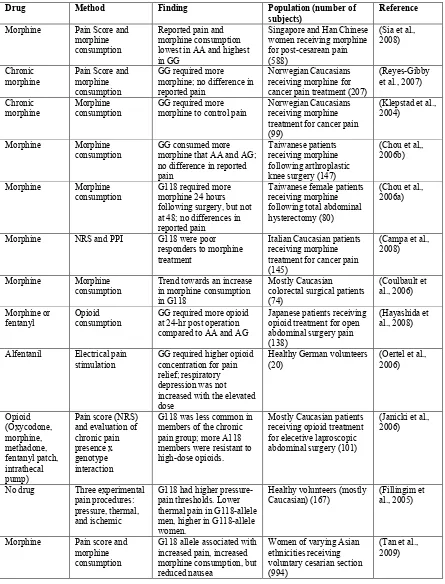
opioid administration for the A118G SNP has been well characterized. In a variety of
populations, the G118 allele has been associated with elevated pain responses and
decreased pain thresholds (Sia et al., 2008; Tan et al., 2009) and a reduced response to
morphine or other opioids for patients receiving treatment for post-operative or chronic
pain (Klepstad et al., 2004; Fillingim et al., 2005; Chou et al., 2006a; Chou et al., 2006b;
Coulbault et al., 2006; Janicki et al., 2006; Oertel et al., 2006; Reyes-Gibby et al., 2007;
Campa et al., 2008; Hayashida et al., 2008; Landau et al., 2008; Sia et al., 2008; Tan et
al., 2009) (Table 2). Additionally, in healthy volunteers carrying the G118 allele, higher
concentrations of alfentanil, an opioid analgesic, were required for pain relief following
electrical pain stimulation (Oertel et al., 2006); of interest, this dose did not increase
respiratory depression, suggesting it may be safe to give a higher dose of opioid
analgesics to patients that carry the G118 allele. Other studies, however, have reported
divergent results, showing that G118 was associated with reduced pain responses. For
instance, in healthy volunteers receiving different experimental pain procedures, the
2005). Additionally, males carrying the G118 allele rated thermal pain lower than those
carrying the A118 allele. However, the G118 allele-carrying females reported higher pain
scores following this thermal pain administration, consistent with previous literature
demonstrating elevated pain responses (Fillingim et al., 2005).
Morphine-6#-glucuronide (M6G) is an active metabolite of morphine that has a
greater analgesic potency but a reduced potency in affecting respiratory depression
(Mantione et al., 2005). In G118 allele-carrying subjects, there was a reduced potency of
M6G in eliciting an analgesic response, though there was no difference in M6G-induced
respiratory depression (Romberg et al., 2005). A reduction in M6G-induced miosis was
also found in G118 allele-carriers (Lotsch et al., 2002).
MOPRs also play a role in social pain, described as the feelings that result from
social rejection, separation, or loss. Accordingly, the G118 allele was associated with
increased self-reported sensitivity to rejection (Way et al., 2009). Subsequent fMRI
measurement of neural responses in these individuals found greater activation in the
dorsal anterior cingulate cortex and anterior insula while experiencing social rejection,
suggesting a decrease in MOPR inhibitory modulation in G118 allele-carriers. These
brain regions are associated with both physical and social pain (Eisenberger and
Lieberman, 2004). Together, these data support a loss of function of the MOPR in
individuals harboring the G118 allele in some, but not all, responses mediated by the
same compounds.
4.2. Stress response
released from the paraventricular nucleus (PVN) of the hypothalamus, stimulating POMC
synthesis in the pituitary and the release of two POMC metabolites: adrenocorticotropic
hormone (ACTH) and #-endorphin. Acting on the adrenal glands, ACTH stimulates the
release of glucocorticoids (cortisol in primates and corticosterone in rodents; CORT),
which can then have many central and peripheral effects. MOPRs located on CRF
neurons in the PVN serve to tonically inhibit HPA axis stimulation; thus, differences in
endogenous opioid transmission or receptor activity can alter basal CORT levels or
stress-mediated CORT responses. Just as genetic differences can affect response to drugs
(pharmacogenetics), alterations in responses to an individual’s own biologically active
compounds (physiogenetics) are influenced by genetic differences (Kreek and LaForge,
2007). Indeed, individuals with the G118 allele have baseline elevations in CORT levels
(Hernandez-Avila et al., 2003; Bart et al., 2006). Several studies have shown that the
CORT-response to a behavioral stressor is lower in G118 allele-carriers (Chong et al.,
2006; Pratt and Davidson, 2009).
In contrast, a greater CORT response has been observed in G118 allele-carriers
following a naloxone challenge, which may suggest an elevated tonic inhibition of CRF
by #-endorphin (Hernandez-Avila et al., 2003; Chong et al., 2006; Hernandez-Avila et
al., 2007). Interestingly, one of these studies found population-specific effects in which
G118 allele-carriers of European descent displayed elevations in CORT responses to
naloxone, while G118 allele-carriers of East Asian descent did not (Hernandez-Avila et
al., 2007). These population-specific differences could suggest that the A118G SNP is in
5. Functional relevance of A118G
Most studies to date have examined the functional consequences of this SNP in
vitro using various cell culture systems. Initial studies identified an elevated binding
affinity of #-endorphin, but not exogenous ligands, in the G118 variant to 3-fold higher
than that of the A118 in AV-12 cells stably expressing the human MOPR (hMOPR)
variants (Bond et al., 1998). Additionally, #-endorphin was found to be three times more
potent in activating GIRK channels in Xenopus oocytes injected with in vitro transcribed
mRNAs for the A118 or G118 variants (Bond et al., 1998). Together, these data
suggested a gain-of-function of the MOPR as a consequence of the A118G point
mutation. However, subsequent studies using other cell culture systems – COS cells
(Simian fibroblasts) (Befort et al., 2001) or HEK 293 cells (Human embryonic kidney)
(Beyer et al., 2004) – were less conclusive with regard to this altered function of the
G118 allele. Another consequence of MOPR activation, Ca2+ inhibition, was investigated
using rat sympathetic superior ganglion (SCG) neurons expressing either the A118 or
G118 variant of the hMOPR. In these studies, the potencies of both DAMGO- and
morphine-mediated Ca2+ current inhibition (but not morphine-6-glucuronide or
endomorphin I) were increased in SCG neurons expressing the G118 variant (Margas et
al., 2007), again suggesting enhanced response for some but not all opioid compounds.
A human post-mortem study examined allele-specific mRNA expression from
heterozygous individuals with the A118G polymorphism and found significant reductions
and protein expression with the G118 allele (Zhang et al., 2005). The mechanisms
underlying the decrease in expression is unclear. As the mutation occurs in a coding
region, rather than a promotor, it might seem unlikely that transcription would be
affected. However, using in silico tools (bioinformatics), it has been proposed that the
A118G SNP may inactivate three transcription factor binding sites while creating two
new ones, including a p53 site (Pang et al., 2009), suggesting that cis-acting factors could
explain the alterations in expression. While transcriptional regulation using exonic
sequence is rare, some examples do exist. Using Mfold technology, in which theoretical
mRNA folding can be evaluated for different sequences, it was shown that the G118
variant demonstrated altered folding compared to other permutations which could affect
mRNA stability (Zhang et al., 2005; Johnson et al., 2008).
Further evidence for a decrease in MOPR expression was demonstrated by studies
showing a reduction in Bmax, indicative of a lower receptor number, following [3
H]-DAMGO binding using both transient and stable expression of MOPR in AV-12 and
HEK293 cells (Kroslak et al., 2007). Additionally, there was a decrease in
agonist-mediated cAMP signaling for morphine, methadone, and DAMGO, but not #-endorphin,
using stable expression in the two lines; this alteration in cAMP signaling was not seen in
cell lines transiently expressing the receptor (Kroslak et al., 2007). Another study using
HEK293 cells stably expressing the hMOPR also found a decrease in Bmax using
DAMGO binding in the G118 variant, though they did not find alterations in binding
affinity or signal transduction (Beyer et al., 2004). Conversely, a recent study
tissue from secondary somatosensory cortex, but not thalamus. However, there were no
alterations in receptor expression or binding affinity (Oertel et al., 2009). Together,
studies demonstrating that the G118 variant results in significantly reduced levels of
MOPR expression and/or signaling suggest a loss-of-function of the mutation, while
others reporting an increase in affinity and signaling suggest a gain-of-function.
6. Species-specific SNPs in OPRM1: Spontaneous and generated
6.1. Monkey orthologue (C77G)
Non-human primate research has been invaluable in the study of human disease
and behavior. A conserved SNP, in which a cystine is replaced by a guanine at position
77 (C77G) resulting in a substitution of arginine with proline (R26P), occurs in the
N-terminal arm of the monkey orthologue OPRM1 and has been suggested to be
comparable to the A118G SNP (Miller et al., 2004). In this initial characterization of 32
male and female macaques, 44% were homozygous for the C77-allele, 50%
heterozygous, and 6% homozygous for the G77 allele. It was demonstrated that monkeys
possessing the minor allele (G77), had lower CORT levels both at baseline and following
dexamethasone suppression and subsequent ACTH challenge. In addition to lower CORT
levels, the G77 allele was associated with an increase in aggression threat, which is the
early communicative aspect of aggression occurring prior to actual physical actions. By
expressing these receptor-coding regions in HEK-293, the authors were able to identify
an elevated affinity of the G77 allele for #-endorphin (~3.5 fold), but not exogenous
infants, who displayed increased distress vocalization during protracted periods of
mother-infant separation and increased maternal contact during mother-infant reunion
(Barr et al., 2008), possibly reflecting increased attachment reward through enhanced #
-endorphin function. However, in light of the recent reports of increased social pain
associated with the G118 allele (Way et al., 2009), an alternate explanation could be that
the infants carrying the G118 allele had a greater sensitivity to maternal rejection,
possibly through reduced MOPR function in the neocortex.
A haplotype containing the C77G SNP was shown to result in an increase in
MOPR mRNA expression (Vallender et al., 2008). Though the human A118G SNP has
been shown to reduce mRNA expression rather than increase it, this serves as further
evidence that coding region SNPs may alter mRNA production, folding, or stability.
Interestingly, in studying alcohol consumption in these macaques, a sex $ genotype
interaction was found, in which male carriers of the G77 allele showed elevated ethanol
preference and consumption (Barr et al., 2007). In a subsequent study, macaques carrying
the G77 allele showed both enhanced alcohol preferences following vehicle
administration and greater reductions of alcohol preference following naltrexone
administration (Barr et al., 2010).
6.2. Knock-in mouse model (A112G)
Despite information gained from human post mortem tissues, a full understanding
of the OPRM1 A118G polymorphism requires extensive biochemical characterization
aligned with behavioral analysis, which is not feasible in human subjects. The mouse is a
recombination technology can now be used to generate point mutations in mice for those
genes in which human SNPs have been identified. This approach, however, has not been
fully utilized due in part to the labor-intensive procedures involved in building the
complex targeting vectors required. Recent advances and the availability of bacterial
artificial chromosome (BAC) vectors have streamlined this process, making the use of
knock-in mice a natural progression to investigate human disease. To gain insight into the
role of the A118G variant in humans, we have generated the equivalent point mutation in
mice, A112G, which alters the same amino acid coding from an asparagine to aspartic
acid at position 38 (Asn38Asp; N38D), eliminating an N-linked glycosylation site.
A number of molecular, biochemical, and behavioral alterations that resemble
those previously identified in human and in vitro studies have been identified in G112
mice (Mague et al., 2009). For instance, the presence of the G112 allele results in
decreased MOPR mRNA and protein expression. This decrease in receptor expression
was also seen using [3H]-DAMGO binding, though there were no alterations in affinity
for #-endorphin or exogenous ligands (morphine, DAMGO, or naloxone). Mice with the
G112 allele showed only a modest elevation in locomotor activity following acute
morphine administration and failed to develop sensitization to repeated, intermittent
injections. Similarly, G112 mice had reduced morphine-induced antinociceptive
responses, though they showed similar signs of tolerance following repeated treatments.
A sex $ genotype interaction was found in measures of hedonia: female G112-carriers
did not display a preference for morphine-associated environments nor did they
Since the A112G SNP alters MOPR expression, some of the behavioral outcomes
could be explained by the reduction in protein levels. Indeed, studies investigating opioid
responses in MOPR knockout heterozygous mice have found similar reductions in
morphine-mediated antinociception using tail flick and hot plate tests (Sora et al., 1997)
and sex-specific decreases in alcohol reward using voluntary ethanol consumption and
place-conditioning paradigms (Hall et al., 2001). However, these sex-specific differences
in ethanol reward were due in large part to elevated responses in wild type female mice
compared to wild type male mice, with little differences reported between male and
female heterozygous mice. Indeed in wild type male mice, no ethanol preference was
observed; therefore, it is difficult to assess whether or not heterozygous MOPR knockout
males displayed ethanol reward deficits. In addition to reducing expression levels, it
should be emphasized that one consequence of the A112G knock-in mouse (and the
A118G SNP) is the deletion of an N-linked glycosylation site. Glycosylation plays a role
in receptor sorting, expression, trafficking, ligand binding, and signal transduction (Fan et
al., 1997; Zhang et al., 2001; Rathz et al., 2002); alterations in these processes could
affect MOPR function in ways distinct from protein level changes.
The A112G mouse model, similarly to the C77G non-human primate model,
possesses analogous phenotypes as those reported in human studies and identifies new
behaviors that have not been investigated. The A112G mouse model seems to replicate
the loss-of-function phenotypes (e.g., decreased expression, reduced morphine-mediated
antinociception, decreased hedonic reward), though it should be noted that decreases are
not present in all morphine-mediated behaviors, suggesting that the alterations are
sex. Future work will investigate the effects of the A112G SNP on alcohol consumption
and stress responsivity to evaluate whether or not these animals display any
gain-of-function phenotypes as suggested by human studies.
7. Conclusion
The A118G SNP in the human OPRM1 gene has been studied intensely and
implicated in a variety of disease states and treatment responses. In particular, alterations
in receptor function resulting from this SNP are believed to contribute to the
susceptibility for developing drug dependence. The strongest evidence for a beneficial
effect of the A118G polymorphism stems from studies evaluating the response to
naltrexone for alcohol and nicotine consumption, highlighting the importance of
pharmacogenetics when devising treatment options to determine who may be more likely
to benefit from a given therapy. In addition to choosing treatment options, understanding
the mechanisms underlying these beneficial effects may allow us to develop therapies for
individuals with the common A118 allele.
As acute overdose and long-term dependence are concerns when treating acute
and chronic pain with opiates, it is important to minimize the dose prescribed in order to
reduce the amount of drug the patient receives. The evidence showing a diminished
response to opioid-mediated analgesia in G118 subjects illustrates the need for utilizing
pharmacogenetics when developing treatment options. For instance, though G118
patients require higher doses of opioids for pain management, it has also been shown that
allele-carrying individuals, suggesting that there may be less risk in providing these
higher doses (Oertel et al., 2006).
Cross-species experiments allow investigators to validate both pharmacogenetic
and physiogenetic phenotypes. Despite the potential of this approach to yield valuable
information for treatment development, few mouse/human comparisons of SNPs have
been reported. The derivation of the Oprm1 A112G mouse will allow for such studies to
investigate aspects of this SNP that have yet to be delineated in human populations. We
know from human studies that the OPRM1 A118G SNP can impact the response to
treatment; however, we have learned from studies in mice that this SNP also influences
sex-specific drug behaviors, differences that have been largely ignored in human
association studies. Moreover, we anticipate that this mouse model may assist in drug
design to generate effective analgesics and other opioid therapies without the risk of
Table 1. Association studies investigating OPRM1 A118G involvement in drug dependence in humans
Direction of effect
Drug Method Finding Population (number
of subjects)
Reference
Protective Substance
dependence Association Greater frequency of A118 in drug groups
European American
(476) (Schinka et al., 2002) Risk Substance
dependence
Haplotype analysis
Greater frequency of haplotype containing G118 in drug-dependent individuals
Eastern European and Russian (720)
(Zhang et al., 2006a)
No
association Substance dependence Case-controlled association European American (891) (Gelernter et al., 1999) No association Substance dependence Case- and family-controlled association
German Caucasian (Franke et al., 2001) No
association Substance dependence Family-based association European American (1923, from 219 multiplex alcohol dependent families)
(Xuei et al., 2007)
No association Substance dependence Haplotype analysis European American and African American (213 opioid
dependence and 196 “supercontrols”)
(Crowley et al., 2003)
No
association Substance dependence Linkage disequilibrium European-American and African American (442 substance dependence and 234 control)
(Luo et al., 2003)
No association
Substance dependence
Meta-analysis Caucasian (German, Finnish, Swedish, EA), African-American, Asian, Hispanic, Native-American (8000)
(Arias et al., 2006)
Risk Alcohol Case-controlled association G118 associated with alcohol dependence Swedish (467 alcohol-dependent and 170 healthy volunteers)
(Bart et al., 2005)
Risk Alcohol Case-controlled
association G118 associated with alcohol dependence
Japanese (64 alcohol dependent and 74 control)
(Nishizawa et al., 2006)
Risk Alcohol Association G118 associated with more days drinking per month, but no significant increase in alcohol-dependence
Korean (112 alcohol dependent and 140 control)
Table 1 continued.
Direction of
effect Drug Method Finding Population (number of subjects) Reference
Risk Alcohol Association Trend towards increase of G118 in alcohol-dependent subjects
German (327 alcohol-dependent, 340 control)
(Rommelspacher et al., 2001)
Risk Alcohol Association G118 associated with increased alcohol use disorder (AUD) diagnoses in adolescents
Mostly Caucasian (27 AUD and 160 control)
(Miranda et al., 2010)
Protective Alcohol Association A118 associated with risk for alcoholism
Mexican Americans (365 alcohol-dependent and 338 control)
(Du and Wan et al., 2009)
Protective Alcohol Association A118 had two-fold greater risk for alcohol dependence
Caucasian (105 alcohol-dependent and 122 control)
(Town et al., 1999)
No association
Alcohol Case-controlled association
German (327 alcohol dependent; and 340 control)
(Sander et al., 1998) No
association
Alcohol Association US-Caucasian, Finnish-Caucasian, Souithwestern American-Indian (791)
(Bergen et al., 1997)
No
association Alcohol Association German (327 alcohol-dependent and 340 control)
(Gscheidel et al., 2000)
No
association Alcohol Association Tawainese (158 alcohol-dependent, 149 control)
(Loh et al., 2004)
Risk Heroin Association G118 associated with heroin dependence
Swedish (139 heroin-dependent and 170 control)
(Bart et al., 2004)
Risk Heroin Association 90% of G118 were
heroin users European Caucasian (118) (Drakenberg et al., 2006) Risk Heroin Association 2.5-fold higher
frequency of G118 in opioid
dependent subjects
Indian (126 opioid dependent and 156 control)
(Kapur et al., 2007)
Risk Heroin Association G118 associated with heroin dependence
Chinese men (200 heroin dependent and 97 control)
(Szeto et al., 2001) Protective Heroin Association A118 associated
with heroin in Indian, but not East Asian populations
Indian (20 dependent, 117 control) Malaysian (25 dependent, 131 control) Chinese (52 dependent, 156 control)
Table 1 continued.
Direction of
effect Drug Method Finding Population (number of subjects) Reference
Protective Heroin Association A118 associated with heroin dependence in Hispanic subjects African-American (46 dependent, 16 controls) Caucasian (60 dependent, 44 control) Hispanic (116 dependent, 78 control)
(Bond et al., 1998)
No
association Heroin Association Chinese (48 heroin-dependent, 48 control)
(Shi et al., 2002)
No association
Heroin Family-based association
Chinese (1208 from 473 families with at least two siblings with opioid dependence)
(Glatt et al., 2007)
Risk Nicotine Linkage disequilibrium QTLs on chromosome 6 associated with nicotine dependence
Dutch twins (536 DZ from 192 families)
(Vink et al., 2004)
Risk Nicotine Linkage analysis Chromosome 6 associated with nicotine dependence
Caucasians from New Zealand (sibling pairs from 129 families with nicotine dependence)
(Sullivan et al., 2004)
No association
Nicotine Haplotype analysis
Caucasians twins of European ancestry (688)
Table 2. Association studies investigating OPRM1 A118G in pain experience and
opioid-mediated analgesia.
Drug Method Finding Population (number of
subjects)
Reference
Morphine Pain Score and morphine consumption
Reported pain and morphine consumption lowest in AA and highest in GG
Singapore and Han Chinese women receiving morphine for post-cesarean pain (588)
(Sia et al., 2008)
Chronic morphine
Pain Score and morphine consumption
GG required more morphine; no difference in reported pain
Norwegian Caucasians receiving morphine for cancer pain treatment (207)
(Reyes-Gibby et al., 2007) Chronic
morphine Morphine consumption GG required more morphine to control pain Norwegian Caucasians receiving morphine treatment for cancer pain (99)
(Klepstad et al., 2004)
Morphine Morphine consumption
GG consumed more morphine that AA and AG; no difference in reported pain
Taiwanese patients receiving morphine following arthroplastic knee surgery (147)
(Chou et al,, 2006b)
Morphine Morphine consumption
G118 required more morphine 24 hours following surgery, but not at 48; no differences in reported pain
Taiwanese female patients receiving morphine following total abdominal hysterectomy (80)
(Chou et al., 2006a)
Morphine NRS and PPI G118 were poor responders to morphine treatment
Italian Caucasian patients receiving morphine treatment for cancer pain (145)
(Campa et al., 2008)
Morphine Morphine consumption
Trend towards an increase in morphine consumption in G118
Mostly Caucasian colorectal surgical patients (74)
(Coulbault et al., 2006) Morphine or
fentanyl Opioid consumption GG required more opioid at 24-hr post operation compared to AA and AG
Japanese patients receiving opioid treatment for open abdominal surgery pain (138)
(Hayashida et al., 2008)
Alfentanil Electrical pain
stimulation GG required higher opioid concentration for pain relief; respiratory depression was not increased with the elevated dose
Healthy German volunteers
(20) (Oertel et al., 2006)
Opioid (Oxycodone, morphine, methadone, fentanyl patch, intrathecal pump)
Pain score (NRS) and evaluation of chronic pain presence x genotype interaction
G118 was less common in members of the chronic pain group; more A118 members were resistant to high-dose opioids.
Mostly Caucasian patients receiving opioid treatment for elecetive laproscopic abdominal surgery (101)
(Janicki et al., 2006)
No drug Three experimental pain procedures: pressure, thermal, and ischemic
G118 had higher pressure-pain thresholds. Lower thermal pain in G118-allele men, higher in G118-allele women.
Healthy volunteers (mostly
Caucasian) (167) (Fillingim et al., 2005)
Morphine Pain score and morphine consumption
G118 allele associated with increased pain, increased morphine consumption, but reduced nausea
Women of varying Asian ethnicities receiving voluntary cesarian section (994)
Dissertation Goals and Hypotheses
As detailed in this introductory chapter, the OPRM1 A118G SNP has been
implicated in a variety of disease states and treatment responses. However, the extent to
which this SNP alters these traits and the mechanisms that may underlie these alterations
have not been elucidated. In order to better understand the functional consequences of
this SNP, we generated mice possessing an equivalent Oprm1 polymorphism by
introducing a point mutation that eliminated an N-linked glycosylation site in exon 1. We
then utilized molecular, cellular, electrophysiological, and behavioral techniques to
investigate the alterations in receptor expression and function that result from this SNP.
Clinical and in vitro studies have reported evidence supporting both gains and
losses of function. By studying receptor expression and function in this mouse line, I
hoped to clarify these discrepancies and determine the mechanisms by which receptor
changes affect behavioral responses. Chapter 2 describes my initial evaluation of changes
in MOPR expression and function in mice possessing the Oprm1 SNP and the subsequent
investigation of how these alterations affect basal and morphine-evoked responses. Based
on the clinical and in vitro reports, we expected to find reductions in receptor expression
and function.
I further explored receptor alterations conferred by this SNP in Chapter 3.
Specifically, I employed voltage-sensitive dye imaging in hippocampus slice preparations
to evaluate how this SNP might affect circuit function. Since we had previously shown
decreases in receptor expression and reductions in morphine-mediated responses, we
expected to find decreased MOPR-stimulated circuit alterations in mice harboring the
These studies, together with clinical and in vitro findings from other labs, validate
this mouse model of the A118G SNP and extend our understanding of the functional
CHAPTER 2: MOUSE MODEL OF
OPRM1
(A118G)
POLYMORPHISM HAS SEX-SPECIFIC EFFECTS
ON DRUG-MEDIATED BEHAVIOR
Stephen D. Maguea, Carolina Isiegasa, Peng Huangd, Lee-Yuan Liu-Chend, Caryn
Lermanb,c, Julie A. Blendya,c,
Department of Pharmacologya, Psychiatryb, and Abramson Cancer Centerc, University of
Pennsylvania School of Medicine, Philadelphia, PA 19104
Department of Pharmacology and Center for Substance Abuse Researchd, Temple
University School of Medicine, Philadelphia, PA 19140
Originally published in Proceedings of the National Academy of Sciences
ABSTRACT
A single nucleotide polymorphism (SNP) in the human µ-opioid receptor gene
(OPRM1 A118G) has been widely studied for its association in a variety of drug
addiction and pain sensitivity phenotypes; however, the extent of these adaptations and
the mechanisms underlying these associations remain elusive. To clarify the functional
mechanisms linking the OPRM1 A118G SNP to addiction and analgesia phenotypes, we
derived a mouse model possessing the equivalent nucleotide/amino acid substitution in
the Oprm1 gene. Mice harboring this SNP (A112G) demonstrated several phenotypic
similarities to humans carrying the A118G SNP, including reduced mRNA expression
and morphine-mediated antinociception. We found additional phenotypes associated with
this SNP including significant reductions of receptor protein levels, morphine-mediated
hyperactivity, and the development of locomotor sensitization in mice harboring the
G112 allele. In addition, we found sex-specific reductions in the rewarding properties of
morphine and the aversive components of naloxone-precipitated morphine withdrawal.
Further cross-species analysis will allow us to investigate mechanisms and adaptations
present in humans carrying this SNP.
INTRODUCTION
Mu-opioid receptors (MOPR) are integrally involved in the modulation of several
pathways including pain, stress, and drug reward. Genetic mutations of the MOPR alter
endogenous and exogenous opioidergic function, thus influencing behavior. A single
nucleotide polymorphism (SNP) in exon 1 of the µ-opioid receptor gene (OPRM1), in
which an adenine to guanine substitution (A118G) exchanges an asparagine for an
aspartic acid at a putative N-glycosylation site (N40D), is common in persons of
European (15–30%) and Asian ancestry (49–60%), with lower prevalence in African
American and Hispanic populations (Bergen et al., 1997; Gelernter et al., 1999; Tan et
al., 2003). The A118G SNP has been associated with an altered vulnerability to opioid
addiction (Ray and Hutchison, 2004; Drakenberg et al., 2006; van den Wildenberg et al.,
2007), a decreased response to opioid-induced analgesia (Chou et al., 2006b; Sia et al.,
2008), and an enhanced response to therapies for alcohol (Ray and Hutchison, 2007;
Anton et al., 2008) and nicotine addiction (Lerman et al., 2004). However, some
association studies report divergent effects (Zhang et al., 2006b; Glatt et al., 2007), as
well as sex-specific associations (Fillingim et al., 2005; Ray et al., 2006; Munafo et al.,
2007), underscoring the need to understand the functional significance of this SNP.
Examination of the A118G variant in heterologous expression systems has
yielded inconsistent results. Initial in vitro studies indicated that expression of the human
G118 MOPR variant in AV-12 cells increases the binding affinity of !-endorphin to
3-fold higher than that of the human A118 MOPR and results in higher potency for
binding, functional coupling, or desensitization (Beyer et al., 2004). Using an allelic
expression assay, Zhang and colleagues (Zhang et al., 2005) found a 1.5-fold reduction in
allele-specific mRNA expression in post-mortem brain tissue and also a 10-fold reduction
in protein levels in CHO cells expressing the G118 variant, supporting a loss of function
of the receptor. More recent data support this claim, showing lower surface receptor
expression, decreased forskolin-induced cyclic AMP activation, and lower
agonist-induced MOPR activation in cell culture systems expressing the G118 allele (Kroslak et
al., 2007). Discrepancies in the in vitro findings established the rationale for generating a
mouse model to examine the molecular, pharmacological, and behavioral significance of
this polymorphism in humans. Thus, we generated a mouse possessing the equivalent
SNP (A112G), which corresponds to a similar amino acid (N38D) substitution. Due to
high homology between mouse and human sequences at the nucleotide (86.9%) and
amino acid level (92.3%), similar gene expression levels between human and mouse
(Genomics Institute, Novartis Research Foundation; http://symatlas.gnf.org), as well as
conserved chromosomal synteny (http://genome.ucsc.edu/cgi-bin/hgTracks), we
generated the mouse equivalent of the human SNP rather than replacing the mouse
Oprm1 gene with the human OPRM1 gene in exon 1.