TREADMILLS FOR OBESE INDIVIDUALS
by
Kristi Lynn Bercier
A thesis
submitted in partial fulfillment of the requirements for the degree of Master of Science in Exercise and Sport Studies
Boise State University
DEFENSE COMMITTEE AND FINAL READING APPROVALS
of the thesis submitted by
Kristi Lynn Bercier
Thesis Title: Effect of Weight Loss Training Protocol Using Two Different Treadmills for Obese Individuals
Date of Final Oral Examination: 02 May 2014
The following individuals read and discussed the thesis submitted by student Kristi Lynn Bercier, and they evaluated her presentation and response to questions during the final oral examination. They found that the student passed the final oral examination.
Shawn R. Simonson, Ed.D. Chair, Supervisory Committee
Yong Gao, Ph.D. Member, Supervisory Committee
Jane Shimon, Ed.D. Member, Supervisory Committee
iv ABSTRACT
The AlterG Anti-Gravity Treadmill allows individuals to walk at reduced body weight by using lower body positive pressure (LBPP). PURPOSE: The purpose of this study was to discern if the AlterG Anti-Gravity Treadmill was an effective tool to use in a weight loss walking program with obese individuals when compared to walking on a traditional treadmill. METHODS: Fifteen male (n = 3) and female (n = 12) obese participants, aged 18-55 years old with an average body mass index [BMI] ≥ 30 kg/m2), were randomly assigned to the AlterG treadmill (AlterG; n = 6) and traditional treadmill (TT; n = 9). Participants followed an 18-week (three 6-week phases) weight loss walking protocol and exercised 3 days a week. Each 6-week phase increased in intensity and duration, and by Phase 3 participants were walking at an intensity of 60-85% HRmax for 60 minutes. The participant’s weight, BMI, and body fat percentage (BFP) were recorded during the program. RESULTS: There was no significant overall weight loss difference determined between the two groups. The AlterG and the TT group lost an average of 2.33 kg and 2.14 kg, respectively. Similarly, no significant overall differences in BMI and BFP were found between the two groups. Significant differences were found among the three phases of the weight loss intervention for weight loss (p = 0.024), BMI reduction (p
v
vi
TABLE OF CONTENTS
ABSTRACT ... iv
LIST OF TABLES ... x
LIST OF FIGURES ... xi
CHAPTER ONE: INTRODUCTION ... 1
Obesity ... 1
Musculoskeletal Pain and Obesity ... 2
Weight Loss Options... 3
Need for Study ... 5
Purpose of Study ... 6
Research Hypothesis ... 6
Significance of Study ... 7
Study Limitations ... 7
Operational Definitions ... 7
CHAPTER TWO: LITERATURE REVIEW ... 9
Physiological and Musculoskeletal Benefits ... 9
Exercise Guidelines for Weight Loss ... 11
Weight Loss Programs ... 14
Anti-Gravity Exercise ... 17
vii
CHAPTER THREE: METHODS AND PROCEDURES ... 23
Participants ... 23
Recruitment ... 23
Randomization ... 24
Orientation Visit... 24
Equipment and Measurements ... 25
Weight Loss Protocol ... 28
Exercise Sessions ... 28
Phase 1: Immediate 1-6 Weeks ... 29
Phase Goals ... 29
AlterG Anti-Gravity Treadmill Exercise ... 29
Woodway Treadmill Exercise... 30
Phase 2: Intermediate 6-12 weeks... 31
Phase Goals ... 31
AlterG Anti-Gravity Treadmill Exercise ... 31
Woodway Treadmill Exercise... 31
Phase 3: Advanced 12-18 Weeks ... 32
Phase Goals ... 32
AlterG Anti-Gravity Treadmill Exercise ... 32
Woodway Treadmill Exercise... 33
Data Analysis ... 33
CHAPTER FOUR: RESULTS ... 34
viii
Effects of the Walking Intervention ... 35
Weight ... 35
Body Mass Index ... 36
Body Fat Percentage ... 39
Physical Activity Levels ... 40
Numeric Pain Scores ... 41
Exercise Adherence ... 42
CHAPTER FIVE: DISCUSSION AND CONCLUSION ... 43
Discussion ... 43
Hypothesis 1... 43
Hypothesis 2... 45
Hypothesis 3... 46
Hypothesis 4... 47
Other Findings ... 48
Limitations ... 50
Future Applications ... 51
Conclusions ... 52
REFERENCES ... 54
APPENDIX A ... 59
Institutional Review Board Approval Letter... 59
APPENDIX B ... 61
Recruitment Flyer ... 61
ix
Health History Questionnaire Form ... 63
APPENDIX D ... 66
Informed Consent Form ... 66
APPENDIX E ... 71
x
LIST OF TABLES
Table 3.1 Summary of Measurements ... 28
Table 4.1 Description of Gender, Age, Height, and Weight ... 34
Table 4.2 Weight and Body Composition Averages by Treadmill Group... 37
Table 4.3 Average Step Count Level by Treadmill Group ... 41
xi
LIST OF FIGURES
Figure 2.1 Illustration of LBPP in AlterG Anti-Gravity Treadmill ... 20
Figure 4.1 Body Weight (kg) for All Participants by Treadmill Group ... 35
Figure 4.2 Body Mass Index (kg/m2) for All Participants by Treadmill Group ... 38
CHAPTER ONE: INTRODUCTION
Obesity
Obesity, defined as a body mass index (BMI, calculated as weight in kilograms divided by height in meters squared) of 30 kg/m2 or greater, is a growing trend, especially in the United States. Obesity is the second leading cause of death behind tobacco usage and cigarette smoking.1-7 It is a medical problem that can lead to numerous complications such as diabetes, high blood pressure, high cholesterol, and increased risk of
cardiovascular disease across all ethnic and age groups.4,8 Obesity rates, as of 2009-2010, were 35.5% and 35.8% for women and men, respectively, and the prevalence of obesity is still high and increasing in certain ethnic groups, specifically non-Hispanic Black women and Mexican American women.6 National studies have indicated that within 15 years, 80% of all American adults will be overweight or obese if weight loss measures such as dietary intake and exercise are not utilized.9
Physical inactivity has been found to be the leading cause of cardiovascular and metabolic conditions, such as obesity, diabetes, metabolic syndrome, hypertension, and cardiovascular disease.9 Approximately 17% of adults are inactive and 41% of adults are not getting a sufficient amount of exercise.9 An insufficient amount of physical activity or exercise is considered less than 2.5 hours per week of moderate activity with the
There is substantial evidence to suggest that increasing physical activity would reduce the amount of cardiovascular and metabolic disorders.9 More specifically, an inverse relationship has been demonstrated between exercise and premature mortality, cardiovascular disease, hypertension, stroke, osteoporosis, diabetes, metabolic syndrome, obesity, various types of cancers, such as colon and breast cancer, depression, falls, and functional and cognitive health.1 Overall, it is critical for obese individuals to engage in regular physical activities and exercise to reduce the potential for developing various health-related illnesses and complications of obesity.
Musculoskeletal Pain and Obesity
Increasing physical activity levels with obese individuals is often difficult. One of the challenges faced by this population is the additional weight that is placed on the hips, knees, and ankles when performing walking or jumping activities. One of the
Weight Loss Options
One treatment option for obese individuals is to undergo bariatric surgery, such as gastric bypass surgery or gastric band surgery. These types of surgeries limit the amount of food that can be consumed or change how food is digested.11 Whatever the type of surgery, most people lose weight quickly when choosing this option. Substantial weight loss from bariatric surgery has also been found to reduce musculoskeletal pain and improve gait mechanics.11 While initial weight loss is certain, there are potential complications associated with bariatric surgery such as bleeding, infection, blood clots, poor food absorption, and hernias.11 In addition, bariatric surgery is expensive, ranging from $20,000 to $30,000.11
Successful weight loss for obese individuals has been shown to occur through an increase in exercise, an altered diet, and the use of weight loss medications.12
Low impact exercises have been used successfully with obese individuals. Swimming is a non-weight bearing activity and has been shown to be an effective form of exercise and weight loss.14 In addition, because walking or swimming in water
decreases impact on the lower extremities, joint pain can be reduced.15 However, because of the lack of weight bearing while exercising in water, swimming has been shown to produce no statistically significant increases in peak bone mass or bone structures.14 Conversely, weight-bearing activities on dry land have been shown to increase and maintain peak bone mass as well as optimize bone structure.14 Moreover, while
swimming may be a beneficial exercise option for those who are obese, pool availability and the psychological effects of wearing a bathing suit in front of others often make swimming a questionable choice.14
(LBNP) inside the chamber to pull fluids into the lower extremity (simulate gravity) during the microgravity of spaceflight.16,17
Based on the advances made by NASA using LBNP, the AlterG Company
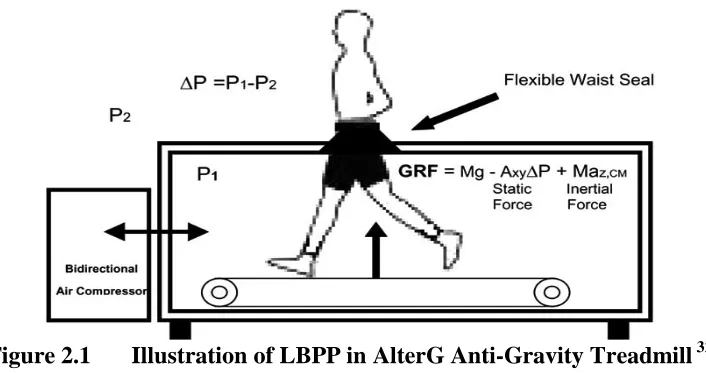
reversed the pressure (lower body positive pressure, LBPP), 17 to reduce weight in normal gravity situations and created the AlterG Anti-Gravity Treadmill. With LBPP exercise, the normal (lifting) force is equal to the pressure differences inside and outside the chamber multiplied by the cross-sectional area of the waist seal and reduces the ground reaction forces (GRFs) proportional to the amount of unweighting selected.16,17 This has been approved as a clinical rehabilitation treadmill that allows an individual to exercise while effectively unweighting themselves down to 20% of their actual body weight.17 The benefit of this unweighting capability is to reduce the stress and the impact forces on the lower extremities and preserve or regain proper gait mechanics as well as proper muscle firing and recruitment patterns in clinical and rehabilitation settings.17 Based on the function of the AlterG Anti-Gravity Treadmill, it could be used as a weight-reduction device to lessen the incidence of musculoskeletal pain in the lower extremities while walking.
Need for Study
typically seen in obese individuals when involved in weight-bearing exercises.10,11,17 In addition, walking on the AlterG treadmill is a weight-bearing activity, which will
maintain bone mineral density. Finally, the ability to walk and exercise without the added stress to soft tissue and joints could result in prolonged exercise sessions and extended opportunities to reduce body weight in the fight against obesity. However, there is insufficient evidence to support the effective use of the AlterG treadmill as a weight loss tool with obese individuals. This pilot study will test weight-loss outcomes of a walking program on the AlterG treadmill for obese individuals.
Purpose of Study
Therefore, the purpose of this study is to discern if the AlterG Anti-Gravity Treadmill is an effective tool to use in a weight loss walking program when compared to walking on a traditional treadmill.
Research Hypothesis
Significance of Study
The results of this study will be significant as the data will provide preliminary evidence for using the AlterG Anti-Gravity Treadmill with obese individuals in a weight loss program. The benefits to weight loss are well-documented and may include
decreased risk of heart disease and diabetes, increased capacity for activities of daily living, decreased risk of musculoskeletal diseases, and enhanced self-image and general appearance.1
Study Limitations
This research involved collecting data based on a weight-loss walking program in a laboratory setting. While participants were asked to maintain their normal, daily
schedule and eating patterns during this study, additional physical activity or diet changes initiated by the participants could affect the results. Every attempt was made to help participants maintain consistent involvement in the study; however, unforeseen circumstances may prevent some individuals from completing the study. Due to the availability of one AlterG Anti-Gravity Treadmill, one traditional treadmill, and a sole exercise technician, the number of participants in this study was limited, which may reduce the statistical power of the results. Finally, because obese individuals from this study were recruited from the Boise, Idaho area, the results of this study may not be generalized to other obese individuals living in other communities.
Operational Definitions
• Obesity: defined as a body mass index (BMI) of 30 kg/m2 or greater, which is calculated as weight in kilograms divided by height in meters squared 6
• Pain level: defined as the level of physical suffering of discomfort caused by illness or injury as measured by the numeric pain scale (NPS) 18
CHAPTER TWO: LITERATURE REVIEW
The scope of the literature review will include the physiological and
musculoskeletal benefits of exercise, effects of exercise on weight loss, as well as the benefits and significance of anti-gravity exercise. Studies were included in the literature review if they discussed either weight loss programs or antigravity exercise for weight loss or rehabilitative purposes.
Physiological and Musculoskeletal Benefits
Regular exercise has many physiological benefits, especially when used to combat obesity. Engagement in regular exercise helps to prevent or manage high blood pressure as well as manage cholesterol levels.1,20,21 Regular exercise can raise high density lipoprotein (HDL) cholesterol, which is known as the “good cholesterol,” and regular exercise can decrease low density lipoprotein (LDL) cholesterol, which is known as the “bad cholesterol.”1,20,21 Maintaining appropriate cholesterol levels helps to manage plague build-up, which explains why regular exercise can reduce risks for chronic
Regular exercise can also reduce body weight through an increase in caloric expenditure. For example, walking a mile burns close to 100 calories.1 A reduction in weight has been shown to reduce the risks for diabetes, heart disease, and all-cause mortality rates due to less adipose tissue.1-3 Even without associated weight loss, exercise has been shown to increase cardiovascular fitness levels, decrease stress, and reduce the risks for heart disease.1-3 However, a weight loss of 5 – 10% body weight, in conjunction with exercise, has been shown to produce more substantial health benefits such as
reducing the risk for chronic diseases including diabetes, heart disease, many forms of cancer, and numerous musculoskeletal problems.1-3
Regular exercise also has many musculoskeletal benefits. Bone density responds to regular exercise by increasing peak bone mass.21 Maximum bone density is important in order to decrease the risks of osteoporosis, and is especially important in women who are more susceptible to develop osteoporosis.21 Bone mass generally peaks in the third decade of life and thereafter slowly decreases.21 Regular exercise can prevent or slow bone loss by building strength in the muscles to improve coordination and balance as well as reduce the prevalence of falls and fractures.21 The best form of exercise to increase bone density is weight-bearing activities due to the increased work against gravity.21 Examples of weight-bearing activities include walking, jogging, and climbing stairs. Non-weight bearing activities, such as swimming and most bicycling activities, are still beneficial in producing cardiovascular benefits; however, they do not increase bone density.21
strength are beneficial for several reasons. More muscle mass means an increased
metabolism as muscle burns more calories than fat, muscle naturally burns more calories than fat in order to maintain proper functional capability, and an increased muscle strength leads to a reduction in injuries and improves balance.1 Finally, increases in both muscle mass and strength also help improve mood and better sleep due to increases in energy from the extra calories burned compared to fat calories.1
Exercise Guidelines for Weight Loss
The American College of Sports Medicine (ACSM) states that energy expenditure must exceed energy intake for weight loss to occur; in basic terms, individuals must burn more calories than they eat to lose weight.1,20,21 There are three methods for achieving this negative caloric balance and weight loss: (1) consume fewer calories, (2) expend more calories, or (3) a combination of consuming fewer and expending more calories. Exercise plays a key role in methods 2 and 3.
ACSM has published exercise prescription guidelines for weight loss and maintenance.1 These guidelines are based on the amount of energy it takes to perform various physical activities. Metabolic Equivalents (METs) are a physiological measure used to express the energy cost of physical activity and are used by exercise physiologists to determine what activities are appropriate for individuals given their current
increase in aerobic capacity resulted in a 13% decrease in all-cause mortality and a 15% decrease in cardiovascular events.20
All training prescriptions follow a general program, often referred to as FITT (frequency, intensity, time, and type). Following the FITT principle, frequency refers to how often an exercise routine is performed each week. It is recommended to exercise five or more days per week.1 Intensity represents the force or effort used during exercise. A moderate-to-vigorous intensity level, which could also be described as 40 – 60% heart rate reserve (HRR), is recommended to enhance cardiovascular health.1 The first T in FITT indicates how much time should be spent in an exercise session. Each exercise session should last 30 – 60 minutes per day for a minimum of 150 minutes per week and progress to 300 minutes per week.1 It is also effective to accumulate intermittent
exercises of at least 10 minutes before progressing to a continuous bout of 30 – 60 minutes of exercise.1 Accumulated exercise time is sometimes recommended for
individuals who are just starting with a new exercise program to help build a baseline of cardiovascular fitness.1 Finally, the last T in FITT refers to the type of activity and should include a balanced program of cardiovascular and resistance training exercises.1
shown to shift from a glycogen fuel source to fat stores after 30 minutes. For long-term weight loss and weight management, it has been emphasized that obese individuals exercise for a total of 250-300 minutes per week.1 Accumulated exercise broken into 10-minute sessions is recommended for obese individuals who were previously sedentary and are just starting a new exercise program.1 Finally, the type of activity should include a balanced program of cardiovascular and resistance training exercises.1
The ACSM position stand on weight loss states that a safe level of weight loss is about 1-2 kg/week (2-3 pounds).22 The National Strength and Conditioning Association (NSCA) recommends “an initial weight loss goal of 5-10% body weight over the course of six months and defines successful weight maintenance as a weight regain of ≤ 3 kg in two years and sustained reduction in waist circumference of at least four cm.”2(p.47)
Elements of weight loss involves body composition, which is made up of lean mass (LM) and fat mass (FM). Lean mass consists of bones, organs, and muscles whereas fat mass consists of fat only.1 Body fat percentage can be calculated using the amount of LM and the amount of FM to determine the percent of FM on the body. In terms of losing weight, fat mass (FM) can be changed the most, with variability of body fat range from 6-60% of total body weight.23,24 The recommended body fat percentage for men ranges between 10% - 22%, and the recommended body fat percentage for women ranges between 20% - 32%.1
overweight 25.0-29.9 kg/m2, obesity class I 30.0-34.9 kg/m2, obesity class II 35.0-39.9 kg/m2, and obesity class III ≥ 40.0 kg/m2.1 Although BMI fails to discern between lean mass, fat mass, or bone, a BMI of ≥ 30.0 kg/m2 is still associated with increased risks of hypertension, sleep apnea, Type 2 diabetes, CVD, and higher mortality rates.1
Finally, the ACSM emphasizes the difference between physical activity (PA) for exercise and PA for lifestyle. PA for exercise would be described as planned activity for a specific period of time, such as walking at a moderate to fast pace for 30 - 60 minutes, while lifestyle PA would be described as physical activity that is performed as part of daily living such as walking to work or taking the stairs instead of the elevator.22 While increasing lifestyle PA each day will not result in great amounts of weight loss, a combined effort of exercise and diet (energy restriction), resulting in a negative energy balance, have been shown to result in the greatest amount of weight loss.22,25
Weight Loss Programs
outcomes found with this self-reported study was that the participants lost more weight when they ate less fat, exercised more, and followed commercial weight loss diets.12
Research defines successful weight loss in obese individuals to be 10% or more of their initial body weight and weight maintenance for more than one year.12,26 Most weight loss studies were three to six months in length with a one year follow-up to determine the amount of weight loss and weight maintenance.12,26,27 Also, most studies included self-reported measures of physical activity.12,26,27 One study looked at the rate of initial weight loss to determine a safe and effective weight loss program. The study divided participants into three groups: a slow weight loss group, a moderate weight loss group, and a fast weight loss group.26 The slow group consisted of weight loss equal to or less than 0.5 pounds per week, the moderate group consisted of weight loss between 0.5-1.5 pounds per week,and the fast group consisted of weight loss more than or equal to 1.5 pounds per week. Statistically, the fast, moderate, and slow weight loss groups did not
significantly differ from each other (p < 0.05) in terms of weight loss maintenance. Even though all three methods were effective in producing weight loss, the slow and moderate weight loss groups were found to be the safest in terms of overall health.26
and that obese individuals experienced greater changes when compared to normal weight counterparts.25
Successful weight loss in obese individuals has also been reported when
participants outlined their anticipated results and recorded daily physical activity levels and diet diaries. A behavioral weight loss program was used to research weekly
fluctuations in self-monitoring, outcome expectancies, difficulties with eating, and exercise.28 The study included 40 obese participants who completed a six-month behavioral weight loss program where body weight, outcome expectancies, and difficulties with eating and exercise were measured weekly. Exercise and food diaries were utilized for the participants to log their physical activity and caloric intake. The results of this study showed that participants lost more weight during weeks where they reported positive outcome expectancies (expected results based on several health behavior change models) compared to weeks where they reported negative outcome expectancies.28 The weeks in which participants experienced greater exercise frequency and weight loss were those in which they were consistent with self-monitoring exercise in their physical activity diary; this frequency was almost twice as much weight lost as when they were not consistent with self-monitoring. At the end of the six-month
behavioral weight loss program, the participants lost an average of 7.6 kg (7% decrease, p
regular exercise may not show detectable weekly changes but will benefit the patients in the long-term, was used to help with increased positive outcome expectancies.
Anti-Gravity Exercise
Often times, obese individuals exhibit a resistance to exercise due to a
combination of musculoskeletal and orthopedic limitations, especially while walking. Limitations are often in the form of increasing pain, swelling, and subsequent gait changes.1,29 There are some exercises that reduce the gravitational forces (anti-gravity) placed on the body while doing weight-bearing activities. Swimming, or even walking in a pool, is one such anti-gravity activity that can reduce loads on the musculoskeletal system. It has been shown that walking in the pool can reduce lower extremity pain and allow obese individuals to sustain longer bouts of exercise.14 Unfortunately, exercising in a pool is considered a non-weight bearing activity and does not substantially contribute to bone density or structure.14
Conversely, walking on treadmills is often seen as a popular weight-bearing exercise device and positively affects bone mineral density and structure.14
functional capacity at lower energy cost, yet still produced significant cardiovascular conditioning.15
Partial body weight support using a suspended harness on a treadmill (LiteGait) is common in rehabilitation. One study investigated the use of a LiteGait system to
determine the effects of suspended walking on gait patterns based on Froude number results.30 The Froude number is a dimensionless ratio derived from a traditional walking model. The model uses an inverted pendulum to compare the contribution of forces from body inertia and gravity that demonstrates that the gravitational force is greater than the centrifugal forces in keeping the foot in contact with the ground.30 Froude numbers are used in supported treadmill walking to determine the amount of unloading needed to reach an appropriate treadmill speed for rehabilitation. For example, a Froude number of 0.5 represents the change in gait from walking to running, whether the person is on the earth or on the moon.30 The findings from this study indicated that gait patterns were affected by body weight unloading while walking in the LiteGait.30
Further attempts at developing a treadmill device to reduce load, yet maintain weight-bearing benefits, were conducted by the National Aeronautics and Space Administration (NASA). Differential Air Pressure (DAP) was used to “weight” an individual harnessed into an enclosed treadmill.16 The lower body negative pressure (LBNP) created inside the walking chamber simulated the gravity-induced fluid shifts so that the astronauts could maintain cardiovascular function and bone density while in space.16
reduce weight in normal gravity situations found on Earth.17 The AlterG Anti-Gravity Treadmill was developed to accommodate LBPP (see Figure 2.1) and has been shown to increase proper gait mechanics, proper muscle firing and recruitment, as well as reducing heart rate in the rehabilitation setting.17 As part of a previously mentioned study
regarding the LiteGait,30 it was found that using a LBPP device was more closely aligned with unsupported gait mechanics, compared to the LiteGait. The research supported the use of LBPP device (AlterG Anti-Gravity Treadmill), not only for rehabilitative events, but also for individuals in a weight loss program. In addition, the AlterG Anti-Gravity Treadmill has allowed obese individuals to walk at lower percentages of their body weight by using LBPP to decrease the incidence of musculoskeletal pain and gait abnormalities that are typically seen in obese individuals.17
Figure 2.1 Illustration of LBPP in AlterG Anti-Gravity Treadmill 32
Another study looked at the effects of a LBPP device to produce weight loss in women.33 The authors compared four groups of 20 women, which consisted of a traditional physical activity group (C), a diet only group (D), a diet and exercise group (DE), and a diet, exercise, and LBPP group (DEP) over a period of 12-weeks. The protocol for the two exercise groups was endurance-based training with 30 minutes of cycling at 50% of the participants V̇O2max, three times a week. A HypoxiS 120 LBPP device (comparable to a bicycle ergometer) was used for the DEP group. HypoxiS 120 training was also utilized in the DE group without the lower body pressure activated. Diets and exercises were constant throughout the appropriate groups. The data collected during the intervention were heart rate (Polar heart rate monitor), body weight, waist circumference, and resting metabolic rate (RMR). Indirect calorimetry was used to measure RMR, which was used to determine the participants’ energy requirements and to calculate a negative energy balance. The DEP group lost 16.1% total body fat, the
produced significant weight loss, the LBPP showed the most significant weight loss (16.1%) because the LBPP is thought to increase the mobilization of extracellular water.33 Extracellular water consists of interstitial fluid and plasma found outside of the cells and produces an unwanted cosmetic appearance in the form of cellulite, especially for women.33 The LBPP also showed an increase in peripheral blood flow, which the authors speculated could benefit individuals with circulatory disorders, wound healing, or lymphedema.33
There have been case studies researching the effectiveness of the AlterG Anti-Gravity Treadmill on various post-operative and lower extremity injuries such as ACL reconstruction, stress fractures, and joint replacements. One case study used the AlterG Anti-Gravity treadmill to determine the effects of a 14-week walking program with a morbidly obese individual.34 The participant walked on the treadmill three times per week, and exercise intensity was kept between 40-60% of the participant’s heart rate reserve. Initially, the exercise sessions included a five minute warm-up and cool-down and 10 minutes of walking. Duration increased to 65 minutes by the end of the study and was based on the participant’s exercise tolerance and response. The researchers found that the walking program improved the participant’s physical activity and exercise tolerance levels, but was insufficient to produce significant weight loss.34 It was
Conclusion
In conclusion, it is clearly evident that exercise plays a critical role in weight loss and successful weight maintenance. Long-term physical activity has been shown to be the best source for weight change and weight maintenance. The use of LBPP treadmills have been shown to increase proper gait mechanics, proper muscle firing and recruitment in the lower extremities, as well as reducing heart rate in the rehabilitation setting. LBPP has also been found to be effective in maintaining cardiovascular fitness benefits while training in the device. Finally, the AlterG Anti-gravity treadmill appears to be a
CHAPTER THREE: METHODS AND PROCEDURES
This chapter will describe the participants and volunteer process for this study, along with the methods and procedures used in data collection. Finally, an explanation of data analyses will be provided.
Participants
Initially, 17 individuals volunteered to participate in the 18-week study. At the conclusion of the study, 15 volunteers (3 males; 12 females), ranging in age from 18-55 years (Mean ± SD; 41.29 years ± 7.82 years), completed the intervention and assessment periods for the data analysis. Participants were randomly assigned to the AlterG Anti-Gravity Treadmill group (AlterG; n = 6) and the traditional treadmill group (TT; n = 9).
Recruitment
Randomization
Participants first contacted the researcher if they were interested in enrolling in the study. Based on that contact, each volunteer was assigned an ID number, and was placed within a randomized treadmill grouping list generated using SPSS 21.0 where each ID corresponded to a random grouping number 1 (= AlterG Anti-Gravity Treadmill Group [AlterG]) or 2 (= Traditional Treadmill Group [TT]). For example, if a volunteer’s ID number was six and the corresponding grouping number was two, then this volunteer would be assigned to the TT group. This process continued until the researcher received no further volunteer contacts.
Each participant was then scheduled for an orientation visit, which lasted approximately 2 hours. If the participant was excluded from the study based on the orientation visit, their name was removed off the randomized grouping list, and the next volunteer participant to contact the researcher was placed in the open slot. This process was continued until the researcher met with all of the participants who initially expressed interest in the study.
Orientation Visit
study. All of the participant data would be entered into the computer and recorded using an ID code to ensure confidentiality
During the orientation visit, participants completed the Health History Questionnaire1 to determine medical history such as, diseases, smoking history, medications, and allergies(see Appendix D). Based on the questionnaire results, participant risk was stratified as low, moderate, or high risk following ACSM’s
guidelines for pre-participation health screening and risk stratification.1 Participants were excluded if they were of high risk in the risk stratification per ACSM guidelines.1,22
• Low Risk: Asymptomatic men and women who have ≤1 CVD risk factor. • Moderate Risk: Asymptomatic men and women who have ≥2 risk factors. • High Risk: Individuals who have known cardiovascular, pulmonary, metabolic
disease, or one of more signs and symptoms.
Those participants who were of low or moderate risk were then furthered asked to complete a Numeric Pain Scale (NPS) form for lower extremity pain (see Appendix E) and were measured for height and weight to determine BMI, along with skin fold and body circumference measurements.
Equipment and Measurements
treadmill was used, it was calibrated for that specific participant. The Woodway treadmill was calibrated per the manufacturer settings and was not changed throughout the duration of the weight loss intervention. Both of the treadmills were located in the Human
Performance Laboratory at Boise State University.
Several formative and summative measurements were collected and recorded as part of this research. The following measurements were taken at baseline, during the study, and at the conclusion: body weight, skinfold, waist-to-hip ratio, calf
circumference, heart rate, blood pressure, Rating of Perceived Exertion (RPE), Numeric Pain Scale (NPS), and steps walked per day. The participant’s body weight was measured at baseline and at week 6, 12, and 18 with the use of a digital Tanita scale (model BWB 800, Tanita Corporation, Tokyo, Japan). The participant’s weight was also monitored before each exercise session to follow the safe exercise weight loss guidelines as presented by the ACSM.1
Skin fold measurements were collected at baseline as well as week 6, 12, and 18. Body fat percentage was calculated using the Jackson-Pollock 7-site skinfold protocol, which includes chest, axilla, triceps, subscapular, abdominal, suprailiac, and thigh sites.1 The lead researcher took all measurements at all points of the study to ensure reliability.
Along with monitoring the target heart rate training zone, the RPE, using the modified Borg 1-10 scale, where 1 represents no work and 10 represents working as hard as possible, was used to indicate subjective perception of exercise intensity.19 The RPE scale was shown to the participants once they reached steady state of the walking protocol during each exercise session, and their response was recorded. An appropriate RPE was maintained for each training phase of the weight loss protocol.
To monitor lower body pain, the NPS was used to describe the level of pain in the lower extremities that the participants were experiencing while walking on the
treadmills.18 The NPS is a numbered scale labeled from 0-10, with zero being no pain and 10 the most intense pain imaginable. The participants verbally reported what number best represented the level of pain they were experiencing. This pain scale was recorded at the beginning of the session, before and after each exercise session, and at the end of the session. The NPS has been proven to be a valid and reliable scale to assess pain.18
To monitor physical activity (PA) level outside of the exercise sessions, DigiWalker pedometers (SW200, Yamax, Japan) were used to calculate overall step counts per week. Other than removing the pedometer during treadmill walking sessions, participants were asked to wear the pedometer every day of the week, from the time they woke up to the time that they went to bed. The pedometer was placed on the mid-axillary line of their waistband. Participants were then asked to walk 10 steps to confirm the accuracy of the pedometer steps. If the pedometer was not within one step of the actual steps, the pedometer was moved to the back of the waistband and the test was completed again. Some of the participants, due to excessive waist circumference, moved the
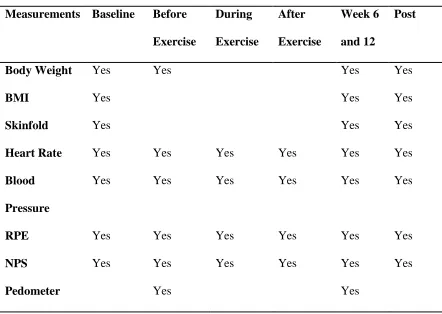
Participants were told not to wear the pedometer in any water activity as the pedometers were not waterproof. The participants kept a log of their steps each day and turned in their log once a week to the lead researcher for documentation. Finally, participants were reminded to maintain their normal daily routines throughout the study. For a summary schedule of all collected measurements, see Table 3.1.
Table 3.1 Summary of Measurements Measurements Baseline Before
Exercise
During Exercise
After Exercise
Week 6 and 12
Post
Body Weight Yes Yes Yes Yes
BMI Yes Yes Yes
Skinfold Yes Yes Yes
Heart Rate Yes Yes Yes Yes Yes Yes
Blood Pressure
Yes Yes Yes Yes Yes Yes
RPE Yes Yes Yes Yes Yes Yes
NPS Yes Yes Yes Yes Yes Yes
Pedometer Yes Yes
Weight Loss Protocol
Exercise Sessions
6-week phases: immediate, intermediate, and advanced. Target heart rates and training zones were calculated using the participant’s age predicted maximum heart rate, as established by the ACSM.1 The training zones, 20-85% of age predicted heart rate maximum, were determined by the guidelines listed in the weight loss protocol. The participants wore a heart rate monitor to ensure proper training intensity within each phase of the weight loss protocol.1,22 The following outlines the protocol followed for each phase of the study.
Phase 1: Immediate 1-6 Weeks
Phase Goals
• Began weight loss program
• Monitored heart rate, blood pressure and Rating of Perceived of Exertion (RPE) throughout
• Aimed for 30 minutes of physical activity 3 days a week, either continuously or at regular intervals of at least 10 minutes duration as tolerated by the participant • Physical activity began at a mild to moderate intensity, target heart rate = 20-40%
of age predicted heart rate maximum; calculated by: (206.9 – (0.67 x age)) x 20 and 40% respectively.1 RPE should be low, 1-3 on a modified Borg scale of 1 – 10
AlterG Anti-Gravity Treadmill Exercise
weight and were progressed individually based on fitness and comfort level. The AlterG Anti-Gravity Treadmill had the participant enclosed in a waist-high pressure chamber that inflated or deflated to reach the desired weighted percentage. Weight percentage was determined with the AlterG Anti-Gravity Treadmill by the pressure produced by the participant standing on a force plate under the belt of the treadmill and from that determined how much to inflate or deflate when the desired weighted percentage was selected. Once a comfortable walking speed had been established and heart rate was below the target zone, the treadmill incline was increased to bring the heart rate into the target zone. As the individual adapted, the training program was progressed each session to allow pain free physiological adaptations to continue by increasing one of the
following: body weight, exercise intensity (speed and/or grade) by 1-5% as tolerated. When increasing exercise intensity, the participant’s heart rate was kept in the target HR zone and an RPE range of 1-3.1,22
Woodway Treadmill Exercise
Physical activity began at a mild-to-moderate intensity. The participant walked at 1.5-3.5 mph for 30 minutes. Once a comfortable walking speed had been established and heart rate was below the target zone, the treadmill incline was increased to bring the heart rate into the target zone. As the individual adapted, the training program was progressed each session to allow pain free physiological adaptations to continue by increasing one of the following: exercise intensity (speed and/or grade) by 1-5% as tolerated. When
Phase 2: Intermediate 6-12 weeks
Phase Goals
• Continued weight loss program
• Monitored heart rate, blood pressure and RPE as previously described
• Aimed for 45 minutes of physical activity 3 days a week, either continuously or at regular intervals of at least 10 minutes duration as tolerated by the participant • Physical activity was at a moderate intensity, 40-60% of age predicted heart rate
maximum; calculated by: (206.9– (0.67 x age)) x 40 and 60% respectively.1 RPE was moderate, around 3-5
AlterG Anti-Gravity Treadmill Exercise
Physical activity was at a moderate intensity. The participant walked at 70-80% of their effective body weight for 45 minutes, as adjusted on the AlterG Anti-Gravity
Treadmill. The participant achieved target heart rate by walking at 2.5-4.0 mph. Once a comfortable walking speed had been established and heart rate was below the target zone, the treadmill incline was increased to bring the heart rate into the target zone. When increasing exercise intensity, the participant’s heart rate and RPE was kept in the target zone as previously discussed.1,22
Woodway Treadmill Exercise
the participant’s heart rate and RPE was kept in the target zone as previously discussed.1,22
Phase 3: Advanced 12-18 Weeks
Phase Goals
• Continued weight loss program
• Monitored and teach heart rate, blood pressure and RPE as previously described • Aimed for 60 minutes of physical activity 3 days a week, either continuously or at
regular intervals of at least 10 minutes duration as tolerated by the participant • Physical activity was at a moderate to vigorous intensity, 60-85% of age predicted
heart rate maximum, calculated by: (206.9 – (0.67 x age)) x 60-85% respectively.1 RPE was moderate to slightly vigorous, around 5-7
AlterG Anti-Gravity Treadmill Exercise
Woodway Treadmill Exercise
Physical activity was at a moderate-to-vigorous intensity. The participant fast walked/light jogged for 60 minutes, 4.0+ mph or by increasing the incline to 3-5% as tolerated and adjusted on the Woodway Treadmill. Once a comfortable walking speed had been established and heart rate was below the target zone, the incline was increased to bring the heart rate into the target zone. When increasing exercise intensity, the participant’s heart rate and RPE was kept in the target zone as previously discussed.1,22
Data Analysis
Weight, BMI, and body fat percentage from the beginning to the end of the intervention were analyzed to evaluate the success of the program. All collected data were logged into an Excel spreadsheet throughout the duration of the weight loss program. Data were analyzed using SPSS, version 21.0 (SPSS Inc., Chicago, IL). Descriptive statistics were carried out for body weight, BMI, body fat percentage,
average steps per day, NPS scores, and compliance rates. Separate 2 (treadmill group) x 4 (time) repeated measures ANOVA, where group is the between subject independent variable and time is the within group variable, was conducted to determine whether statistical significant differences existed for the multiple dependent variables (e.g.,
CHAPTER FOUR: RESULTS
Participants
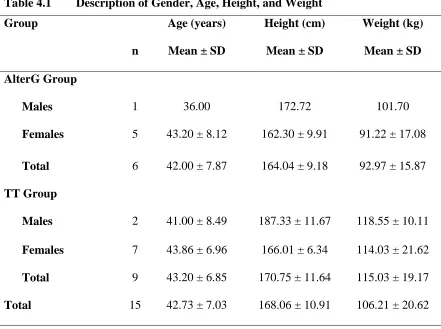
Fifteen obese participants, aged 42.73 ± 7.03 years old with a BMI ≥ 30 kg/m2, completed the walking program and were included in the final data analyses. Participants were randomly assigned to either the AlterG Anti-Gravity Treadmill group or Traditional Treadmill group (see Table 4.1).
Table 4.1 Description of Gender, Age, Height, and Weight Group
n
Age (years) Mean ± SD
Height (cm) Mean ± SD
Weight (kg) Mean ± SD AlterG Group
Males 1 36.00 172.72 101.70
Females 5 43.20 ± 8.12 162.30 ± 9.91 91.22 ± 17.08
Total 6 42.00 ± 7.87 164.04 ± 9.18 92.97 ± 15.87
TT Group
Males 2 41.00 ± 8.49 187.33 ± 11.67 118.55 ± 10.11
Females 7 43.86 ± 6.96 166.01 ± 6.34 114.03 ± 21.62
Total 9 43.20 ± 6.85 170.75 ± 11.64 115.03 ± 19.17
Effects of the Walking Intervention
Weight
The average weight for all of the participants prior to the start of the weight loss intervention was 105.24 kg ± 19.66 kg (Mean ± SD). There was a statistically significant difference for weight between the AlterG and TT groups at baseline, p = 0.024. By the end of the weight loss intervention, the average weight for all of the participants was 102.92 kg ± 21.02 kg. For the AlterG group, the baseline average weight was 92.97 kg ± 15.87 kg and the post average weight was 90.63 kg ± 13.47 kg. For the TT group, the baseline average weight was 115.03 kg ± 19.17 kg and the post average weight was 113.44 kg ± 21.27 kg. The average amount of weight loss in kilograms for all participants was 2.2 kg, and the average percent change of weight loss in kilograms was 2.0%. The AlterG group lost an average of 2.3 kg (2.19%) compared to the TT group that lost an average of 2.1 kg (1.83%) (see Figure 4.1).
Figure 4.1 Body Weight (kg) for All Participants by Treadmill Group
Note. Same subscripts differ significantly among groups and weeks at p < 0.05. a
AlterG Baseline and Post; bTT Baseline and Post; c,dWeek difference
b c,d d
b,c
a c,d d a,c
85 90 95 100 105 110 115 120 125
Pre 6 Week 12 Week 18 Week
There was a significant difference between the two treadmill groups, F (1, 11) = 4.60, p = 0.055, eta squared = 0.295, observed power = 0.499. The participants in the TT group always had a higher weight compared to the AlterG group. There was a significant difference among the three phases of the weight loss intervention, F (1.35, 14.89) = 5.59, p = 0.024, eta squared = 0.337, observed power = 0.675. The participants at baseline and at week 6 of the weight loss intervention had a higher weight when compared to week 12 and week 18 of the weight loss intervention. A Least Significant Difference (LSD) post-hoc test revealed a significant weight difference between week 6 and week 12 (p = 0.002) and between week 6 and week 18 (p = 0.016). There was not a significant interaction between the two treadmill groups and the intervention phases on body weight, F (1.35, 14.89) = 0.11, p = 0.822, eta squared = 0.010, observed power = 0.062. Both groups responded to the weight loss intervention similarly, and participant weight loss was similar between both the AlterG group and the TT group (see Table 4.2).
Body Mass Index
Table 4.2 Weight and Body Composition Averages by Treadmill Group
Variable Group n
Baseline Mean ± SD
Week 6 Mean ± SD
Week 12 Mean ± SD
Week-18 Post Mean ± SD
Weight (kg)
AlterG 6 92.97 ± 15.87a 92.92 ± 15.02c,d 91.62 ± 14.28d 90.63 ± 13.47a,c
TT 9 115.03 ±
19.17b 114.98 ± 19.31c,d 113.51 ± 19.36d 113.44 ± 21.27b,c BMI (kg/m²)
AlterG 6 34.32 ± 2.69a,c,d 34.33 ± 2.42e,f 33.87 ± 2.29c,e 33.52 ± 2.06a,d,f
TT 9 39.57 ±
6.25b,c,d 39.54 ± 6.22e,f 39.01 ± 6.08c,e 38.22 ± 6.46b,d,f BF (%) AlterG 6 36.64 ±
3.61a,c 35.49 ± 3.82c 34.38 ± 4.54c 32.79 ± 4.55a,c
TT 9 36.57 ±
4.72b,c 35.62 ± 4.89c 34.70 ± 4.91c 33.44 ± 5.77b,c
Note. Means ± SD with same subscripts differ significantly among groups and weeks at p
< 0.05. a
AlterG Baseline and Post b
TT Baseline and Post c,d,e,f
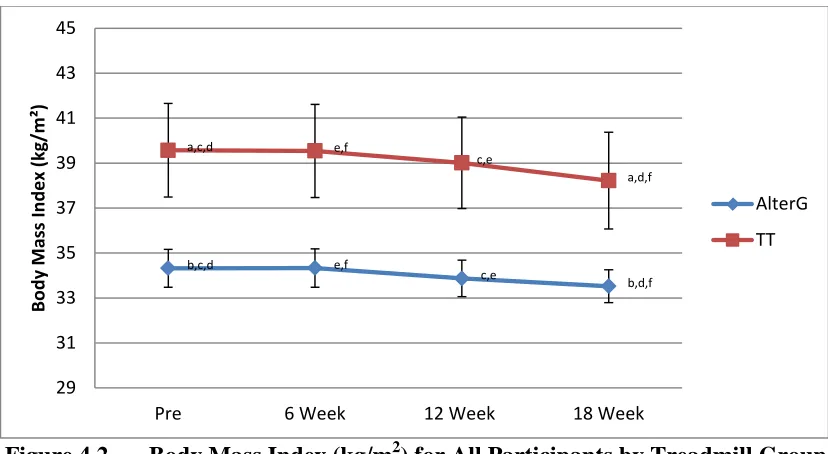
Figure 4.2 Body Mass Index (kg/m2) for All Participants by Treadmill Group
Note. Means ± SD with same subscripts differ significantly among groups and weeks at p
< 0.05. a
AlterG Baseline and Post b
TT Baseline and Post c,d,e,f
Week difference
There was no statistical difference found between the two treadmill groups, F (1, 11) = 2.48, p = 0.144, eta squared = 0.184, observed power = 0.301. There was a
significant difference among the three phases of the weight loss intervention, F (1.34, 14.73) = 5.90, p = 0.021, eta squared = 0.349, observed power = 0.695. The participants at baseline and at week 6 of the intervention had a higher BMI when compared to week 12 and 18 of the intervention. A LSD post-hoc test revealed a significant difference between baseline and week 12 (p = 0.044), between baseline and week 18 (p = 0.043), between week 6 and week 12 (p = 0.003), and between week 6 and week 18 (p = 0.017). There was not a significant interaction between the two treadmill groups and intervention phases on BMI, F (1.34, 14.73) = 0.13, p = 0.793, eta squared = 0.012, observed power =
b,c,d e,f
c,e b,d,f
a,c,d e,f
c,e a,d,f 29 31 33 35 37 39 41 43 45
Pre 6 Week 12 Week 18 Week
0.065. Both groups responded to the weight loss intervention similarly and participant BMI loss was similar between both the AlterG group and the TT group (see Table 4.2).
Body Fat Percentage
The average body fat percentage (BF) for all of the participants at the start of the study was 36.49% ± 4.09%. There was no statistical difference for BF between the AlterG and TT groups, p = 0.932. By the end of weight loss intervention, the average BF was 33.14% ± 5.04%. For the AlterG group, the baseline average BF was 36.64% ± 3.61% and the post average BF was 32.79% ± 4.55%. For the TT group, baseline average was 36.57% ± 4.72% and the post average was 33.44% ± 5.77% (see Figure 4.3).
Figure 4.3 Body Fat Percentages (%) for All Participants by Treadmill Group
Note. Means ± SD with same subscripts differ significantly among groups and weeks at p
< 0.05. a
AlterG Baseline and Post b
TT Baseline and Post c Week difference a,c c c a,c b,c c c b,c 29 31 33 35 37 39
Pre 6 Week 12 Week 18 Week
There was no statistical difference in BF percent between the two treadmill groups, F (1, 11) = 0.01, p = 0.920, eta squared = 0.001, observed power = 0.51. There was a significant difference found among the three phases of the weight loss intervention, F (1.34, 14.69) = 67.05, p < 0.0005, eta squared = 0.859, observed power = 1.000. The
participants at baseline and at week 6 of the intervention had a higher body fat percentage when compared to week 12 and week 18 of the intervention. A LSD post-hoc test
revealed a significant BF percent difference between baseline and week 6 (p = 0.001). Significance differences among all other phases of the weight loss intervention were revealed (p < 0.05). There was not a significant interaction between the two treadmill groups and the intervention phases on BF percent, F (1.34, 14.69) = 0.47, p = 0.560, eta squared = 0.041, observed power = 0.103. Both groups responded to the weight loss intervention similarly and body fat percentage decreased similarly between the AlterG group and the TT group (see Table 4.2).
Physical Activity Levels
activity patterns remained consistent and were not a factor in the weight loss that occurred during the walking program.
Table 4.3 Average Step Count Level by Treadmill Group
Variable Group n
Week 6 Mean ± SD Week 12 Mean ± SD Week 18-Post Mean ± SD Total Mean ± SD PA Level (steps/day)
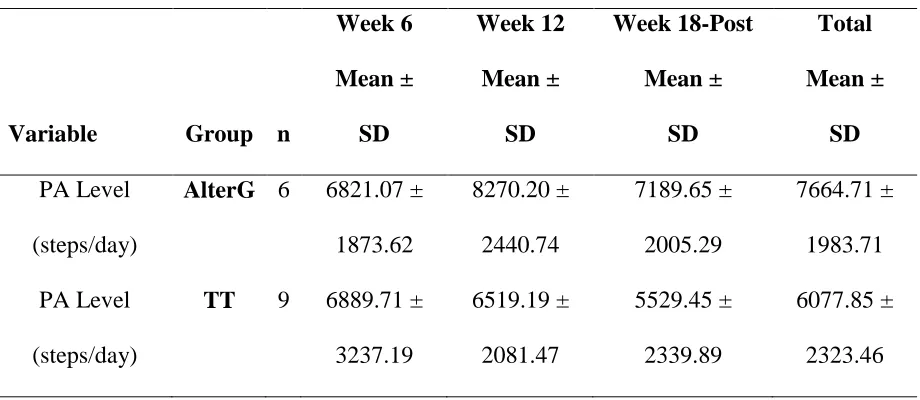
AlterG 6 6821.07 ± 1873.62 8270.20 ± 2440.74 7189.65 ± 2005.29 7664.71 ± 1983.71 PA Level (steps/day)
TT 9 6889.71 ± 3237.19 6519.19 ± 2081.47 5529.45 ± 2339.89 6077.85 ± 2323.46 * p < 0.05
Numeric Pain Scores
Exercise Adherence
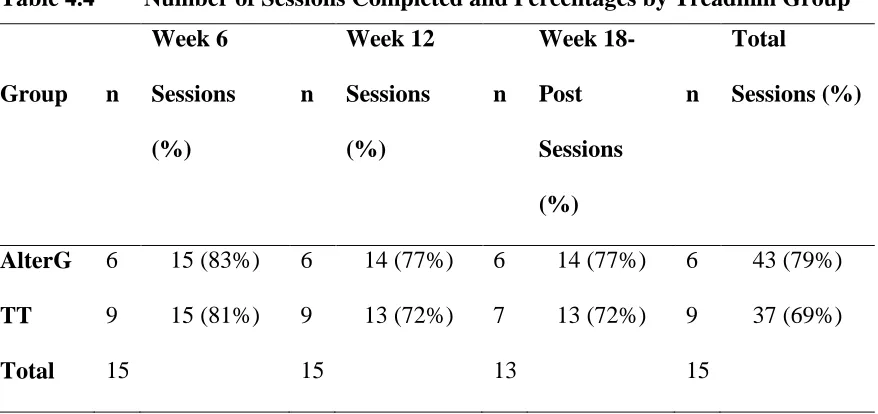
There were 18 sessions per each 6-week phase of the study for 54 sessions. Based on exercise adherence, the AlterG group maintained at least a 79% (43 sessions)
compliance rate over the course of the study, while the TT group demonstrated a 69% (37 sessions) attendance rate (see Table 4.4). No significant differences were found between the two treadmill groups for total adherence rates (p = 0.25).
Table 4.4 Number of Sessions Completed and Percentages by Treadmill Group
Group n
Week 6 Sessions (%)
n
Week 12 Sessions (%)
n
Week 18-Post Sessions (%)
n
Total
Sessions (%)
AlterG 6 15 (83%) 6 14 (77%) 6 14 (77%) 6 43 (79%)
TT 9 15 (81%) 9 13 (72%) 7 13 (72%) 9 37 (69%)
Total 15 15 13 15
CHAPTER FIVE: DISCUSSION AND CONCLUSION
Discussion
The purpose of this study was to determine if the AlterG Anti-Gravity Treadmill was an effective method for increasing physical activity in a weight loss program when compared to a traditional treadmill. Four main hypotheses were studied. It was
hypothesized that (1) regular use of the AlterG Anti-Gravity Treadmill would result in statistically significant exercise-induced weight loss in obese individuals, (2) the traditional treadmill group (TT) would lose more weight than the AlterG Anti-Gravity Treadmill (AlterG) group at the conclusion of the intervention, (3) the AlterG group would have lower Numeric Pain Scores (NPS) while walking than those walking on a traditional treadmill, and (4) the AlterG group would have higher compliance rates during the intervention m than the TT group.
Hypothesis 1
A separate study using a LBPP device in a weight-loss intervention found similar results to the current study. Participants using the LBPP device produced an overall weight loss of 4.75 kg (16.1%).33 Although participants in the current study reported significant weight loss, the amount of loss (2.0%) was less than reported by the previous study. Similar comparisons between the two studies were also found for total body fat. The LBPP device group in the above study lost 16.1% total body fat over a period of 12-week intervention while participants in the current study only reduced body fat
percentages by 2.0 percent over the course of 18 weeks. This difference could be because the other study used higher exercise intensities during the intervention. The participants in that study exercised at 50% V̇O2max for 30 minutes three days per week, whereas
participants in the current study exercise at percentages of maximum heart rates for 30-60 minutes 3 days per week. V̇O2max is the maximum volume of oxygen that the body can consume during exercise and is more accurate than using estimated maximum heart rates.1 Using estimated maximum heart rates can under or overestimate the individual’s true training zone. The current study had low Phase 1 intensity levels, which could have contributed to the lower overall weight and percent body fat loss at the end of the
intervention.
may be explained by the duration and intensity levels of the walking program design. Participants in the current study increased their intensity levels to 60-85% of maximum heart rate during the last 6 weeks of the study, whereas the case study maintained an intensity level of 40-60%. In addition, the current study extended the walking program by four additional weeks, which could have accounted for the difference in significant weight loss. While the ASCM recognizes that longer intensity levels at a moderate level (40 – 60% HRR) may aid in weight loss with obese individuals,1 the extended walking sessions of the current study may have played a significant role.
Hypothesis 2
It was hypothesized that the traditional treadmill (TT) group would lose more weight than the AlterG Anti-Gravity Treadmill (AlterG) group; however, results from the current study did not support this hypothesis. In addition, the results of this study were not supported by a previous research study that reported that participants using the LBPP device produced the most amount of weight loss (4.75 kg; 16.1%) when compared to a traditional treadmill group, a diet only group, and a diet and traditional exercise group.33 The researchers hypothesized that the LBPP group outperformed the other groups due to the influence of LBPP and the associated increase in blood flow.33
did demonstrate a higher overall weight loss compared to those walking on the regular treadmill. Although the reasons for this difference is unclear, those who used the AlterG could have lost more weight because the participants had to learn to walk in the new treadmill, requiring them to expend more energy to help maintain balance or increase arm movements due to walking in the enclosed space.
Hypothesis 3
The third hypothesis was that the AlterG group would have lower Numeric Pain Scores (NPS) than the TT group. This hypothesis was not supported by the results. Research has looked at the effects of the AlterG Anti-Gravity Treadmill and other LBPP devices on reduced GRFs. The LBPP reduces those forces by 49-72%, meaning that individuals using those devices could preserve gait mechanics, even when limited by orthopedic issues.31 LBPP has been used in several rehabilitation studies and have been proven effective in helping post-operative patients reduce their pain and regain muscle strength due to muscle atrophy caused by initial inactivity.31
The participants who were recruited for this study did not necessarily have chronic lower extremity pain to begin with. It is also plausible that the walking protocol for both the AlterG and traditional treadmill was not rigorous enough to create an
inflammatory response and pain in the lower extremities. It is unclear whether increasing higher intensities earlier in the walking program would have resulted in higher levels of perceived pain, especially for those walking on the traditional treadmill.
example, one male AlterG group participant competed in a race with his daughter and twisted his knee while a female TT group participant fell off the sidewalk and broke a rib and fractured her elbow. Finally, the third injury occurred when another female TT group participant fell and sustained a third degree ankle sprain, which prevented her from walking on the treadmill. The two female participants did not participate in Phase three of the weight loss intervention. This could have affected the NPS results as well because these two participants did not report their Phase three NPS scores. These independent injuries could explain why the AlterG group experienced more pain during their walking sessions in the second phase of the weight loss program.
Hypothesis 4
The fourth hypothesis of this study suggested that the AlterG group would have higher compliance rates during the intervention than the TT group. While the AlterG group did attend more exercise sessions (79%) than the TT group (69%), the difference was not significant. Nevertheless, the six additional days of participation by the AlterG group may have been due to the uniqueness of the anti-gravity treadmill. Participants in this group knew that they would be able to walk/jog at faster speeds and greater
elevations with a lower heart rate due to the reduced body weight effect of the special treadmill. The added anticipation of walking in a special device might have added a positive psychological component to the exercise sessions, motivating participants to continue with the walking program. There is evidence to suggest that positive and negative psychological effects of weight loss can be dependent on a participant’s
cardiovascular level faster due to walking in the device, which could have contributed to their higher participation rates. As such, it is important to encourage the participant’s perceived success to help maintain program adherence to the weight loss program. 1,29
One final action may have contributed to the moderate participation rate (73%) for both groups. Participants in the current study were weighed before every exercise session. Research has suggested that daily weighing is an important aspect of healthy dietary and exercise behaviors when associated with weight loss or weight maintenance.36 The action of recording weight in this study may have contributed to exercise adherence with both groups.
Program adherence is always a concern in weight loss intervention studies.1,22 It is essential to note that two participants dropped out of the study at the beginning of Phase 3 due to injuries they sustained outside the study. One participant fell off the sidewalk, broke a rib, and fractured her elbow. The other participant fell and sustained a third degree ankle sprain, which prevented her from walking on the treadmill. Both of the participants did return for their final testing at the end of the study. Program adherence during Phase 3 also became more challenging for others in the study; excuses became more prevalent. Some of the excuses were “I am too tired,” “I don’t have time to exercise for 60 minutes,” or “I just don’t feel like it.” Encouragement and positive motivation by the researcher during Phase 3 helped participants complete the study.
Other Findings
were not informed of recommended step counts or instructed to improve upon daily counts. Based on pedometer steps, it was found that daily physical activity remained consistent throughout the duration of the study, with no significant step count differences occurring within and between groups. In other words, participants in this study
maintained a regular daily routine of physical activity throughout the study. The AlterG group reported an overall increase of only 844 steps, while participants in the TT group reduced their daily steps by 812 by the end of the study. No baseline pedometer steps were taken prior to the start of the study. Despite the lack of baseline step counts, it could be inferred either that step count values prior to the start of the intervention were similar or that both treadmill groups responded with daily physical activity to the same degree. Overall, this outcome demonstrated that daily physical activity was not a factor in the weight loss results. Therefore, the weight loss gains from this study may be largely attributed to the 18-week walking program utilizing the AlterG Anti-Gravity Treadmill and the traditional treadmill.
Limitations
This study consisted of a small sample size of 15 participants. However, other studies using LBPP devices have also reported a small sample size. One study reported using used 10 participants over two experimental lab sessions,31 while another study reported 12 participants in a one-time lab testing. 30
Despite the small number of participants, the results of the current study are similar to those found in other weight loss studies not using LBPP devices. One study used a sample size of 40 participants in a six month behavioral weight loss program and found similar reductions in body weight as compared to this study.28 A second study analyzed 15,000 participants who self-reported physical activity levels over a 10 year period and found that increased intensity and frequency resulted in greater amounts of weight loss, specifically with jogging, aerobics, and cycling.25
This study was also limited in time available for walking sessions each week and the length of time of the study. There was only one technician available to work with participants each week. As a result, walking sessions were limited to three days per week over the course of 18 weeks. A higher frequency of walking sessions per week and a longer intervention could have possibly shown higher weight loss results. This study was 18 weeks in duration, and most of the research support that long-term weight loss
programs of six months or more are beneficial in producing significant reductions in weight.
by participants in this study may not have been exclusively attributed to effectiveness of the walking program using the AlterG Anti-Gravity Treadmill and traditional treadmill.
A final limitation of this study was in regards to program adherence. Participants in this study were not consistent in completing weekly walking sessions during the full 18-week weight loss intervention. The participants had a difficult time adapting to a new exercise program and exercising three days a week. Most of the participants were not currently exercising, so this weight loss intervention was a significant lifestyle change for them. The training days that were missed during the study could have affected the overall amount of weight loss seen with the participants. If the participants had consistently attended more sessions, their overall energy expenditure could have resulted in larger weight losses at the conclusion of the study. In addition, the lack of participation incentives may have contributed to the inconsistent participation rates.
Future Applications
Although significant weight loss was reported during the 18-week walking program, the overall loss was less than reported in other studies. Future research should explore a more aggressive weight loss protocol when using the AlterG Anti-Gravity Treadmill and traditional treadmill. A more progressive training schedule may produce larger weight-loss results. Phase 1 of the weight loss protocol was very light in intensity and would have benefited from a more moderate workload. As such, it is recommended to use the intensity training level of Phase 2 (40-60% HRR) as part of the initial Phase 1 workload protocol.
activity each week for obese individuals. Participants in phase one of this study were completing 90 minutes of walking each week and 135 minutes during phase two. By phase three, the participants were completing 180 minutes of walking for six weeks. At no point in this study did the participants complete ACSM’s recommendation of 250-300 minutes of physical activity each week. If the training schedule for the AlterG and
traditional treadmill were to increase by one additional day (e.g., 4 days/week), and walking sessions were extended, participants would come closer to the recommended levels of physical activity. Several exercise intervention studies also reported that extended programs resulted in further reductions in body weight.12,25-27
For future studies, it might beneficial to include completion incentives at the end of each phase or at the end of the entire program for both treadmill groups in order to increase exercise adherence rates. Incentives could include water bottles, heart rate monitors, or even t-shirts to further encourage participants to achieve fitness goals and recommendations. The use of music or the availability to watch a television program or movie while walking on the treadmill may also help to enhance the motivational climate and attendance.
Finally, it is recommended to involve more exercise technicians. Additional help would allow more participants to be involved in the study, which would increase the sample size, power of the results, and further validation of the outcomes.
Conclusions
REFERENCES
1. Thompson W, Gordon N, Pescatello L. ACSM's Guidelines for Exercise Testing and Prescription. 9 ed. Philadelphia: Hubsta Ltd; 2013.
2. Sword D. Exercise as a management strategy for the overweight and obese: where does resistance exercise fit in? Strength Cond J. 2012;34(5):47-55.
3. Ljungvall Å, Zimmerman F. Long-term trends and disparities in obesity and body-mass index among U.S. adults, 1960–2008. Soc Sci Med. 2012;75(1):109-119.
4. Sullivan P, Ghushchyan V, Wyatt H, Hill J. The medical cost of cardiometabolic risk factor clusters in the united states. Obesity. 2007;15(12):3150-3158.
5. Torpy J, Lynm C, Glass R. Obesity. J Amer Med Assoc. 2003;289(14):1800.
6. Flegal K, Carroll M, Kit B, Ogden C. Prevalence of obesity and trends in the distribution of body mass index among U.S. adults, 1999-2010. J Amer Med Assoc. 2012;307(5):491-497.
7. Ford E, Li C, Zhao G, Tsai J. Trends in obesity and abdominal obesity among adults in the United States from 1999-2008. Int J Obesity. 2011;35(5):736-743.
8. Vartiainen P, Bragge T, Lyytinen T, Hakkarainen M, Karjalainen P, Arokoski J. Kinematic and kinetic changes in obese gait in bariatric surgery-induced weight loss. J Biomech. 2012;45(10):1769-1744.
9. Vuori I. Physical activity and health: metabolic and cardiovascular issues.