Dr. Tanveer Naved
Amity Institute of Pharmacy, Amity University, Noida (U.P.) India Email: [email protected]
Address for correspondence
Access this article online www.japer.in
Standardization and Evaluation of Formulation Parameters of
Tinospora Cordifolia
Tablet
INTRODUCTION
Tinospora cordifolia also called Amrita, Giloy, Guduchi
is widely used in Ayurvedic system of medicine
“Rasayanas” to the immune system and the body
resistance against infections [1]. It is a large, glabrous, deciduous climbing shrub belonging to family
Menispermaceae is widely used in folk and Ayurvedic
system of medicine it is referred as one of the most
versatile rejuvenating herb. The species is widely
distributed in India, Malaysia, Indonesia and Thailand.
The Hindi name of the plant is Giloy, a Hindu mythological term that cites to heavenly elixir
used by Celestial beings to stay off the aging and to stay young forever [2]. The stem of T. cordifolia is
succulent with long filiform fleshy aerial roots from
the branches. The bark is creamy white to grey, deeply
left rosette like lenticels. The large numbers of
compounds have been isolated from the aerial parts and roots of T. cordifolia. Flowers are yellow, growing
in clusters from nodes. Fruits are drupes, turning red
when ripe [3]. A variety of constituents have been
isolated from different parts which includes berberin,
tinosporaside, tinosporin, tinocordifolioside,
cordifolioside A, cordifolioside B, isocolumbin, magnoflorine. It shows the presence of terpenoids,
alkaloids, lignan, carbohydrates, bitters, steroids and
glycosides. Different constituents like glycoside –
giloin and a non-glucoside – gilenin and gilosterol
have been found. The alkaloid tinosporin, tinosporic
acid and tinosporol have been identified in the leaves. Tinosporidine and sitosterol isolated from stem,
cordifol, heptacosanol and octacosonal from leaves a new furanoid diterpene – tinosporide isolated from
stems [4]. One of the most important constituent
present in stem of T. cordifolia is berberin, an
isoqunoline alkaloid having molecular formula
C20H18NO4 with molecular mass 336.36122 g/mol. It is yellow coloured alkaloid which shows strong yellow
fluorescence under U.V light. It shows various
pharmacological actions which enhances the
therapeutic efficacy of this plant. Berberin a natural
alkaloid recently used as an anticancer, antibacterial,
antipyretic, anti-inflammatory, anti malarial, antidiabetic and in treatment of cardiovascular Tinospora cordifoliaa medicinal herb used in the Indian Ayurvedic system of medicine due to their health benefits.The aim of the present work is based on the standardization, Physiochemical & Phytochemical investigation including finger print analysis by HPTLC studies. The study also includes formulation and evaluation of solid oral dosage form (tablet) from plant extract. Several improved preformulation and formulation parameters had been studied for the standardization of solid oral dosage form of tablet in order to enhance its therapeutic efficacy. Besides this antioxidant activity of the prepared formulation was evaluated by DPPH free radical scavenging method and was found to be 59µg/ml followed by estimation of total flavonol and total phenolic content i.e 29.01mg/gm and 8.12 mg/gm of a sample respectively. Antibacterial activity of the prepared formulation was also evaluated by paper disc diffusion method. Quantification of tablet were done by HPLC method and total berberin content in 500mg of tablet was found to be 218ppm.
Keywords: Tinospora cordifolia, DPPH method, Paper disc diffusion method, formulation of the solid oral dosage form.
ABST ABST ABST ABSTRACTRACTRACT RACT
Raina Mehra, Tanveer Naved*, Mahek Arora, Swati Madan
Amity Institute of Pharmacy, Amity University, Uttar Pradesh, Noida (U.P.) India
J. Adv. Pharm. Edu. & Res.
problems [5]. T. cordifolia a medicinal herb used in the Indian system of medicine due to their health benefits.
In modern medicine it is used for the treatment of
general weakness, fever, dyspepsia, dysentery,
gonorrhoea, urinary diseases, viral hepatitis and
anaemia more recently the immunomodulatory
properties, antioxidant activity, antineoplastic activity,
hypoglycemic activity, antipyretic activity, hepatoprotective activity, diuretic, anti-stress,
antihyperglycemic, antidiabetic and anti tuberculotic
activity were evaluated [6]. Hence regarding this solid
oral dosage form of tablet is prepared with improved
preformulation and formulation parameters which
prove to be useful as an antioxidant as well as antibacterial activity.
MATERIALS AND METHODS
Plant material
Dried stems of T. cordifolia were collected in the
month of January 2012 from Lahori gate. The plant
stem was authenticated by Dr. H. B. Singh, Chief Scientist & Head Raw Materials Herbarium and
Museum, NISCAIR, New Delhi vide Voucher Number
NISCAIR/RHMD/Consult/-2011-12/1917/217 Dated
January 06, 2012.
Instruments and Chemicals
Soxhlet apparatus, Round bottom flask, Heating mantle, Test tubes, China dish, Rota vapour, Silica
crucible, Ashless filter paper (Whatman no.41),
Petridish, Glass stoppered, Conical flask, Measuring
cylinder, Muffle furnace (Thermotech), Hot air oven
(NISCO), Grinding Mixer, Dessicator, Waterbath, Glass
slides, Digital electronic weighing balance (Wenser, ISO 9001: 2000 certified), TLC chamber, HPTLC plates
(Precoated aluminium sheet (10x10cm) with silica gel
60 F24 (Merk), Iodine chamber, Sprayer, HPTLC
(CAMAG), Silica gel G for thin layer chromatography
(Qualigens fine Chemicals), HCL (Merk),
Phloroglucinol (Merk) and aniline (Qualigens fine
chemicals), DPPH (Himedia Pvt Ltd), Ascorbic acid (Merk), Berberin (Sigma), FCR reagent (CDH Pvt Ltd),
Ammonium acetate (Merk specialities Pvt Ltd),
Sodium Hydrogen Orthophosphate (Fischer scientific
India Pvt Ltd), Lactose (Merk specialities Pvt Ltd), Magnesium Stereate (CDH Labs).
Physiochemical studies
Physiochemical parameters like forgein matter, total
ash, acid insoluble ash, water soluble ash, loss on
drying, extractive values like water soluble and
alcohol soluble extractive values were determined as
per Indian Pharmacopoeia
Microscopic studies
Section cutting: Dried stem were taken and soaked in
water for overnight. After that stem were cut into thin
section and stained with Phloroglucinol & HCL, I2 , KI and aniline blue on a clean glass slide and covered
with a cover slip using glycerine and observerd under microscope.
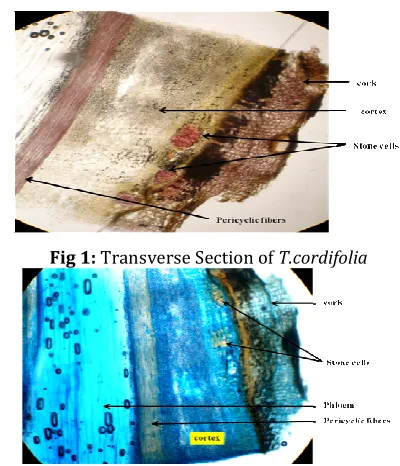
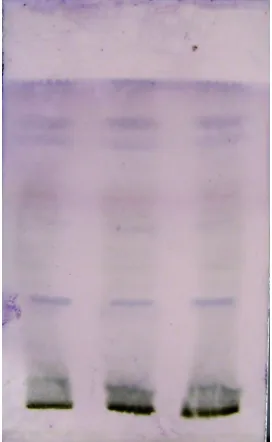
Cork cells: Loosely arranged tangentially elongated
which are broken at certain places due to the presence
of lenticels. Phelloderm the inner to the cork is an inconspicuous layer which stains yellow on treatment
with iodine and potassium iodide may be a lignified layer of phelloderm. Cortex next to phelloderm lies the cortex which consists of small compactly but
irregularly arranged polygonal parenchymatous cells.
These cortical parenchymatous cells contains
abundant starch as they stains blue with Iodine and
potassium iodide solution.
Fig 1: Transverse Section of T.cordifolia
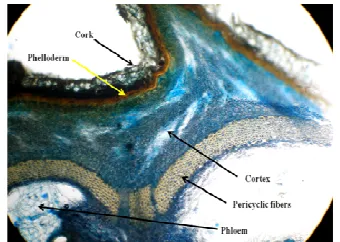
Fig 2: Transverse Section of T.cordifolia on Treatment with Phloroglucinol & HCL
Fig 3: Transverse Section of T.cordifolia on Treatment with I2 and KI
Xylem out of which phloem is present just below the
pericyclic fibers and stained blue with differential
stain I2, KI and aniline blue. Vessels are cylindrical
and have Vascular tissue consists of phloem and simple pits with annular thickenings. The strands of
xylem are separated by 6-8 cell wide multiserate
medullary rays. Pith consists of mainly thin walled cells containing starch granules as shown in figures
given below.
Fig 4: Transverse Section of T.cordifolia on Treatment with Aniline
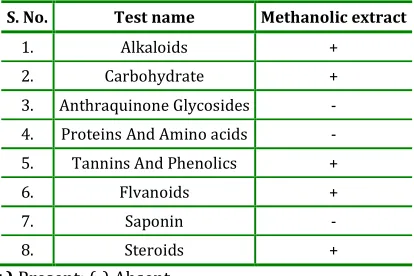
Preliminary Phytochemical Screening
Preliminary phytochemical screening was carried out
on the methanolic extract of stem of T.cordifolia revealed the presence of a wide range of
phytoconstituents including alkaloids, carbohydrates,
glycosides, saponins, tannins, flavonoids, steroids and
triterpenoids supporting the reason for its wide range
of biological activities [7],[8].
Fingerprint analysis of methanolic extract of T.
cordifolia stem by HPTLC
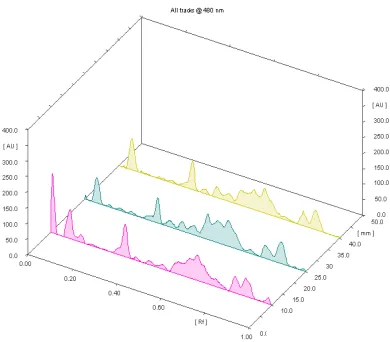
HPTLC fingerprint analysis was carried out on
methanolic extract of T. cordifolia stem with solvent
system i.e. Toluene: Ethyl acetate: Formic acid (5: 4: 1) using CAMAG HPTLC system consisting of linomat v
spotting and scanner 3. The chromatogram obtained
was studied under 254 nm, 366 nm [9].
Methodology:
100 mg of extract was weighed and dissolved in 5ml
of methanol. The sample was subjected for sonication
for 20 minutes and further be dissolved in 5ml. Samples are filtered and used for fingerprint analysis.
Precoated aluminium sheet (10x10cm, Merck,
Darmstadt, Germany) with silica gel 60 F254 of
thickness 0.2 mm were used on sample which were
applied in the form of band with the help of Linomat 3
applicator attached to HPTLC system which was programmed through winCATS, the software which
were installed with the apparatus. 1ml of each of the
sample was applied in the form of band of 3mm and
chromatogram was developed in CAMAG twin through
TLC chamber using solvent system chloroform: ethyl
acetate: formic acid (4:5:2) by using anis- aldehyde sulfuric acid as a detecting agent. The developed
chromatogram was then scanned using CAMAG TLC
Scanner 3 at 254 nm and 366 nm using slit dimension
4x0.30m.
Fig 5: Image of Methanolic extract of T. cordifolia at 254nm
Fig 6: Finger printing analysis of T. cordifolia extract at 254 nm.
Fig 8: Image of T. cordifolia after spraying
Fig 7: HPTLC Chromatographic profile (3D) of T. cordifolia extract at 254 nm
Fig 9: Image of T. cordifolia at 366nm
Fig 10: Fingerprinting analysis of T. cordifolia extract at 366 nm
Preparation of formulation
T. cordifolia tablets can be prepared by Wet granulation Method. Firstly the extract was allowed to
pass through the sieve no. 20 along with lactose
(90mg) and blend together in a mixing tray. After that
wet mass was obtained by incorporation of starch
solution (5%) to the dry mixture. The wet mass was
made into dough and forced to pass through the sieve. The wet granules obtained were allowed to dry at the
temperature of 450 C at the tray dryer for and 30
minutes. After that when granules are dried
microcrystalline Na (60mg), cross caramalose sodium
(0.9 mg), magnesium stereate (1%) and talc (1%) was
added and they are passed through the sieve and milling was done. Hence the granules were ready for
the compression to obtained tablets of about 500mg
[10].
Fig 11: HPTLC Chromatographic profile 3(D) of T. cordifolia extract at 366nm
Preformulation and formulation studies
The granules were analysed for preformulation
studies like bulk density, tapped density, [11],[12],
Hausner’s ratio, Carr’s Index and angle of repose [13]
Variuos formulation studies were studied like
hardness and friability, disintegration time,
dissolution rate of prepared formulation were
performed. According to USFDA dissolution were carried out in 3 medium i.e 0.1 N HCl, 4.6 Acetate
buffer and 6.8 phosphate buffer [14].
Quantification of prepared formulation by HPLC
Berberin content in prepared formulation were estimated by HPLC method. About 500 mg of the T.
cordifolia tablet were weighed in triplicate and
transferred it into volumetric flask and making it to
the mark with methanol. 5ml of the solution were
pipette out into clean 50 ml volumetric flasks and
made to the mark with the mobile phase acetonitril:
water (60:40), by using Column Reverse phase ODS, 250 × 4.6 mm, flow rate of about 0.5ml/min at the
wave length of about 265 nm. A calibration curve of
peak areas versus concentration of the standards was
plotted. The berberin content in the oral dosage form
was calculated using the regression equation of the
best line of fit [15].
In vitro biological activity of prepared formulation
Antioxidant activity of T. cordifolia tablet by DPPH free
radical scavenging assay. This assay is based on the
reduction of 1, 1-diphenyl-2-picrylhydrazyl (DPPH)
which is a stable free radical with purple colour. Due
to the presence of an odd electron it gives strong absorption maximum at 517 nm. Various dilutions of
the extract and prepared formulation was prepared
with methanol resulting in concentration in a range of
5µg/ml, 10 µg/ml, 20 µg/ml, 30µgm/ml, 40µg/ml,
50µg/ml, 100µg/ml, 150µg/ml. To each dilution was
added 2 ml of the prepared DPPH solution in methanol. Control was prepared simultaneously
consisting of 2ml methanol and 2ml of DPPH solution.
The prepared dilutions were then left for colour
development in the dark for 20 minutes. Finally the
absorbance of control, Standard and Sample were
measured at 517 nm against a methanol blank [16].
Total flavonol content
The total flavanol content in T. cordifolia tablet can be
determined by Aluminium chloride colorimetric
method . 10 mg of the sample was weighed and
dissolved in 1 ml of 80% methanol using a vortex
mixture (Touch Type) followed by adding to it 9 ml of
methanol and finally mixing through sonicator to prepare a sample concentration of 1mg/ml. 0.5 ml of
this solution was pipette out in a test tube to which
was added 1.5 ml of 95% methanol, 0.1 ml of 10%
aluminium chloride, 0.1 ml of 1M potassium acetate and 2.8 ml of distilled water .The final sample solution
in the test tube was left to incubate for 30 minutes at
room temperature. The sample was prepared in
duplicate. Finally, the absorbance was measured at
415 nm against a reagent blank. The standard curve
was obtained using rutin solution in the range of 10,
20, 40, 60, 80, 100µg/ml. The results will be expressed as mg rutin/g dry weight by comparison with rutin
standard curve [17].
Total phenolic content
The total phenol content in T. cordifolia tablet was
determined by using the Standard Folin-Ciocalteu
method. 1.5ml of the sample was pipette out in a test tube to which 10.5 ml of distilled water was added
followed by addition of 0.75ml of Folin-Ciocalteu
reagent (FCR). This was left for incubation for 1-8
minutes at room temperature. Lastly to this 2.25ml of
20% Sodium carbonate solution was added and
various dilutions were obtained in concentration 100µg/ml, 200 µg/ml, 300 µg/ml, 400 µg/ml,
500µg/ml, 600µg/ml, 800µg/ml,1000µ/ml and the
dilutions were left to incubate for 2 hrs. Finally the
absorbance was measured at 765 nm against a
reagent blank. The Standard curve was obtained using
gallic acid monohydrate. The total phenol content will be expressed as gallic acid equivalent to % w/w of
sample [18].
Antibacterial activity
This method is based upon Paper disc diffusion
method which involves diffusion of an antibiotic from a filter paper disc through the solidified culture media
of a Petri dish used for study. Sample of T. cordifolia
prepared formulation were prepared in different
concentrations of about 5 µg/ml, 10 µg/ml, and 15
µg/ml with methanol. Paper disc impregnated with
sample solutions as well as antibiotic solution
(Ampicillin) were placed on to the surface of the solidified nutrient media of the plates with the help of a
sterilised wire loop. After that the plates were incubated
at 30OC at BOD incubator. After 24 hours the diameter of
zone of inhibition was measured for the evaluation of antimicrobial activity [19],[20].
RESULTS AND DISCUSSION
Physio-chemical Analysis
Physio-chemical parameters like total ash value, water
soluble ash, aid insoluble ash, loss on drying and
extractive value were shown in table 1. Table 1: Physio chemical Parametres
S. No. Parameters % w/w values
1. Forgein matter anaysis 0.12
2. Ash values
2.1 Total ash 6.12
2.2 Acid insoluble ash 1.08
2.3 Water soluble ash 1.22
3. Loss on drying 4.1
4. Extractive values
4.1 Alcohol soluble extractive value 16.03 4.2 Water solule extractive value 20.7
Preliminary Phytochemical Screening
Preliminary phytochemical screening was carried out
on the methanolic extract of stem of T.cordifolia
revealed the presence of a wide range of
phytoconstituents phytoconstituents including
alkaloids, carbohydrates, glycosides, saponins,
tannins, flavonoids, steroids and triterpenoids as shown in table no. 2.
Table 2: Phytochemical screening
S. No. Test name Methanolic extract
1. Alkaloids +
2. Carbohydrate +
3. Anthraquinone Glycosides -
4. Proteins And Amino acids -
5. Tannins And Phenolics +
6. Flvanoids +
7. Saponin -
8. Steroids +
(+) Present; (-) Absent
Fingerprint Analysis of Methanolic Extract of T.
cordifolia Stem at 254nm
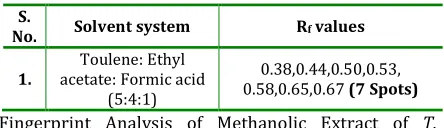
HPTLC fingerprint analysis was carried out on
methanolic extract of T. cordifolia stem with solvent
using CAMAG HPTLC system. TheRf value of different compounds at 254 nm is shown in table no. 3.
Table 3: Finger print analysis of T. cordifolia at 254 nm.
S.
No. Solvent system Rf values
1.
Toulene: Ethyl acetate: Formic acid
(5:4:1)
0.38,0.44,0.50,0.53, 0.58,0.65,0.67 (7 Spots)
Fingerprint Analysis of Methanolic Extract of T.
cordifolia Stem at 366nm as shown in table no. 4.
Table 4: Finger print analysis of T. cordifolia at 366 nm.
S.
No. Solvent system Rf values
1.
Toulene: Ethyl acetate: Formic acid
(5:1:15)
0.33, 0.38, 0.44, 0.49, 0.56, 0.60, 0.65, 0.75, 0.82, 0.86
(10 Spots)
Preformulation Studies for the Preparation of Tablet
Preformulation parameters like bulk density, tap
density, Carr’s index, Hausner’s ratio and angle of
repose were carried out. The granules showed excellent flow property as shown in table no. 5.
Table 5: Preformulation parameters
S. No. Parameters Result
1. Bulk density 0.421 (gm/ml) 2. Tapped density 0.512 (gm/ml) 3. Hausner’s ratio 1.21 4. Carr’s index 17.7 5. Angle of repose 32.18 (θ)
Formulation Studies of Prepared Formulation Formulation studies like hardness and friability,
disintegration test and dissolution test were studied
for the evaluation of tablet and shown in table no. 6
Table 6: Formulation parameters
S. No. Parameters Results
1. Hardness 3.9 (kg/cm2)
2. Friability 0.52 %
3. Disintegration 13 minutes 20 Secs 4. Dissolution
a. 0.1 NHCl 76.54 %
b. 4.6 Phosphate buffer 73.1% c. 6.8 Acetate buffer 75.8%
Quantification of 500mg of tablet by HPLC
A sharp peak of berberin was obtained by using
mobile phase as acetonitrile: water (40:60). At a
retention time of 5.6 at 265 nm. Berberin content in
500 mg of tablet was found to be 218 ppm as shown in
table no. 7.
Table 7: Estimation of berberin content in 500 mg of prepared tablet
S. No. Formulation Berberin Content in 500mg of Tablet
1. Tablet 218ppm
Antioxidant activity of prepared formulation Antioxidant activity of prepared formulation was
assessed by DPPH free radical scavenging assay. The formulation showed potent antioxidant activity with
an inhibitory concentration (IC50) of 59µg /ml .
Ascorbic acid used as a standard showed an IC50 value
of 6.12µg/ml as shown in table no.8
Fig 12: Standard curve of Ascorbic acid
Fig 13: Free radical assay curve for tablet
Table 8: IC 50 value of prepared formulation
S. No. Sample IC50 value
1. Std Ascorbic acid 6.12 µg/ml
2. Tablet 59 µg/ml
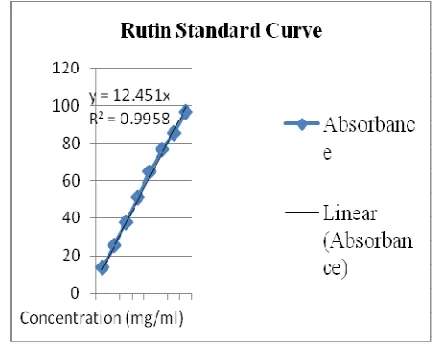
Estimation of total flavonol content
The total flavonol content in prepared formulation
was found to be 29.01 mg/gm as shown in table no.9.
Rutin was used as a standard.
Fig 14: Standard curve for Rutin
Table 9: Result of Total Flavonol Content in T. cordifolia Tablet
S.
No. Formulation
Total Flavonol Content (mgRE/g of sample)
1. Tablet 29.01
Estimation of total phenolic content
The total phenolic content in prepared formulation
was found to be 8.12mg/gm as shown in table no. 10.
Standard curve for Gallic acid was obtained.
Fig 15. Standard curve for Gallic acid.
Table 10: Result of Total Phenol Content in T. cordifolia Tablet
S.
No. Formulation
Total Phenol Content (mgGAE/gof sample)
1. Tablet 8.12
Antibacterial activity of Prepared formulation The prepared formulation of T. cordifolia extract was
screened for their antibacterial activity by paper disc diffusion method. Though the highest activity was
observed against E.coli having Zone of Inhibition of 2.1
cm at the concentration of about 15µg/ml. Moreover,
activity was quite reasonable and concentration-
dependent in B. subtilis bacteria having Zone of
Inhibition of diameter 1.2 cm at the concentration of about 15µg/ml . However, the standard drug
ampicillin at the concentration of 5 µg/ml showed
maximum activity against B. subtilis at the
concentration of about 15 µg/ml having Zone of
Inhibition of diameter of about 3.3cm as shown in
table no.11.
Fig 16: Zone of Inhibition of E.coli
Table 11: Results of Zone of Inhibition in T. cordifolia Tablet with Tetracycline by Paper disc diffusion method.
S. No Formulation Concentration(µg/ml) E.coli (Zone of inhibition) (cm) B.subtilis (Zone of Inhibition) (cm)
1. Tablet 5 µg/ml 0 0
10 µg/ml 0 0
15 µg/ml 2.1 1.2
2. Tetracycline 5µg/ml 3.2 3.3
CONCLUSION
The present study provides valuable information
regarding the identification and authentication of the
plant T. cordifolia along with the development of the
solid oral dosage form with improved formulation
parameters. Antioxidant rich plants serve as source of nutraceuticals that alleviate the oxidative stress and
therefore prevent or reduce the onset of degenerative
diseases. Therefore antioxidant activity of prepared
formulation was evaluated by DPPH free radical
scavenging assay. Antibacterial activity of the
formulation was performed against E.coli and B.subtilus which clearly claimed its effects against
several infections, inflammations and several other
therapeutic benefits for human health. The present
study justify the use of prepared formulation of T.
cordifolia tablet in treatment of various infectious
diseases and as a source of nutraceuticals in order to reduce oxidative stress with consequent health
benefits. So further work could be done for the
isolation and purification of important compounds
from this plant which will allow the scientific
community to utilise as an accessible alternative for
the production of synthetic antibiotics. It shows many pharmacological activities as well. Hence this provides
us a great scope of investigation regarding future
prospects also.
REFERENCES
1. Warrier R.R, Singh B.G, Anandalakshmi R, Sivakumar
V, Kumar A.M, Shivalingam R. “Vegetative
Propagation of Tinospora cordifolia - A Folkloric and
Ayurvedic Medicinal Plant”, Journal of Biomedical,
2007; vol.2(2), pp: 131-137.
2. Jalalpurea S.S, Alagawadia K.R, Mahajanshetty C.S. “In
Vitro Antihelmintic Property of Various Seed Oils,”
Iranian Journal of Pharmaceutical Research, 2006;
vol.4, pp: 281-284.
3. Singh B, Singh V.P, Kumar M. “Effect of Tinospora
cordifolia Aqueous Extract on Traditional Food Crops
of Garhwal Himalaya”, International Journal of
Sustainable Agriculture, 2009; vol.1(2), pp: 36-40
4. Gupta R.S and Sharma A. “Antifertility Effect
of Tinospora cordifolia (Willd.) Stem Extract in Male
Rats”, Indian Journal of Experimental Biology, 2004;
vol.41(8), pp: 885-889.
5. Mantena S.K, Sharma S.D, Katiyar S.K. “Berberin, A
Natural Product Induces G1-phase Cell Cycle Arrest
and Capase- 3- Dependent Aptosis in Human
Prostate Carcinoma Cells”, Molecular Cancer
Therapy, 2006; vol.25(2), pp: 296-308.
6. Sinha K, Mishra N.P, Singh J, Khanuja S.P.S.
“Tinospora cordifolia - Plant for Therapeutic
Applications: A Review”, Indian Journal of
Traditional Knowledge, 2004; vol.3(3), pp: 257-270.
7. Nasreen S, Radha R, Jayashree N, Selvaraj B,
Rajendran A. “Assesment of Quality Of Tinospora
cordifolia: Pharmacognostical and Phyto
Physiochemical Profile”, International Journal of
Comphrehensive Pharmacy, 2010; vol.5(3), pp: 1-4.
8. Sivakumar V, Dhana Rajan M.S, Riyazullah M.S.
“Preliminary Phytochemical Screening and
Evaluation of Free Radical Scavenging Activity of
Tinospora cordifolia”, International Journal of
Pharmacy and Pharmaceutical Sciences, 2010; vol.2(
4), pp: 186-188.
9. Puratchimani V and Jha S. “HPTLC Standardization
of Tinospora cordifolia using Tinosporaside”, Journal
of Pharmaceutical Sciences, 2007; vol.69(4),
pp:578-81
10. Yasmeen R, Shoaib M.R, Khalid H. “Comparative
Study of Different Formulations of Atenolol”,
Pakistan Journal of Pharmaceutical Sciences, 2005;
vol.18(1), pp: 47-51
11. Lachman L, Lieberman H.A, Kanig J.L. “The Theory
and Practice of Industrial Pharmacy”, Varghese
Publishing House, 3rd edition, 1990; pp: 293-301.
12. Ngwuluka N.C, Idiakhoa B.A, Nep E.I, Okafor I.S.
“Formulation and Evaluation of PCM Tablets
Manufactured using the Dried Fruit of Phoenix
dactylifera Linn as Excipient”, Journal of Research in
Pharmaceutical Biotechnology, 2010; vol.2(3), pp:
25-32.
13. Schussele A and Brandl A.B. “Note on the
Measurement of Flowability According to the
European Pharmacopoeia”, International Journal of
Pharmaceutics, 2003; vol.257, pp: 301-304.
14. Anonymous. “Indian Pharmacopeia”, Government of
India, Ministry of Health & Family Welfare, Published
by the Controller of Publications, New Delhi, 1996;
vol.2, pp: 145-147.
15. Srinivasan G.V, Unnikrishnan K.P, Rema Shree A.B ,
Balachandran I. “HPLC Estimation of berberine
in Tinospora cordifolia and Tinospor sinensis”, Indian
Journal of Pharmaceutical Sciences, 2008; vol.70(1),
pp: 96–99.
16. Hasan S.M.R, Hossain M.M, Akter R, Jamila M,
Rahman S. “DPPH Free Radical Scavenging Activity of
Some Bangladeshi Medicinal Plants”, Journal of
Medicinal Plants Research, 2009; vol.3(11), pp:
875-879
17. Chang C.C, Yang M.H, Wen H.M, Chern J.C.
“Estimation of Total Flavonoid Content in Propolis
by Two Complementary Colorimetric Methods”,
Journal of Food and Drug Analysis, 2002; vol.10(3),
pp:178-182
18. Surveswaran S, Cai Y.Z, Corke H. “Systemic
Evaluation of Natural Phenolic Antioxidants from
133 Indian Medicinal Plants”, Food Chemistry, 2007;
vol.102(3), pp: 938-953.
19. Jeyachandran R, Xavier T.F, Anand S.P. “Antibacterial
Activity of Stem Extract of Tinospora cordifolia”,
Journal of Ancient Science of Life, 2003; vol.23(1),
pp: 40-43.
20. Mahesh B, Satish S. “Antimicrobial Activity of Some
Important Medicinal Plant Against Plant and Human
Pathogens”, World Journal of Agricultural Sciences,
2008; vol.4(1), pp: 839-843.
How to cite this article: Raina Mehra, Tanveer Naved*,
Mahek Arora, Swati Madan; Standardization and Evaluation of Formulation Parameters of Tinospora Cordifolia Tablet: An Overview; J. Adv. Pharm. Edu. & Res. 2013: 3(4): 440-449.