Architectural character in conservation design
projects
Salim Elwazani1,* and Pooja Katara2
1Department of Architecture and Environmental Design, Bowling Green State University, Bowling Green, Ohio, USA
2SENSEcity, Glasgow, Scotland
Abstract. Embracing “character” as a form of spatial ambiance, this study has examined architectural character and the character’s relationship with the cultural values, building configurations, and building integrity. Considered sequentially, cultural values, building configurations, and building integrity are the three conservation cognitive agents that need to be satisfied before and during the intervention process in the first place, and in a post-intervention sense if to keep the heritage quality of the preserved property intact. Therefore, the study deciphered the character interface with each of the three agents and reflected on these interfaces in completed conservation projects. The study culminated with that the building character plays the central role in moderating the workings of the three agents towards successful conservation projects. The study further pointed out to the challenges that conservation professionals and historic architects face in accommodating character, and by extension, cultural values, building configurations, and building integrity in conservation projects. There is a need for defining and “operationalizing” character—and each of the three agents—to move the conservation process forward.
1 Overview
This study embraces architectural “character” of historic buildings as a form of the spatial ambiance. The study defines architectural character and examines the character’s interface with the cultural values, the building configurations, and building integrity within the context of heritage conservation design projects.
Character is an ethereal term in architecture and the built environment discourses. The Oxford Living Dictionary describes character as the “distinctive nature of something.” [1]. Other lexical sources associate character with the mood, quality, and atmosphere particularly as related to an environment. Architectural works dealt with character—or its synonyms—in diverse veins and at various scales of the built environment. The 1969 Character of Towns by Roy Worskett, [2] a classic on the subject, advanced some groundbreaking ideas. A clear
undertone ties the character construct with the Genius Loci, the Spirit of Place notion espoused by Christian Norberg-Schulz [3] and with the Image of the City scheme laid out by Kevin Lynch [4]. Lending itself to historic milieus, character has an eminent place in the historic preservation/heritage conservation field. The ICOMOS 2008 Québec Declaration on the Preservation of the Spirit of Place defined the spirit of place as “…the physical and the spiritual elements that give meaning, value, emotion and mystery to place” [5] and brought out the vulnerable and transformative dimensions of the term.
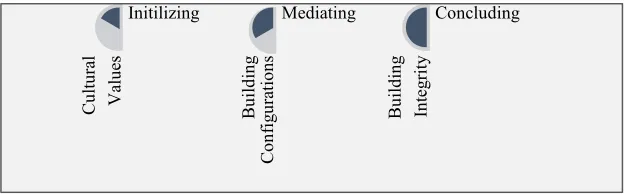
Stubbornly rooted in the ethereal realm of the place, character still holds a clear potential for worldly uses. The concept is particularly useful in historic structure conservation and in new creations within historic districts. The influence of character on the historic building conservation threads through the phases of the conservation process. On one side, character links with the cultural values that people attach to heritage and heritage resources. On the other side, character links with the physical integrity of heritage resources. In between, resides the building configurations—the building body, if you will—that function as the physical reference upon which the cultural values are placed and the building integrity is assessed. Considered sequentially, cultural values, building configurations, and building integrity are the three cognitive agents that need to be considered from early on in the conservation process (Figure 1). They are the bases upon which the practical steps of conservation projects should proceed.
Fig. 1. Cultural values, building configurations, and building integrity interface with building character
throughout the conservation process
How different jurisdictions approach character as a moderator of building conservation is a wide-open question. Character conceivably partakes in the conservation game in one form or another across the multiplicity and diversity of international, national, and local conservation programs. However, concrete trends in the interpretation and operationalization of the character in service of conservation are difficult to map. Explaining the strenuous relationship of the architectural character with the triad agents of cultural values, building configurations, and building integrity will help alleviate the difficulty.
This study examines architectural character and the character’s relationship with the cultural values, the building configurations, and the building integrity in historic conservation design projects. This central objective gives rise for the discussion to proceed under the following headings:
− Architectural character and cultural values − Architectural character and building configurations − Architectural character and building integrity
Cu
ltu
ra
l
V
al
ues
Initilizing
Bu
ild
in
g
Conf
ig
ur
at
ions
Mediating
Bu
ild
in
g
In
te
gr
ity
Concluding
[image:2.482.85.398.314.411.2]undertone ties the character construct with the Genius Loci, the Spirit of Place notion espoused by Christian Norberg-Schulz [3] and with the Image of the City scheme laid out by Kevin Lynch [4]. Lending itself to historic milieus, character has an eminent place in the historic preservation/heritage conservation field. The ICOMOS 2008 Québec Declaration on the Preservation of the Spirit of Place defined the spirit of place as “…the physical and the spiritual elements that give meaning, value, emotion and mystery to place” [5] and brought out the vulnerable and transformative dimensions of the term.
Stubbornly rooted in the ethereal realm of the place, character still holds a clear potential for worldly uses. The concept is particularly useful in historic structure conservation and in new creations within historic districts. The influence of character on the historic building conservation threads through the phases of the conservation process. On one side, character links with the cultural values that people attach to heritage and heritage resources. On the other side, character links with the physical integrity of heritage resources. In between, resides the building configurations—the building body, if you will—that function as the physical reference upon which the cultural values are placed and the building integrity is assessed. Considered sequentially, cultural values, building configurations, and building integrity are the three cognitive agents that need to be considered from early on in the conservation process (Figure 1). They are the bases upon which the practical steps of conservation projects should proceed.
Fig. 1. Cultural values, building configurations, and building integrity interface with building character
throughout the conservation process
How different jurisdictions approach character as a moderator of building conservation is a wide-open question. Character conceivably partakes in the conservation game in one form or another across the multiplicity and diversity of international, national, and local conservation programs. However, concrete trends in the interpretation and operationalization of the character in service of conservation are difficult to map. Explaining the strenuous relationship of the architectural character with the triad agents of cultural values, building configurations, and building integrity will help alleviate the difficulty.
This study examines architectural character and the character’s relationship with the cultural values, the building configurations, and the building integrity in historic conservation design projects. This central objective gives rise for the discussion to proceed under the following headings:
− Architectural character and cultural values − Architectural character and building configurations − Architectural character and building integrity
Cu ltu ra l V al ues Initilizing Bu ild in g Conf ig ur at ions Mediating Bu ild in g In te gr ity Concluding
2 Architectural character and cultural values
The raison d'être for the heritage conservation activity, the cultural values of communities, cities, and nations grounds the requirements for conservation at any level and for any type of resources. The cultural values and conservation actions figure in a cause and effect relationship.
Cultural values spring into what many conservation circles normalized as cultural significance (importance, worth), rendering “values” and “significance” two sides of the same coin. The variations in the methodologies for evaluating cultural significance across the globe are, unsurprisingly, striking. The criteria for significance evaluation generally recognize the economic, social, scientific, political, and aesthetic achievements associated with the resources. Conservation agencies work to cater for heritage resource geographies and stakeholders that come under their jurisdiction resulting in significance evaluation and recognition systems with, assumedly, commensurately responsive evaluation criteria. While countries tend to have nation-wide criteria, some may, in addition, have provincial, State, or city criteria for recognizing heritage resources at those jurisdictional levels. Yet, we can see criteria to recognize resources that are of value to the world community, such as those of UNESCO World Heritage List, or to a continental union, such as those of the European Heritage Label.
By the virtue of their weight and precedence, the cultural values, expressed in a more operational sense as the evaluated significance of a historic building, dictate the attention to the building character—and by the same token, dictate the understanding of the perceived building physical entity features (configurations) and the compliance with the building integrity safeguarding measures during the ensuing conservation process. To this point, the cultural values spell into the evaluated significance of the building; the evaluated significance leads to the safeguarding of the character of the building. To safeguard the character, there is a need to identify it more tangibly first. The sensuous character construct can be understood in terms of the building’s physical, spatial, and polychromatic dimensions. The roof configurations, the plan layout, and the exterior paint color are all contributor examples of the building character. Because of the heritage embodiment of time, time comes to play as a domain of the building character and of the possibilities for change in the character. To draw on the examples above, if the roof configurations, the plan layout, or the exterior paint color had changed from what they were during the historic “period of significance,” the building character is said to be compromised. Hence the requirements for safeguarding the character of buildings based on the premise that such character, spelled in terms of “protected” building configurations and features, is a credible framework for conveying significance.
3 Architectural character and building configurations
Character is a function of visual perception. Seeing a building is seeing its constituent parts and features which impart the sense of a unique ambiance or, said otherwise, the observed character. While psychology, neurology, and other disciplines delve into the inner workings of the perception phenomenon, architecture and the spatial fields take an abbreviated, yet rather subjective, expression of the perception of buildings and places, that is, the term character.
perception, and by extension of character, beg for better definition. As subjective as they may be, the circumstances of a perceptual experience of a building, a plaza, or a sculptural piece modify the perception in congruity of the observer’s savviness, frequency of observation, and duration of the activity. Taken further, perception—and the ensuing characterization activity—is influenced by the observer’s cultural grounding.
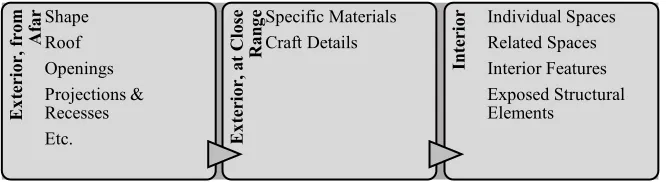
The heritage conservation discourse keeps character in high regard. Hence the need to maintain character as intact as possible during the preservation or rehabilitation intervention processes. However, international heritage programs and organizations do not sufficiently describe the character defining strategies and techniques that lend themselves to technical expediency. Of the few that do, the Technical Preservation Services Division of the U.S. National Park Service defines a set of observable attributes for the visual character of buildings such as the building roof configurations, the façade shape, and finish materials [6]. The Division’s further disseminates a guidance for reconfiguring the building character. The NPS visual character scheme elevates the subjective perception of buildings to a situational experience by setting up three vantage points from which the perception of the building takes place. Each vantage point serves as a reference for a set of observations from which the character is presumably visually being constructed. The aggregate of the observations tagged by the three vantage points weaves the collective effect of the building character. The vantage points are described by location as follows: a) at the exterior: from afar to identify the overall visual aspects; b) at the exterior: at close range to observe the building’s “materials, craftsmanship and surface finishes;” and c) in the building interior to identify “spaces, features and finishes” (Figure 2).
Fig. 2. The three observation vantage points and the building attributes captured
4 Architectural character and building integrity
In addition to the role of cultural significance and building configurations in the conservation process, building integrity peeks to corroborate or disqualify the maintenance of the building character. More elucidated, these relationships stand as follows: articulating cultural significance grounds the rationale for maintaining the architectural character; defining the building configurations provides a base for measuring the building integrity; assessing building integrity assures or refutes the safeguarding of the building character.
Building integrity, to recall, denotes the wholeness and completeness of the building’s physical entity over time. The International Council on Monuments and Sites (ICOMOS) advance a definition for integrity: “it is a measure of the overall coherence and the wholeness and intactness of the property and its attributes” [7]. ICOMOS further echoes the building integrity in the closely intertwined concept of authenticity, defined in “an authentic property expresses its cultural values in a truthful and credible way through a variety of attributes such as its form, materials, function, management system, location, spirit, etc.” [8]
Ex
teri
or,
fro
m
A
farShape Roof Openings Projections & Recesses
Etc. Exteri
or,
a
t C
lo
se
R
ang
eSpecific Materials Craft Details
In
teri
or Individual Spaces Related Spaces Interior Features Exposed Structural Elements
[image:4.482.79.412.349.440.2]perception, and by extension of character, beg for better definition. As subjective as they may be, the circumstances of a perceptual experience of a building, a plaza, or a sculptural piece modify the perception in congruity of the observer’s savviness, frequency of observation, and duration of the activity. Taken further, perception—and the ensuing characterization activity—is influenced by the observer’s cultural grounding.
The heritage conservation discourse keeps character in high regard. Hence the need to maintain character as intact as possible during the preservation or rehabilitation intervention processes. However, international heritage programs and organizations do not sufficiently describe the character defining strategies and techniques that lend themselves to technical expediency. Of the few that do, the Technical Preservation Services Division of the U.S. National Park Service defines a set of observable attributes for the visual character of buildings such as the building roof configurations, the façade shape, and finish materials [6]. The Division’s further disseminates a guidance for reconfiguring the building character. The NPS visual character scheme elevates the subjective perception of buildings to a situational experience by setting up three vantage points from which the perception of the building takes place. Each vantage point serves as a reference for a set of observations from which the character is presumably visually being constructed. The aggregate of the observations tagged by the three vantage points weaves the collective effect of the building character. The vantage points are described by location as follows: a) at the exterior: from afar to identify the overall visual aspects; b) at the exterior: at close range to observe the building’s “materials, craftsmanship and surface finishes;” and c) in the building interior to identify “spaces, features and finishes” (Figure 2).
Fig. 2. The three observation vantage points and the building attributes captured
4 Architectural character and building integrity
In addition to the role of cultural significance and building configurations in the conservation process, building integrity peeks to corroborate or disqualify the maintenance of the building character. More elucidated, these relationships stand as follows: articulating cultural significance grounds the rationale for maintaining the architectural character; defining the building configurations provides a base for measuring the building integrity; assessing building integrity assures or refutes the safeguarding of the building character.
Building integrity, to recall, denotes the wholeness and completeness of the building’s physical entity over time. The International Council on Monuments and Sites (ICOMOS) advance a definition for integrity: “it is a measure of the overall coherence and the wholeness and intactness of the property and its attributes” [7]. ICOMOS further echoes the building integrity in the closely intertwined concept of authenticity, defined in “an authentic property expresses its cultural values in a truthful and credible way through a variety of attributes such as its form, materials, function, management system, location, spirit, etc.” [8]
Ex teri or, fro m A farShape Roof Openings Projections & Recesses
Etc. Exteri
or, a t C lo se R ang
eSpecific Materials Craft Details
In
teri
or Individual Spaces
Related Spaces Interior Features Exposed Structural Elements
To determine whether the building has integrity or not, one would ask: to what degree the current building configurations (features, materials, and immediate context) are similar to or different from what they were during the building historical period of significance? A negative assessment of the building conditions would indicate that the building character has been disturbed. A disturbed character of the building does not honestly impart the significance of the building.
Where does the building integrity come to play in the conservation process? Evaluating integrity becomes critical at two distinct phases of the process, before and after the start of the intervention into the building—to preserve, rehabilitate, or restore. The aim in each of the “before and after” phases is to corroborate the harmonious relationship of the members of the triad: cultural significance, building configurations, and building character. This, in other words, underscores the need for keeping the relationship consistent from the pre-intervention phase into the treatment phase of the conservation process. The mechanism that shores the relationship is “integrity”. By extension, a third, post-treatment phase can be envisioned in which the harmonious relationship between the members of the triad must be kept (Figure 3). Stated otherwise, if the appropriately treated building subsequently witnesses physical and spatial changes that disturb the triad harmonious relationship, the building character— measured through the mechanism of integrity—will suffer. This, in other words, underscores the need for keeping the relationship consistent throughout the three phase continuum in order to claim not only a compliant conservation, but also to claim the maintenance of building integrity as a cultural edifice.
[image:5.482.79.216.349.486.2]
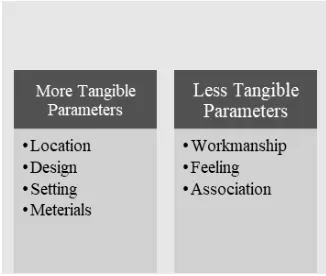
Fig. 3. Phase continuum of intervention Fig. 4. Integrity parameters
Building integrity as a mechanism for checking on the building character and on the maintenance of the building significance works by triggering a number of parameters. This is clearly spelled out in the National Register Bulletin 15, How to Apply the National Register Criteria for Evaluation [9]. The Bulletin’s list of integrity measurement parameters includes more tangible parameters and less tangible parameters (Figure 4).
5 Applied aspects of building character
Conservation principles and practices paid attention to the character attribute of heritage resources universally. This attention crosses the pre-intervention, the intervention (treatment), and the post-intervention stages, and is usually nuanced with one or more of the
Pre-Intervention Phase
Intervention Phase
[image:5.482.257.420.350.488.2]character-related attributes of cultural values (significance), building configurations, and building integrity. Examples related to buildings and other spatial environments abound. The “president of the Royal Society of Ulster Architects (RSUA) said it is important that the BBC retains the historical character of the listed building when it undergoes its Pounds 77m revamp” [10]. Kelm aimed to “analyze the interiors of four historic mills and determine how historic character and integrity was maintained during the rehabilitation process” [11].
Character is particularly recalled when considering threatened resources. In Heritage at Risk, ICOMOS recalled character in at least eleven places. For example, the Kathmandu Valley resources (Nibal), have been identified with their character: “The traditional settlements within the Kathmandu Valley are being lost to development. The earthquake has further decimated the settlements that have managed to retain at least a semblance of the historic character” [12]. Character can be a backdrop for reconciling the vulnerable existing with the unrelenting new. This is apparent in case of the Historical Museum, Sarajevo, a product of the socialist Yugoslavia’s architecture and an example of the 20th century European heritage: “the expressionist character of the building’s architecture opens up a dialogue with the tendencies of international contemporary architecture, which, in turn, is not formally unilateral” [13].
Yet, character is made more meaningful when its maintenance is set by the jurisdictional authorities as a prerequisite for both the historic structure inventory listing and the certified completion of the intervention into the structure, including rehabilitation and restoration. In the process of nominating a property to the National Register of Historic Places, character serves as a common thread for substantiating cultural significance, elucidating the building configurations, and corroborating the overall integrity for making the case for the “heritage” stature of the property. This postulate holds true in each and all successful nominations—now stand at well over “93,000 properties… [with] 1.8 million contributing resources - buildings, sites, districts, structures, and objects” [14].
The requirement for retaining the property’s character is common to the four main types of treatment sanctioned by the National Park Service: preservation, rehabilitation, restoration, and reconstruction. Standard 2 of the Standards for Preservation states: “the historic character of a property will be retained and preserved. The replacement of intact or repairable historic materials or alteration of features, spaces and spatial relationships that characterize a property will be avoided” [15]. Standard 2 of the Standards for Rehabilitation is slightly different to accommodate for the very nature of the rehabilitation treatment: “the historic character of a property will be retained and preserved. The removal of distinctive materials or alteration of features, spaces and spatial relationships that characterize a property will be avoided” [16].
character-related attributes of cultural values (significance), building configurations, and building integrity. Examples related to buildings and other spatial environments abound. The “president of the Royal Society of Ulster Architects (RSUA) said it is important that the BBC retains the historical character of the listed building when it undergoes its Pounds 77m revamp” [10]. Kelm aimed to “analyze the interiors of four historic mills and determine how historic character and integrity was maintained during the rehabilitation process” [11].
Character is particularly recalled when considering threatened resources. In Heritage at Risk, ICOMOS recalled character in at least eleven places. For example, the Kathmandu Valley resources (Nibal), have been identified with their character: “The traditional settlements within the Kathmandu Valley are being lost to development. The earthquake has further decimated the settlements that have managed to retain at least a semblance of the historic character” [12]. Character can be a backdrop for reconciling the vulnerable existing with the unrelenting new. This is apparent in case of the Historical Museum, Sarajevo, a product of the socialist Yugoslavia’s architecture and an example of the 20th century European heritage: “the expressionist character of the building’s architecture opens up a dialogue with the tendencies of international contemporary architecture, which, in turn, is not formally unilateral” [13].
Yet, character is made more meaningful when its maintenance is set by the jurisdictional authorities as a prerequisite for both the historic structure inventory listing and the certified completion of the intervention into the structure, including rehabilitation and restoration. In the process of nominating a property to the National Register of Historic Places, character serves as a common thread for substantiating cultural significance, elucidating the building configurations, and corroborating the overall integrity for making the case for the “heritage” stature of the property. This postulate holds true in each and all successful nominations—now stand at well over “93,000 properties… [with] 1.8 million contributing resources - buildings, sites, districts, structures, and objects” [14].
The requirement for retaining the property’s character is common to the four main types of treatment sanctioned by the National Park Service: preservation, rehabilitation, restoration, and reconstruction. Standard 2 of the Standards for Preservation states: “the historic character of a property will be retained and preserved. The replacement of intact or repairable historic materials or alteration of features, spaces and spatial relationships that characterize a property will be avoided” [15]. Standard 2 of the Standards for Rehabilitation is slightly different to accommodate for the very nature of the rehabilitation treatment: “the historic character of a property will be retained and preserved. The removal of distinctive materials or alteration of features, spaces and spatial relationships that characterize a property will be avoided” [16].
Concluding remarks
The three cognitive agents of cultural values (property significance), building configurations, and building integrity are not only intertwined in their workings but also inherently instrumental in guiding the conservation process. These agents are checked against the requirement for retaining the building character throughout the stage continuum of conservation: before the intervention, during the intervention, and after the intervention. In a way, therefore, character moderates the role of each member in the triad to shoulder the conservation goals.
Except for the building configurations—which for some still remains a conundrum— the remaining agents are apt to continue to pose challenges for preservation professionals and historic architects to capitalize on their potential for shoring conservation efforts. This, for one, stems from the ethereal, subjective nature of the cultural values, building integrity, and of course, building character. This has not slowed down conservation agencies and building professionals from undertaking preservation, rehabilitation, and restoration ventures with varied degrees of success in meeting the proper conservation requirements. The more these agents are defined and “operationalized,” the more they will move the conservation practice forward, public and private.
References
1. Oxford English Dictionaries, https://en.oxforddictionaries.com/definition/character (accessed October 19, 2018).
2. R. Worskett, The Character of Towns, London: Architectural Press, (1969).
3. C. Norberg-Schulz, Genius Loci: Towards a Phenomenology of Architecture, New York: Rizzoli, (1980).
4. Kevin Lynch, The Image of the City, Cambridge, MA: The MIT Press, (1960). 5. UNESCO, World Heritage Committee, “The ICOMOS 2008 Québec Declaration on
the Preservation of the Spirit of Place,”
https://whc.unesco.org/uploads/activities/documents/activity-646-2.pdf (accessed October 19, 2018).
6. National Park Service, Technical Preservation Services, “The Walk Through,” https://www.nps.gov/tps/education/walkthrough/ (accessed October 19, 2018).
7. ICOMOS, “Glossary,” https://www.icomos.org/en/2016-11-10-13-53-13/icomos-and-the-world-heritage-convention-5/glossary3#authenticity (accessed January 17, 2019). 8. Ibid.
9. National Park service, “National Register, Bulletin 15: How to Apply the National Register Criteria for Evaluation,” https://www.nps.gov/nr/publications/bulletins/nrb15/ (accessed January 17, 2019).
10. S. "BBC Urged to Keep the Historical Character of Building during Revamp," Belfast Telegraph, Apr 04, 2018,
https://search.proquest.com/docview/2021239365?accountid=26417 (accessed January 21, 2019).
12. ICOMOS, Heritage at Risk: World Report 2014-2015 on Monuments and Sites in Danger, Ed. Christoph Machat and John Ziesemer, Berlin: hendrik Bäßler verlag, (2017), https://www.icomos.org/images/HR2014_2015_final.pdf (accessed January 18, 2019)
13. Ibid.
14. National Park Service, National Register of Historic Places, “What is the National Register of Historic Places?” https://www.nps.gov/subjects/nationalregister/what-is-the-national-register.htm (accessed January 18, 2019)
15. National Park Service, Technical Preservation Services Division, “Standards for Preservation,”
http://www.scc.ca.gov/webmaster/ftp/pdf/sccbb/2017/1709/20170928Board03B_Matth ew_Turner_Ex4.pdf (accessed January 18, 2019)
16. National Park Service, Technical Preservation Services Division, “Standards for Rehabilitation,” (accessed January 18, 2019)