White Rose Research Online URL for this paper: http://eprints.whiterose.ac.uk/113888/
Version: Accepted Version
Article:
Kellett, S., Simmonds-Buckley, M., Bliss, P. et al. (1 more author) (2017) Effectiveness of Group Behavioural Activation for Depression: A Pilot Study. Behavioural and Cognitive Psychotherapy. ISSN 1352-4658
https://doi.org/10.1017/S1352465816000540
This article has been published in a revised form in Behavioural and Cognitive
Psychotherapy [http://dx.doi.org/10.1017/S1352465816000540]. This version is free to view and download for private research and study only. Not for re-distribution, re-sale or use in derivative works. © British Association for Behavioural and Cognitive
Psychotherapies.
[email protected] https://eprints.whiterose.ac.uk/
Reuse
Unless indicated otherwise, fulltext items are protected by copyright with all rights reserved. The copyright exception in section 29 of the Copyright, Designs and Patents Act 1988 allows the making of a single copy solely for the purpose of non-commercial research or private study within the limits of fair dealing. The publisher or other rights-holder may allow further reproduction and re-use of this version - refer to the White Rose Research Online record for this item. Where records identify the publisher as the copyright holder, users can verify any specific terms of use on the publisher’s website.
Takedown
If you consider content in White Rose Research Online to be in breach of UK law, please notify us by
Abstract
Background: The evidence base for behavioural activation (BA) is mainly grounded in the
individual delivery method, with much less known about the impact of group delivery.
Aims: To conduct a pilot study of behavioural activation in groups (BAG) for depression
delivered in a routine service setting, in order to explore acceptability, effectiveness and
predictors of outcome. Methods: The manualised group treatment format was delivered in a
primary care mental health setting; at step three of an Improving Access to Psychological
Therapies (IAPT) service. BAG was facilitated by cognitive-behavioural psychotherapists
and outcome measures (depression, anxiety and functional impairment) were taken at each
session. Seventy-three participants were referred and treated within nine groups. Results:
BAG was an acceptable treatment generating a low dropout rate (6.9%). Significant pre-post
differences were found across all measures. There was a moderate to large depression effect
size (d+ = 0.74), and 19.7% met the criteria for a reliable recovery in depression. Greater
severity of initial depression and attendance of at least four BAG sessions predicted better
outcomes. Conclusions: BAG appears an effective depression treatment option that shows
some clinical promise. Further larger and more controlled studies are nevertheless required.
Key words: depression; behavioural activation; group therapy; pilot; clinical effectiveness;
Effectiveness of Group Behavioural Activation for Depression: A Pilot Study What people do (i.e. their behaviour) and its function (i.e. the short and long-term
consequences of actions) plays a key-maintaining role in depression (Curran, Ekers,
McMillan, & Houghton, 2012). Jacobson et al.’s (1996) landmark component analysis of the
treatment of depression found that behavioural activation (BA) had equivalent outcomes to
cognitive behavioural therapy (CBT) at both treatment termination and 6-month follow-up.
This study reignited clinical interest in behaviour therapy as a stand-alone treatment for
depression (Martell, Addis, & Jacobson, 2001). Subsequent studies and meta-analyses have
consistently demonstrated BA to be a clinically effective stand-alone treatment (Cuijpers, van
Straten, & Warmerdam, 2007; Dimidjian & Davis, 2009; Ekers et al., 2014; Mazzucchelli,
Kane, & Rees, 2009). Consequently, BA has been delivered in both low and high intensity
versions as part of the Improving Access to Psychological Therapies (IAPT) services in
England (Clark, 2011).
However, when updating the clinical guidelines for depression, the National Institute
for Health and Clinical Excellence (NICE) stated that the BA evidence base was not yet
compelling and called for more studies to be conducted (NICE, 2009). The Richards et al.
(2016) recent large (N=221) non-inferiority trial provided robust evidence of individual BA
being no less effective than CBT. As the rates of infrequent adverse incidents were also
equally distributed between the arms, BA was promoted as a potential ‘frontline’ depression
intervention. In public services, increasing and amplified demand for psychological
treatments and the need for organisationally efficient systems within restricted funding
arrangements means that group delivery of treatments is often an attractive option (Kellett,
Clarke, & Matthews, 2007). There is still debate, however, as to whether group delivery is as
as any small initial increased effects of individual over group CBT appear to diminish at
follow-up (Huntley, Araya, & Salisbury, 2012).
BA is advocated is adaptable to a group delivery method because of its parsimonious
and teachable behavioural principles are relatively easy for facilitators to disseminate to
clients (Jacobson et al., 1996; Richards et al., 2016; Sturmey, 2009). However, in
comparison to individual BA, much less is known about the impact of BA delivered in a
group format. The extant literature regarding group delivery of BA is based largely in
clinical specialities or co-morbid populations, such as drug users undergoing inpatient
substance abuse treatment (Daughters et al., 2008), patients with severe obesity (Alfonsson,
Parling, & Ghaderi, 2015), young adolescents (Chu, Colognori, Weissman, & Bannon, 2009),
opioid replacement therapy (Ross et al., 2012), and combat veterans in an inpatient PTSD
unit (Wright, 2002). The feasibility and effectiveness of group delivery of BA in more
mainstream clinical services has been less well researched. Porter, Spates and Smitham
(2004) piloted a ten-session group BA intervention (N = 37 patients) in primary care,
resulting in significantly reduced depression. Houghton, Curran and Saxon’s (2008)
uncontrolled evaluation of five treatment groups (N = 42 patients) in secondary care found
that ten-sessions of behavioural activation in groups (BAG) was an effective treatment, with
a low drop-out rate.
When delivering treatments in routine service settings, an important consideration is
the potential role of co-morbidity. In Primary Care services, rates of co-morbidity between
anxiety and depression are typically high (Löwe et al., 2008; Zbozinek et al., 2012).
Intervention effectiveness in IAPT is defined by “change in a person, rather than just a
syndrome” (IAPT, 2014, p. 4) and therefore reliable recovery is defined by the
co-consideration of both anxiety and depression outcomes. As behavioural activation was
impact on co-morbid symptoms of anxiety was not considered in the initial group delivery
studies (Porter et al., 2004; Houghton et al., 2008). Therefore, the impact that BAG has on
anxiety across different clinical populations also needs to be examined in order to support its
position as an evidence-based treatment option (NICE, 2009).
The purpose of the current study was to contribute to the BAG evidence base by
conducting a pilot study of the implementation of BAG within a routine Primary Care mental
health service containing two samples (depressed students and depressed routine referrals).
The aims of the study were to (1) index clinical characteristics of patients accessing BAG and
associated dropout and treatment completion rates, (2) define the clinical effectiveness of
BAG both at a group level in terms of effect sizes and at an individual level in terms of
applying robust outcome recovery metrics (IAPT, 2014) and (3) identify potential predictors
of outcomes. Specific study hypotheses were as follows; (1) that significant reductions in
depression and anxiety would occur during BAG, (2) that reductions in depression and
anxiety would occur regardless of initial depression severity and (3) outcomes would be
equivalent regardless of clinical population (across sub-samples). Due to the relative scarcity
of evidence for group delivery of BA in comparison to individual BA (Ekers et al., 2014), the
design of this pilot study is consistent with research carried out within the first stage of the
Salkovskis (1995) hourglass model of intervention evaluation.
Method Participants
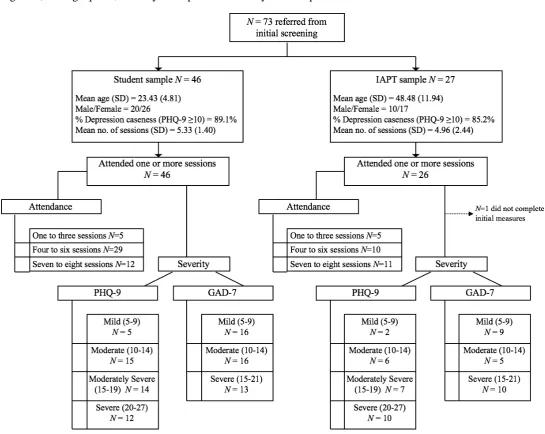
A total of 73 participants were initially referred to BAG. There were two sub-samples – (1)
students seen in a University counselling centre (N=46; 4 groups delivered in the student
counselling centre) and (2) mainstream IAPT service users (N=27; 5 groups delivered in GP
problem of depressive symptoms initially identified by a GP and then verified by a clinical
assessment at initial screening by psychological wellbeing practitioners (PWPs) in the IAPT
service or by staff in the student counselling centre. Self-referral to BAG was not available.
The sample was representative of typical referrals within routine practice and therefore not all
participants referred to BAG met ‘caseness’ for depression (scored above the clinical cut-off
pre-treatment). The nine groups ranged in size from 5-11, with an average group size of 8.11
(SD = 1.90). The authors assert that all procedures contributing to this work comply with the
ethical standards of NHS research (IRAS ref: 52311) on human experimentation and with the
Helsinki Declaration of 1975, and its most recent revision.
Treatment
BAG was delivered via a manualised treatment protocol by a total of eight British
Association for Behavioural and Cognitive Psychotherapies (BABCP) accredited CBT
psychotherapists. BAG was conducted as part of the step 3 IAPT ‘high intensity’ service
provision. The treatment manual was adapted for primary care and based on the Houghton et
al. (2008) protocol. All BAG facilitators attended a facilitator training induction meeting
concerning group delivery of BA and were already familiar with delivering individual BA
within their role as CBT psychotherapists. Two therapists facilitated each group. Novice
facilitators were paired with an experienced group facilitator, who delivered the session
content. The role of the novice facilitator in groups was to review the previous session and
between-session work. The same experienced facilitators led the treatment delivery across
both clinical sub-samples, but were paired with different novice facilitators in order to train
up a pool of experienced facilitators. Treatment fidelity was monitored via (a) co-facilitator
debriefing following each session and (b) facilitator supervision following each group course.
Eight weekly two-hour sessions of BAG were delivered for the non-student sample and seven
term time). Participants were provided with a welcome pack in the post and then a treatment
workbook at the first group session. Each group session topic focus was aligned to relevant
BA treatment principles (see Table 1). Treatment content was grounded within the following
core theoretical principles (a) mood-activity linkage, (b) a behavioural ‘outside in’ approach
to change, (c) the importance of values-driven and values-consistent behaviour, (d) increasing
access to a wide variety of naturally occurring positive reinforcement, (e) reducing avoidance
via TRAP and TRAC techniques and (f) rumination-cued action.
________________________
Insert Table 1 about here
________________________
Measures
Participants completed the IAPT minimum dataset at the beginning of every BAG
session. The measures were as follows:
Patient Health Questionnaire (PHQ-9)
The PHQ-9 (Kroenke, Spitzer, & Williams, 2001; scored between 0-27) was the
primary outcome measure. The PHQ-9 was designed to detect depression within primary
care settings, and items are derived from Diagnostic and Statistical Manual of Mental
Disorders (4th ed.; DSM-IV; American Psychiatric Association, 2000) classifications
pertaining to lowered mood and physiological changes. Sensitivity and specificity for the
PHQ-9 have been identified at 92% and 80% respectively at the >10 cut off point (Gilbody,
Richards, Brealey, & Hewitt, 2007). Depressive symptom severity was classified using the
following PHQ-9 severity index scores defined by Kroenke et al. (2001); ‘minimal’ (0-4),
mild (5-9), ‘moderate’ (10-14), ‘moderately severe’ (15-19) and ‘severe’ (20-27).
The GAD-7 (Spitzer, Kroenke, Williams, & Lowe, 2006; scored between 0-21) is a
severity measure of anxiety widely used in primary care. Applying a threshold score of 8
affords 92% sensitivity and 76% specificity (Swinson, 2006). Anxiety symptom severity was
classified using the following GAD-7 severity index scores defined by Spitzer et al. (2006);
‘minimal’ (0-4), ‘mild’ (5-9), ‘moderate’ (11-14) and ‘severe’ (15-21).
Work and Social Adjustment Scale (WSAS)
The WSAS (Mundt, Marks, Shear, & Greist, 2002; scored between 0-40) offers a
valid, reliable measure of disability in terms of functional impairment as a result of mental
health problems, and has good internal consistency and test-retest reliability. WSAS scores
are sensitive to disorder severity and to treatment effects (Mundt et al., 2002).
Data Analyses
Aim 1: Index dropout/completion rates and clinical characteristics
The sample was contextualised by reporting caseness and severity at intake.
Independent samples t-tests and Pearson’s Chi square were used to compare demographic,
attendance and psychometric differences between the sub-samples at pre-treatment.
Acceptability of BAG was indexed via session attendance and dropout rates.
Aim 2: Define the group and individual level of clinical effectiveness of BAG
Outcome analysis was conducted using an intention-to-treat (ITT) approach,
including all patients who entered treatment (i.e. had intake scores). Due to the use of
session-by-session outcome monitoring, last-observation-carried-forward (LOCF) imputation
was used to compute post-treatment scores in cases of missing data. This is consistent with
IAPT criteria, whereby all patients who attend at least one treatment session (two contacts
overall including initial screening) are deemed to be ‘cases’.
Firstly, to examine effectiveness at a group level, the pre–post change scores for each
BAG sample and for each sub-sample (i.e. students versus standard). Paired-samples effect
sizes, unweighted by sample size were calculated using the standard deviation (SD) of the
change scores as the denominator, taking into account the pre-post score correlation (Morris
& DeShon, 2002). Confidence intervals for the effect sizes were calculated using Hedges &
Olkin’s (1985) formula. Effect sizes were classified using Cohen’s d (Cohen, 1992), defining
d+= .20 as a “small” effect, d+ = .50 as a “medium” effect, and d+ = .80 as a “large” effect.
Graphing of sessional measures was used to illustrate the shape of change. Comparison of
change scores between sub-samples and across BAG groups was achieved using analysis of
covariance (ANCOVA), controlling for intake scores.
Secondly, individual level effectiveness was examined using recovery rate analysis on
the whole sample and the two sub-samples. Categorical outcomes were calculated for each
participant on the PHQ-9 and the GAD-7 using the original and updated national IAPT
metrics (IAPT, 2014) to allow comparison. The following category definitions were used (a)
moving to recovery counted participants above the clinical cut-off before and below
following BAG. A participants was a ‘case’ when they scored above the clinical threshold on
depression and/or anxiety before BAG (i.e. PHQ-9 score ≥10 at assessment and/or GAD-7 ≥8
at assessment). Moving to recovery occurred when the final outcome score was below the
clinical threshold on depression and anxiety (i.e. PHQ-9 score <10 at termination and GAD-7
<8 at termination); (b) reliable improvement required that any improvement in outcome
scores pre and post BAG exceeded measurement error of the PHQ-9 and GAD-7 using
reliable change index (RCI; Jacobson & Truax, 1991). Reliable improvement was a
reduction of ≥6 points on the PHQ-9 or ≥4 points on the GAD-7 (IAPT, 2014). Conversely,
reliable deterioration was an increase in scores exceeding measurement error; (c) reliable
recovery required reliable improvement in the PHQ-9 or GAD-7, and that the case had to
of BAG; (d) a stasis outcome was recorded when there was no movement to recovery and
neither reliable improvement or deterioration; (e) a harm outcome was recorded when a
patient had a pre-post reliable deterioration on either the PHQ-9 or GAD-7 and also moved
from non-case to case following BAG. The outcome categories of moving to recovery
(original criteria), reliable improvement, reliable deterioration and reliable recovery (updated
criteria) are standard IAPT terms (IAPT, 2014). Stasis and harm outcome categories were
created as additional outcome categories by the research team.
Aim 3: Identify predictors of outcome
Paired-samples t-tests were used to compare pre- and post-BAG depression scores,
and correlations were used to test the role of initial depression severity in predicting pre-post
reductions. The BAG dose-effect relationship was investigated by calculating reliable
recovery rates by number of sessions attended and comparing group outcomes across
different levels of attendance.
Results
Aim 1: Patient demographics, acceptability of treatment and clinical characteristics
Within the total sample (N = 73), the gender distribution was 43 females (59%) with
an average age of 31.12 years (SD = 14.58), and 30 males (41%) with an average age of
34.97 years (SD = 14.66). The overall age range was 19-77 years. The majority were White
British in ethnic origin (N=57; 78%), and 13 (18%) patients were in receipt of state welfare
benefits during BAG. The mean number of BAG sessions attended was 5.19 (SD = 1.85). In
terms of consistency of attendance, 34 participants (47%) attended all the group sessions or
all the group sessions minus one. One participant (1%) dropped out prior to BAG
commencing and four participants (6%) dropped out after the first session, resulting in a
sub-sample. Student and mainstream participants did not differ in terms of initial depression
(t(69) = 1.51, p = .14) or GAD-7 score (t(69) = 0.22, p = .83) or on subsequent number of
sessions attended (t(71) = 0.81, p = .42). There was a significant difference in terms of age
(t(71) = 12.64, p < .001), but not gender (X2(1, N = 71) = 0.29, p = .59). Due to the one
participant who dropped out prior to BAG commencing and also one participant not
completing the initial measures before dropping out after session one, the following ITT
analyses relate to data available from the remaining 71 participants. In terms of the severity
of depression, the overall pre-BAG PHQ-9 score was 16.07 (SD = 5.36); in categorical terms,
seven participants had ‘mild’ depressive symptoms, 21 ‘moderate’ depressive symptoms, 21
‘moderately severe’ depressive symptoms and 22 ‘severe’ depressive symptoms. Therefore,
43/71 (61%) met criteria for either ‘moderately severe’ or ‘severe’ depressive symptoms,
with 64/71 (90%) reaching caseness prior to BAG. There was also evidence of high
co-morbidity with anxiety (mean pre-treatment GAD-7 score = 12.42, SD = 4.99); 44 (62%)
scored in the ‘moderate’ (11-15) or ‘severe’ (15-21) anxiety symptoms ranges, and 56/71
patients (79%) met overall caseness for anxiety prior to BAG.
________________________
Insert Figure 1 about here
________________________
Aim 2: Effectiveness of BAG – group and individual level analyses
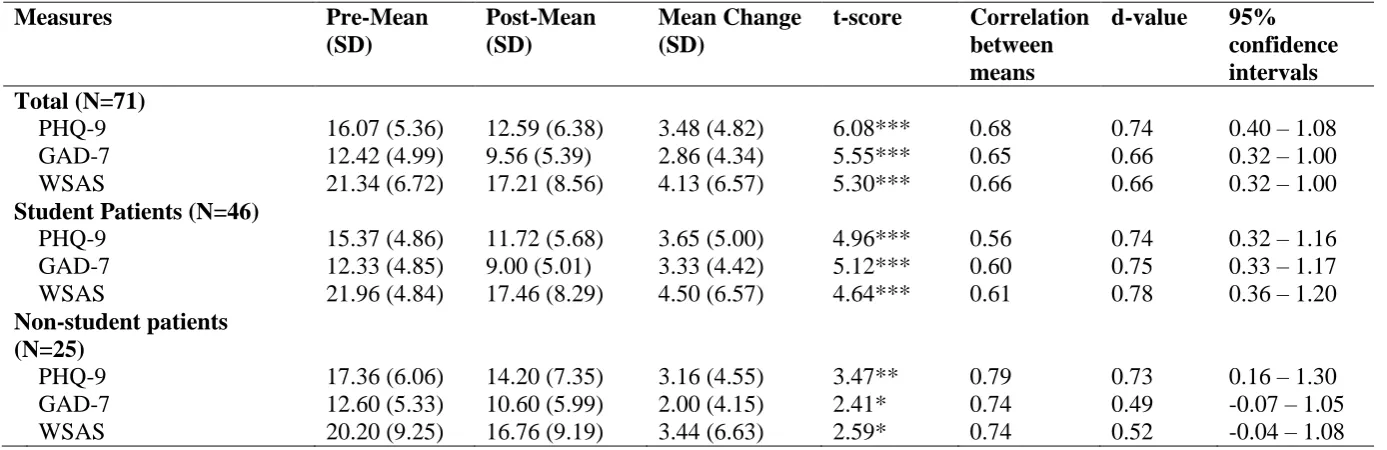
Table 2 reports overall pre (session 1) to post (session 7/8) means, t-tests and
associated effect sizes. On the primary outcome measure (PHQ-9), there was a statistically
significant reduction in symptoms of depression. Significant reductions were also apparent
on the secondary outcome measures of anxiety (GAD-7) and functional impairment (WSAS).
Moderate to large effect sizes across all the outcome measures were apparent, with the
for the samples are presented in Figure 2. Outcome comparisons between the
sub-samples (controlling for intake scores) shows no significant differences in terms of
depression (F(1,68) = 0.58, p = .45), anxiety (F(1,68) = 1.92, p = .17), or functional
impairment (F(1,68) = 0.23, p = .64). Comparisons between individual BAG groups
(controlling for intake scores) also found no significant differences in terms of depression
(F(8,61) = 0.60, p = .77), anxiety (F(8,61) = 0.97, p = .47) or functional impairment (F(2,61)
= 1.52, p = .17).
________________________
Insert Table 2 and Figure 2 about here
________________________
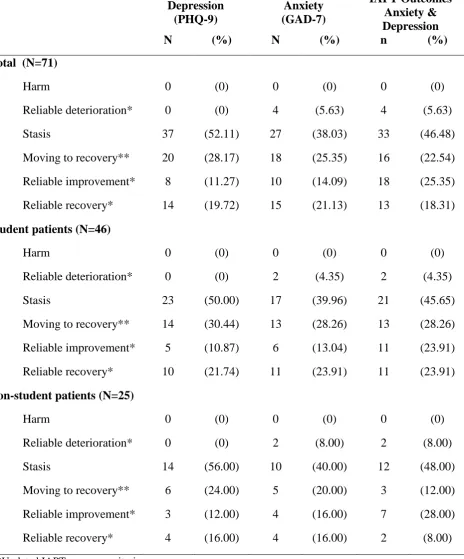
Table 3 reports the depression and anxiety individual recovery rate analysis for the
entire and sub-samples. On the primary outcome measure (PHQ-9), 22 participants made a
reliable improvement, with 14 of those participants also meeting the additional criteria for
reliable recovery (i.e., 20% showed clinical and reliable change). Thirty-seven participants
had a depression stasis outcome following BAG. Change rates were comparable across BAG
groups. Reliable improvement rates (including reliable recovery participants) were also
evenly distributed across the clinical samples; student participants (N = 15, 33%) and
standard IAPT participants (N = 7, 28%). Similar recovery rates were observed for anxiety,
with 21% also showing clinical and reliable change on the GAD-7. When applying IAPT
recovery metrics using participants’ scores on both measures, 25% showed some form of
reliable improvement following BAG, and a further 18% showed reliable improvement as
well as reaching non-caseness for both depression and anxiety. Overall 44% experienced a
reliably significant benefit whilst attending BAG.
Insert Table 3 about here
________________________
Aim 3: Predictors of outcome
Initial depression severity
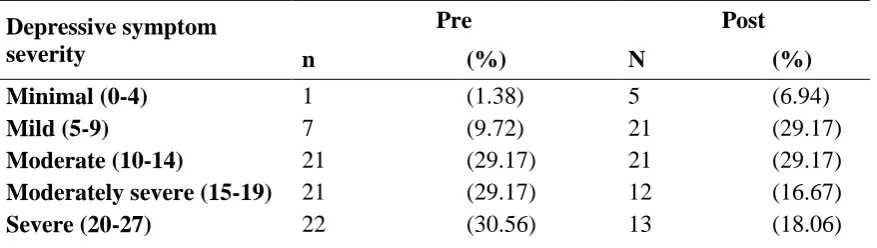
Table 4 reports the rates of depressive symptom severity pre and post BAG. On
completing BAG, there were almost half as many participants with ‘moderate to severe’ or
‘severe’ depressive symptoms on the PHQ-9 (N = 24, 34%). The number of participants
meeting caseness following BAG reduced to N = 45 (63%) on the PHQ-9 and N = 41 (58%)
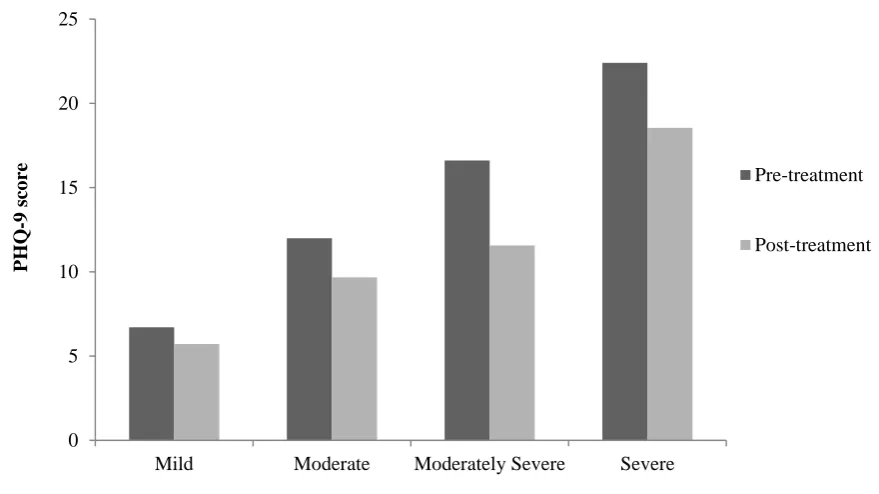
on the GAD-7. Figure 3 illustrates mean depression outcomes pre and post BAG by initial
depressive symptom severity, to show that reductions were observed across all depression
severities. The pre-post reductions for moderate (t(20) = 2.79, p = .011), moderately severe
(t(20) = 4.04, p = .001) and severe depressive symptoms (t(21) = 3.72, p = .001) were
significant, whilst the mild depressive symptoms reduction was not significant (t(6) = .90, p =
.403). Further investigation of the relationship between initial depressive symptom severity
and change scores found a non-significant, small positive correlation nearing significance
(PHQ-9; r(69) = .22, p = .07.
________________________
Insert Table 4 and Figure 3 about here
________________________
Dose-effect
Figure 4 illustrates the percentage of participants who experienced reliable recovery
when grouped according to the number of consecutive BAG sessions attended. The criteria
sessions. Recovery criteria tended to be achieved by those who attended a minimum of four
sessions. The likelihood of reliable recovery increased according to number of BAG sessions
attended.
________________________
Insert Figure 4 about here
________________________
Figure 5 shows change scores according to number of sessions attended, showing that
those patients attending <4 sessions achieved less change. Comparisons of initial depression
severity for those who attended 3 sessions or fewer (M = 16.22, SD = 1.80), 4-6 sessions (M
= 16.56, SD = 0.86) or 7-8 sessions (M = 15.13, SD = 1.12) showed no significant differences
on initial PHQ-9 scores (F(2, 68) = .53, p = 0.60). The effect on mean depression (PHQ-9)
change of the number of sessions attended (0-3, 4-6 or 7-8) was significant (F(2, 68) = 3.83,
p = .027). Those who attended fewer than four BAG sessions experienced significantly less
change in depressive symptoms compared to those who attended four-six sessions (p < .05).
Mean change according to attendance at 4-6 and 7-8 group sessions was not significantly
different (p = .86). T-tests on the pre and post BAG scores according to number of sessions
attended demonstrated that significant reductions in depression were found only for those
who attended four or more sessions (4-6 sessions: t(38) = 5.26, p < .001 and 7-8 sessions:
t(22) = 3.90, p = .001). Participants who attended fewer than three sessions did not
experience a significant pre-post reduction in depression (t(8) = 0.65, p = .54).
________________________
Insert Figure 5 about here
Discussion
The evidence base for BA is mainly built around individual delivery, with very few
studies investigating group delivery. This pilot study investigated the routine implementation
of BAG in order to index acceptability, effectiveness and predictors of outcome. The results
supported the hypothesis that significant reductions in depression and anxiety would occur
during BAG regardless of clinical population or initial depression severity. BAG appears a
feasible primary care treatment at step 3 of IAPT services, particularly due to the low patient
attrition rate observed. Indeed, the more sessions attended, the greater the likelihood of
benefit. This pilot found that therapists already using BA in their individual work can rapidly
assimilate BA principles and practice into a group delivery setting. BAG as a treatment
option is a clinical innovation in terms of plurality of intervention offered in primary care and
appears efficient in terms of therapist to patient ratios (Kellett et al., 2007).
The depression outcomes mirror the Porter et al. (2004) and Houghton et al. (2008)
BAG evidence, albeit demonstrated in a larger and more diverse sample and with a shorter
course of group therapy. A third of participants made reliable improvements, with one in five
making reliable recovery during the group. BAG appears a safe intervention for depression,
as no single participant was harmed or reliably deteriorated during treatment. The overall
depression effect size found (d+ = 0.74) is categorised as nearing a large effect size and is
similar to the between-groups effect sizes reported in the Cuijpers et al. (2007), Mazzucchelli
et al. (2009) and Ekers et al. (2014) meta-analyses of BA and also trials of individually
delivered BA (Dimidjian et al., 2006; Hopko, Lejuez, LePage, Hopko, & McNeil, 2003). It
should be noted that as the pre-post score correlation was > .5, the within-sample effect size
reported in this study will appear larger than a between-groups effect size. Facilitator
training in BAG was achieved through coupling experienced to novice facilitators, and so
found between groups or sub-samples indicating consistency of delivery of the manualised
treatment approach (Degadillo et al., 2016).
The presence of co-morbid anxiety symptoms did not appear to hinder BAG
depression outcome. Indeed, BAG appears to be beneficial for co-morbid anxiety symptoms
(even those reaching caseness), with significant reductions, recovery rates and effect sizes for
anxiety that all but matched the depression outcomes. This supports BAG’s suitability as an
effective intervention in a real world primary mental health care setting, and its
appropriateness as a step 3 intervention in IAPT services. Four participants experienced a
reliable deterioration in anxiety during BAG. The reason for this is not clear, but evidence
suggests that a relatively small but nontrivial minority of patients do deteriorate during
psychotherapy, with estimates ranging from 3-10% (Mohr, 1995; Strupp, Hadley, &
Gomes-Schwartz, 1977). BAG might not be suitable for patients with higher levels of co-morbid
anxiety, but an alternative possibility is that such patients might require further
anxiety-specific evidence-based treatment following BAG.
The high uptake and low dropout rates mirror previous preliminary findings
(Houghton et al., 2008; Porter et al., 2004), implying that BAG is well tolerated as an
intervention. The dropout rate for BAG is lower than for individual interventions delivered in
IAPT services (NEPHO, 2010; Richards & Borglin, 2011). However, different studies have
used various definitions of dropout and so there is a need for a universally accepted dropout
classification to enable researchers to compare rates with true confidence (Oldham, Kellett,
Miles & Sheeran, 2012). What it is about BA that is engaging for depressed patients does
need researching, but an ‘outside-in’ approach (Curran et al., 2012) appears useful and
non-shaming. Ensuring low dropout rates is vital, as increased attendance at BAG was associated
with improved outcome across all measures. Attendance at a minimum of four group sessions
criteria. The importance of treatment completion for outcome is well evidenced in individual
work (Cahill et al., 2003). BAG was effective across all the clinical threshold severities of
depression and across both clinical sub-samples, although it is acknowledged that regression
to the mean may have influenced the effect seen for more severely depressed patients.
The main study weakness was the lack of a control group and random allocation
(Lilienfeld, 2007), prohibiting understanding whether it was BA itself or participation in a
group of similarly depressed people that facilitated the recorded psychological outcomes
(Yalom & Leszcz, 2005). Similarly, the lack of follow-up means the durability of BAG is
not yet known. Any assumptions about increased organisational efficiency through
implementing BAG need to be cautiously framed, as it is not known if stasis patients then
return to services to seek further treatment. As with outcome study in a routine service setting
there was loss of data over time, which limits confidence in the results (Ahern & Le Brocque,
2005). The use of the same outcome measure for pre and post assessment and
session-by-session monitoring also has its own drawbacks, in both the likelihood of testing effects and
isolating change inapplicable to other outcome measures (Wampold, 2015). All outcome
data were self-report and therefore subject to recognised validity issues, such as social
desirability bias with regards to over or under-reporting sensitive information (Tourangeau &
Yan, 2007). Future studies would benefit from using more mixed methods, such as
combining self-report and diagnostic interviews. Further studies should aim to investigate
and specify the mechanisms and moderators of change during BAG. There are currently no
validated competency measures of BAG. Therefore, treatment fidelity was not accurately
assessed and this represents a further future research need.
Although no patients experienced a reliable deterioration in depression or harm
outcome, over half of all participants experienced a ‘stasis’ outcome. BAG clearly is not a
outcome needs further detailed empirical and theoretical attention. Depression has a core
feature of hopelessness, and not benefitting from an intervention (despite it being
evidence-based) might enhance ‘failure’ schema in depressed patients. Stasis rates should not be
overlooked by services and researchers. As the reasons for stasis outcomes are not clear,
detailed qualitative and quantitative investigation of stasis outcomes in depression are
warranted. Understanding what creates treatment stasis provides many opportunities for
redesign and retesting consistent with the Salkovskis (1995) hourglass model. The
considerable rate of stasis observed in this study and other IAPT outcome research (e.g. Chan
& Adams, 2014; Firth, Barkham, Kellett & Saxon, 2015; Green, Barkham, Kellett & Saxon,
2014) demands attention as to why an evidenced-based intervention makes little impression
on a substantial proportion of patients.
In conclusion, this pilot study has shown that an innovation on the Behavioural
Activation approach (i.e., a manualised brief group delivery format) shows clinical and
organisational promise. Clearly, the evidence base for the BAG is dwarfed by the traditional
individual approach and much research work on a larger scale is therefore indicated. Patients
suitable for a behavioural approach might be offered the choice of group or individual BA
and a patient-choice RCT would be useful to test this (Howard & Thornicroft, 2006).
Helping people to understand their values and align their behaviour accordingly in order to
improve their lives appears a potent and simple approach when treating depression (Curran et
al., 2012). Completing such ‘outside-in’ work in a supportive group environment in which
vicarious learning from others can also take place appears a useful avenue for future clinical
treatment.
References
Ahern, K., & Le Brocque, R. (2005). Methodological issues in the effects of attrition: Simple
solutions for social scientists. Field Methods, 17(1), 53-69.
Alfonsson, S., Parling, T., & Ghaderi, A. (2015). Group behavioral activation for patients
with severe obesity and binge eating disorder: A randomized controlled trial.
Behavior Modification, 39(2), 270-294. doi:10.1177/0145445514553093
American Psychiatric Association. (2000). Diagnostic and statisitcal manual of mental
disorders (4th ed., text rev.). Washington, DC: Author.
Cahill, J., Barkham, M., Hardy, G., Rees, A., Shapiro, D. A., Stiles, W. B., & Macaskill, N.
(2003). Outcomes of patients completing and not completing cognitive therapy for
depression. British Journal of Clinical Psychology, 42, 133-143.
doi:10.1348/014466503321903553
Chan, S. W. Y., & Adams, M. (2014). Service use, drop-out rate and clinical outcomes: A
comparison between high and low intensity treatments in an IAPT service.
Behavioural and Cognitive Psychotherapy, 42(6), 747-759.
doi:10.1017/s1352465813000544
Chu, B. C., Colognori, D., Weissman, A. S., & Bannon, K. (2009). An initial description and
pilot of group behavioral activation therapy for anxious and depressed youth.
Cognitive and Behavioral Practice, 16(4), 408-419.
Clark, D. M. (2011). Implementing NICE guidelines for the psychological treatment of
depression and anxiety disorders: The IAPT experience. International Review of
Psychiatry, 23(4), 318-327. doi:10.3109/09540261.2011.606803
Cohen, J. (1992). A power primer. Psychological Bulletin, 112(1), 155-159.
Cuijpers, P., van Straten, A., & Warmerdam, L. (2007). Behavioral activation treatments of
depression: A meta-analysis. Clinical Psychology Review, 27(3), 318-326.
doi:10.1016/j.cpr.2006.11.001
Cuijpers, P., van Straten, A., & Warmerdam, L. (2008). Are individual and group treatments
equally effective in the treatment of depression in adults? A meta-analysis. European
Journal of Psychiatry, 22(1), 38-51.
Cullen, J. M., Spates, C. R., Pagoto, S., & Doran, N. (2006). Behavioral activation treatment
for major depressive disorder: A pilot investigation. The Behavior Analyst Today,
7(1), 151.
Curran, J., Ekers, D., McMillan, D., & Houghton, S. (2012). Behavioural activation. In W.
Dryden (Ed.), Cognitive behaviour therapies (pp. 236-260). London, UK: Sage
Publications.
Daughters, S. B., Braun, A. R., Sargeant, M. N., Reynolds, E. K., Hopko, D. R., Blanco, C.,
& Lejuez, C. W. (2008). Effectiveness of a brief behavioral treatment for inner-city
illicit drug users with elevated depressive symptoms: The Life Enhancement
Treatment for Substance Use (LETS Act!). Journal of Clinical Psychiatry, 69, 122–
129.
Delgadillo, J., Kellett, S., Ali, S., McMillan, D., Barkham, M., Saxon, D., … Lucock, M.
(2016). Effectiveness of large group psychoeducational cognitive behaviour therapy:
A multi-service practice research network study. Manuscript submitted for
publication.
Dimidjian, S., & Davis, K. J. (2009). Newer variations of cognitive behavioral therapy:
Behavioral activation and mindfulness-based cognitive therapy. Current Psychiatry
Dimidjian, S., Hollon, S. D., Dobson, K. S., Schmaling, K. B., Kohlenberg, R. J., Addis, M.
E., . . . Gollan, J. K. (2006). Randomized trial of behavioral activation, cognitive
therapy, and antidepressant medication in the acute treatment of adults with major
depression. Journal of Consulting and Clinical Psychology, 74(4), 658.
Ekers, D., Webster, L., Van Straten, A., Cuijpers, P., Richards, D., & Gilbody, S. (2014).
Behavioural activation for depression; An update of meta-analysis of effectiveness
and sub group analysis. Plos One, 9(6), 11. doi:10.1371/journal.pone.0100100
Firth, N., Barkham, M., Kellett, S., & Saxon, D. (2015). Therapist effects and moderators of
effectiveness and efficiency in psychological wellbeing practitioners: A multilevel
modelling analysis. Behaviour Research and Therapy, 69, 54-62.
doi:10.1016/j.brat.2015.04.001
Gilbody, S., Richards, D., Brealey, S., & Hewitt, C. (2007). Screening for depression in
medical settings with the Patient Health Questionnaire (PHQ): A diagnostic
meta-analysis. Journal of General Internal Medicine, 22(11), 1596-1602.
Green, H., Barkham, M., Kellett, S., & Saxon, D. (2014). Therapist effects and IAPT
Psychological Wellbeing Practitioners (PWPs): A multilevel modelling and mixed
methods analysis. Behaviour Research and Therapy, 63, 43-54.
doi:10.1016/j.brat.2014.08.009
Hedges, L., & Olkin, I. (1985). Statistical methods for meta-analysis. New York, NY:
Academic Press.
Hopko, D. R., Lejuez, C. W., LePage, J. P., Hopko, S. D., & McNeil, D. W. (2003). A brief
behavioral activation treatment for depression - A randomized pilot trial within an
inpatient psychiatric hospital. Behavior Modification, 27(4), 458-469.
Houghton, S., Curran, J., & Saxon, D. (2008). An uncontrolled evaluation of group
behavioural activation for depression. Behavioural and Cognitive Psychotherapy,
36(2), 235-239. doi:10.1017/s1352465808004207
Howard, L., & Thornicroft, G. (2006). Patient preference randomised controlled trials in
mental health research. British Journal of Psychiatry, 188, 303-304.
doi:10.1192/bjp.188.4.303
Huntley, A. L., Araya, R., & Salisbury, C. (2012). Group psychological therapies for
depression in the community: Systematic review and meta-analysis. British Journal of
Psychiatry, 200(3), 184-190. doi:10.1192/bjp.bp.111.092049
Improving Access to Psychological Therapies (IAPT). (2014). Measuring improvement and
recovery. Available at http://www.iapt.nhs.uk/data/.
Jacobson, N. S., Dobson, K. S., Truax, P. A., Addis, M. E., Koerner, K., Gollan, J. K., . . .
Prince, S. E. (1996). A component analysis of cognitive-behavioral treatment for
depression. Journal of Consulting and Clinical Psychology, 64(2), 295-304.
doi:10.1037//0022-006x.64.2.295
Jacobson, N. S., & Truax, P. (1991). Clinical significance: A statistical approach to defining
meaningful change in psychotherapy research. Journal of Consulting and Clinical
Psychology, 59(1), 12-19. doi:10.1037//0022-006x.59.1.12
Kellett, S., Clarke, S., & Matthews, L. (2007). Delivering group psychoeducational CBT in
Primary Care: Comparing outcomes with individual CBT and individual
psychodynamic-interpersonal psychotherapy. British Journal of Clinical Psychology,
46, 211-222. doi:10.1348/014466506x146188
Kroenke, K., Spitzer, R. L., & Williams, J. B. W. (2001). The PHQ-9 - Validity of a brief
depression severity measure. Journal of General Internal Medicine, 16(9), 606-613.
Lilienfeld, S. O. (2007). Psychological treatments that cause harm. Perspectives on
Psychological Science, 2(1), 53-70.
Löwe, B., Spitzer, R. L., Williams, J. B., Mussell, M., Schellberg, D., & Kroenke, K. (2008).
Depression, anxiety and somatization in primary care: syndrome overlap and
functional impairment. General Hospital Psychiatry, 30(3), 191-199.
Martell, C. R., Addis, M. E., & Jacobson, N. S. (2001). Depression in context: Strategies for
guided action. New York, NY: WW Norton & Co.
Mazzucchelli, T., Kane, R., & Rees, C. (2009). Behavioral activation treatments for
depression in adults: A meta-analysis and review. Clinical Psychology: Science and
Practice, 16(4), 383-411.
Mohr, D. C. (1995). Negative outcome in psychotherapy: A critical review. Clinical
Psychology: Science and Practice, 2(1), 1-27.
Morris, S. B., & DeShon, R. P. (2002). Combining effect size estimates in meta-analysis with
repeated measures and independent-groups designs. Psychological Methods, 7,
105-125.
Mundt, J. C., Marks, I. M., Shear, M. K., & Greist, J. H. (2002). The Work and Social
Adjustment Scale: A simple measure of impairment in functioning. British Journal of
Psychiatry, 180, 461-464. doi:10.1192/bjp.180.5.461
National Institute for Health and Clinical Excellence (NICE). (2009). Depression: The
treatment and management of depression in adults (update). Clinical Guideline 90.
London: Author. Available at www.nice.org.uk/CG90.
North East Public Health Observatory (NEPHO). (2010). Improving Access to
Psychological Therapies: A review of the progress by the sites in the first roll-out
Oldham, M., Kellett, S., Miles, E., & Sheeran, P. (2012). Interventions to increase
attendance at psychotherapy: A meta-analysis of randomised controlled trials. Journal
of Consulting and Clinical Psychology, 80, 928-939.
Porter, J. F., Spates, C. R., & Smitham, S. (2004). Behavioral activation group therapy in
public mental health settings: A pilot investigation. Professional Psychology:
Research and Practice, 35(3), 297-301. doi:10.1037/0735-7028.35.3.297
Richards, D. A., & Borglin, G. (2011). Implementation of psychological therapies for anxiety
and depression in routine practice: Two year prospective cohort study. Journal of
Affective Disorders, 133(1-2), 51-60. doi:10.1016/j.jad.2011.03.024
Richards, D. A., Ekers, D., McMillan, D., Taylor, R. S., Byford, S., Warren, F. C…., &
Finning, K. (2016). Cost and outcome of behavioural activation versus cognitive
behavioural therapy for depression (COBRA): A randomised, controlled,
non-inferiority trial. The Lancet. Advance online publication.
doi:10.1016/S0140-6736(16)31140-0
Ross, J., Kaye, S., Mills, K., Dore, G., Lejuez, C., Deady, M., & Ewer, P. (2012). Group
behavioural activation therapy for the treatment of depression among opioid
replacement therapy clients: A pilot study. Drug and Alcohol Review, 31, 20-20.
Salkovskis, P. M. (1995). Demonstrating specific effects in cognitive and behavioural
therapy. In M. Aveline & D. A. Shapiro (Eds.), Research foundations for
psychotherapy practice (pp. 191-228). Chichester, UK: Wiley.
Spitzer, R. L., Kroenke, K., Williams, J. B. W., & Lowe, B. (2006). A brief measure for
assessing generalized anxiety disorder - The GAD-7. Archives of Internal Medicine,
166(10), 1092-1097. doi:10.1001/archinte.166.10.1092
Strupp, H. H., Hadley, S. W., & Gomes-Schwartz, B. (1977). Psychotherapy for better or
Sturmey, P. (2009). Behavioral activation is an evidence-based treatment for depression.
Behavior Modification, 33(6), 818-829. doi:10.1177/0145445509350094
Swinson, R. P. (2006). The GAD-7 scale was accurate for diagnosing generalised anxiety
disorder. Evidence-Based Medicine, 11(6), 184-184. doi:10.1136/ebm.11.6.184
Tourangeau, R., & Yan, T. (2007). Sensitive questions in surveys. Psychological Bulletin,
133(5), 859-883.
Wampold, B. E. (2015). Routine outcome monitoring: Coming of age – with the unsual
developmental challenges. Psychotherapy, 52, (4), 458-462. doi:10.1037/pst0000037
Wright, T. (2002). The effectiveness of behavioral activation group therapy: Treating
comorbid depression on a specialized inpatient posttraumatic stress disorder unit for
combat veterans. Dissertation Abstracts International, 64(01), 436B (UMI
No. 3077387).
Yalom, I. D., & Leszcz, M. (2005). The theory and practice of group psychotherapy (5th
ed.). New York, NY: Basic Books.
Zbozinek, T. D., Rose, R. D., Wolitzky-Taylor, K. B., Sherbourne, C., Sullivan, G., Stein, M.
B., . . . Craske, M. G. (2012). Diagnostic overlap of generalized anxiety disorder and
major depressive disorder in a primary care sample. Depression and Anxiety, 29(12),
Table 1: BAG treatment content (patient wording)
Session Content
1 Learn your patterns and start to change them
2 Getting out of TRAPs and back on TRAC
3 Taking action: a problem solving approach
4 Values: the guide to who we are
5 Developing responses to thinking, worry and rumination
6 Making changes one step at a time
7 Freeing yourself from mood dependence*
8 Building the relationships you want/tying it all together*
Table 2; BAG outcomes for the total sample and sub-samples
Measures Pre-Mean
(SD)
Post-Mean (SD)
Mean Change (SD)
t-score Correlation between means
d-value 95% confidence intervals Total (N=71)
PHQ-9 16.07 (5.36) 12.59 (6.38) 3.48 (4.82) 6.08*** 0.68 0.74 0.40 – 1.08
GAD-7 12.42 (4.99) 9.56 (5.39) 2.86 (4.34) 5.55*** 0.65 0.66 0.32 – 1.00
WSAS 21.34 (6.72) 17.21 (8.56) 4.13 (6.57) 5.30*** 0.66 0.66 0.32 – 1.00
Student Patients (N=46)
PHQ-9 15.37 (4.86) 11.72 (5.68) 3.65 (5.00) 4.96*** 0.56 0.74 0.32 – 1.16
GAD-7 12.33 (4.85) 9.00 (5.01) 3.33 (4.42) 5.12*** 0.60 0.75 0.33 – 1.17
WSAS 21.96 (4.84) 17.46 (8.29) 4.50 (6.57) 4.64*** 0.61 0.78 0.36 – 1.20
Non-student patients (N=25)
PHQ-9 17.36 (6.06) 14.20 (7.35) 3.16 (4.55) 3.47** 0.79 0.73 0.16 – 1.30
GAD-7 12.60 (5.33) 10.60 (5.99) 2.00 (4.15) 2.41* 0.74 0.49 -0.07 – 1.05
WSAS 20.20 (9.25) 16.76 (9.19) 3.44 (6.63) 2.59* 0.74 0.52 -0.04 – 1.08
*p<0.05 **p<0.01 ***p<0.001
Figure 2; session by session outcomes on the PHQ-9
0 5 10 15 20 25
1 2 3 4 5 6 7 8
M
ea
n
P
H
Q
-9
s
co
re
Session number
Student Groups
Non student Groups
Severe depression
Moderately severe depression
Moderate depression
Mild depression
Table 3: Recovery rate analysis for depression and anxiety during BAG
Depression (PHQ-9)
Anxiety (GAD-7)
IAPT Outcomes Anxiety & Depression
N (%) N (%) n (%)
Total (N=71)
Harm 0 (0) 0 (0) 0 (0)
Reliable deterioration* 0 (0) 4 (5.63) 4 (5.63)
Stasis 37 (52.11) 27 (38.03) 33 (46.48)
Moving to recovery** 20 (28.17) 18 (25.35) 16 (22.54)
Reliable improvement* 8 (11.27) 10 (14.09) 18 (25.35)
Reliable recovery* 14 (19.72) 15 (21.13) 13 (18.31)
Student patients (N=46)
Harm 0 (0) 0 (0) 0 (0)
Reliable deterioration* 0 (0) 2 (4.35) 2 (4.35)
Stasis 23 (50.00) 17 (39.96) 21 (45.65)
Moving to recovery** 14 (30.44) 13 (28.26) 13 (28.26)
Reliable improvement* 5 (10.87) 6 (13.04) 11 (23.91)
Reliable recovery* 10 (21.74) 11 (23.91) 11 (23.91)
Non-student patients (N=25)
Harm 0 (0) 0 (0) 0 (0)
Reliable deterioration* 0 (0) 2 (8.00) 2 (8.00)
Stasis 14 (56.00) 10 (40.00) 12 (48.00)
Moving to recovery** 6 (24.00) 5 (20.00) 3 (12.00)
Reliable improvement* 3 (12.00) 4 (16.00) 7 (28.00)
Reliable recovery* 4 (16.00) 4 (16.00) 2 (8.00)
*Updated IAPT recovery criteria **Original IAPT recovery criteria
Table 4: Pre and post depressive symptom severity rates
Depressive symptom severity
Pre Post
n (%) N (%)
Minimal (0-4) 1 (1.38) 5 (6.94)
Mild (5-9) 7 (9.72) 21 (29.17)
Moderate (10-14) 21 (29.17) 21 (29.17)
Moderately severe (15-19) 21 (29.17) 12 (16.67)
Figure 3: PHQ-9 outcomes pre and post BAG according to initial depressive symptom severity
0 5 10 15 20 25
Mild Moderate Moderately Severe Severe
P
H
Q
-9
s
co
re
Initial depression severity
Pre-treatment
Figure 4; rate of reliable recovery by number of BAG sessions attended
0 5 10 15 20 25 30 35
1 2 3 4 5 6 7 8
%
re
li
ably
re
cove
re
d
Patients grouped by number of BAG sessions attended
% reliably recovered
PHQ-9 cumulative % reliably recovered
Figure 5; Mean outcome change according to number of BAG sessions attended
-2 -1 0 1 2 3 4 5 6 7
PHQ-9 GAD-7 WSAS
M
ea
n
cha
ng
e
in
o
utc
o
m
e
sco
re
Outcome measures
0-3 sessions (N=9)
4-6 sessions (N=39)