Training Memory: Exploring the Intersection
of Plant Stress Signalling and DNA
Methylation
Diep Ray Ganguly
A thesis submitted for the degree of
Doctor of Philosophy of
Except where otherwise indicated, this thesis is my own original work.
Diep Ganguly [email protected]
Dedicated to my mother, Gargi Ganguly, who gave me everything.
”Do not pray for an easy life, pray for the strength to endure a difficult one.” -Bruce Lee (Lee Jun-fan)
”Basic research is what I am doing when I don’t know what I am doing.” -Wernher von Braun
Acknowledgements
There are surely a countless number of people that have helped me along the way
through this PhD adventure, whether it be providing personal and professional advice, moral support, or stimulating discussions. This section will, no doubt, do far too little
to express my gratitude to you all. So for all whom I’ve missed, I sincerely apologize,
but know that your contributions are not forgotten.
The biggest thank you goes to my Mum who continues to work tirelessly to provide
me with all the opportunities that I could have asked for throughout my life. You are
always there to support me in any way possible, and you laid all the foundations and gave me the freedom when I was young to strive to be who I wanted. You continue to
be my biggest source of inspiration. Thanks also to my grandparents who also made
sacrifices in support of both my Mum and I.
A tremendous thank you must go to my supervisors and mentors, past and present,
Barry, Ver´onica, Pete, and Steve. I truly have the utmost respect and gratitude for all your patience, guidance, and wisdom over the years, each of you have helped shape my
growth and development as a researcher, and I will always reflect on your respective
impacts. I truly feel most fortunate and privileged to have had the opportunity to
work and learn alongside you. Special thanks go to Barry for providing me the initial
opportunity in the beginning and continuing to support my professional development and
giving me the freedom to research what I wanted.
A huge thank you to all my fellow lab members over the years. Your companionship,
support, snacks, and discussions have been vital throughout this journey. I am most
grateful to have been involved with such a smart, motived, and energetic cohort of
researchers that feel like a professional family.
Finally a thank you to my patient and loving partner, Rani, for your constant
com-panionship and support throughout this journey. You changed this from a daunting challenge into a vibrant adventure.
This research was supported by an Australian Research Training Program (RTP)
Scholarship. The project was also possible due to additional funding sources including
the Australian National University, the Australian Research Council Centre of Excellence
in Plant Energy Biology, and the Grains Research and Development Corporation. I am grateful for all of the financial support these sources have provided to allow me
Development Corporation were vital in allowing me to perform the ambitious next-generation experiments that I had planned, and for having that opportunity I will always
be deeply grateful.
Abstract
Plants are sessile organisms living in a dynamic environment to which they must con-tinually acclimatize in order to maximise their reproductive potential. This plasticity is
achieved through many complex and intricate signalling pathways that allow for the
con-tinuous perception, response, and adjustments to new environmental stimuli. A growing
body of evidence suggests that such pathways are not merely static but dynamic and can
be primed following repeated activation, thus affecting enhanced responses to recurring
stresses. Such examples ofpriming have led to a notion that plants have some capacity to form stress memories of past environmental perturbations. However, the full extent
and nature of such memory, and the machinery involved to store and transmit these,
remain enigmatic. One prospective mechanism is the involvement of heritable, yet rapid and reversible, chromatin marks that, theoretically, could be shaped by the environment
to convey a regulatory effect on the expression of the underlying genotype, thus acting
as an epigenetic layer of regulation.
This thesis explores the potential intersection of stress signalling pathways and
chro-matin variation, specifically DNA methylation, to co-ordinate plant stress responses.
First, mechanistic insights into the operation of a SAL1-PAP-XRN retrograde signalling
pathway to fine-tune plant physiology under drought are presented. A key finding was
that this pathway complements canonical ABA signalling to induce stomatal closure, thus
minimising water-loss under water limited conditions. Furthermore, the SAL1-PAP-XRN
pathway was found to effect chromatin patterns, specifically DNA methylation at short transposable elements. These observations implicate cross-talk with the RNA directed
DNA methylation pathway, however, the exact mechanism for this interaction remains
to be identified.
Multiple investigations were performed to test for stress-induced changes in DNA
methylation that could potentially regulate responses to recurring stress, thus
convey-ing a memory. A transgenerational recurrconvey-ing drought stress experiment tested whether
descendants of drought-exposed lineages displayed greater drought tolerance
(transgen-erational memory). For the majority of traits tested, including plant growth rate and
drought survival, offspring from plant lineages exposed to successive generations of
re-peated drought stress performed comparably to those from control lineages. However, memory was demonstrated in the form of enhanced seed dormancy, in drought stressed
ca-pacity for memory could be related to the type or severity of stress applied, or species examined, remains to be investigated further.
The transgenerational drought experiment was paired with a recurring excess-light
stress experiment to investigate memory within a generation. Not only did this
treat-ment lead to priming of plant photosynthetic behaviour, indicative of a greater capacity
to withstand abrupt increases in light intensity, but new leaves from stressed plants,
developed in the absence of stress, also showed altered photosynthetic characteristics
compared to unstressed counterparts. Such observations are consistent with the mitotic
transmission of stress-induced traits.
Given multiple demonstrations of memory, comparisons were made to unstressed controls to test for any correlating changes in DNA methylation that might explain the
phenomena observed. However, in both experiments, observations of memory were found
to be independent of large-scale conserved changes in DNA methylation discounting it as
a conveyor of plant stress memories, under these conditions, raising questions regarding
the mechanism(s) responsible for the examples of memory observed herein.
Ultimately, this thesis systematically evaluates the notion that plants are able to form
genuine memories, potentially underpinned by reversible chromatin marks, that may
fa-cilitate acclimation to local environments on a relatively rapid scale compared to the
fixation of adaptive genetic polymorphisms. Any capacity for plant stress memories may provide avenues for further epigenomic based agronomic tools to improve crop stress
tolerance. However, the nature of such memories observed here appear subtle and
nu-anced, and are forgotten beyond a generation. Further characterisation and mechanistic
understanding of mitotic memory mechanisms, however, may still hold potential. It was
also observed that stress signalling pathways can interact with those involved in
chro-matin modification, giving novel insight into their mechanistic functioning and the how
the onset of stress may induce chromatin changes. Despite this potential, the DNA
methylome was found to be relatively impervious to stress-induced changes and, thus,
is an unlikely memory mechanism.
Guide
This thesis is structured as six chapters: the introduction, materials and methods, three
results chapters, and a final summary chapter. The introduction frames the aims of this thesis and the required background information to contextualise their relevance. Each
of the core results chapters can be read semi-autonomously, alongside the appropriate
sections in the materials and methods, as each presents data on unique experimental
systems that all relate to the overall aims of this thesis, as well as a focussed discussion on
those chapters’ results. The final summary chapter will attempt to provide an integrated
discussion regarding the major findings in this thesis. Below is an outline:
Chapter 1: Introduction - background information on the topics investigated in this thesis.
Chapter 2: Materials and methods - information on the experimental procedures performed.
Chapter 3: Mechanistic insight into SAL1-PAP-XRN signalling and potential cross-talk with DNA methylation.
Chapter 4: The Arabidopsis DNA methylome is stable under transgenerational drought stress.
Chapter 5: Maintenance of pre-existing DNA methylation states through recur-ring excess-light stress.
Chapter 6: Thesis conclusions - An integrated discussion of the major findings.
Additional content:
Hyperlinks: This thesis was compiled in LATEX as an enhanced PDF with in text hyperlinks (using thehyperref package) for all citations, cross-references including appendices, figures, and supplementary data, for example clicking on a heading in
the table of contents will navigate to that section. All external hyperlinks, such as
a URL, are coloured in blue.
Supplemental dataset: Tables and datasets, referred to herein, too large to fit into a printed copy of this thesis are available electronically by following any of
the links in the appendices. In the eventuality that these links are broken, these
datasets are also available at the corresponding listed open access publications
(see below) or can be made available upon request.
Associated publications
The experimental data and materials presented in this work contributed to the following
publications, with the associated chapter in brackets:
- [Chapter 1] Crisp PA, Ganguly D, Eichten SR, Borevitz JO, Pogson BJ (2016) Reconsidering plant memory: Intersections between stress recovery, RNA turnover, and epigenetics. Sci Adv,2(2), e1501340–e1501340. doi: 10.1126/sciadv.1501340. - [Chapter 3] Pornsiriwong W, Estavillo GM, Chan KX, Tee EE, Ganguly D, Crisp
PA, Phua SY, Zhao C, Qiu J, Park J, et al (2017) A chloroplast retrograde
signal, 3’-phosphoadenosine 5’-phosphate, acts as a secondary messenger in
ab-scisic acid signaling in stomatal closure and germination. Elife, 6, e23361. doi: 10.7554/eLife.23361.
- [Chapter 4] Ganguly DR, Crisp PA, Eichten SR, Pogson BJ (2017). The Ara-bidopsis DNA methylome is stable under transgenerational drought stress. Plant Physiology, pp.00744.2017. doi: 10.1104/pp.17.00744.
- [Chapter 5] Ganguly DR, Crisp PA, Eichten SR, Pogson BJ (2018) Mainte-nance of pre-existing DNA methylation states through recurring excess-light stress.
Contents
Associated publications xiii
List of Figures xix
List of Tables xxi
1 Introduction 1
1.1 Thesis synopsis . . . 1
1.2 Plant abiotic stress . . . 2
1.2.1 Excess-light stress . . . 3
1.2.2 Drought stress . . . 5
1.3 Plant stress signalling . . . 7
1.3.1 Systemic acquired acclimation signals for whole plant photoaccli-mation . . . 9
1.3.2 ABA signalling in guard cells . . . 11
1.3.3 Retrograde signalling and the SAL1-PAP Pathway . . . 14
1.4 Plant stress priming and memory . . . 15
1.4.1 Mechanisms for priming and memory . . . 17
1.4.2 Distinguishing chromatin modifications and epigenetics . . . 19
1.4.3 The molecular pathways for establishing and maintaining DNA methylation . . . 21
1.4.4 DNA methylation as a mechanism for stress memory . . . 24
1.5 Thesis aims . . . 27
2 Materials and methods 29 2.1 Plant germplasm, growth conditions, and stress treatments . . . 29
2.1.1 Plant germplasm . . . 29
2.1.2 Control growth conditions . . . 30
2.1.3 Excess-light stress treatment . . . 30
2.1.4 Within generation drought stress . . . 30
2.1.5 Propagating transgenerational drought lineages . . . 30
CONTENTS
2.3 Whole rosette ABA treatments . . . 31
2.4 Stomatal bio-assays . . . 31
2.5 RNA isolation . . . 32
2.6 Gene expression analysis by semi-quantitative RT-PCR . . . 33
2.7 Gene expression localisation . . . 33
2.8 Chlorophyll fluorescence measurements . . . 34
2.9 Rosette dehydration assay . . . 35
2.10 Seed dormancy assay . . . 36
2.11 Survival under terminal drought . . . 36
2.12 Quantification of chlorophylls and xanthophylls . . . 36
2.13 Re-analysis of mRNA sequencing datasets . . . 37
2.14 Whole genome bisulfite sequencing . . . 38
2.14.1 Library preparation . . . 38
2.14.2 Sequencing analysis . . . 38
2.14.3 Identifying differentially methylated regions . . . 38
2.15 Data visualisation and statistical analyses . . . 39
2.16 Dataset repositories . . . 40
3 SAL1-PAP-XRN signalling and the methylome 41 3.1 Synopsis . . . 41
3.2 Results . . . 43
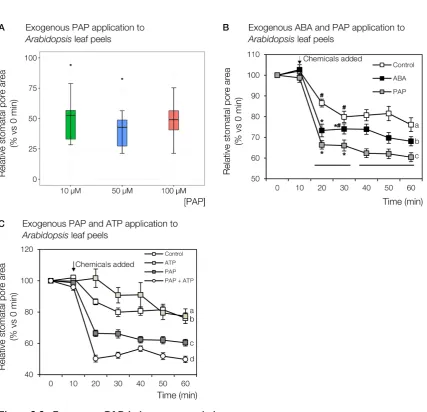
3.2.1 Exogenous PAP treatment induces stomatal closure . . . 43
3.2.2 PAP complements ABA signalling . . . 44
3.2.3 Rapid PAP-induced stomatal closure does not rely on transcrip-tional changes . . . 46
3.2.4 Transcriptome analysis reveals constitutive PAP-mediated up-regulation of select CDPKs . . . 50
3.2.5 mCHH hypo-methylation at short TEs in the sal1-8 methylome . 51 3.2.6 The sal1-8 methylome exhibits aberrant RdDM potentially involv-ing factors beyond XRN2 and XRN3 . . . 53
3.2.7 Effects of aberrant RdDM on gene and TE expression . . . 60
3.3 Discussion . . . 63
3.4 Conclusion . . . 73
4 Methylome stability under transgenerational drought stress 75 4.1 Synopsis . . . 75
4.2 Results . . . 76
4.2.1 Stress-associated variation in DNA methylation observed under a slow onset mild drought stress within a generation . . . 76
4.2.2 mRNA Sequencing and Promoter Methylation Profiling of Single Drought . . . 80
CONTENTS
4.2.3 Transgenerational recurring drought stress . . . 81 4.2.4 Drought exposed lineages exhibit enhanced seed dormancy . . . . 83
4.2.5 Negligible epi-alleles in the methylome associated with
transgen-erational drought stress . . . 86
4.2.6 Core ABA signalling and documented memory loci remain stable
under transgenerational recurring drought stress . . . 89
4.2.7 Greater stochastic variation and appearance of spontaneous DNA
methylome epi-alleles in transgenerational lineages . . . 92
4.3 Discussion . . . 94
4.4 Conclusion . . . 99
5 A stable methylome through recurring light stress 101
5.1 Synopsis . . . 101
5.2 Results . . . 102
5.2.1 Recurring excess-light stress to test for mitotic light stress memory102
5.2.2 Week long recurring stress leads to excess-light stress priming . . 102 5.2.3 Evidence of photo-acclimatory reprogramming in newly developed
and emerging leaves of WLRS treated plants . . . 105
5.2.4 Gene expression of epigenetic components under excess light-stress108
5.2.5 Limited variation in the DNA methylome associated with
excess-light stress . . . 108
5.3 Discussion . . . 112
5.4 Conclusion . . . 118
6 Thesis Summary and Discussion 119
Appendices 129
A Supplemental datasets 131
B Primer sequences and descriptions 133
Glossary 137
List of Figures
1.1 Responses to excess-light and drought stress . . . 8
1.2 Signalling pathways perceive environmental fluctuations . . . 10
1.3 Systemic acquired acclimation and memory . . . 12
1.4 ABA signalling in guard cells . . . 14
1.5 The canonical SAL1-PAP retrograde signalling pathway . . . 16
1.6 Stress priming could facilitate acclimation to local environmental conditions 18 1.7 Molecular pathways for stress memory . . . 20
1.8 DNA methylation pathways . . . 24
3.1 Genetic restoration of ABA sensitivity . . . 42
3.2 Accumulation of PAP in leaves via petiole feeding . . . 44
3.3 Exogenous PAP induces stomatal closure . . . 45
3.4 Lesions inSAL1 restores response to exogenous ABA . . . 48
3.5 Transcriptional changes mediated by sal1-8 contribute towards constitu-tive restoration in ABA sensitivity . . . 49
3.6 CDPK34 expression in guard cells . . . 52
3.7 Lesions inSAL1 cause hypo-methylation in the methylome . . . 54
3.8 mCHH hypo-methylation in sal1-8 correlates with impaired RNA-directed DNA methylation (RdDM). . . 56
3.9 TE methylation levels in tri-nucleotide sub-contexts of mCHH in sal1-8 . 58 3.10 mCHH levels across methylated TEs . . . 59
3.11 sal1-8 mCHH DMRs overlap with drm1drm2 . . . 61
3.12 Overlapping mCHH hypo-DMRs with gene expression in sal1-8 . . . 64
3.13 Model for the restoration of stomatal closure and interaction with the RdDM by the SAL1-PAP-XRN pathway . . . 74
4.1 A mild drought stress is associated with variations in DNA methylation . 77 4.2 Pre-existing differences in the methylome define multiple epi-types . . . . 79
4.3 Promoter methylation levels at drought responsive genes . . . 82
4.4 Transgenerational repeated drought stress experiment . . . 84
LIST OF FIGURES
4.6 Progeny from drought exposed lineages show enhanced seed dormancy . 87 4.7 Characterising growth of G4and G5 progeny from unstressed and drought
exposed lineages . . . 88
4.8 Limited methylome variation associated with transgenerational drought stress . . . 90
4.9 Labile regions in the methylome identified in transgenerational drought stress experiment . . . 91
4.10 DNA methylation levels at loci reported to exhibit transgenerational stress-induced methylation variation . . . 93
4.11 Stochastic and spontaneous methylome variation across transgenerational lineages . . . 95
5.1 Week long recurring stress time-course . . . 103
5.2 Plant growth on day eight of WLRS time-course . . . 104
5.3 Photosynthetic priming post-WLRS . . . 106
5.4 Further characterisation of PSII performance on day eight of WLRS time course . . . 107
5.5 PSII parameters showing altered profiles in newly emerging leaves of WLRS-treated plants . . . 109
5.6 PSII traits with consistent profiles across tissue types . . . 110
5.7 Expression changes in epigenomic component encoding loci under EL . . 111
5.8 DNA methylation profiles of control and EL stressed plants . . . 113
List of Tables
2.1 PSII parameters . . . 35
3.1 Transcriptional up-regulation of select CDPK encoding genes in ost1 -2sal1-8 andost1xrn2xrn3 . . . 51
4.1 DSS DMRs after single drought stress . . . 78
4.2 Single drought DSS DMR mapping . . . 78
4.3 Trangsenerational DSS DMRs . . . 80
5.1 DSS-based DMRs associated with single (Control + EL) or recurring (WLRS) EL stress . . . 112
B.1 Cycling conditions used for qPCR experiments . . . 133
B.2 Cycling conditions used for in situ qPCR . . . 133
B.3 qPCR primers . . . 134
Chapter 1
Introduction
1.1
Thesis synopsis
Plants show an amazing capacity to perceive and respond to a plethora of environmental
stimuli. This is crucial for survival, given that plants are sessile organisms that are unable
to avoid fluctuating conditions in a dynamic environment. Indeed, plants have developed
complex molecular systems that convey an impressive ability for adaptive plasticity (Mick-elbart et al., 2015; van Loon, 2016). A crucial component of these systems are signalling
pathways that originate from the perception of a stress-derived signal and culminate in
a coordinated response involving a multitude of factors (Fleta-Soriano & Munn´e-Bosch,
2016). This includes, but is not limited to, protein-protein interactions, for example
PYRABACTIN RESISTENCE1-LIKE (PYL) and PROTEIN PHOSPHATASE TYPE-2C
(PP2C) interaction upon perception of abscisic acid (ABA) (Komatsu et al., 2013), the
induction of intracellular signalling pathways, such as from the chloroplast to the
nu-cleus (Chan, Phua, et al., 2016), biochemical responses, such as the biosynthesis of key
hormones to regulate developmental processes, and influencing ribonucleic acid (RNA) dynamics to fine-tune gene expression (Crisp et al., 2016). Ultimately these
coordi-nated factors allow the continual adjustment of plants’ developmental and physiological
processes to suit the surrounding environment.
Given the dynamic nature of the environment this process of perception and
ad-justment is not a single static event, rather it is a continual process where new stimuli
induce signals that continuously lead to the fine-tuning of plant responses. Furthermore,
an emerging concept is that repeated exposures to biotic and abiotic stresses can lead
to ’priming’, whereby a ’primed’ individual displays a more rapid or fine-tuned response
enabling acclimation to their local environment (Conrath et al., 2006; Bruce et al., 2007;
Crisp et al., 2016). Research into stress priming has uncovered numerous such examples
where prior stress exposure leads to altered plant behaviour, suggesting that plants have a capacity for plant stress memory. However, the full extent to which plants can
CHAPTER 1. INTRODUCTION
to be fully uncovered. One possibility is the involvement of rapidly reversible, yet re-portedly stable and heritable chromatin marks, such as DNA methylation, the variations
in which could alter the expression of underlying genetic elements (Lister et al., 2008;
Becker et al., 2011; Schmitz et al., 2013). As a result, there has been much speculation
for the contribution of DNA methylation to local acclimation and adaptation (Gutzat &
Mittelsten Scheid, 2012). However, so too is there ambiguity and uncertainty reflected
by conflicting reports (Seymour et al., 2014; Eichten & Springer, 2015; Hagmann et al.,
2015; Secco et al., 2015), necessitating a systematic investigation to confirm whether
environmentally-induced methylation variation conveys any biological functionality, such
as the transmission of plant stress memory.
1.2
Plant abiotic stress
Plant growth can be compromised by a variety of environmental stresses that ultimately
impair optimal plant reproductive potential, which is of significant agricultural
impor-tance as this diminishes crop productivity and yield (Boyer, 1982; Takahashi et al., 2004;
Verslues et al., 2006). Many environmental factors may be considered as biotic or abiotic stresses that cause penalties to plant growth including incoming light energy,
ultravio-let irradiance, temperature, soil composition (for example, salinity, nutrient availability,
acidity, moisture) or parasitism by various possible pathogens or insects (Jakab et al.,
2005; Atkin et al., 2006; Conrath et al., 2006; Gordon et al., 2013; M¨uller-Xing et al.,
2014; Mickelbart et al., 2015). In response to stress, plants must make physiological
adjustments, predominantly through the action of molecular and biochemical pathways,
to minimize the damage caused by a particular stress without severely impairing growth
processes (Takahashi et al., 2004; Skirycz & Inz´e, 2010). This often culminates as
al-tered metabolism and gene expression to establish a new equilibrium between growth and resistance (Mazzucotelli et al., 2008). The fundamental impact of abiotic stress is
the impairment of plant growth and yield as resources are diverted towards response and
repair; nutrient acquisition and utilization is disrupted; photosynthesis and respiration
are impaired: ultimately culminating in an altered physiological state slowing growth but
maximising survival (Skirycz & Inz´e, 2010; Cramer et al., 2011; Mickelbart et al., 2015).
In order to minimise stress-induced damage, there are three predominant models
of stress response (or resistance): escape, avoidance, and tolerance (Verslues et al.,
2006; Basu et al., 2016). Escape mechanisms entail the completion of a plants’ life
cycle before the onset of stress (Basu et al., 2016). Avoidance mechanisms, on the
other hand, involves short-term physiological adjustments to minimize the impact of
stress on plant performance, for example, stomatal closure and solute accumulation in
response to water limitation to avoid dehydration (Verslues et al., 2006; Skirycz & Inz´e, 2010). Alternatively, additional mechanisms can be engaged to maintain plant function
in the presence of stress that are regarded as ”tolerance” mechanisms, for example,
1.2. PLANT ABIOTIC STRESS
the production of osmoprotectants, antioxidants, and reactive oxygen species (ROS) detoxifying enzymes to avoid damage caused by water limitation (Verslues et al., 2006).
Before considering the physiological importance of stress-derived signals or the
pos-sibility of plant stress memory, we must first consider the primary impacts of abiotic
stresses and the subsequent avoidance and tolerance mechanisms employed by plants,
which help identify where plant stress memory could play a functional role to promote
success during future events. Both excess-light (EL) and drought induce cellular oxidative
stress either by saturating the photosystems with light energy or by limiting the capacity
for carbon fixation through water limitation (Figure 1.1). Enhancing our understanding of plant abiotic stress signalling pathways and short-term acclimation to dynamic condi-tions, including the mechanisms involved, is of significant value in developing techniques
to maintain and improve agricultural productivity in the face of modern challenges, such
as reductions in arable land, and increasingly dynamic and variable climates. This thesis
focusses on two agriculturally relevant abiotic factors that induce severe cellular oxidative
stress: EL and drought.
1.2.1
Excess-light stress
Sunlight is essential for plant growth, providing the energy to drive photosynthesis that
subsequently impacts numerous plant developmental processes. This relies on the
absorp-tion of light energy by chlorophyll molecules located in a Photosystem II (PSII)-light-harvesting complex (LHC)II super complex, and the subsequent transfer of electrons
[photosynthetic electron transport (PET)] through the reaction centres of two
electron-ically connected photosystems, PSII then Photosystem I (PSI), located on the thylakoid
membranes of chloroplasts. This electrochemical energy is ultimately used to
gener-ate nicotinamide adenine dinucleotide phosphgener-ate (NADPH) and adenosine triphosphgener-ate
(ATP), both of which are critical for the fixation of carbon dioxide (CO2) into usable sugars via the Calvin-Benson cycle (Minagawa, 2011; Caffarri et al., 2014). There is,
however, a fine balance between the optimum light intensity for carbon fixation (light
saturation point) and light intensities exceeding this, termed EL, which can lead to severe oxidative stress, photodamage, and photoinhibition (sustained decrease in
pho-tosynthetic efficiency) (Demmig-Adams et al., 1989; Demmig-Adams, 1990; Barber &
Andersson, 1992; Niyogi, 1999; Z. Li et al., 2009; Jung et al., 2013).
EL causes photoinhibition by damaging PSII, specifically via light-induced
degrada-tion of D1 protein of the PSII reacdegrada-tion centre (Tyystj¨arvi, 2008). Intriguingly, this is not
wholly associated with excessive energy absorption by photosynthetic pigments,
high-lighted by the finding that the quantum yield and rate of photoinhibition is independent
of light intensity and the size of light-harvesting antenna, respectively (Tyystj¨arvi, 2008;
Takahashi & Badger, 2011). Instead, EL causes the release of manganese ions from oxygen evolving clusters in PSII leading to impaired PET (Tyystj¨arvi, 2008). This leaves
CHAPTER 1. INTRODUCTION
& Badger, 2011). Chlorophyll molecules are the key photosynthetic pigments that ab-sorb and transfer light energy to PSII reaction centres (Niyogi, 1999). Upon absorption,
chlorophyll molecules enter the singlet excited state, which is highly reactive and, if it
cannot transfer this energy, can form triplet chlorophyll through intersystem crossing
(Niyogi, 1999). Triplet chlorophyll is capable of reacting with molecular oxygen to form
ROS, primarily singlet oxygen (1O
2) that can subsequently be converted into hydrogen peroxide (H2O2) or hydroxyl radicals, which can readily oxidize many biologically signif-icant molecules causing widespread cellular damage and further photoinhibition (Niyogi,
1999; Triantaphylid`es & Havaux, 2009). H2O2 is not only produced via 1O2, but also through the dismutation of superoxide radicals generated at PSI (Slesak et al., 2007). Absorption of EL also leads to an acidified thylakoid lumen, reduced components of
PET, and perturbation of chlorophyll biosynthesis (Z. Li et al., 2009).
Together, these effects can impair plant productivity and, in severe cases, lead to
plant death (M¨uller et al., 2001; Dietz, 2015). Furthermore, adverse environmental
conditions can decrease the light saturation point of afflicted plants, for example,
sub-optimal temperatures can impair enzyme stability and kinetics, and PET, resulting in
exacerbated photoinhibition (Ruelland et al., 2009). Thus, plants must optimize their
performance according to their exposed light levels, which can fluctuate as a result of
changes in the angling of the sun throughout the day, transient canopy openings, and cloud movements (Gordon et al., 2013; Hirth et al., 2013; Schumann et al., 2017).
Indeed, it is well-documented that sun-exposed leaves show distinct photosynthetic
pro-files compared to those developed in the shade, a process termed photoacclimation, to
optimise photosynthesis and limit photoinhibition (Murchie et al., 2009; Zivcak et al.,
2014). Additionally, fluctuations in light quantity are often accompanied by temperature
fluctuation, which is reflected in the light treatments utilized in this study and causes
greater oxidative stress (Jung et al., 2013). It is also important to acknowledge that
changes in light quality (or the wavelengths of energy a plant is exposed to) constitute
another form of light stress, such as increases in UV-B radiation due to depletion of the
ozone layer, that can also have important biological consequences and involve distinct pathways (M¨uller-Xing et al., 2014; Bornman et al., 2015), however, the focus of this
thesis will be in regards to changes in light quantity.
Plants possess a suite of photoprotective mechanisms that guard against EL stress
that can result in PSI acceptor-side limitation, including state-transitions, cyclic
elec-tron flow and stoichiometric adjustments in photosynthetic complexes (Niyogi, 1999;
Munekage et al., 2002; Nilkens et al., 2010; Minagawa, 2011; Sch¨ottler & T´oth, 2014;
Allahverdiyeva et al., 2015). It is important to note that there are both short-term and
long-term responses for light acclimation, where the former involves reversible
modifi-cations to the light harvesting machinery compared to more permanent structural and physiological adjustments (Sch¨ottler & T´oth, 2014; Dietz, 2015). An important example
of an immediate short-term response to EL stress are state transitions. This occurs due
1.2. PLANT ABIOTIC STRESS
to imbalanced excitation of PSII, relative to PSI, and results in phosphorylation-induced re-allocation of PSII antenna to PSI (Niyogi, 1999; Minagawa, 2011). State transitions
are part of a key photoprotective mechanism that results in the dissipation of over 75%
of EL as thermal energy is measured and referred to as non-photochemical quenching
(NPQ) (Demmig-Adams & Adams, 1996; Niyogi, 1999; M¨uller et al., 2001).
NPQ can be divided into multiple underlying components with characteristic
kinet-ics, including energy-dependent, state-transition (described above), and photoinhibitory
quenching (Niyogi, 1999; M¨uller et al., 2001; Jung & Niyogi, 2009). The major
con-tributor of these is the energy-dependent quench (qE) that occurs rapidly, within
sec-onds to minutes, and is tied to a low thylakoid lumen pH that induces conformational
changes in PSII antenna (Demmig-Adams, 1990; Maxwell & Johnson, 2000; M¨uller et al., 2001). These are administered by the PSII subunit protein PHOTOSYSTEM II
SUB-UNIT S (PsbS) that acts as a pH sensor in the thylakoid lumen (X.-P. Li et al., 2000,
2002, 2004), and, whose activity also contributes towards Systemic acquired acclimation
(SAA) (Ciszak et al., 2015). These rapid, and reversible, adjustments to the PSII
an-tenna promote a quenched state, whereby tight packing of the light harvesting complexes
promotes thermal dissipation of excess photochemical energy (Ruban et al., 2007;
Hor-ton et al., 2008). This is accompanied by the production of accessory photoprotective
pigments, for example the conversion of violaxanthin to zeaxanthin via the xanthophyll
cycle, which, upon binding to the light harvesting complexes, allows energy transfer away from chlorophyll pigments, preventing the production of both triplet chlorophyll
and subsequent ROS (Adams, 1990; Adams et al., 1995;
Demmig-Adams & Demmig-Adams, 1996; Demmig-Demmig-Adams et al., 1996; Horton et al., 2008). Prolonged
exposure to EL can result in the accumulation of ROS, which can be averted through
the production of ROS detoxifying enzymes and pigments (Telfer, 2002; Rossel et al.,
2007; Jahns & Holzwarth, 2012; Dietz, 2015). Additional components involved in the
optimization of photosynthetic capacity include DEGP PROTEASE 7 (DEG7),
PRO-TON GRADIENT REGULATION 5 (PGR5), and PROTEIN KINASE STN7 (STN7);
which mediate re-arrangement and repair of the photosynthetic machinery (Pesaresi et al., 2009; Munekage et al., 2002; Sun et al., 2010).
1.2.2
Drought stress
Fluctuations in light intensity can be rapid and intense, providing a versatile system with
which to examine stress responses. On the other hand, drought (soil moisture deficit
as a result of below-average rainfall) is a slow-onset, yet, severe stress that significantly
impacts crop yields worldwide and is now occurring with greater frequency and severity,
thus having important agronomic, economic, and social consequences (Kramer & Boyer,
1995; Cramer et al., 2011; Walter et al., 2011; Spinoni et al., 2014). Water deficiency also holds numerous physiological implications for plant development and growth either
CHAPTER 1. INTRODUCTION
(Kramer & Boyer, 1995; Osakabe et al., 2014). Physiological effects include loss of turgor, wilting, cessation of cell enlargement, stomatal closure, and impaired metabolism
and photosynthesis; ultimately preventing optimal plant productivity and in severe cases
leads to death (Kramer & Boyer, 1995). Thus, drought can be a major limiting factor
of plant productivity. The magnitude of the impact of drought depends on its duration,
severity, and timing; for example, the effects of drought are most severe during plant
reproduction (Westgate et al., 1996; Pradhan et al., 2012; Fleta-Soriano & Munn´
e-Bosch, 2016).
A key route for plant water efflux is due to the requirement of atmospheric CO2 for photosynthesis, which is obtained by gas exchange through stomatal pores on the leaf
surface (Murata et al., 2015; Z. Yang et al., 2016). Opening of stomata promotes plant
growth and photosynthesis due to increased CO2 uptake allowing for maximal carbon fixation as described previously (Murata et al., 2015). However, accompanying this is a
large efflux of water vapour that must be maintained through plant transpiration (Z. Yang
et al., 2016). In order to absorb water, plant roots must generate water potentials low
enough relative to the soil water potential (Kramer & Boyer, 1995). Thus, water uptake by plant root systems can efficiently replace the lost water when soil moisture is high, and
plant growth can continue unimpeded (Kramer & Boyer, 1995; Z. Yang et al., 2016).
Alternatively, when water is limited, such as during periods of drought, there can be
drastic reduction in soil water potential that makes it more difficult for plants to absorb
water from the soil (Kramer & Boyer, 1995; Verslues et al., 2006).
This forces an adjustment of plant processes to more efficiently utilize the water
available for essential metabolic processes, while slowing plant growth to minimize water loss and compromising plant productivity for survival (Boyer, 1982; Kramer & Boyer,
1995; Verslues et al., 2006; Z. Yang et al., 2016). A key short-term drought avoidance
mechanism is to minimize water loss by closing stomata, which also slows transpiration
necessitating other cellular adjustments (Verslues et al., 2006). Key signalling cascades
control the development and sensitivity of guard cells, which surround stomatal pores
on the leaf epidermis and control its aperture, enabling fine-tuned regulation of this
avoidance response (Dong & Bergmann, 2010; Chen, Hills, et al., 2012; Osakabe et al.,
2014). Thus guard cells are a key cell type controlling plant physiology during changes
in water availability, among other environmental fluctuations such as ambient CO2 levels (Zhao et al., 2008; Osakabe et al., 2014). The signalling events involved in guard-cell
mediated stomatal control will be explored in greater detail in this thesis, in particular,
the identification of a new secondary messenger that acts as an agonist of the canonical
ABA signalling pathway.
In the case of prolonged drought, longer term avoidance mechanisms, including
max-imising root growth, increasing tissue water storage capacity and cuticle thickness (to prevent water evaporation), are engaged to preserve plant water status (Verslues et
al., 2006). However, maintained avoidance of water limitation and optimal metabolic
1.3. PLANT STRESS SIGNALLING
activity is not feasible during a prolonged drought and low soil water potential will even-tually result in reduced plant water content and, consequently, impaired photosynthetic
performance. Drought tolerance mechanisms primarily involve the protection of
cellu-lar structures, such as cell membranes, through the production of osmoprotectants and
protective proteins, like dehydrins that can act as chaperones, solutes and detoxifying
enzymes (Verslues et al., 2006).
Understanding the mechanisms employed by plants to withstand such abiotic stresses
helps us appreciate the dynamic and flexible nature of plant physiology, which is required
for survival in dynamic and flexible environments (Figure 1.1). Many of the responses are carried out through a variety of integrated transcriptional and post-transcriptional
changes that underlie, for example, the production of antioxidants for detoxification,
osmoprotectants for maintaining cellular water potential, or manipulation of the light
harvesting complexes to prevent excess photodamage (Verslues et al., 2006; Ruban et al., 2007; Cramer et al., 2011). It is also important to note that many of the responses
described are part of an integrated response, rather than occurring independently, and,
depending on plant species, can be engaged to different extents (Verslues et al., 2006).
The ability for these responses to be carried out in an intricate and integrated manner
relies on the operation of signalling pathways that relay information between important
cellular components, such as the nucleus and chloroplast.
1.3
Plant stress signalling
Plants must respond to abiotic stresses to minimise disruption of plant growth and
re-production. Plant stress signalling pathways are paramount in activating the molecular
and biochemical mechanisms required for stress avoidance or tolerance (Figure 1.2) (Takahashi et al., 2004; Cramer et al., 2011; Chan, Phua, et al., 2016). These
path-ways are initiated by the perception of stress, or environmental fluctuations, which relies
on the production of signals that are typically a direct biochemical consequence from
the stress itself, for example, the over-production of ROS from photoinhibition during EL stress (Tyystj¨arvi, 2008). Additionally, a wide range of plant-derived chemicals and
metabolites can also act as stress signals including, but not limited to, ROS, carotenoid
oxidation products, intermediates of sulfur metabolism, calcium, and ABA
(Ramakr-ishna & Ravishankar, 2011; Ramel et al., 2012; Carmody et al., 2016; Chan, Phua, et
al., 2016; Hou et al., 2016). These signals are mobile and they themselves can be
recog-nised by secondary transducers or receptors that can propagate the signals. Ultimately,
this induces biochemical adjustments culminating into a physiological response, such as
the production of ROS paired with intracellular calcium transport and the subsequent
activation of ion channels to induce stomatal closure in response to ABA (Osakabe et al., 2014; Murata et al., 2015). An important destination for many of these signalling
CHAPTER 1. INTRODUCTION
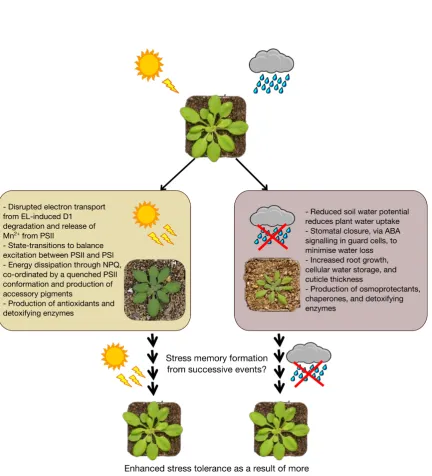
Figure 1.1: Responses to excess-light and drought stress
Comparison of the physiological adjustments plants must make in response to EL or drought stress. Memory formation against such stresses could facilitate stronger or more rapid responses to promote tolerance and survival.
1.3. PLANT STRESS SIGNALLING
adjustments, for example, many transcripts that encode ROS detoxifying enzymes, or their regulators, are responsive to the accumulation of ROS including H2O2 and 1O2 (Gordon et al., 2013; Carmody et al., 2016). A subset of these nucleus-bound signals
can be derived from organelles, such as the chloroplast or mitochondrion, allowing for
intracellular communication. These are referred to as retrograde signals and allow for
the fine-tuning of molecular processes that adjust organelle function to promote
adapta-tion to new environmental condiadapta-tions (Chan, Phua, et al., 2016). Further dissecadapta-tion of
the pathways, including chloroplast-to-nucleus retrograde signalling, investigated in this
thesis follows below.
1.3.1
Systemic acquired acclimation signals for whole plant
pho-toacclimation
SAA has been elucidated as a key signalling mechanism for relaying photoacclimation to
a whole plant level to guard against fluctuating light intensity. Leaves experiencing EL
stress actively signal, through a variety of metabolic and oxidative molecules (Ramel et
al., 2012; Gordon et al., 2013; Suzuki et al., 2013; Carmody et al., 2016), to unexposed
leaves to convey a ”primed” state (Conrath et al., 2006) in anticipation for incoming
EL stress (Karpinski et al., 1999; Rossel et al., 2007). Indeed, PSII has also been shown
to be primed in response to repeated EL stress (Karpinski et al., 1999), as well as
improved NPQ activation in both exposed and newly developed tissue, suggestive of the potential for memory (Szechy´nska-Hebda et al., 2010; Gordon et al., 2013). Similar
experiments utilizing continuous cold treatments limited to pre-existing leaves provided
evidence for systemic signalling such that naive newly developed leaves exhibited the
induction of cold-responsive genes (Gorsuch et al., 2010). A key untested hypothesis
(Gordon et al., 2013) is whether there could be an epigenetic component (Eichten et al.,
2014) contributing to the memory and transmission of this acclimation (Figure 1.3). Indeed, there is now evidence for stress memory against a variety of biotic and abiotic
stresses including insect herbivory and oxidative stress (Cayuela et al., 1996; Agrawal,
2002; Jakab et al., 2005; Gorsuch et al., 2010; Rasmann et al., 2012; Ding et al., 2013; X. Wang et al., 2014). Pertinently, there is growing evidence that plants are able to form
light stress memory also (Szechy´nska-Hebda et al., 2010; Gordon et al., 2013; Crisp et
al., 2017). This occurs regardless of the area of tissue exposed as targeted, or partial
rosette, EL treatments still resulted in acclimation across a whole plant demonstrable
through enhanced induction of light-response transcripts, and improved photoprotective
capacity and oxidative tolerance (Karpinski et al., 1999; Rossel et al., 2007; Gordon et
al., 2013; Carmody et al., 2016). Indeed, using a partial rosette treatment revealed
an 87% overlap in transcriptional changes between exposed and distal tissues (Rossel
et al., 2007). Accompanying this reprogramming were alterations in auxin homeostasis across the rosette, despite EL treatment of a single leaf (Gordon et al., 2013) and
CHAPTER 1. INTRODUCTION
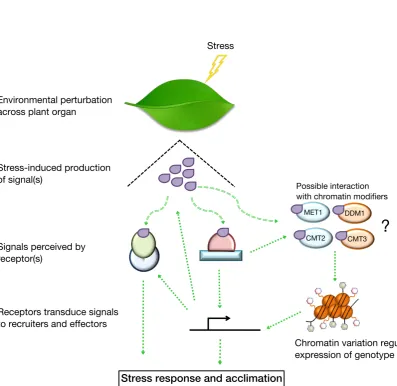
Figure 1.2: Signalling pathways perceive environmental fluctuations
Schematic depiction of a signalling cascade responding to environmental stimuli including abiotic stress. This is perceived by millions of cells across a plant organ leading to the biosynthesis of a signal, often as a by-product of the stress itself. This signal binds to receptors that act as transducers to propagate the signal to recruiters or effectors that ultimately elicit a response. This can involve physical (e.g. protein-protein interactions), biochemical (e.g. ion gradients), or molecular changes (e.g. gene expression) all of which can feedback on the pathway. There is an emerging notion that chromatin variation can contribute to stress response. This thesis investigates the possibility that components
involved in maintaining chromatin state (e.g. METHYLTRANSFERASE 1 (MET1), DECREASE IN
DNA METHYLATION 1 (DDM1),CHROMOMETHYLASE (CMT)2,CMT3) are responsive to stress
signals, or to intermediate signalling components, to result in stress-induced chromatin variation that contribute to stress tolerance by regulating expression of underlying genetic elements. Adapted from Pastori & Foyer (2002).
1.3. PLANT STRESS SIGNALLING
2007). Such observations suggest a capacity for the storage and transmission of these acclimatory events, into new tissue post-stress, to form a memory.
1.3.2
ABA signalling in guard cells
Stomata are pores on the leaf epidermis that regulate gas exchange with the
surround-ing environment, which has important consequences for plant growth (Mickelbart et al.,
2015; Murata et al., 2015). Thus, stomatal closure is one of the most important
re-sponses to calibrate plant growth through environmental fluctuations, including changes
in light intensity, atmospheric CO2, and water availability (Hetherington & Woodward, 2003). This regulation is achieved through physical manipulations in aperture size of the stoma controlled by hydraulic changes in a pair of specialized gatekeeper cells bordering
stomata (T.-H. Kim et al., 2010). These cells, termed guard cells, respond to a variety
of stress-induced signals, such as ROS, calcium (Ca2+), hormones, and metabolites; to regulate stomatal aperture through controlling membrane ion transport causing solute
influx or efflux that ultimately changes guard cell turgor pressure (Farquhar & Sharkey,
1982; Murata et al., 2015). One of the best characterised mechanisms operating in
guard cells to regulate stomatal closure is the ABA signalling pathway (Figure 1.4). In addition to stomatal closure, ABA signalling plays important physiological roles in
many aspects of plant development including embryogenesis, germination, reproduction,
and developmental transitions (Xiong et al., 2001; Finkelstein et al., 2002; Shinozaki et al., 2003; Xiong & Zhu, 2003; Jakab et al., 2005; Kurahashi et al., 2009). Its mode
of action, particularly in guard cells, has been the target of much active research. The
accumulation of ABA occurs by de novo biosynthesis, primarily in shoot vascular tissue cells under conditions of osmotic stress (Zeevaart & Boyer, 1984; Xiong & Zhu, 2003;
Endo et al., 2008). The first step of this reaction occurs in the plastids where
9-cis-neoxanthin or 9-cis-violaxanthin are cleaved by 9-cis-epoxycarotenoid dioxygenases (NCED), to produce the C15 intermediate xanthoxin that is subsequently converted to ABA in the cytosol by ABA DEFICIENT 2 (ABA2) (Schwartz et al., 1997; Xiong
& Zhu, 2003; Nambara & Marion-Poll, 2005; Gonz´alez-Guzm´an et al., 2002). The synthesized ABA can then be transported to target sites of action, via the xylem and
phloem, potentially in an inactive conjugated form that subsequently triggers further
ABA production (Zeevaart & Boyer, 1984; Sauter et al., 2001; Nambara & Marion-Poll,
2005; Boursiac et al., 2013). Additional sites of ABA biosynthesis beyond vascular tissues
have also been postulated based on the expression of key biosynthetic proteins, including
directly in guard cells (Tan et al., 2003; Koiwai et al., 2004; Nambara & Marion-Poll,
2005). This has brought suggestions that root-derived mobile compounds could be
transported through the xylem to target sites to induce ABA biosynthesis (Goodger &
Schachtman, 2010). Recent investigations on sulfate content and transport in xylem sap under drought suggest that this could be a genuine mechanism for triggering ABA
CHAPTER 1. INTRODUCTION
Figure 1.3: Systemic acquired acclimation and memory
Outline of SAA signalling to facilitate whole plant acclimation for incoming EL. Furthermore, an untested hypothesis is whether there could be an epigenetic component to convey mitotic transmission, or memory, of this acclimation. Adapted from Gordon (2012).
1.3. PLANT STRESS SIGNALLING
al., 2017).
ABA signalling in guard cells involves various levels of redundancy allowing for
com-pensatory feedback regulation while also adding a layer of complexity (Finkelstein et
al., 2002; Hetherington & Woodward, 2003). Once inside guard cells, ABA binds
to ABA receptors from the PYL protein family, which subsequently forms a complex
with, thus inactivating, PP2C phosphatases (Park et al., 2009). Active PP2Cs inhibit
SNF1-RELATED PROTEIN KINASE 2 (SnRK2) kinase activity through
dephosphory-lation. Inactivation of PP2Cs releases this inhibition allowing activation of SnRK2 via
autophosphorylation (Boudsocq et al., 2007). Subsequently, active SnRK2 kinases
phos-phorylate various target proteins including a range of ion channels, such as SLOW AN-ION CHANNEL-ASSOCIATED 1 (SLAC1), POTASSIUM CHANNEL IN ARABIDOPSIS
THALIANA (KAT)1, and KAT2; and transcription factors triggering an ABA response
(Johnson et al., 2002; Mustilli et al., 2002; Furihata et al., 2006; Geiger et al., 2009;
S. C. Lee et al., 2009) (Figure 1.4).
The two key outputs of ABA signalling are: (I) in the case of stomatal closure, SnRK2-mediated regulation of ion channel activity causing depolarisation of the guard
cell plasma membrane and the efflux of cellular solutes that results in reduced guard cell
turgor that shrinks the stomatal pore (Chen & Blatt, 2010); and (II) gene expression changes in the nucleus via ABA-RESPONSIVE ELEMENT BINDING FACTOR (ABF)
activity modulated through SnRK2- or CALCIUM-DEPENDENT PROTEIN KINASE (CDPK)-mediated phosphorylation (Furihata et al., 2006; S.-Y. Zhu et al., 2007; Lynch
et al., 2012; Yoshida et al., 2015). ABFs comprise a family of basic-domain leucine zipper
(bZIP) transcription factors that bind to ABA-RESPONSIVE ELEMENT (ABRE) cis -acting elements, inducing ABA-dependent gene expression to promote stress tolerance
(Johnson et al., 2002; Cutler et al., 2010; Murata et al., 2015). Examples of proteins
encoded by ABA-activated genes include enzymes involved in ROS detoxification,
trans-porters, dehydrins, and other signalling transducers such as protein kinases (Choi et al.,
2000; Shinozaki et al., 2003; T.-H. Kim et al., 2010). Many of the ABA-activated genes
are co-regulated by other stimuli, including temperature and salinity, suggesting interac-tion with other signalling pathways (Seki et al., 2002). Although many of these signalling
pathways have been intimately mapped out (Chan, Phua, et al., 2016), how multiple
signals are integrated into a synergistic response is not well understood. Thus, this thesis
will explore the mechanism of eliciting plant acclimatory responses via stress-responsive
signalling pathways, and how multiple signals can synergistically promote stress
toler-ance. In addition to the regulation of stomatal closure, it is worthwhile noting that
the development of stomata itself is an environmentally responsive and tightly regulated
long-term process that has critical biological consequences for plant growth and
develop-ment. This is because the efficiency of gas exchange can also be affected by alterations in stomatal number and density (Dong & Bergmann, 2010). Interestingly, this
CHAPTER 1. INTRODUCTION
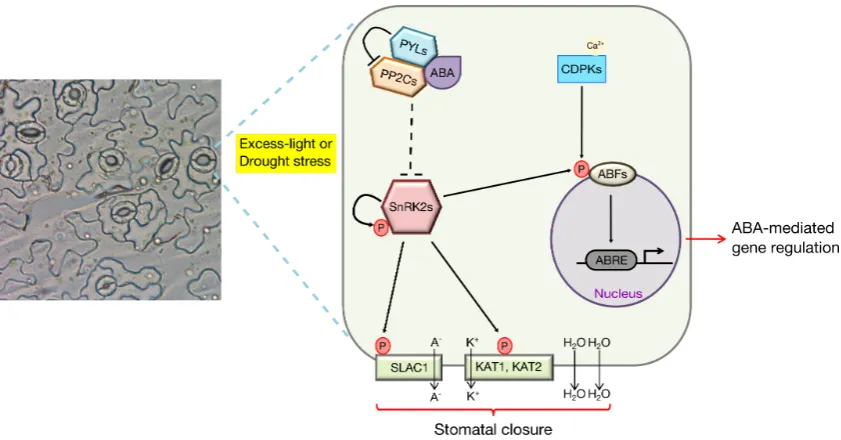
Figure 1.4: ABA signalling in guard cells
Guard cells are critical for regulating leaf gas exchange. A key mechanism involved is the ABA signalling pathway that, upon perception of stress-induced ABA, initiates a signalling transduction cascade that promotes the mechanical closure of stomata and ABA-induced gene expression to, collectively, promote stress tolerance. Adapted from Chen & Blatt (2010); Cutler et al. (2010); T.-H. Kim et al. (2010); F. Hauser et al. (2011).
2012, 2013), which will be relevant for considerations of stress signalling and memory.
1.3.3
Retrograde signalling and the SAL1-PAP Pathway
Retrograde signalling refers to communication from cell organelles, including
mitochon-dria, chloroplasts, to the nucleus, allowing for co-ordination between organellar and
nuclear-encoded gene expression according to organelle developmental and physiological
state (Fern´andez & Strand, 2008; Pogson et al., 2008; Chan, Phua, et al., 2016; Mart´ın
et al., 2016). There are multiple examples of changes to nuclear gene expression upon
genetic or chemical perturbation of plastid function (Bradbeer et al., 1979; Oelm¨uller et
al., 1986; Oelm¨uller & Mohr, 1986; Susek et al., 1993; Hess et al., 1994; Xiao et al., 2012). Thus, chloroplasts can act as stress sensors for the cell, particularly in the case of
EL-induced oxidative stress, by relaying this information to influence nuclear gene
expres-sion. Intermediates of various biochemical or metabolic pathways have been identified
as having secondary roles as retrograde signals, such as intermediates of the tetrapyrrole
biosynthetic pathway Fe-protoporphyrin (heme) and Mg-protoporphyrin IX (Strand et
al., 2003; Woodson et al., 2011), the carotenoid oxidation product β-cyclocitral, the
isoprenoid precursor methylerythritol cyclodiphosphate (Ramel et al., 2012; Xiao et al.,
2012), and a by-product of sulfur metabolism 30-phosphoadenosine 50-phosphate (PAP) (Klein & Papenbrock, 2004; Estavillo et al., 2011). Despite the identification of numer-ous retrograde pathways and signals, there is still only limited mechanistic insight into
how these signals are translated into improved stress tolerance from initial perception.
1.4. PLANT STRESS PRIMING AND MEMORY
Nonetheless, the extent to which these signals are integrated with canonical stress sig-nalling pathways, such as the ABA pathway, remain an interesting field for exploration.
Interestingly, Exposito-Rodriguez et al. (2017) demonstrated that light-induced H2O2 accumulation in chloroplasts could move directly to the nucleus to impact nuclear gene
expression in tobacco epidermal cells, bypassing the cytosol.
Using a screen for constitutiveASCORBATE PEROXIDASE 2 (APX2)up-regulation, as an indicator of oxidative stress, a point mutation in the nuclear-encoded SAL1 PHOSPHATASE-LIKE PROTEIN (SAL1)gene was observed to convey enhanced drought and EL stress tolerance (herein referred to as sal1-8; Rossel et al. 2006; Wilson et al. 2009). The SAL1 gene encodes a chloroplast and mitochondria localized phosphatase that degrades the phosphonucleotide PAP, a by-product of secondary sulfur metabolism,
that would otherwise inhibit sulfotransferase activity, consequently having feedback
reg-ulation on overall sulfur metabolism (B.-R. Lee et al., 2012; Chan et al., 2013). If allowed to accumulate, either due to lesions in SAL1 (Estavillo et al., 2011) or inac-tivation through altered chloroplast redox status (Chan, Mabbitt, et al., 2016), PAP
is considered to inhibit the action of the 50-30 exoribonuclease (XRN) family of RNA processing enzymes, including nuclear-localized XRN2 and XRN3, and cytosol-localized
XRN4; thereby altering post-transcriptional RNA metabolism (Dichtl et al., 1997; Gy
et al., 2007; Kurihara et al., 2012). This is further evidenced by xrn2xrn3 double and xrn2xrn3xrn4 triple mutants phenocopying sal1 mutants (Estavillo et al., 2011). How-ever, action through the XRN enzymes does not fully explain sal1 phenotypes. For example, while there is a substantial overlap (>50%) between the sal1 and xrn2xrn3 trancriptomes, there are still over 2000 genes uniquely differentially regulated in sal1 (Estavillo et al., 2011). This suggests alternative, or combinatorial, modes of action
for PAP. Pertinently, a subset of ABA-responsive genes are differentially regulated in
sal1 mutants, alongside decreased stomatal conductance, raising the possibility of PAP participating in ABA-mediated processes (Figure 1.5; Rossel et al. 2007; Wilson et al. 2009; Estavillo et al. 2011).
1.4
Plant stress priming and memory
In addition to plant phenotypic plasticity, actioned by the aforementioned signalling
pathways, plants show an ability to be ’primed’ by stresses. That is, prior exposure to
a stress or priming stimulus conveys an enhanced ability to respond to future events
(Conrath et al., 2006; Bruce et al., 2007; Crisp et al., 2016). This notion has been
extended to numerous considerations of the formation of plant ‘stress memory’, in which
a state of altered stress responsivity is mitotically or meiotically transmissible (Bruce et
al., 2007; M.-T. Hauser et al., 2011; Probst & Mittelsten Scheid, 2015; Crisp et al., 2016; van Loon, 2016). There is much interest in plant stress memory, including the underlying
CHAPTER 1. INTRODUCTION
Figure 1.5: The canonical SAL1-PAP retrograde signalling pathway
The secondary messenger PAP has been identified as a chloroplast to nucleus retrograde signal that promotes stress tolerance, particularly during drought. Changes in chloroplastic redox state, induced by oxidative stress, inactivates SAL1 resulting in PAP accumulation, which can subsequently be transported into the cytosol and nucleus where it has the potential for multiple molecular interactions. A canonical mode of action is inhibition of XRN enzymes, altering RNA metabolism and promoting stress-responsive
gene expression, such as through the transcription factors ZINC FINGER PROTEIN ZAT10 (ZAT10)
and DEHYDRATION-RESPONSIVE ELEMENT-BINDING PROTEIN 2A (DREB2A). Adapted from
Estavillo et al. (2011); Gigolashvili et al. (2012); Chan, Mabbitt, et al. (2016).
variable environments (Springer, 2013; Ji et al., 2015; Mickelbart et al., 2015). Such a
priming or memory response could be evolutionarily beneficial, facilitating acclimation
to local environmental conditions (Figure 1.6), albeit these must be balanced with the costs of maladaptive memories (Crisp et al., 2016).
As discussed above, the primary modes of plant stress response can be categorised
into measures of avoidance or tolerance. It is possible that the prior stress exposure can prime plants, altering its responsivity in engaging avoidance and/or tolerance
mecha-nisms. For example, prior stress exposure can lead to enhanced transcriptional responses
allowing for more rapid activation of stress responsive transcripts, such as observed from
β-aminobutyric acid (BABA)-induced priming (Jakab et al., 2001, 2005; Ton et al.,
2005) or through stress training experiments (Ding et al., 2012; Sani et al., 2013; Crisp
et al., 2017), which could contribute to a more rapid engagement of the related
avoid-ance or toleravoid-ance mechanisms. On the other hand, priming could have variable effects
rather than just the hyper-induction of stress responses (Ding et al., 2013; Sani et al.,
2013). More subtle changes that do not involve a stronger response, thus minimising the growth penalties associated with stress tolerance, could lead to maximising reproductive
potential.
This investigation also seeks to delineate between stress priming (Conrath et al.,
2006) and heritable (mitotically or meiotically) memory (Eichten et al., 2014; Crisp et
al., 2016). A key concern is that the term ’memory’ is often used synonymously with ’priming’, which confounds observations, making it difficult to properly compare between responses. Priming is typically measured as the enhanced accumulation of
1.4. PLANT STRESS PRIMING AND MEMORY
associated transcripts, proteins, and/or by demonstrating enhanced stress tolerance in treated tissues after a period of recovery or in naive systemic tissues with regards to
SAA-mediated priming (Rossel et al., 2007; Gorsuch et al., 2010; Ding et al., 2013; Gordon et
al., 2013; Suzuki et al., 2013; Carmody et al., 2016; Crisp et al., 2017). With respect to
mitotic memory, stress-induced molecular or physiological traits should be evident in new
tissue that were absent prior to, or during, the initial stress to demonstrate transmission
across cell divisions. Transgenerational memory will rely on observations of altered
traits in not only in the direct offspring of stressed parents, but in descendants at least
one generation removed from the directly stressed maternal plant to delineate between
heritable memory and maternal effects (Gutzat & Mittelsten Scheid, 2012; Piskurewicz et al., 2016). Regardless, such mechanisms, whether systemic signalling and priming, or
genuine forms of memory, are considered to convey an evolutionary advantage (Gutzat &
Mittelsten Scheid, 2012; Mittler & Blumwald, 2015). Thus, this thesis aims to validate
a capacity for plant stress priming and memory as genuinely observable plant responses,
both within a generation and across generations.
1.4.1
Mechanisms for priming and memory
Plant stress priming and memory is often associated with an enhanced response to
recurring stress, for example, the hyper-induction of stress-responses transcripts
un-derpinned by maintained stress-induced structural, biochemical, or molecules changes (Figure 1.7A). There are now extensive examples of stress priming across a variety of plant species, in response to a multitude of stresses across multiple times-scales,
in-cluding both somatic and transgenerational stress priming (reviewed extensively Tricker
2015; Crisp et al. 2016; Secco et al. 2017; L¨amke & B¨aurle 2017). Despite the
numer-ous documented examples of plant stress priming and memory (Cayuela et al., 1996;
Jakab et al., 2001; Agrawal, 2002; Jakab et al., 2005; Iqbal & Ashraf, 2007; Slaughter
et al., 2012; Rasmann et al., 2012; X. Wang et al., 2014), the underlying molecular
mechanisms are still being uncovered, however, various candidates have been posited
(Figure 1.7B-F). One possibility is the persistence of stress-induced changes in chro-matin to convey altered regulation of underlying elements until resetting of the memory
occurs (Figure 1.7B). This is a pre-eminent hypothesis as a molecular memory mecha-nism based on the canonical example of cold-induced silencing ofFLOWERING LOCUS C (FLC), allowing the transition to reproductive growth, that persists for the remainder of the plant’s life through persistent histone methylation across the locus (Figure 1.7C; Sheldon et al. 2000; Bastow et al. 2004; Sung & Amasino 2004). The recovery
pe-riod is a critical window for this memory as return to warmth induces spreading of
repressive histone methylation across FLC (De Lucia et al., 2008). Alterations in RNA metabolism also provide potential memory pathways. For example, inhibiting RNA decay, or stabilising stress-induced transcripts, provides a direct mechanism of stress memory
lev-CHAPTER 1. INTRODUCTION
Figure 1.6: Stress priming could facilitate acclimation to local environmental conditions
Plants are constantly sensing and responding to stresses arising from the surrounding dynamic environ-ment. Often these are transient events that eventually dissipate allowing for recovery to optimal growth conditions. Over a plants’ lifetime, however, these transient fluctuations may persist or occur repeat-edly, necessitating repeated physiological adjustments. Such conditions may lead to the formation of stress priming or memory that allows for more efficient responses to local fluctuations. While underlying genetic variation can contribute to local adaptation, these changes occur over longer geological time-scales whereas environments have the ability to change much more rapidly. Thus the involvement of faster acting mechanisms, including variable chromatin modifications, have been proposed to facilitate short term stress priming allowing for local acclimation.
1.4. PLANT STRESS PRIMING AND MEMORY
els (Figure 1.7D) as was observed upon genetic impairment of XRN-mediated decay (Nguyen et al., 2015). Another priming mechanism may be the sustained accumulation
of key signalling metabolites, proteins, or transcription factors that can prime activity of
those pathways (Figure 1.7E), akin to components required for BABA-induced priming that are involved in the salicylate and ABA pathways (Ton et al., 2005). Alterations of
such metabolic or biochemical activity might also be coupled to chromatin maintenance,
for example, through the unavailability of essential metabolites ATP and nicotinamide
adenine dinucleotide (NAD), or the cofactors S-adenosylmethionine (SAM) and acetyl co-enzyme A required for the reactions involved (Vriet et al., 2015; Groth et al., 2016).
Structural and biochemical memory factors may also pertain to sustained changes in photosynthetic performance, such as those mediated by PsbS and VIOLAXANTHIN
DE-EPOXIDASE (VDE) to engage NPQ under EL. These can be reset by the activity of
proteins such as ZEAXANTHIN EPOXIDASE (ZEP) or K+ EFFLUX ANTIPORTER 3 (KEA3), which promote recovery by disengaging NPQ activity (Figure 1.7F; Z. Li et al. 2009; Armbruster et al. 2014, 2016). While various mechanisms have been posited here
it is unlikely that any act alone as a single master mechanism. Stress priming and
mem-ory will inevitably rely on an integrated response involving chromatin, structural, and
biochemical changes (Fleta-Soriano & Munn´e-Bosch, 2016). This investigation focusses
on the potential contribution of sustained stress-induced changes in DNA methylation towards stress priming and memory.
1.4.2
Distinguishing chromatin modifications and epigenetics
Notions of plant stress memory are commonly associated with epigenetics, a broad term that continues to evolve and encapsulate multiple non-Mendelian phenomena. Its origin
is often attributed to Conrad Waddington’s use of the term ”epigenotype” to
encapsu-late the processes, relating to both differentiation and development, that result in the
expression of a given genotype (Goldberg et al., 2007; Waddington, 2012). The
contin-ual broad use of this term, however, interferes with the ability to properly analyse and
compare specific phenomena, such as paramutation, transposon activity, non-Mendelian inheritance, and gene regulation by chromatin state/modifications (Eichten et al., 2014).
This thesis regards the definition of epigenetics to pertain to heritable changes in phe-notype that are not solely attributable to genetic sources (Eichten et al., 2014). A further distinction can be made between transgenerational epigenetic effects, pertain-ing to phenotypes present in successive generations that show no genetic basis, and
transgenerational epigenetic inheritance, where phenotypes are the traceable result of heritable chromatin modifications (Youngson & Whitelaw, 2008). Furthermore, an
im-portant but often overlooked component of epigenetic phenomena is the requirement for
heritability over mitotic and/or meiotic cell divisions (Eichten et al., 2014). This thesis is focussed on whether abiotic stress can prime plants for subsequent exposure, and to
CHAPTER 1. INTRODUCTION
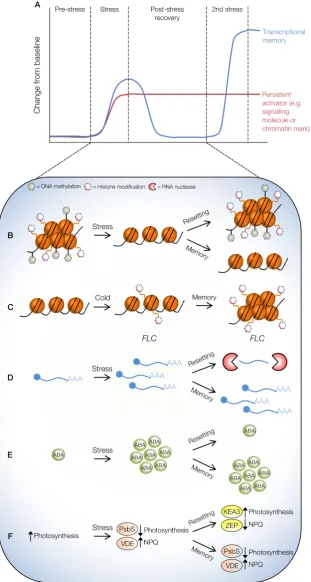
Figure 1.7: Molecular pathways for stress memory
ATheoretical example of memory formation where a strong transcriptional response (blue line) occurs
upon an initial stress, with a concurrent accumulation of signalling molecules and the release of repressive chromatin (red line) facilitating future enhanced responses. Depending on the nature of stress, memory formation and consolidation might occur or resetting can occur to avoid the growth costs of maintained tolerance.
B-FPossible structural, biochemical, and molecular mechanisms to convey stress memory.
Adapted from Crisp et al. (2016).