City, University of London Institutional Repository
Citation
:
Pangallo, A. (2014). An exploration of the measurement of resilience in palliative care workers. (Unpublished Doctoral thesis, City University London)This is the accepted version of the paper.
This version of the publication may differ from the final published
version.
Permanent repository link:
http://openaccess.city.ac.uk/13710/Link to published version
:
Copyright and reuse:
City Research Online aims to make research
outputs of City, University of London available to a wider audience.
Copyright and Moral Rights remain with the author(s) and/or copyright
holders. URLs from City Research Online may be freely distributed and
linked to.
An exploration of the measurement of
resilience in palliative care workers
Antonio Pangallo
Supervisor: Dr Lara Zibarras
Submitted for PhD
Department of Psychology,
City University London
2
Table of Contents
List of Tables ... 11
List of Figures ... 13
Acknowledgments ... 14
Abstract ... 16
Chapter 1:
An exploration of the measurement of resilience in palliative care
workers
17
1.1
Introduction ... 17
Stress in healthcare workers ... 18
Stress in palliative care workers ... 19
1.1.1
Understanding resilience ... 21
1.1.1.1
Defining resilience ... 23
1.1.1.2
The case for interactionism ... 25
1.1.2
Conceptualising resilience ... 26
1.1.2.1
How ‘adverse’ does adversity have to be? ... 26
1.1.2.2
What protective factors enable resilient functioning? ... 28
1.1.2.3
What constitutes positive adaptation or resilient functioning? ... 31
1.1.3
Resilience models and theories ... 35
1.1.3.1
The ecological-transactional model (Cicchetti & Lynch, 1993) ... 36
1.1.3.2
Kumpfer’s Resilience Framework (Kumpfer, 1999) ... 38
1.1.3.3
Woodgate’s process-oriented model of resilience (Woodgate, 1999) 39
1.1.3.4
Summary of models ... 41
1.1.3.5
Conservation of resources (COR) theory ... 42
1.1.4
Resilience measurement issues ... 44
1.1.4.1
Measuring resilience as a trait ... 44
3
1.1.4.3
Measurement of outcomes ... 47
1.1.4.4
Item selection and sampling ... 47
1.2
Summary ... 49
1.3
Overview of thesis and research questions ... 50
Chapter 2:
Context, Sampling, Research Design and Methods ... 53
2.1
Introduction ... 53
2.2
Context ... 53
2.3
Conducting organisational research ... 55
2.4
Sampling ... 56
2.5
Research design ... 57
2.6
Research methods ... 60
2.6.1 Questionnaires ... 60
2.7
Interviews ... 61
2.7.1
Template Analysis ... 62
2.7.2
Focus group interviews ... 63
2.8
Studies presented in this thesis ... 64
2.8.1
Study One: A systematic and methodological review of resilience
measurement scales ... 66
2.8.2
Study Two: Operationalising resilience: a joint factor analysis of resilience
measurement scales ... 66
2.8.3
Study three: An exploration of resilience in palliative care workers: a
template analysis ... 67
2.8.4
Study four: A new method of measuring resilience in palliative care
workers ... 67
2.9
Summary ... 69
4
3.1.1
Challenges associated with the resilience construct ... 70
3.1.2
Systematic review ... 73
Part One: Systematic Review of Resilience Measures ... 74
3.2
Part One: Method ... 74
3.2.1
Procedure ... 74
3.2.2
Data Extraction ... 76
3.2.3
Characteristics of Identified Resilience Measures ... 86
3.2.4
Conceptualisation of resilience ... 86
3.3
Part One: Results ... 87
Part Two: Methodological review of resilience measurement scales ... 90
3.4
Part Two: Method ... 91
3.4.1
Procedure ... 91
3.4.1.1
Applying the Assessment Framework ... 91
3.5
Part Two: Results ... 94
3.5.1
Theory Formulation ... 94
3.5.2
Internal validity evidence ... 94
3.5.2.1
Internal stability ... 94
3.5.2.2
Internal consistency ... 97
3.5.2.3
Replicability ... 98
3.5.3
External validity evidence ... 98
3.5.3.1
Convergent validity ... 98
3.5.3.2
Discriminant validity ... 98
3.5.4
Application ... 99
3.5.5
Summary of Results of Psychometric Evaluation ... 99
3.6
Discussion ... 100
3.6.1
Implications ... 102
5
3.7
Conclusion ... 105
Chapter 4:
Operationalising resilience: a joint factor analysis of resilience
measurement scales ... 106
4.1
Introduction ... 106
4.1.1
Current approaches to resilience measurement ... 107
4.1.2
Study Overview ... 109
Part One: Joint Exploratory Factor Analysis ... 109
4.2
Part One: Method ... 110
4.2.1
Participants ... 110
4.2.2
Procedure ... 111
4.2.3
Measures ... 111
4.2.3.1
Revised Ego-Resiliency 89 Scale (ER-89-R: Alessandri, Vecchione,
Caprara, & Letzring, 2012) ... 112
4.2.3.2
Connor-Davidson Resilience Scale (CD-RISC: Campbell-Sills &
Murray, 2007) ... 112
4.2.3.3
Resilience Scale for Adults (Friborg et al., 2003) ... 113
4.2.3.4
Psychological Capital Questionnaire (PCQ: Luthans, Youssef, &
Avolio, 2007). ... 113
4.2.3.5
The Brief Resilience Scale (BRS: Smith et al., 2008) ... 114
4.2.3.6
Who-Five Well Being Index (WHO: World Health Organisation,
1998)
114
4.3
Part One: Results ... 114
4.3.1
Internal consistency and inter-correlations ... 114
4.3.2
Joint factor analysis ... 115
Part Two: Confirmatory Factor Analysis ... 121
4.4
Part Two: Method ... 121
4.4.1
Participants ... 121
6
4.4.3
Procedure ... 122
4.4.4
Analyses ... 122
4.5
Part Two: Results ... 123
4.6
Discussion ... 126
4.6.1
Implications ... 128
4.6.1.1
Conservation of Resources Theory (COR) ... 129
4.6.2
Limitations and Future Directions ... 132
4.6.3
Conclusion ... 133
Chapter 5:
Exploring resilience in palliative care workers: a template analysis
135
5.1
Introduction ... 135
5.1.1
Study Rationale ... 135
5.1.2
Qualitative interviews ... 136
5.2
Method ... 136
5.2.1
Participants ... 136
5.2.2
Procedure ... 137
5.2.3
Interview schedule ... 138
5.2.4
Analysis ... 139
5.2.4.1
Initial coding template ... 140
5.2.4.2
Coding ... 141
5.3
Results ... 143
5.3.1
Intrapersonal resources (1) ... 145
5.3.1.1
Psychological capital (1.1) ... 145
5.3.1.2
Self-efficacy (1.2) ... 147
5.3.1.3
Hardiness (1.3) ... 147
5.3.2
Interpersonal resources (2) ... 148
7
5.3.2.2
Social resources (2.2) ... 149
5.3.3
Procedural knowledge (3) ... 151
5.4
Discussion ... 153
5.4.1
Implications ... 156
5.4.2
Limitations and Future Directions ... 159
5.5
Conclusion ... 160
Chapter 6:
A new method of measuring resilience in palliative care workers . 161
6.1
Introduction ... 161
6.2
Why use Situational Judgment Tests? ... 162
6.2.1
A theoretical basis for SJTs: Implicit Trait Policy (ITP) ... 163
6.3
Research on SJT Development and Validation ... 164
6.3.1
SJT-item content development ... 164
6.3.2
SJT scoring keys ... 166
6.3.3
SJT validity ... 167
6.3.3.1
Construct validity ... 167
6.3.3.2
Criterion-related validity ... 169
Part One: SJT development ... 172
6.4
Part One: Method ... 172
6.4.1
Participants (Sample 1) ... 172
6.4.2
Procedure ... 172
6.4.2.1
Extraction of behavioural indicators (Steps 1-3: SJT development
process) 172
6.4.3
Participants (Sample 2) ... 175
6.4.4
Procedure ... 176
6.4.4.1
Item-stem development (Steps 4-8 of the SJT development process) 176
6.4.4.2
Creation of scoring key (Steps 9-11 of the SJT development process)
8
6.5
Part Two: Method ... 178
6.5.1
Participants (Sample 3) ... 178
6.5.2
Measures ... 178
6.5.2.1
Michigan Organizational Assessment Questionnaire (MOAQ;
Cammann, Fichman, Jenkins, & Klesh, 1983) ... 179
6.5.2.2
Five-factor Resilience Resource Questionnaire (5FRRQ). ... 179
6.5.2.3
Single Item Measure of Personality (SIMP: Woods & Hampson, 2005)
180
6.5.2.4
Situational Judgment Test ... 180
6.5.3
Procedure ... 182
6.6
Results ... 182
6.6.1
Item analysis ... 182
6.6.1.1
Item Difficulty ... 183
6.6.1.2
Item discrimination ... 184
6.6.2
Demographics ... 185
6.6.3
Reliability ... 185
6.6.4
Validity ... 185
6.6.4.1
Construct validity evidence ... 185
Factor Analysis ... 185
Convergent validity ... 187
6.6.4.2
Criterion-related validity evidence ... 189
Predictive validity ... 189
Pre-analysis checks ... 190
SJT and T1 organisational attitudinal outcomes ... 190
SJT and T2 organisational attitudinal outcomes ... 190
Incremental validity (T1 turnover intention) ... 192
9
Incremental validity (T1 job satisfaction) ... 193
Incremental validity (T2 turnover intention) ... 195
Incremental validity (T2 organisational commitment) ... 196
Incremental validity (T2 job satisfaction) ... 196
6.6.5
Summary of findings ... 198
6.7
Discussion ... 199
6.7.1
SJT development ... 200
6.7.2
SJT reliability ... 200
6.7.3
SJT validity ... 200
6.7.4
Implications ... 202
6.7.5
Limitations and Future Directions ... 206
6.7.6
Summary ... 207
Chapter 7:
General Discussion ... 208
7.1
Summary of results from empirical chapters ... 213
7.1.1
Study one: A systematic and methodological review of resilience
measurement scales ... 213
7.1.2
Study two: Operationalising resilience: a joint factor analysis of resilience
measurement scales ... 214
7.1.3
Study three: Exploring resilience in palliative care workers: a template
analysis ... 215
7.1.4
Study four: A new method of measuring resilience in palliative care
workers ... 216
7.2
General discussion and theoretical implications ... 217
7.2.1
Exploring resilience as a set of resources ... 217
7.2.2
Resilience measurement from an interactionist perspective ... 218
7.2.3
Qualitative research methods ... 219
10
7.3
Practical Implications ... 223
7.3.1
Resilience interventions ... 223
7.3.2
Knowledge transfer ... 225
7.4
Research limitations ... 226
7.4.1
Sample characteristics ... 226
7.4.2
Potential methodological issues ... 227
7.4.3
Restricted access to data ... 228
7.5
Directions for future research ... 230
7.5.1
Operationalising resilience ... 230
7.5.2
Research design ... 231
7.5.3
SJT validation ... 233
7.6
A final note ... 235
References ... 236
Appendix 1: Questionnaire Study 2 ... 274
Appendix 2: Participant Consent Form ... 281
Appendix 3: Information Sheet ... 282
Appendix 4: CIT Interview schedule ... 284
Appendix 5: Interview transcript ... 285
11
List of Tables
Table 1.1: Adapted from Dunkel-Schetter and Dolbier's (2011) taxonomy of resilience
resources ... 29
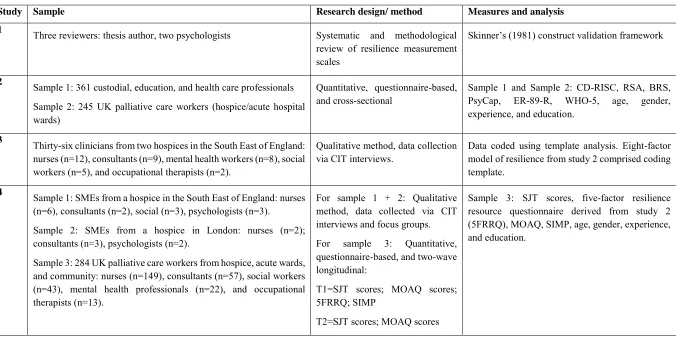
Table 2.1: Research design, sampling, and measures for studies presented in this thesis
... 65
Table 3.1: Inclusion and exclusion criteria for Literature Search ... 76
Table 3.2: Summary of information of resilience measures identified ... 79
Table 3.3: Resilience themes derived from scale items (Adapted from Bird et al., 2012)
... 88
Table 3.4: Quality assessment criteria ... 92
Table 3.5: Quality Assessment Rankings of Resilience Scales ... 96
Table 4.1: Demographics by industry and organisation ... 111
Table 4.2: Intercorrelations among resilience questionnaires and related constructs
(N=361) ... 115
Table 4.3: Factor structure of combined items from five resilience measures ... 118
Table 4.4: Correlations between factor scores ... 120
Table 4.5: Second-order model of resilience measures ... 121
Table 4.6: Summary of Results of Tests of Alternative Factor Structures of Resilience
... 124
Table 4.7: Mapping of 8FRR model onto Taxonomy of Resilience Resources (Schetter
& Dolbier, 2011) ... 128
Table 5.1: Mapping of template analysis themes and five of the eight resources from the
8FRRM model onto COR model ... 155
Table 6.1: Example SJT item ... 166
Table 6.2: SJT item-stem development and scoring process ... 174
Table 6.3: Examples of item-stems ... 175
Table 6.4: Criteria for weighting SJT response options ... 178
Table 6.5: SJT item-stem and corresponding response options ... 181
Table 6.6: SJT item-level statistics (n=284) ... 184
12
13
List of Figures
Figure 1.1: Outcome trajectories associated with resilience and recovery (Bonanno,
2004) ... 33
Figure 1.2: Resilience pathways (Masten & Narayan, 2012) ... 34
Figure 1.3: Illustration of the ecological-transactional model ... 37
Figure 1.4: Kumpfer's (1999) Resilience Framework ... 38
Figure 1.5: Woodgate's (1999) process-oriented model of resilience ... 40
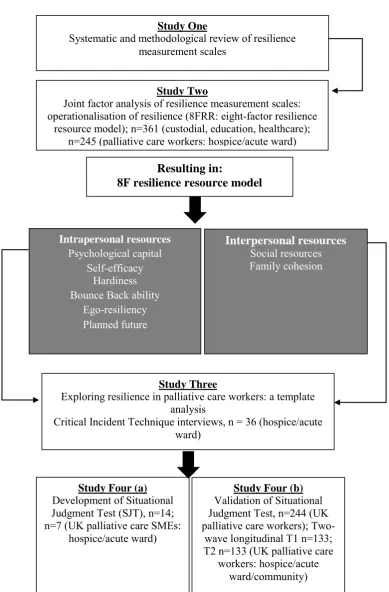
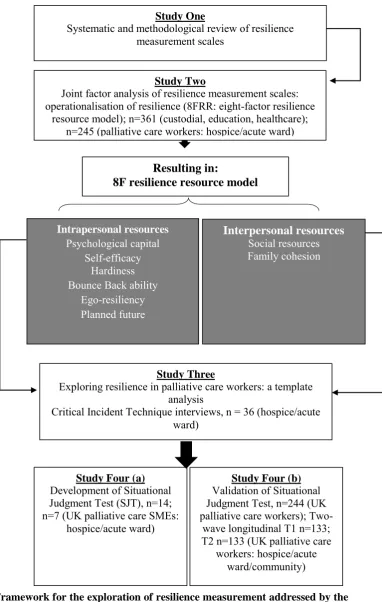
Figure 1.6: Framework for the exploration of resilience measurement addressed by
the studies within this thesis ... 52
Figure 2.1: Framework for the exploration of resilience measurement addressed by
the studies within this thesis:... 58
Figure 3.1: Literature search flow ... 78
Figure 3.2: Visual representation of adapted Skinner’s Validity Evidence Framework
... 91
Figure 4.1: Confirmatory Factor Analysis: 8F model ... 125
Figure 5.1: Process of conducting and coding 36 CIT interviews using template
analysis ... 139
Figure 5.2: Initial coding template ... 141
Figure 5.3: Coding process (Hruschka et al., 2004) ... 143
Figure 5.4: Final coding template with kappa values ... 145
Figure 6.1: Distribution of SJT scores ... 184
Figure 6.2: Multi-measure of resilience resources ... 204
Figure 7.1: Framework for the exploration of resilience measurement addressed by
the studies within this thesis ... 209
14
Acknowledgments
Lara, thank you so much for taking part in this journey with me. You are an inspiration in so many ways. This has been one of the most incredible chapters of my life and you’ve been a big part of it. Above all, you always believed in me. I can’t tell you how much that means to me.
I owe a big thanks to Paul Flaxman. Your musings resulted in some major shifts in my thinking. I’m going to miss our ‘quick’ PhD chats. I’m also indebted to Rachel Lewis for introducing me to the world of resilience quite a few years back. You have always taken the time to listen and have been a huge support to me during these last few years. Thanks also to Jo Yarker, Maddy Wyatt, and Ruth Sealey for your generosity of spirit. I am really grateful to each of you for providing me with thoughtful comments on my chapters.
I would also like to thank the participants that took part in my research. I truly believe that people working in palliative care do the work of ‘angels’. I’m especially grateful to Mary, Abi, Diane, and Anjali from St Joseph’s Hospice who warmly invited me into their organisation with open arms. I’d also like to acknowledge the help I received from Jennifer and Liz from Princess Alice Hospice who believed the research I was doing was worthwhile. It takes an incredible human being to work in end-of-life care. In hindsight I realised how cynical I was when I first walked through the doors of St Joseph’s Hospice. I have walked away a humbled person.
To my lovely, Scotland. I have no words for how selfless and supportive you’ve been. You have inspired me to keep going. You always sat patiently and listened to me no matter what state I was in. You are an amazing person and I am truly grateful for you.
15
16
Abstract
Resilience is a concept associated with the idea that some people seem to readily bounce back from adverse experiences. In order to identify the best methods to develop and sustain resilience in palliative care workers there is a need for greater understanding of how to measure the resilience construct. Despite an abundance of resilience models and theories, there is very little consensus on how resilience should be operationalised and measured. Furthermore, there are no empirical studies that explore the measurement of resilience as it pertains to the unique demands of the palliative care setting. Therefore this thesis presents four studies designed to explore the measurement of resilience in palliative care workers.
All studies took place within the context of the UK palliative care sector using adult samples working in hospices, acute wards, and community settings. The first study was a systematic and methodological review of resilience measurement scales to understand how resilience is currently being conceptualised in the peer reviewed literature. The second study explored how resilience is currently operationalised through a joint factor analysis of resilience scales identified in Study One using a sample of human service (n=361) and palliative care (n=245) workers. The third study explored behaviours associated with resilience from the perspective of palliative care workers using template analysis (n=36). Results indicated that in addition to intrapersonal and interpersonal resources, palliative care workers identified procedural knowledge as a key resilience resource. Therefore, the fourth and final study presents the development and validation of a situational judgment test designed to measure a procedural knowledge resource associated with resilience in palliative care workers using a sample of subject matter experts (n=21), hospice workers (n=36), and workers from across the palliative care domain (244).
17
Chapter 1:
An exploration of the measurement of resilience in palliative care
workers
1.1
Introduction
Common mental health problems such as depression, stress, and anxiety are widespread in the workplace (Health and Safety Executive, 2013). Poor mental health in the workplace carries enormous costs for employers through sickness absence and reduced productivity whilst at work (Olesen, Gustavsson, Svensson, Wittchen, & Jönsson, 2012). Stress has consistently been one of the most commonly reported types of work-related illness in the UK (Health and Safety Executive, 2012). Labour Force Survey estimates show that the prevalence of stress (which included depression and anxiety) in 2011/12 was approximately 40% of total cases for all work-related illnesses (Health and Safety Executive, 2012). Moreover, a relatively recent review of the health of Britain's working population estimated that around £30-40 billion annually is lost in production which can be attributed to mental health illness (Black, 2008). The costs of lost employment associated with depression and anxiety alone are estimated to be between £6,850 and £7,230 per annum per employee (McCrone, Dhanasiri, & Patel, 2008).
The costs of ill mental health in the workplace are associated with three main factors: absenteeism, presenteeism, and turnover. Absenteeism accounts for more days lost than any other cause of work-related illness (HSE, 2012; CIPD, 2013) and in 2011/12, caused workers in Britain to lose 10.4 million working days (Jones, Hodgson, & Webster, 2013). However, figures estimating absenteeism are often under-estimated as systems for recording, analysing and costing sickness absence are not well developed in many organisations (Sainsbury Centre for Mental Health, 2007). The second contributor to the costs associated with mental ill heath in the workplace is associated with the loss in productivity that occurs when employees come to work but function at less than full capacity because of ill health, referred to as presenteeism. It is estimated that the annual costs of presenteeism attributable to mental health problems in the UK workforce amount to £15.1 billion in total (Centre for Mental Health, 2011). The third cost to organisations associated with mental ill health is associated with staff turnover. The average cost to employers of a job change, including the cost of recruiting, selecting and training a replacement worker, is estimated at £11,625 per person (Sainsbury Centre for Mental Health, 2007).
18
Sainsbury’s Centre for Mental Health (2007), the figures imply that a small organisation employing 50 workers will typically incur costs of around £50,000 a year because of mental health problems among its employees. At the other end of the scale the country’s biggest employer – the NHS, with around 1.3 million workers will face annual costs of over £1.3 billion (equivalent to about a quarter of the entire NHS mental health service budget). Of particular note in statistics associated with workplace stress is that the highest prevalence of stress was found in public sector employees, in particular health professionals (CIPD, 2013; Health and Safety Executive, 2012). The main work activities causing work-related stress, or making it worse, are work pressure, lack of managerial support, pressure to meet targets, management style, and poorly managed change/restructuring (CIPD, 2013).
Stress in healthcare workers
There is evidence to suggest that work stress and sickness absence are substantial in national health service (NHS) employees (Cousins et al., 2004; Health Care Commission, 2013). There are many factors that contribute to stress in healthcare workers including an imbalance of demands and control, skills, and/or social support at work, which under some conditions can lead to distress, burnout or psychosomatic diseases (Weinberg & Creed, 2000). Many studies have also shown that levels of dissatisfaction, distress and burnout at work are high in healthcare workers (Maslach, Schaufeli, & Leiter, 2001; Raiger, 2005; Ramirez, Graham, Richards, Cull, & Gregory, 1996).Work related stress may be manifested as burnout, which refers to a persistent, negative state of mind characterized by exhaustion, distress, a sense of ineffectiveness, and decreased motivation (Cooper, Dewe, & O’Driscoll, 2001; Schaufeli & Buunk, 2003). A number of factors in the healthcare workplace have been shown to increase the risk of distress and burnout such as increasing workload, and emotional response to contact with suffering and dying patients (McNeely, 2005).
19
with distancing and poorer communication (Graham & Ramirez, 2002) and with absenteeism, intention to leave, and high staff turnover (Cordes & Dougherty, 1993; Raiger, 2005).
Stress in palliative care workers
Palliative care, also named end-of-life care, refers to the provision of care for the terminally ill and their families that is often provided by an organised health service such as the NHS or charity organisation. Staff working in palliative care settings have a particularly high risk of experiencing work stress (Pierce et al., 2006) associated with the emotional demands of caring for people with a terminal illness (Ramirez et al., 1996). Further, health care professionals working in acute settings (hospital wards) may experience greater levels of work stress, burnout (Książek, Stefaniak, Stadnyk, & Książek, 2011), and lower levels of job satisfaction than those working a hospice environment (Pierce et al., 2006). These findings indicate that the organisational setting may play a role in the level of work stress experienced by those providing end-of-life care compromising patient care and possibly impacting other team members (Jones, Wells, Gao, Cassidy, & Davie, 2013). Indeed, research comparing differences in stress levels across acute wards, hospices, and community-based settings suggests that environmental and role differences between care giving environments differ substantially, ranging from physical limitations of the environment to shift patterns and job responsibilities (Hulbert & Morrison, 2006). The hospice environment reportedly helps staff cope better with stress (e.g. Parrish & Quinn, 1999). However, irrespective of the palliative care environment the uncertainty of continuous change within the health care sector is becoming a primary cause of stress (Sally Hardy, Carson, & Thomas, 1998) due to the reliance on charity donations to ensure continued service, limited human resources, and reliance on volunteer caregivers in service delivery (Addington-Hall & Higginson, 2001).
20
related illnesses such as burnout are vital and likely to lead to direct gains to both employees and employers.
Within palliative care, gaining an understanding of the factors that promote resilience and mitigate the effects of stress is of relevance for individual staff, for the quality of patient care, and for employers. Helping and caring for the terminally ill and attending to most, if not all, of the patient’s needs is of paramount importance and benefit to the patient (Claxton-Oldfield, 2014). However, truly beneficial help can only happen if those working in palliative care are able to adapt to the strains of the job and continue to function normally without negative physical or psychological consequences (Rokach, 2005). Notwithstanding the wealth of evidence identifying the stressors associated with palliative care work, not all employees succumb to poor physical or psychological health (Ablett & Jones, 2007; Wiebe & McCallum, 1986). This finding has led researchers to consider factors that maintain a sense of well-being, in particular, factors that mitigate the effects of workplace stressors and foster resilience.
Despite the substantial increase in resilience research in recent years, examination of the literature indicates that there is a need for greater uniformity and clarity in the definition and operationalisation of resilience in order to facilitate greater rigour in resilience research (Luthar, Cicchetti, & Becker, 2000). Moreover, there appears to be a general consensus that there is a need for greater consideration of measurement issues in resilience research (Davydov, Stewart, Ritchie, & Chaudieu, 2010; Kumpfer, 1999; Luthar et al., 2000). The need for greater clarity surrounding the theoretical construct of resilience highlights many questions that remain unanswered. Most importantly, does resilience actually exist? Or, is resilience simply an umbrella term for any one of the constellation of resources that may help individuals
positively adapt or bounce back from life’s adversities? As with any research programme,
21
It is therefore the aim of this thesis to explore how best to measure resilience in context of the palliative care environment.
To begin with, the present chapter presents a critical review of how resilience is currently conceptualised, operationalised, and measured. A critical review of the theoretical properties of resilience is important as it highlights some of the key issues in the existing resilience research. These issues are substantial and cannot possibly be addressed in any one research programme, however they do provide a context for this research programme and also have a bearing on the way resilience is measured. The present chapter is divided into three main sections: understanding resilience, resilience models and theories, and resilience measurement. Following this is a thesis overview and the research questions that guided this research programme.
1.1.1 Understanding resilience
Most of the theories on psychological resilience arise from the work of developmental psychologists and psychiatrists in the 1970s studying large numbers of children who despite growing up in highly aversive circumstances emerged as functional and capable individuals (Garmezy, 1991; Rutter, 1979; Werner, 1995). The thrust of this early research was to search for factors that protect an individual from the stressors they encounter and distinguish between those who adapt to adversity and those who do not.
The evolution of resilience research has been summarised in four broad phases (Wright, Masten, & Narayan, 2013):
1) The first phase of research explored the measurement and definition of resilience with a focus on trying to understand individual factors associated with positive adaptation in children and adolescents. Findings from this body of work highlighted a multitude of resources and individual qualities as predictors of resilient functioning (e.g. Masten, Best, & Garmezy, 1990; Werner, 1993).
2) The second phase of research moved beyond asking what factors predict resilient
functioning toward how individuals cope with adverse experiences. In this phase of
multidisciplinary research there was a greater emphasis on resilience processes (e.g. Egeland, Carlson, & Sroufe, 1993; Lynch & Cicchetti, 1998).
22
4) The fourth phase of research shows a shift toward an integrative perspective that encompasses gene-environment interactions, neurobehavioral development and the exploration of moderators of risk as well as the role of neural plasticity in resilience (e.g. Cicchetti, 2010; Masten & Narayan, 2012).
Although these four waves of research have led to significant developments in the understanding of resilience, it has also led to some conceptual misunderstandings associated with the construct itself. This has occurred because the majority of this research presents findings in relation to adaptation to chronic stressors such as longer-term, intense stressors (e.g. Garmezy, 1993; Luthar & Brown, 2007; Luthar & Cushing, 1999) rather than adaptation to acute events such as isolated adverse incidents (e.g. divorce), which are more commonly observed in studies of adult resilience (Bonanno, 2004). Thus, generalising findings from the developmental domain to the adult domain has been somewhat problematic.
As mentioned above, conceptual and definitional misunderstandings surrounding the term
resilience may be attributed to the fact that resilience was originally advanced in the literature
on chronic adversity in children and then only later migrated to the adult literature on isolated stressors such as death or serious injury. Yet, isolated stressors are phenomenologically distinct from chronic stressors (Bonanno & Diminich, 2012). Positive adjustment in the face of chronic stressors emphasizes the measurement of adjustment over a long period of time and as a result, tends to focus on long-term or distal outcomes (Masten & Narayan, 2012), often referred to as emergent resilience (Bonanno & Diminich, 2012). For instance, a child subject
to ongoing family abuse could be described as resilient if she or he eventually survived those influences and went on to meet normal developmental milestones and psychological adjustment (Luthar & Cicchetti, 2000). By contrast, the bulk of research on adult resilience involves acute isolated events (e.g. bereavement) and therefore the focus of outcomes are on relatively proximal patterns of healthy adjustment (Bonanno & Mancini, 2012; Bonanno, Pat-Horenczyk, & Noll, 2011; Bonanno, 2004, 2005). Thus, positive adjustment in the face of acute stressors has been labelled by Bonanno and Diminch (2012) as minimal-impact resilience. Rather than describe a gradual progression towards a positive outcome
characterised by emergent resilience, minimal-impact resilience suggests little impact on
functioning and a relatively stable trajectory of continuously healthy functioning before and following a potentially traumatic event (PTE). This conceptual clarification between different types of resilience is warranted due to the lexical ambiguity associated with the term
resilience. As such,Bonanno (2004, 2005) makes an important attempt at clarifying some of
23
As the research on resilience has shifted from the study of adversity in children to the study of adversity in adults, it is reasonable to suggest that corresponding changes in the operational definition of resilience would follow. However, this is not the case and much of the research on resilience in adults has been carried out without consideration of these modifications and as a result, misuses and misunderstandings have proliferated (Bonanno, 2012). Inconsistencies in the specific definition of resilience have led to confusion about its meaning and to some researchers, actually questioning the value of resilience as a theoretical construct (Luthar et al., 2000; Luthar & Cicchetti, 2000; Masten, 2001; Rutter, 2006). Given the misunderstandings about resilience and methodological issues associated with the migration from developmental to adult populations, how then should the construct be defined?
1.1.1.1 Defining resilience
Resilience has been broadly defined as an individual’s ability to achieve a positive outcome in spite of serious threats to adaptation or development (e.g. Masten, 2001). Resilience has been variously described as a (1) process, (2) trait, (3) state-like construct, and (4) outcome. (1) Proponents of process models (Campbell-Sills & Stein, 2007; Friborg, Hjemdal, Rosenvinge, & Martinussen, 2003) focus on the internal and external resources used to foster positive adaptation to adversity (Kumpfer, 1999; Polk, 1997). (2) Adopters of trait models (Block & Kremen, 1996; Maddi et al., 2006) operationalise resilience as a set of internal characteristics. (3) Proponents of state approaches have argued that resilience is a lower order construct of Psychological Capital (Luthans, Vogelgesang, & Lester, 2006) and propose that
positive psychology constructs (hope, optimism, and self-efficacy) are pathways to resilience, which together form a state-like construct. (4) Finally, resilience as an outcome variable refers to the ability to ‘bounce back’ from physical and psychological stressors (Sinclair & Wallston, 2004; Smith et al., 2008).
24
that suggests individuals have an improved level of functioning or transformation following an adverse event.
Despite the substantial amount of research on resilience to date, the many varied definitions and conceptualisations of resilience in the literature foster confusion that must be addressed if research in this area is to progress. With this in mind, it is useful to adopt a working definition of resilience for the purposes of clarity. One such definition offered by Windle (2010) is a particularly useful and comprehensive definition:
“Resilience is the process of effectively negotiating, adapting to, or managing significant
sources of stress or trauma. Assets and resources within the individual, their life and
environment facilitate this capacity for adaptation and ‘bouncing back’ in the face of
adversity. Across the life course, the experience of resilience will vary”. (Windle, 2010, p. 152)
There are three conceptual components of this definition worthy of note: 1) the presence of
significant stress that carries substantial threat of a negative outcome (antecedent); 2)
individual and environmental resources that facilitate positive adaptation; and 3) positive
adaptation or adjustment relative to developmental life stage (consequence). These three components infer that resilience culminates from an individual’s interaction with their environment which in turn is influenced by developmental factors, situational constraints, and socio-cultural processes (Luthar, Cicchetti, & Becker, 2000; Vanderbilt-Adriance & Shaw, 2008). This working definition explicitly defines resilience as a person-in-context phenomenon and is aligned with the tenets of interactionism that suggest individual behaviour stems from an individual’s interaction with her/his environment (Cicchetti & Lynch, 1993; McFarlane & Yehuda, 1996).
25
1.1.1.2 The case for interactionism
The concept of interactionism refers to the interaction between person factors and situation
factors in explaining behaviour. The person concept typically refers to the stable
characteristics that define the individual – either those linked to fixed genes and temperament or individual difference measures. The situation is an umbrella term that refers to the
environment that exists outside of the person (Reynolds et al., 2010). As such, interactionists consider the person-in-context as the fundamental unit of analysis in psychological research (Little, 2000)
In order to advance understanding of how best to assess resilience across different situations, Funder (2009) claims there is a need to refocus resilience measurement from between-person variance to a closer examination of within-person variance. Proponents of interactionism argue that this is why traditional trait approaches to psychological assessment are limited (Endler, 1983; David Magnusson, 1976; Walter Mischel, 1977). Interactionists aim to understand and evaluate the way individuals interact with their environments and it could therefore be argued that this approach to the assessment of resilience may provide a suitable conceptual framework with which to guide the operationalisation of resilience. For instance, there is little agreement as to how best to define resilience (Shaikh & Kauppi, 2010) resulting in variations in how adversities and adaptive outcomes have been operationalised (Masten, Best, & Garmezy, 1990; Masten, 2001; Werner & Smith, 1982). Without a means of establishing what might constitute a resilient outcome (Kaplan, 1999), it becomes difficult to compare adversities across studies (Schoon, 2006) as it is not clear to what extent one individual experiences adversity compared with another (Silver & Wortman, 1980). Interactionist approaches reflect eco-systemic assumptions that life is not experienced in a vacuum but in the wider socio-cultural domain (Germain & Gitterman, 1987; Michael Ungar, 2011). This paradigmatic stance is well suited to the assessment of resilience as it explains adversity, adaptation, and resilience in relative, situational and attributional terms (Shaikh & Kauppi, 2010).
26
score but central to the phenomenon under investigation (Mischel & Shoda, 1995; Mischel, 1977)
An extension of interactionism, referred to as dynamic interactionism (Reynolds et al., 2010), also explains dynamic influences such as developmental or socio-cultural factors that may influence the person-environment interaction (e.g. Roberts & Caspi, 2003). For example, consideration is also given to the possible impact of new experiences (e.g. relocating abroad), social processes, and identity development (drives, abilities, and beliefs). The focus of dynamic interactionism is on the issue of behavioural consistency (traits) as well as change which adopts a life-span perspective of personality where individuals are seen as active agents in their environment (Reynolds et al., 2010). Understanding behavioural consistency may therefore shed light on different pathways to resilience by examining the factors that foster resilience in the context of different adverse situations (Bonanno, 2004; Brewin, Andrews, & Valentine, 2000). Behavioural consistency across situations (e.g. trait resilience) is not simply due to personal attributes rather through the influence of the ‘corresponsive principle’; individuals seek out experiences that align with their preferences and dispositions promoting behavioural consistency (Roberts & Caspi, 2003, p470). Dynamic interactionism also acknowledges that life experiences (e.g. parenthood or bereavement) have the potential to change an individual’s sense of self and ultimately influence their core attributes (Reynolds et al., 2010, p. 465).
The interactionist paradigm promotes the understanding of individual behaviour that is more integrated, dynamic and contextualised than traditional theories of human behaviours such as personality or learning theories (Reynolds et al., 2010). It is for this reason that interactionism may be a useful integrative framework with which to understand the complex attributes of the resilience phenomenon.
In the following section is an exploration of how resilience is currently conceptualised. Three of the defining characteristics of resilience, in particular, will be explored: adversity, protective factors, and positive adaptation.
1.1.2 Conceptualising resilience
1.1.2.1 How ‘adverse’ does adversity have to be?
27
have all been used to refer to an adverse event or ongoing adverse experience. There is also disagreement over whether adverse events should be examined as isolated events or together with other related events. For example, some studies identify exposure to a single adverse event as a sufficient risk to infer resilience (Dean & Stain, 2010). Others argue that exposure to adversity is rarely a ‘one-off’ event and research should focus on cumulative risks such as, job loss, divorce, and bereavement that individuals may face over a lifetime (Hjemdal, Friborg, Stiles, Rosenvinge, & Martinussen, 2006). Additionally, research suggests that it may be the quantity and severity of stressors that may inhibit positive adaptation and not the effects of a
single adverse event (Luthar, 2006; Vanderbilt-Adriance & Shaw, 2008). Finding some degree of convergence as to what qualifies as enough adversity to infer resilience is therefore a
primary concern if research is to advance in this area.
Adverse events may stem from multiple life stressors, a single traumatic event, or cumulative stress from a number of individual and environmental factors (Luthar, Doernberger, & Zigler, 1993; Rutter, 1993). For some researchers, adversity is defined in relation to specific adjustment difficulties such as psychological/physical well-being (e.g. Luthar & Cicchetti, 2000). Others maintain that adversity should be defined by the person experiencing the adverse event (Jackson, Firtko, & Edenborough, 2007) so that if an individual deems a stimulus event as sufficiently stressful then it can be referred to as sufficiently adverse. Yet another point of view takes a more modest approach and defines adversity as common everyday disruptions that are ‘highly taxing’ (Sameroff & Rosenblum, 2006). The central issue with this disagreement of what constitutes adversity is that resilience mechanisms may differ in relation to the severity of adversity (i.e., daily challenges versus trauma). Additionally, not all adversities will predict a negative outcome with absolute certainty (Davydov et al., 2010).
Conversely, a departure from conceiving adversity as a precursor to resilience is to
conceptualise adversity as a process that may in fact foster resilience. Rutter (2007) suggests that adversity may have a ‘steeling effect’ so that resilience may actually result from controlled exposure to stressors rather than avoidance. Implicit in this idea is that exposure to risk must be limited and that there must be an opportunity for recovery. This notion has also been referred to by other researchers as stress inoculation (Meichenbaum, 2005) and thriving (e.g.
28
To recap, the disparity in the way that adversity is conceptualised and referred to in empirical studies is somewhat unclear. Consensus is required in order to fully understand the extent to which adversity can be considered sufficient to infer resilience. What is vital is that researchers
clearly outline what constitutes adversity and provide a reasoned justification for its use in
research (Luthar et al., 2000). The next conceptual issue associated with resilience that will be discussed relates to the role of protective factors in the resilience process.
1.1.2.2 What protective factors enable resilient functioning?
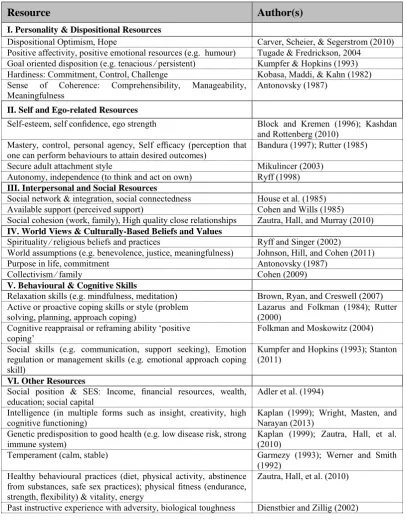
29
Table 1.1: Adapted from Dunkel-Schetter and Dolbier's (2011) taxonomy of resilience
resources
Resource Author(s)
I. Personality & Dispositional Resources
Dispositional Optimism, Hope Carver, Scheier, & Segerstrom (2010)
Positive affectivity, positive emotional resources (e.g. humour) Tugade & Fredrickson, 2004 Goal oriented disposition (e.g. tenacious ⁄ persistent) Kumpfer & Hopkins (1993) Hardiness: Commitment, Control, Challenge Kobasa, Maddi, & Kahn (1982) Sense of Coherence: Comprehensibility, Manageability,
Meaningfulness Antonovsky (1987)
II. Self and Ego-related Resources
Self-esteem, self confidence, ego strength Block and Kremen (1996); Kashdan and Rottenberg (2010)
Mastery, control, personal agency, Self efficacy (perception that
one can perform behaviours to attain desired outcomes) Bandura (1997); Rutter (1985)
Secure adult attachment style Mikulincer (2003)
Autonomy, independence (to think and act on own) Ryff (1998)
III. Interpersonal and Social Resources
Social network & integration, social connectedness House et al. (1985)
Available support (perceived support) Cohen and Wills (1985)
Social cohesion (work, family), High quality close relationships Zautra, Hall, and Murray (2010)
IV. World Views & Culturally-Based Beliefs and Values
Spirituality ⁄ religious beliefs and practices Ryff and Singer (2002)
World assumptions (e.g. benevolence, justice, meaningfulness) Johnson, Hill, and Cohen (2011)
Purpose in life, commitment Antonovsky (1987)
Collectivism ⁄ family Cohen (2009)
V. Behavioural & Cognitive Skills
Relaxation skills (e.g. mindfulness, meditation) Brown, Ryan, and Creswell (2007) Active or proactive coping skills or style (problem
solving, planning, approach coping) Lazarus and Folkman (1984); Rutter (2000) Cognitive reappraisal or reframing ability ‘positive
coping’ Folkman and Moskowitz (2004)
Social skills (e.g. communication, support seeking), Emotion regulation or management skills (e.g. emotional approach coping skill)
Kumpfer and Hopkins (1993); Stanton (2011)
VI. Other Resources
Social position & SES: Income, financial resources, wealth,
education; social capital Adler et al. (1994)
Intelligence (in multiple forms such as insight, creativity, high
cognitive functioning) Kaplan (1999); Wright, Masten, and Narayan (2013) Genetic predisposition to good health (e.g. low disease risk, strong
immune system) Kaplan (1999); Zautra, Hall, et al. (2010)
Temperament (calm, stable) Garmezy (1993); Werner and Smith
(1992) Healthy behavioural practices (diet, physical activity, abstinence
from substances, safe sex practices); physical fitness (endurance, strength, flexibility) & vitality, energy
Zautra, Hall, et al. (2010)
Past instructive experience with adversity, biological toughness Dienstbier and Zillig (2002)
30
2008). Further, individual characteristics and skills (or lack thereof) may moderate the availability of resources. For example, Champion et al (1995) found that children with conduct problems at 10 years of age were twice as likely as children without behaviour problems to experience severe acute negative life events and severe negative life experiences (e.g. no resilience) in adult life. This finding is consistent with the notion of dynamic interactionism
(Reynolds et al., 2010) referred to earlier (section 1.1.1.2) that refers to the process of how individuals and situations mutually influence one another. Simply put, individuals are not randomly assigned to the environments in which they live, but select and create their own experiences. In the resilience research this has been described in terms of positive and negative chain reactions which are thought to impact on resilient outcomes (Rutter, 1999). Thus, it is possible that the stress buffering effect of protective factors are also a function of wider gene-environment interactions (e.g. Silberg, Rutter, Neale, & Eaves, 2001).
A final point to make about the range of protective factors identified in the literature is that few researchers have broadly conceptualised how such resources operate to assist in adaptation
in the context of adversity. One exception is the Conservation of Resources (COR) theory developed by Hobfoll (1989, 2002) proposing that individuals try to obtain and conserve resources so that they can prepare for and manage stress when it occurs (Hobfoll, 2002). A key premise of COR theory is that individuals strive to obtain and retain or protect things that they value to aid in the regulation of self, social relations and behaviour (Hobfoll, 2012). Relatedly, individuals that do not have sufficient resources require more protective factors to maintain resilient functioning. For example, in a 32-year prospective longitudinal study, Werner (1993) found that individuals exposed to greater levels of adversity resulting in a drain of psychological resources required more protective factors to buffer against the negative impact of multiple stressors. Her findings showed that as disadvantage and the number of stressful life events accumulated, more resources were needed as a counterbalance to ensure positive adaptation.
The points discussed above can be summarised as follows: specific protective factors or resources do not in themselves infer resilience; the protective effect of various resources may be heavily influenced by gene-environment interactions; and irrespective of the particular threat, as exposure to risk increases, the stress buffering effect of protective factors decreases significantly (Rutter, 2006). The challenge for researchers is to specify which protective
factors function as stress buffers in which situations. Given the amount of research in this area,
31
challenge facing resilience researchers relates to the definition of adaptive functioning, and is discussed next.
1.1.2.3 What constitutes positive adaptation or resilient functioning?
Research on adult resilience has traditionally been dominated by research on psychopathology, in particular Posttraumatic Stress Disorder (Masten & Powell, 2003). This body of work has defined resilient outcomes such as adaptive functioning as the absence of diagnosable psychopathology. Almedom and Glandon (2007) argue that defining resilience as the absence of a disorder is akin to defining health as the absence of disease. Moreover, exposure to trauma may not result in evidence of clear psychopathology, rather it may lead to sub-threshold symptoms or elevated symptoms and distress for short periods before gradual recovery (Bonanno, 2004). If resilient functioning is defined in binary terms such as the presence or absence of psychopathology, then this conceptualisation negates qualitative differences in adaptive functioning. Moreover, if the absence of psychopathology is considered a resilient outcome, it necessarily precludes the concept of post-traumatic growth as a mechanism of adaptive functioning (Linley & Joseph, 2011; Tedeschi & Calhoun, 2004). This does not mean that the absence of psychopathology cannot be considered a resilient outcome, rather, the point is to recognize that a number of alternative resilient pathways may be possible (Almedom, 2005).
An important, yet often overlooked, issue when examining positive adaptation (i.e. resilience) is the sociocultural context in which an individual operates (Clauss-Ehlers, 2008; Waller, 2001). Ungar and colleagues (2006) argue that resilient outcomes are predominantly defined from a Western psychological discourse, for example, career or financial success. According to Ungar and colleagues, these outcomes lack sensitivity to cultural factors that contextualize how resilience is defined by different populations and manifested in different practices. Therefore, failing to consider the socio-cultural context in which positive adaptation occurs is likely to have relevance to only a minority of individuals in specific cultures.
32
Conversely, for an individual that has been made redundant, an appropriate indicator of adaptation would be the absence of anxiety or depression related to financial concerns and job loss respectively. In this less extreme case than that of the military example, the nature of adversity (redundancy) is likely to require a more moderate indicator of adaptation (absence of anxiety/depression) than military personnel exposed to war trauma. Thus, the only logical way to define positive adaptation is to have a clearly referenced adversity and a clear, defensible outcome in response to that adversity (Bonanno, 2004; Luthar et al., 2000).
As depicted in Figure 1.1, Bonanno (2004) makes the distinction between recovery and resilience clear, which are seen as conceptually distinct constructs (Bonanno, 2004;
Campbell-Sills, Cohan, & Stein, 2006; Masten & Narayan, 2012). Central to this line of thinking is that resilience has different outcome trajectories or pathways (Bonanno et al., 2011; Bonanno, 2005; Masten & Narayan, 2012). This notion is based on a homeostatic view point which focuses on pre-stressor levels of functioning as an indicator of resilience after an individual has been exposed to an adverse event. For example, Bonanno (2004) shows in Figure 1.1 that
recovery is characterised by a moderate temporary period of disruption followed by gradual
restoration to healthy levels of functioning. On the other hand, resilience is characterised by
an ability to maintain relatively stable, healthy levels of psychological and physical functioning. Both chronic and delayed trajectories show that individuals exposed to a potentially traumatic event (PTE) experience significant disruption to functioning with no foreseeable return to normal functioning. It is also of relevance to note that other authors make a further distinction between resilience and coping. Resilience is characterized by its influence
on one’s appraisal prior to emotional and coping responses and by its positive, protective
33
Figure 1.1: Outcome trajectories associated with resilience and recovery (Bonanno,
2004)
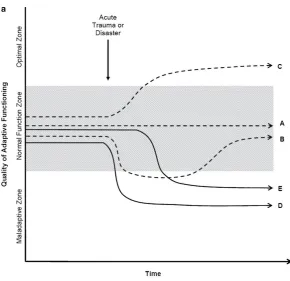
Along the same lines as Bonanno’s work on outcome trajectories, Masten and Narayan (2012) propose that the confluence of developmental change, promotive/protective influences, and environmental risks is thought to result in multiple adaptive pathways in response to acute/chronic traumatic experiences. These multiple pathways are illustrated in Figure 1.2. Dashed paths illustrate forms of resilience and solid lines indicate maladaptive pathways. Path A illustrates stress resistance. Path B illustrates disturbance with recovery. Path C illustrates posttraumatic growth. Path D illustrates breakdown without recovery, and Path E illustrates delayed breakdown without recovery.
[image:34.595.113.369.90.304.2]34
Note: Dashed paths illustrate forms of resilience and solid lines indicate maladaptive pathways. Path A illustrates stress
resistance. Path B illustrates disturbance with recovery. Path C illustrates posttraumatic growth. Path D illustrates breakdown
[image:35.595.114.405.84.365.2]without recovery. Path E illustrates delayed breakdown without recovery.
Figure 1.2: Resilience pathways (Masten & Narayan, 2012)
Whilst focusing on resilience trajectories and outcomes highlight the idea that adaptive functioning may take on many different forms, it is also important to acknowledge that resilience, much like stress, is an overarching process (M. Glantz & Sloboda, 1999; Rutter, 1999). Conceptualising resilience from a process perspective places greater emphasis on the mechanisms linking resources to outcomes, rather than a specific focus on outcomes alone. Thus, equating resilience solely with outcomes implies that resilience is a final endpoint rather than a possible mediator of longer term positive outcomes over the lifespan (Glantz & Sloboda, 1999; Kaplan, 1999).
35
Resilience is best defined as a phenomenon that is manifested by exposure to adversity and results in positive outcomes or adaptation that may change over the course of an individual’s life (Windle et al., 2011).
There is some disparity in the way researchers have conceptualised adversity, yet it is reasonable to suggest that a precursor to resilience must be significant enough to carry a substantial threat of a negative outcome (Luthar et al., 2000).
Specific protective factors do not in themselves infer resilience, rather, the level of exposure and interaction between factors is more influential (Rutter, 2006).
Irrespective of the particular threat, as exposure to risk increases, the likelihood of resilient outcomes decreases significantly (Davydov et al., 2010).
Resilient functioning is not defined by a particular criterion, instead there are many resilience pathways (Bonanno & Diminich, 2012; Masten & Narayan, 2012).
The next section continues with a review of the existing literature concerned with models of resilience. Several multidimensional models of resilience have been developed, however only three will be discussed. These models have been chosen as they are consistent with the interactionist paradigm. That is, all three models conceptualise resilience as a person-environment phenomenon and thus acknowledge that resilience is a dynamic construct resulting from an individual’s interaction with an environmental stressor.
1.1.3 Resilience models and theories
The plethora of resilience definitions and theories raise some challenges with respect to finding a cogent theoretical framework with which to understand resilience. Many authors have proposed possible pathways and models (e.g. Kumpfer, 1999; Masten & Powell, 2003; Richardson, Neiger, Jenson, & Kumpfer, 1990), however these models vary in breadth, detail and supporting evidence. Other models emphasise different components of resilience and place their emphasis on different resources. For example, the casita model (Vanistendael & Lecomte, 2000) adopts an ecological perspective which focuses on various resources ranging from basic material needs e.g. food through to religious faith, political or humanitarian engagement. Other models such as the community and youth resiliency model (Brennan, 2008) emphasise the critical role of social support.
36
of resilience (Woodgate, 1999). It should be noted that these models do not necessarily explain
all aspects of resilience, rather they highlight different components of the resilience process. Adopting an interactionist (i.e. Endler, 1983; Magnusson, 1976; Mischel, 1977) process view of resilience is consistent with the conceptualisation of resilience adopted in this thesis and therefore it is deemed useful to explore these models over others proposed in the literature.
In an attempt to evaluate these theoretical frameworks, one must consider evaluation criteria that can be used. There are many approaches to evaluating theory and criteria used to evaluate theoretical frameworks (e.g. Bacharach, 1989; Weiss, 1997). However, Cramer (2013) suggests a set of evaluation criteria specifically designed to assess the influence of situational demands on human behaviour. Briefly, Cramer (2013) offers three evaluation criteria: (1) Applied value–– theories that encompass a great scope or range of explanation for various phenomena yet still have some practical utility; (2) Testability–– theories that consist of constructs that are clearly defined and readily open to reliable and valid measurement; and (3) Parsimony––theories that are trimmed of excess concepts and needless explanation and favour parsimony rather than complexity. Cramer’s (2013) criteria will therefore be used to evaluate the three models chosen, beginning with the ecological-transactional model (Cicchetti &
Lynch, 1993) followed by Kumpfer’s Resilience framework (Kumpfer, 1999), and finally
Woodgate’s process oriented model of resilience (Woodgate, 1999). Following this a brief evaluative summary of all three models will be presented.
1.1.3.1 The ecological-transactional model (Cicchetti & Lynch, 1993)
37
[image:38.595.116.340.186.403.2]of risk that an individual faces (Cicchetti, Rogosch, & Toth, 2000). Applications of this model have included: maltreatment and community violence (Lynch & Cicchetti, 1998); failure to thrive, Downs Syndrome, parents with a mental illness (Cicchetti, Toth, & Bush, 1988); marital transitions (Hetherington, Bridges, & Insabella, 1998); chronic conduct problems (Dodge & Pettit, 2003); and substance abuse (Cicchetti & Rogosch, 1999).
Figure 1.3: Illustration of the ecological-transactional model
38
1.1.3.2 Kumpfer’s Resilience Framework (Kumpfer, 1999)
[image:39.595.126.531.261.487.2]Kumpfer’s (1999) resilience framework is based on four domains of influence; (i) stressors/challenges (ii) environmental context (iii) internal resiliency factors, and (iv) resilient reintegration/maladaptive reintegration, which are separated by two transactional points (a) person-environment transactional processes and (b) resiliency processes. As illustrated in Figure 1.4, this model shows the linear progression of an individual’s encounter with a specific challenge which activates person-environment and resiliency processes resulting in an outcome along the resilience-maladaptive-reintegration continuum.
Figure 1.4: Kumpfer's (1999) Resilience Framework
39
with some individuals exhibiting more characteristics than others. The final element of Kumpfer’s model is the resiliency process, specifically, the interaction between the individual and his/her adaptation to their environment. Kumpfer stressed this final stage as critical to the progression of future research.
Evaluating the model against Cramer’s (2013) first criterion of applied value, Kumpfer’s (1999) model is a comprehensive model that accounts for a wide range of processes associated with positive adaptation. However, it is not clear how a linear model of resilience could be applied in the study of resilience when in reality it is rare that individual’s encounter one stress at a time throughout their lives (Hjemdal et al., 2006). The model could however be used to understand the resilience process relative to a single specific type of adversity such as victims of parental abuse or domestic violence. For the second evaluation criterion of testability, components of Kumpfer’s (1999) model have been extensively validated in family-focused interventions (e.g. Kumpfer & Alvarado, 2003). However, the notion of resiliency processes within the resilience framework is vague and is left somewhat ambiguous as to what is actually being measured (Davydov et al., 2010). Further, it is unclear how the coping mechanisms associated with the person-environment transactional process are differentiated from the emotional, cognitive, and behavioural components of internal resiliency factors, thus further clarification is needed to understand the various testable components of the model (see Richardson et al., 1990). In relation to the third evaluation criterion of parsimony, Kumpfer’s (1999) model offers a relatively clear and straightforward description of how an activating stressor triggers a series of processes that lead to either positive adaptation or maladaptation. The model loses its clarity with respect to defining characteristics of both resiliency processes and reintegration outcomes.
1.1.3.3 Woodgate’s process-oriented model of resilience (Woodgate, 1999)
40
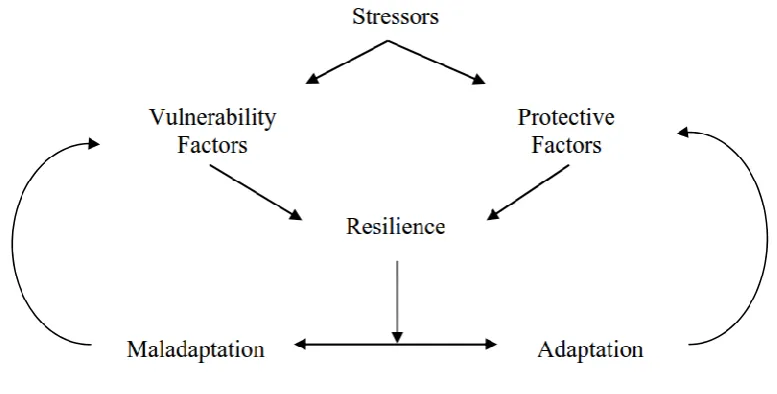
Figure 1.5: Woodgate's (1999) process-oriented model of resilience
Woodgate speculated that responses to stressors will vary along a continuum of responses from maladaptive to adaptive (Rutter, 1985; Richardson, Neiger, Jenson & Kumpfer, 1990). Woodgate (1999) acknowledges that it is possible that an individual may be resilient but may also exhibit a maladaptive response before achieving successful adaptation. In addition, the importance of experience for facilitating the growth of protective factors is highlighted. For example, an individual with greater protective factors is more likely to experience adaptation following adversity, thus, reinforcing the need for these factors. By contrast, an individual is more likely to experience maladaptation if they exhibited greater risk factors. Therefore, Woodgate’s (1999) model emphasises a dynamic and cyclic process of resilience development that is exemplified by either the reinforcement of risk factors following maladaptation, or the reinforcement of protective factors following adaptation.