International Journal of Innovative Technology and Exploring Engineering (IJITEE) ISSN: 2278-3075, Volume-8 Issue-8S, June 2019
Abstract: An exploratory research was carried to assess the state of user experience design (UXD) practice in Malaysia. The study was conducted among those who had attended human-computer interaction (HCI) or any design-related courses at university. Despite the fact that most studies target at HCI practitioners were conducted through surveys at annual conferences, this study did not find this to be the case as responses from respondents was better than the ones gotten in an HCI-focused conference in a Malaysian context. However, the participants were deficient in the practice of UXD. This notwithstanding, this study found that goal formulation in design follows a hierarchical order. However, the study also found that survey method was not the appropriate method to reach the correct study sample for a study to capture UXD practice.
Keyword: Community of practice (CoP), exploratory study, UXD practice
I. INTRODUCTION
Practice refers to the things practitioners do, their types of knowledge and their motivation (Schon, 1999; Orlikowski, 2002). Practice is divided into two categories: implicit and explicit (Tessem, 2011; Vashist et al., 2011).On the other hand, UX is the experience of technology, products or services that refers to something larger than usability or one of its dimensions such as satisfaction or attitude (McCarthy & Wright, 2004, p.6).UXD practitioners include HCI researchers, educators, and students who possess practical HCI knowledge, and are practicing UI/UX Designers, UI/UX Developers, Interaction Designers and/or belong to the management authorities who value UCD principles. This terminology is also synonymous with HCI practitioner, UCD practitioner, usability engineer, human factors engineer and ergonomic practitioner (Ibargoyen et al., 2013).
Revised Manuscript Received on May 22, 2019.
Idyawati Hussein, School of Computing, Universiti Utara Malaysia, 06010 UUMSintok, Kedah, Malaysia
Azham Hussain, School of Computing, Universiti Utara Malaysia, 06010 UUMSintok, Kedah, Malaysia
Emmanuel O.C.Mkpojiogu, Department of Computer and Information Technology, Veritas University, Abuja, Nigeria. School of Computing, Universiti Utara Malaysia, 06010 UUMSintok, Kedah, Malaysia
Shelena Soosay Nathan, Center for Diploma Studies, UniversitiTun Hussein Onn Malaysia, Johor, Malaysia
User-centred design (UCD) is a revision of human-centred design (HCD) for interactive systems, which focuses on the evaluation process to address users, tasks and the environment, in an iterative manner (ISO 9241-210, 2010).There are four basic principles in practising UCD: (1) early focus on users and tasks; (2) evaluation; (3) iterative design; (4) multidisciplinary team (Norman & Draper, 1986; Venturi et al., 2006; Ardito et al., 2013).User experience design (UXD) is a method of identifying user experience (UX) through the application of UCD principles and certain UCD methods (Karat & Karat, 2003; Sundbo& Sorensen, 2013) (for more on UX see Hussain et al, 2016; 2017a; 2017b; 2017c and 2018). A community of practice on the other hand, is a group of people who have a shared interest or passion for a certain topic, and who improve on it through regular interaction. Intentionally, learning can be the reason that a community comes together (Wenger et al., 2011). In the early 1970s, a group of idealist “techies” formed Community Memory with the notion of a networked community for the public to access computer terminals in the San Francisco Bay Area (Hirsch, 2011). This form of organisation puts inherent knowledge into explicit practice by having a physical support system. The concept characterised physical communities, virtual communities, online communities, communities of practice, user communities, social networks, community informatics and many more. The key characteristic is that these are all communities where membership is voluntary – members choose to join and are more or less free to leave as their interests, hobbies or professions change (Hirsch, 2011). It is also stated that communities of interest or communities of practice are groups that orientate around shared concerns or professions.
Communities of practice do not produce objects, and may not even produce reports or other documents. What they do is help bring about continued professional development for their members, as well as coordination and collaboration for people who lack such opportunities within their teams (Muller & Carey, 2002). Schon (1999) identified individual practitioners as persons who elect to enter a professional realm, secure training, and pursue their own personal and professional goals. The domain of practice can include knowledge, skills, practices, rules and values captured in various codes with a culture that consists of numerous domains. Domains have an ethical dimension.
The State of User Experience Design Practice in
Malaysia
When an individual works within symbols of the domain, he or she is known as an individual practitioner. A society consists of numerous fields. In this, there are three major roles: elite gatekeepers, expert practitioners, apprentices and students. Other stakeholders include: (1) corporate shareholders and executives; (2) the general public – consumers and citizens. According to Wenger et al. (2011), communities of practice are groups of people who share a concern or a passion for something they do, and learn how to do it better as they interact regularly. Intentionally, learning can be the reason that a community comes together. However, not all communities are communities of practice. A community arises when a group of individual practitioners defines specific knowledge, skills, practices, rules and values that differentiate them from the rest of the culture (Gardner et al., 2001). A community of practice can include the awareness and action to do something with the awareness which includes the teaching and learning process. This study assesses the state of UXD practice in Malaysia.
II. METHODOLOGY
[image:2.612.310.569.67.344.2]There is an increasing number of programmes in HCI offered at universities in Malaysia (Semuni et al., 2008). Therefore, the targeted respondents in the study were those who had attended HCI or any design-related courses at university. However, these respondents were either not practising HCI or not directly involved in the software development process. The study was conducted as a result of the inability of an initial study (Idyawati et al, 2019) to reach the right practitioners. In this present study, the characteristics of the respondents were defined before the online questionnaire was distributed. An online survey was sent to ex-HCI students. The respondents were selected on the basis of a list of students that the researchers had taught during HCI classes, and on a closed group of expected HCI students present on Facebook. This is inline with the study by Chilana et al. (2011) who intended to identify practitioners among students who have taken HCI subjects. A total of 84 out of 182 respondents (46.2%) participated in the online survey. However, two responses were found to be unusable as they were incomplete. Based on the 82 usable responses, an analysis using Statistical Package for Social Science (SPSS) version 19.0 was performed. Survey instruments were improved from the initial one used in the previous study (Idyawati et al, 2019), based on the comments from respondents. The survey was then tested to measure its reliability using Cronbach’s Alpha, a measure that provides a reliability coefficient to indicate the internal consistency of an instrument (Pallant, 2011). Sekaran (2003) explained that the closer Cronbach’s Alpha is to 1.00, the higher the reliability of the measure. Table 1 depicts the Cronbach’s Alpha results for the measures used in the instrument. A slightly low Cronbach’s Alpha of 0.6 is still acceptable in the context of an exploratory study (Hair, 2009).
Table. 1 Reliability of instrument’s measures
Item Measure Number
of Items
Cronbach’s Alpha
Design Influence
Decision maker 6 0.737
Practice Formal education
Requirement gathering (knowledge)
Design process (belief)
Terminologies (awareness)
7
5
12
8
0.825
0.932
0.876
0.876
Problems Explicit
Implicit
4
6
0.627
0.644
Techniques UX 30 0.954
Table 1 indicates that almost all the measures received a high reliability Cronbach’s Alpha score, above 0.7 (Hair, 2009). The items on problems received a slightly lower score but were still considered to be reliable for an exploratory study (Pallant, 2008).
III. RESULTS
International Journal of Innovative Technology and Exploring Engineering (IJITEE) ISSN: 2278-3075, Volume-8 Issue-8S, June 2019
Table. 2 Demographic profile of respondents
Demographic Frequency Percent
Gender
Male
Female
44
38
53.7
46.3
Age Range
20 – 31
32 – 46
78
4
95.1
4.9
Highest Education
Bachelor’s Degree Master’s Degree
Doctorate
73
8
1
89.0
9.8
1.2
IT Practitioner
Student (Learner)
Apprentice (Internship)
Intermediate (Explorer/Educator)
Expert (Experienced)
Non-IT Practitioner
Others
45
4
17
8
6
2
54.9
4.9
20.7
9.8
7.3
2.4
Level of Experience
Experienced
Intermediate
Novice
10
19
53
12.2
23.2
64.6
Level of Role
Assistant Manager
Individual Contributor
Middle Management
Supervisory
Technical and Operations or Professional
Top Management
Others
1
4
10
1
11
46
9
1.2
4.9
12.2
1.2
13.4
56.1
Table 2 shows the demographic information of the respondents in the study. The composition of the highest education attainment was as follows: 89% possessed a bachelor’s degree, 10% held a master’s degree and 1% of the respondents had a doctoral qualification. In terms of their level of experience in IT development and design, 12.2% claimed to be experienced, 23.2% were at an intermediate level and 64.6% were novices.In this study, practitioners were categorised into five ordinal levels: non-IT practitioner, student, apprentice, intermediate, and expert/gatekeeper. The levels were identified based on the results of a previous study (Idyawati et al, 2019). The lowest level of practice was categorised as non-IT practitioner, followed by student, apprentice and intermediate, which includes explorers or educators. The highest level of practitioner is known as the expert or gatekeeper. According to Gardner et al. (2001), individual practitioners in a field occupy one of three major roles: gatekeeper/expert practitioner, apprentice or student. Gatekeepers are responsible for the future of the professional realm and judge which changes in the domain should be sanctioned. Examples of gatekeepers include directors of major funding institutions or IT organizations, deans, department heads and the like.
[image:4.612.314.563.280.440.2]The majority in any field is made up of expert practitioners who are recognised by gatekeepers (Gardner et al., 2001) while the vital field always requires approved apprentices or students. 54.6% of our respondents claimed to be learners, 20.7% are at an intermediate level, 9.8% at the experienced level, 4.9% at apprentice level and 7.3% are non-IT practitioners. In terms of job roles, 1.0% of the respondents indicated their role as assistant manager, 4.9% as individual contributors, 12.2% as middle management, 1.2% as supervisory level, 13.4% as technical and operations or professional, and 56.1% as top management. 11.0% chose “others”. From the knowledge aspect, 90% (74 out 82) of the respondents claimed to have attended formal HCI classes. Two claimed to have done self-reading on HCI, four respondents had on-the-job training and two had never attended HCI classes but may have attended other related courses such as interaction design and user interface design. 35% (29 out of 82) claimed to have attended formal human factors (HF)/ergonomics classes.
Fig. 1 Stakeholders’ involvement in project development
In Figure 1, involvement refers to the communication between the stakeholders and the development team. The highest dealing occurred between the respondents and project leader, followed by the team members and owner of the project. In answering questions on design decision making, most respondents voted that the project leader had a great deal of involvement as a decision maker in the development phase (mean=4.12), followed by team members (mean=3.85). One who is still a decision maker but with less involvement was the owner of the product-in-development (mean=3.82). The user was perceived as a lower level decision maker and involved in development (mean=3.72). The lowest score was attributed to the requirement analyst being the sponsor of the product. User involvement ranked fourth in importance in the level of involvement. The lowest involvement was the sponsor of the project (the owner who had the highest financial influence), followed by the client who is not the user of the product.
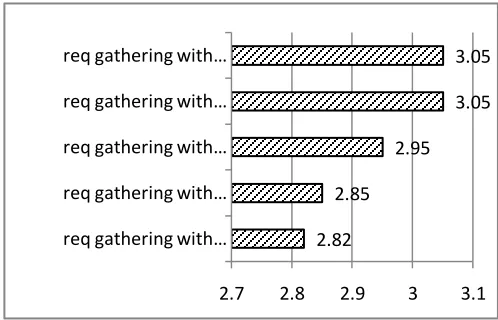
Fig. 2 Mean of requirement gathering methods
In Figure 2, “requirement gathering with tester” scored the highest followed by “… with client who will use the product”. “…receiver from developer” scored third. Receiver from developer is not necessarily the end user as they may be marketing department people who deal with the development team. The lowest score was “…with purchaser” followed by “…with manager of user”. The purchaser is the most powerful decision maker in a project. Manager of user could be the developer from the client’s organisation or other people in management. This result was in line with the stakeholders’ level of involvement during requirement analysis (Figure 1).In this study, testers were not necessarily users, but those who were available to represent the targeted user of the product. This could be the head of department, management staff or any available people who were willing to test the products. Goal formulation is among the most important factors when developing any application. The highest score for goal formulation was on functionality (mean=4.37).
2.312.72 3.263.72
3.823.85 4.12
0 1 2 3 4 5
sponsor deal with stakeholder deal with owner deal with project leader
2.82 2.85
2.95 3.05 3.05
2.7 2.8 2.9 3 3.1
[image:4.612.54.291.573.668.2]International Journal of Innovative Technology and Exploring Engineering (IJITEE) ISSN: 2278-3075, Volume-8 Issue-8S, June 2019
[image:5.612.317.564.49.212.2]This meant that many respondents agreed that the functionality of any system/application should be considered before proceeding to any other design goal.
Fig. 3 Respondents’ goal formulation
[image:5.612.56.288.94.219.2]Goal formulation in Figure 3 showed that the highest frequency of respondents selected functionality as the most important criterion to be fulfilled before following user preferences. Respondents do need safety or the sense of feeling secure when browsing the Internet. However, they disagreed with focusing the goal on the object or multimedia or information alone – it should be seen as a whole.
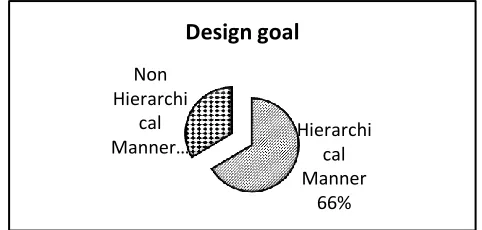
Fig. 4 Design goal based on hierarchical needs (Maslow’s Theory)
In Figure4, 66% of the respondents believed that design goals must be arranged in order of importance. A design hierarchy can be derived from Maslow’s Theory (Hancock, 2005), represented by the way a system must first be designed to be safe, functional and usable before it is designed to be pleasurable. 34% of the respondents believed that a design goal should not have any progression from bottom to top in order of importance. This meant that elements in a design were independent of each other. Therefore, designers or developers might play down some design needs and emphasise others, depending on the context of use (Khalid, 2006; Hashim et al., 2017). A general overview of the main obstacles or constraints encountered by software development organisations motivated to introduce usability evaluation in their development process include the developers’ mindset and resource demands for conducting a usability evaluation (Jakob et al., 2008).
Fig. 5 Constraints of UX practice
In Figure 5, respondents claimed that user testing would delay a project’s schedule and make it more expensive. The least significant constraints were related to time and difficulties in finding users. Normally the stakeholders are in compliance with the decision makers in a development project. Decision makers are the people at the top levels of the hierarchy in an organisation (Gulliksen et al., 1999).
IV. DISCUSSION OF FINDINGS
The objective of this study was to complement the previous study (Idyawati et al, 2019), which did not reach the appropriate targeted respondents. Despite the fact that most studies on HCI practitioners were conducted through surveys at annual conferences (Rosenbaum et al., 2002; Mao et al., 2005), this current study did not find this to be the case in Malaysian context (Idyawati et al., 2019).Out of 82 respondents, only 56 were able to answer the questions correctly, based on the ranking of the most important goals to be achieved in the development process. 26 respondents did not answer the questions according to any sequence or in an order such as 1 to 5. The answers were to be recorded in accordance with the nominal Likert scale. This necessitates further investigation. In this study, it is found that goal formulation in design follows a hierarchical order. This is in line with the Hancock Model (2005) which identifies that if security is not achieved then functionality cannot be accomplished. If neither security nor functionality is attained then usability cannot be reached. When security, functionality and usability are ignored, a pleasurable system can never be valid, failing to achieve customisability. Customisability is the ultimate user experience or hedonomics quality that has to be achieved in any design activities.
2.4 2.49
2.84 4.1
4.37
0 1 2 3 4 5
Information-Centered Multimedia-Centered No Need Safety User's Preferences Functionality
Hierarchi cal Manner
66% Non
Hierarchi cal Manner…
Design goal
2.82 3.07
3.12 3.39 3.41 3.5 3.51 3.53 3.54 3.6
0 1 2 3 4
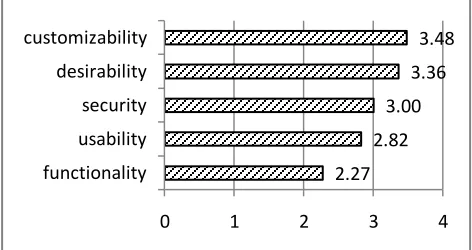
[image:5.612.52.293.331.446.2]Fig. 6 Ordinal ranks represented in a hierarchy
Figure 6 shows that in any development process, after achieving functionality, usability is the next most important step before security in a product. Following the hierarchical sequence, the result showed that usability is the first level criterion to be fulfilled before moving into the upper level. However, based on logical consequences and hedonomics theory that are rooted in Maslow’s theory, safety and/or security should be in the first level. This may be due to the context of use, which was not specified in this survey. For example, the database developer may think security is more important but for the designer of an informational website, security is not as important as usability. The empirical results suggest that those who have experienced HCI education are not necessarily practising UX. This is in line with Cognitive Dissonance Theory, which says that what you expect is not necessarily the same as what is present in the real world (Deci et al., 2011). The reason for this is unknown. Perhaps, when the freshly graduated employee offers new ideas, management does not care to implement them, which may kill the motivation to practise UX. Although in Malaysia, decisions are normally made at the top levels of the hierarchy, the online survey focused on entry-level IT professionals whose decision making is the least influential in the organisation. Therefore, even if the respondents think UX is important, following the organisational culture may be most important in practice.
In this study, the researchers improved the questionnaire and almost all comments derived from the previous study (Idyawati et al, 2019) were taken into consideration. The previous set of questionnaires was also revised and refined.
perceptions of respondents. This study revealed that the participants no longer lacked HCI knowledge but did lack practice in the real world. The current established formal development approach focused heavily on the waterfall model. Therefore, UCD did not play a prominent role in the current digital development process in Malaysia. The major problems were not in realising the importance of end-user involvement but in the inability to conduct evaluations with real users. Furthermore, usability test was confused with the user acceptance test. This term was perceived to be related to functionality (Bak et al., 2008). Since identical methods and research objectives derived from the literature review led to contradictory results, the lessons learnt from the preliminary studies (published and unpublished) affected the overall choice of methods. The first preliminary data result pointed to the lack of accuracy of survey in reaching the target group of practitioners (Idyawati et al, 2019). Although the literature points to findings concerning the most used UCD/UXD techniques in practice in other countries, the data in this research does not reflect real-world practice in Malaysia.
V. CONCLUSION
This study investigates the state of UXD practice among respondents who were recruited for the study by an online survey. The criterion for their selection was based on their formal training in HCI from Malaysian universities. The study revealed that these set of respondents were deficient in UXD practice. In addition, the limitation of this study was that a questionnaire-based survey or an online survey cannot reach to the correct study sample with the required experience in practice. This is a caveat for all surveys (Bygstad et al., 2008). Furthermore, Aykin and Gould (2009) found that Malaysian respondents in the survey method deliberately skewed scales, seeming to spoil surveys and skip questions. The previous study (Idyawati et al, 2019) involved a questionnaire survey and this study, an online survey with two different respondents, was solely based on previous literature (Ji & Yun, 2006; Ronggang et al., 2008; Vukelja et al., 2007). However, the set of respondents that was approached tended to be inappropriate. These respondents were new to the term UX, were not involved in the design and development process and lacked knowledge of UX and HCI in general. Hence, their responses were unlikely to be grounded in practical experience. Further studies would involve identifying the characteristics of the IT professionals who are involved in IT development process or have at least managed a project in a company.
2.27 2.82
3.00 3.36
3.48
0 1 2 3 4
functionality usability security desirability customizability
Customisability
Desirability
Security
Usability
International Journal of Innovative Technology and Exploring Engineering (IJITEE) ISSN: 2278-3075, Volume-8 Issue-8S, June 2019
REFERENCES
1. Ardito, C., Buono, P., Caivano, D. V., Costabile, M. F., & Lanzilotti, R. (2013). Investigating and promoting UX practice in industry: an experimental study. International Journal of Human-Computer studies. 2. Aykin, N., & Gould, E. (2009). Intercultural usability surveys: do people
always tell “The Truth”? Internationalization, Design and Global Development, 5623, Springer Berlin-Heidelberg, 254-258.
3. Bak, J. O., Nguyen, K., Risgaard, P., & Stage, J. (2008). Obstacles to usability evaluation in practice: a survey of software development organizations. Paper presented at the NordiHCI 2008, Lund, Sweden. 4. Bygstad, B., Ghinea, G., & Brevik, E. (2008). Software development
methods and usability: Perspectives from a survey in the software industry in Norway. Interacting with Computers, 20(3), 375-385. doi: 10.1016/j.intcom.2007.12.001
5. Deci, E., & Ryan, R. M. (2011). Self-determination theory. Handbook of theories of social psychology, 1, 416-433.
6. Gardner, H., Csikszentmihalyi, M., & Damon, W. (2001). Good work: When excellence and ethics meet. New York, USA: Basic Books. 7. Gulliksen, J., Lants, A., & Boivie, I. (1999). User centered design -
Problems and possibilities. A summary of the 1998 PDC & CSCW workshop, SIGCHI Bulletin, Seattle, USA, 2-31.
8. Hair, J. F. (2009). Multivariate data analysis: A global perspective (7th ed.): Upper Saddle River: Prentice Hall.
9. Hancock, P. A., Pepe, A. A., & Murphy, L. L. (2005). Hedonomics: the power of positive and pleasurable ergonomics. Ergonomics Design, 13(1), 8-14.
10. Hirsch, T. (2011). Productive tensions: approaching community technology design. Interactions: Experiences, People, Technology, XVIII.2.
11. Hashim N.L., Adamu R. (2017). Usability evaluation of mobile banking application interfaces. Journal of Engineering and Applied Sciences, Vol 12, Issue 21
12. Hussain, A., Abdullah,A., Husni, H., & Mkpojiogu, E.O.C. (2016). Interaction Design Principles for Edutainment Systems: Enhancing the Communication Skills of Children with Autism Spectrum Disorders. Rev. Tec. Ing. Univ. Zulia. 39(8), 45-50. doi: 10.21311/001.39.8.06
13. Hussain, A., Abd Razak, M.N.F., Mkpojiogu, E.O.C. & Hamdi, M.M.F. (2017). UX evaluation of a video streaming application with teenage users. Journal of Telecommunication, Electronic & Computer Engineering (JTEC), 9 (2-11), 129-131
14.Hussain, A., Isam, M., & Mkpojiogu, E.O.C. (2017). A UX assessment of a mobile recommender app for household electrical energy savings. Journal of Telecommunication, Electronic & Computer Engineering, 9 (2-11)
15. Hussain, A., Mkpojiogu, E.O.C., Musa, J., & Mortada, S. (2017). A user experience evaluation of amazon kindle mobile application. Proceedings of the 2nd International Conference on Applied Science and Technology
(ICAST’17), Kedah, Malaysia. AIP Conference Proceedings 1891 (1), 020060,
16. Hussain, A., Mkpojiogu, E.O.C., Musa, J., Mortada, S., & Yue, W.S. (2018). Mobile Experience Evaluation of an e-Reader App. Journal of Telecommunication, Electronic & Computer Engineering (JTEC), 10(1-10), 11-15.
17. Ibargoyen, A., Szostak, D., & Bojic, M. (2013). The elephant in the conference room: let's talk about experience terminology. Paper presented at the CHI 2013, Paris, France.
18. Idyawati, H., Hussain, A. & Mkpojiogu, E.O.C, (2019). The knowledge of human-computer interaction (hci) and user experience design (uxd) in malaysia: an analysis of the characteristics of an hci-focused conference 19. ISO9241-210. (2010). Ergonomics of human system interaction - Part
210: human-centered design for interactive systems. Switzerland: International Standardisation Organisation.
20. Jakob, O. B., Kim, N., Peter, R., & Jan, S. (2008). Obstacles to usability evaluation in practice: a survey of software development organisations. Paper presented at the Proceedings of the 5th Nordic conference on Human-computer interaction: building bridges, Lund, Sweden.
21. Karat, J., & Karat, C.-M. (2003). The evolution of user-centered focus in the human-computer interaction field. IBM Systems Journal, 42(4),
532-22. Khalid, H. M. (2006). Embracing diversity in user needs for affective design. Applied Ergonomics, 37, 409-418. doi: 10.1016/j.apergo.2006.04.005
23. McCarthy, J., & Wright, P. (2004). Technology as experience: Cambridge, MA: MIT Press.
24. Muller, M. J., & Carey, K. (2002). Design as a minority discipline in a software company: toward requirements for a community of practice. Paper presented at the Proceedings of the SIGCHI conference on Human factors in computing systems: Changing our world, changing ourselves, Minneapolis, Minnesota, USA.
25. Norman, D.A., & Draper, S.W. (1986). User-centred systems design. Hillsdale, NJ: Lawrence Erlbaum Assoc. Inc.
26. Orlikowski, W. J. (2002). Knowing in practice: Enacting a colective capability in distributed organizing. Organisation Science, 13(3), 249-273.
27. Packer-Muti, B. (2009). A review of Corbin and Strauss' basics of qualitative research: techniques and procedures for developing grounded theory. The Weekly Qualitative Report, 2(23), 140-143.
28. Ronggang, Z., Shengshan, H., Xiangang, Q., & Huang, J. (2008). A survey of user-centered design practice in China. IEEE International Conference on Systems, Man and Cybernetics, 2008.
29. Schon, D. A. (1999). The reflective practitioner: How professionals think in action: Ashgate Arena.
30. Sundbo, J., & Sorensen, F. (2013). Handbook on the Experience Economy: Edward Elgar Publishing.
31. Tessem, B. (2011). An empirical study of decision making, participation, and empowerment in Norwegian software development organisations. Paper presented at the LNBIP.
32. Vashist, R., McKay, J., & Marshall, P. (2011). Reflecting on use of practice theories to understand 'practices': A boundary practice perspective on work of business analysts. Paper presented at the International Workshop on Practice Research, Helsinki.
33. Venturi, G., Troost, J., & Jokela, T. (2006). People, organisations, and processes: An inquiry into the adoption of user-centered design in industry. International Journal of Human-Computer Interaction, 21(2), 219-238.
34. Vukelja, L., Muller, L., & Opwis, K. (2007). Are Engineers Condemned to Design? A Survey on Software Engineering and UI Design in Switzerland. Paper presented at the INTERACT 2007.