ABSTRACT
MOELLER, LISA ANNE. Evaluation of Fresh Pack Dill Pickle Chips in Pasteurizable Plastic Containers. (Under the direction of Dr. Roger F. McFeeters.)
The pickled vegetable industry has exclusively used glass jars for fresh pack
products that require a thermal process. Recent improvements in polyethylene
terephthalate (PET) containers may allow them to withstand temperatures and
holding times required for pasteurizing acidified foods. Previous studies on a variety
of processed food products packed in plastic have identified challenges such as
oxygen ingress, scalping and migration of compounds between the plastic and food
matrix. We hypothesize that there will be differences in the sensory characteristics
of acidified dill products pasteurized and stored in plastic versus similar product
packed in glass.
Dill chips packed in several types of plastic containers and glass jars were
evaluated by consumer panels, a trained descriptive sensory panel and analyzed for
volatile components by comprehensive two-dimensional gas chromatography-mass
spectrometry. Consumers (n=200) evaluated each product for overall liking on a
nine point hedonic scale. The descriptive analysis panelists (n=18) were trained for
23 hours to scale attributes of fresh pack dill pickle chips. Volatiles extracted by
solid phase microextraction were separated on a polar/less polar column
combination and tentatively identified by time-of-flight mass spectrometry. Analysis
of variance followed by hierarchial cluster analysis was used to discover the volatiles
that were significantly different between treatments.
Significant differences in liking were found for dill chips after seven months of
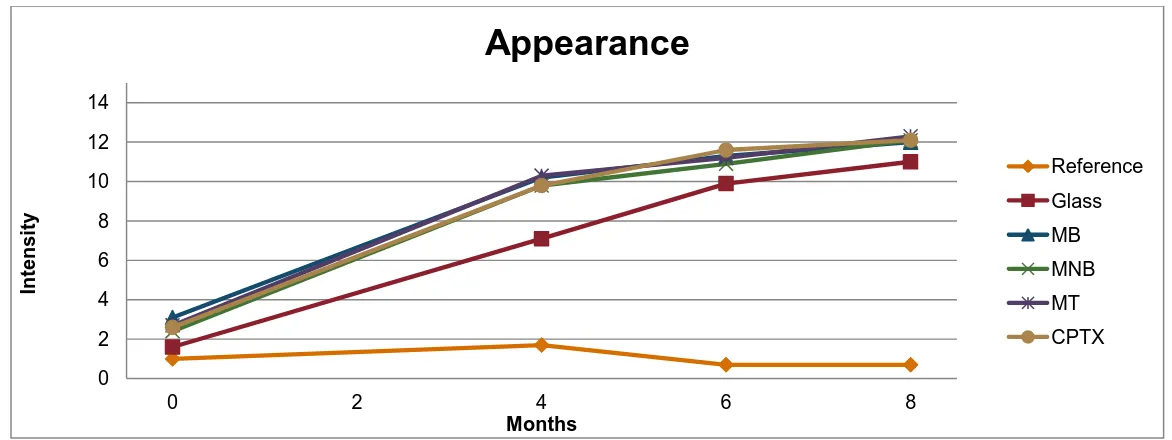
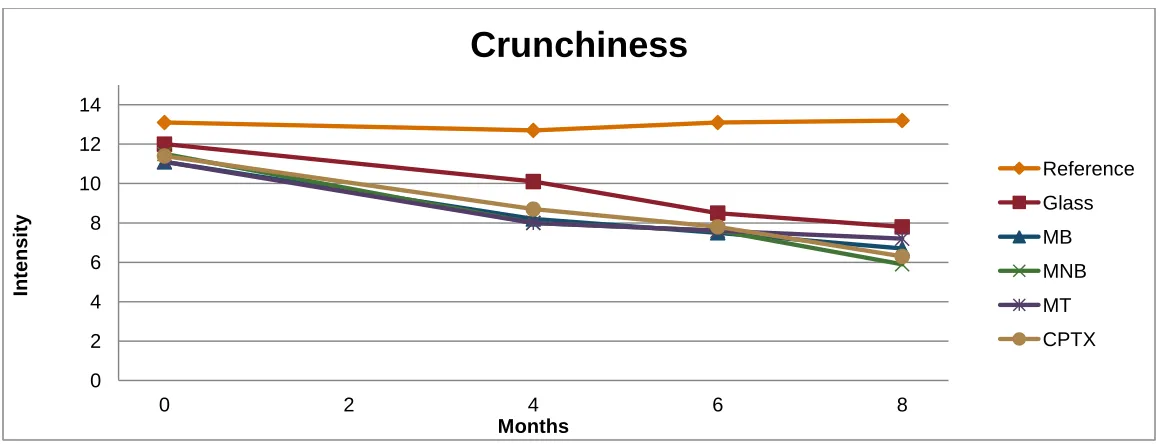
panels. Descriptive sensory analysis revealed differences in the product attributes
of appearance, cure, crunchiness, firmness, fresh, oxidized and total off flavors (P <
0.01). Over 500 volatile compounds were detected in the dill chip brines, 81 of
which were significantly different between the plastic and glass treatments (P <
0.001).
The results from this multidisciplinary approach showed the complex changes
that occurred due to changes in packaging materials and identified challenges that
need to be addressed to improve acceptability of pasteurized pickles packaged in
Evaluation of Fresh Pack Dill Pickle Chips in Pasteurizable Plastic Containers
by
Lisa Anne Moeller
A thesis submitted to the Graduate Faculty of North Carolina State University
in partial fulfillment of the requirements for the degree of
Master of Science
Food Science
Raleigh, North Carolina
2012
APPROVED BY:
_________________________ __________________________
Dr. K.P. Sandeep Dr. Van-Den Truong
___________________________
ii
DEDICATION
I humbly dedicate this to:
Kelly and Kyle for keeping me grounded.
My mom who will always be an inspiration even from the Heavens.
iii BIOGRAPHY
Lisa A. Moeller is the daughter of Robert and Elsie Moeller. She and her
brother and sister were born during the 1960’s in San Francisco, California. She
smiles when she thinks of her childhood; great parents, great places and a great
period in history.
After graduating from Serramonte High School she attended the University of
California at Davis. She received a degree in Agronomy in 1983 and went on to
complete a one year internship with the Dow Chemical Company’s Herbicide
Division in Walnut Creek, California.
The folks at Dow encouraged her to pursue a Master’s Degree at the end of
her wonderful year with them. But in her youthfulness she was more eager to get a
“job.” They gave her a beautiful send-off to Alaska and then to work with livestock in
the Midwest.
In 1988, her daughter Kelly was born and during this same year she began
work at Mount Olive Pickle Company in the Quality Control Department. Kyle, her
son, was born in 1992 and both were raised in the country outside of Mount Olive
along with their black labs, August and Scooter.
For the past 24 years she has been an employee of Mount Olive Pickle
Company. Her involvement has centered on quality and environmental interests. At
47 years old she pondered going back to school and finally decided the timing was
iv
only 70 miles from her home and the great rapport between the pickle industry and
the USDA-ARS and NCSU Food, Bioprocessing, and Nutrition Sciences
Department, the plan was put into motion.
Things that once seemed black and white, she now sees in shades of grey.
The journey of a Master’s Program has introduced her to people, ideas, and places
of great value. The word “balance” now has a fourth dimension and her outlook on
v
ACKNOWLEDGEMENTS
If people were bricks in a wall, there are several that would be cornerstones.
These folks have special gifts that can be seen from many angles. Through their
genuine talents and inspiration they have without reservation guided others through
the precious journey of learning and better understanding the world around us.
I was so fortunate to have had a “cornerstone” as a mentor for my project.
Dr. Roger McFeeters could have not been more professional, inspirational, patient or
helpful in supporting my interests. His career has been a monumental asset to the
entire pickle industry and his willingness to give me freedom to explore many facets
of the food science industry will always be greatly appreciated.
I am very grateful to have been able to work for a number of years under the
direction of Doug Brock, Vice President of Operations. He is one of the rare
individuals I’ve met in my lifetime with 20:20 foresight. He has been a “cornerstone”
to not only my career, but to many at Mount Olive Pickle Company.
I was assigned to be a teacher’s assistant for Dr. Thomas J. Hoban IV during
my second year in graduate school. The class was entitled “Food in a Global
Society.” Dr. Hoban has one of the brightest spirits and minds. He has taught me
“happiness” and I will always be grateful for his kind words and encouragement. He
is a genuine “cornerstone” in my life.
With deepest appreciation I would also like to acknowledge the Mount Olive
Pickle Company Taste Panelists who were all so devoted to the project,
vi
valuable insight to the project, Dr. Suzanne Johanningsmeier for her dedication to
the adaptation of new state of the art equipment and ideas for the entire Food
Science Department, Michael Wurster for all his efforts in creating pasteurizable
plastic pickle bottles, Janet Turner for allowing me to attend classes, Crayton F.
Garrell for allowing me to use the Fountain Dining Hall for consumer panel tastings
and all the folks in Schaub Hall whom I’ve had the pleasure of getting to know the
past several years, -especially Seth, Dr. Ilenys Muñiz Pérez-Díaz, Dr. Fred Breidt,
vii
TABLE OF CONTENTS
LIST OF TABLES ... ix
LIST OF FIGURES ... x
CHAPTER 1: LITERATURE REVIEW ... 1
Introduction – Objective ... 2
Food Preservation History ... 4
Pickle Categories ... 6
Pasteurization ... 7
Packaging ... 9
Migration ... 13
Scalping ... 15
Permeation ... 17
Active Packaging ... 18
Turmeric ... 20
Sensory Evaluation ... 21
Volatiles Analysis Using Gas Chromatography-Mass Spectrometry ... 27
REFERENCES ... 32
CHAPTER 2: IMPACTS OF PACKAGING ON FRESH PACK DILL PICKLE CHIP QUALITY AS MEASURED BY CONSUMER AND TRAINED DESCRIPTIVE ANALYSIS PANELS ... 44
2.1 Abstract ... 45
2.2 Introduction ... 46
2.3 Materials and Methods ... 47
2.3.1 Preparation of Cucumbers ... 47
2.3.2 Preparation of Cover Brine ... 48
2.3.3 Selection of Packaging Materials ... 48
2.3.4 Packing and Pasteurization ... 49
2.3.5 Storage Conditions... 50
viii
2.4.1 Consumer Panel Selection and Data Collection9 ... 51
2.4.2 Consumer Panel Statistical Analysis of Data ... 51
2.5 Trained Panel Selection and Data Collection ... 52
2.5.1 Panelist Selection (n=18) ... 52
2.5.2 Panelist Training ... 52
2.5.3 Descriptive Sensory Analysis Panel Testing ... 53
2.5.4 Trained Descriptive Analysis Panel Analysis of Data ... 54
2.6 Results and Discussion ... 55
2.6.1 Evaluation of Fresh-Pack Pasteurized Dill Chips by Consumer Panels .... 55
2.6.2 Evaluation of Fresh Pack Pasteurized Dill Chips by a Trained Descriptive Analysis Panel ... 58
2.7 Conclusions ... 63
REFERENCES ... 65
CHAPTER 3: VOLATILE ANALYSIS OF FRESH PACK DILL CHIPS IN PLASTIC AND GLASS CONTAINERS USING TWO-DIMENSIONAL GAS CHROMATOGRAPHY WITH TIME-OF-FLIGHT MASS SPECTROMETRY ... 93
3.1 Abstract ... 94
3.2 Introduction ... 95
3.3 Materials and Methods ... 98
3.3.1 Sample Preparation ... 98
3.3.2 Data Analysis ... 101
3.4 Results and Discussion ... 102
3.5 Conclusions ... 106
REFERENCES ... 125
CHAPTER 4: FUTURE STUDIES... 129
ix
LIST OF TABLES
Table 1. Oxygen permeability of three common plastic packaging
materials ... 43
Table 2. Cover Solution Formulas for Dill Chips ... 75
Table 3. Experimental Treatments ... 76
Table 4. Data set variables. ... 77
Table 5. One-way Analysis of Variance of Consumer Liking Scores for Dill Chips Packaged in Glass or Pasteurizable Plastic Containers ... 78
Table 6. Data processing parameters for GC x GC ToFMS analysis ... 109
Table 7. Identification of compounds higher in CPTX containers ... 110
Table 8. Identification of compounds higher in PET containers ... 112
Table 9. Identification of compounds higher in glass containers ... 114
Table 10. Identification of compounds lower in CPTX containers... 117
Table 11. Comparison of treatments by the number of compounds in each chemical class and group ... 119
Table 12. Comparison of compounds higher in CPTX containers ... 120
Table 13. Comparison of compounds higher in PET containers... 121
Table 14. Comparison of compounds higher in glass containers ... 122
x
LIST OF FIGURES
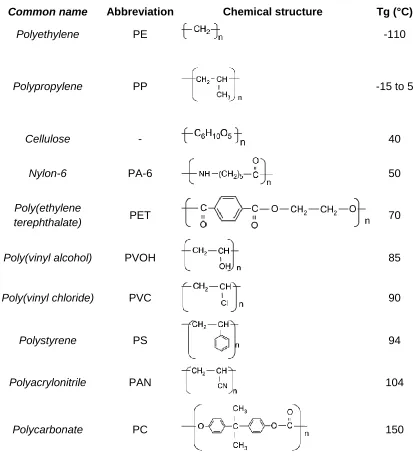
Figure 1. Chemical structure of food packaging polymers and glass
transition temperature (Tg) in dry conditions. ... 40
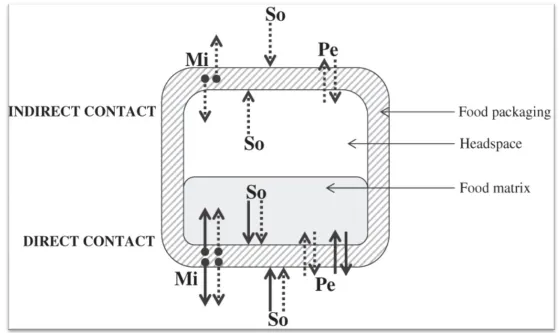
Figure 2. Different types of physiochemical behaviors, namely migration (Mi), absorption (So), and permeation (Pe) between a food matrix, its environment, and packaging both under conditions of direct and indirect contact. ... 41
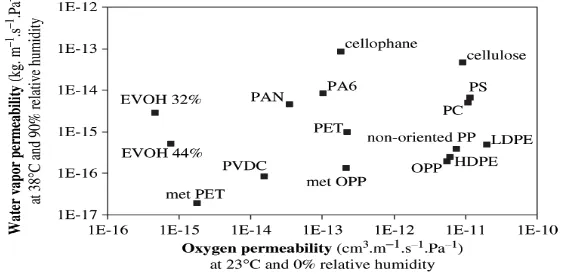
Figure 3. Oxygen permeability versus water permeability for a variety of polymeric systems. ... 42
Figure 4. Consumer Panel Evaluation Form. ... 67
Figure 5. Informed Consent Form for Research. ... 68
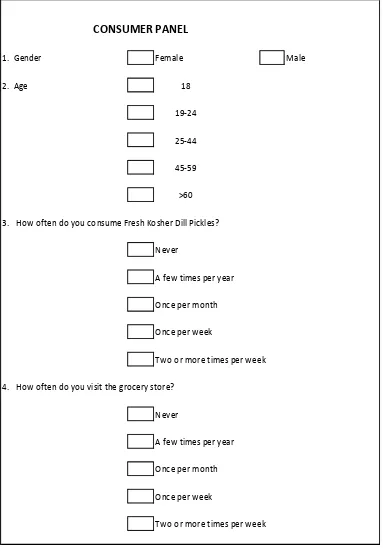
Figure 6. Brief Consumer Survey ... 69
Figure 7. Solutions for training descriptive analysis panel ... 70
Figure 8. Cure Diagram. (Percentage Cure for Fresh Pack Chips) ... 71
Figure 9. Trained descriptive analysis panel worksheet with “R” over intensities assigned for the reference samples. ... 72
Figure 10. Comparison of Consumer “Liking Scores” by Lot ... 73
Figure 11. Comparison of Consumer “Liking Scores” by Gender ... 73
Figure 12. Comparison of Consumer “Liking Scores” by Age Groups ... 73
Figure 13. Comparison of Consumer “Liking Scores” by Consumption ... 74
Figure 14. Comparison of Consumer “Liking Scores” by Shopping Frequency ... 74
xi
Figure 16. Difference in the intensity for the attribute “astringency” of fresh pack dill chips stored in glass and pasteurizable plastic
containers at 0, 4, 6 and 8 months. ... 80
Figure 17. Difference in intensity for the attribute “bitter” of fresh pack dill
chips stored in glass and pasteurizable plastic containers at
0, 4, 6 and 8 months. ... 81
Figure 18. Difference in the crunchiness of fresh pack dill chips stored In glass and pasteurizable plastic containers at 0, 4, 6
and 8 months. ... 82
Figure 19. Difference in the degree of curing of fresh pack dill chips stored in glass and pasteurizable plastic containers at 0, 4, 6
and 8 months. ... 83
Figure 20. Difference in the firmness of fresh pack dill chips stored in glass and pasteurizable plastic containers at 0, 4, 6 and 8 months. ... 84
Figure 21. Difference in the intensity for the attribute “fresh” of fresh pack dill chips stored in glass and pasteurizable plastic containers at 0, 4, 6 and 8 months. ... 85
Figure 22. Difference in the intensity for the attribute “off-flavor” of fresh pack dill chips stored in glass and pasteurizable plastic containers at 0, 4, 6 and 8 months. ... 86
Figure 23. Difference in the intensity for the attribute “oxidized” of fresh pack dill chips stored in glass and pasteurizable plastic
containers at 0, 4, 6 and 8 months. ... 87
Figure 24. Difference in the intensity for the attribute “polish dill” of fresh pack dill chips stored in glass and pasteurizable plastic
containers at 0, 4, 6 and 8 months. ... 88
Figure 25. Difference in the intensity for the attribute “salty” of fresh pack dill chips stored in glass and pasteurizable plastic containers at
0, 4, 6 and 8 months. ... 89
Figure 26. Difference in the intensity for the attribute “sour” of fresh pack dill chips stored in glass and pasteurizable plastic containers at
xii
Figure 27. Difference in the intensity for the attribute “sweet” of fresh pack dill chips stored in glass and pasteurizable plastic containers at 0, 4, 6 and 8 months. ... 91
1
2 Introduction – Objective
Global markets, competition among food processors, and high consumer
expectations are forcing companies to explore ways to improve not only their
products, but their packaging and images as well. Modern technology allows many
foods traditionally packaged in glass to be packaged in plastic. Unique challenges
are posed to food companies because of environmental and health regulations, as
well as the short shelf life of some items. Changes in packaging can affect
production, transportation costs and efficiencies, waste generated and final product
quality. Sensory characteristics of these products can be measured and used to
describe changes in product quality that may occur.
Innovation is a process that creates and delivers additional value in the
marketplace. Development of new products and processes represents an expensive
and time-consuming investment. However it can create success when both
consumers and the products are well understood (Hoban 1998). This requires a
commitment to evaluating the entire supply chain, the values sought in the market,
and changes in technology. It is increasingly important to develop internal teamwork
and external partnerships as technology and markets get more complex. This is true
of the entire food industry; and the pickle industry in particular.
Fermented pickles have been consumed around the world for thousands of
years. Fresh pack pickles were introduced in the 1940’s and now dominates the
3
process has been packed solely in hermetically sealed glass containers. The
traditional glass containers are made of inorganic materials that act as a complete
barrier to the environment and impart no flavors to the finished product.
There has been a gradual shift from glass containers to plastic jars and
flexible plastic pouches for pickled vegetable products that do not require a
pasteurization process. In addition, manufacturers of plastic containers have been
partnering with pickle processors over the past ten years to develop containers that
are suitable for pasteurized products. This has resulted in the availability of
prototype containers that can survive the thermal process, but which have not yet
been used commercially.
Plastic pickle packaging is more complex than glass, in part because plastics
are organic materials. They often contain multiple components that may be
arranged in layers to form the final container. Unlike glass, plastic containers and
lids are likely to have at least a limited level of oxygen permeability. This could be
detrimental to the quality of pickled vegetables, which are known to be susceptible to
oxidation (Cleary and McFeeters 2006) and reduce the shelf life of products. In
addition to oxidation, quality changes could occur as a result of: migration of
components from the container into the product, absorption of flavor components
from the product into plastic materials, or even migration of components outside of a
container.
Volatile compounds may cause off-flavors at levels below one part per billion.
4
study was to compare changes in the sensory characteristics of fresh pack dill
pickles pasteurized and stored in prototype pasteurizable plastic jars to fresh pack
dill pickles pasteurized in traditional glass jars.
The experimental approach was to systematically evaluate the differences and
similarities among packaging alternatives using:
1. Consumer panels (untrained) to evaluate the acceptability of products in
plastic containers compared to glass containers,
2. A descriptive analysis sensory panel (trained) to quantify appearance, texture and flavor attributes, and
3. Two-dimensional gas chromatography time-of-flight mass spectrometry to
identify differences in the volatile component profiles of fresh pack dill pickles
in pasteurizable plastic containers compared to glass.
Food Preservation History
In 2012, each of us will be sharing the planet with almost seven billion other
people. Humans have inhabited the earth as a species for over 200,000 years. For
most of this period our existence was inconspicuous. High mortality due to frequent
food shortages kept our numbers in check. Until humans learned to domesticate
animals and cultivate crops their diets were quite limited. Agriculture allowed for the
production of surplus food, which then needed to be preserved. Development of
preservation methods allowed for a longer storage life of this surplus. Dehydration,
5
Cucumbers were first pickled 4500 years ago in Mesopotamia (Cothran
2009). Since this time the art of producing fermented pickles has been evolving.
The process was not well understood, but recipes were developed for a shelf-stable
and edible end product. Cucumbers were held in salt brine, while naturally occurring
bacteria initiated fermentation. The pH of the fermenting cucumbers was lowered by
the bacteria as they produced acids. This reduced pH helped prevent spoilage or
the growth of pathogenic bacteria (Breidt et al., 2007; Hutkins 2006). Fermented
cucumber products could be packed with different spices but the end product was
very different from that of a fresh cucumber. Fermented cucumbers were stored in
wooden barrels or earthen vessels.
Nicolas Appert, a confectioner and chef in Paris during the late 18th century experimented with ways to preserve vegetables, meats and dairy products. He
placed food in glass jars, sealed them with wax and cork, and then boiled the
package. He cooked the containers far in excess of what is used for pasteurization,
changing the flavor of the finished product, but preserving the food with a thermal
process.
In 1810, Peter Durand patented his method of preservation of food in a
sealed container. He used soldered tin cans and created the beginning of the
canning industry. In the mid 1800’s the glass Mason jar, which could be hermetically
sealed, was patented. This allowed for a wide variety of foods to be preserved for
extended periods of time by heating the sealed containers to kill spoilage
6
in a vinegar brine and heat treated to prevent spoilage starting in the 1940’s (Fuller
et al., 1983).
Pickle Categories
The term “pickle” can refer to a variety of food items preserved in a brine or
vinegar solution. There are three main types of cucumber pickles sold in the United
States. They are characterized by the process used to convert green cucumbers to
pickles. In the United States, cucumber pickles are prepared by fermentation,
acidification and refrigeration:
1. Fermented foods are low-acid foods subjected to the action of acid-producing
microorganism to reduce the pH of the food to 4.6 or below.
2. Acidified foods are low acid foods to which acid(s) or acid food(s) are added.
They have a water activity greater than 0.85 and have a finished equilibrium
pH of 4.6 or below (United States Code of Regulations, 2006).
3. Refrigeration is a preservation process in which food is cooled and
maintained at a cold temperature. Generally, refrigerated pickle products are
maintained at a pH of 4.0 to 4.6 and stored at a temperature below 4oC.
Pickled cucumbers are sold, consumed, and eaten in a variety of ways.
Commercial processors can pack for either an institutional or the retail market.
7
pickles. Fermented cucumber stock accounts for less than 37% of the market share
and is mostly converted to hamburger dill chips, salad cubes and relishes.
Fermentation enables use of excess cucumbers during peak seasons, as well as
reducing loss of fresh stock by fermenting pieces from cut cucumbers that are not
useable as spears or chips.
Refrigerated cucumber pickles receive no thermal process (Hutkins 2006).
They have gained popularity over the past few decades and now account for close
to 25% of the market share (Reina et al., 2005). They are typically acidified with
0.4% to 0.6% acetic acid from the addition of vinegar and contain 0.1% sodium
benzoate to inhibit growth of spoilage microorganisms (Reina et al., 2005). The lack
of heat processing and cold storage helps to maintain a crisp texture and fresh
appearance similar to fresh cucumbers but they tend to have a short shelf life of
about three months.
Pasteurized fresh pack pickled cucumber products constitute about 40% of
the pickled cucumber market. There has been a continued trend in the past forty
years toward higher sales of fresh pack pickled cucumbers (Mount Olive Pickle
Company Sales Reports, 2010). The product can be packed quickly, handled once
compared with several times for the fermented product, and is shelf stable for 18
months or longer.
Pasteurization
8
cucumbers was first described by Etchells and Jones (1942). Esselen and others
(1951) determined heating times and temperatures required to prevent spoilage of
pasteurized pickles in both laboratory and commercial packs. Later, a detailed
evaluation of processing variables including temperatures, acid levels, and product
pack-out ratios under commercial processing conditions was under taken (Monroe et
al., 1969). This study was the basis for the standard recommended pasteurization
process for fresh pack pickles of heating the product to 74o C at the coldest point in
the glass jar and holding it at this temperature for 15 minutes.
The pasteurization step results in shelf stable products by killing the major
spoilage microorganisms, lactic acid bacteria and yeasts, as well as by inactivating
enzymes that may contribute to fruit softening (Breidt et al., 2010). The thermal
treatment also kills vegetative pathogens such as Listeria, Salmonella, or
hemorrhagic E. coli that may be present on fresh product (Breidt et al., 2005). If pasteurization temperatures are too high or continued too long, it can potentially lead
to development of an undesirable translucent appearance of the cucumber tissue
that is referred to as curing (Mok 1992).
The container used for the pasteurization process should be able to keep its
shape as the internal pressure increases during heating and then becomes lower
than the outside pressure after cooling. The temperatures that the containers are
subjected to are high enough to melt some plastics to the point that they deform. In
some cases, the plastic expands as the pressure in the container increases and then
9
that can greatly affect the appearance.
Additionally, there is a considerable difference in the thermal conductivity of
glass versus plastic. Thermal conductivity measures the ability of a material to
conduct heat and defines thermal insulation characteristics. Plastic is a better
insulator than glass. Therefore, it takes more energy to heat pickled products to a
pasteurization temperature in plastic containers than in glass containers.
Packaging
One of society’s main goals is to satisfy their populations demand for basic
necessities, such as food and water. In today’s world most food is consumed at a
distance in time and space from its point of production (Drury-Brun et al., 2007).
This requires suitable packaging. Arvanitoyannis (2001) estimated that 50 percent
of all packaging is used by the food industry. Food packaging regulation in the
United States began with the passage of the Food Amendment of 1958 (Food
Additives Amendment, 1958). This amendment to the Federal Food, Drug and
Cosmetic Act of 1938 provided the first specific regulations for food additives
(Heckman 2005). With the passage of the 1958 amendment the manufacturer
became responsible for assuring safety.
The main function of food packaging is to maintain the quality and safety of
products during storage (Sensodini et al., 2004; Willige et al., 2002). Food packages
can also serve the important functions of maintaining the sensory attributes, adding
10
2001). Packaging foods is a challenging task because foods are complex and
diverse. The appearance, texture, aroma and flavor of foods are all important to
making their consumption a pleasing experience. These four categories tend to be
impacted by the processing and packaging alternatives employed.
Since the development of the commercial pasteurization process, almost all
pasteurized pickles have been packaged in glass containers which do not react
chemically with food components. Glass is an amorphous solid material that
provides a complete barrier to gases. The glass used in the manufacturing of the
pickle jars contains 10% cullet, 68% sand, 12% soda ash, and 10% limestone
(Verallia Corp., 2010).
In a short period of time, plastics have become a major part of modern life in
America and globally. It is estimated that 80% of the average diet in the United
States comes in contact with polymeric packaging (Ackerman et al., 2009). The
word “plastic” has become a common term for a range of organic materials suitable
for industrial products. Many familiar plastics (e.g., nylon, Styrofoam, Teflon, and
PVC) were developed in the 1930’s. Plastic bottles were first used commercially in
1947, but didn’t become main stream until the 1960’s. Their popularity was driven
by their light weight, improved safety, and lower production costs compared to glass.
Plastics are polymers of high molecular weight. They can be classified by the
chemical structure of the polymer and by their glass transition temperature (Tg).
Figure 1 shows the chemical structure of the main food polymer packaging materials
11
determines the flexibility of the polymer molecules. Below the glass transition
temperature the plastic is glassy and stiff, while above the glass transition
temperature it is in the “rubbery” state (Sajilata et al., 2007).
Unlike glass, which is an absolute barrier to oxygen and non-reactive with
foods, polymeric packaging materials generally have some permeability to gases,
including oxygen, and they can interact with food components. Interactions may
include migration of food components into the plastic container, migration of
components from the container into the food product, or chemical reactions within
the containers. Understanding the unique chemical make-up of the different plastics
can help predict which interactions might define success or failure with various food
products (Nielsen et al., 1994).
Polyethylene terephthalate (PET) is a thermoplastic polymer resin of the
polyester family. It consists of polymerized units of the monomer ethylene
terephthalate with repeating C10H8O4 units. It is commonly recycled and has the
number “1” as its recycling symbol. Because of its ability to contain carbon dioxide it
is ideal for use with carbonated soft drinks. PET has been approved as safe by the
U. S. Food and Drug Administration (FDA).
In addition to the organic polymers that constitute the bulk of the package
material, containers may contain other substances to improve performance in some
way or reduce costs. Additives can be incorporated into the plastic for
shatter-resistance, clarity, longevity, color, grease-shatter-resistance, heat stability, ink-fastness, or
12
oxygen and photo-quenching compounds) are often integrated into the polymeric
systems. The additives and related products are subject to frequent changes
(Ackerman et al., 2009).
Oxygen scavenger technologies use iron oxidation, ascorbic acid oxidation,
photosensitive dye oxidation and unsaturated fatty acids to help minimize quality
changes of foods in plastic packages. Table 1 shows oxygen permeability of three
widely tested packaging materials for food products.
Dury-Brun et al. (2007) defined three food product/package interactions that
need to be controlled in order to have a successful package. Figure 2 depicts these
different physiochemical behaviors:
1. Migration: Movement of volatile and non-volatile compounds from the packaging material to the food. Compounds include plastic polymerization monomers or
stabilizers.
2. Scalping: Movement of compounds from the food or environment into the packaging. Movement depends on the interface:solid to solid, liquid to solid, or
gas to solid. These interactions can involve diffusion or binding.
3. Permeation: Movement of volatile compounds (flavor compounds, air components, water vapor, etc.) from the food and its headspace to the
environment; or movement of compounds after packaging from the environment
13 Migration
The term “migration” is used to describe the process of mass transfer of a
compound from a package into the food. Migration of plastic packaging compounds
into foods is related to diffusion (Figge and Freytag 1984). When comparing food
contamination, migration from packaging materials exceeds all other sources by a
factor of 100 to 1,000 times (Grob et al., 2006).
PET is a condensation polymer derived from terephthalic acid and ethylene
glycol. PET is itself biologically inert if ingested (PETRA 2011). However to make
plastics more useful for specific functions, low molecular weight additives are used
to color, increase flexibility, thermal stability, clarity, or reduce static charges.
Migration of these plastic additives into food products during processing or storage
can be undesirable due to health or environmental issues.
Additives react differently depending on the type of polymeric system and
conditions of use. As different plastic formulations have been developed to provide
improved package performance the range of chemicals used has increased
(Arvantoyannis et al., 2004). Priority-based Assessment of Food Additives (PAFA)
contains information on over 3000 substances mentioned in Title 21 of the U.S.
Code of Federal Regulations (21CFR) Parts 175, 176, 177, and 178. These parts of 21CFR deal with what are known as "indirect" food additives. These are substances
that may come into contact with food as part of the packaging system, but are not
intended to be added directly to food. Section 409 of the Food, Drug and Cosmetic
14
use as a component of material used in manufacturing, packing, packaging,
transporting or storage, but are not intended to have any technical effect in such
food.” There are a number of chemicals of concern in the manufacturing of PET.
Antimony, acetaldehyde and phthalates are just a few that have been researched in
the past several years.
Antimony is widely used as a catalyst in the forming of PET containers (Pang
et al., 2006). The resin typically contains concentrations of 100,000-300,000 ppb
antimony. Shotyk and Krachler (2007) measured antimony levels in 132 brands of
water in 28 countries and found levels as high as 2 ppb. They surmised the levels
were dependent on the time and temperature water was stored in the bottles. The
United States Environmental Protection Agency (US EPA) has established a
maximum contaminant level (MCL) of 6 ppb for antimony. Choe et al. (2003) found
that antimony chloride had estrogenic activity in two different in vitro assays (Sax 2010).
When PET degrades, one of the end products is acetaldehyde. When
acetaldehyde is formed as a by-product in the production of a plastic container some
of it remains in the wall of the container. The presence of 10-20 ppb acetaldehyde
can modify the organoleptic properties and if present in high enough concentrations
cause health problems (Guart et al., 2011). Acetaldehyde is a known carcinogen.
Mutsuaga et al. (2006) investigated the migration of acetaldehyde into mineral water
in PET bottles and found it was present in commercial products in Japan, Europe
15
Phthalates are by-products of the polymerization reaction. They are added to
improve flexibility (Guart et al., 2011). They have endocrine disruptor activity and
may leach into the food. Sax (2010) reports evidence that phthalates have been
found to leach from water bottles made of PET. Levels are affected by temperature,
storage time and the food matrix in the container. When vinegar is added to the
containers and the pH is lowered the phthalate levels in the food usually rise (Sax
2010). Ingesting several servings of a salad dressing held in a warm warehouse
may result in a dose of di (2-ethylhexyl) phthalate (DEHP) that exceeds the U.S.
EPA reference dose of 20 micrograms per kilogram per day (Sax 2010).
Recently phthalates have become more of a concern environmentally (Cao
2008). Addressing the problem of limiting certain compounds from the degradation
of the polymers into the environment becomes complicated when you consider that
since 2008, 27 percent of PET bottles already in circulation were recycled. These
containers come from a wide variety of sources. If bottles intended for food use
were recycled from shampoo bottles they might contribute high concentrations of
phthalates (Sathyanarayana 2008). New regulations in the United States require the
recycling of plastic bottles, so there has been much research in understanding the
risks (Dole et al., 2006).
Scalping
Whereas, migration involves the movement of compounds from the
16
constituents into the packaging material. Two mechanisms contribute to a loss of
sensory attributes during long term storage: the food degradation process and the
absorption process (Ducruet et al., 2007). Absorption is related to the partitioning
and diffusion of chemicals (Sajilata et al., 2007) which is determined by
environmental factors, such as temperature and concentration and physiochemical
properties of the food components, such as molecular weight, structure, polarity and
hydrophobicity. Highly branched molecules tend to absorb more than linear
molecules. The solubility of esters, aldehydes and benzoate increases three times
for every added methylene group (Dury-Brun et al., 2007).
Results from sorption studies show scalping can be explained by enthalpy
and entropic effects (Willige et al., 2002). It is observed that flavor absorption by
polycarbonate (PC), PET, and polyethylene naphthalate (PEN) is much less than the
polyfilms, linear low-density polyethylene (LLDPE), and oriented polypropylene
(OPP). However experiments by Willige et al. (2002) show that storage temperature
does not influence the amount of absorption onto the rubbery polymers, but does
affect the rate and quantity of absorption onto glassy polymers like PET.
Scalping of flavors can cause decreased consumer acceptance of a product
based on either loss of flavor intensity or the development of an unbalanced profile.
For example, the loss of limonene from orange juice in low density polyethylene
(LDPE) containers has been shown to both reduce flavor intensity and impart an
unbalanced flavor to the final product (Nielsen et al., 1994). In contrast, Berlinet et
17
five months was comparable between glass and PET. Their results suggest losses
were attributable to high acidity of the matrix and not specifically dependent on
container type.
Widen et al. (2004) studied how compounds added to food such as
benzaldehyde, limonene, anethole, and benzophenone react when present in
multilayer containers. They stressed the importance of layer thicknesses, storage
conditions, temperature affects, and concentration of the food on these reactions.
Scalping can have a detrimental effect on the integrity of the package as well
as on product quality (Arvantoyannis et al., 2004). The absorption of fats or organic
acids by the food contact layer can cause delaminating of layered packages. T. M.
Hensley at Michigan State in 1991 studied chemicals found in food systems that had
the potential to act as plasticizers, causing plastic polymers to swell (Nielsen and
Jägerstad 1994). Widen et al. (2004) also examined the bottle shrinkage that occurs
when PET is exposed to high temperatures. Increased polymer chain mobility
occurs at the glass transition temperature. It was determined that 1.5 liter bottles
shrunk by approximately 50 ml when held at 40o C.
Permeation
The third physiochemical interaction Dury-Brun referred to as permeation.
Permeation is the movement of volatile flavor compounds, water vapor, oxygen,
nitrogen, carbon dioxide, etc. from the food to the environment or from the
18
reasons to consider packaging that may not provide a complete barrier to certain
compounds. Besides cost, availability, aesthetics and safety, the choices may
involve convenience and familiarity (Ayhan et al., 2001).
The unique properties of the product and package influence food interactions,
as do storage conditions such as temperature, humidity and light intensity (Nielson
et al., 1994). Oxygen ingress is a concern for pickled vegetable products. Oxygen
can be a major detriment to shelf life. It can contribute to oxidation of lipids and is
necessary for the growth of some spoilage microorganisms (Maloba et al., 1996).
Figure 3 depicts oxygen permeability versus water permeability for a variety of
polymeric systems. Packaging material selection as well as processing influence
the quality of foods during storage due to permeation of compounds especially
oxygen that affect color, nutrients, and the degradation of flavor components.
Active Packaging
Some plastic packaging materials for food can be layered, coated or formed
as a composite of compounds in an attempt to prolong shelf life and preserve
quality. The resulting material is known as “active packaging.” The aim of active
packaging is to modify the atmosphere inside the package or slow down natural
reactions such as oxidation and microbial growth (Lopez-Cervantes et al., 2003).
Active packaging techniques are concerned with absorbing oxygen, ethylene,
moisture, carbon dioxide or releasing carbon dioxide, antimicrobial agents,
19
oxidation (Vermeiren et al., 1999). The active packaging agents used to absorb
oxygen are readily oxidizable chemicals. The synthetic compounds such as
butylated hydroxytoluene (BHT) and butylated hydroxyanisole (BHA) have been
replaced to a large extent with iron, ascorbic acid and their salts as well as enzymes
such as glucose oxidase (Lopez-Cervantes et al., 2003). The behavior of the
tocopherols (vitamin E), carotenoids, and polyphenols (such as carvacrol) are being
studied in different polymeric systems with different food products and storage
conditions to assess their advantages and disadvantages as packaging additives
(Peltzer et al., 2009).
Peltzer et al. (2009) investigated the use of carvacrol (found in oregano) as
an agent for active packaging in plastic containers. Carvacrol is a natural extract
with both antioxidant and antimicrobial properties. It migrates from packaging into
both oil and aqueous solutions. The main drawback is its organoleptic alteration of
the foodstuff. Interestingly, this oil’s migration into the product is desirable. In fact,
controlled migration would have value in terms of quality and safety.
Thirteen month evaluations of extra virgin olive oil stored in PET showed
improved quality characteristics when an oxygen scavenger was incorporated into
the plastic matrix (Ceechi et al., 2009). Antioxidants such as iron salts can be
incorporated into some polymeric systems and have been shown to slow down the
degradation of ascorbic acid better than glass containers under the same conditions
(Baiano et al., 2004).
20
mayonnaise. For polymeric packaging systems, oxygen scavenger technologies
utilizing iron powder oxidation have proven to be effective in improving shelf-life
(Sensodini, et al., 2004). With some oxygen scavenging systems the rate of oxygen
absorption is slow. Some of the iron based scavenging systems take as much as
four days to reduce the oxygen to less than 100 ppm (Maloba et al., 1996). Eosin
and naturally occurring curcumin have been evaluated using sunflower oil in an
attempt to reduce the time required for oxygen scavenging.
Graham Packaging (York, PA) has developed a plastic container called
CPTX-312. CPTX-312 is a passive and active barrier package made of multilayer
PET that was developed to block carbon dioxide and scavenge oxygen. This
package is intended to extend the shelf life of oxygen sensitive food and beverage
products, such as catsup (Hartman 2003). CPTX-312 has a layer of Nylon MXD6
(poly-m-xylylenediamene) which contains 50-2000 ppm cobalt as an oxidation
catalyst to increase the rate of oxygen scavenging and minimize oxygen permeation
into the container (Patel 1992).
Turmeric
Oxygen absorbing package systems can provide options that are often
economically viable in reducing packaging costs (Ozedemir et al., 2004). Another
option can be the addition of antioxidant ingredients to products to prevent
detrimental changes in food products caused by the reactions of oxygen with food
21
products. Turmeric oleoresin (8.5% cucurmin in polysorbate 80) was the main
colorant used in pickle products for a number of years. However, the stability of the
pigment is adversely affected by exposure to light. As a result tartrazine (FD&C
Yellow #5) has replaced turmeric as the more common colorant in pickled vegetable
products (Buescher et al., 1990). Recent research (Cleary and McFeeters 2006)
has shown that the addition of turmeric inhibited formation of aldehydes in dill pickles
exposed to oxygen that are typically associated with the formation of oxidative
off-flavors in foods.
Sensory Evaluation
Pasteurized pickles are a complex product. Cucumbers that are converted to
pasteurized fresh pack products undergo many physical and chemical changes
throughout the production and storage process. At the same time, consumers
expect a consistent product on store shelves. Though some quality aspects can be
measured with accuracy, arrays of aromatic compounds found in many foods can
best be assessed by sensory panels (Alverado et al., 2010).
It has become common to assess products by both descriptive sensory
profiling and consumer acceptability (Mukisa et al., 2009). Untrained, consumer
panels are often used to sample a group of product users in a target market. From
data collected, consumer preferences and other opinions are assessed.
On the other hand, trained descriptive panels involve discrimination and
22
have the advantage of generating information about specific characteristics of
interest, as well as product changes over time. Data from such trained panels helps
evaluate relationships among perception, chemical analysis and physical properties.
Such information also helps identify changes in intensity for specific attributes of
appearance, texture and flavor.
Sensory science has foundations in biology, biochemistry, biophysics and
statistics. Sensory programs focus on relationships between different types of
sensory and non-sensory information (Lundahl 1998). The attributes of a food item
are typically perceived in terms of appearance, aroma, texture and flavor. Sensory
science measures these perceptions through the senses of sight, smell, touch and
taste. Sensory evaluations also have an underlying social and cultural dimension
(e.g., some groups are better able to critically evaluate various attributes of
traditional ethnic foods).
A trained sensory panel is a group of people selected based on their ability to
describe products on the basis of taste, smell or feel (Stuckey 2012). Sensory
panelists are initially trained to describe their sensory experiences using words they
generate in training sessions. These words are more detailed than those used by
consumers, and hence, very useful for R&D departments. Linking sensory panel
data with consumer tests is a powerful product development tool.
Sensory evaluation begins with understanding what the research wants to
accomplish. The most common objectives usually pertain to new product
23
texture characteristics and then rate these characteristics on an intensity scale.
Trained sensory panels do not determine acceptability. Rather, they help determine
whether a flavor characteristic is detected and to what degree (Stuckey 2012).
The acceptability of foods has traditionally been measured primarily by
untrained consumer taste panels. By the early 1950s, the US Army Food and
Container Institute developed a nine-point hedonic scale which has high
discriminative power and reliability (Lawless et al., 2010). It uses the following nine
anchor terms: like extremely, like very much, like moderately, like slightly, neither like nor dislike, dislike slightly, dislike moderately, dislike very much and dislike extremely.
The Labeled Affective Magnitude (LAM) scale has been proposed as an
alternative to the nine-point hedonic scale. Lawless et al. (2010).compared the
nine-point hedonic scale with the LAM scale for food acceptability ratings of a
well-liked food (potato chips). Though both scales performed well in discriminating this
product, the nine-point scale showed somewhat higher reliability. Using scales with
high discriminative power, good reliability and predictive value is critical to the
potential of a sensory evaluation.
Moyssiadia et al. (2004) found that milk bottles made of pigmented high
density polyethylene (HDPE) and pigmented PET protected milk against vitamin A
and riboflavin degradation more effectively than those of clear PET. Based on
sensory evaluations and chemical analysis they determined the shelf life of low-fat,
24
of vitamin retention was provided by pigmented HDPE bottles. They concluded that
packaging is important for protecting products from microbial recontamination and
can directly prevent development of light-induced, off flavors. Problems with
all-plastic containers did include light transmission and oxygen permeability.
Chapman et al. (2002) also examined milk products by both a trained sensory
panel and untrained consumer panel to detect off flavors due to light. Milk in HDPE
containers was exposed to a fluorescent light. Samples were evaluated by 10
trained panelists and by 94 consumers to assess the presence and intensity of
sensory differences from unexposed control samples. They concluded the majority
of commercial milk products in light-transmissible plastic containers are at-risk for
detectable off flavors (i.e. old vegetable oil, cardboard, “goaty” or “metallic”) after as
little as fifteen minutes exposure to medium intensity fluorescent light.
Liquids are known to react differently than solids in many food packages.
Sensidoni et al. (2004) assessed the effects of various plastic-based packages on
quality changes in mayonnaise during storage as compared to glass. The three
plastic packaging materials examined were: PET, PET with an oxygen scavenger
incorporated during extrusion (PET with Amosorb, ColorMatrix Corporation,
Cleveland, Ohio), and PET coated with an oxygen diffusion barrier (PET with
epoxy-amine, PPG Industries, Pittsburgh, PA.). Packaged mayonnaise was stored at 20°C
and removed monthly for chemical, microbiological, sensory and rheological analysis
over a six month period. A sensory panel was unable to distinguish samples stored
25
outer oxygen barrier coating. The panel was able to perceive differences between
mayonnaise packaged in glass and monolayer PET. Containers made from PET
(incorporating Amosorb as an oxygen scavenger) were found to provide an attractive
and suitable form of packaging for mayonnaise because they protect the product
against lipid oxidation.
In addition to milk, orange juice has also been evaluated for the effects of
packaging on sensory attributes. Ayhan et al. (2001) investigated the effects of
packaging materials, storage temperature, and time on the stability of orange juice
processed with pulsed electric field (PEF). The retention of eight orange juice aroma
compounds, color, and vitamin C in glass, polyethylene terephthalate (PET),
high-density polyethylene (HDPE), and low-high-density polyethylene (LDPE) were evaluated
at 4°C and 22°C for 112 days. Packaging material had a significant effect on the
retention of orange juice aroma compounds, color, and vitamin C. They concluded
that packaging material influences the quality of foods during storage due to the
absorption of flavor compounds and by permeation through the packaging.
Packaging also impacted degradation of flavor, color and nutrients by oxygen
transmission. The retention of all flavor compounds, vitamin C and color was
significantly higher in glass and PET than in HDPE and LDPE (Figure 3).
Glass is typically used as the reference when comparing packaging types.
Del Noble et al. (2004) found that glass containers are generally preferred to plastic
for bottling virgin olive oil. This is due to marketing aspects and the fact that glass
26
prevents auto-oxidation of unsaturated fatty acids. Their results showed that by
increasing the barrier properties of the polymer used to manufacture the plastic
bottles it was possible to obtain rates of quality deterioration in plastic as slow as
that obtained for olive oil bottled in glass containers.
Obushera is one of the many popular traditional fermented products in Asia
and Africa whose production has not yet been commercialized. Mukisa et al. (2010)
used both a trained and untrained sensory panel to describe the sensory
characteristics of obushera and to assess product acceptability. They used results
of these panels to evaluate each characteristic that had an influence on consumer
acceptability using focus group discussions. Important sensory characteristics of
obushera included thickness, cereal aroma, sweetness, honey aroma, sourness and
fruity aroma. Significant variation in the sensory attributes was due to different raw
materials used, stage of fermentation and manufacturer practices and processes.
Watermelon-rind pickles are a popular condiment in areas of the southern
United States, but until recently little scientific information was available for this
product. Simonne et al. (1999) at Auburn University evaluated seven existing
watermelon-rind pickle formulations (representing various soaking pretreatments
including lime, brine and water) for their chemical, physical, sensory and safety
properties. Sensory data were collected using a mixed-gender consumer panel to
identify consumer preferences. Their goal was to examine consumer acceptance
and safety of existing watermelon rind pickles in order to promote product
27
Volatiles Analysis Using Gas Chromatography-Mass Spectrometry
The role of sensory evaluation is to provide critical quality data about a food
product. The overall flavor profile of a food is determined by volatile and non-volatile
components. The human nose has enormous discriminatory power and allows
individuals to detect thousands of aroma compounds; having 10- or 100-fold more
sensitivity than the best laboratory equipment (Meilgaard et al., 2007). Detection of
compounds by sniffing can be used to compare or rank samples, but in complex
mixtures deciphering what is happening chemically is impossible using human
senses alone. Using taste panels as measuring instruments can provide valid and
reliable information that becomes a powerful tool when combined with instrumental
analysis.
Volatile compounds can be detected and quantified chemically by a number
of different instruments. The laboratory equipment used to detect volatile
compounds has improved greatly in the past twenty years. For a long time,
one-dimensional gas chromatography was the leading way to detect volatile compounds
in food matrices. In complex mixtures, there were problems with co-eluting
compounds that had overlapping peak areas because of the single column. In the
1990’s, John Phillips helped develop the concept of two-dimensional gas
chromatography (Harynuk 2009). Two-dimensional gas chromatography (GCxGC)
utilizes two independent gas chromatographic separations by using two independent
columns with different selectivity.
28
As molecules elute, they are trapped and sampled periodically by a cryogenic
modulator (interface). The modulator releases the trapped components onto a
second column at regular predetermined intervals (two to six seconds). The
dimension and phase properties of the columns are chosen based on the molecules
to be evaluated. The molecules take different amounts of time (retention time) to
elute from the columns. Since Phillip’s conceptualization of two columns, much work
has been done to better understand how to optimize column combinations. For
example, Zhu (2009) developed a method to optimize column combination
orthogonality, specifically for two-dimensional gas chromatography.
The GCxGC unit separates the volatiles with great resolution, but doesn’t
identify the compounds. Detectors such as flame ionization detectors (FID), electron
capture detectors (ECD), and time-of-flight mass spectrometers (ToFMS) are used
to acquire the data. Time-of-flight mass spectrometers capture, ionize, accelerate,
deflect and detect the ionized particles separately. Because of its high-speed,
ToFMS has become the technique of choice for many volatile studies. ToFMS
allows for the separation of very narrow peaks from the two-dimensional gas
chromatography instrument (Wojtowicz et al., 2010).
In complex food systems that are susceptible to subtle changes, a discovery-
based approach can be enlightening. Two-dimensional gas chromatography with
time-of-flight mass spectrometry has been used for pickle fermentation brines to
provide robust metabolite information (Johanningsmeier and McFeeters 2011).
29
relationships between compounds that may affect the perception of the end product.
An enormous amount of data is produced with this testing that new computer
programs can handle.
JMP Genomics is a statistical discovery software that allows compounds from
the GCxGC with ToFMS to be arranged in meaningful patterns. This software offers
the user the ability to explore data mining techniques such as hierarchial cluster
analysis (HCA). Cluster analysis involves assigning a set of objects to groups such
that objects in the same cluster are more similar to each other than those in other
clusters.
Marketing reports have shown that Chinese consumers prefer potherb
mustard pickles with a savory taste. Detection of the actual compounds associated
with the preferred taste is now possible with improved technological advances and
data analysis systems. Zhoa et al. (2007) evaluated 28 samples of pickles collected
from 14 cities around the Yangtzee River Delta. They compared descriptive sensory
information with physio-chemical parameters. This confirmed which compounds
were important for the potherb mustard pickle umami taste.
Ducruet et al. (2007) monitored the sorption of 14 aroma compounds from
strawberry syrup into PET and PVC for one year. They found that the absorption of
aroma compounds by plastic materials produced both weaker flavor and changes to
the organic profile of packaged food products. They found 2-ethylhexanol,
benzaldehyde and acetophene migrated from the PET polymers into the strawberry
30
creating a hydrophobic environment which interacts with the aroma compounds.
The sucrose reduced the potential effects of the packaging on strawberry syrup as
compared to what might be expected in other food products with less sugar (Ducruet
et al., 2007).
Orange juice is the most widely consumed juice, with 90 percent made from
concentrate (Berlinet et al., 2005). Orange juice aromas are absorbed in plastic
packaging to different degrees. Factors that affect absorption include the molecular
size of the aroma compounds, the polarity of the compounds, and their solubility
properties. Numerous studies have reported correlations between sensory
perceptions and vitamin content; as well as specific aroma and color compounds
(Sajilata et al., 2007, Ayhan et al., 2001, Berlinet et al., 2005). Ascorbic acid is an
important nutritional component of many juices and the nutritional claims made on
the package must be valid. Studies comparing ascorbic acid concentrations through
time (in various package types) have been researched (Conrad et al., 2005, Ayhan
et al., 2001, Fronz et al., 2008).
Widen et al. (2004) studied the migration of model contaminants from PET as
influenced by temperature, food type and functional barrier. They discovered how
an increase in storage temperature from 20oC to 40oC resulted in an up to nine-fold increase in migration.
Cherry wine is a common drink in China. Because the volatile compounds
play an important role in the perceived quality, Niu et al. (2011) studied the
31
chromatography-mass spectrometry data. Their research showed not only strong
correlations, but led to the prediction of what fermentation parameters could be
altered to give more pleasing aromas to the cherry wine produced.
Rodrigues et al. (2011) investigated ways to shorten the time it took to gather
chromatographic data by using multivariate analysis. Their work in Portugal
centered on the organoleptic stability of beer. They determined that flavor
deterioration was affected by packaging, temperature, light, oxygen content, pH,
antioxidant content and precursor concentrations of key aroma compounds. They
accelerated changes by exposing the beer to temperatures of 45oC for 18 days.
They were able to analyze enough samples to comfortably decrease resolution of
the chromatograms without losing critical spectral information.
Much work has been done at North Carolina State University to relate
sensory scores for the intensity of oxidized odors in fermented pickles to actual
compounds (Zhou et al., 2000, Cleary and McFeeters 2006). Recently, a
non-targeted GC X GC-ToFMS was developed for analysis of volatile compounds in
fermented cucumbers (Johanningsmeier and McFeeters 2011). It was hopeful that
procedures developed the past few years for pickled products could be used to
analyze the volatile components in the various treatments and help explain the
32
REFERENCES
Ackerman, L.K., G.O. Noonan and T.H. Begley. 2009. Assessing direct analysis in real-time-mass spectrometry (DART-MS) for the rapid identification of additives in food packaging. Food Additives and Contaminants. (26) 12: 1611-1618.
Ahmad, Muhammed Mushtaq and Salim-ur-rehman. 2006. Sensory Evaluation of Citrus Peel Essential Oils as Flavoring Agents in Various Food Products. Journal Agric. Res. 44 (4): 325-333.
Akbudak, Bulent, Mecit Hakan Ozer, Vilden Uylaser and Bige Karaman. 2007. The effect of low oxygen and high carbon dioxide on storage and pickle production of pickling cucumbers cv. ‘Octobus’. Journal of Food Engineering. 78: 1034-1046.
Alvarado, Randall Arce and Anita R. Linnemann. 2010. The predictive value of a small consumer panel for coffee-cupper judgment. British Food Journal. (112) 1023-1032.
Arvanitoyannis, Ionnis S. and Loulouda Bosnea. 2004. Migration of Substances from Food Packaging Materials to Foods. Critical Reviews in Food Science and Nutrition. 44: 63-76.
Arvanitoyannis, I. S. and L. A. Bosnea. 2001. Recycling of Polymeric Materials Used for Food Packaging: Current Status and Perspective. Food Reviews International. 17(3) 291-346.
Ayhan, Zehra, Hye Won Yoem, Q. Howard Zhang and David B. Min. 2001. Flavor, Color, and Vitamin Retention of Pulsed Electric Field Processed Orange Juice in Different Packaging Materials. J. Agric. Food Chem. 49: 669-674.
Baiano, A., V. Marchitelli, P. Tamagnone and M.A. Del Nobile. 2004. Use of Active Packaging for Increasing Ascorbic Acid Retention in Food Beverages. Journal of Food Science. 69 (9): 502-508.
33
Breidt, Frederick Jr., Roger McFeeters and Ilenys Díaz-Muňiz. 2007. Fermented
Vegetables. Food Microbiology Fundamentals and Frontiers. 3rd Ed. ASM Press.
Washington, D.C.
Breidt, Frederick, K. P. Sandeep and Fletcher M. Arritt. 2010. Use of Linear Models for Thermal Processing of Acidified Foods. Food Protection Trends. (30) 268-272.
Buescher, Ron and Luoging Yang. 1990. Aluminum Stabilizes Turmeric in Pickle Brine Against Decomposition by Light, Heat, and Peroxidase. Journal of Food Biochemistry. (14) 263-271.
Cecchi, T., P. Passamonti and P. Cecchi. 2010. Study of quality of extra virgin olive oil stored in PET bottles with or without an oxygen scavenger. Food Chemistry. (120) 730-735.
Chapman, K.W., L. J. Whited and K. J. Boor. 2002. Sensory Threshold of Light-Oxidized Flavor Defects in Milk. Journal of Food Science. 67 (7): 2770-2773.
Cleary, Katherine and Roger F. McFeeters. 2006. Effects of Oxygen and Turmeric on the Formation of Oxidative Aldehydes in Fresh-Pack Dill Pickles. Journal of Agricultural and Food Chemistry. (54) 3421-3427.
Conrad, Karen R., Valerie J. Davidson, D. Lindsay Muholland, Ian J. Britt and Sylvia Yada. 2005. Influence of PET and PET/PEN Blend Packaging on Ascorbic Acid and Color in Juices Exposed to Fluorescent and UV Light. Journal of Food Science. E. 19-25.
Cothran, S. 12 fun facts in pickled history. August 07, 2009. CNN News Living. http://articles.cnn.com/2009-08-07/living/mf.funny.pickle.history_1_pickles-kool-aid-fairs?_s=PM:LIVING
Del Noble, M. A., M. L. Ambrosino, R. Sacchi and P. Masi. 2003. Design of Plastic Bottles for Packaging in Virgin Olive Oil. Journal of Food Science. 68 (1): 170-175.
Dole, Patrice, Alexandre E. Feigenbaum, Carlos De La Cruz, Sara Pastorelli,
34
Ducruet, V., O. Vitrac, P. Saillard, E. Guichard, A. Feigenbaum and N. Fournier. 2007. Sorption of aroma compounds in PET and PVC during storage of a
strawberry syrup. Food Additives and Contaminants. 24 (11): 1306-1317.
Dury-Brun, Cecile, Pascale Chalier, Stephane Desobry and Andree Voilley. 2007. Multiple Mass Transfer of Small Volatile Molecules through Flexible Food
Packaging. Food Review International. 23: 199-255.
Esselen, W. B., Jr. E. E. Anderson, L. F. Ruder and I. J. Pflug. 1951. Pasteurized Fresh Whole Pickles. I: Pasteurization Studies. Food Technology. 279-284.
Etchells, John L. and Ivan D. Jones. 1942. Mortality of Microorganisms during Pasteurization of Cucumber Pickle. Agricultural Chemical Research Contribution No 67.
Food and Drug Administration U. S. (FDA). 1958. Federal Register 23: 9511-9516.
Franz, R. and F. Welle. 2008. Migration measurement and modeling from
polyethylene terephthalate (PET) into soft drinks and fruit juices in comparison with food stimulants. Food Additives and Contaminants. 25 (8) 1033-1046.
Fuller G and G.G. Dull. 1983. Processing of Horticultural Crops in the United States. CRC Handbook of Processing and Utilization in Agriculture. Boca Raton, Florida. CRC Press Inc. 397-463.
Grob, K., Maurus Biediermann, Ellen Scherbaum, Maria Roth and Karl Rieger. 2006. Food Contamination with Organic Materials in Perspective: Packaging Materials as the Largest and Least Controlled Source? A View Focusing on the European Situation. Critical Reviews in Food Science and Nutrition. 46: 529-535.
Figge, K. and W. Freytag. 1984. Additive migration from various plastics with different processing or properties into test fat HB 307. Food Additives and Contaminants. 1(4).
35
Harynuk, James (2009, June 18). Comprehensive Two-dimensional Gas
Chromatography (GCxGC). SciTopics. Retrieved February 26, 2012, from
http://www.scitopics.com/Comprehensive_Two_dimensional_Gas_Chromatography _GCxGC.html
Haugaard, Vibeke K., Anne-Marie Udsen, Grith Mortensen, Lars Hoegh, Karina Petersen and Frank Monahan. 2001. Potential Food Applications of Biobased Materials. An EU-Concerted Action Project. Starch. 53: 189-200.
Heckman, Jerome H. 2005. Food packaging regulation in the United States and the European Union. Regulatory Toxicology and Pharmacology. 42: 96-122.
Hoban, Thomas J. 1998. Improving the Success of New Product Development. Food Technology. 52(1): 46-49.
Hutkons, R. W. 2006. Fermented foods in human history. In Microbiology and
Technology of Fermented Foods. Hutkins, RW. Eds.; Blackwell Publishing: Ames, Iowa.
Johanningsmeier, Suzanne and Roger F. McFeeters. 2011. Detection of Volatile Spoilage Metabolites in Fermented Cucumbers Using Nontargeted, Comprehensive 2-Dimensional Gas Chromatography-Time-of-Flight Mass Spectrometry (GC x GC – TOFMS). Journal of Food Science. (76) 168-176.
Labuza, T.P. and W. M. Breene. 1988. Applications of “Active Packaging” for Improvement of Shelf-Life and Nutritional Quality of Fresh and Extended Shelf-Life Foods. Journal of Food Processing & Preservation. 13: 1-69.
Lamberti, Manuela and Felix Escher. 2007. Aluminum Foil as a Food Packaging Material in Comparison with Other Materials. Food Review International. 23: 407-433.
Lawless, Harry T., Sinopoli, Dominique and Kathryn W. Chapman. 2010. A
comparison of the labeled affective magnitude scale and the 9-point hedonic scale and examination of categorical behavior. Journal of Sensory Studies. (25) 54-66.