Neonatal abstinence syndrome (NAS) after an infant’s in-utero exposure to opioids has increased dramatically in incidence.1, 2 In 2011, 1.1% of pregnant women in the United States misused opioids, including pain relievers and heroin.3 Up to 12.9% of women were dispensed an opioid during pregnancy.4 Between 2000 and 2010, maternal antepartum opioid use increased from 1.19 to 5.63 per 1000 hospital births annually. Correspondingly, the diagnosis of NAS
increased from 1.20 to 3.39 per 1000 births. All racial and ethnic groups are affected. The increase is described both nationally and internationally.5–7 A standardized protocol for the treatment of NAS does not exist. Nonpharmacologic measures, including swaddling, skin-to-skin care, and reduced stimulation are recommended and are intuitively appealing, despite lacking evidence of efficacy. Pharmacologic support with opioids, including morphine,
Ohio Perinatal Quality Collaborative
Improves Care of Neonatal
Narcotic Abstinence Syndrome
Michele C. Walsh, MD, MSEpi, a, b Moira Crowley, MD, a, b Scott Wexelblatt, MD, c, d Susan Ford, RN, MSN, a
Pierce Kuhnell, BS, e Heather C. Kaplan, MD, MS, c, d Richard McClead, MD, f, g Maurizio Macaluso, MD, PhD, c, d
Carole Lannon, MD, MPH, c, d for the Ohio Perinatal Quality Collaborative
OBJECTIVES: Neonatal abstinence syndrome (NAS) after an infant’s in-utero
exposure to opioids has increased dramatically in incidence. No treatment standards exist, leading to substantial variations in practice, degree of opioid exposure, and hospital length of stay.
METHODS: The Ohio Perinatal Quality Collaborative conducted an extensive
multi-modal quality improvement initiative with the goal to (1) standardize identification, nonpharmacologic and pharmacologic treatment in level-2 and 3 NICUs in Ohio, (2) reduce the use of and length of treatment with opioids, and (3) reduce hospital length of stay in pharmacologically treated newborns with NAS.
RESULTS: Fifty-two of 54 (96%) Ohio NICUs participated in the collaborative.
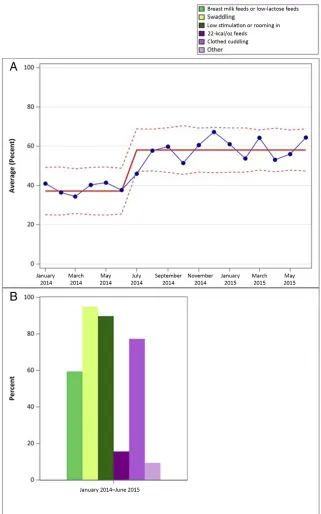
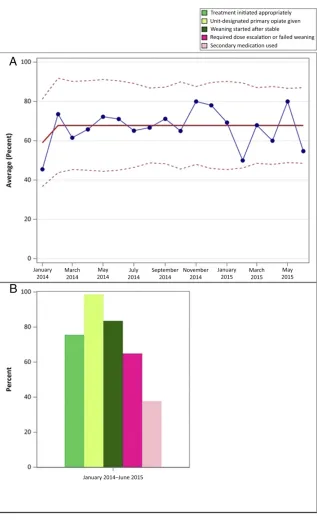
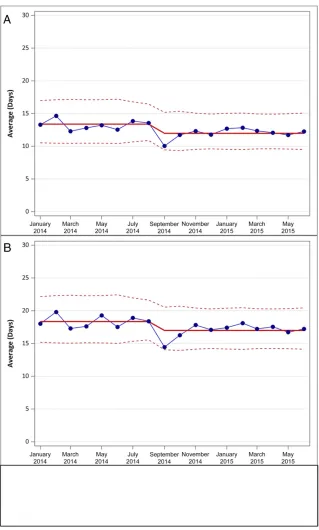
Compliance with the nonpharmacologic bundle improved from 37% to 59%, and the pharmacologic bundle improved from 59% to 68%. Forty-eight percent of the 3266 opioid-exposed infants received pharmacologic treatment of symptoms of NAS, and this rate did not change significantly across the time period. Regardless of the opioid used to pharmacologically treat infants with NAS, the length of treatment decreased from 13.4 to 12.0 days, and length of stay decreased from 18.3 to 17 days.
CONCLUSIONS: Standardized approaches to the identification and
nonpharmacologic and pharmacologic care were associated with a reduced length of opioid exposure and hospital stay in a large statewide collaborative. Other states and institutions treating opioid-exposed infants may benefit from the adoption of these practices.
abstract
To cite: Walsh MC, Crowley M, Wexelblatt S, et al. Ohio Perinatal Quality Collaborative Improves Care of Neonatal Narcotic Abstinence Syndrome.
Pediatrics. 2018;141(4):e20170900
aDivision of Neonatology and Department of Pediatrics,
Rainbow Babies & Children’s Hospital, Cleveland, Ohio;
bDepartment of Pediatrics, Case Western Reserve
University, Cleveland, Ohio; cAnderson Center for Health
Systems Excellence and eDivision of Biostatistics and
Epidemiology, Cincinnati Children’s Medical Center, Cincinnati, Ohio; dDepartment of Pediatrics, University of
Cincinnati, Cincinnati, Ohio; fDepartment of Pediatrics,
Nationwide Children’s Hospital, Columbus, Ohio; and
gDepartment of Pediatrics, Ohio State University, Columbus,
Ohio
Dr Walsh helped conceptualize this work, was a leader in the implementation of the policies described, was the primary writer of the manuscript, and critically revised the manuscript; Drs Crowley, Wexelblatt, and Kaplan helped conceptualize this work, were leaders in the implementation of the policies described, and revised the manuscript; Ms Ford helped conceptualize this work and was a leader in the implementation of the policies described; Mr Kuhnell conducted the original analyses; Dr McClead helped conceptualize this work, was a leader in the implementation of the policies described, and revised the manuscript; Dr Macaluso contributed to the design of the analyses and revisions to the manuscript; Dr Lannon helped conceptualize this work, was a leader in the implementation of policies described, and critically revised the manuscript; and all authors have approved the final manuscript as submitted and agree to be accountable for all aspects of the work.
methadone, and buprenorphine, is often used; yet, none of these medications has been shown conclusively to be superior. Few studies of secondary agents including phenobarbital and clonidine exist. In animal models, all narcotics alter neuronal connections in the developing brain; thus, reducing the total opioid exposure of infants while still humanely treating withdrawal symptoms is desirable.
We previously reported the development of an optimized
pharmacologic protocol. The protocol includes standardized guidelines for scoring NAS, triggers for initiation of treatment, and a stringent weaning protocol.8, 9 We found that protocol use with stringent weaning guidelines reduced the duration of opioid exposure and length of hospital stay, regardless of the opioid used.8, 9
In a pilot group of hospitals, we supplemented the standardized pharmacologic protocol with an optimized nonpharmacologic care bundle. The nonpharmacologic bundle emphasized compassionate trauma-informed care for the mother-infant dyad, keeping mother and infant together, and standardized scoring of NAS symptoms by
nurses trained to a standard of high reliability. This report describes a quality improvement (QI) initiative to spread the NAS pharmacologic and nonpharmacologic care bundles to all level-2 and 3 NICUs in Ohio. The aim for this project was to reduce length of stay by 20% among term infants with NAS by June 2015 through identification and compassionate treatment of withdrawal.
METHODS
Study Design
We conducted a multisite QI initiative. The intervention began in January 2014 and continued for 18 consecutive months to June 2015.
Data from the first 3 months of the initiative (January 2014–March 2014) were used as the baseline. The project protocol was considered QI and not human subjects research by the institutional review board of the Cincinnati Children’s Hospital Medical Center. All participating NICUs received documents to review with their institutional review board and legal departments to confirm the status of not human subjects research.
Ohio Perinatal Quality Collaborative The Ohio Perinatal Quality
Collaborative (OPQC) is a state-based network of Ohio perinatal clinicians, hospitals, professional organizations, and state agencies with a mission to reduce preterm births and improve outcomes for infants. Participating hospitals and clinicians are supported by a central staff with QI expertise and an administrative and data management infrastructure.7 NICU Participants and Patient Population
All level-2 and 3 Ohio NICUs and their affiliated level-1 units were eligible. Level-1 units were typically aggregated with their level-2 or 3 hospital counterpart, although 2 level-1 nurseries with a large volume of infants with NAS submitted data independently. Twenty-six of 26 (100%) level-3 NICUs, 26 of 28 (93%) level-2 NICUs, and 2 level-1 units participated. Units formed multidisciplinary teams with a physician, nurse, social worker, dietician, and consulting addiction specialist. Infants were included if they were born ≥37 weeks’ gestation, had evidence of in utero opioid exposure, and were cared for in a participating center. Data were collected on those with symptoms and pharmacologic treatment. We excluded infants with symptoms of NAS related to therapeutic opioid exposure, and premature infants <37 weeks’ gestation.
Interventions: Care
A key driver diagram (Fig 1) summarizes our theory for
improvement. Our aim was to reduce the length of opioid exposure and duration of hospitalization by using a multifactorial approach, which included the following:
1. Prenatal identification: counseling of opioid-exposed women in partnership with obstetricians, neonatologists, and addiction treatment specialists;
2. Improved recognition and support of narcotic-exposed women and their infants: enhanced staff understanding of substance abuse as a chronic illness and of trauma-informed care, encouraged partnering with the substance-exposed mother, and training in nonjudgmental care. Training was completed by using a video created by the Vermont Oxford Network on NAS entitled “Nurture the Mother-Nurture the Child”10 and through panels of in-recovery mothers of infants with NAS who shared their personal stories at collaborative learning sessions. We encouraged care in the lowest acuity setting, together with the infant’s mother and family, promoting breastfeeding for those in a recovery program. We selected “the FIR Square program” in British Columbia, Canada, as the model for ideal care11;
3. Attained high reliability on NAS scoring: used a standardized program (modified Finnegan Scoring System; D’Apolito training videos)12–14;
encouraged on the basis of expert opinion and pilot work.8, 9 The use of 22-calorie formula was encouraged but not required; 5. Used Standardized NAS
Pharmacologic Protocol (see Supplemental Information): a. Selected primary opioid
(morphine or methadone) as standard for all infants with NAS at the hospital; and
b. Adopted or modified the Ohio Children’s Hospital Association Treatment Protocol15 that included a standardized approach to initiation of treatment, escalation if needed,
weaning, and use of secondary pharmacologic agents;
6. Established a plan for safe discharge by partnering with families to provide support to mother and infant post discharge. Ensured a seamless transition to outpatient medical care and supportive services for substance-exposed mothers; and
7. Partnered with hospitals and state agencies to emphasize primary prevention: educated State Boards of Medicine, Nursing, Pharmacy, and Dentistry of opioid epidemic and role of prescribers in initial opiate exposure. Encouraged use of online record of Opiate Prescriptions before prescribing
opioids; legislation passed in January 2015 made such use mandatory before prescribing. Materials used by teams are available for download on the OPQC Web site (www. opqc. net/ projects/ NAS). Materials may be used by hospitals with attribution.
QI Methods
The OPQC used standardized QI methods adapted from the Breakthrough
Series Model of the Institute for Healthcare Improvement.16 Multidisciplinary NICU teams participated in collaborative learning activities, including 3 1-day face-to-face sessions and monthly FIGURE 1
Webinars facilitated by QI and content experts. These activities provided opportunities to review protocols and QI methods, share data, and discuss team successes and challenges. QI consultants worked with NICU sites individually to identify barriers and test changes. During the 18 months, each team was counseled to use the Model for Improvement (“ Plan-Do-Study-Act” method) to implement bundle components. Each team used center specific data to identify areas for improvement and implemented sequential Plan-Do-Study-Act cycles guided by the key driver diagram. Centers entered data monthly into a Health Insurance Portability and Accountability Act–compliant Internet-based system with rules to improve data quality. Data were reviewed monthly for potential errors; teams were asked to resolve concerns. Source data were not audited. Data were analyzed by OPQC staff and provided to teams in monthly reports that included individual site and aggregate results.
Process and Outcome Measures
Nonpharmacologic process measures included an all-or-none measure of compliance that required 3 components: swaddling, low
stimulation or rooming in, and breast milk (if appropriate) or low-lactose feeds or both.17 Optional measures included the use of 22-kcal formula, and clothed cuddling or kangaroo care. Each bundle component was also analyzed separately to guide teams to foci of improvement. The second process measure was compliance with the pharmacologic bundle that was defined as an all-or-none measure requiring 3 components: treatment initiated appropriately, unit primary opiate given, and weaning begun 48 hours after stabilization. An intermediate process measure was the frequency of dose escalation, or failed weaning (defined as the percentage of infants
with either or both of these events), an important modifier of the primary outcome measures.
The primary outcome measures were the length of pharmacologic opioid treatment (measured in days from initiation to discontinuation) and length of hospital stay (measured from admission to discharge). In previous work, we found a strong correlation between total opioid dose exposure and length of stay.8 Thus, in this voluntary collaborative, we chose the less labor-intensive measure of length of stay as a proxy for the more meaningful measure of total opioid exposure. For evaluation of the primary outcome, we plotted infants according to their birth month. Thus, improvements may reflect changes instituted in previous months. Analyses
In primary analyses, we examined changes in aggregate results, regardless of the treatment protocol used by the 54 units. Run charts were initially used to detect changes in processes and outcomes. For the primary outcomes, the length of opioid treatment and hospital stay baseline mean was calculated from January 2014 to March 2014. The baseline mean was carried forward and displayed throughout the intervention period. We planned to convert run charts to control charts when sufficient data were acquired. We converted all run charts into control charts displaying centerlines and control limits for key measures. Because the 2 key outcomes (length of treatment and length of stay) follow highly skewed distributions, we used log-transformed values in a regression analysis of time trends; for these trends, we used generalized linear mixed models that accounted for clustering by hospital and serial autocorrelation. We then converted the adjusted mean measures and their confidence boundaries back to the natural scale of the observations to construct the control charts. We
applied commonly accepted rules for identifying special cause and shifting centerlines, including observing at least 8 consecutive points above or below the centerline, or observing 1 point outside the control limits.18
RESULTS
Fifty-four units participated in the QI collaborative and were included in this analysis. Of these, 48 were NICUs with an attached maternity hospital, and 6 were children’s hospitals. Sixteen (30%) of the participating NICUs trained residents and 13 (24%) trained neonatal fellows. We identified 3266 opioid-exposed term infants. All infants received treatment with the
nonpharmacologic bundle. Across the collaborative, 1570 (48.1%) infants required pharmacologic treatment of symptoms of NAS. The number of pharmacologically treated infants with NAS ranged from 495 in the hospital with the largest cohort to only 2 infants in the hospital with the smallest cohort. Of the pharmacologically treated infants, 17.9% were hospitalized in a level-1 nursery, 21.8% were hospitalized in a level-2 nursery, and 60.3% were hospitalized in a level-3 NICU. Thirty hospitals (56%) chose a standardized morphine protocol and 19 (35%) chose a standardized methadone protocol, whereas 5 (9%) used other protocols.
Process Measures
were judged to be contraindicated by illicit drug use. Over the entire study period, on average, 17.5% of infants were fed only their mother’s milk, 34.5% received a low-lactose formula, 7.4% received both, (total = 59.4%), and 15.6% of infants received 22-calorie formula (Fig 2B). Pharmacologic Bundle Compliance Data on compliance with the pharmacologic bundle were complicated by a change in the methadone treatment protocol at month 5 of the collaborative, driven by the results of a pharmacokinetic study, 19 which led centers to report that they were not compliant with the Ohio protocol; this resulted in an underestimation of true compliance rates in standard reports for those hospitals using methadone. Thus, compliance is reported only among hospitals that chose morphine for opioid treatment. Among hospitals treating with morphine, pharmacologic bundle compliance increased from a baseline of 59% to 68%, an absolute increase of 11%. The control chart reveals evidence of special cause in early 2014 (Fig 3A). Treatment was initiated appropriately for 76% of infants, morphine was the opioid administered to 99%, weaning was started within 48 hours after stabilization in 84%, dose escalation was initiated after a failed weaning step in 65%, and a secondary medication was used in 38% (Fig 3B). The proportion of infants who failed a weaning step or required dose escalation is an important intermediate outcome that may directly affect the duration of treatment and hospital stay. This measure decreased significantly, with the control chart revealing special cause in early 2014 and a shift in the centerline from 67.4% to 59.4% (Fig 4).
Outcome Measures (Length of Treatment and Length of Stay) The 6 children’s hospitals in Ohio and some of their affiliated centers
had previously participated in the development and testing of a standardized approach to pharmacologic treatment.8
During that work, these hospitals saw a decrease in the days of pharmacologic treatment from 33.8 to 21.3 days and in length of stay FIGURE 2
from 30.1 to 20.2 days (data not shown).
After adjustment for clustering within hospitals and autocorrelation
over time, the geometric mean for length of treatment showed a significant decrease over the time period, the control chart revealing
special cause in early 2014, which led to a shift in the centerline from 13.4 to 12.0 days (a 9% decrease) (Fig 5A). Similarly, the geometric mean for length of stay revealed a significant 9% decrease, with the control chart revealing special cause in early 2014 and a shift in
the centerline from 18.3 to 17.0 days (Fig 5B).
DISCUSSION
In this statewide QI collaborative, we have shown that standardized training for neonatal nurses in scoring abstinence symptoms and trauma-informed care, together with standardized nonpharmacologic and pharmacologic bundles, was associated with a reduction in the duration of opioid exposure and hospital stay in opioid-exposed newborns. In addition, these reductions occurred on a background of previous work with the largest hospitals that had already reduced the length of opioid treatment and length of stay.8, 9 Thus, our observations are consistent with the change theory outlined in our key driver diagram.
The ability to spread a complex protocol across 54 hospitals statewide is a testament to the urgency of the opioid epidemic as well as to the power of rigorous QI science and collaborative work. Reliable use of the
nonpharmacologic bundle improved over time but was less than optimal at 58%. High reliability was
obtained for 2 components of the bundle: the use of swaddling (95%) and low stimulation or rooming in (92%). Total bundle compliance was lowered by the component focused on feeding: mother’s breast milk or low-lactose feeds or both. Suboptimal compliance may relate to several factors, including the weakness of the evidence FIGURE 3
supporting the nonpharmacologic bundles and institutional policies about the provision of breast milk in women exposed to opioids.20 Roughly half the mothers of the infants with NAS were using illicit opioids, were not in a treatment program, and were determined to not be appropriate to breastfeed. Twenty-four percent of the infants were fed breast milk from their mothers, generally when they were in treatment programs. This practice is consistent with the recommendations from leading societies including the American Congress of Obstetricians and Gynecologists and the American Academy of Pediatrics.21, 22 The small amount of opioid transferred through breast milk is significantly less than that transferred to the infant in utero and may be used to treat withdrawal symptoms.23 The formula recommendations (use of low-lactose formula and consideration of using 22 kcal/oz.) were made on the basis of
published expert opinion.21, 24 Sites varied in their use of both low-lactose and higher-calorie formulas during the QI collaborative. The scoring system used in all hospitals was the modified Finnegan scoring system, the most widely used scoring system in the United States. This system has been modified several times since its introduction in the mid-1970s and lacks
rigorous validation. Nevertheless, training nurses to high reliability and ongoing recertification, particularly in lower-volume units, was an important component of improvement. The recommendation that infants with NAS receive care in low-stimulation environments is established practice; yet, it lacks systematic evaluation.20
The inclusion of the mother as an active care partner was a significant shift for most hospitals. Many health care workers view families of infants with NAS through a judgmental lens, thinking, or even
saying, “How could they do that to their baby?” As part of a curriculum in trauma-informed care, site team members reported that learning that up to 40% of women with opioid addiction are victims of child abuse, sexual abuse, or both changed their perceptions.25 This change led them to welcome the mothers to the care team. Consequently, families felt more supported and spent more time on the units carrying for their infants. As the opioid epidemic overwhelms the nation, this attitudinal change is a critical component of obstetric and neonatal care.
The evidence behind the
pharmacologic bundle is relatively strong; however, there is still room for improvement. Compliance with the bundle increased significantly from 59% to 68% in hospitals that used morphine. Our data system did not allow a reliable assessment of compliance in hospitals that chose methadone. High reliability was achieved with the use of a unit-designated opioid (99%) and with the use of the weaning protocol (87%). The total compliance measure was reduced by the component of treatment initiation (68%), which is influenced by the Finnegan scoring system. Thus, we are confident that our methods for promoting a uniform, standardized approach to pharmacologic treatment were effective in reducing variability in treatment practices.
The improvements reduced the proportion of infants who failed a weaning step or required a dose escalation. This is directly related to prolonged treatment and longer stay at the hospital. Consistent with the improvements documented by this analysis, length of treatment and length of stay decreased significantly. Although the 1.3-day, 9% reduction in both measures is smaller than the 20% effect desired as the aim of the collaborative, it was both statistically FIGURE 4
significant and clinically important, given the large number of infants who experienced NAS: an overall reduction of 2041 hospital days. Our findings suggest that
strengthening the program and focusing on creating a stronger impact on the key intermediate variables (eg, preventing weaning failures and the need for dose
escalation) may lead to additional gains.
This statewide population included all infants exposed to opioids, rather than a selected subset. Thus, the work is likely to be generalizable to all populations of term infants with NAS. One possible limitation is that the protocol was implemented after standardization of care in the 6 children’s hospitals and affiliates. Because this previous work had already demonstrated substantial reductions in duration of opioid treatment and length of stay, the changes that we report are likely to underestimate the true impact of standardizing care in settings that have not used this previously.
CONCLUSIONS
Standardized approaches to the identification and nonpharmacologic and pharmacologic care were associated with a reduction in the length of opioid exposure and hospital stay in a large statewide collaborative. Further refinements of the program may lead to additional gains. Other states and institutions treating opioid-exposed infants may benefit from consideration of these practices.
ACKNOWLEDGMENTS
We thank the brave women in recovery who shared their insights regarding the journey during pregnancy in-person at a learning session with over 500 participants; their stories informed our work and led to more compassionate treatment of families who are opioid-exposed. We thank the teams at all participating hospitals for their diligence and for providing the data that supports this work. A list of participating hospitals FIGURE 5
is found in the Supplemental Information. We also thank Ron Abrahams, MD, Director of the Fir Square Combined Care Program, British Columbia, Canada for sharing details of their program with OPQC. Finally, we thank the Vermont Oxford Network for
providing access to materials from their Collaborative to Improve the Care of NAS Infants. Neither Dr Abrahams nor the staff at the Vermont Oxford Network assisted in the analyses or development of the manuscript.
REFERENCES
1. Massatti R, Falb M, Yors A, Starr S.
Neonatal Abstinence Syndrome and Drug Use Among Pregnant Women in Ohio, 2004-2011. Columbus, OH: Ohio
Department of Mental Health and Addiction Services; 2013 2. Tolia VN, Patrick SW, Bennett MM,
et al. Increasing incidence of the neonatal abstinence syndrome in U.S. neonatal ICUs. N Engl J Med. 2015;372(22):2118–2126
3. SAMHSA. Center for Behavioral Health Statistics and Quality, national survey on drug use and health, 2008-2011. 2012. Available at: www. samhsa. gov/ data/ NSDUH/ 2011SummNatFindDe tTables. Accessed December 2016 4. Bateman BT, Hernandez-Diaz S,
Rathmell JP, et al. Patterns of opioid utilization in pregnancy in a large cohort of commercial insurance beneficiaries in the United States.
Anesthesiology. 2014;120(5):
1216–1224
5. Tetstall E, Liu AJ, An EI, Canalese J, Nanan R. Pregnancy and neonatal characteristics of opioid-dependent Indigenous Australians: a rural and metropolitan comparison. Aust N Z
J Obstet Gynaecol. 2009;49(3):279–284 6. Carrieri MP, Amass L, Lucas GM, Vlahov
D, Wodak A, Woody GE. Buprenorphine
use: the international experience. Clin
Infect Dis. 2006;43(suppl 4):S197–S215 7. Kocherlakota P. Neonatal abstinence
syndrome. Pediatrics. 2014;134(2). Available at: www. pediatrics. org/ cgi/ content/ full/ 134/ 2/ e547
8. Hall ES, Wexelblatt SL, Crowley M, et al; OCHNAS Consortium. A multicenter cohort study of treatments and hospital outcomes in neonatal abstinence syndrome. Pediatrics. 2014;134(2). Available at: www. pediatrics. org/ cgi/ content/ full/ 134/ 2/ e527
9. Hall ES, Wexelblatt SL, Crowley M, et al; OCHNAS Consortium. Implementation of a neonatal abstinence syndrome weaning protocol: a multicenter cohort study. Pediatrics. 2015;136(4). Available at: www. pediatrics. org/ cgi/ content/ full/ 136/ 4/ e803
10. Vermont Oxford Network. “Nurture the Mother-Nurture the Child”: A Virtual Video Visit [videotape]. Burlington, VT:
Vermont Oxford Network; 2013 11. Ordean A, Kahan M, Graves L,
Abrahams R, Kim T. Obstetrical and neonatal outcomes of methadone-maintained pregnant women: a Canadian multisite cohort study. J Obstet Gynaecol Can. 2015;37(3):252–257
12. NeoAdvances. Inter-observer reliability program for Finnegan scoring. Available at: www.
neoadvances. com. Accessed November 18, 2016
13. Finnegan LP, Connaughton JF Jr, Kron RE, Emich JP. Neonatal abstinence syndrome: assessment and management. Addict Dis. 1975;2(1–2):141–158
14. Zimmermann-Baer U, Nötzli U, Rentsch K, Bucher HU. Finnegan neonatal abstinence scoring system: normal values for first 3 days and weeks 5-6 in non-addicted infants. Addiction. 2010;105(3):524–528
15. Ohio Children’s Hospitals Neonatal Research Consortium. Enteral
Morphine or Methadone for Neonatal Abstinence Syndrome (NAS) from Maternal Exposure. Columbus, OH:
Ohio Children’s Hospitals Neonatal Research Consortium; 2013 16. Institute of Healthcare Improvement.
The Breakthrough Series: IHI’s Collaborative Model for Achieving Breakthrough Improvement. IHI Innovation Series White Paper.
Boston, MA: Institute of Healthcare Improvement; 2003
17. Nolan T, Berwick DM. All-or-none measurement raises the
Address correspondence to Michele C. Walsh, MD, MSEpi, Department of Pediatrics, Rainbow Babies & Children’s Hospital, 11100 Euclid Ave, Mailstop 6010, Cleveland, OH 44106-6010. E-mail: [email protected]
PEDIATRICS (ISSN Numbers: Print, 0031-4005; Online, 1098-4275). Copyright © 2018 by the American Academy of Pediatrics
FINANCIAL DISCLOSURE: The authors have indicated they have no financial relationships relevant to this article to disclose.
The Ohio Perinatal Quality Collaborative Neonatal Abstinence Syndrome Project is funded by the Ohio Department of Medicaid and administered by the Ohio Colleges of Medicine Government Resource Center. The views expressed in this publication are solely those of the authors and do not represent the views of the state of Ohio or federal Medicaid programs.
FUNDING: The Ohio Perinatal Quality Collaborative is funded by the Ohio Department of Medicaid through the Medicaid Technical Assistance and Policy Program and administered by the Ohio Colleges of Medicine Government Resource Center. The funders had no role in data analysis or manuscript development. POTENTIAL CONFLICT OF INTEREST: The authors have indicated they have no potential conflicts of interest to disclose.
ABBREVIATIONS
NAS: neonatal abstinence syndrome
OPQC: Ohio Perinatal Quality Collaborative
bar on performance. JAMA. 2006;295(10):1168–1170 18. Perla RJ, Provost LP, Murray SK.
The run chart: a simple analytical tool for learning from variation in healthcare processes. BMJ Qual Saf. 2011;20(1):46–51
19. Hall ES, Meinzen-Derr J, Wexelblatt SL. Cohort analysis of a pharmacokinetic-modeled methadone weaning optimization for neonatal abstinence syndrome. J Pediatr. 2015;167(6):1221– 1225.e1
20. Maguire D. Care of the infant with neonatal abstinence syndrome: strength of the evidence. J Perinat
Neonatal Nurs. 2014;28(3):204–211; quiz E3–E4
21. Hudak ML, Tan RC; Committee on Drugs; Committee on Fetus and Newborn; American Academy of Pediatrics. Neonatal drug withdrawal [published correction appears in Pediatrics. 2014;133(5):937].
Pediatrics. 2012;129(2). Available at:
www. pediatrics. org/ cgi/ content/ full/ 129/ 2/ e540
22. ACOG Committee on Health Care for Underserved Women; American Society of Addiction Medicine. ACOG committee opinion no. 524: opioid abuse, dependence, and addiction
in pregnancy. Obstet Gynecol. 2012;119(5):1070–1076
23. Pritham UA. Breastfeeding promotion for management of neonatal
abstinence syndrome. J Obstet Gynecol
Neonatal Nurs. 2013;42(5):517–526 24. Velez M, Jansson LM. The opioid
dependent mother and newborn dyad: non-pharmacologic care. J Addict Med. 2008;2(3):113–120
25. Konkolÿ Thege B, Horwood L, Slater L, Tan MC, Hodgins DC, Wild TC. Relationship between interpersonal trauma exposure and addictive behaviors: a systematic review. BMC
DOI: 10.1542/peds.2017-0900 originally published online March 7, 2018;
2018;141;
Pediatrics
Ohio Perinatal Quality Collaborative
Heather C. Kaplan, Richard McClead, Maurizio Macaluso, Carole Lannon and for the
Michele C. Walsh, Moira Crowley, Scott Wexelblatt, Susan Ford, Pierce Kuhnell,
Abstinence Syndrome
Ohio Perinatal Quality Collaborative Improves Care of Neonatal Narcotic
Services
Updated Information &
http://pediatrics.aappublications.org/content/141/4/e20170900
including high resolution figures, can be found at:
References
http://pediatrics.aappublications.org/content/141/4/e20170900#BIBL
This article cites 15 articles, 1 of which you can access for free at:
Subspecialty Collections
http://www.aappublications.org/cgi/collection/substance_abuse_sub Substance Use
http://www.aappublications.org/cgi/collection/neonatology_sub Neonatology
sub
http://www.aappublications.org/cgi/collection/fetus:newborn_infant_ Fetus/Newborn Infant
following collection(s):
This article, along with others on similar topics, appears in the
Permissions & Licensing
http://www.aappublications.org/site/misc/Permissions.xhtml
in its entirety can be found online at:
Information about reproducing this article in parts (figures, tables) or
Reprints
http://www.aappublications.org/site/misc/reprints.xhtml
DOI: 10.1542/peds.2017-0900 originally published online March 7, 2018;
2018;141;
Pediatrics
Ohio Perinatal Quality Collaborative
Heather C. Kaplan, Richard McClead, Maurizio Macaluso, Carole Lannon and for the
Michele C. Walsh, Moira Crowley, Scott Wexelblatt, Susan Ford, Pierce Kuhnell,
Abstinence Syndrome
Ohio Perinatal Quality Collaborative Improves Care of Neonatal Narcotic
http://pediatrics.aappublications.org/content/141/4/e20170900
located on the World Wide Web at:
The online version of this article, along with updated information and services, is
http://pediatrics.aappublications.org/content/suppl/2018/03/05/peds.2017-0900.DCSupplemental
Data Supplement at:
by the American Academy of Pediatrics. All rights reserved. Print ISSN: 1073-0397.