University of Pennsylvania
ScholarlyCommons
Publicly Accessible Penn Dissertations
2017
Breast Cancer Survivors And Medication
Adherence: The Role Of Health Beliefs,
Perceptions Of Aging, And Partner Support
Moriah Julia BrierUniversity of Pennsylvania, [email protected]
Follow this and additional works at:https://repository.upenn.edu/edissertations Part of theClinical Psychology Commons
Recommended Citation
Brier, Moriah Julia, "Breast Cancer Survivors And Medication Adherence: The Role Of Health Beliefs, Perceptions Of Aging, And Partner Support" (2017).Publicly Accessible Penn Dissertations. 2198.
Breast Cancer Survivors And Medication Adherence: The Role Of Health
Beliefs, Perceptions Of Aging, And Partner Support
Abstract
Aromatase inhibitors (AIs) are a daily endocrine therapy for post-menopausal breast cancer survivors and often cause difficult side effects. Women who do not adhere to AI treatment are at higher risk of cancer recurrence and mortality, yet poor adherence is a prevalent problem. This dissertation explores potentially modifiable, psychosocial predictors of AI adherence. In Chapter 1, to determine how to measure adherence in subsequent studies, we examined the psychometric properties of two self-report adherence measures. Using estrogen assays to assess convergent validity, we found that neither measure performed well; however, in exploratory analyses, a “yes/no” item about use of an AI in the past month was found to be associated with estrogen metabolite levels. In Chapter 2, we examined whether survivors’ health beliefs about AI treatment predicted their adherence behaviors. Higher perceived barriers to AI treatment, but not perceived
susceptibility to cancer recurrence or perceived benefits of AI treatment, predicted non-adherence. In Chapter 3, we examined the role of arthralgia-associated aging perceptions. After controlling for the severity of
arthralgia (a common side effect of AIs), we found that the risk of non-adherence was higher among women who perceived that they had aged rapidly while on the treatment. We used a mixed-methods approach in Chapter 4 to examine the role of partner support. Our qualitative findings suggest that integration of partners into follow-up care and partner support around body changes and sexual dysfunction associated with AIs may contribute to women’s ability to persist with their treatment. Our quantitative results demonstrated that satisfaction with partner support around AI treatment was determined by affection and emotional support, whereas informational and tangible support had no bearings on their satisfaction levels. Support preferences did not differ between women with lower and higher levels of pain from AI side effects; however, women with higher levels of pain tended to receive more informational support. Together, these findings can inform intervention content for women who are at risk of not adhering to AI treatment.
Degree Type Dissertation
Degree Name
Doctor of Philosophy (PhD)
Graduate Group Psychology
First Advisor
Dianne L. Chambless
Keywords
aging perceptions, aromatase inhibitors, breast cancer, health beliefs, medication adherence, social support
Subject Categories Clinical Psychology
BREAST CANCER SURVIVORS AND MEDICATION ADHERENCE: THE ROLE
OF HEALTH BELIEFS, PERCEPTIONS OF AGING, AND PARTNER SUPPORT
Moriah Julia Brier
A DISSERTATION
in
Psychology
Presented to the Faculties of the University of Pennsylvania
in
Partial Fulfillment of the Requirements for the
Degree of Doctor of Philosophy
2017
Supervisor of Dissertation Graduate Group Chairperson
_______________________ _______________________
Dianne L. Chambless, Ph.D. Sara Jaffee, Ph.D.
Professor, Psychology Professor, Psychology
Dissertation Committee:
Robert DeRubeis, PhD, Professor, Psychology Anne Kazak, Ph.D., Professor, Pediatrics
Jun J. Mao, M.D., Chief of Integrative Medicine Service (Memorial Sloan-Kettering Cancer Center)
ACKNOWLEDGMENT
It is difficult to convey the depth of my gratitude for Dianne Chambless’ mentorship. Giving words of thanks feels profoundly insufficient in light of all that Dianne has given
to me. Her integrity, discernment, kindness, and time are all gifts I will strive to pay
forward.
I am also deeply indebted to Dr. Jun Mao. Dr. Mao not only provided me with
invaluable data that took him much sweat, tears, resources, and vision to collect, he also
invested an incredible amount of his energy in helping me bridge the divide between
psychology and medicine. Most crucially, he has imparted to me the importance of
communicating my findings in a way that will help medical providers better serve their
patients.
I would also like to thank Dr. Kazak for seeing potential in me when I applied to
Penn, and for her mentorship during my first years in the program. It is with Dr. Kazak’s guidance and feedback that I began to enjoy the challenges of writing.
I am also appreciative of committee members Ayelet Ruscio and Rob DeRubeis.
They have both helped me think more deeply and critically about my work with their
questions and thoughtful reflections on my research.
I would also like to acknowledge the breast cancer survivors who invited me into
their homes and shared with me intimate details about their relationships and medical
challenges. I am indebted to their candor and kindness.
iii
Brier MJ, Chambless D, Gross R, Su HI, DeMichele A, Mao JJ. Association
Between Self-Report Adherence Measures and Oestrogen Suppression among Breast
Cancer Survivors on Aromatase Inhibitors. European Journal of Cancer. 2015;
51(14):1890-6. doi:10.1016/j.ejca.2015.06.113.
The findings from Chapter 2 have been published as:
Brier MJ, Chambless DL, Gross R, Chen J, Mao JJ. Perceived Barriers to Treatment
Predict Adherence to Aromatase Inhibitors among Breast Cancer Survivors. Cancer.
ABSTRACT
BREAST CANCER SURVIVORS AND MEDICATION ADHERENCE: THE ROLE
OF HEALTH BELIEFS, PERCEPTIONS OF AGING, AND PARTNER SUPPORT
Moriah J Brier
Dianne L. Chambless
Aromatase inhibitors (AIs) are a daily endocrine therapy for post-menopausal
breast cancer survivors and often cause difficult side effects. Women who do not adhere
to AI treatment are at higher risk of cancer recurrence and mortality, yet poor adherence
is a prevalent problem. This dissertation explores potentially modifiable, psychosocial
predictors of AI adherence. In Chapter 1, to determine how to measure adherence in
subsequent studies, we examined the psychometric properties of two self-report
adherence measures. Using estrogen assays to assess convergent validity, we found that
neither measure performed well; however, in exploratory analyses, a “yes/no” item about use of an AI in the past month was found to be associated with estrogen metabolite
levels. In Chapter 2, we examined whether survivors’ health beliefs about AI treatment predicted their adherence behaviors. Higher perceived barriers to AI treatment, but not
perceived susceptibility to cancer recurrence or perceived benefits of AI treatment,
predicted non-adherence. In Chapter 3, we examined the role of arthralgia-associated
aging perceptions. After controlling for the severity of arthralgia (a common side effect
of AIs), we found that the risk of non-adherence was higher among women who
perceived that they had aged rapidly while on the treatment. We used a mixed-methods
v
suggest that integration of partners into follow-up care and partner support around body
changes and sexual dysfunction associated with AIs may contribute to women’s ability to persist with their treatment. Our quantitative results demonstrated that satisfaction with
partner support around AI treatment was determined by affection and emotional support,
whereas informational and tangible support had no bearings on their satisfaction levels.
Support preferences did not differ between women with lower and higher levels of pain
from AI side effects; however, women with higher levels of pain tended to receive more
informational support. Together, these findings can inform intervention content for
TABLE OF CONTENTS
ACKNOWLEDEMENT ... II
ABSTRACT ... IV
LIST OF TABLES ... VII
LIST OF FIGURES ... VIII
CHAPTER 1 ... 1
CHAPTER 2 ... 27
CHAPTER 3 ... 49
CHAPTER 4 ... 74
vii
LIST OF TABLES
CHAPTER 1
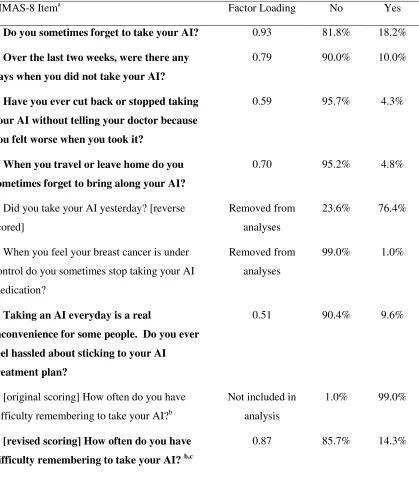
Table 1. Factor Loadings and Distribution of Item Responses for the Modified 22 MMAS-8
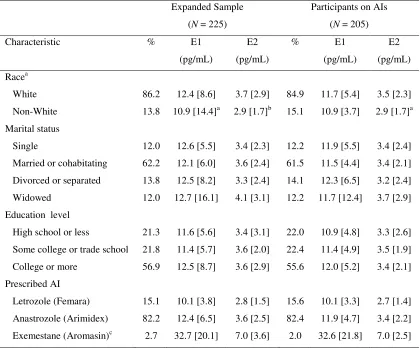
Table 2. Patient Characteristics and Differences in Estrogen Levels 24 Table 3. Spearman Rho Correlations of Study Variables 25 Table 4. Summary of Hierarchical Regressions of Estradiol on Adherence 26
Measures
CHAPTER 2
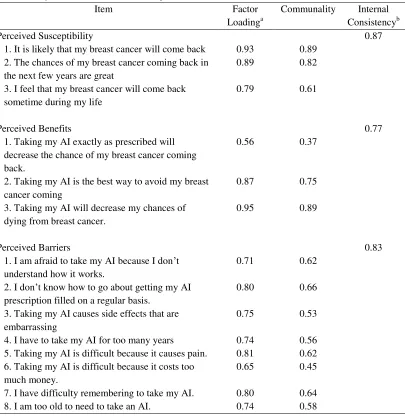
Table 1. Health Beliefs Scale Items and Scale Properties 45 Table 2. Logistic Regression Analysis of Baseline Characteristics and 46
Non-Adherence
Table 3. Analyses of Health Beliefs and Non-Adherence 47 Table 4. Relationship Between Health Belief Subscales and Demographic and 48
Medical Variables
CHAPTER 3
Table 1. Participant Characteristics 72
Table 2. Univariate and Adjusted Analyses of Predictors of Time to 73 Non-Adherence
CHAPTER 4
Table 1. Codes, Categories, and Inter-rater Reliability 112 Table 2. Spearman Correlations Between Study Measures 113 Table 3. Factor Loadings for Exploratory Factor Analysis of Modified 114
LIST OF FIGURES
CHAPTER 1
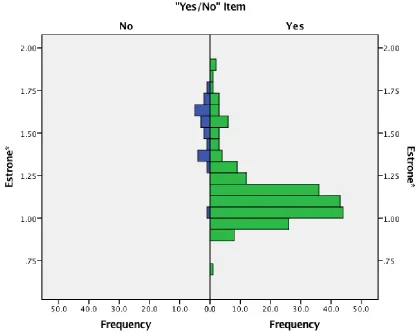
Figure 1. Relationship between distribution of estrone levels and 20 responses to the “yes/no” item.
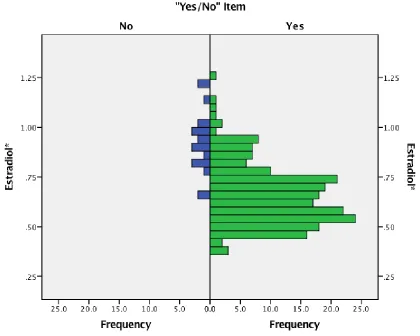
Figure 2. Relationship between distribution of estradiol levels and 21 responses to the “yes/no” item.
CHAPTER 2
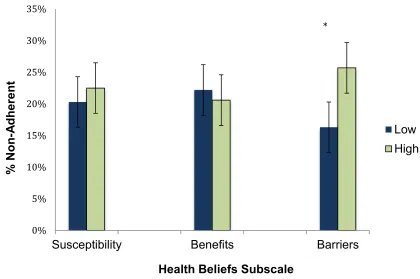
Figure 1. Relationship between non-adherence and health beliefs 44
CHAPTER 3
Figure 1. Survival curves of non-adherence by scores on the 69 Penn Arthralgia Aging Scale
Figure 2. Relationship between arthralgia-associated aging perceptions 70 and joint pain
1
CHAPTER 1:
Self-Reported Measures of Adherence to Aromatase Inhibitors: Are They Valid?
Abstract
Purpose: Two self-report measures of medication adherence were assessed for their
validity among breast cancer survivors on aromatase inhibitors (AIs). Materials and
Methods: Participants (n = 235) who had been prescribed AIs completed a modified
version of the Morisky Medication Adherence Scale (MMAS-8) and the Visual Analog
Scale (VAS). The internal consistency and factor structure of the modified MMAS-8
were assessed. Convergent and divergent validity of both measures were evaluated using
serum estrogen levels and an anxiety measure, respectively. Results:Two MMAS-8
items were removed due to poor factor loadings. The resulting scale had a one-factor
structure and an internal consistency of 0.69. On the MMAS-8 and VAS, the majority of
participants indicated they were fully adherent in the past month. Neither scale
demonstrated convergent validity; and contrary to hypothesis, the MMAS-8 was
significantly correlated with anxiety (r = 0.16, p = 0.02). Post-hoc analyses revealed that
participants’ responses to a question asking whether they had taken an AI in the last month was a stronger correlate of estrogen suppression (r = -0.36, p < 0.001) than either
the modified MMAS-8 or VAS. Conclusions: These analyses suggest that the modified
MMAS-8 and VAS may not be valid or clinically useful for measuring AI adherence.
Clinicians and researchers whose resources only permit use of self-report measures are
advised to ask patients whether they have taken an AI in the last month as a rough
3
Self-reported measures of adherence to aromatase inhibitors: Are they valid?
Over the past 15 years, anticancer treatment has experienced a growth in
self-administered oral therapies.1 Compared to injections or intravenous treatments that must
be administered in a medical setting, oral regimens offer advantages such as reduced
pain, fewer medical appointments, and more personal control over treatment.2,3
As oral regimens have given patients more control, non-adherence has emerged as
a barrier to achieving maximal drug effectiveness. Non-adherence to aromatase
inhibitors (AIs), an oral therapy that reduces the recurrence of estrogen-positive breast
cancer, is of particular concern in light of the cancer’s high incidence rate.4 Early discontinuation of adjuvant hormonal therapy (hazard ratio [HR], 1.26; 95% confidence
interval [CI], 1.09 to 1.46), as well as frequent missed doses among those who have
continued therapy (HR, 1.49; 95% CI, 1.23 to 1.81), have each been shown to be
independently associated with increased mortality even after age and disease factors are
accounted for.5
Measuring adherence to AIs has been recognized as an important element of
patient care, from both research and clinical perspectives.6 By administering valid
adherence questionnaires to patients and identifying poor adherers, researchers can study
factors that are associated with non-adherence, and clinicians can intervene to help
improve adherence behavior and medical outcomes. A quick, accurate, and cost-effective
adherence measure is needed to facilitate frequent and meaningful assessment.
Daouphars and colleaguesdeveloped a self-report measure to assess adherence to
prescription refills, it demonstrated poor internal consistency (Cronbach’s alpha = 0.55) and its factor structure was not assessed.7 No research to date has attempted to validate a
self-report measure among AI users.
We sought to address the need for a reliable and valid self-report adherence
measure for AIs by examining two scales: the modified version of the Morisky
Medication Adherence Scale-8 (MMAS-8) and the Visual Analog Scale (VAS). The
MMAS-8 is a commonly used adherence measure and has been applied across a variety
of illness groups.8,9 It has been found to be internally consistent,10 concordant with
pharmacy fill rates,9,11 and predictive of blood pressure control among hypertensive
patients.10 These psychometric properties suggest it may be a useful tool for measuring
adherence to AIs. The Visual Analog Scale (VAS) asks patients to indicate on a
continuous line the proportion of doses they have taken in the last month (0-100%).
Visual analog scales place minimal burden on the patient and are more sensitive than
Likert-type scales.12 The VAS has been found to correlate significantly with
unannounced pill counts among HIV populations,13 suggesting that it too may be a
promising tool for breast cancer patients. We evaluated the reliability and validity of
these two tools simultaneously against estrogen metabolite levels to examine whether one
scale is superior to the other, or if greater accuracy is achieved by using both
concurrently.
Method
5
Participants were drawn from the Wellness after Breast Cancer (WABC), a large
ongoing study examining genetic determinants of symptom distress and disease outcomes
among postmenopausal women with hormone receptor positive breast cancer on AIs.
This study was conducted with the approval of the Institutional Review Board of the
University of Pennsylvania and all participants provided written informed consent.
Research assistants recruited participants in two breast cancer clinics, one situated in an
academic tertiary care teaching hospital and the other in a community hospital.
Eligibility criteria were (1) female sex; (2) age 18 or older; (3) history of stage I, II, or III
breast cancer; (4) current use of a third-generation AI or discontinuation of an AI but
currently still in the period in which an AI was indicated; (5) postmenopausal; (6)
completed primary cancer treatments (surgery, chemotherapy, radiotherapy); and (7) able
to understand written English and participate in an informed consent process.
Measures
Participants completed the measures of AI adherence in addition to measures of pain,
AI side effects, emotional wellbeing, sleep and fatigue, physical functioning, and
physical activity. Participants also provided information about their breast cancer disease
and treatment history, as well as demographic information. For the estrogen analysis,
participants underwent venipuncture, from which serum was extracted and frozen in
aliquots at -80 degree Celsius.
scale that was originally developed for hypertension patients.10 With permission from
Dr. Morisky, Item 6 was modified to make it appropriate for breast cancer patients (see
Table 1). Interviews were conducted with twelve AI-users (who were not part of the
current sample) to ensure the items were clear and relevant. The first seven items are
dichotomous, whereas the last item is a 4-point ordinal scale that must be later
dichotomized. Higher scores indicate worse adherence over the past month.
Instructions for the VAS asked participants to indicate the percentage of their
prescribed AI dosage they took over the past month by marking an “X” on a continuous line with 0% and 100% as anchors on either end-point.
Convergent Validity. Convergent validity is achieved when a measure is shown to
be associated with a related construct.14 As clinical trials have shown that AIs
substantially reduce estrone and estradiol levels,15,16 estrogen suppression was examined
to assess the validity of the adherence measures. To quantify total estrone and estradiol
levels, serum samples underwent organic solvent extraction and Celite column partition
chromatography, followed by radioimmunoassay (University of Southern California
Reproductive Endocrine Research Laboratory). The limit of detection was 2 pg/mL for
estradiol and 4 pg/mL for estrone. The intra- and interassay coefficients of variation were
< 5%. Samples were assayed in duplicate with mean levels used for analyses.17
Divergent validity. Divergent validity is achieved when a measure is shown to be
unassociated to constructs that it is not theoretically related to.14 Because meta-analytic
7
subscale of the Hospital Anxiety and Depression Scale (HADS19) was used to determine
divergent validity.
Statistical Analyses
Confirmatory factor analysis of the MMAS-8 was conducted in MPlus20 using all
participants who reported being on AIs and who completed the measure. A weighted
least squares mean and variance (WLSMV) adjusted estimator was used because
traditional maximum likelihood estimators can yield biased estimates when used with
dichotomous scales, such as the MMAS-8.21 In accordance with recommendations of Hu
and Bentler22 three fit indices were examined: the chi-square, the comparative fit index
(CFI), and the root mean square error of approximation (RMSEA).
To assess convergent and divergent validity, only participants who had reported
taking an AI in the last month were included in analyses. For convergent validity,
hierarchical linear regressions were conducted with estrone and estradiol as the outcome
variables and the self-report adherence scales as predictors. Treatment and demographic
variables that have been found in the literature to be associated with estrogen serum
levels, including body mass index (BMI23,24), years since last menstruation,17 race,25 and
drug type,16 were tested to determine if they were associated with estrogen in this sample
(see Tables 2 and 3). AI drug (letrozole, anastrozole, or exemestane) and race were
found to be associated with estrone and estradiol and were entered as covariates in the
between the adherence scales and anxiety were used to assess divergent validity. These
analyses were completed in SPSS version 21.26
Results
Our analysis focused on 235 participants in the WABC cohort study for whom
estrogen serum levels were available. These women were not selected for any
characteristics, but were rather a subset of women recruited during the study period when
funds were available to conduct the estrogen assays. No differences were found in
baseline characteristics (age, race, BMI, marital status, or education) between the subset
represented in this study and the rest of the cohort. Five (2%) participants were removed
from the analysis because they completed the adherence scales erroneously. An
additional 5 participants were removed due to missing data on the MMAS-8 and one of
the covariates. Of the remaining participants, 91% (n = 205) indicated that they had
taken an AI in the last month. Participants ranged in aged from 35 to 84 years. The
majority was white (86.2%), married or cohabitating (62.2%), and college-educated
(56.9%). About half of the sample initiated AI treatment in the last year and a half, with
the majority (82.2%) on anastrazole. Tables 2 and 3 show the relationship between
participant demographics and serum estrogen levels.
Power Analysis
A power analysis using G*Power27 was conducted for the linear regressions that
assessed convergent and divergent validity. Results indicated that there was 88.9%
power to detect a small effect size (f2 = 0.05) with a sample of 205 participants.
9
Distributions of each item of the modified MMAS-8 were examined. The cut-off for
dichotomizing the ordinal-scale item (Item 8) caused it to have a distribution which
suggested that the majority of the sample was non-adherent, whereas the other 5 items
suggested that the majority of the sample was adherent. The rule for dichotomizing item
8, which asks patients how often they have difficulty remembering to take their AI, was
therefore modified by moving the dichotomization cut-off by 1 point on the ordinal scale.
(As a result “Never/Rarely” and “Once in a while” were grouped into the same category, rather than having “Never/Rarely” as one category and all other responses in the second). After this modification was made, the distribution of item 8 mirrored the distribution of
the other items (Table 1). This result was cross-validated by randomly splitting the
sample in two; the distribution of Item 8 was almost identical in both halves of the
dataset.
Confirmatory factor analysis (CFA).
A confirmatory factor analysis (CFA) testing the one-factor structure of the
MMAS-8 yielded poor model fit: χ2(20) = 35.326, p < .05; RMSEA = .059; CFI = 0.942. Item 5 had a poor factor loading, and there was insufficient variance in Item 6. Items 5
and 6 were removed and the CFA was repeated. The second analysis yielded strong
model fit: χ2
(9) = 11.357, p > 0.25; RMSEA = .035; CFI = 0.989. Cronbach’s alpha for this modified version was 0.69. Factor loadings and distributions for each item, including
the revised version of item 8, are displayed in Table 1.
Estradiol and estrone were log-transformed for their distributions to approximate
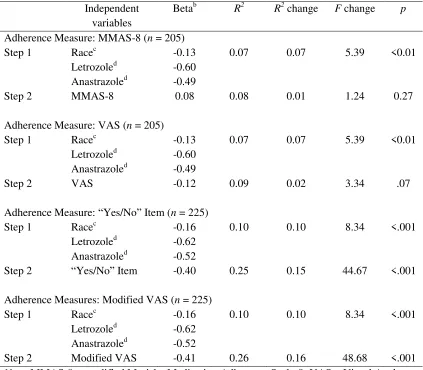
normality. Two hierarchical regressions were conducted for estradiol, with covariates
entered in Step 1, and the VAS or modified MMAS-8 entered in Step 2 (see Table 4).
Adding either the modified MMAS-8 or the VAS to the model did not significantly
improve prediction of estradiol (ΔR2
= .01, F(1,200) = 1.24, p= .27; ΔR2 = .02, F(1,200) = 3.34, p = .07, respectively). The regressions were repeated for estrone; However,
examination of the residuals revealed they were non-normally distributed, indicating that
the assumptions for multiple linear regression had not been met. Therefore, estrone was
residualized on the covariates, and the residuals were entered into non-parametric
correlations (Spearman r [rs]) with both the modified MMAS-8 and the VAS. The
correlations between residualized estrone and the modified MMAS-8 and VAS were not
statistically significant (rs = .02, p = .74; rs = -.07, p = .32, respectively). Zero-order
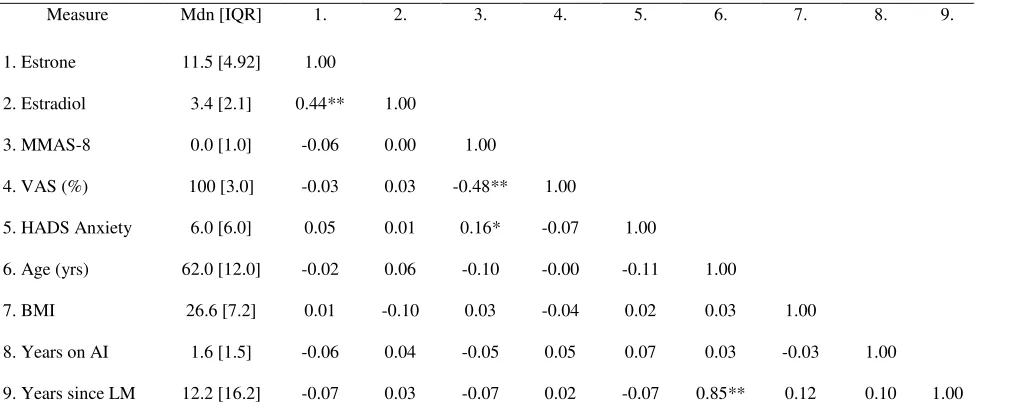
correlations between the adherence measures and estrogen (see Table 3) were also small
and not statistically significant, suggesting that the failure to find evidence for convergent
validity cannot be explained by collinearity between the self-report adherence scales and
the covariates.
In post-hoc analysis, the sample was expanded to also include those who reported
being off AIs (total n = 225), and the same analyses were repeated replacing the
self-adherence measures with participants’ response to the “yes/no” question whether they had taken an AI in the last month. “No” on this item was coded as 0. “Yes” was coded as 1. Adding this item to the model substantially improved the prediction of estradiol
(ΔR2
11
scores were significantly correlated with this item (rpb = -0.45, p < 0.001). Please see
Figures 1 and 2 for plots showing the relationship between the “yes/no” item and the distributions of estrone and estrodial.
Further exploratory analyses were done to determine if the VAS could enhance
the information provided by the “yes/no” item by inputting 0 on the VAS for all
participants who reported not taking an AI in the last month and repeating the convergent
validity analyses with the full sample. The modified VAS performed similarly to the
“yes/no”item for predicting estradiol: (ΔR2 = .16, F(1,220) = 48.68, p < .001). See Table 4. Residualized estrone scores were significantly correlated with the modified VAS (rs =
-0.25, p < 0.001), however the association was not as strong as the correlation between
estrone and the “yes/no” item. Additional analyses were completed to formally test whether the VAS adds incremental validity to the “yes/no” item. For estradiol, a hierarchical regression was conducted with covariates entered in Step 1, the “yes/no” item entered in Step 2, and the VAS entered in step 3. Adding the VAS to the model did
not substantially improve the prediction of estradiol (ΔR2 = .01, F(1,219) = 3.39, p = .07). For estrone, a hierarachical regression was conducted with residualized estrone scores as
the outcome variable, the “yes/no” item entered in Step 1, and the VAS entered in Step 2. The VAS did not substantially improve the prediction of estrone either (ΔR2 = .003, F(1,222) = 0.85, p = .07).
Divergent validity.
In this sample, internal consistency of the anxiety subscale of the HADS was
statistically significant (rs = .16, p = .02). Higher levels of anxiety were associated with
worse adherence scores on the MMAS-8, suggesting that the modified MMAS-8 does not
have good divergent validity. The relationship between the VAS and anxiety was not
significant (rs= -.07, p =.31). Further examination of the relationship between the
modified MMAS-8 and anxiety revealed that Item 3 (“Have you ever cut back or stopped taking your AI without telling your doctor because you felt worse when you took it?”) and Item 4 (When you travel or leave home do you sometimes forget to take your AI?)
were the only two items from the modified MMAS-8 that were significantly associated
with anxiety (rs = 0.18, p = .009; rs = .15, p = .03, respectively). Conversely, anxiety, and
responses to the “yes/no” adherence item, were not associated (rs = -0.10, p = .14).
Discussion
This study evaluated the validity of two self-report instruments of AI adherence
using serum estrogen levels. The modified MMAS-8 and VAS demonstrated poor
convergent and divergent validity, indicating they may not be valid self-report
instruments for measuring adherence among breast cancer patients on AIs. Even though
these instruments have been validated among other medical populations, medication
adherence in the context of AIs may be sufficiently distinct to warrant measures tailored
to the AI experience. For example, some women on AIs take intentional drug holidays to
get relief from side effects, which the modified MMAS-8 and VAS likely do not capture
but are an important aspect of non-adherence in this population.
In this sample, asking patients whether they had taken an AI in the last month
13
associated with anxiety, suggesting that clinicians can glean important information from
this straightforward question. Though this type of dichotomous question limits the
amount of fine-grained information that one can ideally gather about adherence from
patient reports, it is still a useful, even if limited estimation of the patient’s estrogen suppression.
Though the MMAS-8 did not provide an accurate picture of estrogen suppression,
it may be capturing a meaningful aspect of the AI experience. On the modified
MMAS-8, 18% of women reported that they sometimes forget to take their AI, confirming other
study findings that missed doses are a prevalent problem,28 while 10% reported feeling
hassled by their AI treatment plan. Additionally, the significant association between
anxiety and Item 3 on the MMAS-8 reveals that women who are anxious may not be
comfortable initiating discussions with their doctors about their non-adherence and AI
side effects.29 As side effects have been found to be associated with discontinuation of
AIs,30 doctors may be able to improve care for anxious patients by prioritizing AI
regimen discussions, and making clear that there are options for relieving side effects
even if patients themselves do not mention experiencing any difficulties.
Some limitations should be acknowledged. Adherence in this sample was high.
Of the patients in this sample on AIs, less than 2% indicated adherence rates below 80%
on the VAS, suggesting that the range of self-reported adherence may be too high and
narrow to find a relationship between estrogen serum levels and responses on self-report
adherence measures. Reporting or recall bias may explain the high levels of adherence
measures may have been too short to reveal the total number of non-adherers. Prior
studies that have found a higher proportion of non-adherers have looked at AI adherence
over much longer time intervals (1 - 4.5 years5,32).
It is also unclear what level of adherence is required to achieve the desired degree
of estrogen suppression. For instance, an adherence rate of greater than 90% is required
to achieve maximal drug efficacy of imatinib for treating chronic myeloid leukemia,33 but
this rate is not known for AIs. It may be that only a persistent level of non-adherence
decreases the efficacy of AIs, and that periodic forgetfulness, which the MMAS and VAS
may be capturing in this sample, may not actually impact the degree of estrogen
suppression. This interpretation is further supported by the finding that the VAS did not
enhance information provided by the “Yes/No” adherence item. If this is the case, the measures may in fact be valid but not clinically useful.
In conclusion, we did not find evidence to warrant use of the modified MMAS-8
or VAS in clinical care or research to assess adherence to AI adjuvant therapy for breast
cancer. Our research highlights that adherence issues in oncology settings are unique and
measures that have been validated among other illness groups may not be appropriate for
oncology patients. For the time being, based on our results, patients should be routinely
asked whether or not they have taken their AI in the last month. This question places a
minimal burden on both patients and clinical staff, and can provide clinicians with a
15
References
1. Patton J. Increased use of oral chemotherapy drugs spurs increased attention to
patient compliance. J Oncol Pract. 2008;4(4):175-177. doi:10.1200/JOP.0843002.
2. Borner M, Scheithauer W, Twelves C, Maroun J. Answering patients’ needs: oral alternatives to intravenous therapy. Oncologist. 2001;6(suppl 4):12-16.
doi:10.1634/theoncologist.6-suppl_4-12.
3. Fallowfield L, Atkins L, Catt S, et al. Patients’ preference for administration of endocrine treatments by injection or tablets: results from a study of women with
breast cancer. Ann Oncol. 2006;17(2):205-210. doi:10.1093/annonc/mdj044.
4. Siegel RL, Miller KD, Jemal A. Cancer statistics, 2015. CA Cancer J Clin.
2015;65(1):5-29. doi:10.3322/caac.21254.
5. Hershman DL, Shao T, Kushi LH, et al. Early discontinuation and non-adherence
to adjuvant hormonal therapy are associated with increased mortality in women
with breast cancer. Breast Cancer Res Treat. 2011;126(2):529-537.
doi:10.1007/s10549-010-1132-4.Early.
6. Ruddy K, Mayer E, Partridge A. Patient adherence and persistence with oral
anticancer treatment. CA Cancer J Clin. 2009;59(1):56-66.
doi:10.3322/caac.20004.
7. Daouphars M, Ouvry M, Lenain P, et al. Preliminary validation of self-assessment
tool to measure imatinib adherence in patients with chronic myeloid leukemia.
Pharmacother J Hum Pharmacol Drug Ther. 2013;33(2):152-156.
8. Sweileh WM, Ihbesheh MS, Jarar IS, et al. Self-reported medication adherence
and treatment satisfaction in patients with epilepsy. Epilepsy Behav.
2011;21(3):301-305. doi:10.1016/j.yebeh.2011.04.011.
9. Trindade A, Ehrlich A, Kornbluth A, Ullman T. Are your patients taking their
medicine? Validation of a new adherence scale in patients with inflammatory
bowel disease and comparison with physician perception of adherence. Inflamm
Bowel Dis. 2011;17(2):599-604. doi:10.1002/ibd.21310.
10. Morisky DE, Ang A, Krousel-Wood M, Ward HJ. Predictive validity of a
medication adherence measure in an outpatient setting. J Clin Hypertens.
2008;10(5):348-354. doi:10.1111/j.1751-7176.2008.07572.x.
11. Krousel-Wood M, Islam T, Webber L, Re R, Morisky D, Muntner P. New
medication adherence scale versus pharmacy fill rates in hypertensive seniors. Am
J Manag Care. 2010;15(1):59-66.
12. Hauser K, Walsh D. Visual analogue scales and assessment of quality of life in
cancer. J Support Oncol. 2008;6(6):277-282.
13. Kalichman SC, Amaral CM, Swetzes C, et al. A simple single item rating scale to
measure medication adherence: further evidence for convergent validity. J Int
Assoc Physicians AIDS Care. 2009;8(6):367-374.
doi:10.1177/1545109709352884.A.
14. Campbell DT, Fiske DW. Convergent and discriminant validation by the
multitrait-multimethod matrix. Psychol Bull. 1959;56(2):81-105.
17
15. Geisler J. Influence of letrozole and anastrozole on total body aromatization and
plasma estrogen levels in postmenopausal breast cancer patients evaluated in a
randomized, cross-over study. J Clin Oncol. 2002;20(3):751-757.
doi:10.1200/JCO.20.3.751.
16. Dixon JM, Renshaw L, Young O, et al. Letrozole suppresses plasma estradiol and
estrone sulphate more completely than anastrozole in postmenopausal women with
breast cancer. J Clin Oncol. 2008;26(10):1671-1676.
doi:10.1200/JCO.2007.13.9279.
17. Mao JJ, Su HI, Feng R, et al. Association of functional polymorphisms in
CYP19A1 with aromatase inhibitor associated arthralgia in breast cancer
survivors. Breast Cancer Res. 2011;13(1):R8. doi:10.1186/bcr2813.
18. Dimatteo MR, Lepper HS, Croghan TW. Depression is a risk factor for
noncompliance with medical treatment. Arch Intern Med.
2000;160(14):2101-2107. doi:10.1001/archinte.160.14.2101.
19. Zigmond AS, Snaith RP. The Hospital Anxiety and Depression Scale. Acta
Psychiatr Scand. 1983;67(6):361-370. doi:10.1111/j.1600-0447.1983.tb09716.x.
20. Muthén L, Muthén B. Mplus Statistical Analysis with Latent Variables: User’s
Guide. 5th ed. Los Angeles, CA: Muthén & Muthén; 2007.
21. Wirth RJ, Edwards MC. Item factor analysis: current approaches and future
directions. Psychol Methods. 2007;12(1):58-79. doi:10.1037/1082-989X.12.1.58.
22. Hu L, Bentler PM. Fit indices in covariance structure modeling: sensitivity to
doi:10.1037//1082-989X.3.4.424.
23. Szymczak J, Milewicz A, Thijssen JH, Blankenstein MA, Daroszewski J.
Concentration of sex steroids in adipose tissue after menopause. Steroids.
1998;63(5-6):319-321. doi:10.1016/S0039-128X(98)00019-1.
24. Pfeiler G, Königsberg R, Fesl C, et al. Impact of body mass index on the efficacy
of endocrine therapy in premenopausal patients with breast cancer: an analysis of
the prospective ABCSG-12 trial. J Clin Oncol. 2011;29(19):2653-2659.
doi:10.1200/JCO.2010.33.2585.
25. Cauley JA, Gutai JP, Kuller LH, Scott J, Nevitt MC. Black-white differences in
serum sex hormones and bone mineral density. Am J Epidemiol.
1994;139(10):1035-1046.
26. SPSS Statistics for Mac. Version 21.0. Armonk, NY: IBM Corp.; 2012.
27. Erdfelder E, Faul F, Buchner A. GPOWER: a general power analysis program.
Behav Res Methods, Instruments Comput. 1996;28(I):1-11.
doi:10.3758/BF03193146.
28. Hadji P. Improving compliance and persistence to adjuvant tamoxifen and
aromatase inhibitor therapy. Crit Rev Oncol Hematol. 2010;73(2):156-166.
doi:10.1016/j.critrevonc.2009.02.001.
29. Mao JJ, Chung A, Benton A, et al. Online discussion of drug side effects and
discontinuation among breast cancer survivors. Pharmacoepidemiol Drug Saf.
2013;22(3):256-262. doi:10.1002/pds.
19
discontinuation of aromatase inhibitors in breast cancer survivors. BMC Cancer.
2013;13(1):401-407. doi:10.1186/1471-2407-13-401.
31. Shi L, Liu J, Koleva Y, Fonseca V, Kalsekar A, Pawaskar M. Concordance of
adherence measurement using self-reported adherence questionnaires and
medication monitoring devices. Pharmacoeconomics. 2010;28(12):1097-1107.
doi:10.2165/11537400.
32. Partridge AH, LaFountain A, Mayer E, Taylor BS, Winer E, Asnis-Alibozek A.
Adherence to initial adjuvant anastrozole therapy among women with early-stage
breast cancer. J Clin Oncol. 2008;26(4):556-562. doi:10.1200/JCO.2007.11.5451.
33. Marin D, Bazeos A, Mahon F-X, et al. Adherence is the critical factor for
achieving molecular responses in patients with chronic myeloid leukemia who
achieve complete cytogenetic responses on imatinib. J Clin Oncol.
Figure 1. Relationship between distribution of estrone levels and responses to the
“yes/no” item.
21
Figure 2. Relationship between distribution of estradiol levels and responses to the
“yes/no” item.
Table 1
Factor Loadings and Distribution of Item Responses for the Modified MMAS-8 (n = 205)
MMAS-8 Itema Factor Loading No Yes
1. Do you sometimes forget to take your AI? 0.93 81.8% 18.2%
2. Over the last two weeks, were there any
days when you did not take your AI?
0.79 90.0% 10.0%
3. Have you ever cut back or stopped taking
your AI without telling your doctor because
you felt worse when you took it?
0.59 95.7% 4.3%
4. When you travel or leave home do you
sometimes forget to bring along your AI?
0.70 95.2% 4.8%
5. Did you take your AI yesterday? [reverse scored]
Removed from analyses
23.6% 76.4%
6. When you feel your breast cancer is under control do you sometimes stop taking your AI medication?
Removed from analyses
99.0% 1.0%
7. Taking an AI everyday is a real
inconvenience for some people. Do you ever
feel hassled about sticking to your AI
treatment plan?
0.51 90.4% 9.6%
8. [original scoring] How often do you have difficulty remembering to take your AI?b
Not included in analysis
1.0% 99.0%
8. [revised scoring] How often do you have
difficulty remembering to take your AI? b,c
0.87 85.7% 14.3%
Note. AI = aromatase inhibitor; MMAS-8 = Morisky Medication Adherence Scale.
a
Items in bold were included in the final version of the scale for this study.
b
23
c
Table 2
Patient Characteristics and Differences in Estrogen Levels (median [interquartile range])
Expanded Sample (N = 225)
Participants on AIs (N = 205)
Characteristic % E1
(pg/mL)
E2 (pg/mL)
% E1
(pg/mL)
E2 (pg/mL) Racea
White 86.2 12.4 [8.6] 3.7 [2.9] 84.9 11.7 [5.4] 3.5 [2.3]
Non-White 13.8 10.9 [14.4]a 2.9 [1.7]b 15.1 10.9 [3.7] 2.9 [1.7]a
Marital status
Single 12.0 12.6 [5.5] 3.4 [2.3] 12.2 11.9 [5.5] 3.4 [2.4]
Married or cohabitating 62.2 12.1 [6.0] 3.6 [2.4] 61.5 11.5 [4.4] 3.4 [2.1]
Divorced or separated 13.8 12.5 [8.2] 3.3 [2.4] 14.1 12.3 [6.5] 3.2 [2.4]
Widowed 12.0 12.7 [16.1] 4.1 [3.1] 12.2 11.7 [12.4] 3.7 [2.9]
Education level
High school or less 21.3 11.6 [5.6] 3.4 [3.1] 22.0 10.9 [4.8] 3.3 [2.6]
Some college or trade school 21.8 11.4 [5.7] 3.6 [2.0] 22.4 11.4 [4.9] 3.5 [1.9]
College or more 56.9 12.5 [8.7] 3.6 [2.9] 55.6 12.0 [5.2] 3.4 [2.1]
Prescribed AI
Letrozole (Femara) 15.1 10.1 [3.8] 2.8 [1.5] 15.6 10.1 [3.3] 2.7 [1.4]
Anastrozole (Arimidex) 82.2 12.4 [6.5] 3.6 [2.5] 82.4 11.9 [4.7] 3.4 [2.2]
Exemestane (Aromasin)c 2.7 32.7 [20.1] 7.0 [3.6] 2.0 32.6 [21.8] 7.0 [2.5]
Note. AI = aromatase inhibitor; E1 = Estrone; E2 = Estradiol.
a
p < 0.05 compared to white participants .
b
p < 0.01 compared to white participants.
c
25
Table 3
Spearman Rho Correlations of Study Variablesa
Measure Mdn [IQR] 1. 2. 3. 4. 5. 6. 7. 8. 9.
1. Estrone 11.5 [4.92] 1.00
2. Estradiol 3.4 [2.1] 0.44** 1.00
3. MMAS-8 0.0 [1.0] -0.06 0.00 1.00
4. VAS (%) 100 [3.0] -0.03 0.03 -0.48** 1.00
5. HADS Anxiety 6.0 [6.0] 0.05 0.01 0.16* -0.07 1.00
6. Age (yrs) 62.0 [12.0] -0.02 0.06 -0.10 -0.00 -0.11 1.00
7. BMI 26.6 [7.2] 0.01 -0.10 0.03 -0.04 0.02 0.03 1.00
8. Years on AI 1.6 [1.5] -0.06 0.04 -0.05 0.05 0.07 0.03 -0.03 1.00
9. Years since LM 12.2 [16.2] -0.07 0.03 -0.07 0.02 -0.07 0.85** 0.12 0.10 1.00
Note. BMI = body mass index; HADS = Hospital Anxiety and Depression Scale; IQR = Interquartile Range; LM = last menstruation; Mdn = Median; MMAS-8 = Modified Morisky Medication Aderence Scale-8; VAS = Visual Analog Scale; yrs = years.
a
These correlations represent associations for participants who are currently on an AI (n = 205). * p < 0.05
Table 4
Summary of Hierarchical Regressions of Estradiola on Adherence Measures
Independent variables
Betab R2 R2 change F change p
Adherence Measure: MMAS-8 (n = 205)
Step 1 Racec -0.13 0.07 0.07 5.39 <0.01 Letrozoled -0.60
Anastrazoled -0.49
Step 2 MMAS-8 0.08 0.08 0.01 1.24 0.27
Adherence Measure: VAS (n = 205)
Step 1 Racec -0.13 0.07 0.07 5.39 <0.01 Letrozoled -0.60
Anastrazoled -0.49
Step 2 VAS -0.12 0.09 0.02 3.34 .07
Adherence Measure: “Yes/No” Item (n = 225)
Step 1 Racec -0.16 0.10 0.10 8.34 <.001 Letrozoled -0.62
Anastrazoled -0.52
Step 2 “Yes/No” Item -0.40 0.25 0.15 44.67 <.001
Adherence Measures: Modified VAS (n = 225)
Step 1 Racec -0.16 0.10 0.10 8.34 <.001 Letrozoled -0.62
Anastrazoled -0.52
Step 2 Modified VAS -0.41 0.26 0.16 48.68 <.001
Note. MMAS-8 = modified Morisky Medication Adherence Scale-8; VAS = Visual Analog
Scale.
a
Estradiol scores were log transformed.
b
Betas reported are those from the step at which the variable was entered.
c
Race was dummy-coded as 0 for White, and 1 for Other.
d
27
CHAPTER 2:
Perceived Barriers to Treatment Predict Breast Cancer Survivors’ Adherence to
Abstract
Background: While poor adherence to hormonal therapies such as aromatase inhibitors
(AIs) are widely documented, less is known about whether health beliefs predict
treatment non-adherence. This study aimed to evaluate the relationship between health
beliefs (perceived susceptibility to breast cancer, perceived benefits of AI treatment,
perceived barriers to AI treatment) and adherence to AIs. Methods: Postmenopausal
women with early stage hormone receptor-positive breast cancer who were currently on
an AI completed the three-factor Health Beliefs and Medication Adherence in Breast
Cancer (HBMABC) scale and questionnaires about their demographics and symptoms.
Adherence data (treatment gaps and premature discontinuation) were abstracted from
participants’ medical charts. Logistic regression analyses were conducted to evaluate the relationship between health beliefs and adherence. Results: Among 437 participants, 93
(21.3%) were non-adherent. Those who perceived greater barriers to their AI treatment
were more likely to display AI non-adherence behaviors by the end of their treatment
period than those who reported fewer barriers to AI therapy (adjusted odds ratio, 1.71;
95% confidence interval, 1.03 – 2.86; p = 0.04). Conversely, perceived susceptibility to cancer recurrence and perceived benefits of AIs did not predict AI adherence. Minorities
had lower perceived susceptibility to breast cancer recurrence and higher perceived
barriers to AI treatment (p < 0.05 for both). Conclusions: Greater perceived barriers
predicted non-adherence to AIs. Interventions addressing women’s negative beliefs about the challenges of AI treatment are needed to help optimize adherence in breast
29
Perceived Barriers to Treatment Predict Breast Cancer Survivors’ Adherence to
Aromatase Inhibitors
For many women with breast cancer, treatment does not end with chemotherapy,
radiation, or surgery. After completing their primary treatments, survivors of hormone
dependent breast cancer are often prescribed oral adjuvant hormonal therapy, which
include tamoxifen and aromatase inhibitors (AIs). For post-menopausal women, AIs are
considered the front-line medication for preventing breast cancer recurrence.1,2
Despite the efficacy of AIs, many women do not fully adhere to their medication
regimen and even discontinue prematurely. Studies have shown that 19-28% of women
on AIs achieve less than 80% adherence one year into treatment, and the proportion of
non-adherers grows as treatment time progresses, increasing to 32-50% during the third
year of treatment.3,4 In clinical trials, which tend to have higher adherence rates than in
unmonitored settings, early discontinuation of AIs has been found to be as high as 24.1%
by the fourth year of treatment.5
Risk factors for non-adherence that have been investigated include demographic,
cancer, and symptom variables, such as race, age, education level, income, cancer stage,
joint pain, etc.6–8 Findings from this research enhance our understanding of what types of
patients may be most likely to non-adhere to AIs, but since many of these factors are not
modifiable (such as age), or at least cannot be changed by the health care system (such as
income), it is important to identify factors on which clinicians can intervene.
One potentially modifiable factor that may play a role in predicting adherence to AIs
susceptibility, perceived benefits, and perceived barriers.9 Each of these reflects key
elements of the mental calculations an individual makes before taking action to avoid a
negative health outcome. Some or all of these constructs have been shown to be
associated with adherence behaviors among breast cancer survivors, including adherence
to tamoxifen, another form of adjuvant hormonal therapy that is often prescribed to both
pre and post-menopausal survivors10,11; Breast cancer survivors who perceived their
tamoxifen medication to have greater benefits than risks were more likely to adhere to
their treatment than those who perceived the opposite.11 The relationship between health
beliefs and AI adherence, however, is currently unknown, and given that tamoxifen has
different side effects and health risks than AIs, it is reasonable to speculate that survivors
may hold different beliefs about AIs.12 Additionally, in neither the tamoxifen nor AI
adherence literature has the role of perceived barriers and perceived susceptibility to
breast cancer been examined.
In this study, we hypothesized that breast cancer survivors with greater perceived
benefits of AIs, greater perceived susceptibility to breast cancer recurrence, and lower
perceived barriers to taking AIs would be more likely to adhere to AIs. As a secondary
aim, we also evaluated whether health beliefs differed by key demographic and medical
variables.
Participants and Methods
Participants were drawn from the Wellness after Breast Cancer (WABC), an ongoing
cohort study of postmenopausal breast cancer survivors who had been prescribed AIs and
31
ensure all participants in this study had an opportunity to complete the five years of
prescribed AI therapy. Inclusion criteria for WABC were as follows: (1) female sex, (2)
age 18 or older, (3) postmenopausal status, (4) stage I-III hormone receptor positive
breast cancer, (5) use of a third-generation AI, (6) completion of all chemotherapy and/or
radiotherapy at least one month prior to survey date, and (7) ability to provide informed
consent in English. Recruitment took place at an academic teaching hospital. The study
was approved by the Institutional Review Board of the University of Pennsylvania.
Analysis focused on participants who were on an AI at the time of the survey (n =
437). Adherence outcome data and most clinical variables were gathered from
participants’ medical charts. Other variables came from the WABC baseline survey that participants completed.
Measures
Adherence. Oncology progress notes and telephone calls that dated from the day
the participant completed the WABC survey to the end-date of their prescribed AI
treatment (typically five years) were searched for medication-related events. Treatment
interruptions (defined as any time off an AI during the prescribed treatment) and
premature discontinuation (defined as stopping the AI entirely before the prescribed
treatment end-date) were both considered forms of non-adherence. Due to power
Premature discontinuation and treatment interruptions were abstracted from medical
records by one of two raters. (Before conducting abstractions for this study, raters were
trained by an experienced abstractor on a different dataset and were required to reach
interrater reliability of κ > 0.70 for each category). Adherent behavior was coded as 0 and non-adherence was coded as 1. Subsequently, 12.5% of cases were independently
re-abstracted by one of two additional raters; interrater reliability was good to excellent
(0.78 – 1.00) for both categories of non-adherence.
Health Beliefs. At study entry, all participants completed the Health Beliefs and
Medication Adherence in Breast Cancer (HBMABC) scale, a measure adapted from the
Champion Health Belief Model Scales (CHBMS) for Mammography Screening (with
permission from the author). Each item consists of a Likert-type scale ranging from 1
(strongly disagree) to 5 (strongly agree). To determine the factor structure of the scale,
we randomly split the sample into two and conducted an exploratory factor analysis
(promax rotation) using the first subsample. We followed this with a confirmatory factor
analysis to determine whether the solution from the exploratory analysis fit the data for
the second subsample.
For the exploratory factor analysis, the pattern of factor loadings as well as the
scree plot of eigen values indicated a three-factor solution. Three items were deleted due
to lack of salience (factor loading below 0.4) or because when they were removed, the
internal consistency of the subscales improved. Factor loadings and communalities are
displayed in Table 1. The three factors identified mapped onto the theoretical constructs
33
benefits, and perceived barriers. In the context of AIs, susceptibility reflects a survivor’s sense of vulnerability to breast cancer recurrence, perceived benefits represent survivors’ beliefs about the efficacy of AIs, and perceived barriers captures the difficulties survivors
feel they face in adhering to their AI treatment.
For the confirmatory factor analysis, we examined multiple indices to determine
the goodness of fit of the three-factor solution for the second subsample: the X2/df ratio,
the Comparative Fit Index (CFI), the Tucker-Lewis Index (TLI), and the root mean
square error of approximation (RMSEA). The results indicated that the factor structure
had a reasonable fit to the data (X2/df = 2.13; CFI = 0.98; TLI = .98; RMSEA = .07 [90%
confidence interval 0.06 – 0.9]).14 Cronbach’s alphas for the three subscales (using the
entire sample) were 0.87 (Perceived Susceptibility), 0.77 (Perceived Benefits), and 0.83
(Perceived Barriers). The range of scores on both the Perceived Susceptibility and
Perceived Benefits subscales was 3 to 15, and the range on the Perceived Barriers
subscale was 8 to 40. Two of the three subscales were highly skewed, therefore all
subscales were dichotomized into low and high categories using a median split. A score
of eight or below on the Perceived Susceptibility subscale indicated low perceived
susceptibility to cancer recurrence; a score of 11 or below on the Perceived Benefits
subscale indicated low perceived benefits to AIs; and a score of 12 or below on the
Perceived Barriers subscale indicated low perceived barriers to AI treatment.
Covariates. Race, age, education, marital status, joint pain, depression, clinical
comorbidities, and date of last menstrual period were collected via self-report. Joint pain
Inventory. This single item has been found to predict premature discontinuation among
breast cancer survivors on AIs 8. Given that meta-analytic work has shown depression
and adherence are related,15 the Hospital Anxiety and Depression Scale (HADS) was
used to measure depressive symptoms. A validated cut-off score was used to categorize
participants into depressed and not depressed (> 8 = depressed).16 Clinical variables,
including cancer stage and prior use of tamoxifen, were abstracted from medical charts.
Statistical Analyses
Univariate analyses using logistic regression were conducted to assess the
association between each variable and non-adherence. Significant variables (p < 0.10)
were assessed in multivariable logistic regression analyses. Chi-square tests were
conducted to determine the relationship between health beliefs and demographic,
medical, and psychosocial variables. All tests were two sided with p < 0.05 indicating
statistical significance. Twenty-four participants were lost to follow-up and we were
therefore unable to obtain information about their adherence behaviors. Data for these
individuals were imputed using multiple imputation. SPSS version 2117 was used for all
analyses.
Power analysis. A power analysis using G*Power18 demonstrated that with a
sample of 437 participants, we had 80% power to detect an odds ratio of 1.91, assuming
that 30% of the sample was non-adherent and that each health beliefs subscale was
moderately associated with covariates in the model. The non-adherence rate of 30% was
selected based on rates seen in the literature.3,4
35
Participant Characteristics
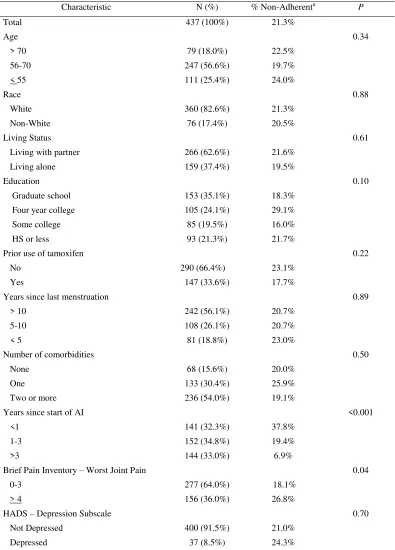
Of the 437 participants, 82.6% were White, 14.9% were African American, 1.6%
were Asian, and 0.9% reported “Other” race-ethnicity. The sample was highly educated: Among participants, 35.1% had a graduate or professional degree, 43.6% attended at least
some college, and 21.3% had a high school diploma or less. Most of the participants
were married or living with a partner (62.6%) and more than half of the sample had been
in a postmenopausal state for over 10 years. See Table 2.
Predictors of Non-Adherence
Using multiple imputation, we estimated that a total of 93 (21.3%) participants
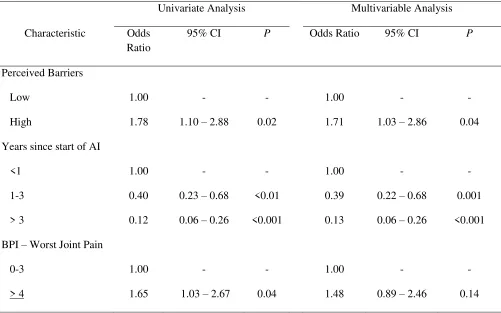
exhibited some form of non-adherence after completing the survey. Perceived barriers
was significantly associated with non-adherence. Those who reported having more
barriers to AI treatment were more likely to later non-adhere to AIs (25.7% vs. 16.3%;
odds ratio [OR], 1.78; 95% confidence interval [CI], 1.10 – 2.88; p = .02; see Figure 1). Perceived benefits of AI treatment (OR, .90; 95% CI, 0.53 – 1.53; p = 0.70) and
perceived susceptibility to breast cancer (OR, 1.14; 95% CI, 0.70 – 1.84; p = 0.60) did not predict adherence.
The following covariates were also associated with non-adherence in univariate
analyses: joint pain and years on an AI at the time of the survey (see Table 2). After we
included joint pain and time on an AI in the model, perceived barriers remained a
Exploratory analyses were conducted to examine if any particular items on the
Perceived Barriers subscale drove the relationship between perceived barriers and
adherence. When each item was examined independently, with joint pain severity and
length of time on AI included in the model, Item 4, “I have to take my AI for too many years” (OR, 1.25; 95% CI, 1.03 – 1.52, p = 0.03) significantly predicted non-adherence, as did Item 5,“Taking my AI is difficult because it causes pain” (OR, 1.30; 95% CI, 1.07
– 1.57; p = 0.009). Survivors who perceived that their pain made taking AIs difficult, or that AI treatment lasted too long, were more likely to show some form of non-adherence.
To determine the degree to which Item 5 and the joint pain item were measuring
overlapping constructs, we calculated their correlation (r [Spearman] = 0.32, p < 0.001).
Correlates of Health Beliefs
Women who had lower perceived susceptibility to cancer recurrence were more
likely to be non-White (p = .01). Survivors who perceived lower benefits of AI therapy
were more likely to be above 55 years old (p = .02) and have had more years in
menopause (p = .009). Participants with higher perceived barriers to AI treatment were
more likely to be non-White (p = .004), have higher joint pain levels (p = .004), and be
depressed (p < .001). See Table 4.
Discussion
To achieve optimal clinical outcomes for breast cancer survivors, adherence to AI
therapy is essential.19 In this prospective cohort study, we found that participants who
perceived greater barriers to AI treatment, as measured by the HBMABC, were more
37
perceived susceptibility to breast cancer and perceived benefits of AIs were not predictive
of adherence. Importantly, health beliefs were found to differ by socio-demographic
characteristics with minority women perceiving less risk of breast cancer recurrence as
well as greater perceived barriers to AI treatment.
Our findings are particularly important for several reasons. This study is one of
the first to identify a potentially modifiable, psychological predictor of AI non-adherence;
addressing women’s perceptions of perceived barriers may help improve their adherence to AIs. These findings also corroborate earlier work that shows that perceived benefits
may not be worth targeting to improve AI adherence. An intervention aimed at
increasing patients’ knowledge around the importance and benefits of AIs had no significant impact on adherence rates20; it appears that survivors who are no longer
willing to take AIs are not basing their decision on whether they think AIs are effective.
This is in contrast to tamoxifen adherence, for which beliefs about their benefits do seem
to matter,11 underscoring the importance of studying adherence to tamoxifen and to
aromatase inhibitors as separate outcomes.
The role of pain perception emerged as an important element in our findings.
Prior literature has shown that joint pain is a predictor of adherence to AIs,8 however in
our analysis, joint pain was no longer predictive of adherence when pain beliefs were
included in the model. Additionally, pain beliefs and pain intensity were only moderately
correlated, suggesting beliefs participants held about pain as a barrier to AI treatment
were not completely tied to the degree of pain the participant experienced. These
drives adherence behavior. Prior work among other patient populations has shown that
fear of pain, for example, is a powerful predictor of behavior21–23; women who
experience greater distress due to pain anticipation may consider AIs more difficult to
take.
To our knowledge, the HBMABC is the first instrument to evaluate health beliefs
related to AI therapy. Our psychometric analyses support the original factor structure of
the health belief model. In addition, we found that health beliefs are associated with a
number of demographic, medical, and psychological variables. Minorities and those with
higher levels of joint pain tended to perceive greater barriers to their AI treatment.
Although we found that non-Whites are no more likely to discontinue AI treatment than
Whites, previous work has shown that non-Whites are less likely to initiate AI
treatment.24,25 A number of factors have been examined to explain these differences,
including lower rates of insurance coverage and a higher presence of comorbidities
among minorities, but none have been found to fully explain racial disparities in AI
initiation.25 Health beliefs may help shed light on what is driving poorer rates of AI
initiation among minorities as compared to Whites and should be explored in future
research.
There are several limitations in this study. First, our measurement of adherence is
based on abstracting information from notes in participants’ medical records. This process relies on the reports of both participants and their physicians, which may not
always be accurate due to recall and response biases. Second, all women in the current
39
whether health beliefs predict AI initiation and non-adherence within the first month of
AI usage. Third, health beliefs may change over the course of treatment and different
health beliefs may be more salient at one point in time than another. A longitudinal study
examining health beliefs at the beginning of treatment and at multiple time points over
the course of treatment is needed to assess this. Lastly, our study was conducted in an
academic cancer center limiting its generalizability.
Conclusion
We found that breast cancer survivors’ beliefs about barriers to treatment predicted their AI adherence. Beliefs about AI-related pain and treatment length
appeared to be the most salient barriers. Incorporating health beliefs into research and
clinical practice may help to elucidate the challenges patients face in both initiation and
References
1. Boccardo F, Rubagotti A, Puntoni M, et al. Switching to anastrozole versus
continued tamoxifen treatment of early breast cancer: preliminary results of the
Italian Tamoxifen Anastrozole Trial. J Clin Cncology. 2005;23(22):5138-5147.
doi:10.1200/JCO.2005.04.120.
2. Thürlimann B, Keshaviah A, Coates AS, et al. A comparison of letrozole and
tamoxifen in postmenopausal women with early breast cancer. N Engl J Med.
2005;353(26):2747-2757. doi:10.1056/NEJMoa052258.
3. Partridge AH, LaFountain A, Mayer E, Taylor BS, Winer E, Asnis-Alibozek A.
Adherence to initial adjuvant anastrozole therapy among women with early-stage
breast cancer. J Clin Oncol. 2008;26(4):556-562. doi:10.1200/JCO.2007.11.5451.
4. Sedjo RL, Devine S. Predictors of non-adherence to aromatase inhibitors among
commercially insured women with breast cancer. Breast Cancer Res Treat.
2011;125(1):191-200. doi:10.1007/s10549-010-0952-6.
5. Coombes C, Hall E, Gibson L. A randomized trial of exemestane after two to three
years of tamoxifen therapy in postmenopausal women with primary breast cancer.
N Engl J Med. 2004;4(2):127-128. doi:10.1080/14733400410001728483.
6. Stanton AL, Petrie KJ, Partridge AH. Contributors to nonadherence and
nonpersistence with endocrine therapy in breast cancer survivors recruited from an
online research registry. Breast Cancer Res Treat. 2014;145(2):525-534.
41
7. Bender CM, Gentry AL, Brufsky AM, et al. Influence of patient and treatment
factors on adherence to adjuvant endocrine therapy in breast cancer. Oncol Nurs
Forum. 2014;41(3):274-285. doi:10.1188/14.ONF.274-285.
8. Chim K, Xie SX, Stricker CT, et al. Joint pain severity predicts premature
discontinuation of aromatase inhibitors in breast cancer survivors. BMC Cancer.
2013;13(1):401-407. doi:10.1186/1471-2407-13-401.
9. Champion V, Skinner C. Health Belief Model. In: Glanz K, Rimer B, Viswanath
K, eds. Health Behavior and Health Education: Theory, Research, and Practice.
4th ed. San Francisco, CA: John Wiley & Sons, Ltd.; 2008:45-65.
10. Sohl SJ, Moyer A. Tailored interventions to promote mammography screening: a
meta-analytic review. Prev Med (Baltim). 2007;45(4):252-261.
doi:10.1016/j.ypmed.2007.06.009.
11. Fink AK, Gurwitz J, Rakowski W, Guadagnoli E, Silliman RA. Patient beliefs and
tamoxifen discontinuance in older women with estrogen receptor-positive breast
cancer. J Clin Oncol. 2004;22(16):3309-3315. doi:10.1200/JCO.2004.11.064.
12. Side Effects of Aromatase Inhibitors. Komen.org website
http://ww5.komen.org/BreastCancer/SideEffectsofAromataseInhibitors.html.
Accessed August 14, 2015.
13. Mao JJ, Su HI, Feng R, et al. Association of functional polymorphisms in
CYP19A1 with aromatase inhibitor associated arthralgia in breast cancer
14. Browne MW, Cudeck R. Alternative ways of assessing model fit. Sociol Methods
Res. 1992;21(2):230-258. doi:10.1177/0049124192021002005.
15. Dimatteo MR, Lepper HS, Croghan TW. Depression is a risk factor for
noncompliance with medical treatment. Arch Intern Med.
2000;160(14):2101-2107. doi:10.1001/archinte.160.14.2101.
16. Bjelland I, Dahl AA, Haug TT, Neckelmann D. The validity of the Hospital
Anxiety and Depression Scale. J Psychosom Res. 2002;52(2):69-77.
doi:10.1016/S0022-3999(01)00296-3.
17. SPSS Statistics for Mac, Version 21.0. Armonk, NY: IBM Corp. 2012.
18. Erdfelder E, Faul F, Buchner A. GPOWER: a general power analysis program.
Behav Res Methods, Instruments Comput. 1996;28(I):1-11.
doi:10.3758/BF03193146.
19. Hershman DL, Shao T, Kushi LH, et al. Early discontinuation and non-adherence
to adjuvant hormonal therapy are associated with increased mortality in women
with breast cancer. Breast Cancer Res Treat. 2011;126(2):529-537.
doi:10.1007/s10549-010-1132-4.Early.
20. Markopoulos C, Neven P, Tanner M, et al. Does patient education work in breast
cancer ? Final results from the global CARIATIDE study. Futur Oncol. 2015;11(2):205-217.
21. Lethem J, Slade PD, Troup JDG, Bentley G. Outline of a fear-avoidance model of