R E S E A R C H
Open Access
Development of national consensus
statements on food labelling interpretation
and protein allocation in a low
phenylalanine diet for PKU
British Inherited Metabolic Diseases Group (BIMDG) Dietitians Group, Sharon Evans
1*, Suzanne Ford
2,
Sarah Adam
3, Sandra Adams
4, Jane Ash
5, Catherine Ashmore
1, Gillian Caine
6, Rachel Carruthers
7,
Sarah Cawtherley
8, Satnam Chahal
1, Anne Clark
9, Barbara Cochrane
3, Anne Daly
1, Karen Dines
10, Marjorie Dixon
8,
Carolyn Dunlop
11, Charlotte Ellerton
7, Moira French
12, Lisa Gaff
13, Cerys Gingell
14, Diane Green
15, Joanna Gribben
16,
Anne Grimsley
10, Paula Hallam
8, Una Hendroff
17, Melanie Hill
18, Rachel Hoban
1, Sarah Howe
19, Inderdip Hunjan
20,
Kit Kaalund
7, Eimear Kelleher
17, Farzana Khan
20, Steve Kitchen
1, Karen Lang
21, Sharan Lowry
22, Jo Males
23,
Georgina Martin
13, Nicola McStravick
10, Avril Micciche
16, Camille Newby
24, Claire Nicol
4, Rachel Pereira
25,
Louise Robertson
19, Kathleen Ross
26, Emma Simpson
27, Kath Singleton
5, Rachel Skeath
8, Jacqueline Stafford
8,
Allyson Terry
28, Ruth Thom
10, Alison Tooke
14, Karen vanWyk
27, Fiona White
27, Lucy White
22and Anita MacDonald
1Abstract
Background:In the treatment of phenylketonuria (PKU), there was disparity between UK dietitians regarding interpretation of how different foods should be allocated in a low phenylalanine diet (allowed without measurement, not allowed, or allowed as part of phenylalanine exchanges). This led to variable advice being given to patients.
Methodology:In 2015, British Inherited Metabolic Disease Group (BIMDG) dietitians (n= 70) were sent a multiple-choice questionnaire on the interpretation of protein from food-labels and the allocation of different foods. Based on majority responses, 16 statements were developed. Over 18-months, using Delphi methodology, these statements were systematically reviewed and refined with a facilitator recording discussion until a clear majority was attained for each statement. In Phase 2 and 3 a further 7 statements were added.
(Continued on next page)
* Correspondence:[email protected]
1Dietetic Department, Birmingham Women’s & Children’s NHS Foundation Trust,
Birmingham Children’s Hospital, Steelhouse Lane, Birmingham B4 6NH, UK Full list of author information is available at the end of the article
(Continued from previous page)
Results:The statements incorporated controversial dietary topics including: a practical‘scale’for guiding calculation of protein from food-labels; a general definition for exchange-free foods; and guidance for specific foods. Responses were divided into paediatric and adult groups. Initially, there was majority consensus (≥86%) by paediatric dietitians (n= 29) for 14 of 16 statements; a further 2 structured discussions were required for 2 statements, with a final majority consensus of 72% (n= 26/36) and 64% (n= 16/25). In adult practice, 75% of dietitians agreed with all initial statements for adult patients and 40% advocated separate maternal-PKU guidelines. In Phase 2, 5 of 6 statements were agreed by ≥76% of respondents with one statement requiring a further round of discussion resulting in 2 agreed statements with a consensus of≥71% by dietitians in both paediatric and adult practice. In Phase 3 one statement was added to elaborate further on an initial statement, and this received 94% acceptance by respondents. Statements were endorsed by the UK National Society for PKU.
Conclusions:The BIMDG dietitians group have developed consensus dietetic statements that aim to harmonise dietary advice given to patients with PKU across the UK, but monitoring of statement adherence by health professionals and patients is required.
Keywords:Phenylketonuria (PKU), Delphi method, Food labelling, Consensus, Phenylalanine exchanges
Introduction
Phenylketonuria (PKU) is an inborn error of amino acid metabolism, due to deficiency or absence of the enzyme phenylalanine hydroxylase, leading to accumulation of blood and brain phenylalanine (Phe). Untreated, it will cause severe, irreversible neurological damage [1]. Strict dietary management is the only available treatment option in the UK. The aim is to correct abnormal bio-chemistry by decreasing the Phe load on the affected pathway and supplementation with Phe -free L-amino acids or low Phe glycomacropeptide protein substitutes [2]. The diet involves avoiding high protein foods (e.g. meat, fish, eggs, cheese, seeds, flour, bread and nuts), with strict control of moderate containing protein foods (e.g. cereals, potato, milk and some vegetables) to main-tain blood Phe levels within target range [1, 3]. Several fruits and vegetables are low in Phe and are incorporated in the diet without limit [4]. From weaning when solids are first introduced [5] and later with the ever growing convenience food market, patients with PKU and their caregivers need simple, consistent, easy-to-understand rules for calculating protein intake. A national dietetic re-appraisal of some of the practical dietary advice given to UK patients and families with PKU was necessary because of: the recent publication of European PKU guidelines identifying different criteria for the allocation of fruit and vegetables in a low Phe diet [3]; introduction of new species of fruits and vegetables; new European protein labelling legislation [6]; contradictory informa-tion available via social media; and increasing patient usage of manufactured foods.
The British Inherited Metabolic Diseases (BIMDG) Di-etitians Group, using the Delphi method set out to agree a set of practical statements about the classifications of foods in a low Phe diet. The Delphi process is a tool
used to gain a majority decision in a structured or sys-tematic manor. It helps secure a collective view from a panel of experts about complex issues or problems where there is little or no definitive evidence [7, 8]. Experts respond to questionnaires over several rounds with a facilitator coordinating and summarising re-sponses for feedback. Rere-sponses and feedback from each expert, guide the questions for further rounds. With each successive round the number of questions declines as the group moves toward consensus.
Aims
To develop consensus statements about the practical allocation of foods and interpretation of protein food la-belling in a low Phe diet for the management of PKU in the UK using the Delphi method to generate consensus.
Methods
In November 2015, BIMDG dietitians convened to dis-cuss the allocation of foods and interpretation of food la-beling with the aim of developing consensus statements for PKU. A multiple-choice questionnaire, comprising 14 questions about dietary advice to UK patients or caregivers regarding the allocation of different foods (allowed without measurement, not allowed, or allowed as part of Phe exchanges) and interpretation of protein from food labels, was distributed to 70 BIMDG dietitians from 30 centres treating individuals with PKU. The re-sults of this questionnaire identified 7 specific areas where dietetic practice was variable, leading to contra-dictory advice being issued to patients and caregivers. These 7 areas are identified in Table1.
the practical dietary management of PKU were put for-ward and agreed in Phase 1. In Phase 2 a further 6 state-ments, and in Phase 3 one final statement was proposed. The Delphi method was then used to gain consensus from the BIMDG dietitians about each of the state-ments. The lead author acted as facilitator.
The 23 consensus statements on practical dietary management were circulated to all BIMDG dietitians by email. A written response of agreement or disagree-ment with each statedisagree-ment was then returned to the facilitator for analysis. After each round of circulation, a telephone conference was held with the BIMDG die-titians to provide collective feedback and the draft consensus statements were further adapted. Modified statements were then recirculated to the BIMDG dieti-tians with additional questions until a majority decision (> 60%) was obtained on each statement. Dietitians were given 8 weeks to respond in each Delphi round.
Approval of the final consensus statements was sought and received by the UK National Society for PKU (NSPKU).
Results
Phase 1: Round 1 of Delphi method
The 16 draft consensus statements on practical dietary management were prepared with accompanying notes
explaining their rationale. They were then distributed for approval or non-approval of each statement to all BIMDG dietitians (73 dietitians: 43 paediatric practice, 20 adult practice and 10 caring for both adult and paedi-atric patients; from 30 inherited metabolic disorder [IMD] centres).
Replies were received from 40 dietitians (55% of BIMDG dietitians, from 23 centres, 77%) and results were distributed to all dietitians within 5 months of ini-tial circulation. After the first round, there was majority consensus by paediatric dietitians (≥86%; n= 29) and dietitians working in adult practice (≥65%; n= 17) for all 16 statements. At a BIMDG dietitians group tele-conference, minor modifications were made to a small number of the consensus statements and 14 of the 16 statements were formerly agreed by paediatric dietitians (Tables2and3).
However, two of the statements generated consider-able debate, so it was decided to further explore individ-ual opinions on these 2 statements following additional investigation into the Phe content of the products. In addition, there was some disparity among dietitians working in adult practice in relation to maternal patients with PKU and Phe consumption from fruits and vegeta-bles permitted without measurement. Consequently, it was decided that for round 2 of the Delphi process, paediatric dietitians and dietitians working in adult prac-tice would separate to examine issues independently.
Phase 1: Round 2 of Delphi method
The remaining 2 ‘non-agreed’ draft consensus state-ments (statement 1: the upper protein content of soya sauces allowed as an exchange-free food; and state-ment 2: the allocation of fruits and vegetables contain-ing Phe content from 76 to 99 mg per 100 g weight) were modified following examination of barriers to acceptance (Table 2). An in-depth investigation was conducted about the protein content of all commercial soya sauces available to purchase as well as issuing analysis about the Phe content of fruits and vegetables. These 2 consensus statements were then recirculated to the BIMDG dietitians; with 3 possible options for each statement.
Soya sauce was considered differently to other table top sauces. Its protein content is highly variable from < 0.5 g per 100 ml up to 15 g per 100 ml. Soya sauce option 1: protein ≤ 1 g per 100 ml is exchange-free, was consistent with the statement for wet cooking sauces but allowed very little brand choice; option 2: protein≤1.5 g per 100 ml is exchange-free, allowed more choice but was inconsistent with statements for other foods; and option 3: up to 2 tablespoons per day of any soya sauce,allowed a wide choice of brands but could lead to a higher protein intake.
Table 1Variation in dietary advice given to patients by BIMDG dietitians
Areas of variation in dietary advice given to patients by BIMDG dietitians:
Use of different terminology to describe low protein foods that could be incorporated into the diet without measurement.
Inconsistent advice to parents about the calculation of 1 g protein exchanges (equivalent to 50 mg phenylalanine) from protein labelling analysis of individual food portions i.e. dietitians were either rounding protein values > or < 1 g to the nearest 0.5 exchange.
Use of different upper protein‘cut off’points for foods that could be given in the diet without measurement (exchange-free). There was inconsistent allocation of the following foods: herbs and spices; fats/ oils; soya sauce; gravy; cooking sauces; vegetable crisps; sweets; and processed vegetables/vegetable sauces with protein containing ingredients (e.g. milk/wheat).
Inconsistent allocation of manufactured foods that contained low protein (exchange-free) ingredients.
Inconsistent allocation of special low protein foods that contained low protein (exchange-free) ingredients.
Inconsistent allocation of fruits and vegetables (containing phenylalanine from 50 to 100 mg/100 g weight) in the diet. Some dietitians were allowing certain fruits and vegetables in the diet without measurement; others were permitting in restricted amounts only.
Table 2 Summary of Consensus Statements (Co ntinued) lab el content is not available the n it is sui table to giv e as an exchan ge-free food . -If there is no protei n content on the pro duct label, but it cont ains excha nge ingredie nts, an accu rate protein analy sis sho uld be obtaine d be fore consum ing. 100 (29) 100 (29) Agre ed Agreed Agree d -If a label states its prot ein cont ent is 0 g but ≥ 1 ingre dient cont ains a protei n source (e.g. ge latine ), avo id until an accu rate protein an alysis is know n. 97 (28) 65 (11) Agre ed Agreed Agree d Agree wit h all consens us statem ents (as above) N/A N/ A N/ A N/A N/A 75 (15) Separate matern al PKU statem ents pre ferred N/A N/ A N/ A N/A N/A 40 (8) PHA SE 2 Conse nsus statem ents Del phi Proce ss – Round 1 % agre ement (n) D elphi proc ess – Rou nd 2 % agreement (n) Final D ecision Paedi atric Die titians n =1 9 13 centr es Die titians in adu lt pract ice n =9 8 centres Pae diatric Dietitian s n=1 9 11 cen tres Dietitian s in adult
practice n=1
Table
2
Summary
of
Consensus
Statements
(Co
ntinued)
is
exchang
e-fre
e.
Any
dried
coconu
t
produ
ct
with
a
protein
cont
ent
>
0.5
g/10
0
g
shoul
d
be
cou
nted
as
an
excha
nge
food
.
95
(18)
89
(8)
N/
A
N/A
Agreed
Any
food
containi
ng
≤
0.5
g/100
g
prot
ein
(but
contains
gelat
ine
)
can
be
all
ocate
d
as
exch
ange-free
as
it
is
likely
to
contain
≤
10
mg
phe
nylalani
ne
from
this
sour
ce.
95
(18)
89
(8)
N/
A
N/A
Agreed
The
weight
rathe
r
than
the
volu
me
of
ice-cream
should
be
used
to
calc
ulate
the
protei
n
exchang
e
amou
nt.
100
(19)
100
(9)
N/
A
N/A
Agreed
PHA
SE
3
Conse
nsus
statem
ents
Del
phi
Proce
ss
–
Round
1
%
agre
ement
(n)
Final
D
ecision
n=1
7
13
centr
es
Low
protein
specia
l
food
s
If
the
special
low
protei
n
food
cont
ains
exchang
e
ingre
dient
s
but
contains
up
to
25
mg
Phe
/100
g,
it
is
exchan
ge-free
.
If
the
special
low
prot
ein
food
contains
exch
ange
ingredients
but
cont
ains
≥
26
mg
Phe
/100
g,
it
is
an
exchang
e
food
.
94
(16)
Agreed
NB:
Dietitians
covering
both
paediatrics
&
adults
–
responses
are
included
in
both
groups.
*some
dietitians
were
undecided
and
chose
2
For fruit and vegetables with a Phe content between 76 to 99 mg per 100 g: option 1:count as part of the 50 mg Phe exchange system, considered that their uncontrolled consumption may increase dietary Phe intake consider-ably, but may be difficult to enforce in patients already established on dietary management who do not currently restrict their intake. Option 2: permit only one serving daily of any fruits and vegetables in this category, but calculate Phe intake from any additional servings of fruits and vegetables from this category, overcame some of the issues associated with option 1, but was complex for both dietitians and patients or caregivers. Option 3: permit 1 portion daily of any one of the fruits and vegetable in this category, was the existing guidance and whilst aiming to control overall intake, it did not consider increased oppor-tunities for consumption of some of the more novel forms of these fruits and vegetables e.g. vegetable rice, vegetable pasta. An additional question was asked in this round (Table 2) about the acceptance of a standard exchange weight i.e. 60 g for fruits and vegetables with a Phe con-tent between 76 and 100 mg per 100 g.
For BIMDG paediatric dietitians, option 2 for the soya sauce consensus statement received a majority
response (67% of respondents; n= 24/36) and was
agreed; but opinion was divided between the 3 options for the final consensus statement on fruits and vegeta-bles containing Phe content from 76 to 99 mg per 100 g weight. However, there was consensus on the need for a standard exchange weight for these fruits and vegetables (Table 4). The dietitians working in adult practice continued to debate both questions but did not reach consensus at this round.
Phase 1: Round 3 of Delphi method
The remaining‘non-agreed’consensus statement concern-ing the allocation of fruits and vegetables was reissued with the 2-options scoring highest in the previous round. Option 1 statement was finally agreed by 64% (n= 25) of paediatric dietitians and endorsed at the dietitians BIMDG teleconference in February 2017.
In the final Delphi round, 75 % of dietitians working in adult practice (n= 15) agreed with the 16 consensus statements for adult patients following diet, concluding that consistency in dietary care in the transition from paediatric to adult services was important. However, 40% (n= 8) of dietitians working in adult practice pro-posed that separate maternal PKU consensus statements were required.
NSPKU endorsement
The initial consensus statements were endorsed by the UK National Society for PKU (NSPKU) in April 2017.
Phase 2: Round 1of Delphi method
Additional food items not covered by the initial statements were identified in the 6 months following completion of Phase 1, so 6 new statements on: low protein milks, soups, coconut desserts, coconut products, ice-cream and gelatine containing products, were distributed with accompanying notes. Replies were received from 25 dietitians (from 18 centres) and results were discussed at a BIMDG dietitians group teleconference in January 2018. There was majority consensus by dietitians (≥76%) for all but the low protein milks statement which it was agreed needed redefining (Table2).
Phase 2: Round 2 of Delphi method
Two amended statements on plant milks and low protein milk replacements were sent out in February 2018 and re-sults discussed and agreed at a teleconference in May
Table 3Calculating food protein exchanges from protein analysis on the food label
Protein content per item when calculated from label
Calculated exchange
0 g protein per food portion Exchange free
0.1 g protein per food portion Exchange free (if total volume consumed is≤0.5 g protein)
0.2 g protein per food portion Exchange free (if total volume consumed is≤0.5 g protein)
0.3 g protein per food portion Exchange free (if total volume consumed≤0.5 g protein). Suggest 1 portion is exchange-free, 2 portions is ½ exchangea
0.4 to 0.7 g protein per food portion ½ exchange protein
0.8 to 1.2 g protein per food portion 1 exchange protein
1.3 to 1.7 g per food portion 1.5 exchange protein
1.8 to 2.2 g per food portion 2 exchange protein
2.3 to 2.7 g per food portion 2.5 exchange protein
2.8 to 3.2 per food portion 3 exchange protein
a
This may apply to ice cream lollies, gluten-free cakes, very small packets crisps, sweets
Table 4New exchanges (previously exchange free)
Fruit and vegetables containing Phe≥76 mg/100 g Amount for 1 exchange
Figs 60 g
Asparagus 60 g
Beansprouts 60 g
Broccoli 60 g
Brussel sprouts 60 g
Cauliflower 60 g
Yam 60 g
Sugar snap peas 60 g
Mange tout 60 g
2018. There were 30 replies and 77% (n= 23) agreed with the plant milks statement and 80% (n = 24) with the low protein milk replacements statement (Table2). Other low protein special foods were also discussed in detail and it was agreed that the initial statement in Phase 1 required elaboration due to significant protein containing ingredi-ents in some products.
Phase 3: Round 1 of Delphi method
A statement regarding low protein special foods was dis-tributed along with information on their content in May 2018. Results were conclusive and this along with Phase 2 statements were agreed at a BIMDG dietitians meeting in June 2018. A summary of all agreed guidelines was is-sued in July 2018 and endorsed by the NSPKU (Table5).
Discussion
National consensus statements on the practical inter-pretation of dietary management in PKU are central to ensuring consistent advice is given to all families and patients with PKU. We have systematic agreement on many basic dietary rules and definitions which have received united support from BIMDG dietitians. Using the Delphi method allowed all BIMDG dietitians to have the opportunity to give their opinion and influ-ence several areas of dietary management in PKU where scientific evidence was unavailable to dictate practice. For most of the statements, clear consensus was reached in the first round of Delphi discussions, leaving only 4 controversial statements requiring more extensive discussion and negotiation. The process we
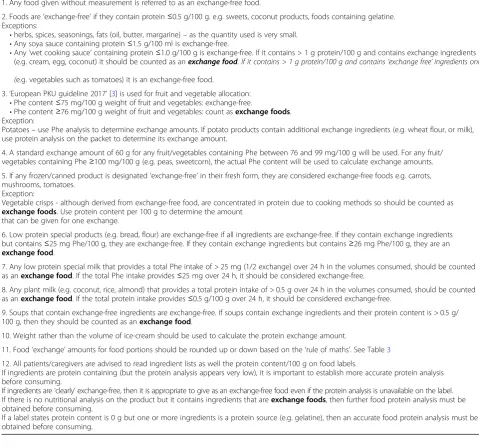
Table 5Summary of Final Consensus Statements for PKU
1. Any food given without measurement is referred to as an exchange-free food.
2. Foods are‘exchange-free’if they contain protein≤0.5 g/100 g. e.g. sweets, coconut products, foods containing gelatine. Exceptions:
•herbs, spices, seasonings, fats (oil, butter, margarine)–as the quantity used is very small.
•Any soya sauce containing protein≤1.5 g/100 ml is exchange-free.
•Any‘wet cooking sauce’containing protein≤1.0 g/100 g is exchange-free. If it contains > 1 g protein/100 g and contains exchange ingredients (e.g. cream, egg, coconut) it should be counted as anexchange food. If it contains > 1 g protein/100 g and contains‘exchange free’ingredients only
(e.g. vegetables such as tomatoes) it is an exchange-free food.
3.‘European PKU guideline 2017’[3] is used for fruit and vegetable allocation:
•Phe content≤75 mg/100 g weight of fruit and vegetables: exchange-free.
•Phe content≥76 mg/100 g weight of fruit and vegetables: count asexchange foods. Exception:
Potatoes–use Phe analysis to determine exchange amounts. If potato products contain additional exchange ingredients (e.g. wheat flour, or milk), use protein analysis on the packet to determine its exchange amount.
4. A standard exchange amount of 60 g for any fruit/vegetables containing Phe between 76 and 99 mg/100 g will be used. For any fruit/ vegetables containing Phe≥100 mg/100 g (e.g. peas, sweetcorn), the actual Phe content will be used to calculate exchange amounts.
5. If any frozen/canned product is designated‘exchange-free’in their fresh form, they are considered exchange-free foods e.g. carrots, mushrooms, tomatoes.
Exception:
Vegetable crisps - although derived from exchange-free food, are concentrated in protein due to cooking methods so should be counted as
exchange foods. Use protein content per 100 g to determine the amount
that can be given for one exchange.
6. Low protein special products (e.g. bread, flour) are exchange-free if all ingredients are exchange-free. If they contain exchange ingredients but contains≤25 mg Phe/100 g, they are exchange-free. If they contain exchange ingredients but contains≥26 mg Phe/100 g, they are an
exchange food.
7. Any low protein special milk that provides a total Phe intake of > 25 mg (1/2 exchange) over 24 h in the volumes consumed, should be counted as anexchange food. If the total Phe intake provides≤25 mg over 24 h, it should be considered exchange-free.
8. Any plant milk (e.g. coconut, rice, almond) that provides a total protein intake of > 0.5 g over 24 h in the volumes consumed, should be counted as anexchange food. If the total protein intake provides≤0.5 g/100 g over 24 h, it should be considered exchange-free.
9. Soups that contain exchange-free ingredients are exchange-free. If soups contain exchange ingredients and their protein content is > 0.5 g/ 100 g, then they should be counted as anexchange food.
10. Weight rather than the volume of ice-cream should be used to calculate the protein exchange amount.
11. Food‘exchange’amounts for food portions should be rounded up or down based on the‘rule of maths’. See Table3
12. All patients/caregivers are advised to read ingredient lists as well the protein content/100 g on food labels.
If ingredients are protein containing (but the protein analysis appears very low), it is important to establish more accurate protein analysis before consuming.
If ingredients are‘clearly’exchange-free, then it is appropriate to give as an exchange-free food even if the protein analysis is unavailable on the label. If there is no nutritional analysis on the product but it contains ingredients that areexchange foods, then further food protein analysis must be obtained before consuming.
have undertaken should lead to harmonization and consistency of dietetic practice in PKU with less confusion for professionals, patients and their families. Adoption of these consensus statements by the national patient’s soci-ety, NSPKU, will enable uniform written dietary informa-tion to be available for all patients. Further adaptainforma-tion of these statements is necessary for maternal PKU, where dietary management practices are particularly rigorous. This exercise will be taken forward by the BIMDG dieti-tians working in adult practice.
The advantage of the Delphi method is that it involves the collective knowledge of a group of experts which is likely to be better than that of each individ-ual; comparing, contrasting, challenging and comple-menting each other [8]. The process is directed, impartial, helps engender group ownership, encour-ages consensus among individuals with diverse views and is an alternative to conventional meetings where strong personalities, status and group pressures can influence individual responses [7]. It was clear that every opinion was valued and would be important in influencing the final decisions. Because this method is structured and focused, it can avoid much of the counterproductive digressions identifiable in face-to-face group discussions [7]. Due to the combined contribution of all members, varying ideas and view-points were generated and these further directed later responses.
The Delphi Method did have some limitations. Being a qualitative method, it is considered subjective. However, in our consensus statements, only best practice opinion was available to support any of the specific decisions reached; when new scientific evidence is available these statements will be challenged. Also, 70 dietitians partici-pated, which could be considered a limitation. However, the number of experts chosen was designed to be inclu-sive of all centres and dietitians in the UK who were members of the BIMDG dietitians group. Another draw-back of the process was the tendency for participants to maintain the status quo rather than voting for change. For example, for two of the consensus statements, des-pite good initial agreement in round 1, further discus-sion identified the impracticality of the statements which prompted the generation of 3 possible options for round 2. A further limitation was the lack of response from some members. Unfortunately, this was unavoidable due to maternity leave, job changes and retirements occur-ring duoccur-ring the 18-month period of the project. Some dietetic non-responders were new to the IMD specialty or were from centres with fewer patients and or less clinical experience and may have been reluctant to re-spond due to uncertainty or a lack of definitive opinion. Despite some non-responding dietitians, most UK IMD centres were represented in each round.
Conclusion
In conclusion, this process of agreement between BIMDG dietitians across the UK will enable the introduction of consistent, easy-to-understand rules for calculating pro-tein intake for professionals and patients with PKU. Both dietitians working in paediatric and adult services have endorsed these consensus statements which should con-tribute to a smooth transition between services, maintain-ing uniformity of information across all ages. Modification of the consensus statements may be warranted for mater-nal PKU patients requiring more rigorous dietary restric-tion. It will be important to perform an evaluation of the interpretation of these statements by dietitians and patients in clinical practice. Overall these consensus state-ments contribute to harmonising dietary advice offered to British PKU patients. Longitudinal monitoring of their application, acceptance and adherence by health profes-sionals and patients or caregivers is essential.
Abbreviations
BIMDG:British Inherited Metabolic Diseases Group; IMD: Inherited Metabolic Diseases; NSPKU: National Society for Phenylketonuria; Phe: Phenylalanine; PKU: Phenylketonuria
Acknowledgements
Not applicable.
Funding
No funding was required as this project was conducted as part of routine service by all the dietitians involved.
Availability of data and materials
The supporting datasets analysed during the current study are available from the corresponding author on reasonable request.
Authors’contributions
All authors were involved in the initial conception and design (through BIMDG dietitians group meetings, conferences and teleconferences), data collection (using the Delphi Method), interpretation of the data and critical revision of the paper for important intellectual content and final approval of the version to be published. SE and AMac were additionally involved in the collation of data and drafting of the initial article and SE acted as facilitator for the Delphi process.
Ethics approval and consent to participate
Not applicable.
Consent for publication
Not applicable.
Competing interests
AD–research funding from Vitaflo; financial support from Nutricia & Vitaflo to attend study days & conferences.
CE–honoraria & financial support from Vitaflo & Nutricia to attend study events and conferences.
SE - research funding from Nutricia; financial support from Nutricia & Vitaflo to attend study days & conferences.
SF–funding for conferences & study days from Nutricia & Vitaflo; advisory board participation for Nutricia & Biomarin.
RS - financial support from Nutricia & Vitaflo to attend study days & conferences. KV–member of Nutricia Paediatric Metabolic Advisory Board.
Publisher’s Note
Springer Nature remains neutral with regard to jurisdictional claims in published maps and institutional affiliations.
Author details
1Dietetic Department, Birmingham Women’s & Children’s NHS Foundation Trust,
Birmingham Children’s Hospital, Steelhouse Lane, Birmingham B4 6NH, UK.2The
National Society for Phenylketonuria, London, UK.3Queen Elizabeth University
Hospital, Glasgow, UK.4Royal Victoria Infirmary, Newcastle upon Tyne, UK.
5University Hospital of Wales, Cardiff, UK.6Mid Yorkshire Hospitals NHS Trust,
Yorkshire, UK.7University College London Hospitals NHS Foundation Trust,
London, UK.8Great Ormond Street Hospital for Children NHS Foundation Trust,
London, UK.9Children’s University Hospital Dublin, Dublin, Republic of Ireland.
10Belfast Health & Social Care Trust, Belfast, UK.11Royal Hospital for Sick Children
Edinburgh, Edinburgh, UK.12Leicester Royal Infirmary, Leicester, UK.13Cambridge
University Hospitals NHS Foundation Trust, Cambridge, UK.14Nottingham University
Hospitals NHS Trust, Nottingham, UK.15Salford Royal NHS Foundation Trust, Salford, UK.16Evelina London Children’s Healthcare, London, UK.17Mater Misericordiae
University Hospital Dublin, Dublin, Ireland.18Sheffield Teaching Hospitals NHS
Foundation Trust, Sheffield, UK.19University Hospitals Birmingham NHS Foundation
Trust, Birmingham, UK.20Bradford Teaching Hospitals NHS Foundation Trust, Bradford, UK.21Ninewells Hospital Dundee, Dundee, Scotland.22Sheffield Children’s
NHS Foundation Trust, Sheffield, UK.23Aneurin Bevan University Health Board Wales,
Newport, UK.24Bristol Royal Hospital for Children, Bristol, UK.25Norfolk and Norwich
University Hospital, Norfolk, UK.26Royal Aberdeen Children’s Hospital, Aberdeen, UK.
27Royal Manchester Children’s Hospital, Manchester, UK.28Alder Hey Children’s NHS
Foundation Trust, Liverpool, UK.
Received: 19 February 2018 Accepted: 2 November 2018
References
1. MacDonald A. Inborn errors in metabolism. In: Koletzko B, editor. Paediatric nutrition in practice. 113. 2nd ed. Switzerland: Karger; 2015. p. 226–33. 2. Daly A, Evans S, Chahal S, Santra S, MacDonald A. Glycomacropeptide in
children with phenylketonuria: does its phenylalanine content affect blood phenylalanine control? J Hum Nutr Diet. 2017;30(4):515–23.
3. van Spronsen FJ, van Wegberg AMJ, Ahring K, Bélanger-Quintana A, Blau N, Bosch AM, et al. Key European guidelines for the diagnosis and
management of patients with phenylketonuria. Lancet Diabetes Endocrinol. 2017;5(9):743–56.
4. Weetch E, MacDonald A. The determination of phenylalanine content of foods suitable for phenylketonuria. J Hum Nutr Diet. 2006;19(3):229–36. 5. Evans S, Daly A, MacDonald J, Pinto A, MacDonald A. Fifteen years of using
a second stage protein substitute for weaning in phenylketonuria: a retrospective study. J Hum Nutr Diet. 2017;31(3):349–56.
6. European Parliament. Regulation (EU) No 1169/2011 of the European Parliament and the Council of the European Union of 25 October 2011 on the setting of tolerances for nutrient values declared on a label.‘Royal Manchester Children’s Hospital 2011; L304:18–63.
7. Thangaratinam S, Redman CWE. The Delphi technique. The Obstetrician & Gynaecologist. 2005;7(2):120–5.
8. Dahlgaard-Park SM. The SAGE encyclopedia of quality and the service economy: Delphi Method. 2015 2017/09/08. Thousand Oaks, California: SAGE Publications, Inc. Available from: