
S T U D Y P R O T O C O L
Open Access
Traumatic injury clinical trial evaluating
tranexamic acid in children (TIC-TOC): study
protocol for a pilot randomized controlled
trial
Daniel K. Nishijima
1*, John VanBuren
2, Hilary A. Hewes
3, Sage R. Myers
4, Rachel M. Stanley
5, P. David Adelson
6,
Sarah E. Barnhard
7, Matthew Bobinski
8, Simona Ghetti
9, James F. Holmes
1, Ian Roberts
10, Walton O. Schalick III
11,
Nam K. Tran
12, Leah S. Tzimenatos
1, J. Michael Dean
2, Nathan Kuppermann
13for the TIC-TOC Collaborators of the
Pediatric Emergency Care Applied Research Network
Abstract
Background:Trauma is the leading cause of morbidity and mortality in children in the United States. The
antifibrinolytic drug tranexamic acid (TXA) improves survival in adults with traumatic hemorrhage, however, the drug has not been evaluated in a clinical trial in severely injured children. We designed the Traumatic Injury Clinical Trial Evaluating Tranexamic Acid in Children (TIC-TOC) trial to evaluate the feasibility of conducting a confirmatory clinical trial that evaluates the effects of TXA in children with severe trauma and hemorrhagic injuries.
Methods:Children with severe trauma and evidence of hemorrhagic torso or brain injuries will be randomized to
one of three arms: (1) TXA dose A (15 mg/kg bolus dose over 20 min, followed by 2 mg/kg/hr infusion over 8 h), (2) TXA dose B (30 mg/kg bolus dose over 20 min, followed by 4 mg/kg/hr infusion over 8 h), or (3) placebo. We will use permuted-block randomization by injury type: hemorrhagic brain injury, hemorrhagic torso injury, and combined hemorrhagic brain and torso injury. The trial will be conducted at four pediatric Level I trauma centers. We will collect the following outcome measures: global functioning as measured by the Pediatric Quality of Life (PedsQL) and Pediatric Glasgow Outcome Scale Extended (GOS-E Peds), working memory (digit span test), total amount of blood products transfused in the initial 48 h, intracranial hemorrhage progression at 24 h, coagulation biomarkers, and adverse events (specifically thromboembolic events and seizures).
Discussion:This multicenter trial will provide important preliminary data and assess the feasibility of conducting a confirmatory clinical trial that evaluates the benefits of TXA in children with severe trauma and hemorrhagic injuries to the torso and/or brain.
Trial registration:ClinicalTrials.gov registration number:NCT02840097. Registered on 14 July 2016.
Keywords:Children, Trauma, Tranexamic acid
* Correspondence:[email protected]
1Department of Emergency Medicine, UC Davis School of Medicine, 4150 V.
Street, PSSB 2100, Sacramento, CA 95817, USA
Full list of author information is available at the end of the article
Background
Trauma is the leading cause of morbidity and mortality in children in the United States [1]. Deaths from pediatric trauma are primarily from direct injury to critical organs (brain, heart, lungs) or hemorrhage into the thoracic and/ or abdominal cavities. In the initial 24 h after injury, hemorrhage is the leading cause of death [2]. The degree of hemorrhage is influenced by both the extent of injury to the structures and the occurrence of trauma-induced coagulopathy. Traumatic coagulopathy is common after severe injury, particularly in patients with brain injuries, acidosis, and/or shock; it independently increases the risk of morbidity and mortality [3–6]. Nearly 30% of injured children admitted to the hospital have abnormalities of routine clotting parameters and 6% have markedly abnor-mal values [7].
Hyperfibrinolysis, or the premature and excessive break-down of blood clots, is largely driven by increased plasmin generation after tissue injury and is a major component of traumatic coagulopathy [8,9]. As measured by thromboe-lastography (TEG) testing, hyperfibrinolysis occurs in 24% of severely injured children and increases the risk for death sixfold compared to children without hyperfibrino-lysis [10]. Hyperfibrinolysis is also associated with the need for lifesaving interventions and the need for blood product transfusions in severely injured children [11].
Tranexamic acid (TXA) is an antifibrinolytic lysine analog that inhibits plasminogen activation. Plasmin is central to fibrinolysis as it catalyzes the dissolution of fi-brin clots. Premature and excessive fifi-brinolysis is a prominent characteristic of traumatic coagulopathy and hemorrhage progression due to elevated levels of tissue plasminogen activator (tPA) commonly seen after traumatic injuries, particularly traumatic brain injuries (TBI) [12].
Recent evidence in injured adults indicates that treat-ment with TXA decreases the risk of mortality following traumatic hemorrhage [13]. The Clinical Randomization of an Antifibrinolytic in Significant Haemorrhage-2 (CRASH-2) trial randomized 20,211 adult trauma pa-tients at risk for significant hemorrhage to TXA or pla-cebo. If administered within 3 h of injury, TXA reduced the risk of death from bleeding by approximately one third [14]. Furthermore, TXA had an excellent safety profile and was found to be cost-effective for use in these injured adult patients [15]. Based on the results of the CRASH-2 trial, administration of TXA is considered standard of care for severely injured adults with hemorrhagic trauma and is included on the World Health Organization’s (WHO) list of essential drugs.
A similar clinical trial has not been conducted in chil-dren with hemorrhagic injuries. We previously demon-strated that TXA is rarely given for injured children in US children’s hospitals [16]. Data regarding TXA use in
children is mostly limited to those undergoing certain elective surgeries, specifically cardiac surgery [17–20], with some small studies in children undergoing spinal and craniofacial surgeries [17], and across a wide range of doses [17, 21]. These data suggest that perioperative administration of TXA decreases blood transfusion requirements in children. Furthermore, these studies suggest an excellent safety profile for TXA in children [17–20]. The type of traumatic insult and degree of in-flammation and its impact on coagulation in patients with these elective surgeries, however, is likely different than that following hemorrhage from trauma.
Based on the TXA studies in injured adults and the evidence of safety and effectiveness in children undergo-ing non-traumatic surgical procedures, there is great po-tential that TXA may safely improve clinical outcomes in injured children. Not surprisingly, determining if TXA is beneficial and safe in injured children is a top priority for several stakeholders [6, 22–24]. To address this clinical question, we will conduct a pilot trial to demonstrate the ability to efficiently identify and enroll children with severe trauma and hemorrhagic injuries into a multicenter, randomized controlled trial evaluat-ing two doses of TXA and placebo.
Methods Study design
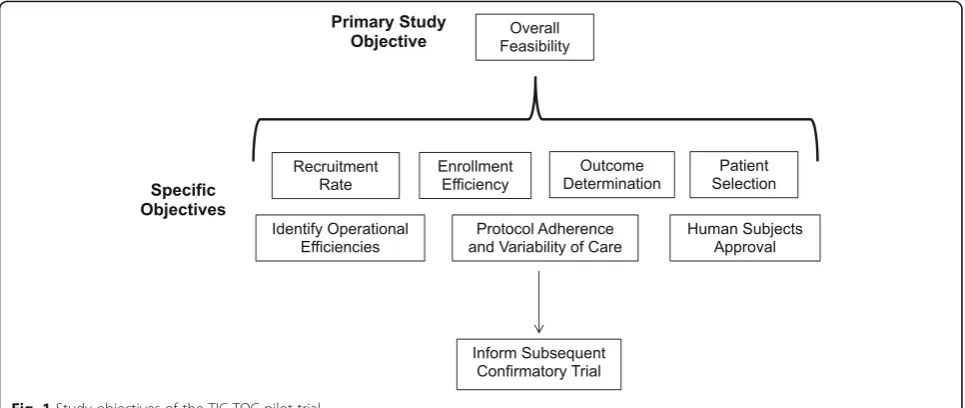
This pilot study is a double-blind, randomized, con-trolled trial of children younger than 18 years with hemorrhagic injuries to the torso and brain. We will enroll a maximum of 40 children during the study. Children will be randomized into one of three arms: (1) TXA dose A (15 mg/kg bolus dose over 20 min, followed by 2 mg/kg/hr infusion over 8 h), (2) TXA dose B (30 mg/kg bolus dose over 20 min, followed by 4 mg/ kg/hr infusion over 8 h), and (3) normal saline placebo. This pilot study will be conducted in preparation for a confirmatory clinical trial of TXA administration for chil-dren with hemorrhagic torso and/or brain injuries (Fig.1). SPIRIT (Standard Protocol Items: Recommendations for Interventional Trials) guidelines were followed and a checklist completed (Additional file1) [25].
Study setting
The pilot study will be conducted at 4 clinical sites. All sites are American College of Surgery (ACS) verified Level I pediatric trauma centers.
Participants
Inclusion and exclusion criteria
on the inclusion criteria listed below. Patients in the com-bined head and torso injury group must meet entry cri-teria for both head and torso trauma. See Tables 1and2
for specific inclusion and exclusion criteria.
Participant screening and consent
Prior to the onset of the study and intermittently during its course, site clinical research coordinators and emer-gency department (ED) clinicians will be educated re-garding the trial and trained to identify potentially
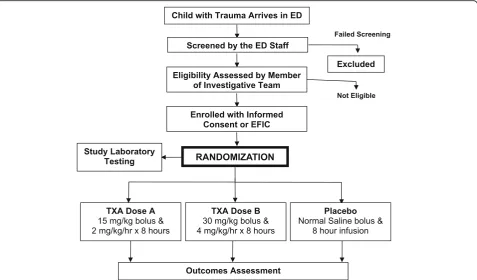
[image:3.595.57.540.88.292.2]eligible patients. Patients will be identified and recruited from the EDs of the participating centers. On arrival to the ED, all injured children will undergo primary and secondary surveys by the physicians providing clinical care in the ED. Injured children will then undergo diag-nostic testing as deemed appropriate by the treating physicians (i.e., standard of care). These patients will be screened by clinical research coordinators and patients believed to be eligible will be discussed with the treating physicians. If the patient is believed to be eligible, the coordinator will contact the study site investigative team to discuss eligibility. A study investigator (a clinician, termined by each site) will evaluate the patient and de-termine eligibility (Fig.2). At the start of this pilot trial, we enrolled patients only if written informed consent was obtained from parents or legal guardians. After starting the trial, however, it became evident that most eligible patients did not have a parent or legal guardian
Table 1Inclusion criteria for TIC-TOC trial
Penetrating Torso Trauma:
•Penetrating trauma to the chest, abdomen, neck, pelvis, or thigh with at least one of the following:
◦age-adjusted hypotension, or
◦age-adjusted tachycardia despite adequate resuscitation fluids, or
◦radiographic evidence of internal hemorrhage, or
◦clinical suspicion of ongoing internal hemorrhage
Blunt Torso Trauma:
•Clinician suspicion of hemorrhagic blunt torso injury and at least one of the following:
◦age-adjusted hypotension, or
◦persistent age-adjusted tachycardia despite adequate resuscitation fluids
•Hemothorax on chest tube placement or imaging; or
•Clinical suspicion of hemorrhagic blunt torso injuryandintraperitoneal fluid on abdominal ultrasonography (Focused Assessment with Sonography in Trauma; FAST); or
•Intra-abdominal injury on CT with either contrast extravasation or more than trace intraperitoneal fluid; or
•Pelvic fracture with contrast extravasation or hematoma on abdominal/ pelvic CT scan with at least one of the following:
◦age-adjusted tachycardia or
◦age-adjusted hypotension
Head Trauma:
•GCS score 3 to 13 with associated intracranial hemorrhage on cranial CT scan
Abbreviations: CTcomputed tomography,GCSGlasgow Coma Scale,TOC-TOC Traumatic Injury Clinical Trial Evaluating Tranexamic Acid in Children
Fig. 1Study objectives of the TIC-TOC pilot trial
Table 2Exclusion criteria for TIC-TOC trial
Exclusion criteria include any of the below:
1. Unable to administer study drug within 3 h of traumatic event 2. Known pregnancy
3. Known prisoners 4. Known wards of the state
5. Cardiac arrest prior to randomization
6. GCS score of 3 with bilateral unresponsive pupils
7. Isolated subarachnoid hemorrhage, epidural hematoma, or diffuse axonal injury
8. Known bleeding/clotting disorders 9. Known seizure disorders
10. Known history of severe renal impairment 11. Unknown time of injury
12. Previous enrollment into the TIC-TOC trial 13. Prior TXA for current injury
14. Non-English and non-Spanish speaking 15. Known venous or arterial thrombosis
[image:3.595.56.292.475.724.2] [image:3.595.304.537.555.714.2]available to provide written informed consent at the time of ED presentation and study eligibility. We therefore re-vised the protocol to include Exception from Informed Consent (EFIC) procedures if the parent or legal guard-ian was not available to provide written informed con-sent at the time of study eligibility.
Interventions
Enrolled patients will be randomized to one of three study arms: TXA dose A, TXA dose B, or placebo. A systematic review demonstrated substantial variability in TXA dosing for pediatric surgical patients, ranging from initial loading doses of 2 to 100 mg/kg intravenously (IV), and a continuous infusion ranging from 3 to 10 mg/kg/h [17]. Doses selected for this study and ra-tionale are as follows:
TXA dose A arm: Patients will receive a 15 mg/kg bolus of TXA over 20 min followed by a 2 mg/kg/h infusion over 8 h. The maximum bolus dose is 1000 mg, the maximum rate of infusion is 50 mg/min, and the maximum total maintenance dose is 1000 mg. This represents a total TXA dose of 31 mg/kg. This dosing is based on the CRASH-2 trial and has been recommended by a prior evidence statement [26]. This dose is also estimated to inhibit approximately 80% of fibrinolysis based on prior TXA studies [27].
TXA dose B arm: Patients will receive a 30 mg/ kg bolus of TXA over 20 min followed by a 4 mg/kg/h infusion over 8 h. The maximum bolus dose is 2000 mg, the maximum rate of infusion is 100 mg/min, and the maximum total maintenance dose is 2000 mg. This represents a total dose of TXA of 62 mg/kg. This represents approximately the 75th percentile dosage for children receiving TXA for non-traumatic surgical procedures [16] and is estimated to inhibit 100% of fibrinolysis [27]. This dose is also within the range recommended by the WHO [28] and has not demonstrated an increase in adverse events (compared to lower doses) [17].
Placebo arm: Patients in the placebo group will receive a bolus dose of normal saline over 20 min followed by a normal saline infusion over 8 h (in the same weight- based volume as the other study arms).
The study drug will be discontinued if any of the following occur: suspected anaphylactic reaction, se-vere renal impairment (creatinine clearance less than 29 mL/min/1.73m2) is identified on subsequent la-boratory measurements, withdrawal of consent by the patient’s legal guardian or legally authorized repre-sentative, or discovery of new information which makes the patient ineligible to continue participation in the study.
[image:4.595.60.538.88.368.2]Both study patients and study team members are blinded to the interventional arm. Blinding is provided by the use of identical study drugs, packaging, volume, and rates of infusion. Unblinding will not be allowed as there is no reversal agent for TXA. Clinicians will be asked to assume the patient has received TXA and treat accordingly.
Randomization
Due to the narrow window of efficacy of TXA based on the CRASH-2 trial, randomization must only minimally delay treatment. To complete the randomization quickly, the study intervention will be pre-assigned using a cen-tral randomization process. Prior to enrollment at each site, a study drug box containing a vial of masked study drug with a numeric identification code corresponding to the treatment assignment will be designated.
Because we will be evaluating TXA for different injury patterns (hemorrhagic torso injury, hemorrhagic brain injury, and combined hemorrhagic torso and brain injur-ies), randomization will be stratified by injury pattern. Eligible patients will be randomized into one of the three arms in a 1:1:1 ratio (TXA dose A, TXA dose B, or pla-cebo). We will perform permuted-block randomization across injury pattern (i.e., torso or brain or both torso and brain). To ensure a sufficient number of injury types, we will limit the enrollment of patients meeting the inclusion criteria for isolated brain injury to 20 patients (as it is anticipated these will be the most common eligible patients evaluated at the participat-ing sites). A patient is considered enrolled when randomization occurs.
Outcomes
We will collect the following outcome data: the Pediatric Quality of Life Inventory (PedsQL) score, the Pediatric Glasgow Outcome Scale - Extended (GOS-E Peds) score, digit span recall (a test of working memory), total blood products (ml/kg) transfused over the initial 48 h of care (children with torso injuries), intracranial hemorrhage progression in first 24 h (children with brain injuries), coagulation biomarkers, and adverse events.
We will assess neurocognitive functioning and other quality-of-life measures using the PedsQL and the GOS-E Peds 1 week, 1 month, 3 months, and 6 months after ED presentation for all enrolled children (Fig. 3). We will assess working memory using the digit span re-call test 1 week, 1 month, 3 months, and 6 months after ED presentation for all enrolled children 3 years and older. Blood product transfusion will be calculated as the total ml/kg blood products received from randomization to 48 h after randomization. Blood products in the calcula-tion will include red blood cell components, platelet com-ponents, plasma comcom-ponents, and cryoprecipitate. Prior
to study initiation, collaborating trauma surgeons, transfu-sion medicine physicians, pediatric critical care physicians, pediatric anesthesiologists, and pediatric emergency medicine physicians will establish general guidelines for indications and thresholds for blood product transfusion. We will perform non-contrast cranial computed tomog-raphy (CT) scans 24 (± 6) hours after randomization to assess intracranial hemorrhage progression (for those who have not received a second CT scan during the specified time frame in the course of clinical care). We will exclude those who received a neurosurgical intervention from as-sessment of the 24 h CT scan. Additional brain-imaging studies may be performed at the discretion of the treating physician as a part of routine care. A study neuroradiolo-gist, blinded to clinical data, will review cranial CT scans and calculate intracranial hemorrhage progression using the ABC/2 volume estimation [29]. Intracranial hemorrhage will be assessed relative to the total brain volume (calculated by the XYZ/2 volume estimation) [30, 31]. We will also measure coagulation biomarker tests before and after study drug infusion. These tests include: kaolin activated TEG (measuring fibrinolysis as the percentage of clot lysis at 30 min post-maximum clot strength), d-dimer, tissue plasminogen activator (tPA), plasmin-antiplasmin (PAP) complex, and plasmin gener-ation. Parameters are performed at a central laboratory to eliminate inter-assay variability and to standardize testing. Safety outcomes will be assessed on the 7th day after randomization or at hospital discharge (whichever comes first) via review of the electronic medical rec-ord and include:
Thromboembolic disease: any venous or arterial thrombosis on diagnostic imaging post-randomization
Seizures occurring within the initial 24 h of study drug administration: clinical or electroencephalogram-documented
All study patients will be followed for 180 days after randomization or death, whichever comes first, regard-less of whether or not the patient has completed the study intervention.
Data management and safety monitoring plan
The study Data Coordinating Center (at the University of Utah) will create the electronic data capture system and worksheets. Data will be entered via the internet into the electronic data capture system. Worksheets and study documents will be maintained in locked file cabi-nets in locked offices at each site.
quality of data collected at each enrolling site. The site monitor will provide each site with a written re-port, and sites will be required to follow-up on any deficiencies.
The study will have a Data Safety Monitoring Board (DSMB) approved by the funding agency to advise the sponsors and principal investigators regarding the
continuing safety of study patients and the continuing sci-entific merit of the study. The DSMB will have a charter, approve the protocol prior to implementation, and will re-view interim analyses as applicable. The DSMB is respon-sible for monitoring accrual of study patients, ensuring adherence to the study protocol, assessing data quality, reviewing the performance of individual clinical sites, and
[image:6.595.55.541.84.603.2]monitoring serious adverse events and other patient safety issues. The DSMB will include a biostatistician, an ethicist, a pediatric trauma surgeon, a pediatric neurosurgeon, a patient advocate, and an emergency medicine physician.
Statistical considerations
As this study is a pilot trial to assess the feasibility of study procedures, the study is not powered for a particu-lar endpoint. We estimate that there will be 1.25 eligible patients per site per month. This eligibility rate would justify the feasibility of conducting a subsequent con-firmatory clinical trial evaluating the safety and efficacy of TXA in severely injured children. We will also evalu-ate the feasibility of enrolling patients with parent or legal guardian written informed consent only. If these consent procedures are not feasible (particularly given the 3 h from time of injury enrollment window and the frequent absence of parents/guardians at the time of ED presentation and study eligibility), we will apply to use EFIC procedures if parents or legal guardians are not available to provide written informed consent. We set a priori thresholds for recruitment futility to convert to the use of EFIC for patient enrollment. We will collect detailed information on missed eligible patients to evalu-ate the feasibility of consent processes to determine if and when to initiate EFIC procedures. Ultimately our a priori thresholds to convert to EFIC procedures were met. Our trial protocol was revised to include EFIC pro-cedures if parents or guardians are not available or able to provide written informed consent.
Discussion
The primary objective of this pilot trial is to assess the overall feasibility for a subsequent, confirmatory clinical trial evaluating the efficacy of TXA in children with se-vere hemorrhagic injuries. We designed the pilot trial to mirror closely the subsequent confirmatory trial regard-ing study design, interventional arms, procedures, and outcome measures. Real-world implementation of the study protocol will allow for assessment of various as-pects of the pilot trial. This will provide critical informa-tion on the number of eligible patients at study sites, feasibility of timely consent and enrollment procedures, and protocol adherence and variability of care. Although we will not use the results of this pilot trial to estimate sample size for the subsequent confirmatory trial, we will assess the feasibility of obtaining various outcome measurements to help inform the subsequent trial.
Clinical trials of critically ill children are typically more challenging compared to similar trials in adults. Pediatric trials draw from a smaller patient pool compared to adult trials, making it more difficult to recruit adequate numbers of subjects [32]. Issues regarding parental con-sent and child ascon-sent often lead to variability in concon-sent
processes and local ethic committee reviews [32, 33]. The many administrative tasks such as Institutional Re-view Board (IRB) approvals and consortium agreements can delay the start of projects and increase costs [34–36]. These challenges have led to an inadequate number of pediatric clinical trials [19]. Specifically for the evaluation of TXA in trauma, there are currently 10 completed or open clinical trials in adults with hemorrhagic trauma but none in children [37].
Although specific strategies have been recommended to improve the efficiency of clinical trials, it is often diffi-cult for investigators to identify all the potential obsta-cles to optimize trial efficiency before actually starting the trial [38–40]. Premature closure of phase III clinical trials due to insufficient patient accrual wastes substan-tial time and resources [41, 42]. Pilot trials, designed to enroll a small number of patients with the primary goal of assessing the feasibility of a subsequent phase III trial, provide a less expensive alternative to embarking on a costly, large-scale trial [43]. Pilot studies conducted prior to definitive studies are particularly crucial in clinical trials of critically ill children, which by nature are at risk for low patient accrual and complex regulatory requirements.
Previous pediatric pilot studies have provided clear an-swers regarding the feasibility of subsequent phase III trials. The Thrombolysis in Pediatric Stroke (TIPS) trial was a phase I trial funded by the National Institute for Neurological Disorders and Stroke (NINDS) to assess treatment with intravenous tPA in children with acute ischemic stroke [32]. Despite more than 200 meetings and 3 years of preparation, the trial was prematurely stopped due to lack of patient accrual. Only one patient was enrolled in the 17 active sites (median time active, 9 months). Other issues identified in the trial included delays for human subjects approval, costs for tPA stor-age, and availability of tPA at study site pharmacies. In contrast, the Therapeutic Hypothermia After Pediatric Cardiac Arrest (THAPCA) trial conducted a pilot phase to assess the feasibility of the larger scale trial [44]. The National Heart, Lung, and Blood Institute (NHLBI) rec-ommended an 18-month pilot phase prior to two larger trials (one for in-hospital cardiac arrest and one for out-of-hospital cardiac arrest) due to concerns regarding the complexities of the trials, proposed costs, the feasi-bility of the consent process, and the afeasi-bility to obtain long-term follow-up in critically ill children [44]. Ultim-ately, the pilot phase demonstrated successful recruit-ment (threshold attained 4 months ahead of schedule) and included four protocol amendments to augment en-rollment. The full-scale THAPCA trials were subse-quently approved and completed [45].
procedures; however, we were advised by the Food and Drug Administration (FDA) to initiate the pilot trial en-rolling only with written informed consent. After the pilot study started, it became evident that most eligible pa-tients did not have parents or legal guardians available to provide written informed consent. The FDA subsequently allowed EFIC procedures if eligible patients did not have parents or legal guardians available to provide written in-formed consent at the time of ED presentation and study eligibility. The unavailability of parents or legal guardians to provide written informed consent for injured children in our trial is consistent with prior literature. Approxi-mately half of children with moderate-to-severe TBI do not have their guardian present in the ED in the first 3 h after injury [46]. Future work is planned to qualitatively and quantitatively evaluate parent or legal guardian per-spectives regarding informed consent procedures for en-rolling severely injured children into clinical trials. Another potential limitation is that the results of the pilot trial may not be generalizable to a much larger number of clinical sites for the subsequent confirmatory study. How-ever, because the pilot trial is being conducted at four clin-ical sites, with each site bringing its own demographic, geographic, and clinical diversity to the trial, we feel that we will be able to better anticipate potential barriers for the subsequent trial. Moreover, prior to the start of the pilot trial, we will have established general guidelines for blood transfusion and neurosurgical management that will be standardized across clinical sites.
In conclusion, this pilot trial will be the first random-ized clinical trial to evaluate TXA in children with severe trauma and hemorrhagic injuries. The results of this pilot trial will provide crucial preliminary information to conduct a confirmatory trial.
Trial status
This manuscript is based on protocol version 2.03 (August 22, 2018). The trial opened for enrollment in July 2018 and we anticipate the trial will be completed by December 2019.
Additional file
Additional file 1:SPIRIT 2013 Checklist: recommended items to address
in a clinical trial protocol and related documents. (DOCX 63 kb)
Abbreviations
ACS:American College of Surgery; CRASH-2: Clinical Randomization of an Antifibrinolytic in Significant Haemorrhage; CT: Computed tomography; DSMB: Data Safety Monitoring Board; ED: Emergency department; EFIC: Exception from Informed Consent; EMSC: Emergency Medical Services for Children; FDA: Food and Drug Administration; GOS-E Peds: Pediatric Glasgow Outcome Scale - Extended; HHS: Health and Human Services; HRSA: Health Resources and Services Administration; IRB: Institutional Review Board; IV: Intravenous; MCHB: Maternal and Child Health Bureau; NCATS: National Center for Advancing Translational Sciences; NHLBI: National Heart, Lung, and
Blood Institute; NINDS: National Institute for Neurological Disorders and Stroke; PAP: Plasmin-antiplasmin; PedsQL: Pediatric Quality of Life; TBI: Traumatic brain injury; TEG: Thromboelastography; THAPCA: Therapeutic Hypothermia After Pediatric Cardiac Arrest; TIC-TOC: Traumatic Injury Clinical Trial Evaluating Tranexamic Acid in Children; TIPS: Thrombolysis in Pediatric Stroke; tPA: Tissue plasminogen activator; TXA: Tranexamic acid; WHO: World Health Organization
Acknowledgements
Other authors to be included as part of the TIC-TOC Collaborators:
University of California, Davis
Marike Zwienenberg Joseph Galante Joseph Stephenson Alfred F. Trappey Jordan Sandhu
University of Utah
T. Charles Casper Stephen Fenton Doug Brockmeyer Theodore Pysher
Children’s Hospital of Philadelphia
Michael L. Nance Shih-Shan Lang Chen Deborah Sesok-Pizzini
Nationwide Children’s Hospital
Raj Thakkar Eric Sribnik Kathleen Nichol
Funding
Research reported in this publication was supported by the National Heart, Lung, and Blood Institute (NHLBI) of the National Institutes of Health under Award Number R34HL135214. Additional support has been provided by the Utah Trial Innovation Center funded by the National Center for Advancing Translational Sciences (NCATS) under cooperative agreement U24TR001597. The content is solely the responsibility of the authors and does not necessarily represent the official views of the National Institutes of Health. This project is also supported in part by the Health Resources and Services Administration (HRSA), Maternal and Child Health Bureau (MCHB), Emergency Medical Services for Children (EMSC) Network Development Demonstration Program under cooperative agreements U03MC00008, U03MC00001, U03MC00003, U03MC00006, U03MC00007, U03MC22684, and U03MC22685. This information or content and conclusions are those of the author and should not be construed as the official position or policy of, nor should any endorsements be inferred by HRSA, Health and Human Services (HHS) or the US Government. The funding organizations had no role in the design and conduct of the study; collection, management, analysis, and interpretation of the data; preparation, review, or approval of the manuscript; and decision to submit the manuscript for publication.
Availability of data and materials
Not applicable.
Authors’contributions
DKN and NK conceived the study, designed the trial, and obtained research funding. All authors participated in protocol development and quality control measures. JVB, TCC, and JMD provided statistical advice on study design. DKN drafted the manuscript, and all authors contributed substantially to its revision. DKN and NK take responsibility for the manuscript as a whole. All authors read and approved the final manuscript.
Ethics approval and consent to participate
The study was approved by the IRBs at all study sites (central IRB number 00099274 [University of Utah]).
Consent for publication
Not applicable.
Competing interests
Publisher’s Note
Springer Nature remains neutral with regard to jurisdictional claims in published maps and institutional affiliations.
Author details
1Department of Emergency Medicine, UC Davis School of Medicine, 4150 V.
Street, PSSB 2100, Sacramento, CA 95817, USA.2Department of Pediatrics,
University of Utah School of Medicine, 295 Chipeta Way, Salt Lake City, UT 84108, USA.3Department of Pediatrics, Division of Pediatric Emergency
Medicine, University of Utah School of Medicine, Primary Children’s Hospital, 100 N. Mario Capecchi Dr., Salt Lake City, UT 84113, USA.4Department of
Pediatrics, Division of Pediatric Emergency Medicine, Perelman School of Medicine at the University of Pennsylvania, Children’s Hospital of Philadelphia, 3401 Civic Center Blvd., Philadelphia, PA 19104, USA.
5Department of Pediatrics, Division of Pediatric Emergency Medicine, Ohio
State University School of Medicine, Nationwide Children’s Hospital, 700 Children’s Dr., Columbus, OH 43205, USA.6Department of Pediatric
Neurosciences, Barrow Neurological Institute at Phoenix Children’s Hospital, 1919 E. Thomas Rd, Phoenix, AZ 85016, USA.7Department of Pathology and
Laboratory Medicine, UC Davis School of Medicine, 2315 Stockton Blvd., Sacramento, CA 95817, USA.8Department of Radiology, UC Davis School of
Medicine, 2315 Stockton Blvd., Sacramento, CA 95817, USA.9Department of
Psychology, University of California, Davis, 102K Young Hall, 1 Shields Ave., Davis, CA 95616, USA.10Department of Population Health, London School of Hygiene and Tropical Medicine, Keppel Street, London WC1E 7HT, UK.
11Department of Orthopedics and Rehabilitation, University of Wisconsin, 317
Knutson Drive, Madison, WI 53704, USA.12Department of Pathology and
Laboratory Medicine, University of California, Davis, 3422 Tupper Hall, Davis, CA 95616, USA.13Departments of Emergency Medicine and Pediatrics, UC
Davis School of Medicine, 4150 V. Street, PSSB 2100, Sacramento, CA 95817, USA.
Received: 12 April 2018 Accepted: 10 October 2018
References
1. 10 Leading Causes of Death by Age Group, United States - 2010. Centers for Disease Control and Prevention.http://www.cdc.gov/injury/wisqars/pdf/ 10lcid_all_deaths_by_age_group_2010-a.Pdf. Accessed 5 Dec 2017. 2. Gruen RL, Brohi K, Schreiber M, Balogh ZJ, Pitt V, Narayan M, Maier RV.
Haemorrhage control in severely injured patients. Lancet. 2012;380(9847): 1099–108.
3. Brohi K, Cohen MJ, Ganter MT, Schultz MJ, Levi M, Mackesie RC, Pittet JF. Acute coagulopathy of trauma: hypoperfusion induces systemic anticoagulation and hyperfibrinolysis. J Trauma. 2008;64(5):1211–7. 4. Brohi K, Singh J, Heron M, Coats T. Acute traumatic coagulopathy. J Trauma.
2003;54(6):1127–30.
5. Moore HB, Moore EE, Gonzalez E, Chapman MP, Chin TL, Silliman CC, Banerjee A, Sauaia A. Hyperfibrinolysis, physiologic fibrinolysis, and fibrinolysis shutdown: the spectrum of postinjury fibrinolysis and relevance to antifibrinolytic therapy. J Trauma Acute Care Surg. 2014; 77(6):811–7.
6. Whittaker B, Christiaans SC, Altice JL, Chen MK, Bartolucci AA, Morgan CJ, Kerby JD, Pittet JF. Early coagulopathy is an independent predictor of mortality in children after severe trauma. Shock. 2013;39(5):421–6.
7. Holmes JF, Goodwin HC, Land C, Kuppermann N. Coagulation testing in pediatric blunt trauma patients. Pediatr Emerg Care. 2001;17(5):324–8. 8. Faraoni D, Hardy JF, Van der Linden P. An early, multimodal, goal-directed
approach of coagulopathy in the bleeding traumatized patient. Curr Opin Anaesthesiol. 2013;26(2):193–5.
9. Levy JH. Antifibrinolytic therapy: new data and new concepts. Lancet. 2010; 376(9734):3–4.
10. Liras IN, Cotton BA, Cardenas JC, Harting MT. Prevalence and impact of admission hyperfibrinolysis in severely injured pediatric trauma patients. Surgery. 2015;158(3):812–8.
11. Vogel AM, Radwan ZA, Cox CS Jr, Cotton BA. Admission rapid thrombelastography delivers real-time“actionable”data in pediatric trauma. J Pediatr Surg. 2013;48(6): 1371–6.
12. Choi PM, Vogel AM. Acute coagulopathy in pediatric trauma. Curr Opin Pediatr. 2014;26(3):343–9.
13. CRASH-2 trial collaborators, Shakur H, Roberts I, Bautista R, Caballero J, Coats T, Dewan Y, El-Sayed H, Gogichaishvili T, Gupta S, Herrera J, Hunt B, Iribhogbe P, Izurieta M, Khamis H, Komolafe E, Marrero MA, Mejía-Mantilla J, Miranda J, Morales C, Olaomi O, Olldashi F, Perel P, Peto R, Ramana PV, Ravi RR, Yutthakasemsunt S. Effects of tranexamic acid on death, vascular occlusive events, and blood transfusion in trauma patients with significant haemorrhage (CRASH-2): a randomised, placebo-controlled trial. Lancet. 2010;376(9734):23–32.
14. CRASH-2 trial collaborators, Roberts I, Shakur H, Afolabi A, Brohi K, Coats T, Dewan Y, Gando S, Guyatt G, Hunt BJ, Morales C, Perel P, Prieto-Merino D, Woolley T. The importance of early treatment with tranexamic acid in bleeding trauma patients: an exploratory analysis of the CRASH-2 randomised controlled trial. Lancet. 2011;377(9771):1096–101 1101 e1091–1092. 15. Roberts I, Perel P, Prieto-Merino D, Shakur H, Coats T, Hunt BJ, Lecky F, Brohi K,
Willett K, CRASH-2 Collaborators. Effect of tranexamic acid on mortality in patients with traumatic bleeding: prespecified analysis of data from randomised controlled trial. BMJ. 2012;345:e5839.
16. Nishijima DK, Monuteaux MC, Faraoni D, Goobie SM, Lee L, Galante J, Holmes JF, Kuppermann N. Tranexamic acid use in United States Children’s Hospitals. J Emerg Med. 2016;50(6):868–74 e861.
17. Faraoni D, Goobie SM. The efficacy of antifibrinolytic drugs in children undergoing noncardiac surgery: a systematic review of the literature. Anesth Analg. 2014;118(3):628–36.
18. Hasegawa T, Oshima Y, Maruo A, Matsuhisa H, Tanaka A, Noda R, Yokoyama S, Iwasaki K. Intraoperative tranexamic acid in pediatric bloodless cardiac surgery. Asian Cardiovasc Thorac Ann. 2014;22(9):1039–45.
19. Pasquali SK, Lam WK, Chiswell K, Kemper AR, Li JS. Status of the pediatric clinical trials enterprise: an analysis of the US ClinicalTrials.gov registry. Pediatrics. 2012;130(5):e1269–77.
20. Shimizu K, Toda Y, Iwasaki T, Takeuchi M, Morimatsu H, Egi M, Suemori T, Suzuki S, Morita K, Sano S. Effect of tranexamic acid on blood loss in pediatric cardiac surgery: a randomized trial. J Anesth. 2011;25(6):823–30.
21. Faraoni D, Willems A, Melot C, De Hert S, Van der Linden P. Efficacy of tranexamic acid in paediatric cardiac surgery: a systematic review and meta-analysis. Eur J Cardiothorac Surg. 2012;42(5):781–6.
22. Pusateri AE, Weiskopf RB, Bebarta V, Butler F, Cestero RF, Chaudry IH, Deal V, Dorlac WC, Gerhardt RT, Given MB, Hansen DR, Hoots WK, Klein HG, Macdonald VW, Mattox KL, Michael RA, Mogford J, Montcalm-Smith EA, Niemeyer DM, Prusaczyk WK, Rappold JF, Rassmussen T, Rentas F, Ross J, Thompson C, Tucker LD, US DoD Hemorrhage and Resuscitation Research and Development Steering Committee. Tranexamic acid and trauma: current status and knowledge gaps with recommended research priorities. Shock. 2013;39(2): 121–6.
23. Lyttle MD, O’Sullivan R, Hartshorn S, Bevan C, Cleugh F, Maconochie I. Pediatric Emergency Research in the UK and Ireland (PERUKI): developing a collaborative for multicentre research. Arch Dis Child. 2014;99(6):602–3.
24. Beno S, Ackery AD, Callum J, Rizoli S. Tranexamic acid in pediatric trauma: why not? Crit Care. 2014;18(4):313.
25. Chan AW, Tetzlaff JM, Altman DG, Laupacis A, Gotzsche PC, Krleza-Jeric K, Hrobjartsson A, Mann H, Dickersin K, Berlin JA, Dore CJ, Parulekar WR, Summerskill WS, Groves T, Schulz KF, Sox HC, Rockhold FW, Rennie D, Moher D. SPIRIT 2013 statement: defining standard protocol items for clinical trials. Ann Intern Med. 2013;158(3):200–7.
26. Major trauma and the use of tranexamic acid in children. Royal College of Paediatrics and Child Health.https://www.rcem.ac.uk/docs/External%20 Guidance/10k.%20Major%20trauma%20and%20the%20use%20of% 20tranexamic%20acid%20in%20children%20Evidence%20statement %20(RCPCH,%20Nov%202012).pdf. Accessed 20 Feb 2018.
27. Koster A, Faraoni D, Levy JH. Antifibrinolytic therapy for cardiac surgery: An update. Anesthesiology. 2015;123(1):214–21.
28. WHO: Injuries and violence: the facts.http://www.who.int/violence_injury_ prevention/key_facts/en/. Accessed 20 Feb 2018.
29. Kleinman JT, Hillis AE, Jordan LC. ABC/2: estimating intracerebral haemorrhage volume and total brain volume, and predicting outcome in children. Dev Med Child Neurol. 2011;53(3):281–4.
30. Beslow LA, Abend NS, Gindville MC, Bastian RA, Licht DJ, Smith SE, Hillis AE, Ichord RN, Jordan LC. Pediatric intracerebral hemorrhage: acute symptomatic seizures and epilepsy. JAMA Neurol. 2013;70(4):448–54.
volume as a percent of total brain volume in children. Stroke. 2010; 41(4):691–4.
32. Rivkin MJ, deVeber G, Ichord RN, Kirton A, Chan AK, Hovinga CA, Gill JC, Szabo A, Hill MD, Scholz K, Amlie-Lefond C. Thrombolysis in pediatric stroke study. Stroke. 2015;46(3):880–5.
33. Beca J, McSharry B, Erickson S, Yung M, Schibler A, Slater A, Wilkins B, Singhal A, Williams G, Sherring C, Butt W. Pediatric Study Group of the Australia and New Zealand Intensive Care Society Clinical Trials Group. Hypothermia for traumatic brain injury in children-a phase II randomized controlled trial. Crit Care Med. 2015;43(7):1458–66.
34. Aban IB, Wolfe GI, Cutter GR, Kaminski HJ, Jaretzki A 3rd, Minisman G, Conwit R, Newsom-Davis J, Mgtx Advisory Committee. The MGTX experience: challenges in planning and executing an international, multicenter clinical trial. J Neuroimmunol. 2008;201–202:80–4.
35. Burman WJ, Reves RR, Cohn DL, Schooley RT. Breaking the camel’s back: multicenter clinical trials and local institutional review boards. Ann Intern Med. 2001;134(2):152–7.
36. Duley L, Antman K, Arena J, Avezum A, Blumenthal M, Bosch J, Chrolavicius S, Li T, Ounpuu S, Perez AC, Sleight P, Svard R, Temple R, Tsouderous Y, Yunis C, Yusuf S. Specific barriers to the conduct of randomized trials. Clin Trials. 2008;5(1):40–8.
37. Transexamic acid and trauma.https://clinicaltrials.gov/ct2/results?term= tranexamic+acid+and+trauma&Search=Search. Accessed 5 Dec 2017. 38. Califf RM. Clinical trials bureaucracy: unintended consequences of
well-intentioned policy. Clin Trials. 2006;3(6):496–502.
39. Dilts DM, Sandler AB. Invisible barriers to clinical trials: the impact of structural, infrastructural, and procedural barriers to opening oncology clinical trials. J Clin Oncol. 2006;24(28):4545–52.
40. Silbergleit R, Biros MH, Harney D, Dickert N, Baren J, NETT Investigators. Implementation of the exception from informed consent regulations in a large multicenter emergency clinical trials network: the RAMPART experience. Acad Emerg Med. 2012;19(4):448–54.
41. McDonald AM, Knight RC, Campbell MK, Entwistle VA, Grant AM, Cook JA, Elbourne DR, Francis D, Garcia J, Roberts I, Snowdon C. What influences recruitment to randomised controlled trials? A review of trials funded by two UK funding agencies. Trials. 2006;7:9.
42. Schroen AT, Petroni GR, Wang H, Gray R, Wang XF, Cronin W, Sargent DJ, Benedetti J, Wickerham DL, Djulbegovic B, Slingluff CL Jr. Preliminary evaluation of factors associated with premature trial closure and feasibility of accrual benchmarks in phase III oncology trials. Clin Trials. 2010;7(4):312–21. 43. Thabane L, Ma J, Chu R, Cheng J, Ismaila A, Rios LP, Robson R, Thabane M,
Giangregorio L, Goldsmith CH. A tutorial on pilot studies: the what, why and how. BMC Med Res Methodol. 2010;10:1.
44. Pemberton VL, Browning B, Webster A, Dean JM, Moler FW. Therapeutic hypothermia after pediatric cardiac arrest trials: the vanguard phase experience and implications for other trials. Pediatr Crit Care Med. 2013; 14(1):19–26.
45. Moler FW, Silverstein FS, Holubkov R, Slomine BS, Christensen JR, Nadkarni VM, Meert KL, Browning B, Pemberton VL, Page K, Gildea MR, Scholefield BR, Shankaran S, Hutchison JS, Berger JT, Ofori-Amanfo G, Newth CJ, Topjian A, Bennett KS, Koch JD, Pham N, Chanani NK, Pineda JA, Harrison R, Dalton HJ, Alten J, Schleien CL, Goodman DM, Zimmerman JJ, Bhalala US, Schwarz AJ, Porter MB, Shah S, Fink EL, McQuillen P, Wu T, Skellett S, Thomas NJ, Nowak JE, Baines PB, Pappachan J, Mathur M, Lloyd E, van der Jagt EW, Dobyns EL, Meyer MT, Sanders RC Jr, Clark AE, Dean JM, THAPCA Trial Investigators. Therapeutic hypothermia after out-of-hospital cardiac arrest in children. N Engl J Med. 2015;372(20):1898–908.

![A convenient one pot synthesis of 4 cyano 5 imino 3 methylthio 9 nitro 2H 1,2,4 triazipino[3,4 b] [1,3] benzothiazole and its 3 substituted derivatives](data:image/gif;base64,R0lGODlhAQABAIAAAP///wAAACH5BAEAAAAALAAAAAABAAEAAAICRAEAOw==)