MEALTIME EXPERIENCES AND ACTIVITIES: AN ETHNOGRAPHY FROM THE CHILDREN’S PERSPECTIVE
Ashley Elizabeth Mason
A dissertation submitted to the faculty at the University of North Carolina at Chapel Hill in partial fulfillment of the requirements for the degree of Doctor of Philosophy in the
Department of Allied Health Sciences (Occupational Science).
Chapel Hill 2018
© 2018
ABSTRACT
Ashley Elizabeth Mason: Mealtime Experiences and Activities: An Ethnography from the Children’s Perspective
(Under the direction of Ruth Humphry)
This dissertation reports findings from a 9-month collaborative ethnographic study of children’s mealtime experiences and activities in two different settings. Methods included
conversations and interviews, participant observation, photo elicitation and drawings or collages to explore the children’s mealtime experiences and activities and their meanings at
school and home. I used the transactional perspective and Vygotsky’s activity theory to view children’s experiences of mealtime activity in both settings. The children’s perspective about
their mealtime activities and experiences was highlighted in the findings as they navigated the complexity and situational nature of mealtime activities daily. The children underlined three main focal points: (1) social interaction is essential to mealtime; (2) meals are complex, situationally-based moments imbued with sites of social learning; and finally, (3) boundaries are tested and pressed through exercising agency while engaging with others during
mealtime.
research process; and the importance of framing children’s mealtime practices as a social endeavor through which ‘appropriate’ behaviors and actions are observed, learned, and practiced over time through a variety of environments. Future lines of research are related to examining mealtime practices in other child populations and exploring other child
ACKNOWLEDGEMENTS
Thank you to my dissertation committee for all of your guidance, support, and
TABLE OF CONTENTS
LIST OF TABLES ... xiii
LIST OF FIGURES ... xiv
LIST OF ABBREVIATIONS ... xvi
CHAPTER 1: INTRODUCTION ... 1
Definitions... 4
Theoretical Framework ... 5
Transactional perspective. ... 6
Cultural activity theory. ... 6
Theoretical lens to view children, occupation, and context. ... 8
Importance of Studying Mealtime Activities and Different Contexts ... 10
Research Question ... 11
CHAPTER 2: LITERATURE REVIEW ... 12
Children in Research ... 12
Mealtime Literature ... 13
Family meals. ... 13
School meals. ... 16
Outline of the Remainder of This Study ... 17
CHAPTER 3: METHODOLOGY ... 19
Turn of Events... 20
Research Design – Ethnographic Methodology ... 21
Children in ethnography. ... 23
Transactional perspective and ethnography. ... 24
Researcher Background and Bias ... 24
Setting ... 27
Political demographic. ... 30
Three Streams Elementary School and lunchroom. ... 31
Pilot Study ... 33
Inclusion Criteria ... 35
Consultants ... 37
Methods... 38
Participant observation. ... 39
Brief conversations (informal interviews). ... 42
Photo elicitation. ... 46
Drawings/collage. ... 46
Reflexivity. ... 47
Analysis and Writing ... 50
CHAPTER 4: CONSULTANTS AND THEIR COMMUNITIES ... 52
Q ... 53
Peterson home and family. ... 53
KittyCat ... 54
Jones’ home and family. ... 54
Ms. Jenkins and Ms. Powers... 55
Q and KittyCat’s classmates. ... 56
Ms. Parker. ... 57
McDonald/Stuckey/Brenner residence and family. ... 58
Ms. Demarco. ... 59
Candace and her peers. ... 59
Ms. Spencer. ... 60
Kat ... 60
Walker family and home. ... 61
Ms. White. ... 61
Kat’s classmates. ... 62
CHAPTER 5: CONNECTING WITH OTHERS DURING MEALTIME ... 65
Just Another Day…... 65
School ... 67
Transitions. ... 67
At the lunch table. ... 72
General reflections on social interaction at school. ... 96
Home ... 97
The setting. ... 97
Setting the table. ... 99
Plating food and getting ready to sit down. ... 102
Sitting down and saying grace/asking the blessing. ... 103
At the table. ... 104
Finishing the meal and cleaning up. ... 117
General reflections of social interaction at home. ... 119
Differences in making social connections between home and school. ... 121
Similarities between home and school. ... 125
CHAPTER 6: “YOU CAN’T FORCE PEOPLE TO SHARE WITH YOU” ... 129
Home ... 131
Table manners. ... 131
Family social norms. ... 138
Family norms. ... 143
School ... 143
School and lunch rules (or legal norms). ... 144
School social norms. ... 153
Enforcing and governing social peer norms. ... 162
Discussion for Norms at Home and School ... 163
Using capital and habitus to negotiate social fields. ... 163
Expressing their agency in an adult world. ... 169
Conclusion ... 169
CHAPTER 7: LEARNING ABOUT MEALTIME THROUGH DOING ... 171
Knowing What to Do ... 171
Embracing Notion of Balanced Meals ... 174
Eating balanced meals at home. ... 174
Eating ‘healthy’ at school. ... 180
Identifying types of meals at home and how it relates to mealtime experience. ... 185
Connecting balanced meals from school to home. ... 186
Learning Through Doing Mealtime and Food-Related Activities ... 187
Dinnertime everyday. ... 187
How we do breakfast on a weekday. ... 189
Breakfast on the weekend. ... 191
Lunch and dinner on the weekends? ... 191
We eat out. ... 192
Sometimes we …(do food-related activities). ... 196
Discussion About Learning from Doing Mealtime Activities ... 201
Dewey’s habits and experiencing daily mealtime activities. ... 203
Conclusion ... 204
CHAPTER 8: DISCUSSION, FUTURE RESEARCH DIRECTONS, AND CONCLUSION ... 206
Answering the Question ... 206
What are mealtime experiences? ... 207
Connecting mealtime practices: school to home. ... 208
Mealtime differences between school and home. ... 209
How do children experience mealtime activities? ... 212
Contributions to Occupational Science ... 213
The child’s perspective. ... 213
Studying occupations. ... 214
Practice versus routine. ... 214
Studying similar occupations in different settings. ... 216
The idea of mealtime occupations versus how they unfold in real time. ... 216
Contributions to Occupational Therapy ... 217
Consultants’ Role and Power in Research ... 218
Generational power. ... 218
Environmental power. ... 220
Reflexive power. ... 221
Analytical power. ... 222
Limitations ... 223
Future Directions and Implications for Research ... 224
Conclusion ... 225
APPENDIX A: MAP OF THE THIRD AND FOURTH GRADE WING OF THREE STREAMS ELEMENTARY SCHOOL ... 226
APPENDIX B: MAP OF THREE STREAMS ELEMENTARY LUNCHROOM ... 227
APPENDIX C: CONSULTANT ASSENT FORM ... 228
APPENDIX D: SIBLING ASSENT FORM ... 232
APPENDIX E: PARENT PERMISSION AND CONSENT FORM ... 236
APPENDIX F: ADULT CONSENT FORM ... 243
APPENDIX G: PARTICIPATION OBSERVATION GUIDE ... 248
APPENDIX H: SAMPLES OF INTERVIEW QUESTIONS ... 251
APPENDIX I: PHOTO ELICITATION INSTRUCTIONS ... 255
APPENDIX J: DRAWING INSTRUCTIONS ... 256
LIST OF TABLES
LIST OF FIGURES
Figure 1.1. Cultural Activity Theory (Engeström, 1987; Miettinen, 2001) ... 7
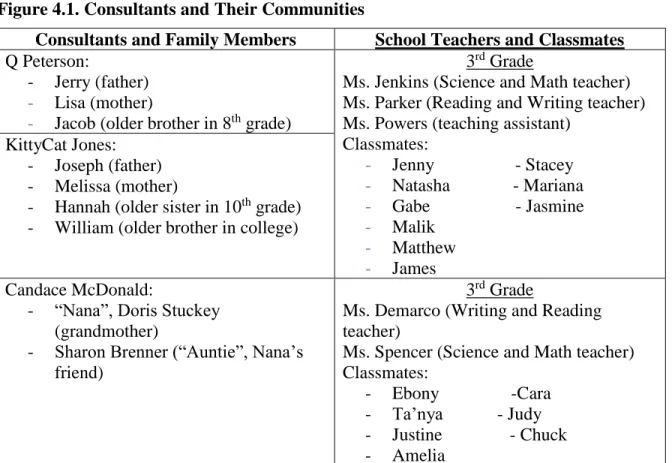
Figure 4.1. Consultants and Their Communities ... 63
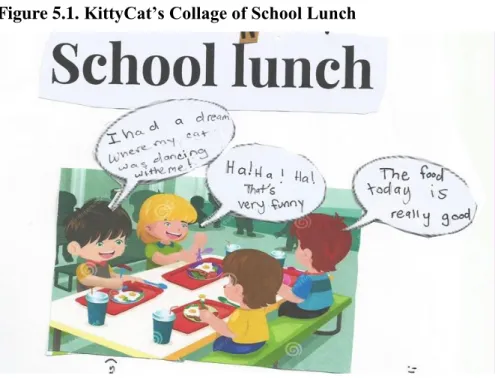
Figure 5.1. KittyCat’s Collage of School Lunch ... 72
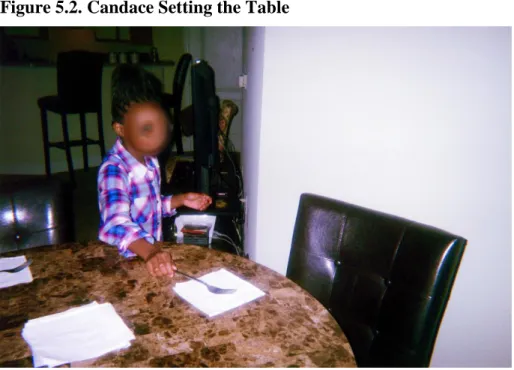
Figure 5.2. Candace Setting the Table ... 102
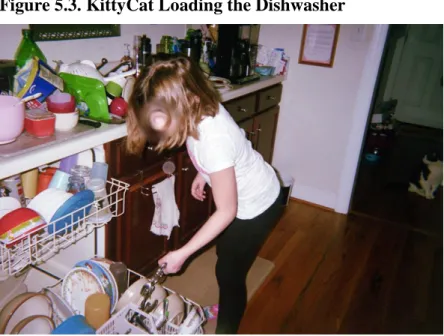
Figure 5.3. KittyCat Loading the Dishwasher ... 119
Figure 6.1. Walker Family Dinner Table ... 139
Figure 6.2. Lunchtime Rules ... 145
Figure 6.3. Fidget Spinner (Dagur, 2017) ... 147
Figure 7.1. KittyCat Eating Broccoli ... 175
Figure 7.2. Candace’s Dinner: Chicken, Baked Potato, Salad, Corn... 176
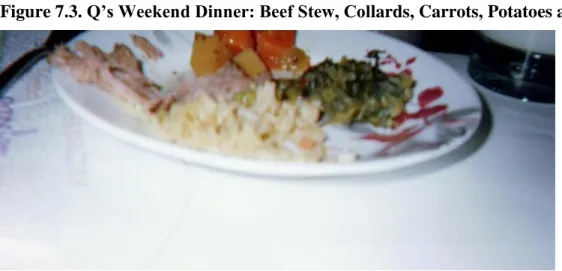
Figure 7.3. Q’s Weekend Dinner: Beef Stew, Collards, Carrots, Potatoes and Rice ... 176
Figure 7.4. Kat’s Dinner: Steak, Corn and Veggies ... 177
Figure 7.5. KittyCat’s Favorite Dinner ... 178
Figure 7.6. Candace’s “Green beans in a Pale (pile)” ... 179
Figure 7.7. Kat’s School Lunch ... 180
Figure 7.8. KittyCat’s School Lunch ... 181
Figure 7.9. Ordering from the Kids Menu ... 193
Figure 7.10. Pink Lemonade from the Soda Fountain ... 193
Figure 7.11. The Sauces ... 194
Figure 7.12. KittyCat’s Burrito Dinner ... 194
Figure 7.13. The Dinner Table and William’s Torta ... 195
Figure 7.14. Q’s Hot Chocolate ... 197
LIST OF ABBREVIATIONS AOTA American Occupational Therapy Association CDC Centers for Disease Control and Prevention IRB Institutional review board
NCES National Center for Education Statistics OS Occupational science
CHAPTER 1: INTRODUCTION
When I was a child, I remember being frustrated when extended family members or adults would not take me seriously when they asked my opinion or asked me questions. They did not value my voice or my perspective even though they were the ones who asked me questions in the first place. I carried this knowledge with me when I began working with children and their families with feeding difficulties as an occupational therapist. I learned that parents were frustrated with their children not eating particular types of food. They also never asked their children the reason why. When I asked some of the children I worked with about why they did not want to eat particular types of food, they were able to give me valid reasons. We were able to work through those issues based on what the children reported. In other words, I learned the child’s voice is an important perspective to consider.
More specifically, as a pediatric occupational therapist, some of my focus was on assisting children with feeding difficulties through a variety of interventions due to a number of concerns including limitations in physical capacity (e.g., holding and scooping with a spoon), picky eating, and negative behaviors (e.g., refusing to eat for particular members of the family). In hindsight, most of what I learned as a young therapist in primarily medically-based settings was to focus on improving the physical capacities and how to manage the ‘behaviors.’ The parents of the patients with ‘behaviors’ often were not a part of the therapy session (based on parent preference) and were only ‘taught’ about how their child
removed from this intervention and the child’s behaviors and food intake often improved.
The parent and child went home to practice and no progress was made, or there was very slow improvement. With years of experience in this field and with a focus on feeding, this pattern became frustrating and stressful not only to me, who really wanted my patients to improve, but also for parents who were concerned about their children’s health and
well-being related to food.
One day, I was granted permission from my boss to complete a home evaluation at my patient’s home who had feeding difficulties but was not progressing at home or in
therapy. I noticed within about two minutes of my visit what part of the issue was – the family’s home was chaos (to me, but normal to them). The kids were running around the
kitchen yelling; the television was on in another room; there were toys everywhere – the kitchen, the front room, and the living room; and the cat was getting into something he should not have been. In this environment my patient’s mother served my patient and his
sister lunch (where the food was not placed on the plate like she and I discussed at the end of one of her son’s therapy sessions). I was completely unaware of this aspect of the family’s
home environment, which was not reflected in the clinic or my therapy sessions. This was normal to my patient and his family and I learned to work with them through these contexts
and his eating improved remarkably.
side during therapy sessions. Instead, it highlights the importance of attempting to understand the child’s entire situation when intervening in a part of her/his life with the intention of
improving a part of daily experiences.
Later as an occupational scientist, I held onto the knowledge that understanding the child’s perspective is important, and my thoughts were validated when I learned that not only
in my experiences were children’s voices not heard, but the children’s voice was also
underrepresented in research across disciplines (e.g., Humphry, 2005; James, Curtis, &Ellis, 2009). I also learned that there was a gap in the literature with understanding many daily occupations in-depth (Hocking, 2009) and no studies examined occupations in more than one setting. Since, occupational science (OS) research can inform the discipline of occupational therapy (OT) through uncovering this more in-depth understanding of occupation (Clark et al., 1991), I chose to study children’s mealtime occupations at school and home in-depth with hopes to generate more understanding about the mistakes I made as a clinician. Finally, I chose to study children’s mealtime experiences from their perspective to provide them a
voice to describe their everyday experiences.
Meals are a part of everyday life because humans require a form of nutrition to survive. However, even though meals (and food) are important to humans to continue to live, there is little in-depth knowledge on how mealtime occupations unfold, especially with regard to children’s experiences and perspective. Further, there is no research about how children’s mealtime activities occur in different settings. While most mealtime studies on
the child’s perspective. Thus, it is necessary to explore how some children experience
mealtime occupations through two familiar contexts they engage in daily, home and school. In this qualitative ethnographic study, I examine mealtime and food-related
occupations and experiences of third and fourth graders living in North Carolina within the home and school environments. Additionally, I reveal the complexity of children’s mealtime experiences from their perspective in both settings. At home, the children’s perspective is the viewpoints of the children consultants relating to mealtime experiences with family.
However, at school the children’s perspective includes not only the primary children consultants, but also the behaviors and experiences of their peers during lunchtime. The findings emphasize the importance of social connection, social learning during mealtime practices, how children exercise their agency, and the differences in how a meal can look and feel so different when compared between two settings.
Definitions
I align my construct of experience to the Merriam-Webster dictionary definition, “a practical knowledge, skill or practice derived from direct observation of or participation in events in a particular activity” (“Experience”, 2018). Mealtime as a construct is considered a
understanding to current trends in literature by focusing on children as primary consultants. It highlights the occupations and experiences of a vulnerable group of individuals (children) in multiple contexts. Finally, we can begin to understand how the presence and influence of others shape how children experience mealtime in a particular context based on a specific situation. Thus, the findings have implications that can add to existing mealtime literature in sociology, psychology, nutrition, anthropology and education due to the social nature of mealtime, the relationships that evolve during mealtime, the type of food consumed with groups of people, the culture of children’s mealtime, and how lunchtime unfolds at school. Theoretical Framework
In knowing what I know about the social nature of mealtime, I took a social constructivist stance where social processes give rise to knowledge (Gergen & Gergen, 2007). Reality is viewed as socially created and interpreted and focuses on reason,
knowledge, emotion and morality that reside in relationships of the community members and consultants, not in the participant’s mind (Daly, 2007; Gergen & Gergen, 2007). These
relationships are responsible for co-constructing the individual (Gergen & Gergen, 2007). Interpretation is embedded in the meanings the consultants and community members have about language, activity and cultural symbols over time (Daly, 2007; Gergen & Gergen, 2007). Further, there is an assumption that meanings are constructed through social
interaction and are co-constructed, not only by the community members in their social worlds and contexts, but with the researchers as well (Daly, 2007). Thus, my study findings provide an understanding of the broader patterns of how meaning is constructed—or more
Transactional perspective. Drawing on John Dewey’s pragmatist theories of action,
the transactional perspective, a metatheory, examines the relationship between an individual and her/his occupations as they transact through the environment (Cutchin & Dickie, 2012). It also considers social, cultural, geographical, political, historical, temporal, and biological components of situations and how a person engaged in occupations functionally coordinates with her given environment (Dickie, Cutchin & Humphry, 2006). I selected this viewpoint because it not only compliments components of activity theory (described below) and addresses the importance of contexts, but also places emphasis on occupation within a given situation and environment. Further, this perspective, when coupled with ethnographic methods, allows for a more complex understanding of the community members, consultants and researcher within the study (Bailliard, Aldrich, & Dickie, 2013). Therefore, my study seeks to expand the discourse of mealtime by examining the mealtime occupations,
perspectives, and experiences of school-aged children through multiple contexts, highlighting a group of voices that has rarely been provided the power to be heard.
Cultural activity theory. The theoretical framework guiding this study is based on Vygotsky and Leont’ev’s work on activity theory. Overtime activity theory has been
(e.g., particular community members who engage in which types of actions using which tools) is constantly changing and co-evolving within an activity system, or more accurately, collective activity systems (e.g. home and school). An activity system is considered the unit of analysis where the system and the collaborator’s perspectives are used (Engeström & Miettinen, 1999). In this case, the systems are the families, schools and communities of children. Since activity systems are dynamic and ever changing, they are also influenced by the subjects’ creative potential to redefine and construct the object; thus the object of the activity shapes and directs the action (Engeström, 1999; Foot, 2014).
Figure 1.1. Cultural Activity Theory (Engeström, 1987; Miettinen, 2001)
Further, while activity theory might appear to occur outside of the subject (or
consultant), the piece that is not as easily seen in this particular model is the internal process that happens within the consultants as the situation occurs. This transpires through
Vygotsky’s belief that mental processes derive from a social origin (Wertsch & Tulviste,
their ‘inner speech’ to plan and regulate their action inside their mind, which also derives from the individual’s “mastery and internalization of the social process” (Wertsch &
Tulviste, 1992, p. 549).
Theoretical lens to view children, occupation, and context. I used my
abovementioned theoretical framework and the following theories collectively as a lens to inform my understanding of what was going on in my research with the children.
Additionally, these theories helped inform my approach to the data collection process.
Child development theories. Rogoff (2003) suggested child development could best
be understood by studying community practices. Children learn and develop through observing and participating in practices, which are also changing simultaneously (Rogoff, 2003). Rogoff’s approach builds on the cultural activity theory, where continued change occurs in the child across contexts (e.g., social, cultural, historical and physical) throughout her development. Within a similar vein, Mistry & Wu (2010) described community
characteristics that interact with family and individual practices where children develop expertise in navigating multiple cultural worlds. Children embody cultural characteristics of family and community, which occur through interpenetrating relationships between the person, biology and culture (Mistry & Wu, 2010). Corsaro (2015) adds to this idea of embodiment by suggesting that children appropriate, interpret, and translate what they’ve learned in their different social worlds, which are reproduced in different social and environmental contexts.
occupation as socially constructed and culturally developed. Humphry (2005, 2009) suggested development could be understood by examining the contexts through which children make sense of their world and create meaningful practices within their immediate environment. She also emphasized the equal importance of studying the child, the
occupation, the social context and the situation as inseparable elements. Both Humphry and Lawlor explored how children experience activities that are co-constructed with others, how children make sense of these experiences and how occupations change. Lawlor suggested sociality and action were interrelated and that actions of children were directed towards establishing emotional connectedness. Intersubjectivity produced collective actions and shared learning endeavors and emphasized the “we-ness” of a situation that included both
context and the material world (as cited in Lawlor, 2003; 2012).
In using child development theories collectively, this lens emphasizes how children are actively constructing their occupations and own interpretations of reality. It suggests not only that culture and context are important components of how children engage in
occupations, but also that sociality and the presence of others within the given context is necessary as children participate in occupations (e.g. mealtime). I used this lens to understand how and why children engage in mealtime occupations in different contexts and how they interpret and create meanings of food-related and mealtime occupations within those contexts.
theories suggested that how children learn and engage in activities occurs through
observation, practice and doing with others. Therefore, I expected that the children in my study engaged in mealtime activities in a similar way.
Importance of Studying Mealtime Activities and Different Contexts
Children, like all human beings are required to eat or consume food to survive. Since children require assistance to prepare, obtain, serve or cleanup food, they most likely are in the presence of adults, siblings and peers when they eat. Further, meals involving school-aged children can occur in different contexts throughout the course of a given day, meaning that the child experience different social influences and understandings depending on the context of the meal.
Examining children’s mealtime activities in different social and environmental settings are essential. Fleer and Hedegaard’s (2010) approach to understanding child
development suggested that children learn and navigate more than one social context daily. Therefore, each context contained similar and unique ways of carrying out and engaging in activities. For example in my study, depending on the setting during mealtime, the child could expect differences in how the meal was served, how he or she interacted with others, what he or she ate during the meal and who was expected to clean up after the meal. In better understanding the similarities and differences about how children’s mealtime activities are
experienced, we can get a better grasp on the variation and complexity of mealtime across settings. Further, in learning how children navigate different social communities and settings while eating, practitioners that work with children and families can better pinpoint
Research Question
CHAPTER 2: LITERATURE REVIEW
In order to emphasize the importance of studying school-aged children and mealtime occupations from their perspective, I provide a brief discussion of how children have been represented historically in research and the direction of children as active participants (and consultants) in research. I follow this by reviewing the existing literature on mealtime and meal-related occupations and activities (e.g., at home with families or at school with peers) within and outside occupational science. Finally, I discuss the evidence supporting the need for studying children and their meal-related occupations and experiences.
Children in Research
studying their perspectives (Corsaro, 2015; Tisdall, Davis & Gallagher, 2009) and occupations.
Mealtime Literature
Children, mealtimes and related occupations have been studied in one of two
contexts: at home with family or at school with peers. First, literature on family meals within and outside occupational science will be discussed. This will be followed by a brief
examination of research on mealtime within schools.
Family meals. A great deal of literature has focused on family and meals, namely families with children, but has primarily been described from the mother’s perspectives and/or through the researchers observations (e.g. Charles & Kerr, 1988; DeValut, 1991; Douglas, 1977; Visser, 1991; Ochs & Kremer-Stadlik, 2013). Meals studied within the family context are viewed as a routine, a ritual or a routine and ritual and have been described as culturally and ecologically determined (Fiese, Tomcho, Douglas, Josephs, Poltrock, & Baker, 2002). While they are considered common in frequency amongst most middle class families, meals and related mealtime occupations are also distinctive and unique between families (Fiese et al., 2002). They provide a sense of group membership and are appropriate for examining the interaction between the individual and the family and how the individual affects the family within the United States (Fiese et al., 2002; Fiese, Foley, & Spagnola 2006).
Family meals are considered an important social and moral learning opportunity where eating and feeding not only occur, but where relationships can be modified or reinforced (Ochs & Shohet, 2006), and knowledge can be socially constructed through communication and sharing stories. Accordingly, learned social behavior and food
variations in mealtime can also account for variations in socioemotional, academic, and language child outcomes (Spagnola & Fiese, 2007). Thus, children participating in meals and mealtime occupations are shaped by unique social, cultural, cognitive, behavioral, moral, and interactive features within the family meal.
Mealtime studies within occupational science. Mealtime research within occupational
science has focused primarily on families and utilized mostly qualitative methods. Articles that examine different aspects of meals or daily family mealtime occupations with children include the following: the contexts of meals with family (Evans & Rodger, 2008); difficulties and differences of families with children with disabilities during meals (Franklin & Rodger, 2003; Marquenie, Rodger, Mangohig & Cronin, 2011; Suarez, Atchinson, & Lagerwey, 2014); and the social interaction between family members (Bonsall, 2014). Other articles focused on general family routines and only mentioned that family meals and occupations occurred (e.g. Bagby, Dickie, & Baranek, 2012; Boyd, Harkins McCarty & Sethi, 2014).
Many of the articles within OS used the caregiver, mainly the mother, as the ‘family voice’ to describe the family’s occupations and mealtime perspectives. Only a handful of
studies considered using additional family members as participants in their study (e.g.
how the meal unfolded or to highlight the roles of the family members during dinner (e.g. who set the table, who prepared dinner, who served dinner, etc.).
Mealtime studies outside occupational science. The literature on family meals and
mealtime outside OS is vast and includes perspectives from psychology, anthropology, nutrition, public health, medicine and nursing. The studies used diverse methods, including quantitative (e.g., randomized controlled trials and surveys-based studies), qualitative (e.g., interviews, observations, and ethnographies) and mixed methods procedures (e.g., surveys, interviews and observations). The topics of family mealtime literature also span a broad range, including behavioral nutrition (e.g. Bauer, Hearst, Escoto, Berge & Neumark-Sztainer, 2012; Boutelle, Lytle, Murray, Birnbaum, & Story, 2001), how families and family members without disabilities prepare for and experience mealtime (e.g. Charles & Kerr, 1988;
DeVault, 1991; Devine, Jastran, Jabs, Wethington, Farell, & Bisogni, 2006; Douglas, 1977; James, Curtis & Ellis, 2009; Neumark-Sztainer, Wall, Fulkerson & Larson, 2013; Ochs & Beck, 2013; Tubbs, Roy & Burton, 2005) and language socialization during meals (e.g. Aronsson & Gottzén, 2011; Mondada, 2009; Paugh & Izquierdo, 2009).
School meals. In most Western societies, mealtime for children is not only experienced in the home with families, but also in schools with peers. Therefore, it is necessary to examine literature on how meals are experienced at school. According to
Valentine (2000), school consists of two worlds: the formal school world of rules, objectives, goals and order; and the informal world of children and their peers, where they are able relax and interact with each other. Lunchtime is where the formal and informal worlds collide, the order of the lunch lines mixed with the relaxed disorder of eating with peers and friends (Valentine, 2000). Corsaro (2015) also noted that school-aged children mark friendships by sharing routines. Since mealtime at school can be considered a routine, it is important to consider not only the eating practices each child brings to the table from home, but also how the presence of peers and their eating practices alters the mealtime experience.
Research on school meals. The few qualitative studies on school lunch were from a
child’s perspective. For example, Thorne’s (2005) study of school lunchtime noted that,
when school-aged children were no longer under the watchful eye of adults in classrooms, they created their own rules and norms during lunchtime. More specifically, Nukaga (2008) and Thorne (2005) found that children built cultural practices and social relationships through begging, trading, sharing, and bartering. Children accessed their own and different social circles by using food as currency (Nukaga, 2008). In spending more time with peers, children acquired skills to successfully position themselves in multiple worlds amongst peers and at home.
While Thorne (2005) and Nukaga’s (2008) examples of qualitative school mealtime
of children to study, she did not explicitly include the children’s’ voices in her discussion (Thorne, 2005). The other focused on experiences and shaping identities of a specific ethnic group during school lunchtime (Nukaga, 2008). Neither study focused on the performance, participation and meaning making of occupations and social interactions during school meals.
Outline of the Remainder of This Study
I constructed my dissertation to follow a more traditional ethnographic outline. Therefore, in Chapter 3, I defend my reasons for selecting an ethnographic methodology to study children’s mealtime activities and experiences and also describe the methods I used to
gather data. I conclude the chapter with a description of my analysis and interpretation. Chapter 4 provides a richer description of the consultants and their social communities. I outline the consultants’ findings in Chapters 5 through 7. Within these findings chapters, I
provide sharp details of mealtime, where in real life this detail typically flows with ease unnoticed. I slow down the different aspects of mealtime in each setting and invite you to pause. The moments that I highlight are where important aspects of mealtime occur. In fact each moment carries its own different but significant meaning that underscores the
importance of the situated nature of mealtime. While at times it may seem like there are too many micro-moments, I hope my intent is clear. In Chapter 5, I address social interaction and how the children emphasized the importance of connecting with others during mealtime in each setting. In Chapter 6, I present how the children exercise their agency and social power by testing and pressing boundaries in the form of norms during mealtime. In Chapter 7, I discuss how the children highlighted family mealtime practices as part of forming an understanding about how they ‘do mealtime’. I also include a discussion section in each
8, I provide a discussion to bring the findings together and to answer my research question. I also include contributions to occupational science and discuss my reflections on the children consultants and their power throughout this particular research process. I complete Chapter 8 by suggesting this study’s limitations, discussing future implications for research, and
CHAPTER 3: METHODOLOGY
Qualitative literature and research describing meals, food-related activities and mealtime within and outside of occupational science (OS) often focuses on family
dinnertime, leaving the primary perspective and experiences of the family to be explained typically by the mother or other caregiver (e.g. DeVault, 1991; Evans & Rodger, 2008; Ochs & Kremer-Saldik, 2013). While there is a growing body of research that studies school lunches and food from the child’s perspective (e.g. Nukaga, 2008; Wills, Backett-Milburn,
Gregory, & Lawton, 2005), no studies examine the child’s perspectives and experiences of mealtime at both home and school. Further, the quantitative studies on mealtime appear to focus on the amount of time spent together during dinnertime, contents and nutrition of meals at home and school, and amount of food waste in schools. These become statistics that describe a population, but little is learned about the nuances of what children actually do from their perspective. Thus, there is a gap in the literature that requires a more in-depth look at children’s mealtime activities and experiences from their perspectives.
The ultimate purpose of this study was to generate more research about occupations, specifically mealtime occupations, in OS due to the current lack of knowledge of how occupations are experienced within different populations (e.g., minority groups including children; Hocking, 2009). In other words, it is important to understand how occupations are experienced by populations other than middle class adults in Westernized countries
scientist’s personal experience or speculation on how occupations should occur. It is vital to examine mealtime from the child’s perspective, because she or he is learning to form and
practice mealtime behaviors and actions through different contexts. In other words, we can learn how mealtime practices are learned and take shape through different contexts. The collective voices of children and their food practices at home and school can also assist in explaining their immediate social cultures of home and school and the relationship between these two environments. Thus, in studying children’s mealtime occupations and experiences, ethnographic methodology fit with the nature of the study, is making a contribution to OS, and is filling a gap in the literature.
Turn of Events
Before moving on to my research questions, I would like to address an issue that came about during my recruitment process and throughout the nine months of data collection. My intent was to explore rural children’s mealtime experiences, and potentially those of
children living in low-income households. I hoped to uncover differences of what researchers and scientists alike did not know about rural low-income children and their mealtime
activities. However, two things happened. While the area that I that I targeted for
Research Design – Ethnographic Methodology
The purpose of this study was to understand and examine the mealtime and food-related activities, cultural experiences and perspectives of third and fourth graders living in rural North Carolina within different social and environmental contexts of school and home. In essence, I was following the third and fourth graders at school and home to gain an understanding of what types of mealtime occupations they engage in and how they make meaning of those occupations in both social spheres. Therefore I was looking at mealtime occupations as the ‘thing’ linking the two social and environmental contexts together.
Ethnography is approached with the intent to interpret and describe the culture of a particular group of people (Spradley, 1980; Wolcott, 1990) with emphasis on the context(s) and
situations that surround them (Wolcott, 2008). By the researcher immersing in a local group, ethnography seeks to better understand social practices through observing and participating in those practices for a period of time (Laurier, Miller & Zech, 2017). Ethnography helps researchers understand practices, experiences, meanings and “knowledges of particular people in particular places” in everyday situations (Laurier et al., 2017, p. 1). Since I decided to learn about children’s mealtime activities and experiences and how they construct
meanings about these activities in two different social and environmental contexts, I deemed ethnography a good fit for this nine-month study.
situation. In other words, how people act is based on their particular experience through a given situation (Bailliard, Aldrich & Dickie, 2013). The intent, then, is to capture the experiences of people in their everyday contexts, search for meaning, and provide insight into cultural or family practices and behaviors through the eyes of the participants and researcher (Weisner, 2014).
Working in collaboration. In traditional methodology for ethnography, the researcher ultimately takes responsibility of the written interpretation and portrayal of the particular culture being studied, which can create a power differential. Since children are considered a vulnerable population and are often awarded less power in adult-child relationships (Christensen, 2004), I wanted the children in this study to work with me throughout the research process with mutual engagement as “consultants” by using
components of collaborative ethnography (Lassiter, 2005). Therefore, I created the initial research idea and completed components of the analysis on my own (Levey, 2009). However, I engaged in some child collaboration with encouraging them to ask each other questions about mealtime and elicited some primary analysis and interpretation from the children.
offered each family a total of $125 in grocery store gift cards and an additional $30 total worth of school supplies to the consultant if they completed the entirety of the study. While this was admittedly only partial reciprocation for their time, I was hoping that it would make involvement in this project more enticing or an incentive. Given the timeframe I worked with, unfortunately the incentive did not pique the interest of working class families in the way I imagined. In fact, three of the four consultants I recruited lived in households with an upper-middle class income.
Children in ethnography. Children and childhood have been studied through ethnography for nearly a century. However, for most of that time, the focus was on children from non-Western developing cultures (James, 2001; Levine, 2007) and countries where the children were objects (observed, but indirectly involved) or subjects (interviewed with more direct involvement) of study and subject to the Western researcher’s analysis and
interpretation. More recently, children have been included as consultants in research within Western countries (see for example Ergler, 2011; James, Kjøholt & Tingstad, 2009; Prasad, 2013). Finally, including children as consultants (in collaborative ethnography) entails not only their involvement in the data gathering process, but also their assistance with
formulating questions, gathering their own data, analyzing, and at times assisting with writing results (Levey, 2009).
Transactional perspective and ethnography. Finally, I viewed this ethnography through the lens of the transactional perspective, highlighting patterns of culturally valued action and the relationship between the child and the activities in a particular situation through a particular environment (Dickie, Cutchin, Humphry, 2006; Humphry, 2002, 2009). The emphasis with this perspective is on the relationships, the activities (or occupations) and the situational contexts (e.g., social, physical, temporal, historical, political, etc.).
Ethnography allows the researcher to look at a whole situation and to foreground the multiple influences occurring or transacting during that particular (mealtime) situation (Bailliard et al., 2013). In using the transactional lens and ethnographic methods, I gained some
understanding of how the consultants lived and experienced their mealtime activities at home and school through observation and conversation. Through these shared experiences during mealtime, I began to understand and learn the tacit information exchanged in both of these contexts through how the consultants interacted with their social worlds (Bailliard et al 2013). The interactions and relationships that the consultants and I formed throughout the study provided data that was co-created from our experiences together.
Researcher Background and Bias
I am a White, middle-class female who has been a pediatric occupational therapist for over 12 years. I have worked mostly with children and their families in an inpatient pediatric rehabilitation hospital, a pediatric outpatient rehabilitation clinic, and most recently, early intervention. My primary clinical and intervention foci involved assisting families and their children with eating and feeding difficulties, traumatic brain injuries, chronic pain,
children’s perspectives in their daily life activities, experiences and occupations, given that
children are one of the primary client bases for occupational therapists. Also, I have been comfortable working with children and quickly establishing rapport in a clinical setting, which may have been helpful with establishing rapport with the consultants.
On the other hand, my consultants and their family’s comfort levels were often more
difficult to put a finger on as my study progressed (especially since I never asked them about their level of comfort with me and their participation in this study). Even though we were generally from the same social class (three consultants were from upper middle class and one from lower middle class), I noted in my observations that there were some potential
differences in comfort level. For example, there were racial differences between the Black families (those of Q and Candace) and myself. Historically, when White researchers “study” Black families, those families have been concerned with the hidden intent of the researchers, with how the findings will be distributed, and with the practices of informed consent. This distrust found validation, for example, in the Tuskegee Study, where hundreds of Black men agreed to participate in a White-run study for decades, but never received informed consent or proper medical treatment despite having syphilis, a commonly treatable disease (Centers for Disease Control and Prevention (CDC), 2017). Another example is Henrietta Lacks, whose cancer cells were used by doctors and medical companies for decades without her knowledge or permission (The Johns Hopkins Medicine, 2018). Since this issue does exist, I present examples of how I could best interpret the comfort levels of the consultants and their family members.
and ‘stiff.’ He attempted to make awkward conversation with me. After I went to his home to
observe a dinner, he was more comfortable with me tagging along with him at school.
Candace was shy when I came to their home for them to sign consent forms and often when I visited her at home for dinners. However, in school she was excited to invite me into her group where she and her friends called me “Mom” and “Auntie.” Both Q and Candace’s families were kind and inviting, often asking me about the health of my infant daughter, who had recurrent ear infections throughout the fall and winter. My first observation with Q’s
family was a little awkward because I was not eating with them; thus my presence and the idea of ‘watching’ them most likely contributed to this awkwardness. During my first dinner
with Candace, her Nana took the time to proudly show me how she prepared dinner for Candace. The only times that race was discussed during my observations was with Candace’s Nana. The first instance was when I had dinner with them on the evening of the presidential election. She asked me whom I voted for and appeared satisfied with my answer (Clinton). She confided that she was scared of what would happen to Black people if Trump won. I nodded and agreed, but did not have more to add. In a second instance, Nana was describing one of the local restaurants they tried once. During this particular dinner, Sharon, the third member of the household and friend of Nana’s was also eating dinner with us.
Nana said she assumed it was Italian (restaurant), but it turned out to be really heavy and greasy Southern cooking. Nana said shaking her head, ‘Nobody eats like that anymore. The cornbread was even greasy. It was like my mother’s or grandmother’s cooking, all fried food.’ Sharon agreed. Nana added, ‘I figured there must be all Black people in the kitchen to make food like this. (She laughed) Then I looked around at the servers and they were all White!’ Sharon and I laughed.
Therefore, while race was raised, no overt clue told me that the difference in our race strained our researcher/consultant/participant relationship. However, I noticed that the other
dinner came to an end. Once Kat and her brother cleared the table after dinner, Kat’s mother asked me on more than one occasion, “Did you get everything you needed?” I took that as
my cue to leave. I find it interesting that their parents were kind, yet still wanted to create boundaries for our relationship and perhaps model this to their children. In contrast, Nana and Candace often invited me to stay longer and I found I had to find an excuse leave at a reasonable hour, especially since Candace went to bed so early. However there could be multiple reasons for families asking me to stay longer or leave based on what else they needed to do that particular evening.
In the schools, I also did not notice an overt concern with my race and potential position as an authority figure as a researcher with the consultants’ classmates, who were a
variety of races and ethnicities. Often White, Black and Hispanic students I had never
spoken to before ran over to hug me after they recognized I was in their classroom to eat with their classmate. I noticed some classmates kept their distance, a practice that I attributed to their personality, their comfort level with a strange adult in their classroom, or the possibility that they were uncomfortable with a White researcher engaging with children from different races and ethnicities.
Setting
I chose the town Three Streams (a pseudonym for the town involved in the study) based on the location of the rural area. I was interested in rural children because so few studies focused on this population, especially rural school-age children who provided their perspectives on their experiences. The school was situated in a “rural fringe” area located
2016). “Rural fringe” is the census-defined name describing a “rural territory that is less than
or equal to 5 miles from an urbanized area, as well as rural territory that is less than or equal to 2.5 miles from an urban cluster” (National Center for Education Statistics [NCES], 2006).
An urbanized area is considered an area containing 50,000 or more people, and an urban cluster is an area that consists of at least 2,500 people, but less than 50,000 (Census Bureau, 2010a). Three Streams consisted of fewer than 1,000 residents (Census Bureau, 2010b).
Finally, while the Census Bureau labeled Three Streams Community as “rural,” the
National Center for Education Statistics (NCES) labeled Three Streams Elementary school as a “suburban: midsize” school (NCES; 2017). Suburban - Midsize was defined as an area with
at least 10,000 but less than 50,000, where the number of people working in the area meets or exceeds the population of the area (NCES, 2017). This label is confusing since NCES uses the same definitions as the Census Bureau to define the school district and the community. The explanation for this discrepancy from the national and state databases is that Three Streams was considered to have a low concentration of rural population, thus potentially representing more of a suburban-esque town (Census Bureau, 2017). Also, this designation aptly depicted how living in Three Streams appeared, a small town that was once considered nothing but rural farmland became the fringe of suburban sprawl.
Data regarding the demographics of Three Streams Elementary School from 2014-2015 indicated a population of less than 500 students with 45% White non-Hispanic, 28% African-American, 23% Hispanic, 2% Asian/Pacific Islander, and 2% two or more races (NCES, 2017). This is compared to the demographics of the town, which were approximately 62% White non-Hispanic, 31% African-American, and 7% Hispanic (Census Bureau,
children at Three Streams Elementary and the town (approximately 15% less White children). Similarly, there was also about 16% larger Hispanic population in the school compared to the town. I believe this discrepancy has to do either with the rapid change occurring in this particular area of North Carolina, where an influx of Hispanic families have moved in and perhaps a similar number of White families have moved out. Or there is the possibility that a larger number of Hispanic families live inside the Three Streams School District but outside Three Streams borough lines.
The average household income for the town was under $55,000, with 70% of the households earning between $25,000-75,000 (Census Bureau, 2016). Thus, what also drew me to this town was the increased likelihood of having children from low-income families participate in this study. In fact, 68% of students in Three Streams Elementary School
qualified for free and reduced lunch due to living in a household considered to live below the federal poverty line (North Carolina Public Schools, 2017). Top employment positions in this area included manufacturing (33%), education and health services (26%), waste management and reduction (9%), professional, scientific and technical services (8%), and wholesale trade (7%) (Census Bureau, 2016). Further, approximately about 3% of people living in Three Streams work in Three Streams, and about 60% travel between 10-50 miles to work.
Three Streams. There were a few gas stations and a car wash close to a major interstate highway. A couple of diners and fast food restaurants (e.g. Dunkin Donuts, McDonalds) were scattered on the roads closer to the major highway. Three Streams was less than two square miles and was nestled in between other boroughs that had plenty of countryside with working farms (up to 80 acres) and other forested areas. All the families in the study
technically lived in Three Streams, but their homes were located close to a small neighboring city, Roselake (a pseudonym).
Under five miles away from the consultants and their families, Roselake consisted of over 14,000 residents (Census Bureau, 2016) with its own schools. Roselake had a small city size, but a nice downtown vibe, complete with main streets and small shops. It had multiple restaurants, fast food joints, grocery stores, big box stores, an outlet mall and a store that sells products in bulk. There was less countryside here and more housing development sprawl. In fact, on the shared borders of Three Streams and Roselake, what was once countryside was now being used for building new neighborhoods for houses, townhouses and apartment complexes. Thus the rapid growth from Roselake as well as from the other surrounding cities appear to be contributing to this change in demographic and has defined the occupational profile of the area.
multiple local news stories concerning White students wearing the Confederate flag to school, it was difficult to assume that most Three Streams voters were liberal. While the amount of conservative support in this area was hard to put a finger on, especially because Three Streams was such a small community, there was no question that this area was politically charged both during and following the presidential and state election, similar to the rest of the nation. Some of the participant family members and peers of the consultants were very forthcoming regarding their political choice and opinions regarding the elections, while others made no mention of the events surrounding the political climate in their small rural town.
Three Streams Elementary School and lunchroom. The Three Streams Elementary School was situated in the middle of Three Streams Borough. Upon entering the school, there was a large entrance area and straight-ahead was the lunchroom where you could see some of the lunch tables through the windows. The left wing of the school held the pre-kindergarten, kindergarten and fifth grade classrooms. Immediately to the right was the main school office. To the right of the office was the other wing of the school that held classrooms for the first through fourth graders. The right wing was designed as the letter “H” with a top hat (as one of the fourth graders had explained to me). The longer lines of the “H” held the first and
second grade classrooms. The short line of the “H” was the media room and library and connected the two longer hallways. The “top hat” was where the third and fourth grade
The lunchroom was at the opposite end of the long hallway from the third/fourth grade hallway. Upon entering the lunchroom as the consultants did, the office was to the left, outside of the lunchroom. The temperature within the lunchroom was often similar
throughout the year, but during the winter months, sometimes it felt colder in the large open room where some students wore their winter jackets to lunch. It was a large rectangular room with the ceiling over 15 feet high and fluorescent lighting. There were approximately 20 beige-speckled rectangular lunch tables and each of the student tables held approximately 12 students. This included the majority of the tables with individual black circular stools for each student, as well as the three or four tables with bench seats. This resulted in the
consultants and their peers facing each other while seated at the table and eating their lunch. Two of the trashcans were placed on wheels in the middle of the lunchroom, close to the tables, and two extra were resting near the far front right wall in the event they were needed (see Appendix B).
The floors consisted of a white speckled tile that can be found in many large public spaces. The three beige-painted cinderblock walls were a dull contrast to the wall of windows. The window wall often had colorful construction paper decorations taped on it based on the season. A few signs were posted on the cinder block walls including three or four copies of the lunchroom rules, multiple posters near the lunch line encouraging “healthy eating” (e.g., adding vegetables and fruits to your meal; how healthy food can make you
strong; food pyramid), and a large banner-type sign that advertised the school using Domino’s whole wheat crust for pizza Fridays. There were two flat-screened televisions
rules, reminders), there were few distractions on the lunchroom walls. The visual appeal of the lunchroom was not welcoming or comforting to me. It felt more like a required space that fulfills a need (e.g., a large area to feed a large number of children).
Lunch, for students who did not bring lunch from home, was served at the right side of the cafeteria. The line started in the far right corner and was behind walls that separated the lunch line from the seating area of the lunchroom. The students moved through the line left to right and emerged through the double doorway area to the seating area where the class tables were situated in rows (See a map of the lunchroom in Appendix). Each of the classes was allotted two tables where one table was labeled ‘nut free’ which is where the students
with nut allergies were expected to sit.
A low-income population and school lunch. As I mentioned earlier, what drew me to
Three Streams was the increased likelihood of having children from low-income families participate in this study. Approximately 68% of students qualified for the national free or reduced lunch, indicating many families were living at or just above the federal poverty line (North Carolina Public Schools, 2017). Thus, the school was eligible for and participated in the Community Eligible Provision, a federal universal free meal program, because of the number of children (over 40%) requiring assistance to pay for school food. In this case, Three Streams Elementary provided free breakfast for all children regardless of family income. However, for lunch even though some families still received free and reduced lunch based on their income, the other families with higher income were required to pay full price for school-prepared lunches.
Pilot Study
school-aged children would be most appropriate for my proposed study (e.g., which children had the ability to describe what they were experiencing and perhaps have some reflection on that experience). I also wanted to hone my observation skills by spending time with the children during lunch and recess to determine what to focus on during observations and interactions at school. In gaining access to a school, I intended to develop some form of rapport, familiarity and credibility with the school principal and staff simply by being present and observing different classes. This study, entitled “Interactions and Activities of Children Surrounding Lunchtime in School,” consisted of observing interactions of students in first
through third grade just before, during and after lunchtime in Three Streams Elementary. The findings of the study included a noticeable difference in behavior and social interaction across the age range of students--whereas third graders were more deliberate with their choice of a lunchroom seat (e.g., saving seats) and interactions with their peers, first graders were more inclusive and less specific about whom they interacted with at lunchtime. Another notable finding was that topics discussed during lunch included not only
participants’ families and activities of other family members, but also other parts of the
with regard to participant inclusion and exclusion, as well as teacher interest in supporting the studies with their students.
Inclusion Criteria
The final participant and consultant inclusion criteria for this study were as follows: (a) the child must be attending third or fourth grade; and (b) the child and families must speak English. Fourth graders were initially not included in the pilot study due to lack of teacher interest. However for the dissertation study, fourth graders were included later within the inclusion criteria because I assumed, based on the above developmental literature, that they would also have more reflective and deliberate activities during lunchtime with peers and at home with family.
Recruitment
I determined that the school would be the best way to target age-specific children, in case local community events or churches did not have the number of children I was looking for in the study. Despite having prior connections with the Three Streams Elementary principal and the school board’s Institutional Review Board (IRB) with my pilot study, it
contacted the third grade teachers about my study via email. In addition to having three teachers new to either this school or position in the school, and since the teachers were not given the choice to participate this time (but reluctantly consented), my study and I were not warmly accepted into the new third grade ‘family.’ In fact, the lead third grade teacher was
clear early on in telling me that if it were up to her, she would not have me conduct my study with the third graders this year due to having three new teachers, two of whom had never taught at this school. I thanked her for her honesty and time and ensured that I would disrupt their schedule as little as possible. Thankfully, our relationship improved throughout the duration of the year. I was also fortunate that the two younger teachers were very enthusiastic and excited to participate in this study from the beginning.
The principal also suggested that I attend a couple of parent night events that occurred in late August, a week before school started, and early September, just after school began. The first event was created so the parents and students could meet their teacher prior to the upcoming school year. The second event was an opportunity for the parents to learn about the curriculum for that year. I was provided a table that was set up in the third grade hallway where I could hand out informational flyers and answer questions from both the students and parents. Since both events had most likely no more than 50% attendance with regard to classes and classrooms, in October I followed up by sending home informational flyers to each third grade student and encouraging enrollment with the consultants’ friends when
mid-January. I had one final consultant enroll in my study near the middle of February 2017. Thus, I had four primary consultants, three third graders and one fourth grader.
To enroll the consultants and family members, I travelled to each family’s home. This enabled me to get an idea of the child’s home environment and where to go for my first
dinner with each family. There were three reasons for this initial contact: to provide the children and family members slightly more comfort while signing consent forms and getting to know me in a comfortable and familiar environment (since I had barely exchanged a couple sentences with them during our first meeting at school); to have them ask any
additional questions about the study; and to give the child consultants a chance to lay eyes on me one more time before I was to eat lunch with them at school. The enrollment and
consent/assent form visit was recorded as a participant observation with field notes (see Appendices C-F for specifics). In order to protect identification of the consultants and other community members, the location, school, consultants, family members, school staff and peers were given pseudonyms. The consultants were given the opportunity to create their own pseudonym for the study.
Consultants
My consultants were as follows: Q Peterson, a small-statured, inquisitive eight-year-old Black male; Candace McDonald, a slight-framed, sweet Black eight-year-eight-year-old female; KittyCat Jones, an averaged-sized, talkative eight-year-old White female; and Kat Walker, the lone fourth-grader who was a bright 10-year-old White female with an average frame. All but one consultant lived in a single-family house within a dual parent upper middle-class family and had at least one additional sibling. Candace, an only child, lived with her biological grandmother (who was also her foster mother) and her grandmother’s female
household income of my consultants collectively does give an accurate representation of household incomes in Three Streams and since Three Streams is no longer considered rural, there is less emphasis on the rural and economic pieces and more emphasis on the
experiences of middle class children living in a small town. Further information about each consultant is offered in Chapter 4.
Based on the large amount of data I had from the four consultants at the end of
February from both contexts a better idea of how lunchtime at school and dinner at home was occurring, and a lack of interest from additional consultants, I decided to stop recruiting after Kat enrolled. My total time spent with each consultant ranged from about six to nine hours at school and about three to ten hours at home for dinner throughout the year. Since I was able to enroll two children from Black families and two children from White families, there was a little diversity with regard to race and family constellations. While four consultants may be considered a ‘small sample,’ the quality of our interactions (conversations and time spent eating together) provided me with plenty of data to provide a ‘thick description’ (Geertz, 1973) of the consultants’ mealtime activities and experiences at home and school.
These four became my key consultants throughout the study, however, their classmates provided information through their actions during lunchtime. While I did not formally interview the consultants’ peers, I participated in lunchtime with many of the students. They helped add depth and richness to the consultants’ mealtime situations and
experiences as they interacted with each other. Methods
ethnography, I used these two methods more as a means of assisting the consultants to generate more communication and understanding regarding how they perceived and experienced mealtime activities at home and at school. Below I describe each method and provide specifics on how each occurred.
Participant observation. Participant observation enabled me to learn about the activities and perspectives of the community members and consultants in the study (Kauwlich, 2005; Wolcott, 2008). Therefore, I participated in each of the consultant’s
mealtime activities at home and school. I gathered data first with the children at school during lunch in order to establish good rapport and to be accepted by them and their peers. My initial participation with the children at school (depending on whom he/she had for a teacher) included meeting him or her in the classroom prior to lunch, walking next to them down the hallway to the cafeteria, quietly sitting next to the consultant and waiting for them or their peers to invite me to participate. Christensen (2004) suggested this technique in order to provide time for the children to invite you into their conversations and their world. I brought my lunch from home (e.g. gluten free turkey sandwich, carrot sticks, popcorn and an apple) and ate next to the consultants. I was mostly silent during lunch, attempting to
remember conversation topics or watching how the consultants engaged with each other. I often did not speak unless the consultants or community members engaged me in
conversation.
did not participate in those aspects of the children’s mealtimes or food-related experiences. I
also told the families that they did not need to make me dinner during the participant observations. In the end, one family did not make me dinner and the other three families insisted on making me dinner even after I revealed having a gluten allergy, which they were not used to cooking for. During the dinners that I ate with consultants, I was usually eating at the dinner table with their family members. The one exception was with Q and his family. They followed my request not to cook for me and I sat in a chair just off to the side of their dinner table. I remained silent unless I was engaged in conversation or if someone was telling me a story.
As a note, remaining fairly silent was awkward initially with the families. I noted their discomfort in their body language and uncomfortable longer silences during dinner. This resolved once one of the children made a silly remark or changed the subject. At school, while the students were aware that I was an adult sitting with them, most of them continued to talk to each other and basically sometimes ignore the fact that I was present. There were a few student informants who were not in the study, but often engaged me in conversation especially if the consultant was eating or talking to a friend.
Participant observation sessions occurred approximately one to two times per month with each child from September 2016 to May 2017. Each lunchtime observation lasted approximately 45 minutes. The dinner participant observations lasted between one and two-and-a-half hours. The number of participant observations included 6-10 school lunches for each consultant and three to four dinners per consultant for a total of 9-14 observations total per child consultant. The parents and teachers were each notified in advance of the