A Comparison of Lower Extremity Joint Work and Initial
Loading Rates among Four Different Running Styles
Donald Lee Goss
A dissertation submitted to the faculty of the University of North Carolina at Chapel Hill in partial fulfillment of the requirements for the degree of Doctor of Philosophy in
the Department of Allied Health Sciences (Human Movement Science).
Chapel Hill 2012
Approved by:
Michael T. Gross, PT, PhD, FAPTA Bing Yu, PhD
Michael D. Lewek, PT, PhD William B. Ware, PhD
ABSTRACT
DONALD LEE GOSS: A Comparison of Lower Extremity Joint Work and Initial Loading Rates among Four Different Running Styles
(Under the direction of Michael T. Gross, PT, PhD, FAPTA)
The annual injury incidence rate among the 36 million runners in the United States is
approximately 50%. The majority of those injuries occur at the knee joint. The purpose of this study
was to measure lower extremity eccentric work and average vertical loading rates among four
groups of runners. Seventy-four healthy runners volunteered for this study. The four groups of
runners consisted of traditional shoe wearing rearfoot strikers (TSR), minimalist shoe wearing
anterior footstrikers (MSA), certified Chi runners (Chi), and minimalist shoe wearing rearfoot strikers
(MSR). Study variables were ankle dorsiflexion eccentric work (ADEW), ankle plantarflexion
eccentric work (APEW), knee extension eccentric work (KEEW), and average vertical ground reaction
force loading rates (VALR). Volunteers ran for five minutes at a self-selected speed on a Bertec
instrumented treadmill with Vicon Nexus 3D motion capture. Eccentric joint work was obtained by
integrating the negative portion of the joint power curves. VALR was defined as the slope of the
vertical ground reaction force curve. TSR runners demonstrated greater ADEW, greater KEEW, and
greater VALR than anterior footstriking runners. MSA runners demonstrated the greatest APEW
with reduced ADEW, reduced VALR, and reduced KEEW compared to TSR runners. Chi runners
demonstrated the least VALR, no ADEW, no significant additional APEW, and reduced KEEW
The mere existence of the group of 17 MSR runners was an unexpected development. The
prevailing thinking has been that runners who wore minimalist running shoes would automatically
transition to using an anterior footstrike pattern. To our knowledge, this is the first biomechanical
evaluation of Chi runners. These findings suggest Chi running may be a desirable alternative running
style for a runner with a history of lower extremity overuse injuries or someone who desires to
reduce potentially injurious forces on the lower extremity. Running with a rearfoot strike pattern in
minimalist shoes may produce vertical ground reaction force loading rates that have been
associated with injury. Clinicians should not assume that a runner who wears minimalist shoes uses
ACKNOWLEDGEMENTS
I am indebted to many people for their assistance and encouragement throughout my life
and career. I thank my parents, Robert and Margaret, for always cheering me on; my Army mentor
and good friend, COL Josef Moore, for believing in me; Dr. Michael Gross, for mentoring me with his
patient and caring way; and my wife, Holly Jean, for being my best friend through everything for the
TABLE OF CONTENTS
LIST OF TABLES………..……….……….vi
LIST OF FIGURES……….………..viii
Chapter I. CHAPTER ONE: INTRODUCTION……….……….………..1
II. CHAPTER TWO: REVIEW OF LITERATURE………..…..7
III. CHAPTER THREE: METHODS………...26
IV. CHAPTER FOUR: RESULTS……….……...37
V. CHAPTER FIVE: DISCUSSION……….…….….63
APPENDICES I. APPENDIX ONE: Relationships among Self-Reported Shoe Type, Footstrike Pattern, and Injury Incidence……….…81
II. APPENDIX TWO: MANOVA Results...……….…..96
LIST OF TABLES
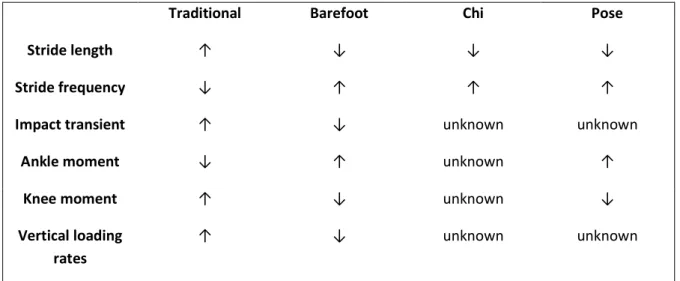
Table 2-1. Characteristics of various running styles: traditional, barefoot, Chi, and Pose…….….……16
Table 4-1: Descriptive statistics and subjective data……….……….…..38
Table 4-2:Inter-subject CMC values for each group……….……….….41
Table 4-3:Summary of Dependent Variables and one-way ANOVA results……….………..…42
Table 4-4:Ankle Dorsiflexion Eccentric Work ANOVA……….……….……….43
Table 4-5:Tukey’s HSD pairwise comparisons for ankle dorsiflexion eccentric work.….………43
Table 4-6:Ankle Plantarflexion Eccentric Work ANOVA……….…….44
Table 4-7:Tukey’s HSD pairwise comparisons for ankle plantarflexion eccentric work….………45
Table 4-8:Knee Extension Eccentric Work ANOVA……….……….46
Table 4-9:Tukey’s HSD pairwise comparisons for knee extension eccentric work……….………..46
Table 4-10:Average Vertical Loading Rate ANOVA……….……….48
Table 4-11: Tukey’s HSD pairwise comparisons for average vertical loading rate………….………48
Table 4-12:ANOVA for Self-Selected Running Speed……….………50
Table 4-13:Stride Frequency ANOVA……….………...51
Table 4-14:Vertical Ground Reaction Force Impulse ANOVA……….……….…52
Table 4-15:Ankle ROM ANOVA (°)……….……….54
Table 4-16: Tukey’s HSD pairwise comparisons for Ankle ROM……….………..………54
Table 4-17:Ankle angles at initial contact………..……..54
Table 4-18:Knee ROM ANOVA (°)…….……….…….56
Table 4-19: Tukey’s HSD pairwise comparisons for Knee ROM……….………..….56
Table 4-21:Maximum Braking Force ANOVA………..……….……….…….59
Table 4-22: Tukey’s HSD pairwise comparisons for Maximum Braking Force………....59
Table 4-23:Reported and Actual Footstrike Patterns………...61
Table A-1:Demographic Data Table………..……..….86
Table A-2:Associations between Shoe Selection and Self Reported Footstrike……….88
Table A-3:Associations between Running Experience and Injury Incidence……….90
Table A-4:Chi runner descriptive data……….92
Table A-5:Self-reported injury incidence between Chi runners and rearfoot striking runners………..………..92
Table AA-1:Ankle Plantarflexion Eccentric Work (APEW) univariate descriptive statistics.…..96
Table AA-2:Ankle Dorsiflexion Eccentric Work (ADEW) univariate descriptive statistics…..….96
Table AA-3:Knee Extension Eccentric Work (KEEW) univariate descriptive statistics………..….96
Table AA-4:Average Vertical Loading Rate (VALR) univariate descriptive statistics……….…...97
Table AA-5:Univariate Shapiro Wilk test values for each variable of interest………..….….97
Table AA-6: Correlations between dependent variables and speed………..98
Table AA-7: Additional MANOVA output.………..99
Table AA-8: Standardized Canonical Coefficients………..………..99
Table AA-9: Tukey’s HSD values for Function 1………..100
LIST OF FIGURES
Figure 1-1: Average vertical ground reaction force loading rate…………..……….……….…..6
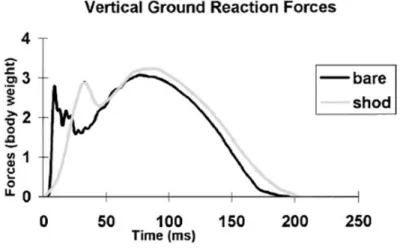
Figure 2-1. Vertical ground reaction curves of 1 representative person demonstrating a rearfoot strike pattern in bare feet and shod……….….12
Figure 2-2.Vertical ground reaction force curve for the stance phase of gait……….…...15
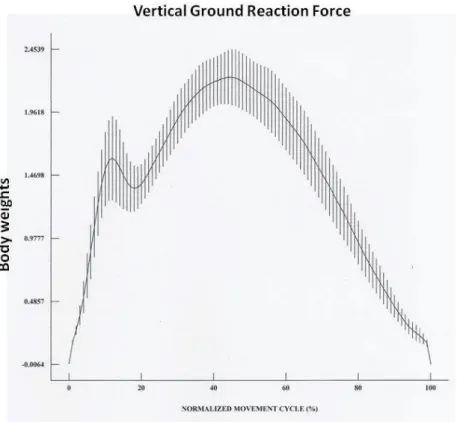
Figure 3-1:Averaged vertical ground reaction force curve obtained from initial data processing………..……….………32
Figure 4-1:Schematic that details group recruitment and composition………..……….……..…37
Figure 4-2:MSA and MSR shoe preferences………..……….….40
Figure 4-3:Ankle Dorsiflexion Eccentric Work……….…………....44
Figure 4-4:Ankle Plantarflexion Eccentric Work……….…………..…45
Figure 4-5:Knee Extension Eccentric Work……….………....47
Figure 4-6:Average Vertical Loading Rates……….………....49
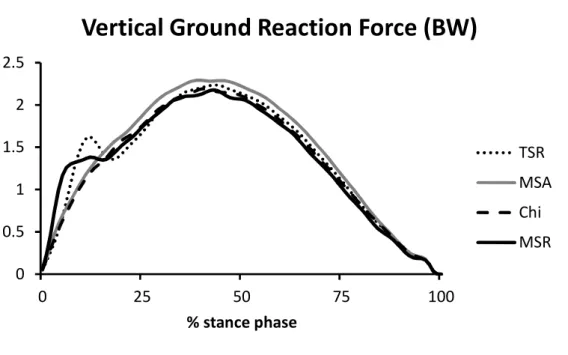
Figure 4-7: Vertical Ground Reaction Force Curves………..………....49
Figure 4-8: Mean Self-Selected Running Speeds………..……….……..51
Figure 4-9:Stride Frequency Among Groups………..………....52
Figure 4-10:Vertical Ground Reaction Force Impulse………..……….…...53
Figure 4-11:Total Ankle Excursion (ROM in °)………..………..…55
Figure 4-12:Ankle Excursion During Stance Phase………..……….…..55
Figure 4-13:Knee Excursion (°)………..……….…..57
Figure 4-7 (repeated):Vertical Ground Reaction Force Curves………...58
Figure 4-15:Maximum Braking Force (body weights)………60
Figure 5-1:Initial impact animation of a TSR runner………..66
Figure 5-2: Initial impact animation of a MSA runner………..………...66
Figure 5-3: Mean ankle internal moment curve for the TSR and MSA groups during stance phase………..…..….67
Figure 5-4: Mean ankle power curve for the TSR and MSA groups during stance phase………..…....67
Figure 5-5: Mean knee internal moment curve for the TSR and MSA groups during stance phase………...…70
Figure 5-6: Mean knee power curve for the TSR and MSA groups during stance phase………...70
Figure A-1:Survey Sample Size Explanation………...85
Chapter I
Problem statement
Approximately 36 million individuals run for exercise in the United States.92 Annually, the
incidence of running injuries averages 50%103with the nearly half of those injuries occurring at the
knee.101, 103 These 18 million annual running injuries place a significant burden on the medical
system. Recent injury prevention efforts that have matched traditional running shoe prescription to
foot morphology have failed to prove efficacious,53-55leading several investigators to examine other
possible factors contributing to injury. Two biomechanical factors recently associated with
increased injury risk are excessive joint loading and higher initial vertical loading rates in runners
with histories of tibial stress fracture,73patellofemoral pain,22and plantar fasciitis.82Traditional shod
(wearing running shoes) rearfoot strike running, with the heel making initial contact with the
ground, may lead to greater knee loading,47 higher initial vertical loading rates,59 and possibly
greater injury incidence rates because of a more posterior initial foot contact, longer stride length,26,
36, 99and reduced stride frequency.
Alternative running styles such as barefoot/minimalist shoe running, POSE running, and Chi
running have become more popular recently because their proponents claim these running styles
are safer alternatives compared with traditional shod rearfoot strike running. Barefoot running is
characterized by a more anterior initial foot contact,25, 32, 59, 98 shorter stride lengths, and greater
stride frequency.29, 31 The POSE running strategy involves a mid to forefoot strike pattern that
minimizes contact time with the support surface. The POSE runner focuses on picking up the feet
and not pushing off the ground as vigorously while falling forward.21, 90-91 The Chi method of running
is described as the alignment of body, mind, and forward movement.33 Runners are instructed to
avoid heel strike and to land with a midfoot strike pattern. The body leans forward and the strides
reduces the initial peak vertical ground reaction force and initial loading rate by prolonging the time
needed to decelerate the runner’s vertical velocity at initial foot contact.59 Therefore, a more
anterior initial foot contact used during alternative running styles may decrease the initial rate of
vertical loading,59reduce knee joint loads,1, 51and possibly reduce injuries at the knee. However, a
more anterior foot strike may increase mechanical work at the ankle1, 29 and result in excessive
cumulative metatarsal strain,72, 78possibly leading to increased injury rates at the ankle and foot.
Purpose of the study
The purpose of this study was to compare lower extremity joint work and initial vertical
loading rates among four groups of runners. Four groups of healthy runners ages 18-50 were
recruited to run using their habituated/preferred running style: traditionally shod rearfoot strike,
barefoot/minimalist anterior footstrike, Chi, and minimalist shoe rearfoot strike. Kinematic and
kinetic data were captured while subjects ran on an instrumented treadmill. Information gained
may assist medical providers, runners, and coaches in their future injury prevention and
rehabilitation efforts.
Research Questions
Q1: Are angular work at the knee and ankle different among the 4 running style groups:
traditionally shod rearfoot strikers, barefoot/minimalist shoe anterior footstrikers, Chi runners, and
minimalist shoe rearfoot strikers?
Q2: Are average vertical loading rates different among the 4 running style groups:
traditionally shod rearfoot strikers, barefoot/minimalist shoe anterior footstrikers, Chi runners, and
minimalist shoe rearfoot strikers?
Hypotheses
1. We hypothesized that runners using an anterior footstrike (barefoot/minimalist and Chi) would
1a. reduced knee extension eccentric work compared to the rearfoot striking groups
1b. reduced ankle dorsiflexion eccentric work compared to the rearfoot striking groups
1c. greater ankle plantarflexion eccentric work compared to the rearfoot striking groups
2. We hypothesized that we would observe no differences in knee or ankle work between the two
anterior footstrike groups or between the two rearfoot striking groups.
3. We hypothesized those runners who used an anterior footstrike (barefoot/minimalist and Chi)
would demonstrate:
3a. reduced initial loading rates compared to the rearfoot striking groups
3b. no differences in loading rates between the two anterior footstriking groups.
Limitations
All data from the four groups were collected from treadmill running as opposed to over
ground running. While treadmills have been used successfully to capture the biomechanics of
running, kinematic and kinetic differences exist between treadmill and over ground running.
Reduced hip flexion/extension excursion,95 reduced stride length, and greater stride frequency105
have been observed with treadmill running. Reduced stride length is consistent with a more
anterior initial foot contact on the treadmill,79, 105 may reduce rates of ground reaction force
loading,71, 104and may reduce the vertical displacement of the center of mass105compared to over
ground running. Since many of these characteristics have also been observed in over ground
alternative running styles,59utilization of the treadmill by all groups may have minimized differences
among groups. Rearfoot strikers may have run with a shortened stride length, increased stride
frequency, a more anterior foot contact, and a reduced loading rate while running on the treadmill.
Running mechanics could have been altered in all groups by the use of a treadmill in collecting these
data.
When recruiting subjects to run using alternative running styles, the principal investigator
contacted experts in the respective running styles. These individuals agreed to share a recruitment
flyer/email with a potential list of running subjects. We attempted to confirm that the Chi runners
used that method exclusively with a minimum 6 months of habituation. Barefoot/minimalist shoe
runners must have performed more than 50% of their weekly mileage in bare feet or wearing
minimalist footwear for at least 6 months. The primary limitation consisted of within group
variability based on experience, understanding, athleticism, and other factors.
Inverse dynamic calculations involving link segment models of the lower extremity involve
certain assumptions. One of those assumptions is that the segments are rigid with fixed lengths and
centers of mass. While the thigh and shank are relatively rigid, the bare or minimally supported foot
is certainly less rigid. This fact may have affected calculations made with the barefoot/minimalist
condition.
Runners wore their own self-selected shoes for data collection. Differences in shoe age or
other stiffness and cushioning properties could have affected the results. Some Chi runners also
wore minimalist footwear that encouraged a more anterior footstrike.
Recruiting 22 traditionally shod rearfoot strikers was not difficult. Recruiting 35
barefoot/minimalist runners to identify 23 who demonstrated an anterior footstrike was not
difficult. With the help of Danny Dreyer and his team,33 we were able to enroll 23 Chi runners.
Eleven of these individuals ran with a rearfoot strike pattern and did not demonstrate adequate Chi
running mechanics. We used 12 certified Chi runners in the following analyses. Realizing initially
Carolina area. We only found 7 POSE runners and only 5 of those demonstrated appropriate POSE
form. The POSE runners are not included in the analyses as was originally planned. Instead, we
formed an unexpected fourth group of rearfoot striking minimalist shoe wearers.
Definition of Key Terms
TSR –traditionally shod rearfoot striker
MSA –barefoot/minimalist shoe wearing anterior footstriker
MSR –minimalist shoe wearing rearfoot striker
Eccentric work – integration of the negative portion of the power curve, angular work = Torque*θ
(joint angular displacement)
Concentric work –integration of the positive portion of the power curve
Figure 1-1: Average vertical ground reaction force loading rate depicted as the slope of the line from 20-80% of the stance time to impact peak; or in the absence of an impact peak – the mean loading rate from 3-12% of stance phase.19, 76(reproduced from Milner, 2006)76 Red lines added to
Chapter II
Review of Literature
Introduction
Running popularity is at an all-time high with nearly 500,000 people in the US completing a
marathon in 2009.92 Annual running injury incidence has recently been reported between
19-79%.103 This large number of injuries has medical providers and coaches struggling to determine
how best to advise their running clients to prevent injuries. Alternative running styles such as
barefoot running, POSE running, and Chi running have enjoyed an increase in popularity recently.
Proponents of these alternative running styles with a more anterior landing pattern claim that
employing these techniques will reduce injuries. Little information, however, has been published
comparing the mechanics and injury trends associated with different running styles and running
shoes.
OVERVIEW OF DIFFERENT RUNNING STYLES
Traditional Shod Running
A recent kinematic analysis of elite runners wearing shoes who participated in a ½ marathon
indicated that 75% of the runners were heel strikers, 24% were midfoot strikers, and 1% were
forefoot strikers.46 When runners use a rearfoot strike pattern, the knee is relatively extended and
the ankle is in relative dorsiflexion upon initial contact. As the ankle moves into plantarflexion, the
knee flexes and the knee extensors act eccentrically to dampen the ground reaction forces.
Traditionally shod rearfoot strikers often take long strides, characterized by a vertical displacement
of the center of mass and an impact peak present at approximately 10-12% of the stance phase on
bare feet or minimalist footwear have demonstrated greater initial vertical loading rates than heel
strikers who wear traditional running shoes.25, 63 Runners who use a rearfoot strike may perform
greater angular work at the knee1resulting in greater patellofemoral and tibiofemoral compressive
forces.5, 51These runners may have greater risk of knee injury than runners who use a more anterior
footstrike pattern. Advocates of barefoot and alternative running styles report that initial heel
contact running is a relatively new phenomenon associated with the development of modern
running shoes with thicker cushioned heels during the last 30-40 years. Prior to this, some authors
believe the proportion of midfoot and forefoot strikers was much greater.59, 66
Alternative Running Styles
Barefoot running and other alternative running styles have gained recent popularity, leaving
many health care providers with questions regarding the safety and appropriateness of these
techniques for various running populations. In several publications, barefoot runners exhibited a
midfoot or forefoot striking pattern, thereby avoiding heel strike.3, 25, 32, 59 A growing number of
barefoot running advocates, teachers, and websites have provided barefoot running instruction
since the 2009 publication of the best-selling book “Born to Run” by Christopher McDougall.66
Generally, with habituated barefoot runners, stride length is shortened, stride frequency is
increased, and the vertical displacement of the center of mass is reduced with barefoot running.29, 31,
59
One alternative running style that has gained popularity recently is the POSE method
designed by Dr. Nicolas Romanov.90 This running strategy involves a midfoot or forefoot strike
pattern that minimizes contact time with the support surface and focuses on picking up the feet and
not pushing off the ground as vigorously.90-91 Romanov claimed that gravity causes the muscle
energy. Romanov further described the running form by indicating that as the center of mass passes
over the support limb, a gravitational torque occurs as extensor muscle activity ceases. The runner
falls forward while the ground reaction forces decrease and vertical work against gravity is reduced.
Romanov suggested that the foot is un-weighted during terminal stance, as it is rapidly pulled from
the ground by hamstring muscle activity to reduce lower-limb inertia and to catch up with the body.
The focus on falling via a gravitational torque and pulling the foot from the ground effectively
differentiates POSE running from more traditional running forms.
Another alternative running style that has recently gained popularity is Chi running. The
founder of Chi running, Danny Dreyer, credits the origins of this running form to the discipline of Tai
Chi. 33-34 This method of running is described as the alignment of body, mind, and forward
movement. Runners are instructed to avoid heel strike and to land with a midfoot strike pattern.
The body leans forward slightly, and the strides are shorter with a focus on relaxed legs. Dreyer
recommended that runners discard more traditional heavily padded running shoes and use a more
minimalist running shoe that involves thin sole material and limited supportive features.33, 60 In
summary, barefoot, POSE, and Chi runners attempt to land with a midfoot or forefoot strike, take
shorter strides with a greater step frequency, and may demonstrate a reduced initial vertical ground
reaction impact compared with traditional heel-toe shod runners. The original purposes of this
review of literature were to examine additional evidence concerning the kinematics, kinetics, and
injury trends associated with different running styles. Little to no injury data separated by running
styles were found. Therefore, this review of literature will include a discussion of the biomechanics
of different running styles and a presentation of biomechanical findings associated with different
Literature Search Methods
English language articles published in peer reviewed journals were identified by searching
PubMed, CINAHL, and SPORTDiscus databases. Key words used in this search included: running,
barefoot, POSE, Chi, kinematics, kinetics, injury, and running styles in various combinations. Original
research, meta-analyses, and review articles were included in the search. Only one randomized
control trial was identified.93 Nearly all of the studies included were observational studies. The
search for manuscripts detailing aspects of Chi running in scientific peer reviewed literature yielded
no results. The popular literature and website descriptions of the Chi running style, therefore, were
also included in the review.
Running Mechanics
Traditional Shod Running
For heel strikers (approximately 80% of shod runners),46, 59the initial (impact) peak vertical
ground reaction force at heel strike occurs during the first 10% of stance19, 49, 76 or within
approximately 25 milliseconds.4 This force is passive in nature and the anterior-posterior
component of this impact is generally considered a braking force with the heel strike anterior to the
runner’s center of mass. The second peak for the vertical ground reaction force occurs between
40-50% of the stance phase.48 This force is more active as the runner pushes off the ground and the
anterior-posterior component is more propulsive in nature with the runner’s center of mass
superior/anterior to the foot contact. Typical running peak vertical ground reaction forces for
runners are between 1.5 and 3.5 times body weight.48 Vertical ground reaction forces increase
linearly with increasing running velocity80 and increasing stride length,26, 36, 99and decrease with a
peak vertical ground reaction forces and / or vertical loading rates than healthy matched runners,49,
76, 82 however, this point has been challenged.17
Cushioned running shoes are commonly prescribed for runners with high arches, and
motion control shoes are often recommended for low arched runners who require pronation
control. Cushioned running shoes may attenuate the ground reaction force better for high arched
runners,10and motion control shoes may control instantaneous loading rates better for low arched
runners.9 Increased resultant joint torques at the hip and knee have been observed in shod runners
compared with barefoot runners.51 Aside from the effects of footwear modifications, some runners
may benefit from an altering their running style and learning to run with a reduced impact load or
ground reaction force.19 However, this has not been widely studied to date.
Alternative Running Styles
Most habitual barefoot runners choose to land with a midfoot or forefoot initial foot contact
to avoid greater initial loading rates observed with heel striking in bare feet.25 (Figure 2-1) While
most runners who attempt to run in bare feet or minimalist shoes will convert to a more anterior
footstrike, McCarthy et al. reported recently on a sample in which 50% of runners continued to
Figure 2-1. Vertical ground reaction curves of 1 representative person demonstrating a rearfoot strike pattern in bare feet and shod (reprinted with permission from Journal of Biomechanics 33(3): De Wit B, et al. Biomechanical Analysis of the Stance Phase During Ba
278, 2000 with permission from Elsevier).
A toe-heel-toe or midfoot contact pattern
barefoot runners and other minimalist shoe runners who use this landing strategy
vertical loading rates and initial passive peak vertical ground reaction force by 15
first 25 ms of foot contact compared to traditional heel
initial peak vertical ground reaction force is accomplished by prolonging the time needed to
decelerate the runner’s vertical velocity after initial foot contact. By prolonging this period of time
with a greater ankle range of motion
the impulse-momentum equation:
Equation 1. F=m*Δv/Δt
where, F= vertical ground reaction force, m = mass of runner, Δv = the change in vertical velocity
from initial foot contact to the velocity of 0 when downward motion stops, Δt = the time required to
change the downward velocity to 0.
Vertical ground reaction curves of 1 representative person demonstrating a rearfoot strike pattern in bare feet and shod (reprinted with permission from Journal of Biomechanics 33(3): De Wit B, et al. Biomechanical Analysis of the Stance Phase During Barefoot and Shod Running, 269 278, 2000 with permission from Elsevier).25
toe or midfoot contact pattern with greater overall ankle excursion
barefoot runners and other minimalist shoe runners who use this landing strategy
vertical loading rates and initial passive peak vertical ground reaction force by 15
first 25 ms of foot contact compared to traditional heel-toe strike patterns.
initial peak vertical ground reaction force is accomplished by prolonging the time needed to
unner’s vertical velocity after initial foot contact. By prolonging this period of time
with a greater ankle range of motion3, the vertical ground reaction force is reduced as reflected by
quation:
where, F= vertical ground reaction force, m = mass of runner, Δv = the change in vertical velocity
from initial foot contact to the velocity of 0 when downward motion stops, Δt = the time required to
elocity to 0.
Vertical ground reaction curves of 1 representative person demonstrating a rearfoot strike pattern in bare feet and shod (reprinted with permission from Journal of Biomechanics 33(3): refoot and Shod Running,
269-with greater overall ankle excursion3 used by
barefoot runners and other minimalist shoe runners who use this landing strategy may decrease the
vertical loading rates and initial passive peak vertical ground reaction force by 15-33% during the
toe strike patterns.30, 59 This reduction in
initial peak vertical ground reaction force is accomplished by prolonging the time needed to
unner’s vertical velocity after initial foot contact. By prolonging this period of time
, the vertical ground reaction force is reduced as reflected by
where, F= vertical ground reaction force, m = mass of runner, Δv = the change in vertical velocity
The period of time required to change a runner’s downward velocity to 0 (Δt) will likely be
longer with a toe-heel-toe initial contact pattern than with a heel strike pattern. The initial vertical
ground reaction force (F), therefore, will be reduced. Another mechanism to decrease vertical
ground reaction forces given a fixed mass would be to reduce the amount of change in velocity. This
can be accomplished by reducing the vertical height from which the body’s center of mass falls to
the ground.47 Essentially, limiting the vertical displacement of the center of mass prior to foot
contact will reduce Δv. This is achieved by adopting running styles in which the runner glides
forward more and bounces up and down less.
Little research has been conducted concerning injury trends that are associated with
barefoot or other alternative running styles. Particularly of concern to some medical providers are
metatarsalgia and other injuries related to foot contact patterns, particularly in bare feet.45, 78
Injuries caused by excessive contact pressures that are perpendicular to the foot-ground interface
are governed by the following equation:
Equation 2. contact pressure = contact force / contact area.
Wearing minimal footwear that has relatively thin sole material and no supportive features
built into the shoe’s construction may simulate conditions of barefoot running.98Running in bare
feet or using minimal footwear may increase peak contact pressure, increase maximum ground
reaction force, and reduce contact area of the foot, thereby increasing peak pressures imposed on
the forefoot.6, 109 For a given ground reaction force, this reduction in contact area will significantly
increase plantar contact pressure.12, 86, 109 A 25-63% reduction in plantar contact area while running
in bare feet77may counteract the 15-33% reduction in impact peak vertical ground reaction forces29,
59achieved from using a toe-heel-toe strike pattern. This could result in potentially greater contact
greater risk of injurious plantar pressures in the lateral metatarsals,37while low arched runners may
experience greater medial and lateral midfoot contact pressures under a variety of athletic
conditions.85 Concentrating the center of pressure on the midfoot81 also increases the vertical
ground reaction impulse stress (force x time) on the metatarsals. Previous investigators have
reported greater stride frequency with a reduced stride length for individuals who run in bare feet
or for individuals who run using a midfoot or forefoot strike pattern.1, 31 Greater peak axial strains
and strain rates have been observed in the metatarsals than those in the tibia for barefoot
running.72 Increased stride frequency has been associated with reduced braking forces and reduced
knee and hip loading,47however, the shorter stride length and increased stride frequency associated
with midfoot and forefoot strike patterns will result in more impacts per unit of time and distance,
and potentially increased cumulative metatarsal strain compared with rearfoot strike running.
Another potential concern for injury is the increased moment requirement at the ankle joint
associated with a more anterior initial foot contact. Runners who use a midfoot or forefoot strike
pattern will require greater activation of the plantarflexors during early stance phase to effect the
deceleration and then propulsive impulses.29 This muscular activation may lead to increased
mechanical work at the ankle1, 20, 31 and additional tensile stress imposed on the plantar flexor
muscles and Achilles tendon. Cole et al. observed a greater magnitude and rate of loading in the
ankle joints during the impact phase of barefoot running compared to shod running.14
Supporters of midfoot and forefoot strike running styles claim that the initial vertical ground
reaction force peak and loading rate associated with a rearfoot strike pattern are associated with
increased strains that may injure the lower extremities.59, 73, 82While the initial passive impact peak
ground reaction forces that occur at approximately 10-12% stance phase are greater for shod
midfoot or forefoot strikers (Figure 2
have not yet been correlated with specific injury risk, but further investigation is warranted.
Figure 2-2.Vertical ground reaction force curve for the stance phase of gait displaying the initial impact transient (Fz1) for shod runners and higher overall propulsive peak ground reaction forces (FZmax) in midstance for barefoot runners using a midfoot strike pat
from International Journal of Sports Medicine (26), Divert C., et al. Mechanical Comparison of Barefoot and Shod Running, 593
Few scientific studies have evaluated the POSE running method. Dallam observed a
decreased stride length, decreased vertical displacement of the center of mass, and i
oxygen cost when runners used the POSE method compared with traditional heel
very small sample.21 Arendse analyzed 20 runners individuals who ran on an outside track,
comparing traditional heel-toe running, mid
POSE running after 7.5 hrs of instruction.
vertical displacement of the center of mass when subjects ran using the POSE method. He reported
greater initial vertical ground reaction forces with heel
knee extension eccentric angular work and greater plantarfl
oot strikers (Figure 2-2).29, 31 These greater active propulsive ground reaction forces
have not yet been correlated with specific injury risk, but further investigation is warranted.
Vertical ground reaction force curve for the stance phase of gait displaying the initial impact transient (Fz1) for shod runners and higher overall propulsive peak ground reaction forces in midstance for barefoot runners using a midfoot strike pattern (reprinted with permission from International Journal of Sports Medicine (26), Divert C., et al. Mechanical Comparison of Barefoot and Shod Running, 593-598, 2005 with permission from Thieme publishing).
Few scientific studies have evaluated the POSE running method. Dallam observed a
decreased stride length, decreased vertical displacement of the center of mass, and i
oxygen cost when runners used the POSE method compared with traditional heel
Arendse analyzed 20 runners individuals who ran on an outside track,
toe running, mid-foot strike running after 15 minutes of instruction, and
after 7.5 hrs of instruction.1 Arendse observed decreased stride length
vertical displacement of the center of mass when subjects ran using the POSE method. He reported
greater initial vertical ground reaction forces with heel-toe running. Arendse also observed less
knee extension eccentric angular work and greater plantarflexion eccentric work at the ankle joint greater active propulsive ground reaction forces
have not yet been correlated with specific injury risk, but further investigation is warranted.
Vertical ground reaction force curve for the stance phase of gait displaying the initial impact transient (Fz1) for shod runners and higher overall propulsive peak ground reaction forces tern (reprinted with permission from International Journal of Sports Medicine (26), Divert C., et al. Mechanical Comparison of
598, 2005 with permission from Thieme publishing).31
Few scientific studies have evaluated the POSE running method. Dallam observed a
decreased stride length, decreased vertical displacement of the center of mass, and increased
oxygen cost when runners used the POSE method compared with traditional heel-toe running in a
Arendse analyzed 20 runners individuals who ran on an outside track,
foot strike running after 15 minutes of instruction, and
Arendse observed decreased stride length and decreased
vertical displacement of the center of mass when subjects ran using the POSE method. He reported
toe running. Arendse also observed less
when subjects ran using the POSE method.1 This reduction in angular work at the knee joint is often
used to promote use of the POSE running method. Reducing knee loading at the cost of increased
moment demands at the ankle joint, however, may lead to increased Achilles tendon or other ankle
overuse injuries. Fletcher and Romanov also observed reduced stance time, decreased vertical and
horizontal displacement of the center of mass, greater knee flexion angular velocity, and greater
stride frequency in a sample of 8 runners after 7 hours of POSE running instruction.44 Again, this
increase in stride frequency may result in potentially increased cumulative metatarsal strain and
total ankle joint work compared with rearfoot strike running.
No peer-reviewed biomechanical analyses of Chi running were identified in the literature. In
summary, POSE running, Chi running, barefoot running, and running with a forefoot or midfoot
strike pattern have several commonalities. These include decreased stride length, decreased
vertical displacement of the center of mass, and a possible shift from greater knee joint loading to
greater loading at the ankle joint (Table 2-1).
Table 2-1. Characteristics of various running styles: traditional, barefoot, Chi, and Pose.
Traditional Barefoot Chi Pose
Stride length ↑ ↓ ↓ ↓
Stride frequency ↓ ↑ ↑ ↑
Impact transient ↑ ↓ unknown unknown
Ankle moment ↓ ↑ unknown ↑
Knee moment ↑ ↓ unknown ↓
Vertical loading rates
↑ ↓ unknown unknown
Injury Trends
Annual running injury incidence rates have been reported as ranging from 19-79%,103 with
the knee joint being the most commonly injured anatomic region among runners.101, 103 No previous
work was identified that separated injury trends by running style. With the majority of modern-day
shod runners employing a heel-toe landing style,46, 59previous injury reports may relate primarily to
this running style. Potential causes of running related injuries and various mechanical observations
associated with injuries in specific anatomical regions will be addressed. Finally, injury trends that
may be related to wearing traditional running shoes or adopting alternative running styles are
discussed.
Potential Causes
Many different potential causes have been suggested to explain running injuries. These
potential causative factors can be organized into extrinsic and intrinsic factors. Extrinsic factors that
may be related to running injury include running shoe age and training errors.101, 112 Training errors
may be more associated with injury incidence than biomechanical factors.112 Exposure to a high
training load involving increased intensity, frequency, or running distance112without adequate rest
may increase the risk of injury,42and modification of the training schedule may reduce the incidence
of injury.42, 112, 118The effect of stretching on running injuries has not been determined.35, 65, 112
Intrinsic causes of injury include a previous history of injury,101, 103increased runner age,101
increased body mass,70, 101foot strike characteristics,48-49, 68, 82-83, 110and morphological characteristics
such as excessive genu valgum,69 pes planus,82 and pes cavus feet.68 Greater instantaneous and
Ankle and Foot Injuries
Particular characteristics present in subjects with a history of ankle and foot injuries were
more years running, weaker plantarflexors, higher arches, and more inversion at touchdown.65
McCrory et al. suggested that plantarflexor insufficiency to control the eccentric phase of
dorsiflexion may have contributed to the development of Achilles tendonopathy.65 A more rigid
foot may lead to “compensatory overpronation” that overstresses the Achilles tendon. Reduced
tibial external rotation moment and more medial femoral rotation has also been associated with
injury in a group of subjects with a history of Achilles tendonopathy.110 Williams et al. proposed
that this places the lateral gastrocnemius more anteriorly and the medial head of the gastrocnemius
more posteriorly.110 They hypothesized that this shortening of the medial head of the
gastrocnemius may have resulted in changes in muscular stress at the musculotendinous junction
that may have lead to the development of Achilles tendonitis. Another possible explanation may be
that increased internal rotation of the entire lower extremity is associated with increased pronation,
which passively stretches the Achilles tendon.
Increased dorsiflexion range of motion and greater instantaneous load rates were observed
in a sample of females with a previous history of plantar fasciitis.82 Pohl et al. stated that the
increased passive dorsiflexion range of motion is usually perceived as desirable.82 They attribute this
extra motion to the fact that these previously injured subjects were patients in rehabilitation where
they commonly receive plantar flexor stretching exercises as part of their exercise prescription.
Since this observational case series was retrospective, the authors were unable to determine if the
subjects had the additional range of motion prior to sustaining an injury or if it was acquired during
the time the subjects spent in rehabilitation. The authors believed that greater instantaneous rates
documented that greater pronation and leg length inequality were observed in other samples of
plantar fasciitis patients.68, 106 Subotnick previously reported an association between limb length
inequality and greater pronation.100Warren and Jones also observed greater dorsiflexion and less
plantar flexion range of motion in a sample of runners with plantar fasciitis compared to controls.106
Messier and Pittala observed greater plantar flexion range of motion in their sample of plantar
fasciitis patients.68They hypothesized that excessive sagittal plane motion may increase the amount
of time the runner can impart a propulsive force which may lead to excessive plantar stresses.68
These authors also attributed greater pronation with greater midfoot stress on the plantar fascia for
the injury.68
While the balance of running injury literature in the past 30 years assumes a rearfoot strike
pattern while wearing traditional shoes, one recent case series detailed two marathon runners who
sustained metatarsal stress fractures running in barefoot-simulating footwear with a more anterior
footstrike.45 Another recent military epidemiological study reported reduced incidence of tibial and
femoral stress fractures as the body adapted to the increased military training demands of several
cycles of training, but no reduction in metatarsal stress fractures after months of infantry training.43
This may suggest that the body responds differently to metatarsal stress compared to tibial and
femoral stress.
Lower Leg Injuries
Several investigators have examined characteristics of individuals with lower leg injuries.
Heel-toe landing styles have been associated with greater anterior compartment pressures than
more anterior landing styles.52This could be due to a greater activation of the dorsiflexors during
initial heel contact compared to a midfoot or forefoot initial contact pattern where greater
greater dorsiflexion eccentric work during the first portion of the stance phase, although no studies
supporting this theory were identified. In a recent case series, two previously rearfoot striking
patients with chronic exertional compartment syndrome avoided anterior compartment release
surgeries by adopting a forefoot striking pattern.27
Comparing runners with a history of tibial stress fracture to matched controls, runners with
previous tibial stress fractures exhibited greater peak hip adduction and greater rearfoot eversion
angles during the stance phase of running.75, 83 Milner and Pohl hypothesized that these forces may
have induced a tensile stress on the postero-medial aspect of the tibia.75, 83 These authors also
observed greater absolute free moment, greater braking forces, and no differences in vertical
ground reaction force impulse or knee excursion for individuals who had incurred previous tibial
stress fractures.73, 83 Absolute free moment was defined as the torque acting between the foot and
the ground at impact which may impose a torsional stress on the tibia.83 Similarly, greater
pronation and velocity of pronation were observed in subjects with a history of shin splints.68This
increased pronation may increase the stress on the posterior medial tibia as increased stretching of
the tibialis posterior imposes greater tensile stress on its proximal attachment site. Greater
anterior-posterior braking force and vertical ground reaction forces were observed on the previously
injured side in another sample of tibial stress fracture patients.116 Zifchock et al. suggest that high
peak tibial shock may lead to injury.116 Creaby and Dixon, however, recently reported no differences
in the magnitude of free moment, sagittal, or frontal plane vertical ground reaction forces in a small
sample of military members with tibial stress fracture compared to matched controls.17 Zadpoor
and Nikooyan in a recent systematic review115contended that greater vertical loading rates and not
greater vertical ground reaction forces are more often associated with lower extremity stress
fractures.24, 41, 76, 116 Additionally, no significant intrinsic risk factors were identified in a population of
Knee Injuries
Multiple intrinsic risk factors have been associated with increased incidence of knee injuries,
particularly patellofemoral pain syndrome. Lower extremity malalignment, particularly increased
Q-angle and excessive pronation have been identified as causative factors.11, 61, 69-70 Genu valgus
changes patellofemoral force vector alignment. Increased body weight and lack of hamstring
flexibility may also be related to knee injury.70 Increased body weight will increase the moment
demands on the knee, which will increase the quadriceps and hamstring force production demands.
Hamstring tightness may elicit greater knee extension force production, effecting a greater
patellofemoral compressive resultant force vector from the knee extensors. Ferber et al. recently
observed greater peak rearfoot inversion moment, greater peak knee internal rotation angle, and
greater peak hip adduction angle in a sample of 35 females with iliotibial band syndrome.40
Abnormal hip mechanics such as excessive hip internal rotation or adduction possibly due to
weakness in the hip abductors may also lead to undesirable knee mechanics and injuries.84, 96-97
Observed gender differences in strength and alignment may contribute to the running kinematic
differences and higher overuse knee injury incidence observed in females.39, 84, 96-97
Foot Morphology
In a sample of military recruits, Cowan observed higher odds ratios for lower extremity
overuse injuries in soldiers with the highest arches.15 Messier also observed a similar trend with
recreational athletes.68 Higher arches were associated with greater lower extremity injury incidence
in a different sample of female athletes.117 Higher arches may be associated with rigid feet that do
not promote shock absorption at initial foot contact. In a sample of 20 high arched runners,
Williams et al. observed more bony injuries and lateral injuries in the lower extremities (i.e. 5th
detected more medial injuries, knee injuries, and soft tissue injuries in a sample of 20 low arched
runners.111
Traditional Running Shoes
In an effort to correct undesirable and possibly injurious mechanics, many healthcare
professionals prescribe running shoes with extra cushioning to provide shock absorption, or motion
control characteristics to limit pronation.9-10 Cushioned running shoes may increase contact area
and reduce contact pressures in cavus feet.77, 107 Likewise, motion control shoes may increase
plantar contact area, reduce tibial internal rotation, and reduce plantar contact pressures in runners
with flatter feet.10, 77 Recently, the practice of matching foot morphology to running shoe type has
been questioned.55, 88, 93 Even though undesirable mechanics have been prevented in laboratory
settings by specific shoe selection and modification, no well-designed studies have demonstrated
significant injury reduction by utilizing this commonly used practice of shoe prescription. In the last
decade, the results of several studies have demonstrated a correlation between injury and loading
rates, and between injury and impact forces.49, 76, 82 This growing body of evidence suggests that
runners who have developed strike patterns that incorporate relatively low levels of impact forces
and a more moderate rate of pronation are at a reduced risk of incurring overuse running injuries.49,
76, 82
Alternative Running Styles
Little to no research was found for injury patterns that may be associated with POSE, Chi, or
barefoot running styles. Danny Dreyer has claimed that the braking forces of heel strike are
responsible for many lower extremity overuse injuries.33-34, 60 No scientific manuscripts in any peer
to traditional heel-toe running mechanics in injury prevention or running economy. Dr. Mark
Cucuzella presented survey findings of 2500 Chi runners in 2008. Approximately 90% of the runners
had favorable impressions of Chi running. Unfortunately, this survey was originally made available
to approximately 25,000 people who had purchased Chi running materials and only 10% responded.
Theoretically, the adoption of these alternative running styles may shift stress from the knee joint to
the ankle joint,1, 5, 14potentially resulting in ankle and foot related injuries. These alternative running
forms may be desirable if a runner has a history of knee injuries or knee osteoarthritis and is
attempting to shift stress away from the knee joint. More research is needed to compare the
mechanics of various running styles and to survey runners who have adopted these running styles
for a sufficient period of time to assess the type and severity of injuries they are experiencing.
In a recent unpublished survey study, Goss and Gross (in press, Appendix I) observed
significant associations among self-reported shoe type, self-reported footstrike pattern, and injury
incidence. Shoe selection was significantly associated with reported footstrike (X² = 143.4, 4 df, p <
0.001). Barefoot and minimalist runners reported a more anterior footstrike than traditional shoe
wearing runners. Traditional shoe wearing runners were 3.41 times more likely to report injuries
than experienced minimalist shoe wearers (46.7% annual injury incidence in traditional shoe
wearing runners vs. 13.7% injury incidence in minimalist shoe wearers, X² = 77.4, 1 df, p < 0.001, n =
888). Minimalist shoe wearers reported fewer injuries at the hip, knee, lower leg, ankle, and foot
than traditional shoe wearing runners. Rearfoot striking runners were also 26% more likely to
SUMMARY
Clinicians are often faced with questions from patients about running shoe selection and
running style. The value of traditional shoe wearing rearfoot striking running gait has been
challenged recently by individuals who advocate a more anterior initial foot contact, or minimal to
no footwear which tends to force runners to make initial contact more anteriorly on the foot.
Decreasing or eliminating the initial vertical ground reaction peak or “impact transient” has been
cited as a potential method to reduce knee joint injuries or injuries in other anatomic regions. This
theory requires further investigation to prove its injury prevention claims and to insure that runners
who adopt a more anterior strike pattern are not merely increasing their risk for foot and ankle
injuries.
Certainly more research is needed to determine which individuals with certain
morphological or mechanical gait characteristics may benefit from alternative running styles that
incorporate a more anterior initial foot contact with or without shoes. Controlled longitudinal
studies are needed to assess the utility of adopting alternative running styles in an effort to reduce
injury rates. Laboratory research comparing the mechanics of various running styles is needed to
quantify internal force and moment demands of the various joints in multiple planes. Additional
running shoe research is required with large samples of experienced runners to examine the
potential effectiveness of matching running shoes to running mechanics and not merely foot
morphology. Unbiased injury history surveys are also needed to evaluate the incidence of injury
associated with various running styles and running shoe combinations.
Biomechanical research is needed studying the characteristics of Chi running. Further
research is also warranted investigating the footstrike patterns of runners wearing minimalist shoes
distribution of work between the knee and ankle among different groups of runners may assist
clinicians and coaches who advise athletes on running techniques to reduce joint stress and prevent
Chapter III
Research Design and Methodology
Subjects
An original goal of 80 healthy adult runners, 20 per group, ages 18-50 who ran at least 12
miles total per week were recruited for this study. An attempt was made to recruit an equal
number of subjects preferring each of the following four running styles: traditionally shod heel-toe
running, barefoot or minimalist shoe running with an anterior footstrike, POSE running, and Chi
running. According to a recent survey,9260% of runners in the United States are male. We made an
attempt to recruit a sample of traditional shoe wearing rearfoot striking runners representative of
the population of American runners. We made no attempts to influence gender proportions for the
other three groups for this convenience sample of runners near the Chapel Hill, NC area.
The purpose of this study was to compare joint loading at the ankle and knee among four
different running styles. We measured ankle dorsiflexion eccentric work, ankle plantarflexion
eccentric work, knee extension eccentric work, and initial vertical ground reaction force loading
rates for four different running styles. Originally, these four running groups were intended to be:
traditional shoe-wearing rearfoot strikers, barefoot/minimalist shoe runners, POSE runners, and Chi
runners. Due to difficulty recruiting POSE runners, the final four groups consisted of: traditional
shoe wearing rearfoot strikers (TSR), barefoot/minimalist shoe wearing anterior (non-rearfoot)
strikers (MSA), Chi runners, and minimalist shoe wearing rearfoot strikers (MSR).
Runners were experienced in their running style for at least six months prior to inclusion in this
study. Barefoot runners must have identified that they ran barefoot or wore minimalist footwear
for more than 50% of their weekly mileage (78% of barefoot runners in our survey stated they
training goals, Appendix I). POSE and Chi runners used these running styles exclusively. POSE and
Chi runners were recruited from certified POSE and Chi instructors. All potential POSE and Chi
runners were screened to verify completion of a corresponding training course prior to enrollment
in the study. After data collection, the principal investigator coordinated with POSE and Chi certified
instructors via video analysis to verify subjects represented these running styles appropriately. No
discrimination was made based on race or gender.
Our definition of “minimalist shoe” was one in which there is very little arch support
or motion control characteristics and little to no height difference between the heel and forefoot.
The title “minimalist shoe anterior footstrikers” was used for the non-rearfoot striking group
because this included runners demonstrating both forefoot and midfoot initial contact. Given the
new group compositions, we hypothesized greater knee eccentric work in the rearfoot striking
groups and greater ankle plantarflexion eccentric work in the groups with runners using a more
anterior footstrike pattern. We also hypothesized the two groups of rearfoot striking runners would
demonstrate greater ground reaction force loading rates than the anterior footstriking runners.
Potential subjects were screened for inclusion and exclusion criteria prior to enrollment.
Participants were free of lower extremity injuries and low back pain that limited lower extremity
function for the 3 months preceding participation in the study. Runners expressed familiarity with
treadmill running and expressed no apprehension about running on a treadmill. Exclusion criteria
were a history of lower extremity surgical procedures, lumbar surgery, or pregnancy in the previous
six months. Active vestibular disorders or other balance problems also excluded subject enrollment.
All subjects were briefed on the study requirements and asked to sign an informed consent form
approved by the institutional review board at our university. This study protocol was approved by
the institutional review boards at the University of North Carolina-Chapel Hill and Womack Army
Data Collection
The principal investigator conducted all data collection. All data for each subject were
collected during a single subject visit lasting approximately 1 hour. Subjects were asked to wear
running shorts, a non-reflective t-shirt, and their preferred running shoes (or bare feet) for the data
collection. Prior to obtaining informed consent, the subjects completed a brief injury history
questionnaire to ensure they were healthy at the time of data collection and that they had not
experienced any activity limiting lower extremity or low back pain during the previous three months.
Height was measured in centimeters with a tape measure on the lab wall. Mass was obtained from
a static measurement of weight on the instrumented treadmill.
Additional descriptive data were collected from subjects concerning shoe selection, previous
injury history, running mileage, and length of time using their particular running style. Group mean
runner age, height, mass, weekly mileage, training pace, and length of time using the particular
running style were compared using one-way ANOVAs. Gender proportions among groups were
compared using chi-squared analysis. Preferred models of minimalist shoes worn by running
participants were also identified. Shoe type and models worn by Chi and POSE runners were also
recorded as well as the presence or absence of a vertical ground reaction force impact peak in all
runners.
Subjects had 39 reflective markers affixed to their shoes or bare feet, medial and lateral
ankles, lower legs, medial and lateral knees, posterior thighs, greater trochanters, iliac crests, and
sacrum. The full marker set included a posterior pelvic plate over the sacrum with 3 markers:
Temporary markers were placed on bilateral iliac crests: left iliac crest and right iliac crest. A
plate on the left thigh included 4 markers: left thigh superior lateral, left thigh superior medial, left
thigh inferior medial, and left thigh inferior lateral. Temporary markers were placed on the left and
right greater trochanters. Temporary markers were also placed on both knee joint flexion/extension
axes: left lateral knee, left medial knee, right lateral knee, and right medial knee. A plate on the left
shank included 4 markers: left shank superior lateral, left shank superior medial, left shank inferior
medial, and left shank inferior lateral. Temporary markers were placed on both ankles: left lateral
ankle, left medial ankle, right lateral ankle, and right medial ankle. Left foot markers included: left
calcaneus, left lateral heel, left lateral 5thmetatarsal head, and left medial 1st metatarsal head.
Markers were affixed with ace wraps or double-sided tape. The subjects were asked to stand very
still on the treadmill for 1 second while a static calibration of the full marker set was obtained. After
this, the following markers were removed for the data collection running trials: left iliac crest, right
iliac crest, left greater trochanter, right greater trochanter, left lateral knee, left medial knee, right
lateral knee, right medial knee, left lateral ankle, left medial ankle, right lateral ankle, right medial
ankle, left 1stmetatarsal, and right 1stmetatarsal.
Instrumented treadmills have been used successfully to capture biomechanical data for the
study of running.57, 95 During the actual data collection, subjects were asked to run for 5 minutes on
the treadmill at a self-selected speed “…that you could maintain for several miles, not a sprint”.
Initially, a comfortable self-selected speed was determined. Then, the first 4 minutes were used for
the subject to accommodate to the treadmill.28, 38, 50 Data collection then consisted of 5 three
second trials2, 16during the final minute of running. The subjects were blinded to exactly when data
were being collected to reduce measurement bias. Reported training pace was compared to
Running was conducted on a Bertec split belt instrumented treadmill with force plates
sampling data at 1200 Hz.50, 65 Subjects ran on the right treadmill belt only for data collection.
Three-dimensional kinematic data were captured using an 8 camera Vicon Nexus MX40+ system
with digital cameras sampling data at 240 Hz4, 8, 13, 35, 46, 64-65, 94. Our sampling frequencies met or
exceeded the frequencies used in the previous works cited. The calibration volume was inside the
treadmill rails and measured approximately 1m wide x 2m anterior to posterior, and 1.5m vertically.
Calibration was conducted obtaining 5000 samples at 75 Hz waving a standard calibration wand. An
additional Sony Handycam sampling at 60 Hz was positioned perpendicular to the treadmill to
obtain a lateral view of runners. Video recordings from the Sony camera were used to confirm
footstrike patterns and to share with Chi and POSE running experts to confirm if runners in these
groups were accurately demonstrating these running styles. Upon completion of the 5 minute
running session, 2 of the running trials were labeled and checked for completeness of data capture
with minimal gaps prior to marker removal. Once adequate data collection was confirmed, markers
were removed. Many subjects stayed approximately 15 minutes for a raw data analysis of their
footstrike pattern, peak vertical ground reaction force, and discussion of the presence or absence of
an impact peak.
Data Reduction
All marker labeling was done immediately following data collection. Small gaps in data
capture were filled using a spline fill method. When necessary, gaps were filled by copying the
trajectory of an adjacent marker. Vicon data trials were exported in .CSV format. Static calibration
and each 3 second running trial were exported as separate .CSV files. Digital video taken from the
Sony camera was processed in Windows Movie Maker in the lab to slow down the video four-fold
and to save the file in .WMV format. All further signal processing and data reduction were
Chapel Hill, NC).114 The Euler sequence for segment rotations was sagittal plane flexion–extension,
abduction–adduction, and internal–external rotation. Hip joint centers were defined as 25% medial
to the greater trochanters markers.108 Knee and ankle joint centers were defined as the midpoint
between the medial and lateral knee and ankle markers, respectively.
The coordinates of reflective markers and the virtual landmark were filtered through a
second order recursive Butterworth digital filter at an estimated optimal cutoff frequency of 15
Hz.113 Ground reaction forces and free moment data during each stance phase were filtered
through a second order recursive Butterworth digital filter at cutoff frequencies of 20 Hz, 20 Hz, 100
Hz, and 20 Hz for anterior-posterior, medial-lateral, vertical ground reaction force, and free
moment, respectively.
The coordinates of the center of pressure data were filtered using a third order polynomial.
The data smoothing methods and smoothing parameters for ground reaction forces, free moment,
and coordinates of center of pressure were selected after an analysis of the noise-to-signal ratios,
frequency spectrums, and patterns of the signals. All data processing and reduction were
performed using a customized computer program package MS3D 2010 (MotionSoft, Chapel Hill, NC).
Within subject values were averaged across five strides for each subject and then combined
with other runners within the same group to create means for each running style group for each
dependent variable. After initial data processing, average joint angles, joint angular velocity, ground
reaction forces, joint resultants, and joint net power files were created from normalized individual
trial data. Normalization was conducted on the first 5 right stance phases captured from 5 three
second running trials. Force was normalized to body weight. Moment was normalized to the
product of body height and body weight. Power was normalized to watts / body height * body
weight. Work was normalized to joules / body height * body weight. Loading rates and angular
smoothed landmark coordinate files and were viewed to confirm data accuracy. An animation video
file along with a slow motion video from the Sony camera and an averaged vertical ground reaction
force curve (Figure 3-1) were provided to each subject.
Figure 3-1:Averaged vertical ground reaction force curve obtained from initial data processing
Five normalized stance from each subject were analyzed with MotionSoft Discrete Data
Reader 6.0. The initial negative portion of the power curves of stance phase was integrated to
obtain ankle dorsiflexion eccentric work, ankle plantarflexion eccentric work, and knee extension
eccentric work. After data reduction, the average of five stance phase trials was used for each