Substance Use in Pregnancy
This clinical practice guideline has been prepared by the Working Group on Problematic Substance Use in Pregnancy, reviewed by the Maternal Fetal Medicine Committee, the Family Physicians Advisory Committee and the Medico-Legal Committee, and approved by the Executive and Council of the Society of Obstetricians and Gynaecologists of Canada. PRINCIPAL AUTHORS
Suzanne Wong, MD, Toronto ON Alice Ordean, MD, Toronto ON Meldon Kahan, MD, Toronto ON
MATERNAL FETAL MEDICINE COMMITTEE Robert Gagnon, MD (Chair), Montreal QC Lynda Hudon, MD (Co-Chair), Montreal QC Melanie Basso, RN, Vancouver BC Hayley Bos, MD, London ON Joan Crane, MD, St . John’s NL Gregory Davies, MD, Kingston ON Marie-France Delisle, MD, Vancouver BC Dan Farine, MD, Toronto ON
Savas Menticoglou, MD, Winnipeg MB William Mundle, MD, Windsor ON Lynn Murphy-Kaulbeck, MD, Allison NB Annie Ouellet, MD, Sherbrooke QC Tracy Pressey, MD, Vancouver BC Anne Roggensack, MD, Calgary AB Frank Sanderson, MD, Saint John NB
FAMILY PHYSICIANS ADVISORY COMMITTEE William Ehman, MD (Chair), Nanaimo BC Anne Biringer, MD, Toronto ON
Andrée Gagnon, MD, Blainville QC Lisa Graves, MD, Sudbury ON
No. 256, April 2011
This document reflects emerging clinical and scientific advances on the date issued and is subject to change. The information should not be construed as dictating an exclusive course of treatment or procedure to be followed. Local institutions can dictate amendments to these opinions. They should be well documented if modified at the local level. None of these contents may be reproduced in any form without prior written permission of the SOGC.
J Obstet Gynaecol Can 2011;33(4):367–384
Key Words: Pregnancy, substance-related disorders, substance use, neonatal abstinence syndrome
SOGC CLINICAL PRACTICE GUIDELINE
SOGC CLINICAL PRACTICE GUIDELINE
Jonathan Hey, MD, Saskatoon SK Jill Konkin, MD, Edmonton AB Francine Léger, MD, Montreal QC Cindy Marshall, MD, Lower Sackville NS MEDICO-LEGAL COMMITTEE
Deborah Robertson, MD (Chair), Toronto ON Douglas Bell, MD, Ottawa ON
George Carson, MD, Regina SK Donna Gilmour, MD, Halifax NS Owen Hughes, MD, Ottawa ON Caroline Le Jour, MD, Calgary AB Dean Leduc, MD, Orleans ON Nicholas Leyland, MD, Hamilton ON Paul Martyn, MD, Calgary AB André Masse, MD, Montreal QC AD HOC REVIEWERS
Ron Abrahams, MD, Vancouver BC Sanja Avdic, MD, Toronto ON Howard Berger, MD, Toronto ON Mike Franklyn, MD, Sudbury ON Samuel Harper MD, Montreal QC Georgia Hunt, MD, Vancouver BC
Patricia Mousmanis, MD, Richmond Hill ON Kellie Murphy, MD, Toronto ON
Sarah Payne, MA, Vancouver BC SPECIAL CONTRIBUTORS Deana Midmer, EdD, Toronto ON Sandra de la Ronde, MD, Calgary AB
The literature searches and bibliographic support for this guideline were undertaken by Becky Skidmore, Medical Research Analyst, Society of Obstetricians and Gynaecologists of Canada .
Disclosure statements have been received from all members of the committees .
Dr Alice Ordean received funding from National Institute on Drug Abuse grant R01 DA015741 .
ABBREVIATIONS HCV hepatitis C virus
MMT methadone maintenance therapy NAS neonatal abstinence syndrome NRT nicotine replacement therapy UDS urine drug screening Abstract
Objective: To improve awareness and knowledge of problematic substance use in pregnancy and to provide evidence-based recommendations for the management of this challenging clinical issue for all health care providers .
Options: This guideline reviews the use of screening tools, general approach to care, and recommendations for clinical management of problematic substance use in pregnancy .
Outcomes: Evidence-based recommendations for screening and management of problematic substance use during pregnancy and lactation .
Evidence: Medline, PubMed, CINAHL, and The Cochrane Library were searched for articles published from 1950 using the following key words: substance-related disorders, mass screening, pregnancy complications, pregnancy, prenatal care, cocaine, cannabis, methadone, opioid, tobacco, nicotine, solvents, hallucinogens, and amphetamines . Results were initially restricted to systematic reviews and randomized control trials/controlled clinical trials . A subsequent search for observational studies was also conducted because there are few RCTs in this field of study . Articles were restricted to human studies published in English . Additional articles were located by hand searching through article reference lists . Searches were updated on a regular basis and incorporated in the guideline up to December 2009 . Grey (unpublished) literature was also identified through searching the websites of health technology assessment and health technology assessment-related agencies, clinical practice guideline collections, clinical trial registries, and national and international medical specialty societies .
Values: The quality of evidence was rated using the criteria described in the Report of the Canadian Task Force on the Preventive Health Care . Recommendations for practice were ranked according to the method described in that report (Table 1) . Benefits, harms, and costs: This guideline is intended to increase
the knowledge and comfort level of health care providers caring for pregnant women who have substance use disorders . Improved access to health care and assistance with appropriate addiction care leads to reduced health care costs and decreased maternal and neonatal morbidity and mortality .
Recommendations
1 . All pregnant women and women of childbearing age should be screened periodically for alcohol, tobacco, and prescription and illicit drug use . (III-A)
2 . When testing for substance use is clinically indicated, urine drug screening is the preferred method . (II-2A) Informed consent should be obtained from the woman before maternal drug toxicology testing is ordered . (III-B)
3 . Policies and legal requirements with respect to drug testing of newborns may vary by jurisdiction, and caregivers should be familiar with the regulations in their region . (III-A)
4 . Health care providers should employ a flexible approach to the care of women who have substance use problems, and they should encourage the use of all available community resources . (II-2B) 5 . Women should be counselled about the risks of periconception,
antepartum, and postpartum drug use . (III-B)
6 . Smoking cessation counselling should be considered as a first-line intervention for pregnant smokers . (I-A) Nicotine replacement therapy and/or pharmacotherapy can be considered if counselling is not successful . (I-A)
7 . Methadone maintenance treatment should be standard of care for opioid-dependent women during pregnancy . (II-IA) Other slow-release opioid preparations may be considered if methadone is not available . (II-2B)
8 . Opioid detoxification should be reserved for selected women because of the high risk of relapse to opioids . (II-2B) 9 . Opiate-dependent women should be informed that neonates
exposed to heroin, prescription opioids, methadone, or buprenorphine during pregnancy are monitored closely for symptoms and signs of neonatal withdrawal (neonatal abstinence syndrome) . (II-2B) Hospitals providing obstetric care should develop a protocol for assessment and management of neonates exposed to opiates during pregnancy . (III-B)
10 . Antenatal planning for intrapartum and postpartum analgesia may be offered for all women in consultation with appropriate health care providers . (III-B)
11 . The risks and benefits of breastfeeding should be weighed on an individual basis because methadone maintenance therapy is not a contraindication to breastfeeding . (II-3B)
INTRODUCTION
S
ubstance use during pregnancy is common. In national prevalence surveys, 14% of Canadian women reported using alcohol during their last pregnancy, and 17% reported smoking during pregnancy.1,2 The prevalence of illicit drug use among Canadian women of childbearing age is less but not insignificant. In United States population surveys ~5% of pregnant women reported illicit drug use during the preceding month.3 Marijuana remains the most commonly used illegal drug, followed by cocaine. Women report higher rates than men of prescription drug use, including pain relievers (23.1%), opioid analgesics (2.1%), sleeping pills (1.7%), tranquilizers (1.1%), and antidepressants (2.1%).2The use of alcohol and drugs by pregnant women can result in significant maternal, fetal, and neonatal morbidity.4–17 In general, pregnant women with substance use disorders are less likely to seekprenatal care, and they have higher rates of infectious diseases such as HIV, hepatitis, and other sexually transmitted infections.17–19
There are numerous direct and indirect costs of perinatal substance exposure. In 2002, the overall social cost of substance abuse in Canada, including burden on health care, law enforcement, and loss of productivity due to premature death and ill health, totalled ~$40 billion.20 Data
Table 1. Key to evidence statements and grading of recommendations, using the ranking of the Canadian Task Force on Preventive Health Care
Quality of evidence assessment* Classification of recommendations†
I: Evidence obtained from at least one properly randomized
controlled trial A . There is good evidence to recommend the clinical preventive action II-1: Evidence from well-designed controlled trials without
randomization B . There is fair evidence to recommend the clinical preventive action
II-2: Evidence from well–designed cohort (prospective or retrospective) or case–control studies, preferably from more than one centre or research group
C . The existing evidence is conflicting and does not allow to make a recommendation for or against use of the clinical preventive action; however, other factors may influence decision-making
II-3: Evidence obtained from comparisons between times or places with or without the intervention . Dramatic results in uncontrolled experiments (such as the results of treatment with penicillin in the 1940s) could also be included in this category
D . There is fair evidence to recommend against the clinical preventive action E . There is good evidence to recommend against the clinical preventive
action III: Opinions of respected authorities, based on clinical experience,
descriptive studies, or reports of expert committees L . There is insufficient evidence (in quantity or quality) to make a recommendation; however, other factors may influence decision-making
*The quality of evidence reported in these guidelines has been adapted from The Evaluation of Evidence criteria described in the Canadian Task Force on Preventive Health Care .161
†Recommendations included in these guidelines have been adapted from the Classification of Recommendations criteria described in the The Canadian Task Force on Preventive Health Care .161
from American studies have indicated that the increase in cost of neonatal care for infants born to mothers who smoke cigarettes is ~$700, and the increase in cost for those exposed to cocaine is $5110 per patient.21–23
Because of the prevalence of substance use and its clinical and economic impact, health care providers need to know how to identify and care for the affected patient population. Management of substance use disorders is complicated because of the associated comorbid conditions and psychosocial and socioeconomic factors, such as mental health problems, poor housing, financial stressors, and lack of supports. Canadian physicians have identified a lack of knowledge and training regarding the effects of and treatments for substance use during pregnancy as another barrier to providing care for these patients.24 Perinatal care providers have several opportunities during pregnancy to identify and assist women who have substance use problems. Although most physicians enquire routinely about alcohol, tobacco, and other drug use during pregnancy, many do not use a specific screening tool and are not making referrals to other treatment resources.25–28 As motivation to change unhealthy or harmful behaviours is increased during pregnancy, it is an ideal time to intervene with women who have substance use problems.
This guideline provides a unified approach to care for perinatal substance use disorders.
DEFINITIONS
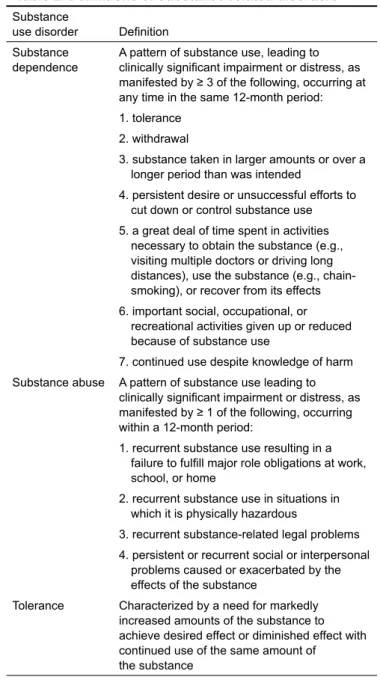
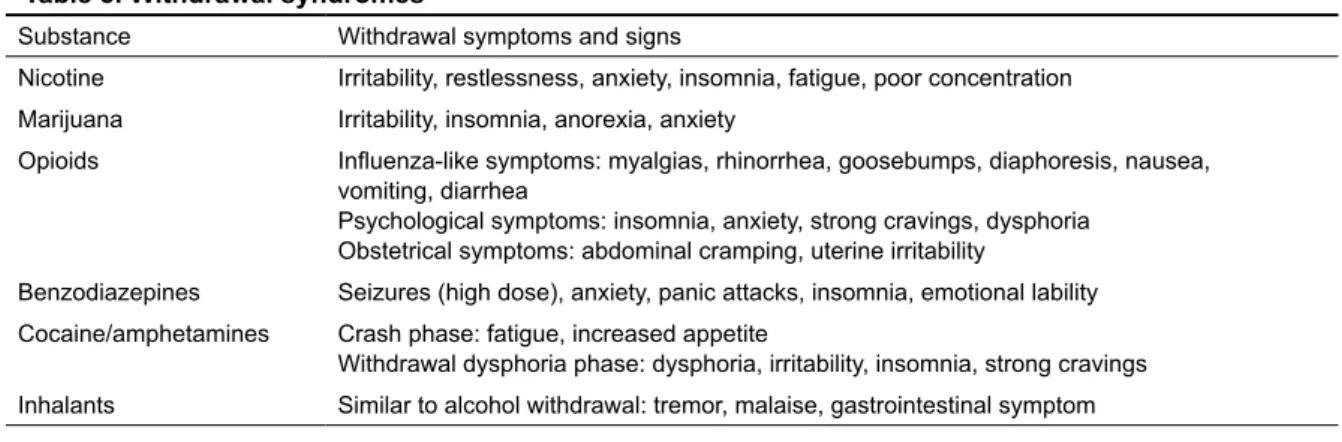
Substance abuse and dependence have well-defined criteria based on the DSM-IV guide (Table 2).29 Substance dependence is characterized by compulsive drug use, loss of control over use, and physical, social, and psychological consequences.30 Physical dependence is characterized by tolerance and withdrawal; however, it is not in itself sufficient to make a diagnosis of substance dependence. Substance withdrawal consists of a combination of drug-specific symptoms and signs that occur within hours to days of stopping drug use (Table 3).
IDENTIFICATION OF SUBSTANCE-RELATED DISORDERS IN PREGNANCY
Screening and Assessment
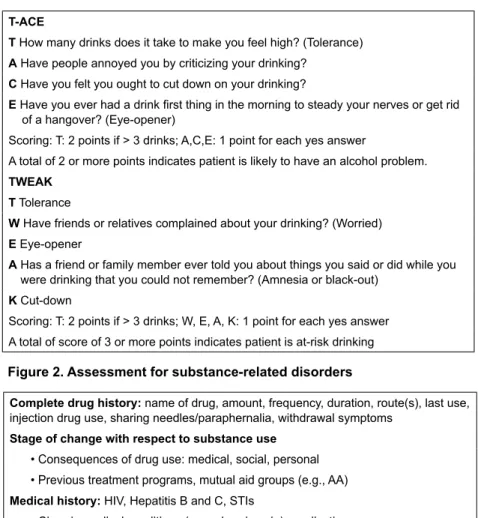
All pregnant women regardless of socioeconomic status should be asked about past and current alcohol, nicotine, and illicit and prescribed drug use. A high index of suspicion for potential substance use during pregnancy is required in various clinical situations.31 There is no optimal screening tool for identifying substance use in pregnancy. Maternal interview using open-ended, non-judgemental questioning is more likely to elicit disclosure of perinatal substance use.31,32 Health care providers should develop their own level of comfort and style in asking their patients about this sensitive topic. The T-ACE and TWEAK questionnaires were developed for screening at-risk perinatal alcohol use
(Figure 1).33,34 The ALPHA tool incorporates the CAGE questionnaire to screen for maternal recreational drug use, as well as validated questions to identify associated psychosocial risk factors such as family violence or postpartum depression (Appendix).35,36 If the woman acknowledges substance use, a more complete assessment is then recommended to determine if there is a history of substance abuse or dependence (Figure 2).
Role of Toxicology Testing
Drug toxicology testing is not recommended for universal screening (i.e., routine testing of all women) because it has numerous limitations (Figure 3), and it should be considered only after a comprehensive assessment if there is a clinical indication.37 If a woman is concerned about providing a sample or is reluctant to do so, clinicians should focus on developing a trusting relationship before suggesting toxicology testing. Vulnerable women may feel threatened if clinicians wish to gather detailed information through drug testing and psychosocial histories.
Urine, hair, and meconium samples are sensitive biological markers of substance use. Urine drug screening can detect only recent substance exposure, while neonatal hair and meconium testing can document intrauterine use because meconium and hair form in the second and third trimester, respectively.38–41 By itself, a single positive test result cannot be used to diagnose substance dependence. Although child protection agencies sometimes request hair analyses, neither hair nor meconium is appropriate for routine clinical use because of the high costs and propensity for false positive results.
UDS has several clinical indications. Evidence shows that the addition of urine drug testing to the structured maternal interview can increase the detection of problematic substance use in pregnancy.42,43 Detection can facilitate early intervention, including treatment of maternal and neonatal withdrawal and counselling and referral for long-term outpatient treatment. For example, an unexpected positive UDS result for opioids may prompt an assessment for opioid dependence and observation of the neonate for signs of withdrawal. Ongoing outpatient monitoring with UDS is also used to advocate on behalf of patients with child protection services and to monitor compliance with prescribed medications (e.g., opioids).34,38 In addition, it can be performed on maternal request.
Informed consent must be obtained and documented in the medical record before any maternal drug testing is performed (except in life-threatening situations where informed consent is impossible).44 If the mother refuses,
this should be documented, and testing should not be performed. Neonatal toxicology testing may be performed without consent of the parent(s) if the person requesting this testing has a legislative right to make decisions for the infant to be tested. However, the mother should be informed that the neonate is being tested.34 Once consent is obtained, any drug toxicology testing to be performed must be ordered by the physician responsible for maternal and/or neonatal care.
Recommendations
1. All pregnant women and women of childbearing age should be screened periodically for alcohol, tobacco, and prescription and illicit drug use. (III-A)
Table 2. Definitions of substance-related disorders
Substance
use disorder Definition Substance
dependence A pattern of substance use, leading to clinically significant impairment or distress, as manifested by ≥ 3 of the following, occurring at any time in the same 12-month period: 1 . tolerance
2 . withdrawal
3 . substance taken in larger amounts or over a longer period than was intended
4 . persistent desire or unsuccessful efforts to cut down or control substance use 5 . a great deal of time spent in activities
necessary to obtain the substance (e .g ., visiting multiple doctors or driving long distances), use the substance (e .g ., chain-smoking), or recover from its effects 6 . important social, occupational, or
recreational activities given up or reduced because of substance use
7 . continued use despite knowledge of harm Substance abuse A pattern of substance use leading to
clinically significant impairment or distress, as manifested by ≥ 1 of the following, occurring within a 12-month period:
1 . recurrent substance use resulting in a failure to fulfill major role obligations at work, school, or home
2 . recurrent substance use in situations in which it is physically hazardous
3 . recurrent substance-related legal problems 4 . persistent or recurrent social or interpersonal
problems caused or exacerbated by the effects of the substance
Tolerance Characterized by a need for markedly increased amounts of the substance to achieve desired effect or diminished effect with continued use of the same amount of the substance
2. When testing for substance use is clinically indicated, urine drug screening is the preferred method. (II-2A) Informed consent should be obtained from the woman before maternal drug toxicology testing is ordered. (III-B)
3. Policies and legal requirements with respect to drug testing of newborns may vary by jurisdiction, and caregivers should be familiar with the regulations in their region. (III-A)
COMPONENTS OF OFFICE MANAGEMENT
Obstetrical care providers need to establish rapport with substance-using pregnant women through good communication and a willingness to be flexible in providing prenatal care and ongoing support. These women face a number of barriers to receiving optimal prenatal care (Figure 4).45–48 Flexibility with respect to patient scheduling and understanding late arrivals and missed appointments are key to engaging these women for prenatal care. Women are likely to seek and commit to prenatal care if health care providers are welcoming and non-judgemental, and if they acknowledge the women’s courage and persistence in the face of very difficult personal circumstances. Studies have shown that comprehensive care provided at one site is cost-effective and produces better outcomes for both mother and child.9,19,49–58
It is also important to address women’s substance use because pregnancy is an ideal time for women to make a change. Harm reduction is defined as a program or policy designed to reduce the drug-related harm without requiring the cessation of drug use.30 The philosophy of care for women with problematic substance use in pregnancy is harm reduction. Components of this philosophy include encouragement of abstinence or reduction of use, safe
use, treatment of withdrawal symptoms, counselling and/ or pharmacotherapy. Pregnancy may motivate women to abstain from or reduce drug use, given the potential effects on fetal outcomes.
Pregnant substance-using women are also at increased risk of infectious diseases. Injection drug use remains the most dominant mode of hepatitis C virus acquisition. Approximately, 70% to 80% of HCV-infected patients report a history of current or past injection drug use.59 HCV-negative women should be advised about ways to prevent exposure to HCV. Women should be told not to share materials to prepare, inject, or inhale drugs, and that they should not engage in higher risk sexual behaviours (e.g., unprotected sex with multiple sexual partners or unprotected sex with HCV-positive partners). Pregnant HCV-infected women have a 5% chance of transmitting the virus to their infants.60 There are no ways to decrease the risk of vertical transmission. Furthermore, mode of delivery and breastfeeding do not affect mother-to-infant transmission. Procedures that promote mixing of maternal and fetal blood, such as use of scalp electrodes, should be avoided, if possible. Serology testing of infants at 12 to 18 months of age is recommended to determine HCV status. The prevalence of sexually transmitted infections is also higher among pregnant women with a history of substance abuse related to high-risk sexual behaviours.61,62 Screening for Chlamydia, gonorrhea, syphilis, hepatitis, and HIV should be repeated throughout pregnancy if historical factors warrant it.63
There are numerous adverse effects associated with prenatal drug exposure (Table 4). These effects may also be linked to other factors such as inadequate prenatal care, poor social circumstances, and concomitant use of other substances.64,65 Therefore, long-term studies are difficult to
Table 3. Withdrawal syndromes
Substance Withdrawal symptoms and signs
Nicotine Irritability, restlessness, anxiety, insomnia, fatigue, poor concentration Marijuana Irritability, insomnia, anorexia, anxiety
Opioids Influenza-like symptoms: myalgias, rhinorrhea, goosebumps, diaphoresis, nausea, vomiting, diarrhea
Psychological symptoms: insomnia, anxiety, strong cravings, dysphoria Obstetrical symptoms: abdominal cramping, uterine irritability
Benzodiazepines Seizures (high dose), anxiety, panic attacks, insomnia, emotional lability Cocaine/amphetamines Crash phase: fatigue, increased appetite
Withdrawal dysphoria phase: dysphoria, irritability, insomnia, strong cravings Inhalants Similar to alcohol withdrawal: tremor, malaise, gastrointestinal symptom
interpret because effects may be due to these confounders and environmental deprivation rather than the drug itself. In addition to routine care, patients should be given counselling regarding the drug-specific fetal, neonatal, and maternal effects of substance use.
Antenatal fetal surveillance should be based on obstetrical indications rather than solely on substance use. Substance use during pregnancy has been associated with obstetrical complications such as preterm labour, placental abruption, and intrauterine growth restriction (Table 4), and these adverse effects may lead to an increased risk of perinatal morbidity and mortality. Therefore, the method and
frequency of antenatal testing will be determined by the presence or absence of these complications.66
There are two phases to the management of substance use disorders. The first addresses treatment of withdrawal syndromes. Pregnant women who are dependent on alcohol, opioids, or high-dose benzodiazepines (> 50 mg daily diazepam equivalent) may require medical detoxification under the supervision of a physician (Table 5).30 Women who are in withdrawal from other substances, such as cocaine or marijuana, may also benefit from a supportive admission to a non-medical withdrawal management centre, if available.
T-ACE
T How many drinks does it take to make you feel high? (Tolerance) A Have people annoyed you by criticizing your drinking?
C Have you felt you ought to cut down on your drinking?
E Have you ever had a drink first thing in the morning to steady your nerves or get rid of a hangover? (Eye-opener)
Scoring: T: 2 points if > 3 drinks; A,C,E: 1 point for each yes answer
A total of 2 or more points indicates patient is likely to have an alcohol problem . TWEAK
T Tolerance
W Have friends or relatives complained about your drinking? (Worried) E Eye-opener
A Has a friend or family member ever told you about things you said or did while you were drinking that you could not remember? (Amnesia or black-out)
K Cut-down
Scoring: T: 2 points if > 3 drinks; W, E, A, K: 1 point for each yes answer A total of score of 3 or more points indicates patient is at-risk drinking
Figure 1. T-ACE and TWEAK for problematic alcohol use
Complete drug history: name of drug, amount, frequency, duration, route(s), last use, injection drug use, sharing needles/paraphernalia, withdrawal symptoms
Stage of change with respect to substance use • Consequences of drug use: medical, social, personal • Previous treatment programs, mutual aid groups (e .g ., AA) Medical history: HIV, Hepatitis B and C, STIs
• Chronic medical conditions (e .g ., chronic pain), medications Psychiatric history: eating disorders, sexual/physical abuse, mood and anxiety disorders
Obstetrical history: cycle regularity, LMP, past obstetrical outcomes and complications
Social history: family situation (partner and number of children), custody status, housing situation, legal status (current charges and court dates), finances, nutrition, child protection agency involvement, child safety concerns
FIFE: feelings, impressions/ideas, functioning, expectations about pregnancy and drug use
The second phase focuses on relapse prevention by encouraging substance abuse treatment and development of a supportive network. Brief interventions can range from simple physician advice to motivation counselling sessions consisting of goal setting, problem solving with respect to triggers, and information on potential harms. These interventions are effective in reducing alcohol use among pregnant women.67,68 Currently, there are no research data on the effectiveness of similar interventions for illicit substance use in pregnancy. However, systematic reviews have shown that outpatient psychotherapy for cannabis dependence is moderately effective at reducing substance use in non-pregnant patients.69,70 Therefore, physician counselling may also be of benefit to pregnant women. Pharmacological maintenance options are available for management of nicotine and opioid dependence. Evidence suggests that enhanced treatment programs for opioid dependence that combine methadone maintenance therapy, group psychotherapy, and obstetrical care result in less overall illicit substance use, improved prenatal care, and lower rates of obstetrical complications.19,52,71–73 Evaluation of comorbid conditions should include screening for depression, anxiety, and other mental health disorders, domestic violence and abuse, and psychosocial support system. Most women in substance abuse treatment programs report a past history of trauma (including physical and sexual abuse), and approximately 25% have been diagnosed with posttraumatic stress disorder.74–76 Partner involvement in prenatal care and addiction treatment is critical to recovery.56 A partner’s active drug use has been linked to delayed treatment time for women seeking care.77,78 Similarly, women with fewer social supports are less likely to seek and to remain in treatment.79,80 Appropriate referrals may include counselling to deal with pre-existing trauma and assistance with other social determinants of
health (e.g., food and housing). The cornerstone of care of problematic substance use in pregnant women is harm reduction. Components of this include encouragement of abstinence or reduction of use, safe use, treatment of withdrawal, counselling, and/or pharmacotherapy.
Any health care provider who has a clinical suspicion based on history and/or physical examination that a child is or may be in need of protection because of abuse or neglect must make a report to child protection services.81 Health care professionals should be aware of province-specific legislation with respect to child welfare and reporting responsibilities. Clinicians are not required to report until birth, because unborn babies do not have any legal rights, but antenatal self-reporting is encouraged to increase maternal self-determination, dignity, and stability and the establishment of a treatment plan. However, if other children present in the home are deemed to be at risk, earlier referral to child protection is indicated to ensure the safety of these children. Health care professionals should advocate on behalf of women involved with child protection agencies and should encourage a positive relationship between mothers and workers. A history of substance dependence is not incompatible with ability to parent.
Recommendations
4. Health care providers should employ a flexible approach to the care of women who have substance use problems, and they should encourage the use of all available community resources. (II-2B)
5. Women should be counselled about the risks of periconception, antepartum, and postpartum drug use. (III-B)
• Personal factors: shame, stigma, guilt, lack of family support, substance using male partner, fear of losing children, concomitant psychosocial issues (e .g ., transportation, child care)
• Systemic factors: lack of appropriate treatment services for pregnant women, negative attitudes of health care providers
Figure 4. Barriers to prenatal care for pregnant substance-using women
• Women can avoid detection of substances in urine samples through simple measures such as abstaining for 1–3 days before testing, drinking lots of water to lower the concentration of the drug in the urine, or substituting samples of another person’s urine for their own
• Alcohol is very hard to detect with laboratory testing (blood and urine sampling) because of its short half-life • The amount of drug in a hair sample correlates with degree of drug use (which is not the case with urine
drug testing); however, a positive finding is not diagnostic of addiction
• Hair analysis can have false-positive results due to passive exposure to smoked drugs in environment • A false positive result can have serious legal and emotional consequences for the mother
NICOTINE DEPENDENCE Smoking Cessation Counselling
Smoking cessation interventions are effective in reducing the number of women smoking during pregnancy regardless of intensity or provider delivering the intervention.82–87 Lower rates of preterm delivery and low birth weight infants are additional benefits of smoking cessation interventions. A variety of interventions have been studied ranging from simple advice to cognitive behavioural strategies for quitting smoking. Women also often received pregnancy-specific self-help materials and telephone counselling to support smoking cessation.
These interventions are estimated to be highly cost-effective with savings of US$3 in health-related costs for every US$1 spent on smoking cessation for pregnant women.88 However, brief interventions are ineffective in preventing postpartum relapse to smoking.89
Pharmacotherapy
Controlled trials have failed to demonstrate that nicotine replacement therapy increases smoking cessation rates, although it may reduce the number of cigarettes smoked.90,91 NRT (gum, lozenge, or patch), combined with cognitive behavioural therapy, results in higher quit rates during pregnancy than counselling alone.92 The safety of NRT is unknown since the link between NRT and congenital anomalies and poor perinatal outcomes is uncertain.90,92–96 However, women may be offered NRT if they continue to smoke despite counselling and after an informed discussion regarding the benefits and risks during pregnancy.82,83,97,98 Intermittent dosage NRT preparations such as nicotine gum or nasal spray may be preferable to the patch, which gives a continuous dose of nicotine. The lowest effective dose of NRT is advised. If the patch is used, the patient may consider removing it at night. NRT should be discontinued if the woman continues to smoke at the same rate.
Table 4. Effects of antenatal substance use
Drug Antenatal complications Neonatal effects Long-term effects
Nicotine • SA
• PTL, PROM • Placenta previa and
placental abruption • IUGR, LBW
• Increased perinatal mortality
• SIDS • Childhood asthma• Behavioural problems • ADHD
Marijuana • Inconsistent effects • • Neurobehavioural effects: decreased self-quieting ability, increased fine tremors and startles, increased hand-to-mouth activity, sleep pattern changes
• Disturbed nocturnal sleep • Behaviour problems: inattention,
impulsivity and hyperactivity, delinquency and externalizing problems self-reported depressive and anxiety symptoms
Heroin • Premature labour
• IUGR, LBW • Toxemia • Antepartum and
postpartum hemorrhage
• Increased perinatal mortality rate • Increased inattention, hyperactivity and behavioural problems
• Difficulty in physical, social, and self-adjustment and learning processes
Methadone • NAS
• Strabismus
Cocaine • Spontaneous abortion
• PROM, PTL • IUGR
• Placental abruption
• Congenital anomalies: genitourinary malformations
• Transient increase in central and autonomic nervous system symptoms and signs
• Lower birth weight, length and head circumference (dose-dependent)
• Expressive language delays
Amphetamines • Maternal hypertension • Fetal demise (at any
gestational age) • IUGR
• Congenital anomalies:central nervous system, cardiovascular, oral clefts, limbs • Neurobehavioural effects: decreased
arousal, increased stress and poor quality of movement (dose-response relationship)
• Behavioural problems
Hallucinogens
(MDMA, LSD) • Congenital anomalies: cardiovascular, MSK defects
ADHD: attention-deficit hyperactivity disorder; IUGR: intrauterine growth restriction; LBW: low birth weight; LSD: lysergic acid diethylamide; MDMA: 3,4-methylenedioxymethamphetamine; MSK: medullary sponge kidney; PTL: preterm labour; PROM: premature rupture of membranes; SA: spontaneous abortion; SIDS: sudden infant death syndrome .
Buproprion and varenicline are effective in non-pregnant populations. There are limited safety data on the use of these medications during pregnancy.82,83,97 To date, bupropion has not been associated with malformations during pregnancy.83,97,99 Preliminary evidence from a small study suggests that bupropion is effective for smoking cessation during pregnancy.100 Further research is needed on the safety and efficacy of bupropion and varenicline before they can be recommended for routine use in pregnancy. Recommendation
6. Smoking cessation counselling should be considered as a first-line intervention for pregnant smokers. (I-A) Nicotine replacement therapy and/or pharmacotherapy can be considered if counselling is not successful. (I-A) OPIOID DEPENDENCE
Opioid Detoxification
Opioid detoxification is defined as medication-assisted withdrawal for opioid-dependent patients. There is good evidence that detoxification in the second and third trimesters of pregnancy is not linked to increased adverse perinatal events. Recent studies have failed to show any significant increased rates of obstetrical complications following opioid detoxification.91,93,94,101 Regardless, opioid detoxification is not advisable during pregnancy primarily because of the high rate of relapse.102–106 Opioid detoxification should be performed only after the first trimester and with informed consent based on a discussion of the potential risks and bene-fits. Methadone maintenance treatment is associated with longer adherence to treatment and decreased risk of relapse to opioid use; therefore, the standard of care for pregnant opioid-dependent women is opiate substitution therapy. Methadone Maintenance Treatment
Currently, methadone maintenance treatment is the standard of care for opioid dependence in pregnancy. Methadone is
a full opioid agonist that has an increasing effect with higher doses. There are numerous benefits of methadone use during pregnancy, including improved prenatal care,12,107–109 longer gestation,50,110 higher birth weight,111,112 and increased rates of infants discharged home in the care of their mothers.4,12,18,49,101,108,113–118 Although infants of methadone-treated women tend to be smaller (lower birth weight, length, and head circumference) than drug-free controls, studies have shown a catch-up of growth by 12 months of age.118,119 Urgent consultation with an addiction medicine specialist should be sought to facilitate rapid access to MMT during pregnancy. Close monitoring of methadone dosing during pregnancy is recommended, especially during the third trimester when methadone metabolism and clearance are increased and dose augmentation is required.120,121 Pregnant women should receive the methadone dose that is required for their opioid dependence, because the literature reports inconsistent results regarding the association between maternal methadone dose and severity of neonatal withdrawal. Prenatal discussion with the methadone prescribing physician is recommended to plan for intrapartum methadone dosing.
Any regular, daily antenatal opioid exposure (e.g., morphine, codeine, oxycodone, methadone, or buprenorphine) can produce neonatal withdrawal, also known as neonatal abstinence syndrome. Estimates show that up to 96% of infants display withdrawal symptoms, and a smaller proportion require pharmacotherapy.4,68,116,117,120,121 NAS is characterized by respiratory, gastrointestinal, central nervous system, and autonomic symptoms (Table 6). Onset of withdrawal symptoms is dependent on the opiate’s half-life; the longer the half-life, the later the onset of withdrawal. Heroin-exposed infants may demonstrate symptoms within 24 hours of birth. In comparison, methadone-maintained infants have a delayed presentation at more than 24 hours, usually within 48 to 72 hours after birth and at up to 4 weeks of age.122 The length of monitoring is based on
Table 5. Management of withdrawal
Substance Management recommendation
Alcohol • Thiamine 100 mg po od × 3 days, folic acid 5 mg po od • Diazepam 20 mg po q1–2h until minimal symptoms • Use lorazepam 2–4 mg sl/po q2–4h prn during labour • Monitor hydration status and electrolyte levels High-dose benzodiazepines • Start at 2/3–3/4 of diazepam equivalent dose
• Taper by 10% per day
Opioids • Offer symptomatic therapy including gravol for nausea and vomiting, acetaminophen/ NSAIDs for myalgias
• Consider methadone or buprenorphine initiation
• Can use morphine 5–10 mg po q4–6h prn if methadone is not available NSAIDs: non-steroidal anti-inflammatories
the specific drug exposure. Treated neonatal withdrawal has not been associated with any long-term complications. A variety of standards of practice have been documented in Canadian hospitals with variability by region and practitioner. Little research is available to validate current practices. Several scoring scales have been developed for evaluation of NAS and response to therapy. The Finnegan scoring tool (also known as the Finnegan Neonatal Abstinence Scoring System) is the method most commonly used by Canadian hospitals.123 Non-pharmacologic therapy is the standard of care for all opioid-exposed infants.124 For a smaller subset of infants, pharmacotherapy may be needed to treat severe symptoms. Opioid agonist medications are the most effective agents for treatment of NAS.122,125 Options include morphine, methadone, and diluted tincture of opium (contains small amount of alcohol). Morphine is the most frequently used medication.122,123 Phenobarbital may be used as an adjunct to treat infants who are not well-controlled using an opioid alone. One half of Canadian hospitals care for substance-exposed infants in the neonatal care unit or special care nursery. The other half provide care for asymptomatic infants with the mother as part of rooming-in. One retrospective cohort study demonstrated that rooming-in, under the care of supportive nursing and medical staff, was associated with decreased rates and length of morphine treatment, decreased need for admission to an NICU, decreased mean neonatal length of stay in hospital, and increased likelihood of discharge in the custody of the mother.126 Additional large-scale prospective studies are required to determine the optimal management of neonatal withdrawal.
Buprenorphine
Buprenorphine represents an alternative opioid replacement treatment. Buprenorphine is a partial agonist with a ceiling effect. It has typical opioid effects with less sedation than methadone and a threshold after which a higher dose has no further effect, thereby reducing the risk of overdose on this medication.127 The main rationale for buprenorphine use for treating opioid dependence during pregnancy is reports of reduced incidence and severity of NAS128–131; however, there are limited data regarding the long-term effects of in utero exposure to buprenorphine.132,133 Buprenorphine should be prescribed by a physician who has experience with substitution treatment for opioid dependence. The only preparation of buprenorphine readily available in Canada is Suboxone, which is a combination of buprenorphine and naloxone. There is limited information on the safety of this medication in pregnancy; therefore, the use of buprenorphine as a single agent (Subutex) is recommended
during pregnancy. The availability of buprenorphine during pregnancy is limited through Health Canada’s Special Access Program.
OPIOIDS FOR CHRONIC NON-CANCER PAIN
Pregnant women with a history of chronic pain need to be managed according to evidence-based recommendations for chronic non-cancer pain.134,135 The goal of therapy is to use the lowest effective dose of scheduled controlled-release opioids.134 Most women who use opioids for chronic non-cancer pain are not psychologically dependent on these medications. Risk factors for dependence on prescription opioids include past history of drug dependence and psychiatric comorbid conditions such as posttraumatic stress disorder and eating disorders. Regular opioid use for pain management during pregnancy is associated with neonatal withdrawal.136,137 Methadone is the first-line treatment for chronic non-cancer pain and concurrent opioid dependence.
Recommendations
7. Methadone maintenance treatment should be standard of care for opioid-dependent women during pregnancy. (II-IA) Other slow-release opioid preparations may be considered if methadone is not available. (II-2B) 8. Opioid detoxification should be reserved for selected
women because of the high risk of relapse to opioids. (II-2B)
9. Opiate-dependent women should be informed that neonates exposed to heroin, prescription opioids, methadone, or buprenorphine during pregnancy are monitored closely for symptoms and signs of neonatal withdrawal (neonatal abstinence syndrome). (II-2B) Hospitals providing obstetric care should develop a protocol for assessment and management of neonates exposed to opiates during pregnancy. (III-B)
Table 6. Neonatal abstinence syndrome
System Symptoms and signs
Respiratory Respiratory distress
Central nervous system Increased tone, tremors, seizure Gastrointestinal Poor feeding, vomiting, regurgitation,
diarrhea
PERIPARTUM PAIN MANAGEMENT
Women with substance use disorders, especially those with opioid dependence, face numerous peripartum pain management challenges, including increased pain sensitivity, inadequate analgesia, difficult intravenous access, and anxiety about suffering pain due to their history of addiction.138–142 Inappropriate pain management is more likely than provision of opioid analgesics for treatment of acute pain to lead to a relapse. Women on MMT should be continued on the same dose of methadone, although this is ineffective for acute pain management.138,142 Opioids have been found to be safe and effective even in opioid-dependent women; however, these women may require higher doses and more frequent analgesics for pain relief.138,142,143 Epidural analgesia is an ideal choice for pain management for opioid-dependent women. Agonist-antagonist medications (e.g., butorphanol, nalbuphine, and pentazocine) should not be used in opioid-dependent individuals because of the risk of precipitating acute withdrawal. For more complicated cases (e.g., poor venous access, contraindications to epidural), referral to an anaesthesiologist should be arranged antenatally to discuss, in advance, alternatives for pain management.
Recommendation
10. Antenatal planning for intrapartum and postpartum analgesia may be offered for all women in consultation with appropriate health care providers. (III-B) MANAGEMENT OF OPIOID OVERDOSE
Education about prevention of opioid overdose should also be provided routinely. This includes advising patients that they could overdose if they suddenly stop or markedly reduce their opioid medication and then resume their usual dose. They are also at risk of overdose if they combine opioids with other sedatives, such as benzodiazepines. They should be warned never to give or sell their opioid medication to anyone else, because others may lack tolerance to opioids. Finally, they should be advised to contact a physician immediately at the first signs of overdose (“nodding off,” slurred speech, drowsiness). Acute opioid overdose during pregnancy can be managed with respiratory support and the use of naloxone, a short-acting opioid antagonist, as a last resort after an airway has been established. The dose of naloxone should be based on response to treatment and duration of action of ingested opioid. Naloxone may be required on a continuous basis until the effects of the opioid have diminished. Care should be taken to prevent acute withdrawal symptoms, which
can cause fetal distress.144 On the basis of gestational age and viability, the fetus should be monitored throughout treatment. Similarly, during neonatal resuscitation, naloxone should not be administered to a newborn of an opioid-dependent mother because of the risk of precipitating acute withdrawal and seizures.
POSTPARTUM CARE
Substance-using women require additional supports from health care professionals in the postpartum period. More frequents visits may be required to deal with their complex medical and psychosocial needs. Areas to review include the following:
• Support of breastfeeding, as appropriate (see paragraph below for more details)
• Follow-up of other medical problems such as liver disease and sexually transmitted infections
• Discussion of contraceptive needs
• Surveillance and appropriate referral for treatment of postpartum mood and anxiety disorders
• Assessment of substance use and encouragement to continue attending drug treatment programs
• Support with child protection services involvement • Assistance with referrals for ongoing primary care and
social services BREASTFEEDING
Although there are numerous benefits of breastfeeding, alcohol and illicit substances that are commonly abused (e.g., marijuana, cocaine, amphetamines) have been detected in breast milk.145–148 There have been reports documenting neonatal effects due to breast milk exposure; therefore, the decision to breastfeed should be made on an individual basis after discussing the potential risks and benefits.146,147149,150 Breastfeeding may be delayed after maternal use of any of these agents and any neonatal exposure to any fumes in the environment. Women who are regular substance users should be encouraged to remain abstinent while nursing and counselled regarding the increased risks for neonatal effects. All opiates have been documented in breast milk in small amounts and are unlikely to be of any clinical significance.106,121,151–157 Specifically, the presentation
and treatment of neonatal withdrawal is not affected by exposure to methadone or buprenorphine in breast milk. Therefore, maternal opiate use is considered compatible with breastfeeding.
Codeine should be used with caution by women who are breastfeeding. Neonatal toxicity symptoms and signs such as drowsiness, apnea, and bradycardia have been demonstrated in women who have been prescribed codeine and who have a genetic predisposition to convert codeine to morphine at a faster rate (i.e., CYP2D6 ultrarapid metabolizers).158,159 Symptoms and signs worsen after 4 days of codeine use, and alternate pain management should be considered after that time.160
Recommendation
11. The risks and benefits of breastfeeding should be weighed on an individual basis because methadone maintenance therapy is not a contraindication to breastfeeding. (II-3B)
CONCLUSION
Problematic substance use in pregnancy is prevalent in the Canadian population. Perinatal health care providers can make a significant impact on improving pregnancy outcomes by providing non-judgemental supportive care within a harm reduction model to address substance use issues and social determinants of health. Ongoing education in this area and development of comprehensive care models are essential for the optimal care of patients in these challenging circumstances.
REFERENCES
1. Health Canada. Canadian perinatal health report, 2003. Ottawa: Minister of Public Works and Government Services Canada; 2003.
2. Statistics Canada. Canadian community health survey (CCHS), Cycle 1.1. Ottawa: Statistics Canada; 2002. Available at: www.statcan.ca/english/ concepts/health/index.htm. Accessed December 22, 2010.
3. Substance Abuse and Mental Health Services Administration. Results from the 2007 National Survey on Drug Use and Health: National Findings (Office of Applied Studies, NSDUH Series H-34, DHHS Publication No. SMA 08–4343). Rockville, MD;2008.
4. Giles W, Patterson T, Sanders F, Batey R, Thomas D, Collins J. Outpatient methadone programme for pregnant heroin using women. Aust N Z J Obstet Gynaecol 1989;29 (3 Pt 1):225–9.
5. Lutiger B, Graham K, Einarson TR, Koren G. Relationship between gestational cocaine use and pregnancy outcome: a meta-analysis. Teratology 1991;44:405–11.
6. DiFranza JR, Lew RA. Effect of maternal cigarette smoking on pregnancy complications and sudden infant death syndrome. J Fam Pract 1995;40:385–94.
7. Little BB, Wilson G, Jackson G. Is there a cocaine syndrome? Dysmorphic and anthropometric assessment of infants exposed to cocaine. Teratology 1996;54:145–9.
8. Makarechian N, Agro K, Devlin J, Trepanier E, Koren G, Einarson TR. Association between moderate alcohol consumption during pregnancy and spontaneous abortion, stillbirth and premature birth: a meta-analysis. Can J Clin Pharmacol 1998;5:169–76.
9. Kuhn L, Kline J, Ng S, Levin B, Susser M. Cocaine use during pregnancy and intrauterine growth retardation: new insights based on maternal hair tests. Am J Epidemiol 2000;152(2):112–9.
10. Ernst M, Moolchan ET, Robinson ML. Behavioral and neural
consequences of prenatal exposure to nicotine. J Am Acad Child Adolesc Psychiatry 2001;40(6):630–41.
11. US Centers for Disease Control and Prevention. The health consequences of smoking: a report of the Surgeon General. Office on Smoking and Health; 2004 [cited 2009 April 4]. Available at: http://www.cdc.gov/ tobacco/data_statistics/sgr/sgr_2004/index.htm. Accessed December 22, 2010.
12. Fajemirokun-Odudeyi O, Sinha C, Tutty S, Pairaudeau P, Armstrong D, Phillips T, et al. Pregnancy outcome in women who use opiates. Eur J Obstet Gynecol Reprod Biol 2006;126:170–5.
13. Araojo R, McCune S, Feibus K. Substance abuse in pregnant women: making improved detection a good clinical outcome. Clin Pharmacol Ther 2008;83:520–2.
14. Binder T, Vavrinkova, B. Prospective randomised comparative study of the effect of buprenorphine, methadone and heroin on the course of pregnancy, birthweight of newborns, early postpartum adaptation and course of the neonatal abstinence syndrome (NAS) in women followed up in the outpatient department. Neuro Endocrinol Lett 2008; 29:80–6. 15. Delpisheh A, Brabin L, Drummond S, Brabin BJ. Prenatal smoking
exposure and asymmetric fetal growth restriction. Ann Hum Biol 2008;35:573–83.
16. Floyd RL, Jack BW, Cefalo R, Atrash H, Mahoney J, Herron A, et al. The clinical content of preconception care: alcohol, tobacco, and illicit drug exposures. Am J Obstet Gynecol 2008;199(6 Suppl 2):S333–9. 17. Vucinovic M, Roje D, Vucinovic Z, Capkun V, Bucat M, Banovic I.
Maternal and neonatal effects of substance abuse during pregnancy: our ten year experience. Yonsei Med J 2008;49:705–13.
18. Edelin KC, Gurganious L, Golar K, Dellerich D, Kyei-Aboagye K, Hamid MA. Methadone maintenance in pregnancy: consequences to care and outcome. Obstet Gynecol 1988;71:399–404.
19. Chang G, Carroll KM, Behr HM, Kosten TR. Improving treatment outcome in pregnant opiate-dependent women. J Subst Abuse Treat 1992;9:327–30.
20. Rehm J, Baliunas D, Brochu S, Fischer B, Gnam W, Patra J, et al. The costs of substance abuse in Canada 2002: highlights. Canadian Centre on Substance Abuse, April 2006. Available at: http://www.ccsa.ca/Eng/ Priorities/Research/CostStudy/Pages/default.aspx. Accessed December 27, 2010.
21. Chiu TT, Vaughn AJ, Carzoli RP. Hospital costs for cocaine-exposed infants. J Fla Med Assoc 1990;77:897–900.
22. Adams EK, Miller VP, Ernst C, Nishimura BK, Melvin C, Merritt R. Neonatal health care costs related to smoking during pregnancy. Health Econ 2002;11:193–206.
23. Hutson J. A prenatal perspective on the cost of substance abuse in Canada. JFAS Int 2006;4(e9):1–4.
24. Lefebvre LG, Ordean A, Midmer D, Kahan M, Tolomiczenko G. Physicians’ knowledge of alcohol, tobacco and folic acid in pregnancy. J Subst Abuse 2007;28:3–9.
25. Leversha AM, Marks RE. Alcohol and pregnancy: doctors’ attitudes, knowledge and clinical practice. NZ Med J 1995;108:428–30.
26. Gehshan S. Missed opportunities for intervening in the lives of pregnant women addicted to alcohol or other drugs. J Am Med Womens Assoc 1995;50:160–3.
27. Public Health Agency of Canada. Knowledge and attitudes of health professionals about fetal alcohol syndrome: results of a national survey. Available at: http://www.phac-aspc.gc.ca/publicat/fasd-
surv-etcafenquete/index.html. Accessed November 23, 2010.
28. Nevin AC, Christopher P, Nulman I, Koren G, Einarson A. A survey of physicians knowledge regarding awareness of maternal alcohol use and the diagnosis of FAS. BMC Fam Pract 2002;3:2–6.
29. American Psychiatric Association. Diagnostic and Statistical Manual of Mental Disorders. 4th ed, Text Revision (DSM-IV-TR). Arlington: American Psychiatric Publishing Inc.; 2000.
30. Brands B, Kahan M, Selby P, Wilson L, eds. Management of alcohol, tobacco and other drug problems: a physician’s manual. Toronto: Centre for Addiction and Mental Health; 2000.
31. Office of Maternal and Child Health (2008 A). Substance abuse during pregnancy: guidelines for screening. Washington State Department of Health. Available at: http://www.doh.wa.gov/cfh/mch/documents/ ScreenGuideline.pdf. Accessed April 2, 2009.
32. Hinderliter SA, Zelenak JP. A simple method to identify alcohol and other drug use in pregnant adults in a prenatal care setting. J Perinatol 1993;13:93–102.
33. Chang G, Wilkins-Haug L, Berman S, Goetz MA, Behr H, Hiley A. Alcohol use and pregnancy: improving identification. Obstet Gynecol 1998;91:892–8.
34. Chang G, Wilins-Halig L, Berman S, Goetz MA. The TWEAK: Application in a prenatal setting. J Stud Alcohol 1999;60:306–9. 35. Carroll JC, Reid AJ, Biringer A, Midmer D, Glazier RH, Wilson L, et al.
Effectiveness of the Antenatal Psychosocial Health Assessment (ALPHA) form in detecting psychosocial concerns: a randomized controlled trial. CMAJ 2005;173:253–9.
36. Reid AJ, Biringer A, Carroll JD, Midmer D, Wilson LM, Chalmers B, et al. Using the ALPHA form in practice to assess antenatal psychosocial health. Antenatal Psychosocial health assessment. CMAJ 1998;159:677–84. 37. Office of Maternal and Child Health (2008 B). Guidelines for Testing
and Reporting Drug Exposed Newborns. Washington State Department of Health. Available at: http://www.doh.wa.gov/cfh/mch/documents/ HospTestDrug.pdf. Accessed April 2, 2009.
38. Ostrea EM, Knapp DK, Tannenbaum L, Ostrea AR, Romero A, Salari V, et al. Estimates of illicit drug use during pregnancy by maternal interview, hair analysis, and meconium analysis. J Pediatr 2001;138:344–8.
39. Gourlay D, Heit HA, Caplan YH. Urine drug testing in primary care. USA: PharmaCom Group Inc., 2002.
40. Callahan CM, Grant TM, Phipps P, Clark G, Novack AH, Streissguth AP, et al. Measurement of gestational cocaine exposure: sensitivity of infants’ hair, meconium, and urine. J Pediatr 1992;120:763–8.
41. Vinner E, Vignau J, Thibault D, Codaccioni X, Brassart C, Humbert L, et al. Neonatal hair analysis contribution to establishing a gestational drug exposure profile and predicting a withdrawal syndrome. Ther Drug Monit 2003;25:421–32.
42. Christmas JT, Knisely JS, Dawson KS, Dinsmoor MJ, Weber SE, Schnoll SH. Comparison of questionnaire screening and urine toxicology for detection of pregnancy complicated by substance use. Obstet Gynecol 1992;80:750–4.
43. Kwong TC, Shearer D. Detection of drug use during pregnancy. Obstet Gynecol Clin North Am 1998;25:43–64.
44. Gehringer K. Informed consent: hospitals must obtain informed consent prior to drug testing pregnant patients. J Law Med Ethics 2003;31:455–7. 45. Mikhail BI. Perceived impediments to prenatal care among low-income
women. West J Nurs Res 1999;21:335–50; discussion 351–5.
46. Milligan R, Wingrove BK, Richards L, Rodan M, Monroe-Lord L, Jackson V, et al. Perceptions about prenatal care: views of urban vulnerable groups. BMC Public Health 2002;2:25.
47. Currie JC. Best practices treatment and rehabilitation for women with substance use problems. 2001, Ottawa: Minister of Public Works and Government Services Canada. Available at: http://www.cds-sca.com. Accessed November 23,2010.
48. Roberts G, Nanson J. Best practices: fetal alcohol syndrome/fetal alcohol effects and the effects of other substance use during pregnancy. Ottawa: Minister of Public Works and Government Services Canada;2001. 49. Ellwood DA, Sutherland P, Kent C, O’Connor M. Maternal narcotic
addiction: pregnancy outcome in patients managed by a specialized drug-dependency antenatal clinic. Aust NZ J Obstet Gynaecol 1987;27:92–8. 50. Kandall SR, Albin S, Lowinson J, Berle B, Eidelman AI, Gartner LM. The
narcotic-dependent mother: fetal and neonatal consequences. Early Hum Dev 1977;1:159–69.
51. Lee MI, Stryker JC, Sokol RJ. Perinatal care for narcotic-dependent gravidas. Perinatol Neonatol 1985;9(6):35–40.
52. Burkett G, Gomez-Marin O, Yashin SY, Martinez M. Prenatal care in cocaine-exposed pregnancies. Obstet Gynecol 1998;92:193–200. 53. Jansson LM, Svikis D, Lee J, Paluzzi P, Rutiglioano P, Hackerman F.
Pregnancy and Addiction. A comprehensive care model. J Subst Abuse Treat 1996;13:321–9.
54. Sweeney PJ, Schwartz RM, Mattis NG, Vohr B. The effect of integrating substance abuse treatment with prenatal care on birth outcome. J Perinatol 2000;20:219–24.
55. Reece EA, Leguizamon G, Silva J, Whiteman V, Smith D. Intensive interventional maternity care reduces infant morbidity and hospital costs. J Matern Fetal Neonatal Med 2002;11:204–10.
56. Suffet F, Brotman R. A comprehensive care program for pregnant addicts: obstetrical, neonatal, and child development outcomes. Int J Addict 1984;19:199–219.
57. McLaughlin FJ, Altemeier WA, Christensen MJ, Sherrod KB, Dietrich MS, Stern DT. Randomized trial of comprehensive prenatal care for low-income women: effect on infant birth weight. Pediatrics 1992;89:128–32. 58. Scholl TO, Hediger ML, Belsky DH. Prenatal care and maternal health
during adolescent pregnancy: a review and meta-analysis. J Adolesc Health 1994;15:444–56.
59. Wong T, Lee SS. Hepatitis C: a review for primary care physicians. CMAJ 2006; 174:649–59.
60. Robinson JL. Vertical transmission of the hepatitis C virus: current knowledge and issues. Paediatr Child Health 2008;13:529–36.
61. Substance Abuse and Mental Health Services Administration, Office of Applied Studies. The NSDUH report: sexually transmitted diseases and substance use. Rockville, MD; 2007.
62. Fichtner R Carson D, Brackbill R. Behavioural risks for HIV/STD and birth outcomes among pregnant women who abuse substances: evidence from intensive outreach—Atlanta, Georgia. Int Conf AIDS 1996;11:362 (abstract).
63. Bolnick JM, Rayborn JM, Rayborn WF. Substance use disorders in women: special considerations during pregnancy. Obstet Gynecol Clin North Am 2003;30:545–58.
64. Schempf AH, Strobino DM. “Illicit drug use and adverse birth outcomes: is it drugs or context? J Urban Health 2008;85:858–73.
65. Bailey BA, Daugherty RA. Intimate partner violence during pregnancy: incidence and associated health behaviors in a rural population. Matern Child Health J 2007;11:495–503.
66. Liston R, Sawchuck D, Young D; SOGC Fetal Health Surveillance Consensus Committee. Fetal health surveillance: antepartum and intrapartum consensus guideline. SOGC Clinical Practice Guideline No. 197, September 2007. J Obstet Gynaecol Can 2007;29(Suppl 4):S1-S56. 67. Chang G, Goetz MA, Wilkins-Haug L, Berman S. A brief intervention for
prenatal alcohol use: an in-depth look. J Subst Abuse Treat 2000;18:365–9. 68. The Project CHOICES Intervention Research Group. Reducing the risk
of alcohol-exposed pregnancies: a study of a motivational intervention in community settings. Pediatrics 2003;111:1131–5.
69. Nordstrom BR, Levin FR. Treatment of cannabis disorders: a review of the literature. Am J Addict 2007;16:331–42.
70. Dutra L, Stathopolou G, Basden SL, Leyro TM, Powers MB, Otto MW. A meta-analytic review of psychosocial interventions for substance use disorders. Am J Psychiatry 2008;165:179–87.
71. Carroll KM, Chang G, Behr H, Clinton B, Kosten TR. Improving treatment outcome in pregnant, methadone-maintained women: results from a randomized clinical trial. Am J Addict 1995;4:56–9.
72. Davis MM, Brown BS, Glendinning ST. Neonatal effects of heroin addiction and methadone-treated pregnancies. Preliminary report on 70 live births. Proc Natl Conf Methadone Treat 1973;2:1153–64. 73. Harper RG, Solish GI, Sang E, Purow H. The effect of a methadone
treatment program upon pregnant addicts and their infants. Proc Natl Conf Methadone Treat 1973; 2:1133–7.
74. Johnson H. Measuring violence against women: statistical trends 2006. Statistics Canada catalogue no. 85–570-XWE, Ottawa.
75. Messer K, Clarke KA, Martin SL. Characteristics associated with pregnant women’s utilization of substance abuse treatment services. Am J Drug Alcohol Abuse 1996;22: 403–22.
76. Martin SL, Beaumont JL, Kuper LL. Substance use before and during pregnancy: links to intimate partner violence. Am J Drug Alcohol Abuse 2003;29:599–617.
77. Tuten M, Jones HE. A partner’s drug-using status impacts women’s drug treatment outcome. Drug Alcohol Depend 2003;70:327–30.
78. Kissin WB, Svikis DS, Morgan GD, Haug NA. Characterizing pregnant drug-dependent women in treatment and their children. J Subst Abuse Treat 2001;21:27–34.
79. Kissin WB, Svikis DS, Moylan P, Haug NA, Stitzer ML. Identifying pregnant women at risk for early attrition from substance abuse treatment. J Subst Abuse Treat 2004; 27:31–8.
80. Tough SC, Siever JE, Johnston DW. Retaining women in a prenatal care randomized controlled trial in Canada: implications for program planning. BMC Public Health 2007;7:148.
81. Ontario Ministry of Children and Youth Services. Reporting child abuse and neglect: it’s your duty. Queen’s Printer for Ontario; 2005. Available at: http://www.children.gov.on.ca/htdocs/English/topics/childrensaid/ reportingabuse/abuseandneglect/abuseandneglect.aspx. Accessed December 22, 2010.
82. Rore C, Brace V, Danielian P, Williams D. Smoking cessation in pregnancy. Expert Opin Drug Saf 2008;7:727–37.
83. Crawford JT, Tolosa JE, Goldenberg RL. Smoking cessation in pregnancy: why, how, and what next. Clin Obstet Gynecol 2008;51:419–35.
84. Lumley J, Oliver S, Chamberlain C, Oakley L. Interventions for promoting smoking cessation during pregnancy. Cochrane Database System Rev 2004; Issue 4. Art No.: CD001055. DOI:10.1002/14651858. CD001055. pub2.
85. McBride CM, Baucom DH, Peterson BL, Pollak KI, Palmer C, Westman E, et al. Prenatal and postpartum smoking abstinence a partner-assisted approach. Am J Prev Med 2004;27:232–8.
86. Rigotti NA, Park ER, Regan S, Chang Y, Perry K, Loudin B, et al. Efficacy of telephone counseling for pregnant smokers: a randomized controlled trial. Obstet Gynecol 2006;108:83–92.
87. Melvin CL, Dolan-Mullen P, Windsor RA, Whiteside HP Jr, Goldenberg RL. Recommended cessation counselling for pregnant women who smoke: a review of the evidence. Tob Control 2000;9(Suppl 3):1180–4. 88. Ruger JP Emmons KM. Economic evaluations of smoking cessation and
relapse prevention programs for pregnant women: a systematic review. Value Health 2008;11: 180–90.
89. Hajek P, Stead LF, West R, Jarvis M, Lancaster T. Relapse prevention interventions for smoking cessation (Review). Cochrane Database System Rev 2009; Issue 1. Art No.: CD003999. DOI: 10.1002/14651858. CD003999.pub3.
90. Oncken C, Dornelas E, Greene J, Sankey H, Glasmann A, Feinn R, et al. Nicotine gum for pregnant smokers: a randomized controlled trial. Obstet Gynecol 2008;112:859–67.
91. Kapur B, Hackman R, Selby P, Klein J, Koren G. Randomized, double-blind, placebo-controlled trial of nicotine replacement therapy in pregnancy. Curr Ther Res Clin Exp 2001;62:274–8.
92. Pollak KI, Oncken CA, Lipkus IM, Lyna P, Swamy GK, Pletsch PK, et al. Nicotine replacement and behavioral therapy for smoking cessation in pregnancy. Am J Prev Med 2007;33:297–305.
93. Dwyer JB, Broide RS, Leskie FM. Nicotine and brain development. Birth Defects Res C Embryo Today 2008;84:30–44.
94. Slotkin TA. If nicotine is a developmental neurotoxicant in animal studies, dare we recommend nicotine replacement therapy in pregnant women and adolescents? Neurotoxicol Teratol 2008;30:1–19.
95. Gaither KH, Huber LR, Thompson ME, Huet-Hudson YM. Does the use of nicotine replacement therapy during pregnancy affect pregnancy outcomes? Matern Child Health J 2008;13:497–504.
96. Morales-Suárez-Valera MM, Bille C, Christensen K, Olsen J. Smoking habits, nicotine use, and congenital malformations. Obstet Gynecol 2006;107:51–7.
97. Pauley JR, Slotkin TA. Maternal tobacco smoking, nicotine replacement and neuro-behavioural development. Acta Pediatr 2008;97:1331–7. 98. Coleman T. Recommendations for the use of pharmacological smoking
cessation strategies in pregnant women. CNS Drugs 2007;21:983–93. 99. Chun-Fai-Chan B, Koren G, Fayez I, Kalra S, Voyer-Lavigne S, Boshier
A, et al. Pregnancy outcome of women exposed to bupropion during pregnancy: a prospective comparative study. Am J Obstet Gynecol 2005;192:932–6.
100. Chan B, Einarson A, Koren G. Effectiveness of bupropion for smoking cessation during pregnancy. J Addict Dis 2005;24(2):19–23.
101. Luty J, Nikolaou V, Bearn J. Is opiate detoxification unsafe in pregnancy? J Subst Abuse Treat 2003;24:363–7.
102. Kashiwagi M, Arlettaz R, Lauper U, Zimmermann R, Hebisch G. Methadone maintenance program in a Swiss perinatal center: (I): management and outcome of 89 pregnancies. Acta Obstet Gynecol Scand 2005;84:140–4.
103. Dashe JS, Jackson GL, Olscher DA, Zane EH, Wenderl GD Jr. Opioid detoxification in pregnancy. Obstet Gynecol 1998;92:854–8.
104. Maas U, Katner E, Weingart-Jesse B, Schafer A, Obladen M. Infrequent neonatal opiate withdrawal following maternal methadone detoxification during pregnancy. J Perinat Med 1990;18:111–8.