Journal of Caring Sciences, 2016, 5(3), 241-249 doi:10.15171/jcs.2016.026
http:// journals.tbzmed.ac.ir/ JCS
*Corresponding Author: Mahbubeh Tabatabaeichehr (PhD), email: [email protected].
© 2016 The Author(s). This work is published by Journal of Caring Sciences as an open access article distributed under the terms of the Creative Commons Attribution License (http://creativecommons.org/licenses/by-nc/4.0/). Non-commercial
Disruptive Behaviors in an Emergency Department: the Perspective of
Physicians and Nurses
Maryam Maddineshat1, Alan H. Rosenstein2, Arash Akaberi3, Mahbubeh Tabatabaeichehr4*
1Department of Nursing, Nursing and Midwifery Faculty, Addiction and Behavioral Sciences Research Center, North Khorasan
University of Medical Sciences, Bojnurd, Iran
2Practicing Internist, Medical Consultant in Health Care Management, San Francisco, California, USA
3Statistical consultant, Sabzevar University of Medical Sciences, Sabzevar, Iran and Biostatistician at McGill University,
Montreal, Canada
4Department of Midwifery, Nursing and Midwifery Faculty, North Khorasan University of Medical Sciences, Bojnurd, Iran
ARTICLE INFO ABSTRACT
Article Type:
Original Article
Introduction: Disruptive behaviors cause many problems in the workplace, especially in the emergency department (ED).This study was conducted to assess the physician’s and nurse’s perspective toward disruptive behaviors in the emergency department. Methods: In this cross-sectional study a total of 45 physicians and 110 nurses working in the emergency department of five general hospitals in Bojnurd participated. Data were collected using a translated, changed, and validated questionnaire (25 item). The collected data were analyzed by SPSS ver.13 software.
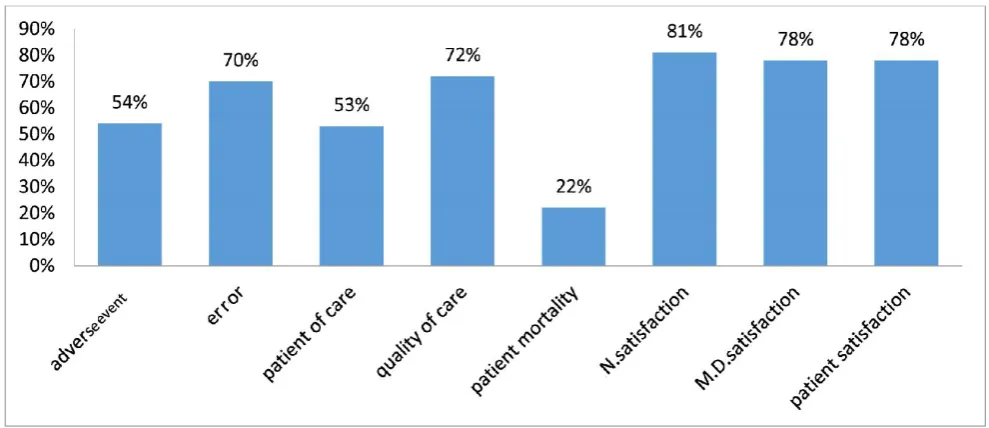
Results: Findings showed that physicians gave more importance to nurse-physician relationships in the ED when compared to nurses’ perspective (90% vs. 70%). In this study, 81% of physicians and 52% of nurses exhibited disruptive behaviors. According to the participants these behaviors could result in adverse outcomes, such as stress (97%), job dissatisfaction and can compromise patient safety (53%), quality of care (72%), and errors (70%).
Conclusion: Disruptive behaviors could have a negative effects on relationships and collaboration among medical staffs, and on patients’ quality of care as well. It is essential to provide some practical strategies for prevention of these behaviors.
Article History:
Received: 22 Jun. 2015 Accepted: 18 Dec. 2015 ePublished: 1 Sep. 2016
Keywords:
Disruptive behaviors Physician-nurse relations Emergency department Attitude
Please cite this paper as:Maddineshat M, Rosenstein AH, Akaberi A, Tabatabaeichehr M. Disruptive behaviors in anemergency department: the perspective of physicians and nurses. J Caring Sci 2016; 5 (3): 241-49. doi:10.15171/jcs.2016.026.
Introduction
Disruptive behaviors of the medical team are unacceptable manner in the workplace. Many institutes try to improve the behavior of their team by educating and training them to
enhance effective communication and
collaboration skills and to reduce adverse
consequences, because healthcare
professionals are directly associated with the outcomes of patients.1-3 Despite these efforts,
physicians’ and nurses’ disruptive behaviors is
common in health care settings.4
The American Medical Association defines disruptive behavior as any inappropriate verbal or physical behavior that has adverse consequences and could have negative impact on quality of care. These adverse effects are not
limited to the patient care only and may affect health care professional’s ability to interact and work as a team and reduce their
collaboration. These behaviors include
reluctance to answer questions, phone calls or
pages, impatience with questions,
condescending language or voice intonation, intimidation and violence (throwing objects, pushing or hitting, violating others’ privacy, pointing fingers), sexual harassment, and any inappropriate response to requests from colleagues and patients. All these behaviors are considered as unethical and unacceptable actions.4-6
department (ED), disruptive behaviors are more likely to occur.7 These behaviors have a
negative effect on the therapeutic relationship and prevent its shaping.8,9
Moreover, many studies have reported that cultural barriers (such as hierarchy and power distance) are widely embedded in the health care system which may prevent individuals from talking to each other.10-12 A study of
Persian literature in this field shows that the phrase “disruptive behavior” has no usage in Iran’s health care system and has not been defined. In contrast, the term “workplace violence” has received more attention and numerous studies have been conducted on violence control and how to communicate with
patients.13-15 Managerial discussions have
given more attention to staff’s conflict within an institute.16,17
Although, curriculums in universities of medical sciences and schools of nursing have addressed professionalism, but physicians’ and nurses’ disruptive behaviors have been
overlooked.18,19 Furthermore, there is no
comprehensive clinical guideline in healthcare centers for dealing with and following up such behaviors. Most physicians and nurses traditionally behave under the principles of their work environment. Also, there is no culturally based tool which can measure disruptive behavior.1 Some institutes prevent
such studies from being conducted, because too many cases of disruptive behavior may be reported. According to previous studies, disruptive behavior should no longer be overlooked and some strategies should be taken to confront these behaviors.10,20,21 ED is a
small part of the health care system. Patients with critical and complex conditions often refer to the ED without detailed medical
history, prior planning, and mental
preparation. Since treatment takes place in a crowded space, there is an urgent need for emergency management and collaboration between health care providers who have a main role in the care process. When working relationships are impaired in such situations, inefficiency may occur in the assessment and care of patients, resulting in unwanted
negative patient outcomes.7,22 Given the special
circumstances of the ED, this study was conducted to assess the physician’s and
nurse’s perspective toward disruptive
behaviors in the emergency department.
Materials and methods
This cross-sectional study was conducted to assess disruptive behaviors of ED physicians and nurses working in ED settings of five general hospitals in Bojnurd (Iran) from January 2011 to March 2012. Sequential sampling was used in the study for data gathering. The questionnaire was distributed to all physicians and nurses in four EDs of general hospitals in Bojnurd (morning and evening shifts). A total of 45 physicians and 110 nurses who were interested in the study completed the questionnaire. A translated and modified 25-item questionnaire was designed to assess physician and nurse disruptive behaviors in the ED using Rosenstein's
physician and nurse communication
questionnaire.21At first, the questionnaire was
translated for validity and edited by English experts and consultants. Then, a pilot study was conducted with 20 respondents (10 nurses and 10 physicians). According to the Iranian culture and respondent’s views, several questions in terms of content and wording
were modified. Finally, a 20-item
questionnaire was designed.
The questionnaire consists of two parts: the first part contains demographic information (gender, age, marital status, educational level, and job) and the second part contains questions on the frequency of physician and
nurse disruptive behavior (9 items),
importance of physician-nurse relationship (1 item), its effects on patient care and safety (3 items), clinical and psychological effects of disruptive behaviors (2 questions), adverse events of disruptive behaviors (1 question), reporting disruptive behaviors (1question), and laws related to disruptive behavior and conditions which contribute to the increase of disruptive behavior (5 items).
The questions had yes or no response, an
responses (often, sometimes, and always). The questionnaire was retested with 20 physicians
and nurses andCronbach’s alpha was 0.7. Data
were analyzed using SPSS ver 13 software. The study was conducted upon obtaining permissions from the North Khorasan University of Medical Sciences and the Ethics Committee’s Board (code number: 90/p/247 on 28/9/2010). All participants signed a consent form for participating in this study.
Results
Findings showed that 29% of the respondents were ED physicians (physicians or attending physicians) and 71% were nurses (practitioner or administrator). In general, 40.9% of participants were male and 59.1% were female. Moreover, 19.5% of the respondents were married and 80.5% were single. The mean age of physicians was 36.3 (6.3) while the mean age of nurses was 32.9 (7.5) years.
1-1.Nurse-Physician relationships in ED
settings
Physicians gave more importance to nurse-physician relationships in the ED as compared to nurses. On a scale of 1– 100, physicians gave a mean rating of 90.36 to the importance of nurse-physician relationships, while nurses gave a mean rating of 72.95 to this item. The Mann-Whitney test showed that this difference was significant (P=0.013).
1-2. Disruptive behaviors are common in ED settings
According to the result, approximately 81.8% of ED physicians and nurses had witnessed physicians’ disruptive behavior in the ED, while nearly 51.9% of them witnessed nurses’ disruptive behavior in the ED.
Attending physicians including pediatrics, general surgeons, and obstetricians had shown the most disruptive behaviors (22.8, 20.3, and 18.7%, respectively). Incidence of disruptive behaviors in other physicians (ED physicians, consultants, and other attending physicians) was less than 9%. In some EDs, there are particular settings where disruptive behavior is most prevalent such as in the critical care
unit, triage services, hospitalization, and
admission units.
In addition, 10% of the respondents (physicians and nurses) said they felt that physicians’ disruptive behaviors in the ED take place on daily, 34% said on a weekly basis, 35% said on a monthly basis, and 8.7% said on a yearly basis. But, only 8% of the respondents (ED physicians and nurses) said they felt that nurse’s disruptive behaviors in the ED take place on a daily basis, 18.8% said on a weekly basis, 26.8% said on a monthly basis, and 20.8% said on a yearly basis.
1-3.Adverse clinical and psychological
outcomes of disruptive behaviors
Physicians and nurses (88.6%) stated that disruptive behaviors can have adverse effects on patient treatment outcomes.
Psychological outcome of disruptive
behaviors: stress, decreased concentration, fatigue, impaired nurse-physician relation-ships, reduced team collaboration and communication, and reduced information flow (Figure1). Clinical outcomes of disruptive behaviors impact on nurse satisfaction, physician satisfaction, and patient satisfaction, quality of care, errors (mistakes), patient safety and mortality (Figure2). Participants were given an open question which asked “Have you ever witnessed adverse events due to physician and nurse disruptive behaviors in the ED? If yes, please explain.”63% of the respondents reported that they have witnessed adverse events triggered by physician and nurse disruptive behaviors in the ED, 90% of whom stated that these adverse events are preventable.
Table 1 shows the examples of specific
Figure 1. Psychological outcome of disruptive behaviors
Figure 2. Clinical outcome of disruptive behaviors
objects, insulting, arguing, and delaying in care provision, leaving the workplace, and negligence.
1-4. Institute’s response to physician and nurse disruptive behaviors
In order to assess physicians’ and nurses’ satisfaction with the institutes approach toward disruptive behavior, respondents were asked 3 questions. Participants reported that institute officials take nurse disruptive behaviors more seriously than physician
disruptive behaviors. Mean score for taking disruptive behaviors seriously (on a 0 to 10 scale) was 7.08 (2.49) for nurses and 5.01 (3.08) for physicians, and this difference was significant (P<0.005). More than half of the respondents expressed that there is no code of conduct or policy to control these behaviors in ED settings.
The remaining respondents stated that they had seen or heard of the institute’s approach
with physician and nurse disruptive
nurses expressed that the institute’s policy against such behaviors could be effective.
1-5.Reporting nurse and physician disruptive behaviors
Respondents (70%) said that they would like to
report physician and nurse disruptive behaviors. Some of the reasons stated by physicians and nurses for not reporting and following up disruptive behaviors include: fear of retaliation (14.7%), ineffectiveness (39.3%), lack of security (18%), and other reasons (28%). Other reasons for not reporting disruptive behavior are summarized in table 2.
Table 1. Physicians’ and nurses’ experiences with disruptive behaviors
“Once, a surgeon threw an object at a nurse, but the nurse didn’t do anything.”
“During the night shift, the patient had a lot of pain. I informed the doctor that the patient has a hole in his
appendix. The doctor came with delay and the patient died in the surgery room.”
“The doctor started swearing because the nurse brought him the patient’s medical records with delay.”
“Patients are not triaged well in the evening and at night and disruptive behaviors are more common in critical
situations.”
“Triage nurse did not control patient’s blood pressure so the doctor began cursing. The doctor faced no encounter
the next morning.”
“Doctors visiting from outside the hospital show more disruptive behaviors. They come in the evening and night
and they’re less on call.”
“Doctor didn’t come to visit one of the patients and the patient died. All of us nurses decided to write a letter that
we will not visit with or talk to a doctor with disruptive behavior, but it was not resolved.”
“Too much importance is given to physicians because we need them. This issue can be felt more in small towns."
•“The doctor was mad at the nurse for calling him at night and he wouldn’t talk to me for three days.”
Table 2. Other reasons for not reporting physician and nurse disruptive behavior
“If physician and nurse disruptive behavior lead to adverse patient outcomes, I would report it.
Otherwise, I would overlook it.”
“Sometimes some people side with a certain individual, so reporting that individual’s disruptive
behavior to the institute is useless.”
Similar cases have previously happened, but were not considered when reported.
The hospital’s reliance on external physicians and shortage of skilled attend physician often lead to
tolerating their disruptive behaviors in a biased way.
The hospital is dependent on physicians and worries about cancelling contracts.
Constant communication between physician and nurse in the treatment process prevents disruptive
behaviors from being reported.
Usually no one wants to get involved in such discussions.
They either don’t feel like it or are afraid of losing their job.
Legal actions may lead to dissatisfaction, and result in negative outcomes.
The physician may change his/her behavior but may no longer offer high quality care. Some nurses
express that reporting depends on the kind of behavior. For example, disrespect is usually reported.
Some believe that talking through a relationship is more effective than reporting. They prefer to solve the
issue themselves rather than report it.
Physician and nurse are like a family, and there is a relationship between them. They may sometimes
argue with each other, but they support each other at the same time.
Disruptive behaviors make a vicious cycle and disturb the peace of the department and its personnel.
In general, physicians are not ethical and do not support personnel. Because of the insufficient number of
Discussion
According to the results, the relationship between physicians and nurses working in the ED is important. Inadequacy in this relationship causes physicians and nurses to complain about disruptive behaviors and
adverse physical and psychological
outcomes in ED settings. These behaviors are repeated on a weekly or monthly basis; therefore, many of the ED physicians and nurses have experienced or have witnessed
disruptive behaviors. The adverse
consequences resulting from these
behaviors threaten the medical team and patients admitted into the ED. According to the result, ED physicians and nurses were affected by psychological consequences more than clinical consequences. Results of this study are in line with other studies, such as Longo,1 Rosenstein & Naylor,7
Veltman,23 Sklar et al.,24 and Steker et al.25
The findings of these studies show that disruptive behaviors are common in all health care organizations and affect all health care workers.
Problems caused by these behaviors are not limited to inter-professional interactions and health staff well-being; they also threaten the quality of care and patient safety. These behaviors are mostly common in stressful situations and crowded areas.1,24,25
Most personnel have witnessed or have been exposed to these behaviors during
their career. Therefore, proper
communication, cooperation, and good team work is necessary for providing high-quality care.
Another surprising result from the present study is the way disruptive behaviors were reported: physicians reported that nurses have the most disruptive behavior while nurses reported that physicians have the most disruptive behavior. Researchers in the present study believe that these findings may be due to hierarchy or power distance between physicians and nurses. Other studies which
support our findings include the studies conducted by Rosenstein et al.,22 Stecker et
al.,25 Gaudine et al.,26 Weber27 and Ford28
The results of these studies suggest that physicians and nurses in hospitals may experience moral conflicts, because of the differences between their own values, professional values, and institute values. Moreover, there is an imbalance of power between physicians and nurses, differences in medical and nursing objectives, and a
gender conflict; traditionally, most
physicians are male, while most nurses are female. In addition, physicians have enough authority and responsibility to act independently from other medical staff,
while nurses do not have this
independence. Conflicts may exist in any healthcare situation, ranging from small differences of opinion to disruptive behavior.7,22,27 These conflicts may appear in
the form of emotions, type of
communication, and behavior and are one of the most common reasons for the
prevalence of disruptive behaviors.28
Other findings of the study indicate that although the number of physicians participating in this study was lower as compared to nurses; their attitude towards the importance of the relationship between physicians and nurses was more positive. Unfortunately, the present research did not assessed the reasons for this approach and its relationship with other factors. This finding is in line with the result of Jones et al.,29 in Australia who provided evidence
about positive cognition and perception of ED physicians regarding the emergency nurse practitioner’s role. In contrast, a
research by Sterchi30 in the preoperative
setting suggests that nurses have a more positive attitude toward physician-nurse collaboration.
structured policy for controlling physician and nurse disruptive behaviors in the ED, while some believed that institutes have laws for controlling disruptive behaviors. Other respondents believed that the institute's response to disruptive behavior in the ED is different regarding the physicians and nurses; according to the result, institute shows a more severe reaction to nurses’ disruptive behavior as compared to the institute’s response to physicians’ disruptive behavior.
Also, the institutes does not have an equal policy for dealing with disruptive behaviors and whether the disruptive individual is a physician or nurse. The majority of the participants in this study expressed that institute policy can be effective in reducing disruptive behaviors. In addition, they believed that counseling or institute encounter with these behaviors has a greater influence on behavioral changes in nurses and a smaller influence on physicians. A study conducted by Stecker et al., in the United States shows that only 9.4% of physicians and nurses
were unaware of the institute
policy.25Another study by Gillespie et al.,31
showed that the lack of binding policies in the ED was a factor which increases the occurrence of disruptive behaviors. They concluded that the institute must establish acceptable codes of conduct and safety rules which should be implemented in all parts of the organization.
In this study, many participants stated that they would report disruptive behavior. However, some respondents said that they were reluctant to report disruptive behavior due to personal and institutional reasons. Even if they do report it, they felt that the institution would not follow it up. A number of studies have attempted to offer suggestions and solutions for dealing with disruptive behaviors. In a study done by
Saxton2 nurses were trained on
communication skills in a two-day workshop after teaching them how to increase self-efficacy. After taking part in
this workshop, 71% of the nurses were able to report disruptive behavior.
The results of this study are in line with
Felblinger9 which shows that nurses have
shame responses when faced with disruptive behavior and bullying. Some nurses are accustomed for tolerating behaviors that are outside the realm of considerate conduct and are unaware that they are doing so. Moreover, in another
study Grenny10 concluded that taking
significant measures is the solution to eliminating disruptive behaviors. Despite physicians’ and nurses’ awareness of the intensity and prevalence of this problem, no similar study has been conducted in Iran with which the results of this study could be compared with. Physicians and nurses in this study believed that disruptive behaviors could be controlled; therefore, they have offered some solutions.
This study had several limitations; participants in this study were nurses and physicians working in the ED. There may be a wrong assumption that only these personnel have experienced disruptive behaviors. Moreover the sample size was low. Therefore, the findings of this study cannot be generalized to other institutes. Further studies on larger samples must be conducted across the country in order to obtain more accurate information.
Respondents were skeptical about completing the questionnaire, because they feared that the results of this study would compare the behavior of physicians and nurses. Therefore, the researcher spent much time to create willingness in respondents for participating in this study.
Conclusion
manner. Disruptive behaviors can negatively impact any work place environment which can adversely affect staff morale, productivity, Service delivery, satisfaction, and retention. It is essential to attend communication skill workshops for developing cooperation between physicians and nurses. It is better to incorporate the management of such behavior in the curriculum of health care professionals.
Acknowledgments
The authors would like to express their gratitude to the deputy of research and thank the heads, managements, security, authorities, and colleagues in Teaching Hospitals and Social Security Hospital in the city of Bojnurd.
Ethical issues
None to be declared.Conflict of interest
The authors declare no conflict of interest in this study.
References
1.
Longo J. Combating disruptive behaviors:
strategies to promote a healthy work
environment. Online J Issues Nurs 2010;
15 (1). doi: 10.3912/OJIN. Vol15 No01
Man05
2.
Saxton R. Communication skills training
to address disruptive physician behavior.
AORN J 2012; 95 (5): 602-11. doi: 10.
1016/j.aorn.2011.06.011.
3.
Walrath JM, Dang D, Nyberg D. Hospital
RNs’
experiences
with
disruptive
behavior:a qualitative study. J Nurs Care
Qual 2010; 25 (2): 105-16. doi: 10.1097/
NCQ.0b013e3181c7b58e.
4.
The Joint Commission. Behaviors that
undermine a culture of safety. Sentinel
Event Alert 2008 (40): 1-3. Available
from: https://www.jointcommission. Org
/assets/ 1/18/SEA_40.PDF
5.
Grogan MJ, Knechtges P. The disruptive
physician: a legal perspective. Acad Radiol
2013; 20 (9): 1069-73. doi: 10.1016/j.acra.
2013.04.015.
6.
Leiker M. Sentinel events, disruptive
behavior, and medical staff codes of
conduct. WMJ 2009; 108 (6): 333-4.
7.
Rosenstein AH, Naylor B. Incidence and
impact of physician and nurse disruptive
behaviors in emergency department. J
Emerg Med 2012; 43 (1): 139-48. doi: 10.
1016/j.jemermed.2011.01.019
8.
Lazoritz S. Don't tolerate physician
behavior. AM Nurse Today 2008; 3 (3):
20-2. Available from: https:// american
nurse
today.com/dont-tolerate-disruptive-physi cian- behavior/
9.
Felblinger DM. Incivility and bullying in
the
workplace
and
nurses'
shame
responses. J Obstet Gynecol Neonatal Nurs
2008; 37 (2): 234-41. doi:
10.1111/j.1552-6909.2008.00227.x.
10.
Grenny J. Crucial conversations: the most
potent force for eliminating disruptive
behavior. Crit Care Nurs Q 2009; 32 (1):
58-61. doi: 10.1097/01.CNQ.00003431
36.57813.f6.
11.
Zelek B, Phillips SP. Gender and power:
nurses and doctors in canada. Int J Equity
Health 2003; 2: 1. doi:
10.1186/1475-9276-2-1
12.
Johnson C. Bad blood: doctor-nurse
behavior problems impact patient care.
Physician Exec 2009; 35 (6): 6-11.
13.
Fakhr-Movahedi A, Negarandeh R, Salsali
M. Exploring nurse-patient communication
strategies. Hayat 2013; 18 (4): 28-46.
14.
Amini M, Nouri A, Samavatyan H,
Soltanolkottabi
M.
The
Effect
of
communication
skills
training
on
organizational citizenship behavior (OCB)
of nurses. Iranian Journal of Medical
Education 2012; 12 (10): 796-804.
(Persian)
16.
Ahanchian MR, Zeydi AE, Armat MR.
Conflict management styles among Iranian
critical care nursing staff a cross-sectional
study. Dimens Crit Care Nur 2015; 34 (3):
140-5.
17.
Nayeri ND, Negarandeh R. Conflict
among
Iranian
hospital
nurses:
a
qualitative study. Hum Resour Health
2009; 7: 25. doi: 10.1186/1478-44 91
-7-25.
18.
Karimi Z, Ashktorab T, Mohammadi E,
Abedi HA. Using the hidden curriculum to
teach professionalism in nursing students.
Iran Red Crescent Med J 2014; 16 (3):
e15532. doi: 10.5812/ircmj.15532.
19.
Asghari F, Samadi A, Rashidian A.
Medical ethics course for undergraduate
medical students: a needs assessment
study. J Med Ethics Hist Med 2013; 6: 7.
20.
Iennaco JD, Dixon J, Whittemore R,
Bowers L. Measurement and monitoring
of health care worker aggression exposure.
Online J Issues Nurs 2013; 18 (1): 3.
21.
Rosenstein AH, O'Daniel M. A Survey of
the impact of disruptive behaviors and
communication defects on patient safety. Jt
Comm J Qual Patient Saf 2008; 34 (8):
464-71.
22.
Rosenstein AH, Russell H, Lauve R.
Disruptive physician behavior contributes
to nursing shortage. Study links bad
behavior by doctors to nurses leaving the
profession. Physician Exec 2002; 28 (6):
8-11.
23.
Veltman LL. Disruptive behavior in
obstetrics: a hidden threat to patient safety.
Am J Obstet Gynecol 2007; 196 (6):
587.e1-4. doi:10.1016/j.ajog. 2007. 03.011
24.
Sklar DP, Crandall CS, Zola T,
Cunningham R. Emergency physician
perceptions of patient safety risks. Ann
Emerg Med 2010; 55 (4): 336-40. doi:
10.1016/j.annemergmed.2009.08.020
25.
Stecker M, Epstein N, Stecker M.
Analysis of inter- provider conflicts among
healthcare providers. Surgical Neurology
International 2013; 4 (5): 375-82. doi:
10.4103/2152-78 06. 120781.
26.
Gaudine A, LeFort SM, Lamb M, Thorne
L. Ethical conflicts with hospitals: the
perspective of nurses and physicians. Nurs
Ethics 2011; 18 (6): 756-66 .doi:
10.1177/09697 33011 4011 21.
27.
Weber DO. Poll results: doctors’
disruptive behavior disturbs physician
leaders. Physician Exec 2004; 30 (5): 6-14.
28.
Ford
J.
Contextualizing
disruptive
behavior in health care as a conflict
management challenge. Mediate 2009.
Available from: http://www.mediate. com/
articles/ ford21. Cfm
29.
Jones M, Christoffis L, Smith S, Hodyl
N. An exploration of the perceptions of
emergency
physicians
and
trainees,
towards emergency nurse practitioners in
Australia. Australas Emerg Nurs J 2013;
16 (2): 73-80. doi:
10.1016/j.aenj.-2013.02.002.
30.