University of South Carolina
Scholar Commons
Theses and Dissertations
2017
The Impact of a Close Reading Approach on the
Comprehension Level of English I Students at
Wavers High School
Tina Marie Janus University of South Carolina
Follow this and additional works at:https://scholarcommons.sc.edu/etd Part of theCurriculum and Instruction Commons
This Open Access Dissertation is brought to you by Scholar Commons. It has been accepted for inclusion in Theses and Dissertations by an authorized administrator of Scholar Commons. For more information, please [email protected].
Recommended Citation
Janus, T. M.(2017).The Impact of a Close Reading Approach on the Comprehension Level of English I Students at Wavers High School.
The Impact of a Close Reading Approach on the Comprehension Level of English I Students at Wavers High School
by
Tina Marie Janus
Bachelor of Arts Winthrop University, 2005
Master of Education
University of South Carolina, 2014
Submitted in Partial Fulfillment of the Requirements
For the Degree of Doctor of Education in
Curriculum and Instruction
College of Education
University of South Carolina
2017
Accepted by:
James Kirylo, Major Professor
Rhonda Jeffries, Committee Member
Yasha Becton, Committee Member
Doyle Stevick, Committee Member
© Copyright by Tina Marie Janus
Dedication
I would like to dedicate this dissertation to my family for their support in my
completion of this important milestone in my life. Thank you to my husband who
completely understood this process, and who lived in chaos with me for several years. I
would also like to thank my children for inspiring me by the miracle of their births to
seek a better life for them, and in the process, my life was blessed. Special thanks to my
granddaughters, Mae, Maya, Sienna, and Naomi who constantly remind me that fairy
tales are real, superheroes exists, and play is essential to a person’s soul. My children and
grandchildren (including those yet to come) inspire me to leave a legacy illustrating that
hard work and determination crushes all barriers. Lastly, I want to share one of my
favorite quotes that encouraged me to persevere my whole life…
“Ah, but a man’s reach should exceed his grasp, or what’s a heaven for?”
Acknowledgements
I would like to acknowledge Dr. James Kirylo for his wise advice and supportive
demeanor as I pursued the highest degree in the field of education. With his guidance, I
not only finished the last trek of my journey, but will continue to walk as a renewed
teacher-practitioner honing my craft. Thank you to the committee members, Dr. Rhonda
Jeffries, Dr. Yasha Becton, and Dr. Doyle Stevick for their thoughtful consideration of
my work. I would also like to recognize posthumously two former teachers who helped
me to overcome the challenging obstacles in my young life by meeting my needs both
emotionally and intellectually. To my first-grade teacher, Mrs. Gaither, your
much-needed hug each day reminds me to be compassionate towards my students and still be
empathetic in my daily interactions with them. To my eighth-grade history teacher, Ms.
Sargis, your unrelenting high standards taught me to never accept anything less than my
best effort. Your example reminds me to respect my students by seeing their potential
Abstract
The purpose of this study was to examine the impact a close reading approach had
on the reading comprehension levels of twelve English I students. Studies in literacy
theory have suggested that students’ reading comprehension levels improve with the use
of reading strategies. As part of a larger body of research concerning reading instruction
for secondary students, there is a need for older readers to learn comprehension strategies
specific to reading content subject matter (Shanahan & Shanahan, 2015; Duke & Martin,
2015; Ness, 2007). Using a mixed-methods approach, the data collection consisted of
pretest/posttest instruments, field observations, existing records, surveys, and exit
interviews. The results of the study show that the participants’ comprehension levels
were positively influenced when the participants received instruction in the use of a close
reading approach, thus confirming the researcher’s hypothesis that the close reading
approach would improve the participants’ comprehension. Additional findings revealed
that students who have a negative perception of reading and who read less are more likely
to struggle with comprehension. However, it appears that the close reading approach
improved the participants’ metacognitive awareness, which may account for their overall
improved reading achievement from pretest to posttest results. This study confirmed that
content area teachers can influence reading outcomes when explicit instruction in a close
reading approach is implemented in content area classrooms.
Table of Contents
Dedication ... iii
Acknowledgements ... iv
Abstract ... v
List of Tables ... ix
List of Figures ... x
List of Abbreviations ... xi
CHAPTER ONE INTRODUCTION ... 1
Problem of Practice ... 3
Research Question ... 4
Hypothesis... 5
Purpose of the Study ... 5
Brief Overview of the Methodology ... 5
Significance of the Study ... 7
Summary of the Findings ... 8
Limitations of this Study ... 9
Dissertation Overview ... 9
Definition of Terms... 10
CHAPTER TWO REVIEW OF LITERATURE ... 11
Adolescent Reading Concerns ... 21
Issues in Content Area Reading ... 28
Practices, Approaches, and Strategies for Adolescent Readers ... 34
The Act of Close Reading ... 39
CHAPTER THREE ACTION RESEARCH METHODOLOGY ... 46
Problem of Practice ... 46
Research Question ... 46
Purpose of the Study ... 47
Action Research Design ... 47
Ethical Considerations ... 47
Setting and Time Frame of Study ... 48
Participants in the Study ... 49
Research Methods ... 54
Procedure ... 57
Data Analysis ... 62
Plan for Reflecting with Participants ... 64
Plan for Devising an Action Plan... 66
CHAPTER FOUR FINDINGS ... 67
Theme One: The Necessity for Secondary Reading Instruction ... 68
Theme Two: The Relationship Between Reading and Metacognition ... 81
Conclusion ... 96
CHAPTER FIVE DISCUSSIONS, IMPLICATIONS, RECOMMENDATIONS ... 99
Hypothesis... 99
Purpose of This Study ... 99
Overview/Summary of the Study... 99
Action Plan: Implications of the Findings of the Study ... 106
Suggestions for Future Studies ... 110
Conclusion ... 113
REFERENCES ... 117
APPENDIX A Parental Consent Form ... 132
APPENDIX B The Gettysburg Address” & Reader Response Questions ... 135
List of Tables
Table 4.1 Reading Strategy ...68
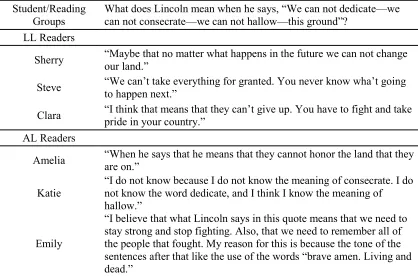
Table 4.2 Pretest Reader Response Student Answers ...72
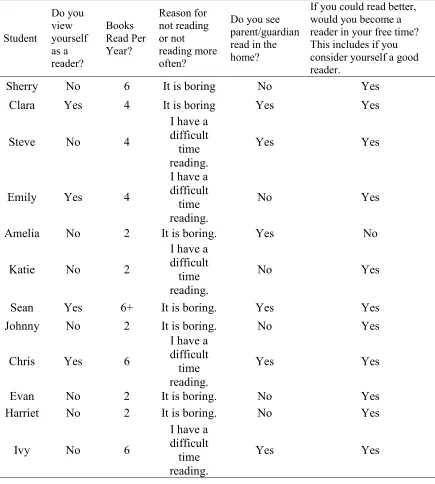
Table 4.3 Reading Interest Inventory Survey Results ...77
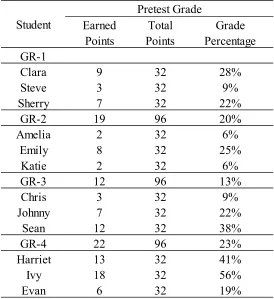
Table 4.4 Pretest Assessment Scores ...83
Table 4.5 Text Complexity and Metacognitive Awareness ...86
List of Figures
List of Abbreviations
EBRI ... Evidence-Based Reading Instruction
ELL ... English Language Learner
GRRF ... Gradual Release of Responsibility Framework
MAP ... Measures of Academic Progress
NRP ... National Reading Panel
NWEA... Northwest Evaluation Association
PLC ... Professional Learning Community
SSR ... Silent Sustained Reading
CHAPTER ONE
INTRODUCTION
In most high school content area classrooms across the United States, the
teachers’ main learning objective for their students is for them to acquire knowledge of a
particular content (e.g., American history). It is uncommon that secondary teachers also
plan targeted reading instruction in addition to subject area goals. Reading instructional
support in the content classroom usually consists of students being shown how to use
graphic organizers and reading guides (Ness, 2007). Unfortunately, content teachers often
assume that students enter their classroom prepared with the foundational reading skills
to work and study in the content areas. However, this is usually not the rule, but the
exception. Many students are unable to read productively, and such reading is critical to
developing knowledge in the content areas.
Despite the complexity of reading acquisition in general, literacy experts believe
that complexity of the texts involved in each content area contributes to the students’
inability to understand subject matter materials. Secondary students have difficulty
reading content subject matter due to the specialized texts that are used in content
curricula (Shanahan & Shanahan, 2015). These texts are mainly informational textbooks
and/or documents relating to specific subject matter, which includes domain-specific
vocabulary (Short, Lynch-Brown, & Tomlinson, 2014). Students with little experience
reading for information are at a disadvantage when they encounter a content text and
reading of content-specific texts (Shanahan & Shanahan, 2015). Reading for information,
specifically acquisition of content knowledge, requires the student to know how to
implement correct comprehension strategies for each required reading.
Consequently, content reading is not an easy task for students if they do not know
how to self-monitor by applying comprehension strategies while reading. Progress is
hindered due to a lack of reading competence caused by limited comprehension. Harvey
and Daniels (2009) emphasized that reading comprehension should be viewed as a
readers’ ability to advance their thinking processes while reading. Older readers who
struggle while reading often have difficulty monitoring their thinking process and must
be taught strategies that foster deeper comprehension of a text. For this reason, they need
instruction not only on multiple reading strategies, but also how to employ them
independently while engaging with a text. A key aspect of self-monitoring as one reads is
the awareness to stop reading when comprehension has broken-down (Beers, 2003). A
student must be able to identify when they no longer understand what they are reading
and respond to this problem with a reading strategy that repairs their comprehension. This
is especially important when students are reading in the content areas and have less
experience with content area of texts. Almasi and Hart (2015) stated that it is critical that
older students self-monitor while reading so they can make meaning of instruction in
content subjects. Without the ability to read with understanding, secondary students do
not academically progress. This creates a difficult instructional environment for the
Problem of Practice
The overarching concern of this study is the researcher’s English I students’
inability to comprehend content area readings sufficiently resulting in less productive
gains in content knowledge. More specifically, this study examines the effect that a close
reading approach will have on the comprehension level of 12 English I students. The
researcher was concerned when students showed poor performance on both written and
verbal assessments. For example, students could not answer reader response questions
with accuracy when assigned a reading with comprehension questions. They had
difficulty recalling what they read and performing critical analyses when assigned written
work. Their performance on both informal and formal assessments illustrated they did not
have a deep understanding of the text. Likewise, when the students were verbally
questioned during informal assessments, they could not recall key information based on
their readings. This pattern of comprehension difficulties was present for both fiction and
non-fiction texts. Although, the researcher is aware that there are many reasons for poor
performance in an academic setting, this study is framed in reading theory due to the
teacher researchers’ premise that the students’ inability to learn content knowledge was
caused by poor comprehension of content reading materials. Therefore, a variety of
research-based practices were initially implemented to combat this problem.
For example, the researcher created an expansive classroom library for students to
have easy access to pleasurable reading of both fiction and non-fiction texts and provided
daily independent reading time. Research shows that children who regularly read become
more proficient readers. According to a 2002 study performed by the Organization for
included a sample size of 250,000 fifteen-year-olds, those students who spent the most
time reading, excelled in reading. Their findings also surpassed income barriers for all
children (Trelease, 2014). Additionally, the researcher provided read aloud experiences
for the students. The main objective was to choose interesting stories that would motivate
students to read for pleasure and to choose informational texts that would build
background knowledge for future reading in the content areas (Allen, 2000). Lastly, the
students received direct instruction on how readers make meaning and repair their
comprehension while reading (Amasi & Hart, 2015). Unfortunately, while these initial
approaches to reading instruction sparked a greater interest in reading for pleasure in
some students, they did not measurably improve the students’ comprehension skills.
Their continued lack of progress on verbal and written reader response questions showed
that students need reading instruction that offers a strategic approach to deeper reading.
Research Question
What impact will a close reading approach have on the comprehension level of 12
English I students.
For purposes of this study, the close reading approach was a hybrid set of steps
developed by several theorists in the field of literacy. In step one, students engaged in
multiple readings of a short text. In step two, students identified and defined unknown
vocabulary words in the text. During step three, the students continued self-monitoring
their comprehension by chunking the text into smaller increments of specific foci
regardless of the pre-established paragraphs or stanzas. In step four, the students made
meaning of what they read by summarizing each chunk of information (Shanahan, 2017;
Beers, 2003). Additionally, instructional delivery of a close reading approach was
implemented using Fischer and Frey’s (2014) Gradual Release of Responsibility
Framework (GRRF) (see definition of terms). Instruction took place in four cycles:
direct instruction and modeling, whole group instruction, small group instruction, and
independent work.
Hypothesis
The close reading approach will have a positive impact on the comprehension
level of 12 English I students’ reading comprehension.
Purpose of the Study
The purpose of this study is to examine the impact of a close reading approach on
the comprehension level of twelve English I students.
Brief Overview of the Methodology
Action research as a means of improving classroom instruction and assessment
fits perfectly with a teacher’s desire to understand and modify one’s own practices
(Mertler, 2014). This involves choosing a specific problem of practice and providing a
thorough examination of it (Butin, 2010). Upon completion of an action research study,
the teacher researcher makes data-driven decisions to improve his or her instructional
practices (Dana & Yendel-Yoppy, 2014). Therefore, using action research to examine the
impact of a close reading approach on the comprehension level of twelve English I
students is called for. This action research study will be executed using a mixed-methods
design. The combination of quantitative and qualitative data in this study allows the
teacher researcher to use the students’ assessment scores to measure student achievement,
validity of a close reading approach as a reading strategy. The quantitative data collection
consisted of a pretest/posttest using a grade level text and reader response questions. All
qualitative data was collected in the following forms: field observations, existing records,
surveys, and exit interview (Mertler, 2014).
The setting of this study is a high school in the central Piedmont region of South
Carolina with a population of approximately 2000 students with an average class size of
30 ninth grade students per English I classroom. The specific setting of this study is an
English I classroom with a population of diverse learners between the ages of thirteen and
sixteen years old. The students in this study range from lower middle school to beyond
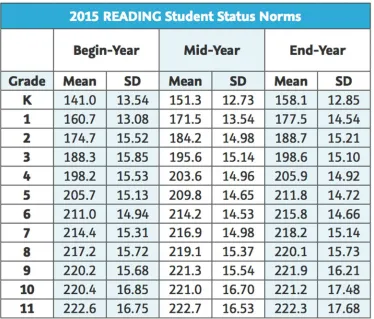
high school reading levels as ascertained by their Measures of Progress (MAP) reading
assessment. There are seven females and five males. Two of the students are English
Language Learners (ELLs) who score on the proficiency reading level as determined by
their World-class Instructional Design and Assessment (WIDA) scores. The study took
place over an eight-week period.
The action research began with the teacher researcher giving the students a
reading interest inventory to establish the students’ views on reading and what strategies
they employ while reading. Then the students were given a pretest to complete. The
pretest was composed of eight reader response questions based on the text, The
Gettysburg Address. The researcher began the instruction of the close reading approach
using the GRRF (see term definitions) to teach the twelve English I students how to
implement the four steps of a self-monitoring comprehension strategy called a close
reading approach. After experiencing the close reading approach through teacher
completed surveys. The researcher conducted observations and recorded field notes
concerning the students’ perceptions and actions while learning and practicing a close
reading approach. The study concluded with a posttest and a culminating exit interview.
Significance of the Study
This study will contribute to the growing body of literature concerning secondary
reading instruction in the content area classroom. This study is significant because it
examines whether this is a correlation between content teachers providing reading
instruction and student achievement in content knowledge acquisition. According to the
United States Department of Education Report (2012), evidence-based reading
instruction (EBRI) in the content areas should focus on teaching students the reading
strategies they need to make meaning of content area texts rather than focusing solely on
teaching content mastery. Therefore, it is crucial to study the impact of reading
instruction being executed in a content area classroom because many content teachers
view themselves as teachers of content only (Ness, 2007). The researcher concurs that
students need to be proficient in reading content subject matter to gain content
knowledge. From anecdotal experience, this researcher has concluded that students who
are unable to fully understand English I readings are also unable to master content
knowledge. A critical problem of practice for content teachers is meeting the needs of
struggling readers, while also teaching content knowledge.
When students’ are unable to read proficiently, it impedes the teacher’s use of
complex texts, which research has shown enables students to reach higher learning goals.
Fisher and Frey (2015) contend that students who are only given texts that match their
subject areas: “Secondary students need complex texts, and they need to be adequately
supported to understand them” (p. 153). Rather than lowering the reading level of the
texts, which will negatively affect their academic performance in English I and hinder
their advancement into higher content area classrooms, secondary students need a
comprehension aid that guides deeper comprehension and allows critical thinking skills
to flourish. This study will give pertinent information about how instructing students in a
self-monitoring reading strategy called a close reading approach will change their ability
to comprehend required grade-level texts.
Summary of the Findings
The findings of this study show that the close reading approach positively
affected the comprehension levels of the twelve English I students in this study. There
was an overall increase in the students’ comprehension levels, which was represented in a
32% overall gain between the pretest/posttest instruments. Likewise, each leveled reading
group showed an average increase between 14% - 50% from pretest/posttest results,
indicating that the close reading approach is a reading strategy that improved the study
participants’ comprehension levels regardless of initial reading levels. The findings show
that secondary students benefit from targeted reading instruction in the content area
classroom. Furthermore, the findings also showed a relationship between reading
instruction and metacognitive development. The students’ metacognitive awareness was
enhanced when taught a close reading approach that promoted self-monitoring while
reading strategies. Therefore, content area teachers can use a close reading approach to
needed. These findings point to the close reading approach as having a positive impact on
the comprehension levels of twelve English I students.
Limitations of this Study
As with any study of classroom practices that involves students, there will
be variables that cannot be controlled such as full student participation and/or absences
that affect learning. The choice of participants was limited to students who returned
permission slips on time and those who have demonstrated a stronger work ethic. Within
this subgroup of possible candidates, the researcher chose students who were diverse in
reading level, ethnicity, and gender. Once the study began, one student failed to complete
assignments and attendance was sporadic; therefore, another student was chosen to take
his place to keep continuity between the numbers in the leveled reading groups. The
researcher kept a locus of control over the data collection and analysis due to the smaller
sample size choice (N-12). More studies are needed to generalize these results over a
larger population.
Dissertation Overview
This dissertation is formatted with Chapter One having an introduction
that contextualizes the study and highlights its research question, purpose, and
significance. Chapter Two is a review of the related literature concerning literacy theory
because it is the framework upon which the close reading approach will be discussed. It is
necessary to view this study in relation to past and current reading research since its focus
is concerned with reading instruction. The methodology of the study is presented in
Chapter Three. It gives specific information on how the study was implemented such as
interpreted. Chapter Five concerns the implications for future examination of a close
reading approach and an action plan for further study. There is also a plan for sharing the
findings with interested stakeholders.
Definition of Terms
Gradual Release of Responsibility Framework. This is an instructional framework
developed by Douglas Fischer and Nancy Frey. The instructor teaches curriculum using
four phases of instruction: I do it is the teacher modeling using direct instruction, We do it
is the students and teacher working together in a large group setting, You do it together is
the students working in collaborative groups, and You do it alone is when the students
work individually (Fischer & Frey, 2014a).
Emergent literacy. This is the time between birth and approximately third grade
when a child can read and write using the conventions of language (Tracey & Morrow,
2015).
Metacognitive awareness. Part of metacognition, it is one’s understanding that
optimal learning occurs when one uses self-regulating controls to influence optimal
CHAPTER TWO
REVIEW OF LITERATURE
Learning Theories and Reading
In his analysis of the reading brain, Wolf (2007) stated that the human brain was
not designed to read. Unlike speaking and vision, reading is not built into human DNA.
The innate qualities of language and vision do not extend to reading (Olson & Gayan,
2002). Though children can speak words, they have very little meaning without
association (Jensen, 1998). In fact, when humans began reading symbols, a product of the
earliest forms of writing, the brain was restructured to accommodate this new behavior
(Wolf, 2007). If the early human brain successfully adapted and reorganized itself to the
process of reading, then improving reading ability is also conditioned into the miraculous
workings of the human brain. The brain is capable of reading, but questions of how
children learn to read and the best conditions for learning to read is fuel for research.
For decades, theoretical understanding concerning how children learn best have
provided frameworks for learning. These learning theories have influenced educational
practices in all discipline areas. One theory that acknowledges a child’s importance in the
learning process, aptly named a child-centered approach, gained momentum from around
the 1700s and continues to influence current instructional practices. Tracey and Morrow
(2017) stated the key part of a child-centered model in an educational setting is the view
that learning is motivated by a child’s sense of wonder. They further explain that it was
natural curiosity as the source of learning opportunities for children. Dewey, another
educational reformer, focused his attention on how learning proceeds with instruction to
achieve mastery.
However, Dewey (1916) promoted a problem-based approach to learning. He
claimed that for learning to take place, a child needs to confront a problem within the
context of the child’s real-world experiences, ones that can be solved through trial and
error, much like those of a scientist’s work. He believed that contextual settings provide
the best curriculum for true learning. He elaborated, “They [problems] give the pupils
something to do, not something to learn: and the doing is of such a nature as to demand
thinking, or the intentional noting of connections; natural learning naturally happens” (p.
148). His concern encompassed how to approach subject matter instruction in any
curriculum design.
Parting from Dewey’s view that children learn through testing barriers without
restraint, Montessori (2010) argued against children learning through problem-solving.
Instead, children need direct language that is devoid of complicated words that direct
them to the discovery of correct conclusions. From her perspective, Montessori
contended that learning happens when students are given explicit modeling by the teacher
illustrating the exact answers, which gives the child opportunity to learn without
confusion. Furthermore, if the student does not understand it, it is a futile effort to
continuing in his or her confusion. The teacher and child move on to another lesson;
otherwise its continuance would impede natural learning. Dewey’s (1916) opposition to
the Montessori method was that children were being taught from the intellectualism of
More in line with Dewey’s idea of approximation, working through a process of
trial and error when learning new information, Piaget was interested in the difference
between the thinking processes of adults and children (McLeod, 2009). Piaget (1952)
asserted that children learn through association between a new object and its placement in
their current schemata, which occurs during four stages of maturation. Jarrett (2011)
added that Piaget stressed that a child’s reality is composed of their generalizations of the
world that form their schemata, which develop into more complex thinking as the child
grows. Thus, Piaget’s thinking aligns more with Dewey’s trial and error rather than
Montessori’s argument for a formal presentation of information designed to avoid learner
confusion. Piaget’s view that mental processes occur in learning is the main foundational
thought for cognitivism, a learning theory that began in the 1960s. Theorists believed that
the learner is capable of logical thoughts. The brain is usually compared to a computer
that processes information, only with humans it is their use of higher-order thinking skills
connected to memory and schemata (“Cognitivism” 2015). The concept of metacognitive
awareness specifies that learners are aware of their thinking processes while learning
(Flavell, 1976).
Moving away from how individuals learn through cognitive processes,
Vygotsky’s (1978) socio-cultural theory promotes collaboration between learners.
Children need to interact with their peers who are at different stages in cognitive abilities.
His zone of proximal development theory concludes that children learn best when they are
challenged just above their cognitive ability level, so teachers and fellow students can
scaffold their understanding, which then provides a more effective route to mastery
respectively, shared the same belief that children are active learners who construct
knowledge by using prior understandings to build new knowledge (“Constructivism,”
2015).
In theoretical contrast, the learning theory of behaviorism, despite its conjoining
with the constructivist concept of experience influencing learning, is positioned
differently regarding how knowledge is acquired. Behaviorists believe children learn
through positive and negative reinforcement as a conditioning agent in the learning
process (“Behaviorism,” 2015). Tracey and Morrow (2017) identified behaviorism as the
foundational learning theory that informs the reading pedagogy dominantly used in most
classrooms. Reading is conceptualized as an entity that is the sum of all its parts. Thus,
reading instruction is fractioned into mini-lessons: “The complex task of reading is
broken down into its many component elements, and the emphasis of reading instruction
becomes mastery of these components” (p. 49). A key feature of how behaviorism
influences reading instruction is found in the operant conditioning work of B.F Skinner.
During instruction, readers are given positive reinforcement for accurate answers. If they
are incorrect, they are asked to continue working until they arrive at the correct one. It is
also worth noting that direct instruction is used for teaching reading skills. For example,
in the pedagogical approach called reading readiness, the teacher uses direct instruction
of pre-reading skills believed to be the precursors to reading acquisition. An effect of
using a skills-based approach to reading is that instruction of subskills becomes layered
with subskills to learn subskills. Then reading theorists began determining which skills
Morrow (2017), and teachers choose what specific skills best support children while
learning to read and expertly assess their progress (Tracey & Morrow, 2015).
General Issues in Reading Acquisition
The argument that emergent readers need skills-based instruction versus a
meaning-making approach has been debated for years (Frey, Lee, Tollefson, Pass, &
Massengil, 2005) as the call for federal involvement to improve reading instruction
became more urgent in the late 1990s. In 2001, President George Bush signed No Child
Left Behind (NCLB) legislation into law. This mandate included the framework for
reading instruction designed by The National Reading Panel (NRP). Their research
recommendation for a successful reading program included the following components:
phonemic awareness, phonics, fluency, vocabulary instruction, and comprehension
(National Reading Panel, 2000). Though research support for skills-based reading
instruction became more prevalent, many were concerned with extraneous factors that
influence the overall process of transforming a non-reader into a reader.
Before the creation of the NRP, Yetta Goodman (1975) published an article
stating that everyone is a reader. She felt reading is easily learned, excluding physical or
mental impairment, when readers feel it has a purpose in their lives. Nonetheless, she
explains while working with students and teachers through the years, she often heard
them self-identify as poor readers. For supporting evidence, they cited lack of interest in
the text, reading past unknown vocabulary, reading aloud without fluency, or needing to
reread as examples of their inability to read well. Though Goodman believed these to be
common reading behaviors depending on contextual situations, she proposed that the
focused on specific aspects of early reading instruction like decoding or reading every
word rather than concentrating on making meaning while reading. The argument
becomes an issue of whether reading is a natural behavior best performed by readers in
natural settings (Goodman, 1975; Smith, 2006) as opposed to reading instruction being a
set of skills that can be systematically taught and learned.
Smith (1994) contended that learning to read involves making sense of what is
read rather than a focus on decoding words, which he argued does not sound like
authentic language to an emergent reader when he or she is deciphering language. He
insisted that reading ability is not derived from readers learning specialized skills, but is
arrived at when people read to acquire information or read to explore their interests.
Consequently, if the right conditions for learning are not present when children begin
reading instruction, their acquisition of language and literacy is hindered. He contended
that children learn to read with less confusion when they make a connection between
books and the shared experience of reading with help from a caregiver. Basically, Smith
believes that the combined components most critical for reading development are
readers’ past experiences guiding their progress, and the readers’ self-motivation
regulating their growth in reading development.
In a similar fashion, Johnson (2006) defined the struggling reader as someone
who was not ready to learn when she illustrates probable explanations for reading
problems such as less than optimal early reading instruction or living in difficult
environments that impeded early learning. She also connected fewer educational
opportunities to learn before kindergarten as a factor in lower reading achievement. Wolf
who were read to by caregivers and disadvantaged children who were not. Early
preparation for formal reading instruction is diminished when children do not have
literacy support in the home. Consequently, this reading discrepancy causes an
achievement gap before instruction ever begins between students that formed before they
were exposed to formal instruction of reading skills. Furthermore, many of these issues
affecting reading achievement fall outside of the school and teachers’ control (Rasinski,
2017). Even without factoring in early literacy experiences, Jensen (1998) emphasized
that children do not have a common time schedule for reading acquisition; hence, it is not
unusual for students in early elementary classes to have a three-year variance in reading
achievement. This fact complicates reading instructional choices for emergent readers.
Considering the current educational trend to align instruction and assessment, it is
difficult for educators to follow Smith’s lead in allowing students’ reading to develop
holistically outside a structured teaching plan. By contrast, there is a strong consensus in
educational theory that thorough assessment of student learning drives good instructional
practices (Green & Johnson, 2010). Pearson and Cervetti (2016) noted that once testing
became standardized, reading became a set of tasks, like learning how to locate central
ideas, finding critical details, or understanding how text structure impacts meaning. This
led to a concrete way to assess instructional practices and reading gains, which began a
circular movement of one influencing the other. In opposition, Goodman (1975) argues
that standardized testing is not an accurate method for assessing reading. She believes
that media reports of students having less reading ability than their predecessors was the
catalyst for a perceived reading problem in the United States despite students reading
become more necessary than in previous years and that students who had extra exposure
to purposeful reading achieved better reading ability rather than the opposite.
In retrospect, her inference was mistaken considering current statistics. The
National Assessment of Educational Progress (NAEP) findings showed that grade 12
students in the United States continue to fall in reading proficiency since the first reported
findings in 1992. In fact, grade 12 students performing below basic reading levels has
increased by 3% since 2013. Overall, only 37% of grade 12 students are performing at or
above the proficiency reading level indicating that more than half of the nation’s students
are reading below proficiency levels as they near graduation (The Nation’s Report Card,
2015). Thus, these statistics seem to support a need for continued use of assessments that
measure reading losses or gains.
Political influences like reading initiatives and mandates have become the norm in
determining student levels of reading achievement through benchmark assessments.
Allington (2001) explained the push to improve reading opened the door for The Reading
Excellence Act (REA), which became law in 1998 and which is responsible for the
Reading First initiative and the creation of the NRP. The basis for this mandate was to
ensure that all federal funds for reading improvement were distributed solely to reading
programs that used research-based methodologies such as use of empirical methods, clear
connections between data analysis and conclusions, validity across multiple investigators,
and peer-reviewed results. Still, Allington admitted unbiased, scientific reading research
is a difficult process in a school setting with school districts, parents, students, and
teachers clamoring for attention and involvement. For example, the assignment for
Regardless, the findings of these studies such as the NPR’s components of reading give a
concrete framework for schools to follow for reading instruction (Rasinski, 2017).
Regardless of research challenges, the move for research-based practices has
become a permanent condition for improving educational practices. The Reading First
initiative within the NCLB legislation mandated that reading instruction follow this
directive: “Comprehensive reading programs with material based on scientific reading
research are an integral part of the Reading First classroom” (Barone, Hardman, &
Taylor, 2006. p. 4). Yet, some would argue that there were unintended consequences to
NCLB’s focus on research-based methodologies targeted for reading improvement. In a
1998-2010 longitudinal study concerning learning expectations for kindergartners in the
United States, Bassok, Latham, and Rorem (2016), found teachers generally believed
their students would leave kindergarten being able to read. There was also an academic
emphasis on math and literacy, while a reduction in art, music, and science occurred
more frequently. They posited that pressure from NCLB legislation caused the
pedagogical focus to change to a less child-centered curriculum (dramatic play and art
areas) where children were tested in the first two months of school. Additionally, the
curriculum consisted of work usually considered beyond kindergartners’ abilities. High
expectations for each child’s reading acquisition continue to guide student learning
objectives along this trajectory making it necessary to teach reading skills even earlier
than in the past, which rippled across all grade levels.
With concern for students’ reading below grade level, the view of reading as a
skill prompts discussion on how to define skills. Snow and Matthews (2016) broke down
unconstrained. Constrained skills are those that can be readily taught, such as the
alphabet and spelling rules, while unconstrained skills of are derived from “large domains
of knowledge acquired gradually through experience” (p. 57) and are more difficult skills
to teach readers. They suggested that when reading levels fall in older students, this could
possibly be fueled by an instructional emphasis on constrained skills, which are easier to
teach and test, while unconstrained skills involve students building a knowledge base and
critical language skills such as discourse and grammar. This happens over time and can
be interrupted depending on factors both within the classroom walls and outside of the
educational environment.
Snow and Matthews (2002) pointed out that even when students adequately learn
how to read through skills-based instruction during the early elementary years, there are
many who struggle with reading in later years. Any instructional attempt to remediate
reading difficulties in older students by teaching basic reading skills may initially help,
but it impedes the students from deeply interpreting the text (Willingham, 2009, as cited
in Risko and Walker-Dalhouse, 2015). However, Vacca (2002) observed that reading for
meaning requires more than knowing the mechanics of reading. Children should be able
to read using strategies that aid their full comprehension, but Vacca acknowledged that
many older students are usually not given enough literacy support by way of instruction
once they are in middle school and beyond. The result is a decline in reading at the time
when adolescents should be building their vocabulary and fluency through copious
amounts of reading experiences. When they cannot read well, they avoid reading
Adolescent Reading Concerns
Usually, reading instruction takes place in the early elementary school years.
Usually, a switch occurs around fourth grade from reading instruction and literacy
support to the demands of content area reading. This change in focus can begin the
process of students developing reading problems. Many students are identified as
below-grade-level readers upon entrance into secondary content area classrooms. Yet, how to
best support struggling adolescent readers to achieve deeper comprehension and improve
reading achievement remains a challenge for administrators and teachers. One issue is
that reading instruction is mainly seen as a responsibility of teachers in the English
content area (Goldman, 2012). This misconception concerning reading is common in
secondary schools. Harmon et al. (2016) investigated remedial reading programs in two
secondary schools. They found that there was inconsistency between how reading
teachers and students perceived reader identity, reading habits, reader strategies, content
area reading, and the reading program. Besides these differences, which the authors
believed requires dialogue to fix, a major finding of the study was that there is a lack of
research into high school reading programs.
Goldman (2012) cited a lack of concrete information within reading instructional
research that could be put to immediate use to solve incongruities in reading programs.
She stated that mainly smaller samples have been used to examine approaches to reading
to learn, and while results have been replicated across other small-scale studies, which
helps with validity concerns, the studies have failed in giving experimental evidence of
One reason for the paucity of evidence is that effective reading-to-learn
instruction has many moving parts: teaching different instructional strategies; teaching
how to use those strategies effectively depending on the task, text, and learning goals;
ensuring engagement; and introducing opportunities for interaction with peers and
teachers about the text (p. 94).
Still, the search for research-based reading methodologies that work is still
critically needed. The comprehension of a text requires a reader to use cognitive skills.
Readers without strategies for comprehending a text struggle while reading, and those
readers with the ability to apply reading strategies read more proficiently (Conley, 2016).
Although this stands as common sense, it simplifies the complexity of reading. There are
many reasons for lower reading achievement. Beers (2003) addressed her former
understanding of a struggling reader as a kid who cannot read by replacing this general
description with a specific focus on what reading behaviors the child exhibits that are
contributing to his or her reading problems. She referred to struggling readers as
dependent readers that have specific challenges. For example, they may have difficulty
making inferences, recalling information, or stopping when reading becomes too
challenging. Dependent readers are those children who have specific needs that call for
an exact instructional plan that solves their specific reading needs. On the other hand,
children who can successfully read using self-monitoring strategies are non-dependent
readers. They employ reading strategies that are purposeful like activating their prior
knowledge, monitoring their understanding of the text, and knowing that reading has a
purpose. If the result of applying strategies is deeper comprehension, the need to find the
achievement needs to be found amid all the factors that cause children to become
struggling readers.
Rasinski (2017) concluded that despite the various reasons why some children
struggle while reading, there are two competencies—word identification and/or fluency
skills—usually found lacking in below grade level readers. Children who cannot decode
vocabulary words within a text have poor comprehension because of their inability to
identify words. Additionally, the second competency required in reading is fluency,
which is really composed of two subskills—word recognition automaticity and prosody.
Usually referred to as reading rate, the slower a reader performs word recognition as they
read across a page, the more likely it is that confusion will set in. Prosody, the second
subskill of fluency, is the ability to read orally with expression. Rasinski maintains that
proficient readers transfer this skill while reading aloud to their silent reading. Therefore,
the opposite is also true. Readers with a monotone oral reading sound illustrate a lack of
comprehension that is also present when they are reading silently.
Beers (2003) advocated that struggling readers need more practice reading to
increase their fluency. When repeated readings are performed, it is like any other
endeavor that someone repeats to become better; multiple readings give the novice the
chance to feel like an expert as he or she becomes more familiar with what they are
reading (Blum & Koskinen, 1999). Tracey and Morrow (2015) suggested that gains in
fluency are the result of repeated readings. This can be carried out through many class
activities where reading such as Reader’s Theatre, paired readings, and teacher readings.
The instructional method of repeated readings is gaining attention for all reading
In a research action study conducted by DiSalle and Rasinski (2017), six
low-performing fourth grade readers made large gains in fluency and comprehension through
the teacher’s use of an instructional framework called Fluency Development Lesson
(FDL). Over a period of 12 weeks, students had a different text to read each day. The
essential components of a FDL is teacher modeling of fluent reading, assisted reading,
repeated readings, and word work rather than just focusing on simply on reading rate as is
usually done in many fluency interventions. Although a small sample has limited
generalizability, the authors believed that small scale studies in authentic classrooms
provide a forward movement for future use of this protocol due to the success of their
investigation. Originally used for early elementary reading intervention,
Fluency-Oriented Reading Instruction (FORI) and Wide Fluency-Fluency-Oriented Reading Instruction
(WIDE FORI), which are similar in methodology with FDL, have teacher modeling,
vocabulary identification, repeated readings, and discussion of the text as key
components. Though usually a part of a larger classroom implementation in literacy
curriculum, these instructional models could also be adapted to smaller groups or tutoring
(Kuhn & Rasinski, 2015). Warton-McDonald and Erickson (2017) emphasized that
skilled readers are excellent decoders because they can identify vocabulary efficiently,
which positively affects their reading rate.
With the aim being to improve fluency by increasing decoding accuracy, Edwards
(2008) chose a phonics intervention to help improve 16 struggling secondary students to
read with deeper comprehension. Her research focused on sound-symbol relationships to
improve reading and spelling. The phonics lesson took place in the first fifteen minutes of
reading in both the Raw Score and the Reading Grade Level. Included were the
observations of the students’ teachers who saw a marked improvement in their students
reading ability. Edwards concluded that secondary students can benefit from certain types
of short intense phonics instruction.
However, Wolf (2007) warned that parents and teachers may mistake fluent
reading and successfully decoding words for a deeper comprehension of the text. They
are not the same, she pointed out. She asserted that readers need to possess “an increased
capacity to apply an understanding of the varied uses of words—irony, voice, metaphor,
and point of view—to go below the surface of the text” (p.137). For a working
comprehension to take root, the reader must be able to move beyond decoding the words
and develop new understandings from the text. Almasi and Hart (2015) concurred that
comprehension goes beyond the act of locating the meaning of the text, which usually
means there is one teacher-led interpretation that the reader must locate. Instead, they
argued that students are more than receivers of knowledge, and meaning is constructed
using strategies that best fits their goals. In general, readers’ strategies may include the
important skills of “predicting, imagining, questioning, summarizing, clarifying,
inferring, and connecting to prior knowledge” (Warton-McDonald & Erickson, 2017, p.
354). Likewise, Thomas Barrett’s second and third levels of comprehension are
designated as inferential and critical. Teachers need to teach beyond literal interpretation
and instruct readers to engage with a text beyond merely recall. Instead, their instruction
should focus on their students reading critically at the higher level of constructing
skill set and comprehension strategies must be employed, then teachers need to be
strategic in their approach to remediate adolescent reading problems.
Many experts tout the practice of activating a student’s prior knowledge before
reading to support their ability to construct meaning from a text. Hollingworth and
Ybarra (2009) defined the instructional method labeled activating a student’s prior
knowledge as the means in which a teacher extracts old knowledge in a student’s
long-term memory, so they can connect the old information to new content. They explain that
activating prior knowledge is not assessing whether the students know what is about to be
taught, but is it activating what they know about the new material about to be presented
to them. Roschelle (1995) pointed out that many studies have concluded learning
originates mainly from prior knowledge and secondly from presented curriculum. If the
teacher does not consider the cognitive influence of a student’s prior knowledge when
connecting to new content, this omission could confuse learners and work against their
meeting learning goals. McCullough (2013) argued that it is critical that students connect
to a text to fully comprehend what they are reading. Their interest in the topic may propel
them to read, but it is their schema about this topic that is the foundation for them making
accurate meaning of what they read.
Rosenblatt (1994) agreed that context matters when learning to read. She
proposed that reading involves an interaction between the reader and the text because
readers use their experiences, memories, and personality to interact with a text. The
notion that a text has meaning outside of the reader is incorrect. However, Rosenblatt
emphasized that this does not mean the reader can make unfettered meaning of the text.
readers’ interpretation of the text’s meaning is derived when they use their language and
life experiences, consider how the text is situated in time, and analyze the text for what it
reveals. In a study regarding prior knowledge, Kostons & Werf (2015) investigated how
the activation of prior knowledge affected comprehension for 88 primary school-aged
children. Although they admit that more study is needed for long-term teacher practices
for activating prior knowledge, the results confirmed that children comprehend more
effectively when their prior knowledge is activated. Furthermore, they found that whether
students have cognitive, metacognitive, or motivational knowledge, all three types
require activation to become available to learners in their educational situations.
While teachers may be cognizant of the benefits of assessing a student’s
background knowledge for improved comprehension, there is an opposing concern that
too much emphasis on frontloading a text brings in too much ancillary information during
instruction. This instructional practice interferes with comprehension of the text.
Gallagher (2009) warned teachers to avoid over-teaching a text. A teacher may be overly
concerned when designing reading instructional experiences, and the text becomes buried
in pre-, during-, and post reading activities. Roschelle (1995) explained there is a
paradoxical relationship in the use of prior knowledge because, as a strategy, it can create
a dissonance between the instructor’s teaching of material and the learner’s acceptance of
that instruction. In his discussion of instructional methods used in a science class, he
stated that students may rely too much on their previous knowledge rather than new
knowledge introduced by the teacher. The concern is that prior knowledge activation
disrupts the processing of new information. Likewise, Boyles (2012) contended that
made for students to connect personally to a text. The text itself became secondary, and it
was soon forgotten in the pursuit of prior knowledge activation. It was especially
problematic when personal connections were included in standardized testing situations.
Therefore, how much attention should be given to activating personal connections
remains part of a broader literacy discussion.
One area of comprehension that does not get as much attention is the power that
listening has on reading skill acquisition. Jalongo (2008) elaborated, “Listening is the
process of taking in information through the sense of hearing and making meaning from
what was heard” (p.13). The ability to listen effectively influences reading progress when
a child’s listening skills are proficient. Trelease (2013) goes further in stating, “[Younger
readers have a] huge reservoir called the Listening Vocabulary…which flows into
Speaking Vocabulary…which flows into a Reading Vocabulary (p. 14). He stressed that
the strongest indicator of beginning reader’s literacy success is the amount of words the
child knows upon entering kindergarten. Therefore, students who are exposed to a rich
verbal environment will more than likely also comprehend language more readily.
Issues in Content Area Reading
The fourth-grade slump, as defined by Chall (1983), describes the time when
students are expected to switch from reading instruction to content reading. O’ Donnell
and Wood (1992) in their identification of five stages of literacy, theorized that older
students should have the ability to think critically at higher levels. In the last stage called
refinement, which children enter in sixth or seventh grade, it is expected that “students
should be able to deal with specialized subjects and technical information…students who
6). The cognitive shift in reading focus from fiction to non-fiction texts is challenging to
many students especially in middle school where the teacher’s role and perception of his
or her goals is content delivery. In addition, the student must adjust to a pursuit of content
knowledge acquisition, which is cognitively distinct from the learning expectation in
elementary school that consisted of accessing information from print (Swanson et al.,
2017). Fischer and Frey (2014b) added that texts are highly specialized to each discipline,
but there are examples of cross-curricular texts. They cite the use of poetry in history
classes or historical documents in English classes. Moreover, Yopp and Yopp (2006)
investigated the use of basal readers in elementary school and found that 80% of such
texts were fiction, which created a lack of reading experiences with informational texts.
This fact places adolescents at a comprehension disadvantage when they experience the
dramatic switch in genres and are expected to read and comprehend. According to Allen
(2000), content reading is more difficult than fiction reading for several reasons: text
structure, appeal (stories versus facts), single-themed versus multiple concepts, and
vocabulary. For example, content vocabulary can fluctuate between several reading levels
within the same book. When a student struggles with reading a textbook, he or she begins
to equates failure to comprehend with his or her own inadequency (Jackson & Cooper,
2007). They regard reading content subject matter as a negative experience.
On the other hand, fiction reading is usually more favorable to students. Though
challenging in its own way, the students’ familiarity with fiction and the fact that fiction
reading is usually character, theme, or plot driven, may be easier for adolescents to read
when compared to content reading. There is also an element of choice in fiction reading.
may be more amenable to reading fiction. Additionally, theorists recommend that
secondary learning objectives involve many pleasurable reading opportunities in the
secondary classroom to improve reading ability (Allen, 2000; Beers, 2003; Trelease,
2009). This sets up a predesigned barrier to a major shift in disciplinary literacy. Content
area reading is different from pleasurable reading because the goal of reading in a subject
area is for students to meet learning goals, which equates with reading to learn for
knowledge acquisition (Goldman, 2012). Duke and Martin (2015) identified three main
aspects of content reading as “genre-specific to a significant degree; that multiple factors,
including text, reader, and contextual factors can influence students’ comprehension; and
that comprehension develops over time” (p. 251). Accordingly, the adolescent’s lack of
informational reading experiences combined with varying comprehension levels
contribute to less success in the content subject areas. Content teachers without a deeper
understanding of reading theory and the literacy needs of adolescents are mystified when
students exhibit poor achievement despite their best practices. Allington (2001) finds that
content teachers readily identify their students as having general reading and writing
deficits, but he believed that specific reading problems in the content areas stem from the
students arriving to the content classroom without a knowledge base sufficient for new
learning presented to them.
On the other hand, merely building a students’ knowledge base does not solve the
problem of poor reading comprehension in the content areas. There is the challenge that
content teachers are basically content-driven and lack the necessary reading theory
knowledge to support their students’ reading. In a Fordham University study of content
literacy skills to students took time from their class instruction, and they felt that it was
not in their skillset or teaching objectives (Ness, 2016). While working with content area
teachers, Tovani (2000) experienced a similar dislike of literacy instruction being
embedded into content curriculum. However, many studies correlate content area
teachers’ reading instruction with improved comprehension, which leads to gains in
content learning objectives (Duke & Martin, 2015). In a study involving 381 teachers and
content literacy instruction, Howe, Mundy, Kupczynski, and Cummins (2012) found a
significant relationship between teachers who had years of experience using literacy
strategies and teachers who had graduate hours and familiarity with the strategies. Both
groups viewed using the strategies as useful. The researchers recommended that school
districts use experienced teachers to mentor teachers in the use of literacy strategies, and
for them to provide funds for literacy graduate classes. The study showed that
teachers-participants would teach reading strategies to their students if they themselves were
taught strategies and became familiarized in their use. Therefore, it follows that low
proficiency readers will make significant gains if the content teachers support their
students’ reading comprehension through reading strategy instruction during class. Allen
(2000) maintained that the content teacher is in a pivotal position to teach reading
strategies specific to their content subject matter.
Yet, not all content teachers agree that they should be responsible for
incorporating reading instructional strategies into their teaching schedules. The view of
combining reading instruction and content knowledge acquisition involves educators
buying into this pedagogical solution. Gillis (2014) emphasized her frustration when she
the assumption that reading and English teachers have the prerequisite content knowledge
to teach content literacy. Content experts and reading specialists are rarely combined in a
single person; hence, it is essential that these two groups collaborate. They must be
consistent in their instructional goals (Draper & Sieberg, 2010). Gillis (2014)
recommended that content teachers should not focus on being reading teachers. She
recommended that adolescent literacy specialists work with content experts with the aim
of improving content area reading.
Possibly, the confusion about what reading support function like in a content area
classroom has been the problem. The search for immediate solutions for building reading
comprehension resulted in a less than adequate response as the result of professional
development that included doable fixes labeled as reading intervention, while these fixes
also touted less intrusion on instructional time. Many educators added the use of graphic
organizers, reading guides, and maps believing them to be comprehension strategies.
However, these reading aids do not improve a reader’s comprehension level because
unskilled readers cannot effectively use them. Instead, better progress is made when
content area teachers use “direct instruction, explanation, and modeling” of
comprehension strategies for reading remediation (Alvermann & Moore, 1991, as cited in
Conley, 2017) so that students learn to how to read more effectively. Furthermore,
Allington (2001) pointed to numerous research investigations that found when teachers
taught their students how to use comprehension strategies when reading, it was not the
important skill of critical thinking, but was more related to students’ memorization of
of reading support and comprehension instruction may be understandable considering
their general inexperience with reading theory.
Modla, McGeehan, and Lewinski (2014) conducted a study of 78 elementary
education/special education teacher candidates to find out if their comprehension skills
and strategies would influence their future reading instruction of their students. Citing
that effective reading teachers are knowledgeable on how their own comprehension
works, the researchers used the Critical Reading Inventory and Meta Comprehension
Strategy Index assessments to understand the teacher candidates’ level of comprehension
and perception of their comprehension as indicators of future instructional behavior. The
findings indicated that many of the pre-service teachers initially lacked the skills
necessary for deep comprehension and were unaware of their own cognitive processes
when reading; whereby, confirming the researchers’ hypothesis that instruction in
comprehension strategies is impeded if the educator has difficulty understanding textual
information and cannot conceptualize their own reading process. However, after a
semester of instruction in comprehension skills, their scores on the CRI improved as did
their metacognitive understanding. Yet, the researchers were left with the concern
whether these findings were generally indicative of most teachers. This is a concern that
secondary students need literacy instruction to aid them in progressively difficult content
reading situations. Goldman (2012) maintained that reading demands in the content areas
increases with grade level due to learning goals and assessment linked to higher level
reading demands. Teachers need to adopt the perspective that, when they teach content
subject matter, instructing students to act as historians, scientists, or mathematicians
Practices, Approaches, and Strategies for Adolescent Readers
If a child’s reading process is systematically developed over time, it is a practical
expectation that all educators have working knowledge of reading theory. As discussed
earlier, the instruction of reading strategies and adoption of research-based approaches
may be both a timely and a workable solution. Still, implementing a curricular and
attitudinal change that will produce positive results requires all teachers to share the goal
of improving reading achievement. It also involves students participating in the learning
process. Trelease (2013) argues that one must read to improve one’s reading.
Unfortunately, this simple concept highlights a simple fact—many students’ reading
failure is directly linked to years of negative reading experiences. Tovani (2000)
observed, “In ninth grade, many students have been defeated by test scores, letter grades,
and special groupings. Struggling readers are embarrassed by their labels and often
perceive reading as drudgery” (p. 9). Hall and Comperatore (2014) referred to this
concept of self as reader identity. They claimed that when readers see themselves as poor
readers, they will avoid reading and even go as far as not implementing reading strategies
even to their own detriment. As well, many educators possess a dearth of understanding
on how to meet the literacy needs of a classroom full of students with multiple variations
of reading challenges. Just as the students feel inadequate with a lack of success,
educators can likewise feel insecure from a lack of instructional knowledge. Therefore,
research-based teacher training in different instructional approaches to reading may be a
key to unlocking the reading potential in every student.
For example, reading experts recommend the implementation of a dedicated