Scholarship@Western
Scholarship@Western
Electronic Thesis and Dissertation Repository
6-1-2011 12:00 AM
Learning from the Enemy: Identity, Conflict, and
Learning from the Enemy: Identity, Conflict, and
Inter-Organizational Learning
Organizational Learning
Patricia Anne MacDonald
The University of Western Ontario
Supervisor Dr. Mary Crossan
The University of Western Ontario Graduate Program in Business
A thesis submitted in partial fulfillment of the requirements for the degree in Doctor of Philosophy
© Patricia Anne MacDonald 2011
Follow this and additional works at: https://ir.lib.uwo.ca/etd
Part of the Strategic Management Policy Commons
Recommended Citation Recommended Citation
MacDonald, Patricia Anne, "Learning from the Enemy: Identity, Conflict, and Inter-Organizational Learning" (2011). Electronic Thesis and Dissertation Repository. 167.
https://ir.lib.uwo.ca/etd/167
This Dissertation/Thesis is brought to you for free and open access by Scholarship@Western. It has been accepted for inclusion in Electronic Thesis and Dissertation Repository by an authorized administrator of
Organizational Learning
(Spine title: Learning from the Enemy)
(Thesis format: Monograph)
by
Patricia A. MacDonald
Graduate Program in
Business Administration
A thesis submitted in partial fulfilment of the requirements for the degree of
Doctor of Philosophy
School of Graduate and Postdoctoral Studies The University of Western Ontario
Richard Ivey School of Business London, Ontario, Canada
ii
CERTIFICATE OF EXAMINATION
Supervisor
______________________________ Dr. Mary Crossan
Supervisory Committee
______________________________ Dr. Oana Branzei
Examiners
______________________________ Dr. Oana Branzei
______________________________ Dr. Glenn Rowe
______________________________ Dr. Barbara Decker-Pierce
______________________________ Dr. Elena Antonacopoulou
The thesis by
Patricia A. MacDonald
entitled:
Learning from the Enemy:
Identity, Conflict, and Inter-organizational Learning
is accepted in partial fulfilment of the
requirements for the degree of Doctor of Philosophy
Date_________________ ______________________________
iii
ABSTRACT
Conflict provides an opportunity to learn. However, conflict also activates
identity and dysfunctional learning processes that protect identity. Neither the
learning nor the identity literatures provide an explanation for how some
organizations overcome that challenge and learn; and relatively little research
has considered the connection between identity, conflict and organizational
learning.
This thesis attempts to fill this gap through a qualitative research study that
examines the relationships between identity, conflict, and organizational learning,
using a comprehensive practice based model of inter-organizational learning.
The specific research questions guiding this study are: What is the role of
identity in organizational learning between organizations in conflict? And: How
does an organization learn from another organization with which it is in conflict?
I use a case study design to examine a single exceptional case in the
context of an extreme inter-organizational conflict. Qualitative data were collected
through archival research, semi-structured interviews, and on-site observations.
My findings provide a rich basis for analysis and theorizing, and provide
evidence in support of my proposed model of inter-organizational learning. This
study suggests that inter-organizational conflict is a situation where individual to
iv
interact over an issue. Their interpretations of the issue and their responses to
each other are affected by their social and role identities and by their respective
organizational identities. It is the actions of individuals and the social processes
and practices through which they interact that either facilitates or constrains
inter-organizational learning.
This dissertation contributes to academic research by highlighting the
importance of the relationships between identity, conflict and learning; by
exploring the role played by the practices associated with identity in shaping
individual behaviour and organizational learning; and by demonstrating the
implications of different sources of conflict on inter-organizational learning.
Finally, my process model of inter-organizational learning as practice provides a
more socialized theoretical background for understanding and addressing the
challenges of learning between “enemies”.
v
vi
There are many people who played a role in bringing this thesis, and my
overall PhD education to completion. Of course, I would like to first thank my
advisor, Mary Crossan, for inspiring me, pushing me, and tirelessly supporting
me through this whole process. My research and indeed my PhD journey would
not have been the same without Mary as my role model and guide. I would also
like to thank the members of my thesis examination committee – Elena
Antonacopoulou, Barbara Decker Pierce, Oana Branzei, whose insights and
mentoring helped to shape this work, and Glenn Rowe, who in his former roles as
PhD Area Group Coordinator and Special Fields Instructor guided me through the
program. I would also like to thank Charles Dhanaraj and Michael Rouse for their
help in the proposal stage of this research. I am extremely grateful to Monika
Winn and Charlene Zietsma, of the University of Victoria, for first encouraging me
to embark on this journey, for supporting me throughout it, and for facilitating my
data collection process. This thesis would not have been possible without the
generous help of the individuals involved in the aquaculture industry and the
environmental movement, in British Columbia and in Norway who allowed me
access to their organizations and donated their time and support to this project.
Their tenacity and commitment inspired me and sustained me through this
process and for that I am grateful. Finally, I would like to thank Linda
Dittmer-Pino, in the PhD program office, my fellow PhD students, my family, and my
vii
ABSTRACT ... iii
Dedication ... v
Acknowledgements ... vi
List of Tables ... xi
List of Figures ... xii
Chapter 1: INTRODUCTION ... 1
1.1 Background and Motivation ... 1
1.2 Research Questions ... 4
1.3 Theoretical Grounding ... 5
1.4 Research Design ... 8
1.5 Thesis Contribution ... 10
1.6 Thesis Organization ... 12
Chapter 2: LEARNING, IDENTITY, AND CONFLICT ... 13
2.1 Inter-Organizational Learning ... 14
2.1.1 Organizational Learning as the Basis of Inter-Organizational Learning ... 14
2.1.2 Inter-Organizational Learning Defined ... 15
2.1.3 The Relationship Between Cognition and Behaviour in Learning ... 17
2.1.4 The Challenge of Inter-Organizational Learning ... 20
2.1.5 Individual and Organizational Learning and Identity ... 22
2.1.6 Individual and Organizational Learning and Conflict ... 24
2.2 Identity ... 26
2.2.1 Identity Defined at the Individual Level ... 27
2.2.2 Identity Defined at the Organizational Level ... 28
2.2.3 Identity and Learning ... 32
2.2.4 Identity and Conflict ... 37
2.3 Conflict ... 38
2.3.1 Conflict Defined ... 39
2.3.2 Conflict Over Time ... 40
2.3.3 Conflict Research versus Negotiation Research ... 42
viii
2.3.7 Conflict and Learning ... 48
2.4 Integrating Learning, Identity and Conflict ... 50
Chapter 3: THEORETICAL FRAMEWORK, MODEL AND PREMISE DEVELOPMENT ... 52
3.1 Rationale for Research ... 52
3.2 The Practice Based View ... 54
3.3 Model of Identity, Conflict, and Inter-organizational Learning ... 60
3.3.1 Inter-Related and Embedded ... 61
3.3.2 Multi-Level Impacts ... 63
3.3.3 Individual Engagement: Practitioners-Praxis-Practice ... 65
3.3.4 Repeated Engagement ... 70
3.3.5 Conditions ... 74
3.3.6 Summary... 78
Chapter 4: METHODOLOGY ... 80
4.1 Research Strategy ... 80
4.2 Research Design ... 82
4.2.1 Single Cases ... 83
4.2.2 Multiple Units of Analysis ... 84
4.2.3 Plan for an Embedded Single Case Design ... 84
4.3 Research Context and Case Selection ... 85
4.4 Data Characteristics and Data Collection ... 89
4.4.1 Data Characteristics ... 89
4.4.2 Issues in Salmon Farming Data Set ... 91
4.4.3 Data Collection ... 92
4.5 Data Analysis... 100
4.5.1 Overview of Analytic Strategy ... 100
4.5.2 Preliminary Analysis ... 103
4.5.3 Data Coding ... 105
4.5.4 Data Mapping ... 106
4.5.5 Mapping of Statements into Practice and Praxis ... 108
4.5.6 Role and Assessment of Activities ... 110
4.6 Validity and Reliability ... 112
ix
5.2.1 Praxis ... 126
5.2.2 Practice ... 134
5.3 Premise 2: Multi-Level Impacts... 142
5.3.1 Feed Forward Processes ... 142
5.3.2 Feedback Processes ... 144
5.3.3 Feed Forward and Feedback Processes in Action ... 148
5.4 Premise 3: Individual Engagement: Practitioners-Praxis-Practice ... 155
5.4.1 First Contact: Destabilizing Feedback ... 158
5.4.2 Experimentation: Altered Praxis ... 165
5.4.3 Influence of Common Identities: Practitioners - Praxis ... 167
5.4.4 Impact of Organizational Identities: Practice - Praxis ... 176
5.4.5 Feed Forward: Praxis-Practice ... 179
5.5 Premise 4: Repeated Engagement: Inter-Organizational Learning ... 182
5.5.1 Conditions for Dialogue ... 186
5.5.2 Dialogue ... 193
5.5.3 Outcome of Dialogue: Learning ... 202
5.6 Premise 5: Conditions ... 215
5.6.1 Conditions Related to the Conflict ... 215
5.6.2 Conditions Related to the Organizations ... 219
5.6.3 Conditions Related to the Practitioners ... 223
Chapter 6: DISCUSSION ... 226
6.1 Overview ... 226
6.2 Understanding Identity, Conflict, and Inter-Organizational Learning ... 230
6.3 The Role of Identity in Inter-Organizational Learning in Conflict ... 233
6.3.1 Organizational Identity ... 233
6.3.2 Individual Identity ... 236
6.3.3 Shifting Aspects of Identity ... 239
6.4 The Process of Inter-Organizational Learning ... 240
6.5 Beyond the Model: Sub-Process of Inter-Organizational Learning ... 244
Chapter 7: CONCLUSIONS ... 251
7.1 Summary of Contributions ... 251
x
Bibliography ... 260
Appendix A: Detailed Chronology of Events in the BC Salmon Farming Industry 1970 – 2009 ... 287
Appendix B: Interview Protocol 2005, 2006, 2007 ... 297
Appendix C: Ethics Approval of Research Design ... 301
Appendix D: Note sent to Potential Participants ... 302
Appendix E: Letter of Introduction & Informed Consent Form ... 303
Appendix F: Interview Protocol 2009 ... 305
Appendix G: Preliminary Analysis of Individual and Organizational Identities in the Industry ... 307
Appendix H: Preliminary Analysis of Learning Activities and Outcomes ... 311
Appendix I: Complete list of Final Nodes, Cases, and Relationships ... 314
Appendix J: Learning Activities and Outcomes over Time ... 316
Appendix K: Summary of the Framework for Dialogue ... 321
xi
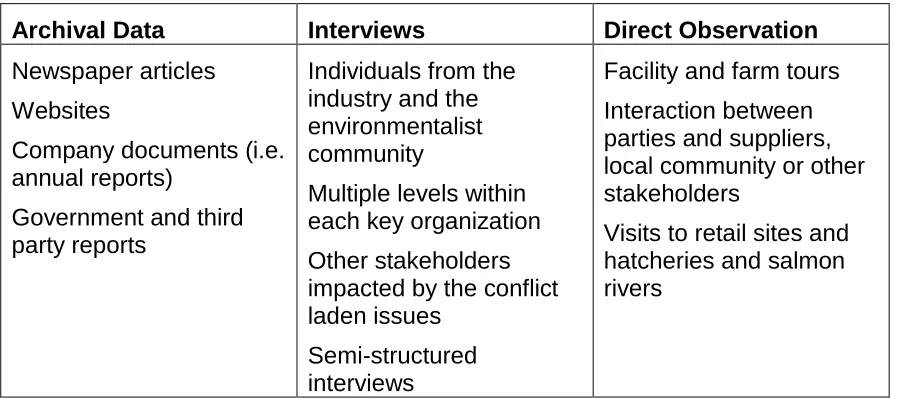
Table 4-1: Data Collection Sources ... 91
Table 4-2: Interviewees ... 98
Table 4-3: High Level Data Structure ... 100
Table 4-4: Study Validity and Reliability... 115
Table 5-1: Evidence of Identity and Learning Embedded in Praxis ... 130
Table 5-2: Evidence of Identity and Learning Embedded in Practice ... 139
Table 5-3: Evidence of Praxis Influencing Practice ... 143
Table 5-4: Evidence of Practice Influencing Praxis ... 146
Table 5-5: Evidence Showing Exploration and Exploitation Influences ... 153
Table 5-6: Impact of Mergers Activity on Practice and Praxis ... 164
Table 5-7: Evidence of Scientist Identity ... 169
Table 5-8: Impact of Repeated Engagement ... 184
Table 5-9: Evidence of Individual Learning ... 204
Table 5-10: Evidence of Inter-organizational Learning ... 213
Table 5-11: Sources of the Conflict ... 218
xii
Figure 2-1: Learning from Enemy: The Theoretical Context ... 13
Figure 2-2: The Relationship between Cognition and Behaviour ... 19
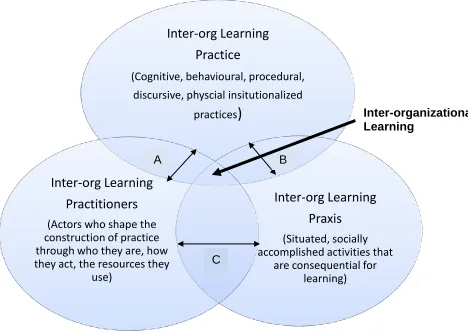
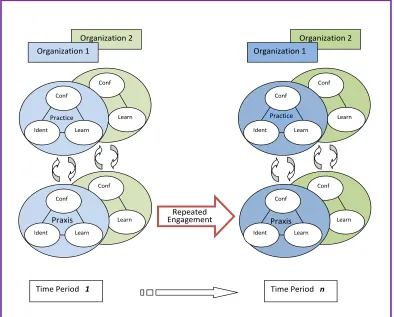
Figure 3-1: A Framework for Analyzing Inter-Organizational Learning as Practice ... 59
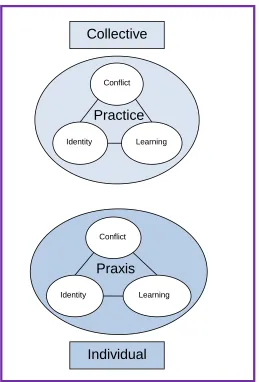
Figure 3-2: Embeddedness ... 63
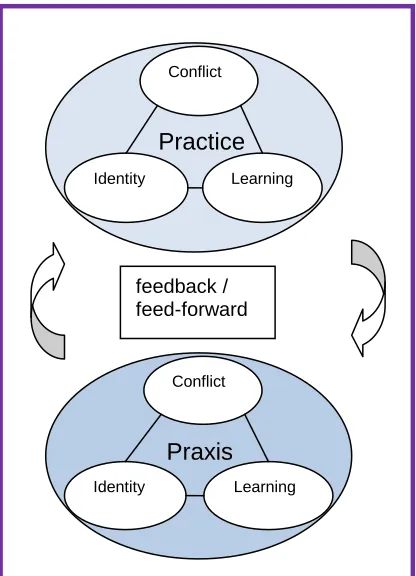
Figure 3-3: Multilevel ... 65
Figure 3-4: Practitioner-Praxis-Practice ... 66
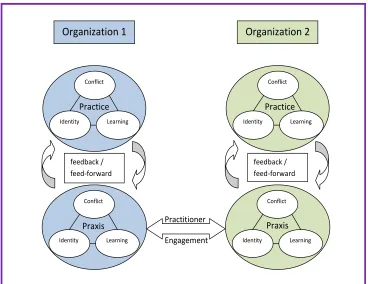
Figure 3-5: Repeated Engagement ... 73
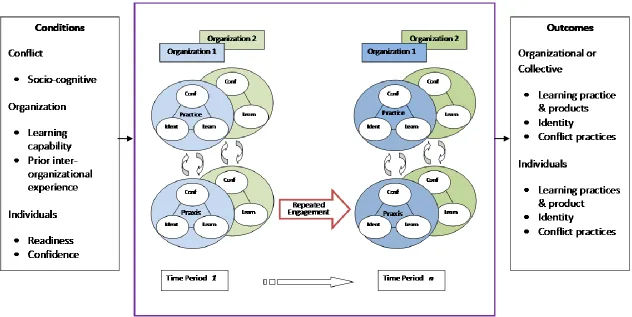
Figure 3-6: Model of Conflict, Identity, & Inter-Organizational Learning ... 77
Figure 5-1: Conflict Influences Identity & Learning through Praxis & Practice .. 125
Figure 5-2: Individual Engagement: Practitioners-Praxis-Practice ... 157
Figure 6-1: Sub-processes of Inter-organizational Learning in Conflict ... 245
CHAPTER 1: INTRODUCTION
1.1 Background and Motivation
The growing use of cross-sector partnering, multi-party initiatives and the
rise of activism by shareholders and stakeholders have increased the need for
firms to consider and integrate diverse perspectives (Hart & Sharma, 2004;
Rothman & Friedman, 2001). More than ever it is critical that firms “anticipate and
respond to impending threats, conduct experiments, engage in continuing
innovation” (Argyris & Schon, 1996, p. xvii). Nevertheless in practice few firms
readily embrace the learning opportunities inherent in the conflict that confronts
them, and managers appear skeptical about the power of conflict to invigorate
problem solving (Eisenhardt, Kahwajy, & Bourgeois, 1997; Tjosvold, 2008). The
role of conflict in learning has been given scant attention in research as well,
despite Argyris and Schon‟s (1978) early recognition that conflict provides an
opportunity to learn.
Research to date has revealed a seeming paradox in the relationship
between conflict and learning. This paradox could be characterized as the reality
of conflict versus the promise of conflict. The promise of conflict is that learning
can result when individuals explore the reasoning behind their conflicting
positions and the meaning these positions have for them (Argyris & Schon, 1978;
Bush & Folger, 1994; Rothman & Friedman, 2001). Conflict is also a key part of
learning occurs at the collective, group and/or organization level (Crossan, H.
Lane, & White, 1999; Senge, 1990).
Conflict's promise for organizational learning is based on the information
processing view of individual and group dynamics, as are earlier explanations of
organizational learning (e.g. Huber, 1991). In this perspective the generation and
implementation of varied or original ideas is the result of negotiations over scarce
resources or the reconciliation of differences in knowledge. However, research
has shown that no matter what its origin, conflict tends to quickly shift to identity
differences, particularly if it persists (Mooney, Holahan, & Amason, 2007). This is
the more pessimistic view and one that is supported by much evidence. That is,
the conflict created by a diversity of perspectives produces divisions and tensions
and negative performance outcomes in general. This view is the social identity
perspective and explains the inter-personal and inter-group defensiveness
triggered by difference (Mannix & Neale, 2005; Tajfel & Turner, 1979).
Conflict that is rooted in identity has been shown to be dysfunctional with
regard to learning (A. Brown & Starkey, 2000). Often individuals‟ ability to learn is
blocked by defensive reasoning (Argyris, 1991; A. Brown & Starkey, 2000).
Moreover individuals‟ multiple identities and the identities that they attribute to
their organizations can inhibit learning (Nag, K. G. Corley, & D. A. Gioia, 2007).
Research has shown that individuals will support activities that are consistent
with their organization‟s identity, they will stereotype themselves and others, and
they will work to maintain coherence between their activities and their identity, as
well as their organization‟s identity (Ashforth & Mael, 1989; Dutton & Dukerich,
learning they do not explain how individuals and organizations might overcome
the constraints imposed by identity, thus enabling them to address differences in
knowledge and understanding, even while the identity based conflict persists.
In this dissertation, I explore the conditions that enable organizations and
their managers to overcome the multi-level constraints imposed on learning by
their social, role, and organization identities. I focus on the impact of identity
because research and practice has shown that all conflicts are at least in part
rooted in the identities of the individuals, groups, or organizations involved (De
Dreu & Gelfand, 2008). While conflict may originate from resource scarcity,
knowledge differences, or identity differences, all are usually present in any
situation (De Dreu & Gelfand, 2008). Additionally, in situations of pervasive and
escalating conflict, issues of identity tend to predominate over other concerns
(Fiol, M. Pratt, & O‟Connor, 2009; Lederach, 1995; Mooney et al., 2007). I
contend that the impact of identity on beliefs and behaviours must be understood
before either identity-based conflict or knowledge-based conflict can be
effectively addressed. Therefore, I explore the conditions and practices that
support a shift in attention away from identity and ideological differences to the
potentially more productive knowledge-based and/or resource-based aspects of a
conflict.
The key concepts used in this dissertation are:
Inter-organizational learning - the consequence of an organization‟s direct
interaction with other organizations. It is both a process and an outcome and
Social identity – is an individual‟s self-categorization as a member of a group as
well as the value and emotional significance that the individual places on that
membership (Tajfel & Turner, 1979).
Role identity - refers to the meanings and behaviours that people attach to the
multiple roles they typically play, such as occupations and/or professions (Stryker
& P. Burke, 2000).
Organizational identity – comprises both institutionalized notions of identity which
constrain and shape individuals‟ interpretations and collective meanings that are
formed as individuals reach mutual understanding and shared interpretations (D.
Gioia, Shultz, & K. Corley, 2000; Ravasi & Schultz, 2006).
Conflict- entailsincompatible activities such that one party‟s actions interfere,
obstruct, or in some way get in the way of another‟s action (Deutsch, 1949;
1973). In this dissertation “enemies” are organizations with incompatible
activities.
1.2 Research Questions
Based on the motivation and background outlined, in this dissertation I
consider the following research questions:
Research Question 1: What is the role of identity in organizational learning between organizations in conflict?
I begin to answer this question by first establishing that inter-organizational
learning outcomes are possible in the context of conflict. Having established that
which this learning was accomplished and the conditions that were present; in
particular the individual and organization identities and their attendant
behaviours. I draw a link between identities, behaviour (practice), and learning
outcomes. Drawing on previous research, I look at actions taken by individuals
and groups with regard to a specific conflict to understand identity activation
against learning opportunities.
Research Question 2: How does an organization learn from another organization with which it is in conflict?
In order to explore the processes that support inter-organizational learning, I
consider different actions at the moments of engagement between the
organizations and how that action manifests back across the individual and
organizational levels over time. I examine behaviours at the nexus of
inter-organizational learning, conflict and identity. I then determine, from the data, the
processes through which the identities and inter-organizational learning are
connected.
In the next section I introduce the theoretical grounding for this study.
1.3 Theoretical Grounding
Inter-organizational learning in conflict is a case where individual to
individual learning can ultimately influence each individual‟s respective
organization. The basic building block of learning is stimulus - response, with the
conflict acting as the stimulus. Individuals from different organizations become
individual and respective organizational identities that are activated strongly
influence what the individuals attend to and also their interpretation of it. Their
individual interpretation of the conflict, the other individuals involved, and the
situation in turn influences their response (i.e. their feedback) to others both
outside and within their organizations. As noted above, there has been limited
theorizing on the connection between identity and organizational learning and it is
equivocal, suggesting that identity‟s impact on the process of organizational
learning can be negative (A. Brown & Starkey, 2000) or positive (K. Corley & D.
Gioia, 2003) depending on the context and conditions.
My focus on behavior derives from my intention to understand the range of
conditions associated with inter-organizational learning. Empirical studies are
dominated by the assumption that inter-organizational learning is positive and
that it manifests as changes in knowledge bases (i.e., patent counts) or as
mastering a specific competence or technology (e.g. Argote, Ingram, J. Levine, &
Moreland, 2000). In this research I consider how individuals and organizations
learn from and with each other and about the context within which they are
operating and how identity influences inter-organizational learning in that context.
To address Research Question 1, I develop premises which support a
model describing the relationships between the concepts of identity, learning, and
conflict. I propose that the extent to which individuals experiment with new
behaviours is a function of the interaction of their individual social and role
identities and their respective organizations‟ identities. Previous research has
shown that under certain conditions individuals will experiment with new
this research I suggest that depending on their “repertoire” of identities and the
stability of their organizational identity, individuals may be able to tap into the
behaviours associated with a common social or role identity. This common
identity provides a common language and set of behaviours with which to
approach the conflict.
Likewise, the likelihood that individuals will experiment with new behaviours
depends on the emphasis of their organization‟s identity and their level of
identification with it. For example, individuals that identify with an organization
that defines itself by deutero-learning processes, such as discovery (Schon,
1986), are more likely to experiment, regardless of their individual beliefs.
If these individuals persist in this changed behaviour they may be able to
suspend their belief systems and explore new interpretations. This shift in
interpretation facilitates dialogue within and between organizations and raises the
possibility of the integration of new information (Bohm, 1996; Crossan et al.,
1999). Depending on the congruence of this new information with their current
identities, as well as on their own and their organization‟s practices, they may
then be prompted to examine their existing beliefs, including their individual or
their organization‟s identity (Rothman & Friedman, 2001). I put forward that
inter-organizational learning occurs at the intersection of identity (who we are) and
practice (what we do).
Whereas Research Question 1 is developed through theoretical grounding
and framed by specific premises, Research Question 2 is opened for exploration
within the structure of this dissertation. Given the dearth of research examining
organizations I allowed the data to speak for itself. In the next section I describe
the research design that supported this approach.
1.4 Research Design
The research was conducted using a case study methodology to compile
and compare themes in a single industry, salmon farming in British Columbia,
Canada, which has been plagued by conflict since its inception. The case study
method is most appropriate for research that asks “how” and “why” research
questions and that is conducted by accessing people who can recall the
important events with relative accuracy (Yin, 2009). Also this method is well
suited to an in-depth analysis of complex phenomena via multiple sources of
data, as described below. Iterative tabulation of evidence for each construct
sharpens construct definition, validity, and measurability. Finally, comparison with
confirming and contradicting literature helps to build internal validity.
This methodology enabled me to capture both the relationships between
identity, conflict and learning (through semi-structured interviews) and the
dynamics of those relationships over time (through repeated interviews with the
same individuals or organizations, archival documents, newspaper articles, and
observations).
I analyzed data from semi-structured interviews with 47 people, 1077
newspaper articles, several hundred pages of archival documents, and numerous
hours of direct observation. I further triangulated data by including multiple
sources, such as company spokespeople, environmentalists, government
Nations, and other community members. The data collection process occurred in
two phases. The first phase involved updating an existing data base that I had
been instrumental in compiling. After an initial analysis of that data, I focused my
second phase of data gathering on the negotiation and implementation of a
specific learning initiative between the largest company in the industry and a
coalition of environment groups.
I analyzed the data using NVivo to identify relevant contextual factors, the
major constructs and learning outcomes. Following the trajectory of the learning
activities and outcomes, I categorized the relationship between the major
constructs and the processes underpinning the repeated interactions of the focal
organizations.
My prior experiences and beliefs undoubtedly shaped this research (Willig,
2001). Accordingly, I present a statement of reflexivity to allow readers to
“explore the ways in which a researcher‟s involvement with a particular study
influences, acts upon and informs such research” (Nightingale & Cromby, 1999,
p. 228). I am a life-long resident of Ontario in central Canada. I come to this
research and to the conflict surrounding the salmon farming industry in British
Columbia with no prior involvement or affiliations with either the industry or the
environmental movement. I began this research without an opinion on the extent
of salmon farming‟s impact and now, after 5 years of studying the situation, I
have no clearer alignment on that question than when I started. It is a complex
question that concerns me both as a Canadian, as a researcher, and as an
advisor to organizations. I am an accredited mediator, with more than 20 years
interactions within and between a variety of individuals, groups, and
organizations. Recently I helped to manage the post-merger integration of two
financial services companies, concurrent with completing a Master of Arts in
Organizational Conflict at Royal Roads University in British Columbia. This
experience ignited my interest in the conditions and processes that underlie
mutually positive individual and inter-organizational connections, and especially
around contentious issues. It also exposed me, for the first time, to the extent of
the conflict around salmon farming, and to the range of views and perspectives
present in the context. Finally, as a result of my experience and education, I find
it difficult to view conflict resolution and learning as independent processes. Thus
in collecting and analyzing the data contained in the study, I am undoubtedly
biased toward learning as a positive outcome. I would like readers to be aware of
my perspective when assessing my research and findings.
1.5 Thesis Contribution
The main contribution of this study is in highlighting the relationship between
conflict, identity and learning. This case showed the importance of identity in
shifting behaviour and the role of conflict and learning processes in shifting
aspects of identity. Examining these concepts together provides insight into the
conditions under which inter-organizational learning is more likely to occur.
This research demonstrates the role played by social, role, and
organizational identity in shaping individual actions in response to conflict and in
doing so demonstrates the importance of behaviour to learning in such situations.
identities are connected to behaviour it is hard to understand their impact on
learning. In the case of conflicted relationships the behaviours or activities
associated with common identities may hold the key to sustained behavioural
change which may generate cognitive change and learning.
My process model of inter-organizational learning as practice provides a
more socialized theoretical background for understanding the challenges of
inter-organizational learning. It highlights the importance of considering all of the
components of learning and suggests that it is the nexus of practitioners,
practice, and praxis that delivers inter-organizational learning.
Finally, this work contributes to the understanding of the implications of
different sources of conflict to inter-organizational interaction. This work revealed
that a shift in emphasis from identity based conflict to the socio-cognitive aspects
of a conflict, instigated mutual problem solving behaviour, even while the
underlying conflict of interest persisted. This research underscores the
importance of understanding that at some level all conflicts are identity based,
and the need to understand how organizations come to work together despite,
and in the presence of, their identity differences.
This dissertation also contributes to management practice by alerting
managers and organizational leaders to the possibilities inherent in conflict and in
interaction with diverse organizations. If organizations are more attuned to social
trends and sensitivities, managers may be alerted to risks and opportunities they
might not otherwise have spotted, and organizational capabilities will likely
increase. In addition, this work raises managerial awareness of the implications
other organizations. This is especially relevant to organizations involved in
partnering, joint ventures, or mergers. Finally, this research provides guidelines
on ways to consider and integrate disparate perspectives and to staff
inter-organizational learning initiatives.
1.6 Thesis Organization
This thesis is organized in seven chapters.
Chapter 1 provides an overview of the phenomenon of interest and the
research questions.
In Chapter 2, I review the relevant literatures on learning, identity, and
conflict, in order to provide theoretical background for my study.
In Chapter 3, I position my research in the practice based view and develop
premises in support of a model that explains the relationship between conflict,
individual and organizational identities, and inter-organizational learning.
Chapter 4 explains the methodology used in this study, including the
rationale for a case based design, the data collection methods and the analytical
procedures.
Chapter 5 presents the analysis and interpretation of my findings and their
relationship to the premises and model.
In Chapter 6, I present a discussion of my findings in the context of current
research.
Chapter 7 concludes this dissertation by providing academic and
practitioner implications of the findings, discussing the limitations of this study,
CHAPTER 2: LEARNING, IDENTITY, AND CONFLICT
Inter-organizational learning is strongly influenced by the context within
which it occurs yet learning is the process by which individuals and organizations
both adapt to and alter their context. Learning and adaptation occurs in spite of
the constraints provided by the respective organization‟s institutionalized learning
(i.e. practices, procedures, and routines) and the individuals involved. Conflict is
necessary to prompt learning yet conflict frequently inhibits learning by triggering
defensive responses at all levels. In this section I review the relevant literature
on inter-organizational learning, identity, and conflict. For each of these fields I
first provide an overview of the relevant literature, I then summarize how that
particular stream of research has addressed the other two phenomena and in the
final section I summarize and integrate prior theory (See Figure 2-1: Learning
from Enemy: The Theoretical Context).
Figure 2-1: Learning from Enemy: The Theoretical Context
Conflict
2.1 Inter-Organizational Learning
2.1.1 Organizational Learning as the Basis of Inter-Organizational Learning
Current understanding of inter-organizational learning builds on the rich
body of literature on organizational learning. Organizational learning is an
established field of study that has been reviewed at regular intervals over the
past several decades (Bapuji & Crossan, 2004; Crossan, H. Lane, White, &
Djurfeldt, 1995; Easterby-Smith, 1997; Easterby-Smith, Crossan, & Nicolini,
2000; Fiol & M. A. Lyles, 1985; Huber, 1991; Leavitt & March, 1988). Earlier
work, (e.g. Huber, 1991) took an information processing perspective of
organizational learning, depicting the conflict created by a diversity of views as
very important to learning. Later research considered the social processes
involved and raised questions, still relatively unexplored, about the impact of
conflict on learning (Easterby-Smith et al., 2000). While these reviews illustrated
the long standing ambivalence of organizational learning scholarship toward
conflict they also identified some common threads.
Organizational learning, broadly defined as organizational development and
change, is a multi-level phenomenon (Easterby-Smith et al., 2000) containing
four related processes – intuiting, interpreting, integrating and institutionalizing,
which occur at the individual, group and organizational levels (Crossan et al.,
1999). The processes of intuiting and interpreting are augmented by the
action-based processes of information seeking and experimenting at the individual and
group level (Zietsma, Winn, Branzei, & Vertinsky, 2002). Organizational learning
Duguid, 2002; Lave & Wenger, 1991) and it refers to both the process of learning
and the products of the learning process. Generally the learning literature
emphasizes learning as a mechanism through which organizations can enhance
performance (Argyris & Schon, 1978; Fiol & M. A. Lyles, 1985) despite
recognition that learning may be “equally about how to negotiate current
relationships” (Easterby-Smith et al., 2000, p. 13).
There is also general agreement that organizations learn through individuals
and that individual learning is a fundamental building block of organizational
learning (e.g. Cohen & Levinthal, 1990). However an organization‟s learning may
be more or less than the sum of individual learning (Argyris & Schon, 1978;
Crossan et al., 1999; Fiol & M. A. Lyles, 1985; Huber, 1991; Starbuck & Whalen,
2008). Individuals and the social processes, through which they interact, both
within and outside their own organization, either facilitate or constrain
organizational learning (Crossan et al., 1999). This is because the
institutionalized learning of their respective organizations, including the
established practice, procedures and routines, constrain how individuals and
groups interpret and integrate feedback.
2.1.2 Inter-Organizational Learning Defined
As with organizational learning, inter-organizational learning can be thought
of as both a process and the products of that process. Inter-organizational
learning is typically described as the process through which a group or
organization exchanges, receives, and is influenced by the competence and
the respective resources and capacities and the inter-organizational dynamics of
the organizations involved, as well as the nature of the knowledge being
exchanged or created (Easterby-Smith, M. Lyles, & Tsang, 2008). Reciprocal
learning is a form of inter-organizational learning and it refers to the blending of
knowledge and skills by organizations to jointly develop new knowledge,
capabilities and products, i.e. create new knowledge (Lubatkin, Florin, & P. Lane,
2001).
Drawing on Crossan et al. (1999) and Van Wijk and Lyles (2008) this
dissertation adopts a comprehensive definition of inter-organizational learning.
Inter-organizational learning is the consequence of a focal organization‟s direct
interaction with other organizations. It is both process and result and involves
cognitive and behavioural change at multiple levels of the organization. The
learning of the focal organization may be the result of transfer, sharing or
acquisition of knowledge from other organizations or from the co-creation of new
knowledge. This definition is appropriate for this study because it stresses both
the cognitive and behavioural aspects of learning, highlights interaction (i.e.,
practices) between organizations, emphasizes the multi-level nature of
organizational learning, and draws attention to the two manifestations of
inter-organizational learning (process and product).
Vicarious learning has been excluded from consideration as it refers to
learning from second hand experience or mimicking other organizations (Huber,
1991) and I will only consider it to highlight aspects of inter-organizational
learning that results from interaction. In addition, I do not draw on studies
Tsai, 2001) knowledge sharing (e.g. Tsai, 2002), knowledge flows (e.g. Schulz,
2001), or knowledge acquisition (e.g. M. Lyles & Salk, 1996) as those literatures
tend to focus on learning a competence or technology and less on the
behavioural aspects of inter-organizational learning.
2.1.3 The Relationship Between Cognition and Behaviour in Learning
Fiol and Lyles (1985, p. 806) stated that “it is essential to note the difference
between cognition and behaviour, for not only do they represent two different
phenomena, but also one is not necessarily an accurate reflection of the other”.
They distinguish between changes in cognition and changes in behaviour and
suggest that they may occur independently at the organizational level. In this
dissertation organizational learning is the collective cognitions and behaviours of
the individuals in the group or organization and it is represented by such things
as an organization‟s procedures, structure, practices, and strategy.
Cognitive theorists describe individuals as being able to perceive, analyze,
plan and choose. These descriptions align with perceptions of individuals as
autonomous conscious beings that make choices and influence their
environments, i.e., exercise agency. Cognitive theories can explain how people
(and organizations) suddenly act in novel ways. Cognitive theorists have focused
on processes that are not directly observable such as memory, information
storage, attention, interpretation and rehearsal (Mazur, 1990). In this view
interpretation is a key process which is strongly influenced by an individual‟s
multiple identities which activate various cognitive structures that facilitate
Behavioural theories of learning explain as much behaviour as possible
without allowing for conscious thought. In the behavioural view learning arises
from reactions to performance feedback. Because individuals‟ environments
generate such feedback, behavioural theories say that the environment strongly
influences what is learned. Behaviouralist theories describe three main types of
learning: classical, operant, and latent. Classical conditioning looks at the
relationship between various stimuli and changes to automatic or spontaneous
responses (e.g. Pavlov, 2010 /1927). Operant conditioning looks at the
relationship between various stimuli and changes in deliberate responses, given
various rewards and punishments (e.g. Reynolds, 1975). Latent learning
suggests that rather than simply learning automatic responses triggered by
environmental stimuli, individuals can learn facts about the world that they can
subsequently use in a flexible manner, demonstrating the link between agency
and response (e.g. Tolman & Honzik, 1930).
In cognitive theories the effectiveness of learning in pursuit of a goal hinges
on individuals‟ perceptions. As a result, cognitive theories offer little help in
explaining how individuals can alter their responses and improve their
performance when they encounter differing interpretations of the environment, as
is probably the case in a situation of conflict. Behavioural learning theories
attempt to explain how effective learning can occur in spite of individuals‟
perceptual errors and biases (i.e., in response to feedback) (Starbuck & Whalen,
2008). This suggests that an examination of the behavioural aspect of learning
may be key to understanding inter-organizational learning around conflict laden
Inkpen and Crossan (1995) draw on both the cognitive and behavioural
theories of learning to describe the various learning states experienced by an
individual and draw on Fiol and Lyles (1985) to extend this framework to the
organizational level (see Figure 2-2: The Relationship between Cognition and
Behaviour). When there is no cognitive or behavioural change there is no
learning; and conversely, when both change there is integrated learning. They
suggest that behavioural change without cognitive change and visa versa sets up
a transitional state because of the tension created when an individual‟s behaviour
or cognition is not supported by corresponding changes in their cognition and
behaviour, respectively. This tension results in “cognitive dissonance” and its
reduction is a “basic process in humans” (Festinger, 1957, p. 4). Individuals will
always work to align their behaviour and their beliefs (Festinger, 1957).
Figure 2-2: The Relationship between Cognition and Behaviour1
1
For example, if a behavioural change is forced it will likely resolve itself into
no learning as individuals will continue to interpret stimuli through their current
beliefs. However, if learning is experimental, individuals may suspend their belief
systems to try a new behaviour and as a result be open to new interpretations of
the outcomes. This behavioural change framework suggests that behavioural
change presents the possibility of integrated learning depending on the
conditions and the way outcomes are interpreted.
Despite these early distinctions between the cognitive and behavioural
aspects of organizational learning (Crossan et al., 1999; Fiol & M. A. Lyles, 1985;
Inkpen & Crossan, 1995), our understanding of the conditions necessary for
behavioural change to transition to organizational learning remains relatively
under developed (Starbuck & Whalen, 2008). By exploring practices that occur
when organizations engage with each other, this dissertation highlights the
importance of behaviour change in inter-organizational learning irrespective of
cognitive structures such as conflict, that otherwise constrain learning.
2.1.4 The Challenge of Inter-Organizational Learning
Inter-organizational learning offers the potential for much higher and more
relevant learning than organizational learning. However research has shown this
type of learning is challenging (Bapuji & Crossan, 2004). Conveying knowledge
between organizations is more complex because of the multifaceted nature of the
boundaries, culture, identities, and processes involved. Additionally, a given firm
does not have equal capacity to learn from all other firms. Lane and Lubatkin
knowledge bases, organizational structures and dominant logics. Conversely, the
firm may simply not have the knowledge base to identify the learning opportunity,
to usefully absorb and apply the others‟ knowledge, or even recognize its value in
their own context (Cohen & Levinthal, 1990). In addition, a firm‟s learning from a
partner depends on its prior experience with that partner as well as its experience
with other partners (Zollo, Reuer, & Singh, 2002). In contrast, Inkpen & Crossan
(1995) observed that even when firms have all of this as well as explicit learning
objectives they may be unable to create the appropriate mechanisms and
systems to transfer knowledge from the joint venture to the parent. They found
that while individual managers involved in the joint venture were often positive
about their learning experiences, integration of the learning experience at the
parent firm level was problematic, thus limiting the institutionalized learning. They
concluded that the institutionalized learning associated with an unwillingness to
cast off past practices can limit the effectiveness of inter-organization learning
(Inkpen & Crossan, 1995). This raises the question of how, from a cognitive
viewpoint, firms overcome institutionalized learning to change practices; or from
the behavoural viewpoint, change practices to alter institutionalized learning.
Most of the empirical research on inter-organizational learning has focused
on strategic alliances and joint ventures where partner selection is based on
learning prospects and their commercial impact (Bapuji & Crossan, 2004) or on
research collaborations where collective action is required to solve a joint
problem or repel a common threat (i.e. Corey, 1997). This work has tended to
frame cooperation and competition as opposite ends of a continuum and conflict,
scarcity of resources. Learning is generally found to be contingent on some level
of conflict resolution, which may be characterized as developing trust (Dhanaraj,
M. Lyles, Steensma, & Tihanyi, 2004; e.g. Inkpen & Currall, 2004) or learning to
manage the relationship (e.g. B. Anand & Khanna, 2000). In a unique departure
from these prior findings, Steensma, Barden, Dhanaraj, Lyles & Tihanyi, (2008)
reveal that learning can occur even while conflict persists. While not the main
emphasis in their study, the presence of both high levels of conflict and high
levels of learning is an exceptional finding. This dissertation directly addresses
questions about the processes by which that might occur.
In addition, there is a broad assumption in the extant research that
increased knowledge sharing and inter-organizational learning contribute to an
organization‟s performance or innovativeness. Thus if firms understand the
knowledge transfer process and the variables that affect it, the firm‟s capabilities
can be enhanced (Easterby-Smith et al., 2008). More recent conceptualizations
of learning do not assume improved organizational performance. My research will
explore the full range of behavioural and cognitive learning outcomes, whether
they contribute to improved performance or not, as well as the processes by
which inter-organizational learning occurs.
2.1.5 Individual and Organizational Learning and Identity
Identity influences individual and organizational learning via the powerful
hold it can have on both individual and organizational cognition and behaviour.
Theories of individual cognition tell us that people interpret the world through a
strongly influenced by their past experience, social and role identities, and
organizational context (K. Weick, Sutcliffe, & Obstfeld, 2005). Organizational
identity usually endures for some time and it provides a context in the form of
systems, structures and procedures and for feedback on events and experiences
(Crossan et al., 1999; Fiol & M. A. Lyles, 1985; Nag et al., 2007). This context
may facilitate or impair the organization‟s ability to respond to its environment.
The language and the dominant logic that forms the institutionalized learning, and
consequently the identity of an organization, may present a significant obstacle to
the introduction of new ideas (Crossan et al., 1999; Lawrence, Mauws, Dyck, &
Kleysen, 2005). Dutton and Dukerich‟s (1991) study of the New York Port
Authority provides a vivid illustration of the power of identity in the form of
institutionalized learning to impact interpretations positively and negatively. Until
aspects of the institutionalized logic that underpin an organization‟s identity can
be set aside, even temporarily, new insights or intuitions are unlikely (Crossan et
al., 1999).
Theories of identity provide a rationale both for the way that individuals
make sense of and respond to the stimuli they encounter. The learning literature
has long recognized the importance of the context within which individuals
function and from which they extract data to the interpretive process (Cook &
Yanow, 1996; Crossan et al., 1999). Yet direct links to identity are relatively
recent and tend to support the conclusion that identity influences group learning
primarily by protecting the existing identity, thereby inhibiting or distorting learning
& D. Gioia, 2003; Hong & O, 2009; Kane, Argote, & J. M. Levine, 2005; Nag et
al., 2007; Rodrigues & Child, 2003; Schwenk, 2002).
One of the most prominent links between individual and group learning and
identity has been through the notions of situated learning and communities of
practice (J. Brown & Duguid, 1991; Lave & Wenger, 1991). They describe how
individuals learn to function in a community, acquiring the community‟s point of
view and language. Shared understanding is reached through continuing
conversation and shared practice. Thus, individual learning relies on the social
interactions between different levels of community members and learning and
socialization into the group are intertwined. Learning is understood in terms of
communities being formed or joined and individual identities being altered. This
stream of literature draws attention to behaviours (practice) involved in altering
individual identity and creating collective meaning. In contrast, recent research
has acknowledged the inter-group dynamics between communities, and has
begun to explore the ways that situated learning can negatively impact
organizational learning and performance (Hong & O, 2009; e.g. Macpherson &
Clark, 2009). In this research I consider the inter-group dynamics between
organizations in order to reconcile the equivocal findings around identity, and
moreover identify the practices and conditions that might inhibit or promote
inter-organizational learning.
2.1.6 Individual and Organizational Learning and Conflict
Research to date has revealed a seeming paradox in the relationship
versus the reality of conflict. On one hand, Argyris and Schoen (1978) maintain
that conflict is necessary for learning; that it provides an opportunity to learn.
They and others have suggested that transformative or double loop learning is a
response to conflict in which individuals explore the reasoning behind their
positions and the meaning these positions have for them (Argyris & Schon, 1978;
Bush & Folger, 1994; Rothman & Friedman, 2001).
Conflict has been identified as a key part of group and organizational
learning as well. Conflict contributes to higher level learning and in doing so is
particularly relevant to strategic management because it is this level of learning
that impacts long term survival (Fiol & M. A. Lyles, 1985). It has been shown to
be instrumental in creating shared understandings, a key process through which
group and ultimately organizational learning occurs (Crossan et al., 1999; Senge,
1990). Although Crossan and her colleagues (1999) acknowledge that mutual
adjustment and negotiated actions are required for coherent collective action to
emerge they do not address the potentially dysfunctional aspects of conflict
inherent in the process, with the attendant risk of failure. Quite the contrary, they
employ the bucolic image of a flock of birds to illustrate the process of groups
arriving at shared meaning. In this study, I examine the actual practices of
individuals and groups to describe the processes by which mutual adjustment
occurs.
Researchers also have argued that conflict works against learning. Often
individuals‟ ability to learn is blocked by dysfunctional learning processes such as
defensive reasoning (Argyris, 1991; A. Brown & Starkey, 2000; Lawrence et al.,
individuals‟ social or role identities as well as to the identities that they attribute to
their organizations (Nag et al., 2007). Individuals tend to support activities that
are consistent with their organization‟s identity, they will stereotype themselves
and others, and they will work to maintain coherence between their activities and
the organization‟s identity (Antonacopoulou, 2006; Ashforth & Mael, 1989; K.
Corley & D. Gioia, 2003; Dutton & Dukerich, 1991). While these theories describe
how conflict inhibits learning they do not explain how sometimes individuals and
firms overcome those constraints and learn from each other, even while conflict
persists. So while the “promise” of conflict in organizational learning has been
acknowledged by some (although by no means all) organizational learning
scholars the more pessimistic view of conflict has received limited attention. This
dissertation addresses Easterby-Smith et al.‟s (2000) assertion that “the time is
ripe to start addressing learning … in light of the inherent conflicts between
…goals, interests … agendas” (p. 13) and explores the conditions that enable
organizations to overcome these multi-level constraints and learn from each
other.
2.2 Identity
“Identity is a self-referential description that provides answers to the
question “who am I?” or “who are we?” (Ashforth, Harrison, & K. Corley, 2008, p.
327). In the previous section I described how identity has been characterized in
the organizational learning literature. In this section I draw on the extant identity
individual level, and at the collective or organizational level, organizational
identity.
2.2.1 Identity Defined at the Individual Level
Social identity is understood to be an individual‟s self-categorization as a
member of a group as well as the value and emotional significance that the
individual places on that membership (Tajfel, 1978; Tajfel & Turner, 1979). While
people may think of themselves as independent individuals and define
themselves based on personal characteristics or preferences (i.e. their personal
identity) there are many situations where people primarily define themselves and
others in terms of their group memberships (Tajfel, 1978). Personal identities are
unique to individuals and differentiate between individuals (often within their
in-group) whereas social identities are shared by members and differentiate groups
from one another. Social identity explains and links individuals‟ identity,
inter-group relations, and inter-group processes in social settings (Stets & P. J. Burke,
2000). Social identity is an important conceptualization of identity for
understanding inter-group conflict (Ashforth et al., 2008; De Dreu & Gelfand,
2008) therefore social identity along with role identity, and not personal identity,
will be considered in this research.
Social identities reside in collectives such as groups, teams or
organizations, and social identity theories provide insight into group processes
and inter-group dynamics. Identity theory, which comprises structural identity
theory and identity control theory, defines identity as those “parts of a self
play” (Stryker & P. Burke, 2000, p. 284). In this view role identities reside in
socially defined roles such as jobs, functions, responsibilities, professions etc.
(Ashforth et al., 2008). Role identity theory seeks to explain the role related
behaviour of individuals (Stryker & P. Burke, 2000).
Some identities have more importance and prominence than others and are
organized into a hierarchy via an individual‟s self (Ashforth et al., 2008; Mead,
1934; Stryker, 1968). Mead (1934), whose work serves as the foundation for
several recent studies (e.g. Hatch & Schultz, 2002), defined the self as the
“whole” person, encompassing an individual‟s multiple identities and as an
integrative structure ordering and binding their various identities together. Stryker
(1968) proposed that the self orders these discrete identities into a hierarchy of
salience. The more important a particular identity is to an individual, the more
likely the person will attempt to affirm that identity through his or her actions (P.
Burke, 1980; P. Burke & Reitzes, 1991). Therefore, an individual‟s behaviour is
usually the manifestation of the identities positioned higher in their salience
hierarchy. The self integrates existing identities and provides a link between
social structures such as roles, expectations, and positions, and individual
actions. It is this link between social structures, identities and action that
motivates and is explored more fully in this dissertation.
2.2.2 Identity Defined at the Organizational Level
Whereas individual level theories of identity tie an individual‟s self- concept
to a social group or to a role, organizational identity considers how individuals
Whetten, 1985; Ashforth & Mael, 1989; K. G. Corley, Harquail, M. G. Pratt, Glynn,
& Hatch, 2006; Dutton, Dukerich, & Harquail, 1994). Building on psychological
theories of identity, Albert and Whetten (1985) observed how organizational
identities emerge from comparisons with other entities, and how the perceived
similarity or difference supports members‟ self-categorizations of their
organization. They defined organizational identity as those aspects of the
organization that members self-referentially claimed as providing its “central
character, distinctiveness and temporal continuity” (Albert & Whetten, 1985, p.
265). Recently Whetten (2006, p. 220) has specified the concept as “the central
and enduring attributes of an organization that distinguish it from other
organizations.” These represent a set of stable and enduring self descriptions
that change with great difficulty (Ashforth & Mael, 1996; Whetten, 2006; Whetten
& Mackey, 2002).
Organizational identity also involves meaning at the collective level, which
may be tacit or explicit, taken for granted, or conscious and deliberate (K. Corley
& D. Gioia, 2003). Some identity beliefs are central while others are peripheral
and many authors have argued that organizations can have multiple identities
(Fiol, 1991; Golden-Biddle & Rao, 1997; M. G. Pratt & Kraatz, 2009; M. Pratt &
Foreman, 2000).
There have been two main approaches to the construct of organizational
identity: a social constructionist and an institutional perspective (Elstak, 2008;
Ravasi & Schultz, 2006). Social constructionists argue that organizational
members collectively build a shared understanding of their organization through
set of stable and enduring self descriptions of an organization that exists
irrespective of the individual members and that changes only with great difficulty
(Ashforth & Mael, 1996; Ravasi & Schultz, 2006; Whetten, 2006; Whetten &
Mackey, 2002). The differences between these perspectives are significant when
considering the impact of organizational identity on learning. The social
constructionists by definition acknowledge the possibility, even the inevitability of
learning, while the institutionalists reject the notion that changes to identity can be
accomplished without great effort. I will describe each perspective in turn.
Some scholars (e.g. Whetten, 2006) view organizational identity as an
attribute of the organization that can only be determined by the organization‟s
commitments, obligations and actions. In this view organizational identity exists in
a set of explicit statements of what the organization is and what it represents,
termed institutional claims. These institutional claims provide consistent and
legitimate narratives that influence members‟ perceptions of the organization‟s
central, enduring and distinctive features and allows them to construct a
consistent collective sense of self (Whetten & Mackey, 2002). From the social
actor or institutional perspective, organizational identity is defined as a set of
emotionally laden, stable and enduring self descriptions that change only rarely
and with great difficulty (Ashforth & Mael, 1996; Whetten, 2006; Whetten &
Mackey, 2002).
Conversely other scholars take a more social constructivist view examining
how members‟ beliefs about what is central and distinctive about their
organization may evolve in the face of internal and external stimuli (K. G. Corley
1994; D. Gioia & J. Thomas, 1996). In this view attention is focused on the
“collective understandings of the features presumed to be central and relatively
permanent and that distinguish the organization” (D. Gioia et al., 2000, p. 64).
Organizational identity is the product of the tension between collective, shared
cognition on one hand and socially constructed individual cognitions on the other
(D. Gioia, 1998; Haslam & Ellemers, 2005). This view de-emphasizes endurance
and considers how strategic responses to environmental changes may be driven
by organizational leaders promoting a new narrative (K. Corley & D. Gioia, 2004).
In this dissertation I consider organizational identity as both providing the
institutional constraints that shape members‟ interpretations and as being shaped
by members reaching mutual understanding and shared interpretations (D. Gioia
et al., 2000; Ravasi & Schultz, 2006). I contend that the institutionalized notions
of organizational identity are also collective, in the same fashion that laws and
governments represent collective meaning. These identities do change, albeit at
a much slower pace and via different processes than organizational level
collective meanings (Elstak, 2008; Rao, Monin, & Durand, 2003; Ravasi &
Schultz, 2006). Consequently, in this study I define organizational identity as
comprising both institutional claims and collective understandings.
There are a number of concepts that, while closely related to organizational
identity, are separate and distinct constructs. Most significantly, as noted above,
organizational identity is self-referential. Corporate identity and organizational
image, in contrast, involve the projection of identity related notions to external
is often defined as how external audiences view the organization (Fombrun,
1996; Fombrun & Shanley, 1990).
Organizational identity is closely tied to organizational culture because
identity provides a set of skills and a way of using and evaluating those skills that
produce characteristic ways of doing things (Cook & Yanow, 1996; Nelson &
Winter, 1982). Hatch and Schultz (2002) suggest that identity is the
interrelationship between culture and image, where identity expresses cultural
understandings at the same time as it mirrors images which outsiders attribute to
the organization (K. G. Corley et al., 2006). Similarly organizational identity is
different from organizational values, although it can encompass values that are
important to the organization when those values are part of what is believed to be
central, distinctive and continuous about the organization.
2.2.3 Identity and Learning
Identities are cognitive maps that facilitate making sense of a situation and
structuring the unknown (Ring & van de Ven, 1994; Schwenk, 2002; Stryker & P.
Burke, 2000; K. E. Weick, 1979). Integrating, according to most prior literature,
requires that individuals and groups first overcome the barriers to learning
inherent in different identities and find an acceptable overarching goal that
integrates efforts and provides direction to the learning process (A. Brown &
Starkey, 2000; Hong & O, 2009; Nag et al., 2007; Rodrigues & Child, 2003; M.
Sherif & C. Sherif, 1956). By looking at inter-organizational learning between
“enemies” this dissertation considers whether integration is possible in the
As discussed above, identity provides the context, be it the industry,
profession, or the community, within which learning takes place and is in turn
altered by the process of learning. Organizational resources, especially
knowledge, skills, and expertise, are likely to be influenced by the basic
assumptions that organization members use to define “who we are” as an
organization (Kogut & Zander, 1996). For instance, Dutton and Dukerich (1991)
found that members‟ sense of the organization‟s identity was associated with a
set of routines or standard procedures. When activated by conflict over a specific
issue, these routines were identified as “typical” of the organization. Corley and
Gioia (2004) found that changes in organizational identity corresponded with
behavioural changes among the organization‟s members, especially those in
leadership positions.
This connection between identity and behavioural expectations, as well as
behaviour change, has been described using the concept of scripts (Abelson,
1981; Barley & Tolbert, 1997; D. Gioia & P. Poole, 1984). Scripts are a subset of
knowledge structures or schemas and are primarily concerned with
understanding behaviour in routine situations at the individual (Abelson, 1981)
and organizational level (D. Gioia & P. Poole, 1984). Whereas a schema is a
generalized cognitive framework that serves as a guide to interpret information,
actions, and expectations (e.g. Daft & K. Weick, 1984) a script is a schema that
describes behaviours appropriate for a particular context or situation (D. Gioia &
P. Poole, 1984). Scripts represent shared, agreed cultural and social knowledge.
Barley and Tolbert describe scripts as the behavioural regularities which are